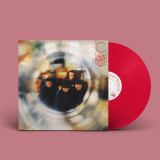
"Due to the huge success of the Original Source Series and due to frequent wishes by both fans and critics alike, DG have decided to launch a reprint of all four titles of Batch 1 – marked as “SECOND EDITION”. Same Quality, just without numbering. THE ORIGINAL SOURCE is a new series of celebrated albums reissued on vinyl. These new releases include Claudio Abbado’s fascinating interpretation of works by Debussy and Ravel with the Boston Symphony Orchestra (1 LP), the legendary recording of Brahms’s Piano Concertos Nos. 1 & 2 with Emil Gilels, the Berliner Philharmoniker and Eugen Jochum (2 LPs), and Verdi’s Messa da Requiem in the iconic version of Herbert von Karajan and Berliner Philharmoniker (2 LPs). The renowned Berlin-based Emil Berliner Studios are remastering 4-track recordings from the 1970s, using their own cutting-edge and 100% pure analogue techniques (AAA) to create versions of the highest possible audio quality. Compared to the original releases, the advantages in sound are outstanding: More clarity, more details and a better frequency response, less noise, less distortion, less compression – the highest possible audiophile quality which gives listeners the chance to enjoy this repertoire like never before.
Produced on 180g virgin vinyl by Optimal, these limited and numbered releases will be issued in deluxe gatefold editions featuring the original artwork and liner notes, with additional photos and facsimiles of the recording documentation on the inner sleeve. Furthermore, each release includes a note by Rainer Maillard/EBS detailing the technical background and procedure of the Original Source Series, and an additional insert with a photo of the original tape box. Each LP comes in a protective cellophane jacket with a sticker highlighting the
Cerca:protect u
"Due to the huge success of the Original Source Series and due to frequent wishes by both fans and critics alike, DG have decided to launch a reprint of all four titles of Batch 1 – marked as “SECOND EDITION”. Same Quality, just without numbering. THE ORIGINAL SOURCE is a new series of celebrated albums reissued on vinyl. These new releases include Claudio Abbado’s fascinating interpretation of works by Debussy and Ravel with the Boston Symphony Orchestra (1 LP), the legendary recording of Brahms’s Piano Concertos Nos. 1 & 2 with Emil Gilels, the Berliner Philharmoniker and Eugen Jochum (2 LPs), and Verdi’s Messa da Requiem in the iconic version of Herbert von Karajan and Berliner Philharmoniker (2 LPs). The renowned Berlin-based Emil Berliner Studios are remastering 4-track recordings from the 1970s, using their own cutting-edge and 100% pure analogue techniques (AAA) to create versions of the highest possible audio quality. Compared to the original releases, the advantages in sound are outstanding: More clarity, more details and a better frequency response, less noise, less distortion, less compression – the highest possible audiophile quality which gives listeners the chance to enjoy this repertoire like never before.
Produced on 180g virgin vinyl by Optimal, these limited and numbered releases will be issued in deluxe gatefold editions featuring the original artwork and liner notes, with additional photos and facsimiles of the recording documentation on the inner sleeve. Furthermore, each release includes a note by Rainer Maillard/EBS detailing the technical background and procedure of the Original Source Series, and an additional insert with a photo of the original tape box. Each LP comes in a protective cellophane jacket with a sticker highlighting the
"
"Due to the huge success of the Original Source Series and due to frequent wishes by both fans and critics alike, DG have decided to launch a reprint of all four titles of Batch 1 – marked as “SECOND EDITION”. Same Quality, just without numbering. THE ORIGINAL SOURCE is a new series of celebrated albums reissued on vinyl. These new releases include Claudio Abbado’s fascinating interpretation of works by Debussy and Ravel with the Boston Symphony Orchestra (1 LP), the legendary recording of Brahms’s Piano Concertos Nos. 1 & 2 with Emil Gilels, the Berliner Philharmoniker and Eugen Jochum (2 LPs), and Verdi’s Messa da Requiem in the iconic version of Herbert von Karajan and Berliner Philharmoniker (2 LPs). The renowned Berlin-based Emil Berliner Studios are remastering 4-track recordings from the 1970s, using their own cutting-edge and 100% pure analogue techniques (AAA) to create versions of the highest possible audio quality. Compared to the original releases, the advantages in sound are outstanding: More clarity, more details and a better frequency response, less noise, less distortion, less compression – the highest possible audiophile quality which gives listeners the chance to enjoy this repertoire like never before.
Produced on 180g virgin vinyl by Optimal, these limited and numbered releases will be issued in deluxe gatefold editions featuring the original artwork and liner notes, with additional photos and facsimiles of the recording documentation on the inner sleeve. Furthermore, each release includes a note by Rainer Maillard/EBS detailing the technical background and procedure of the Original Source Series, and an additional insert with a photo of the original tape box. Each LP comes in a protective cellophane jacket with a sticker highlighting the
"
- Reaktor (1983)
- Unser Abv (1983)
- Stehen Bleiben Ist Verrat (1983)
- Warum (1983)
- Can't You See (1983)
- Die Angst Der Allgemeinheit (1983)
- Rosa Beton (1983)
- Wir Glauben (1983)
- Maschinengewehr (1983)
- Scheiss Stadt Berlin (1983)
- 16: Jahre Im Exil (1983)
- Müde (1983)
- Reaktor (2022)
- Unser Abv (2022)
- Stehen Bleiben Ist Verrat (2022)
- Warum (2022)
- Die Angst Der Allgemeinheit (2022)
- Rosa Beton (2022)
- Wir Glauben (2022)
- Maschinengewehr (2022)
- Scheissstadt Berlin (2022)
- 16: Jahre Exil (2022)
- Müde (2022)
A tape with the rather factual title “Rosa Beton – Demo 83” gained currency in 1983, albeit among an inner circle, or as it says in a lexical note on the band: Rosa Beton “achieved beyond-regional fame in and around Berlin”. Unlike some other bands that were merely rumoured to exist, this name was widely recognized in the East Berlin punk scene and the demo tape was received with some delight. It had been made in the suburb of Hönow, or more precisely in music enthusiast Thomas Wagner’s childhood bedroom. The band was less a classic combo than a short-lived pro- ject run, for a brief underground season, by 16-yearold Wagner and Ronald Mausolf, who was known as “Mausi” and had just come of age. An old clunker of a four-track machine served as an impor- tant nutritional supplement for the duo, allowing bass and vocals to be overdubbed separately. For a project without a professional background, especially for an illegal punk band in the East, this conventional procedure was clearly exceptional. Punk bands would usually record vocals and instruments simultaneously and on a cassette recorder. Recording gear was not readily available in the GDR, and it was disproportionately or prohibitively expensive. The adversities that had to be overcome in starting up a punk band were certainly challenging for teenagers. Rooms for rehearsals were few and far between despite wide- spread vacancies, and public space was taboo thanks to the state. Concerts, whether in flats and studios or under the protection of the Protestant church, remained rare events and, moreover, risky; starting with the party-loyal neighbour alerting the People’s Police as if there were a war on, to the ever-present “digging activity” of the Stasi. The only planned appearance by Rosa Beton never materi- alised. Whether it was the goddesses of fate who averted a show or the Stasi who prevented it can no longer be reconstructed. In any case, Rosa Beton never played live and thus joined a long list of GDR punk bands that, in the early 1980s, did not make it out of illegality into a public sphere, not even into a conspiratorial one. ausi compensated for the band’s lack of live performances by at least distributing a few copies of the demo tape. Among others, at the Kult, the Kulturpark Plänterwald, which provided an initiation field for the Berlin punk scene and a hotspot with a pull beyond it. The punks adapted the Kulturpark to their understanding of an amusement park.
They would thrash about to Schlager music and pogo to third-rate Ostrock bands, make fun of overwhelmed provincials, hang out and exchange half-baked ideas as superior knowledge. In between, the punks liked to ride the chain carousel, there was a certain liking for chains. The Kulturpark management made quite a fuss about the riot the punks put on. Initially they were banned from the chain carousel, then, when the punks switched to bumper cars, they were banned from the bumper cars, then from the roller coaster, and finally from the ghost
Sign Libra's third album Hidden Beauty is an intimate voyage through feminine nature, guided by the arts of subtext, musical collage, and mysterious allusions. Elegantly arranged, enigmatic, and mischievous, Hidden Beauty seeks to "release the invisible and bring fragility to the surface." From the rainforests of Closer to the Equator (Sounds of the Dawn, 2016 / Antinote, 2018) to the surreal lunar landscape of Sea to Sea (RVNG Intl., 2020), Agata Melnikova, the Latvian musician behind the Sign Libra symbol, has developed a signature blend of evocative composition with lyricless, ethereal vocalizing. Hidden Beauty attends to a closer space than her first two albums, a playfully layered pastiche of refined references, drawing musical inspiration from the assortment of Erik Satie, the early work of Mylène Farmer and Laurent Boutonnat, and 90s R&B. The first inklings of Hidden Beauty arrived in 2019, with the basic contours of the album sculpted in 2020 and early 2021. Like Sea to Sea, Hidden Beauty was invented as a solitary creative effort, but this time under uniquely hermetic impositions. Tethered to the world only by screen, the artist sought inspiration from an unlikely array of activities: new, unorthodox approaches at composing, learning French, a virtual pedagogical practice, and plenty of jubilant dancing in her flat, sunglasses on, to 90s dance music. Hidden Beauty moves inward from the distant spaciousness of Sea to Sea in favor of a "chamber-like" sound, reflecting the intimate environs of its creation. Balancing the New Age balletic resonance of Closer to the Equator and the cosmic-dancerly tracks of Sea to Sea, Hidden Beauty combines deft, postmodern arrangements with popular, contemporary suggestions. The reverb drenching her previous recordings is sponged up in the songs of Hidden Beauty, giving the exercises contained within a feeling of presence, and closeness. And always Agata's crystalline vocal furnishings, less a lead vocal than a first instrument, the ever-returning counterpoint in a beatific swirl. The other hidden elements of this work are plenty, and perhaps best left concealed for the listener's enjoyment. Or perhaps they are hidden in plain sight and sound, depending on what the puzzle pieces reveal to your imagination. Sign Libra's Hidden Beauty will be released in vinyl, Japanese import CD, and digital editions on November 3, 2023. A portion of the proceeds from this release will benefit Coral Guardian, a non-governmental organization working internationally and with local communities to protect coral ecosystems.
- A1: Old Friends
- A2: Misty Moutains
- A3: Over Hill
- A4: A Thunder Battle
- A5: Dreaming Of Bag End
- A6: Song Of The Lonely Moutain
- B1: Concerning Hobbits
- B2: Feast Of Starlight
- B3: Protector Of The Common Folk
- B4: Kingsfoil
- B5: I See Fire
- B6: Sons Of Durin
- C1: The Quest For Erebor
- C2: The Bridge Of Khazad Dum
- C3: The Fellowship
- C4: May It Be
- D1: The Riders Of Rohan
- D2: Evenstar
- D3: Minas Tirith
- D4: Twilight And Shadow
- D5: Into The West
Repress!
Immerse yourself into the universe of orcs, hobbits and elves through the soundtracks of The Hobbit & The Lord of the Rings with this limited edition 2LP.
- A1: Main Title (From "Game Of Thrones")
- A2: The Heirs Of The Dragon
- A3: Reign Of The Targaryens
- A4: Rhaenyra's Welcome
- A5: A Pack Of Hounds
- A6: The Tournament
- A7: An Impossible Choice
- A8: The Rogue Prince
- A9: The Prince That Was Promised
- B1: Compromise And Consequences
- B2: The Power Of Prophecy
- B3: Trouble In The Stepstones
- B4: Surrender
- B5: King Of The Narrow Sea
- B6: Whatever May Come
- C1: Lanters At Nightfall
- C2: House Velaryon
- C3: The Green Dress
- C4: First Dance
- C5: Celebration Dance
- C6: Targaryen Dance
- C7: We Light The Way
- C8: Destiny
- D1: Pass Judgement
- D4: Aemond Rides Vhagar
- D5: The Hard Truth
- D6: Sealed In Fire And Blood
- E1: Protector Of The Realm
- E2: The Silent Sisters
- E3: The Language Of Girls
- E4: A Warning
- E5: Lament
- E6: Fate Of The Kingdom
- E7: Interests Of The Realm
- F1: Coronation
- F2: Dragons Will Rule The Kingdom
- F3: The Crown Of Jaehaerys
- F4: Dragons Do Not Fear Blood
- F5: Death And Rebirth
- F6: True Meaning Of Loyalty
- F7: Bloodlines Will Burn
- F8: The Promise
- D2: Funeral By The Sea
- D3: Daemon And Rhaenyra
WaterTower Music today announced the release of the eagerly-awaited House of the Dragon: Season 1 (Soundtrack from the HBO® Series), featuring 44 tracks from the first season of House of the Dragon, the Game of Thrones prequel which aired on HBO and HBO Max in August, and whose final season aired last night. All the music for the soundtrack was created by Emmy Award-winning and Grammy®-nominated composer Ramin Djawadi, responsible for the immensely popular scores for HBO's Game of Thrones and Westworld.
Four of Djawadi's tracks were released during the season to great acclaim from fans of the series. Today, fans can enjoy House of the Dragon: Season 1 (Soundtrack from the HBO® Series) in its entirety on 3LP gatefold vinyl, which is now available for pre-order.
There can be no doubt about it, when it comes to making speakers move, Leo Cap is something of a scientist; lurking around the Deep, Dark & Dangerous realms. Following a number of EPs and track features on DDD, ‘Underground Business’ is his debut full-length album. 11 slices of audio genius, the kind of tracks that make you question your very sanity when they drop.
Leo Cap’s style is well represented across this release, and as an album is the perfect showcase of his sound. One which is known for pushing the physical boundaries to which you can exert sound systems and speakers. Literally pushing insane amounts of air when these basslines drop.
The album tells the story of Leo Cap the artist, creating beautiful things only to destroy and break them. Not only is the music a parallel for his life, it is also a form of armour, pieces collected from here and there. A protection from a paranoid existence in the dark and murky underground.
This music is his kind of Undergound Business, “it’s really deep, it’s really dark and it’s really fucking dangerous man”. All the demons, all the darkness, and also all the fun. But there are no mistakes, this is how things are meant to be, life is is both dark and light, with music as it’s abstraction.
You can turn on the music and feel these things, this is real, this is Underground Business
Official soundtrack to the video game Grendizer, Feast of the Wolves, composed by Marcin Przybylowicz and Magda Urbańska.
Get ready for an unforgettable adventure with Grendizer, the famous giant robot. This action-adventure game, adapted from the cult anime series, will plunge you into the world of its creator, Go Nagai, and give you the chance to pilot the most powerful of robots and fight the forces of evil.
Grendizer is a cult manga created by Go Nagai in 1975. This sci-fi masterpiece revolutionised the mecha genre by introducing giant robots in epic battles. The captivating story plunges us into a futuristic universe where the hero, Actarus, pilots the powerful robot Grendizer to protect the Earth from alien invaders.
As soon as it was published, "Grendizer" was a phenomenal success. The visual impact of the detailed drawings and spectacular battle scenes contributed to the general craze. The manga quickly became a veritable social phenomenon, generating spin-off products, animated adaptations and a devoted fan base.
The career of composer Marcin Przybylowicz is marked by his exceptional talent and memorable contribution to the video game industry. Przybylowicz has brought his musical creativity to many projects, but it is his collaboration with CD Projeckt on The Witcher 3 and Cyberpunk 2077 that has earned him worldwide recognition!
- Blackisgod,A Ghetto-Sci-Fi Tribute(_G)
- Smd
- Fk
- We Need Mo Color
- Black!
- Adam X Jalen, Eye Luv U
- Amerikkka, Try No Pork
- Run Pig Run
- Deadmeat
- Myhearthurt
- Chris Dorner
- Nation Tyme
- Homicide/Genocide/Ill Die
- Bebe's Kids, Apollo
- Dirt
- Faceless Wings,Black!
- Blackest Love, Like Paint On Tha Wall
- Steal From The Enemy
- On Fire, Pray!
- Black Be Tha God, Negro
- Blackisinfinite Black Alive! Spirit Shop (Understanding)
- Negro Friday
- Blackz
- Heavy
- Breathe.birth
- G Tribute Live Rehearsal /All My Nxggas Gone Prosper Rehearsal Live
- Fkoffme
- 2: Dirt
- Cointail
- Fkthapolice
- Wakeupnprosper
- Numbers On Yo Head Ft Billy Woods
- Tha Embrace Narrated By Akeema Zane
- Wblbdlnitm : Pray Rehearsal
- Nation Tyme Rehearsal Live
- Nation Tyme Psa
- Wrkouts2Jazzselfdefensealso
- Blackbethagod!!!!!!!(Culture,Freedom.cipher), Psa 4 Tha Folks
- Blackspace
- Stratosphere Status
On his album NEGRO DELUXE Siifu trades in soulful rap for punk, fueled by the Black experience in America followed by spiritual jazz and poetry. A beautiful chaotic collage of sounds that reflect the black man’s thoughts on the day-to-day. It doesn’t take long to reach the heart of NEGRO, Pink Siifu’s new album. It’s an aggressive collection of hardcore punk and free jazz, with bold lyrics that encourage shooting back at trigger-happy law enforcement. This album profoundly communicated the anger of an African-American community beset by police violence a month before the murder of George Floyd lit the streets on fire. In April 2021, he revisited the project with NEGRO DELUXE, which doubled the length of the original.
Pink Siifu tells Bomb Magazine “after we were done mastering and mixing, Zeroh was like, “Yo, NEGRO is like fire, and NEGRO DELUXE is like smoke….So I would characterize NEGRO DELUXE as, like, after you’re angry, after you’ve punched a wall, after you beat somebody up, whatever, how do I channel that into something else? How do I just let it go? I feel like NEGRO DELUXE is that, for real, in a nutshell. It’s like the chaos calmed down after all the fire’s gone and the smoke is in the air.”
It isn’t anything like ensley, Siifu’s breakthrough 2018 LP. Where that record used mid-tempo soul and hip-hop to score his upbringing, NEGRO is a riotous mix calling for Black revolution. It’s also the most fearless project in his growing discography. NEGRO harkens back to 1992, to Ice-T’s thrash metal band Body Count, song “Cop Killer”.
This album is meant to remind us of Rodney King, Racist Cops, The Black Panther Party, and Christopher Dorner, the ex-L.A. police officer who, in 2013, went on a violent shooting spree against his former colleagues and their family members due to seeing his own policeman violate the people there supposed to be protecting. “It’s about America, It’s about the trauma that comes from the flag. It’s about understanding that it’s okay to be angry.”
In the album, originally titled ‘To Be Angry’, Siifu started crafting NEGRO after listening to old Afrocentric jazz and watching clips of novelist and poet Amiri Baraka and civil rights activist Stokely Carmichael, reading Sun Ra’s sci-fi poetry book, The Planet Is Doomed, and started studying Bad Brains, June Tyson, Death, Ras G, and many others.
Nachdem The National den Soundcheck für ihren Auftritt in Vancouver am 5. Juni 2023 beendet hatten, spielte die Band einfach weiter. Etwas braute sich zusammen: Die prägnanten Gitarrenparts von Aaron und Bryce Dessner trafen auf den Signature-Drumbeat von Bryan Devendorf. Als der Bassist Scott Devendorf loslegte, fing Matt Berninger an, einige Zeilen zu singen, die schon seit ein paar Jahren in ihm reiften. " Smoke detector, smoke detector / All you need to do is protect her", intonierte er. Ihr Tontechniker ließ die Aufnahme laufen und plötzlich war es ein 12 Minuten-Jam. Sie wussten, dass sie etwas Besonderes hatten, und nahmen die Live-Aufnahme bald darauf in Aarons Studio mit. Sie haben ein paar Minuten gekürzt, aber ansonsten das beibehalten, was auf der Bühne in Vancouver passiert ist. Dieser Song, "Smoke Detector", ist der krönende Abschluss von "Laugh Track", die überraschende zweite Hälfte eines Doppelalbums, das im April mit "First Two Pages of Frankenstein" begann. Es erwies sich als das letzte Kapitel eines Werks, das ansonsten neben dem Schwesteralbum geschrieben wurde - der Schlussakt einer Katharsis, die zeigt, was The National in den letzten drei Jahren durchgemacht haben. Vor zwei Jahren war die "Smoke Detector"-Zeile einer der wenigen Fetzen, die Matt während einer lähmenden Depression schreiben konnte und das zu einer Zeit, in der sich die Band fragte, ob sie jemals wieder ein Album machen würde. Nach der Pandemie belebte ihr neuer Glaube aneinander die kreativen Fähigkeiten wieder. "Weird Goodbyes", das bereits im August 2022 erschien, war ihr erster Durchbruch und der erste Vorgeschmack auf diese neue Ära. "Wir haben es wirklich schnell veröffentlicht, weil es wie ein Baby war, das in der Dunkelheit geboren wurde, oder so", lacht Matt. "Wir mussten es den Menschen zeigen". Aber als sie schließlich mit diesem umfangreichen Werk vorankamen, entschieden sie sich, "Weird Goodbyes" nicht auf das Frankenstein-Album zu nehmen. "Es fühlte sich an, als ob die Geschichte bereits erzählt worden wäre. Es war eine eigene Sache", sagt Aaron. "Aber es fühlte sich auch so an, als hätte es einen Bezug zu dem, was wir taten. Das war ein Teil der Logik für die Aufnahme einer weiteren Platte - wir wollten "Weird Goodbyes" ein eigenes Zuhause geben." "Laugh Track" ist das vielleicht musikalisch bedingungsloseste Album, welches die Band seit Jahren gemacht hat. Es ist aufmüpfig und dennoch leichtfüßig, doch es enthält ebenso viel seltene, ungebremste Schönheit wie Trostlosigkeit. Thematisch gibt es keine absichtliche Trennung zwischen "Frankenstein" und "Laugh Track". Während Matt auf "Frankenstein" eher auf der Suche nach einem Zufluchtsort war, hat er hier eine neue, klare Sicht auf das, was zählt. Sein dringendes Bedürfnis nach Intimität wird durch eine immer größere Angst vor der Unwirklichkeit des modernen Lebens noch verstärkt. Die Charaktere auf diesem Album (keine Vornamen, abgesehen von einer Tourmanagerin namens Alice - nur "ich" und "du") decken einander, träumen füreinander und helfen, den Schein zu wahren - und lösen damit das Versprechen von der gegenseitigen Fürsorge ein, das Matt auf dem Frankenstein-Schlusslied "Send for Me" gegeben hat. Wenn "Frankenstein" ein Zeichen für die Wiederherstellung des Vertrauens zwischen den einzelnen Bandelementen war, so ist das lebendige und neugierige "Laugh Track" das selbstbewusste Produkt dieses Prozesses und eine Absichtserklärung für jetzt und die Zukunft.
Flora Yin Wong’s ravishing interiority finds lucid expression on an absorbing second album for Modern Love, manifesting her instrumental storytelling in a syncretic bind of supernatural themes with hyperrealist, concrète sound design.
Through ten parts, Flora crystallises the ennui that followed an uncanny, disorienting trip to East and Southeast Asia. “On an unexpected stopover in Hong Kong after five years away, my friends took me to a Bazi reader one night - something I was curious about, but much of a ritual for them - ” Flora recalls. “My father told me that when I was born, he had obtained an auspicious reading that since stayed like a guiding talisman with me. It was almost past midnight but people were still lined up, rather shaken and visibly upset, to see the old man. He had kind eyes and asked me why I was there and I said I was at a crossroads. He asked me my time and date of birth, and told me to pick one of his four little white canary birds as a vessel for divination.”
This was the final stretch of an ultimately aimless few months across the continent, including a 20 year overdue return with her father to his adoptive family in his hometown Kuala Lumpur - for many reasons, ended up as a strange and uncanny trip. She spent solitude in a haunted house during the quiet snowfall of Kyoto, where she might have offended some spirit... and nights in mountain temples with South Korean monks, and an equally strange feeling return to the Island of the Gods.
“It culminated in what felt like a final disillusionment with Asia - sudden deaths and a breakdown in beliefs - somewhere I never really have or will be able to connect with. The process of the reading summoned a final blow to my gut - an overwhelming sense of rootlessness, and understanding that all there is is emptiness and entropy. No birth-divined protection, just a measurement of the night sky based off nothing and everything.”
Heavy with a sense of nightmarish dissociation and grief, Flora read about Giuseppe Tartini’s ‘Violin Sonata in G Minor’, aka the Devil’s Trill Sonata, a notoriously tricky c.18th composition which attempted to transcribe music heard in a dream, which the composer felt he could never fully bring into reality. It’s this soporific motif that binds and underpins ’Cold Reading’, finding Flora chasing the dragon of fleeting fantasy through passages of etched melancholy, pinched with hypnagogic jerks that linger in the memory.
From her use of the ‘Devil’s Trill’ Sonata in ‘All My Dreams are Nightmares’ through evocations of subtropical humidity in the Bryn Jones-esque, resonant hand-played percussion of ‘Konna’ and ‘Banjar’, to a breathtaking dreampop denouement ‘Nectar Dripping’ and the Enya-like lush of ‘Beautiful Crisis’, Flora blooms her ideas with an openended ambiguity so often missing from so called Ambient music, ushering the listener into a soundworld that disturbs and displaces, just as much as it calms.
‘Life And Death - The Five Chandeliers Of The Funereal Exorcisms’ pulls back the veil unto a nocturnal scene populated by shadows, embers burning coldly in the underworld. Marina Zispin is your guide, siren and protector both. Marina Zispin is the negative space between musicians Bianca Scout and Martyn Reid. Love And Death is the duo’s debut release, five chandeliers of melancholic, vibrant synth pop twinkling in the inky blackness. Both originally hailing from the North East of England and forming a musical partnership before lockdown, Bianca Scout and Martyn Reid initially worked remotely. Having relocated to South London and Newcastle respectively, Marina Zispin was born in earnest after the duo could begin writing and practising in the same space. Bianca Scout is a celebrated musician and dancer with a number of solo and collaborative works in her discographywhile Martyn Reid is a mainstay of the UK noise and power electronics scene, most recently with solo project Depletion. Marina Zispin largely eschews both Scout’s deconstructed approach to song and Reid’s focus on visceral, noise- based productions; the result is a new entity, the underground pop star that exists only in darkened dreams. Marina Zispin, then, is an avatar cajoled, nurtured and directed by Scout and Reid. Analogue electronics redolent of the early 80s Cold Wave and Synth Pop era form the base of the Zispin worldview, with Bianca Scout donning the Marina disguise, embodying the character over five songs of swooning drama, playful melodic interplays and tear-stained, doe-eyed sentiment. Flowers In The Sea opens with an austere 4/4 beat and hypnotic synth parts before Scout/Zispin floats in across the lagoon. Scout’s vocal tone is an instant winner, sweet like honey pouring down over the cold, robotic productions and stereo-panned synth work. We can almost see the petals drift into the horizon before being pulled under by the artist’s sadness. Ski Resort bursts out with a Jacno-inspired bassline and backing that could have been buried in a French disco in 1982 (think Stereo or Linear Movement) before Scout’s narrative details frivolousness and regret before a magical shift for the final coda into major key. Backworth Gold Club closes Side A, a mysterious rigid beat and minor chord synth arpeggios swimming in space, floating and obscure. On Side B, Hymn carries the tone on, church-like synths holding down the pattern for Zispin/Scout to float above in a flowing gown of reverb. The marriage of Reid’s cold musical backbone and Scout’s effortless vocal and co- production is in full flow here, the vocals at times rising to the rafters of this nocturnal place of worship, at other points they’re fuzzy samples cutting in and drifting out or sung with an extreme autotune, abstract and perfect in the moment. Surprise Party is the most straightforward pop bullet, Scout/Zispin’s vocal peering out more from the fog, perhaps revealing more than usual: vulnerability, maybe, the wandering muse of the artists behind the veil or just another layer of mystery behind the enigma? Marina Zispin’s Life & Death - The Five Chandeliers Of The Funereal Exorcisms ends as it began, scintillating in obscurity, leaving everything unanswered but open.
- A1: I Still Can't Believe You're Gone – Willie Nelson
- A2: Love Sick - Bob Dylan
- A3: We Had It All - Donnie Fritts
- A4: Magnolia - J.j. Cale
- A5: In The Rain - The Dramatics *
- B1: By The Time I Get To Phoenix – Nick Cave & The Bad Seeds
- B2: I Don't Want To Talk About It - Crazy Horse
- B3: Dark End Of The Street - Ry Cooder
- B4: Kind Woman - Percy Sledge
- B5: Wait And See - Lee Hazlewood
- C1: Strong As Death (Sweet As Love) - Al Green
- C2: Shades Of A Blue Orphanage - Thin Lizzy
- C3: Heart Like A Wheel - Kate & Anna Mcgarrigle
- C4: When My Mind's Gone - Mott The Hoople
- D1: I'll Be Long Gone - Boz Scaggs
- D2: The Coldest Days Of My Life Pt 1 – The Chi-Lites
- D3: Roll Um Easy - Little Feat
- D4: Brokedown Palace - Grateful Dead
- D5: I Feel Like Going Home - Charlie Rich
Following on from the Primal Scream frontman’s brilliantly-received previous release for Ace, ‘Sunday Mornin’ Comin’ Down’ (accolades included being short-listed for Rough Trade’s compilation of the year), Bobby Gillespie brings us another slice of the music that soundtracks his life. And in this case, it’s his touring life. Drawing on the experience of ‘the way that the noise and clamour of the road can tire you out, wear you down and frazzle your nerves to shattered fragments of jangled exhaustion’, these are the records Bobby turns to for solace, for comfort, for empathy and for resourcefulness.
The compilation features an introduction from the man himself, talking us through his personal choices as though he’s sitting cross-legged on the carpet going through records with you in his lounge. Also long-time cohort of the band, Kris Needs has written extensive liner-notes, serving up an intensive track by track insight and analysis.
Titled after and kicking off with the Willie Nelson track of the same name, ‘I Still Can’t Believe You’re Gone’ leads us through a darker and deeper exploration than its predecessor, featuring Nick Cave’s funereal version of ‘By The Time I Get To Phoenix’ and Ry Cooder’s sparse and beautiful reworking of ‘Dark End Of The Street’. And we get there via such greats as Bob Dylan, JJ Cale, Donnie Fritts, Crazy Horse, Lee Hazlewood, Al Green, Thin Lizzy and so many more.
In Bobby’s own words: ‘These songs are soul savers to soothe frayed and battered nerves and to ease and settle the heart. They work on me like medicine every time. I would like to share this wonderful music that has given me strength, joy and inspiration over the years with you the listener, so that you too might get the same feelings of protection and inspiration that I do whenever I listen to these songs. We're all travellers on some kind of road through this life, and we all need respite from time-to-time - the music on this compilation is soul food of the highest order - I hope you enjoy it.’.
Midwestern psychiatrist Suzanne Mathis' world is turned upside down when she decides to protect Mae, a fragile teenager on the run from a cult. As Suzanne’s daughter Jules begins to suspect there’s more to Mae’s story, a series of incidents – seemingly brought on by Mae’s presence - leave the family in chaos. Soon the Mathis family is fighting for survival against a strange cult while Suzanne and a local police detective try to unravel the clues of Mae’s past and sinister happenings in the town she escaped. Adapted from Daria Polatin’s best-selling book inspired by true events, DEVIL IN OHIO is a thrilling, shocking tale of demonic mayhem and mystery in the heart of small-town America.
British composer Will Bates incredible work on DEVIL IN OHIO began with a hymn for the cult, written before shooting. It expanded with songs for Bishop Briggs and Maiah Manser, with melodies for hurdy-gurdy and synth, until it became a haunting world of its own, blending score, soundtrack and diegesis. Now, together with Netflix Music, we’re excited to release DIO’s first-ever full-length soundtrack on vinyl.
“Praying to god whether or not I believe there is one” - PH
Petra Hermanova and Unguarded announce In Death’s Eyes (UGD-009), the debut solo LP under the artist’s own name. This LP features nine tracks utilizing folk and sacred musical technique and instrumentation which drift between song and heavy distorted drones. In a disciplined display of beauty, pain, and astute musicianship, Hermanova brings forth a notable accomplishment of an album. In Death’s Eyes confronts death from start to finish with a rare fervor that leaves one feeling it was utterly necessary for Hermanova to produce - to survive. The transcendent impulse, or the influence of religious music, bears heavily on Hermanova’s compositions in her choir arrangements, but is most apparent in her use of pipe organ, opening the record on Black Glass. Having written organ parts for a significant portion of the record, she sought out the renowned organist Denny Wilke to record with her in the Merseburg Cathedral. Captivated by Wilke's profound skill as a player and knowledge of the Ladegast organ, Hermanova invited him to collaborate on Two Deaths where he delivers an impressive improvisation. While religious music offers spiritual solace from grief, folk speaks to the human and earthly as told by the individual, be they songs of suffering or joy, sin or salvation. To Hermanova, the clean promise of liturgical music is not enough to alleviate the blunt pain of grief. Contrasting the spiritual is the voice of the individual sufferer - the folk musician. For Hermanova, the autoharp embodies this contrast. The autoharp, a familiar sound in Appalachian folk music since its mass production in the late 1800’s, is an affordable instrument designed for the unskilled player. It is the antithesis of the organ which is costly, gargantuan, reserved for skilled players, and quite literally a part of the church. Through In Death’s Eyes the sounds of transcendence blend with the worldly, the tension between them poignantly expressing Hermanova’s struggle for spiritual resolution against the reality of death and loss. Like Hermanova’s lyrics, the artwork, conceptualized by Enes Güç and Evelyn Bencicova, is riddled with symbolism and allusion. We find Hermanova on the cover, digitally rendered. Reclining like an anatomical Venus, her vital organs are exposed, suggesting she is denied a transcendent death and is instead immaculately human. Bearing a sickle, her legs are metallic like armor, both symbols of protection. We see here in this image, as we hear in the nine tracks of IDE, the metaphoric state of someone ravaged by loss, choosing to tear herself open in an attempt to heal. - Reece Cox Petra Hermanova is a musician and visual artist based in Berlin. In 2018, Hermanova began working with the autoharp, which has since become the central pillar of her musical practice. Drawing inspiration from folk, medieval drone, and contemporary textural expressions, as well as Appalachian autoharp music, she creates emotionally driven arrangements accompanied by vocals. In her lyrics, she speaks to the fragility and tenderness of the human condition, religious conceptions of death, and introspective landscapes through narrative and symbolism. Hermanova debuted live at the Berliner Festspiele event The Sun Machine is Coming Down, performed at Trauma Bar und Kino accompanied with her choir, and recently took part in Sorour Darabi’s durational performance From the Throat to the Dawn. Her debut solo album, In Death’s Eyes, is set for release in 2023 on the art platform and label Unguarded. The album, where she wrote for the autoharp, pipe organ, solo voice and choir, features the acclaimed organist Denny Wilke playing the 19th century Ladegast organ of the Merseburg Cathedral. She has toured internationally with previous projects, including extensive sound and visual collaborations with Jon Eirik Boska (Hydropsyche) as well as with her award-winning band Fiordmoss. She was recently announced as a SHAPE+ platform artist.
- A1: I'm Getting Out While I Can
- A2: All Of My Friends Are Going To Hell
- A3: There Is Power In The Blood
- A4: Idumea
- A5: I Will Be With You Always
- A6: Precious Lord Take My Hand
- B1: May This Comfort And Protect You
- B2: The Poor Wayfaring Stranger
- B3: Nothing But The Blood Of Jesus
- B4: I Know His Blood Can Make Me Whole
- B5: How Can I Keep From Singing
Red Vinyl[27,69 €]
SAVED! is an apocalyptic revelation on the complex, sometimes ugly, always nonlinear process of healing. Herein, Reverend Kristin Michael Hayter documents an earnest attempt to achieve salvation through the tenets of charismatic Christianity, focusing on the Pentecostal-Holiness Movement, which dictate that one's closeness to God is demonstrated through transcendental personal experience. Sonically and thematically, the record is both a logical conclusion to and a significant departure from Hayter's previous work as Lingua Ignota. Mirroring her personal evolution away from pain, she sheds the moniker that made her successful for its unflinching expression of lived trauma and instead builds herself anew, claiming her full given name, determined to see value within. Musically, while she continues to use historical avant-garde technique and formal constraints superimposed over accessible frameworks, she also strips down her instrumentation and degrades audio to provide a sense of musicological antiquity. Similar to Lingua Ignota, the record is steeped in pathos, but now the wrath of God gives way to His deliverance: "His boundless love shall make you whole."
- 1: I'm Getting Out While I Can
- 1: 2All Of My Friends Are Going To Hell
- 1: 3There Is Power In The Blood
- 1: 4Idumea
- 1: 5I Will Be With You Always
- 1: 6Precious Lord Take My Hand
- 1: 7May This Comfort And Protect You
- 1: 8The Poor Wayfaring Stranger
- 1: 9Nothing But The Blood Of Jesus
- 1: 0I Know His Blood Can Make Me Whole
- 1: How Can I Keep From Singing
Black Vinyl[28,99 €]
SAVED! is an apocalyptic revelation on the complex, sometimes ugly, always nonlinear process of healing. Herein, Reverend Kristin Michael Hayter documents an earnest attempt to achieve salvation through the tenets of charismatic Christianity, focusing on the Pentecostal-Holiness Movement, which dictate that one's closeness to God is demonstrated through transcendental personal experience. Sonically and thematically, the record is both a logical conclusion to and a significant departure from Hayter's previous work as Lingua Ignota. Mirroring her personal evolution away from pain, she sheds the moniker that made her successful for its unflinching expression of lived trauma and instead builds herself anew, claiming her full given name, determined to see value within. Musically, while she continues to use historical avant-garde technique and formal constraints superimposed over accessible frameworks, she also strips down her instrumentation and degrades audio to provide a sense of musicological antiquity. Similar to Lingua Ignota, the record is steeped in pathos, but now the wrath of God gives way to His deliverance: "His boundless love shall make you whole."
GER SMILE zeigen mit ihrem hervorragenden Debut PRICE OF PROGRESS leichtfüßig auf, dass Post Punk im Jahre 2023 noch immer erfrischend klingen kann. Sie nehmen ihre Referenzen nicht als Dogma, bleiben experimentell, eigensinnig. Erzählerisch, eingängig, rough und anschmiegsam verschmelzen dabei die feinsinnigen, poetischen Beobachtungen von Sängerin Rubee True Fegan (USA) mit dem versierten Sound einer Band, die von Produzent Olaf Opal genau dahin gebracht wurde, wo sie hingehört: an den Startblock innovativer, kluger und sinnlicher Gitarrenmusik. In PRICE OF PROGRESS manifestiert sich das Zusammenspiel aus musikalischem Sturm und Drang und der Reife einer reflektierten Erzählperspektive. Was hier entstanden ist, klingt nun, 2023, in seiner jugendlichen Frische durchaus nach einem Debut - gleichzeitig aber nach dem Werk einer erfahrenen, über lange Zeit gewachsenen Band. Nur deutsch klingt es nicht, was sicher im Wesen von Sängerin Rubees True Fegans Heimat Albuquerque (New Mexico) begründet liegt, gleichsam aber in der Vielseitigkeit, die sich SMILE erlauben - und ihrer einhergehenden Virtuosität an den Instrumenten. SMILE versuchen sich dabei - einem Post-Punk britischer Machart folgend - durchaus in homogener Geradlinigkeit (Herrengedeck), lassen Kühle zu (Machine Dreaming) und folgen einem düsteren Ernst (Säge). Diese Facetten aber vermengen sich mit einer heiteren Experimentierfreude (Stalemate, Produce, Hungry Ghosts), mit Humor (Doohickey), mit verträumter Beschwingtheit (Commuter) und Genresprengender Pop-Af finität (Protection). So zeigt sich dieses stilsichere Album in einer Vielseitigkeit, die heute selten zu finden ist - und klingt trotzdem wie aus einem Guss. Auch die ersten drei Singles zeigen gut das Panorama, das SMILE mit ihrem Debut aufmachen: Dog In The Manger erinnert zunächst an Talk Talks Happiness Is Easy, wechselt aber nach dem Drum-Intro schnell die Spur. Der Opener der Platte stellt Rubee als Sängerin vor, die, trotz einer gewissen Gelassenheit in der Performance, von Wut und Traurigkeit getrieben ist. Der Text ist eine politische Reflexion, ausgelöst vom gekippten Abtreibungsrecht in den USA, das sich mit einer alten griechischen Fabel verbindet. So startet das Album mit einem Rätsel und offenbart, das Musik noch immer eine Waffe sein kann - aus Sound, Herz und Verstand. In Doohickey, einem der beschwingtesten Songs der Platte, kramt Rubee in ihrer Erinnerung, besucht ihre verstorbene Großmutter, eine unfreundliche alte Frau, die in ihrem Haus hortete, was sie fand. So entsteht eine Kurzgeschichte über die weirdest person alive und zeigt SMILE als Band, in der Text und Musik nicht konkurrieren, sondern stets Symbiose feiern. Zackig und temporeich wie das erzählte Leben kommen auch Gitarren und Rhythmussektion daher, finden zu einer soghaften Dynamik, ohne mit billigen Sing-alongs zu arbeiten. Protection, die dritte Single, ist wohl das eigensinnigste Stück der Platte, erzeugt, gesanglich pendelnd zwischen Blood Orange und Bands wie Siouxsie & The Banshees oder Bow Wow Wow, eine breite und intensive Palette, bringt einen The Fall-artigen Witz ein und wird zwischen den vermittelten Gefühlen zur Achterbahnfahrt. Das Stück schrieb Gitarrist Lars Fritzsche, mit dem Ziel, einen klassischen Hit zu schaffen (gelungen, wenn auch nicht klassisch!) - und schuf in der Offenheit des Songs dabei eine perfekte Fläche, die nun gleich mehrere Stimmen der Band versammelt. Im Zentrum: Rubee, die hier einen Text performt, der zwischen Traum und Cut-up ihren poetischen Glanz scheinen lässt. Die aus der Hüfte geschüttelte Dramaturgie ist dabei Paradebeispiel für die Innovation einer der spannendsten neuen Gitarrenbands, die nun auf dem Indielabel Siluh (Wien) eine Heimat zwischen Köln, Bonn und Albuquerque gefunden hat. Wahnsinn! (Hendrik Otremba)
ENG SMILE IS A POST-PUNK BAND WITH A SINGER, WHO PREFERS NOT TO SING. INSTEAD, SHE INTONES HER POETIC STORIES SPIKED WITH PERSONAL REFLECTIONS. With their excellent debut PRICE OF PROGRESS, SMILE light-footedly show that post punk can still sound refreshing in 2023. They don't take their references as dogma, remain experimental, stubborn. Narrative, catchy, rough and cuddly, the subtle, poetic observations of singer Rubee True Fegan (USA) merge with the accomplished sound of a band that producer Olaf Opal has put exactly where it belongs: on the starting block of innovative, clever and sensual guitar music. In PRICE OF PROGRESS, the interplay of musical Sturm und Drang and the maturity of a reflective narrative perspective manifests itself. Ltd pink vinyl LP!
GER SMILE zeigen mit ihrem hervorragenden Debut PRICE OF PROGRESS leichtfüßig auf, dass Post Punk im Jahre 2023 noch immer erfrischend klingen kann. Sie nehmen ihre Referenzen nicht als Dogma, bleiben experimentell, eigensinnig. Erzählerisch, eingängig, rough und anschmiegsam verschmelzen dabei die feinsinnigen, poetischen Beobachtungen von Sängerin Rubee True Fegan (USA) mit dem versierten Sound einer Band, die von Produzent Olaf Opal genau dahin gebracht wurde, wo sie hingehört: an den Startblock innovativer, kluger und sinnlicher Gitarrenmusik. In PRICE OF PROGRESS manifestiert sich das Zusammenspiel aus musikalischem Sturm und Drang und der Reife einer reflektierten Erzählperspektive. Was hier entstanden ist, klingt nun, 2023, in seiner jugendlichen Frische durchaus nach einem Debut - gleichzeitig aber nach dem Werk einer erfahrenen, über lange Zeit gewachsenen Band. Nur deutsch klingt es nicht, was sicher im Wesen von Sängerin Rubees True Fegans Heimat Albuquerque (New Mexico) begründet liegt, gleichsam aber in der Vielseitigkeit, die sich SMILE erlauben - und ihrer einhergehenden Virtuosität an den Instrumenten. SMILE versuchen sich dabei - einem Post-Punk britischer Machart folgend - durchaus in homogener Geradlinigkeit (Herrengedeck), lassen Kühle zu (Machine Dreaming) und folgen einem düsteren Ernst (Säge). Diese Facetten aber vermengen sich mit einer heiteren Experimentierfreude (Stalemate, Produce, Hungry Ghosts), mit Humor (Doohickey), mit verträumter Beschwingtheit (Commuter) und Genresprengender Pop-Af finität (Protection). So zeigt sich dieses stilsichere Album in einer Vielseitigkeit, die heute selten zu finden ist - und klingt trotzdem wie aus einem Guss. Auch die ersten drei Singles zeigen gut das Panorama, das SMILE mit ihrem Debut aufmachen: Dog In The Manger erinnert zunächst an Talk Talks Happiness Is Easy, wechselt aber nach dem Drum-Intro schnell die Spur. Der Opener der Platte stellt Rubee als Sängerin vor, die, trotz einer gewissen Gelassenheit in der Performance, von Wut und Traurigkeit getrieben ist. Der Text ist eine politische Reflexion, ausgelöst vom gekippten Abtreibungsrecht in den USA, das sich mit einer alten griechischen Fabel verbindet. So startet das Album mit einem Rätsel und offenbart, das Musik noch immer eine Waffe sein kann - aus Sound, Herz und Verstand. In Doohickey, einem der beschwingtesten Songs der Platte, kramt Rubee in ihrer Erinnerung, besucht ihre verstorbene Großmutter, eine unfreundliche alte Frau, die in ihrem Haus hortete, was sie fand. So entsteht eine Kurzgeschichte über die weirdest person alive und zeigt SMILE als Band, in der Text und Musik nicht konkurrieren, sondern stets Symbiose feiern. Zackig und temporeich wie das erzählte Leben kommen auch Gitarren und Rhythmussektion daher, finden zu einer soghaften Dynamik, ohne mit billigen Sing-alongs zu arbeiten. Protection, die dritte Single, ist wohl das eigensinnigste Stück der Platte, erzeugt, gesanglich pendelnd zwischen Blood Orange und Bands wie Siouxsie & The Banshees oder Bow Wow Wow, eine breite und intensive Palette, bringt einen The Fall-artigen Witz ein und wird zwischen den vermittelten Gefühlen zur Achterbahnfahrt. Das Stück schrieb Gitarrist Lars Fritzsche, mit dem Ziel, einen klassischen Hit zu schaffen (gelungen, wenn auch nicht klassisch!) - und schuf in der Offenheit des Songs dabei eine perfekte Fläche, die nun gleich mehrere Stimmen der Band versammelt. Im Zentrum: Rubee, die hier einen Text performt, der zwischen Traum und Cut-up ihren poetischen Glanz scheinen lässt. Die aus der Hüfte geschüttelte Dramaturgie ist dabei Paradebeispiel für die Innovation einer der spannendsten neuen Gitarrenbands, die nun auf dem Indielabel Siluh (Wien) eine Heimat zwischen Köln, Bonn und Albuquerque gefunden hat. Wahnsinn! (Hendrik Otremba)
ENG SMILE IS A POST-PUNK BAND WITH A SINGER, WHO PREFERS NOT TO SING. INSTEAD, SHE INTONES HER POETIC STORIES SPIKED WITH PERSONAL REFLECTIONS. With their excellent debut PRICE OF PROGRESS, SMILE light-footedly show that post punk can still sound refreshing in 2023. They don't take their references as dogma, remain experimental, stubborn. Narrative, catchy, rough and cuddly, the subtle, poetic observations of singer Rubee True Fegan (USA) merge with the accomplished sound of a band that producer Olaf Opal has put exactly where it belongs: on the starting block of innovative, clever and sensual guitar music. In PRICE OF PROGRESS, the interplay of musical Sturm und Drang and the maturity of a reflective narrative perspective manifests itself. Ltd pink vinyl LP!
Lizzie Powell, kreative Kraft hinter der kanadischen Band Land Of Talk, hat mit bisher vier unanfechtbaren Alben die Grenzen des Indie-Rock gesprengt. Ihre fünfte LP 'Perfomances' ist die eindringlichste, kathartischste und persönlichste ihrer bisheriger Karriere, auf der sie kräftigen Gitarrenrock gegen dezentes Klavier eintauscht. Mit diesem Album findet die Band die perfekte Gelegenheit, ihre lebenswichtigen Sensibilitäten zu verdoppeln. Sie begleiten die Songs bei jedem Schritt vom Demo bis zur Produktion und verleihen jedem Track große Sorgfalt und ungefiltertes Gefühl.
Am National Album Day (NAD), der nun schon zum sechsten Mal stattfindet, kommt die UK-Musikszene jedes Jahr zusammen, um die Albumkultur zu feiern und zu fördern. Das diesjährige Thema der 90er Jahre soll ein Licht auf ein äußerst reichhaltiges Musikjahrzehnt werfen, das sich zwischen Pop, Trip Hop und Hip Hop bewegte: NAD-Release: Wu-Tang Clan "Enter the Wu-Tang (36 Chambers)" - Gold Marbled Vinyl.
Kasra V is here to engulf the club. Fresh off the success of his recent release on Radiant Records titled "Hyperdelic," Kasra is submerging listeners with a signature sound touching on dance music visions from different epochs but harnessing a unique aural palette. Kasra applies cut up techniques with sampling and utilizing his own voice as a tool throughout the record, topping the club energy with a punk rock sensibility. Equal parts eccentric and equal parts calculated, the tempest of this record is doused in wild elements: anthemic vocal samples with arena shaking capabilities, 80's hedonistic nostalgia, catchy utopian vibrations with a psychedelic cyber flair, flirting with inspiration from groups like Meat Beat Manifesto and YMO. Euphoric and aerated, but with a slicing undertone utilizing his freaky sampling prowess. Shaytoon is proud to present the next chapter of diaspora alchemy for your listening pleasure. Prepare for a flood.
The iconic voice of Luzmila Carpio rings out from the Andes, spreading messages of indigenous struggle, female empowerment and unceasing love for both the people and planet around us. An undeniable icon of Bolivian Andean culture whose career spans multiple decades, Luzmila has released more than 25 albums (there’s a reason that Rolling Stone described her as”one of the most prolific indigenous singers of South America”), inspiring millions while singing in both her native Aymara-Quechua language and Spanish. Yet Luzmila Carpio isn’t someone who’s content to simply rest on her laurels; she continues to take risks and push her music into vibrant new soundworlds. On new album Inti Watana: El Retorno del Sol (her first LP in a decade), she’s teamed up with Argentinian producer Leonardo Martinelli (a.k.a. Tremor), a ZZK veteran who’s spent the bulk of his career finding the common ground between Latin American folk rhythms and modern electronics. Building off the momentum created by 2015’s Luzmila Carpio Meets ZZK collection in which her music was reworked by not only Tremor, but standout electronic artists like Nicola Cruz, Chancha Vía Circuito and El Búho this new album is meant to stretch across genres, generations and continents, with Luzmila’s sonorous, occasionally birdsong-inspired vocalizations gracefully gliding amongst ambient textures, programmed beats and (of course) a bevy of traditional instrumentation from around the globe. Over the course of the LP, Bolivian charangos and quenas sit comfortably alongside the sounds of harmonium, violin, acoustic and electric guitar, Argentinian bombo leguero and sacha guitar, Armenian duduk and a litany of Asian percussion. Inti Watana: El Retorno del Sol which will be accompanied by a full length documentary might not sound like previous Luzmila Carpio releases, but on a spiritual, political and lyrical level, her core values remain unchanged. A native of Bolivia’s Potosí region, she’s long been a beacon for indigenous communities in not just her home country, but throughout Latin America, her voice inspiring joy and pride amongst ancient peoples whose culture and inherent beauty are often overlooked. Her pursuit of music a field traditionally dominated by men in Andean communities long ago made her a pillar of women’s empowerment, but Carpio has also been a vocal proponent for social change, using her influence to advocate not just for the rights of women, but for the protection and increased visibility of all indigenous people. Yet it’s the planet itself that Carpio is most passionate about, and she’s devoted much of her new album to conversations with Mother Earth and Father Sun
"The Flying Guillotine 2" is the bloody sequel to Serenace's first appearance on Shaw Cuts in 2019, continuing the head-lopping violence with a group of freedom fighters lead by the heroic Ma Teng battling against the evil despot Emperor Yung and his reign of terror.
Teng has developed a protective device, similar to a spiky metal umbrella, that allows him to defend against the deadly flying guillotine attacks of the violent regime. "Current", its bombastic drum patterns, razor-sharp synth waves and vicious vibe strengthens the rebels to resist the brutal assaults.
But the Emperor immediately reacts, creating a double flying guillotine to counter Ma Teng's iron umbrella and the rebel union is left defenseless again. "Aiming From A Distance", a vivid breakbeat cut combining rolling percussion, arpeggiated synth chords and sirens from hell, raises the rebels' hopes to give them another answer.
Secret insurgent Na Lan infiltrates the Emperor's inner circle by gaining his trust with a group of female warriors whom he allows to train with the flying guillotine palace guards. However, Na Lan only wants to steal the plans of the improved weapon and deliver it to the rebel squad, in order to devise another counteracting force. With the crisp bassline and the energy-filled breaks of "Test 21", the rebels can gain an insight into the elaborated guillotine and find a possible way to defeat it.
Farron's profound techno version of "Current" brings in the necessary tension for the final showdown. The improved double flying guillotine VS a new secret defensive system. Will the rebels be able to team up and defeat the tyrant once and for all? No matter what happens, the saga continues.
"If you can imagine a love child between MAC DEMARCO and SPAR-KLEHORSE, then this would be what you're left with." - SO YOUNG MAGA-ZINE
Raised in North Queensland, Australia, Jarrod Mahon is not one to shy away from bold new endeavors. Once parting ways with his previous record label in 2019, Mahon chose to go fully independent, relocating to Berlin in 2019 (where he still resides), despite having no contacts at all in the country. What’s more, having recorded/performed under the pseudonym Emerson Snowe for over a decade - during which time he home-recorded five albums and 13 EP’s, toured with the likes of King Krule or Ariel Pink, played showcases SXSW and the Great Escape, the works - Mahon took that brave, most uncommercial decision to release under his own name and start almost totally anew.
“There was never really a concept to that name Emerson Snowe other than having some kind of separation from who I was as a person,” Mahon explains, “using a moniker gave me that confidence to push myself further mentally and to give myself some kind of a freedom”. And through the process of creating what would become his debut album, Mahon saw that he had outgrown the need for this protective persona. ‘Everything Has A Life’ was meant to be the debut Snowe album”, he admits, “but after I finished mixing it with Syd Kemp, co-producer I realized that I had actually grown a lot and was much more comfort-able with who I am and what my personal beliefs are.”
The choice of ‘Everything Has A Life’ as the album title, pulled from beauteous opening track ‘All I Know’, neatly summarizes this new outlook: moving on from ‘self-pity’ of the past-self by becoming present for the loved ones around you, improving understanding of one’s own self, via the wider world at large.
That track marks the first written during a lockdown stint in LA where Mahon wrote and recorded every day for 2 months, produced nigh on 250 demos and birthed the bulk of the record. It also brought Mahon back to his all-time favorite, Sufjan Stevens’ Ilinois and its blend of widescreen orchestral landscapes and more candid, naked acoustic-leaning variations - an important influence for the album's stylistic contrasts. Another key inspiration for the record too brought Mahon back to his roots - those full-bloom strains of his Mum’s Beloved Neil Diamond, an annual Christmas irritant to Mahon as a child, yet an artist he’s come to respect in adulthood. “Whatever the reason, with age I came to love the big show band sounds,” he says, “the idea of a performer on stage with a mas-sive orchestra with strings was amazing to me.”
With the help of producer Syd Kemp (Ulrika Spacek, Vanishing Twin), such grand designs could be met. - “When we first met, he asked me if I would like real strings on it. I said of course.” Enter Magda Mclean on violin (Caroline/the Umlauts), and Gamaliel Rendle Traynor on Cello (Sweat, Fat White Family), whose strings helped lift the record to romantic new heights.
He continues: “I said to Syd that the only thing I wanted to achieve with this rec-ord was that I wanted it to make me cry at one point. And we got there eventual-ly.” The final culmination of all these strands, ’Everything Has A Life’ is indeed a treasure trove of emotive riches. Locking into that bittersweet, quintessentially ‘pop’ combination of triumphant rhythms and confessional, stream-of-consciousness lyrics plucked straight from the heart, Mahon faces up to years of substance abuse with a series of gorgeous, blushing melodies: “I was using, I was drinking, I was lying to my friends, I was messing up again, I was hiding from myself”, he joyously chants on ‘The Growing’.
A banquet fit for an indie king, Everything Has A Life is loaded with psych-pop lusciousness (‘All I Know’) and anthemic glam fuzz (‘Death Of The Ladies Man’, ‘Deadstar’, or ‘Sonny is my Best Friend’); recalling that foundational Sufjan Ste-vens influence too with shambling flecks of country (‘Charly (Romantic Heart)’). There’s also those lo-fi crepitations of ‘My Man’ and ‘I can’t’ harking back home-recorded demos that lie at the core of Mahon’s creative process.
Black cloud is descending – Black Magic Six set to release their fifth album in September, new single Blood of Babylon out now The title of Black Magic Six’s upcoming album Black Cloud Descending really sums up the mood and thoughts of its creators during the album making process. It tells stories of constant escaping, accepting defeat, destinies of outcasts, failures, and drunks. Tales of the wiser, exaggerated lies, vague rumours, fuzzy states of mind and suspicious circumstances – even the thought in the back of your head about the possibility of redemption while standing on the edge of the cliff right before falling in; it’s all there. The album’s first single Blood of Babylon is a garage rocking song about Sam Berkowitz’s relationship with Sam Carr’s speaking dog. Lyrical themes of the upcoming album are moving between reality and the imaginary world; remembering the moments at Belo Horizonte, how to use the powder that protects you from the evil eye, how it felt to wonder in the same alleyways with the werewolf of Istanbul or diving to safety to the bottom of a pond in Northern Savo. Listen Blood of Babylon here: https://youtu.be/S7mEujUIlrw Musically the album is on a narrow path. All the sounds heard on Black Cloud Descending are produced by Taskinen and Motherfuckin’ Japa. Sure, there are two exceptions; the gong heard in the end of Werewolf of Istanbul was recorded by Sakke Koivula at his home and the church bells in the outro of Full House Blues are ringed by unknown. Previous albums of BM6 had lots of guests playing guitar, percussions, harmonica, and visiting singers. People that one could call actual musicians. These past albums have had a softer, more versatile, and maybe even a livelier touch to them. This time around there’s only the core; the percussionist and the singing guitar player. The result is more raw, rugged, and rougher than before. Black Cloud Descending is out on September 1st on vinyl, CD, and digital platforms. The album was produced, recorded, and mixed by Mitro Kylliäinen at Kung Fu Audio along with BM6 during 2022-2023. Original art used for the album cover was made by Greger Grönholm. The band will play selected live shows to celebrate the new album in Finland, Germany, Denmark, and Spain. Dates of these gigs will be announced closer to the release date of the album.
Whoop whoop, it’s the sound of the inimitable KRS One’s ‘Sound of da Police’ and the mind bogglingly clever ‘Hip Hop vs Rap’, reissued here for the first time ever on 7 inch vinyl, housed in an original artwork picture sleeve this is a must have for anyone in the know.
First up ‘Sound of da Police’. A song that spoke out against the long running history of the Black community experiencing police brutality, violence and racism at the hands of those that were meant to be protecting them. The hard-hitting words from KRS touch on the history of slavery and it’s manifestation into systemic racism throughout the ages since.
“Change your attitude, change your plan
There could never really be justice on stolen land”
Couple that with a rough breakbeat, chopped through the MPC alongside choice funk samples and that legendary police siren ‘Whoop, Whoop’ and you had a certified golden era rap classic that ignited the fire in the belly of many across the globe.
On the flip, ‘Hip Hop Vs Rap’. A bumping hip hop loop lays the foundation for KRS to work his genius melding all manner of classic hip hop lines that are the perfect ammunition to cut up on the decks and results in a flow that certifies that hip hop is the culture that you live and breathe.
“Rap is something you do,
Hip-Hop is something you live!”
It’s a true, headsy b-boy gem which deserves a place in every collection.
Blue Vinyl[32,73 €]
Green Vinyl[32,73 €]
White Vinyl[25,42 €]
Purple Vinyl[32,73 €]
Orange Vinyl[32,73 €]
Black Vinyl[32,73 €]
Sally Cinnamon is acknowledged as the first release in the style which would come to be recognised as the Stone Roses' trademark sound. This
EP includes the 12" single mix, all the B Sides and additional live tracks. This is the first time this new configuration has ever been released in
six unique colour variants on heavy weight 180g Vinyl. Half-speed mastered to the highest possible quality and DMM – Direct Metal Mastered
with protective polypropylene inner bag making this the ultimate collector's edition.
Red Vinyl[32,73 €]
Green Vinyl[32,73 €]
White Vinyl[25,42 €]
Purple Vinyl[32,73 €]
Orange Vinyl[32,73 €]
Black Vinyl[32,73 €]
Sally Cinnamon is acknowledged as the first release in the style which would come to be recognised as the Stone Roses' trademark sound. This
EP includes the 12" single mix, all the B Sides and additional live tracks. This is the first time this new configuration has ever been released in
six unique colour variants on heavy weight 180g Vinyl. Half-speed mastered to the highest possible quality and DMM – Direct Metal Mastered
with protective polypropylene inner bag making this the ultimate collector's edition.
Red Vinyl[32,73 €]
Blue Vinyl[32,73 €]
White Vinyl[25,42 €]
Purple Vinyl[32,73 €]
Orange Vinyl[32,73 €]
Black Vinyl[32,73 €]
Sally Cinnamon is acknowledged as the first release in the style which would come to be recognised as the Stone Roses' trademark sound. This
EP includes the 12" single mix, all the B Sides and additional live tracks. This is the first time this new configuration has ever been released in
six unique colour variants on heavy weight 180g Vinyl. Half-speed mastered to the highest possible quality and DMM – Direct Metal Mastered
with protective polypropylene inner bag making this the ultimate collector's edition.
Red Vinyl[32,73 €]
Blue Vinyl[32,73 €]
Green Vinyl[32,73 €]
White Vinyl[25,42 €]
Purple Vinyl[32,73 €]
Black Vinyl[32,73 €]
Sally Cinnamon is acknowledged as the first release in the style which would come to be recognised as the Stone Roses' trademark sound. This
EP includes the 12" single mix, all the B Sides and additional live tracks. This is the first time this new configuration has ever been released in
six unique colour variants on heavy weight 180g Vinyl. Half-speed mastered to the highest possible quality and DMM – Direct Metal Mastered
with protective polypropylene inner bag making this the ultimate collector's edition.
Red Vinyl[32,73 €]
Blue Vinyl[32,73 €]
Green Vinyl[32,73 €]
White Vinyl[25,42 €]
Purple Vinyl[32,73 €]
Orange Vinyl[32,73 €]
Sally Cinnamon is acknowledged as the first release in the style which would come to be recognised as the Stone Roses' trademark sound. This
EP includes the 12" single mix, all the B Sides and additional live tracks. This is the first time this new configuration has ever been released in
six unique colour variants on heavy weight 180g Vinyl. Half-speed mastered to the highest possible quality and DMM – Direct Metal Mastered
with protective polypropylene inner bag making this the ultimate collector's edition.
If your brain has a shortlist of bands that instantly evoke New Wave, Suburban Lawns deserve a slot right next to the likes of Devo, Talking Heads and the B-52’s. After putting out two singles on their own Suburban Industrial imprint, the Lawns signed to I.R.S. Records and released their debut LP in 1981. While the band gained cult status thanks in part to a Jonathan Demme-produced music video which aired on Saturday Night Live, their self-titled album would sadly be the five-piece’s only full-length statement. Suburban Lawns’ asymmetrical aesthetic is personified by co-vocalist Su Tissue, whose mesmerizing stage persona was at once childlike and terrifying. Her unique style embodies the awkward/arty female singer of the Reagan era, while the group’s male vocals—courtesy of Frankie Ennui, Vex Billingsgate and John McBurney—maintain the satirical themes of Southern California’s postwar mirage of limitless sprawl. Suburban Lawns’ catchiness can be attributed to their drum-tight performance and taut songwriting. Listen to the vocal trade-offs on “Anything,” which could have easily come out on any purely Punk label from LA at the time, while Tissue’s deadpan delivery on “Janitor” glides into the best art-warble this side of Lene Lovich, broaching the possibility of nuclear annihilation with a murmured “Boom, Boom, Boom, Boom.” From a West Coast scene dominated by 7-inch singles and EPs, the Suburban Lawns’ lone LP remains in a class with precious few. It’s not surprising that they found acceptance in the Hollywood punk scene, despite their Long Beach roots, and would influence other bands such as Minutemen. This is not a disc that will get parked in your collection hoping to get pulled once in a while; this is a record you will play.
- A1: The Battle Dub Feat Emilie Chick (Straight Dub Mix)
- A2: Galactic Beats Dub (Straight Mix)
- A3: Lava Dub Feat Ua (Straight Dub Vocal Mix)
- A4: Mirror Dub Feat Josué Thomas (Straight Mix)
- A5: Outer Space Dub Feat Dj Krush (Straight Dub Mix)
- B1: I'm Thinking, I'm Spacing Dub Feat Afrika Bambaataa (Straight Dub Mix)
- B2: Sumimasen Suite Dub Feat Emily Capell, Rebel Dread (Straight Dub Mix)
- B3: We Need Power Dub Feat Josh Milan (Straight Dub Mix)
- B4: Hear?There? Beyond Dub Feat Kan Takagi, Reck (Straight Dub Mix)
Yasushi Ide, the Japanese Street Music Icon Unleashed "Cosmic Suite 2" in a Revolutionary Blend of Genres.
Yasushi Ide, the revered figure in Japanese street music, has recently unveiled his latest musical opus titled "Cosmic Suite 2," a rebel music masterpiece that pushes the boundaries of musical genres.
This groundbreaking album features collaborations with esteemed pioneers including Afrika Bambaataa, Don Letts, Josh Millan, Jeff Mills, DJ Krush, Tony Allen, and more. By transcending the limitations of time, genre, and even mortality, Ide has crafted a truly unique and eclectic street music experience unlike anything seen before.
Notably, Ide enlisted the expertise of Grammy-winning sound engineer Steven Stanley to embark on the reconstruction of "Cosmic Suite 2" using his renowned dub mix techniques. The outcome of this collaboration is the birth of "Dr. Steven Stanley Meets Yasushi Ide - Cosmic Disco Dub," a mesmerizing rendition that showcases the genius of both artists.
Hailing from Jamaica, Steven Stanley is a highly regarded sound engineer and producer whose illustrious career spans several decades, primarily in the realms of reggae, dub, and rock music. Having worked with acclaimed acts such as Talking Heads, Black Uhuru, and Tom Tom Club, Stanley has solidified his status as a living legend within the industry. His contributions to Tom Tom Club's "Genius of Love" and his Grammy-winning work on Black Uhuru's "Anthem" further exemplify his unparalleled expertise. Additionally, Stanley has collaborated with notable artists including Grace Jones and B-52's.
In "Dr. Steven Stanley Meets Yasushi Ide - Cosmic Disco Dub," Stanley expertly integrates elements from the original "Cosmic Suite 2" tracks, employing his unique dubbing techniques to enhance the sonic experience. Through the addition of his signature dubby reverb and other distinctive sound manipulations, Stanley elevates the album to an entirely new dimension.
"The Battle" Transformed into an Enchanting Disco Dub Experience, Infused with Stanley's Horn Section Effects for a smoky ambience.
In the mesmerizing track "Galactic Beats," the legendary Afrobeat pioneer Tony Allen's powerful drums take center stage. Skillfully applying his dub effects, Stanley adds vibrant layers and new dimensions to the composition, further enhancing its sonic palette.
Another standout is the dub version of "LAVA," featuring acclaimed Japanese singer UA. The track, which was already a fan favorite in its original form, undergoes a remarkable transformation in this dub rendition, further accentuating its appeal.
"Outer Space" Transcends Time and Genre with a Dream Collaboration Between the Late Legendary Reggae Drummer Style Scott and Japan's Turntablist Extraordinaire, DJ Krush. While the original track exudes a stoic and deep cosmic dub essence, Stanley ingeniously reimagines it as a nostalgic old-school dancehall masterpiece.
"Sumimasen" is a track that exemplifies Stanley's mastery, where the unique Japanese word "Sumimasen" (meaning "I'm sorry") is transformed into a psychedelic and deeply immersive dub journey. The track features captivating echoes on the vocals and twisted synth elements, transporting listeners to a cosmic realm of sonic exploration.
Furthermore, it is crucial to highlight "Hear, There, and Beyond," a collaboration between Yasushi Ide, Kan Takagi, the pioneering figure of Japanese hip-hop, and RECK, the bassist from the legendary punk rock band FRICTION. This reconstructed version takes the original track to unprecedented heights. With a remarkable shift to tribal drums in the midst of the song, the energy intensifies, resulting in a wild and exhilarating musical experience.
The reconstruction of this album evokes memories of Mad Professor's "No Protection," a renowned dub reconstruction of Massive Attack's work that remains an enduring masterpiece in the genre. With its exceptional craftsmanship and artistic vision, "Dr. Steven Stanley Meets Yasushi Ide - Cosmic Disco Dub" has the potential to be regarded as another timeless dub reconstruction masterpiece, solidifying its place in music history.
Connection ist das fünfte Album von Ceramic Dog und auch ihr bisher bestes ... ein Werk, das die Spannung zwischen Marc Ribot’s Ceramic Dogs Punk/New Music/Pop-Ausgangspunkten und den JazzRock-Ambitionen, die sie immer (nie zu weit) unter der Oberfläche vergraben haben, in Songs auslebt. Nach 18 Jahren kollektiven Lebens auf der Straße/in dieser Welt ... scheint ihre ‚Connection‘ die einzige Währung zu sein, die Ceramic Dog noch akzeptiert. Und auf
"Connection" spielen sie mit/für sie, als gäbe es kein Morgen.
Five years after the release of ‘Luyando’, Zimbabwe’s most celebrated music export returns with their long-awaited follow-up album ‘Tusona: Tracings in the Sand’. The six musicians from Victoria Falls are refining their unique sound: infectious Afro grooves deeply connected to Zimbabwe’s cultural DNA. ‘Tusana’ is their most danceable album to date, a DIY production recorded in Zimbabwe. It features horns by Ghanaian highlife outfit Santrofi.
Every Sunday, there is a gathering in the sweltering heat on grounds of an old local beer hall in the Chinotimba township in Mosi-o-Tunya (Victoria Falls). Entertainment is provided by various traditional groups including the Luvale Makisi masquerade. It is a day full of singing, drumming, dancing and storytelling. Mokoomba’s lead vocalist Mathias Muzaza can often be found here singing with a voice both soaring and vulnerable. In the course of the afternoon the other band members - guitarist Trustworth Samende, bass player Abundance Mutori, keyboard player Phathisani Moyo, percussionist Miti Mugande and drummer Ndaba Coster Moyo - often join in with singing. The drum driven song “Bakalubale” featured on their new album invites you to this gathering.
Mokoomba recorded ‘Tusona: Tracings in the Sand’, the follow-up album to ‘Luyando’ (2017, Outhere), in Zimbabwe during the pandemic. Instead of working with outside producers like Manou Gallo or Steve Dyer as they have in the past, this album was entirely recorded in a DIY fashion by Mokoomba. The collective from Zimbabwe put in all the experiences made over the previous years and have forged their music into a unique Zimbabwean sound. On popular demand from their fans in Zimbabwe they have even re-recorded three songs from their last more acoustic album ‘Luyando’ turning them into dancehall bangers (featured on the CD and digital versions of the album). In short, this album is more Mokoomba than any of the ones before.
On the album Mokoomba are singing about love, loss, courage in a changing society. The first single “Nzara Hapana” means “no money” in Shona. The song talks about a man who wants to ensure the future of his wife and family and is trying to protect them against the greed of his relatives. The danceable up-tempo song “Nyansola” praises the goddess of harvest and asks her for rain. “Makisi” is sung in Luvale. It celebrates the beauty of the initiation ceremony for which the whole community comes together. “Manina” is a song about losing a loved one. It was written during the pandemic and features the young singer Ulethu from Harare. Mokoomba sing in many different local languages. Their songs are in Tonga, Luvale, Shona, Nyanja and even Lingala used in “Makolo” when they team up with Congolese singer Desolo B. (The album also features horns by Nobert Wonkyi Arthur (trumpet), Bernard Gyamfi (trombone) and Emmanuel Arthur (sax) from Ghanaian highlife outfit Santrofi.)
The title of the album is a nod towards their immense respect for tradition. ‘Tusona’ refers to an ancient system of signs and symbols, drawn in the sand and used for instruction during initiation ceremonies by the Luvale in Southern Africa. Another important part of the Mukanda initiation ceremony is the incredible Makisi masquerade. Since 2008 the Makisi dances are on the UNESCO list of intangible heritage. The Makisi are masked characters, representing the spirit of deceased ancestors. During the yearly initiation ceremony the Makisi return to the living world to teach the young children to become responsible adults among the Lubale people of Southern Africa. In the last decade the interest - especially among the young people – has faded and the Makisi dances have nearly died out.
“Our inspiration comes from these gatherings”, Trustworth Samende explains, “from listening to and playing pure traditional music with everyone in the township. We then add influences from music that we listened to in our homes growing up and the sounds we experience travelling around the world.” It is the connection with the cultures around them that gives Mokoomba’s music its spiritual power. When you hear Mathias Muzaza singing and you watch closely, you will see the music carrying him away to a different sphere, a place where he is singing with the ancestors. Only a split second later though Trust Samende’s sparkling guitar riffs kick in, blending Congolese influences from neighbouring Kasai with Zamrock and Mbira inspired Chimurenga music, making you want to hit the dancefloor. It is this unique blend of local musical styles with contemporary dance music that is at the heart of Mokoomba’s music. The strong reference to tradition is also reflected in the cover illustration by young Zimbabwean visual artist Lomedy Mhako.
It has been nearly 10 years since this young energetic band from Zimbabwe has exploded onto the international music scene. Since then they have shared their music with fans all over the world: Mokoomba have performed in over 40 countries, rocking audiences in places like Roskilde festival (Denmark), WOMAD festival (UK), Sziget festival (Hungary), SXSW (USA), Apollo Theatre (New York) to name but a few.
Like anywhere in the world Africa’s musical output has become more and more producer based. Mokoomba are the living proof that Africa’s great guitar band heritage is well alive and ready to set any dancefloor on fire. Most important though is that deep below the surface of Mokoomba’s sound - flowing like the Zambezi River - you can still hear the heartbeat and the rhythm of a community connected by its music. Like ‘Tusona’, it is a source of rejuvenation, resilience and strength in these changing times. May the tracings in the sand not fade.