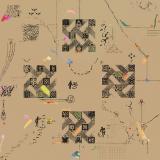
Pub ‘Mamor’ ep. Recorded at the start of summer 2025.
Pub executes an atmosphere of rich wandering minimal wooziness that unfolds into subtle complexity with an elegant sense of drama and complimentary harmonics.
It is to be the first of new music to be expected from the artist this year. A series of intimate live tours in obscure locations are to follow, alongside a remix for Heathered Pearls.

Buscar:pub
Pub emerges from the mists to follow the 'Autumn' ep with his first album of new music in over a decade. 'Process The Wise' LP.
A selection of tracks that are deeply lustrous and magical, equally measured yet wandering, with complimentary harmonics & scattered chaos.
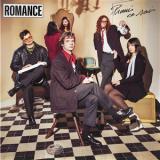
An inexplicable vibe, liquid feelings for endless summer nights.
Skinny Lister's 'Pub Shed Bootleg' EP recorded live in the legendary pub shed The Forge
And Flagon and showcases the band's fun and energetic performances. Squeezed into the
tiny garden tavern, the band played through 6 tracks from their most recent album 'Shanty
Punk', to produce a collection full of the raucous, chaotic and spirit of a typical Skinny Lister
show. Songs include the singles 'Mantra' and 'Company Of The Bar'; the Radio 2 supported
'13 Miles' and the instant classic 'William Harker, sung by Party George.
repress!
Ampoule present Pub - Single
Dense and beautiful electronic music that falls somewhere between T++ / Various Artists, early Boards of Canada, Basic Channel and Carl Craigs most epic works.
This record contains rare & long out of print classic tracks from the three Pub EP's that were released on Ampoule in 1999, 2001and 2003 respectively.
There are also two 2 exclusive cuts which have been never released on vinyl before.
Remastered by Dubplates & Mastering and new artwork by Pub.
Following the recent flurry of newly remastered releases from Ampoule records, most notably Pubs timeless ‘Summer EP’ & classic albums ' Do You Ever Regret Pantomime?’ & ‘Single’ besides releasing ‘Cheeky Speaker’ under his alter ego ‘Lucky & Easy’ last year.
Pub ‘Autumn EP’ sees his return to Ampoule with four brand new tracks that merge his love of all things Black Dog and Chain Reaction with a healthy dose of shoegaze and freaked out folk.
Vente (The Danish word for "wait") was released in 2021 and was the sixth album and the latest result, of a long-running collaboration between drummer Emil de Waal, clarinetist Elith "Nulle" Nykjær, multi-musician Gustaf Ljunggren and hammond organist Dan Hemmer. Emil de Waal has played drums with an impressive line-up of names in Danish rock, pop and jazz, ranging from Bagdad Dagblad, over Old News and Maluba Orchestra, to his current band Kalaha, an ensemble known for mixing electronic music with elements of jazz and African music. Elith "Nulle" Nykjær, who is 84 years old, is a living legend in Danish jazz and has had an impressive career as an actor, writer, musician and composer at DR (The Danish Broadcasting Corporation). Since the late '80s, he has toured in both Europe and in the US with his ensemble, Nulle & Verdensorkestret ("Nulle & The World Orchestra") and the repertoire of this very popular group has affected the repertoire on Vente. Gustaf Ljunggren was born in Stockholm, Sweden and lives in Copenhagen, Denmark, where he studied to become a saxophone player at The Rhythmic Music Conservatory. He became a household name in Denmark when he was the bandleader on the Danish talkshow 'Det Nye Talkshow' in the period 2009- 2011. He has performed and recorded with a wide variety of artists, such as Robyn, Teitur and Caroline Henderson. Ljunggren is often referred to as a "multi-instrumentalist" and he masters both wind instruments, strings and keys. Dan Hemmer is known as one half of the duo, Lindberg Hemmer Foundation, with the late, great Danish cult figure, entertainer and bass player, Morten Lindberg aka Master Fatman. Besides that, Hemmer has played with virtually everyone within all genres of music, and over the last decade or so, he and Danish saxophonist Michael Blicher, have been playing with none less than American funk master - drummer Steve Gadd. The four musicians on Vente all come from their individual musical backgrounds, bringing with them elements of their personal history. And when they get together to play, they don't intend for the music to come out in any particular way - it just has to feel right for all of them. This free-spirited approach to playing music, combined with the album's delicate mixture of originals, written by various members of the ensemble, and carefully selected jazz-standards, played with the group's groovy personal touch, gives the music on Vente a nostalgic, yet timeless, quality.
Supported by the world-renowned Aarhus Jazz Orchestra, multi-award winning quartet Kalaha present Tutku, an energetic fusion of jazz, Turkish psychedelic rock and 80's inspired synth-pop. Their most ambitious and adventurous record yet album pairs the self branded "Danish band with world roots" with a big band committed to embracing innovative contemporary jazz and guest star vocalist Hilal Kaya. Formed after an improvised set at 2013's STRØM Festival in Copenhagen, the four members that make up Kalaha share a collective passion for collaboration and an open-minded approach to music making. Each being active members of different corners of the Danish music scene, the result of their combined musical personalities is refreshingly modern cross between thoughtful songwriting and high level jazz-minded musicianship. While their 2021 release 'Mystafa' saw them collaborate with a number of vocalists, 'Tutku' sees the entrancing vocals of Danish/Turkish artist Hilal Kaya as the focal point of the record. Grounded by the driving sounds of Anatolian rock, the nine track work weaves between folk, spiritual jazz, and even disco, serving up a wealth of danceable grooves and rich harmony. Produced by Kalaha themselves, the production style shifts between the close, modern sound of a pop outfit and the expansive, reverberated sound of a 20 piece ensemble. Soaring over the top of AJO's intricate ensemble arrangements are an expansive network of electronic sounds, carefully designed and played by two of Denmark's leading synthesists, Jens "Rumpistol" B. Christiansen and Mikael "Spejderrobot" Elkjær. With careers including international recognition from UK trendsetter Gilles Peterson, their immersive sound-world of melodic synth solos and explosive dub-tinged sound effects transform Tutku into a large ensemble record unlike any other. Completed by legendary drummer Emil de Waal and in-demand guitarist Niclas Knudsen, Kalaha's striking and colourful visual identity shares the Middle Eastern influence of their music and enhances the psychedelic nature of their songs, invoking otherworldly imagery in the listeners' minds and rounding Tutku off as a cohesive, well thought out recorded statement. Line up>> Niclas Knudsen – Guitars, Emil de Waal - Drums amd percussion, Jens "Rumpistol" Christiansen - Synths & vocals, Mikael "Spejderrobot" Elkjær - Synths and Laptop, Hilal Kaya - Lead vocals, Plus: Aarhus Jazz Orchestra
Black vinyl repress of Pub's classic 12" 'Summer'
Ampoule's Pub returns with a fresh remaster of the classic 'Summer' and a brand new track titled 'The Fragile Root'
'Summer' was originally released 20 years ago on the Vertical Form label - a result of a multitude of completely live and improvised studio sessions, that gently swell and evolve over the tracks 16 minutes.
'Fragile Root' is a brand new track, think vintage idm - intricate rhythms and melodies crossed with massive dub chords.
Mastered by Dubplates & Mastering
Beyond the Pub is a collection of tracks for the after hours. From drunken treks to the filthy kebab shop to outer body experiences in the icy wonderlands, Cosmic Pint Glass tells the stories that happened after leaving the Social House.
In Vol 1. Mark du Mosch adds tension, FRAK takes you on that boozy journey to the Kebab Shop, Julian G reflects on the beauty of a frozen wonderland and Lie of the Land takes you on a introspective acid journey. Trip!
The Goldie Award winning producer / dj debuts on Alpha Pup with a
four track EP on orange & black splatter vinyl. Across 15 Hours To LA,
Holly uses otherworldly synth tones, dissonant staccato, heavy low end,
and frenzied digital drum-work, providing a synthetic journey where
technicality and style meet at a unique crossroads.
Hidden Spheres is a Rhythm Section mainstay for a reason: having released 3 EPs on the label, he has
developed his sound and fully emerged into a flow state. His residency at Public Records has enabled him to mould an EP perfect for any dancefloor, perfecting a Detroit indebted House style with influences from early Kerri Chandler and Ron Trent perfect for those heads down, hands-up moments.
Delivering 5 tracks that master dancefloor tension, it's difficult to pick a stand out. “Come On, Yeh” harks
back to the New Jersey House sound with dubby organ chord stabs and punchy 909 drums and a sublime bongo loop. “Don’t You Wanna” welcomes the house dancers, with a low-slung, heavily swung groove, resampled pads, and a deep spoken refrain that gives the track its title. Kicking off the B-side “Get Down” hits the subs, with unmistakably phat bass, moody strings and broad use of the iconic M1 organ bass patch “Organ2”. Followed by “I Feel Good” brings police sirens, 808s and swirling pads, to a glorious Deep House tune with a top chime motif that keeps the party moving. The final track of the B side, “You Don’t Know”, takes things down a notch, but maintaining the sublime tension with classic house piano chords and another wicked percussive loop.
Hidden Spheres has returned to his unadulterated House roots, with an EP that stays true to the classic sound. He has shaped an awesome body of work with character from deep spoken word samples, perfect use of dub sirens and grooves that can give any club a reason to invest in bigger
300 pages, 175 x 129mm paperback book w/ french flaps.
DINTE mint their short run book publishing imprint, The End books, with this vast collection of flyers for dances, clashes and blues parties from across the UK between the early 1970s and mid 1990s. Comes complete with intro by David Katz (People Funny Boy: The Genius of Lee 'Scratch' Perry, Solid Foundation: An Oral History of Reggae) and outro by Kevin Le Gendre (Don't Stop the Carnival: Black British Music, Children of the Ghetto: Black Music in Britain). Colour scans sit alongside scuzzy photocopies amassed over several years with the assistance of multiple archivists. The material presented in A Night to Remember is not just valuable musical history, but the story of a community and a culture that revolutionised sound culture in the UK.
"The flyers collected in A Night To Remember speak to the burgeoning sound system underground that flourished in Britain in the 1970s, 80s and early 90s. There are held events on hallowed ground as well as lesser-known sets. Flyers for house parties remind that shebeens remained an important feature of social life in black communities and the many sound clash and cup clash events emphasise the rivalry and camaraderie that has always been at the heart of the culture, as friends go head-to-head with their dub plates, vying for that definitive crown. Dances featuring guest appearances by name-brand artists such as Sugar Minott, Lone Ranger, Barrington Levy and Admiral Bailey, as well as sound systems such as Jack Ruby, King Jammies, Ray Symbolic, Arrows, Black Scorpio and Metro Media remind how closely the local sound systems remained to their Jamaican roots, even as sounds such as Saxon, Unity, Java and Diamonds carved out a distinctly British niche. All hail the enduring sound systems of Britain – long may they reign!" — David Katz
- A1: Apache Talk 05 29
- A2: Jacaranda 03 49
- A3: Gentle Rain 05 18
- A4: You Or Not To Be 02 36
- A5: Strange Message 03 29
- B1: Don Quixote 03 35
- B2: Song Thoughts 03 27
- B3: Danse V 06 48
- B4: Empty Room 06 58
- B5: Sun Flower 05 24
Jacaranda is an album published in 1973 that highlights Bonfá’s refined approach to bossa nova and Brazilian instrumental music, blending Brazilian melody and rhythms with jazz-influenced harmonies. The album is cantered on Bonfá’s classical-influenced guitar technique. Indeed, rather than focusing on vocals, Jacaranda lets the guitar lead the narrative, creating a relaxed yet sophisticated atmosphere which evokes Brazilian landscapes and moods. Compared to his previous album Introspection (HE72018), Jacaranda is less restrained and inward, it does not have a meditative mood but offers warmer harmonies and a stronger melodic richness. This is the first vinyl edition of this album since its first edition in 1973.
- Halleluja
- Egoist
- Kompass
- Ganz Normal
- 2: +=5
- Asoziale Leute
- Elon Musk (Zahl Einfach Deine Steuern!)
- Der Kleine Prinz
- Richtig Gut
- Keine Angst
- Termine
- Mehr Musik
- Bessere Welt
- Geöffnete Fenster
Um Jesus geht es auf KOMPASS, dem neuen Album von Prinzen-Frontmann Sebastian Krumbiegel, mal wieder nicht. Dafür etwa um Elon Musks Steuererklärung, den kleinen Prinzen, dass 2+2= 5 ist, warum man trotz allem keine Angst haben und lieber von einer besseren Welt träumen sollte, und es geht um Musik. Um mehr Musik. Knapp 70 Auftritte spielte Sebastian Krumbiegel in den letzten 12 Monaten, knapp 70 Songs schrieb er in der gleichen Zeit. Er testete die Lieder auf Herz und Nieren, arrangierte um, verwarf, erschuf. Das Ergebnis: Sein neues Album KOMPASS. Wie man sieht, liebt es Sebastian Krumbiegel, Songs zu schreiben und live zu spielen. Und er liebt es, vor, während und nach den Auftritten sein Publikum nicht nur zu unterhalten, sondern sich auch mit seinem Publikum zu unterhalten. Und nach und nach kristallisierte sich in seinen Gesprächen heraus, dass eben jenes Publikum in unseren schweren Zeiten nach positiven Liedern verlangte. KOMPASS enthält 14 Songs, in denen das Glas grundsätzlich halbvoll, das Gras grundsätzlich grün und das Licht am Ende des Tunnels grundsätzlich nicht von einer entgegenkommenden Lokomotive ist. Krumbiegel selber hatte, wie er sagt, keinen Bock auf traurige Lieder. Wer jetzt allerdings denkt, der Künstler würde in seichte Gefilde abdriften, irrt: Krumbiegel gelingt, wie wenigen sonst, der Spagat zwischen Unterhaltung und Reflexion, zwischen Kritik und Optimismus. Sebastian Krumbiegel ist einer, der glaubt. Er glaubt an die Kraft der Kunst, an die Möglichkeit der Veränderung zum Besseren, und seine Songs handeln genau von diesem Glauben. Er erinnert daran, den Traum von einer anderen, harmonischeren Welt nicht zu vergessen. Und das gelingt ihm ohne Kitsch. Dafür mit Humor, viel Humor. Auch musikalisch ist KOMPASS ein optimistisches Album, ein optimistisches Album, aber ohne Augenwischerei.
The heavy metal band Crimson Glory formed in Florida in 1982 and wore metallic silver face masks on-stage, for all photo shoots and public appearances. Front man and vocalist Midnight was an astoundingly powerful vocalist, so in addition to their identifiable look, they were easily identifiable in sound. After the success of their self-titled debut album, they released the follow-up album in 1988, titled Transcendence. It was received with great critical acclaim and is considered to be their finest work. The album features the popular tracks “Lady Of Winter”, “Painted Skies” and “Lonely” amongst others.
Transcendence is available as a limited edition of 1500 individually numbered copies on “Cool Blue” coloured vinyl and includes an insert.
Languoria is a collaboration between Denmark's Sofie Birch and Poland's Antonina Nowacka. While Birch describes herself as an ambient musician, Nowacka''s primary instrument is her own voice; they share in common a facility for creating complex, layered work.
Polish label Mondoj has teamed up with Unsound Festival, who initially brought this project to life for their 2021 Warsaw edition. After another show in Cracow later that year, the two have met in Copenhagen to record a series of compositions. Unsound will also premiere Languoria this year in Cracow as well as during their New York offshoot.
Sofie has previously published her music on Stroom, Seil, Longform Editions and Intercourse. Antonina's debut album "Lamunan" was released in 2020 by Mondoj. Antonina is also half of the A/V experimental duo WIDT.
"...their upcoming collaborative project Languoria, shows how natural the pairing is" - Pitchfork
"Soundscapes meet "spiritual vocalisations." - The Vinyl Factory
Efficient Space publication ENTHUSIASMS revives with Issue #03. 92 pages covering Aotea-roa DIY folk proliferator Maxine Funke, the vocal magick of Cucina Povera, Australian devo-tional jazz mystery Singing Dust, Osaka portal EM Records, unsung dub specialist Sheriff Lin-do and the living practice of e fishpool. View post-punk trailblazers through the lens of Rotter-dam polaroid photographer Peter Graute, while Swiss artist Elise Gagnebin-de Bons exhibits her series of collages purposed for Ghost Riders. The issue also boasts imaginary mixtapes from Gavsborg, Greg Davis and Jefre Cantu-Ledesma, Mikey Young, Sonic Boom and Troth. Perfect bound and illuminated by designer Steele Bonus.
Devoting an album entirely to the Persian poetry of Jami, aluminary of the Sufi tradition, was one of Haji Ghulam Farid Sabri"s cherished ambitions for a long time. This dream came true for the Qawwali icon when he visited Berlin in July 1991 at the invitation of the Heimatklänge ("Home Soundsfrom Home Planet Earth") festival, accompanied by his 14-year-old son Amjad. After Ghulam Sabri"s untimely death on the 5th of April 1994, Amjad Sabri became his musical successor, thereby passing on the Sufi Qawwali mastership of the Sabri family to the next generation. This all came to an end when Amjad was murdered for his Sufi beliefs in the streets of Karachi on the 22nd of June 2016. Thus, Jami is not only a memorial to the Sufi Muslim tradition and the Persian poet but also to Ghulam Farid Sabri and Amjad Sabri. It remains their only record in Farsi.
- 1: Noorj - Y
- 2: Kc - Cold Metal, Heavy Mind
- 3: Tibslc - Washed Ashore
- 4: Lamina - Our Fluids
- 5: Arendse Krabbe & Felisha Ledesma - We Are All Fish
- 6: Halo Error - Aquachile
- 7: Estle & Mia Moon - I’d Still Love To See You
- 8: Yatta - Are You Coming To
- 9: Kissen & Swaya - Soft Skin
- 10: Lucy Duncombe & William Aikman - Small-Nothing-Avenging-Something
- 11: Yetsuby - We Chant
- 12: Fui - Commu 13. Slowfoam & Slyn - Hydrabubby
- 14: Ophélie - Salty Skin 1
- 15: Enereph - Elixir
- 16: Nahi Mitti & N.x.o. - Matahari2Tāra
- 17: Comechelet & Ϙue - Forbidden Love 1
- 18: Ursula Sereghy & Dorota Barová - Underwater
- 19: Flora Yin Wong - Kotohiki 20. Lipsticism - Where Do You Go (Mutilate)
- 21: Muein - Reprise
Gravity Pleasure's inaugural release is a rippling compilation of womxn, trans, and non-binary artists and
collaborators that invites listeners into an aqueous paraworld of fluid resistance and sonic kinship. Across 21 tracks from the likes of Yetsuby, Flora Yin Wong, Felisha Ledesma, Ursula Sereghy, tibslc, and more, Water Bodies spans a post-genre miasma of ethereal mermaid music, cathartic flows, and glistening sibilants. Inspired by a poetic prompt from Lou Croff Blake, each track is an exquisite message in a bottle of deep diving emotionality. Pulling from a wide range of musical perspectives – field recording, lovesick ballads, shimmering downtempo, post-party comedown, and percolating ambient – the compilation contains multitudes yet maintains deep sentimental coherence. Like a wave crashing in slow motion, each artist sonifies possible ways of being, insisting on the porous, the interdependent, and the deep and unruly. Water Bodies reminds us that home is a body made of water, to which we all belong.
Credits Curated by Ashlynn White & Madelyn Byrd
Artwork by Dre Roelandt
Layout by Madelyn Byrd Mastered by Estle
Distributed by Rubadub
Published by Gravity Pleasure ❊ GP01 ❊ 2025
- A1: Ride Away
- A2: Pacifying Joint
- A3: What About Us?
- B1: Midnight Aspen
- B2: Assume
- B3: Aspen Reprise
- C1: Blindness
- C2: I Can Hear The Grass Grow
- C3: Bo Demmick
- D1: Youwanner
- D2: Clasp Hands
- D3: Early Days Of Channel Führer
- D4: Breaking The Rules
- D5: Trust In Me
The Fall were an English post-punk band, formed in Manchester in 1976. The band existed in some form ever since, and was essentially built around its founder and only constant member Mark E. Smith. Initially associated with the punk movement of the late 1970s, the group's music went through several stylistic changes over the years, but is often characterised by an abrasive guitar-driven sound and frequent use of repetition, and was always underpinned by Smith's distinctive vocals and often cryptic lyrics. The band was noted for its prolific output: and released over 25 studio albums, and more than triple that counting live albums and other releases. They have never achieved widespread public success beyond a handful of minor hit singles in the late 1980s, but maintained a strong cult following. The band were long-associated with BBC disc jockey John Peel, who championed them from early on in their career and cited The Fall as his favourite band, famously explaining, "They are always different; they are always the same.
Released on Limited Edition Black Vinyl with a replica of the original sleeve and insert (300 Copies only). The beginning of the 1980s wasn't a great time to be young. Between 1979 and 1981 youth unemployment more than doubled to over 900,000. Many approaches were tried to tackle the problem and one of the more innovative was the Arts Opportunity Theatre a charity founded in Bristol by Reynold Duncan and Yvonne Deutschman. Financed by assorted public bodies, it aimed to train young people in a range of performing arts as well as the multiple skills needed to produce, organise and put on shows. Over a seven year period the Arts Opportunity Theatre put on a succession of shows not only locally, but travelling as far as the Continent and trained hundreds of young people in everything from music to book keeping. People who passed through the collective would go on to form the core of many local bands and be involved in a large proportion of Bristol music releases, especially reggae. The first show put on in 1981 and 1982 was "Freedom City" which prominently featured Zion Band. In May 1982 the Zion Band musicians from the show went into Right Track Studio in Bristol and recorded four vocals and two dubs that would be released the following January on a 12" single. Back in 2011 Bristol Archive Records included "Twelve Tribes" on a compilation and would later also compile "Babylon Fire/Babylon Dub", but the other three tracks could only be found on the scarce original 12" which in recent years has rocketed in price fetching in excess of £150. We believe music should be affordable and available so 2026 will see Bristol Archive Records reissue the Zion Band "Freedom City" 12" in it's entirety, complete with its original picture sleeve and insert with a limited pressing of 300 copies on black vinyl. This release is dedicated to the late Reynold Duncan RIP.
- 01: Maanitus &Amp; Tšiižik
- 02: Markka
- 03: Melkutus
- 04: Letška
- 05: Kuuen Parin Hoirola
- 06: Brišatka
- 07: Tšiižik
- 08: Kirkonkellot
- 09: Kirkonkellot Korkea
- 10: Hoirola, 3 Parin
- 11: Lippa
- 12: Kyngäkiža
- 13: Ristakondra
- 14: Vanha Polkka
- 15: Viistoista
- 16: Vanha Valssi
- 17: Kiberä
- 18: Maanitus Kuokan Kanteleella
- 19: Tuuti Lasta Nukkumahe
Vinyl[22,65 €]
Death Is Not The End present a further volume of Arja Kastinen's eerie amalgamations of 110 year old wax cylinders with her own meticulously transcribed takes, this time focussing in on Armas Otto Väisänen's field recordings of kantele player Iivana Mišukka (b. 1861 d.1919).
"Ivana Mišukka (1861–1919) was one of the Karelian kantele players recorded by the folk music researcher Armas Otto Väisänen on wax cylinders in 1916 and 1917. In the early 20th century, the remote areas of Border Karelia were undergoing the final phase of a transformation in musical culture, with the ancient runo song tradition giving way to newer forms of music. This transition is reflected in Mišukka's repertoire and choice of instrument. The ancient small kantele, hollowed out of a single piece of wood, was already rare at the turn of the century. Mišukka's kantele was a new type of instrument with 26 strings, constructed of several parts, but he played it using the traditional plucking technique. Like other Border Karelian kantele players, his repertoire consisted of music rooted in runosong culture, as well as newer dances and songs from the east and west. Most of the recorded material falls into the latter category.
Ivan Bogdanov Mišukka was born out of wedlock in Suursara village, Suistamo, on 1 May 1861. He began playing the kantele at the age of five or six, quickly mastering the instrument. In adulthood, he was considered one of the area's best master players. Mišukka was landless for most of his life and lived in different parts of the Suistamo parish. His first wife, Tekla Markintytär, died in 1897 at the age of 40, and his second wife, Jevdokia Filipintytär Jeminen, died in 1907 at the age of 50. Seven children were born from the first marriage, two of whom died young. The third wife, Maria Ignatintytär Gurnan (Kuurnanen), was a well-known master of lamentations. Together with Maria, Iivana Mišukka worked as a tenant farmer in the village of Suursara. Mišukka suffered from rheumatism, which prevented him from participating in physical work like Maria. This was apparently partly the reason why Iivana Mišukka went to earn extra money by playing the kantele on gig trips. He often had other traditional artists from Suistamo as his travelling companions, such as the runosingers Konstantin Kuokka and Iivana Onoila. Iivana Mišukka died in Leppäsyrjä village, Suistamo, on 18 May 1919 at the age of 58, and his kantele was donated to Teppana Jänis.
Mišukka only used 14 of the 26 strings on his kantele, playing the same tunes either a fourth higher or lower. He tuned his kantele to the major scale using fifths, except for a low seventh scale degree on the upper strings, but not below the fundamental. Since he did not use the seventh note of the scale on the upper strings at all, he could use the major scale both lower and a fourth higher with this tuning. According to Mišukka, the sound of higher, or 'finer', strings is 'more beautiful', while that of lower ones is 'greater'. Among runosingers, the size of the thirds varied, ranging from major to minor to neutral. A similar phenomenon can be observed in kantele tunings, where the third, sixth and seventh scale degrees vary in a comparable way.
During a meeting, Väisänen suggested that Mišukka play the smaller kantele belonging to Konstantin Kuokka. The idea was to bring it closer to the horn to improve the recording quality. However, the kantele was completely out of tune, and now Mišukka tuned it to the Lydian scale (track 18).
Using the old plucking technique, Mišukka placed his right middle finger on the fundamental tone, his right index finger on the second scale degree, his left middle finger on the third scale degree and his left index finger on the fourth scale degree, and his right thumb on the fifth. The thumb also played the notes above the fifth note of the scale. As Mišukka remarked to Väisänen: 'Peigaloll' tuloo enemb ruadoa' (the thumb has to do more work). However, he did not use the seventh note of the scale on the upper strings at all. Below the fundamental note, he played the seventh and sixth notes of the scale with his right middle finger of and the fifth note of the scale with his right ring finger. This fifth scale degree below the fundamental is almost always used as a drone. Sometimes, when the melody required it, Mišukka, like other players, also varied the fingering. He would also occasionally strike the same string with the side of his fingernail after plucking it.
The wax cylinder recordings of Karelian kantele players are kept in the archives of the Finnish Literature Society in Helsinki, Finland. Copies were made of them onto reel-to-reel tapes in both the 1960s and 1980s. The 1960s copies are mono and the 1980s copies are stereo. However, not all kantele recordings from these decades have survived.
The sound of the kantele is difficult to hear in wax cylinder recordings due to its low volume, and it occasionally becomes completely obscured by noise. During the copying process, the cylinder sometimes rotates unevenly, resulting in breaks or jumps in the music. Additionally, the rotation speed of the cylinder in the copies does not correspond to the performance speed of the original music, which alters the pitch. However, since Väisänen's precise notes are available in the archive, it is possible to deduce the melodies, their speed, and the tuning level of the kantele in the recordings. Of the copies of the original recordings from the 1960s and 1980s, I have selected the one that best met the requirements of this publication and adjusted the speed of the recording to align with Väisänen's notes. To enhance the listening experience, I have replayed the songs, which now partly overlap the old recordings on this release."
— Arja Kastinen
- 01: Maanitus &Amp; Tšiižik
- 02: Markka
- 03: Melkutus
- 04: Letška
- 05: Kuuen Parin Hoirola
- 06: Brišatka
- 07: Tšiižik
- 08: Kirkonkellot
- 09: Kirkonkellot Korkea
- 10: Hoirola, 3 Parin
- 11: Lippa
- 12: Kyngäkiža
- 13: Ristakondra
- 14: Vanha Polkka
- 15: Viistoista
- 16: Vanha Valssi
- 17: Kiberä
- 18: Maanitus Kuokan Kanteleella
- 19: Tuuti Lasta Nukkumahe
Tape[16,39 €]
Death Is Not The End present a further volume of Arja Kastinen's eerie amalgamations of 110 year old wax cylinders with her own meticulously transcribed takes, this time focussing in on Armas Otto Väisänen's field recordings of kantele player Iivana Mišukka (b. 1861 d.1919).
"Ivana Mišukka (1861–1919) was one of the Karelian kantele players recorded by the folk music researcher Armas Otto Väisänen on wax cylinders in 1916 and 1917. In the early 20th century, the remote areas of Border Karelia were undergoing the final phase of a transformation in musical culture, with the ancient runo song tradition giving way to newer forms of music. This transition is reflected in Mišukka's repertoire and choice of instrument. The ancient small kantele, hollowed out of a single piece of wood, was already rare at the turn of the century. Mišukka's kantele was a new type of instrument with 26 strings, constructed of several parts, but he played it using the traditional plucking technique. Like other Border Karelian kantele players, his repertoire consisted of music rooted in runosong culture, as well as newer dances and songs from the east and west. Most of the recorded material falls into the latter category.
Ivan Bogdanov Mišukka was born out of wedlock in Suursara village, Suistamo, on 1 May 1861. He began playing the kantele at the age of five or six, quickly mastering the instrument. In adulthood, he was considered one of the area's best master players. Mišukka was landless for most of his life and lived in different parts of the Suistamo parish. His first wife, Tekla Markintytär, died in 1897 at the age of 40, and his second wife, Jevdokia Filipintytär Jeminen, died in 1907 at the age of 50. Seven children were born from the first marriage, two of whom died young. The third wife, Maria Ignatintytär Gurnan (Kuurnanen), was a well-known master of lamentations. Together with Maria, Iivana Mišukka worked as a tenant farmer in the village of Suursara. Mišukka suffered from rheumatism, which prevented him from participating in physical work like Maria. This was apparently partly the reason why Iivana Mišukka went to earn extra money by playing the kantele on gig trips. He often had other traditional artists from Suistamo as his travelling companions, such as the runosingers Konstantin Kuokka and Iivana Onoila. Iivana Mišukka died in Leppäsyrjä village, Suistamo, on 18 May 1919 at the age of 58, and his kantele was donated to Teppana Jänis.
Mišukka only used 14 of the 26 strings on his kantele, playing the same tunes either a fourth higher or lower. He tuned his kantele to the major scale using fifths, except for a low seventh scale degree on the upper strings, but not below the fundamental. Since he did not use the seventh note of the scale on the upper strings at all, he could use the major scale both lower and a fourth higher with this tuning. According to Mišukka, the sound of higher, or 'finer', strings is 'more beautiful', while that of lower ones is 'greater'. Among runosingers, the size of the thirds varied, ranging from major to minor to neutral. A similar phenomenon can be observed in kantele tunings, where the third, sixth and seventh scale degrees vary in a comparable way.
During a meeting, Väisänen suggested that Mišukka play the smaller kantele belonging to Konstantin Kuokka. The idea was to bring it closer to the horn to improve the recording quality. However, the kantele was completely out of tune, and now Mišukka tuned it to the Lydian scale (track 18).
Using the old plucking technique, Mišukka placed his right middle finger on the fundamental tone, his right index finger on the second scale degree, his left middle finger on the third scale degree and his left index finger on the fourth scale degree, and his right thumb on the fifth. The thumb also played the notes above the fifth note of the scale. As Mišukka remarked to Väisänen: 'Peigaloll' tuloo enemb ruadoa' (the thumb has to do more work). However, he did not use the seventh note of the scale on the upper strings at all. Below the fundamental note, he played the seventh and sixth notes of the scale with his right middle finger of and the fifth note of the scale with his right ring finger. This fifth scale degree below the fundamental is almost always used as a drone. Sometimes, when the melody required it, Mišukka, like other players, also varied the fingering. He would also occasionally strike the same string with the side of his fingernail after plucking it.
The wax cylinder recordings of Karelian kantele players are kept in the archives of the Finnish Literature Society in Helsinki, Finland. Copies were made of them onto reel-to-reel tapes in both the 1960s and 1980s. The 1960s copies are mono and the 1980s copies are stereo. However, not all kantele recordings from these decades have survived.
The sound of the kantele is difficult to hear in wax cylinder recordings due to its low volume, and it occasionally becomes completely obscured by noise. During the copying process, the cylinder sometimes rotates unevenly, resulting in breaks or jumps in the music. Additionally, the rotation speed of the cylinder in the copies does not correspond to the performance speed of the original music, which alters the pitch. However, since Väisänen's precise notes are available in the archive, it is possible to deduce the melodies, their speed, and the tuning level of the kantele in the recordings. Of the copies of the original recordings from the 1960s and 1980s, I have selected the one that best met the requirements of this publication and adjusted the speed of the recording to align with Väisänen's notes. To enhance the listening experience, I have replayed the songs, which now partly overlap the old recordings on this release."
— Arja Kastinen
Multi-platinum singer, songwriter and filmmaker Melanie Martinez returns with HADES, her long-awaited fourth studio album and first full-length release in three years. Following a career-defining run that has generated over 30 billion global streams, 5.54 billion YouTube views, and a worldwide audience of 62.2 million+, HADES arrives as the next chapter in a momentous ascent. Her previous three albums CRY BABY, K-12, and PORTALS, all debuted at #1 on the Billboard Alternative Albums chart, with PORTALS launching at #2 on the Billboard 200, cementing Martinez as one of alternative pop’s most innovative and influential forces.
Die mit mehreren Platinauszeichnungen geehrte Sängerin, Songwriterin und Filmemacherin Melanie Martinez kehrt mit HADES zurück, ihrem lang erwarteten vierten Studioalbum und ersten vollständigen Release seit drei Jahren. Nach einer Karriere, die über 30 Milliarden Streams weltweit, 5,54 Milliarden YouTube-Aufrufe und ein weltweites Publikum von über 62,2 Millionen Menschen hervorgebracht hat, erscheint HADES als nächstes Kapitel in einem bedeutenden Aufstieg. Ihre drei vorherigen Alben CRY BABY, K-12 und PORTALS debütierten alle auf Platz 1 der Billboard Alternative Albums Charts, wobei PORTALS auf Platz 2 der Billboard 200 und Platz 4 der deutschen Charts einstieg und Martinez als eine der innovativsten und einflussreichsten Kräfte des Alternative Pop etablierte.
long content, you may need to expand row to see all... Mutant freut sich, in Zusammenarbeit mit Milan Records das offizielle Soundtrack-Album zu Edgar Wrights Sci-Fi-Action-Thriller The Running Man zu veröffentlichen.Das Album enthält die Original-Filmmusik des Oscar-Preisträgers Steven Price (Gravity, Last Night in Soho, Baby Driver). The Running Man, bei dem Wright als Co-Autor und Regisseur fungierte, handelt von einem Vater aus der Arbeiterklasse, der alles daran setzt, seine kranke Tochter zu retten. Er nimmt an einer tödlichen TV-Gameshow teil, in der die Kandidaten 30 Tage lang überleben müssen, während sie von Profikillern gejagt werden. Durch seinen Instinkt, seinen Widerstand und seine Entschlossenheit wird er zum unerwarteten Publikumsliebling – und zu einer Bedrohung für das gesamte System.Wir sind große Fans von Edgar und Steven und freuen uns sehr, dass sie uns erneut ein fantastisches Kinoerlebnis bescheren. Steven Prices Score für The Running Man ist eine schillernde Mischung aus treibenden Beats, brodelnden Synthesizern und traditionellen orchestralen Elementen, die vor Einfallsreichtum und Stil nur so sprühen. Das Hauptthema besitzt eine elegante, zeitlose Qualität mit üppigen, beruhigenden Streichern, die eine hypnotische Melodie weben. Im Gegensatz dazu stehen die Titel der Gameshow-Sequenzen, die wirklich unterhaltsam, bombastisch und im Retro-Stil gehalten sind – was wiederum einen Kontrast zu den düstereren, dystopischen Stücken bildet, die im gesamten Werk verteilt sind. Im Film wirkt die Musik wie ein weiterer Charakter, der die Geschichte vorantreibt. Als eigenständiges Hörerlebnis ist sie fesselnd, dynamisch, macht großen Spaß und fängt die vielen Facetten und Stimmungen des Films perfekt ein.Die Vinyl-Edition mit dem Artwork von Luke Preece ist auf zwei farbige 140g-LPs gepresst. Sie enthält ein „The Truth“-Zine als Replika aus dem Film mit exklusiven Liner Notes von Edgar Wright und Komponist Steven Price.Ebenfalls auf CD erhältlich.
- A1: Calypso Blues (Mo&Apos; Horizons Remix)
- B1: Zala (Mo&Apos; Horizons Remix)
This 7" record by Agogo Records features two remixes by Mo' Horizons. Track one is a cover of Nat King Cole's "Calypso Blues", performed by percussionist and singer Nené Vasquez, who is part of the Mo' Horizons family and used to play in Shakira's band in a former life. Super Oud is a musical project from Bremen, Germany, combining traditional Middle Eastern sounds with modern electronic grooves.
a. Nené Vasquez - Calypso Blues (Mo' Horizons Remix)
Written by Nat King Cole & Don George. Published by Crestview Music.
Original production by Nené Vasquez. Remix production by Ralf Droesemeyer.
Lead Vocals by Inna Vizotska. Additional Remix Vocals by Frankie Figueroa.
b. Super Oud - Zala (Mo' Horizons Remix)
Written by Claas Bösling & David Niedermayer.
Original production by Claas Bösling. Remix production by Ralf Droesemeyer.
Oud by David Niedermayer. Remix Vocals by Marriam.
Nach eineinhalb Dekaden, in denen Musiker und Produzent Christopher van Deylen alias Schiller das Publikum mit seiner ganz besonderen Mischung aus Pop, Ambient und Electro verzaubert, erschien mit Zeitreise
– Das Beste von Schiller die allererste Werkschau des deutschen Ausnahmekünstlers, welcher seine Fans
regelmäßig zu aufregenden Kurztrips in seinen ganz eigenen Soundkosmos einlädt. Ein Universum von
unbeschreiblicher Klangvielfalt, in dem Deutschlands wohl faszinierendster Elektronik-Artist in regelmäßigen Abständen von hochkarätigen musikalischen Gästen wie Owl City, Mike Oldfield, Unheilig oder dem
chinesischen Starpianisten Lang Lang besucht wird.
Mit Zeitreise – Das Beste von Schiller erschien im Dezember 2016 der allererste Querschnitt durch sein
bisheriges Schaffen, angefangen bei Auskopplungen aus Schillers Anfängen, bis hin zu Tracks der letzten drei #1-Alben Atemlos, Sonne und Future. Die Essenz von Schiller und der ideale Soundtrack zum
Träumen und Entspannen. Parallel zu Zeitreise – Das Beste von Schiller veröffentlichte Schiller das auf
der sensationellen Arena-Tour aufgenommene Live-Album Zeitreise – Live: Ein unglaublicher Rausch aus
atmosphärisch-tanzbaren Sounds, die Schiller stimmungsvoll in Live-Albumformat einfangen konnte.
Beide Versionen von Zeitreise erscheinen nun einzeln als farbige Vinyl Neuauflagen. Die Best Of Studioversion als cremeweiße 2LP, die Live-Version von Zeitreise ebenfalls als 2LP, auf transparentem Blau.
Nach eineinhalb Dekaden, in denen Musiker und Produzent Christopher van Deylen alias Schiller das Publikum mit seiner ganz besonderen Mischung aus Pop, Ambient und Electro verzaubert, erschien mit Zeitreise
– Das Beste von Schiller die allererste Werkschau des deutschen Ausnahmekünstlers, welcher seine Fans
regelmäßig zu aufregenden Kurztrips in seinen ganz eigenen Soundkosmos einlädt. Ein Universum von
unbeschreiblicher Klangvielfalt, in dem Deutschlands wohl faszinierendster Elektronik-Artist in regelmäßigen Abständen von hochkarätigen musikalischen Gästen wie Owl City, Mike Oldfield, Unheilig oder dem
chinesischen Starpianisten Lang Lang besucht wird.
Mit Zeitreise – Das Beste von Schiller erschien im Dezember 2016 der allererste Querschnitt durch sein
bisheriges Schaffen, angefangen bei Auskopplungen aus Schillers Anfängen, bis hin zu Tracks der letzten drei #1-Alben Atemlos, Sonne und Future. Die Essenz von Schiller und der ideale Soundtrack zum
Träumen und Entspannen. Parallel zu Zeitreise – Das Beste von Schiller veröffentlichte Schiller das auf
der sensationellen Arena-Tour aufgenommene Live-Album Zeitreise – Live: Ein unglaublicher Rausch aus
atmosphärisch-tanzbaren Sounds, die Schiller stimmungsvoll in Live-Albumformat einfangen konnte.
Beide Versionen von Zeitreise erscheinen nun einzeln als farbige Vinyl Neuauflagen. Die Best Of Studioversion als cremeweiße 2LP, die Live-Version von Zeitreise ebenfalls als 2LP, auf transparentem Blau.
- 1: Where To Now?
- 2: Mementos
- 3: In The Name Of The Moth
- 4: With A Shrug
- 5: No Such Place
- 6: Triangular Dream
- 7: Underwater
- 8: Frenzy
- 9: Immortality Project
- 10: Leviathan
There's a tendency in metal to mistake aggression for honesty, volume for depth. To confuse the performance of darkness with its actual weight. Hidden Fires Burn Hottest, the new album from San Francisco-based post-black metal band Bosse-de-Nage, sidesteps this entirely. It’s the group’s most fully realized work yet, precisely because it refuses to be pinned down.
Bosse-de-Nage have been working with The Flenser for over fifteen years. They were one of the first bands the label ever partnered with and have the longest active relationship in the label's history. But unlike most bands who build momentum through constant touring and visibility, Bosse-de-Nage has largely existed apart from the music world's usual machinery. They've evolved on their own terms, in relative isolation, allowing the work to develop without outside pressure or influence. What began rooted in black metal anonymity has mutated into something that actively defies categorization. The aggression is still there, but it's no longer the point. Hidden Fires Burn Hottest finds the band treating emotions like physical objects, feelings with spatial properties. “No Such Place"" describes a space that can't exist but does anyway, somewhere between thought and location. ""Immortality Project"" examines infinite possibility not as promise but as problem, endless options collapsing under their own weight. These songs don't use metaphor to describe emotion. They make emotion into something you could theoretically touch.
Tracked by Jack Shirley (Deafheaven, Oathbreaker) at Atomic Garden East and mixed and mastered by Richard Chowenhill of Agriculture, Hidden Fires Burn Hottest was years in development, with some tracks beginning in 2018.
The long writing process offered time that most records don't get. Time to live with ideas, revise endlessly, to let structures settle. For the first time, lyricist Bryan Manning wrote everything in advance, creating a surplus to pull from rather than working under deadline pressure. The difference shows.
Coming off Further Still, an album built on constraint and economy, Bosse-de-Nage sought the opposite: sprawl, strangeness, fewer rules. Space for ideas to develop without rushing them. Dynamics that move through quiet as much as noise. Presence earned through atmosphere instead of volume. The record even includes ""Mementos,"" which might be considered the first love song the band has ever written.
Nothing here coheres into a theme. These are pieces pulled from low moments and private feelings made public through sound. The band has never been interested in positivity, in music that resolves cleanly or offers comfort. But bleakness doesn't mean humorlessness. There's something darkly funny running through much of it, even when it shouldn't be.
Hidden Fires Burn Hottest doesn't explain itself. It just insists: what you feel is as real as what you can see."
There's a tendency in metal to mistake aggression for honesty, volume for depth. To confuse the performance of darkness with its actual weight. Hidden Fires Burn Hottest, the new album from San Francisco-based post-black metal band Bosse-de-Nage, sidesteps this entirely. It’s the group’s most fully realized work yet, precisely because it refuses to be pinned down.
Bosse-de-Nage have been working with The Flenser for over fifteen years. They were one of the first bands the label ever partnered with and have the longest active relationship in the label's history. But unlike most bands who build momentum through constant touring and visibility, Bosse-de-Nage has largely existed apart from the music world's usual machinery. They've evolved on their own terms, in relative isolation, allowing the work to develop without outside pressure or influence. What began rooted in black metal anonymity has mutated into something that actively defies categorization. The aggression is still there, but it's no longer the point. Hidden Fires Burn Hottest finds the band treating emotions like physical objects, feelings with spatial properties. “No Such Place"" describes a space that can't exist but does anyway, somewhere between thought and location. ""Immortality Project"" examines infinite possibility not as promise but as problem, endless options collapsing under their own weight. These songs don't use metaphor to describe emotion. They make emotion into something you could theoretically touch.
Tracked by Jack Shirley (Deafheaven, Oathbreaker) at Atomic Garden East and mixed and mastered by Richard Chowenhill of Agriculture, Hidden Fires Burn Hottest was years in development, with some tracks beginning in 2018.
The long writing process offered time that most records don't get. Time to live with ideas, revise endlessly, to let structures settle. For the first time, lyricist Bryan Manning wrote everything in advance, creating a surplus to pull from rather than working under deadline pressure. The difference shows.
Coming off Further Still, an album built on constraint and economy, Bosse-de-Nage sought the opposite: sprawl, strangeness, fewer rules. Space for ideas to develop without rushing them. Dynamics that move through quiet as much as noise. Presence earned through atmosphere instead of volume. The record even includes ""Mementos,"" which might be considered the first love song the band has ever written.
Nothing here coheres into a theme. These are pieces pulled from low moments and private feelings made public through sound. The band has never been interested in positivity, in music that resolves cleanly or offers comfort. But bleakness doesn't mean humorlessness. There's something darkly funny running through much of it, even when it shouldn't be.
Hidden Fires Burn Hottest doesn't explain itself. It just insists: what you feel is as real as what you can see."
There's a tendency in metal to mistake aggression for honesty, volume for depth. To confuse the performance of darkness with its actual weight. Hidden Fires Burn Hottest, the new album from San Francisco-based post-black metal band Bosse-de-Nage, sidesteps this entirely. It’s the group’s most fully realized work yet, precisely because it refuses to be pinned down.
Bosse-de-Nage have been working with The Flenser for over fifteen years. They were one of the first bands the label ever partnered with and have the longest active relationship in the label's history. But unlike most bands who build momentum through constant touring and visibility, Bosse-de-Nage has largely existed apart from the music world's usual machinery. They've evolved on their own terms, in relative isolation, allowing the work to develop without outside pressure or influence. What began rooted in black metal anonymity has mutated into something that actively defies categorization. The aggression is still there, but it's no longer the point. Hidden Fires Burn Hottest finds the band treating emotions like physical objects, feelings with spatial properties. “No Such Place"" describes a space that can't exist but does anyway, somewhere between thought and location. ""Immortality Project"" examines infinite possibility not as promise but as problem, endless options collapsing under their own weight. These songs don't use metaphor to describe emotion. They make emotion into something you could theoretically touch.
Tracked by Jack Shirley (Deafheaven, Oathbreaker) at Atomic Garden East and mixed and mastered by Richard Chowenhill of Agriculture, Hidden Fires Burn Hottest was years in development, with some tracks beginning in 2018.
The long writing process offered time that most records don't get. Time to live with ideas, revise endlessly, to let structures settle. For the first time, lyricist Bryan Manning wrote everything in advance, creating a surplus to pull from rather than working under deadline pressure. The difference shows.
Coming off Further Still, an album built on constraint and economy, Bosse-de-Nage sought the opposite: sprawl, strangeness, fewer rules. Space for ideas to develop without rushing them. Dynamics that move through quiet as much as noise. Presence earned through atmosphere instead of volume. The record even includes ""Mementos,"" which might be considered the first love song the band has ever written.
Nothing here coheres into a theme. These are pieces pulled from low moments and private feelings made public through sound. The band has never been interested in positivity, in music that resolves cleanly or offers comfort. But bleakness doesn't mean humorlessness. There's something darkly funny running through much of it, even when it shouldn't be.
Hidden Fires Burn Hottest doesn't explain itself. It just insists: what you feel is as real as what you can see."
- 1: Purgatory
- 2: In The Morning
- 3: Highway Ii
- 4: Hollywood
- 5: Country Suep
- 6: Patronised
- 7: The Rain
- 8: Big Jump
- 9 10: Days
- 10: Fornever
The track shows SUEP at their best - glistening synth pop with Marr-esque jangle, sweet but emotionally incisive. Singer Georgie Stott - also known for being the keyboardist of the recently ended Porridge Radio - is at peak performance, marrying catchy melodies with off-kilter storytelling.
Receiving acclaim across BBC 6 Music and the indie press for their ‘car boot sale’ pop music, SUEP rummage through the jumble bin of music history, selecting and reassembling its best parts into something playful, strange and deeply artful. The band are affiliates of the Gob Nation collective - including The Tubs, Sniffany & The Nits, Ex-Void, and others., described by the Guardian as uniting around “a leftfield sensibility, lacerating wit and snotty attitude.”
With a slightly darker edge than their delightful EP Shop or last year’s groovy The Rain, Highway II tells the story of hope slamming into disappointment - a Valentine’s date gone wrong. Tears, cigarette breaks, running makeup and snotty sleeves paint a picture of painful emotional dislocation. It comes with an incredible, multilayered dance-routine music video from frequent collaborator, artist Jess Power.
Singer Georgie Stott says: “The lyrics for this poured out of me on Valentine’s Day when me and my partner went out on a date in the Limehouse area, over the river from where we lived in Rotherhithe. I got drunk too quickly, he got grumpy, and tears started streaming down my face because I just wanted to have a nice romantic time. We made up in the Canary Wharf Wetherspoons at the end of the night, but I went to have a cigarette before, to get out all my sobs and wrote all the lyrics on my phone in one go. Then at a practice studio we quickly wrote it around some chords I made up in the room.”
Forever is a confident debut, a masterpiece of modern indie songcraft. Across the album SUEP dip into country, synthpop, garage rock, post punk, and pub rock, but always retain their signature penchant for melodic hooks, snappy structures and straight-to-the-heart lyrics. Artfully unpretentious, the album was recorded by friend Matt Green, best known for his work with The Tubs, and mixed by Mike O’Malley of the band caroline.
Led by Georgie Stott and Joshua Harvey, SUEP have become fixtures of south-east London’s underground through a series of shared living spaces, improvised studios and DIY venues. Now with George Nicholls (The Tubs, Joanna Gruesome, GN Band), William Deacon (PC World), and Louis Forster (The Goon Sax, Expiry) completing the line up, their debut is finally on its way.
Forever is a glimpse into one of the best bands on the scene, not fitting into any trend, but also never fading into obscurantism - SUEP are a band that wear a joie de vivre loosely but fashionably. Now is their time to shine.
- You Are A Runner And I Am My Father's Son
- Modern World
- Grounds For Divorce
- We Built Another World
- Fancy Claps
- Same Ghost Every Night
- Shine A Light
- Dear Sons And Daughters Of Hungry Ghosts
- I'll Believe In Anything
- It's A Curse
- Dinner Bells
- This Heart's On Fire
Sub Pop und Wolf Parade bringen eine neue Pressung ihres legendären Albums ,Apologies to the Queen Mary" auf pinkfarbenem Vinyl raus. Diese Ausgabe lässt das lange vergriffene Album wieder in seinem ursprünglichen Single-LP-Format erscheinen, kurz nachdem die TV-Serie ,Heated Rivalry" in 2025 die Single ,I'll Believe in Anything" aus dem Album einem riesigen neuen Publikum vorgestellt hat, wodurch der Song zu einem echten Viral-Hit wurde. Wolf Parade wurde 2003 in Montreal, Quebec, gegründet. Nach zwei selbstbetitelten EPs veröffentlichte die Band - Hadji Bakara (Elektronik), Dan Boeckner (Gitarre, Gesang), Spencer Krug (Keyboard, Gesang) und Arlen Thompson (Schlagzeug) - im September 2005 ,Apologies to the Queen Mary", das auf breite Zustimmung stieß. Das Album wurde von Modest Mouse-Frontmann Isaac Brock und Toningenieur Chris Chandler bei Audible Alchemy in Portland, Oregon, aufgenommen. ,Apologies to the Queen Mary" stürmt mit voller Kraft und atemlos durch Songs, die in den ersten Jahren der Band Wolf Parade geschrieben wurden. Die eingängige, energiegeladene Dringlichkeit des Albums machte sie sofort zu einer der prägenden Kräfte des Indie-Rock der 2000er Jahre. Es wurde 2006 für den renommierten kanadischen Polaris Music Prize nominiert; The Guardian schwärmte: ,insgesamt großartig"; Pitchfork gab ihm eine Bewertung von 9,2 und meinte: ,Das wahre Talent von Wolf Parade besteht darin, das Alltägliche in etwas Beispielloses zu verwandeln." Später schloss sich Pitchfork dem Chor der Kritiker an, die es zu den besten Alben der 2000er Jahre zählten. Zwei Jahrzehnte später hat "Apologies to the Queen Mary" nichts von seiner Lebendigkeit eingebüßt und gewinnt weiterhin neue Generationen von Fans für sich.
- 1: Jah's Children In Style
- 2: Harmony Dub
- 3: Penny For Your Dub
- 4: Happiness (Version)
- 5: Majority Rule Dub
- 6: Garvey Dub
- 7: Star Wars Dub
- 8: Disco Fashion
- 9: Dread Morning
- 10: Public Eyes
- 11: Mafia Dub
- 12: Hunting Man Dub
Featuring legendary artists and studio collectives including The Revolutionaries, The Aggrovators, Niney & The Observers, Twelve Tribes of Israel, Ken Boothe, Gregory Isaacs, Jimmy Riley and Phil Pratt , this release delivers deep basslines, spacious mixes and timeless rhythms.
Released in time for April, the album naturally aligns with long-established countercultural tradition , while remaining a serious, archival document of roots reggae and dub at its most atmospheric and powerful. An essential vinyl dub released on 180-gram incl. sleeve notes for reggae collectors, sound-system enthusiasts and vinyl buyers alike.
This limited edition of 100 white label 12” vinyls presented by the BLACK INDUSTRIAL RESEARCH GROUP is released to coincide with shows at London’s Ormside (November 19), Bristol’s Arnolfini (November 21) and Cardiff’s Chapter (November 29), ahead of the 2026 publication of the project’s extensive vinyl boxset. One-sided and hand-stamped with hidden reverse insert, the record features an original composition by DUBMORPHOLOGY (TREVOR MATHISON + GARY STEWART) reworking the words of JOHN AKOMFRAH (from an interview by APPAU JNR BOAKYE-YIADOM and OLIVER FUKE).
Transmitting from deep in the Finnish underground, Nazar sends out a signal of mysterious, synthetic auras and shadowy, skittering sequences. From smoky outsider techno to rainy-day electro abstraction, the label’s emphasis is on expression and intrigue as each release reaches across the energetic spectrum of moody machine music.
The first release on Nazar presents a cast of protagonists from the Helsinki scene who share precisely the kind of nocturnal tendencies the label is seeking out. Seasoned duo General Electrix open up the A side with ‘Redshifter’, a silken web of 606-powered electro and warmly haunted synth work that nods to the early years of Autechre. Making an early step out into the public domain, Asyx follows up swiftly with the exquisitely detailed machine funk of ‘kVelorum ‘, where a vivid tapestry of noise, squelch and bleep techno gets smartly woven between airy pad tones and a rock-solid rhythm section.
On the B side, Helsinki mainstay Kaiunta brings a dramatic flourish to mid tempo creeper ‘Phantasm’, matching a densely packed rumble of live drums with sweeps of nervy atmospherics and a murky inversion of the classic gated trance lead. 53X rounds out the Nazar mission towards broad BPMs and fresh ideas with a crunchy swerve towards sample-heavy downtempo laced with a generous dose of psychedelics and angular noise.
NAZAR001 is the kind of record that yields surprises and slots into unexpected moments depending on when and where the needle drops, providing versatile moments for adventurous selectors and continuing the fine tradition of outsider electro and techno from Finland.
2026 Repress
since his first ep tips' on luciano's label cadenza in 2007 producer and dj petre inspirescu emerged into one of the key figures of the romanian electronic music scene.
so far he released music on labels such as vinyl club, lick my deck or amphia. together with his buddies rhadoo and raresh he also launched in 2007 the label (a:rpia:r) - a platform where he, his two friends and many producers from romania and abroad released detailed grooving house and techno, that stands out with delicate structures and one-of-a-kind grooves.
both of his more dance floor oriented solo albums intr-o seara organica...' and gradina onirica for (a:rpia:r) are enlarged with melodies, sounds and harmonies that go beyond the usual characteristics of a dance album.
furthermore his love for classic musicians like mily alexejewitsch balakirev, alexander porfiryevich borodin or or nicolai andrejewitsch rimsky-korsakow can be felt in the album padurea de aur (opus 2 in re major) and two more eps that he released under the alias pensemble on the romanian label yojik concon in order to unite classical spheres with analogue electronic music production.
in february 2013 he also released his highly acclaimed fabric mix cd that only features dance floor leaning music produced by himself. with talking waters' he published in late 2014 his first 12inch on mule musiq that is now followed by the full-length album vin ploile' which he produced without the intention to entertain with easy to hook up rhythms, melodies and harmonies.
even tough he established himself as a internationally playing house dj that regularly performs at all major clubs, festivals and other party destinations around the globe: as a musician petre inspirescu always tries to enter new territories to explore with a heartfelt human touch the infinite space of sound.
for his latest album the man that originally comes from the eastern romanian town braila stepped away from his former experiments of melting classical spheres with electronic music. instead the 36-years old man from bucharest only used some piano, string and wind instrument elements and analogue electronics to arrange a gracefully deep ocean of sound.
all slow grooving tracks spread the atmosphere of live improvised sessions that are edited, tweaked and mixed to perfection. in-the-moment moods of strange and unusual analogue synth sounds groove in a fluid quality with subliminal bass shapes, latinate percussions, jazz rhythms and acoustic melodies.
together they create a gaseous kinetic atmosphere full of tangible rhythm patterns, delicate chords and ghostly modular synth pads - all mixed subtle to create space for the tones between the tones.
you can call it a hypnotic after hour album for after hours that are dedicated to a deep listening experience. you can tag his arrangements as brilliantly textured and musically super-charged ambient, which goes beyond the usual definition of the genre.
all nine suspenseful compositions seduce with a deep melodic sensibility, harmonic adventures and an overall rhythmic ambiance of freshness and laidback enthusiasm. together they represent a challenging auditory experience that will resonate in your mind long after the music has finished.
- Ripples
- Driving To Austin
- Rewind
- Waiting For Sleep
- Fancy Free
- Water Montage
- Wake / The City / Sleep
- On Glass Ii
- In Motion
- Fancy Finish
- A Late Start
- Leaving Again
- Dazzling Showroom / Future City
- Winter Wave
- Swarm
- On Glass I
- Dap
- Ice Planet (Alt)
- Song From A Bedroom In Podunk Indiana
- Exiting
- Hi And Lo
- Sea Level
- Sequencer Sway
- Moonplay
- Aquarium
Connecters Vol. 1: Original Recordings, 1992-1999 ist die erste Veröffentlichung von Larrison, dem Pseudonym des bildenden Künstlers und Musikers Larrison Seidle aus dem Mittleren Westen. Larrison komponierte, programmierte und nahm alles komplett auf einem Casio CZ-5000 auf, während der guten alten Zeit der selbstgemachten Experimente und Entdeckungen in den frühen 90ern. Er lebte in einer Traumwelt, die er selbst erfunden hatte, mit Soundtracks aus Space-Age-Pop-Vignetten, gespickt mit hypnotischen, überschwänglichen, vielschichtigen Synthesizer-Melodien. Mit 26 Tracks, die alle neu restauriert und aus den Originalquellen gemastert wurden, erfindet sich Connecters Vol. 1 Song für Song neu, überwindet die Zeit und trotzt der vorbestimmten Vergessenheit dieser brillanten, diskreten Musik, die vor drei Jahrzehnten entstanden ist. Larrison Seidle wuchs in den 70er und 80er Jahren in Greenwood, Indiana, einem Arbeitervorort von Indianapolis, auf. Er stammte nicht aus einer Musikerfamilie, aber aus einem Haushalt, in dem Musikalität gefördert wurde. Sein Vater kaufte eine elektrische Orgel, in der Hoffnung, dass Larrison und sein älterer Bruder das Instrument lernen würden. ,Am Ende saß mein Vater einige Abende an der Orgel, improvisierte und spielte immer wieder dieses eine Lied, von dem ich mich noch an die ersten Takte erinnern kann", erinnert sich Larrison. Möglicherweise war es in diesem Moment, in dem es zwar keine formale Ausbildung gab, aber viel Ermutigung und Entdeckungsfreude, dass der Künstler seine ersten musikalischen Experimente machte. Diese Erlaubnis, sich auszuprobieren, sollte seine kreative Arbeit in den folgenden Jahren deutlich prägen. Während in Larrisons Elternhaus klassische Rockplatten leicht zugänglich waren, lieh sich sein Vater 35-mm-Dokumentarfilme aus der Bibliothek aus, um sie im Wohnzimmer zu zeigen, die alle mit skurrilen Instrumentalstücken unterlegt waren. Als Teenager nahm er John Carpenters und Alan Howarths Endthema aus ,Die Klapperschlange" mit einem kleinen Kassettenrekorder neben dem Fernsehlautsprecher auf und liebte Tangerine Dreams Beiträge zu Ridley Scotts düsterer Fantasy ,Legend". Seine Faszination für diese weitgehend textlosen, synthesizerbasierten Kompositionen führte zu einem eigenwilligen Verständnis davon, wie Musik nicht nur das ergänzt, was wir vor uns sehen, sondern auch das, was wir in den Tiefen unseres Bewusstseins erleben. 1985, als er dreizehn Jahre alt war, überzeugte Larrison seinen Vater, ihm ein Casio CZ-5000-Keyboard zu kaufen. Wie zuvor die Orgel war auch dieses Instrument eine Neuheit im Haushalt der Seidles. Erst nach seinem Highschool-Abschluss 1991 und dem Beginn seines Studiums an der Herron School of Art in Indianapolis entdeckte er den in das Casio integrierten Sequenzer und begann, seine Kompositionen auf Band aufzunehmen. ,Das CZ-5000 und sein 8-Spur-Sequenzer sind die einzigen Musikinstrumente, die ich benutzt habe. Es hat eine fast unbegrenzte Funktion zur Erzeugung neuer Klänge", erklärte Seidle. Während seiner Zeit an der Herron School of Art freundete sich Larrison mit seinem Kommilitonen und Klangkünstler Michael Northam an, den er bei einem Konzert auf dem Campus kennengelernt hatte. Nachdem Northam Larrison für die Musik von Severed Heads, Throbbing Gristle und Roger Doyle begeistert und damit seine Zuneigung und sein Vertrauen gewonnen hatte, überredete er ihn, nach Austin, Texas, zu ziehen, das in den frühen 90er Jahren für seine lebendige Kunst- und Musikszene bekannt war. Die beiden wohnten zunächst bei Northams Freund Daniel Plunkett, dem Herausgeber und Verleger von ND, einem einflussreichen Magazin, das sich von 1982 bis 1999 mit DIY-Musik und Tape-Trading beschäftigte. In seiner Blütezeit hatte ND Tausende von Lesern, und Plunkett verschickte die Ausgaben weltweit. In den letzten Monaten des Jahres 1993 und Anfang 1994 schrieb und nahm Larrison mit begrenzten Mitteln und grenzenloser Intuition eine Reihe von Songs mit seinem CZ-5000 in einer kleinen Wohnung nördlich der Innenstadt von Austin auf, bastelte eine farbenfrohe, illustrierte Beilage, in der einige Songtitel durch Linien oder Pfeile dargestellt waren, und gab sie an Plunkett weiter, damit er sie für ND rezensieren konnte. Diese einzelne Kassette mit dem Titel Connecters sic war eine von 1200, die im Laufe des Bestehens der Publikation bei ND eingereicht wurden und die Jed Bindeman, Mitbegründer von Freedom To Spend, 2020 erworben und fast wie durch ein Wunder entdeckt hat. ,Ich hatte große Schwierigkeiten, mir die Kassetten in dieser Sammlung anzuhören", gibt Bindeman zu. ,Aber dann legte ich Larrisons Connecters ein und dachte sofort: ,Wow! Was höre ich da?' Die Kassette war von Anfang bis Ende einfach fantastisch." Mit Musik von genau dieser Kassette und anderen Aufnahmen aus Larrisons Experimenten in den 90er Jahren ist Connecters eine Übersicht über Instrumentalmusik, die sowohl durch vielfältige konzeptionelle Strategien als auch durch spielerische Neugierde geprägt ist. Seidle arbeitete unter Bedingungen, die viele Musiker als Einschränkung empfinden würden, und entwickelte technisch innovative Ansätze, um die Klänge und integrierten Effekte des CZ-5000 zu modifizieren. Das Gerät ermöglichte es ihm, die Wellenform, die Hüllkurve und die Tonart von Klängen mithilfe der Phasenverzerrungssynthese zu verändern und so im Grunde genommen Instrumente zu schaffen, während er Songs komponierte. Die Tracks zeichnen sich durch eine durchdachte impressionistische Vielfalt aus, die mal lo-fi, mal symphonisch klingt. Inmitten der Zerlegung und Verstärkung der Fähigkeiten des CZ-5000 gibt es auch einen geschmackvollen Rückgriff auf eine kindliche Interaktion und Erfahrung von Klang. Vielleicht ist es diese Erfahrungsqualität, die es so schwierig macht, Larrisons Projekt einfach als Ambient oder Elektronik zu verstehen. Sein Wille, die ihm zur Verfügung stehenden Werkzeuge zu transformieren, hebt die daraus resultierenden Kompositionen auf eine persönliche Ebene und verleiht der Musik einen bezaubernden Sinn für Mystik. Connecters ist ein Beweis für eine künstlerische Vision, die sich nicht durch Grenzen einschränken lässt und keine Angst vor Informalität hat. Diese Aufnahmen, die dreißig Jahre nach ihrer Dokumentation auf magische Weise an die Oberfläche kommen, zeigen, wie personalisierte Produktionsmittel die Zeit ausdehnen und verkürzen können. Larrison lädt die Zuhörer ein, sich auf die Wunder der auditiven Vorstellungskraft einzulassen - eine Brücke zwischen visueller Erinnerung, emotionaler Resonanz und der grenzenlosen Möglichkeit, mit den uns zur Verfügung stehenden Mitteln Musik zu machen. Larrison's Connecters Vol. 1: Original Recordings, 1992-1999 wird am 3. April 2026 von Freedom To Spend als Vinyl- und Digitalausgabe veröffentlicht.
Aufgenommen 1959 innerhalb von zwei Tagen in San Francisco, zeigt „Alone in San Francisco“ Thelonious
Monk in einer seltenen, ungezwungenen Form – solo, ohne Publikum und ohne Ensemble. Da er sich
nirgendwo verstecken konnte, zeigte sich Monk (wenig überraschend) der Situation gewachsen und schuf
eines der intimsten Dokumente seines Schaffens.
Das Album bietet eine Mischung aus Standards und Eigenkompositionen. Es beginnt mit Monks schwungvollem,
virtuosem Klassiker „Blue Monk“, seinem wohl am häufigsten aufgenommenen Werk, bevor es in die schräge
Eleganz von „Ruby, My Dear“ übergeht. An anderer Stelle unterstreichen zwei Takes des faszinierend
betitelten „There’s Danger in Your Eyes, Cherie“ Monks Improvisationsinstinkt, der zwischen beschwingter
Meditation und verspielter Abstraktion oszilliert.
Diese Neuauflage des Albums erscheint als Teil der Original Jazz Classics Series auf 180-Gramm-Vinyl,
gepresst bei RTI, mit vollständig analogem Mastering von den Originalbändern bei Cohearent Audio und
einer Tip-On-Hülle, die das Original-Artwork originalgetreu nachbildet.
Hess Publica rises again with a new chapter in our journey through trance, breaks, and techno. Gathered on a vinyl adorned with artwork by the talented illustrator and tattoo artist Coline Crétien, six creative minds come depicting some of the most body-shaking and optimistically headnodding facets of the club music spectrum.