In the smoggy orange light of a new millennium, the young Deb Demure would take the bus, once a week, from his home in crumbling Hollywood to his grandmother's apartment, nestled in the pastel pristineness of Beverly Hills. During these visits, Deb couldn't help but notice the disconnect between the glow of his grandmother's temple, and the downtrodden, alienated figures that populated the seats of the mass transit that took him there. Week after week, he would observe these characters: fading B-movie starlets, leisure-suited alcoholics and forgotten civil servants. But one fateful commute home, as the twilight waned to the purple Los Angeles night, he realized these figures were not as lost as they appeared - there was a nobility in their failure, reflective of the dignity of the city's vanishing golden era. They were survivors, in need of a voice: a spokesperson for every color of hope and hopelessness, transcendent of gender and time; Drab Majesty became Deb's musical podium for this undertaking. Raised in a music-centric household, Deb would find the time to teach himself to play his father's right-handed guitar upside down and left-handed; an unorthodox fashion from where his earliest understanding of chords and harmony were conceived. Exploring the bins of discarded vinyl in his neighborhood thrift stores, his toolkit expanded with the subterranean sonic gems of the recent past. Influences range from the virtuosic arpeggiated guitar work of Felt's Maurice Deebank and the grittier pop progressions of Red Lorry Yellow Lorry's Chris Reed as well as Steve Severin from Siouxsie and The Banshees. He also studied the harmonic oscillations and utilization of the occult power of vibratory frequency present in New Age sounds of Greek artist, IASOS. In terms of orchestration, he consciously culls from the seaside maximalism of Martin Dupont and mechanized grooves of early Depeche Mode. Like a dualistic pendulum, his vocals swing from a preistly baritone to a choir boy's falsetto reflecting the sepulchral ambiance of church visits with his grandmother. Currently the drummer for Los Angeles lo-fi rock ensemble Marriages and having honed an unorthodox home recording style, Deb sources his sounds from a repository of "mid-fi" synthesizers and other lesser-quality instruments. Following the release of his debut cassette EP, "Unarian Dances", he also shared a split 12" with synth pop forefathers, Eleven Pond. During the Spring of 2015, Drab Majesty signed with Dais Records and released his first single, Unknown to the I, as a introduction for his first initial foray into the album format, romantically titled Careless. Written over the course of 2 years, "Careless" is a compendium of songs that have outlasted a malicious burglary of his studio, his struggles with substance addiction, and most recently, the death of his beloved grandmother.
Suche:red city
Large Music proudly presents the long-awaited reissue of David Brown – “Feel Love”, originally released in 1994 and now making its triumphant return on vinyl for the first time in decades. Cataloged as LAR010, this essential piece of Chicago house history has been lovingly remastered and pressed to wax, reaffirming its legacy as a cornerstone of the genre.
Produced by Sherman Rogers and Darren Brandon of the acclaimed Black Ice Productions, “Feel Love” is a quintessential expression of the raw, soulful energy that defined the Windy City’s deep house scene in the early '90s. Blending hypnotic rhythms, warm synths, and David Brown’s emotive vocal delivery, the track captured the hearts of underground dancefloors from Chicago to the world.
Adding to the release's weight is an all-star lineup of remixers who need no introduction:
• Ralphi Rosario, one of house music’s original architects and a member of the legendary Hot Mix 5, brings his signature peak-hour intensity and timeless groove.
• Derrick Carter & Chris Nazuka, operating under their cult alias Red Nail, deliver a raw, stripped-back interpretation, dripping with analog grit and deep, jacking flavor.
This reissue isn’t just a nod to nostalgia—it’s a powerful reminder of house music’s roots and enduring spirit. Whether rediscovered or experienced for the first time, “Feel Love” stands tall as a classic slice of Chicago house, as relevant on today’s dancefloors as it was over 30 years ago.
Chickasha, Oklahoma is not a place known for producing a lot of original proto-punk bands. In fact, there is, to our knowledge, only one: Debris'. Formed in 1975 by bassist Chuck Ivey, guitarist Oliver "Rectomo" Powers and drummer Johnny Gregg, the trio created some of the most art-damaged outsider rock 'n' roll this side of MX-80 Sound.
When a local studio offered the package deal of ten hours for recording and mixing as well as pressing 1,000 LPs and two-color jackets, Debris' came in well-rehearsed – nailing all eleven of their songs in just one take. In April 1976, the same month as Ramones' debut album, Debris' would release their lone record onto the world.
Opener "One Way Spit" could easily be mistaken for a lost KBD single – from Chuck's bizarre count-in to the band's trashy start-stop rhythms, unfurling a Dadaist flag around Johnny's visceral vocals. On "Tricia," a reference to the then-current Patty Hearst trial, Oliver's gruesome groans are sardonically juxtaposed with an electric saw. These LSD-tinged tunes are a potent mix of Beefheart-ian controlled chaos and the genuinely weird avant-rock associated with the mid-'70s Cleveland scene.
Enhanced by analog synthesizers and electronic effects, the album sounds like Eno-era Roxy Music or Stooges' Fun House buried deep in the red Oklahoma dirt. While punk would spark a handful of bands who boldly straddled the line between the primal and the experimental, the relatively unsung Debris' were one of the first to do so.
Debris' had a standing invitation to play New York at Max's Kansas City and CBGB in 1976, although they never made it out of Oklahoma. The private-press edition of their self-titled album (also known as Static Disposal, which was actually the label name printed on the original front cover) has since become a collector's item and is even namechecked on the infamous NWW list.
Planet Trip Records is pleased to present Aqua Terra, the latest EP release from Friedrich Trede and Stephan Braun, the respected Munich-based DJ and production duo better known as Rhode & Brown. Since 2010, they’ve racked up a slew of quality releases through Permanent Vacation, Public Possession, Shall Not Fade, and their own Slam City Jams imprint, while playing well-received DJ sets across Europe. Along the way, the two longtime friends have spent the last fifteen years incorporating influences from electro, italo, synth-pop, breakbeat trance, rave music, and ambient into their blend of uptempo house and techno productions.
Shifting gearspeed, Aqua Terra sees Rhode & Brown trying something completely new and unexpected from them: a record inspired by UK street soul, digi-dub, and transatlantic R&B and boogie from the 1980s and 1990s. Beginning with the Loose Ends slanted synthesiser chords and shuffling machine beat of ‘Heart Attack’ and the glossy new jack swing bounce of ‘Passion Sauce’ (both featuring sultry Berlin-based New York singer Marlena Dae), Aqua Terra quickly reveals itself as a treasure chest of heavy tunes. Steeped in love and lust, ‘Heart Attack’ and ‘Passion Sauce’ are essential sing-along numbers for the warm-up and the warm-down.
The exemplar of a groove that keeps on giving, ‘Aqua Terra (Acid Frog Mix)’ is a note-perfect example of digi-dub redone for the 2020s. Keeping us guessing, Rhode & Brown flip the script on ‘Longo Doggo’ by borrowing elements from sampledelic ‘90s turntablism and blending them with a post-disco/electro beat and a slinky bassline for the ages. From there, ‘Multiflora’ sees our protagonists back in a bassy digi-dub mode, before closing things out with an acid breakbeat slanted demo mix of the title track.
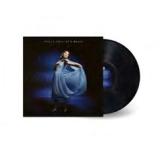
Eine junge Sängerin mit meisterhafter Stimme und Millionen Fans in den sozialen Netzwerken!
Die Hits des Great American Songbook, geschrieben von den großen Meistern ihres Fachs für HollywoodFilme und Broadway-Musicals, erweisen sich auch in unserer modernen, viralen Welt noch immer als charismatisch und relevant. Den Beweis dafür erbringt Sängerin Stella Cole. Mit über 1,6 Millionen Followern
in den sozialen Medien, einem weltweiten Tourplan und zahllosen Fernsehauftritten in ihrer Heimat USA,
brachte die 26-jährige Künstlerin ihren Fans bislang die Klassiker näher, mit einer großen Stimme, die sich
mit legendären Vorgängerinnen messen kann, und ganz viel Gefühl.
Ihr drittes Album, das erste für ein Major Label, nahm sie in den Power Station Studios in New York
City mit Produzent und Manager Matt Pierson (Samara Joy, Joshua Redman, Brad Mehldau) auf. Sogar
den Jazz- & Songbook-Papst und strengen Kritiker Will Friedwald hat Stella Cole mit ihrem neuen Werk
überzeugt!
- Balenos Overture
- Serendia Overture
- Calpheon Overture
- Kamasylvia Overture
- O'dyllita Overture (Piano Concerto)
- Calpheon - Calpheon, The Capital City
- Valencia - Valencia City
- Kamasylvia - Grána
- Atoraxxion - Sycrakea
- Atoraxxion - Yolunakia
- Land Of The Morning Light - Sunset Tainted With Remorse
- Balenos - Velia
- Serendia - Glish
- Calpheon - Keplan
- Balenos - Olvia
- Serendia - Alejandro Farm
- Balenos 42Nd Street
- Mediahn Panorama
- Sunday In Serendia
- Olvian Blue (Live Version)
- 2: Nd Moon - The Shai From Serendia
- 2: Nd Moon - The Busker's Prologue
- Nd Moon - Memories Of Balenos
- 2: Nd Moon - Bustling Tavern Of Calpheon
- Park Juwon - Blood, Roses And Desert
- Koh Sangji - Sycrakea
- Koh Sangji - Velia
- Lim Heonil - Breathtaking Calpheon
- Lim Heonil - A Journey Beyond Keplan
Triple LP pressed on oxblood red, silver and deep ocean pearl vinyl. Pearl Abyss, in collaboration with Black Screen Records, is announcing the release of a special vinyl album set, commemorating the 10th anniversary of its flagship MMORPG, Black Desert. The 3xLP collection celebrates a decade of the game's rich musical legacy, marking a milestone in the globally successful Black Desert IP. Music has been a core pillar of Black Desert's immersive experience since its inception. The anniversary vinyl set pays tribute to that legacy, offering fans an opportunity to revisit their in-game memories through the iconic compositions that have accompanied them on their adventures. The album features a handpicked selection of tracks, composed by Hwiman Ryu and his team, spanning a wide range of genres including jazz, ethnic fusion and alternative rock. Each piece reflects the emotional depth and cultural vibrancy of the Black Desert universe. "I believe vinyl is a journey through time, through music," said Hwiman Ryu, music director at Pearl Abyss. "Since it's common to listen to one side in its entirety, each track builds on the next, complementing each other and deepening the emotional experience. When you listen to the Black Desert soundtrack on vinyl, we hope it will stir something in your adventuring heart and bring about unforgettable memories." In addition to the music, the album's richly designed sleeves are collectible artworks in themselves, making the 10th anniversary set a must-have for audiophiles and longtime fans alike.
- Slow Karma
- Ready To Take Flight
- Mystery Girl
- Communicating
- Why Am I Like This?
- Madeline
- Just Like Magic
- Back To Zero
- What's Best For You
- Postcard
- Wait In The Car
- Do The Twist Of Fate
For a decade now, BAD SUNS have thrived in the sweet spot between indie rock polish and modern alt-pop energy, crafting a sound that feels both urgent and timeless. Accelerator, their fifth studio album, doesn"t just refine that identity-it pushes it into new territory. Stratocasters shimmer through overdriven Vox amps, synths surge like late-night city lights, and the rhythm section pulses with a restless, undeniable energy. It"s a record that doesn"t just move; it commands attention. The band"s evolution has been constant. Since their early days cutting their teeth on tours with Halsey and The 1975, Bad Suns have spent the past two years stretching their reach across genre lines, proving their versatility at major festivals and iconic venues. Whether electrifying Red Rocks alongside All Time Low, opening for Angels & Airwaves, or winning over Finneas" pop-leaning crowd on their 2025 U.S. run, they"ve made a case for themselves as a band without borders. Helmed once again by longtime collaborator Eric Palmquist (MUTEMATH, Thrice) at Palmquist Studios, Accelerator feels like the band"s most conceptually realized work to date. Its 12 tracks unfold with cinematic ambition, balancing airtight hooks with an emotional resonance that shifts depending on how you approach them. It"s an album that doesn"t just sit in the background-it begs to be experienced.
- Under Your Lens
- Values
- Scars
- Watching Over You
- Under The Hill
- Take It All Away
- All Dolled Up
- She's A Teacher
- I'll Drink Your Blood
- Spider Bites
Acid Tongue is an American garage band heavily influenced by classic soul, punk & psychedelic rock. Formed in a damp Seattle basement in 2015, the band immediately hit the road, extensively touring the US & Europe and refining their unique brand of rock & roll. The brainchild of singer/songwriter Guy Keltner, the band also includes numerous touring & studio musicians scattered between Paris, New York, London, Mexico City, & Los Angeles, with a rotating roster that seems to grow larger by the day. In 2015, Acid Tongue established their own label, Freakout Records, and in 2017 the band released their debut album, aptly titled BABIES. The album is a soulful, stoney, heartfelt approach to modern psychedelia. Their 2020 sophomore album, BULLIES, expanded upon the themes of their debut, cementing the band as the Pacific Northwest's most unique garage-rock proprietors. For their third studio album, ARBORETUM, the band recruited veterans from the psychedelic rock scene during production, resulting in first-rate collaborations with artists such as Death Valley Girls, Naked Giants and Canadian singer Calvin Love. Acid Tongue's fourth full-length, ACID ON THE DANCEFLOOR, showcases their now signature sound and a back-to-basics approach to rock music. Incorporating elements of glam, R&B and post-punk, the album is a loud, funky and chaotic acid trip that redefines "the Seattle sound". Acid Tongue's latest album, SCARS, is the band's most personal release to date. The record is moody, atmospheric and overflowing with the psychedelia and punk rock characteristics that have defined the band's sound over the past decade.
- Personality Crisis
- Looking For A Kiss
- Vietnamese Baby
- Lonely Planet Boy
- Frankenstein (Orig.)
- Trash
- Bad Girl
- Subway Train
- Pills
- Private World
- Jet Boy
The extroverted blend of attitude, energy, and ostentatiousness that spills from the New York Dolls’ self-titled debut can be seen in full view on the album cover. Depicting the quintet in its hallmark flash-and-trash apparel and in drag appearance, the 1973 album scared away a considerable amount of potential listeners while capturing the attention of a sizable audience that recognized the band for what it was: zeitgeist pioneers who helped develop the punk and glam rock movements.
Named by Rolling Stone the 301st Greatest Album of All Time and by Mojo the 49th greatest album of all time, New York Dolls receives long-overdue audiophile treatment on Mobile Fidelity’s numbered-edition 180g 45RPM 2LP set. Sourced from the original master tapes, pressed at Fidelity Record Pressing in California, and housed in a Stoughton gatefold jacket, this collectible version marks the first time the group’s career-making statement is available to be experienced in audiophile quality.
Far from harboring the crude elements that became associated with the punk scene, New York Dolls benefits from keen production overseen by none other than Todd Rundgren. Though more accustomed to working far higher-caliber musicians, Rundgren — taken by the New York Dolls’ charisma and cool, if not their instrumental approach — fully understood the ensemble’s aesthetic. He captured what went down at New York City’s Record Plant with an astute blend of live-on-the-floor feel, raw authenticity, and professional acumen.
On Mobile Fidelity’s definitive-sounding reissue, you can hear those facets as well as key details, dynamics, and textures with previously unimaginable insight. Rundgren preserved generous degrees of grit, grime, and grease while bestowing the raucous music with elevated levels of separation, solidity, and impact every landmark recording deserves. His vision extends to introducing choice accents — barroom piano notes, Moog synthesizer passages, Buddy Bowser’s honking saxophones — that add to the songs’ appeal without interfering with the primary architecture.
Afforded extra groove space on this pressing, the tenor, presentation, and attack of both vocalist David Johansen and now-iconic guitarists Johnny Thunders and Sylvain Sylvain come across with stunning vibrancy and vitality. The New York Dolls often seem headed off the rails and into the red, but somehow, the strut, swagger, and sloppiness — and the associated sleaze and scruff, scrape and snarl, frenzy and feverishness those characteristics entail — remain together as a whole that shakes its collective fist at the frustrations, isolation, disarray, and disillusionment of youth chaos and urban decay.
Kicking off its debut with “Personality Crisis,” cited by Rolling Stone as one of the 500 Greatest Songs of All Time, the band makes obvious its grasp of alienation, deviance, displacement, and suburban disaffection — as well as its capacity to play hanging-by-a-thread boogie, noisy rock ‘n’ roll, and Brill Building-inspired pop. The lipstick-kissed New York Dolls possesses traits many of its harsher predecessors would overlook: joyfulness and melody, topped with a knack for knowing how and where to take a song inside of three-and-a-half minutes.
Dive and dash with the belligerent “Looking for a Kiss”; stomp your feet and clap your hands to the big choruses of “Jet Boy”; surrender to the demands and provocations of the coded “Vietnamese Baby”; decide whether “Bad Girl” yearns to explode or implode. It’s one of several tunes here that allude to the world coming to end. Of course, that doesn’t mean there isn’t time for a fling before everything burns. “There’s no place I gotta go,” yowls Johansen. And he means it.
Adorned with tonal crunch, glitter, and gristle, New York Dolls takes pride in its brashness and brattiness. The rambunctious effort, which earned the band the distinction of being voted both “Best New Group of the Year” and “Worst New Group of the Year” in the pages of Creem, displays knowing reverence for the blues without calling attention to the style. The folk-laden “Lonely Planet Boy” is nothing if not a collision of heart-on-the-sleeve emotions and the desire in the face of challenges to maintain a tough-skinned exterior. An interpretation of Bo Diddley’s “Pills,” complete with shivering harmonica and clattering rhythms, announces there’s no cure for what infects this band. It’s that contagious. And how.
His deliveries gushing with campy fun, playful irreverence, and sheer decadence, Johansen doubles as the equivalent of an open fire hydrant that spouts at will. He’s at once tender and vicious, serious and tongue-in-cheek. On arguably his finest hour on the album, Johansen’s phrasing, passion, and lyrical ambiguity alone turn “Trash” into an insistent glam-rock gem whose echoing harmonies and girl-group references stamp it a pop classic.
Too much, too soon? Only for those averse to some of the finest rock ‘n’ roll ever put on tape.
Swimming Paul's first album is available again as a new edition.
In the vibrant city of London, a talented French producer named Swimming Paul made his mark. While he had already spent several years producing music for others, Swimming Paul felt a strong calling to embark on his own creative project—one that would redefine the concept of dance music and infuse it with meaning.
Paul drew inspiration from the early days of house music, recognizing it as more than just a genre. It represented a cultural movement that united people from diverse backgrounds. Motivated by this spirit, Swimming Paul sought to create music that not only made people dance but also brought them together and conveyed powerful messages.
With each composition, Paul approached his work as an artist would approach a blank canvas. He poured his heart and soul into every beat, melody, and rhythm, meticulously crafting a sound that blended elements from various genres while bearing his own unique touch. His music pulsated with the infectious energy of a crowded dance floor, yet it also possessed the ability to evoke deep emotions and provoke introspection.
Swimming Paul’s vision extended far beyond mere entertainment. He aspired to establish a space where people could connect, express themselves, and find solace in the universal language of music. Every track he produced served as an invitation to embrace the present moment, to let go of inhibitions, and to discover the transformative power of music.
Balmat 17 marks both a return and a new frontier. It is the second album on the label from Patricia Wolf, whose 2022 album See-Through is one of the most beloved in Balmat’s catalog; it also marks the first time that Wolf has turned her hand to a film soundtrack. The results are every bit as magical as fans of the Portland, Oregon, composer’s music might expect.
Hrafnamynd—Icelandic for “raven film”—is a new feature-length documentary by experimental filmmaker Edward Pack Davee. Shot on a mix of film and digital formats, and incorporating his father’s Ektachrome slides from the 1970s, the autobiographical film works on multiple levels at once: a reminiscence of his childhood in Iceland, an exploration of landscape and folklore, and a documentary study of the island nation’s ravens—including a talking raven named Krummi.
Wolf is the perfect artist to score such an unusual film. Mixing ambient music and field recording—including extensive experience documenting bird song—Wolf brings an unusually empathic perspective to her music. In the context of Hrafnamynd, her airy melodies, pensive atmospheres, and vivid textures intuitively complement the film’s grainy film stock and blown-out colors. Friends for years, the two artists further bonded when Wolf asked Pack to film music videos for her songs “Woodland Encounter” (from See-Through) and “The Culmination Of” (from I'll Look For You In Others). Pack used Wolf’s previously recorded music as placeholders as he began assembling a rough cut of the film, which made her a natural choice to help him complete his idiosyncratic vision with an all-new, bespoke score.
But Wolf’s soundtrack also indisputably stands alone as a full-length album. Largely created using the UDO Super 6 synthesizer, it features a carefully distilled palette of warm, string-like pads and darkly glistening mallets, rounded out with the very occasional introduction of nylon string guitar. Musically and stylistically, the album’s 11 tracks represent both a continuation of the ruminative sound of See-Through and also an extension into new expressive modes. Few musicians, ambient or otherwise, are as skilled at balancing melody with atmosphere, or at finding ways to eke fresh at finding ways to eke fresh, surprising sounds out of an intentionally reduced toolkit. Meditative, immersive, and emotionally generous Wolf’s Hrafnamynd soundtrack evokes a range of ambient classics from decades past while confidently marking out its own verdant patch of ground.
Artist’s Statement:
Edward and I have been friends for years, but we really started to get to know one another better after I hired him to make music videos for my songs “Woodland Encounter” and “The Culmination Of.” For those projects we got to spend a lot of time hiking in various locations around the Pacific Northwest with his camera, very nice lenses, and tripod. Keeping quiet, hidden, and vigilant we searched for wildlife, good light on the trees, meadows, lakes, rivers, and skies. Edward was already an appreciator of my music and I was already in awe of his filmmaking talents so it felt like a great fit. Although we work in different areas of art our styles compliment one another. We both tend toward slow and careful pacing, with a focus on emotion and introspective reflections on life and the landscapes around us. For this reason, Iknew that I could trust Edward to create videos for my music. We saw so many beautiful and unexpected things on our filming days, but I was moved to tears once I saw how magnificent and poetic it all was. His video work from the cinematography, to the editing, and color correction helped bring my inner vision to life.
A few months after that, Edward surprised me with an invitation to work on the soundtrack for his new film, Hrafnamynd. I enthusiastically said yes. I had always wanted to work on a film, and I knew that his filmmaking style would be inspiring to write music for. I had recently acquired an UDO Super 6 synthesizer but hadn't used it much. I decided that this would be the synth that I'd use for the film. It has the ability to sound very modern, but can also sound so warm and fuzzy, like a synth from the 1970s. It turned out to be the perfect instrument for this project as the film itself straddles time from the ’70s to today.
When Edward sent me the rough cut of the film, he used placeholder music to help give me an idea of the emotion and energy that he was hoping to achieve for each scene. For many of the scenes, Edward used music from my albums as temporary tracks. This told me that he trusted my work and style and therefore I should just trust my intuition with how to proceed. I wanted to make sure that everything that I made was a direct reflection of what was happening on screen, a mirror of its emotion and energy so people could really lock into the film psychologically. This process took my composing to unexpected places—like being led by a strange cat or a raven that seemed to have something to show me. I found that the approach made the music so much more dynamic than my usual style. I really enjoyed being influenced by the action and dialog on the screen. Thankfully, Edward was very happy with the work. I made sure to handle this project with the utmost care because this is about his life and his family, and an exploration of the experiences that made him an artist and filmmaker. While watching the film many times over, I found myself thinking about my own family and my early memories with them and how the place where I grew up has influenced who I have become. I found that his film invites the viewer to reflect on their own lives in a similar way. I hope that this music and film can guide others to contemplate on the history of their beingness and the people and places that shaped them.
Another aspect to this project is the splendor and wonder of Iceland itself. I had the opportunity to visit Iceland for the first time in 2023. I got to play a show there for the Extreme Chill Festival and met many friendly and brilliant Icelanders. I also got to collect field recordings that I used in the film. It's a fascinating place and culture that easily captures the hearts and imaginations of anyone who visits. Whether you spend your time in the city immersed in its impressive arts scene, or venture out into the wilderness to behold its wondrous landscape, it will leave a lasting impression. The soundtrack is also a love letter to Iceland itself.
- Seven Days
- Black Sails (In The Moonlight)
- Exactly Like You
- A Girl Called Mine
- Sad Girl Mambo
- I Want You
- Cadalina
- No-One Else
- I Need No-One
- You Did Her Wrong
- Can You Tell Me
- Red Monkey
- Take You Home Tonight
- Wo' Now
Wiederveröffentlichung des zweiten Milkshakes-Albums als schwarze Vinyl-Stereo-LP! ,Vom eröffnenden Raspeln von ,SEVEN DAYS" bis zu den ausklingenden Tönen von ,WO' NOW" geht der rasende Beat weiter. Sogar die ruhigeren Tracks sind mit dem unverwechselbaren MILKSHAKES-Branding versehen, was darauf hindeutet, dass THE MILKSHAKES die unbestreitbaren Anführer des World Beat sind!", heißt es hier. Nach dem imaginären internationalen Erfolg ihres Debütalbums ,Talking Bout...", und der 45er Single "It's You" c/w ,Please Don't Tell My Baby" beschlossen die Milkshakes, das wenige Geld, das sie noch hatten, für einen weiteren Longplayer zu verschwenden. Das Ergebnis war das clever betitelte, wenn auch etwas prahlerisch klingende ,Fourteen Rhythm & Beat Greats". In der Tat, wenn man die Augen schließt und den Plattenspieler ausschaltet, könnten alle 14 - zähle sie (wenn du das nächste Mal deine Augen öffnest) - fein gearbeiteten Stücke auf dieser LP fast als ,großartig" bezeichnet werden, je nachdem, wo du musikalisch stehst. Mit Live-Favoriten wie ,Black Sails In The Moonlight" und ,Red Monkey" war der allgemeine Konsens, dass dies das bisher beste Werk von THE MILKSHAKES sei (fragt sie selbst). Das muss zum Teil stimmen, denn das renommierte Londoner Label Big Beat Records fand das Album gut genug, um es auf seinem eigenen renommierten Label Big Beat wiederzuveröffentlichen - und das gleich zweimal. Aber das war vor über 40 Jahren, also versucht bitte, eure Begeisterung zu zügeln und bildet eine geordnete Schlange... obwohl, je schneller sie ausverkauft ist, desto eher kann sie - wieder einmal - nachgepresst werden. Bassist Russ Wilkins erinnert sich an die Aufnahme der LP: ,Die Aufnahmen fanden in Herne Bay in Oakwoods zweitem Studio statt. Ich glaube, ich war gerade mit den Prisoners dort gewesen und hatte "Taste of Pink" aufgenommen. Ich benutzte meinen Framus Star Bass und fing gerade an, einen Fender-Bassverstärker zu benutzen, der mich im Studio im Stich ließ, also musste ich einen AC30 Top verwenden, der ziemlich verzerrt und nicht das war, was ich wollte, aber wir mussten damit arbeiten. Man kann es bei "No-one Else" hören, das bei den Proben großartig klang. "Can You Tell Me" war der Beginn des Strippings, bei dem wir versuchten, so minimal wie möglich zu sein, und ich schaffte es später, es auf nur zwei Noten zu reduzieren. Es gab natürlich auch die Wall City Version der Platte, die von Hansi Steinmetz in Berlin herausgebracht wurde - mit einem andersfarbigen Logo auf der Vorderseite. Da sind auch viel mehr Backing Vocals drauf. Ich denke, dafür muss ich etwas Verantwortung übernehmen. Es wurde eher wie die vorherigen Pop Rivets-Alben aufgenommen, indem wir uns alle zusammen in einem Raum aufstellten und live spielten, mit sehr wenigen Overdubs, abgesehen von dem einen oder anderen Solo. Wir haben noch ein weiteres in dieser Art gemacht und dann die Richtung geändert, als wir die sieben Alben an einem Tag oder was auch immer veröffentlichten." RUSS WIILKINS, MAI 2025
- 1: Twenty-Two
- 2: The Belle Sisters
- 3: Tequila Mockingbird
- 4: Trocadero Girls
- 5: Something Precious
- 6: Yellow Crombie
- 7: Last Night I Loved You
- 8: Dreamless
- 9: The Phantom Sonata
- 10: Sundown & Longing
- 11: Captive 1 (Slip Away)
- 12: Captive 2 (Any Old Gin)
- 13: Captive 3 (How Sweet You Were)
- 14: Huntly In Love
- 15: Supernatural
- 16: Pandemonia
- 17: Pandemonia Part 2
- 18: Pandemonia Part 22
- 19: Perhaps Even Easy
The Bathers' 1999 album Pandemonia is re-released by Last Night From Glasgow - Pressed on two shades of vinyl and CD.
"Is Glasgow the most romantic city on earth? The work of the Bathers can make you believe so. Kisses on tenement stairwells, Kelvingrove girls. It's the music of those Glasgow evenings where the elusive sun can make a late appearance on the red sandstone tenements and suddenly that tough old imperial city feels like the perfect place to fall in love. And The Bathers provide the soundtrack."
Featuring guest appearances from Belle & Sebastian's Isobel Campbell and Richard Colburn. Also Catherine Leroy, Mario Caribe, Neil Cameron and Bather regulars...Callum McNair, Hazel Morrison, Robert Henderson, Barry Overstreet & Iain White.
- 01: China Beach
- 02: Born In Black
- 03: The Airplane Song
- 04: Apocalypse Now (& Later)
- 05: Reality Bites
- 06: Amsterdam Hotel Room
- 07: The Friendship Song
- 08: I Hate Chicago
- 09: Screamy Dreamy
- 10: Manic Depression
- 11: The Acid Test Song
- 12: The Hotel Song
- 13: Valeria Golina
- 14: The Apology Song
This 14-song full length was originally released by Bloodshot Records in 2018, but because it contains the potent “I Hate Chicago” diss track, it’s sacred writ that the album needs to be on a Windy City record label. So basically, we drew the short straw and now it’s our cross to bear. Laura Jane Grace is best known for fronting indie-punk titans, Against Me!, but on “Bought To Rot” her debut solo album you will hear lullabies and angular rock with influences ranging from The Pixies to Crass. You’ll come to learn about how Laura hates tra‑c and emails, but if you really listen, you’ll hear an album full of love songs. And we hope you really listen and hear that too.
Way back when, Upgrade & Afterlife was the umpteenth release from the individual and collective forces of David Grubbs (known then for Bastro, The Red Krayola, Codeine, Squirrel Bait) and Jim O"Rourke (known for O"Rourke), whose further history has since numbered at least another umpteen or so essential listens. What is it though, wrapped up in delectable sonic amber here, that defines this Upgrade? To be sure, we hear these young men dashing through the joys of youth-their actual young youth-as well as a version captured in memory and relived with a performative touch. Time remembered as tones, with gravity gained via perceptions. The stuff of memory and sentiment as selective and potentially deceptive in their nature. Who needed "em? As part of its time-traveling function, Upgrade & Afterlife is a return to roots, but not always necessarily Gastr"s. They were more than happy to stand on branches up above other folks in order to see any next thing worth leaping for. In addition to the elder-statesman Conrad, Gastr del Sol drew upon a memorable spectrum of players for the sounds of Upgrade & Afterlife, including Anthony Burr, Steve Braack, Gene Coleman, Mats Gustafsson, Terri Kapsalis, John McEntire, Günter Müller, Jerry Ruthrauff, Ralf Wehowsky and Sue Wolf. When issued, this combination of players, parts and play - packaged in an impressively broad tip-on Stoughton gatefold sleeve emblazoned with Roman Signer"s instantly iconic "Wasserstiefel" image - became the fastest-moving Gastr del Sol record to date. A delightful result, to our way of thinking, of the band"s ability to push at the far boundaries of their music while consolidating upon pleasure points within sounds and songs. Gastr used these polarities to compulsively draw the listener intimately close with sudden injections of g-force and an uncanny interpolation of space.
Following their now cult debut EP, ‘Scream In The City’ and a host of European shows, retro synth provocateurs Sex Kino are back with their latest offering, DEFCON ONE on the highly vaunted Spanish underground label, SOIL Records.
From the explosive electronic disco sounds of such tracks as ‘Space is the Place’ & ‘U-Bahn, to the soaring synths of the formidable ‘East Meets West’, Sex Kino whacks the judges gavel calling to order 50 years of dance music and offers 4 fully realised tracks of poptastic synth wizardry on limited edition vinyl.
Opaque Red Vinyl! The Supersuckers have been blazing their own debris-strewn path since forming in 1988 in Tucson, Arizona, winning over legions of fans with their special blend of hard rock, punk, and country. Their 1992 debut, Smoke of Hell, is a rip-roaring blur, equal parts Ramones, Motorhead, and middle-finger throwing Johnny Cash.
- A1: Stardust
- A2: Unidentified
- B1: Round About Midnight
- B2: Walkin
- B3: If I Were A Bell
- C1: Fran Dance (Put Your Little Foot Right Out)
- C2: Two Bass Hit
- D1: So What
- D2: All Of You
- D3: The Theme
In December 2024, The Lost Recordings released the first volume of this legendary concert, recorded on October 11, 1960, at the Olympia by Miles Davis and his quartet, joined by saxophonist Sonny Stitt. Alongside pianist Wynton Kelly, bassist Paul Chambers, and drummer Jimmy Cobb, they formed an ensemble of exceptional musicality.
Now comes the second part of this remarkable concert.
In 1960, Miles returned to Paris for the fourth time in 12 years. Just months earlier, he had performed there with John Coltrane in a turbulent concert, marking the end of their collaboration. In October, at the Olympia, he rediscovered a stage he loved in a city he had fallen for back in 1949. "I loved being in Paris, I loved the way I was treated there," he would later say.
Since 1949, his music had evolved. From his immersion in Parkerian bebop to his collaboration with Gil Evans, he refined his style, developing a more spacious jazz inspired by Ahmad Jamal and enriched by his classical training. The soundtrack of Elevator to the Gallows in 1957 was a turning point, foreshadowing the pinnacle of Kind of Blue in 1959.
From the opening notes of Stardust, a previously unreleased piece, Miles sets the tone—seduction and lyricism. With a track attributed to Sonny Stitt, the swing settles in. The atmosphere intensifies with ‘Round Midnight, followed by Walking, where Stitt and Davis engage in a masterful exchange. If I Were a Bell and Fran Dance offer a more introspective moment before Two Bass Hit reignites the energy. The concert reaches its peak with So What and All of You, as Miles captivates the audience until the final notes of The Theme.
Our quest to recover the full concert began in 2022 when a friend sent us a photo of magnetic tapes in Brittany. A label reading "Miles Davis – Olympia 1960" caught our attention. After two years of research spanning France, the United States, and Stockholm, we are proud to present, for the first time, the complete version of this legendary concert.
- 1: I'm A Stranger Here/Stranger Blues
- 2: Nervous
- 3: I Just Want To Make Love To You
- 4: Born With The Blues
- 5: I Got My Eyes On You
- 6: John Henry
- 7: I Need Money
- 8: Everyday, I Have The Blues
- 9: Night Time Is The Right Time
- 10: My Own Fault
- 1: Baby, Won't You Please Come Home
- 2: Moanin
- 3: Money Honey
- 4: Kansas City
- 5: Bye Bye Baby
- 6: Medley : The Blues Ain't Nothin' But A Woman & Bye Bye Baby
- 7: Eyesight To The Blind*
- 8: Your Funeral & My Trial*
- 9: Bye Bye Bird*
- 10: Fattening Frogs For Snakes*
- 11: Bye Bye Blues*
- 12: Wake Up Baby**
The blues, born in the cotton fields of the American South, emerged from makeshift instruments and simple harmonies rooted in African heritage. It captured the struggles, hopes, and fleeting joys of laborers enduring harsh conditions, with its hallmark "blue note" adding a unique dissonance to this evocative musical style.
As industrialization progressed, the blues migrated to urban centers like Chicago and New Orleans, evolving with modern instruments and expanding themes to reflect urban struggles, sensual nights, and existential despair. This period birthed many of the musicians who later formed the American Folk and Blues Festival (AFBF), an initiative started in 1950s Germany to introduce Europe to the genre and counter its reductive reputation as a precursor to jazz.
The Lost Recordings celebrates these legendary artists through restored performances from the 1962 Olympia in Paris and the 1963 Stadttheater in Bremen. Featured artists include John Lee Hooker, Memphis Slim, Sonny Terry, Brownie McGhee, T-Bone Walker, Helen Humes, and others, showcasing the depth and evolution of the blues.
From intimate duos like Brownie McGhee and Sonny Terry’s harmonica-guitar interplay to T-Bone Walker’s electrifying group performances, each act demonstrates the genre's versatility and influence. John Lee Hooker’s solo mastery mesmerized audiences, while T-Bone Walker pioneered the electric guitar's place in blues, inspiring legends like B.B. King.
The album also highlights Sonny Boy Williamson, whose charismatic harmonica and profound sensitivity defined his performances. These concerts take listeners on a journey through the authentic sound of the blues, traversing America’s history and foreshadowing its transformative impact on global music.
- A1: Ghost Entry
- A2: A City In The Skies
- A3: Forgive Us
- A4: Nocturne #1
- A5: Locusts
- B1: Hollywood Babylon
- B2: The Red Light
- B3: Nocturne #2
- B4: Helian (Trakl)