Mind is perched on a cloud, feet grounded to the beat. Emotions use rhythm as a vehicle to share their message to the world.
Arts & SciencesVol 1 opens up with music from Matheiu and Max Jacobson for an everlasting dancefloor piece which was several times already presented to Berlin a welcoming Berlin audience. Kenji Tazaki's Eigene Zeit cools down the heat with a unique sense of depth and melody embarquing the listener into a sophisticated journey. Our dear Matt Star opens up Bside with a timeless moving piece, and Redrop closes down the house with a classic cocktail composed of 3 ounces of old school break beat, and 3 ounces of modular pads and bleeps.
Suche:red math
Foyer Red’s debut LP, Yarn the Hours Away, plays out as a collection of short stories, each with its environment and protagonist(s) meticulously crafted by the band, with lead singer, vocalist, and clarinetist Elana Riordan at the helm. Foyer Red’s debut EP, Zigzag Wombat, showcased their playfully chaotic arrangements, which bridge art-punk, math rock, and sweetly sung indie with a dash of the zoomies.
The band synthesizes their homespun take on magical realist indie rock that was centered on their EP with their varied musical influences; taking cues from the otherworldly melodies of Cate Le Bon, Yucky Duster’s jangle-filled crayon rock, and the organized chaos of Deerhoof’s iconic polyrhythms. The songs that makeup Yarn the Hours Away are fantastical, surrealist stories that hinge on contemporary, post-digital life.
The lead single “Etc” captures this dynamic perfectly. Anchored by Eric Jaso’s hypnotizing bass line, the song unfolds with off-kilter call-and-response vocals between Riordan and Kristina Moore, their stilted deliveries bouncing around the mix. The track is searching but discontent with the algorithmic and claustrophobic realities of daily life: singer/guitarist Mitch Myers throws the song for a loop singing, “gathering information / will set you free once you’ve reached / 37 percent / of the database.” While there’s paranoia and cynicism undergirding the lyrics, the song itself is a thrilling and playful listen.
The songs on Yarn the Hours Away are uniformly exciting and compelling; each track feels distinct and sometimes even in direct conflict. The peppy opener “Plumbers Unite!” belies its themes of gamification of our daily lives and delves into the science fiction and fantasy songwriting of Foyer Red’s debut EP. Centered around a relentless rhythm section, their dueling vocals never abate; Moore and Riordan’s honey-sweet but getting more frantic as the song progresses, while Myers’ erratic talk-singing culminates in one final frustrated scream. Juxtapose this with “Gorgeous,” a lovely song about Riordan and drummer Marco Ocampo’s relationship that sees the band slowing their pace into a blissful sway. Riordan coos and sighs over the track while recalling “Marco-isms”; botched colloquialisms that Ocampo uses.
“Gorgeous” shares little in common with “Pocket,” a loose lamentation on late capitalism that touches on time travel and human evolution. Moore and Riordan’s exclamations are chopped up and used as rhythm instruments, layered over the intricately frenetic guitars of Myers and Moore. Foyer Red thrives on these extremes and contradictions. Where their first release was self-recorded, this LP found them in Figure8 Studios with a deadline. “It was really liberating,” says Jaso. “We're all just kind of throwing in our own voices and challenging each other to make the songs better.”
Yarn the Hours Away comes from a lyric on the closer “Toy Wagon.” The song that first marked the time Moore and the rest of the band worked together, a promising spark of a thrilling collaboration to come. “It harkens back to all of us coming together and spending the hours together in music,” says Moore. “There are few moments where you get to relax and exhale,” adds Riordan. “It's what happened when the five of us got together and started writing. We just wrote all of these out there songs and we didn't see a reason to dial that back. Its natural form is in its chaos and layered craziness.”
- A1: Damian Lazarus X Jem Cooke - Into The Sun (Major League Djz Remix)
- A2: Jamie Jones - Paradise 2011 (Art Department Remix)
- B1: Pier Bucci - Hey Consuelo (Dennis Cruz Remix)
- B2: Audiojack X Jem Cooke - Feels Good (Michael Mayer Remix)
- C1: Made By Pete X Zoe Kypri - Horizons (Black Coffee Remix)
- C2: Adam Ten & Yamagucci - The K Dance
- D1: Maceo Plex - Together (2011 Mix)
- D2: Guti & Dubshape - Every Cow Has A Bird (Tibi Dabo Remix)
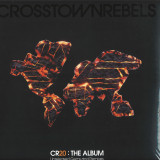
Damian Lazarus celebrates 20 Years of his world-renowned Crosstown Rebels imprint with a special album project of unreleased cuts and fresh remixes, featuring material from Black Coffee, Maceo Plex, Art Department, Dennis Cruz and many more.
Undeniably one of the most influential record labels within underground dance music, releasing material from Laurent Garnier, Krust and Mathew Jonson to Rósìn Murphy, Deniz Kurtel, Francesca Lombardo and Jennifer Cardini while playing a pivotal part in the careers of artists like Maceo Plex, Jamie Jones, Art Department and Seth Troxler, Crosstown Rebels stands today as a hub and platform for flourishing projects across the electronic spectrum, including via sub-label Rebellion and across a long list of showcases across the globe. More than just your everyday label, the Crosstown Rebels legacy has grown alongside its founder in equal measure, with head honcho Damian Lazarus continually showcasing, championing and spotlighting artists from across the globe who share his radiant, experimental vision for house music and beyond. Ringing in a major milestone in style, 2023 will see the biggest twelve months to date as Lazarus and Crosstown mark the 20th Anniversary of the label with a series of projects set to be unveiled in the lead-up to summer, with ‘CR20 The Album’ set for release on 12th May 2023.
“20 years ago, I dreamed a dream of creating a family of like-minded, crazy individuals from all corners of the planet - releasing music to the world and making people dance. That dream was Crosstown Rebels, and this year we are 20. Over these years, I have forged beautiful friendships, discovered very talented artists and tried my best to help, advise and support some of the most colourful characters in dance music. Crosstown Rebels is more than a record label, it is family.
So 2023 will mark the label’s 20th Anniversary. This is an opportunity for the Crosstown Rebels family, a global community of artists, DJs and creatives, and the label’s myriad of followers to celebrate this momentous milestone. There will be parties and events around the world. A killer compilation of exclusives and special remixes, a beautiful coffee table book, a short film, and a special launch event are planned to bring together the sights and sounds of the label’s unique and influential history. There’s lots to share, announce and reminisce. 20 years young.” - Damian Lazarus.
Comprised of six stellar, high-profile remixes of releases from the label’s catalogue, alongside two previously unreleased original gems, the eight-track package is a rich and exemplary showcase of the far-reaching corners of the Crosstown Rebels sound and also its globally connected family of artists and close friends.
Opening the package, Lazarus’ own 2020 collaboration ‘Into The Sun’ with regular Crosstown vocalist Jem Cooke is given a cosmic rework by Johannesburg’s Major League DJz, while Jamie Jones’ slick ‘Paradise 2011’ is stripped back and given a new lease of life by the hypnotic and heady sounds of Art Department. Opening the B-Side, Dennis Cruz brings his percussive Latin-infused signature sound palette to Chilean musician and producer Pier Bucci’s ‘Hay Consuelo’, before Audiojack’s ‘Feel Good’, another standout collaboration alongside Cooke, is taken into synth-led territories as Michael Mayer reaches for an evolving bed of captivating tones.
The second half of the project brings more excellently remixed material, both new and old, with GRAMMY-winning DJ/producer Black Coffee turning his hand to the label’s first release of 2023 in Made By Pete and Zoe Kypri’s emotive ‘Horizon Red’, unveiling reworked melodies and sparkling keys as he delivers an interpretation of a track which has featured as a staple in his sets. Next, the project welcomes Adam Ten & Yamagucci’s playful yet off-kilter and wonky ‘The K Dance’ which unveils itself as a production perfect for those late night hours and early afters, before Ellum boss Maceo Plex’s ‘Together (2011 Mix)’ brings another lost production to the mix with a driving and zipping ride through sugary synths and soaring leads. To close, Tibi Dabo turns his attention to Guti & Dubshape’s absorbing ‘Every Cow Has A Bird’, delivering a nimble minimal-led trip through lush pads and crisp percussion to round things out in style.
Alongside the album, the 20 Year celebrations will also welcome a 192-page hardback book, ’20 Years Of Magic, Madness and Music’, with words from renowned journalist and key underground music player Joe Muggs, and a feature-length documentary directed by acclaimed director David Terranova.
Crosstown has become known globally for throwing some of the world’s best parties, from the wondrous cultural journey of Day Zero Tulum to longstanding Music Week marathon Get Lost Miami. This ethos of creating magical dancefloor moments spills into the label’s 20 year celebration with its worldwide Get Lost tour, launched with Get Lost Miami, and followed by Bali, Tokyo, Ibiza, Dubai, Istanbul, Rome, Paris, London, Berlin and more, plus a special to-be-announced London showcase.
Ltd coloured 2LP edition, w/ etching on side D! "I'm obsessed with late 90's Meshug- gah, early Dillinger Escape Plan, and early Cult of Luna," explains guitarist Pierre Carroz deftly about the influences behind the sound of his brainchild. Combining the sonic agility of the American math-core pioneers with the relentless ferocity of the Swedish progressive metal innovators, Herod produce a brand of heavy music that is truly face melting. Having played with le- gendary metal acts like Obituary, Napalm Death and Carcass, Herod are no strangers to the international metal scene, and it shows in the calibre of their music. Their upcom- ing third album The Iconoclast puts the full power of their artistry on display, redefining musical heaviness and atmosphere at every turn imaginable. Iconoclast sees the Swiss quintet paint with a consistent palette of groovy syncopated riff- ing, heavy breakdowns, and a diversity of vocal techniques and deliveries. Using similar col- ours and textures to create many different pictures, it's an approach that feels almost experi- mental. Like great abstract painters like Kazimir Malevich or Jackson Pollock, Herod continue to develop their technique and method throughout their oeuvre. Iconoclast is a creation of pure magnificence, combining an undeniable artistic mindset with the best of what modern metal has to offer. «The Edifice» features the incredible Matt McGachy from Canadian technical death metal legends Cryptopsy while the album closer sees the band collaborate with long-time friend Loi"c Rosetti: «The Prophecy» poses him against a most ferocious backdrop, capturing two amazing vocalists of the past and present Ocean Col- lective teaming up and facing off, since Herod's vocalist Mike Pilat was the main vocalist on The Ocean's «Precambrian» album (2007). FOR FANS OF Meshuggah, Gojira, Cult of Luna, LLNN, Vildjharta, Primitive Man, Uneven Structure
- A1: Seven Nation Army
- A2: Black Math
- A3: There's No Home For You Here
- B1: I Just Don't Know What To Do With Myself
- B2: In The Cold, Cold Night
- B3: I Want To Be The Boy To Warm Your Mother's Heart
- B4: You've Got Her In Your Pocket
- C1: Ball & Biscuit
- C2: The Hardest Button To Button
- C3: Little Acorns
- D1: Hypnotize
- D2: The Air Near My Fingers
- D3: Girl, You Have No Faith In Medicine
- D4: It's True That We Love One Another
Red Vinyl
Anlässlich des 20-jährigen Jubiläums des Albums «Elephant», eines der weltweit erfolgreichsten Alben der Rockgeschichte; veröffentlicht das Third Man Label eine limitierte farbige Vinyl-Edition mit einer rot und einer weiß marmorierten Platte an, die in der Third Man-Fabrik in Nashville gepresst wurde. Das Cover ist eine alternative Version des Originals mit Meg und Jack, die weiße Kleidung tragen, der Text auf der Rückseite ist als Prägung (embossed) gestaltet. Das Album enthält u.a. den größten Hit der Band und sicherlich einer der ikonischsten Songs der Rockgeschichte "Seven Nation Army", das durch die Chor-Coverversionen in allen Stadien der Welt in den letzten 20 Jahren populär geworden ist.
Standard Black Vinyl LP w/ Foil stamped jacket, printed inner sleeves + DL card. Legendary Tacoma, Washington mathcore/hardcore/metal band Botch's debut full-length American Nervoso was originally recorded in 1998, eventually becoming one of the most ground-breaking records during a pivotal shift in heavy music. Now, the band's debut album is set to be re-issued on Sargent House 25 years after its original release. The album features white-hot guitar action, scathing vocals, sweet bass moves, and torrential drums, smashing existing precepts of hardcore and redefining both the word and the music for a generation of kids and grizzled vets alike. Bassist Brian Cook, guitarist David Knudson, drummer Tim Latona, and vocalist Dave Verellen formed Botch in 1993, eventually becoming one of the most significant bands of their time. Their final show was June 15, 2002, the same day as the release of their final EP, An Anthology of Dead Ends. The members would go on to play in These Arms Are Snakes, Minus the Bear, and Russian Circles, among others, with acclaim for the band coming mostly post-breakup. Over 20 years since they played their final show, Botch are reuniting for select dates in the Pacific Northwest in February 2023. 25th anniversary re-issue of Botch's critically lauded debut album. Botch have their first live performances in over 20 years for early 2023. Botch have been included on "Most Influential lists" by outlets like Decibel, Rock Sound, Alternative Press, A.V. club + more
Meshuggah wurden 1987 im schwedischen Umeå gegründet, vom legendären Rolling Stone-Magazin bereits als "eine der zehn wichtigsten Hard- und HeavyBands" bezeichnet, und haben sich den Respekt und die Bewunderung von Fans und Musikern gleichermaßen
verdient.
Es ist unmöglich, über Experimental- oder Avantgarde-Metal zu sprechen, ohne diesen wirklich bahnbrechenden Act zu erwähnen: MESHUGGAH mischen ultra-komplizierte rhythmische Muster mit
massiven Riffs und aggressiven Growls und kombinieren
Death Metal, Mathcore, Thrash und Progressive Metal, um ihren einzigartigen Stil zu kreieren.
Das Jahr 2023 markiert nun das 15-jährige Jubiläum des Meilensteins der Band: "ObZen"
Meshuggah wurden 1987 im schwedischen Umeå gegründet, vom legendären Rolling Stone-Magazin bereits als "eine der zehn wichtigsten Hard- und HeavyBands" bezeichnet, und haben sich den Respekt und die Bewunderung von Fans und Musikern gleichermaßen
verdient.
Es ist unmöglich, über Experimental- oder Avantgarde-Metal zu sprechen, ohne diesen wirklich bahnbrechenden Act zu erwähnen: MESHUGGAH mischen ultra-komplizierte rhythmische Muster mit
massiven Riffs und aggressiven Growls und kombinieren
Death Metal, Mathcore, Thrash und Progressive Metal, um ihren einzigartigen Stil zu kreieren.
Das Jahr 2023 markiert nun das 15-jährige Jubiläum des Meilensteins der Band: "ObZen"
- A1: The Manhattan Transfer - Chanson D'amour
- D2: Bread - Make It With You
- D3: Shirley Bassey - Something
- D4: Judy Collins - Send In The Clowns
- D5: Eric Carmen - All By Myself
- D6: Art Garfunkel - I Only Have Eyes For You
- D7: Johnny Mathis - I'm Stone In Love With You
- A2: Neil Diamond - Song Sung Blue
- A3: Helen Reddy - Angie Baby
- A4: Captain & Tennille - Love Will Keep Us Together
- A5: Carole Bayer Sager - You're Moving Out Today
- A6: Demis Roussos - Forever & Ever
- A7: Drupi - Vado Via
- A8: Kiki Dee - Amoureuse
- B1: Cliff Richard - Miss You Nights
- B2: David Soul - Don't Give Up On Us
- B3: Dean Friedman - Lucky Stars (With Denise Marsa)
- B4: 10Cc - The Things We Do For Love
- B5: Neil Sedaka - Laughter In The Rain
- B6: Alessi Brothers - Oh Lori
- B7: Rita Coolidge - We're All Alone
- B8: Elkie Brooks - Pearl's A Singer
- C1: Commodores - Easy
- C2: Diana Ross - Do You Know Where You're Going To (Theme From Mahogany)
- C3: Dionne Warwick - I'll Never Love This Way Again
- C4: Sammy Davis Jr - The Candy Man
- C5: Barry Manilow - Daybreak
- C6: Tom Jones - She's A Lady
- C7: Peters & Lee - Welcome Home
- C8: The New Seekers - I'd Like To Teach The World To Sing (In Perfect Harmony) (In Perfect Harmony)
- C9: John Denver - Annie's Song
- D1: Billy Joel - New York State Of Mind
Across 2LPs comes a unique collection of authentic 70s nostalgia.
Blissful and relaxing, compiled together onto vinyl is the warm sound of 32 of the decade’s finest works of easy listening pop.
Find classic lounge tracks from The Manhattan Transfer, Neil Diamond and Demis Roussos alongside Dionne Warwick, Commodores, Billy Joel and many more.
Wie alle drei vorherigen Alben der Band beruht auch dieses auf der konzeptionellen, ideellen und künstlerischen Verbindung zwischen der Musik von FESTLAND und der bildenden Kunst des Malers, Zeichners und Texters Fabian Weinecke, der im Jahr 2012 verstorben ist. Das Trio (DDFM, Thomas Geier, Yoshino) vertont die lyrischen Texte Weineckes in eigenen Kompositionen und nutzt seine Bilder und Zeichnungen zur Covergestaltung. Er ist somit als assoziiertes, viertes Mitglied der Band zu verstehen. "Hippies" wird als Doppelalbum (12"/Vinyl) erscheinen. Es wurde im Parka Sound Studio in Berlin Kreuzberg eingespielt und dort von Berend Intelmann (Paula, Jens Friebe) abgemischt. Norman Nitzsche (Whitest Boy Alive) besorgte das Mastering. Dem Album werden zwei Booklets mit Malerei und Zeichnungen aus den verschiedenen Schaffensphasen Fabian Weineckes beigelegt. Seit dessen Tod an den Folgen einer lebenslangen Mukoviszidose im Jahr 2012 spielen FESTLAND in reduzierter und elektroakustischer Instrumentierung. Zum musikalischen Kern gehört das repetitive und zahnradartig ineinandergreifende Spiel von Geige, Kontrabass und Schlagwerk. Im Zusammenhang mit den witzig-skurrilen, traurigen und poetischen Texten im mehr stimmigen zarten Gesang des Trios ist somit ein ganz eigensinniger musikalischer Kosmos entstanden. Die musikalische Referenz dafür bildet weniger ein klassisches als vielmehr ein popmusikalisches Repertoire, das in der elektronischen Musik von House, Techno und Dub zu verorten ist. Der Journalist Jens Uthoff schrieb in der taz über das dritte Album treffend, es klänge so, als "habe man Kraftwerk die Synthesizer weggenommen". Der Radiomoderator und DJ Klaus Fiehe (1 Live Fiehe, ByteFM) sprach von "Math-Folk".FESTLAND knüpfen konzeptuell nicht nur an elektronische Musik oder Krautrock der 1970er sondern auch an eine Phase avantgardistischer Popmusik und Malerei der 1980er Jahre an (etwa "Neue Wilde"), in denen Künstler*innen in beiden Welten von Musik und bildender Kunst gleichermaßen zu Hause gewesen sind.
Following the release of the limited edition gatefold edition last summer, Ferry Djimmy's obscure afro masterpiece 'Rhythm Revolution' sees its original-form reissue for the first time on 20 January. Number 2 among Rough Trade's 'Reissues of the Year' for 2022, this edition is pressed on red vinyl. The album was originally recorded in the mid-1970s in support of Benin's revolutionary leader Mathieu Kérékou. Rumour has it that less than two hundred copies survived a late-'70s fire. It is one of the toughest and deepest slices of African funk ever cut, combining raw African rhythms with distortion, energy and wit. In spite of obvious nods to James Brown, Fela Kuti, George Clinton and Jimi Hendrix, Ferry managed to create something very unique.
- 1: Turpe Est Sine Crine Caput
- 2: Não Fale Com Parede
- 3: Espêlho
- 4: Lem - Ed - Êcalg
- 5: Ôlho Por Ôlho, Dente Por Dente
- 6: Metrô Mental
- 7: Teclados
- 8: Salve-Se Quem Puder
- 9: Animália
Módulo 1000 were not messing around when they made 'Não Fale Com Paredes’. It holds its own, not just as a raw, heavy, experimental “Brazilian” psychedelic rock album, but as a raw, heavy, experimental psychedelic rock album, full-stop!
Formed in Rio de Janeiro in 1969, Módulo 1000 honed their craft as the house band in clubs and resorts in São Paulo where they predominantly covered American artists such as Jimmy Hendrix as well as British giants, Led Zeppelin. After acquiring a taste for fame following the performance of one of their tracks at the Rio International Song Festival, the band focussed their attention on composing original material. Their manager, Marinaldo Guimarães, encouraged the band to explore their experimental and creative sides. This, in parallel with the explosion of experimental music in Brazil, resulted in the band performing alongside heavyweights such as O Têrço; there was a happening in the air.
Módulo 1000 recorded just one album. Released on Top Tape records in 1972, it featured Eduardo Leal on bass, Candido Faria on drums, Daniel Cardone on guitar, violin and vocals, and Luiz Paulo Simas on organ, piano, and vocals. 'Não Fale Com Paredes' was produced by the popular DJ, Ademir Lemos, and came housed in a fold-out cover featuring tripped-out artwork and design by Wander Borges. However, due the uncompromising nature of its wild, heavy psychedelic rock sound, the album was destined not to be played on the radio in Brazil. Rumours suggest that the label didn't understand the album, and as a result, it wasn't promoted or marketed. Thus, like many other underground cult classics, it was lost in the ether, only later to be rediscovered by a new audience at a different time.
One thing is certain, you definitely know when you've heard Módulo 1000. The sound is raw, heavy and at points quite aggressive, more Black Sabbath than Os Mutantes. It floats between psychedelic rock, prog rock, early metal, and dare we say, displays elements of proto-math-rock.
The band’s discography includes a 7" single, as well as their music being featured on several compilations for Odeon Records, additionally they released a 7" single under their alias 'Love Machine' for Top Tape Records. These compositions are included as bonus tracks on the CD version of our reissue.
When British Airways got privatized and listed on the London Stock Exchange, somewhere in Canada the first Starbucks outside of the US opened, and the Walt Disney Company signed an agreement with the French Prime Minister to construct Disneyland Paris. In the sky above southern Argentina, Equatorial Guinea, Cameroon, Sudan, Ethiopia, Djibouti, northern Somalia, and the Atlantic Ocean a hybrid solar eclipse materialized for 7.57 seconds, whilst Margaret Thatcher performed for 45-minutes on Soviet television. Some days later, The Simpsons cartoon first appears as a series of shorts on The Tracey Ullman Show, Diego Maradona wins his first Italian soccer championship with Napoli, and Eighteen-year-old West German pilot Mathias Rust lands a private plane on Red Square in Moscow. In the mists of the world's first conference on artificial life at the Los Alamos National Laboratory, the first Kentucky Fried Chicken restaurant in Mainland China opens in Beijing, and Prozac gets approved for use as an antidepressant in the United States. Much give way for the future, down there in 1987, the year that marks the title of Benedikt Frey’s freshest mini album, out into the world on R.i.O., the label he runs with some pals in the North of Berlin. It’s a dubby melancholic conqueror, wistfully, repetitive, drilling, absorbing, spooking. It makes you dream. Not particular of the year 1987. But it’s all there: The Red Square, the untouched land of the Val d'Europe, Diego on fuego. Six dark-ish tracks in trance, melancholic dub, downbeat heaven, journey music depths, all full of light and yet so dark. Futuristic dramas linked to a speculative past. In our dreams all might look different. The eclipse may last 27- minutes. You meet Neuromancer cyberpunks and blade running Ghost dogs, all taught to hack by Phrack. Cristal clear melodies, sampled voices, and veiled basslines, analogue scopes, and digital ropes, longing for a past that storm into the future. A time where deep listening widens the acoustics into infinity, while neon glows charm the light smog. Benedikt Frey been down there. Or maybe not. His latest music tells stories from the bygone, vested with the forthcoming. Come in and look out. There is nothing to see, yet so much to hear.
- A1: Plays Albert Ayler 1 10 01
- A2: Plays Albert Ayler 2 09 45
- B1: Plays John Cassavetes 1 09 58
- B2: Plays John Cassavetes 2 09 57
- C1: Plays Hubert Fichte 1 10 01
- C2: Plays Hubert Fichte 2 09 59
- C3: Plays Cornelius Cardew 1 04 01
- D1: Plays Cornelius Cardew 2 04 03
- D2: Plays Robert Johnson 1 04 04
- D3: Plays Robert Johnson 2 04 00
Ekkehard Ehlers' seminal plays series was originally released on three 12inches (Staubgold) and two 7inches (Bottrop-Boy) in very limited runs. The entire series was previously only available as a CD compilation or digitally. Keplar finally presents it on double vinyl for the first time, featuring a new cover artwork.
Domestic ethnology: Ekkehard Ehlers plays.
‘Play’ is a word in English with many meanings attached. Each one sends you down a different cognitive pathway. When I think of ‘playing’, in the sense of a game, I think of an activity involving more than one person. When Ekkehard Ehlers plays, he is very much on his own. Or, at least, alone but at the same time keeping intimate company with the artistic innovators named in his titles. Robert Johnson. John Cassavetes. Albert Ayler. Cornelius Cardew. Hubert Fichte. Is he playing with them, against them, about them, for them, to them? This can never be known.
It is certainly a mistake to try to hear the ‘work’ of these originals in the sounds played by Ekkehard. They’re not cover versions. They’re hardly tributes in the conventional sense. Cassavetes and Fichte are not even musicians, although music played an important part in both their careers. Sure, there are little nods and flashes of recognition – tiny guitar licks among the minimal beats of ‘Robert Johnson 2’; rich bowed instruments in ‘Albert Ayler’, recalling the violin, cello and double bass arrangements on Ayler’s 1967 Live in Greenwich Village LP; the elongated organ lines of ‘Cornelius Cardew 1’ gesturing towards passages in Paragraph 1 of the British composer’s 1971 Marxist monolith, The Great Learning. Ekkehard is not so much playing these figures as allowing himself to be played by them.
Playing as an activity also suggests freedom. Maybe the only thing all five named persons have in common is that they were all quiet radicals. In music, literature and cinema, they all stepped, without self-promotion or fanfare, into unmapped territories. Once there they found it necessary to invent new languages in order to survive. Necessity was the mother of their inventiveness. They were also uncomfortable avant gardists. Lonely types, fighting their corners out on the margins, with little reward, often misunderstood, ridiculed or ignored.
All died unfairly young. Fichte a victim of HIV/AIDS, Cassavetes of cirrhosis of the liver. (‘Cassavetes 2’ sounds like a tender farewell played across the 59 year old alcoholic director’s death bed.) The deaths of Johnson, Ayler and Cardew have never been satisfactorily explained, and remain shrouded in myths and conspiracy theories. The pioneering expeditions of all five began in that spirit of playful freedom, but inexorably drew them towards the heart of darkness.
So these ‘plays’ are micro-dramas, sonic soliloquies, monolog-ins to the private accounts of various geniuses in Ekkehard’s ‘follow’ list. Hacked sensibilities. Artistic manifestos boiled down and distilled, skinned and dried in the digital smokehouse. (Ekkehard Ehlers Flays.) Each of these plays was originally floated out into the world alone on its own disc. The collected works play well as a team – a tranquil, introspective experience where each artist has his own identifiably unique sound character. As an album, Plays is a ‘Plattenragout’ – a ‘record stew’ – which was the title of Hubert Fichte’s LP review column in the leftist culture magazine konkret in the 1960s. The novelist’s work investigating the cultures of South America and the Caribbean islands has been called ‘domestic ethnology’. The writer himself referred to his ‘ethnopoesie’. Ekkehard Ehlers’s intuitive electronic portraits are a form of domestic ethnology in themselves. Invoking another of Ekkehard’s musical aliases, they are portraits of cultural ‘autopoiesies’ – creators whose works were strong enough to have their own self-regenerating life force. (by Rob Young)
All tracks written and produced by Ekkehard Ehlers.
Featuring Stephan Mathieu, Joseph Suchy, Anka Hirsch.
Tracks A1 to C2 originally released on three 12inches via Staubgold.
Tracks D1 to D4 originally released on two 7inches via Bottrop-Boy.
Plays originally released as CD compilation in 2002 by Staubgold.
Mastered by Rashad Becker.
Cut to vinyl by Lupo, Berlin, 2022.
Redesigned by Sandra Kastl, 2022.
Photos by Ludger Blanke
Random Color Vinyl[33,40 €]
CAUSTIC CASANOVA, die psychedelischen Heavy-Riffonauten aus Washington, DC nutzen auf ihrem fünften, das Gehirn schmelzenden Album die starke Kernkraft ihres hyperkinetischen Zentrums, um diverse Soundpartikel in die musikalische Wechselwirkung einzubinden und in einer kaleidoskopischen Heavy-Rock-Extravaganz explodieren zu lassen. Im Jahr 2005 als Trio gegründet, schlagen Schlagzeugerin und Sängerin Stefanie Zaekner, Bassist und Sänger Francis Beringer sowie Gitarrist Andrew Yonki, mit CAUSTIC CASANOVA immer wieder neue Wege ein, um ihre ebenso packende wie unvorhersehbare Musik spannend zu verfeinern. In ihren Klangräumen verbindet sich sardonischer Noise-Rock und proggiger Sludge im Stile von BARONESS, RED FANG und TORCHE mit der gewaltigen Wucht der MELVINS, der Experimentierfreude von BORIS und flottem Gitarren-Heldentum sowie einem Hauch von verdunkeltem Post-Punk. Mit der Aufnahme eines zweiten Gitarristen in der Person von Jake Kimberley im Jahr 2019 machte sich das nunmehrige Quartett auf eine Abenteuerreise mit dem erklärten Ziel, das waghalsigste und rockigste CAUSTIC CASANOVA Album aller Zeiten zu erschaffen. Dabei nutzen die Amerikaner geschickt alle erweiterten Möglichkeiten, die sich aus ihrer Verstärkung mit einer zweiten Gitarre ergeben. Gleichzeitig unterstreichen die Vier auf "Glass Enclosed Nerve Center" auch all ihre bisherigen Stärken: Beringers straffer, melodischer Bass pumpt heftig die beiden heiß-bruzzelnden Gitarren auf, die den gesanglichen Dreiklang flankieren. Zaenkers flexibles Schlagzeugspiel treibt die fünf mäandrierenden Songs des Albums einfallsreich an und fühlt sich sowohl im swingenden Bill-Ward-Stomp als auch in der Hibbeligkeit des Math-Rock wohl. Langjährige Reisende in CAUSTIC CASANOVAs Fahrwasser dürfen "Glass Enclosed Nerve Center" als eine Art von berauschender Rückkehr empfinden, zu der auch das ehrgeizig ausufernde, 22-Minuten-Epos 'Bull Moose against the Sky' erheblich beiträgt, welches die gesamte B-Seite des Albums in Beschlag nimmt. Doch auch wer den massiven Sound dieser galoppierenden Psychedelic-Sludge-Büffel noch nicht kennt, bekommt hier herausragendes Songhandwerk und eine reiche lyrische Erzählkultur geschenkt, die jede Sekunde und unzählige Wiederholungen wert sind. Drei, zwei, eins... nun geht es rund!
Transparent Blue Vinyl[33,40 €]
CAUSTIC CASANOVA, die psychedelischen Heavy-Riffonauten aus Washington, DC nutzen auf ihrem fünften, das Gehirn schmelzenden Album die starke Kernkraft ihres hyperkinetischen Zentrums, um diverse Soundpartikel in die musikalische Wechselwirkung einzubinden und in einer kaleidoskopischen Heavy-Rock-Extravaganz explodieren zu lassen. Im Jahr 2005 als Trio gegründet, schlagen Schlagzeugerin und Sängerin Stefanie Zaekner, Bassist und Sänger Francis Beringer sowie Gitarrist Andrew Yonki, mit CAUSTIC CASANOVA immer wieder neue Wege ein, um ihre ebenso packende wie unvorhersehbare Musik spannend zu verfeinern. In ihren Klangräumen verbindet sich sardonischer Noise-Rock und proggiger Sludge im Stile von BARONESS, RED FANG und TORCHE mit der gewaltigen Wucht der MELVINS, der Experimentierfreude von BORIS und flottem Gitarren-Heldentum sowie einem Hauch von verdunkeltem Post-Punk. Mit der Aufnahme eines zweiten Gitarristen in der Person von Jake Kimberley im Jahr 2019 machte sich das nunmehrige Quartett auf eine Abenteuerreise mit dem erklärten Ziel, das waghalsigste und rockigste CAUSTIC CASANOVA Album aller Zeiten zu erschaffen. Dabei nutzen die Amerikaner geschickt alle erweiterten Möglichkeiten, die sich aus ihrer Verstärkung mit einer zweiten Gitarre ergeben. Gleichzeitig unterstreichen die Vier auf "Glass Enclosed Nerve Center" auch all ihre bisherigen Stärken: Beringers straffer, melodischer Bass pumpt heftig die beiden heiß-bruzzelnden Gitarren auf, die den gesanglichen Dreiklang flankieren. Zaenkers flexibles Schlagzeugspiel treibt die fünf mäandrierenden Songs des Albums einfallsreich an und fühlt sich sowohl im swingenden Bill-Ward-Stomp als auch in der Hibbeligkeit des Math-Rock wohl. Langjährige Reisende in CAUSTIC CASANOVAs Fahrwasser dürfen "Glass Enclosed Nerve Center" als eine Art von berauschender Rückkehr empfinden, zu der auch das ehrgeizig ausufernde, 22-Minuten-Epos 'Bull Moose against the Sky' erheblich beiträgt, welches die gesamte B-Seite des Albums in Beschlag nimmt. Doch auch wer den massiven Sound dieser galoppierenden Psychedelic-Sludge-Büffel noch nicht kennt, bekommt hier herausragendes Songhandwerk und eine reiche lyrische Erzählkultur geschenkt, die jede Sekunde und unzählige Wiederholungen wert sind. Drei, zwei, eins... nun geht es rund!
- A1: Ready Lets Go
- A2: Music Is Math
- A3: Beware The Friendly Stranger
- A4: Gyroscope
- A5: Dandelion
- B1: Sunshine Recorder
- B2: In The Annexe
- B3: Julie & Candy
- B4: The Smallest Weird Number
- C1: 1969
- C2: Energy Warming
- C3: The Beach At Redpoint
- C4: Opening The Mouth
- D1: Alpha & Omega
- D2: I Saw Drones
- D3: The Devil Is In The Details
- D4: A Is To B As B Is To C
- D5: Over The Horizon Radar
- E1: Dawn Chorus
- E2: Diving Station
- E3: You Could Feel The Sky
- E4: Corsair
- F1: Magic Window
»Herbstlaub,« the third album by Marsen Jules, was both introspective and visionary, modest and ground-breaking. Blending elements of classical music with electronic textures, the German artist created six pieces that draw on the power of repetition, yet are full of internal tensions and sweeping dynamics. Now, Keplar makes it available again on vinyl for the first time since its original release in 2005. This version, remastered by Stephan Mathieu and with a new artwork by Umor Rex’s Daniel Castrejón, shines a new light on a record that paved the way not only for the artist’s later work, but also further developments in electronic and ambient music more broadly.
»The noughties were a special time,« says Marsen Jules today. »It felt like there was a new tool made available practically every day that allowed you to create new musical worlds on your computer.« Hence, this prolific phase saw the emergence of a plentitude of genres and styles that can be traced back to individual records—»precious gems that opened up new possibilities and anticipated a lot of what later would be picked up on,« as he describes them. »Herbstlaub« surely falls into this category, having paved the way for a distinct approach to combining elements from classical and electronic music.
While Wolfgang Voigt was focusing on the marriage of romanticism and techno with his Gas project at the same time, the six pieces on »Herbstlaub« follow a very different concept. Through repetition and reduction, Marsen Jules threw any sense of time out of joint while also inserting an emotional component into the music. »What would remain if you abstract musical contents to this degree, how much of your personality would still resonate in it,« he sums up the questions that shaped his approach. »When will reduction result in monotony, and how could unique, magical moments created through repetition?«
More than one and a half decades later, »Herbstlaub« seems both melancholic and brimming with excitement. This is the sound of an artist experimenting freely with the sounds and structures of two supposedly irreconcilable musical traditions with new and exciting tools, creating something previously unheard of in the process.
All tracks composed and recorded by Martin Juhls.
Originally released on CCO in 2005.
Remaster by Stephan Mathieu. Vinyl cut by LUPO.
Cover art by Daniel Castrejón based on the original by Alphazebra.
Text by Kristoffer Cornils.
Blood Red Cloud Vinyl[31,51 €]
Philadelphia's Sweet Pill write eruptive emo songs that embrace the
edges of pop and hardcore
The kind of band whose members are fully immersed in their local scene-through
a handful of notable side projects and the show- promoting Philly staple 4333
Collective- the quintet's sound takes wide- spectrum influence from its
environment. The result is an amalgam of complex song structures and
flourishes of technical acumen, wholly unconcerned with genre, yet evoking the
specific styles of touchstones such as Paramore and Circa Survive.
On their debut longplayer Where the Heart Is, Sweet Pill's unbound, raucous
energy presents through ten autobiographical tracks that hinge on singer Zayna
Youssef's elastic, enrapturing voice- at times belting and controlled, at others
textural and guttural. Supporting Youssef are guitarists Jayce Williams and Sean
McCall, bassist Ryan Cullen, and drummer Chris Kearney. Their blistering lead
single "Blood" sees Youssef exploring a deteriorated friendship over Williams and
McCall's trudging riffs and tactful counterpoint, with Cullen and Kearney rumbling
nimbly in the song's foundations.
Second single "High Hopes" counters with introspective, melodic punk that
reshapes anxiety rather than succumb to it. But third single "Diamond Eyes"
momentarily slows the pace, with McCall joining Youssef on vocals for a breakup
lament laden with acoustic sentimentalism and an emotive flurry from guest
flutist Jill Ryan. Such range is the central facet of Where the Heart Is, where
Sweet Pill's penchant for combining punkish tropes enlivened with the vibrance of
math- rock and the aggression of post- hardcore sweetened with pop sensibility
compound into something stylistically new yet still familiar. Pressed on 180-gram
Red color vinyl
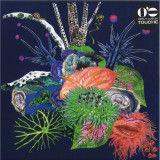
O’o share many of the musical characteristics of their ornithological namesake. The Kaua’i O’O produced the most exquisite birdsong before its extinction in Hawaii in the late 1980s. The beauty and character of its voice was delicate and mysterious, tuneful and surprising. You can experience it with just a cursory websearch, a haunting cri de coeur from the last century. If the poor O’O is consigned to history, then life is just beginning for this French duo, based in Spain, who’ve won plaudits and awards already in their short musical lifespan.
O’o are about to release their sublime debut album Touche. This is not an endling, it’s just the beginning: “I found the name on a website of weird English language words, and I loved the way the letters were arranged like a pair of glasses,” says O’o singer Victoria Suter. “Afterwards, I went onto YouTube and started listening to the last bird of its species, calling for a mate that would never come. I thought: ‘Oh my God, that’s so sad’. Then we talked about the name and we thought it could be a nice thing to honour it and keep it alive in some way.”
Suter met her musical partner Mathieu Daubigné at college in Agen, South West France, when the pair were studying music theory in their teens. Victoria moved to Barcelona in 2010; Mathieu followed six years later. Their debut EP, Spells, appeared in 2018 a beautifully crafted patchwork of vocals and samples that is redolent of the uncanny vocalese of Laurie Anderson. The bird makes an appearance at the beginning of the EP: “Sweet tooth beak. Soft melody peak / Oh O’o, go round and round in circles / Looking for a honeydrop, til you vanish, til you drop”.
That sense of profound longing for something lost is carried over to Touche, as well as the same heightened sensory awareness of the world around them. What has developed in spades is the creative process. O’o have blossomed organically, augmenting their pop sensibilities. Avant-garde techniques have been brought to heel as the pair create off-kilter pop music that warms the heart and nourishes the brain. The catalyst that enabled this bold pop transformation came with the song ‘Touche’ itself, a saucy chanson at the heart of the album. Suter’s wry narrative about a botanical femme fatale is inserted into a lithe and skittish song with reggaeton beats and an inviting, balmy atmosphere.
“The song is about a flower which attracts male insects, producing the very same smell as the female of the species,” explains Victoria. “The poor male is fooled by the sex-appeal of this botanical trap, and gets so excited that he exhausts himself and wastes all his other chances of ulterior mating and having any offspring. The flower entices the insect in in mermaid-like fashion, to come nearer and touch her. It’s the hot track!”
‘Touche’ reaches into hitherto unexplored areas of pop, while the rest of the album is accessible in the way that James Blake, Radiohead or Kate Bush are accessible, and it always challenges, in a way that pop isn’t supposed to. Suter writes playful, poignant, observational songs that tell stories as well as tell us something about ourselves. Songs like ‘Dorica Castra’ are built upon the voice as an instrument, centrifugal and layered from its core.
Complimentary to this method is Daubigné, who brings startling innovation with found sounds, samples and clever vocal manipulations—creating unique, otherworldly sonic flourishes. A guitar whirs like a musical spinning top on ‘Spin’, created in Ableton; an Ondes Martenot appears to make a guest appearance on the title track, though it’s the ingenuity of the Prophet 8 synthesiser. “I’ll often say to Mathieu, ‘what’s that?’” says Suter, He’ll reply, ‘that’s your voice’.”
O’o found their own voice when they won a competition held by the legendary festival organisers Primavera Sound. Victoria entered the band into a competition she saw on Instagram, sending off rough demos on the final day of entry, thinking little more about it other than the fact Mathieu might be annoyed. Soon they would have to build a live set from scratch and figure out how to present their music for the first time. At stake was seventy hours of recording time at Aclam studios, used by Rosalía and Kendrick Lamar, and for the winner a coveted spot at the festival. A pool of 350 acts were whittled down, and then O’o triumphed at a Battle of the Band style face off.
The O’O might be extinct, but O’o the band have learned how to fly. Just watch them go.