Rave At Your Fictional Borders is not beyond borders. The band simply denies any notion thereof. Driven by a sense of community, it defines human existence as one bio-organism with planet Earth. Now comprising members Dave De Rose, Marius Mathiszik, and Salim Akki, this incarnation of Rave At Your Fictional Borders first released the 'Entanglement' and 'Utopia' tracks in March 2025. Analogue Nomadism is the project's first album release. Recorded in Morocco and then co-produced and mixed by Dan Nicholls, it is an album of dizzying, trance-inducing scope. Rave music stripped of all external signifiers. Repetition, noise, krautrock, avant-garde sensibilities. This is a search for a groove that both connects and interlocks. The soul of improvisation and exploration runs through all seven pieces on Analogue Nomadism. Genres are referenced and transcended. The open-ended is perpetually embraced.
It is neither night nor day, but there is a half-light all the time. What used to be disconcerting is now not alien anymore. The sky boasts a faint light. Certain shapes are laid out, but get changed through communal ritual. Analogue Nomadism is the music of a feeling of community. It builds and breaks down. It is accepting of the psychedelic standards of the groove. Transportative and vertiginous. Endless.
Suche:ri
Stevie Cox and Ansboy: two powerhouses of the Glaswegian club scene join forces for their collaborative debut EP on Rhythm Section INTL- ‘Twice Like Rice’. It’s a weighty four-track EP designed for the dancefloor, taking in myriad influences from dub techno, breaks, trance and good old fashioned house music. The Ep is full of deep, pulsating rhythms, lush textures and emotive peaks - all road tested in Stevie’s Iconic home turf: Sub Club.
Stevie Cox has long been a name long ruminating on everyone's lips, as a resident DJ of the iconic ‘Sub Club’ with an ever-growing tour schedule and back catalogue of releases via the likes of Klasse Wrecks and Optimo. Whilst the name Ansboy may be new to some, it is a fresh alias for the grammy nominated producer and mixdown engineer Robert Etherson who has long been a staple in the Scottish scene with an international touring repertoire under his belt.
The two friends met in their hometown of Glasgow and began their musical journey together last year after Robert taught Stevie how to do mixdowns. The pair clicked effortlessly, quickly discovering they shared the same passion for emotive, deep and progressive dance music. Their first track together - which took shape in the form of ‘Drift’ - a high-energy synth led anthem, came out with a special selection of tracks curated by Bradley Zero for his exclusive SHOUTS Summer sampler in 2025.
For the Twice Like Rice EP, their work evokes all corners of the dancefloor, kicking things off with ‘GC’ - a peak time breaks-infused trancey-heater - a master class in building dancefloor tension which gives way into a searing crescendo. Things spin towards a darker percussive focus on the more intense ‘Twice Like Rice’.
On the b-side things return to blissful euphoria with ‘Virgil’ - a warm up dub-techno ballad, before the emotional release of ‘Subculture closure’ inspired ‘Carter21’.
Skull Snaps 1973 album on GSF is iconic because of the huge number of times tracks on it have been sampled by the Hip-Hop community.
The album, produced by genius George Kerr, and featuring the talented Ervan Walters and Sam Culley, was released with a flourish and in a classic gatefold sleeve but GSF floundered and the album flopped. It’s discovery by Rap music makers has been well documented but before that happened it was discovered by UK Soul detectives in the 70s.
As the Northern Soul scene shapeshifted on from 60’s Motown sound alikes into contemporary black music a whole new music rosta took over the dancefloors. And just as Gil Scott-Heron and Brian Jackson’s “The Bottle” got its debut British spins in the North, so did a whole slew of other acts - includung the Skull Snaps.
“My Hang Up Is You” became a single from the album and an underground anthem. One venue that became synonymous with the track was the Ritz in Manchester where the legendary Soul and Jazz -Funk All-Dayers helped shape UK dance music culture. Paul Mooney has created two 2026 remixes - one vocal and one instrumental - that pay homage to that 1970s golden era when Soul and Disco gelled into an unstoppable force. Fittingly both remixes have been dedicated to those Ritz All-Dayers.
- A1: Micah Shemaiah, The 18Th Parallel - To Be Free
- A2: Micah Shemaiah, The 18Th Parallel - Freedom Dub
- A3: Rod Taylor, The 18Th Parallel - Guiding Star
- A4: Rod Taylor, The 18Th Parallel - Shooting Dub
- A5: Var, The 18Th Parallel - Let Thy Kingdom Come
- A6: Var, The 18Th Parallel - Kingdom Dub
- B1: Keith Rowe, The 18Th Parallel - Love Gets Sweeter
- B2: Keith Rowe, The 18Th Parallel - Dub Gets Harder
- B3: Itral Ites, The 18Th Parallel - No More Will I Roam
- B4: Itral Ites, The 18Th Parallel - Roaming Dub
- B5: Hezron, The 18Th Parallel - Keep On Keeping On (Extended Mix)
Swiss powerhouse The 18th Parallel presents another slice of fine modern roots reggae! All Fruits Ripe is a heavyweight showcase album rooted in the foundations of reggae while firmly anchored in the present. Recorded between 2015 and 2025, the project brings together a powerful lineup of Jamaican vocalists — Micah Shemaiah, Keith Rowe (from rocksteady duet Keith & Tex), Rod Taylor, Var (Inna De Yard, Pentateuch), Hezron, and Itral Ites — each representing a different generation of conscious reggae music.
The album features six vocal cuts and five dub versions, highlighting both lyrical strength and sound system culture. Carefully mixed by master engineer Roberto Sánchez, All Fruits Ripe stands as a transnational reggae statement: Jamaican voices carried by a European band deeply connected to the roots with a profound respect for the culture that gave birth to reggae and dub. It features legendary guest Jamaican musicians Leroy ‘Horsemouth’ Wallace, Scully Simms, Dalton Browne, or Errol ‘Blacksteel’ Nicholson.
A mature and carefully crafted release where every track feels essential — like fruit finally ready to be harvested.
Gute Neuigkeiten für Good Riddance-Fans! Nach sehr limitierter Verfügbarkeit der Erstauflage (schwarzes Vinyl) gibt es noch eine Nachpressung. Die zweitauflage kommt als Apple Red Vinyl. Die aus Santa Cruz, Kalifornien, stammende Band ist eine feste Größe in der Punkszene und bekannt dafür, die Lücke zwischen rasantem Skate-Punk und der rohen Intensität des Hardcore zu schließen. Sie werden für ihre ,intellektuelle Aggression" gefeiert, einen einzigartigen Sound, der rasante Drum-Geschwindigkeiten und scharfe Gitarrenriffs mit überraschend eingängigen Melodien verbindet. Für neue Hörer repräsentiert die Band den Goldstandard des Genres und beweist, dass Punk unglaublich schnell und aggressiv sein kann, während er gleichzeitig musikalisch ausgefeilt und technisch präzise bleibt. Über ihre klangliche Strahlkraft hinaus dient die Band als wichtige Einführung in die aktivistischen Wurzeln des Punkrocks. Unter der Leitung von Sänger Russ Rankin tauchen ihre Texte tief in Themen wie soziale Gerechtigkeit, Tierrechte und politische Kritik ein und bieten eine viel tiefgründigere Perspektive als typischer Alternative Rock. Durch die Auseinandersetzung mit klassischen Alben wie "A Comprehensive Guide to Moderne Rebellion" können Fans genau hören, wie Punk als kraftvolle Stimme für Marginalisierte und als engagierte Plattform für die Infragestellung des Status quo dient. Die Relevanz der Band ist nach wie vor ungebrochen, seit 2015 ungebrochen zurück, das letzte Album kam 2019, 2024 veröffentlichten sie "No More System to Believe In", eine melodische Punk-Hymne, die moderne Desillusionierung in einen kraftvollen Aufruf zum Handeln kanalisiert. Nach einem strapaziösen Tourplan für 2025, bei dem sie neben ausverkauften Clubkonzerten in Europa und Nordamerika auch auf großen Festivals wie dem Hellfest und der Warped Tour Orlando auftraten, zeigen sie keine Anzeichen einer Verlangsamung. Im Jahr 2026 wird Good Riddance diese globale Dynamik mit umfangreichen Auftritten auf Festivals in der EU und insbesondere in Deutschland fortsetzen. Aufgenommen mit Bill Stevenson (Descendents) im The Blasting Room.
- 1: Descent Into Kur
- 2: Stripped Before The Eye Of Death
- 3: Eros Anima
- 4: Senex Rule
- 5: Fractured Body
- 6: Andros Insidium
- 7: A Requiem For Ishtar
- 8: Return To Anu
Through her work across five Vastum albums, Leila Abdul-Rauf has been a sonorous contributor to 20 Buck Spin’s discography for more than 15 years now. Concurrent to that she’s also amassed an impressive body of solo work whereby she could showcase the full range of her multi-instrumental artistic and vocal talents. We now bring that part of Leila’s output to 20 Buck Spin showcasing her darkest and most confrontational material to date with new album ‘Andros Insidium’. On ‘Andros Insidium’ Leila draws us into a ceremonial descent, through the architecture of shadow itself. Unfolding like a ritual text etched in obsidian, each movement traces the violent and sacred geometry of transformation. The presence and wisdom of the feminine divine looms throughout, as an ancient and uncompromising force, in conflict with everything buried, exiled and made monstrous by the machinery of societal pressures and unrealistic expectations. The album delves deep into the dark vastness of the psyche of woman: wild, ugly, vulnerable and powerful. Sonically ‘Andros Insidium’ is a mutation of the cinematic dark-ambient, industrial and ritual folk expressed in prior releases, now sharpened into something far darker, more narrative and intimate. Leila’s vocal work becomes a new focus with a wider variety of styles and characters, exorcising the demons of patriarchal fragmentation and revenge fantasy as lived myth. In its most potent moments, ‘Andros Insidium’ suggests that wholeness is not purity or light, but the terrifying act of reclaiming everything that was discarded, and learning to speak with its voice. * New solo album of Leila-Abdul Rauf of VASTUM (also has played in Amber Asylum, Hammers of Misfortune, and others) * Dark and heavy mix of Dark Ambient, Industrial, Ritual / Neo Folk, Electronic
* FFO: Dead Can Dance, Diamanda Galas, Arcana, Amber Asylum, Jarboe/Swans, Chelsea Wolfe, Cold Meat Industry
Mystic Force was a progressive power metal band from Baltimore, Maryland. After releasing several demo tapes, they signed a contract with the German label Rising Sun Productions. This resulted in two albums, “The Eternal Quest” (1993) and “A Step Beyond” (1995). Their third album, “Man Vs. Machine,” followed in 2001 on Siegen Records. After Mystic Force broke up, drummer Chris Lembach and guitarist Rich Davis formed the group Shift and recorded two albums with them. Rich then started his own solo project (for which he played all the instruments and sang), before looking for suitable fellow musicians again and releasing the CD “Inside The Upside Down” in 2024. Mystic Force was originally formed in 1984 by guitarists Rich Davis and Marc Rouchard together with bassist Keith Menser. After numerous line-up changes in the early days, they finally found suitable bandmates in Chris Lembach (drums) and Bobby Hicks (vocals). In 1987, Mystic Force released their first 4-song demo, followed by “Blind Vision” a year later. After selling large quantities of self-produced cassettes (the first 4-track demo is said to have sold over 5,000 copies), it was time for their first vinyl release. In 1990, the album “Take Command” was released on the English label C.M.F.T. Records, which included the first demo and four brand new tracks: “Take Command,” “Awakened By The Dawn,” “Immortal Souls,” and “Silent But Deadly.” Later that year, the 12“ single ”Shipwrecked With The Wicked“/”Eternal Quest" was released in a limited and numbered edition by the band's own company, Pro-duction. The widespread distribution of Mystic Force's material (also via underground distributors such as Oliver Jung's “Demolition”) led to an increasing number of labels taking an interest in the band. Ultimately, the choice fell on Rising Sun Productions, who released the debut album “The Eternal Quest” in 1993, featuring tracks such as “Shipwrecked With The Wicked,” “Another World,” and “Answers Of The Mystery”—a forgotten gem of progressive power metal somewhere between Fates Warning and Hades.
- 1: Stray Dogs (With Iron & Wine)
- 2: Dark Circles (With Fenne Lily)
- 3: Rollercoaster
- 4: Things Change, Even Now
- 5: The Ocean (With Uwade)
- 6: Big Sky (With Ken Pomeroy)
- 7: Charlie, Short For Charlotte
- 8: When I Look At You
- 9: Your Voice (With Ken Pomeroy)
- 10: Swimming Pool
- 11: Home Movies
Hrishikesh Hirway, Musiker, Komponist und Podcast-Ersteller, bekannt für seinen preisgekrönten Podcast und die Netflix-Serie ,Song Exploder" sowie Kompositionen für Film und Fernsehen, darunter ,Companion", Save The Date, Our Nixon und Everything Sucks!, begann sein eigenes Musikprojekt unter dem Namen One AM Radio und änderte seinen Namen mit der Veröffentlichung von To Call My Own EP im Jahr 2022. Produziert vom Grammy-Gewinner Philip Weinrobe (Big Thief, Adrienne Lenker, Theo Katzman, Cass McCombs), In the Last Hour of Light ist eine Erinnerung daran, loszulassen - von Menschen, von Erinnerungen, vom Wunsch, die Zeit davon abzuhalten, zu schnell zu vergehen. Die Songs entstanden nach dem Tod von Hrishikeshs Mutter, als die Jahre sie immer weiter in die Vergangenheit drängten; in den Momenten, in denen er in seinem Krankenhauszimmer darauf wartete, dass sich sein Vater erholte; in dem Traum von einer Tochter, die er nie haben wird. Es gibt auch Liebeslieder - aber es ist die Art von Liebe, die die Patina eines langen gemeinsamen Lebens trägt, in dem man ebenso viel Zeit hinter sich hat wie vor sich. Die Band von Hrishikesh bestand aus Shahzad Ismaily (Feist, Arooj Aftab), Ken Pomeroy, Mike Haldeman (Moses Sumney, Dawn Richards) und Joshua Crumbly. Zur Besetzung von Hrishikeshs Band gehörten Shahzad Ismaily (Feist, Arooj Aftab), Ken Pomeroy, Mike Haldeman (Moses Sumney, Dawn Richards), Joshua Crumbly (Leon Bridges, Kamasi Washington), Oliver Hill (Kevin Morby, Broken Bells, Vagabon), Sean Mullins (Sam Evian) und Cole Kamen-Green (Beyoncé, Taylor Swift); mit Gastauftritten von Iron & Wine, Fenne Lily, Ken Pomeroy und Uwade Hart (St. Vincent), Zosha Warpeha (L'Rain) und Dustin O'Halloran.
- 1: Plus Rien Ne M'étonne - Live Chorales Abidjan
- 2: Tata - Live Chorales Abidjan
- 3: Nationalité - Live Chorales Abidjan
- 4: Plus Rien Ne M'étonne - Live Chorales Troyes
- 5: Africain À Paris - Live Chorales Troyes
- 6: Tonton D'america - Live Chorales Troyes (Featuring Bern
- 7: Arriver À Rêver - Live Chorales Troyes
Wenn sich hunderte kraftvolle, bewegende Stimmen mit der markanten Stimme von Tiken Jah Fakoly vereinen, wird Reggae zu einem wahrhaft universellen Klang. Ausgelöst wurde dieses besondere Projekt durch einen viralen Moment: Ein Live-Video seines Auftritts mit dem Chor des Festival des Nuits de Champagne verbreitete sich in wenigen Tagen millionenfach und sorgte weltweit für Begeisterung. Die Resonanz war so überwältigend, dass Tiken Jah beschloss, auf diesen Wunsch des Publikums zu reagieren. Das Ergebnis ist dieses außergewöhnliche 7-Track-EP, aufgenommen mit zwei Chören: einem in der Champagne (Frankreich) und einem in Abidjan in seiner Heimat Côte d"Ivoire. Die Live-Arrangements verleihen seinen bekanntesten Songs eine neue emotionale Wucht, die Spiritualität, Energie und Gemeinschaftsgefühl auf magische Weise verbindet. Mit eindringlicher Botschaft, großer Wärme und musikalischer Weite zeigt dieses Projekt erneut, warum Tiken Jah Fakoly zu den wichtigsten politischen Stimmen des modernen Reggae zählt. Ein kraftvolles, erhebendes Erlebnis.
- A1: Me Pega
- A2: Tem Carnaval
- A3: Sexy Doce
- B1: Coeur
- B2: Então Tá Bem
- B3: Para Ser Feliz
- B4: Tô Nem Aí
Fresh from releasing projects on Method 808 and Future Classic, landing a huge collaboration with Chloé Caillet, and delivering an official remix for Fatboy Slim, PPJ are entering a new chapter in full force. Their expansive take on global street sounds, ranging from neoperreo to Miami bass, gets a cool re-coating.
Led by the magnetic vocalist Páula, with production from Povoa (individually supported by Four Tet, Ben UFO, and Barry Can't Swim, with recent releases on Live From Earth), the duo operates in maximalist mode: playful, sensual, and slightly unhinged.PPJ’s new era, JOKER, embraces a figure that appears everywhere from card decks to carnival culture as a symbol that mirrors their own DNA: funny, eerie, seductive, unpredictable. The EP leans further into club territory, but rather than polishing their edges, PPJ amplify them.
At the emotional core of the record sits “Coeur,” co-produced with Chloé Caillet. It begins with an MPB-tinged foundation flirting with bossa nova. It’s unmistakably Brazilian, bathed in sunset hues before being sped up and twisted into a dance-floor-ready electronic form. The groove shimmers with tension: warm percussion, elastic basslines, and Páula’s voice hovering between intimacy and tease. It feels like a remix of itself, romantic, but slightly untrustworthy.
If “Coeur” glows, “To Nem Ai” is a slow burner. A very deep and downtempo house cut, it unfolds slowly, almost luxuriously, guided by sensual vocals that feel whispered directly into the ear of the listener. A hypnotizing piano sample that feels like a late-night confession. It’s the kind of record that transforms a dancefloor into something tactile.
Elsewhere, “Me Pega” is a high-energy reinterpretation of the tech-house sounds from Santa Catarina, one of southern Brazil’s most feverish party states, twisted and accelerated for ferocious impact. Drawing direct inspiration from Sarro, a raw and vibrant Brazilian street dance, the track captures physical intensity in its purest form: sweat, bass pressure, collective release.
Its counterpart, “Tem Carnaval” channels Páula’s vivid storytelling into a thunderous ode to Rio’s carnival spirit, euphoric, chaotic, cinematic landed just in time for this year’s celebrations.
On “Sexy Doce,” rugged electroclash melodies collide with unexpected references. “It was inspired by Budots, which is dance music from the streets in the Philippines,” Povoa explains. “Then we mixed it with Páula’s Brazilian vocals. Baile funk is similarly from the streets, so there is a connection.” The result is raw yet futuristic, a cross-continental flirtation that feels both underground and explosive.
With this new EP, PPJ make music like they’re tuning into a dozen pirate frequencies at once. Pirate radio from Rio to Berlin to Manila intercepting fragments of street culture, sensuality, and chaos, and stitching them into something deliriously cohesive.
JOKER doesn’t just nod to club culture. It challenges it, twists expectation and leaves a lasting impression.
Total audio ruckus, a rush of Blu:sh returns to Step Ball Chain. Dopamine Riot is a sick, sexy six track EP designed to tap into the crucial neurotransmitter in the brain; releasing chemical delights that drip from head to toe with this signature steeze. Prepare to go undercover, underground and for layers to unfold with each new listen. Edging a dark, rough and ready atmosphere that is always pulled back to a central groove, Blu:sh remains flirtatious and free – don’t take it so seriously! Bass for days, drums that will make your neck snap (complimentary) and your presence requested2riot on a dancefloor ASAP.
- 1: Returning Without Tears
- 2: Baby Don't Go
- 3: I Don't See Me In Your Eyes Anymore
- 4: It's Been Too Long
- 5: Why
- 6: You And I (Wave Of Love)
- 7: My Baby Don't Want Nothing
- 8: Choose Love
- 9: She's Gone
- 10: Long Long Road
Long Long Road, das brandneue Album von Ringo Starr, wurde gemeinsam mit T Bone Burnett, Daniel
Tashian und Bruce Sugar geschrieben und von Burnett produziert.
Das Album umfasst 10 Songs und enthält Kollaborationen mit Billy Strings, Sheryl Crow und St. Vincent.
Es ist der mit Spannung erwartete Nachfolger des letztjährigen Chart-Erfolgs Look Up.
Mit starken Wurzeln im Country verbindet Long Long Road eine entspannte Americana-Atmosphäre mit
Ringos klassischen Rock-Einflüssen. Die Songs erzählen von den vielen Wegen des Lebens und davon,
unterwegs die Liebe zu finden.
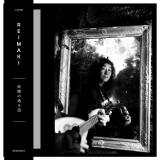
妖精の通る道 (The Path Where Fairies Pass) is the debut vinyl release by Reimaki, the duo of Rei Yokoyama (Triggers Flowers, Stakaidan, Lapiz Trio, 新井薬師自警団, and Fujio, Chiko Hige and Rei), and Maki Miura (Tsubamegami, Les Rallizes Dénudés, Shizuka, Fushitsusha, Ohkami No Jikan and Katsurei). The duo has been an understated presence in Tokyo, playing occasional under-the-radar shows and self- releasing a few CD-Rs, but they’ve recently started to break cover, with a recent cassette on UFO Creations, released in support of a late 2024 tour of China. It’s also a welcome reappearance on the scene for both musicians; Miura’s musical history, in particular, is being reevaluated thanks to a recent string of welcome Shizuka reissues.
But the music Reimaki make together is a different thing entirely, much as it shares some psychological and aesthetic interests with both Miura’s and Nokoyama’s other projects. Their sound is split between two main interests – an extension of glacial, deoxygenating psychedelic improvisations, and a deep interest in medieval European music. They’ve also been known to cover compositions by English prog/improv musician Fred Frith. These various elements of the Reimaki aesthetic are all present through 妖精の通る道, from the fragility of the opening “Novel Amor” through to the smeared, hazy textures of the three extended pieces that comprise the album’s flipside.
There’s a beautiful sympathy in these performances, and a generous simplicity, too; you can sense that this music is informed by decades of finding just the right way to say the right thing in the clearest manner possible. Yokoyama and Miura never overstate things; make the statement, play the song, let it hang in the air for a while, and then move on to the next essential expression. The music is unburdened by self- consciousness. Their take on medieval music cuts to the core of melody and melancholy; their psych- improv side is blurred and drifting without ever lapsing into rote generic gestures.
There’s some shared space with other artists who suspend the timeless within the kaleidoscopic possibilities of the psychedelic – Kendra Smith & The Guild of Temporal Adventurers; Emmanuelle Parrenin; Rosina de Peira – and a tangled folksiness that might put listeners in mind of Jan Dukes De Grey, Comus, Current 93, and Tower Recordings. Accompanied by beautiful photography from street photographer Takehiko Nakafuji, who was also personally chosen by Mizutani to document Les Rallizes Dénudés, 妖精の通る道 is a most unique and necessary trip.
- 1: Pass Between Houses
- 2: Theatre For Change
- 3: Real Home
- 4: Treat Me A Stranger
- 5: Utopia Of Bog
- 6: Void Attentive
- 7: My Love, Let's Take The Stage Tonight
- 8: The Kiss
- 9: He Had Always Led
Cathartic avant-rock, literate DIY folk & experimental composition exploring displacement, love, climate change, belonging & the places we call home - RIYL Jim O’Rourke, Richard Youngs, This Heat, Richard Dawson, Flying Nun. ‘Real Home’ is the new album by the Manchester-born, London-based artist Kiran Leonard. His sixth album proper (not including innumerable tour-only CD-Rs and short-run cassettes), since his precocious debut in 2013, ‘Real Home’ finds Leonard invigorated by inspiration and experience, making passionate, literate, and mercurial music that explores displacement, love, memory, climate change, connections to home and more. Encompassing songs recorded after moving to South London, ‘Real Home’ reflects on ideas of belonging and domesticity through folkloric, stream-of-consciousness songwriting. Across nine tracks, Leonard traces lived impressions of the household and the city, expressing sentiments of dislocation, alienation and stasis, but contentment too. Infusing the avant-rock effervescence, terraced dynamics and visionary lyricism of his music with what he defines as a greater sense of openness, Leonard is as versatile, fervent and imaginative as ever on ‘Real Home’, yet his music is somehow more intimate, affecting, and acutely expressive. Shaped by dual considerations of simplicity and formalism, ‘Real Home’ is by turns beautiful, allusive, and ruminative, an album on which Leonard considers what his songs have resembled in the past and what they mean now. In recent years, Leonard has crafted eloquent chamber music inspired by the likes of James Joyce and Clarice Lispector (‘Derevaun Seraun’), responded to contemporary politics and communication breakdown in the digital age (‘Western Culture’), and compiled solo works and ensemble recordings for a longform ode to Jonas Mekas and to one of Leonard’s enduring themes; home (‘Trespass On Foot’). On ‘Real Home’, Leonard reiterates this abiding thematic focus yet ascends to new, different heights, in music of cathartic delicacy and dissonance where all the myriad dimensions of his work to date seem to crystallize. There are sinuous songs about struggle and defying the pace of city life through drift and diversion (‘Pass Between Houses’), stirring songs of intense feeling and crescendo, described as a form of speculative detective fiction (‘Theatre for Change’). There are touching solo piano ballads (the title track), symbolic contentions with carbon capture and climate change (‘Utopia of Bog’), modes of experimental minimalism (‘Void Attentive’), and other profuse feats of compositional range, embroidered with wild tendrils of narrative and lyrical depth. A record to pore over, and get lost in. Exemplifying the vast aesthetic scope of Leonard’s music, lead single ‘My Love, Let’s Take The Stage Tonight’ is inspired by country lodestar Hank Williams, Russian poetry and a late period love poem by William Carlos Williams. Yet for Leonard, the song signals a sense of accessible materiality, and is the product of a more linear approach to writing songs: “My imitation of the great Hank Williams, in spirit if not in substance…This is one of the best efforts on Real Home at a song-as-object. Looking at it now I realise I was trying to write a song that made itself known as a song to the listener, and I wonder whether that’s crucial if you want a song to transcend its context. And that this is either accomplished through a total openness – by being inviting, by laying the tricks of the song out plain to see, as Williams and his many ghostwriters did so well – or by adopting a knowing aloofness, positioning oneself against the listener but letting it be known that that’s what it’s doing. In this song I try both, but mostly the former: as in, I wanted to write a song where every line follows on from the next.” Imbuing the endlessly elaborate and inventive qualities of his music with a newfound streak of candid, clear-cut melodicism, Leonard has reached a special place in his artistry, on a record that feels familial, and expresses closeness. Assembled with affiliates including Lauren Auder, Otto Willberg, Jasper Llewellyn (caroline), Tom Hardwick-Allan (Shovel Dance Collective), Magda McLean (caroline, The Umlauts), Alex Mckenzie (caroline, Shovel Dance Collective), Isabelle Thorn (Dear Laika) & more, the recording process had a significant influence on the subject matter of ‘Real Home’, in sessions defined by close-knit camaraderie and artistic eccentricity: “The theme of the home obviously recurs throughout the record; the album was mostly recorded in domestic spaces with friends, and the name of the album is Real Home. I like the qualifier ‘real’, like you’re getting past the cloak of the word and towards the thing-itself…also nearly all the percussion in this record was recorded on items from my dad’s shed (jam jars, sandpaper, blocks of wood, etc). Real home record!” ‘Real Home’, like anything by Kiran Leonard, is a record of dazzling multiplicity. Yet it’s a companionable prospect with a central premise; a collection of songs where listeners old and new can find a home. An album led by a scene; of Leonard standing at the threshold, ready to welcome you inside. “Exceptional songs that linger” - The Guardian // “An autodidact of amazing talent & energy” – Pitchfork // “A ridiculous amount of talent…confrontational, celebratory, provocative or perverse – he manages all of these emotions & more” - The Quietus /
High Roller Records, reissue 2022, black vinyl
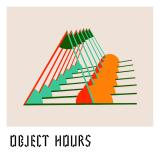
Leather-jacket krautrock? Indeed. Welcome to the world of Carrboro NC's Object Hours. These generous saviors consist of three Triangle scene lifers who all worship the riff but imagine what happens if the riff fell into the middle of your favorite CAN LP. Yes, it lives up to the hype.
"Solved By Walking" was recorded in the winter of 2025 at Betty's in the Chapel Hill woods, these are mighty rock slabs ready for all seasons. Rock believers have felt the ripples and knew the day was coming. Object Hours is a band that fits right in on stage alongside acts as varied as Kim Gordon and Tropical Fuck Storm, bringing the house down in these and similar moments. These are songs that groove, peel paint, sandblast, inspire unconscious movement, make your head bob - frequently all at the same time. These are the jams inspired by the time that you heard "Fun House" coming out of that dude's car with the windows down in the middle of the summer, the ones inspired by the kids who own 3 copies of "Daydream Nation," the ones who listen to the last 1:30 of Wire's "Too Late" over and over. This is the band that has a timer on stage so they don't keep each song playing for days on end, the band whose Bandcamp bio succinctly summarizes their approach thusly: "We try to keep songs under 25 minutes for your sake." Every word here should be inspiration for you to *want* and *need* to hear this record and every word here is true. Just you wait.
Real heads know and the rest of the heads are getting ready to find out. Get ready for Object Hours' "Solved By Walking".
Music To Watch Seeds Grow By continues its second season with Seoul-based left of centre ambient duo Salamanda - Uman Therma (Sala) and Yetsuby (Manda) - and their meditation on the inner life of a basil plant. Seeds 008 is an ambient composition born from quiet domestic observation: a single basil on a windowsill, its days shaped by light, warmth, and the slow passage of time.
The album moves through a full day in the plant's life opening with ‘introduce my atom which is my favorite one’, an act of quiet self-declaration in morning light, before settling into the unhurried rhythmic pulse of ‘to to ki toki tok’- the drip of water, the tick of a clock, the slow beat of photosynthesis. ‘allez, pousse!’ - one of the standouts in this journey - carries the basil's gentle will to grow, to push, to tilt toward the sun, while ‘hungry snail’ captures a moment of creaturely encounter on the glass: an uninvited visitor, moving slowly, wanting. As the afternoon deepens, 'Basil's Ritual' traces the daily ceremony of light and warmth, repeated with calm devotion from root to leaf. Night falls across 'Basil's Dream', and in the stillness something like sleep arrives - the plant resting, imagining tomorrow's sun. The album closes with ‘the blue wine’, a final mysterious reverie in which the basil seems to contemplate its own fate, somewhere between acceptance and wonder.
Increasingly essential US artist Ben Hixon drops sublime deep house EP on Kai Alce's faultless NDATL Muzik. The six classy tracks will appeal to those who appreciate the subtleties of the classic Midwestern sound.
Ben is a Texas-born, but Brooklyn-based artist who has become a firm favourite of true deep house heads in the last year or so. He has put out several EPs on Dolfin, all of which find a perfect sweet spot between immersive atmospheres and late-night drive. Dusty analogue textures and frayed edges define his drums, while the subtle details are intelligent and add effortless emotion. He is a perfect fit for NDATL Muzik, the Atlanta label that has long been a flagbearer for well-crafted house grooves like these.
'Taping' kicks off with heavy kicks that swing under gentle chords that are perfect for after dark. There's a persuasive bump in the beats that will get early evening dancers primed and ready for more. Next up we have 'Y Do U Get So Nervous' - a mastery of sampling with nagging vocal hooks, cascading piano keys and wet finger clicks all adding soul to another low-key but all-consuming groove. 'Area Code 336 Phone Rings' is a higgledy-piggledy tapestry of toms and stuttering kicks with vocal fragments to match - the thrill is the looseness of it all. The smouldering and meandering 'December Blackout' is for gazing off it into the distance at the busy yet muted jazz keys that twinkle like faraway stars. 'It's Like A Vision' picks up the pace with more closely stacked kicks but still oodles of cuddly warmth and smudged synth work, before '0823' ends with a decidedly heavy feel - spare, lump drums unfurl beneath forlorn synths that feel utterly bruised and heartbroken.
Ben Hixon's deft artistry makes these quiet, texture tunes irresistibly danceable yet emotionally profound.
- A1: Kofán – El Bejuco Umbilical
- A2: Ensamble Juyungo – Chimborazo
- A3: Llaquiclla – Agua Larga
- A4: Asunción Quiñonez – Bambuco La Katanga
- A5: Juan Luis Restrepo – A Saravino
- B1: Juan Cayambe – Negra Muele Caña
- B2: Rosa Huila – Andarele
- B3: Ensamble Juyungo – Amanece
- B4: Caynamanda Cunangaman – Candela Y Ron
- B5: Llaquiclla – Ceremonia Matrimonial
- C1: Ensamble Juyungo – Patagoré
- C2: Papá Roncón – Sanjuanito Chachi
- C3: Ensamble Juyungo – Llacta Pura
- C4: Llaquiclla – Ritual Emberá
- C5: Osvaldo Lindberg Valencia – Torbellino
- D1: Raúl García Zárate – Kasilla Shungulla
- D2: Ensamble Juyungo – Tren Con Ritmo De Caramba
- D3: Ensamble Juyungo – Caramba Con Ritmo De Tren
- D4: Llaquiclla – El Viaje Del Yagé
- D5: Ensamble Juyungo – Toquesito
- D6: Llaquiclla – Galapago
- D7: Llaquiclla – Carambalante
‘Since the 16th century, the Ecuadorian province of Esmeraldas has been home to a unique Afro-Indigenous culture originating in the integration of the Indigenous Chachi and Nigua peoples with African Maroon communities. Juyungo documents significant Esmeraldan artists and bands playing the Afro-Ecuadorian folklore of the province, as well as including some older field recordings. Based mostly on the marimba, whose origins lie partly in the African balafon, partly in Indigenous percussion instruments, the music is laced with call and response chants, ambient insect and bird noise, the filigree finger-styles of the Andean guitar tradition and the panpipes of the mountains. This is resonant insider roots music at its headiest — the mystic revelation of Esmeraldas, gully deep and lustral.’
- Francis Gooding, The Wire.
The fifth in our series of LPs compiling classic music from Ecuador. Customary Honest Jons runnings: a beautiful gatefold sleeve; superior pressing, with vivid, intimate sound; full-size, sixteen-page booklet, in colour throughout, with detailed, fascinating, bi-lingual notes, and stunning photographs.
The music is transfixing, magical; not like anything else. From start to finish, this album is continuously, profoundly immersive; a kind of journeying, trippy meditation about slavery and cultural resistance, identity and mix, places and spaces, futures and pasts. It’s inscrutable to net-surfing, algorithms, Shuffle. But for a taste try the insurgent marimba roller Agua Largo, jet-propelled by Rosa Huila’s rapturous blend of African spiritualist and Christian chant. ‘Healing music,’ Zakia called it on Gilles Peterson’s BBC show recently. And the ravishing pasillo Kasilla Shungulla — ‘calm your heart’ in the Quichua language — a duet between the Peruvian master-guitarist Raúl García Zárate and viola da gamba by Juan Luis Restrepo from Medellin, recorded in a baroque church in Buzbanza, Colombia.