
- A1: Exclusive Rights (To Your Love)
- B1: Don’t Make Me Spend Another Night

"Tonight At Noon" compiles tracks from two earlier recordings sessions: one session from 1957 with Jimmy Knepper on the trombone, the drummer Dannie Richmond, Saxophone player Shafi Hadi and the pianist Wade Legge, which were released on the album "The Clown" (Atlantic 1260). The second session took place in 1961 with Booker Ervin and Roland Kirk on the saxophone, Knepper, the bassist Doug Watkins, Mingus at the piano and Richmond on the drums, and was released on "Oh Yeah" (Atlantic SD 1377).
The two sets differ in mood, but this does not mean that it is an album that uses leftovers. While Mingus in the first session strives for European harmonics and melodic approaches with a hard bop tempo (particularly on the title track) in the direction of the blues, the second session with its vespertine elegance and spatial explorations comes over rather as a sort of exercise à la avantgard Ellington with sophisticated harmonies that pave the way for sluggish marches and gospel-like blues. Kirk and Ervin complement one another particularly well, their swing is appararently boundless. Mingus’s piano playing is deeply rooted in the blues, and his sense of tempo and lightness anhances these numbers, particularly in "‘Old’ Blues for Walt’s Torin".
In these compositions one already finds hints of Mingus’s later recordings. The most beautiful number is taken from the 1957 session and concludes the album: "Passions Of A Woman Loved", almost ten minutes in length, feels like an Ellington suite. Although, or maybe simply because several years passed between the two sessions, one cannot deny this album’s magic.

Making a welcome return nine years on from his last outing on Dekmantel, Makam offers up a generous helping of wayward grooves that take his curious spirit even further into unmarked territory. With a strong dub sensibility grounding his rich tapestry of percussion and instrumentation, Guy Blanken follows his own path to arrive at an album that embodies house music as a launchpad for experimentation.
Blanken says himself he was determined to approach his first Makam productions in years from a place of total freedom — "It's not a single direction, but rather a landscape of sounds, moments, and textures. TARP feels like a new beginning, a free project that just had to happen naturally." The steady pulse of the club remains a guiding principle boldly manifested on heads down roller 'Static Shade', but even in the lilting organic loops and tumbling percussion of 'Forgive' there is a funkiness that's beholden to continuous movement.
At times the direct thump of 4/4 disco juts out as a call to dance, not least on 'Flying Birds' and 'La Tuna', but elsewhere the rhythms are more slippery. 'Dub In Loen' plots a delicate path through dub techno and 'Lummel Spirit' casts off into pattering Balearic bliss. The pervasive dub mood of the record comes to the fore on expertly crafted stepper 'Diagonal Rain' and crooked album opener 'Clear Skies'. 'Jackie B' lands as a love letter to quintessential deep house, and yet still there's a left-of-centre charm that gives the track a personality that is pure Makam.
Exuding warmth and imagination at every turn, TARP is the perfect example of how to make a groove-oriented album a rich home listening experience. There are ample moments primed for the spectacle of the dancefloor, but the mellow hue and broad sweep of approaches make Makam's welcome return utterly compelling from end to end.

Black Vinyl[33,40 €]

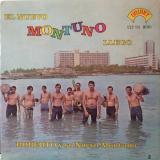
Roberto y su Nuevo Montuno recorded their first album, “El Nuevo Montuno Llegó” (1970), when Roberto Berríos was just 22 years old. This was also the debut release on Haddock’s own Uniart label. Berríos remembers that they did the recording in two sessions, splitting it up into four tracks per visit. The engineer was the famed Pedro “Pedrito” Henríquez, who recorded El Gran Combo, Roberto Roena and many others. The band had a mix of tasty, powerful originals, from Tony Cintrón’s title track that announced the band had arrived, ‘El Nuevo Montuno Llegó,’ to Quique Dávila’s mournful ‘Triste Arrabal.’ Then there was the hit Santería themed tune, ‘Llamé a Changó,’ which was a song that Quique Dávila brought to the band, but had been originally composed by Carlos Pinto, though Quique was given the credit. Dávila also composed ‘Me Queda Un Guaguancó,’ which is Roberto’s favorite song on the record (as well as a fan favorite), with Papo sounding like his friend Héctor Lavoe, and Quique Dávila’s proud manifesto declaring that Puerto Rico now had its own son montuno, ‘Oye Tu Son, Borinquen,’ featuring the pianist’s tasty but brief solo. The cover versions came from the group’s earliest period when most of their repertoire consisted of renditions of beloved but lesser known tunes, and include Louie Ramírez’s ‘Balancéate’ (a favorite of Roberto’s from Ray Barretto’s songbook), Bobby Valentín’s ‘Monina y Ramón’ (recorded during his stint with Willie Rosario), and a bolero indelibly sung by Cheo Feliciano when he was with the Joe Cuba Sextet, ‘Dichoso,’ written by Joe Cuba’s talented pianist, Nick Jiménez. Some of the arranging was done by Cintrón and some by Dávila, though Quique had some help from his old friend from El Combo Moderno, Freddie Miranda, who at that time was with Roberto Roena’s Apollo Sound. Roberto says that the arrangements of the cover tunes were made specifically to be different and more contemporary sounding than the originals. “El Nuevo Montuno Llegó” has become a legendary salsa dura classic from Puerto Rico and we are thrilled to present this first legitimately licensed and remastered vinyl reissue. It includes detailed liner notes that reveal the untold story of the band and their debut album, and rare photos.

2026 Repress
Another Thought was the first collection of Arthur Russell’s music to be released after his death in 1992. Released in 1993 on Point Music it marked the beginning of nearly 30 years of work to let the world hear the enormous archive of unreleased recordings Arthur left behind. Be With revisits this first compilation for a new gatefold double vinyl version and a triple-fold digipak CD reissue.
Both versions of Be With’s 2021 reissue of Another Thought have been mastered by Simon Francis and the vinyl cut by Pete Norman. The original artwork has been restored and tweaked at Be With HQ for the gatefold sleeve and the triple-fold digipak, with the essential help of Janette Beckman. Each version comes with an insert reproducing the liner notes and lyrics from the original CD release.
Together with Calling Out Of Context, Soul Jazz’s World of Arthur Russell, and much of the ongoing work of Audika, Another Thought is absolutely essential for even the most casual Arthur Russell collection. In fact we’d argue it’s essential for any fan of non-obvious pop music. This is the only place where you can hear some of Arthur’s most recognisable tunes and it’s an album that absolutely deserves to be kept in press.
We’ll assume that by now you’re all at least a little familiar with the story of Arthur Russell, the farm boy from Iowa who moved to 1970s New York. Arthur Russell the genuine musical genius who died just 40 years old, leaving behind a wealth of music that dwarfed the few 12"s and LPs that were released during his short life.
Although Arthur had been working on an album for Rough Trade during his last years, with the label no-longer operating it was Point Music (Philip Glass and Michael Riesman’s label set up together with Philips) who stepped in to help Arthur’s partner Tom Lee start working out exactly what Arthur had left behind.
Tom suggested that Arthur’s friend Mikel Rouse was the right person to make the first catalogue. Working in Tom and Arthur’s apartment he had only two weeks to go through what turned out to be around 800 tapes.
As Tom explained “at the end of each day he would generally wait for me to come home and I would, to the best of my knowledge, name and identify pieces in question from that day’s work. As he worked Mikel compiled about a dozen cassettes that he thought would present the most finished sounding songs for Don/Point to use. As Don listened he would then suggest and ask me and thus we collaborated on the choices.”
Don is Don Christensen, Another Thought’s producer. With a final selection of songs from recordings made between 1982 and 1990, including sessions with some of Arthur’s regular collaborators Peter Zummo, Steven Hall, Mustafa Ahmed, Elodie Lauten, Julius Eastman, Jennifer Warnes and Joyce Bowden, it was then Don’s job to turn these into a finished album.
Another Thought is a little different from the compilations of Arthur’s music that came out since. In our conversations with Steve Knutson (who founded Audika Records and who manages Arthur’s estate together with Tom), he explained that “more than any project released by Arthur during his lifetime or posthumously by Audika, ‘Another Thought’ is the most worked over. The material was significantly edited and rearranged from the original source tapes”.
If the aim was to release a comprehensive exploration of every facet of Arthur’s music, from the most avant-garde of his avant-garde compositions through to the most disco-not-disco of his disco-not-disco tunes then the project was a spectacular failure. But as a coherent album of non-obvious pop music Another Thought is wonderful.
Starting with the sparse voice-and-cello of the title track, A Little Lost adds some guitar along with the sneaking suspicion that we’re listening to something nowhere near as simple as it first sounds. By the time we get to This Is How We Walk On The Moon - it could be the moment you notice the congas, or the percussion that’s been building behind them, or maybe it’s that blast of trumpet and trombone - we realise we’ve gone from splashing around to being completely submerged in the musical world of Arthur Russell.
From here the album heads off on its journey around the sounds of the left-field contemporary classical music of the time, re-directed towards pop ears, with minor detours through the swirling woozy disco of the half-remembered night before on In The Light Of The Miracle and My Tiger, My Timing. Whether it’s just Arthur, his cello and some bleeps on Just A Blip, or whether he has some vocal help as he does on the bounding Keeping Up, this is difficult music made so, so easy. And through it all is Arthur’s voice and cello. Sometimes drowned in distortion and sometimes clear as a bell, but always there somewhere.
A Sudden Chill finally returns us to the calmer waters we started in and this last track closes the album with a melancholy that’s not surprising given how soon after Arthur’s death the album was put together.
Whilst Another Thought holds together with the consistency of a proper album, there’s still no getting away from the fact that this was put together from audio recorded in different ways, in different places, with different people at different times. Those with keen ears will hear traces of tape hiss, the occasional blown-out note and some digital fuzz, all fingerprints of those original recordings as well as of the 1990s digital equipment that was used to piece Another Thought together.
Add to this Arthur’s obvious pleasure in making music from the sort of sounds that can make microphones, speakers and ears uncomfortable, it’s no surprise that Another Thought isn’t glossy and pristine. Don Christensen’s productions have been careful to not scrub up those original recordings so much that they lose their original vibe, understandable given that Arthur wasn’t around as a guide. We’ve applied a similarly light touch with the mastering for these Be With versions, just working to make sure they sound like they should on both the vinyl and the CD.
Despite the Discogs rumours, Another Thought was never originally released as an LP. So when it came to the sleeve for this Be With vinyl version we took the original CD artwork as a starting point to come up with something that looks like it could have been in the record racks back in 1993.
We have to thank Janette Beckman for helping us reproduce her iconic photograph of Arthur in his newspaper boat hat. One of many photographs she took of Arthur, Janette shot this in her New York studio back in 1986 for a short article in the January ’87 issue of The Face Magazine. Those with eagle-eyes will notice we’ve used an ever-so-slightly different shot from the one that appeared in The Face and then again on the original cover of Another Thought. The original has long since been lost so we’ve worked with what is left in Janette’s archives. And we also have to thank Tom Lee for giving us permission to reproduce his liner notes from the original CD booklet, together with Arthur’s lyrics.

Auf ihrem dritten Album ,Amaro" lädt uns Bibi Club dazu ein, uns den dunklen Bestien zu stellen, die uns unter der Oberfläche verfolgen, und uns der therapeutischen Kraft eines starken Lebenswillens hinzugeben. Es erkundet das sensible Spektrum zwischen dem Hier und Dort und verweist auf Liebe, Natur und Gemeinschaft als verbindendes Ziel. Die Songs zeichnen eine Karte einer eigenen Welt und folgen dabei dem Weg, den die Bibis in den letzten Jahren eingeschlagen haben. Nun verlassen wir das Wohnzimmer und tanzen in einem mentalen Raum, der mit Trauer und Angst in ihrer rohesten Form überladen ist. Nach dem Tod zweier geliebter Menschen im letzten Jahr hallt das Mantra ,Ich möchte lieben, ich möchte leben" intensiv in jeder Melodie nach; wenn das Herz ein Ort ist, der niemals stirbt, müssen wir es so schnell wie möglich erreichen. Inspiriert von unvergesslichen künstlerischen Begegnungen, Tourneen mit Blonde Redhead und Circuit des yeux sowie einer Zusammenarbeit mit Calvin Johnson präsentiert sich Bibi Club nun mit Avant-Pop und Electronic Body Music mit Elementen von Dark Wave und Neofolk, wobei gleichzeitig barocke Klänge mit Cembalos, Trompeten und auswendig zu lernenden rituellen Gesängen einfließen. Unterstützt von einer fürsorglichen Community, darunter der Saxophonist und Aktivist Dimitri Milbrun (George Sand) und die Singer-Songwriterin Helena Deland (A Different Light), ermöglicht Amaro Bibi Club, sich sowohl in intimer als auch in kollektiver Hinsicht zu definieren.

White Vinyl[22,48 €]
ULI SAILOR -> File under: Punkrock am KlavierNach über 30 Jahren auf Bühnen zwischen Punkkeller und Festivalhauptbühne bringt Uli Sailor nun sein erstes Piano Solo-Album heraus. ,Besser Anders" ist das Ergebnis von zwei Jahren intensiver Arbeit - zehn Songs voller Energie, Melancholie und Haltung. Produziert wurde das Album halb in Berlin von Thies Neu, halb in Köln von Tobias Röger (Wohlstandskinder, Udo Lindenberg, Slime).Musikalisch schlägt Uli eine Brücke zwischen Indie-Rock und Punk, bleibt dabei aber weit entfernt von weichgespültem Pop. Klavier, Cello und Gesang treffen auf kantige Arrangements und Texte, die irgendwo zwischen Tagtraum und Knochenfabrik liegen - poetisch, wütend, reflektiert. Themen wie Gentrifizierung, digitale Entfremdung und die unerschütterliche Liebe zum Punk ziehen sich durchs ganze Werk.,Besser Anders" ist ein Album gegen die Austauschbarkeit. Kein KI-Produkt, keine Routine - sondern Handarbeit, Schweiß und Herzblut. Uli zeigt, dass Punkrock auch mit Klaviertasten funktionieren kann, solange man das richtige Maß an Wut, Humor und Zärtlichkeit mitbringt.Patrick Reerink (GUTS PIE EARSHOT) sorgt auf dem Album für die Cello-Parts. ,Kiezblock" entsteht gemeinsam mit Chris Kotze (KOTZREIZ), unterstützt von Totze Trippi (BEATSTEAKS) am Bass und einem Chor von Freund*innen - unter anderem Dead End Kids, Berlin Blackouts, Von.Orten und Töff Malstroem. In ,Der demagogische Wandel" greift Guido Donot (DONOTS) zur Gitarre und setzt ein Solo, das hängen bleibt. Das macht ,Besser Anders" zu mehr als einem einsamen Solo-Projekt, sondern ein kollektives Statement mit Haltung.Mittel-Version (2600 Zeichen)Sommer 2025: In einem Berliner Proberaum sitzt ein Mensch und macht das, was er am liebsten tut - Musik. Dieser Mensch heißt Uli Breitbach, besser bekannt als Uli Sailor. Seit über 30 Jahren ist er kreativer Arbeiter, mal euphorisch, mal verzweifelt, und nach zwei Jahren intensiver Arbeit erscheint nun sein erstes Solo-Album: ,Besser Anders".Was wie eine klassische Musikerbiografie klingt, steht im Kontrast zur Gegenwart. Während Künstliche Intelligenz längst komplette Bands ersetzt, bleibt Uli Sailors Musik das Gegenteil davon: handgemacht, ehrlich, mit hörbarem Herzblut. Uli geht auf die 50 zu und bringt sein Debüt erst jetzt heraus - nach Jahrzehnten als Teil verschiedenster Bands wie den Skatepunks D-SAILORS, den Indierockern TUSQ und der legendären Deutschpunkband TERRORGRUPPE.Nach deren Ende wagte Uli ein ungewöhnliches Experiment: Punksongs seiner Jugend auf dem Klavier - unterstützt von Cello. Was zunächst abwegig klang, traf einen Nerv. Seine Konzerte führten ihn in kleine Clubs ebenso wie auf große Bühnen - vom Sisyphos über Rock am Ring bis zur Volksbühne. Egal ob Punkkneipe oder Festival: Uli Sailor funktioniert überall.2024 folgte die EP ,Für immer jung", fünf eigene Songs zwischen Wut und Sentimentalität, die von Kritikern durchweg gelobt wurden. Jetzt also das Album. ,Besser Anders", das am 27. Februar 2026 erscheint - zehn Songs, produziert zur Hälfte von Thies Neu (SHIRLEY HOLMES, DYSE, DEAD END KIDS) in Berlin und von Tobias Röger (WOHLSTANDSKINDER, SLIME, UDO LINDENBERG) in Köln.Musikalisch wagt Uli den Schritt vom Piano-Punkrock hin zu einem Mix aus Indie und Punk, ohne dabei seine Haltung zu verlieren. ,Sellout?", mögen manche rufen. ,Hört doch erst einmal rein", wäre die passende Antwort. Denn ,Besser Anders" ist weit entfernt von weichgespültem Befindlichkeits-Pop. Die Texte bewegen sich zwischen Tagtraum und Knochenfabrik, kraftvoll, poetisch und differenziert. Uli Sailor benennt Missstände, bleibt aber empathisch, reflektiert und wirkt nie platt. Es ist ein vielseitiges, eigenständiges Album mit Songs über Gentrifizierung, digitale Abhängigkeit, verblühende Liebe und die unerschütterliche Kraft des Punk.Patrick Reerink von GUTS PIE EARSHOT steuerte die Cello-Parts bei. Mit Chris Kotze (KOTZREIZ) entstand eine gemeinsam geschriebene Anti-Gentrifizierungshymne, unterstützt von Totze Trippi (BEATSTEAKS) am Bass und einem Backgroundchor, der sich gewaschen hat: Mitglieder von Berlin Blackouts, Dead End Kids, Von.Orten und Töff Malstroem. Bei ,Der demagogische Wandel" wiederum griff Guido Donot (DONOTS) zur Gitarre und setzte ein Solo, das man so schnell nicht vergisst. ,Besser Anders" ist damit weit mehr als ein Solo-Album - es ist ein Gemeinschaftswerk mit Haltung.Vielleicht wird Uli Sailor keine Millionen Klicks erzielen. Aber das ist gut so. Dieses Album ist kein Algorithmusprodukt, sondern das Ergebnis ehrlicher Handarbeit, Leidenschaft und einer großen Liebe zur Musik. Punkrock bleibt hier der rote Faden - anders, besser, echt.

ULI SAILOR -> File under: Punkrock am KlavierNach über 30 Jahren auf Bühnen zwischen Punkkeller und Festivalhauptbühne bringt Uli Sailor nun sein erstes Piano Solo-Album heraus. ,Besser Anders" ist das Ergebnis von zwei Jahren intensiver Arbeit - zehn Songs voller Energie, Melancholie und Haltung. Produziert wurde das Album halb in Berlin von Thies Neu, halb in Köln von Tobias Röger (Wohlstandskinder, Udo Lindenberg, Slime).Musikalisch schlägt Uli eine Brücke zwischen Indie-Rock und Punk, bleibt dabei aber weit entfernt von weichgespültem Pop. Klavier, Cello und Gesang treffen auf kantige Arrangements und Texte, die irgendwo zwischen Tagtraum und Knochenfabrik liegen - poetisch, wütend, reflektiert. Themen wie Gentrifizierung, digitale Entfremdung und die unerschütterliche Liebe zum Punk ziehen sich durchs ganze Werk.,Besser Anders" ist ein Album gegen die Austauschbarkeit. Kein KI-Produkt, keine Routine - sondern Handarbeit, Schweiß und Herzblut. Uli zeigt, dass Punkrock auch mit Klaviertasten funktionieren kann, solange man das richtige Maß an Wut, Humor und Zärtlichkeit mitbringt.Patrick Reerink (GUTS PIE EARSHOT) sorgt auf dem Album für die Cello-Parts. ,Kiezblock" entsteht gemeinsam mit Chris Kotze (KOTZREIZ), unterstützt von Totze Trippi (BEATSTEAKS) am Bass und einem Chor von Freund*innen - unter anderem Dead End Kids, Berlin Blackouts, Von.Orten und Töff Malstroem. In ,Der demagogische Wandel" greift Guido Donot (DONOTS) zur Gitarre und setzt ein Solo, das hängen bleibt. Das macht ,Besser Anders" zu mehr als einem einsamen Solo-Projekt, sondern ein kollektives Statement mit Haltung.Mittel-Version (2600 Zeichen)Sommer 2025: In einem Berliner Proberaum sitzt ein Mensch und macht das, was er am liebsten tut - Musik. Dieser Mensch heißt Uli Breitbach, besser bekannt als Uli Sailor. Seit über 30 Jahren ist er kreativer Arbeiter, mal euphorisch, mal verzweifelt, und nach zwei Jahren intensiver Arbeit erscheint nun sein erstes Solo-Album: ,Besser Anders".Was wie eine klassische Musikerbiografie klingt, steht im Kontrast zur Gegenwart. Während Künstliche Intelligenz längst komplette Bands ersetzt, bleibt Uli Sailors Musik das Gegenteil davon: handgemacht, ehrlich, mit hörbarem Herzblut. Uli geht auf die 50 zu und bringt sein Debüt erst jetzt heraus - nach Jahrzehnten als Teil verschiedenster Bands wie den Skatepunks D-SAILORS, den Indierockern TUSQ und der legendären Deutschpunkband TERRORGRUPPE.Nach deren Ende wagte Uli ein ungewöhnliches Experiment: Punksongs seiner Jugend auf dem Klavier - unterstützt von Cello. Was zunächst abwegig klang, traf einen Nerv. Seine Konzerte führten ihn in kleine Clubs ebenso wie auf große Bühnen - vom Sisyphos über Rock am Ring bis zur Volksbühne. Egal ob Punkkneipe oder Festival: Uli Sailor funktioniert überall.2024 folgte die EP ,Für immer jung", fünf eigene Songs zwischen Wut und Sentimentalität, die von Kritikern durchweg gelobt wurden. Jetzt also das Album. ,Besser Anders", das am 27. Februar 2026 erscheint - zehn Songs, produziert zur Hälfte von Thies Neu (SHIRLEY HOLMES, DYSE, DEAD END KIDS) in Berlin und von Tobias Röger (WOHLSTANDSKINDER, SLIME, UDO LINDENBERG) in Köln.Musikalisch wagt Uli den Schritt vom Piano-Punkrock hin zu einem Mix aus Indie und Punk, ohne dabei seine Haltung zu verlieren. ,Sellout?", mögen manche rufen. ,Hört doch erst einmal rein", wäre die passende Antwort. Denn ,Besser Anders" ist weit entfernt von weichgespültem Befindlichkeits-Pop. Die Texte bewegen sich zwischen Tagtraum und Knochenfabrik, kraftvoll, poetisch und differenziert. Uli Sailor benennt Missstände, bleibt aber empathisch, reflektiert und wirkt nie platt. Es ist ein vielseitiges, eigenständiges Album mit Songs über Gentrifizierung, digitale Abhängigkeit, verblühende Liebe und die unerschütterliche Kraft des Punk.Patrick Reerink von GUTS PIE EARSHOT steuerte die Cello-Parts bei. Mit Chris Kotze (KOTZREIZ) entstand eine gemeinsam geschriebene Anti-Gentrifizierungshymne, unterstützt von Totze Trippi (BEATSTEAKS) am Bass und einem Backgroundchor, der sich gewaschen hat: Mitglieder von Berlin Blackouts, Dead End Kids, Von.Orten und Töff Malstroem. Bei ,Der demagogische Wandel" wiederum griff Guido Donot (DONOTS) zur Gitarre und setzte ein Solo, das man so schnell nicht vergisst. ,Besser Anders" ist damit weit mehr als ein Solo-Album - es ist ein Gemeinschaftswerk mit Haltung.Vielleicht wird Uli Sailor keine Millionen Klicks erzielen. Aber das ist gut so. Dieses Album ist kein Algorithmusprodukt, sondern das Ergebnis ehrlicher Handarbeit, Leidenschaft und einer großen Liebe zur Musik. Punkrock bleibt hier der rote Faden - anders, besser, echt.

Im Jahr 2005 war Andrew Bird eine bis dahin unvorstellbare Kombination aus virtuosem Violinisten, Singer-Songwriter, Gitarristen und Pfeifer. Mit seinem Album ,The Mysterious Production of Eggs" aus diesem Jahr schuf Bird einen neuen Sound, der bis heute nachgeahmt wird. Anlässlich des 20-jährigen Jubiläums von ,The Mysterious Production of Eggs" veröffentlicht Andrew Bird ein ganz besonderes Boxset mit einem 54-seitigen Buch mit Fotos, besonderen Überraschungen und zwei Essays: einen von Andrew selbst und einen von Anders Lindall, der den verschlungenen und faszinierenden Prozess untersucht, den Andrew und seine Mitstreiter bei der Aufnahme des Albums durchlaufen haben. Das Boxset enthält außerdem die Originalveröffentlichung des Albums sowie zwei LPs mit bisher unveröffentlichtem Material auf schwarzem Vinyl. Auf einer LP befindet sich eine vollständige Wiedergabe des Albums, jedoch mit Demos, Live-Aufnahmen und alternativen Versionen. Die dritte LP enthält weitere unveröffentlichte Raritäten auf Seite A und eine Auswahl von Songs aus dem Originalalbum, die von Andrew mit dem Nu Deco Ensemble gespielt werden. Der ursprüngliche Cover-Künstler hat ein völlig neues Artwork für das Jubiläumswerk geschaffen.


There’s an alternate reality where everyone makes a living wage and the cleanest buses you’ve ever seen arrive every other minute. Where the most intense songs are about confessing your love to a crush at the apple orchard, and where gentle feelings and chaotic energy are inseparable best friends. This is the timeline where Cootie Catcher is right at home. This Toronto based four-piece exudes both vulnerability and unbridled excitement, creating a sound that hypercharges the open-hearted tenderness of twee pop with spiraling synths and giddy electronics. New album Something We All Got is the clearest and most vibrant reading of Cootie Catcher’s vision yet, with songs of sweetness, nervousness, and expectancy that beam out unguarded.
After releasing music made primarily in basement recording environments, Something We All Got is the band’s first flirtation with studio recording. The edges are still sharp, however, with some parts assembled from time-honored lo-fi methods and fun, personally-sourced samples seeping into the production. The sound is explosive and upbeat, with euphoric guitars, bubbly synth lines, speedy drums both played and programmed, and all other manner of sound constantly colliding. Cootie Catcher has three songwriters, Sophia Chavez, Anita Fowl, and Nolan Jakupovski, all of whom have distinctive voices but still manage to overlap in their writing on shared concerns like navigating the lines of romantic and platonic relationships, their city’s social scenes, and struggles in both the microcosmic experience of playing in a band and the zoomed-out challenges of living through late-stage capitalism.
Joy still touches every surface of Something We All Got. “Quarter Note Rock” bounces around the room in a fit of jangling guitar chords, scratched samples, and interplay between breakbeat loops and somersaulting live drums. It’s a blast of positivity even with lyrics about how disappointing it can be to meet your heroes. A smiling electro pop instrumental supports lyrics about having to step painfully away from an almost realized love on “Gingham Dress,” a song that subverts themes of domesticity as a backdrop for the dashed wilt of hopeless devotion.
Cootie Catcher rolls down hills and jumps through flaming hoops throughout Something We All Got without ever dumbing down the visceral emotions that drive these songs. There’s a palpable tension between the band’s exhilarating sonics and the raw, often uneasy sentiments expressed, but it’s an integral part of what makes them unique. Rather than hide behind the kind of calculated vagueness that plagues so much of the indie rock landscape in the time of cursed algorithms, Cootie Catcher runs full-speed toward every confusion and excitement, fearlessly direct and embracing the reality they’re in.

Die Standard-Doppel-LP-Version enthält das Remaster zum 20-jährigen Jubiläum und die A Fever You Can't Sweat Out (Demos).
Nach ihrem aufsehenerregenden Auftritt beim When We Were Young Festival in Las Vegas feiern Panic! At The Disco weiterhin die zwei Jahrzehnte seit der Veröffentlichung ihres bahnbrechenden, mit Mehrfach-Platin ausgezeichneten Debütalbums mit der Ankündigung der A Fever You Can't Sweat Out (20th Anniversary Deluxe) Edition.
Das wegweisende Album, hervorgehoben durch den neu mit Diamant-Status ausgezeichneten Hit „I Write Sins Not Tragedies“, katapultierte die Band aus Las Vegas zum Rock-Star-Ruhm und etablierte sie als eine der prägendsten Acts ihrer Generation.
Entdeckt von Pete Wentz von Fall Out Boy, als die Bandmitglieder noch Teenager waren, explodierten Panic! At The Disco mit der Veröffentlichung von A Fever You Can't Sweat Out im Herbst 2005 in die Musiklandschaft. Das Album erreichte die oberen Ränge der Billboard 200 und feierte Mehrfach-Platin-Erfolge.
Die Breakout-Single der Veröffentlichung, „I Write Sins Not Tragedies“, wurde zu einem der bekanntesten Songs dieser Ära, erreichte die Top 10 der Billboard Hot 100 und wurde ein Radiohit in verschiedenen Formaten. Die ikonische Hymne findet weiterhin großen Anklang bei Musikfans und erhielt kürzlich eine RIAA Diamant-Zertifizierung für über 10 Millionen Streams/Verkäufe.
Angetrieben von Hymnen wie „Build God, Then We’ll Talk“, „The Only Difference Between Martyrdom And Suicide Is Press Coverage“ und „Lying Is The Most Fun A Girl Can Have Without Taking Her Clothes Off“, hat das Album bis heute Verkäufe von über 5 Millionen Alben und fast 4 Milliarden globale Streams generiert.


It’s a unique universe with a distinct mood. Boy Deco’s SAP LP cements his offbeat artistic vision in a laid-back retro pop style. With distorted guitar riffs, wildly original arrangements and toplines that amplify the project’s intentional sense of ease, SAP is one of those rare gems you don’t forget and keep coming back to whenever you need to unwind.

Erleben Sie den packenden Soundtrack des australischen Horrorklassikers "Wolf Creek" (2005) wie nie zuvor – neu remastert und auf Red+Black Splatter-Vinyl gepresst, mit exklusivem Artwork und Liner Notes. Der Komponist Francois Tétaz erschuf mit Klavier, Alan Lambs einzigartigen Telefonleitungsaufnahmen aus dem Outback Westaustraliens und einem Streichquartett einen Soundtrack, der als philosophischer Kontrast zum Horror von "Wolf Creek" fungiert. Eine eindringliche Mischung aus atmosphärischen Klanglandschaften, sparsamer Instrumentierung und unterschwelliger Bedrohung – die Musik fängt die Einsamkeit und Bedrohlichkeit des Outbacks in jeder Rille ein. Exklusive Collector's Edition für alle Horrorfans, Soundtrack-Sammler und Vinyl-Liebhaber gleichermaßen.


Die Indie-Folk-Ikone Sam Beam, auch bekannt als Iron And Wine, bringt ein neues Studioalbum raus, das voll mit wunderschöner, natürlicher Americana ist, darunter zwei Kollaborationen mit dem weiblichen Folk-Trio I'm With Her. „Ich wollte schon immer diesen Titel verwenden", sagt Sam Beam über „Hen's Teeth“, sein achtes Album in voller Länge und sein sechstes für Sub Pop Records. „Ich liebe ihn einfach. Für mich steht er für das Unmögliche. Hühnerzähne gibt's nicht. Und genau so fühlt sich dieses Album an: wie ein Geschenk, das es eigentlich nicht geben dürfte, aber doch da ist. Eine unmögliche Sache, aber sie ist real."
„Hen's Teeth“ und sein vorheriges Album „Light Verse“ sind so was wie Geschwister. Sie wurden während derselben Sessions nach einer einjährigen Pause mit derselben Band im Waystation Studio in Laurel Canyon aufgenommen. „Wenn ich gerade richtig in Schreiblaune bin und die Band mich dort abholt, wo ich gerade stehe, treiben sie mich zu etwas, das ich mir nicht hätte vorstellen können. Ich bin an einem Punkt in meinem Leben, an dem Spontaneität für mich viel wichtiger ist. Ich muss nicht mehr so viel beweisen wie früher. Ich bin viel freier und liebe es mehr denn je, Musik zu machen. Es gibt keine richtigen oder falschen Antworten. Man betet einfach um Glück und gibt sein Bestes." In diesem Fall wurden die Gebete erhört und das Glück schlug voll zu. Die Musiker fanden so schnell zueinander und inspirierten sich gegenseitig so sehr, dass sie Songs oft in nur wenigen Takes aufnahmen, manchmal zwei oder drei pro Tag. Die beiden Alben können daher als zweieiige Zwillinge betrachtet werden: Sie teilen sich die DNA und ergänzen sich, haben aber unterschiedliche Identitäten und zeichnen sich ebenso durch ihre Unterschiede wie durch ihre Gemeinsamkeiten aus. Die Welt von „Hen's Teeth“ ist erdiger, dunkler, robuster und greifbarer als die von „Light Verse“. Die Songs haben Titel wie “Roses", “Robin's Egg", “Dates and Dead People" und “Singing Saw". “Run into the one you love forever / Laugh into each other's empty mouth", singt Beam in “Roses", dem ersten Titel des Albums. Es ist einer von mehreren Songs, in denen Liebende so tief miteinander verbunden sind, dass sie physisch verschmelzen. “Paper and Stone" erinnert daran: “But for the time we fell in two / You'd be me and I'd be you / One crust of bread could fit in our mouths / You'd breathe in and I'd let it out." Und in “In Your Ocean" finden wir Beam betend: “Praying for dry ground / Though I only want to drown / When I find myself swimming in your ocean".

Mit The Mirror legt Buck Meek, Gitarrist von Big Thief, sein viertes Soloalbum vor - ein feinfühliges Werk über Sprache, Identität und das ständige Sich-Verändern. Freunde und Weggefährt:innen wie Adrianne Lenker, Jolie Holland oder Tucker Zimmerman wirken mit und hinterlassen ihre Spuren nicht nur musikalisch, sondern auch in den Texten. Meek begreift Songwriting als gemeinschaftlichen Prozess und nutzt den Spiegel als zentrales Bild: nicht zur Selbstbespiegelung, sondern als Gegenüber, das Fragen stellt. Aufgewachsen in einer kunst- und literaturgeprägten Familie in Texas, sammelte Meek früh vielfältige musikalische Erfahrungen - von Blues über Jazz bis Folk. Diese Offenheit prägt auch The Mirror. Gemeinsam mit Produzent James Krivchenia verbindet er die Live-Energie einer Band mit subtilen elektronischen Texturen. Die Aufnahmen entstanden in einem experimentellen, offenen Setting, das Spontaneität über Perfektion stellt. In seinen Songs geht es um Nähe, Verletzlichkeit und die Brüchigkeit von Erinnerung. Wortspiele, Spiegelungen und innere Dialoge machen Sprache selbst zum Thema. Angst und Zweifel erscheinen dabei nicht als Gegenspieler, sondern als Begleiter. The Mirror erklärt nicht - es hört zu, tastet sich vor und lädt dazu ein, dem Unbekannten mit Neugier zu begegnen.
Sicherhe
