Two deep, meditative house tracks built on warmth and repetition. Comes with insert in a silver sleeve.
On “Ritual of Dance,” Nhojj’s voice guides the listener onto a (makeshift) dance floor, as the track builds in intensity, mirroring the rising energy of a dance session. On the flip, “Groove Extracts” leans further into a stripped, hypnotic space. Driven by percussion, bass, and a wandering key solo. It draws you inward towards the more meditative side of losing yourself in the groove. Inviting the body to take over where the mind dissolves.
Ritual of Dance EP is about the journey of dancing alone or together.
Search:ro mo
- 1: Glass Bottom Boat
- 2: Paper Screen
- 3: Awhile
- 4: Fog On Mirror Glass
- 5: Old Universe
- 6: Makeshift Room
- 7: Your Dreaming Eyes
- 8: Valley Floor
- 9: Usual Phantom
- 10: Bamboo
Fog On Mirror Glass introduces a new aesthetic amongst Donald Beaman albums. After four albums of varied full-band arrangements, this album emerged as an idea to present solo performances in conversation with full-band work. The bulk of the songs were recorded in the same place they were written: Beaman’s living room. Long time bandmate and producer Kirt Lind set up a makeshift studio at Beaman’s house to record the guitar parts in the same room where they were written, using the same guitars on which they were first played.
Unfurling with a measured pace, the resulting album combines elegiac lyrics with elemental arrangements played with an almost jazz-like reverential expressiveness, calling to mind the works of Cass McCombs, Will Oldham, and Jake Xerxes Fussell. Album opener “Glass Bottom Boat” sets the tone for the album with just Beaman and his guitar – written during the final months of a decade-long stay in New York City, the song was finished upon his arrival back in California. Meanwhile the title track, long a staple in live sets, lands near the middle of the album to recalibrate the mood, featuring the ghostly guitar work of longtime collaborator Ken Lovgren. “Old Universe” lifts things up a bit, propelled by the brushwork of drummer Michael Nalin and the jaunty bass playing of Kirt Lind. Finally, the album ends much the way it began, with Beaman and his guitar on album closer “Bamboo”.
“The dictionary definition of less is more.” - ---- Mojo
“His ability to carve universal empathy from mundane domesticity is remarkable.” - ---- RNR Magazine
“...a collection of evocative scenes and vivid emotions sung to sparse musical arrangements in Beaman’s distinctive sonorous tones” - Americana UK
“...pure and simmering, like a tattoo dedicated to a long lost friend, slightly fading from years in the sun, a memory that will always bring a tear in those quiet reflective moments.” - Psychedelic Baby Magazine
- A1: Point To A Point Blank
- A2: Automatic Teller
- A3: End Of The Great Credibility Race
- A4: Too Much
- A5: Killer's Kiss
- A6: Continental Cats
- A7: Instrumental Bonus Track
- B1: Spanish Fly By Night
- B2: The Roof
- B3: Your Beaten Heart
- B4: Turning Tricks
- B5: Wine & Depression
- B6: Quarter To Four
Back in 1990 the New Bomb Turks got together as four Ohio State University students who just wanted to rock. 10 years later they are already on their 7th studio album: Nightmare Scenario.
New Bomb Turks return to their snaggle-toothed first mistress — hard-driving, no-holds-barred American punk rock. With the guitar jive of Chuck Berry, the blinding ferocity of Motörhead and the snot of The Dead Boys, singer Eric Davidson and his backing trio fire off a dozen grenades of authentic old-school three-chord riff-rock in little over a half-hour, with nary a pause for breath between tracks. You can’t quibble with the four-on-the-floor intensity of tunes like opening salvo Point To A Point Blank. It was recorded over four days and nights, the only break being a jaunt over to a bar to see a reunited Real Kids, their first show in years, which floored the band and only added more mezcal to the fire.
Nightmare Scenario is available as a limited edition of 500 individually numbered copies on violet vinyl and includes an insert.
- 01: La-Ngomber
- 02: La-A-Obe
- 03: La-Karebna
- 04: Nga Lompak A-Go-Go
- 05: Lek, Paju Molle
- 06: Sekelang Paki Kanchana
- 07: Angkok2 Bilis
- 08: Jangan Putus Harapan
- 09: Senten Nyama-Na
- 10: Hanya Si Dia
- 11: Oh Marwiah
- 12: Mak Itty, Mak Illa
- 13: Pandangan Memberi Kesan
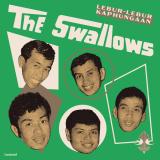
The Swallows were one of Singapore’s standout bands of the 1960s, rising from the explosive Pop Yeh-Yeh movement, the regional response to the global beat-band wave, with strong garage-rock roots. Fusing surf rock, early Beatles-inspired pop, and gritty, fuzz-laden guitars with a distinctly local sensibility, they became youth icons of the era. Defined by sharp suits, infectious melodies, and a rebellious spark, The Swallows captured the restless energy of post-independence Singapore, securing their place in the island’s golden age of bands and in the wider story of Southeast Asian rock.
The A Side of course is just one of the biggest tunes from the grunge era and is given a Jazzy Funky Groovy version by Blue Mode of Nirvana's Biggest Hit. It turns out that they were influenced by everything from the Gap Band to Louie Louie and a fair smattering of 80's indie and this producytion by by Chip Wickham mixes together a Swinging '60's Blue Note Vibe with the Acid Jazz sound and brings it bang up to date with the Nu-Jazz Experience. First time on 45 and is already a DJ favourite after being included in the Paul Murphy set "Jazz Room" on BBE Records. Side 2 is a Boogaloo Latin Jazz version (produced by Paul Murphy Live in the studio in Budapest when he was living there) of the Lonnie Smith track "Hola Muneca" beloved of the Acid Jazz era DJ's and previously released on a now impossible to find 7 inch single that goes for crazy prices....
Nickodemus is a globally respected DJ and producer who has been touring nonstop since the mid-1990s, consistently drawing capacity crowds at clubs and festivals worldwide. As a producer, he has released five acclaimed albums (Soul & Science, A Long Engagement, Endangered Species, Sun People and Moon People) and curated eleven volumes of the influential Turntables on the Hudson compilation series. His work bridges hip-hop, house, jazz, and global sounds, highlighted by collaborations and cultural milestones including the Jungle Brothers' genre-defining legacy and the enduring house-rap classic "I'll House You" with Todd Terry. Nickodemus' hit "Mi Swing Es Tropical" (with Quantic & the Candela All-Stars) has surpassed 50 million streams and featured prominently in the film Chef. He has received extensive international press (Billboard, Rolling Stone, The FADER, Paste) and widespread radio support from tastemakers such as Gilles Peterson, BBC 6 Music, KCRW, and KEXP.
b B1: Monk-One Remix feat. Monk-One
b B1: Monk-One Remix [feat. Monk-One]
[b] B1: Monk-One Remix [feat. Monk-One]
[b] B1 | Monk-One Remix [feat Monk-One]
- 1: Standin At The Juke
- 2: Baby Jane
- 3: Mystically Yours
- 4: Streets Of Amsterdam
- 5: Funball
- 6: Power And Glory
- 7: The Most
- 8: Speechless
- 9: All Down The Line
- 10: The Earth Is Shaking
- 11: Detroit Leaning
- 12: Monumental
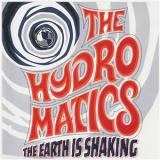
First-ever vinyl edition of 2007 album "The Earth Is Shaking" by The Hydromatics featuring Kent Steedman (The Celibate Rifles) on guitar! Bang! Records brings you "The Earth Is Shaking", the THIRD album by The Hydromatics - a transatlantic high-energy rock 'n' roll unit powered by Detroit legend Scott Morgan (The Rationals / Sonic's Rendezvous Band) and Amsterdam cult-hero Tony "Slug" Leeuwenburgh (Loveslug). Originally released in 2007, this record captures the band leaner, rougher and fully locked-in: big riffs, street-level groove, zero filler, and that unmistakable Detroit soul-grit that Morgan owns like nobody else. And here's the headline for rock'n'roll die-hards: Kent Steedman (The Celibate Rifles) is on guitar - bringing bite, melody and attitude, plus extra sonic spice (yes: theremin) and production muscle. The result is The Hydromatics at maximum voltage, moving confidently into their own songs while still carrying the Motor City flame. Highlights include the swaggering "Streets Of Amsterdam", the barroom punch of "Standin' At The Juke", and the epic ride of "Detroit Leaning". Enjoy for the first time on vinyl!
- Everyone Around
- Me Dancing
- Cellular Reverse
- Alive Inside
- Moon Not Mine
- Rotten
- Rotten Outro
- Good Friend
- Phenomenon
- Ambient Peace
- Phone Screen
- Guitar Duo
- E-Motion
SUNSHINE VINYL[22,27 €]
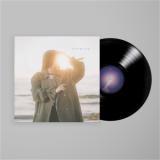
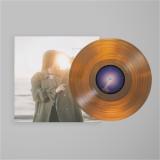
Jeder Künstler muss seine eigene Stimme finden. Gia Margaret fand sich selbst erst, als sie ihre Stimme verlor. Aufgrund einer Stimmbandverletzung, die sie jahrelang am Singen hinderte, entwickelte sie andere musikalische Ausdrucksformen und meisterte die Grammatik einer komplexen, heimeligen Form der Ambient-Musik, die von Ernest Hood begründet und von The Books perfektioniert wurde. Angeführt von sanften Klaviermelodien, die wie Atem auf Glas hauchen, jetzt, da ihre physische Stimme geheilt und ihre künstlerische Stimme geschliffen ist, schließt sich der Kreis mit Singing, ihrem ersten Gesangsalbum seit There's Always Glimmer aus dem Jahr 2018. Die Musik auf Singing zeugt von derselben Sensibilität für Details, die sie in ihrer Stille entwickelt hat. ,Es gab eine Zeit, in der ich wirklich nicht wusste, ob ich jemals wieder singen würde. Als ich dann geheilt war, stand ich unter großem innerem Druck, stark zurückzukommen", sagt Margaret. ,Ich wusste nicht mehr, wer ich war. Es fühlte sich an, als würde ich neu anfangen und mich wieder mit diesen sehr alten, alten Teilen meiner selbst verbinden." Dieses Gefühl der Vermischung von Entfremdung und Wiederentdeckung ist auf dem gesamten Album spürbar. Im Opener ,Everyone Around Me Dancing" beobachtet sie eine Party von den Seitenlinien aus und ist sich bewusst, wie ihr Körper sie von gemeinschaftlicher Freude abhält, ihr aber gleichzeitig neue Wege der Selbsterkenntnis eröffnet. Ausgeschlossen von der Szene ist sie ,näher am Boden, am Planeten". In ,Alive Inside" ist sie so weit entfernt von der Quelle, dass sie zu jedem betet, der sie hören könnte (,ein Gott, ein verstorbener Freund, ein Geist"). Wenn ihre Stimme anschwillt, scheint sie in einem Netz aus Verzerrungen gefangen zu sein; es ist, als würde sie in ihrem Streben die Grenzen des Sagbaren ausloten. Der Entstehungsprozess von ,Singing" war ein Prozess des Lernens, jedem dieser Gefühle zu vertrauen. Das Album wurde teilweise in London mit Guy Sigsworth von Frou Frou aufgenommen, der Margaret dabei half, die Vielzahl ihrer Ideen für ,Good Friend" zu vereinen, einem Highlight des Albums, das unter anderem gregorianische Gesänge von ILA und Turntable-Scratches enthält . David Bazan und Amy Millan sind ebenfalls zu hören, ebenso wie Kurt Vile und Sean Carey, während Margarets langjähriger Kollaborateur Doug Saltzman einen Großteil des Albums spielt und co-produziert. Deb Talan, ehemals Mitglied von The Weepies, steuert ihre Stimme, ihr Klavier und ihre Gitarre zum abschließenden und definitiven Statement des Albums ,E-Motion" bei. Gia Margaret singt stets. Jede Note dieses Albums singt ein warmes Requiem für ihr vergangenes Ich; jede Ebene singt ihr zukünftiges Ich ins Leben. Auf dem gesamten Album wendet sie die Lektionen der Sprachlosigkeit an - die quasi-rationalen Wege, auf denen wir kommunizieren, ohne zu kommunizieren, die Art und Weise, wie formlose Klänge wie ein Skalpell zum Kern der Dinge vordringen können - auf ihre eigene künstlerische Stimme.
- Erase You From My World
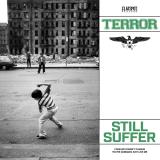
- Still Suffer
- Promised Only Lies
- Destruction Of My Soul
- Fear The Panic
- Death Of Hope
- Beauty In The Losses
- A Deeper Struggle
- To Hurt The Most
- Deconstruct It
GREEN TINT CASSETTE[14,08 €]
Niemand hätte jemals die Entwicklung voraussehen können, die Hardcore nehmen würde, als diese Bewegung entstand. Und Anfang der 2000er Jahre hätte niemand vermutet, dass eine Band wie TERROR auch 24 Jahre nach ihrer Gründung noch immer eine der einflussreichsten Bands des Subgenres sein würde. Ihre Aggressivität, gepaart mit ihrer Liebe und Wertschätzung für die Szene, die so viele gekommen und gegangen sind oder sogar ganz vergessen haben, hat ihnen Erfolg beschert - nun veröffentlichen sie ihr zehntes Album, STILL SUFFER, das am 24. April bei Flatspot Records erscheint. TERROR stammt aus Los Angeles, Kalifornien, aus einer Zeit, als Hardcore eine Band brauchte, um wieder auf Kurs zu kommen, da das Genre aus der Bahn geraten war. TERROR stürmte herein, machte sich sofort einen Namen und ließ nicht mehr locker. Die Band hat ihren Ursprung in der kalifornischen Hardcore-Szene, die sich in den späten 1980er und frühen 1990er Jahren von der Punk-Szene abspaltete. TERROR stammt aus Los Angeles, Kalifornien, und entstand zu einer Zeit, als Hardcore eine Band brauchte, um die Dinge wieder ins Lot zu bringen, da das Genre aus der Bahn geraten war. TERROR stürzte sich in die Szene, hinterließ sofort seine Spuren und gab sie nie wieder auf. In Zusammenarbeit mit dem Produzenten (und ehemaligen Gitarristen) Todd Jones schuf die Band zehn schnelle, aggressive, provokative Tracks, die die Themen aufgreifen, die TERROR überhaupt erst so einflussreich gemacht haben. Songs über Selbstermächtigung, Überleben und den unerbittlichen Willen, sich Herausforderungen mit den Werten und der Unterstützung zu stellen, die innerhalb dieser Mauern zu finden sind. STILL SUFFER wurde durch die Technik und zusätzliche Produktion von Taylor Young im The Pit Recording Studio, das Mixing von Jon Markson und das Mastering von Brad Boatright bei Audiosiege vervollständigt, mit zusätzlicher Vocal-Technik von Jay Zubricky bei GCR Audio und Drum-Technik im Studio 606 von Taylor Young und Oliver Roman. Die Gastvocals auf dem Album stammen von Jay Peta von Mindforce bei ,Beauty in the Losses", Brody King von God's Hate und Dan Seely von King Nine bei ,Deconstruct It", zusammen mit Hot Water Music's und Drum-Technik im Studio 606 von Taylor Young und Oliver Roman. Die Gastvocals auf dem Album stammen von Jay Peta von Mindforce bei ,Beauty in the Losses", Brody King von God's Hate und Dan Seely von King Nine bei ,Deconstruct It", zusammen mit Hot Water Music's Als Gastsänger auf dem Album sind Jay Peta von Mindforce in ,Beauty in the Losses", Brody King von God's Hate und Dan Seely von King Nine in ,Deconstruct It" sowie Chuck Ragan von Hot Water Music zu hören, der in ,Fear The Panic" eine selbstbewusste Performance liefert. Dieser Song wurde auch von Chad Gilbert von New Found Glory co-produziert. Von Anfang an hat TERROR nie den Dingen den Rücken gekehrt, die diese Band seit ihrer Gründung so wichtig gemacht haben. Mit der Veröffentlichung von STILL SUFFER wird deutlich, dass die Band keine Anzeichen einer Schwäche zeigt und weiterhin mit den Werten und der Unterstützung, die sie innerhalb dieser Mauern findet, Herausforderungen direkt angeht. Die Songs handeln von Selbstermächtigung, Überleben und dem unerbittlichen Willen, sich Herausforderungen mit den Werten und der Unterstützung, die innerhalb dieser Mauern zu finden sind, direkt zu stellen. Von Anfang an hat TERROR nie den Dingen den Rücken gekehrt, die diese Band seit ihrer Gründung so lebendig gemacht haben. Mit der Veröffentlichung von STILL SUFFER wird deutlich, dass die Band keine Anzeichen einer Schwäche zeigt und weiterhin erfolgreich ihre Mission verfolgt, authentischen Hardcore zu liefern und der Welt zu zeigen, dass dies viel mehr als nur Musik ist. Diese Gemeinschaft und Bewegung, die niemand wirklich in Worte fassen kann, ist genau der Ort, aus dem die Energie stammt, die TERROR antreibt, mit STILL SUFFER weiter zu wachsen und sich weiterzuentwickeln. ,Die Ewigkeit ändert sich nicht, du bist genauso beschädigt wie ich."
- 1: The Package
- 2: Reality Cheque
- 3: Two Revolutions
- 4: Texas Relation
- 5: Greener Pastures
- 6: For Heads
- 7: Lodestar
- 8: Koresh Me Down
- 9: Out Of My Bag
- 10: Strawberry Hero
Manchmal hörst du eine Band, die sich gleichzeitig neu und vertraut anfühlt, und das lässt dich innehalten. TV Star ist so eine Band. In den letzten Jahren hat die fünfköpfige Band aus Seattle-Tacoma, Washington, still und leise an ihrer Stärke gearbeitet - EP für EP, Show für Show -, bis ihr lang erwartetes Debütalbum ,Music For Heads" rauskam und klar machte: Sie haben sich zu etwas Besonderem entwickelt. Eine Mischung aus jangly-psych, Garage-Grit und Soft-Focus-Tiefe; diese Songs leuchten von innen heraus mit einer beeindruckenden Originalität. In einer Zeit, in der so viel Musik in algorithmischer Gleichförmigkeit verschwindet, klingt TV Star trotzig menschlich. Auf den zehn Tracks der LP schärft die Band ihre Instinkte, die sie über die Jahre verfeinert hat - sie kombiniert zeitlose Pop-Sensibilität, psychedelisch angehauchten Jangle in der Tradition von The Brian Jonestown Massacre, punkige Rhythmussektionen und Vocals, die mit der Wärme von Mojave 3 dahinschweben, um etwas ganz Eigenes zu schaffen. Mit Music For Heads greifen sie nicht nur auf die Musik der Vergangenheit zurück, sondern treiben eine neue Welle voran. Die Band wurde 2020 aus der gemeinsamen Bewunderung für den Psych-Rock der 90er Jahre, klassischen Shoegaze und Alt-Country-Underdogs gegründet. Der Startschuss fiel, als jemand die Kassette ,Electriclarryland" der Butthole Surfers aus dem Jahr 1996 von der Wand nahm und auf den Track ,TV Star" zeigte. Was folgte, war weniger die Gründung einer Band als vielmehr die Entstehung eines kleinen Ökosystems. Ashlyn Nagel (Gesang, Keyboard), Bryan Coats (Gitarre), Che Hise-Gattone (Gitarre), Mark Palm (Bass) und Tucker Devault (Schlagzeug) brachten ihre eigenen Instinkte, Eigenheiten und musikalischen Hintergründe mit ein, bis die Songs schließlich nach allen gleichzeitig klangen. Aufgenommen in einer Reihe gemütlicher Studios im Nordwesten - The Unknown in Anacortes und ein paar Verstecken in Seattle - ist ihr Debütalbum ,Music For Heads" eine Mischung aus klirrender Gitarrenmusik, psychedelischem Pop und authentischem Indie-Rock, ohne sich ganz auf einen Stil festzulegen.
- Steel Burner
- Nothing Can Break Me (Featuring Doro Pesch)
- Dancing With Death (Featuring Matt Barlow)
- Advent
- What If
- Frenemy (Featuring Ronnie Romero)
- No One Has To Know (Featuring Dino Jelusick)
- Confession
- My Premonition (Featuring Ronnie Romero)
- Closure
Black Vinyl[19,29 €]
5th solo-album from former Ozzy Osbourne guitarist! 1st album release in over 5 years. Guest appearances from Doro, Matt Barlow, Ronnie Romero & Dino Jelusick. Gus. G. will be touring extensively all over the world during 2026. Gus G. is featured as a playable character in the mobile-game Rock Kommander. The game has a global reach with hundreds of thousands of downloads, and will be promoting Gus G. and Firewind extensively throughout 2026.
Das fünfte Soloalbum des ehemaligen Ozzy Osbourne-Gitarristen! Das erste Album seit über fünf Jahren. Mit Gastauftritten von Doro, Matt Barlow, Ronnie Romero und Dino Jelusick. Gus G. wird 2026 ausgiebig auf Welttournee gehen. Gus G. ist als spielbarer Charakter im Handyspiel Rock Kommander vertreten. Das Spiel hat eine globale Reichweite mit Hunderttausenden von Downloads und wird Gus G. und Firewind im Laufe des Jahres 2026 ausgiebig promoten.
NO WAY BACK MAGAZINE
BETTER WAYS FORWARD THROUGH MUSIC AND SUBCULTURE STORIES, 1979-1994 - LEARNING FROM, NOT LONGING FOR
After all of the fun had - and, if we may brag a bit - the acclaim for NWB001, we're back with a follow-up.
So here's NWB002. Our start and end points shift this time (1979–1997 vs 1977-1989) but again the focus is on revolutionary moments in music and subculture.
We've got pieces from The Face, i-D, Time Out, Village Voice, Rolling Stone, Mixmag, The Observer and - a particularly big pleasure - Collusion magazine. We've got brilliant photography, too, documenting seminal afterdark moments. And we've put it all together with much love, craft and attention to detail.
This is material that lets us experience culture in its rawest form. In-the-moment and before endless layers of post-rationalisation have kicked in. Breakthrough events in dance music, hip-hop and pop – and parallel shifts in art, design and fashion. Inspirational, ground-level creativity and enterprise that set the scene(s) for subsequent decades.
We hope you enjoy reading NWB002 as much as we enjoyed bringing it together.
Inside No Way Back 002
Behind The Groove - the epic 1983 feature by Steven Harvey in David Toop's Collusion magazine, charting the NYC disco underground
Photographer Steve Eichner documenting the club kids scene at The Limelight, Palladium, Tunnel and Club USA
Year zero reporting as The Face's Sheryl Garratt visits Chicago in 1986, witnessing the emergent house sound
The Mudd Club - 'disco for punks' as Rolling Stone put it; the Lower East Side party which arguably spawned a thousand indie discos
In the 'socialist city' of Sheffield, meanwhile, Jon Savage heads for a night of sharp clothes and even sharper moves at Jive Turkey
Paul Morley writing in Time Out in 1988 on the tension materialising between glossy style mags and the the monochrome music press
The House That Rap Built - Village Voice celebrates the short but sweet glory years of hip-house
Mixmag in 1992 on the 'return of sex' to clubs like Roxy and the Sound Factory
Images and commentary from Eddie Otchere, rewinding to jungle's halcyon days
Kodwo Eshun reporting on jungle's full-throttle ascent for i-D in 1994
+ Editor’s notes, supporting commentary, playlists, and covers, spreads and imagery from original titles
ISSN - 2977-8530
- 1: The Horizon (Ooioo)
- 2: Gamel Be Sure To Spiral (Ooioo)
- 3: Wavers (Lightning Bolt)
- 4: Cloud Core (Lightning Bolt)
- 5: The Runners 2 (Lightning Bolt)
- 6: Wow 13 (Lightning Bolt)
- 7: Headless Horsefolk (Lightning Bolt)
METALLIC VINYL[29,20 €]
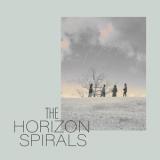
OOIOO and Lightning Bolt are both bands whose music is wholly unique and whose creators" influence would be impossible to overstate. YoshimiO, OOIOO"s founder and bandleader, has been a guiding force in uncompromising art across the continuum of rock and improvised music for four decades, from her work in UFO or Die to The Boredoms to SAICOBAB and beyond. OOIOO serves as a core outlet for melding freeform experimentalism with hypnotic rock pulses, defying boundaries with her acrobatic voice, electronics, trumpet and gamelan. Lightning Bolt"s Brian Chippendale and Brian Gibson have remained unparalleled in their ability to transmute frenetic whirls of percussion, gargantuan fuzz and dizzying melody into monolithic vistas. THE HORIZON SPIRALS / THE HORIZON VIRAL is a split that captures the parallels in ethos between these two ensembles, their sense of gleeful abandon and freight train momentum, in inspiring detail.
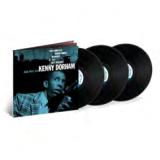
“‘Round About Midnight At The Cafe Bohemia” von Kenny Dorham ist ein Blue-Note-Klassiker. Jetzt
erscheint der Konzertmitschnitt erstmals als Deluxe-LP in voller Länge auf Vinyl – in audiophiler Qualität!
Als Gründungsmitglied der Jazz Messengers war der Trompeter im November 1955 dabei, als Schlagzeuger
Art Blakey mit der Band im Café Bohemia bahnbrechende Live-Aufnahmen für Blue Note machte. Nur
sechs Monate später kehrte Dorham mit seinem eigenen Sextett in den berühmten New Yorker Jazzclub
zurück, um dort sein erstes eigenes Live-Album für das Label einzuspielen. Von dem über zweistündigen
Auftritt veröffentlichte Blue Note 1956 nur ein Album mit sechs Stücken. Elf weitere Titel erschienen erst
1984 auf zwei separaten LPs in Japan, die kompletten Aufnahmen gab es bislang nur auf einer im Jahr
2002 erschienenen vergriffenen Doppel-CD.
Jetzt erfüllt sich für Blue-Note-Fans ein Herzenswunsch: die Aufnahmen kommen erstmals komplett auf
Vinyl heraus - im Rahmen der audiophilen Blue Note Tone Poet Serie auf drei 180g-LPs im Deluxe-Tipon-Trifold-Sleeve, abgerundet durch ein großformatiges Booklet mit bisher unveröffentlichten Fotos von
Francis Wolff sowie einem ausführlichen Essay und einer Track-by-Track-Analyse von Syd Schwartz.
Parallel erscheint das komplette Konzert auch als remastertes 2-CD-Set in Jewelbox mit Booklet.
- 1: Bando (Feat. Pharrell & Quavo)
- 2: Aye Kan (Feat. Ayra Starr)
- 3: No Stopping Us
- 4: Fall On Me (Feat. Pj Morton)
- 5: Oyaya (Feat. Nile Rodgers & Iza)
- 6: Superwoman (Feat. Dadju)
- 7: I'm On Fire (Feat. The Cavemen)
- 8: You Can
- 9: Kakua (Feat. Diamond Platnumz)
- 10: Sunlight To My Soul (Feat. Soweto Gospel Choir)
- 11: For Me (Feat. Charlie Wilson)
- 12: Big Heart
- 13: Jerusalema
- 14: Joy (Feat. Davido)
- 15: Nadi Balance (Feat. Fally Ipupa, The Cavemen, Sheila Maurice-Grey)
- 16: Malaika (Feat. Florent Pagny)
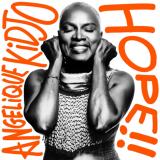
Global icon and five-time GRAMMY® winner Angelique Kidjo returns with HOPE!!, a revelatory 16-track collection that serves as a vibrant antidote to the times. Following her 2021 success Mother Nature, this album bridges continents and genres, featuring a star-studded lineup including Pharrell Williams, Quavo, Ayra Starr, Nile Rodgers, and Davido among other A-listers
Produced by Pharrell and Shizzi, and featuring songwriting by the legendary Diane Warren, HOPE!! is more than an album—it’s a global musical movement dedicated to the resilience of the human spirit.
- 1: Nuvole I
- 2: Nuvole Ii
- 3: Nuvole Iii
- 4: Nuvole Iv
- 5: Nuvole Ix
- 6: Nuvole V
- 7: Nuvole Vi
- 8: Nuvole Vii
- 9: Nuvole Viii
- 10: Nuvole X
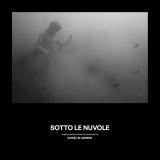
In Gianfranco Rosi’s portrait of Naples, Sotto le Nuvole, the ground shakes periodically. Between Mount Vesuvius and the Tyrrhenian Sea, the fumaroles of the Phlegraean Fields hiss volcanic gas and steam. Below the sleeping volcano, modern day Naples emerges in black and white and fills with voices, with lives. From the traces of history and the concerns of the present, Rosi documents a city immersed in its continuous past, with Daniel Blumberg’s minimal soundscape hovering in a sonic space between liquid and air.
Tasked with creating a soundscape that would suspend space within Rosi’s film, Blumberg called upon the extended technique of saxophonists Seymour Wright and John Butcher to create a gossamer fabric of traces and sounds abstracted from their instruments. Having transitioned from theoretical physics to the saxophone, John Butcher has always deeply considered space in the context of his playing. His concerns are with flow, density and how the saxophone is situated in the living world. Zeroing in on the core sonic properties of the mechanical and acoustic components of the saxophone, Seymour Wright has integrated its every breath, reed vibration, keypad clatter and hissed microtone of his alto into his own, unique improvisational language. In his work with these two seminal players, Blumberg makes his most concentrated soundtrack to date - reinforcing the film's sense of overlapping time and space, and pushing at the limits of experimentation.
Initially recorded in Daniel’s flat in London, Butcher and Wright centre themselves around long, consistent tones, so soft that it seems breath is being gently pulled from the saxophone's bell by an invisible hand. Blumberg himself adds haunting bass harmonica, and recordings of Wright’s launeddas - a traditional and ancient triple pipe polyphonic reed instrument from Sardinia, Italy. Blumberg then travelled to the volcanic region of Baia, next to Pompeii. Once a flourishing classical Roman city loved by Nero, Baia slowly sank under hydrothermal pressure, leaving the city in a kind of geological purgatory. Using specialised geophones and hydrophones, Blumberg took those initial recordings and amplified them underwater, sending them calling out across the ruins of Baia’s mosaics, Nymphaeum statues and villas.
“It was important to me that the music was whispered in the same landscape that Gianfranco has worked for the past three years, so that you can hear the volcanic air gulping, the lapping of the waves, the steam and bubbles popping against John and Seymour’s saxophone breaths – an echo from a suspended time.”
What emerges is deeply melancholic, tender, subtle and right at the edges of audio technology. Submerged in an aquarian mausoleum, the mysterious vibrations of the saxophone and its bell become an echo of an echo, wading from the future into the past. ‘Sotto le Nuvole’ is less a soundtrack than a process of aeration - a sonic puncture in the material of the film which allows its central message to breathe, and a remarkable experiment at the limits of the saxophone’s possibility.
- 1: Pass Between Houses
- 2: Theatre For Change
- 3: Real Home
- 4: Treat Me A Stranger
- 5: Utopia Of Bog
- 6: Void Attentive
- 7: My Love, Let's Take The Stage Tonight
- 8: The Kiss
- 9: He Had Always Led
Cathartic avant-rock, literate DIY folk & experimental composition exploring displacement, love, climate change, belonging & the places we call home - RIYL Jim O’Rourke, Richard Youngs, This Heat, Richard Dawson, Flying Nun. ‘Real Home’ is the new album by the Manchester-born, London-based artist Kiran Leonard. His sixth album proper (not including innumerable tour-only CD-Rs and short-run cassettes), since his precocious debut in 2013, ‘Real Home’ finds Leonard invigorated by inspiration and experience, making passionate, literate, and mercurial music that explores displacement, love, memory, climate change, connections to home and more. Encompassing songs recorded after moving to South London, ‘Real Home’ reflects on ideas of belonging and domesticity through folkloric, stream-of-consciousness songwriting. Across nine tracks, Leonard traces lived impressions of the household and the city, expressing sentiments of dislocation, alienation and stasis, but contentment too. Infusing the avant-rock effervescence, terraced dynamics and visionary lyricism of his music with what he defines as a greater sense of openness, Leonard is as versatile, fervent and imaginative as ever on ‘Real Home’, yet his music is somehow more intimate, affecting, and acutely expressive. Shaped by dual considerations of simplicity and formalism, ‘Real Home’ is by turns beautiful, allusive, and ruminative, an album on which Leonard considers what his songs have resembled in the past and what they mean now. In recent years, Leonard has crafted eloquent chamber music inspired by the likes of James Joyce and Clarice Lispector (‘Derevaun Seraun’), responded to contemporary politics and communication breakdown in the digital age (‘Western Culture’), and compiled solo works and ensemble recordings for a longform ode to Jonas Mekas and to one of Leonard’s enduring themes; home (‘Trespass On Foot’). On ‘Real Home’, Leonard reiterates this abiding thematic focus yet ascends to new, different heights, in music of cathartic delicacy and dissonance where all the myriad dimensions of his work to date seem to crystallize. There are sinuous songs about struggle and defying the pace of city life through drift and diversion (‘Pass Between Houses’), stirring songs of intense feeling and crescendo, described as a form of speculative detective fiction (‘Theatre for Change’). There are touching solo piano ballads (the title track), symbolic contentions with carbon capture and climate change (‘Utopia of Bog’), modes of experimental minimalism (‘Void Attentive’), and other profuse feats of compositional range, embroidered with wild tendrils of narrative and lyrical depth. A record to pore over, and get lost in. Exemplifying the vast aesthetic scope of Leonard’s music, lead single ‘My Love, Let’s Take The Stage Tonight’ is inspired by country lodestar Hank Williams, Russian poetry and a late period love poem by William Carlos Williams. Yet for Leonard, the song signals a sense of accessible materiality, and is the product of a more linear approach to writing songs: “My imitation of the great Hank Williams, in spirit if not in substance…This is one of the best efforts on Real Home at a song-as-object. Looking at it now I realise I was trying to write a song that made itself known as a song to the listener, and I wonder whether that’s crucial if you want a song to transcend its context. And that this is either accomplished through a total openness – by being inviting, by laying the tricks of the song out plain to see, as Williams and his many ghostwriters did so well – or by adopting a knowing aloofness, positioning oneself against the listener but letting it be known that that’s what it’s doing. In this song I try both, but mostly the former: as in, I wanted to write a song where every line follows on from the next.” Imbuing the endlessly elaborate and inventive qualities of his music with a newfound streak of candid, clear-cut melodicism, Leonard has reached a special place in his artistry, on a record that feels familial, and expresses closeness. Assembled with affiliates including Lauren Auder, Otto Willberg, Jasper Llewellyn (caroline), Tom Hardwick-Allan (Shovel Dance Collective), Magda McLean (caroline, The Umlauts), Alex Mckenzie (caroline, Shovel Dance Collective), Isabelle Thorn (Dear Laika) & more, the recording process had a significant influence on the subject matter of ‘Real Home’, in sessions defined by close-knit camaraderie and artistic eccentricity: “The theme of the home obviously recurs throughout the record; the album was mostly recorded in domestic spaces with friends, and the name of the album is Real Home. I like the qualifier ‘real’, like you’re getting past the cloak of the word and towards the thing-itself…also nearly all the percussion in this record was recorded on items from my dad’s shed (jam jars, sandpaper, blocks of wood, etc). Real home record!” ‘Real Home’, like anything by Kiran Leonard, is a record of dazzling multiplicity. Yet it’s a companionable prospect with a central premise; a collection of songs where listeners old and new can find a home. An album led by a scene; of Leonard standing at the threshold, ready to welcome you inside. “Exceptional songs that linger” - The Guardian // “An autodidact of amazing talent & energy” – Pitchfork // “A ridiculous amount of talent…confrontational, celebratory, provocative or perverse – he manages all of these emotions & more” - The Quietus /
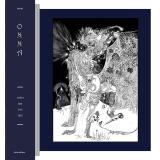
Onna Last Live 1983 includes the final performance by the original line-up of Onna, the psych-rock project of revered Japanese manga artist, Keizo Miyanishi. Onna’s legend has largely rested, until now, on one self-released and self-titled seven-inch from 1983. Reissued by Holy Mountain in 2009, its rediscovery, along with several archival live and studio sets that leaked out across the 2000s, signalled to a wider audience the power of Miyanishi’s strikingly hypnotic songwriting. With Onna Last Live 1983, though, we hear the group’s perfect line-up performing at its peak.
While Miyanishi was the core member and conceptualist of Onna, the other members of the group would also go on to make significant contributions to the Japanese underground. Guitarist Michio Kurihara would eventually be known for his membership of YBO2, Ghost and White Heaven, and collaborations with the likes of Boris and Damon & Naomi. Drummer Ken Matsutani formed Marble Sheep & The Run-Down Sun’s Children and The Mickey Guitar Band, while also running the Captain Trip label. Joined by the late bass player Yasui Yutaka, to whom the album is dedicated, this quartet only performed live in 1983; the live set here was recorded at Silver Elephant.
It’s a different line-up to the Onna duo that’s documented on their single. After Miyanishi and fellow manga artist Mafuyu Hiroki recorded that material, Miyanishi decided he wanted to start playing gigs; Hiroki left, and Kurihara, Matsutani and Yutaka joined soon after. This line-up allowed Miyanishi to significantly expand Onna’s powers, leading to a sound that Kurihara once described to Ptolemaic Terrascope magazine as “repetitive and heavy, yet quite orthodox.”
The songs here are simple yet deeply effective in their repetitive power, generally revolving around two or three simply strummed chords for guitar. Bass and drums repeatedly lock into mantra-like grooves as Kurihara’s guitar scales the walls, with Miyanishi’s consumptive moans and sighs sent torquing through FX. The cumulative effect of the seven songs here is very heavy indeed; if the prologue “Always…” drifts beautifully through five minutes of placid, beseeching melancholy, the epilogue, “Never Seen A Light Like This”, spirals out into sixteen minutes of glazed-over psych-rock, completely monomaniacal and thrilling in its slow-motion tumult.
Throughout, you can hear Miyanishi and co. reaching for something ineffable, something beyond and between the notes. It’s a phenomenal performance; it’s also no surprise that the group disintegrated after this show, given its intensity. Matsutani and Yutaka left after the Silver Elephant show, with Miyanishi and Kurihara continuing through the first half of 1984 firstly as a duo, and then a trio with new drummer Yoshiki Ueonyama. Kurihara left soon after. But Onna Last Live 1983 is proof plenty of the powers of the original Onna quartet, sending their Rallizes/Velvets dream-mantras off into darkened, stormy skies.