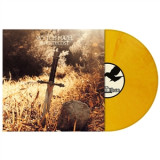
Since first forming in 2016, London's High Vis have steadily polished their palette of progressive hardcore with shades of post-punk, Brit pop, neo-psychedelia, and even Madchester groove, mapping a middle ground between hooks and fury, melodies and mosh pits. Singer Graham Sayle describes their third album 'Guided Tour' as an axis of competing forces: "It's trying to be a hopeful record, while also being incensed." Rounded out by drummer Edward 'Ski' Harper, guitarists Martin MacNamara and Rob Hammaren, and bassist Jack Muncaster, the band's deep roots in the UK and Irish DIY hardcore scenes have kept them grounded but growing, inspired equally by restlessness and righteous anger. As Sayle puts it, "Everyone's scratching, everyone's working all the time, and their idea of relaxing is just getting fucked and avoiding reality. This album is an escape from that."From its opening seconds of a cab door slamming, a car revving away, and a baggy rhythm swinging to life, 'Guided Tour' sounds like a band reaching for new heights, bristling with energy. Recorded across a few weeks at Holy Mountain Studios in London with producer Jonah Falco and engineer Stanley Gravett, the results feel dynamic and dialed-in, like anthems burned into sense memory through sweat and repetition. Harper cuts to the chase: "We had a clear idea going in, every moment got used. Maybe when we're 60 we can sit around and get a drum sound right, but for now it's about getting things done."The album's 11 songs span the spectrum of contemporary guitar music, sharpened by experience, camaraderie, and societal frustrations. From swaggering street punk ("Drop Me Out," "Mob DLA") to jangling indie sneer ("Worth The Wait," "Deserve It") to heavy alt ("Feeling Bless," "Fill The Gap") to shoegazey spoken word ("Untethered"), the group's chemistry transmutes any style to their unique intensity. Sayle champions this evolving fusion: "For years coming from hardcore, we had pretty clear boundaries - other scenes were separate worlds. Now things are getting more blended, drawing from different places."Nowhere is this sentiment flexed more boldly than on "Mind's A Lie," a dance- punk anthem inspired by Harper's love of house, garage, and pirate radio. Stabs of sampled female vocals (by celebrated South London singer and DJ Ell Murphy) build into a razor wire rhythm of low-slung bass, tense drums, and sparkling guitar before Sayle's staunch voice starts barking harsh truths ("Face to face with all I've known / I can't call these thoughts my own"). After a sudden breakdown, the track regroups and takes off, cruising into the horizon in a haze of chiming guitars and Murphy's ascendant voice, from the streets to somewhere beyond.
quête:rob t
- 1: Exile On Wall Street
- 2: Exclusive Single
- 3: Pentagram Lamb
- 4: Cocaine Chow Mein
- 5: Power Corruption And Levis
- 6: Jfa Per Se
- 7: Banana Cheer
- 8: Bullet Fever
- 9: Minor Threat, Burgers & Fries
- 10: Monochrome Hookup
- 11: Typeface Arms Race
- 12: Ra Ra Ya Ya
- 13: Bubblegum Guillotine
- 14: Emotion Explosion
Mark Robinson and Trevor Kampmann are Uncomfortable Police. They have been collaborating for years. First as Fang Wizard (2011) and then Party Milk in 2023. While those LPs are primarily instrumental, this new 15-song Michelin Star Hardcore album sees them both getting in front of the microphone as lead and background singers. Mark started and starred in the bands Unrest (who just released the 30th Anniversary edition of their Perfect Teeth album with 4AD), Air Miami, Flin Flon, Grenadine and more. Trevor’s records his solo material until the moniker hollAnd for years and has produced and mastered albums by the likes of Cat Power and Explosions In The Sky. On Mark’s seminal Teenbeat label that he formed at Wakefield High School in Arlington, Virginia, just outside DC. This physical phonograph record contains one extra song that will not be available digitally.
Emerging from the fertile chaos of Düsseldorf’s Salon des Amateurs scene, Sequence of Events, the collaborative project of Deniz Saridas and Joshua Gottmanns, presents The Art of Memory, an album that feels both intimate and ungraspable, like recalling a dream that fades upon waking.
Rooted in the post-industrial landscapes of West Germany, The Art of Memory channels the bleak resilience of these environments into its sound. It’s a collage of kraut-infused electronics, shoegaze textures, and industrial pulses, filtered through a lens of introspective psychedelia. “We don’t consciously break down or combine genres,” they explain. “Everything is interwoven, like chemistry. Some reactions happen immediately, others take years under pressure.”
From the opening track TAR, with its stoic vocals and drum-heavy propulsion, to the robotic Meagre Gardens, where autotuned chants coil around unconventional drum programming, the album moves like a fever dream through fragmented memories. Soul Divider unfolds like a cinematic journey through yearning and desire, its repetitive pulses echoing the ache of unfulfilled longing, while Nature Hates Life distills pop music through the eyes of a killjoy: “Kurt Cobain on an AKAI MPC2000,” as the band describes it. Even moments of tenderness, like the drifting Becomings, shimmer with absolute sensuality: a seductive exploration of presence defined by absence. We lift each other up and hold each other down.
The creative process behind The Art of Memory is as fluid as the music itself. Saridas and Gottmanns, both self-taught musicians with backgrounds in fine art, worked intuitively, drawing from a shared pool of samples, text fragments, and images. Operating somewhere in the space between fin de siècle aesthetics and occultism, it’s a dream wedding with a continuous stream of meaningless (moving) images generated by human and non-human entities.
Ultimately, The Art of Memory is not an escape but an immersion. A meditation on the sensory overload of the present and the ghosts it leaves in its wake. In a world where music is often reduced to background noise for consumption, Sequence of Events offers something more elusive: a record that lingers, unsettles, and demands to be remembered.
Recital presents a new double album of rarely heard Robert Ashley compositions performed by baritone singer Thomas Buckner.
“(Robert Ashley) turned speech into music” - Alvin Lucier.
In the 1960s, Robert Ashley pioneered the American avant garde with the ONCE Group and festivals, before irrefutably changing the face of American opera later in the 20th century. Buckner, in addition to running the fabulous 1750 Arch record label in the 1970s and 80s, is a noted baritone who has collaborated for decades with the likes of Roscoe Mitchell, Annea Lockwood, and the late Noah Creshevsky, amongst countless others.
The title of the album, Spontaneous Musical Invention, refers to Ashley’s method of instructing the singer to do what he called “spontaneous musical invention based on the declamation of the text.” A vocal practice that Thomas Buckner perfected over the 33 years that he collaborated with Ashley. First performing in Ashley’s 1984 opera Atalanta (Acts of God), Buckner continued on as an integral performer in the ensemble until Ashley’s death in 2014.
The album is composed of two halves, the first is a new rendering of Ashley’s second opera Atalanta (Acts of God). Robert Ashley wrote about ten hours of music for the opera Atalanta, divided into three acts: ‘Max', for the surrealist artist Max Ernst; ‘Willard', for the composer’s uncle, Willard Reynolds, a great story teller; and ‘Bud', for Bud Powell, the great jazz pianist and composer. One is invited to construct a version using any material from these ten hours. Over the years they worked together, Thomas Buckner commissioned three reworkings of arias from Atalanta that he could perform in concert: the ‘Odalisque' aria from Max, 'The Mystery of the River' from ‘Willard', & 'The Producer Speaks' from ‘Bud'. So this first section of the album is one of many possible versions of Atalanta, albeit in strikingly different versions from the originals.
The second section of the album is dubbed Occasional Pieces, and holds two unpublished Ashley works. ‘When Famous Last Words Fail You' & 'World War III Just the Highlights' are not from any Ashley opera. However, each is highly dramatic and theatrical. They were written as standalone pieces for Thomas Buckner. Buckner’s distinct vocal cadence projects the sharp wit and wry storytelling of Ashley’s librettos.
A portion of the record was recorded live at Roulette in Brooklyn, NY, at an intimate memorial concert held for Robert Ashley in 2014. Spontaneous Musical Invention, in essence, functions as a tribute to both exceptional artists, and to their decades of collaboration.
Vinyl edition comes with a 24 page 12” x 8.5” booklet of Ashley librettos, scores, & program notes, with an introduction by Alvin Lucier.
Part bomb, part DJ tool and already with a fabric room 1 play under its belt, Marlon George’s remix of Colm K’s 2011 track, “Basics” looks to set the 2025 summer into full motion. It’s been over three years since Marlon’s last chart-topping EP on Robsoul, with his Basics edit waiting to be released for two of them due to sample clearance and label considerations.
Now, freshly launched Lilac Records proudly steps in with a highly anticipated, limited run on vinyl. On the flip side, the immensely talented MP delivers an excellent, driving twist on Marlon’s work, further solidifying his reputation as one of Romania’s most underrated dance music producers.
Boasting an exceptional sound thanks to mastering by Grazz at The Exchange, this tipped future classic is poised to resonate with house aficionados across the globe.
110 copies, hand stamped.
- A1: Laurent Garnier - Wake Up
- A2: Christopher Just - Feelin' Alright (Ladies Night Decisi
- A3: John Tejada - Sweat (On The Walls)
- B1: Scott Grooves Feat Parliament & Funkadelic - Mothershi
- B2: Kiko - World Cup (Extended Mix)
- B3: Josh Wink - Higher State Of Consciousness (Tweekin' Aci
- C1: Steve Bug, Traffic Signs - The Big Fake
- C2: Robbie Rivera - Funk-A-Tron (Robbie Rivera's Main Mix)
- C3: Isolee - Brazil Com (Freaks Reinterpretation)
- D1: Percy X - Track 2
- D2: Marmion - Schöneberg (Original)
- D3: Energy 52 Cafe Del Mar (Kid Paul Mix)
- A1: Robin S - Show Me Love (Stonebridge Club Mix)
- A2: Kings Of Tomorrow Feat Julie Mc Knight - Finally (Exte
- A3: Hardrive, Barbara Tucker, Louie Vega - Deep Inside
- B1: M1 - Electronic Funk (Kaje Remix)
- B2: Louie Vega & Jay Sinister - Diamond Life (Old School Du
- B3: Ministers De La Funk Feat Jocelyn Brown - Believe (Min
- C1: Ultra Naté - Free (Mood Ii Swing Extended Vocal Mix Edi
- C2: Phunky Data - Fashion (Ian Pooley's Stylish Mix)
- C3: Superfunk Feat Ron Carroll - Lucky Star (Album Mix)
- D1: Bob Sinclar - Gym Tonic
- D2: Africanism, Dj Gregory - Block Party
- D3: Salome De Bahia - Outro Lugar
Der UDG Trolley to Go ist die Kompaktversion des Slingbag Trolley. Damit er am Airport als Handgepäck durchgeht, wurden die Maße verringert und die Seitentaschen eingespart. Alle anderen Features wurden beibehalten.
Features:
- für ca. 40-50 Vinyls
- Robustes Nylon-Material
- große Vordertasche für Handy, Boardingcard, etc.
- Starker Griff an der Oberseite
- Gepolsterter Schulter-Tragegurt
- integriertes Schlosssystem mit Nummerneinstellung
- A1: Truly Gone
- A2: Haze
- A3: More Than You Thought To Use
- A4: Crazy, Stoned, And Gone
- A5: Fade
- B1: On My Way Home
- B2: I'll Wait For The Others
- B3: Dreaming Of The Moon
- B4: I Hope That All Of Your Dreams Come True
Swim Inside The Moon is a delicate, confident, quiet singer songwriter record by 24 year old Angelo De Augustine. Angelo’s setup was simple: a Shure SM57 microphone next to the wall of the shower and a cable back to an analogue reel-to-reel in his nearby bathroom. For some songs, he played his mother’s 100-year old piano in the living room and on others he added synth and electric guitar. Listeners might hear Nick Drake’s intricate arpeggiated guitar parts, Elliott Smith’s pure vocals or, at times, a likeness to the soulfulness of artists such as Robert Johnson, Vashti Bunyan and Judee Sill.
One very handy 7" single and two monumental disco instrumental edits surely destined to get butts waggling on any given dancefloor. The A-side is swept along by a propulsive funk guitar line, neatly switching from classic 70s lushness to 21st century robotics and vocodered vocals and back again, while the flip goes for a more soul-driven vibe, the tight drums and bass pairing polished off by some delicately applied Rhodes piano, definitely the glitterball cherry on top. DJ weaponry so deadly it should probably be outlawed by some international treaty.
- Pressed Flower
- One Of Each
- Against The Grain
- Bitch Heart
- Porcelain
- One! Grey! Hair!
- Vanity
- Not Long
- Margareta
- Your Take On
- High Five Handshake
- You Become
- Joyride
- Tomorrow
- Wonderland
- Life Back
- Pothole
Cassette[11,98 €]
"Different Talking", das sechste und bisher beste Album der vierköpfigen New Yorker Indie-Rock-Band Frankie Cosmos, scheint über Zeit und Raum hinweg zu existieren, so wie wir alle es irgendwie tun. Es ist eine Sammlung von Fragmenten und Erinnerungen, erinnerten Orten und neu interpretierten Gefühlen, die sich zu einem leuchtenden, summenden Ganzen zusammenfügen: eine robuste, weltgewandte Indie-Rock-Platte über das Altern und den Lauf der Zeit, die es dennoch schafft, sich hochaktuell zu fühlen. Die Sängerin, Gitarristin und Songschreiberin von Frankie Cosmos, Greta Kline, gilt seit langem als eine der gewandtesten und notwendigsten Autorinnen zeitgenössischer Indie-Musik, doch auf "Different Talking" werden ihre Texte etwas weicher, und der schräge Zynismus, der die letzten Alben prägte, weicht nun einer Anerkennung der großartigen und notwendigen Fehlbarkeit des menschlichen Gehirns und Herzens. "Different Talking" als Rückkehr zur alten Form oder zumindest zur üppigen Direktheit früherer Frankie Cosmos-Platten zu bezeichnen, wäre unhöflich, aber auch völlig falsch: Wie "Different Talking" deutlich macht, kann man nie mehr zu der Bequemlichkeit und dem Mut seiner frühen Zwanziger zurückkehren, aber diese Person lebt irgendwie immer in einem, egal wie sehr man sich verändert. Bei Different Talking geht es darum, diese Person zu finden, sie zu ehren und von ihr zu lernen. "Ein großer Teil des Albums handelt davon, erwachsen zu werden und herauszufinden, wie man sich selbst erkennt - wie zum Beispiel: 'Was ist ein Weitermachen?'", sagt Kline. "Wie kommen wir weiter, wenn wir süchtig nach einem Kreislauf sind, der uns in unserer Vergangenheit verfolgt? Das Schreiben von Songs ist nur ein Weg, um das zu überwinden". Kline ist seit ihren späten Teenagerjahren ein fester Bestandteil des amerikanischen Indie-Undergrounds. Ihre zahlreichen Bandcamp-Veröffentlichungen und ihr Debüt bei dem Indie-Label Zentropy aus dem Jahr 2014 führten dazu, dass sie als "Poet laureate of New York City DIY" bezeichnet wurde. Ein solches Etikett ist eine Menge für junge Schultern, aber es ist schwer zu leugnen, dass sie einen einzigartigen Einfluss auf die zeitgenössische Popmusik hatte. Wenn die Vorstellung, dass eine junge Frau in ihrem Schlafzimmer einen Synthesizer in die Hand nimmt, ein paar Songs ins Internet stellt und schnell zum Superstar wird, heute gang und gäbe ist, dann liegt das daran, dass Kline und ihre Kolleginnen das (weibliche) DIY-Genie normalisiert und verherrlicht haben, lange bevor sie in den Marketingbüros der Major-Labels an die Pinnwände geheftet wurden. Seitdem hat sich viel verändert: Nachdem Frankie Cosmos in den letzten zehn Jahren eine Handvoll verschiedener Permutationen durchlaufen hat, besteht die Band heute aus vier Mitgliedern: Greta Kline, Alex Bailey, Katie Von Schleicher und Hugo Stanley. Kline ist die einzige Konstante, aber Stanley, Bailey und Von Schleicher sind wichtige Mitstreiter, und es wäre falsch, die Namen "Greta Kline" und "Frankie Cosmos" synonym zu verwenden. Kline ist nach wie vor die primäre Songschreiberin, und die Musik auf "Different Talking" wurde von der Band als Ganzes arrangiert, aber dies ist das erste Album, das von der Band selbst aufgenommen und selbst produziert wurde. Nicht zufällig fühlt es sich wie eine reinere, destilliertere Aufnahme an. "Es fühlt sich an wie die beste Version von dem, was ich machen wollte, seit ich ein Teenager war", sagt Kline. "Obwohl dies in einem Wohnzimmer aufgenommen wurde, ist es so originalgetreu wie alles, was wir im Studio gemacht haben."
- A1: Pharoah Jones
- A2: Ghost Gospel
- A3: Ill Feeling
- A4: Capital Punishment
- A5: Do Not Adjust
- A6: Cool Green Trees
- A7: Chill Scratch
- A8: Poisonous Fumes
- A9: Welcome Aboard The Starship
- B1: Keep On Runnin
- B2: Sounds Impossible
- B3: Painted Faces
- B4: The Knew Style
- B5: Chicken Wing Blues Sauce
- B6: Kool Breeze
- B7: Sexx Bullets
- B8: Soul Child
- B9: Take Off Runnin
- B10: Centurian
- B11: Bozack
- B12: Church
- B13: Splash One
- B14: Hank
- B15: 73 Goatee
"Chasing the funky symphonies that filled my head and my dreams..."
December 25th, 2023 - an Instagram post. Stimulator Jones shared half a dozen FIRE tracks from his beat tape archive. We were immediately drawn to the rough hewn boom bap.
"I'd release that", Rob commented.
Hours of material was shared and the result is this: Cool Green Trees (1999-2005). A collection of beats and loops Stimulator Jones created between the ages of 14-20 at home in his basement, bedroom and computer room in Roanoke, Virginia.
You will not believe the profound soulful genius contained within these naive schoolboy melodies.
December 25th, 1998 - 25 years ago to the day and his much-coveted Yamaha SU10 sampler was finally bestowed upon young Stimmy AKA Sam Lunsford: "I immediately hooked up a CD Walkman to the input jack and looped the beginning two bars of Grover Washington Jr.'s "Mercy Mercy Me". I don't know what exactly was so thrilling about hearing two measures of music repeating over and over but it was so infectious and hypnotizing and enthralling to me. I'll never forget that ecstatic rush of making my first loop - an uncontrollable, gleeful smile plastered all over my face." When you hear the pocket breakbeat symphonies featured here on Cool Green Trees, you'll feel the same sense of frisson.
In the wake of his Stones Throw breakthrough - Exotic Worlds & Master Treasures - Stimulator Jones was pegged by many as a 90s throwback artist. However, he literally IS a 90s artist. He's been recording music most of his life and he's now 40. He created the bulk of Cool Green Trees as a teenager. Everything before 2004 was recorded when Sam was still in school. He was in 8th grade when he made the 1999 tracks - he didn't even have his learner's permit. This album is a snapshot of a young man in a simpler time. Things were still mysterious back then and he was flying blind, relying on his ears and having to figure things out for himself: "I had no road map for becoming a beatmaker. I have been collecting music since I was a kid, I am a lifelong digger and seeker of cool and interesting sounds. I was there in the golden age of Hip Hop, and while I may have been a suburban white kid in Roanoke, Virginia, I was tuned in and I bought so many classic albums when they came out. I was attracted to Hip Hop because of the musical and poetic quality. I was hypnotized by the rhythms, partially because I was a drummer. I didn't brag about collecting my breakbeat records or making beats - it was something I did in isolation. It wasn't something I generally wanted to bring attention to and it didn't really score me any cool points. I certainly wasn't flexing on social media about it."
Hell, he can do that now!
Opener "Pharoah Jones" was inspired by Yesterday's New Quintet and Madlib's ability to capture that classic 70s sound whilst playing all the instruments. Sam created this one stoned afternoon by laying down a 2 bar loop and a shaker loop on his Yamaha SU700 sampler. He hung a microphone from the ceiling and played his Yamaha Stage Custom drum kit over the top before adding ender Rhodes and playing his dad's Selmer tenor sax through an Electro Harmonix Memory Man echo pedal. Yes! Up next, "Ghost Gospel" utilises a dope loop from a gospel record and adds some soul-funk drums overtop, whilst working that filter knob. Says Sam: "The loop reminded me of something Ghostface would rap over. The sample was in 3/4 waltz time but I flipped it for a 4/4 groove, a technique I picked up from RZA. "Ill Feeling" uses sped-up pieces from a dusty old funk record and putting them over a classic NOLA drum loop; gain chopping up a slow, bluesy 3/4 time signature and bending it to a 4/4 groove. Classy shit. "Capital Punishment" features drums tapped in live, inspired by MF Doom's Special Herbs series. "Do Not Adjust" consists loops found on a compilation of 70s French music at Happy's Flea Market, a classic Roanoke digging spot.
The sublime, evocative title track, "Cool Green Trees" was created when Sam was still living at home. He dumped samples off his SU10 into the family desktop and arranged them in a demo version of Pro Tools: "This track was sort of my ode to the DJ Shadow style of sample based production. Super spacey, slow, and moody. The heavily filtered drums were inspired by Alec Empire's 'Low on Ice' album. I later added some scratches and sounds from a Spider Man storybook record." "Chill Scratch" snags the final bit of a bossanova record and pairs it with a drum loop before adding experimental scratching run through an Electro Harmonix Memory Man echo pedal. "Poisonous Fumes" was made using a sampler, mixer and a turntable; a kind of mixtape beat collage with added scratches and sounds from various records. Using dialogue from superhero records was a nod to Madlib. "Welcome Aboard The Starship" is dark, downtempo trip-hop with a spooky bent. Sam paired a slow, hard drum loop with a guitar sample grabbed off a psychedelic rock record. To finish, he added various backwards sounds and weird atmospheric effects and a little scratching. Swoon.
Side B opens with "Keep On Runnin", made on a borrowed Roland SP202 sampler. Having always loved the sound of the Lo-Fi filter on those machines, reminiscent of the Emu SP1200, Sam always imagined Del or another of the Hieroglyphics crew rapping over this beat. You can certainly hear why. "Sounds Impossible" sees Sam experimenting with layering multiple kick samples at different volumes to create patterns similar to those heard by Showbiz and Lord Finesse during their God-level 1995 period. "Painted Faces" was made by chopping up a REDACTED record which he had gotten from Happy's Flea Market and paired it with a REDACTED drum loop. By the time Sam recorded "The Knew Style", he had acquired a shitty old 1960s portable turntable off eBay. It didn't function properly when he bought it but his brother opened it up, cleaned it out and got it working: "I remember he told me that there was a bunch of sand inside of it when he opened it up, as if its previous owner had taken it to the beach. I would take that turntable on my Happy's Flea Market digs so I could preview records...that's how I found this loop."
"Chicken Wing Blues Sauce" loops up a classic blues joint and pairs it with some REDACTED drums. A bit of filtering and arranging et voilà! "Kool Breeze", from 1999, is one of Sam's oldest surviving beats, as is "Sexx Bullets". The Roots sampled the same record, leaving Sam frustrated yet vindicated. "Soul Child" was an early SU10 creation, looping a dusty old Soul Children 45 and pairing it with 70s rock drum loops to great effect. "Take Off Runnin" was another loop found digging with a portable turntable. Paired with some boom bap drums it makes for a hypnotic head-nod groove. "Centurian" was intended to be a little beat interlude a la Pete Rock. The sample is from a sun-dappled soft-psych record and it's paired with a Robin Trower drum loop that just happens to fit perfectly. Sometimes you slap things together kind of haphazardly and magic happens. "Bozack" was the first beat Sam made using Pro Tools, his first foray into using chopped sounds instead of loops, an exciting new world. "Church" is beat interlude using a Phil Upchurch loop with the "Long Red" drums - a favourite break of Dilla et al. Sam was really on a tear in late 2004, probably because he was unemployed and phoneless and able to just make beats all day. He made "Splash One" on a borrowed Yamaha SU700 and again was experimenting with tapping the drums in live with his fingers, instead of using a loop or sequenced pattern. Channeling 9th Wonder, Sam used a water splash sound effect from a Batman record as a percussive element, hence the title (also a 13th Floor Elevators reference). The main loop is a backwards portion of one of his favourite Roy Ayers songs.
"Hank" is another fun little beat interlude thing, created on a borrowed Roland SP202 sampler with the fantastic Lo-Fi effect that resembled the Emu SP1200 at a fraction of the price. "73 goatee", from 99, is another of his oldest surviving beats, created in his bedroom with his Yamaha SU10 and his brother's Vestax MR-300 4-track recorder: "This one will always feel special. I can remember having a feeling all the way back then on the night that I created it that this was a solid beat with a catchy loop. There was something in the Fender Rhodes melody that resonated with me emotionally, and I had never heard a producer sample that portion before. I felt like I had found my own unique sound, my own unique loop. It came from an Ahmad Jamal '73. I actually even recorded myself rapping and scratching over this beat way back then, I still have that version in all its imperfect sloppy glory."
Sam explains just how much these tracks mean to him: "They all have immense historical and sentimental value and I'm proud of them. These beats come from an innocent, simple time when I was just figuring out how to craft these sounds. They're something very personal to me. They are the initial part of a journey that I really was taking *alone*. There was no YouTube. I couldn't Google shit. I didn't even know any other beatmakers, producers or DJs in my town that could teach me anything. It was always just me, alone, in a room with some equipment - chasing the funky symphonies that filled my head and my dreams. What I was doing wasn't cool. Most of my peers thought I was a weirdo and couldn't care less. Creating these sounds was an anti-social endeavour. In a sense, I felt like it was me against the world, and all I had to instruct and assist me were the recordings produced by my heroes - RZA, DJ Premier, Erick Sermon, Beatminerz, Showbiz, Diamond D, Beatnuts, Prince Paul, The Bomb Squad, Pete Rock, Q-Tip, E-Swift, Mista Lawnge, DJ Shadow, Cut Chemist, Peanut Butter Wolf, El-P and so many more...I dedicate this collection to them, and to my older brother Joe who has always been a musical and technical guiding light for me.
This was a time before every kid was a self-described producer and beatmaker, before everyone had a DAW, before Kanye and "chipmunk soul", before Red Bull beat battles, before there was any social media beyond chat rooms and AOL Instant Messenger, before Soundcloud, before SP-404 mania, before lo-fi beats to study to, before Splice, before targeted ads for MIDI chord packs, etc. In 99 when I told people that I had a sampler and made beats I was mostly met with bewildered confusion and indifference. Kids and adults alike would wonder why I got this weird machine for Christmas instead of something worthwhile like a Playstation or a mountain bike or even a guitar for that matter because at least that could be used to make "real music". Back then, sampling was still not widely respected as an art form - it was seen as lazy, talentless and unoriginal at best and outright criminal theft at worst. I had gotten respect for playing drums and guitar and things of that nature but this was a step in the wrong direction in the eyes of many."
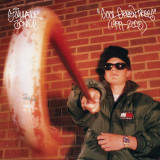
The cover photo is a picture of Sam standing on his back porch in the latter part of 1998, just before he got his first sampler. He was 13 years old, in 8th grade. His dad took the picture with his 35mm film camera: "I actually wanted to be pointing my dad's .22 pistol at the camera lens but he wouldn't let me. He gave me an old walking cane to use instead. The Tommy Hilfiger puffer jacket came from the lost and found at William Fleming High School where my mom worked as a secretary. I was thrilled when she brought it home because we never spent money on expensive name brand clothing like that - we were for the most part strictly a sale rack, bargain bin, thrift store, yard sale, flea market kind of family when it came to clothes. My watch is some cheap off-brand fake gold department store watch." Mastering for this vinyl edition was overseen by Be With regular Simon Francis and it was cut by the esteemed Cicely Balston at Abbey Road Studios to be pressed in the Netherlands by Record Industry.
Noumena is the second volume of music capturing percussionist Tim Barnes in a variety of collaborative settings recorded in extraordinary circumstances over the past few years. Since the 90s, he has collaborated with a range of talents in the indie rock, improvised & experimental music scenes. In 2021, Tim was diagnosed with early onset Alzheimer"s at the age of 54, and he and his family went public with this immediately. The response from Tim"s network of friends and musical peers was overwhelming, and, beginning in late 2021, collaborative recordings were undertaken, coordinated and assembled by Tim"s longtime friend Ken (Bundy) Brown, with whom Tim had worked in the past as a member of the group Pullman, early pioneers of the new Americana movement in the indie scene of the late 90s. The recordings for Noumena feature the playing of Joshua Abrams, Oren Ambarchi, Ken Brown, John Dieterich, Darin Gray, Glenn Kotche, Robert Carlos Lange, Ro(b)//ert Lundberg, Douglas McCombs,, Matt Mehlan, Rob Mazurek, Tara Jane O"Neil Jim O"Rourke, Chad Taylor, Thollem, Britt Walford and Mike Watt. As with Lost Words, Noumena cuts a dramatic swath through a sweep of music styles, all of which are deepened by Tim"s versatile, intensely stimulated percussive feel.
- Sociavoidance
- Avoid!
- Expired!
- Karoshi!
- Incognito!
- Moon!
Over the last four years, the German-born and South Korea-based artist Sion has been steadily making a name for himself in the music industry. The Voice Germany Season 10 semifinalist is a self-taught singer, songwriter and producer who can do it all.
Sion can play guitar, piano, synthesiser, DJ and much more, just name it.
Early inspirations for Sion include Frank Ocean and Porter Robinson, and his music so far has been a wonderful mix of eclectic soundscapes.
Now, Sion is back with his best project yet, his third EP ‘Sociavoidance’. The five-track extended play is full of lush vocals, vibrant production, a multitude of different layered textures.
The genre-defying artist blends elements of indie electronica, hip-hop, alt R&B, glitch pop and more. Thematically, the body of work explores disassociation in the age of the internet, vulnerabilities, social interaction, self-reflection and relationships.
It’s a heartfelt, genuinely beautiful, experience. Sion is inviting the listener into his colourful, exciting and often unpredictable world on ‘Sociavoidance’.
- Debbie Downer (Ft. Maggie Lindemann)
- The Floor Is Lava!
- U Turn Me On (But U Give Me Depression)
- Boohoo
- Junkie
- Asking For A Friend
- Death Wish
- Lonely & Pathetic
- Hurt Less
- U Look Stupid
- Die Without U
- Surgery
Nachgepresste Vinyl-Zusammenstellung von frühen Singles und EPs der kanadischen Alternative-Künstlerins LOLO! Die aus Toronto, Kanada, stammende LOLO hat sich zu einem aufstrebenden Star der alternativen Popmusik entwickelt. Ihr Durchbruch gelang ihr mit ihrer Overkill-EP, in der sie sich mit peinlicher Adoleszenz (,lonely and pathetic"), Herzschmerz (,hurt less") und Selbstironie (,death wish") auseinandersetzt. Das People Magazine bezeichnete sie daraufhin als ,Emerging Artist" und Spotify nahm sie in seine EQUAL-Kampagne auf, die aufstrebende Künstlerinnen fördert. Nachdem sie bei Hopeless Records unterschrieben hatte, trat LOLO mit ihrer Zusammenarbeit mit der Alt-Pop-Künstlerin Maggie Lindemann ins Rampenlicht. Der Song ,debbie downer" landete in allen Pop/Alt-Playlists und brachte ihr Tourneen und Festivalauftritte beim Lollapalooza und Sad Summer Festival sowie eine UK/EU-Tournee mit Leah Kate ein. Mit der Veröffentlichung ihrer zweiten EP ,Debbie Downer" feierte LOLO mit dem eingängigen ,u turn me on (but u give me depression)" Erfolge im kanadischen Pop-Radio und gestaltet die Alternative-Pop-Szene weiter mit, zuletzt mit ihrem 2024 erschienenen Debütalbum ,Falling For Robots And Whishing I was One". "LOLO creates honest, grungy breakup anthems and hot-girl bangers that mix genres and confuse categories."-Westword "Full of all the anger, angst, cynicism and depression that makes a proper pop punk artist, Toronto singer-songwriter LOLO is well on the rise." -Paper Für Fans von Charlotte Sands, Maggie Linderman, Stand Atlantic, Alternative Rock, Indie-Pop, Punkpop Diese neue Vinyl-Ausgabe der Singles-Compilation kommt in transparentem Rot!
- Sol Solet
- Es Fa Llarg Es Fa Llarg Esperar
- Cuatre Barres Blanc I Negre
- Brian A Clown
- Lluna Robada
- Maria
- Occident (Recepte De Cuina)
- Lluna Estimada
- Estrella De La Fortuna
Once again, Riba left everyone bewildered with a work that, on its own, gave early substance to what would eventually be known as roc català, of which Riba may well have been its most authentic representative. The album was recorded in the winter of 1975 with the help of the same group of musicians who had accompanied him a few months earlier at a concert at Zeleste to debut new songs: a mix of Valencian musicians from bands like Paranoia Dea and guitarist Eduardo Bort's group. "Electròccid àccid alquimístic xoc" marks a shift in Pau Riba's sound-now electrified and fully embracing rock with nods to Lou Reed, Ray Davies, and Kevin Ayers, but the core of "Electròccid_" is defined by Riba's own authorship. With lyrics that veer from poetic to absurdly ironic, Riba explores themes like the moon, the stars, death, love, women, the devil, and the bourgeoisie-fueling the originality that made him such a unique artist. It's striking how naturally and effortlessly Riba incorporated the Catalan language into the rock idiom-and vice versa. First vinyl reissue in over four decades!
Over the past near-decade, Lancashire's medieval metal phenomenon WYTCH HAZEL have been honing an uncommonly wholesome, rustic and devotional brand of timewarped hard rock that's all their own, with 2016's Prelude and 2018's II: Sojourn summoning to mind fevered images of Robin Hood and his Merry Men grooving to Jethro Tull and Thin Lizzy. Yet within moments of pressing play on their third LP, III: Pentecost, the musty mystical minstrelsy takes a back seat in favour of a rich, sumptuous, anthemic late-night drivetime vibe, passionately embracing the most high-end smash-hit classic rock and metal circa its late 1970s heyday. "I thought I put a lot into the second album, but this album has been an absolute obsession," stresses the band leader, Colin Hendra. "Every aspect had to be as good as possible. We've gone back and forth, Ed was tinkering with it for months on end. There's quadruple tracking going on with the rhythm parts, then we've doubled, tripled and quadrupled all our lead parts to get that richness and fullness of sound, all meticulously planned with pages and pages of organisational notes. It wasn't just `get in the studio and see how it goes!'" he laughs. "One day I did 14 hours of vocal recording. All vocals are double-tracked, I can't express how much hard work that is. The last album feels like a breeze compared to what we've done with this - and I don't plan on ramping it down!" Musically there are gorgeous self-professed touches of Black Sabbath, Blue Öyster Cult, AC/DC and early Scorpions_"With the soloing I was trying to go for Michael Schenker" beams Colin_while the scampering headbanger I Will Not initially took a nod from Angel Witch, who Hendra was helping out on second guitar back in 2015 when the track was composed, before studio treatment made it sound "a lot more Wytch Hazelly". But perhaps the most lateral comparison is to a band from the opposite spiritual realm, with Archangel an explicit homage to Swedish faux-Satanic devil cult Ghost. "I find them fascinating, Ghost; musically great, the songwriting is spot-on," enthuses the frontman. "We share an intrinsic connection, with Bad Omen honcho Will Palmer being the person who discovered us both. "Music is created for all, it's a common grace for everyone," he affirms, "which is why the music that shows the glory of God the most, in my opinion, is not music created by Christians. It's Black Sabbath!"