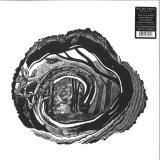
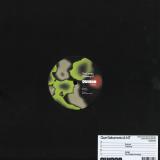
We’re proud to present the latest offering from Promising/Youngster & UF0, on the sublime Deep Techno / IDM imprint out of the UK, Fourier Transform
A lush 4-tracker. Uf0 and Promising/Youngster are the answer to a desire for breakbeats and perfect melodies. Radio plays to come from Damo Bs’ Outer Limits, Marcelo Tavares’ Deep Space, Richard Sens’ DoYouRadio
Uf0 and Promising/Youngster are the answer to a desire for breakbeats and perfect melodies. This is Uf0s’ (Sergio Garcia) second release on the label and when asked who he would like to be paired with, he wasted no time in suggesting fellow electronic musician and Spanish resident – Promising/Youngster (Diego Cardierno). This EP begins with P/Y’s “Random Memories” as tried and tested live by him last year and its big sound simply fills floors and gets feet moving. The second track of his is with a more subtle approach to the dancefloor but the analogue arpeggios and breaks still rock. Uf0 and his opening track “Sashita” uses vocals sparsely to create atmosphere and an epic soundscape. Ending the ep “La Musica Non Riporta De Te” opens with his trademark lush pads which drop into breaks, more well-crafted gentle melodies and of course “Bass”.
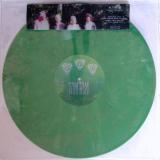
Between them both they have appeared on an impressive roster of underground labels - Wave Modulation, Analogica Force, Further Electronix, Adepta Editions, Altered Sense, Withold, Gated. Limited to 200 copies on marbled Eco vinyl, with painted sleeve, a sticker and an insert “Fun in the Sun”, giving you some interesting activities and experiments you can do using the power of the sun. Radio plays to come from Damo Bs’ Outer Limits, Marcelo Tavares’ Deep Space, Richard Sens’ DoYouRadio.
A1 GIRL IN A BAND (ORIGINAL BY HALF GIRL)
A2 INCOMPREHENSIBLE WORLD (ORIGINAL BY LAUNDROMAT CHICKS)
A3 NACHT (ORIGINAL BY CULK)
A4 PAST LIFE (ORIGINAL BY EUROTEURO)
A5 INVISIBLE (ORIGINAL BY LUISE POP)
A6 CAN'T YOU SEE (ORIGINAL BY SALAMIRECORDER & THE HI-FI PHONOS)|TOPSY TURVY
B1 THE BULLSHIT (ORIGINAL BY TELEBRAINS)
B2 TOMORROW (ORIGINAL BY DIVES)
B3 SCHÖNE GRÜßE (ORIGINAL BY TCHI)
B4 WHO'S GONNA LOVE ME (ORIGINAL BY BAD WEED)
B5 TROUBLES CAUGHT (ORIGINAL BY MILE ME DEAF)
B6 PLEASE WASTE YOUR TIME (ORIGINAL BY POTATO BEACH)
B7 MARCELINO (ORIGINAL BY TOPSY TURVY)
Das Wiener Label SILUH RECORDS feiert 20-jähriges Jubiläum u.a. mit dieser limitierten wirklichen Vinyl Only-VÖ (no CD, no DL, no Stream)! Das Album kommt mit 13 Songs, aktuelle Label-Artists covern jeweils einen liebgewonnene Song von Labelkolleg*innen. Ein wilder Ritt zwischen den Genres ist vorprogrammiert, was auch den breiten Backkatalog der Wiener Indie-Institution Siluh Records gut widerspiegelt. Das 2005 gegründete Label mit mittlerweile über 100 Releases ist ein wahrliches Szene-Juwel, wo Bands wie DIVES, GARDENS, CULK, MILE ME DEAF, LAUNDROMAT CHICKS, SEX JAMS oder EUROTEURO ihr zuhause haben und zum kleinen Undeground-Hype der Musikstadt Wien maßgeblich beigetragen. Doch im Label-Backkatalog finden sich auch ein paar internationale illustre Gäste. So zum Beispiel gab es Releases mit JAD FAIR von Half Japanese bzw. dem französischen Elektro-Akustiker PHILIP PETIT, den 90er US-Indie-Rockern SWEARING AT MOTORISTS, eine Techno-Remix Platte mit ALEC EMPIRE, ERIC D. CLARKE, JASON FORREST und BERNHARD FLEISCHMANN, ein Single mit CASSIE RAMONE von The Babies, oder Alben vom Chokebore-Frontman TROY VON BALTHAZAR. Für die Jubiläumsplatte wurde jetzt der Auftrag an derzeitige Siluh Acts erteilt, je einen Song aus dem Katalog neu zu interpretieren. ISCHIA zaubern aus einem LAUNDROMAT CHICKS Song eine wahre Dream Pop Hymne mit Shoegaze Finale. LAUNDROMAT CHICKS wiederum basteln aus dem Garagenrock von TELEBRAINS eine Neil Young'esque Version. TELEBRAINS nehmen sich DIVES' "Tomorrow" vor, diese wiederum graben einen alten LUISE POP Song, der nie auf einem Album erschienen ist, aus und erwecken ihn zu neuem Leben. Die Indie-Folk-Gruppe GARDENS bearbeiten eine Dada-Pop-Nummer von EUROTEURO, die wiederum einen TOPSY TURVY Song eingedeutscht haben. Und so geht's munter weiter... Der Titel "POCKET SONGS" bezieht sich auf ein Zitat des befreundeten Betreibers von Bachelor Records, der mal meinte "Pocket Band, eine Band für die Hosentasche. Eine Band, die man liebt und von der man Freunden erzählen möchte, aber nicht zu vielen, denn die Band sollte klein und in der Hosentasche bleiben und nicht in den Playlists von jedem Tom, Dick und Harry vorkommen". Dem Vinylalbum beigelegt ist ein Siluh-Poster, alle Tracks nur auf LP hier exklusiv/original! Herzlichen Glückwunsch!
Joe Chambers ist ein US-amerikanischer Jazz-Schlagzeuger, Pianist, Vibraphonist und Komponist. In den 1960er- und 1970er-Jahren spielte Chambers mit vielen namhaften Künstlern wie Eric Dolphy, Charles Mingus, Wayne Shorter und Chick Corea zusammen und wirkte an mehreren legendären Blue-Note-Alben der 1960er-Jahre mit. Double Exposure, ursprünglich 1978 bei Muse Records veröffentlicht, ist eine seltene und genreübergreifende Session, die zwei visionäre Musiker in einem sehr persönlichen, experimentellen Rahmen zusammenbringt. Der Schlagzeuger und Komponist Joe Chambers wird von Larry Young begleitet, einem wegweisenden Jazzorganisten, dessen modale und avantgardistische Neigungen Tony Williams' Lifetime und Miles Davis' Bitches Brew-Ära mitprägten. Remastered & Cut AAA direkt von den originalen Analogbändern durch Matthew Lutthans bei The Mastering Lab. Gepresst auf 180g-Vinyl und verpackt in Stoughton Old Style® Tip-On Jackets. Enthält ein Insert mit neu verfassten Liner Notes von Bill Milkowski und Barney Fields sowie seltenen Fotos von Jan Persson und Raymond Ross.
As Poorly Knit completes it's first arc of the Sun, it's children become four, as a new mini LP is born.
Tending to his crop with dreams of rotation, Bruce sows and scythes four new grains in the porky mill. Of this strange fruit, that further explores his increasingly familiar, hyper-real and sonically surreal work within this current “movement,” he finds his foothold once more in a wild world intensity: fear and fury grappled in equal measure.
What's more, in celebration of the plentiful harvest thus far, (let alone in the interest of seed diversity), Bruce invites four fellow reapers to the farm, offering their recipe from the spoils of the label's yield:
Vancouver based Brit-abroad, dj_2button pulls apart 'The Hand,' with his 'Accidental Mood Mix,' to be reborn as an Odyssian 13 minute stomper: "a fight of emotions, of light and dark; in quiet protest to the incessant fear mongering that slowly numbs us on a global scale." Balearic shores can be seen glimmering in the distance, whilst you are dragged by part man part (very horny) bull into the depths of dancefloor madness.
re:ni proves she is the captain of her own ship as sweet SSRI numbness billows in the sheets and fraying, dubwise halyards tether and tear through her devilishly elegant 'sertraline queen mix'. polyrhythms plotted and percussion plundered; the vocal from 'Golden Water Queen' sounds oh so sweet in the claws of its new Regina.
Hotly titted deep house reviver, fka boursin empties clips with their bubblegum 'boomkat mix,' of 'The Price,' swivelling the original's brash and bawdy bonce, to face a 120 reality we all need to wake up and start sniffing. Sprinkled with trauma on an icing of a bassline more than a little rood, boursin is packing enough cake for the whole function to take home in (dreadful) goody bags (and even allowed compression in the mastering - mental).
Last and indubitably not least, from lying somewhat dormant in the depths of UK dance music legend, none other than flippin' Untold (!?) rises to seal the release with typically megalithic prowess. Proving he was just resting his eyes for a bit, his 'A1 Mirabelle Mix,' weaves and whips an otherworldly beauty, technically tantalising 'Dham's Jam' in adornments both sour and sweet. It's nothing short of a cloaks and daggers banger, primed for the darkest of dancefloor cosmic moments, and serving as a little less-than-warm-reminder that Untold’s presence in the world of dance music is crucial as ever.
Frankly, if you couldn't tell from all the verbose waffle, they have all absolutely smashed and finessed it: they were all approached after expressing a real resonance from the previous releases and it's such an honour to have them and their fantastic visions on the label.
Available digitally or on high quality cassette, the final chapter of the Poorly Knit's first act has been woven whimsically into the fraying folds.
a A1. It Ain’t Over Till… 04:37
b A2. Wesley’s Sniped All Our Bleeding’ K (Re-Vamped) 05:40
c A3. Rockfall 05:06
[d] A4. You Were Right [10:00
[e] B1. The Hand (dj_2button's accidental mood mix) [13:07]
[f] B2. Golden Water Queen (re:ni's sertraline queen mix) [05:36]
[g] B3. The Price (fka boursin's boomkat mix) [08:30]
[h] B4. Dham's Jam (Untold's A1 Mirabelle Mix) [09:42]
[a] A1. It Ain’t Over Till… [04:37]
[b] A2. Wesley’s Sniped All Our Bleeding’ K (Re-Vamped) [05:40]
[c] A3. Rockfall [05:06]
[d] A4. You Were Right [10:00
[e] B1. The Hand (dj_2button's accidental mood mix) [13:07]
[f] B2. Golden Water Queen (re:ni's sertraline queen mix) [05:36]
[g] B3. The Price (fka boursin's boomkat mix) [08:30]
[h] B4. Dham's Jam (Untold's A1 Mirabelle Mix) [09:42]
Big Big Train, die preisgekrönte Progressive-Rock-Band, veröffentlicht ihr 16. Studioalbum. "Woodcut" ist ein Meilenstein für die internationale Gruppe, deren Mitglieder aus England, Schottland, Italien, den USA, Schweden und Norwegen stammen, da es ihr erstes Konzeptalbum in voller Länge ist. "Die Geschichte spielt nicht in einem bestimmten Zeitrahmen, sondern handelt von einem Künstler, der mit dem Leben zu kämpfen hat", beginnt Gründungsmitglied Gregory Spawton. "Er macht einen Spaziergang, findet dieses Stück Kernholz und schafft etwas, das er als schön und anders empfindet. Vielleicht ist es ein Traum oder vielleicht ist es das echte Leben, aber er findet sich in dieser Narnia-artigen Holzschnittwelt wieder."
"Woodcut" ist ein eher bandorientiertes Werk, zu dem alle sieben Mitglieder einen beeindruckenden Beitrag leisten, wobei Frontmann Alberto Bravin die Federführung als Produzent übernommen hat: "Dieses Mal ist es eine Art neues Statement für die Band. 'Woodcut' ist für uns ein großer Schritt nach vorne", kommentiert er. Mit 16 Titeln und einer Spielzeit von 66 Minuten wirkt "Woodcut" episch, ohne sich zu sehr in die Länge zu ziehen.
Das Album ziert ein auffälliges Cover-Design des in Dorset ansässigen Künstlers Robin Mackenzie - natürlich ein schwarz-weißer Holzschnitt, der von einem Holzschnitt abgeleitet ist, den die Band speziell für das Album bei ihm in Auftrag gegeben hat. Erhältlich als limitierte CD + Blu-ray-Edition, einschließlich ausführlicher Liner Notes sowie Dolby Atmos- und 5.1-Surround-Sound-Mischungen von Shawn Dealey von Sweetwater Studios, wird das Album auch als atemberaubende Gatefold-180g-2LP mit speziellem geprägten Cover, Standard-CD-Jewelcase und digital in Stereo- und Dolby Atmos-Versionen erhältlich sein.
It’s with great pride that we announce this amazing album on Optimo Music from Portland-based duo Natural Magic. It was the final vinyl release that Keith McIvor aka JD Twitch put into production before his untimely departure in late September this year.
Having been a long time lover of everything krautrock, space rock, experimental and psychedelic it seems more than fitting that he leaves us this LP as his parting gift; because this sublime album is all these things wrapped up into one and much more.
The album’s opening track “Galaxy Builder”, with its driving tempo, monolithic bass and screaming guitars might give the impression we’re about to hear a Neu for the 21st Century, but no, by the 2nd track we’re already on the first of several wild detours into uncharted territories: part shoe gaze, part ethereal, part psychedelia it’s a unique piece of beautiful euphoria from start to finish. By the time we reach the end of the A-side’s closing track “Distant Bells” the whole place is in tears after hearing possibly one of the most poignant pieces of electronic music of the entire year.
The B-side takes us even deeper into this trip through the duo’s homeland in the Pacific Northwest opening with “Skyward Eye”. If the Orb had ever teamed up with Slowdive and gotten Andrew Weatherall on production this could be it. “Get It Right” is a fuzz-filled epic with heavy dub leanings and meanings...it soars high up into the beyond and prepares us for “Ride”; an unashamed space voyage in the true sense…cosmic guitars, laden with FX; before returning gently down to the rolling green hills of Earth with the closing track “Chugsby’s Theme”. Whoever Chugsby is, his vibe is organic, deeply grounded and beautiful.
In the duo’s own words:
“Natural Magic II is a west coast road trip soundtrack for the fading summer. Taking inspiration from the majesty and myths of their home in the Pacific Northwest, the seven track album is culled from the late night, dimly lit, live sessions of Mike McKinnon on keys/drums and Matthew Quiet on bass. Overdubs of guitar, synths and percussion followed. All this from the same space they throw their legendary Limited Edition parties - all-night free experimentation celebrations in their own right. The album art work is handmade flower pigments, opium poppy pollen ink and wood-scrap charcoal by their friend and collaborator Pith Cocomici. Roll the widows down, tilt the seat back and turn it up. Gas, grass or black mass... there's magic in the hills.
The Roots of Chicha, compiled by Barbès Records, was originally released in 2007 and became the first recording to popularize psychedelic cumbia around the world.
From the late 60's through the 80's, Peruvians invented a new popular musical hybrid inspired by music from the Americas. In 1968, Enrique Delgado released his first record on Odeon with his new group, Los Destellos, single-handedly creating Peruvian cumbia. He codified the genre early on by using the electric guitar as the primary melodic instrument, and mixing cumbia rhythms with folkloric huaynos, criollo voicings, Cuban guarachas and guajiras, rock, boogaloo, surf, psychedelia, oriental music, classical music, and bits and pieces from Brazil, France, Chile... All Peruvian cumbia bands for the next thirty years would end up drawing from the exact same sources (Grupo Celeste, Los Mirlos, Juaneco Y Su Combo, Manzanita Y Su Conjunto...).
This new wave of Peruvian cumbia came to be known as chicha. Chicha is originally the name of an alcoholic drink, made of fermented maize, which the Incas were especially fond of. In the past thirty years, however, the word has taken on a pejorative connotation. Peruvian cumbia started being called chicha in the late 70s, around the same time that the music came to be viewed as the expression of the slums – the pueblos jovenes. Little by little, the word became an adjective, and people now talk of chicha culture, chicha press, chicha architecture, even of a chicha president, and none if it – you guessed right – is meant as a compliment. Chicha suggests corruption, shady deals, and cholos – a derogatory term for a person of Andean heritage that, of late, is being reclaimed and worn as a badge of honor by the very cholos it was supposed to demean in the first place.
Initially playing reggae/dub music, the band gradually developed into an innovative fusion of diverse musical influences, such as jazz, soul, psyche pop, new age, and exotica. A sound is based on groove and euphoria, with nostalgic melodies.
They have performed at iconic events in Japan such as Fuji Rock Festival, and also have been looking overseas since they performed in Canada(Toronto, Montreal, and Vancouver) in 2019. The new EP "Ramble In The Rainbow"(2024) is their first international release on the US label Peoples Potential Unlimited.
The work shows their musical maturity, drawing inspiration from Sun Ra, Lee "Scratch" Perry, and Yasuaki Shimizu.
January 2025. Serra Grande, Bahia.
The sound of the forest dampening the steps of weary travelers. The air dense with the song of the Araponga. In the distance, amidst the rustling leaves and tropical raindrops, a distant voice howls: “P… Cara… A…zing”. A child’s soul, expressed through the body of a Japanese man, plays ‘Gishiki’ for the first time with the innocence and wonder of a young alchemist that just turned a rock into gold. We were captivated by the elegance of the composition. A friendship was struck and months of work followed.
Fast forward, and we find ourselves down by a familiar Portuguese lake. Rushing towards another Floresta just in time to hand over the test press before a spellbinding set. ‘Suiryuu’ plays and everything magically falls into place.
We hope this record touches you the way it touched us and reminds us all how life can really be Pra Caralho Amazing.
Compiled by Philip King “And then came the rise of synth pop : blokes with dodgy haircuts hunched over keyboard-operated machines stuffed with wires and do-it-yourself tone oscillators making sounds like a brood of geese passing gas in a wind tunnel. Whoopee! This is the way the ‘70s ended : not with a blood-curdling bang bang but with a cheap, synthesized, emasculating whimper.” NICK KENT, NME. All The Young Droids: Junkshop Synth Pop 1978-1985 is a new compilation that charts the underbelly of the epoch-defining sound of the synthesiser in 80s popular music. Compiled by Philip King (previously seen compiling All The Young Droogs, Glitterbest and Boobs - The Junkshop Glam Discotheque), the music here connects the dots between DIY synth enthusiasts grappling with new, cheap synthesisers at the tail-end of punk and wannabe, jobbing songwriters enthral to the new music pioneered by Gary Numan, Depeche Mode and Daniel Miller’s Mute Records. Featuring rare tracks of auto-didactic progressive pop music, proto-techno punk, shoot-for-the-stars-land-in-the-gutter chart flops and heralded, underground synth classics, School Daze paints a picture of beautiful failure. Complete with extensive sleeve notes written by King and never before seen imagery, all 24 tracks were remastered by RPM in-house engineer Simon Murphy, many from vinyl copies due to lost master tapes. The story told on All The Young Droids is one of the dawning opportunity presented by both the emergence to the market of cheaper analog synthesisers and the distribution networks plus indie labels that exploded with the advent of punk music in 1976. While the music that sprouted out all over the globe in the wake of these factors was decried as fake, plastic, a refutation of punk’s guitar-led revolution, it’s telling that much of the music on All The Young Droids.. was created in bedrooms, ramshackle studios and home-made set ups with often borrowed equipment. In the era of record labels jumping to capitalise on the success of The Sex Pistols, The Clash (both on major labels, of course) these artists struggled to stand out from a new gold-rush with next to no budget or PR team. With radio and labels desperate for the new Yazoo, what resulted was a testament to necessity being the mother of invention. At the time, the synthesiser was the music of the future, a shiny new machine that could paint like an orchestra with a single finger and a 4-track. In the hands of Manchester avant-pranksters Gerry & The Holograms it’s a pulsing, sardonic weapon.. the only instrument on the Messthetics classic lampooning of New Wave fashion. In Hamburg, a 16 year old Andreas Dorau used it to write and record (with his female classmates on vocals) a global smash in Fred Vom Jupiter (later licensed to Mute Records). The hard-to-find English version (Fred From Jupiter, natch) is included here. Many artists with alreadystoried careers caught the bug and recorded synthesiser-fuelled peons to space, computers, the future and, of course, love-interests. Harry Kakoulli, late of Squeeze, recorded a solo album in 1979 that included the incredible power-synth-pop smash-that-never-smashed I’m On A Rocket. Similarly, Ian North of Neo and American Power Pop stalwarts Milk ’n’ Cookies bought a Korg MS20 and used a tape machine to record We’re Not Lonely, an absolute lost-classic of minimal synth pop. We’re Not Lonely also features on the Junkshop Synth Pop sampler 7” twinned with John Howard unreleased track You Will See, released April 12th 2025. There are plenty of compilation debuts in evidence. Sole Sister were a mysterious trio who were featured on the Scaling Triangles compilation of female-fronted, queer-adjacent post-punk / underground music that also featured The Petticoats. Selwin Image were from San Francisco and featured members of the recently defunct power pop/punk group The Pushups. Their stupidly catchy The Unknown fizzes with New Wave energy - think XTC to Sparks but remains unreleased until now. Dream Unit’s A Drop In The Ocean is an early synth wave cut, positively teaming with Joy Division instrumentation, previously only released on a long-forgotten and super rare, self-released EP. Incandescent Luminaire’s Famous Names belies an archetypal struggle of a small-town trying to make it in a cruel industry but is a thrilling New Romantic-Synth Wave cross over with a OMD gloominess that’s a joy to hear. Feminist Minimal Wave track I Am A Time Bomb by performance artist Peta Lilly and Michael Chance is a revelation destined for new found cult status. It was released on 7” and lost until now. The flipside to the subterranean, never-made-it synth pop mentioned above are the ambitious, even fruity attempts at success that have a perennial elegance to their confidence. New Jersey-ite Billy London (real name Ed Barth) tried to cash in on the synth boom with Woman, released by a major label, a lurching new wave track built on the Louie Louie rhythm and a wonderfully camp Lou Reedstyle sleazy vocal before exploding in the synthesised chorus. The song bombed but with a chorus like this, you have to wonder why? Ex-Glitter Band member John Springate’s My Life is truly epic, with doomed chord progressions and massive sounding drums turning into at least 3 different songs in the course of the track. Before you wonder what’s going on the song resolves with a glorious return to the main refrain. The dry-ice-dressed dance floor is well catered for too. Design’s Premonition and Vision’s Lucifer’s Friend are stone-cold minimal synth bangers, well loved but given a new lease of life here. The Warlord’s The Ultimate Warlord was released in 1978, a homespun proto Hi NRG banger that was later re-recorded by The Immortals in Canada who had a club hit with it. One-man- band Disco Volante’s No Motion was re-issued by Synth wave label Medical in 2012 but makes its first vinyl compilation appearance here. Close your eyes and you can imagine what Lawrence of Felt would have sounded like with some cheap Korgs a little earlier in his career. Gibraltar-based trio The Microbes imagined a computer programming people to dance - how prescient - and ended up with a propulsive, robo-funk track with splendid rubbery bass playing over a tectonic drum machine. Previously picked up by Belgian label Stroom TV, Dee Jay Bert & Eagle’s heavily Euro-accented I Am Your Master demands the listener to “come to paradise!” In a frankly terrifying manner. All The Young Droids is the first compilation to peel away from the narrative that dour, Minimal Synth and Cold Wave were the only musical children of the first rush of synth pop. Philip King and School Daze Records describe a much more complicated world: along with the austere, Brutalist children of Daniel Miller (who produced Alan Burnham’s Bowie-Low-influenced Science Fiction here) was a plethora of desperate cash-ins, accidental mainstream hits, ambitious pop dramas and major label punts that went nowhere. Crucially, the compilation blurs the line between junk and treasure. What if the two things are interchangeable. What if it’s all science fiction?
Another DINTE tape curated by cult WFMU show and blogger Bodega Pop; Gary Sullivan's long-running project rooted in a passion for digging for music in bodegas and cell-phone stores across NYC's boroughs. This edition focuses in on late 1990s and early 00s hip-hop & rnb from across Southeastern Asia.
"While on a work trip to Chicago in the mid-2000s, I was craving a bowl of pho. A bit of sleuthing led me to hop on the red line "L" up to Argyle Street, ground zero of Chicago's Little Saigon. In the 1960s, Chicago restaurateur Jimmy Wong invested in property on Argyle Street with a vision to build the city's new Chinatown, a kind of mall with pagodas, trees, and reflecting pools. In 1971, the Hip Sing Association, a labor/criminal organization, established itself in the area, and along with Wong, they bought up 80% of the buildings on a three-block stretch of the street. Wong reportedly broke both hips in an accident, leaving his dream to wither; in 1979, Charlie Soo of the Asian American Small Business Association brought it back to life.
Soo expanded the area into a vibrant mix of Chinese, Vietnamese, and other Southeast Asian businesses, pushing for renovations, including an Argyle station facelift and the Taste of Argyle festival. At the time I exited the station and crossed the street to get a better look at a shop with a poster for A Vertical Ray of the Sun in the window, the area was home to some 37,000 Vietnamese residents.
Opening the door, I was gobsmacked by a cavernous Southeast Asian media store, bigger than any I'd been to in Dallas, Montreal, New York, or Seattle. I spent some time at the bins, pulling out collections by some of my then-favorite singers — Giao Linh, Khánh Ly, Phương Dung — before approaching the register to ask the young woman behind the counter if the they carried any Vietnamese rap. It was a longshot, I knew, but if such a thing existed on physical media and anyone carried it, it would be this place.
'Have you heard Vietnamese rap?' she replied, her tone of voice and facial expression betraying a comically exaggerated level of distaste. I admitted my ignorance but assured her that I had long cultivated a high threshold for cheesy pop music of all kinds and genuinely tended to like hip hop from around the world.
She rolled her eyes and pointed to an area I had missed. I walked toward a far corner of the store and knelt over a small box on the floor sparsely populated with CDs, VCDs, and cassettes. I pulled out half a dozen Vietnamese hip hop compilations and a strange-looking CD with a cavalcade of odd typefaces in a queasy multitude of colors: THAILAND RAP HIT, it boasted, with 泰國 "燒香" 勁歌金曲 below it. The information on the back provided an address in Kuala Lumpur and the titles in Thai and English translation. The first track included three simplified Chinese characters after the English-language version of the title, "The Chinese Association": 自己人.
WTF was going on here? Walking back to the register, I waved the CD, asking "What's up with this one?" She gave me a look. I placed it on the counter so she could bask in the cover's full glory. She shrugged. "I'm guessing it's Thai rap?" She looked disappointed in me when I said I'd take it.
It turned out to be a Malaysian pressing of half-Chinese Thai hip hop artist Joey Boy's third album, Fun Fun Fun from 1996, and it completely changed my sense what the genre could sound like. The rapper's self-assured, effortless, silly-but-cool rapid-fire delivery weaved in and out of the most bizarre, antic beats I'd ever heard. The six Vietnamese hip hop CDs were a mixed bag, mostly "serious" sounding mimicry of US rapping over predictable production, but the highs were very high. When I got home and listened to it all, I made a point to find as much hip hop from this part of the world as I could.
The tracks collected here provide a limited but potent reflection of the two-decade ascendency
and ultimate world-takeover of hip hop, as it displaced rock and its endless variants for millions of listeners. This not a fair and balanced overview of regional production: I've only included tracks from Cambodia, Indonesia, Myanmar, Philippines, Thailand, and Vietnam. Nor is this a biggest or most important artists collection; instead, I've tried to recapture the pure visceral thrill of that first time I heard Joey Boy, choosing bangers that sound like nothing else, from nowhere else."
Belgian tastemaker Charlotte de Witte returns to her own KNTXT to serve up the well regarded label's seventh EP. Rave On Time is about reminding us of the joys of being lost on the dance floor and is another hard hitting EP filled with her distinctive techno energy.
Charlotte is at the centre of her own musical movement, with a hard hitting, no frills style. Her powerful grooves, whether solo or in collaboration with the likes of Chris Liebing, come laced with ambient and synth beauty. She has mesmerised crowds all over the world as well as at her own special KNTXT events, and has been as creative as ever during lockdown, as this new EP shows.
Says the artist herself of this latest offering, "Rave On Time. Three words that probably have never been more relevant. In a time where raving feels like a distant memory, it seems increasingly important to bring music back in our lives, in reverse. Let's not forget where we came from and let's not lose hope. We'll be together again soon. Rave On Time."
Opener Rave On Time is built on hammering, distorted kicks that bend you to their whim. Freaky vocals and monstrous hits add extra pressure and ensure you stay locked before shooting laser synths and retro hoover sounds bring the rave. There's No One Left To Trust keeps up the energy with scintillating synths rattling over rock solid drum programming that never lets up. The World Inside is brain frying material, with serrated synths firing out and growing ever more acid as the groove pounds on. Common Era is brilliant hands in the air acid-trance-techno that froths with energy and flashing strobes. Finally, vinyl only track 'Wahr Ist Sie Dann’ is a distorted, brain melting techno workout with brutalist kicks and vast walls of synths that are hugely powerful.
As ever from de Witte, this is pure, unadulterated club music that makes a gargantuan impact.
Various Small Whistles and a Song, the new album by Chicago-based artist Lia Kohl, incorporates notions of space, social relations, and humor. As the title suggests, the album responds to Ed Ruscha’s 1964 photographic artist book Various Small Fires and Milk, which Kohl sees as a wondrous celebration of ordinariness, one that reveals Ruscha’s trademark deadpan humor and depth. In the spirit of that publication, Kohl created her own series of sonic vignettes, with guest appearances from her close community of collaborators including claire rousay, Macie Stewart, Patrick Shiroishi, and others, reflecting the same sense of humor and mundanity.
The structure of the album—16 one-minute tracks—directly mirrors Ruscha’s book, which comprises 15 photographs of fire and one of a glass of milk. Ruscha’s “small fires” are represented here by recordings of whistles—mostly human whistling, with occasional appearances by train whistles, emergency whistles, and a woman selling penny whistles on the street in Guangzhou, China. About this choice of material, Kohl writes: “I’ve always been captivated by whistling—it’s musical but often a bit unconscious; usually solo but often done in public places. There’s something tender and human about hearing someone whistle, a socially acceptable version of hearing their mind wander.” As with Ruscha’s photographs, the whistles are not random snapshots but windows into social situations, narratives, or spaces.
The “milk” of the title — the 16th photograph in Ruscha’s book — is interpreted here as a single recording: a group of people singing together in Barcelona around 6 a.m. on New Year’s morning, captured through the floor of an Airbnb. Kohl describes this as a social, collective sound that contrasts with the solitary nature of whistling. The song functions as a counterbalance—a quiet celebration of shared experience.
Lia Kohl is a composer and sound artist based in Chicago. Her wide-ranging practice includes composition and performance, installation, improvisation, and collaboration. She tours nationally and internationally, working in theater, jazz, rock, and experimental contexts. Her work centers curiosity and patience, an exploration of the mundane and profound possibilities of sound.
In the late summer of 1994, Upadhmanyia (John Mackaay & Michel Rehatta) invited Leo Verhoef (LFU) to collaborate on a track. They met a few more times afterward at a power station converted into a studio in IJsselstein, The Netherlands. "Hasiya" was quickly born and was already in stores by early November 1994. John & Leo drove to house club iT in Amsterdam, where they gave the track to DJ Marcello, resulting in an iT hit! The track was quickly picked up by DJs worldwide, and Richie Hawtin used it in a live set in Denver on November 19th of that year, which can be heard on SoundCloud (Hasiya is mixed around 43:00). The track was also a huge hit on dance floors in England and Spain.
In late 1994, Hasiya appeared on a CNR Music EP titled "Welcome To The Club," along with four other hits from producers like Pete Lazonby, The Shaker, and Drum Club. A double CD of the same name followed in early 1995, released in Belgium, featuring Hasiya alongside artists like Robert Miles, Digital Express, Aura, Natural Born Grooves, and other hits of the era. In early 1995, Arcade released "House Party '95 the Kinky Klubmixx," mixed by Koen Groeneveld & Addy van der Zwan. The same CD was released in Scandinavia as "House Party '95 (5)." Hasiya flourished among the most popular house tracks of the time. The record spent three weeks in the Dance Music Mega Top 30 and peaked at number 22 around the holidays of late 1994.
For 31 years, Hasiya was only available on record, CD, tape, or YouTube. Starting November 21, 2025, it will be resurrected from the underground into the world of digital downloads and streaming. The 2025 Remaster, along with five new mixes, will be widely available, including a limited vinyl release of 350 copies. The 30 test pressings have already been received with open arms by various DJs and received immediate support from Eris Drew and Octa Octa during ADE.
Because Hasiya was created in 1994, the only available remix material is the original DAT tape, which, thankfully, was still stored in an old box in a dusty attic. Most of the sounds for the new versions have been recreated and re-recorded.
Rehatta's Reanimated Mix:
This remix - created by one of the two founders of Upadhmaniya - combines driving, percussive beats with a thrilling, progressive break featuring ascending, dizzying strings. This trick returns shortly afterward to rev things up again. An accessible remix for dance floors worldwide.
LFU 2025 Version:
This straightforward, raw techno version with a touch of acid is ready to rock dance floors. LFU's updated version of the 1994 original, which he created with Michel & John, will undoubtedly remain a head shaker from here on out.
John Consemulder Metaphysical Mix:
With a pumping groove and a funky bassline as an intro, John Consemulder's remix immediately strikes a chord. A refined and elegant approach to the original, with sounds as mysterious and exciting as the flowing lava in the 'Gruta das Torres' - a cave in the Azores - the setting where this tech-trance remix was created.
Davje Remix:
Davje's version begins with the typical club and hard-trance bassline of the late '90s. You're drawn into a trance journey where beat changes sometimes try to throw you off track. Davje's creative Hammond organ interpretation of the Hasiya theme surprises and transports you back to the hippie era by the end of his remix.
Bojcot Remix:
Junglist Bojcot creates an exciting, nuanced, and mathematical remix with a beat that feels like jungle and half-tempo. He conjures up the sounds of LFU's 2025 Version, creates a bassline that sounds like a disturbed bumblebee, and adds a surprising string section. Massive!
The Wire: his most satisfying collection to date Resident Advisor: return to minimalist roots on a noise rock-influenced new live record Support from: Barnt, Ben UFO, Vladimir Ivkovic, Boris, OPTIMO 180 gr. colored vinyl pressing incl. art poster and sleeve - limited edition of 50 copies available via distribution Philipp Gorbachev is back at it with a new conceptual album. KGC Radio is all about returning to music-making roots - choices are raw, minimalist and different from the sonic industry environment. The flow is kept simple but deadly, using only the bare essentials to blow up the rave and festival scenes: analog synths, drum machines, a mic, and some sick percussion. The whole album was recorded in one take, like some kinda secret radio wave you stumble on in the middle of the night. Catch it, and you're diving headfirst into a maze of vibes and meanings you ain't seen coming. On the visual side, KGC Radio is a collab with Zhanna Maliti, this dope Moscow-based artist and photographer. Her one-of-a-kind style and imagery are a perfect match for the music, bringing the whole vibe to life. Sounds Like: Underground Resistance, Daniel Maloso, NIN, Broken English Club Mastering by: Beau Thomas
Daniele Baldelli
Considered one of the first DJs in Italy, Daniele Baldelli began his career in 1969 mixing vinyl at the Tana Club in Cattolica (his hometown),
predating the birth of the modern DJ by several years. In the following years, he solidified his talent and technique at histor such as the Tabù Club, Baia degli Angeli, and Cosmic. From 1979 to 1984, Baldelli created his unique and eclectic style, blendi ic clubs ng seemingly distant sounds and musical styles, complementing them with tempo adjustments (bpm) and deliberately extreme equalization,
creating a truly distinctive sound, known as "Afro Disco." Soundscapes and tribal percussion blend with early electronic music experiments, and Baldelli's sets become truly mystical experiences, where, for the first time, the temples are replaced by the dance floor.
The documentary film "A Cosmic Life" has just been released, starring Daniele Baldelli alongside other illustrious guests from the nightclub scene, recounting the history and formation of this movement from the 1970s to the present.
Gaudi
A producer/musician among the most highly regarded on the international dub/electronic scene, over the past 30 years Gaudi, from his
London studio, has contributed significantly to expanding the boundaries of musical genres with high-profile releases and innovative
music production techniques. Recently nominated for a Grammy Award with 'Mass Manipulation', the album he produced for the reggae
band Steel Pulse, and also nominated for a World Music Award with his album 'Dub Qawwali' with Pakistani singer Nusrat Fateh Ali
Khan, Gaudi has collected a series of number 1s on the international charts: Billboard - with the album 'Heavy Rain' by Lee "Scratch"
Perry, 'Vessel of Love' by singer Hollie Cook and with 'Mass Manipulation' by Steel Pulse -, UK Chart n.1 with the album 'Prism' by the
band The Orb (with whom he has collaborated as a producer and keyboardist since 2008), with 'Blue Monday' - by Gaudi himself with
the band Dub Pistols -, UK Dance Chart n.1 with 'Jus Come rmx' produced with DJ Angelino for Cool Jack. He also reached no. 41 the UK charts with the album ‘Midnight Rocker’ by reggae singer Horace Andy (known to the general public for his hits with Massive in
Attack), no. 13 with the album ‘Dubwise 2’ by the band Dreadzone and no. 5 in the Italian charts with the song ‘Lasciala Andare’, written
by him for Irene Grandi. With 19 solo albums and 350 remixes and productions under his belt, Gaudi, with his artistic versatility, has
worked with Groove Armada, UB40, Simple Minds, Brian Ferry, Devo, Big Audio Dynamite, Damian Marley, Seun Kuti, Mad Professor,
Trentemøller, Grandmaster Flash ft KRS-One, Lamb, Don Letts, The Beat, Deep Forest, African Head Charge (in which Gaudi is a keyboardist and dubmaster), Elisa, Scientist, Dub FX, Roedelius, Caparezza, Caravan Palace, EMF, Sizzla, Jovanotti, Sly & Robbie, Piero Pelù, Youth of Killing Joke, and Maxi Priest, to name just a few. Capleton,
Daniele Baldelli & Gaudi
DJ Daniele Baldelli and producer Gaudi first met three years ago at the Jazz Cafe in London. Mutual respect and an innate need to
create new stylistic fusions were the catalysts for Baldelli and Gaudi, leading to a series of subsequent meetings that inevitably culminated in the need to create music together. The project began at Gaudi's Metatron Studio in London using analog equipment and later
moved to Baldelli's studio in Cattolica, where the two organically defined their sound, also inspired by Baldelli's precious record collection. The duo consolidated a powerful compositional symbiosis, and the project, born from a simple initial groove, later transformed
into an entire EP consisting of four original tracks and a highly innovative sound, featuring fusions of psychedelic-funk, tribal-dub,
electronic-disco, and, of course, "Afro-Cosmic"! Daniele Baldelli and Gaudi began their sonic collaboration without setting any stylistic
direction and with the intention of not creating pre-established goals to achieve; it is a project of pure artistic freedom guided by their
compositional instinct and their experience. Constantly active with their evenings and live concerts, Baldelli and Gaudi have performed
individually in many of the best international clubs and festivals.
Triple Five Sol drop 75 Racks on Dark Entries, an EP featuring 5 cuts of raw and jacking house music. San Francisco-based producers/DJs Johnny Five and Vin Sol linked up during a trip to New Orleans, and they began hatching plans to collaborate. After setting up a new home studio in Vin Sol’s abode, jam sessions ensued, and soon the duo had cemented their sound. Their analog house tracks harken back to the roughshod and unembellished vibes on 80s Chicago and New York labels like Nu Groove or Gherkin Records, influences they wear with pride. “Boxxx that Rocks,” “Just a Freak,” and “Everybody Loves Triple Five Sol” deploy chunky beats with sprees of minimalist bleeps, sounding like Chip E retuned for the 22nd century. It’s not all jagged drums and acidic squelch on 75 Racks, though; “Gonna Get Out” and “Halfway Home” saunter with the confidence of a New Dance Show participant, soulful and grooving with a dash of garage. 75 Racks comes in a sleeve designed by Primo Pitino featuring bold retro primary colors. Triple Five Sol brings us timeless dance music: deep, real, and weird.
“…I still don’t understand what is the meaning of these Poppers records, please unsubscribe me from this newsletter.”
• Hans Zimmer
If you’ve ever been in the countryside and happened to lift a larger rock that might have been laying about for a while only to find an entourage of many different insects scrambling about in awe of the existence of sunlight and wondered what music they might have been listening to in that moment, the A-side tries to explore ways of responding to such curiosities. While the B-side, to end things on a good note, offers a convenient edit of live Japanese cover version of Paul McCartney’s “Silly Love Song” along with the quintessential prelude (or interlude) to a Horse Meat Disco party with the opening monologue of Sidney Lumet’s Equus. All in all, a Swiss Army knife packed with an assortment of most likely useless tools, courtesy of DJ Dipshit.
Steve Moore reprises his beloved Lovelock guise by presenting his unique riff on the library breaks genre. Business And Pleasure contains grimy groove and sleazy, funk-laden lounge music.
This vinyl release is hyper-limited, with just 500 pressed for the world.
The LP is ushered in by the spacey synth-funk of the sleazy, woozy title track. This is that serious slo-mo cosmic-balearic head-nod shit. Laidback bass, heavy funk with dreamy synth and electric guitars. An outstanding opener. Up next, the dynamic, swaggering "Last Call" is a sophisticated, elegant stroll - sweeping, mellow strings, a smooth bassline and gorgeous percussion with urgent keys and swelling synths.
"Slinky Strut" is another spaced-out, sleazy funk groove with jazz rock by way of a heavy, heavy guitar riff, mellotron and bass breakdowns which build to brass crescendos. Gigantic. "First Class" closes out the side, and, like classic Hawkshaw / Bennett noir, it's got that mysterious and murky stretched out sleuth / detective soul with a great bassline and percussive elements, with swelling strings, ace synths and smooth Rhodes piano melodies entering the mix halfway through. Dramatic guitars and groovy percussion add extra intrigue. It's 7 minutes of funk!
Side B opens with the stretched-out psychedelic funk and jazz groove of "Stank 49". It takes its sweet time to unfurl, creating enormous - almost sensual - anticipation for the ensuing beauty but, as it does, we're left beguiled and straight-up hypnotised. Heaven-sent synth flourishes and a laidback bassline over smooth drums cement its simple, vivacious grace. "Dangerous Man" is that creeping crime funk we all love; heavy bass and fuzzy guitar riffs, mellow strings and sumptuous piano/synths. It's irresistible, it's ominous and it's pretty gargantuan. It's basically like an El-P hip-hop instrumental. We need to get some rappers over this stuff, stat!
"Stinkbug" is a dazzling and funky groove-fuelled jazz-rock workout with fizzing synth riffs joined by full percussion and drum breaks, building with strings to a strong swagger. Vigour! To close out this remarkable set, the breezy "Win Or Lose" is laidback soul-inflected funk, utilising urgent, skipping drums and galloping basslines. Just stunning.
This collection was written and recorded in Spring and Summer of ’24. Everything was tracked at Steve's home studio in Albany, NY except the drums and percussion, which were recorded by Jeff Gretz at his space in NYC. The whole collection is basically a rhythm section feature, so Steve's Rickenbacker 4003 and Fender Jazz Bass play very prominently. The bass guitar serves as lead instrument in a lot of these tracks. Also, lots of Rhodes and stringers (Solina, Logan etc) and guitar (Strat and Les Paul). He even dusted off my sax for this one, which he doesn’t do as often as he’d like!
This type of groove-oriented library music has been a steady part of Steve's diet since the late 90’s. In heavy rotation while writing this collection were the following classics: “Time Signals” by Klaus Weiss, “Tilsley Orchestral No. 10” by Reg Tilsley, and “Heavy Truckin’” by Simon Haseley. “Voyage” by Brian Bennett was also a big one.
Lovelock started as a dedicated Italo-disco project, but over the years Steve expanded it to include anything directly informed by the commercial/pop side of the music of his childhood (70s/80s). Writing and recording this album was, like a lot of Steve's music these days, basically a test to see whether or not he could do it.
The song titles, like the music, are meant to be evocative yet vague. But there is a bit of a travel theme. Steve imagined this record being the soundtrack to a sleazy salesman’s business trip. The kind of guy who, when asked if he’s traveling for business or pleasure, responds “both.” Beyond the traveling salesman comparison, the title directly relates to the creation of this album. This was something he wanted to do just for his own enjoyment. Yet, like our sleazy salesman, he still found a way to get paid.
The album’s cover was designed by Chris Stevenson, with no little direction from Steve. He knew that he wanted to go with something photography-based for this cover so, in true DIY/cheapskate spirit, Steve started by looking through his own photos. He found the cover image on his phone, taken through an almost empty bottle of beer, and it clicked. The whole album has a very boozy vibe (especially with titles like “Last Call”) so this shot seemed appropriate. We, hic, agree.
Mastering for this vinyl edition was overseen by Be With regular Simon Francis, and it was cut by the esteemed Cicely Balston at Abbey Road Studios to be pressed in the Netherlands by Record Industry.