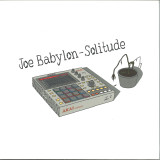
California's Joe Babylon has been steering his own Roundabout Sounds through some lovely deep house waters over the last few years. Now the producer makes a big statement with his own debut album. He is something of a veteran having co-founded Plug Research back in 1994 and hosted underground events in Los Angeles during the mid '90s. Following on from outings alongside the likes of Rick Wilhite and Rondenion he now brings his own dusty, carefully disheveled house sounds to the fore. They have been crafted using an MPC which gives them their rough-edged appeal and they go from heads down back room joints to dubbed-out minimalism via dream late-night reveries. It makes for a fresh take on a tried and tested house template.
Suche:room e
Gudu Records is proud to welcome Special Request - aka Paul Woolford - for his first release for the label, a collaboration with constantly innovating London MC Novelist.
Pairing Novelist’s unmistakable cadence and flow with classic grime square-waves and booty house-esque drums, ‘Sliver’ has been a highlight of both Special Request and label boss Peggy Gou’s recent sets, climaxing in a tempo change designed to turn the dancefloor inside out. As potent in intimate dark rooms as it is festival main stages, you’ll be hearing this one all Summer and beyond.
Repress!
The second instalment of Healthy Scratch comes direct from Phoenix Arizona via the godson of house, Kareem Ali. In short order, Kareem has ascended with a relentless production output and focus like none-other.
Here we present his first vinyl release as well as what may be the only release, he does outside of Cosmoflux, his personal imprint. A producer of all music, for us he’s made 4 house tracks, perfect for any occasion and sure to get your feet moving, in the living room or on the dance floor.
- A1: Kaoru Inoue ‘Em Paz’
- A2: Gabby And Lopez ‘Drive From Miracles ‘ (Kaoru Inoue Remix)
- A3: Inner Science ‘Alight’
- B1: Aquarium ‘Rainy Night In Shibuya (外神田Deepspace Slow Down Mix)
- B2: Naohito Uchiyama ‘Shugetsu’
- B3: Keta Ra ‘Equals’
- C1: Yuu Udagawa ‘Infinite Possibility’
- C2: Noah ‘Gemini ― Mysterious Lot ‘
- C3: Sauce81 ‘Sign Of Secret Love’
- C4: Keita Sano ‘Tai + Dai’
- D1: Waltz ‘Folkesta’
- D2: Kuniyuki ‘ Free’
- D3: Ken Ishii Presents Metropolitan Harmonic Formulas
Vol. 2[29,20 €]
Still on and about after years of the most intense crate digging, gem mining, desperate head-scratching and avid schooling, thirsty as ever for the next musical thrill to wrap our ears and brains around, here comes the fruit of our life-long love story with Japanese electronics, Denshi Ongaku No Bigaku Vol. 1 and Vol.2. From the soul-fulfilling first crush felt upon hearing the iconic soundtrack of ‘Merry Christmas Mr. Lawrence’ by Ryuichi Sakamoto onto our release of Inner Science ‘Cosmo Tracks’, through the life-affirming sets of Laurent Garnier at Dijon’s seminal club, l’An-fer, which have at all times nurtured and expanded our taste for Easternmost delicacies, the influence of Japanese music on our vision and endeavours was paramount to the development of our catalogue, whether directly or indirectly.
This first volume gets the ball rolling with a fine assortment of mostly ambient, electronica and deep house-focussed joints. Draped in organic membranes and ASMR-like synth tapestries, K. Inoue’s nu-agey opener ‘Em Paz’ takes us on a ride across the most serene dreamscapes. Jazzing up these lush and oneiric coastal vibes, Gabby & Lopez ‘Drive form the Miracle’ merges a sense of Californian psychedelia with a straight out hard-bop swing. No stranger to our catalogue, Inner Science returns to serve up a crystalline slice of laid-back house on a mystique-imbued tip he holds the secret to. Flip it over and here comes Aquarium with the splendidly immersive ‘Rainy Night in Shibuya’, which very much feels like wandering amidst its neon-upholstered streets and swarming hallways in a bubble of your own.
Naohito Uchiyama treats us to a synth-drenched nocturnal ballad with the ‘80s-inflected vibes of ’Shugetsu’, whereas Keta Ra cuts a path of ethereal sublimation via the mischievously fun and bouncy balearic lounge of ‘equals’. Masterly crafted by Yuu Udagawa, ‘Infinite Possibility’ eases us in a realm where weightless pop and low-slung abstract hip-hop combine to further exhilarating effect. All in harp-driven brittleness and velveteen sub-bass stealth, Noah ‘Gemini - Mysterious Lot’ has us drifting to a lavishly orchestrated headspace, laying down an impressive work on textures and arrangements. All in on the sedated drip-tease flex, Sauce81 ’Sign of Secret Love’ is a blast of freaky hedonism, just as ready to cast its hypnotic spell down the sweatbox as it was upon its original release ten years ago.
Languid jacking house tune ’Tai+Dai’ from Keita Sano blows the winds of discoid luvin’ across the room with its impeccable balance of sharp, glimmering synthwork and driving bass onslaughts from the depths. An odd slice of reshuffled folk music, Waltz ‘Folkesta’ makes for some eerie invitation of sorts, enchanting and spookily haunting in equal measure. Back to a fevered, hip-swaying mindset, Kuniyuki hi-NRG jazz number ‘Free’ is an absolute wonder of piano and drums-driven boogie, cut from the same cloth as some of Blue Note’s finest Cuban jazz classics. Rounding off the package, Japanese legend Ken Ishii’s version of Larry Heard’s house Hall-of-Famer ‘Can You Feel It’ is pure bliss in a can, tailored to turn any crowd into a shapeless cloud of balmy euphoria and universal love, whatever the place or time.
- A1: Seiji Ono - Celebrate Your Life
- A2: Uyama Hiroto - Compass
- A3: J A.k.a.m - Pray
- B1: Yuu Udagawa - We Float
- B2: Jazztronik - Neon Forest (Vinyl Only)
- B3: Brisa - State Of Mind
- C1: Ryoma Takemasa - Deepn’(The Backwoods Remix)
- C2: The Backwoods - Cloud Nine
- D1: 909 State - Ratatatam (Hiroshi Watanabe Instrumental Remix)
- D2: Tomi Chair - Remorse (Satoshi Fumi Mix)
Vol. 1[28,53 €]
Still on and about after years of the most intense crate digging, gem mining, desperate head-scratching and avid schooling, thirsty as ever for the next musical thrill to wrap our ears and brains around, here comes the fruit of our life-long love story with Japanese electronics, Denshi Ongaku No Bigaku Vol. 1 and Vol.2. From the soul-fulfilling first crush felt upon hearing the iconic soundtrack of ‘Merry Christmas Mr. Lawrence’ by Ryuichi Sakamoto onto our release of Inner Science ‘Cosmo Tracks’, through the life-affirming sets of Laurent Garnier at Dijon’s seminal club, l’An-fer, which have at all times nurtured and expanded our taste for Easternmost delicacies, the influence of Japanese music on our vision and endeavours was paramount to the development of our catalogue, whether directly or indirectly.
This first volume gets the ball rolling with a fine assortment of mostly ambient, electronica and deep house-focussed joints. Draped in organic membranes and ASMR-like synth tapestries, K. Inoue’s nu-agey opener ‘Em Paz’ takes us on a ride across the most serene dreamscapes. Jazzing up these lush and oneiric coastal vibes, Gabby & Lopez ‘Drive form the Miracle’ merges a sense of Californian psychedelia with a straight out hard-bop swing. No stranger to our catalogue, Inner Science returns to serve up a crystalline slice of laid-back house on a mystique-imbued tip he holds the secret to. Flip it over and here comes Aquarium with the splendidly immersive ‘Rainy Night in Shibuya’, which very much feels like wandering amidst its neon-upholstered streets and swarming hallways in a bubble of your own.
Naohito Uchiyama treats us to a synth-drenched nocturnal ballad with the ‘80s-inflected vibes of ’Shugetsu’, whereas Keta Ra cuts a path of ethereal sublimation via the mischievously fun and bouncy balearic lounge of ‘equals’. Masterly crafted by Yuu Udagawa, ‘Infinite Possibility’ eases us in a realm where weightless pop and low-slung abstract hip-hop combine to further exhilarating effect. All in harp-driven brittleness and velveteen sub-bass stealth, Noah ‘Gemini - Mysterious Lot’ has us drifting to a lavishly orchestrated headspace, laying down an impressive work on textures and arrangements. All in on the sedated drip-tease flex, Sauce81 ’Sign of Secret Love’ is a blast of freaky hedonism, just as ready to cast its hypnotic spell down the sweatbox as it was upon its original release ten years ago.
Languid jacking house tune ’Tai+Dai’ from Keita Sano blows the winds of discoid luvin’ across the room with its impeccable balance of sharp, glimmering synthwork and driving bass onslaughts from the depths. An odd slice of reshuffled folk music, Waltz ‘Folkesta’ makes for some eerie invitation of sorts, enchanting and spookily haunting in equal measure. Back to a fevered, hip-swaying mindset, Kuniyuki hi-NRG jazz number ‘Free’ is an absolute wonder of piano and drums-driven boogie, cut from the same cloth as some of Blue Note’s finest Cuban jazz classics. Rounding off the package, Japanese legend Ken Ishii’s version of Larry Heard’s house Hall-of-Famer ‘Can You Feel It’ is pure bliss in a can, tailored to turn any crowd into a shapeless cloud of balmy euphoria and universal love, whatever the place or time.
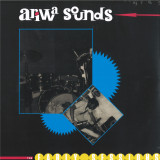
Remastered Reissue des Samplers 'Ariwa Sounds: The Early Sessions' (1984) mit den frühen Produktionen der Reggae/Dub-Legende Mad Professor, aufgenommen zwischen 1979-1981 in seinem Wohnzimmer, kurz bevor die Idee Form annahm, ein Studio und das Ariwa-Label zu gründen. Er lud lokale Musiker zur Zusammenarbeit ein, darunter Errol Sly, Ranking Ann, Sergeant Pepper, Deborah Glasgow, Victor Cross, Sister Audrey und seine Begleitband The Sane Inmates, von denen einige später zu festen Größen ihres jeweiligen Genres wurden. Die LP fängt die rohe Essenz des frühen Sounds von Mad Professor und Ariwa ein.
The story of the invention of the term, 'deepfunk' is probably only known among fans and practitioners of this niche-genre. In short, it all started in the 1990s when DJs like Keb Darge, Mark 'Snowboy' Cotgrove and others began spinning obscure and feral Funk 45 RPM singles from local American bands, ostensibly generating another sub-category branch off of the mighty Northern Soul tree. The dance-club phenomenon inevitably spilled over to contemporary groups on the funk scene which immediately tried to record their music the way their idols did. The 'rare groove' and 'acid jazz' movements had run their course and there was a concerted effort to reinstate primitive idiomatic styles and techniques into the music, most notably by 90s funk collective The Poets of Rhythm. As more years passed by the number of bands steadily increased (although in tiny numbers, compared to the mainstream market). Almost every country had a representative with the majority of them coming from the United Kingdom. The deepfunk sound was still a niche, however a very few bands made it onto the mainstream charts, most notably Sharon Jones & the Dap Kings.
At the height of the retro-soul movement a questionable development took place. As more bands arrived on the scene, the production became more and more polished and pop-ish. Some of that squeaky-clean tidiness began to creep into the recordings, encouraged in part by the signature sounds of the digital recording technology available at that time. Some bands even tried to jump onto the possibility of promoting their music as 'deepfunk' although they were actually playing slick, funky pop music. This way some people who thought they were listening to raw, energetic funk actually felt quite ambushed when hit with real deepfunk. In fact, a certain percentage of funk music produced within the past 20 years does not deserve to be described as 'deepfunk' at all. Fortunately there were (and are) some pleasant exceptions which did not just imitate but actually rendered amazing funk music just like some of the finest funk combos of the 1960s and 70s.
One of those creative minds is without a doubt Joel Ricci aka Lucky Brown. Originally from Seattle, Washington, USA, he has enriched the deepfunk community since the mid-2000s with his stellar abilities. He is not only an amazing musician playing multiple instruments, but also a brilliant composer, arranger, and producer too. But for us here at Tramp he is much more, a close friend and remarkable human being. Whenever we were struggling, whether with the label or in private life, Joel and his musical work helped us to overcome everything and to keep going our path.
So here we are in 2023. The songs you are listening to right now are the complete Space Dream collection, split into two parts, representing the two living-room recording sessions from which his 2011 Tramp Records debut was compiled. Each fully remastered album contains unreleased material and comes with brand new, beautifully reimagined artwork by Ricci himself, housed in an authentic 1960s tip-on cover. A first class product from a first class musician for the discerning funk enthusiast.
The story of the invention of the term, 'deepfunk' is probably only known among fans and practitioners of this niche-genre. In short, it all started in the 1990s when DJs like Keb Darge, Mark 'Snowboy' Cotgrove and others began spinning obscure and feral Funk 45 RPM singles from local American bands, ostensibly generating another sub-category branch off of the mighty Northern Soul tree. The dance-club phenomenon inevitably spilled over to contemporary groups on the funk scene which immediately tried to record their music the way their idols did. The 'rare groove' and 'acid jazz' movements had run their course and there was a concerted effort to reinstate primitive idiomatic styles and techniques into the music, most notably by 90s funk collective The Poets of Rhythm. As more years passed by the number of bands steadily increased (although in tiny numbers, compared to the mainstream market). Almost every country had a representative with the majority of them coming from the United Kingdom. The deepfunk sound was still a niche, however a very few bands made it onto the mainstream charts, most notably Sharon Jones & the Dap Kings.
At the height of the retro-soul movement a questionable development took place. As more bands arrived on the scene, the production became more and more polished and pop-ish. Some of that squeaky-clean tidiness began to creep into the recordings, encouraged in part by the signature sounds of the digital recording technology available at that time. Some bands even tried to jump onto the possibility of promoting their music as 'deepfunk' although they were actually playing slick, funky pop music. This way some people who thought they were listening to raw, energetic funk actually felt quite ambushed when hit with real deepfunk. In fact, a certain percentage of funk music produced within the past 20 years does not deserve to be described as 'deepfunk' at all. Fortunately there were (and are) some pleasant exceptions which did not just imitate but actually rendered amazing funk music just like some of the finest funk combos of the 1960s and 70s.
One of those creative minds is without a doubt Joel Ricci aka Lucky Brown. Originally from Seattle, Washington, USA, he has enriched the deepfunk community since the mid-2000s with his stellar abilities. He is not only an amazing musician playing multiple instruments, but also a brilliant composer, arranger, and producer too. But for us here at Tramp he is much more, a close friend and remarkable human being. Whenever we were struggling, whether with the label or in private life, Joel and his musical work helped us to overcome everything and to keep going our path.
So here we are in 2023. The songs you are listening to right now are the complete Space Dream collection, split into two parts, representing the two living-room recording sessions from which his 2011 Tramp Records debut was compiled. Each fully remastered album contains unreleased material and comes with brand new, beautifully reimagined artwork by Ricci himself, housed in an authentic 1960s tip-on cover. A first class product from a first class musician for the discerning funk enthusiast.
My Light, My World is a gorgeously slammin’ four track release by Brooklyn-based Ryan Clover on Eris Drew’s Ecstatic Editions imprint. We fell in love with Ryan’s music as we wore out the grooves on his killer 12 inch for ARTS. The tracks featured on My Light, My World are a perfect fit for Ecstatic Editions because, much like Eris’s sets, the tracks are beautiful musically and genuinely emotional, but they also seriously slap and translate powerfully on large sound systems. It is hard to find Big Room records with so much heart, so the label jumped to sign the tracks and prepare the project for release.
Clover’s arrangements on the EP unfold in truly magical and unexpected ways with buildups giving way to gorgeous musical passages. “We Love (We Feel)” is a heartfelt instrumental which sets the tone for the record, while the title tune “My Light, My World” declares boldly “ITS ON!” before heeding to woozy chords and a sax riff that sounds amazing in the mix. Flip the record over for “Here We F***ing Go!” which is a total boast track for deck players but doesn’t lose its sweetness in the process, and the powerfully fun closer “Let Me Tell U Sumthin’” which reminds sweaty dancefloors that “Love Is Special.” Ecstatic Editions hopes you’ll put your needle in the groove and dance hard to one of the season’s sweetest bangers.
The EP features original art by Karina A. Linares and mastering by Trutone legend Carl Rowatti.
On Rock Island, their second LP, Palm produces evidence of a distinct musical language, developed over time, in isolation, and out of necessity. On the island, melodies are struck on what might be shells or spines. Rhythms are scratched out, swept over, scratched again. Individual instruments, and sometimes entire sections, skip and stutter. There is the sense of a music box with wonky tension or a warped transmission in which all the noise is taken for signal.
Like other groups so acclaimed for their compulsive live show, Palm has been burdened by the constant comparison between their recorded material and their touring set. On Rock Island, they render this tired discussion moot, using the album form to present that which could never be completely live, reserving for performance that which could never be completely reproduced.
Despite appearing behind the instruments typical of rock music, Palm trades in sounds of their own making. On these songs, one of the guitars and the drum kit are used as MIDI triggers, producing an index that can be combed through later and replaced with new information. The percussion is sometimes augmented so as to suggest a multiplication of limbs. The strings are manipulated to choke, crack, and hum like other instruments, or other bodies, might.
Working again with engineer Matt Labozza, the band spent the better part of a month in a rented farmhouse in Upstate New York. With the benefits of time and space, Palm recorded the various elements piecemeal, only rarely playing together in groups larger than two or three. While some members tracked, others holed up in the next room, experimenting with quantization, beat replacement, and other methods borrowed from electronic music. Even accounting for the many labors that brought them to be, these materials seem produced by an organic logic. Their complex friction forms a habit of thought, scores a network of grooves on the floor of the mind.
This is music with dimensionality. Sonic objects are deployed, developed, and dissected in various states of mutation. The listener flits about between the field and the lab. The tone is warm in a way only the sun could make, the pace as forceful and as variable as a gale. Whether one locates Rock Island in a sea or in a refinished attic (as in Greg Burak's album cover), whether one escapes to there or is banished, its psychic environs are charted clearly enough. Only at this remove from the mainland can we sense the conditions necessary for such a strange species of sound.
Simone De Kunovich
Mythical Figure
Use variably, whenever you need: D.J. at MainStage, High Profile Fashion Event, Underground
Basement Club, Balearic Terrace Situation.
Gifted selector. Room filling presence. Oversized packaging.
He (here) deals three cards.
“Flow My Tears“ High Roller Euro House
„Super Mana Drain“ OMG Modern High Energy
„Warp Lord“ Early Morning, Playful Dark Eternal Bliss
„He who masters the sound glows“
The Faithful Brothers
Soul and R&B from Tel Aviv
"It's so difficult to produce the feel and the excitement of the classic northern sound, but The Faithful Brothers were born to do it and they do it so well." Craig Charles, The Craig Charles Funk & Soul Show, BBC Radio 6 Music.
Is there a Northern Soul scene in Tel Aviv? The surprising answer is – yes, there is. If you're a soulie and in town, look for the Tel Aviv Soul Club, and you might find yourself swaying across a talcum-powder covered floor to Tel Aviv's own unique blend of classic Northern Soul 45s and early 1960s R&B sounds.
Chances are that those 45s will come out of the record boxes of one of the brothers Neeman, Johnnie and Bin. Sons of an Israeli diplomat, they travelled abroad extensively as children, in the 1960s and 1970s, discovering the wonderful world of rare soul music on the way. Tel Aviv Soul Club, aka TASC, is the brainchild of Yashiv Cohen, a DJ who, in 2006, lured the brothers Neeman, whose massive soul collections been hitherto confined to their respective living rooms, into playing their records to the Tel Aviv public. Yashiv is also the lead singer of Men of North Country (MONC), a Tel Aviv band with a distinct sound, blending rock, British pop and soul, that has recorded two albums for the London based label Acid Jazz Records, and toured Europe numerous times.
Since Neeman means Faithful in Hebrew, Yashiv woke up one morning with the crystallization that MONC must create a spin-off, a more puristic soul band, called the Faithful Brothers. There the biological Neeman/Faithful brothers would be joined by some of the members of MONC and a few more musical brothers from Tel Aviv to create new, original soul and R&B music. With a nod to the Northern Soul slogan "Keep The Faith", the name seemed too perfect to waste. The fact that the Neeman brothers were collectors, and not musicians, did not bother a man of vision like Yashiv. One day, he sent Johnnie some lyrics he wrote, asking him to compose music for it. Well, Johnnie called Bin, and they met in Johnnie's record room. With Johnnie playing some of the few chords he knew on his dusty old acoustic guitar, out came Teenage Frost, the first-ever musical composition of the Neeman brothers, recorded by MONC.
It took a few more years, but gradually the brothers succumbed to their fate, to continue their musical progression, from collectors to DJs to musicians. Johnnie took his guitar, Bin took to the piano, and the brothers began pouring out some of their influences, creating new songs. It is finally all coming together. The Faithful Brothers – now an eight-piece band, complete with a mighty brass section – release their first album "The Faithful Brothers".
Erstmals und endlich auf Vinyl erhältlich - das Solodebüt des Musikers und Produzenten Tobias Kuhn aka Monta aus dem Jahr 2004. Erscheint als weißes 180g Vinyl im Gatefold-Sleeve. "Wir unterteilen das Leben gerne in künstlich voneinander getrennte Kapitel, sprechen von "Neuerfindung" oder "zweiter Geburt", wenn jemand nun plötzlich etwas scheinbar ganz anderes macht als zuvor. Tatsächlich aber ist das Neue immer schon im Alten angelegt, die meisten Übergänge sind fließend. Nehmen wir zum Beispiel Tobias Kuhn: Natürlich ist Kuhn heute vor allem als einer der renommiertesten und besten deutschen Musikproduzenten bekannt. Kuhn hat mit Clueso, Udo Lindenberg und den Toten Hosen gearbeitet. Man kennt ihn als Produzenten und Co-Songwriter so unterschiedlicher Künstler wie Feine Sahne Fischfilet, Mark Forster, Alec Benjamin, Alice Merton, Noah Kahan, Lost Frequencies, Gurr und Milky Chance, er schrieb für den "Tatort" die Musik, man könnte die Liste endlos fortsetzen. Aber vor dieser Geschichte, vor der Geschichte des Top-Produzenten Tobias Kuhn gab es eben noch eine andere - und wenn man genauer hinguckt, gehören beide untrennbar zusammen. Begonnen hatte sie in Würzburg. Es sind die Neunzigerjahre, Familie Kuhn hatte in Cambridge und in Peking gewohnt und war nun ausgerechnet nach Unterfranken gezogen: Das malerisch gelegene, architektonisch reizvolle Würzburg mag bedeutende Universitäten haben, mit 130.000 Einwohnern knapp als Großstadt gelten und das sogenannte "Herz der Weinregion Franken" sein, als Popmetropole ist die Stadt eher nicht bekannt. Aber natürlich kommt der beste Pop traditionell ja genau aus solchen Orten, aus der Provinz, von den Hochschulen, aus den Fabriken. Eben dort, in Würzburg, gründet Tobias Kuhn mit 15, 16 Jahren die Band Miles gemeinsam mit Gilbert Hartsch zunächst als klassische Schülerband. Der Schlagzeuger Andreas Wecklein und René Hartmann (Bass) komplettieren das Line-up, letzterer wird später durch Nina Kränsel ersetzt. Wie gesagt, es sind die Neunzigerjahre: In den USA initiiert der Sänger und spätere Pop-Impressario Perry Farrell die erste Ausgabe der heute weltweit erfolgreichen Festivalreihe Lollapalooza als grellen Rock'n'Roll-Zirkus und Abschiedstournee seiner Band Jane's Addiction. Das gefällt Kuhn und seinen Freunden natürlich, also schmieden sie in der bayerischen Provinz den einigermaßen größenwahnsinnigen Plan, in Deutschland etwas ähnliches aufzuziehen. Spoiler: es gelingt. Auf diese Weise entstanden drei Alben, bis der Gitarrist ausstieg und irgendwie allen klar wurde: alles erlebt, alles erzählt, mehr geht nicht. Kuhn schrieb sich daraufhin für Medizin ein, doch die Musik ließ ihn nicht los. So begann das zweite musikalische Kapitel im Leben des Tobias Kuhn. Unter dem Namen Monta wendete er sich einem intimeren, Folk-grundierten Ansatz zu und nimmt so zwei Alben auf, deren Veröffentlichung er selbst übernimmt. Bald gab es ein weltweites Netzwerk kleiner Indie-Labels, die die Monta-Musik vertrieben und sogar die "Sunday Times" machte "Where Circles Begin" zum Album der Woche. Und so begann die dritte, bis heute andauernde musikalische Karriere von Tobias Kuhn: die des Produzenten und Songschreibers. Kuhn wäre nicht Kuhn, wenn nicht auch dieser Abschnitt wieder von einer Reihe scheinbarer Zufälle und Begegnungen befeuert worden wäre, die sich eben nahtlos aus allem, was davor war, ergaben." Torsten Groß
Weaponize your DJ record bag again with fresh ammo from the Greek studio machine, Aggelos Baltas does it again with another volume of remixes to the Sound Metaphors re-issue catalogues, an invigorating contemporary club touch to a wide range of dance floor material that was originally produced in the early 90s and late 80s. A new patina layer formed by the aging acid baths and chemical reactions of the experienced studio magician. Aggelos' signature atmospheric grandiosity and big room sound once again delivered with precision and high efficiency for the caring modern dancefloor. Can't go wrong.
In the Red Records will proudly present the U.S. edition of Rantings from the Book of Swamp, the freewheeling eighth studio release by Australia’s magnificent and unpredictable Kim Salmon and the Surrealists, as a two-LP. The Surrealists were formed by the Scientists’ singer-songwriter-guitarist Kim Salmon in 1987, betwixt the last two tours by the original incarnation of that pathfinding Perth-bred band. The Surrealists had been dormant in recent years, as the bandleader focused his energy on recording and touring with a reunited lineup of the Scientists featuring guitarist Tony Thewlis, bassist Boris Sujdovic, and drummer Leanne Cowie, who had recorded the career-summarizing 1986 LP Weird Love. (In 2021, In the Red issued Negativity, a new album by that unit, to wide acclaim.) In 2020, as the COVID-19 pandemic lockdown settled around the globeSalmon reconvened with bassist/baritone guitarist Stu Thomas and drummer Phil Collings, who had appeared on the Surrealists’ 2010 release Grand Unifying Theory, the group’s most recent record. As with that work, the new material was created live on the studio floor, and emphasized improvisation in both its structure and content. “The premise for this recording,” Salmon explains, “was that at its commencement the band members would come prepared with no other material than whatever ideas they might be able to individually bring. The lyrical content was all derived from my notebooks (Book of Swamp) from sketches I’d been jotting down over the last couple of years. There was to be no consultation about musical forms until the event began. Once the event began, the band had carte blanche to do whatever necessary to salvage compelling performances over the two live events @ 7PM AEST 6/13/20 + 6/14/20 respectively…….i.e., we had to make it up from scratch!” Captured at Rolling Stock Recording Rooms in Collingwood, Victoria, Australia, by Myles Mumford, the music heard on Rantings from the Book of Swamp was originally presented as a pair of live streams directed by Andrew Watson at Semiconductor Media. The resultant album comprises 13 brain-bending tracks characterized by Salmon’s percolating lyrical imagination and the raw, unfettered interplay of the three seasoned musical collaborators. After the world began to emerge from the pandemic lockdown in 2022, the Surrealists hit Australian stages on the double-barreled “You Gotta Let Me Swamp My Rantings” tour, which featured two different lineups performing two albums in toto: the Rantings from the Book of Swamp trio, and the threesome of Salmon, Thomas, and drummer Greg Bainbridge, who played the material from You Gotta Let Me Do My Thing, the 1997 Surrealists album they cut together. Offbeat, off the street, off the map, and off the wall, Rantings from the Books of Swamp serves as a potent reminder that Kim Salmon and the Surrealists remain a puissant force in boundary-pushing rock music.
This record"s origin story is as elusive as Pharoah was about everything Pharoah. It was born out of a misunderstanding between him and the India Navigation producer Bob Cummins, and was recorded at a crossroads in his career with a group of musicians so unlikely that they were never all in the same room again. There was a guitarist who was also a spiritual guru, an organist who would go on to co-write and produce "The Message", and a classically trained pianist - his wife at the time, Bedria Sanders - who played the harmonium despite never having seen one. At times ambient and serene, at others funky and modal, PHAROAH radically departed from his earlier work. It would become one of the artist"s most beloved records and one of the great works of the 20th century. With Pharoah Sanders" blessing, the limited edition embossed version of this 2 LP box set presents the definitive, remastered version of PHAROAH, his seminal record from 1977, along with two previously unreleased live performances of his masterpiece "Harvest Time". This is the first official rerelease of PHAROAH, which has been bootlegged often since its original release in 1977. These exceptional live versions of "Harvest Time" - which Pharoah performed during an intense European tour in the summer of "77 and which are included here for the first time - turn the original, beloved composition on its head. PHAROAH will be released a year after the legendary tenor saxophonists" untimely passing, and two years after the release of what was to become his final album, the widely acclaimed PROMISES, a collaboration between the composer Floating Points and Pharoah Sanders, featuring the London Symphony Orchestra. The first pressing of this limited edition box set comes with an embossed cover and is accompanied by never-before-shared photographs and ephemera, as well as a 24-page booklet featuring rarely seen photographs, interviews with many of the participants, and a conversation with Pharoah himself.
Recorded in 1995 and 1996, mostly in John Fahey"s room at a Salem, Oregon boardinghouse, the performances on Proofs and Refutations prefigure the ornery turn of the page that marked Fahey"s final years, drawing another enigmatic rabbit from his seemingly bottomless musical hat. Cloaked in the language of dogma - what is he proving? refuting? - this is Fahey dancing a jig in the Duchampian gap, jester cap bells a-jingling. True believers? He"s got something for you: an uncompromising vision that you can sneer at ("guy can"t play anymore and refuses to concede!") or embrace as evidence of his genius ("the reinventor does it again!"). Skeptics? He"s there with you, too: sending up the fallacy of certitudes altogether. Institutions, systems, accepted wisdoms. Heroes. Alternative facts, indeed. Right out of the gate, Fahey re-materializes before us, somewhere between Oracle of Delphi and Clown Prince at Olympus. Mounting a thundering dialectic from on high, "All the Rains" resembles nothing else in his extensive discography - betraying roots in everything from Dada to Episcopal liturgical chant - and contains nary a plucked guitar note. You can"t fool him! When the lap steel of yore appears on "F for Fake," it serves more as soundbed for an extended sequence of vocal improvisations, running the gamut from wordless Bashoian caterwauling to free-form (but decidedly fake) Tuvan, even revealing a burnished falsetto in the process. Fahey takes on a different kind of provocation in the two acoustic guitar-based tracks closing Side 1 - "Morning" parts 1 and 2 - the first of 4 recordings in this session that have him wrestling with the ghost of Skip James, perhaps Fahey"s effort to wrench the "bitter, hateful old creep" (his words) back into the grave. Anchoring Side 2 is the two-part "Evening, Not Night," the second half of his extended cathexis on James (and the latter"s avowed castration complex - another story for another day, perhaps). Bit of a chill in the air - where"s the impish Fahey from earlier? Unmistakably working through some psychic wounds here, we might think: the unheimlich rendered in glistening viscera. Or is he playing with our notions of authenticity, of his reputation as troubadour of raw emotional states, a pilgrim of the ominous, the simmering unconscious? These cards are kept decidedly close to the vest. The opening and closing pieces again feature Fahey"s guitar as drone soundbed - employing distortion, oscillation, and an altogether absurd quotient of reverb to create texture and harmonics that are - if we wanna go there - not dissimilar to the sustained tonic clusters of Tibetan singing bowls, the hurdy gurdy, Hindustani classical music, or La Monte freaking Young. Portions of this material appeared on obscure late "90s vinyl in the 7" or double-78 rpm format, but as a "session" it has lain dormant more than a quarter century now. Taken together, we can now see these tracks as secret blueprints to latter-day Fahey provocations, several years prior to records like 1997"s City of Refuge and Womblife.
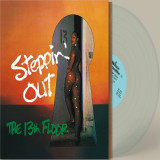
Originally released on Blue Candle Records in 1977, Steppin' Out by the 13th Floor is a true treasure that deserves a cherished place in the collection of every soul and funk connoisseur. This long-awaited reissue brings back the original magic, preserving the essence and impact it had on the music scene.
Its profound influence on bands like the Red Hot Chili Peppers is undeniable, solidifying its status as an essential gem in the annals of musical history. Now, with this reissue, you have the opportunity to experience the same captivating rhythms and infectious melodies that captivated audiences decades ago.
Are you ready to awaken your boogie spirit and infuse your living room with the long-lost spark of the mid-seventies? Brace yourself for an immersive experience as you surrender to the timeless grooves and soulful vibes that will transport you to a bygone era of musical
enchantment. Allow the music to ignite your soul, reigniting the vibrant energy of the past and instilling in you an irresistible urge to groove like never before.
Faitiche welcomes Andrew Black aka blackbody_radiation. His debut album Ultra Materials gathers six ghostly drones, created with the help of sound masking.
Andrew Black, who hails from one of the UK's post industrial North West Milltowns has a sensitive feeling for space and its acoustics. Having trained as a designer and operated within the realms of architecture and public space, it was only natural to extend his interest to manipulating field recordings.
The six pieces collected on Ultra-Materials provide an insight into Black's highly sensitive minimalism: they stand for a subtly meandering mediation on room acoustics and place, which are manipulated with the help of sound masking, among other things - that is, the addition and superimposition of artificially generated frequencies to mask unwanted sounds.
Sometimes the pieces are reminiscent of warm engine noise, sometimes one thinks of carefully captured natural phenomena. Their strength lies in their elusiveness: free of concrete attributions or musical location, they can unfold their hypnotic pull without revealing anything about their origins. Harmonics at times shimmer, at times warble and at times coexist. It is an attempt to get in touch with our listening abilities.