Robin Pecknold brings light to the bleakest of winters with Fleet Foxes' 'A Very Lonely Solstice,' a 13-track career spanning collection recorded in December 2020, at Brooklyn, NY's St. Ann & the Holy Trinity Church. Now being released for the first time on vinyl, CD and digital formats, 'A Very Lonely Solstice' captures a poignant moment in time. The recording was originally broadcasted as a live-stream event on the winter solstice of 2020, just days after New York declared a state of emergency tightening restrictions again in response to increasing COVID-19 cases. Pecknold describes the set as "me by myself on the longest night of the year... honoring the loneliness of 2020 with a nylon string and some songs new and old." Fans worldwide tuned in while quarantined at home, finding solace and a sense of community in a period of extreme isolation. Much of 'A Very Lonely Solstice' showcases a solo focus on Pecknold who offers up acoustic arrangements of fan-favorite songs spanning Fleet Foxes' catalog. Selections cover all four of the band's studio albums, including their 2008 self-titled debut album ("Tiger Mountain Peasant Song") to 2011's Helplessness Blues ("Blue Spotted Tail") and 2017's Crack-Up ("If You Need To, Keep Time On Me"), all the way to their latest release, Shore. Resistance Revival Chorus joins Pecknold on Shore tracks "Wading In Waist-High Water" and "Can I Believe You." Also featured: a cover of Nina Simone's "In The Morning" and a rearrangement of the traditional "Silver Dagger."
Una interpretación de Soinuarenbidea II debería partir de esta premisa: todo es posible, nada es aleatorio, y en sí mismo es un imposible de aleatoriedades. El escenario planteado explora la idea de realidad aumentada desde una percepción sonora, ambiental y colectiva. La obra transita hacia adelante y hacia atrás recreando experiencias extintas de porvenir incierto, tratando de facilitar un fin pacificador. Cada pieza sonora se crea, se despliega, se repliega y se destruye, en una torsión permanente de toda la realidad que hace posible cada fragmento musical, cada identidad acústica, cada espacio sonoro. Lo onírico, la ficción, y el viaje están continuamente presentes, y es en el transitar de cada fragmento donde se produce el diálogo de la exposición musical. Los elementos de esta ficción se recrean continuamente, en un continuum donde se entrelazan y se van contorsionando a medida que crecen o decrecen con cada fragmento de síntesis concreta. Los temas explícitamente musicales son el magma que conduce a dar voluptuosidad al disco, siendo la piel un contexto o límite que en sí mismo fluctúa indefinidamente en texturas y configuraciones posibles. Y la urdimbre del silencio es la síntesis que está continuamente presente y que trata de cohesionar los fragmentos en continua colisión expresiva. Las grabaciones de campo proporcionan el material sonoro concreto, y como un fractal sonoro cada una de ellas ofrece diferentes grados de interpretación que a su vez conduce a nuevos fragmentos y nuevas creaciones. Así que se puede pensar que esta es una síntesis de una posible realidad, pero interpretable en infinidad de maneras. Un movimiento y una estaticidad implícitas que generan estructuras y dinámicas acústicas. Lo que se escucha no es real, pero en sí mismo forma parte de la realidad, creando un escenario expectante. Lo cinematográfico, plástico y teatral, danzante y dinámico cobra importancia en este juego, porque se trata de contar una historia, una experiencia recreada desde los puntos de vista del arte visual. Es a su vez hilo conductor y entretenimiento, discurso político y puro divertimento. Es desde este espacio de convivencia artística que tiene sentido la totalidad y justifica el formato sonoro planteado. La contradicción de la obra es patente en el formato, y es a su vez el planteamiento de una accidentalidad en el devenir vital. Contenedor de Ruido recoge todas estas contradicciones y las manifiesta en la obra Soinuarenbidea II. Es una historia sonora, es un cuento acústico. Es un fragmento de vitalidad en imágenes audibles. Es una invitación a la reflexión, a la crítica, al disfrute, a la meditación, a la celebración. Y sobre todo es esperanzadora apreciación de la realidad como algo maleable que confeccionamos colectivamente, que requiere de una paciente observación y la participación colectiva global, en un mundo finito pleno de diversidades y del que ignoramos prácticamente todo, al que deberíamos volver con respeto y devoción.
Soinuarenbidea II-ren interpretazio batek premisa honetatik abiatu beharko luke: dena da posible, ezer ez da ausazkoa, eta, berez, ausazkotasun ezinezko bat da. Planteatutako agertokiak errealitate areagotuaren ideia aztertzen du, soinu-, ingurumen- eta talde-pertzepzio batetik abiatuta. Lanak aurrera eta atzera egiten du, etorkizun zalantzagarriko esperientzia desagertuak birsortuz eta helburu baketsua lortzen saiatuz. Soinu-pieza bakoitza sortu, hedatu, tolestu eta suntsitu egiten da, musika-zati bakoitza, identitate akustiko bakoitza eta soinu-espazio bakoitza ahalbidetzen dituen errealitate osoaren etengabeko bihurdura batean. Onirikoa, fikzioa eta bidaia etengabe daude presente, eta pasarte bakoitzaren joan-etorrian gertatzen da musika-erakusketaren elkarrizketa. Fikzio honen elementuak etengabe birsortzen dira, continuum batean, non sintesi zati zehatz bakoitzarekin hazi edo txikitu ahala elkar lotzen eta bihurritzen diren. Esplizituki musikalak diren gaiak diskoari atsegintasuna ematera eramaten duen magma dira, azala testuingurua edo muga izanik, testura eta konfigurazio posibleetan mugarik gabe aldatzen dena. Eta isiltasunaren irazkia etengabe presente dagoen sintesia da, zatiak etengabeko adierazpen-talkan kohesionatzen saiatzen dena. Landa-grabazioek soinu-material zehatza ematen dute, eta soinu-fraktal batek bezala, horietako bakoitzak interpretazio-maila desberdinak eskaintzen ditu, eta horrek, aldi berean, zati eta sorkuntza berrietara eramaten du. Beraz, pentsa daiteke errealitate posible baten sintesia dela, baina hamaika modutan interpreta daitekeena. Egitura eta dinamika akustikoak sortzen dituzten mugimendu eta estatikotasun inplizitu bat. Entzuten dena ez da erreala, baina, berez, errealitatearen parte da, eta agertoki espektakularra sortzen du. Zinematografikoak, plastikoak eta antzerkikoak, dantzariak eta dinamikoak garrantzia hartzen dute joko honetan, ikusizko artearen ikuspegitik birsortutako istorio bat, esperientzia bat, kontatzea baita helburua. Aldi berean, hari gidaria eta entretenimendua da, diskurtso politikoa eta dibertimendu hutsa. Elkarbizitzarako espazio artistiko honetatik osotasunak zentzua du eta planteatutako soinu-formatua justifikatzen du. Obraren kontraesana nabarmena da formatuan, eta, aldi berean, bizi-bilakaeran istripu-tasa bat planteatzea da. Zarata-edukiontziak kontraesan horiek guztiak jasotzen ditu eta Soinuarenbidea II obran adierazten ditu. Soinu istorio bat da, ipuin akustiko bat. Bizitasun zati bat da, irudi entzungarrietan. Hausnarketarako, kritikarako, gozamenerako, meditaziorako eta ospakizunerako gonbidapena da. Eta, batez ere, itxaropentsua da errealitatea modu kolektiboan egiten dugun gauza xaflakor gisa hautematea, behaketa pazientea eta partaidetza kolektibo globala eskatzen dituena, dibertsitatez betetako mundu mugatu batean, ia guztia kontuan hartzen ez duguna, eta errespetuz eta debozioz itzuli beharko genukeena.
An interpretation of Soinuarenbidea II should start from this premise: everything is possible, nothing is random, and in itself is an impossible randomness. The proposed scenario explores the idea of augmented reality from a sonic, environmental, and collective perception. The work moves back and forth, recreating extinct experiences of an uncertain future, seeking to facilitate a peaceful end. Each sound piece is created, unfolds, retreats, and is destroyed, in a permanent twisting of all reality that makes each musical fragment, each acoustic identity, each sonic space possible. The dreamlike, the fictional, and the journey are continually present, and it is in the transit of each fragment that the dialogue of the musical exposition takes place. The elements of this fiction are continually recreated, in a continuum where they intertwine and contort as they grow or diminish with each fragment of concrete synthesis. The explicitly musical themes are the magma that leads to the work's voluptuousness, the skin being a context or boundary that in itself fluctuates indefinitely in possible textures and configurations. And the warp of silence is the synthesis that is continually present and seeks to unite the fragments in a continuous expressive collision. The field recordings provide the concrete sound material, and like a sonic fractal, each one offers different degrees of interpretation that in turn lead to new fragments and new creations. So one can think of this as a synthesis of a possible reality, but interpretable in an infinite number of ways. An implicit movement and staticity that generate acoustic structures and dynamics. What is heard is not real, but in itself is part of reality, creating an expectant scenario. The cinematic, plastic and theatrical, dance and dynamic aspects take on importance in this game, because it is about telling a story, an experience recreated from the perspective of visual art. It is at once a common thread and entertainment, political discourse and pure entertainment. It is from this space of artistic coexistence that the whole makes sense and justifies the proposed sound format. The contradiction of the work is evident in its format, and it is, in turn, the presentation of an accidentality in the course of life. Noise Container gathers all these contradictions and manifests them in the work Soinuarenbidea II. It is a sound story, an acoustic tale. It is a fragment of vitality in audible images. It is an invitation to reflection, to critique, to enjoyment, to meditation, to celebration. And above all, it is a hopeful appreciation of reality as something malleable that we collectively craft, requiring patient observation and global collective participation, in a finite world full of diversity and of which we know practically nothing, to which we should return with respect and devotion.
Paisajes sonoros, diseño sonoro, drones y música grabada, realizada y arreglada para Contenedor de Ruido por David Aranaz. Coro: Basandere Ahotsak. Producido y mezclado por David Aranaz. Mástering: Estanis Elorza. Fotografía: David Aranaz. Texto: David Aranaz. Traducción: Saioa Aranaz Oreja. Trabajo y Diseño artístico: Cristina Martinez. Edición: Contenedor de Ruido Producciones y Sarbide Music. Distribución: Contenedor de Ruido.
Contenedor de Ruido agradece el apoyo en la realización de Soinuarenbidea II al coro Basandere Ahotsak y en especial a Eva Orbara Goicoa.
Soinuarenbidea II está dedicado al pueblo palestino.
Paisajes y objetos Sonoros, samplers y otras músicas transformadas para Soinuarenbidea II
Burlada: Paseos sonoros matinales por Merindad de Sangüesa, Calle Mayor, Capuchinas, Parque Uranga y varias iglesias y plazas. Pasajes del cotidiano: basura de papel, cristal y plástico.
Pamplona: Cementerio de San José. CEIP Sanduzelai /// Quinto Real: Fábrica de Armas, Puerto de Urkiaga y alrededores. Suite del silencio, bosques en movimiento /// Fábrica de armas de Orbaiceta: regatas, biosques, paseo sonoro hasta regata /// Belate: Puerto de Belate y alrededores. Vacas en pradera junto a las turberas /// Bardenas Reales: Suite de guitarra y Suite del silencio, estepa desértica /// Austria: Tranvías de Graz y Viena. Muchedumbre del metro de Viena.
Voces cinematográficas de: Matanza en Texas, Robocop, Espíritu Sagrado, Solo los Amantes Sobreviven, Voces de Gaza, Yojimbo, Terciopelo Azul, Los 7 Magníficos.
La pista A2 está dedicada a la memoria de David Lynch.
La pista B4 está dedicada a Eva Orbara Goicoa.
Pista A4: Contiene interpretaciones de piano de Three Piano Pieces Op.11 de Arnold Schoenberg.
Pista A5: Es una interpretación expandida con síntesis FM del Concerto Op. 24 - Etwas lebhaft - de Anton Webern.
Pista A7: Contiene la canción Besarkatu ninduzun (Letra de Josune López y música de Josu Elberdin) en interpretación de Basandere Ahotsak en la iglesia de Burutain bajo la tormenta.
Pista B2: Contiene la canción Recuerdos de la Alhambra (Fernando Tárrega) en interpretación torsionada de David Aranaz Sarasa.
Pista B14: Contiene la canción Agur María (Letra y Música de Estíbaliz Robles “Estitxu” y arreglo exclusivo de Alfonso Ortiz para Basandere Ahotsak) en interpretación de Basandere Ahotsak.
Equipamiento para Soinuarenbidea II.
Micros de condensador SE7, configuración XY y ORTF; Micros de cinta ORTIZ LUTHIER configuración XY y Blumlein; Grabadoras MARANTZ y ZOOM; Sintetizadores y samplers Elektron MONOMACHINE SPS-1, MACHINEDRUM SFX6 y MODEL:SAMPLES. Dave Smith MOPHO. Torso Electronics S-4. Sintetizador Modular 333 DIY; Guitarra clásica ALHAMBRA 6P; Esculturas Sonoras tipo Baschet, cristal y metales; Mesa Soundcraft FX16ii; Interface de Audio RME Babyface Pro FS; DAW Logic Pro; Procesamiento de modelado analógico con Acústica Audio, Waves, Softube, Brainworx, Sonible, Analog Obsesion, Tokio Dawn. Metering de Logic y RME DigiCheck . Amplificación Hafler PRO2400. Monitorización BW DM602 S3. Mezcla digital; Mastering híbrido.
The album brings together the best songs from the 45 tracks he has been working on recently and shows why Melle is one of the most sincere voices on the Dutch music scene. 'Before I Lose It' is raw, personal and direct. The album is a search for identity and authenticity in sound and lyrics. The album shows that Melle not only seeks authenticity in his music, but also dares to share personal stories in his lyrics. From his long-term relationship to the search for identity and social awareness, he tackles topics such as inequality, discrimination and the influence of capitalism on our daily lives, without ever becoming cliched. This mix of intimate and socially conscious themes makes "Before I Lose It" both relatable and profound
Through crushing riffs and haunting vocals, it reflects on loss, the forces of nature, and existential struggle. The production balances raw intensity with a deep, immersive atmosphere, enhancing the album's emotional depth. The album opens with a song in Latin, setting the tone with a ritualistic invocation. As its title suggests, it serves as a reminder to preserve one's inner purity in a decaying world, weaving ancient echoes into the album's foundation.
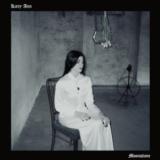
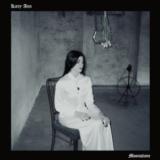
Todeslied follows as a hymn to death, carrying a solemn mood. The record also draws upon literary inspirations: one track is based on The Road by Cormac McCarthy, evoking apocalyptic desolation and the desperate fight for survival, while Dress in flames gives voice to the fury and imprisonment of Bertha Mason, the tormented character in Charlotte Bronte's victorian novel Jane Eyre. Compared to her previous release, which was more personal, Moonstone marks a shift towards greater collaboration within the band, with a more unified approach to songwriting and arrangements. The album, featuring two tracks by bassist Francesca Papi, has been arranged and refined together with Davide Rosa (guitar) and Fabio Orticoni (drums). The release also includes a powerful tribute to Bathory with a reinterpretation of Shores in Flames.
Recorded at Produzione Rumorose, mixed by Maurizio Baggio, and mastered by Giovanni Versari, this record represents a powerful evolution in the band's sound, sharpening their identity and pushing the boundaries of their musical expression.
Through crushing riffs and haunting vocals, it reflects on loss, the forces of nature, and existential struggle. The production balances raw intensity with a deep, immersive atmosphere, enhancing the album's emotional depth. The album opens with a song in Latin, setting the tone with a ritualistic invocation. As its title suggests, it serves as a reminder to preserve one's inner purity in a decaying world, weaving ancient echoes into the album's foundation.
Todeslied follows as a hymn to death, carrying a solemn mood. The record also draws upon literary inspirations: one track is based on The Road by Cormac McCarthy, evoking apocalyptic desolation and the desperate fight for survival, while Dress in flames gives voice to the fury and imprisonment of Bertha Mason, the tormented character in Charlotte Bronte's victorian novel Jane Eyre. Compared to her previous release, which was more personal, Moonstone marks a shift towards greater collaboration within the band, with a more unified approach to songwriting and arrangements. The album, featuring two tracks by bassist Francesca Papi, has been arranged and refined together with Davide Rosa (guitar) and Fabio Orticoni (drums). The release also includes a powerful tribute to Bathory with a reinterpretation of Shores in Flames.
Recorded at Produzione Rumorose, mixed by Maurizio Baggio, and mastered by Giovanni Versari, this record represents a powerful evolution in the band's sound, sharpening their identity and pushing the boundaries of their musical expression.
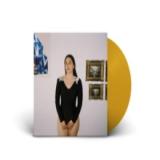
Die italienische Singer-Songwriterin Marta Del Grandi veröffentlicht Ende Januar 2026 ihr neues Album Dream Life bei Fire Records, ihre erste neue Musik seit dem raffinierten, hingebungsvollen Pop ihres Albums Selva aus dem Jahr 2023. Del Grandi kehrt mit einem Album zurück, das in einem Feld der Träume spielt, einer multidimensionalen Panoramaaufnahme, unterbrochen von gelassener Desillusionierung, die musikalische Grenzen überschreitet, während persönliche Hoffnungen und Sehnsüchte gegen die Weite der Sterne und darüber hinaus geworfen werden. Das Album beginnt mit ,Antarctica", einem Song, der sich mit dem ethischen Dilemma der Welt auseinandersetzt und uns mit einem Riff, das an Talking Heads in ihrer Blütezeit erinnert und mit abstrakten Phrasierungen à la Laurie Anderson durchsetzt ist, aus unserer Komfortzone reißt. ,Neon Lights" unterstreicht diese Stimmung, geht jedoch auf einer persönlicheren Ebene darauf ein. Die verzerrten Gitarren und der wandernde Bass bieten einen härteren Einblick in rebellische Selbstfindung, eingebettet in einen symphonischen Klangteppich. Weiter in ,Dream Life" ist ,Alpha Centauri" ein eindringliches, introspektives Stück Pop-Magie, das Martas wunderschöne Stimme in Nostalgie für die Teenagerzeit schwelgen lässt und ihr inneres Kind wiederentdeckt, während eine entfernte Tuba eine Gegenmelodie trägt. Der Titeltrack untersucht den Quantensprung zwischen Realität und unseren Träumen und Ambitionen und bildet einen Kontrapunkt zu ,Shoe Shaped Cloud" und seiner grüblerischen Untersuchung einer gescheiterten Beziehung, die von einer schmerzerfüllten Stimme vorangetrieben wird, die an Radiohead in ihrer zerbrechlichsten Phase erinnert. Das Album spiegelt das wachsende Bewusstsein wider, dass wir die Zukunft oder das Ergebnis unserer Pläne nicht vollständig kontrollieren können. Dieser rote Faden zieht sich durch das gesamte Album, eine Reise, die poetisch, ironisch und tief in der Gegenwart verwurzelt ist. ,Mein vorheriges Album Selva hatte einen poetischen und bukolischen Charakter - in meinem Kopf kann ich mir jeden Song als Ölgemälde vorstellen - Dream Life hat einen zeitgemäßeren Ansatz, mit Texten, die politische und soziale Themen berühren, einer expliziteren persönlichen Erzählweise und einem klareren Pop-Sound. Es ist eher wie ein Fotobuch, klarer und detaillierter." - Marta Del Grandi Limitiertes, goldfarbenes Vinyl, bedruckte Innenhülle, mit DLC oder Digi-Sleeve CD.
The journey through French-speaking pop archives continues with this fifth volume, packed with fuzz, gimmicks, and dissent. Far from the charts, the selected tracks display a great creative freedom, often backed by corrosive humor. Welcome to the surprising, kaleidoscopic, and colorful world of the late sixties and early seventies, Wizzz!
Born in Montauban, Robert Pico stumbled into music by chance when he met René Vaneste, then artistic director at Pathé-Marconi. René brought him to Paris to record his first 45 RPM EP in 1964. A year later, Pierre Perret introduced him to Vogue, where he recorded his second album with Claude Nougaro’s orchestra. Sylvie Vartan then introduced him to RCA, where he recorded four singles, including the astonishing "Chien Fidèle," a track backed by a hair-rising fuzz guitar. Alongside his solo career, he also composed for other artists like Alain Delon (the song was recorded but remains unreleased), Magali Noël, Bourvil, and Georges Guétary. In the Paris of the sixties, he mingled with Mireille Darc, Elsa Martinelli, Marie Laforêt, France Gall, Françoise Hardy, Petula Clark, Régine, Dani, Serge Gainsbourg, Joe Dassin, Franck Fernandel, Charles Level, and Roland Vincent. Despite his efforts and winning a Grand Prix Sacem for his final record, Robert Pico didn’t achieve the expected success in show business and decided to leave Paris and return to the Southwest, where he devoted himself to writing. He is the author of 23 books (including Delon et Compagnie, Jean-Marc Savary Editions 2025, a memoir about his youth and his many encounters). Today, he is relieved to never have become a celebrity and devotes himself to his work with passion.
In 1969, the Franco-Italian movie Erotissimo was released, directed by Gérard Pirès (who later directed Taxi in 1998, written and produced by Luc Besson). This pop comedy features Annie Girardot, Jean Yanne, Francis Blanche, Serge Gainsbourg, Nicole Croisille, Jacques Martin, and Patrick Topaloff. The soundtrack was written by Michel Polnareff and William Sheller, with lyrics by Jean-Lou Dabadie. "La Femme Faux-cils," performed by Annie Girardot. It recounts the feelings of a rich CEO's wife who seeks to develop her sex appeal under the influence of advertisement and magazines. Groovy, sparkling and light, this track, with ITS lush arrangements humorously critiques consumer society and feminine beauty standards.
“Je suis l’Etat” (1967) is the flagship track of the first EP by singer-songwriter Spauv Georges, aka Georges Larriaga, better known as Jim Larriaga (1941-2022). Born into a family of bakers, the young man was initially planning to become a hairdresser when he discovered English-speaking music through Elvis Presley and the Beatles. After this revelation, he decided he would become a songwriter and gave himself five years to succeed. He recorded his first two EP’s independently for RCA under the pseudonym Spauv Georges; meaning “that poor George”, a nickname given to him by the mother of her friend Jean-Pierre Prévotat (future drummer of the Players, Triangle, or Johnny Hallyday). Portraying a depressed and eccentric young man, Spauv Georges created corrosive and amusing songs that didn’t reach a wide audience, despite a TV appearance with Jean-Christophe Averty.
Supported by his loyal friend and fellow songwriter Jean-Max Rivière, Georges Larriaga met the future singer Carlos in the early '70s, then Sylvie Vartan’s assistant. He wrote songs for Carlos, including the popular "La vie est belle," "Y’a des indiens partout," and "La cantine", which went onto become a huge hit in 1972. He also composed for Claude François (“Anne-Marie”, 1971), Charlotte Julian (“Fleur de province”, 1972), helped launch child singer Roméo (who sold 4 million records), and later wrote the hit "Pas besoin d’éducation sexuelle" (1975) for the young Julie Bataille. In 1971, Jim recorded an album for Disc'Az: “L’univers étrange et fou de Jim Larriaga”, which featured pop gems like “La maison de mon père”.
The story of the song "Zoé" began when Pierre Dorsay, artistic director at Vogue Records, asked Swiss singer and musician Pierre Alain to write a song for a new female singer. The inspiration came when he realized that Zoé (the artist's name) was also the name of France's first atomic battery, created in 1948, which consisted of uranium oxide immersed in heavy water! The lyrics reflect a bubbling energy that must be handled with caution, while the instrumentation echoes this atomic theme, notably with the use of a theremin.
Zoé’s career lasted only as long as a single 45 RPM, but it seems Christine Fontane was the vocalist behind this pseudonym, who is known for several EPs, a good "popcorn" album in 1964, and a handful of children’s singles in the '70s. Regardless, the photograph on the cover is of a different girl entirely.
Later, Pierre Alain continued his career, writing songs for himself, Marie Laforêt, Danièle Licari, Alice Dona, Arlette Zola (3rd place in Eurovision 1982), and achieving multiple gold and platinum records in Canada. Also an inventor with several patents, president of the Romande Academy, and head of the French Alliance in Geneva, he now composes atonal music, books, and poetry. Moreover, he is also the host of "Les Mardis de Pierre Alain" at "Le P'tit Music'Hohl" in Geneva.
Filled with oriental choruses and fuzz guitar, "Fou" is from Jacques Da Sylva's only EP released by Vogue in 1967. Despite the quality of this recording, all traces of this singer disappear after this first effort.
Valentin is a baroque pop singer born in Belgium. He is the songwriter and composer of most of the tracks on his three singles released in the late 60s in Canada. A legend says that he reincarnated himself as Jacky Valentin during the 1970s for a rock'n'roll revival career in Belgium, but his older brother sadly debunked this story. Valentin's first two singles were arranged by Claude Rogen, a Parisian session pianist who had come to Canada to promote the song “Mister A Gogo”, a cover of David Bowie’s “Laughing Gnome”, adapted by singer Delphine, his wife at the time. Far from his usual network, Claude Rogen arranged music for Polydor, including the arrangements for “Je suis un vagabond” in 1969, a jerk tune with string arrangements and a furious optimism.
Jacques Malia wrote, composed, and recorded his only 45 EP for Festival in 1966. “Histoire de gitan” is an incredible beat track with bohemian scat that tells the story of a gypsy musician who came to Paris to make it in the Music-Hall, to no avail. The hero of the song and its author probably shared a similar fate, as Jacques Malia faded into anonymity after this remarkable attempt.
Bernard Jamet recorded two EPs for Barclay in the late sixties and co-wrote several songs with Christine Pilzer, Pascal Danel, and prolific songwriters Michel Delancray and Mya Simile. The track “Raison Légale” (1968), his masterpiece, immerses the listener in a courtroom right when a murderer is being judged, with jerk rhythm and free arrangements. A unique, paranoid, judicial, and psychedelic oddity.
Jean-Pierre Lebrot-Millers started his career in show business in 1967 as a singer and songwriter for the Philips label. After three singles, he wrote several songs of a new kind with his friend Pierre Halioche, in the midst of the sexual liberation movement and the democratization of drugs. With provocative lyrics, “Les filles du hasard” and “Barbara au Chapeau Rose” were released on a Philips singles in 1968. The character of Barbara was inspired by a queen of Parisian nightlife during the psychedelic years: model Charlotte Martin, who dated Eric Clapton from 1965 to 1968, then Jimmy Page from 1970 to 1983. Jean-Claude Petit’s arrangements, with a table-filled intro, soul brass, and Hendrixian guitar, emphasize the flamboyance of a hedonistic and sexy character, whose dog is named Junkie because “Junkie est un nom exquis”! The track was recorded live in three takes with a full orchestra.
Upon its release, the record was censored by Europe 1 and RTL due to its references to drug use. Jean-Pierre Lebrot was then banned from the airwaves and later dismissed by his record label. He changed his artist name to Jean-Pierre Millers, while his companion Pierre Halioche became D. Dolby for a new dreamy composition, “Chilla”, which Jean-Pierre produced himself with arrangements by Jean Musy. Once again, the song was immediately censored everywhere. After this setback, he decided to stop singing and started taking on odd jobs to support his Swedish wife and their son until the day he met Jean-Pierre Martin, then production manager at Decca, who had worked with Manu Dibango. Martin offered Jean-Pierre Lebrot-Millers, then employed at Rank Xerox, the position of artistic director at Decca. He accepted and became, a year later, promotion director (radio, press, TV). He worked on Julio Iglesias’s first album for Decca, which became a massive hit and allowed him to meet Claude Carrère. The latter asked him to write new songs and find their performers, much like a “talent scout.” It’s through him that Jean-Pierre discovered Julie Pietri and Corinne Hermès. He composed “Ma Pompadour” for Ringo, Sheila’s husband, and took the microphone again for the syncope hit “Rendez-Vous” in 1982.
That same year, Jean-Pierre Lebrot-Millers tried to release a track for which he had heavily gone into debt: “Si la vie est un cadeau”. Having recorded it in London, he presented it to numerous professionals, all of whom refused to get involved. The same thing happened with Antenne 2 and the Sacem when he proposed the song as France’s entry for Eurovision. He then met Haïm Saban, who was producing cartoon soundtracks and had just launched the Goldorak theme song. Saban, having listened to the song, declared it had the potential to become a hit. He sent Jean-Pierre and Corinne Hermès to meet the CEO of the Luxembourg radio and television network. The latter received them, asked to hear a verse and chorus a cappella in his office, and immediately hired them to represent Luxembourg at Eurovision 1983. They reworked the arrangements and recorded a new version with Haïm Saban as co-producer. The song ended up winning Eurovision 1983, a great comeback for our hero. He continued producing and hung out with the band Nacash in Belgium when a couple came to introduce their daughter for an impromptu audition in a hotel room. The girl sang “Les démons de minuit” while dancing to a radio cassette. Impressed, he had her take singing lessons for a year and composed a song for her (for which he had the melody and title, but no lyrics). This required him to go on the hunt for a lyricist, who ended up being Guy Carlier. They recorded the song, which was initially a ballad, at Bernard Estardy’s CBE studio, and gave the singer a new name: Melody. They showed the song around their industry network without success. Later, Estardy called Jean-Pierre to suggest changing the rhythm and making it pop-rock. Orlando, Dalida’s brother, liked the result and decided to co-produce the track. “Y’a pas que les grands qui rêvent » became a classic hit. The song has since been covered by Juliette Armanet (as a ballad, like the original) and Valentina.
Born into an aristocratic Breton family, Hervé Mettais-Cartier worked as a DJ at Queen Kiss, a nightclub in Poitiers, where he formed the band Les Concentrés with Michel (an actor) and Christian (a radio technician). Together, they created a repertoire of whimsical songs (“Ma bique est morte”, “J’suis un salaud”, “Fils de dégénéré”...) that they performed on stage dressed in white (in homage to “concentrated milk”). They performed at Bliboquet and Olympia in 1968 for the 10th edition of the “Relais de la chanson Française” organized by L’Humanité-Dimanche and Nous les Garçons et les Filles, sponsored by Pepsi Cola. Winners in the author-composer category, alongside Danish singer Dorte, their visibility allowed them to record a 45, and appear on television in Jean-Christophe Averty’s show. The A-side of the disc features Bruno le ravageur, a casatchok dedicated to Bruno Caquatrix, the director of Olympia, nicknamed in the song “Coq Atroce” or “croque-actrices”. The B-side is dedicated to “Fils de dégénéré”, a quirky tribute to Hervé's aristocratic roots, mixing absurdity with sophisticated vocal harmonies.
After Les Concentrés, Hervé Mettais-Cartier formed the duo La Paire et sa Bêtise with his friend Olivier Robert. They performed in Parisian cabarets and toured with Pierre Vassiliu. In the late 1970s, Hervé began a solo career. He recorded two albums for the Motors label in 1978 and 1979, which did not achieve their anticipated success due to lack of promotion. In 1980, he met Bernadette, with whom he started a family and created a “Chansons à voir” (songs to see) show that he performed until his death at the end of 2024.
Publicité comes from the final EP by the Missiles (Ducretet Thomson, 1966), a disc that also includes “La (nouvelle) guerre de cent ans”, featured on Volume 4 of our Wizzz! series. Please refer to the booklet for the story of the band.
“He’s 1.82 meters tall, 28 years old, weighs 135 kg, is black and Belgian”: this is the description of singer Hegesippe on the back of his sole single (Decca, 1967). He appears on the album cover wearing a Greek toga, like a hippie gag – we are at the end of the year 1967. In “Le crédo d’Hegesippe”, this former bodyguard of Antoine and the Charlots plays the delightful card of the thick brute converted to Flower-Power and non-violence, with arrangements by Jean-Daniel Mercier, aka Paul Mille.
“Ethéro-disco” was released on a promotional record for clients of the Maréchal company (Liège, Belgium) for the New Year 1979. Over a funky rhythm, celebrity impersonations (Brigitte Bardot, Jacques Dutronc, Fernandel…) deliver an enigmatic text about pharmaceutical products like ether, bismuth, and aspartate. The track was composed by Dan Sarravah (responsible for Joanna's “Hold-up inusité” featured on Wizzz! Volume 3) and Tony Talado, who was also a singer (one 45 in 1967), songwriter (with over a dozen credits between 1964 and 1985 in various styles from surf music to disco), author (Devenez Végétarien, Dricot Editions, 1985), ad designer, and psychologist.
Décollez-les is on the A-side of Mamlouk's only single, a pseudonym for Marsel Hurten, who is known for his work on several EPs in the late sixties, as well as composing music for Hervé Vilard’s “Capri, c’est fini”, Claude Channes' “La Haine”, Annie Philippe’s “On m’a toujours dit”, and Nancy Holloway’s “Panne de Cœur”.
This strange song, with Afrobeat horns and absurd dialogues between a chef and his kitchen staff, is the result of a collaboration between Marsel Hurten and one of his neighbors, a photographer from Pavillon-sous-Bois (93), where the musician settled after returning from the Algerian War. A music video was shot to promote the record.
Marsel Hurten was born in Tourcoing (59) into a musical family. At a young age, he joined the brass band founded by his grandfather, playing the piston before studying trumpet at the conservatory, as well as teaching himself how to play the guitar. As an orchestra musician, he toured in France, Belgium, Germany, and England. He released a series of solo 45’s between 1965 and 1968 for the DMF and Az labels before stopping recording to focus on working for other artists (Gilles Olivier, Noëlle Cordier…).
“L’amour nu” (Vogue, 1971) is the work of the short-lived Belgian band Mozaïque. The track, written by singer Jacques Albin, closely resembles another of his compositions, “Carré Blanc”, which he recorded in 1969 for Disc’AZ.
Represented by the Lumi Son micro-label based in Marignane (Côte d'Azur), Jean-Marc Garrigues released two 45 RPMs in the late sixties, defending the French jerk sound. The song “Je dis Non” is a short, joyful ode to youth, pop music, and rebellion.
Songwriter and performer Jacques Penuel released three singles. The first one, “Astronef 328” (Fontana, 1969), features a dizzying series of chords punctuated by sound effects, a sci-fi story, and arrangements by Jean-Claude Vannier.
We would like to sincerely thank Pierre Alain, Moon Blaha, Marsel Hurten, Bastien Larriaga, Jean-Pierre Lebrot-Millers, Bernadette Mettais-Cartier, Robert Pico, Olivier Robert, Claude Rogen, Micky Segura.
out of Stock
Last delivered 8 months ago available to reorder, subject to availability
'Vintage Violence' is John Cale's first post-Velvet Underground album and was originally released in 1970. Cale's signature sound with the Velvets was purposefully rough and aurally challenging, but 'Vintage Violence' is a startlingly user-friendly piece of mature, intelligent pop with a smooth, satin finish. The Welsh rocker shows a pop craftsman at work on ten tracks that reference everything from Country Rock to Beach Boys harmonies to The Band-style Americana and beyond.
A1 Hello, There
A2 Gideon's Bible
A3 Adelaide
A4 Big White Cloud
A5 Cleo
A6 Please
B1 Charlemagne
B2 Bring It On Up
B3 Amsterdam
B4 Ghost Story
B5 Fairweather Friend
- 180 GRAM AUDIOPHILE VINYL
- GATEFOLD
- HIS 10TH ALBUM, AVAILABLE ON VINYL FOR THE FIRST TIME
Joe Satriani is a 15-time Grammy Award nominee and has sold over 10 million albums, making him the biggest-selling instrumental rock guitarist of all time. Satriani accompanied Mick Jagger as lead guitarist for his first solo tour and Satriani briefly toured with Deep Purple as the lead guitarist, joining shortly after the departure of Ritchie Blackmore in November 1993.
He has worked with a range of guitarists during the G3 tour, which he founded in 1995. Satriani has been the guitarist for the supergroup Chickenfoot since joining the band in 2008.
Is There Love in Space is the tenth studio album by Joe Satriani, originally released in 2004. The album reached the top 100 in several countries. A lawsuit was filed by Satriani accusing the band Coldplay of plagiarizing substantial original Portions' of his song If I Could Fly' on their 2008 song Viva la Vida'. The case was eventually dismissed, with both parties allegedly agreeing to an undisclosed settlement.
Is There Love in Space is now finally available on vinyl for the first time.
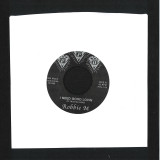
CULT boogie funk release from ROBBIE M & The Midnight Express Show Band of Rock Island Illinois. A PPU follower's favorite, and after many requests the 7" reissue is now available..Includes the newly remastered 1983 7" version of "Danger Zone" and Robbie M's "I Need Good Lovin" from 1989.
out of Stock
Last delivered 2 years ago available to reorder, subject to availability
Following our first LP of Tom Jones’s finest soulful performances on the radio, “Soul Man”, we present a second album of soul songs that we think he should have released but never did. This time we concentrate on his TV performances, the bulk of which come from 1969 and reflect his personal preference for covering Stax, Atlantic and Motown material. So put aside your preconceptions if you have any and listen to his collaborations with Aretha, Smokey, Janis, Cher, Dusty and don’t forget that Wicked Wicked Pickett. With a tight, funky band led by Herbie Flowers, this is Big Band Soul at its very best.
Rote splatter Vinyl. Nach über 16 Monaten ohne frische Musik sind KAFFKIEZ zurück und kündigen direkt ein neues Album für den 30.01.2026 an. Noch vor 5 Jahren waren die Shows dieser Band nur von Freunden & Verwandten besucht. Mittlerweile finden die Familientreffen der Rosenheimer Bande in großen Hallen statt und die ansteckende Leichtigkeit der Band verbindet weit über ihre Musik hinaus. Wie die Nachbarsjungs, mit denen man immer noch gerne eine Runde um den Block dreht, stehen KAFFKIEZ für eine durchdringende Befreiung von Alltagslasten und ein Augenzwinkern, das die Sorgen auf morgen vertagt. Die Jungs der Band machen klar, um was es ihnen geht. WIR. Ein Album das Zusammenhalt und Gemeinschaft durch und über die Musik hinaus manifestiert. Eine Einladung an alle Fans von lebenshungrigen Gefühlen, langen Sommerabenden und treibender Leichtigkeit. Wer schon länger Teil der KAFFKIEZ Family ist, wird sich über die gut bekannten und unaufhaltsam nach vorne marschierenden Rhythmen & die schrammelnden Gitarren direkt abgeholt fühlen. Doch der Sound des kommenden & dritten Studioalbums der Band hat an Druck und Kraft gewonnen. Elemente wie Bläser und Synths strecken die Hände in neue Richtungen aus ohne zu vergessen, wo sie herkommen. Ein Familienausflug der Extraklasse.
British singer-songwriter Lucy Kitt unveils her highly anticipated second album, Telling Me, a deeply personal collection that shifts focus from introspection to storytelling, capturing the lives and struggles of those closest to her. Drawing from her love of 70’s Laurel Canyon folk, 90’s indie rock, and country music, Kitt crafts narratives that blend her own experiences with compassionate observations of loved ones. Based on a raw acoustic “three chords and the truth” style of songwriting that ripples throughout, the album expands with full-band arrangements that give a huge range and richness to the sound.
Though influenced by American musical traditions, the Essex-native maintains her distinctive voice and authenticity, ensuring the music remains unmistakably her own. Following her 2018 debut Stand By, this new record represents a more mature approach to songwriting, written during her early 30s and completed in the 2021 lockdown – a storybook of songs capturing that moment in time.
Musically, Telling Me showcases Kitt's stripped-down acoustic foundations, while incorporating fuller arrangements that blend her love of Nick Drake, Bob Dylan, Gram Parsons, Joni Mitchell and Joan Baez, with music she loved as a teenager such as The Lemonheads and Veruca Salt. The album features collaborations with an impressive roster of musicians, including Jay Starkey on drums, Nashville-based pedal steel virtuoso Spencer Cullum, Treetop Flyer’s Sam Beer and longtime collaborator Pat Kenneally on drums and piano.
Recorded between 2021-2023 at London's Lightship 95 studio at Trinity Buoy Wharf, the album was co-produced and engineered by Dave Holmes, with some musicians contributing remotely from Nashville and London.
Kitt's commitment to authenticity extends to every aspect of the album, from the down-to-earth, home-based album artwork which represents her life right now as a musician and a working mum, with all the wonderful chaos that comes along with it. Also her decision to maintain her natural accent throughout her vocals. "I have always retained my authentic self in my songs," she explains. "Always singing with my own accent, despite the influences of all the bands and artists over the years."
Kitt has been songwriting and performing for over 20 years, starting in a riot grrl band in her teens in her hometown of Romford, Essex, before evolving into the thoughtful folk storyteller she is today. A semi-finalist at the BBC Young Folk Awards in the early 2000s, she has performed at major festivals including Glastonbury and Cambridge Folk Festival, building a reputation for intimate, lyrically-focused performances.
Telling Me is a resplendent collection of songs, capturing the human experience with great empathy, honesty and musical sophistication that has become Lucy Kitt's signature.
Joyce Manor are California pop-punk legends and I Used To Go To This Bar is this epochal band operating at the top of their game. They continue to deliver relentlessly satisfying rock music in a manner that makes it look simply effortless. The Torrance, California-hailing trio of Barry Johnson, Chase Knobbe, and Matt Ebert are at a point in their career where their position as one of the most beloved rock bands is a foregone conclusion. Their seventh album finds the group continuing to find rich new veins to tap in their short-and sweet songcraft without losing an ounce of bite that gained them such repute in the first place. I Used To Go To This Bar further situates Joyce Manor in the rich lineage of their influences and inspirations. Think AFI"s rapid-fire burn, Weezer"s indelible power-pop acumen, and the dusky emotionalism of The Smiths while further establishing them as leading lights in the current rock landscape. The fresh burst of inspiration that fuels I Used To Go To This Bar proves that Joyce Manor are far from content to rest on such laurels, moving forward with their sound and style in a way that reminds you of how they got to this point in the first place. Catch them live at Coachella 2026.
Mit Lucky Now präsentiert Lande Hekt ihr bislang persönlichstes und musikalisch ausgereiftestes Album. Die britische Indie-Songwriterin, bekannt für ihre ehrlichen Texte und ihren warmen Gitarrensound, verarbeitet Themen wie queere Identität, Hoffnung, Rückkehr und politisches Erwachen. Produziert wurde das Album von Matthew Simms (Wire, It Hugs Back), was dem Sound eine neue Tiefe verleiht - zwischen 80s Twee-Pop, Jangle-Gitarren und modernen Indie-Vibes. Die Songs erzählen von Liebe im Alltag ("Kitchen ii"), Sommernächten voller Hoffnung ("Rabbits") und dem Glück, sich selbst wiederzufinden ("Middle of the Night"). Politisch wird es auf "Circular" und "A Million Broken Hearts", wo Hekt klare Haltung zeigt. Lucky Now ist ein Album über Rückkehr - zu Orten, zu Menschen, zu sich selbst.
Als Blackwater Holylight vor drei Jahren ihre Heimatstadt Portland, Oregon, verließen, war es ihr Ziel, der Tristesse des pazifischen Nordwestens und dem beruhigenden Komfort des Vertrauten zu entfliehen. Mit dem Ziel, das sonnigere Klima von Los Angeles zu genießen, fand sich die Band nicht nur in einer wärmeren Umgebung wieder, sondern auch in einer völlig neuen Landschaft - einer ohne Arbeitsplätze, langjährige Freundeskreise und die bequeme Zuflucht alter Gewohnheiten. Und genau hier, unbelastet von der Zufriedenheit der Sicherheit, begann Blackwater Holylight fleißig an ihrem vierten Album ,Not Here Not Gone" zu arbeiten. Wie schon ihre früheren Werke beschäftigt sich ,Not Here Not Gone" mit der Dualität von Licht und Dunkelheit - bedrohliche Riffs bilden das Fundament für betörende Melodien, dichte Wände aus Shoegaze-Gitarren paaren sich mit luftig-leichten Synthesizern, und schwere Themen werden durch sirenenhafte Gesänge vermittelt. Im Laufe des Albums verspürt der Zuhörer mal ein Gefühl der Stärke, mal ein Gefühl der Verletzlichkeit. Wie Schlagzeugerin Eliese Dorsay es beschreibt: ,In einigen Songs sind wir die Raubtiere, in anderen die Beute." Die Gegenüberstellung von Selbstvertrauen und Unsicherheit ist nirgendwo so deutlich zu spüren wie bei einer lebensverändernden Entscheidung, was vielleicht erklärt, warum der Umzug der Band ihr Studium der Kontraste auf ,Not Here Not Gone" zu neuen Höhenflügen intensiviert hat . ,Not Here Not Gone" wurde im Sonic Ranch außerhalb von El Paso, Texas, von Sonny Diperri (Narrow Head, DIIV, Emma Ruth Rundle) aufgenommen, wodurch die Band erneut ihre Komfortzone verlassen und sich an einem Ort isolieren konnte, an dem sie sich ausschließlich auf ihre Kunst konzentrieren konnte. Das Ergebnis ist das Kronjuwel von Blackwater Holylights Diskografie - eine reichhaltige und eindringliche Studie in tonalen Hell-Dunkel-Kontrasten, in der das Licht seinen Weg aus den Schatten findet.
Spanning recordings from 2018 to 2025, Archive Vol. 1 is a curated collection of outtakes, alternate versions, and previously unreleased tracks that didn’t find a home on the band’s three studio albums. The band describes the project as “an album that came together almost by accident,” born from revisiting forgotten demos and half-finished ideas that, when assembled, revealed a cohesive and emotionally resonant body of work.
The album features 18 tracks, including fan-favourite live staples and experimental interludes.
With its blend of shoegaze textures, new wave energy, and introspective songwriting, Archive Vol. 1 offers a unique glimpse into the creative process behind Pale Blue Eyes’ evolving sound.
Founded in 2012, Vision String Quartet quickly became one of the most innovative ensembles in contemporary chamber music. What sets them apart is their fearless flexibility: combining classical stringquartet mastery with fearless, genre-defying creativity. They perform from memory, showcasing extraordinary musical communication and freedom on stage. They write and perform their own music, blending influences from folk, rock, jazz, minimalism and improvisation.
Based in Berlin - part of a vibrant creative scene, constantly experimenting - Vision String Quartet are expanding the definition of chamber music by making it accessible, relevant and visually engaging for a new generation.
‘In the Fields’ is the young quartet’s bold return - their ACT debut and first recording in five years. It’s a single, choreographed journey that fuses the spirit of folk, the pulse of dance and the depth of classical tradition into one seamless arc.
Inspired by Béla Bartók’s Fourth String Quartet and its dramatic fivemovement form, the album reimagines the string quartet as a living, breathing band, one that thrives on improvisation, rhythm and fearless experimentation. Movements from Bartók are interwoven with music by Ravel and Dvořák, original works by the quartet’s own Florian Willeitner and their guest collaborators, and arrangements of traditional folk tunes.
Joined by pianist Joel Lyssarides, guitarist Mahan Mirarab and drummer Bernhard Schimpelsberger, the ensemble expands the sonic possibilities of the string quartet, exploring new tonal Worlds where classical mastery meets jazz, folk and global influences.
‘In the Fields’ is an album that bridges past and future - timeless yet full of fresh energy - and a declaration that the string quartet still has endless horizons. The quartet invite listeners to press play, lean in and be carried across fields of sound, memory, invention and tradition.
Singer and DJ Natsu Summer’s new single "Anata ni Muchu" will be released on 7-inch vinyl on Wednesday, January 28, 2026.
The track, a slightly bittersweet lovers’ reggae, was also featured on Natsu Summer’s mix album "Endless Natsu Summer 3" made for an endless summer vibe.
Produced by Kunimondo Takiguchi (RYUSENKEI), the main producer and a key figure behind the city pop boom, "Anata ni Muchu" is a newly written and arranged
track that showcases his signature touch.
This tender love song captures the feeling of an endless summer, blending mellow sounds with Natsu Summer’s ocean-perfect vocals, complemented by e-mura’s
soothing, dubby mix to create an exquisite lovers’ reggae groove.
The single is a cut from the Tower Records–exclusive mix CD "Endless Natsu Summer 3" released under DJ Natsu Summer.
For fans of Natsu Summer’s ongoing releases—including original albums, dub albums, and mix CDs—this lovers’ reggae track perfectly embodies the spirit of an
endless summer.
A miraculous collaboration comes to life! DJ Mitsu the Beats, a globally active member of the Sendai-based hip-hop crew GAGLE, joins forces with beatmaker and
producer STUTS for the new track "Stack Wave" now released as a 7-inch single.
The track features DJ Mitsu the Beats’ gently swaying, looped beats and layered choruses, combined with STUTS’ sophisticated multi-layered instrumentation.
The result is a delicate, immersive sound that evokes the quiet stillness of a seaside setting while capturing the beautiful yet fleeting reverberation of the vast ocean.
Included is the instrumental track "On the edge of the water" from the original album "New Horizon" scheduled for release in November 2025. With jazz-infused beats
and electric piano, the track reflects the theme of sea and chill, creating a relaxed, timeless atmosphere.
The jacket artwork is a collaborative design featuring ocean photography by Yasuma Miura, a photographer based in Shonan and Kamakura who travels the world while
surfing, and design by So Iguchi (soiguchi design), known for his work on outdoor brand catalogs and lookbooks.
The Ruins Of Beverast narrate fables of the darkest secrets in human history and present. ‘Tempelschlaf’ is The Ruins Of Beverast’s seventh full-length output and sees the band continue with their sonic morbidity, noises and melodies of a human habitat in its sunset era, while maintaining and refining the widescreen low end that has been sustaining their sound from the beginning. On the instrumental side, ‘Tempelschlaf’ is stripped of some fat, forging the songs with a reduction in length and layers, cautiously leaning towards the stage part of things. While synths and samples have always played an adamant role in The Ruins Of Beverast’s sound, they reach yet another level of psychedelia and insanity on ‘Tempelschlaf’. The Ruins Of Beverast were formed in early 2003 and named after the most bloodcurdling occasion of the collapse of the giant bridge Bifröst. This incident bears analogy to the musical aura of The Ruins Of Beverast, which builds a sonic landscape of massive, surreal, barren mountain formations. Seven full-length albums and several EPs, splits and compilation releases have been published through Ván Records so far. As a live act, The Ruins Of Beverast became a strong force after Roadburn 2013, a festival the band have played again since with exclusive shows. The Ruins Of Beverast have embarked on several European tours with acts like 1349, Grave Miasma and King Dude, as well as a highly acclaimed US tour that eventually concluded with an iconic show at Fire In The Mountains festival. The band have played such well-established club shows and festivals as Hellfest, Inferno, Incubate, Party.San Open Air and Beyond The Gates, to name just a few.
RYOZO BAND’s New Single “QUIET FOG / FUGITIVE” Coming to 7-Inch Vinyl!
Following their previous release Pleasure and a remix by French beatmaker Lex (de Kalhex) that drew attention from multiple directions, RYOZO BAND
kicks off 2026 with a two track single available on streaming and 7-inch vinyl.
The lead track, “Quiet Fog,” is a mid tempo piece highlighted by a powerful horn ensemble, with an awe-inspiring saxophone solo that steals the spotlight.
It’s a track that showcases the band’s evolving groove and ensemble maturity.
Released simultaneously with the 7-inch, “Fugitive” is a cover of a hidden gem by Jamaica’s legendary ska band The Skatalites.
While paying homage to the original, RYOZO BAND reimagines it with their signature energy and dynamism, delivering an uptempo arrangement full of drive
and vitality. The result is an energetic yet sophisticated sound that promises to ignite live audiences.
RYOZO BAND is led by Ryozo Obayashi (SANABAGUN.), joined by an all star lineup: drummer Masaaki Nagata (Zainichi Funk), saxophonist Takehide
“KIDS” Hashimoto (Zainichi Funk), guitarist Tetsuta Otachi (SAHAS), keyboardist Yusei Takahashi (Setagaya Trio, Terumasa Hino Quintet), percussionist
Ryotaro Miyasaka (Yuta Orisaka Ensemble), and trumpeter Kyotaro Hori (ACO, TAMTAM). Each member brings a highly acclaimed background, blending
their influences into an ensemble rich in depth and vitality, modernizing ska and jazz elements with a contemporary twist.
A release brimming with passion and love for music—perfect for ushering in 2026. This single is proof that RYOZO BAND is evolving to the next stage.
From Ace Records’ early days, there’s always been a place in our hearts for music’s feminine side. A year having flown by since the release of our last compilation spotlighting the US girl group sound of the 60s – think castanets, anguished teen sirens, Svengali-esque producers and mini-sonatas about dreaming, dancing and moody boyfriends (sometimes deceased) – means the time has come for a new vinyl-only volume.
As 1968 drew to a close, the golden age of girl groups had seemingly been and gone: the Shangri-Las, Ronettes and Chiffons, for example, hadn’t had a hit record of note since 1966. Then along came ‘Condition Red’, a cleverly produced psychodrama performed by the Goodees, who grace the front cover and open the top side of this new comp in dramatic style. Over on the generally more soulful second side, Les Chansonettes are first up with ‘Don’t Let Him Hurt You’, a big production stomper written with Martha & the Vandellas in mind.
Elsewhere, Beverly Williams performs the very Lesley Gore-like ‘One Way Street’; ‘Go Away’ by the Murmaids (of ’66) is a lavishly produced number with a chamber pop vibe; ‘What Did You Do Last Night’ by the Drake Sisters was recorded in Phase-O-Phonic Sound; the lyrics of Denita James’ ‘Wild Side’ call to mind genre classics such as ‘He’s A Rebel’, ‘Out In The Streets’ and ‘Chico’s Girl’; and the Sweathearts close the show with a gorgeous harmony-filled update of the mid-50s oldie ‘Eddie My Love’. As usual in this series, the inner sleeve features a picture-packed 4,000-word track commentary by long-serving compiler Mick Patrick.
Spotlights veröffentlichen am 21. November über Ipecac Recordings ,Rarities", eine remasterte Zusammenstellung von neun frühen und seltenen Titeln aus der gesamten Diskografie der Band. ,Rarities" zeichnet die Entwicklung der Band nach, von ihrer Debütsingle bis hin zu herausragenden Titeln aus ihrer EP ,Séance" aus dem Jahr 2023. Nach ihrem Umzug von San Diego nach New York im Jahr 2013 veröffentlichte die Band 2015 ihre erste EP ,Demonstration". Darauf folgten die EP ,S San Diego nach New York zog, veröffentlichte die Band 2015 ihre erste EP ,Demonstration". Es folgten die EP ,Spiders" und ihr Debütalbum ,Tidals" im Jahr 2016 - Veröffentlichungen, die die Aufmerksamkeit von Künstlern wie Deftones, Shiner, If These Trees Could Talk auf sich zogen und schließlich zu ihrer Unterzeichnung bei Ipecac Recordings führten. Nach einem Jahrzehnt voller Veröffentlichungen reflektiert die Band nun über diese Songs, die alle zum ersten Mal auf Vinyl erscheinen.
In 1991, Chris Whitley made his debut with the beautiful album Living with the Law, which immediately showcased his brilliant songwriting and unique guitar playing. Blending blues, roots and folk, the debut was positively received by critics and aficionados of these more traditional genres. Growing up, Whitley listened to Southern radio, which played artists such as Muddy Waters, Howlin' Wolf, Bob Dylan and Jimi Hendrix. His career started by playing with artists like Arto Lindsay and Michael Beinhorn. Interestingly, Whitley lived in Belgium for a short time in the 1980s, where he started his career playing guitar for 2 Belgen and Nacht und Nebel. In the 1990s, he started his solo career at Kingsway Studio in New Orleans, owned by none other than Daniel Lanois. The result was an album characterized by the use of traditional instruments such as the slide guitar and banjo. All of this is accompanied by his splendidly timbred voice and honest lyrics exploring themes such as freedom, desire and human struggle. Sadly Chris Whitley passed away in 2005, but his influence on contemporary songwriters and blues artists remains strong. a_Living with the Law is available as a 35th anniversary edition of 1000 individually numbered copies on gold coloured vinyl and includes an insert.
King Gizzard & The Lizard Wizard’s 2023 thrash metal epic ‘PetroDragonic Apocalypse’–their 24th studio album at the time–gets the Fuzz Club Bootleg treatment with this new live version pieced together out of recordings from their 2024 North American tour. Pulling from shows in/at The Gorge, Oregon, New York City, Las Vegas, Red Rocks and St Augustine, these live versions of the album tracks were recorded from the soundboard by the band’s crew and are exclusively mixed and mastered for this release by James Plotkin using the stems provided by the band. This is a double LP release on buzz-saw shaped vinyl, housed in a gatefold jacket with artwork by Elzo Durt.
Grupo um celebrate 50 years with release of lost dictatorship-era album nineteen seventy seven!
First time release - vinyl comes with printed innersleeves
Brazilian avant-jazz vanguardists Grupo Um celebrate their 50th anniversary, sharing a second previously lost 1970s album from the vaults. Nineteen Seventy Seven (titled after the year it was recorded) is another rip-roaring instrumental fusion treasure from the band which spawned from within Hermeto Pascoal’s famed mid-1970s São Paulo collective.
Like their debut album Starting Point, Grupo Um’s Nineteen Seventy Seven was recorded when Brazil's military dictatorship was at its most repressive. “There were no open doors to those who dreamt to be protagonists in creative instrumental music”, remembers drummer Zé Eduardo Nazario, “even popular composers and singers had to submit their songs to censors and many records were banned and confiscated from the stores.”
Just like Hermeto Pascoal's Viajando Com O Som (1977) and Grupo Um's previous album Starting Point (1975), both of which remained unreleased until the 21st century, Zé Eduardo asserts that the 1977 album was flatly 'without any chance to be released at that time."
Recorded at Rogério Duprat’s Vice-Versa Studios in São Paulo, the group were under both time and space restraints, “we chose the small Studio B,” Lelo Nazario recalls, “which had a Tascam (TE AC) 12x8 console and a 4-channel AMPEX AG 440 machine. Therefore, we had to record without overdubs, everything straight to tape.”
Expanding from a trio to a quintet, original Grupo Um members Lelo Nazario (keys), Zé Eduardo Nazario (drums), and Zeca Assumpção (bass) were joined by saxophonist Roberto Sion and percussionist Carlinhos Gonçalves. Carlinhos, Zé and Zeca had already played together in the group Mandala, while brothers Lelo and Zé had just finished a stint backing Hermeto Pascoal during his years in São Paulo.
Lelo was deeply immersed in modular synthesizer experimentation during this period, working extensively with the ARP2600 and EMS Synthi AKS. These electroacoustic explorations formed the sonic foundation for "Mobile/Stabile," one of his first compositions to merge modular synthesis with Brazilian music, a fusion that would ripple throughout the Brazilian jazz scene. The piece premiered at the first São Paulo International Jazz Festival in 1978, performed by Grupo Um with guest trumpeter Márcio Montarroyos. In a shocking moment, festival organizers interrupted the show mid-performance, sparking fierce backlash from both audience members and journalists who denounced the incident as artistic censorship during Brazil's era of political and cultural repression. The version on Nineteen Seventy Seven is the first recording of the composition.
Nineteen Seventy Seven combines Afro-Brazilian rhythm, modular synthesis and a plethora of whistles, percussion and effects pedals. Album opener “Absurdo Mudo” - so titled for the absurd difficulty it poses to the musicians performing it - starts out in a cloud of mysterious dissonance, before the haze breaks for a glorious keyboard and saxophone interplay atop an uptempo samba groove. “Cortejo dos Reis Negros (Version 2)” (Procession of the Black Kings), based on the maracatu rhythm, inverts the traditional jazz song structure by beginning with improvisations, which are followed by the theme and a final coda. “The studio also had two Parasound electronic reverb units,” Lelo notes, “and the timbre is very audible on the soprano sax and percussion.”
Grupo Um’s daring music represents a manifesto of resistance during the dictatorship years, but it’s one which remains just as relevant today. As Lelo puts it: “For me, the aesthetic issue has always been about combining contemporary avant-garde languages with Brazilian music, independent of categories and commercial interests. The result of this fusion takes music to a new level.”
Recording credits (1977)
Recorded at Vice-Versa B Studio, São Paulo, November 9, 1977
Produced by Lelo Nazario and Zé Eduardo Nazario
Engineered by Ricardo “Franja” Carvalheira
Lelo Nazario – Wurlitzer electric piano, acoustic piano, signal generator, percussion
Zé Eduardo Nazario – drums, percussion
Zeca Assumpção – electric bass
Carlinhos Gonçalves – percussion
Roberto Sion – soprano sax, clarinet
Release credits (2025)
Produced by UTOPIA Studio, São Paulo
Project Coordination in Brazil by Irati Antonio (Utopia Studio)
Tape Restoration and Digital Mastering by Lelo Nazario at Utopia Studio, July 2025
Liner Notes by Lelo Nazario and Zé Eduardo Nazario
Photography by Jorge Las Heras, Lelo Nazario, and artists' personal archives
Photo Restoration by Lelo Nazario
Artwork and Design by Alessandro Renaldin
On her debut LP 'Memoria', songwriter/producer Lilian Mikorey aka PILLBERT contemplates themes of identity and belonging, hardships and heartbreak in her signature blend of bendy folk guitars, field recordings and intimate vocals.
Moving to London from Munich, not yet 20 years old, Mikorey realized she was leaving her home behind for good. The subsequent state of being lost and alone in a place too temporary to start building the foundation for a new one led her to question the concept of home itself.
Is it friends? Family? A house?
"I started collecting objects, bones, sticks, stones and kept them close", she says, as to create a cosmos traveling with her.
"I was tracing the actual feeling of being home to the point where I built a dreamhouse in my head, as an idea, just to evoke that feeling." Soon enough she would learn that yielding to the yearning of actually going to that house, must be an inevitably sad experience.
A photo she took on a family visit to East-Munich became a reference and starting point for Memoria. It was a small house in her neighbourhood, the windows lit as dusk sets in. To Mikorey, it looked haunting, radiating warmth but somehow looking abandoned at the some time.
"I wanted to make music that sounds like this photo"
She started recording the sounds of the objects she had gathered and of her surroundings, building an archive and sonic material to work with.
From her mid-teens she had learned to produce with Ableton and now she picked up the guitar, too, learning it autodidactically by playing around, creating sounds.
At some point in the process, she realized it's okay to be lost for a while and by enduring the feeling, there's room for something new to grow, far off from any general idea of what home should mean.
The album, over the course of 10 tracks, traces these three phases of building a home in your head, realizing it's not a remedy, nor forever and coming to terms with it. You've grown in the process and the album is a guiding light for everyone who strives to do so, too.
After Differently (released in 2024), The Tighters (Roots Reggae) are back with a
new showcase album: Lovely Love — a celebration of unity, spirituality, love, and
freedom.
Side A brings together the vocal versions, while Side B features the dubs. The album was mixed and dubbed by Roberto Sánchez at A-Lone Ark Muzik Studio (Spain) and mastered on tape by Dr Charty at Bat Records Studio (France).
Recorded at Jah Jazz Studio with Julien “Yout” Barker, Lovely Love captures all
the spontaneity and strength of the band.
The album unfolds like a spiritual and emotional journey: from the meditative
Countryside to the love song Lovely Love, and the radiant Worship the Sun. The high point comes with Africa Will Rise, a true freedom anthem performed by the legendary Jamaican duo Keith & Tex (on the Lovely Love riddim).
After their acclaimed collaborations with Oku Onuora (Balance) and Jah Myhrakle
(He is Haile) in 2025, The Tighters continue their path with this new opus, asserting
their identity within the international reggae scene.
A sincere album, blending rich musicality with a powerful, deeply relevant message.
Having taken their name from a line in Hooray For Hollywood – inspired by the song’s jarring use in Robert Altman’s Philip Marlowe detective movie The Long Goodbye – there is an aptly cinematic quality to Any Young Mechanic’s music.
With intricate scenes, enthralling narratives and unique characters cropping up across the lyrics, and a kaleidoscopic yet coherently interwoven spectrum of moods and emotions stretching through the music, the Adelaide five-piece bring a fresh language to folk music’s natural propensity to spin a good yarn.
So rather than offering borrowed references illuminated by the cosy flickers of campfire flames, on their debut album The Modern Shoe Is Ruining The Foot, the Australian band’s urgent songs conjure up vivid, widescreen vistas that blend the genre’s enduring charms with a musical dexterity and sharp vision reaching beyond folk’s usual corners.
“We are trying to make folk music for now,” suggests frontman Sam Wilson. “Turning it on its head in a new, sometimes uncanny way, because we don't want to just do the old thing again. I don't think it’s interesting to make things again, so we’re searching for a contemporary edge.”
The roots of this original yet inclusive approach, in part, go back to the Adelaide music scene that helped to forge Any Young Mechanic.
HITNRUN Phase Two is the final studio album that Prince released in his lifetime, arriving just a few months after the release of HITNRUN Phase One. It is now available on vinyl for the first time. Originally released in 2015, HITNRUN Phase Two features a mix of funk, soul, and rock, showcasing standout tracks like “Baltimore,” “Stare,” and “Rocknroll Loveaffair.”
Since 2018, BBE Music’s J Jazz Series of compilations and album reissues has been at the forefront in focussing attention on the hitherto cloistered and rarified world of Japanese jazz. True to the ethos of the series, curators Tony Higgins and Mike Peden have once again dug up a truly rare gem in the form of a 45 from the mysterious Christal Zone, originally released in 1971 only as a promo and reissued here for the very first time. Several years before pianist Tohru Aizawa and brothers Tetsuya and Kyoichiro Morimura formed the now-celebrated Tohru Aizawa Quartet — whose 1975 private- press spiritual jazz LP Tachibana Vol 1 has become a cornerstone of the J Jazz canon and previously reissued by BBE — they were already venturing into bold, experimental territory. Their 1971 single Rai Rai, released as a promotional 7-inch on Liberty Records under the short-lived moniker Christal Zone was written and arranged by koto player and composer Hideakira Sakurai. An almost unclassifiable hybrid of jazz, Japanese folk, Algerian raï, and free improvisation. Sakurai’s visionary approach dominates the track, blending traditional Japanese instrumentation with a dense polyrhythmic groove that evokes not only avant-garde jazz but also the raw street energy of Algerian raï — celebratory, unfiltered, and joyfully unrestrained. The story behind the recording of Rai Rai is as spontaneous as the music itself. While casually rehearsing at Sakurai’s villa, the group was overheard by producer Kunihiko Murai, who was so stunned by what he heard that he arranged a studio session for them the very next day. The resulting 7-inch — Rai Rai / Kanashiyana, released under the one-off Christal Zone name — is now one of the rarest artefacts in Japanese jazz, with original copies fetching astronomical prices among collectors. BBE Music has faithfully reproduced the original artwork and packaging to celebrate this extraordinary and super rare piece of J Jazz history. A piece that bridges the ancient and the future, Japan and North Africa, in under four minutes of controlled chaos. A truly one-of-a-kind artefact, Rai Rai is a manifesto from a generation unafraid to rip up the rulebook and follow their own path.
High Roller Records, neongelbes Vinyl, limitiert auf 450 Stück, 425 g/m² schwerer Kartonumschlag mit 5 mm Rücken, Textblatt, 8-seitiges Booklet, Poster. Transfer, Audio-Restaurierung und Mastering durch Patrick W. Engel bei TEMPLE OF DISHARMONY im April 2025. Schnitt durch SST Germany auf Neumann-Maschinen für optimale Qualität auf allen Ebenen. Die ultimative audiophile Neuauflage!
Die hochgeschätzten Euro-Metal-Pioniere OZ wurden 1977 in der kleinen finnischen Stadt Nakilla ursprünglich als Cover-Band gegründet. Die Band bestand aus Mark Ruffneck (bürgerlicher Name Pekka Mark) am Schlagzeug, Sänger Ape DeMartine (Tapani Hämäläinen), Bassist Tauno Vajavaara sowie Kario Elo an der Gitarre.
Nachdem man in jedem Winkel des Heimatlandes Finnland live gespielt hatte, zogen OZ 1983 nach Stockholm um und unterschrieben einen Vertrag bei Börje Forsbergs Label Tyfon Grammofon AB Börje Forsberg, auch als The Boss bekannt, war der Sohn von Bathorys Quorthon.
In der Folge avancierten OZ zu einer der wichtigsten Heavy-Metal-Bands Skandinaviens und nahmen insgesamt fünf Studioalben auf, eher im Winter 1991/92 das Ende kam.
Nach »OZ« (1982), »Fire In The Brain« (1983) sowie »III Warning« (1984) war »Decibel Storm« 1985 das vierte Album der finnischen Schweden.
"Key To The Kuffs has aged into excellence in the nearly five years since it first came out" Pitchfork
"On paper, a full collaborative album from NYC's notorious rap villain DOOM and space-age production from Jneiro Jarel can't fail. In practice, it's even better. DOOM is in the form of his life here." Mojo
"Here be GMOs and dead Indians and food and water as a 'secure investment' and an earthquake in Iceland and a discourse on melanin. Here also be the priceless couplet: 'Not to interrupt / But anybody else notice time speeding up?'" 9/10 Robert Cristgau, VICE
"Key To The Kuffs has aged into excellence in the nearly five years since it first came out" Pitchfork
"On paper, a full collaborative album from NYC's notorious rap villain DOOM and space-age production from Jneiro Jarel can't fail. In practice, it's even better. DOOM is in the form of his life here." Mojo
"Here be GMOs and dead Indians and food and water as a 'secure investment' and an earthquake in Iceland and a discourse on melanin. Here also be the priceless couplet: 'Not to interrupt / But anybody else notice time speeding up?'" 9/10 Robert Cristgau, VICE