
Buscar:sim 2

10
Celebrating the 10th Anniversary of “Unorthodox Jukebox”, a limited Dark Red Vinyl edition will be released on the 17th June, with the pre-order going live on the 19th May. “Unorthodox Jukebox” is the second studio album by American singer and songwriter Bruno Mars. It debuted at #2 on the US Billboard 200, The record also reached #1 in Australia, Canada, Switzerland, and the U.K.. It became Mars's fastest-selling album in the latter country in 2012, the third best-selling album in Australia in 2013, and the fifth best-selling in the United States in 2013. The International Federation of the Phonographic Industry (IFPI) reported that Unorthodox Jukebox was globally the fourth best-selling album in 2013. “Unorthodox Jukebox” also won the Grammy Award for Best Pop Vocal Album at the 56th Grammy Awards.
Bruno Mars is a 21-time GRAMMY Award nominee and multi-GRAMMY winner. The celebrated singer, songwriter, producer, musician has sold over 171 million singles worldwide, making him one of the best-selling artists of all time. His most recent critically acclaimed and RIAA certified platinum album, “24K Magic,” made an impressive debut atop the Top Digital Albums and R&B/Hip-Hop Albums charts. Additionally, the album and its lead single, “24K Magic,” simultaneously hit No. 1 on the iTunes Overall Albums and Overall Songs charts week of release. The single has since climbed to No. 4 on the Billboard Hot 100 and has also officially been certified Platinum by the RIAA.

- A1: Intro/Love (Feat Coco Maria)
- A2: Casa Loca (Feat Baldo Verdú)
- A3: The Cheeky One (Feat Coco Maria)
- A4: Cachetón
- A5: Sabrohito (Feat Coco Maria)
- A6: Gwely & Môr (Feat Elan Rhys)
- A7: Vamonos! (Feat Coco Maria)
- A8: El Cañon (Feat Baldo Verdú)
- A9: The Mountains Of The Mind (Feat Coco Maria)
- A10: Padre Tiempo (Feat Luzmira Zerpa)
- B1: El Konto (Feat Coco Maria)
- B2: Esa Tristeza (Feat Nina Miranda &Amp; Little Barrie)
- B3: Bom Dia! (Feat Coco Maria)
- B4: Oh Minha Querida (Feat +2`S)
- B5: A Secret Rendez-Vous (Feat Coco Maria)
- B6: Sempre Amor (Feat Elan Rhys)
- B7: For All The Side Chicos & Chicas (Feat Coco Maria)
- B8: Maybe Man (Feat Silvia Machete)
- B9: Hay Esperanza (Feat Coco Maria)
- B10: She`s In L A. (Feat. Young Gun Silver Fox)
- B11: Todo Chévere (Feat Baldo Verdú, Coco Maria & Don Leisure)
21
By it's very nature "Radio Chevére", the new album by Rio 18 and their host of guests cannot be categorized simply: at once both a Latin mixtape and a radio show, it's also an internationalist love letter, an offering to the goddess of Tropical Music and all that it encompasses. Ambitious, yes. Foolhardy, possibly. But sincere, committed and FUNKY? Definitely.
With the voice of guest DJ Coco Maria as our guide, "Radio Chévere" takes us on a journey through myriad musical styles and stories. Stopping off at Uruguay, Brazil, Venezuela, Colombia, Mexico, California, New York and countless other sonic destinations via Samba, Salsa, Funk, Cumbia, Joropo, Disco, Psychedelic and Electronic stylings, "Radio Chévere" is also a musical metaphor for migration - a journey from one continent, one life to another.
This album features songs in no less than four languages (Spanish, Portuguese, Welsh and English) and includes collaborations with Brazilian legends the +2's (Moreno Veloso, Kassin and Domenico Lancellotti) on the tender samba ballad, "Oh Minha Querida", transatlantic Yacht Rock gods Young Gun Silver Fox ("She's In LA"), "Sao Paulo's finest" Silvia Machete on the sweaty funk "Maybe Man" and Venezuelan Llanera and Joropo queen Luzmira Zerpa sings "Padre Tiempo", set to an incessant Afro-Venezuelan pulse. Why this torrent of eclectica now? Having recorded three albums in Welsh, predominantly inspired by Brazilian music, Rio 18 founder, Carwyn Ellis had a hard time following 2021's "Yn Rio": "We'd made a concept album with an orchestra. How do you follow that?" he says. "So I retreated to my laboratory, learned as much new music as I could, started learning Spanish too, and ended up writing tunes in a bunch of languages and styles, all of which reflected things I've learned or experienced over the last couple of years."
Since the group's inception in 2018, on the suggestion of Chrissie Hynde when he toured South America as a member of the Pretenders, Carwyn has been on a voyage of musical discovery through the styles of that continent. And in those five years he learnt a lot! But in a radical new move, Carwyn has stepped back from the mic, preferring to focus on writing and producing, handing over the vocal duties to band members Baldo Verdu (Venezuela) and Elan Rhys (Wales) plus a host of collaborators. "They can sing and express what I'm feeling so much better than I can, and both Elan and Baldo bring an authenticity and strength to our songs that surprise and elevate me. Collaborating with so many other inspiring artists on this album has helped us to grow and assimilate more styles - we're halfway through our next album already."
Rio 18 is an internationalist collective with Celtic and Latin roots and love at their core. With eye popping carnivalesque cover art by the brilliant Colombian graphic artist, Yoda, "Radio Chévere" is both timely and timeless.

“Überkeine underlines his inclination towards textured techno drifts with this second Ep. Four tracks designed for the club, designed for motion, stirring up disorder on the dancefloor. Aggressive Starter, as its name implies, lays the foundations of the record with assertiveness.
Infatuated with Broken beat techno debauchery, Überkeine continues
experimenting the relationship between kick drum layers and synthetic rambunctious sounds. Revolving around a simple yet effective loop, this track toggles between various stages of distortion bringing emotions through force and discharge. Piggyback Ride brings us into a wavering and unhealthy yet very danceable chamber of depravity.
Energetic, odd and straightforward, the track is divided into two different sections acting as trauma resolving pieces of cake. Radical Jazz starts the B side with ruthless energy, delivering a noteworthy slap dipped in lunatic infringement. A not so sorry, carnal bassline, that hits you in the guts, right where it belongs. Techno with a lack of boundaries. Last but not least, Atomic moog’s proficiency in making deep and spaced out techno acts as leverage for the record. A breath of fresh-air, dedicated to the after-hours. Solid, dubbed-out and delectable piece of equipment. Black and clear “split effect” vinyl, each record is unique !”

"A Singular Blend of Dynamic Post-Pop & Electronic Production Featuring The Vibraphonist’s Remarkable Quartet Special Guests Gerald Clayton and Marquis Hill Named One Of Downbeat's 25 For The Future
“His music is fresh, it speaks to everyone. Never heard anyone play vibes like that before.” -Herbie Hancock
“Best vibes player I’ve heard...” -Quincy Jones
In discussing Elements of Light, his fifth album as a leader, the vibraphonist-composer Simon Moullier often returns to a specific term: unfolding.
“This is an important word — the unfolding of a song,” says Moullier, who was born in France and lives in New York. “It’s something I’m very attached to, and something I’m always working on.” As he explains, many of his essential influences —Wayne Shorter, Milton Nascimento, Toninho Horta, Radiohead’s Thom Yorke, Ravel, — have been masterful unfolders in their writing. Moullier admires the movement and design in their music and harmony, the way one section of a tune leads into the next, everything flowing in a natural, beautiful, inviting way. Even the most serious intellectual musical concepts are rendered with a directness, a simplicity that can captivate a general audience. “For me, no matter how complex an idea can get,” he says, “clarity is always key.”
That’s a mature, evolved outlook for a millennial jazz musician to embrace, and it’s shared among Moullier’s youthful quartet featuring pianist Lex Korten, bassist Rick Rosato and drummer Jongkuk “JK” Kim. What’s more, these musicians of astonishing technical facility interact with the selflessness and good taste that Moullier’s song-focused music requires; to say it another way, they use their virtuosity to make the bandleader’s compositions sound as human and affecting as possible — never to preen."

7
What an unbelievable record. From the wild cover to the iconic breakbeats, Roots from Ian Carr’s Nucleus is one of the dopest albums we know. This is seriously thick, funky-prog jazz-rock heaven. Originally released on Vertigo in 1973, other than a couple of versions at the time for other territories, Roots was never re-pressed since so it’s gone on to become another one of those impossible to find records.
Maybe it was a little too out there for the time, but it’s aged very, very well indeed and this Be With re-issue, re-mastered from the original analogue tapes, shows off just why this deserves to be back in press.
Genius trumpeter and visionary composer Ian Carr was one of the most respected British musicians of his era. He was a true pioneer and saw the potential in fusing the worlds of jazz with rock, just as Miles Davis and The Tony Williams Lifetime did in the US. In late 1969, following the demise of the Rendell-Carr quintet, and tiring of British jazz, Carr assembled the legendary Nucleus. Regarding music as a continuous process, Nucleus refused to “recognise rigid boundaries” and worked on delivering what they saw as a “total musical experience”. We can get behind that.
Under bandleader Carr, Nucleus existed as a fluid line-up of inventive, skilled musicians. This constant evolution and revolution was all part of the continuous musical exploration and discovery that took jazz to new levels.
Working together with producer Fritz Fryer and engineer Roger Wake, the seven compositions by Carr, Brian Smith and Dave MacRae that make up Roots flirt with perfection, and Nucleus at that time made up of the cream of 1970s UK jazz with Brian Smith on tenor saxophones and flutes, Dave MacRae on piano and electric piano, Jocelyn Pitchen on guitar, Roger Sutton on bass, both Clive Thacker and Aureo De Souza on drums and percussion, Joy Yates delivering the vocals and of course Carr on trumpet.
The spellbinding title track immediately renders the album indispensable. Riding the illest of loping breakbeats, “Roots” is low-slung, doped-out heist-funk. An absolute monster. If it sounds familiar then that’s likely down to it being sampled by Madlib for Lootpack and Quasimoto’s “Loop Digga”, as well as by a whole host of beat manipulators. “Roots” conjures prime instrumental hip-hop / beat music, only 20 years ahead of its time. Truly, these are the roots. Through sinuous bass, twinkling keys and a hypnotic guitar riff, a smoky brass motif weaves its way into a gloriously deep haze around Carr’s solos. “Roots” is over 9 minutes long, but there’s not a single wasted second, not surprising given that this is a condensed version of an originally 40 minute long commissioned composition.
The soothing vocal fusion delight of “Images” follows. Meticulously constructed, with gorgeous flute work from Brian Smith, with Joy Yates’ silky vocals and Dave MacRae’s Rhodes never sounding better. The cool, driving “Caliban” closes out the first side. Originally the third movement in a four part commission to celebrate Shakespeare’s birthday it stands up on its own, all robust rhythms and blended brass. Keyboard colour and Carr’s trumpet are splashed across the funk drums and basslines (and there’s even some bamboo flute). This really is fusion: the elements of jazz and rock coming together in beautifully synthesis.
Side two opens in riotous fashion with the short, thrilling samba of “Wapatiti”. Next up, “Capricorn” forms a smoothed-out, jazzy constellation. Mellow and dreamy, its twinkling percussion and languid horns slowly build the vibe before head-nod drums and a killer bassline enter the fray. With a distinct heaviness that Black Sabbath would’ve envied, “Odokamona” is a venomous slice of riff-soaked jazz metal (yes, you read that right), elevated by Carr’s wah-wah horns.
The album closes with MacRae’s exceptionally cosmic “Southern Roots and Celebration”. Very much in conversation with Weather Report, it opens as a languorous, spiritual jazz of chiming keys and serene guitar that turns slowly, gorgeously into a mid-paced, brass-laced banger. It’s another sure-fire party starter and the sound of the band having a righteous blast, building an ecstatic chaos that ends with Yates screaming.
And of course we need to talk about Keith Davis’ cover for Roots. Perhaps the coolest record cover of all time? Certainly one of the most bonkers. Just your run-of-the-mill high-gloss, acid-tinged airbrush dystopian/utopian living-room party scene. Consider this your chemical flashback trigger warning.
Front-and-centre the hip-to-death green robot holds court with their giant ball of yellow barbwire wool, hooked up to… something(?) being teased out from under the stairs (probably best not to ask). A thoroughly zoned-out, long-legged Pop Art party-goer lounges half-plugged in to the painting behind her as a pair of legs flail into shot from the the top of the stairs opposite. We won’t even begin to guess what the chap’s up to in the middle, but the view out of the windows is rather nice, and someone’s already got the hoover out ready to tidy up. All of the Nucleus sleeves are something special, but this particular one? Crikey.
This Be With edition of Roots has been re-mastered from the original Vertigo master tapes, Simon Francis’ mastering working together with Pete Norman’s cut to weave their usual magic with these wonderful recordings. The crazy cover has been restored at Be With HQ as the finishing touch to this long overdue re-issue.

5
In this electrifying 2024, we're buzzing with excitement as we celebrate 40 years of Flexi, the record emporium that's weathered countless storms amidst the ever-shifting tides of the music industry, catering to vinyl aficionados across the ages. Alongside the raves and swag, no doubt, there's a killer compilation dropping on the indie label "Flexi Cuts," dubbed evocatively as "Musica Solida" spread across 3 or perhaps 4 12-inch samplers, boasting a carefully curated selection of singles from cherished Flexi-affiliated artists and producers. The vision? To cultivate a virtuous movement of sublime tunes, echoing the fervor and zeal to persist within the realm of quality that Flexi embodies within the Italian scene, alongside kindred spirits... despite the daunting challenges of the market in recent years.
Musica Solida # 1 showcases
DJ Rocca: One of the most solid producers on the panorama, a respected maestro of the clubbing scene in Italy and worldwide.
Club Soda: Live electronic ensemble, still dreamin' from their latest EP 'Basso e Batteria', which packs an unreleased track recorded directly from their house-flavoured jam sessions.
Lex (Athens) & Locke : A Greek producer who is well established in today's dance house scene, with quality-vibey releases and a very nice and classy and groovy sound. We will definitely hear from him in the future!
Hiroyuki Kato: Emerging Osaka-based multi-instrumentalist makes his debut with a very punchy and catchy track!
The Mechanical Man (feat. Bob Vito) : Neapolitan super producer. Raw-sounding, gritty, powerful and never dull, a pleasure to have him with us.
The record will be released in about 200 vinyl copies no more.
Packaged in the classic discobag 2- holes, with a distinctive letterpress print in a beautiful silver cover.
Compiled by Simone Guerra aka Relative
Mastered by Francesco Brini (except track B1, Mastered by Marco Spaventi)
Distributed by Rubadub, Glasgow
Pressed by Desslab
Design by GLZ
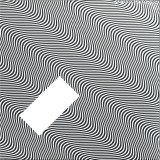
- A1: Wanna
- A2: Treat Each Other Right
- A3: Waited All Night (Ft Romy, Oliver Sim)
- A4: Baddy On The Floor (Ft Honey Dijon)
- A5: Dafodil (Ft Kelsey Lu, John Glacier, Panda Bear)
- A6: Still Summer
- A7: Life (Ft Robyn)
- B1: The Feeling I Get From You
- B2: Breather
- B3: All You Children (Ft The Avalanches)
- B4: Every Single Weekend (Interlude)
- B5: Falling Together (Ft Oona Doherty)
12
También disponible
White Vinyl[22,27 €]
Fast ein Jahrzehnt hat sich Jamie xx seit Veröffentlichung seines Solodebüts Zeit gelassen. „In Waves“, das zweite Album des Londoners, der mit seiner Band The xx zu den prägendsten Figuren der jüngeren Musikgeschichte gehört. Erneut lässt er seiner Liebe zur elektronischen Musik freien Lauf und entwirft die Geschichte einer Nacht, in der man in den himmlischen Puls von Schatten, Licht und Dancefloor-Rhythmen hinabtaucht.
“In Waves” hat seinen Ursprung in einem Mix, den Jamie 2020 für BBC Radio 1 machte. Hier tauchten neben Tracks der aktuellen Generation an UK-Dancemusic auch diverse musikalische Helden auf, etwa Roy Ayers, Fela Kuti, Tom Zé oder Philip Glass. Auch erste Versionen von Songs, die nun auf dem Album erscheinen werden, waren zu hören. “Es erinnerte mich daran, warum ich diese Musik liebe“, so Jamie, der zuvor lange mit der Frage gehadert hatte, wie es für ihn weitergehen würde. “Ich fand einfach Spaß am kreativen Prozess, ohne dabei an ein Ergebnis zu denken.“
Jamie xx pflügt auf „In Waves“ durch die Subgenres und Dekaden und fügt Northern Soul, Disco, Garage, Acid House, Techno, Tropicalia. Hip-Hop, Funk und den Sound der UK Underground Pirate Radios zusammen. Die kleinen Momente sind dabei so eindrucksvoll wie das übergreifende Ganze. Etwa jener Part bei “Treat Each Other Right“, der parallel zum Album-Announcement erscheinenden neuen Single: Zunächst wird man herausgerissen aus dem breiten Breakbeat-meets-Future-Soul-Vehikel, um sich mit den gepitchten Motown-Vocals plötzlich im Mittelwellenradio der 60er wiederzufinden. Die Worte “I’ll never let you down“ werden in die Ewigkeit gezogen, bevor ein biepender Puls über atmosphärischen Synths einsetzt und man direkt zurückgeführt wird in die schweißnasse Katharsis des Dancefloors.
Im Zeitalter der Algorithmen ist “In Waves” Zeugnis für pure menschliche Empfindung, ein lebensbejahendes Gegengift, das über den Kopfhörer in eine andere Dimension führt und zugleich gemeinsam auf der Tanzfläche erlebt werden will. Mit dabei sind u. a. Romy und Oliver, The Avalanches, Robyn und John Glacier.
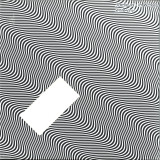
- A1: Wanna
- A2: Treat Each Other Right
- A3: Waited All Night (Ft Romy, Oliver Sim)
- A4: Baddy On The Floor (Ft Honey Dijon)
- A5: Dafodil (Ft Kelsey Lu, John Glacier, Panda Bear)
- A6: Still Summer
- A7: Life (Ft Robyn)
- B1: The Feeling I Get From You
- B2: Breather
- B3: All You Children (Ft The Avalanches)
- B4: Every Single Weekend (Interlude)
- B5: Falling Together (Ft Oona Doherty)
12
También disponible
Black Vinyl[22,27 €]
Fast ein Jahrzehnt hat sich Jamie xx seit Veröffentlichung seines Solodebüts Zeit gelassen. „In Waves“, das zweite Album des Londoners, der mit seiner Band The xx zu den prägendsten Figuren der jüngeren Musikgeschichte gehört. Erneut lässt er seiner Liebe zur elektronischen Musik freien Lauf und entwirft die Geschichte einer Nacht, in der man in den himmlischen Puls von Schatten, Licht und Dancefloor-Rhythmen hinabtaucht.
“In Waves” hat seinen Ursprung in einem Mix, den Jamie 2020 für BBC Radio 1 machte. Hier tauchten neben Tracks der aktuellen Generation an UK-Dancemusic auch diverse musikalische Helden auf, etwa Roy Ayers, Fela Kuti, Tom Zé oder Philip Glass. Auch erste Versionen von Songs, die nun auf dem Album erscheinen werden, waren zu hören. “Es erinnerte mich daran, warum ich diese Musik liebe“, so Jamie, der zuvor lange mit der Frage gehadert hatte, wie es für ihn weitergehen würde. “Ich fand einfach Spaß am kreativen Prozess, ohne dabei an ein Ergebnis zu denken.“
Jamie xx pflügt auf „In Waves“ durch die Subgenres und Dekaden und fügt Northern Soul, Disco, Garage, Acid House, Techno, Tropicalia. Hip-Hop, Funk und den Sound der UK Underground Pirate Radios zusammen. Die kleinen Momente sind dabei so eindrucksvoll wie das übergreifende Ganze. Etwa jener Part bei “Treat Each Other Right“, der parallel zum Album-Announcement erscheinenden neuen Single: Zunächst wird man herausgerissen aus dem breiten Breakbeat-meets-Future-Soul-Vehikel, um sich mit den gepitchten Motown-Vocals plötzlich im Mittelwellenradio der 60er wiederzufinden. Die Worte “I’ll never let you down“ werden in die Ewigkeit gezogen, bevor ein biepender Puls über atmosphärischen Synths einsetzt und man direkt zurückgeführt wird in die schweißnasse Katharsis des Dancefloors.
Im Zeitalter der Algorithmen ist “In Waves” Zeugnis für pure menschliche Empfindung, ein lebensbejahendes Gegengift, das über den Kopfhörer in eine andere Dimension führt und zugleich gemeinsam auf der Tanzfläche erlebt werden will. Mit dabei sind u. a. Romy und Oliver, The Avalanches, Robyn und John Glacier.

We can't hide the fact that we're a Manchester label with some very strong feelings for the Red side of the city. Regardless of your tribal affiliation - whether you have one or not - Edric Connor's "Manchester United Calypso" is an undisputedly joyous, soulful classic. Like the bunch of bouncing Busby Babes the song sought to raise up, it's remarkable, stylish and profoundly memorable; and its magical legacy has only grown in the 70 years since it first surfaced.
A testament to its enduring brilliance, "Manchester United Calypso" is heard to this day on the terraces of Old Trafford and beyond. However, it's impossible to find a copy of the original 78rpm shellac release or, indeed, the 45rpm vinyl. So, we're delighted to reissue this unforgettable anthem - with Lord Kitchener's equally dazzling "Manchester Football Double" on the B-Side - and make it available on 7" vinyl to United fans of any vintage; as well as fans of vintage calypso fire! Featuring typically striking, specially commissioned artwork from the legendary Stan Chow, this record is a collectors item for the ages.
"Manchester,
Manchester United
A bunch of bouncing "Busby Babes",
They deserve to be knighted
If ever they're playing in your town,
You must get to that football ground
Take a lesson come to see,
Football taught by Matt Busby
Manchester,
Manchester United"
Whether you have United in your heart or not, "Manchester United Calypso" is a record that, like the best football teams in Old Trafford's history, swaggers with an addictive beauty that's impossible to ignore.
It's impossible to discuss the significance of the calypso without remembering what ultimately ripped through the heart of this most beloved youthful side.
Eight of the Babes who were celebrated in the Calypso tragically lost their lives on 6th February 1958 in the Munich air disaster.
Like the players and the club itself, the United calypso radiates a special type of magic and speaks to the spirit of United:
the demand to be fearless, unrelenting, creative and obliged to entertain the viewing public.
The Calypso was written by Eric Watterson and Ken Jones and sung by Edric Connor, who moved to England from Trinidad in 1944.
Connor is considered a pioneer, popularising calypso music, becoming the first black actor to perform with the Royal Shakespeare Company, setting up the Afro-Asian Caribbean Agency to represent Black and minority artists with his wife, Pearl and establishing a theatre workshop.
“I would think coming to this country right after the war, as Edric did, and getting into BBC radio, and moving among the people, he did a great deal of good for our own community,” Pearl once revealed.
He saw himself as a self-appointed ambassador for his country, Trinidad. We were very nationalistic back then. We believed we had a country worthy of recognition”.
The B-Side is another doozy.
Swoon along to Lord Kitchener's fantastically woozy "Manchester Football Double" - a fitting ode to the city where you'll "find football's headquarters".
Then and, after the 2024 FA Cup Final, now.
Simon Francis remastered the original audio for both tracks and Cicely Balston's precise cut for Alchemy at AIR Studios ensures this 7" well and truly soars.
The immaculate Record Industry pressing will ensure this sought-after gem finds a home in many more collections, from Manchester to Malta, Mumbai to Malaysia.

9
Aesthetically, Ed Schrader’s Music Beat hates to tread water. At the same time, the Baltimore-based two-piece of vocalist Ed Schrader and bassist Devlin Rice won’t force their songs to fit a preconceived style. “The next album’s always gotta be different from the last one. We’re different people from record to record. So, writing authentically to ourselves will always bring our work to a place that we haven’t been to yet,” Rice said. Schrader added, “We’re terrified of turning into AC/DC. We never want to be married to one scene or time or sound. We want to be the Boba Fett of bands! Constantly altering the way in which we make records has been pretty key in that process.”
For Orchestra Hits, the band’s latest, that alteration was welcoming longtime musical comrade Dylan Going into the fold as a co-writer and co-producer. A songwriter in his own right, a guitar sideman for ESMB on their last two tours, and a collaborator with Rice in the noise riffage band Mandate, Going had both a unique vision and an intimate familiarity with the ESMB vibe.
“Dylan came to every show we’ve ever played in New York—no matter how weird it was,” Schrader said. “He’d be standing there ready to move an amp or feed us barbecued cactus after the gig and toss on some Golden Girls so we could decompress. It felt like family as soon as we began working, but I honestly had no idea how damn good he was at tossing out these hooks.”
According to Schrader, the songs “just poured out of us” over the course of a highly caffeinated three-day weekend in a tiny room in Devlin’s house while his cat, Sandy Goose, screamed continually. “It was like three kids hiding from the world to get into some lovely mischief,” they said. The lack of external pressure in the process gives Orchestra Hits an almost paradoxical vibe. For all of the album’s layers, that mix live and sequenced instruments, it never loses the raw energy of a small handful of friends in the same room plugging in, cranking up, and playing until they pass out.
Lyrically, the album finds Schrader, now 45, meditating on experiences in their youth to make sense of the present moment. “We are not into the garden,” Schrader wails on the relentless “Roman Candle,” a song about the sad debacle of Woodstock ’99, and a direct response to Joni Mitchell’s “Woodstock,” a utopian ode to hippie idealism. A 19-year-old Schrader, having snuck into Woodstock ’99 through a hole in the fence, was there the night members of the crowd used candles intended for a vigil for victims of the Columbine High School massacre to set fires all over the grounds. Even before the fires, Schrader remembered feeling disconnected from the music, the nostalgic cash grab, and the meatheads in the crowd. After watching a press tower collapse, they boarded a random shuttle bus and were dropped off near a Denny’s. “It was a far cry from the Garden of Eden,” Schrader said. “That experience defined what I didn’t want to be a part of, and yet America is more like Woodstock ’99 than ever.”
With percolating synthesizer arpeggios, and climbing bass grooves, “IDKS” is the album’s dance-floor slapper. “’IDKS’ is a funny one,” Schrader said. “We already had a pretty satisfying suite of songs when Dylan was packing up to head back to New York, but he missed the train because of a freak snowstorm. Realizing he’d be stuck in town another day, he says to me, ‘Here’s this other weird thing I have.’ It was ‘IDKS.’ The hooks were so good I felt like Homer Simpson at a free donut convention. I just dove right in, and we cranked that baby out in like 20 minutes.”
Lyrically, “IDKS” is a letter from the true self to public-facing self. “It’s an angry song,” Schrader said. “Because the public-facing self is always looking for an easy escape, but it forces the true self into a cage. I honestly thought my lyrics were corny and was about to change them, but Dylan was digging it just the way it was. So that’s what you hear.”
With the soaring “Daylight Commander,” the band went against all of their musty-basement-bred instincts. “I went full High School Musical with the vocals,” Schrader said. “At first it felt almost embarrassing, but I remember reading somewhere that Bowie recommended always floating a little bit above your comfort zone, and that’s what we did here.” The song is part exercise in absurdity and part pop Trojan horse. “If ever we had a ‘Shiny Happy People’ moment, I guess this is it,” Schrader said.

12
Big Crown Records is proud to present Dave Guy’s debut album Ruby. Having lent his talents both on stage and in the studio to artists like Amy Winehouse, Lizzo, Pharrell, and Sharon Jones to currently playing every night on The Tonight Show as a member of The Roots, Dave steps out on his own with a jazz record that is both unique and modern. Ruby mixes his musical influences with the energies of the city that raised him, capturing different moods and inviting the listener into the world as Dave Guy sees and feels it. Recorded in Queens at The Legendary Diamond Mine, the album is produced by Homer Steinweiss and Nick Movshon and features musical contributions from Leon Michels, Marco Benevento, Claire Cottrill, and more.
Ruby instantly sits with the classics as an album that is fully realized and not simply a collection of songs. Lead single “7th Heaven” opens the album with an anthemic energy as Dave’s horn lines soar over thundering drums, ethereal vocals, and dancing piano. Keeping the energy high, “Footwork” is a Latin inspired number that is sure to soundtrack many a dance floor from SoHo to Harlem. The synth intro of “Pinky Ring” cleanses your palate for the mood shift when the track drops. Deep bass tones underline the impeccable drumming and
Dave effortlessly finds the pocket wasting no notes as the verses and choruses trade off. The record leans into spiritual jazz vibes on “Diamond Encore” with a dark and deep almost “Axelrodish” rhythm track then picks the energy back up with the stomper “Still Standing”. “Dave Wants You” has a bop all its own with an unorthodox drum pattern that Dave anchors with his trumpet hits. The otherworldly arrangement of “Drony Boy” puts the production on a pedestal. The first intro almost serves as an intermission on the album while the second
intro sets up the neck snapping track that is about to drop. A menacing guitar signals the builds and the whole thing is juxtaposed by Dave’s beautiful trumpet riffs. “Quesodillas” & “Green Door” begin the autumn of the album with their mellow & intimate energy and “Ruby’s Rubies”, the album’s closer is the perfect ending to the journey.

12
Ever-evolving the mythologies and magic of Dialect's sonic sphere, Andrew PM Hunt returns with Atlas of Green, elegantly molding unexacting details of memory and mistranslation into the framework of the British musician and composer's creative pursuit. The album imagines a young musician named Green working in a future dawning era where lost signals and enduring impulses are unearthed from the sediments of technology and time. Across twelve compositions, Green becomes the compass in an epoch of transition; one shaded with pastoral patinas and studded with the fragments of allegorical ruin. As tattered as it is tender, Atlas of Green is a patchwork of scavenged relics and bygone hues, cast through the iridescent shimmers of a mid-future in flux. Growing up on the Wirral Peninsula in North West England, Hunt was surrounded by stone age landmarks and rock carvings that infused the landscape with legend. It was beside those carvings on a residency at Bidston Artistic Research Center where he began the journey of Atlas of Green, experimenting with tape loops and exploring the center's library of sci-fi. Here Hunt also encountered the work of Italian philosopher Federico Campagna, a writer who believes we're at the end of our current world. This encouraged Hunt's exploration of how the fabric and fantasies of our current era might endure into the future of Green, as they try to make sense of the riddles of the past, utilizing broken electronics and simple acoustic instruments to create new mythic forms. This question of endurance led Hunt to inscribe Atlas of Green with its own lucid markings - sometimes almost anthemic adornments - which unfurl through the album's melancholic air as possible new metaphors for how the human spirit might persist through dark days and regain lost wisdom. As Hunt reflects, "We're not just on an endless procession through constantly better worlds. Our lack of action (on climate and inequality) feels hopeless at times. I find some comfort in the idea that maybe the world needs a new song in order to tell a new story about itself". The image of Green as a journeying adolescent in-between eras developed out of a burgeoning interest in the fantasy writing of Ursula K. Le Guin and Gene Wolfe and occurred at a point in Hunt's life where the question of starting a family was looming. Green became a device for thinking about the future, or futures, putting someone in another world and granting access to a slightly longer timeframe than one's own life. What would this person, in this as-yet-unsung world do with something as powerful as music? As Hunt notes, "I imagined them doing what we've always done with music - using it to build a map of feeling, providing boundaries and tracing the edges of our emotions, defining a space of possibility and giving voice to our intuition. This is an alternative future to the one of endless growth but one which still holds space for hopes and dreams." Mapping new folds in the passage of time, Atlas of Green is traced with an aura of sonic urgency which arises through its process-led construction. Following a series of live shows in early 2023, the record was created with an assemblage of analogue electronics and acoustic instruments, including scratched records and a broken four track, collaging studio work with recorded live recordings featuring work in progress. Where the indeterminate energies of Under~Between (2021) appeared through digital processing, Atlas of Green embraces chance encounters within the malfunctions of physical media and glitching gear. Within these interwoven clusters of organic and blemished sound, Dialect reclaims the joyfulness of the inner amateur and creates a soft landing for new seeds of magical possibility - rooted in the bounds and abundance of realism. "As a planet of people we have to deal one way or another with our finite existence. We have to deal with that loss with hope still in our hearts - our capacity to love cannot be contingent on things lasting forever, and so this image of Green is not a vision of dystopia, nor utopia but an expression of trust and an acceptance of limits."

Acid, 1980 im belgischen Brügge gegründet, gelten als einer der ersten Vorläufer des Speed Metal auf dem europäischen Kontinent. Sängerin Kate de Lombaerd, die Gitarristen Dirk Simoens (Dizzy Lizzy) und Donald Devers (Demon), Bassist Peter (T-Bone) sowie Drummer Geert (Anvill) nahmen in Form von "Acid" (1983), "Maniac" (1983) und "Engine Beast" (1985) drei hoch geschätzte Alben für Giant Records auf, ehe sich Mitte der achtziger Jahre ihre Wege trennten. Um 2019 herum reifte in Kate de Lombaerd der Plan, es noch einmal zu versuchen. Unter der Mitwirkung von Mathieu Trobec (Bass), Gilles Reuse (Gitarre), Andreas Stieglitz (Gitarre) und Bastiaan Andriessen (Schlagzeug) fand man sich wenig später unter dem Namen Kate's Acid zusammen. Es folgten umjubelte Live-Auftritte u.a. beim Keep It True Rising (2021) und noch einmal beim Keep It True im Jahre 2023, wo auch das jetzt vorliegende Album "Blowing Your Ears Off" mitgeschnitten wurde.

Acid, 1980 im belgischen Brügge gegründet, gelten als einer der ersten Vorläufer des Speed Metal auf dem europäischen Kontinent. Sängerin Kate de Lombaerd, die Gitarristen Dirk Simoens (Dizzy Lizzy) und Donald Devers (Demon), Bassist Peter (T-Bone) sowie Drummer Geert (Anvill) nahmen in Form von "Acid" (1983), "Maniac" (1983) und "Engine Beast" (1985) drei hoch geschätzte Alben für Giant Records auf, ehe sich Mitte der achtziger Jahre ihre Wege trennten. Um 2019 herum reifte in Kate de Lombaerd der Plan, es noch einmal zu versuchen. Unter der Mitwirkung von Mathieu Trobec (Bass), Gilles Reuse (Gitarre), Andreas Stieglitz (Gitarre) und Bastiaan Andriessen (Schlagzeug) fand man sich wenig später unter dem Namen Kate's Acid zusammen. Es folgten umjubelte Live-Auftritte u.a. beim Keep It True Rising (2021) und noch einmal beim Keep It True im Jahre 2023, wo auch das jetzt vorliegende Album "Blowing Your Ears Off" mitgeschnitten wurde.

10
Nigerian electronic musician and violist Ibukun Sunday debuts on Phantom Limb with Harmony / Balance, a brooding, introspective take on Afro-ambient music that follows two acclaimed digital-only albums for Phantom Limb imprint Spirituals.
Based in Lagos, Ibukun Sunday has expertly positioned himself between the rarely-married cultures of ambient and West African musics. He entwines his compositions with field recordings from his native Nigeria and deeply considered philosophies of existence, humanity, and society. The themes of Harmony / Balance derive from Swami and Hare Krishna founder A. C. Bhaktivedanta and his work Bhagavad-Gita Eng: “As It Is”, a script on the duality of human nature. In Bhaktivedanta’s text, two cousins - warriors from the sacred Hindu text the Mahābhārata - and their armies are pitted against each other. The humility, self control, and devotion of one cousin against the arrogance, envy, and pursuit of power of the other. Bhaktivedanta writes that from this battle we see the necessity to cultivate and nurture our love and faith, but to simultaneously understand our selfishness and hubris. Appropriately, in Ibukun Sunday’s music, a heavy, apocalyptic dread contrasts fascinatingly with passages of light. The static-spiked, corrosive sound design of Harmony / Balance conjures darkness, but its skipping rhythmic patterns and melodic contours are made of beautifully vibrant colours.
Though Sunday excels in the kind of drawn-out elegance also found in the work of Kali Malone, William Basinski or Fennesz, and also in a magisterial repetition akin to Terry Riley or Manuel Göttsching, his unique practice, classical training, and core culture shine through in a pure and singular way. Scattered throughout Harmony / Balance are unexpected melodic antiphonies closely aligned with African music, interspersed between huge, spacious drones and field recordings.
Lead track “Arrayed On The Battlefield” evokes mythical and deific wars with hissing, buzzing synthesis that could be dystopian if not for a levitational, sunlit harmonic structure. It rolls and shimmers, transcendent frequencies alive with rhythm. Later, “Enemy Of My Enemy” employs shimmering, meditative chord pads and blissful negative space, while towards the end of the record, “To Fight With” could have been taken from a Denis Villeneuve sci-fi - the fizzing, fiery distortion at its peak gradually, carefully yields a rumbling, distant thunder as it closes. Throughout the record, Sunday’s education as a classical viola player is also evident. A honed musicality and developed ear for harmonic resonances lend the work a measured eloquence, even amidst deep, spiritual intuitiveness. This intensely personal and powerfully expressive creativity is key to the grace with which he crosses divides.
Ibukun Sunday is a solo electronic musician and violist based in Lagos, Nigeria. He has released two albums with Phantom Limb’s digital-only imprint Spirituals, which enjoyed rightful acclaim as unique and powerful works of experimental ambient music. He also performed at Phantom Limb’s 5th anniversary celebrations in 2023, playing alongside Richard Skelton at St. John’s on Bethnal Green in London, UK.

10
No one has lived a life quite like Marcos Valle. He became an overnight international sensation, fled a military dictatorship, dodged the Vietnam war draft, had his music sung by Homer Simpson, made enemies with Marlon Brando, and became an unsuspecting fitness guru for multiple generations. But to truly understand the great Brazilian composer, arranger, singer and multi instrumentalist, one must listen to his music.
Lead Single (Life Is What It Is) : Between the release of his first album in 1962 and today, Marcos Valle has released twenty-two studio albums traversing definitive bossa nova, classic samba, iconic disco pop, psychedelic rock, nineties dance and orchestral music. He has also had his songs recorded by some of the all time greats, including Frank Sinatra, Sarah Vaughn, Sergio Mendes, Elis Regina, and (last but not least), Emma Button of the Spice Girls. He has also had his music sampled by Jay-Z, Kanye West, Pusha T and many more.
With his twenty-third studio album Túnel Acustico, Valle set out to bring it all together.
“I believe my music is many things. It goes in different directions. I have many different ways of writing music, sometimes it’s melodies and harmony, sometimes the groove is the focus. But all the music I have made over my sixty year career is unified. It is all natural and it is all sincere. And this is what I wanted to bring to my new album.”
A prominent feature of Valle’s career has been his dual residence between Brazil and the USA. Originally moving over in the mid-sixties on the back of bossa nova’s international proliferation, Valle toured with Sergio Mendes and became hugely in demand as a composer and arranger. But the Vietnam War loomed and the threat of being drafted saw him return to Brazil. He spent the following years in Rio writing music for TV and film, as well as four cult favourite albums in collaboration with some of Brazil’s most groundbreaking musicians including Milton Nascimento, Azymuth, Som Imaginario and O Terco.
By 1975, Brazil's military dictatorship was at its most oppressive, making living and working increasingly difficult. Valle moved back to the US where he would reside in LA, writing songs for, and collaborating with the likes of Eumir Deodato, Airto Moreira, Chicago, Sarah Vaughn and Leon Ware, amongst others.
Túnel Acústico features two songs originally conceived during Valle’s time on the West Coast: “Feels So Good”, a stirring two-step soul triumph written in 1979 with soul icon Leon Ware, and the sublime AOR disco track “Life Is What It Is”, composed around the same time, with percussionist Laudir De Oliveira from the group Chicago.
Built around an unfinished demo Marcos found on a shelf in his house 44 years after it was made, the “Feels So Good” demo was restored with the help of producer Daniel Maunick, who also utilised AI stem-separation to remove the placeholder vocal ad-libs. Valle added Portuguese lyrics to sit alongside Ware’s vocal hook, as well as extra keyboards and percussion.
Also written in late seventies LA, “Life Is What Is It” was co-penned by Laudir De Oliveira from the band Chicago and first released on the bands’ Chicago 13 album with lyrics by Robert Lamb. Another nod to his good times in LA, Valle recorded his own version for Túnel Acústico, upping the tempo and deepening the groove for a blast of irresistible summer soul.
On Túnel Acústico, Valle's core band features two members of the renowned Brazilian jazz-funk group Azymuth: Alex Malheiros on bass and Renato Massa on drums. The rhythm section is completed by percussionist Ian Moreira, with additional contributions from guitarist Paulinho Guitarra and trumpeter Jesse Sadoc.
The contemporarily composed music on Túnel Acústico features an impressive lineup of guest lyricists, including renowned Brazilian artists: Joyce Moreno (Bora Meu Vem), Céu (Nao Sei), and Moreno Veloso (Palavras Tão Gentis) as well as Valle's brother Paulo Sergio Valle (Tem Que Ser Feliz).
The album closes with "Thank You Burt (For Bacharach)", a tribute to the legendary composer who passed away in 2023.
Túnel Acústico will be released on 20th September 2024 via Far Out Recordings. Valle is set to tour Europe and America in support of the album.

- A1: Subghosts (Tolouse Low Trax Rework)
- A2: A Song And A Photo Novela (Simo Cell 'Fabulous Santa' E
- A3: Dawn Is Temporal (Beat Detectives Dawn Redub)
- A4: Milk In Water (Grim Lusk's Dub Version)
- B1: Rushing Into Water (Joakim's Elemental Edit)
- B2: Tristeros Empire (Ido Plumes Blazer Quest Mix)
- B3: Make Friends (Froid Dub Rework)
7
Der Wahl-Pariser Detlef Weinrich alias Tolouse Low Trax blättert die Seite wieder um. Immer bereit für eine neue Episode, einen Gedanken, einen Impuls, eine Idee, ein Ideal. Auf der Suche nach einem Licht da draußen. Nun also Kiosque Versions, eine von ihm selbst zusammengestellte Compilation mit sieben Edits von Freunden und geschätzten Künstlern. Sie erneuern einige seltene TLT-Stücke sowie Hits, die die Charts nie im Sturm erobert haben.

Tanukichan, the musical project of Oakland, CA’s Hannah van Loon, has been a prominent figure in modern shoegaze music since 2016, when she first collaborated with Chaz Bear of Toro y Moi. Together, they released an EP and two full-length albums under Bear's Company Records, culminating in 2023's GIZMO. With her new EP Circles, out September 20th, 2024, via Carpark Records, van Loon ventures into new territory by teaming up with a new producer for the first time – Franco Reid.
The genesis of their partnership dates back to the GIZMO campaign, when Reid noticed van Loon wearing an Incubus shirt in a press photo on Instagram. Intrigued by whether or not van Loon was a genuine fan, he sent her a DM. Their shared musical interest sparked a dialogue that eventually led to the creation of the single "NPC" in 2023.
Lead single “City Bus,” offers a reflection on van Loon's childhood bus rides in San Francisco, evoking the stop-and-go rhythm of commuter life through hard-hitting drums and heavy guitar feedback phasing in and out of the mix. Themes of self-reflection and societal belonging permeate the track, echoing van Loon's ongoing personal journey.
While much of Circles delves into internal struggles, “It Gets Easier” takes on a more celebratory tone as van Loon realizes she’s developed a heightened sense of maturity when dealing with hardship. “It feels easier to let go of situations or people that don’t serve me,” reflects van Loon, “Or if they can’t be avoided, at least I don’t have to dwell on the sadness or discomfort I feel when letting someone down.” Introduced by Reid, nu-gaze sensation Wisp, contributes a verse in her similarly ethereal vocal style.
There is a notable shift on Circles when you consider the first three Tanukichan releases were produced by a pioneer of the chillwave genre. With van Loon’s consistently dreamy songwriting and Reid at the helm, Tanukichan enters new sonic territory that feels larger, arena-ready, and more like a highspeed night drive than the hazy summer dream of its predecessors.

Permanent Parts is the second album released by visual artist Katharina Grosse (synthesizer) and musician Stefan Schneider (synthesizer; So Sner, To Rococo Rot). Grosse and Schneider were joined at Galerie Max Hetzler on 29 April 2023, performing as part of the Spectrum without Traces exhibition, by three artists who all generally work within improvised music – Carina Khorkhordina (trumpet), Tintin Patrone (trombone and electronics), and Billy Roisz (noise generator, piezo and mini cymbal). Permanent Parts is an extraordinary set of recordings that inhabits multiple zones at once: within its thirty-five minutes, we can hear the interactions of non-idiomatic collective music making, and the electronic glimmers of electro-acoustics, while, at the same time, the music remains untethered to genre.
This capacity to work within liminal zones makes perfect sense when thinking about both Grosse’s and Schneider’s prior work, whether the energetic diffusions and spatial explorations of Grosse’s artistic practice, or the slippery texturology of Schneider’s recent work with electronics. Khorkhordina, Patrone and Roisz all find their own ways into this dynamic, too, and Permanent Parts feels like an equal exchange of presence and contribution; there are no hierarchies here. This might explain the music’s curious sense of development, where several elements are allowed to exist alongside each other, not in direct contact but in a mode that’s somewhere between carefree layering and unconscious juxtaposition. The musicians are listening, but not just with their ears – their skin, their bodies are hearing, too.
When talking about Permanent Parts, Schneider is careful to place it within contexts that are specific, to some degree, but which allow for difference to blossom. “Although it was recorded live, it somehow was not meant to be a documentation of a live event in the first place. The five piece line up that appears on the record had met for the first time only a few hours before the concert took place.” While it might take a leap of faith for all parties to walk together, and so willingly, into a place of such freedom, of such risk, there is clear sympathy here between the musicians, and a shared appreciation of the immediacies of the situation.
It also throws some of our preconceptions about this music out of the window. “The record does not feel like a document of a performance as the music was not pre-composed and there was no reference,” Schneider continues. “Perhaps it was not even an improvisation?” For Grosse, her musical relationship with Schneider similarly shakes free from expectation: “My sound does not exist without Stefan’s. It is neither written down nor is it improvised. It is instantaneous.” When thinking about the five-piece exploration on Permanent Parts and asked to expand on what each musician brings to the table, she continues, “We all love the thrill of an unknown encounter and we seem to have a need for building connections through the thicket of our voices.”
There’s a curious phrase on the back cover of the album, before the artists are listed: “Wir sind eine Batterie / We are a battery.” This sums up the spirit of Permanent Parts. Schneider recalls that Grosse said this phrase to the musicians at the start of the performance. Grosse explains further, “The figure of the battery referred to our placement in the space building out a small circle facing one another from where the sound could spill into the impressive volume of the gallery.” The battery as an arrangement of similar devices; but I also think of charge, and the conversion of chemical energy, and of fortification. It’s a poetic metaphor that sums up much of the febrile pleasure of the music contained on these Permanent Parts.
– Jon Dale, Melbourne
