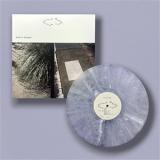
First time on vinyl reissue of this indiepop classic, 15 years after its original release.
Living & Growing was the debut album from The Felt Tips, a Glasgow-based indiepop band that gloriously combined gritty lyrics with sublime jangly guitars. Set For October 17th Vinyl-Only Reissue On Unspun Heroes.
• A band synonymous with the 2010’s indiepop renaissance
• Ten melodious, infectious and utterly unforgettable songs
• Reissued for the first time on EcoVin™ Bio Vinyl
October might not appear to be the ideal time to release a bright and sunny set of songs, but autumnal days bring a mix of dark and light that perfectly matches the overall vibe of the debut album by the jangly indiepop band, The Felt Tips.
The Felt Tips debut album was originally released by Peruvian label Plastilina Records in 2010 to much acclaim in the international indiepop scene. The ten songs are crammed full of catchy melodies and chiming guitar riffs, with memorable lyrics covering everything from religious hypocrisy (Boyfriend Devoted) to what teenagers get up to in the park after dark (Lifeskills).
It’s clear that these four lads grew up listening to The Smiths – not only name-checking the 80’s indie darling’s frontman and his ever-expanding girth but also deftly leaning into similar unconventional lyrical themes. And while there’s an obvious Belle and Sebastian comparison being Scottish, musically the enigmatic and skillful guitar playing from Miguel Navarro owes more to Bernard Butler and Johnny Marr – and his talents learning flamenco guitar in his native Spain. The weaving of the guitar’s melodic musical backdrop, alongside the pulse of Kevin Carroll’s inventive drumming and Neil Masson’s intricate bass playing, is what truly elevates The Felt Tips.
And it’s this juxtaposition of bright melodic tunes from the band and the exploration of the darker side of human nature conjured by Andrew Paterson’s lyrics makes The Felt Tips such a noteworthy addition to the indiepop scene.
Originally recorded at CaVa Sound in Glasgow, the album has been remastered and cut for vinyl by Guy Davie at Electric Mastering, and pressed on INEOS EcoVin™ Bio Vinyl at Press On Vinyl in Middlesbrough. New liner notes have been written by Roque Ruiz, the owner of legendary US-based indiepop label, Cloudberry Records. An extremely limited selection of the reissued albums will ship alongside a make-your-own cardboard rose sculpture created by London-based indie illustrator and maker, Hey Kids Rock ‘n Roll.
Search:sim 2
Talulah’s Tape is the debut offering from magnetic Midwest-jangle collective Good Flying Birds. Across a patchwork mixtape of stripped-down home recordings that span the independent-guitar spectrum, the band delivers colorful, intricate pop songs perched between the immediacy of DIY punk and the intimate sweetness of twee. Breakbeats, memes, and noise glue everything together, making the album feel as chronically online as it is timeless.
Originally released on cassette in January 2025 by Midwest-punk legend Martin Meyers’s Rotten Apple label, the tape sold more than 300 copies in under a month and quickly became an out-of-print and coveted item. Meyers called it “certified catnip for popheads.” Now, with a refined track list and a fresh master from Greg Obis, Talulah’s Tape returns on LP and CD via Carpark and Smoking Room in October 2025.
While production and approach vary, a through-line of sensitive self-contemplation rests on bright, scrappy guitars and hyperactive melodic bass. Opener “Down on Me” rides a buoyant bass line while jangling guitars frame reflections on overcoming trauma: “I see you in the mirror every time I cry / I hear your voice every time I try.” Next, the guitars trade twinkling counter-melodies on “I Care for You,” pairing sugary, lovestruck lyrics with effervescent strums: “You catch me when I fall / You build me up so tall.”
The rosy grin occasionally twists into a wicked smirk. “Dynamic” warns, “You used to paint the face, but now you’re just the clown,” while “Glass” asks, “Is it lonely at the top when everyone follows the trend, and you hold the pen?” Both tracks brim with sparkling guitar interplay. By the closing, nearly five-minute “Last Straw,” Good Flying Birds stand far beyond conventional indie-pop or 4-track punk, unveiling a roller-coaster of unpredictable changes, vocal harmonies, and instrumental cross-talk.
Altogether, Talulah’s Tape is a pastel-yellow, candy-coated shell filled with thoughtful juxtapositions and melodic experiments. Standing on the same ground as idiosyncratic songwriters like Connie Converse and Daniel Johnston, Good Flying Birds find sweetness in sadness, tear stains on a colorful flower-print couch. Simultaneously, it’s packed with the scratchy guitars and vibrant rhythms of Scottish guitar groups like The Pastels, Orange Juice, and Josef K. It’s a tremendous opening statement from a band just getting started.
From the bellows of a galactic abyss, n-trip offers their first solo EP release on DU:RA. The label boss reveals 4 deep techno tracks cultivated from an appreciation of the stylings of Valentino Mora, Ntogn and Simone Bauer adjacent sound palettes. Attending festivals such as Organik and experiences with deep techno doofs out in the Aussie bushland has also heavily influenced this release.
Reservation and propulsive sound design shape the tracks for the most part, while aspects of field recordings are littered throughout the release of rocks, leaves and sticks from recent travels. The structural simplicity and minimalistic elements make for perfect DJ tracks to accompany swamp-like sets and throbbing sub basslines are sure to shake any doof or club system.
‘Domina’ opens the release with chiming pads and heavily delayed artefacts invoking an ethereal cosmos of which the kicks and bass gently reinforce in movement. A broken snare beat follows as gradually layers of percussion increase in intensity.
‘MML’ takes what energy has built and adds pounding toms to the rhythm. Harsh live synthesis swells in the backdrop as hi-hats and clicks pan around the white noise and minimal yet intentional synth work.
‘dddBBB’ drops the tempo as it comes in full of field recordings. Taking you on a bushwalk through a desolate dreamscape – it slowly grows and pulsates like a giant snake writhing through the cosmic jungle, stalking its prey.
‘MR13’ then takes these ideas and jacks up the tempo to finish off the release. Shakers pan about as sticks, rocks and leaves reinforce the rhythm. FM chords slowly add life to the beat and are accompanied by giant bassy pads that gradually coalesce into its humble yet driving finale.
All tracks have been produced on Gadigal Land. Always was, always will be Aboriginal Land.
- Swietenia Macrophylla
- Ceiba Pentandra
Die erste Zusammenarbeit zwischen dem japanischen Noise-Titan Masami Akita, alias Merzbow, dem legendären brasilianischen Schlagzeuger und Produzenten Iggor Cavalera und dem zukunftsorientierten italienischen Gitarristen und Sounddesigner Eraldo Bernocchi, ,Nocturnal Rainforest", schafft eine Klanglandschaft, die fast überwältigend dicht und verwirrend ist, aber niemals aggressiv oder chaotisch. Es ist ein vollständig immersives Erlebnis, das die jahrelange Arbeit des Trios im Bereich der extremen experimentellen Musik neu kontextualisiert, indem es sich auf Textur, Atmosphäre und sensorische Überlastung konzentriert. Der Noise selbst wird verwendet, um ein raffiniertes Maß an Konzentration zu provozieren; ,Nocturnal Rainforest" ist auf seine eigene Weise meditativ und umhüllt die Zuhörer mit Wellen von Verzerrungen, phantasmatischen, ungemessenen Rhythmen und verwirrenden, bearbeiteten Feldaufnahmen, aber es ist nicht für passives Hören gedacht. Entstanden durch eine Fusion von maßgeschneiderten Techniken, die das Trio seit Jahrzehnten entwickelt, existiert es in einer rohen und mystifizierenden Grenzzone zwischen dem organischen Bereich und der digitalen Welt - einem Ort, der zu vertraut ist, um ignoriert zu werden. Als einer der bekanntesten und produktivsten Noise-Künstler der Welt hat Akita vielbeachtete, genreprägende Alben auf so unterschiedlichen Labels wie Relapse, Important Records, Tzadik, Cold Spring und Soleilmoon veröffentlicht und mit einer Vielzahl von Künstlern zusammengearbeitet, von Keiji Haino und Mika Patton bis hin zu Melt-Banana und Boris. Seit 1979 hat er über 500 Merzbow-Alben veröffentlicht, darunter das Tape-Experiment ,Pornoise/1kg Vol.1" von 1984, das bahnbrechende Noise-Wall-Album ,Pulse Demon" von 1996 und das dubartige ,Merzbuddha" von 2005. Cavalera ist vor allem als Mitbegründer der brasilianischen Metal-Band Sepultura bekannt. Seit er die Band 2006 verlassen hat, beschäftigt er sich intensiv mit experimenteller Underground-Musik und arbeitet mit Künstlern wie Laima Leyton, Ninos Du Brasil, Raven Chacon, Linekraft, Petbrick, Pig Destroyer, Soulwax, Dwid Hellion, Shane Embury und anderen zusammen. Bernocchi begann seine Karriere in den 70er Jahren in verschiedenen Punkbands und wurde in den 80er Jahren bekannt, als er das postindustrielle Kollektiv Sigillum S mitbegründete und Kontakte knüpfte, die sich über die gesamte globale Underground-Szene erstreckten. Als aktives Mitglied der einflussreichen Illbient-Bewegung arbeitete er mit einigen der wichtigsten Persönlichkeiten des Genres wie Spectre, Bill Laswell und DJ Olive zusammen und nahm für WordSound sowie das Kult-Hip-Hop-Label Rawkus auf. Bernocchi hat seine innovativen Aktivitäten fortgesetzt, indem er als SIMM mit dem Grammy-Gewinner Grime MC Flowdan zusammengearbeitet und mit Harold Budd, Robin Guthrie von den Cocteau Twins, Gaudi Nils Petter Molvaer, Hoshiko Yamane und vielen anderen aufgenommen hat. ,Nocturnal Rainforest" ist das Ergebnis der kontinuierlichen musikalischen Entwicklung jedes einzelnen Künstlers, angetrieben von extremer Musik, aber gemildert durch Deep-Listening-Techniken, die Präsenz statt Distanzierung erwarten. Auf ,Swietnenia Macrophylla" vermitteln suggestive, feuchte Klanglandschaften zunächst ein prekäres Gefühl der Sicherheit, das an den Rändern durch schnurrende Schwingungen, die die Fauna des Dschungels imitieren, verschwimmt. Und diese Ruhe wird schnell durch perkussive, nebelhornartige Verzerrungen unterbrochen, die das Ausmaß der Vision des Trios verdeutlichen. Es handelt sich nicht nur um rohen Lärm, die raueren Elemente werden durch subtile Wellen wogender Atmosphäre und schwüle Low-End-Drones unterbrochen, bevor der Track in eine Symphonie computergenerierter Stottergeräusche übergeht. Es gibt ein ständiges Hin und Her zwischen organischen und künstlichen Klängen - bevor man sich an den DAW-verfälschten Lärm gewöhnt hat, trüben collagierte Bandübersteuerungen und zerschnittene Verstärkerbrummen die Atmosphäre, verwirren gezielt die Sinne und verschleiern die Quellen. Dieser Gedanke wird in ,Ceiba Pentandra" fortgesetzt, wenn das Trio den wimmelnden Klängen des Dschungels mit knurrenden, surrenden Elektronikklängen und dichten Interferenzen folgt. Was als Vogelgesang und Insektenchor beginnt, verwandelt sich in eine Wand aus ohrenbetäubender, transzendenter Vollspektrum-Textur, die sich wie ein langsam voranschreitender Sturm über einer schattigen Wildnis auftut.
Atua Blues is the meeting of two rare talents, two diverse yet highly complementary cultures, and a deeply rooted desire to blend it all into a kind of communal pot where blues (for the backbone), soul (for the interpretation), and country (for the "exotic" touch) come together to give birth to an album that is simply exceptional. Atua Blues thus brings together Grant Haua, the brilliant Maori bluesman who needs no introduction, and David Noël, the charismatic singer of the Supersoul Brothers, the Paubased band everyone is talking about. Carried by standout tracks such as "River Blues," "No Competition," "I Get The Blues," "What Have We Done," and the moving rendition of "Amazing Grace," this "Two Roots" lives up to its name beautifully, marking a summit encounter of two cultures bound by a shared passion-a sentiment perfectly encapsulated by the surprising cover of "My Sweet Lord," sung in English, Maori, and Occitan.
"While playing for Phil Lesh, I became friends with his son, Grahame, and we started booking shows called Dead Blues, a Phil and Friends offshoot that used the traditional blues and folk songs from the Dead catalog as a vehicle to bring new musicians from the blues and rock scene into Phil’s orbit. For example, we brought Phil together for the first time with the Blind Boys of Alabama, Charlie Musselwhite, G Love, JD Simo and many others new to Phil’s community.
Dead Blues was a great concept for live shows but I never considered making an album until I met singer Datrian Johnson, one of the most moving singers I’ve ever worked with. John Medeski brought Datrian into the community and we instantly became friends and collaborators and began recording the songs on Dead Blues Volume 1, reinterpreting the American classics.
The tracks feature North Mississippi Alumni Cody Dickinson and Rayfield “Ray Ray” Hollowman, as well as old friends from Memphis, Paul Taylor/New Memphis Colorways also on drums, bass and guitars and Steve Selvidge on Space Funk guitar. I found that writing the music on bass (then adding keys and guitar) led the music down a funky, jazzy avenue and Datrian worked his magic, reinterpreting the classic blues lyrics and melodies with his soulful vocals."
Talulah’s Tape is the debut offering from magnetic Midwest-jangle collective Good Flying Birds. Across a patchwork mixtape of stripped-down home recordings that span the independent-guitar spectrum, the band delivers colorful, intricate pop songs perched between the immediacy of DIY punk and the intimate sweetness of twee. Breakbeats, memes, and noise glue everything together, making the album feel as chronically online as it is timeless.
Originally released on cassette in January 2025 by Midwest-punk legend Martin Meyers’s Rotten Apple label, the tape sold more than 300 copies in under a month and quickly became an out-of-print and coveted item. Meyers called it “certified catnip for popheads.” Now, with a refined track list and a fresh master from Greg Obis, Talulah’s Tape returns on LP and CD via Carpark and Smoking Room in October 2025.
While production and approach vary, a through-line of sensitive self-contemplation rests on bright, scrappy guitars and hyperactive melodic bass. Opener “Down on Me” rides a buoyant bass line while jangling guitars frame reflections on overcoming trauma: “I see you in the mirror every time I cry / I hear your voice every time I try.” Next, the guitars trade twinkling counter-melodies on “I Care for You,” pairing sugary, lovestruck lyrics with effervescent strums: “You catch me when I fall / You build me up so tall.”
The rosy grin occasionally twists into a wicked smirk. “Dynamic” warns, “You used to paint the face, but now you’re just the clown,” while “Glass” asks, “Is it lonely at the top when everyone follows the trend, and you hold the pen?” Both tracks brim with sparkling guitar interplay. By the closing, nearly five-minute “Last Straw,” Good Flying Birds stand far beyond conventional indie-pop or 4-track punk, unveiling a roller-coaster of unpredictable changes, vocal harmonies, and instrumental cross-talk.
Altogether, Talulah’s Tape is a pastel-yellow, candy-coated shell filled with thoughtful juxtapositions and melodic experiments. Standing on the same ground as idiosyncratic songwriters like Connie Converse and Daniel Johnston, Good Flying Birds find sweetness in sadness, tear stains on a colorful flower-print couch. Simultaneously, it’s packed with the scratchy guitars and vibrant rhythms of Scottish guitar groups like The Pastels, Orange Juice, and Josef K. It’s a tremendous opening statement from a band just getting started.
Young Gun Silver Fox are the captains of AM Waves, setting sail towards an isle where melodies soak the shoreline and grooves sway like palm trees. Their route traces a natural progression fromWest End Coast, an album that cast Andy Platts (Young Gun) and Shawn Lee (Silver Fox) as musical virtuosos of SoCal-infused pop. AM Waves does more than duplicate the perfection of West End Coast. It improves it.
Recorded at The Shop in London and Roffey Hall in the English countryside, AM Waves burnishes the blend between the duo's modern aesthetic and their sumptuously crafted homage to '70s-styled pop, rock, and soul. "This music hits a certain spot for me personally that nothing else quite does," says Shawn, who produced the album amidst his projects for Saint Etienne, Shawn Lee's Ping Pong Orchestra, and several other acts. "It's real high-caliber music. It's easy and breezy to listen to but it's really hard to make. Every aspect is A game."
The A game behind AM Waves fuels 43 minutes of Young Gun Silver Fox in peak form. "AM Waves is much more instinctive," says Andy, whose penchant for writing irresistible hooks and melodies also shapes his role as lead singer and lyricist/composer for the band Mamas Gun. "It's more vivid. You can see the clarity to the colors of AM Waves whereas West End Coast is slightly more impressionist, as it were."
Originally issued as a single in September 2017, "Midnight in Richmond" is the anchor of AM Waves. "I hit one chord, which I'd never played before, and the song sort of wrote itself," notes Shawn. "It was intuitive. In many ways, the primary function of what I'm doing is trying to find that chord that opens a door and takes you someplace else. Those chords have magic." Andy embellishes the song's appeal by nimbly juxtaposing wistful emotions with a sun-kissed melody, his voice evoking richly drawn memories. The qualities that make "Midnight in Richmond" an instant classic abound throughout the album.
"Lenny" and "Take It or Leave It" spotlight Andy's versatility as a songwriter. The former was inspired by a dream he had where Lenny Kravitz owned a bar. "It was surreal," he says. "He was polishing the glasses and just serving me hit after hit." Like swimming through moonshine, Andy languorously savors every syllable in the song. "Take It or Leave It" is pure pop bliss. "That was one of those songs that fell out in half an hour," he says. "I had everything and it was done." Shawn adds, "It's such a perfect song in itself. When I listen to it, it's like you've created a record that already existed."
Young Gun Silver Fox introduce a five-piece horn section on "Underdog" that literally trumpets the song's protagonist. Shawn affectionately dubbed them the "Seaweed Horns" in honor of the Seawind Horns, an LA-based unit that recorded with powerhouses like Michael Jackson,Rufus & Chaka Khan,and Earth, Wind & Fire during the late-'70s. Andy explains, "The horns grab another hue of the west coast sound, which is the starting point, but it's also maybe the point where we're injecting a little bit more of ourselves and some outside colors into the familiar west coast palette."
A bounty of treasures course through AM Waves' ebb and flow. "Mojo Rising," which the duo penned with Rob Johnson, is a veritable retreat to paradise. "Sky-bound, heaven sent / Way above the clouds watching shootingstars descend," Andy sings, mirroring the music's celestial undertones. Sensuality contours the notes on "Just a Man," a song that basks in the allure of a woman who leaves "footprints on the water" while "Love Guarantee" is festooned with the Seaweed Horns. "I wanted to bring more of that R&B slickness into the mix," Shawn notes about the latter track. "We hadn't done a tune with that sort of groove." Similar to his work on "Underdog," Nichol Thomson's intricate horn arrangement on "LoveGuarantee"exemplifies another distinction between AM Waves and its predecessor.
"Caroline" occupies a special place on AM Waves, beyond spawning the album title. It tells the story of Radio Caroline, a pirate radio station that broadcast from an offshore vessel during the '60s and '70s. "They played the music that kids wanted to hear, whether it was the old stuff or cutting edge stuff," says Andy. "'Caroline' is about Radio Caroline's eventual capture." Complementing Andy Platts' deft wordplay, which draws parallels between radio airwaves and the station's literal home on the ocean, Shawn Lee layers nearly a dozen different parts on "Caroline," showcasing the vastness of his musicality. "I loved that track as soon as I heard it," Andy continues. "It's a beautiful fusion of me and Shawn."
The Seaweed Horns joinYoung Gun Silver Foxas they detour to the dance floor on "Kingston Boogie." Shawn explains the track's genesis, "I was thinking, what have we not done yet We definitely should get an AOR disco thing happening. I quite like disco. The beat is so metronomic that it allows you to be really sophisticated on top. 'Kingston Boogie' just laid itself out. I call it 'midnight disco.'" With a nod to "Lenny," Andy Platts sets "Kingston Boogie" back at Lenny's Bar, this time revealing a detail or two about its mysterious proprietor as he pours sweet wine and moonshine.
In a sense, AM Waves ends with the beginning. Even before there was Young Gun Silver Fox, there was "Lolita," the first song Andy Platts and Shawn Lee wrote together and a crowd-pleasing staple of the duo's live sets. The tale of a femme fatale who harbors a secret was recorded for West End Coast but instead furnished the B-side to "Long Way Back" as well as a bonus track on the North American edition of the album. Despite the song's checkered trajectory, its infectious chorus sparked the brighter, more buoyant orientation of AM Waves.
Like the moon pulling the tide, Young Gun Silver Fox are a magnet for good songs. "We're both so obsessed and constantly interested in music-making," says Andy. "We're both thinking about it all the time. When you know you have an accomplice with you that's the same as you, it's very liberating. Suddenly, worlds of color start to appear." Indeed, AM Waves is elemental in its power to induce pleasure. Dive right in.
Christian John Wikane
(New York City / February 2018)
- Tokyo 1
- Osaka
- Nagoya
- Matsumoto (Beginning)
- Matsumoto (Ending)
- Hokkaido
- Tokyo 2
- Each Story
Black Vinyl[22,27 €]
Emily A. Sprague's Cloud Time traces an audio-spiritual journey through time and place, recorded across a long-awaited debut tour of Japan in the fall of 2024. Compiled from environmental improvisations captured in and for the moment, material at once welcoming, responsive, and inimitable, the album distills a voyage guided by psychic wayfaring, unbound presence, and activating performance for a reciprocal exchange with space, listener, and each fully engaged instant. The Japanese tour documented on Cloud Time held an almost mythic significance for Sprague, taking on properties of her own sonic white whale. After many near-departures and dropped plans to play in the country, "the empty spaces of cancelled trips and forgotten music turned into strange little misty spirits that I felt followed by," she says. "When I began preparing for the tour, I couldn't shake a sense that the invitation to Japan was more about opening myself up to this new place instead of bringing something into it tightly under my control. Improvisation has always been such a pillar in my music practice, and I really wanted to meet the country, spaces and people through that process." To amplify these intuitive whispers on-stage, Sprague reimagined her time-tested live rig, designed to be as free from error as possible, as a looser, more flexible set up that would allow her to interface with what was essentially a blank sonic canvas every night. Each performance became a collaboration between environment and instinct, Sprague processing the events, energies, and emotions informing the evening through her new sound ecosystem, and projecting an entirely present and unique version of herself to each open-eared and hearted crowd. "It was very much more than just an act of playing for me, but a total experience of time and place," she says. The seven long-form pieces that plot the course of Cloud Time, excerpted from over eight hours of recordings archived on the artist's on-stage recorder and generously shared on the album with no additional mixing and only minimal editing, invite listeners to become still in these deep-rooted moments of presence as the album moves from city to city, venue to venue. Cloud Time chronicles material recorded at each tour stop, Sprague selecting and sequencing the album around mood-based storytelling more so than linear chronology. "I tried to make the whole album flow in the way that any one of the complete live performances did," she explains, "while also keeping the spirit of the whole thing as a journey." The result is equal parts travelog, love letter, and impressionistic collage channeled from the potent ferment of a now encased in the glowing amber of memory. Intrinsically inspired by kankyo ongaku, an environmental music philosophy, known both in and widely outside of Japan that tunes into the similarly expansive ethos as Pauline Oliveros' deep listening practice and posits the listener as composer, Cloud Time is ambient music that seems to be listening right back, grounded in heartfelt synthesized frequencies that abundantly hold and heal. Pieces like "Nagoya," "Tokyo 1," and the ten minute "Matsumoto" in particular hum with the atomic resonance of gently tended landscapes, offering space for tuning way in and dropping far out from perspectives that stifle and bind. Cloud Time is an invitation to embrace each moment as both fleeting and eternal, floating by with nothing to grasp onto and absolutely everything to gain. The exercise in acceptance and letting go that Sprague practiced throughout the tour deeply impacted her understanding of self as both a guest and venerable performer. "The process of loving wherever I am, being present and focusing on a clear channel of communication for mind and emotion, rooted so deeply in respect for the space, those within it, and myself, ended up being profoundly healing," she says. "My vision and hope is that this album can be released as a gift back to anyone who either was or wasn't there. A cloud time of life passing by."
STANDFIRST Titanic, the project spearheaded by Mabe Fratti and Hector Tosta (aka I. la Católica), return with a sumptuous and life-affirming new album.
In her sensational 1929 biography Tiger Woman, dancer and socialite Betty May claimed her ‘coster’s eye’ meant she liked to wear as many colours as possible. “Colours to me are like children to a loving mother. Each is my favourite, yet I can never bring myself to deny the others by preferring one.” May’s bold and inclusive strategy is one that manages to transfer itself, almost a century later, to Hagen, the new record by Titanic.
Many will know Titanic as the Mexico City-based brainchild of cellist and singer Mabe Fratti and multiinstrumentalist Hector Tosta who is now operating under the pseudonym, I. la Católica, (taken, rather unusually, from the name of the street the pair live on). With Hagen, and their previous release, Vidrio, (2023), the pair are creating a distinctive signature sound in modern alternative pop music. Nobody else sounds quite like them. Both records have an open hearted nature and simple, winning melodies that play off against a taste for drama, spectacular orchestration and a feeling of otherworldly mystery. Hagen is the more ambitious, sometimes more mystical effort. From the opening handclaps of ‘Lágrima del Sol’, (a wonderfully uptempo playground chant translating as a tear from the sun but, surely, not referencing the brand of pineapple wine?), the record dances its way through various mid-to-late-eighties inspirations, lush and widescreen passages of melancholy and vertiginous contrasts.
Mystery is often found in the simple but slightly odd song titles. English translations of various track titles give, ‘you swallowed the gum’, ‘leak’, ‘a tear from the sun’, ‘raising the trophy’ ‘digging dimensions’, ‘the owner’, ‘the decapitated hen’ and ‘the trap is exposed’. All denote striking images, metaphysical hints and emotional cues or simple, even childlike actions. Though Fratti and Tosta don’t reveal its provenance, the album’s title could even be a crafty play on words: the listener would be forgiven in thinking the moments of brash contrast and eyebrow raising theatricalism in the music constitute a musical nod to German punk chanteuse, Nina Hagen.
On Hagen, singer and cellist Mabe Fratti once again displays her brilliant knack of speaking to us directly. There is never the suspicion of her playing to the gallery, and the directness of many of the lyrics don’t allow it. Parallel to this, Fratti has an almost magical ability to give Hector Tosta’s melodies, and her and Tosta’s lyrics ones imbued with an insight and meaning that feels otherworldly. Tosta admitted it was “pretty wild to hear Mabe take the interpretations to a different place” and the listener can pick up on the delight Fratti takes in (literally) adding a voice to the many narratives.
Two examples can be shown here: ‘Gotera’ (Leak) uses harsh slashes of cello and tough, gunfire-like guitars and drums and multiple vocal lines that could be acting as a Greek chorus. They play off brilliantly against Fratti’s soft, slightly baleful vocal take that delivers lyrics such as: ‘nobody knows where the leak is / but I know where it is / they fight in front of the door and / nobody can go in’. With ‘La Gallina Degollada’ the somewhat blithe melody melody line, sung with what could be sarcastic brio by Fratti, plays against an itchting rhythm and rasping guitar part. The punch comes when you see that the song is about a chicken that has been decapitated and read lyrics such as: ‘I already saw it, it moved, the decapitated chicken’ / ‘could it be that I'm broken’ and ‘Two people hurt each other by thinking that they no longer agree’/ ‘Hours pass and the chicken represents what scares me’.
There may be death and fights to deal with, but there is also a quality of chirpy self-reliance about Hagen that is a key part of its nature. Like Betty May and her colourful outfits, Hagen’s sound often revels in its own sense of richness. Throughout, the record delivers vaulting string sections or glutinous guitar squeals that could, like the powerful, driving ‘Escarbo Dimensiones’ (Digging Dimensions) have come directly from a glossy 1980s TV series. Fratti sees this “glam sound” developed by Tosta on the aforementioned track and ‘Te Tragaste el Chicle’ (You Swallowed The Gum), as moments that were truly “revealing” for the album as a whole during its making.
What else? The thud and thump of ‘La Trampa Sale’ (The Trap is Exposed), and its sudden change of tempo and mood betrays a monstrously ambitious piece of music, the players almost greedily creating the sounds. Other moments are heart wrenching: ‘Libra’ ends on a poppy chord switch that cleverly ramps up the emotion inherent in the music’s notation. You could almost imagine a teenager in a bedroom forty years ago, rewinding the track over and over on a small, cheap cassette player, unable to get enough of that sugarsweet switch. Elsewhere, Oneohtrix Point Never adds stardust and an unearthly sense of space on the changeable, slightly moody meditation, ‘Pájaro de Fuego’ (Firebird). The record ends with ‘Alzando el Trofeo’ (Lifting the Trophy), a track that could soundtrack a state wedding, what with its beautiful cascading piano parts, a sugary vocal and short triumphal guitar riffs that add a rich patina to the overall sound. Fratti: “When I doubled those vocals on ‘Alzando el Trofeo’ I felt there was an epiphany happening, right at that moment.”
Making a good record is a team game. Tosta and Fratti recall seeing Randall from Circular Ruin Studios in NYC “tweak the drums in ‘Libra’ to make that amazing effect of the gated reverb”, or the shaping of ‘Gotera’, “when (recording engineer) Nate Salon added some synths to the track.” Drummer Eli Keszler, “an amazing and versatile player” had the songs down pat in a couple of days” and, according to Tosta, Oneohtrix Point Never “just came to one of the sessions and we hung out, and after all the recordings he and Nate were together in some studio and out of nowhere they sent us some beautiful tracks for ‘Pájaro de Fuego’! Fratti concurs. “He decided that he wanted to record because he was listening to the record (Nate works closely with him) and he really liked it! It was a total honour, indeed!”
Bedazzled by the playing, the skyscraping ambition in the arrangements and the giddy moments of contrast thrown up by Hagen, we could allow ourselves a brief moment of flippancy and state that Titanic’s new record is Yacht Rock meets Aeschylus, full-on. It’s also worth speculating that, in this hyper-sensitive, intemperate age, Titanic’s music has the power, however fleetingly, to heal hurts. Hagen is a brilliant showcase for a fresh and enriching form of pop music: displaying a magpie eye for what glints and plundering what has gone before.
Like Vidrio, Hagen was partially and additionally recorded at Fratti and Tosta’s house, aka Tinho Studios in Mexico City, as well as Golden Girl Studios & Circular Ruin Studios in New York City. Mixing was done by Santiago Parra in Pedro y el Lobo Studios, Mexico City and mastered by Rafael Anton Irisarri at Black Knoll Studios, New York City. The recording engineer was Nate Salon.
Hagen featured Mabe Fratti on cello, vocals & backing vocals, I. la Católica on guitar, keyboards, prepared piano, bass & backing vocals, drums by Eli Keszler and synths in ‘Pájaro de Fuego’ from Daniel Lopatin and Nate Salon.
All compositions on Hagen are written by I. la Católica, except ‘Escarbo Dimensiones’ & ‘Pájaro de Fuego’, which were composed by I. la Católica and Mabe Fratti. The record was produced by I. la Católica and co-produced by Nate Salon & Mabe Fratti. And all lyrics are by I. la Católica except ‘Escarbo Dimensiones’, ‘Gotera’, ‘Gallina degollada’ & ‘Pájaro de Fuego’, which were written by I. la Católica & Mabe Fratti.
STANDFIRST Titanic, the project spearheaded by Mabe Fratti and Hector Tosta (aka I. la Católica), return with a sumptuous and life-affirming new album.
In her sensational 1929 biography Tiger Woman, dancer and socialite Betty May claimed her ‘coster’s eye’ meant she liked to wear as many colours as possible. “Colours to me are like children to a loving mother. Each is my favourite, yet I can never bring myself to deny the others by preferring one.” May’s bold and inclusive strategy is one that manages to transfer itself, almost a century later, to Hagen, the new record by Titanic.
Many will know Titanic as the Mexico City-based brainchild of cellist and singer Mabe Fratti and multiinstrumentalist Hector Tosta who is now operating under the pseudonym, I. la Católica, (taken, rather unusually, from the name of the street the pair live on). With Hagen, and their previous release, Vidrio, (2023), the pair are creating a distinctive signature sound in modern alternative pop music. Nobody else sounds quite like them. Both records have an open hearted nature and simple, winning melodies that play off against a taste for drama, spectacular orchestration and a feeling of otherworldly mystery. Hagen is the more ambitious, sometimes more mystical effort. From the opening handclaps of ‘Lágrima del Sol’, (a wonderfully uptempo playground chant translating as a tear from the sun but, surely, not referencing the brand of pineapple wine?), the record dances its way through various mid-to-late-eighties inspirations, lush and widescreen passages of melancholy and vertiginous contrasts.
Mystery is often found in the simple but slightly odd song titles. English translations of various track titles give, ‘you swallowed the gum’, ‘leak’, ‘a tear from the sun’, ‘raising the trophy’ ‘digging dimensions’, ‘the owner’, ‘the decapitated hen’ and ‘the trap is exposed’. All denote striking images, metaphysical hints and emotional cues or simple, even childlike actions. Though Fratti and Tosta don’t reveal its provenance, the album’s title could even be a crafty play on words: the listener would be forgiven in thinking the moments of brash contrast and eyebrow raising theatricalism in the music constitute a musical nod to German punk chanteuse, Nina Hagen.
On Hagen, singer and cellist Mabe Fratti once again displays her brilliant knack of speaking to us directly. There is never the suspicion of her playing to the gallery, and the directness of many of the lyrics don’t allow it. Parallel to this, Fratti has an almost magical ability to give Hector Tosta’s melodies, and her and Tosta’s lyrics ones imbued with an insight and meaning that feels otherworldly. Tosta admitted it was “pretty wild to hear Mabe take the interpretations to a different place” and the listener can pick up on the delight Fratti takes in (literally) adding a voice to the many narratives.
Two examples can be shown here: ‘Gotera’ (Leak) uses harsh slashes of cello and tough, gunfire-like guitars and drums and multiple vocal lines that could be acting as a Greek chorus. They play off brilliantly against Fratti’s soft, slightly baleful vocal take that delivers lyrics such as: ‘nobody knows where the leak is / but I know where it is / they fight in front of the door and / nobody can go in’. With ‘La Gallina Degollada’ the somewhat blithe melody melody line, sung with what could be sarcastic brio by Fratti, plays against an itchting rhythm and rasping guitar part. The punch comes when you see that the song is about a chicken that has been decapitated and read lyrics such as: ‘I already saw it, it moved, the decapitated chicken’ / ‘could it be that I'm broken’ and ‘Two people hurt each other by thinking that they no longer agree’/ ‘Hours pass and the chicken represents what scares me’.
There may be death and fights to deal with, but there is also a quality of chirpy self-reliance about Hagen that is a key part of its nature. Like Betty May and her colourful outfits, Hagen’s sound often revels in its own sense of richness. Throughout, the record delivers vaulting string sections or glutinous guitar squeals that could, like the powerful, driving ‘Escarbo Dimensiones’ (Digging Dimensions) have come directly from a glossy 1980s TV series. Fratti sees this “glam sound” developed by Tosta on the aforementioned track and ‘Te Tragaste el Chicle’ (You Swallowed The Gum), as moments that were truly “revealing” for the album as a whole during its making.
What else? The thud and thump of ‘La Trampa Sale’ (The Trap is Exposed), and its sudden change of tempo and mood betrays a monstrously ambitious piece of music, the players almost greedily creating the sounds. Other moments are heart wrenching: ‘Libra’ ends on a poppy chord switch that cleverly ramps up the emotion inherent in the music’s notation. You could almost imagine a teenager in a bedroom forty years ago, rewinding the track over and over on a small, cheap cassette player, unable to get enough of that sugarsweet switch. Elsewhere, Oneohtrix Point Never adds stardust and an unearthly sense of space on the changeable, slightly moody meditation, ‘Pájaro de Fuego’ (Firebird). The record ends with ‘Alzando el Trofeo’ (Lifting the Trophy), a track that could soundtrack a state wedding, what with its beautiful cascading piano parts, a sugary vocal and short triumphal guitar riffs that add a rich patina to the overall sound. Fratti: “When I doubled those vocals on ‘Alzando el Trofeo’ I felt there was an epiphany happening, right at that moment.”
Making a good record is a team game. Tosta and Fratti recall seeing Randall from Circular Ruin Studios in NYC “tweak the drums in ‘Libra’ to make that amazing effect of the gated reverb”, or the shaping of ‘Gotera’, “when (recording engineer) Nate Salon added some synths to the track.” Drummer Eli Keszler, “an amazing and versatile player” had the songs down pat in a couple of days” and, according to Tosta, Oneohtrix Point Never “just came to one of the sessions and we hung out, and after all the recordings he and Nate were together in some studio and out of nowhere they sent us some beautiful tracks for ‘Pájaro de Fuego’! Fratti concurs. “He decided that he wanted to record because he was listening to the record (Nate works closely with him) and he really liked it! It was a total honour, indeed!”
Bedazzled by the playing, the skyscraping ambition in the arrangements and the giddy moments of contrast thrown up by Hagen, we could allow ourselves a brief moment of flippancy and state that Titanic’s new record is Yacht Rock meets Aeschylus, full-on. It’s also worth speculating that, in this hyper-sensitive, intemperate age, Titanic’s music has the power, however fleetingly, to heal hurts. Hagen is a brilliant showcase for a fresh and enriching form of pop music: displaying a magpie eye for what glints and plundering what has gone before.
Like Vidrio, Hagen was partially and additionally recorded at Fratti and Tosta’s house, aka Tinho Studios in Mexico City, as well as Golden Girl Studios & Circular Ruin Studios in New York City. Mixing was done by Santiago Parra in Pedro y el Lobo Studios, Mexico City and mastered by Rafael Anton Irisarri at Black Knoll Studios, New York City. The recording engineer was Nate Salon.
Hagen featured Mabe Fratti on cello, vocals & backing vocals, I. la Católica on guitar, keyboards, prepared piano, bass & backing vocals, drums by Eli Keszler and synths in ‘Pájaro de Fuego’ from Daniel Lopatin and Nate Salon.
All compositions on Hagen are written by I. la Católica, except ‘Escarbo Dimensiones’ & ‘Pájaro de Fuego’, which were composed by I. la Católica and Mabe Fratti. The record was produced by I. la Católica and co-produced by Nate Salon & Mabe Fratti. And all lyrics are by I. la Católica except ‘Escarbo Dimensiones’, ‘Gotera’, ‘Gallina degollada’ & ‘Pájaro de Fuego’, which were written by I. la Católica & Mabe Fratti.
- A1: This Is A Never Ending Story (You Just Need To Close It)
- A2: Hidden Road (For Yoo Jae-Ha)
- A3: It Must've Been The Sunset (That Altered My Memory From That Day)
- A4: Good Morning, Harrison, It's Time To Go
- A5: Let's Walk Down To The Swamp Together
- B1: Rainy Night Ride With Roy
- B2: Crows Over My Shoulder (Take Me)
- B3: Spiral Dance (Up Or Down, I'm Not Too Sure)
- B4: Dear Oddie, Today Rainbows Are Falling From The Sky
- B5: Lying Here Half Awake, I Hear Kids Outside Laughing With Their Hearts
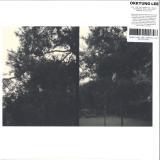
Unlike anything we have heard from her before, Okkyung Lee returns to Shelter Press with "Just Like Any Other Day: Background Music For Your Mundane Activities", a deeply intimate body of recordings at the juncture of ambient music, minimalism, and the baroque, that stands as radical intervention with what experimental music can be, and the place that organisations of sound occupy in our lives. For more than two decades, Okkyung Lee has stood at the forefront of the most radical trajectories of experimental music: a virtuosic cellist and improviser, renowned for her creative rigour and emotive depth. Particularly noteworthy for her range, dexterity, and adaptability, over the last five years Lee's output has revealed unexpected shifts and developments that move far afield from the realms of free improvisation for which she is most well known. 2020's "Yeo - Neun", a heart-wrenching, ambient chamber work - drawing inspiration from the Korean popular music of her youth - was issued by Shelter Press to great critical response, followed closely by "Teum (The Silvery Slit)" - one of a series engrossing electroacoustic works created at Groupe de Recherches Musicales in Paris - on Portraits GRM, and then "Na-Reul" in 2021, regarded by Lee as a closing statement of more than two decades living in New York, which set the precedent of her allowing her emotions to fully occupy the forefront of the music for the first time. Marking her return to Shelter press, "Just Like Any Other Day": Background Music For Your Mundane Activities", encounters Lee upturning the apple cart once again, weaving a profoundly intimate artistic statement on completely unexpected terms. Like its three aforementioned predecessors, "Just Like Any Other Day" belongs to broadening shift in Lee's approach to composing that roughly aligns with her return to her native South Korea, having lived in the United States since her late teens. Infused with a deep reengagement with her own culture and relationship to memory, it is equally a response to those critical challenges and questions provoked by significant life change. Worked on in isolation, and continuously returned to, over the course of four years, the album's nine pieces began with a simple recognition that experimental music is not always what we imagine it to be. It is a practice and a pursuit - a music for which, at its inception, the outcome is unknown - rather than an idiom defined by certain syntaxes, approaches, and qualities of structure and sound. From this departure point, Lee began to inquire after the utility of music itself: what is it for, what does it do, and what place does it (or can it) occupy in our lives? This solitary and durational journey, each composition gradually moving through different phases and evolutions over years, led Lee toward uncharted ground: a music that is not only playful, introspective, and seductive, but also intended to provoke a relationship to experimental music beyond its normative expectations. Rather active or deep listening, it pursues passive listening. Rather than a grand statement, it is discreet. Rather than virtuosity, it embraces the elegant and direct. Even more strikingly, for the first time, the music of "Just Like Any Other Day" encounters Lee leaving the cello entirely behind. Created at home on keyboard, computer, and an inexpensive cassette recorder, "Just Like Any Other Day" presents a remarkable form of ambient music - organisations of sound that become their own environment, to be occupied - intended, as the album's subheading infers, as Background Music For Your Mundane Activities. An expansion of the creative pathways opened by the Korean pop imbued compositions of Yeo - Neun, aspects of electronic process explored by "Teum (The Silvery Slit)", and the emotive foregrounding of "Na-Reul", each of the pieces presented across the two sides of "Just Like Any Other Day" implies something far greater than the limits of its own temporarily: a mood, provocations of memory and place, mirrors for the solitude within which it was made, and palpable emotion lingering just out of grasp. For Lee, each of the album's compositions could be continued or looped for an indeterminate duration: straddling a ground between the minimal and the baroque, enveloping the listener in endless cycles of appreciating, repetitive and rhythmical notes, flirting with the melodic and implying a disembodied imagism that borders on the profound. Remarkably beautiful and direct, Okkyung Lee's "Just Like Any Other Day: Background Music For Your Mundane Activities" - issued by Shelter Press on vinyl - represents a radical reconfiguration of experiential music, stripped to its bare essence in defiance of the widely presumed aesthetic signifiers. Unlike anything we've heard from her before, this immersive body of intimate recordings not only reveals new dimensions of Lee's striking range as an artist, but also of how we might regard and occupy music itself: an ambience to lived and felt like a second skin.
Double 7” vinyl, both packaged in one heavy PVC clear wallet, with centre label & sticker design by Ciaran Birch.
I Jahbar, G Sudden, Buddy Don & RDL Shellah representing Portmore, Jamaica's DUPPY GUN meet Lyon's Warzou, where each vocalist tee up a track off Warzou's mutant inspirations of the 94' Corduroy Riddim.
Cooked up at Record Studio Congos in Portmore, the Duppy vocalists go to town on the pressured & twisted dancehall excursions, referencing one of the most important riddims of the 90s. The DG collective have been making waves over the past two decades and this recent collaboration is another inter-continental link up of the highest order.
The meeting of the two finds it's home on Bristol imprint, Accidental Meetings.
There’s something Stavroz wants to share with you. ‘Take a seat’
Let it all sink in. Let your feet rest. Let your thoughts drift. Stavroz invites you to step away from the noise, from the scrolling, from the pre-packaged nonsense, from the GPT’s doing the thinking for you. It’s a gentle reminder to pause. To breathe. To remember how it feels to simply… wonder.
Stavroz offers their soundtrack to take that step back with them, guided by them. A journey, spanning over one hour, touching different genres while maintaining their signature sound. Stavroz has matured.
14 songs join you in that step, on vinyl no less! All the more reason to avoid skipping to the instant satisfaction part. Just start on side A and end on side D. Pop it on your record player, turn up the volume… and take a seat.
- A1: St Germain - So Flute (Simon Vuarambon Remix)
- A2: Limara & Dimitri Nakov - Nocturne Feat Natacha Atlas (Curol Remix)
- B1: Tombish - Around We Go
- B2: Wassu & Bona Fide - Threshold
- C1: Ramiro Drisdale - Feel & Move
- C2: Somelee - Quicksilver
- D1: Facundo Mohrr, Maxi Degrassi - Betimed
- D2: Sinca - Printemps
- E1: Bai - The Purpose
- E2: Lauren Ritter, Tenesha The Wordsmith - I Surrender
- F1: Nathan Katz - For You
- F2: Seth Schwarz & Solidmind Ft. Lydgen & Artemides - Create The Universe
Vol 5[27,31 €]
ALL DAY I DREAM COMMENCES THE NEW YEAR WITH A BANG, RELEASING A WINTER SAMPLER VI COMPILATION
Lee Burridge’s All Day I Dream imprint is thrilled to kick off 2024 with the latest addition to its semi-annual compilation series, A Winter Sampler VI, releasing January 26.
Serving as a testament to the label’s commitment to fostering emerging talent and highlighting the cutting edge of melodic house music, A Winter Sampler VI is a curated selection of tracks that showcase the diverse and vibrant sounds within the All Day I Dream family.
A Winter Sampler VI brings together an impressive consortium of artists from around the globe to put together a 12 track offering. The compilation kicks off with Simon Vuarambon's remix of St Germain’s 2000 hit ‘So Flute’, the euphoric and driving track setting the tone for a journey through the innovative and cutting-edge sounds of the compilation. From Wassu and Bona Fide’s deep yet playful collaborative track ‘Threshold’ to Nathan Katz’s serene and uplifting ‘For You’ to Seth Schwarz and Solidmind’s beautifully spiritual collaboration ‘Create The Universe’, each contribution adds a unique flavor to the sonic tapestry, resulting in a must-listen body of work from beginning to end.
A Winter Sampler VI serves as a testament to All Day I Dream's dedication to providing cutting edge melodic house from select talent across the globe, providing a platform for both emerging and established artists to shine.
All Day I Dream invites music lovers to dive into the next edition of their compilation series with A Winter Sampler VI
- A1: I've Never Been There
- A2: Cascade Street
- A3: Not That Simple
- A4: Summer Nursery Rythm N°2
- A5: Summer Nursery Rythm N°3
- B1: Already Gone
- B2: The Room
- B3: Introductory Movement
- B4: The Mute Girl
- B5: Naomi
- C1: Evening Party
- C2: The Old Man Still Wants It
- C3: Still Here
- C4: It Was There
- C5: Prayer N°2
- D1: Summer Nursery Rythm N°1
- D2: The Window
- D3: Prayer N°3
- D4: The Empty Room
- D5: Everyday Life
Seit langem fragen Leute, ob sie diese Alben erstehen könnten und bisher lautete die Antwort: Nein. Bisher! Wir sind begeistert, die Re-Issues dieser vier unglaublichen Alben mit verbessertem Artwork bekannt zu geben. Alle Alben wurden remastered und ist zum ersten Mal überhaupt auf Englisch erhältlich (eine englische CD-Version wird später auch noch erscheinen). Als die ursprünglichen Versionen veröffentlicht wurden, wurden die meisten Exemplare in Frankreich verkauft. Aber Yann wurde, nicht zuletzt durch den Soundtrack von ,Die fabelhafte Welt der Amelie auf der ganzen Welt bekannt. Für sein internationales Publikum hat er nun höchstpersönlich seine Titel mit größter Sorgfalt ins Englische übersetzt, um sicher zu stellen, dass die Originalinhalte beibehalten bleiben. Im Januar folgen die nächsten beiden Alben. ++ Auf "Rue Des Cascades" bedient sich YANN TIERSEN einer ganzen Armada an spannenden und mutagen Instrumenten: einiger sehr rare Instrumente, aber auch Klaviere, Kinderklaviere, Cembalo, Geigen, Akkordeon, Mandoline, Glockenspiel, Melodica und Banjo zusammen mit menschlichen Stimmen. Zusammen sorgt das für eine äußerst angenehme, entzückende und wunderschöne Musik mit einer warmen Atmosphäre. Einige der Stücke auf "Rue Des Cascades" tauchen auch auf TIERSENs "Amelie"-Soundtrack auf, so dass jeder, dem die Musik des Soundtrackes gefiel, auch hieran gefallen finden wird.
Docile is a reaction to the stimulus that is Detroit. The “my way e.p.” is a product of a turbulent time of readjustment. Made from Weathering confusion and standing strong. Docile refines a style of minimal that is authentic and independent from mainstream dogma. Docile belives in the vinyl record; a.garcia presses and checks every copy himself. Docile is, and will remain for itself.
"1 more day” builds a bed of unfocused synth for a healthy and life sick melody to nuzzle in. A heart felt tune of 4/4 simplicity grounded by an easy knock and an array of ticks. ”Hold up bro” a topsy turvy funk swing of chopped sound, voice and bassline escorted and overwhelmed by a mystic serenade of a synth. “Almost gone” assembles random sound into a soulful fragmented rhythm made steady by a poppy kick and stiff tick that breaks and stumbles into a dramatic melody. ”Detroit Rumble” struts tuff with a belligerent bassline and a menacing minimal kick that rattles and deforms chimes across a spartan and haunted landscape,
Celebrated DJ, producer, and sonic explorer Auntie Flo (aka Brian d’Souza) — described by The Guardian as “one of global club culture’s most vital voices” — returns this autumn with ‘Birds of Paradise’: a rhythmically rich, emotionally resonant, and ecologically grounded new album, out 23 October via his A State of Flo imprint. The album will be launched with a special live show at London’s Jazz Caféon the same day.
‘Birds of Paradise’ draws on d’Souza’s global club experience while deepening his connection with the natural world. Built around classic Roland drum machines and iconic vintage synths, the record is a joyful, body-driven celebration of rhythm and movement, but one grounded in ecology and place. The album’s spiritual centre lies in Saligao, Goa, near d’Souza’s maternal homeland where his Auntie Florie (where the name is derived from) is buried. Where he found his ‘paradise’ nearby, staying in a converted fisherman’s hut and recorded dawn choruses from a riverside studio overlooking mangrove-lined waters. Environmental textures from Japan also make their way into the music, creating a sonic map rooted in lived experience.
“Birds of Paradise is about finding beauty and rhythm in a chaotic world. It’s about listening, to nature, to our bodies, to what’s real. It’s a reminder that dance music can be both joyful and grounded.” The album blends Afro-Latin polyrhythms with Western 4/4 patterns, fusing instinctive, dancefloor energy with field recordings that anchor the music in the earth. Described by d’Souza as “tropical with a few deeper edges, a balance of light and dark.”
The new record follows the acclaimed ‘In My Dreams, I’m A Bird and I’m Free’, which earned 4 stars and Global Album of the Month from The Guardian, featured in Disco Pogo’s Albums of the Year, and received support from Luke Una, Resident Advisor, Juno, Bandcamp, Mixmag, DJ Mag, Electronic Sound, The Skinny, Beatport, Ban Ban Ton Ton, and more. The album’s launch show at Omeara London sold out. Other recent projects include the ‘Outernational Dance’ EP on cult label Multi Culti, event series ‘Plants Can Dance (and Mushroom’s Sing)’ which explore plant and fungi bioelectricity as a means of live composition, and ‘Black Beacon’, a haunting cassette release and soundwalk series recorded on the abandoned military island of Orford Ness. There, d’Souza explored the eerie intersection of nature, decay, and deep time, gaining special access to restricted buildings to capture long-form soundscape compositions.
Alongside his production work, d’Souza has emerged as a leading voice at the intersection of sound and science. He curated music for Imperial College’s groundbreaking psychedelic therapy trials, developing six-phase playlists to guide participants through psilocybin-assisted sessions treating conditions such as fibromyalgia and gambling addiction. His five-hour ambient set at Watching Trees Festival, selected as Resident Advisor’s Mix of the Day, continued this exploration into the therapeutic potential of sound in altered states. He also spent six months collaborating with BBC producer Tom Raine on a documentary for BBC World Service, centred on a two-week journey through Kenya and Goa. There, he performed live, led plant music workshops, and joined a deep listening retreat rooted in field recording. “I realised my studio isn’t just four soundproofed walls filled with instruments — it’s the journey itself. It’s the people I meet, the natural world I listen to, and the connections I feel.”
This same commitment to deep listening fuels his live concept Plants Can Dance, a project that combines the biosonification of plants and fungi with modular synthesis. The next event, on 14 September at Hideout Hackney Wick, will feature performances by Stella Z and Lapalace, with d’Souza and resident Lamine playing live alongside responsive plants in collaboration with Repot Hackney Wick and the label Music To Watch Seeds Grow By. “I’ve spent years exploring how electronic music can connect us, not just to each other, but to the natural world. Whether it’s translating mushroom data into melody or capturing birdsong at dawn, it’s about finding resonance across bodies, ecosystems, and machines.”
Rooted in his Goan and Kenyan heritage and shaped by years of travel and collaboration, d’Souza’s creative mission is simple: to reconnect the electronic world with the natural one. Through A State of Flo, he continues to blur the boundaries between club culture, sound art, and ecological awareness.