Having worked together on his 2024 album Colours & Light, Project Gemini aka Paul Osborne joins forces once again with Wendy Martinez, French singer and composer, and also part of renowned psych-girl group Gloria on a new collaborative EP. Landing on Mr Bongo, ‘Time Stands Still / Le temps s'arrête’ is a sonic exploration that shows a shared love of the progressive music emanating out of France in the ‘60s and ‘70s and the celebrated film soundtrack composers of the time. A more melodic and romantic excursion than Paul’s previous recordings, this EP marries his richly textured, cinematic psych rock with Martinez’s captivating vocal presence.
A body of work born during the period Paul was finishing up his last LP Colours & Light, he penned an album’s worth of instrumental library-style music and had the idea of having Wendy add vocals and lyrics to a selection of them. The instrumental record got scrapped, but thankfully ‘Time Stands Still’ grew out of it.
Paul was a fan of Wendy’s work as both a solo artist and in the band Gloria, and her inclusion on the Project Gemini tracks ‘Entre chien et loup’ & ‘Extra Nuit’ showed a clear synergy to their musical approaches and sounds. For ‘Time Stands Still’ he sent over instrumental tracks one by one, with Wendy taking time to find melodies and French poetry she was happy with and returning her ideas from her home just outside of Lyon.
Drawing inspiration from French soundtrack composers such as François de Roubaix, Frances Lai and Michel Colombier, as well as French female artists including Léonie and Laurence Vanay, these productions are a contemporary love letter to this sound, not a homage. Mixing psych, folk, chanson, and French new wave, it’s music that pulls you in deeper, with groove, grit and passion at its core.
'Je n'ai plus peur' kicks things off with a sultry energy. It’s a psych-funk production drenched in attitude, swagger, and edge, which nods to the left-field side of Serge Gainsbourg’s music. Elsewhere, 'Âme contre âme' feels like the opener from a forgotten new-wave film, managing to be at both beautiful yet sinister and longing. 'The Crawler' could be incidental music from the same film, with Wendy using her voice as an instrument layering the backing track as Paul's bass takes centre stage. The ghostly spoken word of 'Ce qui est intact' echoes a funky version of what the Théâtre du Chêne Noir d'Avignon may have recorded.
A transportive journey ‘Time Stands Still’ is nostalgic yet new in the same smoke-filled breath. Fuzzed-up guitars and driving basslines meld with folk-leaning organs and mellotron vibrations to give that eerie, otherworldly edge. All of which are seasoned by the sensuous, layered vocal tones of Wendy Martinez, alongside crisp drums from Tony Coote and considered percussive touches by Paul Elliot.
Поиск:solo id
Все
RYC presents a four-track journey at the junction of their respective universes, teleporting us straight to a propulsive, mind-expanding headspace as we're invited to explore sonic territories still uncharted and harmonics yet unravelled. The collaborative A-side begins with the dynamic title-track, 'Cross Passage', a proactively future-facing number packing the kind of utopian drive that used to define the original techno sound. A highly cinematic narrative boasting Detroit-style vision and epic breath, 'Cross Passage' builds bridges between hi-tech elation and organic integration, transcending mere functionality to push back and expand the limits of techno as a deep communication vessel between the individual and the mass. Firing off like a binary script gone astray, 'Fibre Axis' takes us on a further bumpy ride across shape-shifting interfaces and blurred-out digital scapes, via abrupt pixel landslides and fractured 3D renderings. Side-B finds each producer dishing out a slice of his/her own musical idiom. Polygonia strikes first with the pulsating 'Voltage Blues' - a mesmeric roller cut from pure eerie synth algebra, boundary-pushing abstraction and surgical but experimental-leaning rhythmic assault. The result is a piece of cutting-edge techno hoodoo, ready to take on clubs with utmost abrasive swagger. Sniping a hail of rainbow-like analogue synth outpour, Wata Igarashi's solo contribution 'The Tunnel Dreams' rounds off the journey on a fiercely nonconformist note. Merging a hard-hitting main swing with 8-bit-esque audio pointillism and brooding bass undertones, the Japanese producer cuts a path of antigravitational abandon and relentless rush towards absolving euphoria, which shall leave all in the room levitating somewhere between sheer daze and love-thirsty XTC. *Clad in the sleekest cover art courtesy of designer Atact, RYCL024 is pressed to red & white marbled vinyl for you, fancy platter collectors and picky audio-visual aesthetes alike.
Furthering the passionate exploration of cinema that has guided her two previous LPs - 2017’s ‘Fassbinder Wunderkammer’ and 2020’s ‘I Should Have Been a Gardener’ - the Milanese guitarist/composer, Alessandra Novaga, returns to Die Schachtel with ‘The Artistic Image Is Always a Miracle’, two sides off shimmering, tense compositions – culminating as one of her most creatively ambitious and conceptually rich outings to date – freely inspired by the life and work of the Russian director Andrej Tarkovsky and the music of Johann Sebastian Bach.
Classically trained at the Musik Akademie in Basel, Switzerland, over the last decade Alessandra Novaga has emerged as one of the leading figures within northern Italy’s thriving new, experimental, and improvised music scene, rendering striking solo efforts, in addition to collaborations with Loren Connors, Stefano Pilia, Elliott Sharp, Nicola Ratti, Paula Matthusen, Sandro Mussida, Kid Millions, Travis Just, Francesco Gagliardi, and others. Remarkably ambitious and forward thinking, her approach to the guitar embarks upon a relentless deconstruction and rethinking of her instrument’s unique properties through distinct applications of structure, resonance, space, and tone, creating in a deeply personal and emotive music, seeking narrative and meaning within the abstractions of sound.
In 2017, with the LP, ‘Fassbinder Wunderkammer’, issued by Setola Di Maiale, Novaga embarked upon the exploration of her love of film. Having begun with Rainer Werner Fassbinder, this was followed in 2020 by Die Schachtel’s release of ‘I Should Have Been a Gardener’, a deeply intimate mediation on the life and work of Derek Jarman. Rather than focusing on a fixed point of inspiration or a single film to work from, these pieces achieve a form of abstract portraiture, distilling elements drawn from these filmmaker’s life and work into ambient networks of texture and tonality. ‘The Artistic Image Is Always a Miracle”’ freely inspired by the Russian director Andrej Tarkovsky and the music of Johann Sebastian Bach, finds Novaga radically expanding her sonic palette within this approach.
The seeds of ‘The Artistic Image Is Always a Miracle’ can be traced to a conversation that Novaga had with Alan Licht (contained in the highly regarded Common Tones: Selected interviews with artists and musicians 1995–2020, Blank Forms, 2021), relating to the connections between music and cinema, which led her to consider Andrej Tarkovsky’s use of Bach's music within a symbiotic framework: how the music illuminates the imagism of the films, and the film illuminates new dimensions of the music. Slowly developing over the subsequent years, the resulting album comprises six individual works, some of which draw directly upon pieces of Bach’s music that Tarkovsky used in his films – specifically 'Erbarme dich, Mein Gott', 'Das alte Jahr vergangen ist', and 'Ich ruf zu dir, Herr Jesu Christ' - while others draw upon the sensibilities and moods evoked in the imagination by the director’s films.
As a point of departure and illumination into the process and spirit that underscored the creation of the album, Novaga points toward a passage in Tarkovsky’s "Sculpting in Time”:
“Art is born and takes hold wherever there is a timeless and insatiable longing for the spiritual, for the ideal: that longing which draws people to art. Modern art has taken a wrong turn in abandoning the search for the meaning of existence in order to affirm the value of the individual for its own sake. What purports to be art begins to look like an eccentric occupation for suspect characters who maintain that any personalized action is of intrinsic value simply as a display of self-will. But in artistic creation the personality does not assert itself, it serves another, higher and communal idea.”
‘The Artistic Image Is Always a Miracle’ can be understood as a realisation of the collectivism of which Tarkovsky speaks, in the service of something far beyond the expression of self. Encountering Novaga moving into fairly uncharted waters, three of the album’s pieces incorporate the human voice we encounter the voices of others: that of the poet Arsenij Tarkovsky, the director’s father; a singer from Bach’s ‘Erbarme dich, Mein Gott’, capturing a broadcast in an underground parking lot, and Novaga’s own, rendering the melody from Bach’s “Ich ruf zu dir, Herr Jesu Christ”. Roughly alternating between solo excursions on guitar and bristling electroacoustic pieces, over the course of the album’s two sides Novaga weaves one of her most abstract and ambitious bodies of recordings to date, shifting between the complex tonal mediations generated by the six strings of her instrument, and phycological densities activated by the expanded pallet of sonority made possible by the tactics and approaches of musique concrète.
An immersive, deeply engaging meeting of beauty and melancholy within a labyrinth of voices and ideas, ‘The Artistic Image Is Always a Miracle’ transfigures the life and work of Andrej Tarkovski – one of the greatest auteurs in the history of cinema – into a singular, experimental statement of collective truth. Belonging to recent, ambitious stream of contemporary new music releases on Die Schachtel that’s already included Novaga’s ‘I Should Have Been a Gardener’, Stefano Pilia’s ‘Spiralis Aurea’, Jim O'Rourke & Giovanni Di Domenico’ ‘Immanent In Nervous Activity’, Claudio Rocchetti’s ‘Labirinto Verticale’, and Damāvand’s ‘As Long As You Come To My Garden’, among others, ‘The Artistic Image Is Always a Miracle’ is available on as a limited edition of 300 dark turquoise vinyl LPs released on June 21, 2024. The LP, designed by Bruno Stucchi / dinamomilano, comes with an 8-pages insert illuminated by Alessandra’s text as well as the lovely and intense photographs of Matilde Piazzi.
- A1: Cadux Plectere I
- A2: Lacinia Off Axis
- A3: Maris Stella Plectere Ii
- A4: Ere
- B1: Arborea Plectere Iii
- B2: Eve
- B3: Sidereus Plectere Iv
- B4: Lacinia In Axis
- C1: Veris Plectere V
- C2: Nova Pt I
- C3: Eve For String Orchestra
- C4: Nova Pt Ii
- D1: Matrix Plectere Vi
- D2: Maris Stella Plectere Vii
- D3: Lacinia Off Axis
- D4: Cycle Plectere Viii
Returning to Die Schachtel with his fourth full-length with the label, the Genoa born, Bologna based, guitarist and electroacoustic composer, Stefano Pilia, delivers “Lacinia”, a new, immersive cycle of compositions, delving deeper into the realm of metaphysical, spiritual, and divine meaning, weaving astounding arrangements of sonority from a palette of synths, strings, brass, organ, various electroacoustic instruments, and percussion. Resting at a refined intersection of the acoustic and electroacoustic, drone, and chamber music - overwhelmingly beautiful, delicate, and bold, - “Lacinia” stands as a high-water mark in Pilia’s already remarkable and forward-looking career.
Since its founding in Milan during the early years of the new millennium, Die Schachtel has occupied a singular place in the landscape of experimental music, issuing a carefully curated body of reissues and archival releases by historically significant figures and projects like Christina Kubisch, Luciano Cilio, Marino Zuccheri, Prima Materia, Claudio Rocchi, Lino Capra Vaccina, Gruppo di Improvvisazione Nuova Consonanza, Roland Kayn, and numerous others, balanced against bristling contemporary counterparts by the likes of Jim O'Rourke, Giovanni Di Domenico, Nicola Ratti, Luigi ArchettI, Valerio Tricoli, etc. Running like a spine through the label’s output is a deep dedication to the work of the Italian guitarist and electroacoustic composer Stefano Pilia. Now Die Schachtel returns with “Lacinia”, Pilia’s forth full-length with the label and their first release of 2024. Building on the ground of deeply personal engagement with metaphysical, spiritual, and divine meaning, explored within his previous LP with Die Schachtel, 2022’s “Spiralis Aurea”, “Lacinia” encounters the composer working in close calibration with various ensembles, including the Bologna based Ensemble Concordanze and Comunale di Bologna String Orchestra, weaving synths, strings, brass, organ, various electroacoustic instruments, and percussion into an astounding reconfiguration of immersive, contemporary minimalism that stands among Pilia’s most noteworthy releases to date. Issued by Die Schachtel in two special double vinyl editions and a CD edition, “Lacinia” features artwork by Bruno Stucchi/Dinamomilano, and is an absolute marvel that draws you in and doesn’t let go.
First emerging during the early 2000s, over the past two decades – via solo releases and numerous collations with artists like Oren Ambarchi, Valerio Tricoli, Alessandra Novaga, Z'EV, Andrea Belfi, David Grubbs, and numerous others - the Genoa born, Bologna based, guitarist and electroacoustic composer, Stefano Pilia has presented a singular voice within Italian experimental music, harnessing visceral energy and hands-on immediacy within delicately woven tapestries of sonority, each investigating the sculptural properties of sound and illuminating its relationship to space, memory, and the suspension of time. “Lacinia”, Pilia’s forth solo venture with Die Schachtel, encounters the composer reentering his longstanding practice of collaboration with various ensemble forms, including the Bologna based Ensemble Concordanze, for the albums central piece, “Lacinia Off Axis”, spinning stunning string confirmations by Pietro David Carami and Elena Maury on violin, Alessandro Savio on viola, and Mattia Cipolli on cello.
A new, important cycle of compositions by Pilia, “Lacinia” (meaning "lace" in Latin) builds upon the exploration of the metaphysical, spiritual, and divine dimensions through numbers, geometry, and the creation of tonal forms explored by 2022’s “Spiralis Aurea”, mirroring archetypal, immutable forms at the juncture of the abstract realm of mathematics and architectural structures in the physical world, expands the poetics and compositional ideas featured in its predecessor. Regraded by Pilia as both a series of individual compositions and a single work, “Lacinia” was conceived to “define a circular path (a sort of "rhizomatic lace") where the beginning and end touch, suggesting the concept of time not only as linear but also cyclical and ritualistic—an eternal return, a process of transformation where matter changes, its state changes, but without altering the invisible internal principle of mutation”, embarking upon a a series of “steps, degrees, and energetic quanta in a progression of archetypal whole numbers and transcendent creation.”
The resulting 16 tracks unfold as a series of complex sonic meditations. While deeply resonant with the minimalism of composers like Arvo Pärt, LaMonte Young, Pauline Oliveros, and Eliane Radigue, Pilia digs deep and moves far beyond the predictable tonal relationships and structures of that idiom, echoing the ancient liturgical and devotional music of composers like Gesualdo da Venosa, Monteverdi, and John Dowland, at a refined intersection of the acoustic and electroacoustic, drone, and chamber music.
Fascinatingly structured as a whole to include a number of motif returns, across which we encounter works like “Lacinia Off Axis” appearing in slightly different rendering, states, or evolutions three times, and compositions like “Eve” appearing twice in subtly different forms and arrangements - first for four oscillators, guitar and voice and then for string orchestra - as well “Maris Stella”, which similarly makes two appearances, first for horn trio, organ and percussion, and then for string orchestra, with “Lacinia” Pilia delves further into the world of chamber music than ever before, creating a deeply inward, mediative body of work the totality of which, guided by its rich string arrangements of arching, sorrowful tone, feels almost like a mass for some unproclaimed loss; simultaneously locked in the nuances of a moment, while managing to suspend time.
Perhaps most remarkable is Pilia's ability to create a remarkable sense of sonic cohesion while using such a varied number of ensembles and instrumentation. From the sprawling string arrangements delivered by Comunale di Bologna String Orchestra, under the direction of Paolo Mancini, and Ensemble Concordanze, and a flute trio (Cadux / Plectere) brilliantly played by Manuel Zurria, to pieces for sax, organ and percussion, violin duo and percussion, organ and percussion, Pilia manages to create a sense of singular, encompassing world that flows forward like a shifting stream.
Overwhelmingly beautiful, delicate, and bold, “Lacinia” is unquestionably a high-water mark in Stefano Pilia’s already remarkable, forward-looking career. Nothing short of a marvel of contemporary Minimalism that, through its shifting arrangements of harmonics, tonality, and texture draws flickering images of ancient forms of music into the present day, “Lacinia” is Issued by Die Schachtel in two special editions on double vinyl and a CD edition, featuring artwork by Bruno Stucchi/Dinamomilano. This is an immersive all-consuming listen that can’t be missed.
“Warning! Night Time Listening Advised!”
In early spring 2023, with the end of COVID-19 in China, MK helped produce this album for Rubey. Focusing on the piano atmosphere and framework of the Night Piano Project, MK added some flowing sounds and textures to Rubey’s original tracks using a guitar, delay effects, and a synthesizer. At the same time, Ding Mao, another member of the band Hualun, contributed on two tracks. Of course, all production processes were completed at night; capturing the quiet atmosphere of traditional Eastern natural landscapes and transforming them with indoor amorous feelings. These melodies and notes wander and travel through different times and spaces, and ultimately converge in different rooms.
“In Different Rooms” is the second solo album by Rubey, a keyboardist from the band Hualun. It is also Rubey’s second album release since producing the soundtrack for the movie “Virgin Blue” in 2022. It includes 8 works created between 2020 and 2023. Rubey and MK are located in Beijing and Shenzhen respectively. Just like many of Hualun’s works, the original idea for “In Different Rooms” came from Rubey’s daily piano improvisation practice. Named the “Night Piano Project”, Rubey would spend his nights playing his YAMAHA electric piano.
- Reaching Up To The Sun
- Strange World
- Dandelions
- Poppies
- Good Luck With Your Secret
- Always In Love
- Close Your Eyes
- I'll Go With You
- Blue Moth Cloud Shadow
- News Of The Universe
- Moon In Reverse
- Blue Jay
Auf 500 Stück limitierte 2025er Nachpressung vom 2024er La Luz Album auf gelbgrünem Vinyl. LA LUZ aus Kalifornien wird von Fans und der Presse gleichermaßen seit ihrem Gründungsjahr 2012 geliebt, da sie den Spagat zwischen Chaos und Bittersüße schaffen. Jede neue Platte ist ein weiterer Feinschliff an der Mischung aus schwülstigen Riffs und engelsgleichem Gesang, der an Pop und Folk angelehnt ist; eine Band, die so verlässlich großartig ist, dass sie den gewaltigen Schritt nach vorne in Sachen Selbstvertrauen und schierer Musikalität, den "News of the Universe" macht, umso beeindruckender macht. Cleveland, die auch schreibt und malt, hat sich zu einer wahrhaft originellen Songwriterin mit einem eigenen Kanon geisterhafter Psychedelik entwickelt, die sich in den letzten Jahren von der sich wandelnden Landschaft rund um ihr ländliches Zuhause in Kalifornien hat inspirieren lassen, vor allem auf dem von der Kritik gefeierten Soloalbum Manzanita, einer magisch-realistischen Dokumentation ihrer Schwangerschaft und frühen Mutterschaft, die auf vielen Jahresendlisten stand. Selbst wenn Cleveland jahrelang Songs über Geister geschrieben hat, so ist das, was in den Schatten von "News of the Universe" lauert, nichts weniger als der Tod selbst: "There are moments on this album that sound to me like the last frantic confession before an asteroid destroys the earth." Klanglich ist die Platte voller Dringlichkeit. Die Songs stolpern über sich selbst, als würden sie versuchen, der Apokalypse zu entkommen: das atemlose Prasseln der Toms in "Strange World", das fingerfertige Eröffnungsriff des Titeltracks, getränkt in Verzerrungen. Eine Atmosphäre des Untergangs schwebt über dem Sgt. Pepper-esken Barock-Pop-Song "Poppies", in dem Cleveland von einer schwankenden orangefarbenen Idylle singt, die von der Spätsommersonne in Flammen aufgehen wird. In dem ähnlich kaleidoskopischen "Dandelions" hält sie die gelben Blumen für ahnungslose "kleine Sonnen", die sich im Laufe der Saison in "Monde" verwandeln werden. Die synthetischen Klänge, die auf dem letzten Album "La Luz" von 2021, verwendet wurden, um das träge Summen und Knistern eines Sommertages auf dem Lande zu imitieren, wurden im Weltraum verstreut. Düster, verletzlich, weiblich und unbestreitbar triumphierend ist "News of the Universe" eine weitere umwerfende Platte einer Band, die so verlässlich gut ist, dass die Leute vielleicht übersehen haben, wie bahnbrechend LA LUZ wirklich sind: farbige Frauen in der Indie-Musik, die ihren eigenen Weg gehen, indem sie ihrem eigenen künstlerischen Stern in Galaxien jenseits der aktuellen musikalischen Trends folgen - immer geleitet von einem aufrichtigen Glauben an die kosmische Kraft der Liebe und eines großartigen Riffs. Niemals trifft das mehr zu als auf "News of the Universe", dem vielleicht brutalsten Album von LA LUZ, das aber auch das glücklichste ist.
Jackie Mittoo’s ‘Reggae Magic’ is a new collection from the great Jackie Mittoo. The album features a mixture of classic tunes and rarities from the period 1967-74, when Mittoo was at the height of his musical powers. Mittoo’s solo career began after the end of The Skatalites in 1965. He began pushing new musical boundaries, creating a uniquely identifiable organ-led funky reggae sound that owed as much to Booker T and The MGs, Jimmy Smith, Stax and Motown as to the post-ska and emergent rocksteady island rhythms of Kingston, Jamaica. His solo work at the legendary Studio One spanned seven albums and hundreds of singles.
Aside from producer and founder Clement ‘Sir Coxsone’ Dodd, it’s hard to think of anyone more central to the sound and success of Studio One than Mittoo; keyboard player extraordinaire, songwriter, arranger, musician, truly the Keyboard King at Studio One. Jackie Mittoo had been the youngest founding member of The Skatalites (at age 16), probably the most important group in Jamaican music. After they split, he became leader of the three pivotal groups at Studio One – The Soul Brothers, The Soul Vendors and Sound Dimension. He also became musical director for Studio One, helping create countless hits for singers Ken Boothe, Bob Andy, The Wailers, John Holt, Delroy Wilson and more – unforgettable tunes like Alton Ellis’ ‘I’m Still in Love with You’, Marcia Griffiths’ ‘Feel Like Jumping’, The Heptones’ ‘Baby Why’ and others. Between 1965 and 1968, many of the tunes created at Studio One can be attributed to Mittoo – timeless instrumental tracks, recorded either under his own name or those of The Soul Brothers, Soul Vendors and Sound Dimension, that have become the basis for literally 1000s and 1000s of Jamaican songs over many decades, giving the music an unsurpassed longevity.
The endurance of his music was as a direct result of significant developments in Jamaican music in the 1970s, namely the creation of three important new styles: Dub, Deejay and Dancehall. In the early 1970s Mittoo’s instrumental tracks were used as the musical source for a series of classic Studio One dub albums. At the same time Deejays at Studio One, including Dillinger, Prince Jazzbo and Dennis Alcapone, began toasting over these same popular rhythms to create their own new songs. In the mid-70s, a new generation of Studio One singers and deejays, including Sugar Minott, Freddie McGregor, Johnny Osbourne, Michigan & Smiley and others, began once again creating new melodies over these original instrumentals, signalling the birth of a new Jamaican style that became known as ‘dancehall’.
As dancehall swept across the island, rival producers copied these now classic rhythms. These original Jackie Mittoo-driven tunes spread like a virus throughout Jamaican music; be they the instrumental cuts to tunes such as Alton Ellis’ ‘Mad Mad’ , ‘I’m Just A Guy’, Larry Marshall’s ‘Mean Girl’, Slim Smith’s ‘Rougher Yet’, and instrumentals such as Mittoo’s classic ‘Hot Milk’ or ‘One Step Beyond’, The Sound Dimension’s ‘Real Rock’, ‘Heavy Rock’, ‘Full Up’, ‘Drum Song’, ‘Rockfort Rock’ … and the list goes on. These tracks became a constant soundtrack to the island, emitting from the ever-present sound of speaker boxes strung up around dancehalls. This recycling travelled even farther afield; The Sound Dimension’s instrumental ‘Real Rock’, updated by Willie Williams on his classic ‘Armageddon Time’ was in turn covered by The Clash. Lily Allen sampled Mittoo’s debut solo single ‘Free Soul’ for number one hit ‘Smile’; Dawn Penn’s ‘You Don’t Love Me (No, No, No)’, accompanied by The Soul Vendors, was revived by Penn and producers Steely & Cleevie in 1994, since covered by Rihanna, Ghostface Killah, Stephen Marley, Damian Marley and Beyonce. And so it goes; an endless time-leaping, continent-hopping diasporic musical map of the world with all roads essentially leading back to one man – Jackie Mittoo.
What is the source, and why does it matter? Marking three years since his debut LP, area127 honcho Tadan steps forward with his second solo record. Built on a trance language of his own, it dives into tripped-out sonic terrains where introspection meets organic force.
The journey begins with ‘Pure Idea’, as waterborne harmonies ripple like the first morning rays through glowing tones. ‘Level 27’ ascends into a haze of suspended energy, flickering and pulsing to bridge rhythm and reflection. With ‘Muses’, the record transcends into hypnotic rite – nocturnal breaks and avant-garde melodies conjure a dialogue between psyche and body. ‘Evolution’ wraps it up in future-driven, past-echoing psychedelia, lucidly carrying the answers you might be looking for.
2025 Repress
Paris-based multi-instrumentalist Emile Sornin is currently on an impressive run of releases: two film soundtracks for De Nos Frères Blessés by Hélier Cisterne (2020) and Babysitter by Monia Chokri (2022), and a recent and acclaimed solo album, L'Idiophone on Born Bad Records, for which he has been touring Europe since march.
Forever Pavot is already back at it with his third film score for Monia Chokri's new movie Simple Comme Sylvain, inspired by Italian soundtracks and romantic grooves.
Originally released in 1985 on Japan Records this is CHIKO HIGE’s second solo effort. Hige digs deep in the No-Wave idiom to come out with a powerful, hypnotic sound trip full of hyper-cinetic grooves, clipping guitars and twisting saxophones. A snapshot of controlled chaos that still sounds relevant today!
Berlin musician and DJ Nastia Reigel presents her debut solo album, Identity, on Function's legendary Infrastructure New York imprint. Following a constant output of EPs on heavy-hitting techno labels like fabric, Rodhad's WSNWG and Token, and playing regularly at the likes of Berghain, Reigel now returns with new music that pushes deep into the core of her craft. She has honed and sharpened her sound into something sleeker and more uninhibited. Identity embodies the core of Nastia's production DNA, showcasing her as a powerful and precise engineer. These eight new tracks, mixed by herself, all offer something distinct and carry her unmistakable signature. Much like human identity itself, the album explores contrasting layers of tension, groove and mood, oscillating from hypnotic rollers to peak time intensity with ease. It is both a personal artistic statement and a DJ-ready techno toolkit for fans of Function and Sandwell District.
Daniil Trifonov, „einer der beeindruckendsten Pianisten unserer Zeit“ (New York Times) veröffentlicht sein
mit Spannung erwartetes Tschaikowsky-Album!
Der Starpianist erkundet darin ausgewählte Werke von Tschaikowsky für Klavier solo. Diese offenbaren die
intimere, private Seite des romantischen Komponisten, denn „Tschaikowsky war kein mürrischer Sonderling,
sondern pflegte vor allem in jüngeren Jahren sehr fröhliche Freundschaften und fand großen emotionalen
Rückhalt in seiner Familie“, sagt Trifonov.
Zu hören sind die frühe Klaviersonate in cis-Moll, „ein zu Unrecht übersehenes Meisterwerk“, welches
reich an wechselnden Stimmungen und originellen Ideen ist, das Thème original et variations in F-Dur und
das Kinderalbum op. 39. Zusammen eröffnen diese Werke einen Einblick in das, was Daniil Trifonov die
„private Ebene Tschaikowskys“ nennt – „einen Geist, geprägt von Erinnerungen an Jugend und Familie“.
Das Album endet mit der farbenprächtigen Suite aus Dornröschen. Diese wurde 1978 von dem damals erst
21-jährigen Pianisten und Dirigenten Mikhail Pletnev transkribiert, der im selben Jahr – genau wie Trifonov
33 Jahre später im Jahr 2011 mit einem spektakulären Sieg – den Internationalen Tschaikowsky-Wettbewerb
gewann. Pletnevs Bearbeitung für Soloklavier von Highlights aus dem beliebten Tschaikowsky-Ballett ist
für Daniil Trifonov „ein meisterhaftes Klavierwerk in sich“.
Der norwegische Saxophonist Bendik Giske steht an der Schwelle zu seinem dritten Soloalbum und kennt sich selbst gut. Mit seinem neuen, selbstbetitelten Album befindet er sich in seiner Blütezeit als Künstler: selbstbewusst in Bezug auf seine Stimme und seine Fähigkeiten, beflügelt von Kritikerlob aus allen Ecken - einschließlich zweier norwegischer Grammy-Nominierungen - und einer Welle von Zuhörern überall. Mit der Wahl von Beatrice Dillon als Produzentin des Albums - die britische Elektronikmusikerin ist eindeutig eine Weggefährtin in der Praxis des originellen ästhetischen Ausdrucks - ist ihr Einfluss unmittelbar und deutlich spürbar. Gemeinsam entfernen sie eine Schicht des Melodismus und konzentrieren sich auf Muster und Rhythmus, um eine andere Dimension seines faszinierenden Sounds hervorzuheben. Da er wieder mit Einzelaufnahmen arbeitet, ohne Overdubs, nur mit Saxophon und seinem Körper, sind der hallige Raum und der liebliche Glamour verschwunden. Für Giske kommt das Ergebnis einer musikalischen Nacktheit von ganz vorne gleich - jedes Detail, jedes Röcheln und Schnaufen ist hörbar, nichts wird verdeckt, nichts ästhetisiert. Die Leute schauen vielleicht weg, wenn es nicht so schön ist, aber was übrig bleibt, fühlt sich präsenter und stärker an. Es ist konfrontativ, verlangt mehr Aufmerksamkeit, aber durch seine Körperlichkeit - man kann seinen Körper in der Musik hören und fühlen - versetzt es einen in einen Flow-Zustand, irgendwo zwischen Ekstase, Hochgefühl und spirituellem Erwachen. Es ist sehr menschlich, aber es gibt auch eine starke Spannung - die es immer geben wird, wenn man um Existenz und Gültigkeit kämpft - elegant illustriert durch Florian Hetz' eindrucksvolle Fotografien des Künstlers zu der Veröffentlichung. Zum Teil ist Giske von Judith Halberstams The Queer Art of Failure inspiriert. So sehr er auch von seiner Ausbildung und Teilnahme am Umfeld des Jazz-Konservatoriums profitiert hat, führte ihn sein Weg doch weit über dessen Grenzen hinaus. Die Arbeit an diesen neuen Erkundungen mit seinem Instrument war ein zehnjähriger Prozess, in dem er das, von dem er wusste, dass es letztlich nicht passte, abstreifte und das klangliche Territorium seiner gelebten Erfahrung fand. Daraus entstanden Systeme, die Studien von Tempo und Proportionen ermöglichten, ein Ausgangspunkt für einen immersiven improvisatorischen Ansatz, der jahrelange musikalische Erkundungen abbildet. Es ist der Klang von sozialer Emanzipation durch den meditativen Puls und die Geschwindigkeit der Zirkularatmung und den Tanz des Körpers, insbesondere der Finger, der Zunge und der Lippen. Giske weiß, dass Musik ein mächtiges Werkzeug sein kann, um Menschen zusammenzubringen und Ideen zu finden, und die Langlebigkeit seines Projekts ist vor allem ein Aufruf zu Fürsorge, Zusammengehörigkeit, Geschichtenerzählen und der Fähigkeit, sich für eine gemeinsame Sache zu versammeln. In aller Ernsthaftigkeit ist BendikGiske ein Vorschlag für Wahrhaftigkeit und Existenz, ein Raum für jemanden, der sein tiefstes Selbst ausdrücken kann.
- You Don't Wanna Be My Baby
- If I Got It (Your Love Brought It)
- Can't Leave It Alone
- Bad News
- Have Mercy
- Done Lyin
- Lover Girl
- Ride With Me
- Girl On The Phone
- Love Is
- Over You
- Leanin' On Your Everlasting Love
Für sein treffend betiteltes Solo-Debütalbum "Introducing..." hat Aaron Frazer mit Dan Auerbach von The Black Keys zusammengearbeitet. Soft spoken und mit dem Aussehen eines leicht unzufriedenen Matinee-Idols aus den 1950er Jahren gesegnet, besitzt Frazer eine einzigartige Stimme, die sowohl zeitgemäß als auch zeitlos klingt. Der in Baltimore aufgewachsene, zurzeit in Brooklyn lebende Songwriter wurde als Schlagzeuger und Co-Vokalist von Durand Jones & The Indications bekannt. Jetzt tritt er mit "Introducing..." als Solist hinter dem Drumkit hervor und demonstriert nicht nur seine beeindruckenden stimmlichen Qualitäten, sondern auch sein Können als hochklassiger Songschreiber. Schon die erste Single "Bad News" sorgte für Aufsehen ("a gorgeous piece of vintage R&B" - CLASH), die sich anschließende Lead-Single "Over You" ist inspiriert von elektrisierenden Northern Soul 45s der 60er Jahre. Nur zwei Belege der erfolgreichen Zusammenarbeit zwischen Frazer und Auerbach. Die zwölf Songs auf "Introducing..." verbinden gekonnt den Soul der 70er Jahre mit Dan Auerbachs besonderer Sensibilität für Vintage-Sounds im neuen Gewand. "Introducing..." enthält klassische Message-Songs im Stil von Künstlern wie Gil Scott-Heron sowie motivierende Liebeslieder, die von Disco-, Gospel- und Doo-Wop-Einflüssen durchzogen sind. Das gesamte Album wurde innerhalb nur einer Woche in Auerbachs berühmten Nashville-Studio nach einer schnellen und produktiven Songwriting-Session aufgenommen. Auerbach holte auch den legendären Songwriter und Falsettspezialisten L. Russell Brown (schrieb früher Hits für Frankie Valli von The Four Seasons) an Bord, der den wunderschönen Opener "You Don't Wanna Be My Baby" auf dem Album mitkopmponierte. Für "Introducing..." rekrutierte Frazer eine beeindruckende Schar alteingesessener Session-Musiker aus Nashville. Darunter Mitglieder der legendären Memphis Boys (die in Dusty Springfields "Son of A Preacher Man" und Aretha Franklins "You Make Me Feel Like A Natural Woman" mitspielten), den Perkussionisten Sam Bacco sowie diverse Musiker aus dem Daptone/Big Crown Records-Umfeld.
180 gram pressing.
Producer, DJ, multi-instrumentalist and live performer Alek Lee returns with his second LP, an immersive instrumental journey shaped by his raw, smoky, guerrilla-style production. Cold Feet invites you deep into the Alek Lee universe, rich with swirling synths, layered percussion, Balearic guitar lines and dub-infused horns.
From the psychedelic, Sade like grooves of the title track and “Too Soon,” both steeped in cinematic mystique, to the sun drenched energy of “Pino Pino” and “The Right Thing,” which shimmer with Balearic disco flair, the album glides effortlessly across moods and tempos. A highlight arrives with the summer dub anthem “Was Was Was,” featuring long time collaborator and former Shame On Us bandmate Yovav Arzi on electric guitar.
The journey winds down with “Illusions,” a sultry, downtempo banger laced with an oriental twist, before dissolving into the final track “Cold Feet Desert”, a return to stillness, barefoot on white desert sand beneath a star strewn sky.
With a career spanning over two decades, Alek Lee has carved out a unique space in the global music scene. Known for his long, genre defying DJ sets and dynamic live performances, he moves fluidly between dub, house, and his own idiosyncratic productions. As a solo artist and through projects like Shame On Us and Project Runaway, Alek has played some of Europe’s most respected venues and festivals, including Sisyphos, Kater Blau, Glastonbury, Garbicz and Fusion. His releases have earned radio play from BBC6’s Iggy Pop and NTS’s David Holmes and featured on Peggy Gou’s Boiler Room and France’s legendary Radio Nova.
Now based in Athens, Alek continues to evolve his distinctive sound with Cold Feet, his most expansive statement yet.
- Not Not Not
- Du Na
- Sayonara
- Ça Commence Par
- Marafon 15
- Tea + Lu Na
- Plans
- Telefon
- If Anyone's Sleepy
- Outro
"Room for the Moon Live" dokumentiert einen ekstatischen Abend, den die facettenreiche Produzentin und Performerin Kate NV ins Leben gerufen hat. Das Album wurde während einer einmaligen Show aufgenommen, die einige Jahre nach der Veröffentlichung von "Room for the Moon" (2020) stattfand. NV malt innerhalb und außerhalb der expressionistischen Linien ihrer Solo-Persönlichkeit und steht an der Spitze einer eklektischen achtköpfigen Band, die Material aus ihrem skurrilen und endlos faszinierenden zweiten Album aufgreift und weiterentwickelt. Für NV ist "Room for the Moon Live" mehr als nur ein Meilenstein, der die fünf Jahre seit der Veröffentlichung ihres zweiten Albums markiert. Die Aufnahme dokumentiert einen wichtigen und seitdem einmaligen Abend, an dem der Sound und die Seele des Albums und ihrer musikalischen Vertrauten einen Raum der Zuflucht in einer besonders schweren und isolierenden Zeit schufen. ,Das wichtigste Thema des Konzerts war, ein Team zu sein - zusammen", sagt NV. ,Musik zu spielen und zu versuchen, in dunklen Zeiten Freude zu verbreiten. Das war für mich sehr wichtig." Die Band wurde von NV aus einer eng verbundenen Gruppe von Musikerfreunden und häufigen Kollaborateuren zusammengestellt, wobei der Kern aus Mitgliedern von Glintshake besteht, der Post-Punk-Band, die sie 2012 mitbegründet hat. Unter NVs leichtfüßiger Leitung begann das Ensemble, die Richtung der Performance zu skizzieren und sich vorzustellen, wie sie einige der synthlastigeren Stücke von Room mit neuen Ideen und akustischen Texturen neu gestalten könnten, unterstützt durch ihre Offenheit für Improvisation, ,Jam"-Ästhetik und vor allem durch ihren freigeistigen Spaß an der Sache. ,Der Ansatz war in etwa: ,Leute, wir spielen Songs, aber hier können wir richtig wild werden`", erinnert sie sich. ,Ich hatte einige ,Musts`, die wir so originalgetreu wie möglich nachbilden mussten, weil sie für die Songs entscheidend waren, aber es war nie eine Priorität, alle in einen Käfig der Originale zu stecken. Die Tracks haben dadurch nur gewonnen und klingen kraftvoller als die Originalversionen." NV hebt ,Marafon 15" und ,Telefon" als besonders eindrucksvolle Beispiele für die tief groovenden, groovigen Art-Rock-Kräfte hervor, die die Originale auf der Bühne belebten. Aber auch über diese beiden Tracks hinaus sind alle Songs weiter ausgelegt und fließen freier, oft eine Minute oder mehrere Minuten länger als die Originale, da die Band einige der eher poporientierten Arrangements von Room aufbricht. NV verweist auch auf die ausgedehnten Solo-Passagen in ,Ça commence par" und die euphorische Coda von ,Lu Na", die während einer Probe der Band entstanden sind und dann für immer Teil des Songs geblieben sind, als einige der verspieltesten Momente des Albums. Live-Alben folgen, sei es aus Notwendigkeit oder aus Gewohnheit, meist einem altbewährten Muster: Sie dokumentieren eine Reihe von Abenden auf Tournee, an denen Künstler vor einem aufgeschlossenen, aber oft verschwommenen Publikum in fremden Städten spielen, die in einem impressionistischen Nebel aus Orten, Räumen, Bildern und Geschmäckern vorbeiziehen. Die Performance auf "Room for the Moon Live" ist etwas ganz anderes. Es ist Musik, die von Freunden für Freunde gemacht wurde, um zu heilen und zu fühlen, voller Freude und grenzenloser Großzügigkeit. Kate NVs "Room for the Moon Live" erscheint fast genau fünf Jahre nach der Veröffentlichung des Originalalbums, als limitierte Doppel-LP und in unbegrenzter digitaler Auflage.
- Krystal Ball
- Psychosis Is Just A Number
- Ceo Of Personal & Pleasure
- Life's A Zoo
- Red Flag To Angry Bull
- Panglossian Mannequin
- Deep Sight
- When Dogs Bark
- Crocodile Cloud
- Favorite Sun
When NYC-based experimental dance punks Guerilla Toss, active since 2011, were in Vermont recording their new full-length album You're Weird Now, frontwoman Kassie Carlson would prepare what she called 'punk lunch': a communal meal made by raiding the studio fridge for whatever was left and assembling a sandwich from the most random ingredients imaginable. Regularly joining punk lunch were two legends from their own corners of the weird music world: Stephen Malkmus (Pavement, The Jicks) and Trey Anastasio, Phish guitarist and owner of The Barn; the recording studio where Guerilla Toss were making You're Weird Now, with Malkmus in the producer's seat. Engineer Bryce Goggin, who has worked with Malkmus since Crooked Rain, Crooked Rain, and Ben Collette, Phish's longtime engineer at The Barn, were also part of the crew. While the idea of the guy from Phish and the guy from Pavement sitting around with Guerilla Toss, congenially assembling sandwiches from random foodstuffs dug up from the depths of a studio fridge, might seem absurd, it also makes total sense. Because really, if there's any band that serves as the natural bridge between slacker punks who saw Pavement way before you did, wild-eyed wooks who've seen Phish more times than you ever will, and even the eccentrics in '90s drip following former GT tourmates Primus-it's Guerilla Toss. A band so imaginative and unapologetically themselves, they're basically the real-life manifestation of a utopian, post-snob world where all musical ideas are worthy of expression and everyone is welcome. You're Weird Now powers this message. Guerilla Toss' fifth album and second for Sub Pop is a hugely creative and joyful statement about the joy of creativity. With You're Weird Now Guerilla Toss reclaim the word "weird" for everyone brave enough to let their freak flag fly and stay true to their artistic vision no matter what-a way riskier act than it's ever given credit for, and one that requires a certain amount of serene self-confidence that it takes time and effort to cultivate and sustain. And they do so with the enthusiastic support of their musical predecessors: a standout moment arrives with "Red Flag to Angry Bull," which builds to a campfire sing-along-worthy outro featuring Malkmus and Carlson duetting over a chatty, classically Phish-y (there's really no better word for it) solo from Anastasio. The band hopes the message of You're Weird Now will resonate not only with music heads but anyone who struggles with feeling weird in a world where it will always be hard to be different. At the end of the day, it's all about the spirit of punk lunch: there's room for everyone because music is for everyone. "Everyone loves and appreciates music," says Carlson. "If you don't like music, you're kind of an asshole." That's not weird-that's just true.
- Let You People Down
- Two Thousand Four
- Stuck In My Head Again
- Baby Man
- Creature From The Wild
- Puddle Jumper
- First Girl I Loved
- Moon's Too Bright
- Building A Cathedral
- Year Of The Crow
Hinter dem gefeierten Indie-Folk-Künstler FRUIT BATS verbirgt sich der GRAMMY-nominierte Singer/Songwriter Eric D. Johnson aus Nashville, Tennessee. Mit "Baby Man" hat Johnson ein Album geschaffen, das sich von allen anderen FRUIT BATS-Alben abhebt. "Baby Man" setzt sich aus zehn fesselnden Solodarbietungen mit minimalistischer Instrumentierung (Gitarre, Klavier und gelegentlich Synthesizer) und maximaler Ausführung zusammen und Johnsons Raumnutzung auf dem gesamten Album ist oft ebenso bezaubernd wie die Musik und seine stets bemerkenswerte Stimme. Für die Produktion von "Baby Man" hatte sich Johnson wieder mit Thom Monahan zusammengetan. Das Ergebnis dieser Zusammenarbeit ist das intimste Werk, das FRUIT BATS bisher aufgenommen hat. "Baby Man" überrascht mit einigen der rauesten Stücke, die bisher unter dem Pseudonym FRUIT BATS entstanden sind. Monahan hat die Vocals im Mix nach vorne geschoben, was sowohl die Souveränität als auch die Verletzlichkeit jeder Darbietung hervorhebt. Zwischen der Substanz und dem Klang ist das Hören von "Baby Man" eine kraftvolle und gefühlvolle Erfahrung. Das spürt man gleich beim Album-Opener "Let You People Down" und auch beim nachdenklichen Titeltrack. Johnson ehrt den kürzlichen Verlust eines besonderen Freundes in dem wunderschönen "Creature From The Wild", einer zu Herzen gehenden Hommage, mit der sich leidenschaftliche Hundeliebhaber sofort identifizieren werden. Das philosophische "Building A Cathedral" stellt die Frage, was einem im Leben wirklich wichtig ist und was nicht, während der letzte Song "Year Of The Crow" mit einer stimmungsvollen, bluesigen Klaviereinleitung daherkommt und das Album schmerzhaft und gefühlvoll abschließt. Der Song ist ein passendes Finale eines bemerkenswerten Albums eines geliebten und verehrten Künstlers, der weiterhin Musik konzipiert, Emotionen vermittelt und Verbindungen auf sinnvolle Weise herstellt. "Baby Man" ist der Nachfolger des von der Kritik hochgelobten Albums "A River Running to Your Heart" aus dem Jahr 2023. Johnson ist auch Mitglied des GRAMMY-nominierten Indie-Trios Bonny Light Horseman.
- The Garden Spot
- Witch Grass
- Chinook
- Wading The Plain
- Open Space Properties
- Telegraph Weed Waltz
- Fracking Starlite
- Field House Deer (Mice)
- Tender Of Land
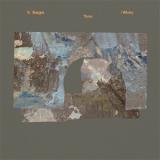
Tender / Wading zeigt Matthew Sage, alias M. Sage, in den Ausläufern und Weiden Colorados, wo er schreibt, aufnimmt und zu einem Stück seiner Heimat und Identität zurückkehrt, wobei ein Akt der Fürsorge den nächsten nach sich zieht. Das Album, das hauptsächlich auf Klavier und Klarinette aufgebaut ist und dann mit Gitarre, modularem Synthesizer, Percussion und Feldaufnahmen aus der Umgebung seines Zuhauses verziert wurde, ist eine weitreichende, ruhige Vision von Vitalität, radikaler Sanftheit und dem beruhigenden Gefühl, nach Hause zu kommen, auch wenn sich das Zuhause verändert hat. Seit den frühen 2010er Jahren hat Sage ein eigenwilliges Musikrepertoire zusammengestellt, das sich in verschiedene Klangrichtungen erstreckt, sich in Veröffentlichungen auf Geographic North, Orange Milk und Moon Glyph manifestiert und sowohl kritische Aufmerksamkeit als auch eine treue Zuhörerschaft für jede neue Wendung erlangt hat. 2023 debütierte Sage bei RVNG Intl. mit Paradise Crick, das zeitgleich mit seiner laufenden Arbeit im improvisierten Ambient-Jazz-Quartett Fuubutsushi erschien. Nun präsentiert er sein nächstes Soloalbum und seine neue Richtung. Tender / Wading folgt auf Sages Rückkehr nach Colorado nach fast einem Jahrzehnt in Chicago, wo er nun mit seiner jungen Familie dreißig Meilen außerhalb seiner Heimatstadt ein paar Hektar verwildertes Land bewirtschaftet. In einem ganzheitlichen Kontrast zu Cricks synthetischer Klangwelt schafft Sage Kunst aus dem Akt des Pflegens neuen Wachstums, hinterfragt Konstrukte des häuslichen Lebens und versteht die Spuren seines früheren Selbst durch die schmutzverschmierte, schweißvernebelte Linse der Gegenwart. Das Ergebnis ist sein bisher autobiografischstes Material, geprägt von Zeit und Veränderungen in der Wahrnehmung sowie bedeutungsvollen Details aus Sages psychischer Suche. Sage vergleicht das Gefühl, verschiedene Versionen von sich selbst zu sehen, mit der berühmten Hase-Ente-Theorie des Philosophen Ludwig Wittgenstein. ,Es ist dieselbe Zeichnung, aber je nachdem, wer man ist, wo man ist und wann man ist, sehen manche Menschen einen Hasen und manche eine Ente oder beides", erklärt Sage. Hier sind das Subjekt und der Betrachter, zurück in vertrauten Landschaften, als Partner und Elternteil, der Gestrüpp zurückschneidet, gedemütigt von invasiven Pflanzen, Schädlingsbefall und verdichtetem Lehmboden, seine Prioritäten haben sich grundlegend geändert. Und doch ist auch dieses andere Ich da: ein gewiefter Akademiker, der oft in Memes denkt und das Ziehen seines Handys in der Hosentasche spürt. ,In diesem Album geht es darum, diese Wahrnehmungsverschiebungen zu ergründen und ihnen Raum zu geben, beides zu tun: hüpfen und quaken." Es ist ein inneres Kind, das Sages intermediale Praxis in seinem Atelier leitet, einer Scheune, die nach dem großen Umzug im Jahr 2022 im Rahmen einer hausweiten DIY-Renovierung umgebaut wurde. Im Inneren werden Gedichte zu Zeichnungen, zu Skulpturen im Hinterhof und darüber hinaus, und alberne Ausflüge in den Vogelgesang oder die Freude an der Herausforderung, Klarinette zu lernen, weichen ernsthafter Musik. ,Ich glaube, ich habe entdeckt, dass es diese Linien gibt, die alles miteinander verbinden", sagt er. ,Und dieses Album ist voller hartnäckigem Optimismus und Hoffnung, aber auch der Bewusstheit, dass wir uns in einer späten Phase befinden, und dem Versuch, mit der Rhetorik dieser Phase umzugehen." Für Tender / Wading setzt Sage einen unverwechselbaren Sound ein: eine pastorale Art von Folk Kosmiche, kontemplativer elektroakustischer Barn Jazz für die Front Range, voller blasser Puddle Blues und rostigen Oil Drum Reds. Die meisten Songs entstanden auf einem 1910er Hamilton-Klavier, das kurioserweise in Chicago gebaut, von den Vorbesitzern zurückgelassen und von Mäusen bewohnt worden war. Die zufällige Begegnung mit dem Instrument fühlte sich kosmisch an, nicht nur wegen seiner Verbindung zur Windy City, sondern auch wegen Sages sich weiterentwickelnder Herangehensweise an das Songwriting nach Fuubutsushi. Er fühlt sich hinter den Tasten wohler und kehrt zurück zum Schlagzeug (seiner Jugendliebe). In einem passenden Raum für Holzblasinstrumente umarmt er das Elementare und Absichtliche und verleiht der Musik von Anfang an mehr strukturelles Gewicht und Wärme. Tender's M. Sage verbindet die Studioexperimente und Improvisationen seiner Vergangenheit mit einem geschärften Ohr für melodische Phrasierungen und Akkordwechsel und hat seine übliche Fülle an Demos auf neun finale Stücke reduziert. Seine charakteristischen Weltbilder bleiben erhalten, von Holzhauskröten, die in statischer Elektrizität schwimmen, über raschelndes Gras und Regen, der in die Dachrinnen plätschert, bis hin zu walzenden Sternbildern im Mondlicht. Während Cricks Universum aus magischem Realismus und digitaler Fantasie entstanden ist, greift Tender / Wading direkter auf menschliche Erfahrungen zurück. Er weist schnell Vorwürfe zurück, es handele sich um ein hochkonzeptionelles Album: ,Ich mache einfach die Musik, die ich selbst gerne in meinen Kopfhörern hören würde, während ich Unkraut jäte oder so." Es könnte beides sein, wie der Hase und die Ente behaupten würden: zutiefst persönlich und abstrakt, eine faszinierende und natürliche Wendung eines experimentellen Künstlers des 21. Jahrhunderts, dessen Vermächtnis sich in Echtzeit weiterentwickelt und wächst.
Within the nine carefully composed tracks of Young Bones, Mel D’s characteristic voice stands out in all its facets, varying from fragile to powerful, haunting to playful, but most of all soulful. With a voice that’s both extraordinarily clear and melancholic, Mel D is something surprisingly rare: a singer whose artistic expression goes beyond the mere use of her voice. On Young Bones, Mel D uses contemporary figures, rephrasing them into timeless formulas. Her unique musical language embodies references to genres like Indie or Alternative. In other moments, her sound leans baroque, then jazzy, soulful, and contemplative. Each song represents an ode to being connected: to the world, other people, and most of all to the beauty of music. Mel D draws her inspiration from struggles felt in the current world climate: “I have felt overwhelmed by the world we live in and its countless challenges,” said Mel D. “As if we’re all a bit directionless in our own lives.” Nevertheless, Mel D uses her musicality as a tool for resistance - using it to transform sadness and anger into creativity, and to give world-weariness a voice that seduces, comforts, and inspires. On Young Bones, Mel D sings us to a place where we might find hope - with songs rooted in concern, solidarity, humanness, and empowerment, inviting the listener to lean into those feelings. Bring the Witches Back, a hymn to witchcraft, is a quiet song that summons the return of witches with feminist urgency, for more love and magic to open ourselves towards each other and the world. Soft, a soulful song with a tender melody, gently lulls the listener into an in-between dimension, full of opportunities. Meanwhile, in the coming-of-age ballad, Slowly Growing, she raises questions about belonging and identity, pointing directly at our emotional core. Where Do You Look When It Hurts? speaks to the sensation of exhaustion and emptiness, offering musical warmth and a sense of community in moments of lethargy. Finally, listening to the album, one always feels in good company. Playfully working in folk and electro-pop elements, Mel D takes us on a ride toward love and a sense of belonging, particularly on the track We win. Young Bones was recorded in Zurich and Paris with two outstanding producers of our times: Renaud Letang, who has previously collaborated with Feist, Chilly Gonzales or Lianne La Havas, and Dino Brandão. The latter recognized Mel D’s artistic uniqueness during their first meeting, inviting her to a recording session in his studio and bringing her into the band of Swiss superstar, Faber. Mel D’s solo project was more a product of coincidence than planning, as she says, even though an undisputed talent and passion for music had always been apparent throughout her youth. During her studies in fine arts in Zurich, she founded the electronica-duo mischgewebe, and composed soundtracks for theater and movie productions, as well as for exhibitions. Long before forming her current artistic identity, she went by the nickname Mel D, in a humorous reference to the Spice Girls. Although her personality and musical language suggest thoughtfulness and a melancholy touch, Mel D acknowledges that an honest laugh is never out of place, making her sympathetic and approachable.