Rarely do two types of music meet on a level where they threaten to cancel each other out - let alone create something even more meaningful in their mutual vanishing. But the music created within the seminal Murder Ballads (Drift) by Martyn Bates (Eyeless in Gaza, & parallel solo career) and Mick Harris (Napalm Death, Lull, Painkiller, Scorn) creates just such a world. Murder Ballads (Drift) evolves Martyn Bates vocalisations / storytelling song-voices, by turns expressed as labyrinthine layers, calls and responses, muted and distant echoes, sung whispers and counter-melodies, ultimately resulting in a mesmeric conversation of musical inferences and correspondences. Murder Ballads (Drift) created the post-isolationist frame of reference, innovating and extemporising into a truly original dazzlingly unique form.
Mick Harris traffics in the isolationist ambience of Lull, while Martyn Bates is the emotive voice of literate cult-pop duo Eyeless in Gaza. The unlikely pair - one given to terminally frigid drone, the other to impassioned, bittersweet voicings - finds common ground in folk music's most macabre tradition, the murder ballad. These ghoulish parables are awash in blood and tears, the strands of love, hate, birth, death, sin, and salvation entwined within like the roots of an ancient tree. Mothers callously kill their children; suitors slay their maidens without remorse; and fate exacts its cruel price from all.
The archaic murder ballads that leak from Bates' vocal cords are intensely sad and carnal. They tend to leap off cliffs of hollow effects or drone darkly, offering neither a robust delivery nor an element of irony to take the edge off. The archetypal characters that live and die in them give life's full tragedy back to Harris' electronically numbed "post-isolationist" dreaming.
Drift (originally released in 1994) plays out an unbreakable and timeless cycle of bloody folklore (people) and hypnotic soundscapes (the god who watches). The effect is chilling yet engrossing. Where most ambient music has barely enough courage to ring the doorbell and run, Murder Ballads slips through the cracks of the unconscious and does its work with remarkable ease.
All the more reason to listen thoughtfully.
In 2021 - re-emerging nearly twenty years after its initial inception, and first time on vinyl - somewhat surprisingly, Murder Ballads (Drift) still remains/exists in an area overlooked by other artists, an area that truly still remains the sole province of M.J. Harris / Martyn Bates.
Search:sounds of life
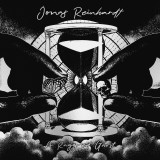
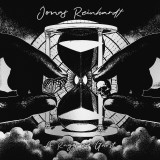
"A Ragged Ghost" is the eighth full-length album from electronic producer Jonas Reinhardt. Following albums on Kranky, Not Not Fun, Constellation Tatsu, and more, his debut release for Trouble In Mind brings together 11 new pieces that explore themes of life & death, netherworlds, and the liminal spaces in between. Taken together as a single narrative, the album offers a stirring exploration of mortality and immortality in what Reinhardt describes as 'a dance of religious syncretism, navigating spaces between the living and the dead'. "A Ragged Ghost" finds him synthesizing influences organically from familiar teutonic strains to the intense austerity of early 21st century electronic pioneers such as Biosphere and Susumu Yokota. A whisper of the Italo-disco-esque romps of Jonas' 2012's "Foam Fangs" EP & 2013's "Mask of The Maker" LP merge with his more kosmische leanings into a sinister, slightly funky, but also studious suite that at times feels like a lost sound library record from the KPM archives. Openers "Ape & The Universal Axis" and "In Lotto Commodore" decidedly sound like a selection from a lost film score while others like the bubbling "Sly Tomb" recall the works of Roedelius or Vangelis' serene soundscapes. Meanwhile, fans of the electro-ambience of Manuel Göttsching's strobe-light, proto-house (on his seminal "E2-E4") or the pulsing insistence of John Carpenter's visceral non-horror scores (i.e. "Escape From New York" or "Assault on Precinct 13") will find a lot to love about songs like "Tumb Tumb" and "Wretched Orchestra of Armistice".
Rarely do two types of music meet on a level where they threaten to cancel each other out - let alone create something even more meaningful in their mutual vanishing. But the music created within the seminal Murder Ballads (Drift) by Martyn Bates (Eyeless in Gaza, & parallel solo career) and Mick Harris (Napalm Death, Lull, Painkiller, Scorn) creates just such a world. Murder Ballads (Drift) evolves Martyn Bates vocalisations / storytelling song-voices, by turns expressed as labyrinthine layers, calls and responses, muted and distant echoes, sung whispers and counter-melodies, ultimately resulting in a mesmeric conversation of musical inferences and correspondences. Murder Ballads (Drift) created the post-isolationist frame of reference, innovating and extemporising into a truly original dazzlingly unique form.
Mick Harris traffics in the isolationist ambience of Lull, while Martyn Bates is the emotive voice of literate cult-pop duo Eyeless in Gaza. The unlikely pair - one given to terminally frigid drone, the other to impassioned, bittersweet voicings - finds common ground in folk music's most macabre tradition, the murder ballad. These ghoulish parables are awash in blood and tears, the strands of love, hate, birth, death, sin, and salvation entwined within like the roots of an ancient tree. Mothers callously kill their children; suitors slay their maidens without remorse; and fate exacts its cruel price from all.
The archaic murder ballads that leak from Bates' vocal cords are intensely sad and carnal. They tend to leap off cliffs of hollow effects or drone darkly, offering neither a robust delivery nor an element of irony to take the edge off. The archetypal characters that live and die in them give life's full tragedy back to Harris' electronically numbed "post-isolationist" dreaming.
Passages (originally released in 1997) plays out an unbreakable and timeless cycle of bloody folklore (people) and hypnotic soundscapes (the god who watches). The effect is chilling yet engrossing. Where most ambient music has barely enough courage to ring the doorbell and run, Murder Ballads slips through the cracks of the unconscious and does its work with remarkable ease.
Gondwana Records sign LA bassist and composer Seth Ford-Young's Phi-Psonics project and announce a remastered deluxe-edition of The Cradle featuring bonus material
Phi-Psonics is a meditative, immersive instrumental group from Los Angeles, led by bassist Seth Ford-Young and featuring Sylvain Carton on woodwinds, Mitchell Yoshida on electric piano, and Josh Collazo on drums. Their deeply soulfulmusic draws on jazz and classical influences together with Ford-Young's own musical experiences, relationships, and his introduction to spirituality, yoga and philosophy at a young age, to create something uniquely its own. Phi-Psonics' name and ultimate aim is to find 'Phi' – the golden mean – in art, nature and self. Ford-Young explains:
"It's a bit of a cliché, but music saved my life many times and instilled in me a belief in the great power of healing through art. It is my hope and intention that this music provides healing to someone somewhere."
Originally from Washington DC area, Ford-Young moved to California in the early 90s and fell in love with the deep sounds of the upright bass and the music of Charles Mingus, John and Alice Coltrane, and Duke Ellington along with Bach, Chopin, Pärt, and Satie. He immersed himself deeply in music and keen to learn combinedintense personal study with collaborations, tours, and recordings with artists such as Tom Waits, Beats Antique, and John Vanderslice. In 2010 he moved from the San-Francisco Bay area to the Los Angeles hills and continued his explorations. But great music is rarely just about music and Ford-Young's meditative, soulful music draws on more than just the twin wellsprings of jazz and classical music:
"My mother was a yoga teacher from the early 70's until recently and taught me yoga and meditation at an early age, my stepfather is an Aikido instructor and student of the teachings of Gurdjieff. Those were all early areas of study that I came back to many times throughout my life. Phi-Psonics has been a project that unapologetically synthesizes some of these ideas into our music".
It's this mixture of influences, musical and extramusical, that gives the music of Phi-Psonics it's immersive quality and quiet power. Revealingly the music that would becomeThe Cradle, wasn't written specifically for an album, originally Ford-Young was just writing down what was coming through. As time went by and the album began to take shape, the world situation seemed to be getting darker and his compositions aim to offer hope as a response to the negative influences that abound today. Remarkably for such a beautiful sounding record, it was recorded at the composer's home, rather than in a studio, but the relaxed nature of this process gives the music an airy lightness that propels the music to some magical spaces.
Originally self-released on vinyl in a limited run just as the world went into lockdown, The Cradle reached Matthew Halsall (founder of Gondwana Records) when he aws looking for music for his Worldwide FM show and he was blown away, hearing a kindred spirit at work. Halsall explains:
"Phi-Psonics make beautiful, humble and honest music, it's not showy, but it has a deep vibe that will elevate your mind and soul if you let it. When we heard The Cradle we reached out and are really super delighted to welcome Seth and his band to our label". Whereas for Ford Young: "Connecting with Matthew and the Gondwana records family has been a light in the darkness of the last years - to have my music make connections even as we are more isolated."
Ford-Young is currently putting the finishing touches to the second Phi-Psonics record, but aware that only a select few had heard The Cradle, let alone had the chance to buy a copy, and entranced by its deceptive simplicity and elevating energy, Halsall suggested that Gondwana present the album as a remastered 'deluxe edition' with an extended running time featuring extra tracks and new artwork from Daniel Halsall.
The Cradle starts with First Step, perfectly setting the tone for the whole album, it is a beautiful, soulful slice of musical calm gently propelled by Ford-Young's resonant bass and elevated by sublime flute and Wurlitzer electric piano solos. The seductive title track The Cradle was written way back in 2011 during a time of great personal change that led the composer to a feeling of newness and nurture. The magical, winsome Desert Ride is inspired by many rides through the grandly cinematic Mojave Desert. You can experience how incredibly full of life it's harsh landscape is if you slow down to its tempo. The gentle, sublime Mama is a tribute to mothers of all kinds, beautiful and heroic. Drum Talk was largely improvised, Ford-Young and the band agreed on a topic and recorded their conversation. Choosing their notes based on how Josh's drums were tuned. Like Glass is named for the special properties of Glass. Like some music, glass is delicate, yet has structure. The first of the two bonus tracks Still Dancing was written during the early days of 2020 in response to the challenges we all were facing then. It's a reminder that the figurative dance continues and that real dancing is essential. And the second, The Searcher, also written as a response to 2020, is a gently hypnotic song about the introspection and growth that can spring from a difficult situation.
This then is The Cradle, a quiet self-contained masterpiece, life-affirming and elevating in equal measure and the first offering from a wonderful new voice in spiritual jazz and the latest members of the global Gondwana Records family.
The Pharaohs only managed one release during their short lifetime, 1971's masterful Awakening. But when the San Francisco-based jazz-funk reissue label Luv N Haight reissued Awakening in 1996, they also came out with a brand-new CD of mostly previously unreleased material called In the Basement. Most of this album was recorded live in 1972, after the already enormous 11-piece band had grown to include four more players, including a sixth drummer. The live tracks are fascinating, because where Awakening sounds like an earthier and more Afrocentric version of Earth, Wind & Fire (which several members of the Pharaohs would go on to found in 1973), the much loopier and more jazz-oriented tracks here sound more like Sun Ra jamming with the P-Funk All Stars. The 11-minute take on the Stylistics' "People Make the World Go Round" is absolutely indescribable, a mix of otherworldly horns and psychedelic guitars over a non-stop African-style groove. Other highlights include the all-rhythm "Drum Suite," a hypnotic blend of organic polyrhythms and chanting. – AllMusic.
- A1: Silly Games – Janet Kay
- A2: Hopelessly In Love – Carroll Thompson
- A3: I’m In Love With A Dreadlocks - Brown Sugar
- A4: I’m Still In Love With You – Marcia Aitken
- A5: Keep It Like It Is - Louisa Mark
- A6: Can’t Go Through With Life - Marie Pierre
- A7: Caught You In A Lie – Louisa Mark
- B1: We’ve Got A Good Thing Going – Sugar Minott
- B2: Money In My Pocket – Dennis Brown
- B3: You Make Me Feel So Good – Ruddy Thomas & Susan Cadogan
- B4: Dim The Light – Winston Reedy
- B5: Someone Loves You, Honey – June ‘J.c.’ Lodge
- B6: Taxi – Leroy Brown
- C1: Night Nurse – Gregory Isaacs
- C2: I’m So Sorry – Carroll Thompson
- C3: Getting Cozy - The In Crowd
- C4: When Push Comes To Shove – Freddie Mcgregor
- C5: Lovers Race - Sugar Minott
- C6: Wildfire – Dennis Brown & John Holt
- D1: I’m Still Waiting – Delroy Wilson
- D2: Walk Away - Marie Pierre
- D3: Love Has Found A Way – Dennis Brown
- D4: Paradise (In Your Eyes) – Winston Reedy
- D5: Ghetto Queen – John Holt
- D6: Key To The World – Ruddy Thomas
The first British reggae sub-genre to achieve ‘outernational’ success and influence the music of Jamaica, lovers rock was a dominating force in the UK scene, from the mid-Seventies through to the close of the Eighties.
Developed largely as a counterpoint to the more militant style of roots reggae, the romantically-themed genre was heavily influenced by the styles of US R&B and the predominantly soulful Jamaican rock steady sound of the Sixties.
Despite the style achieving mainstream success with a number of major UK chart hits, lovers rock received scant attention in the mainstream media until the screening of Steve’s McQueen’s award-winning 2020 BBC TV series, “Small Axe”, the highlight of which was an aptly titled episode that paid tribute to the style and its impact upon British culture.
Since then, interest in the genre has continued to grow internationally and reflecting this trend comes this handsomely packaged album which is presented in 2 physical formats – 2x LP and 3CD.
Comprising the most popular and influential recordings in the style, the collection includes works by such legendary British performers as Janet Kay, Carroll Thompson and Louisa Mark, alongside established Jamaican reggae royalty, notably Gregory Isaacs, Dennis Brown, John Holt and Sugar Minott.
With its focus firmly upon the best-loved romantic reggae sounds of the Seventies and Eighties (whilst the 3CD set also digs deep into the archive), this essential collection of dancefloor favourites provides the most authentic representation of lovers rock sounds yet to see issue.
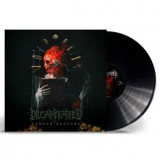
Across eight studio albums, DECAPITATED grew from the adolescent dream of teenagers from a small Central European town to one of the leaders of the metal genre. Each successive album further expands the band’s sound with genre-bending authenticity and integrity. As Metal Injection rightfully observed, “any self-respecting death metalhead knows the name well.”
DECAPITATED’s music is a weapon forged by four young men from a historic medieval-fortified town in Poland, which catapulted them to the top of a worldwide subculture. Like a rose in the devil’s garden, the DECAPITATED story builds triumph from tragedy. The gleeful grotesquery of extreme metal imagery and rifftastic bludgeoning beckons listeners to uncover broader truths.Upon the release of 2017’s Anticult, Metal Hammer declared DECAPITATED “a serious successor to the likes of Pantera and Lamb Of God – a band who can draw new legions into the metal world as its new champions.” Their diverse follow-up, 2022’s Cancer Culture, delivers on that promise.
Instantly recognizable devastation and deceptively sinister hooks abound. Freshly minted DECAPITATED anthems like “Last Supper,” “Hello Death,” “Just Cigarette,” “No Cure,” “Iconoclast,” and “Cancer Culture” shimmer with sonically sharp production and unrelenting bombast. There’s also a newly increased emphasis on melody, even venturing into darkly romantic territory. Wacław "Vogg" Kiełtyka (guitar), Rafał "Rasta" Piotrowski (vocals), Paweł Pasek (bass), and James Stewart (drums) are at the top of their game, delivering the goods at peak performance. Jinjer vocalist Tatiana Shmayluk and Machine Head frontman Robb Flynn make guest appearances.
Set on the descending plains of a mountain range amid a dense forest, Krosno boasts a 14th-century Gothic church, a Subcarpathian museum, and stunning artisan glassware. In this Polish town, teenage music student Wacław "Vogg" Kiełtyka discovered records from bands like Morbid Angel, Cannibal Corpse, Metallica, and Machine Head. The guitarist and his younger brother, drummer Witold “Vitek” Kiełtyka, cofounded DECAPITATED in 1996, inspired by a wide range of technical death, blackened thrash, and local heroes, like KAT and the world-renowned Vader. Death and black metal reigned supreme in the Polish scene of the 1990s, where Behemoth originated as well. In fact, a Vader song called “Decapitated Saints” inspired the band’s moniker.
The organic musical chemistry between the Kiełtykas was akin to the brotherly connectivity and vibe driving Pantera, Gojira, and the classic era of Sepultura. In 2006, Kerrang! praised the first three DECAPITATED albums - Winds of Creation (2000), Nihility (2002), and The Negation (2004) – as “superbly conceived and executed eruptions of technical brilliance and razor-sharp songwriting that turned these youthful Poles into one of the genre’s most widely respected bands.” That year’s Organic Hallucinosis further perfected Vogg’s penchant for blending extremity with catchy hooks.
The rule-breaking ferocity and invention of the first four albums reinvigorated death metal, as DECAPITATED inspired a new generation of bands who followed suit. Sadly, this era came to a shocking end in late 2007. While touring Russia, the band’s bus collided with a large truck near the border with Belarus. Both Vitak and then-singer Adrian “Covan” Kowanek sustained severe head injuries. Tragically, Vitak passed away in a Russian hospital a few days later. He was just 23.Vogg summoned the courage to continue, in honor of his brother and what they created, and returned with a new incarnation of DECAPITATED and the fiercely adventurous comeback album, Carnival is Forever (2011) featuring new vocalist Rafał "Rasta" Piotrowski. Blood Mantra (2014) introduced bassist, Paweł Pasek. Blabbermouth declared it “perhaps the most poised and gutsy” DECAPITATED album, adding “its courageous bends make it a turbulent but pleasurable ride.”
Cancer Culture sounds brilliant, modern, and tasty. “There is no place for any fake, plastic, bullshit drum machine or anything like that,” Vogg insists. “It’s all organic, pure, and clear, showing the true face of the band. Vogg and company entrusted the Cancer Culture mix to David Castillo at Sweden’s Fascination Street Studios / Studio Gröndahl (Sepultura, Carcass, Opeth, Katatonia), and legendary American producer Ted Jensen (Metallica, Slipknot, Pantera, Machine Head, Korn).
The devoted supporters who traveled to see DECAPITATED on international tours with the likes of Lamb Of God, Meshuggah, Soulfly, Fear Factory, and Suffocation over the years will recognize the ever-present pummeling backbone. Longtime fans and newcomers alike will connect to the variety of atmospheric depth throughout Cancer Culture’s ten boundlessly energetic and creative tracks.
“If you told me 25 years ago, in my neighborhood in the South of Poland, that I would be in Machine Head, sharing riffs with Robb Flynn,” Vogg marvels. “It’s simply incredible. It means that everything is possible in your life. That gives me the faith to believe that I can achieve even more in my career. The dreams we have when we are kids, things we can barely imagine, can happen.” Flynn contributes a hauntingly beautiful vocal to the Cancer Culture track “Iconoclast.” “Clean vocal singing is a really new thing in DECAPITATED,” Vogg notes. “It’s really unique and amazing.”
Driven by Vogg’s passion and integrity, the dual emphasis on creative invention and technical prowess maintains DECAPITATED’s stature as genre-leaders in 2022 and beyond. The band’s supporters continually demonstrate confidence and absolute certainty DECAPITATED will deliver.
Across eight studio albums, DECAPITATED grew from the adolescent dream of teenagers from a small Central European town to one of the leaders of the metal genre. Each successive album further expands the band’s sound with genre-bending authenticity and integrity. As Metal Injection rightfully observed, “any self-respecting death metalhead knows the name well.”
DECAPITATED’s music is a weapon forged by four young men from a historic medieval-fortified town in Poland, which catapulted them to the top of a worldwide subculture. Like a rose in the devil’s garden, the DECAPITATED story builds triumph from tragedy. The gleeful grotesquery of extreme metal imagery and rifftastic bludgeoning beckons listeners to uncover broader truths.Upon the release of 2017’s Anticult, Metal Hammer declared DECAPITATED “a serious successor to the likes of Pantera and Lamb Of God – a band who can draw new legions into the metal world as its new champions.” Their diverse follow-up, 2022’s Cancer Culture, delivers on that promise.
Instantly recognizable devastation and deceptively sinister hooks abound. Freshly minted DECAPITATED anthems like “Last Supper,” “Hello Death,” “Just Cigarette,” “No Cure,” “Iconoclast,” and “Cancer Culture” shimmer with sonically sharp production and unrelenting bombast. There’s also a newly increased emphasis on melody, even venturing into darkly romantic territory. Wacław "Vogg" Kiełtyka (guitar), Rafał "Rasta" Piotrowski (vocals), Paweł Pasek (bass), and James Stewart (drums) are at the top of their game, delivering the goods at peak performance. Jinjer vocalist Tatiana Shmayluk and Machine Head frontman Robb Flynn make guest appearances.
Set on the descending plains of a mountain range amid a dense forest, Krosno boasts a 14th-century Gothic church, a Subcarpathian museum, and stunning artisan glassware. In this Polish town, teenage music student Wacław "Vogg" Kiełtyka discovered records from bands like Morbid Angel, Cannibal Corpse, Metallica, and Machine Head. The guitarist and his younger brother, drummer Witold “Vitek” Kiełtyka, cofounded DECAPITATED in 1996, inspired by a wide range of technical death, blackened thrash, and local heroes, like KAT and the world-renowned Vader. Death and black metal reigned supreme in the Polish scene of the 1990s, where Behemoth originated as well. In fact, a Vader song called “Decapitated Saints” inspired the band’s moniker.
The organic musical chemistry between the Kiełtykas was akin to the brotherly connectivity and vibe driving Pantera, Gojira, and the classic era of Sepultura. In 2006, Kerrang! praised the first three DECAPITATED albums - Winds of Creation (2000), Nihility (2002), and The Negation (2004) – as “superbly conceived and executed eruptions of technical brilliance and razor-sharp songwriting that turned these youthful Poles into one of the genre’s most widely respected bands.” That year’s Organic Hallucinosis further perfected Vogg’s penchant for blending extremity with catchy hooks.
The rule-breaking ferocity and invention of the first four albums reinvigorated death metal, as DECAPITATED inspired a new generation of bands who followed suit. Sadly, this era came to a shocking end in late 2007. While touring Russia, the band’s bus collided with a large truck near the border with Belarus. Both Vitak and then-singer Adrian “Covan” Kowanek sustained severe head injuries. Tragically, Vitak passed away in a Russian hospital a few days later. He was just 23.Vogg summoned the courage to continue, in honor of his brother and what they created, and returned with a new incarnation of DECAPITATED and the fiercely adventurous comeback album, Carnival is Forever (2011) featuring new vocalist Rafał "Rasta" Piotrowski. Blood Mantra (2014) introduced bassist, Paweł Pasek. Blabbermouth declared it “perhaps the most poised and gutsy” DECAPITATED album, adding “its courageous bends make it a turbulent but pleasurable ride.”
Cancer Culture sounds brilliant, modern, and tasty. “There is no place for any fake, plastic, bullshit drum machine or anything like that,” Vogg insists. “It’s all organic, pure, and clear, showing the true face of the band. Vogg and company entrusted the Cancer Culture mix to David Castillo at Sweden’s Fascination Street Studios / Studio Gröndahl (Sepultura, Carcass, Opeth, Katatonia), and legendary American producer Ted Jensen (Metallica, Slipknot, Pantera, Machine Head, Korn).
The devoted supporters who traveled to see DECAPITATED on international tours with the likes of Lamb Of God, Meshuggah, Soulfly, Fear Factory, and Suffocation over the years will recognize the ever-present pummeling backbone. Longtime fans and newcomers alike will connect to the variety of atmospheric depth throughout Cancer Culture’s ten boundlessly energetic and creative tracks.
“If you told me 25 years ago, in my neighborhood in the South of Poland, that I would be in Machine Head, sharing riffs with Robb Flynn,” Vogg marvels. “It’s simply incredible. It means that everything is possible in your life. That gives me the faith to believe that I can achieve even more in my career. The dreams we have when we are kids, things we can barely imagine, can happen.” Flynn contributes a hauntingly beautiful vocal to the Cancer Culture track “Iconoclast.” “Clean vocal singing is a really new thing in DECAPITATED,” Vogg notes. “It’s really unique and amazing.”
Driven by Vogg’s passion and integrity, the dual emphasis on creative invention and technical prowess maintains DECAPITATED’s stature as genre-leaders in 2022 and beyond. The band’s supporters continually demonstrate confidence and absolute certainty DECAPITATED will deliver.
With a signature sound signified by lockstep rhythms & a deep grasp of soul and funk, Orgone has built a reputation over the past 2 decades as being one of the tightest, fieriest live bands in the country & a top notch crew in the studio. On their new album Lost Knights, Orgone offer up a collection of heavy-duty psychedelic funk-rock anthems created to be played loud and raucously. The release features lead vocal contributions from Orgone's ever expanding extended family of some the finest soulful singers on the West Coast - Terin Ector, Jamie Allensworth, Phil Diamond, with special appearances from Jesse Wagner (The Aggrolites) and Kelly Finnigan (Monophonics). A first of sorts, for the band, in featuring an all male fronted lineup on an album.The tough, punchy, & hard hitting production highlights a body of work both "head banging"-ly satisfying and eminently groovy. Opener "Working for Love" rolls out the gate with a crunchy drum break and slams into a heavy guitar and bass riff behind Ector's call to loving arms & irresistible singalong chorus. The rest of the album thunders on with Funkadelic-style guitar and gloriously gritty hammond organ percolating through timely songs of protest, brotherhood, unity, reverence & loss. Instrumentals "Samson" and "Crusader" round out the record, highlighting the trademark Orgone sound; instantly classic & dusty, at times chunky, at times sprawling; always on point. Lost Knights is ultimately a fun record- an expansion of a profound part of the band's DNA, their exploration of the cosmic haze between early Westbound catalog, 70s garage rock, skateboards, & the muscular power of a metallic crimson `68 Chevy Camaro. With racing stripes...
- A1: Djemeregne - Muluqen Melesse
- A2: Etu Gela - Mahmoud Ahmed
- A3: Harer Dire Dawa - Abonesh Adinew
- A4: Selam Temagwet - Tekle Tesfa Ezghi
- B1: Aha Gedawo (Live Cape Town) - Getatchew Mehurya
- B2: Emnete (Live Addis Abbeba) - Mulatu Astatqe
- B3: Bati (Live Addis Abbeba) - Traditional
- B4: Zoma (Live Paris) - Martha Ashagani / Zelalem Mekuria
- C1: Lale Lale - Abrar Abdo / Abrar Abdo
- C2: Anchi Bale Game - Tegenu Balkew / Tegenu Balkew
- C3: Yedao - Rahel Yohannes / Yilma Gebereabe
- C4: Bemgnot Alnorem - Bahta Gebre-Metwet
- D1: Shinet - Tadesse Alemu / Traditional
- D2: Demamaye - Ephrem Tamru / Akelilu Siyume
- D3: Yefikir (Live London) - Tezera Haike-Michael / Tezera Haike-Michael
Imperial Tiger Orchestra's Mercato 12th years Anniversary Edition includes the best of both albums Mercato & Addis Abeba remastered with bonuses live recordings in London, Paris, Addis, Tokyo & Cape Town.
Imperial Tiger Orchestra, the finest connoisseurs and grooviest performers of Ethiopian music from the Golden Age.
Back in 2007 in underground Geneva, band leader Raphaël Anker decides to gather musicians for a one off live performance revisiting the golden age of Ethiopian music.
A memorable event that forced all the musicians to carry on.
As Imperial Tiger Orchestra.
Consisting of members with very diverse backgrounds (free jazz, noise experimentations, contemporary music, twisted pop…) the Orchestra soon travels to Addis-Abeba where they perform with local luminaries and deep learn about the large diversity of Ethiopian music.
A life-changing experience which brings them back to the studio and to a plethora of successful gigs around Europe, Eastern Europe, Japan and Africa.
The Tiger's unique sound is a mesmerizing re-interpretation of Ethiopian music's golden age mixed with the digitalized themes that appeared in the 80s and filtered through their eclectic influences, a sort of retro-futuristic and progressive Ethiopian rock. This Anniversary edition brings back thunderous rhythms and feverish hooks, down tempo moments and fast paced epiphanies, electronic sounds and ambient nirvanas.
The content of this email is confidential and intended for the recipient specified in message only. It is strictly forbidden to share any part of this message with any third party, without a written consent of the sender. If you received this message by mistake, please reply to this message and follow with its deletion, so that we can ensure such a mistake does not occur in the future.
After composing for cinema, theater, multi-platinum French rap singles and French Chanson albums, Gabriel Legeleux, aka Superpoze, continues his journey with electronic and instrumental music.
He expands his intimate and singular work with a third dense and extensive album, where strings, flutes and choirs join his trusty synthesizers, pianos and percussions.
" Nova Cardinale is an album conceived as a world rather than a story. A place made of sounds in which one can find a path, get lost or stay still and observe the surroundings. An album in which the tracks live on a grand scale, ranging from intimacy to emphasis. An album with perspective and vanishing points. It was an intimate and sensitive writing work, and also a real technical work of sound and production. Listening to the album, these two aspects seem to me indissociable today." Superpoze
We could tell you how this debut album from Lucita Octans is influenced by the full spectrum of electronica, with an unique palette of genre-busting sounds bursting forth from a singular mind. We could tell you this is raw but melodic, intense but deep, and tough yet fun.
Indeed we could tell you how Lucita Octans is a pseudonym for Melissa Speirs and how in another life she makes dancefloor destroying electro with Biochip (CPU, WeMe).
But really, perhaps it'd be better to just tell you how Melissa herself describes the world of Lucita Octans.
"Lucita Octans is floating adrift somewhere. She is looking for the perfect world.
Melodies kind of come to her by a somekind of phenomenon. She begs you not to take her too seriously. She was never here and neither are we."
Modes continues the forward thinking soundscapes explored on Dyne’s recent album Teal, which garnered acclaim from peers and fans alike -including Late Night Tales, Toddla T, Ransom Note, and BBC6 Music presenters - and sold out quickly on vinyl.
Lush synths and dreamy vocals are paired with up-tempo afro-inspired house, with tinges of percussive jazz and future soul. Dyne's trademark slick production can be relied upon once more, as well as the music's insistent rhythmic drive and intensity.
Modes employs some of New Zealand's most well known and iconic vocalists, in addition to many new rising stars. Frequent collaborators Lord Echo, Ladi 6 and Mara TK (Electric Wire Hustle) return, alongside soul legends Dallas Tamaira aka Joe Dukie (Fat Freddys Drop), Che Fu and Troy Kingi.
Oops, Four Flies did it again! Like other rare Italian gems, Berto Pisano's La Novizia was long thought lost before the FF team rescued, restored and remastered it from the original tapes. And wow, it's just one of the best things, if not the best thing, about the 1975 film it was written for – an erotic comedy with melodramatic overtones directed by Pisano's long-time collaborator Giuliano Biagetti (they previously worked together on Interrabang and La Svergognata) and starring a young and mesmerizing Gloria Guida.
The film's low budget meant that Pisano had to make a virtue out of necessity. Rather than using a big orchestra and strings (as is well known, he was a brilliant conductor and string arranger), he relied on a smaller ensemble – almost a chamber ensemble, but with a jazz-like rhythm section – to create sensual late-night soundscapes that exude a downtempo ambience. In a nutshell: smooth, warm, velvety music. The epitome of the lounge sound.
At times, whispered, sexy vocals by (the then ubiquitous) Edda Dell'Orso float dreamily over brushed drums, bass, guitars and electric pianos. At others, we find Italian library heavyweights like Alessandro Alessandroni (whose unmistakable whistle can be heard in "Canto Notturno") and even psychedelic rock influences, as in the acid distorted guitars, furious drums and crazy synths of "Free Dimension". At yet other times, we're taken into more easy-listening territory – "Fiore Rosso", for instance, offers a wonderfully cinematic example of Mediterranean, rather than Brazilian, bossa nova (did they ever thought of using a spinet in Brazil??).
The secret to the charm of La Novizia is that it encapsulates the Italian erotic sound of the 70s in all of its nuances, from the morbid, to the prudish, to the naïve. Because yes, this is a record of nuance and musicianship. And while the themes are in themselves simple, the fantastic quality of the writing, arrangement and production is a testament to Berto Pisano's superb talent, style and professionalism.
Finally back to life after decades of obscurity, La Novizia is a thing of beauty – which, as a pretty bright fellow once said, is a joy forever. Don't miss out on joy.
Comes on vinyl, CD and Digi with original artwork by Eric Adrian Lee and exclusive liner notes by the Pisano family. All tracks are previously unreleased in any format.
"A high-octane pop with a glam coat"
When listening to Hey You! - mastered at Air Studios by John Webber -, the energy the band exudes on every track is palpable, and live, they're simply something else, giving it their all on every number and completely winning over the audience. Visually, the band are are eye-catching as their music, looking straight like they've stepped out of the '80s. Fronted by the Debbie Harry-esque Rebecca Bex, BeXatron make as much of a statement visually as they do musically, and it's an extremely welcome breath of fresh punk air to see a band that is obviously so incredibly passionate about what they do, and that has the talent to back it up.
Since the release of the album, we have been played worldwide on various shows ranging from mainstream such as:
BBC Radio 6, BBC Introducing, Total Rock, Planet Rock, Soho Radio
but also had tremendous support from local community radio stations:
Insanity Radio, Resonance Radio - Spizz FM, Hunter's Bay Radio, Ontario Canada, Foxy Radio, Deal Radio - Low Life in High Heels, The Chuff Bus, Dark Hearts of Camden, Premium Blend Radio Show, Punk & Preppy Radio Show, Pennsylvania
Perfect for summer clubbing... or any season. Highly recommended. - MIKE NICHOLLS from Ghostwriter books
Sonic Party Sounds, and the packaging looks as good as the band - MARK TAYLOR from Metal Talk/RecorD Collector Magazine
This is the kind of music that is sure to thrive in inner city suburban surroundings - MUSIC NEWS 2 DAY
Cracking. Catchy stuff - SONIC NEWS
The Queen of Soul Aretha Franklin released her seventh studio album Yeah!!! in 1965. Despite the overdubbed sounds of audience murmurs, the album is not a live album. Instead, the album was recorded live at New York's Columbia Studios and produced by Clyde Otis. Yeah!!! features “Misty”, “If I Had a Hammer” and “There Is No Greater Love” amongst other
anno returns with a 5 track ep from NYC's K Wata, resident DJ at NYC's Slink party.
Big one for us at RAD combining the energy of producers like Batu, Equiknoxx with some timeless Gescom / Autechre soundscapes.
250 copies only, stickered sleeves.
![Mick Harris / Martyn Bates - Murder Ballads [Drift] 2x12"](https://www.deejay.de/images/l/3/1/978331.jpg)
![Mick Harris / Martyn Bates: - Murder Ballads [Passages]](https://www.deejay.de/images/l/0/0/999100.jpg)




![Imperial Tiger Orchestra - Mercato [12th years Anniversary Edition] (2LP, RM)](https://www.deejay.de/images/l/3/6/996136.jpg)