Cerca:stereo 8

Generi
Tutto
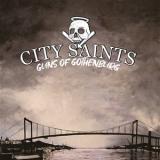
CITY SAINTS - GUNS OF GOTHENBURG

Ready for 10 Years since "Guns of Gothenburg"? Here's the last collector's reissue of the "rare and sold out since years"-CS albums on vinyl! The Swedish Punkrockers often heard that their 3rd album "Guns of Gothenburg" is still their best release! The combination of riot street punk, pub rock anthems, some high energy glam-elements and melodic rough'n'tough Oi! was considered as an absolute genre-highlight 2016 "Guns of Gothenburg features 12 songs like "Kids from the Streets", "United we stand", "Fuck the Upper Class" or "Street Punk Bop", which is still the encore-highlight at every City Saints show Stefan, singer and bandleader about the new release: "When we released Guns of Gothenburg on CD back in 2016, we felt that the songs were good, but we soon began having doubts about the mix of the album. In 2017, when we were approached to release it on vinyl, we had it remixed and remastered with a new song order. This version never made it onto the streaming services, and the limited edition of the LP has been out of print for a long time. Now we're thrilled to present this re-release of Guns of Gothenburg. The original painting used for the cover has been dusted off and restored and the recording has been remastered once again to bring it closer to our original vision. We sincerely hope you enjoy it. "Guns of Gothenburg" comes on 180gr. strongly limited vinyl in classic black and two multi-colored variants (only 333 copies all in all)

pre-ordina ora10.04.2026

dovrebbe essere pubblicato su 10.04.2026

22,06
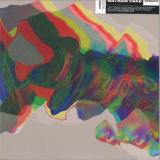
Nathan Fake - Evaporator LP

Nathan Fake

Evaporator LP

12inchIF1104STD
Infine
10.04.2026

As Nathan Fake rises from the nocturnal subterranea and rave catharsis of his previous records, on Evaporator, he resurfaces into the domain of daylight, bringing a tangible sense of air rushing against your face, of big skies, and endless landscapes.

The idea of pop accessibility that trickled into 2023’s Crystal Vision is refracted here through the prism of sweeping ambient, deep electronica, and trance uplift. Evaporator is Fake’s idea of “airy daytime music”, with each track a different barometer reading across the album’s varying atmospheres, which range from vibrant sunbursts, bracing rainscapes, and fine mists of clement melodics. “It’s not overtly confrontational electronic club music,” states Fake. “It’s quite pleasant, it’s accessible. As I was progressing through making the tracklist, I called it a daytime album. It doesn’t feel like an afterparty album.” For the past decade Fake has been gingerly introducing collaborations with heroes and friends alike into his lone, idiosyncratic working process.

Border Community alumni Dextro AKA Ewan Mackenzie transmutes his ferocious drumming for Pigs Pigs Pigs Pigs Pigs Pigs Pigs into the blurred choral thump of ‘Baltasound’. ‘Orbiting Meadows’, meanwhile, is his second collaboration with Clark, an eerily idyllic duet where microtonal 18EDO piano clangs slowly twirl around wailing pads. Evaporator marks the junction point of old technology and ever fresh creativity for Nathan. The trusty “dinosaur” age software, particularly Cubase VST5, that has powered two decades of music is rarely updated. “I used to sort of feel a bit ashamed of using such old software, and then I kind of had an epiphany – that’s just how I work”, comments Fake. “That’s just how I play. I’m very fond of these old tools, and I get the most joy out of them, but now I’ve incorporated new technology too.” When an artist accumulates so much synergy with their instrument, music making becomes instinctual. By Fake’s account, much of Evaporator just fell into place. The album title arrived randomly in his head (“it felt completely perfect. Airy.”), ideas looped and developed until things locked into place and just felt right. ‘The Ice House’ is a fleeting glimpse of the sonic world he taps into in this creative state, its glassy FM synths built around a counterpoint between rough-hewn crystalline arpeggios and sparse yet gravitas-bearing bass. “That riff I just wrote out on the keyboard, I just played it forever and ever and ever.

The original track ended up being really short. Here you go, and it’s gone!” These unplanned channellings of sound call forth records from Fake’s past while he looks ahead, perhaps getting at the very essence of his musicianship. The opener ‘Aiwa’ (“the breeziest,” he muses) reminds of the introspection that characterised Providence, excited by the fire and grit of Steam Days’ textural experiments, its chunky slams and clatters surging into a flood of harmonic buzzing as they reach out for old wisdom. ‘Hypercube’ stampedes in a similar chronological confluence, infusing an incessant synth line reminiscent of the golden age of rave with the crackling, ecstatic energy of modern festival anthems. Like the vaporisation of liquid to particles, everything that Evaporator presents has a mutant desire to be amorphous. Sounds rarely settle; the irradiated garage beat of ‘Bialystok’ is pitched downwards to driving, rebounding effect, while ‘You’ll Find a Way’ warps static into shivering energy, cinematic synth strings building anticipation into a gradual gush of chords. This translates into a more expansive stereo field than Fake has explored before.


‘Slow Yamaha’ saves the wildest, most kinetic transformations for last with a cornucopia of crispy melodies and fried drums; a sibilance of cymbals on the left, a susurrus of shakers on the right, and kaleidoscopic lasers pulsing and fizzing all around. Evaporation culminating in pure excited atoms.

non in magazzino

Ordina ora e ordineremo l'articolo per te presso il nostro fornitore.

24,08

Last In: 10 days ago
Soul Jazz Records pres. - BLACK JAZZ RECORDS – The Best of Black Jazz Records (2x12")

This album brings together some of the finest music ever released on Black Jazz Records which in its short four-year history, between 1971 and 1975, released over 20 superlative albums which all successfully blending spiritual jazz, funk and soul jazz of the highest calibre. Similar to other independent jazz labels at the time, including Strata-East Records and Tribe Records, Black Jazz focussed on a number of key artists, most of whom first established their career during this period, and all of whom are featured here. Featuring The Awakening, Doug Carn, Walter Bishop, Chester Thompson, Kellee Patterson and more. Black Jazz Records was founded in Oakland, California, by pianist Gene Russell and percussionist Dick Schory.

The label released twenty albums between 1971 and 1975. Artists who recorded for Black Jazz Records included Cleveland Eaton (bassist for Ramsey Lewis), keyboardists Doug Carn and Chester Thompson, vocalist Kellee Patterson, saxophonist Rudolph Johnson, bassist Henry Franklin, and spiritual fusion group The Awakening. The label was distributed and financed by Ovation Records, based in Chicago. Schory founded Ovation in 1969, shortly after leaving RCA. Schory was a Grammy-nominated percussionist who was also known for his development of the stereo recording techniques including Dynagroove and RCA Victor’s Stereo Action. Schory also pioneered quadrophonic sound, and a number of Black Jazz Records were in quadrophonic and other formats such as ¼” tape and 8-track.

Black Jazz launched in 1971 with Gene Russell’s ‘New Direction’. Russell was the creative force behind the label, acting as producer, engineer and A&R and focussed on developing new solo artists. The most successful of these was Doug Carn, who released four albums featuring his wife, Jean Carn, as vocalist. She later changed her name to Jean Carne and became a successful soul singer signed to Gamble and Huff’s Philadelphia International empire.

non in magazzino

Ordina ora e ordineremo l'articolo per te presso il nostro fornitore.

28,99

Last In: 10 days ago
JNBO - JNBO & FRIENDS

JNBO

JNBO & FRIENDS

12inchCOK16
College Of Knowledge
03.04.2026out soon
  • Around
  • Missing
  • Dogs
  • Ten Cent Piece
  • Letting Down
  • Letting Go
  • Name
  • False Cut
  • Blood Nose
  • All
  • Close
  • Last

Jnbo ist der Künstlername von Henry Jenkins, einem Komponisten, Produzenten/Toningenieur und Bassisten aus Melbourne/Naarm. Jenkins ist den meisten als Produzent/Toningenieur hinter Surprise Chef, Karate Boogaloo und der für den Grammy nominierten Frollen Music Library bekannt. Als hauseigener Toningenieur für Aufnahmen und Abmischungen bei College In-House-Aufnahme- und Mix-Ingenieur bei Knowledge Records hat Jenkins die klangliche Grundlage für die instrumentale Cinematic-Soul-Bewegung von Melbourne/Naarm geschaffen. Auf ,& Friends" setzt Jenkins seine Fähigkeiten für seine eigenen brillanten Kompositionen ein. Das Album umfasst 12 introspektive Instrumentalstücke - tiefe, cineastische Odysseen, die von Romantik und Aufrichtigkeit durchdrungen sind und jenen unverkennbaren ,Freak Funk Bump" haben. Jenkins erklärt die Konzeption von ,& Friends": ,Ich wollte ein Album schreiben, auf dessen Aufnahme ich mich mit meinen Freunden freuen würde. Die Musik, die ich schrieb, hatte eine Funk-Sensibilität in Bass und Schlagzeug, kontrastiert durch einen eher cineastischen Ansatz in Bezug auf Harmonie und Melodie, mit Gitarren, die sich dazwischen schlängeln und gleiten. Ich habe versucht, diesen Kontrast zum Charakter des Albums zu machen. Ich fand, dass jeder Song die gleiche Instrumentierung und die gleichen Musiker haben sollte. Das wurde zu einer angenehmen kreativen Herausforderung: Wie viel Variation konnte ich im Laufe des Albums aus denselben acht Instrumenten herausholen? Ich wollte innerhalb dieser engen Grenzen so viel Vielfalt wie möglich finden." Jenkins hat diese Prinzipien bei den Aufnahmen zu ,& Friends" angewendet und langjährige Musikpartner wie Hudson Whitlock, Darvid Thor und Callum Riley (Karate Boogaloo), Lachlan Stuckey und Jethro Curtin (Surprise Chef), Lewis Coleman und Lena Douglas (The Cactus Channel) zusammen, um unkonventionelle Arrangements für drei Gitarren, Klavier, Streichersynthesizer, Hammondorgel, Schlagzeug und Bass zu verwirklichen, wobei Jenkins selbst den Bass und die Produktion übernahm. Das Ergebnis ist ein auffallend einzigartiges Album: Mal gibt's malerische Stimmungen, mal funkige Rhythmen, die zum Mitwippen einladen, wobei die drei Gitarren und drei Keyboards genau im Stereofeld angeordnet sind. Das Album zeigt die Einflüsse des Filmkomponisten Bernard Herrmann, des Lounge-Pioniers Les Baxter und Lamont Dozier von Motown, zusammen mit den exzentrischen Eigenheiten von JNBO. Für Fans von Surprise Chef, El Michels Affair, Menahan Street Band, Les Baxter, Bernard Herrmann.

pre-ordina ora

Questo articolo non è stato ancora rilasciato. È possibile pre-ordinare il prodotto ora.

23,49
Herbert von Karajan, Berliner Philharmoniker - Wagner: Das Rheingold (Original Source Series) LP 3x12"

Für seinen monumentalen „Ring“-Zyklus versammelte Karajan ein Weltklasse-Ensemble von Sängerinnen
und Sängern, die über einen neutralen Stimmklang verfügten und eine klare Deklamation des Textes boten.
Seine Berliner Philharmoniker waren mehr als fähig, dieser Herausforderung gerecht zu werden. Karajans
„Ring“-Zyklus hebt sich von anderen Einspielungen durch seinen geradezu überirdischen Ansatz ab, der auf
Schönheit, Lyrik und Struktur ausgerichtet ist.
Dieses außergewöhnliche Aufnahmeprojekt erscheint nun in der Original Source Series für höchsten audiophilen Klang; erstmals verwendet OSS als Quelle das originale Stereo-Masterband, ein Zweispur-Tonband.
Die audiophile Vinyl-Serie The Original Source präsentiert herausragende Aufnahmen in ganz neuer Klangqualität. Dafür haben die renommierten Emil Berliner Studios die originalen Mehrspurbänder mit eigens für
die Produktion der Serie entwickelten Technologien in 100% analoger Qualität (AAA) neu gemastert und
geschnitten. Die klanglichen Unterschiede zu den Originalveröffentlichungen sind beträchtlich: Größere
Klarheit, mehr Feinheiten und Verbesserungen im Frequenzgang, zugleich weniger Nebengeräusche, Verzerrungen und Komprimierungen ermöglichen ein audiophiles Hörerlebnis wie nie zuvor.
Veröffentlicht auf 180g-Vinyl und präsentiert in einer 3-LP-Box-Edition mit den originalen Covern und
Liedtexten, umfasst diese limitierte und nummerierte Ausgabe zusätzliche Fotos sowie Faksimiles der Aufnahmeprotokolle und Bandkartons.

pre-ordina ora03.04.2026

dovrebbe essere pubblicato su 03.04.2026

105,67
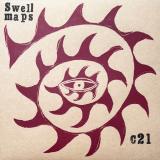
Swell Maps - C21 LP

Swell Maps

C21 LP

12inchLSE0008LP
Tiny Global Productions
03.04.2026
  • 1: A Morning Star
  • 2: Foam Rubber Wedding
  • 3: Vertical Take-Off And Landing
  • 4: Crow Crow
  • 5: Jelly Babies
  • 6: From Head To Phones
  • 7: Johnny Seven
  • 8: Hak Utopia
  • 9: Water Ev'rywhere
  • 10: Saved By The Warts
  • 11: Tele Visions
  • 12: Au Rora

One of the first punk bands to set up an "indie" label, they were also pioneers of "alternative" music, mixing punk with experimental sounds. Swell Maps released four singles and two albums in a brief but eventful career, in partnership with Rough Trade, topping UK indie charts and influencing acts including Sonic Youth, Nirvana, Stereolab, and Blur. The original line-up split in 1980, but still their studio albums, A Trip to Marineville and Jane From Occupied Europe, attract new generations of enthusiasts. In 2021, Jowe organised performances
with ten musicians to play a diverse selection of Maps material over two consecutive nights at London's Cafe Oto, and did it again at the Rough Trade launch for Jowe's book on Swell Maps in 2022. Concerts followed across the UK and Europe, with more planned. This ongoing project has resulted in a new studio album, C21, released through Tiny Global Productions. The material was composed at various times between 1979 and the present, including older songs never recorded professionally, a remake of Soundtracks' astonishing Jelly Babies and plenty of surprises. C21 offers memorable melodies, wild riffs with super hooks, yet never veers from their adventurous spirit, radical ideas and eccentric musical shapes. The current collective of musicians features: Jowe Head, David Callahan of Wolfhounds / Moonshake / solo fame, Jeff Bloom out from Television Personalities, Alternative TV's Lee McFadden, Lucie Rejchrtova (Crazy World Of Arthur Brown), Chloe Herington from chamber rock faves Chrome Hoof, and Luke Haines, who led Auteurs and Black Box Recorder and plays with REM's Peter Buck. SWELL MAPS will be performing throughout 2026 across the UK and Europe and are proud to present this stellar document, which maintains the group's devotion to D-I-Y ideals and impulses. The vinyl album covers were hand-screened and stamped by a feminist cooperative in Valencia, Spain and are offered in three randomly picked variants. The Guardian is going to run a 1400-word piece on the release.

pre-ordina ora03.04.2026

dovrebbe essere pubblicato su 03.04.2026

21,81
KÉPA - SOUL WASH SERVICES

KÉPA

SOUL WASH SERVICES

12inchHS278VL
Heavenly Sweetness
30.03.2026out soon

Kēpa is built whole, even if life has broken a few bones along the way.

Back when he was a pro skater, he gave everything to the board. Today, he gives that same intensity to the stage, delivering hypnotic cine-concerts where motion, sound, and image blur into one. The only falls left now are the ringing final chords of his guitar — not just an instrument, but an extension of his body.

Fingerpicking is his native tongue. So much so that Kēpa no longer sings — he lets the strings speak. Percussive, alive, essential. This music isn’t about performance, it’s about living: a personal quest, a way to reach others by first going inward. Moving against the current without fighting the wind. Finding breath, essence, and remembering we’re all drifting on a spinning planet, surrounded by forces bigger than us.

It’s easier to look away. Easier to follow noise, fear, or false prophets. Harder — and braver — to truly connect.

Released in late 2025, Hotline Service opened the door, offering a wide-open, spiritual escape. With SOUL WASH SERVICES— produced by Timber Timbre — Kēpa goes further. Warmer, deeper, more focused. The album feels like sunlight on asphalt, a long drive with the windows down, time slowing just enough to let something real surface.

A kindred spirit to Hermanos Gutiérrez, Kēpa plays the role of a modern, pagan preacher — guiding us through a dusty, golden road movie that unfolds entirely inside the listener. His music doesn’t shout; it cleans.

Kēpa does it all: writes, plays, films, edits, mixes. Music becomes image, image becomes music. Nothing is separate, on record or on stage. There’s no excess, no showboating — just an open invitation to slow down, go deeper, aim higher.

Tracks like Solarium and Paradisiac reach the peaks with minimal gear: five strings, a few picks, and total control of touch and space. Listening to Kēpa feels like checking in with yourself — a quiet inner trip shaped by sounds from every corner of the world. Blues, not to feel them, but to leave them behind.

After years devoted to picking, his playing has become something sacred.

And if you let it, it carries you with it.

pre-ordina ora

Questo articolo non è stato ancora rilasciato. È possibile pre-ordinare il prodotto ora.

20,59
FEBUARY - RUN LIKE A GIRL

FEBUARY

RUN LIKE A GIRL

12inchSUMLPC24
Summer Shade
27.03.2026
  • Beautiful, Beautiful, Beautiful
  • I Hope Everyone Remembers What You Were
  • I'm Fucking Bulletproof!!!
  • What A Douche!!!
  • Run Like A Girl

Febuary & Summer Shade haben sich zusammengetan, um die neueste EP der Band ,Run Like a Girl" auf 10-Zoll-Vinyl zu pressen. Diese limitierte Auflage kommt mit erweitertem Artwork, einschließlich eines brandneuen Texthefts, und ist auf pinkfarbenem ,Strawberry Nesquik"-Vinyl erhältlich. ,Run Like a Girl" wurde 2025 online veröffentlicht, mit einer limitierten CD- und Kassettenauflage vom DIY-Label Milkcrate Merch. Die fünf neuesten Songs der Emo-Band aus Las Vegas wurden von Medien wie Stereogum als ,die heftigste und eindringlichste" Emo-Veröffentlichung des Jahres gefeiert. Nach einem arbeitsreichen Jahr mit Tourneen mit Bands wie Midrift und First Day Back startet Febuary 2026 mit Auftritten bei Coachella, Something in the Way und Outbreak.

pre-ordina ora27.03.2026

dovrebbe essere pubblicato su 27.03.2026

20,59
DON CABALLERO - AMERICAN DON -DELUXE EDITION- LP 3x12"
  • Fire Back About Your New Baby's Sex
  • The Peter Criss Jazz
  • Haven't Lived
  • Afro Pop
  • You Drink A Lot Of Coffee For A Teenager
  • Ones All Over The Place
  • I Never Liked You
  • Details On How To Get Iceman On Your License Plate
  • A Lot Of People Tell Me I Have A Fake British Accent
  • Lets Face It Pal, You Didn't Need That Eye Surgery
  • Fire Back About Your New Baby's Sex
  • Haven't Lived
  • Afro Pop
  • The Peter Criss Jazz
  • Ones All Over The Place
  • I Never Liked You
  • Details On How To Get Iceman On Your License Plate
  • Let's Face It Pal, You Didn't Need That Eye Surgery

Maui Blue & Orchid Vinyl. Nachdem wir American Don mit (Steve) Albini fertiggestellt hatten, waren wir kurz davor, dass die Spannungen zwischen uns so groß wurden, dass wir uns trennen mussten. Ich (Eric) war überzeugt, dass wir bei den Aufnahmen die wahre Essenz der Songs verloren hatten. Es war keine einstimmige Entscheidung, mit Steve aufzunehmen. Wir haben das Album komplett mit Gitarrenloops geschrieben, und Team Storm & Stress wollte im Studio mit Pro Tools weitermachen, was sowohl zu dem passte, was wir machten, als auch zu dem, was wir erreichen wollten. Steve hatte gerade den großartigen A-Raum bei Electrical fertiggestellt, und Damon bestand darauf, dass wir dort die Drums aufnehmen würden. Er gab in dieser Frage nicht nach. Sobald wir dort ankamen, wurde uns klar, dass alle Songs, die wir mit unseren Pedalen in mehreren Overdubs geschrieben hatten, nur Mono-Gitarrenaufnahmen zuließen. Wir haben das Problem gelöst, indem wir die Songs zu einem einzigen Loop gespielt und alle Gitarren später überlagert haben, sodass ein volles Stereofeld entstand, das zu den grandiosen Drum-Aufnahmen von Steve passte. Dieser Ansatz hat unsere Spielweise total verändert. Das hat zwar magische Momente der Improvisation ermöglicht (Peter Criss Intro), aber als das Album fertig war, klang es aufgebläht und die Darbietungen waren träge. Ich war mir immer sicherer, dass der Sound des Akai Headrush und die Tempi, die er für Damon vorgab, das Herzstück dieser Songs waren. Ian stimmte mir zu. In einem gewagten letzten Versuch hatte ich die Idee, Greg Norman (der für Steve arbeitete!) anzurufen und ihn zu fragen, ob wir nach unseren nächsten Shows heimlich in sein Studio in S. Chicago kommen und das Album LIVE neu aufnehmen könnten. Es war ein riesiger Schritt, der niemals hätte funktionieren können, aber wie durch ein Wunder waren alle einverstanden, und wir versuchten es. Greg hat uns persönlich und professionell in unserer heißesten Phase eingefangen. Die Tempi sind schneller, und niemand hält sich zurück. Diese echten Live-Bänder zeigen die Songs genau so, wie wir sie auf Tour gespielt haben, wo sie zwischen Juni 1999 und Juli 2000 entstanden sind. Jetzt, 25 Jahre später, wurden die Greg-Norman-Aufnahmen entstaubt und digitalisiert. Mit Hilfe moderner Restaurierungswerkzeuge und dem Fachwissen von Sir Bob Weston konnten wir diese Aufnahmen zum ersten Mal neu abmischen und mastern. - Eric Emm, Bassist

pre-ordina ora27.03.2026

dovrebbe essere pubblicato su 27.03.2026

54,58
Iivana Mišukka & Arja Kastinen - Iivana Mišukka (Tape)
  • 01: Maanitus &Amp; Tšiižik
  • 02: Markka
  • 03: Melkutus
  • 04: Letška
  • 05: Kuuen Parin Hoirola
  • 06: Brišatka
  • 07: Tšiižik
  • 08: Kirkonkellot
  • 09: Kirkonkellot Korkea
  • 10: Hoirola, 3 Parin
  • 11: Lippa
  • 12: Kyngäkiža
  • 13: Ristakondra
  • 14: Vanha Polkka
  • 15: Viistoista
  • 16: Vanha Valssi
  • 17: Kiberä
  • 18: Maanitus Kuokan Kanteleella
  • 19: Tuuti Lasta Nukkumahe
disponibile anche

Vinyl[22,65 €]


Death Is Not The End present a further volume of Arja Kastinen's eerie amalgamations of 110 year old wax cylinders with her own meticulously transcribed takes, this time focussing in on Armas Otto Väisänen's field recordings of kantele player Iivana Mišukka (b. 1861 d.1919).

"Ivana Mišukka (1861–1919) was one of the Karelian kantele players recorded by the folk music researcher Armas Otto Väisänen on wax cylinders in 1916 and 1917. In the early 20th century, the remote areas of Border Karelia were undergoing the final phase of a transformation in musical culture, with the ancient runo song tradition giving way to newer forms of music. This transition is reflected in Mišukka's repertoire and choice of instrument. The ancient small kantele, hollowed out of a single piece of wood, was already rare at the turn of the century. Mišukka's kantele was a new type of instrument with 26 strings, constructed of several parts, but he played it using the traditional plucking technique. Like other Border Karelian kantele players, his repertoire consisted of music rooted in runosong culture, as well as newer dances and songs from the east and west. Most of the recorded material falls into the latter category.

Ivan Bogdanov Mišukka was born out of wedlock in Suursara village, Suistamo, on 1 May 1861. He began playing the kantele at the age of five or six, quickly mastering the instrument. In adulthood, he was considered one of the area's best master players. Mišukka was landless for most of his life and lived in different parts of the Suistamo parish. His first wife, Tekla Markintytär, died in 1897 at the age of 40, and his second wife, Jevdokia Filipintytär Jeminen, died in 1907 at the age of 50. Seven children were born from the first marriage, two of whom died young. The third wife, Maria Ignatintytär Gurnan (Kuurnanen), was a well-known master of lamentations. Together with Maria, Iivana Mišukka worked as a tenant farmer in the village of Suursara. Mišukka suffered from rheumatism, which prevented him from participating in physical work like Maria. This was apparently partly the reason why Iivana Mišukka went to earn extra money by playing the kantele on gig trips. He often had other traditional artists from Suistamo as his travelling companions, such as the runosingers Konstantin Kuokka and Iivana Onoila. Iivana Mišukka died in Leppäsyrjä village, Suistamo, on 18 May 1919 at the age of 58, and his kantele was donated to Teppana Jänis.

Mišukka only used 14 of the 26 strings on his kantele, playing the same tunes either a fourth higher or lower. He tuned his kantele to the major scale using fifths, except for a low seventh scale degree on the upper strings, but not below the fundamental. Since he did not use the seventh note of the scale on the upper strings at all, he could use the major scale both lower and a fourth higher with this tuning. According to Mišukka, the sound of higher, or 'finer', strings is 'more beautiful', while that of lower ones is 'greater'. Among runosingers, the size of the thirds varied, ranging from major to minor to neutral. A similar phenomenon can be observed in kantele tunings, where the third, sixth and seventh scale degrees vary in a comparable way.

During a meeting, Väisänen suggested that Mišukka play the smaller kantele belonging to Konstantin Kuokka. The idea was to bring it closer to the horn to improve the recording quality. However, the kantele was completely out of tune, and now Mišukka tuned it to the Lydian scale (track 18).

Using the old plucking technique, Mišukka placed his right middle finger on the fundamental tone, his right index finger on the second scale degree, his left middle finger on the third scale degree and his left index finger on the fourth scale degree, and his right thumb on the fifth. The thumb also played the notes above the fifth note of the scale. As Mišukka remarked to Väisänen: 'Peigaloll' tuloo enemb ruadoa' (the thumb has to do more work). However, he did not use the seventh note of the scale on the upper strings at all. Below the fundamental note, he played the seventh and sixth notes of the scale with his right middle finger of and the fifth note of the scale with his right ring finger. This fifth scale degree below the fundamental is almost always used as a drone. Sometimes, when the melody required it, Mišukka, like other players, also varied the fingering. He would also occasionally strike the same string with the side of his fingernail after plucking it.

The wax cylinder recordings of Karelian kantele players are kept in the archives of the Finnish Literature Society in Helsinki, Finland. Copies were made of them onto reel-to-reel tapes in both the 1960s and 1980s. The 1960s copies are mono and the 1980s copies are stereo. However, not all kantele recordings from these decades have survived.

The sound of the kantele is difficult to hear in wax cylinder recordings due to its low volume, and it occasionally becomes completely obscured by noise. During the copying process, the cylinder sometimes rotates unevenly, resulting in breaks or jumps in the music. Additionally, the rotation speed of the cylinder in the copies does not correspond to the performance speed of the original music, which alters the pitch. However, since Väisänen's precise notes are available in the archive, it is possible to deduce the melodies, their speed, and the tuning level of the kantele in the recordings. Of the copies of the original recordings from the 1960s and 1980s, I have selected the one that best met the requirements of this publication and adjusted the speed of the recording to align with Väisänen's notes. To enhance the listening experience, I have replayed the songs, which now partly overlap the old recordings on this release."

— Arja Kastinen
pre-ordina ora27.03.2026

dovrebbe essere pubblicato su 27.03.2026

16,39
Iivana Mišukka & Arja Kastinen - Iivana Mišukka LP

Death Is Not The End present a further volume of Arja Kastinen's eerie amalgamations of 110 year old wax cylinders with her own meticulously transcribed takes, this time focussing in on Armas Otto Väisänen's field recordings of kantele player Iivana Mišukka (b. 1861 d.1919).

"Ivana Mišukka (1861–1919) was one of the Karelian kantele players recorded by the folk music researcher Armas Otto Väisänen on wax cylinders in 1916 and 1917. In the early 20th century, the remote areas of Border Karelia were undergoing the final phase of a transformation in musical culture, with the ancient runo song tradition giving way to newer forms of music. This transition is reflected in Mišukka's repertoire and choice of instrument. The ancient small kantele, hollowed out of a single piece of wood, was already rare at the turn of the century. Mišukka's kantele was a new type of instrument with 26 strings, constructed of several parts, but he played it using the traditional plucking technique. Like other Border Karelian kantele players, his repertoire consisted of music rooted in runosong culture, as well as newer dances and songs from the east and west. Most of the recorded material falls into the latter category.

Ivan Bogdanov Mišukka was born out of wedlock in Suursara village, Suistamo, on 1 May 1861. He began playing the kantele at the age of five or six, quickly mastering the instrument. In adulthood, he was considered one of the area's best master players. Mišukka was landless for most of his life and lived in different parts of the Suistamo parish. His first wife, Tekla Markintytär, died in 1897 at the age of 40, and his second wife, Jevdokia Filipintytär Jeminen, died in 1907 at the age of 50. Seven children were born from the first marriage, two of whom died young. The third wife, Maria Ignatintytär Gurnan (Kuurnanen), was a well-known master of lamentations. Together with Maria, Iivana Mišukka worked as a tenant farmer in the village of Suursara. Mišukka suffered from rheumatism, which prevented him from participating in physical work like Maria. This was apparently partly the reason why Iivana Mišukka went to earn extra money by playing the kantele on gig trips. He often had other traditional artists from Suistamo as his travelling companions, such as the runosingers Konstantin Kuokka and Iivana Onoila. Iivana Mišukka died in Leppäsyrjä village, Suistamo, on 18 May 1919 at the age of 58, and his kantele was donated to Teppana Jänis.

Mišukka only used 14 of the 26 strings on his kantele, playing the same tunes either a fourth higher or lower. He tuned his kantele to the major scale using fifths, except for a low seventh scale degree on the upper strings, but not below the fundamental. Since he did not use the seventh note of the scale on the upper strings at all, he could use the major scale both lower and a fourth higher with this tuning. According to Mišukka, the sound of higher, or 'finer', strings is 'more beautiful', while that of lower ones is 'greater'. Among runosingers, the size of the thirds varied, ranging from major to minor to neutral. A similar phenomenon can be observed in kantele tunings, where the third, sixth and seventh scale degrees vary in a comparable way.

During a meeting, Väisänen suggested that Mišukka play the smaller kantele belonging to Konstantin Kuokka. The idea was to bring it closer to the horn to improve the recording quality. However, the kantele was completely out of tune, and now Mišukka tuned it to the Lydian scale (track 18).

Using the old plucking technique, Mišukka placed his right middle finger on the fundamental tone, his right index finger on the second scale degree, his left middle finger on the third scale degree and his left index finger on the fourth scale degree, and his right thumb on the fifth. The thumb also played the notes above the fifth note of the scale. As Mišukka remarked to Väisänen: 'Peigaloll' tuloo enemb ruadoa' (the thumb has to do more work). However, he did not use the seventh note of the scale on the upper strings at all. Below the fundamental note, he played the seventh and sixth notes of the scale with his right middle finger of and the fifth note of the scale with his right ring finger. This fifth scale degree below the fundamental is almost always used as a drone. Sometimes, when the melody required it, Mišukka, like other players, also varied the fingering. He would also occasionally strike the same string with the side of his fingernail after plucking it.

The wax cylinder recordings of Karelian kantele players are kept in the archives of the Finnish Literature Society in Helsinki, Finland. Copies were made of them onto reel-to-reel tapes in both the 1960s and 1980s. The 1960s copies are mono and the 1980s copies are stereo. However, not all kantele recordings from these decades have survived.

The sound of the kantele is difficult to hear in wax cylinder recordings due to its low volume, and it occasionally becomes completely obscured by noise. During the copying process, the cylinder sometimes rotates unevenly, resulting in breaks or jumps in the music. Additionally, the rotation speed of the cylinder in the copies does not correspond to the performance speed of the original music, which alters the pitch. However, since Väisänen's precise notes are available in the archive, it is possible to deduce the melodies, their speed, and the tuning level of the kantele in the recordings. Of the copies of the original recordings from the 1960s and 1980s, I have selected the one that best met the requirements of this publication and adjusted the speed of the recording to align with Väisänen's notes. To enhance the listening experience, I have replayed the songs, which now partly overlap the old recordings on this release."

— Arja Kastinen
pre-ordina ora27.03.2026

dovrebbe essere pubblicato su 27.03.2026

22,65
Ian Carr, Don Rendell, Neil Ardley - Greek Variations & Other Aegean Exercises

Mit dieser Modern-Jazz-Perle von Pianist Neil Ardley, Trompeter Ian Carr und Saxofonist Don Rendell
macht die BRITISH JAZZ EXPLOSION-Serie ein englisches Kult-Album von 1970 wieder verfügbar, das
im Original nur noch für hohe dreistellige Summen zu ergattern ist. Auch die Side-Musiker wie Barbara
Thompson, Chris Spedding und Jack Bruce machen dieses Album, das der britische Guardian auf seiner
Liste ”1.000 Albums to Hear Before You Die” führt, zum Muss für Fans des Genres.
Erstmals seit 50 Jahren erscheint dieses Album nun wieder auf Vinyl, gemastert von den originalen StereoAnalogbändern, 180g-Pallas-Pressung, bebildertes Innersleeve mit neuen Liner Notes von Autor und Produzent Tony Higgins.

pre-ordina ora27.03.2026

dovrebbe essere pubblicato su 27.03.2026

27,94
Überkeine - Mini LP

Überkeine

Mini LP

12inchLTG-004
Litiege Records
27.03.2026

F
ourth record already here, new Triptych being scooped out of the drawers. This one is heavily video game inspired and marks a turning point for me. I’ve somehow been very much drawn to what I call “boss fight techno”, this is the result of this cogitation.

Total Debauchery kicks off the record with truculence. The title says it all, we’re very far away from warm up time, all hell let loose, big energy discharge, weird stereo bassline, pure madness. Gate Middletone certainly is wonky. It sounds like an anesthetized telephone call. I don’t know if we can refer to this as techno, but who cares, groove is spotless. Absolute Buffoonery started off as a joke with hoover sounds in mind. Turns out it is very danceable and weird enough to be on the record. It still is a foolery.

The B side starts with Demonic Shine. This one is purely dedicated to zombie games. I’ve been thinking about how techno could be interpreted for this kind of stuff. Turns out you can shoot dead people and dance at the same time. Good time. Zany Ditherings is a hard drive that keeps crashing. It disrupts the track, making it spasmodic. You are in a convulsive loop of data being thrown out the window. dc11 accepted this remix operation. His work acts as counterpoint to the record, bringing flawless techno tunneling. Buckle up mate.

pre-ordina ora27.03.2026

dovrebbe essere pubblicato su 27.03.2026

13,66
Nathan Fake - Evaporator

Nathan Fake

Evaporator

12inchIF1104STD
InFiné
23.03.2026

As Nathan Fake rises from the nocturnal subterranea and rave catharsis of his previous records, on Evaporator, he resurfaces into the domain of daylight, bringing a tangible sense of air rushing against your face, of big skies, and endless landscapes. The idea of pop accessibility that trickled into 2023’s Crystal Vision is refracted here through the prism of sweeping ambient, deep electronica, and trance uplift. Evaporator is Fake’s idea of “airy daytime music”, with each track a different barometer reading across the album’s varying atmospheres, which range from vibrant sunbursts, bracing rainscapes, and fine mists of clement melodics. “It’s not overtly confrontational electronic club music,” states Fake. “It’s quite pleasant, it’s accessible. As I was progressing through making the tracklist, I called it a daytime album. It doesn’t feel like an afterparty album.” For the past decade Fake has been gingerly introducing collaborations with heroes and friends alike into his lone, idiosyncratic working process. Border Community alumni Dextro AKA Ewan Mackenzie transmutes his ferocious drumming for Pigs Pigs Pigs Pigs Pigs Pigs Pigs into the blurred choral thump of ‘Baltasound’. ‘Orbiting Meadows’, meanwhile, is his second collaboration with Clark, an eerily idyllic duet where microtonal 18EDO piano clangs slowly twirl around wailing pads. Evaporator marks the junction point of old technology and ever fresh creativity for Nathan. The trusty “dinosaur” age software, particularly Cubase VST5, that has powered two decades of music is rarely updated. “I used to sort of feel a bit ashamed of using such old software, and then I kind of had an epiphany – that’s just how I work”, comments Fake. “That’s just how I play. I’m very fond of these old tools, and I get the most joy out of them, but now I’ve incorporated new technology too.” When an artist accumulates so much synergy with their instrument, music making becomes instinctual. By Fake’s account, much of Evaporator just fell into place. The album title arrived randomly in his head (“it felt completely perfect. Airy.”), ideas looped and developed until things locked into place and just felt right. ‘The Ice House’ is a fleeting glimpse of the sonic world he taps into in this creative state, its glassy FM synths built around a counterpoint between rough-hewn crystalline arpeggios and sparse yet gravitas-bearing bass. “That riff I just wrote out on the keyboard, I just played it forever and ever and ever. The original track ended up being really short. Here you go, and it’s gone!” These unplanned channellings of sound call forth records from Fake’s past while he looks ahead, perhaps getting at the very essence of his musicianship. The opener ‘Aiwa’ (“the breeziest,” he muses) reminds of the introspection that characterised Providence, excited by the fire and grit of Steam Days’ textural experiments, its chunky slams and clatters surging into a flood of harmonic buzzing as they reach out for old wisdom. ‘Hypercube’ stampedes in a similar chronological confluence, infusing an incessant synth line reminiscent of the golden age of rave with the crackling, ecstatic energy of modern festival anthems. Like the vaporisation of liquid to particles, everything that Evaporator presents has a mutant desire to be amorphous. Sounds rarely settle; the irradiated garage beat of ‘Bialystok’ is pitched downwards to driving, rebounding effect, while ‘You’ll Find a Way’ warps static into shivering energy, cinematic synth strings building anticipation into a gradual gush of chords. This translates into a more expansive stereo field than Fake has explored before. ‘Slow Yamaha’ saves the wildest, most kinetic transformations for last with a cornucopia of crispy melodies and fried drums; a sibilance of cymbals on the left, a susurrus of shakers on the right, and kaleidoscopic lasers pulsing and fizzing all around. Evaporation culminating in pure excited atoms. In a world where music has increasingly become background content, making albums remains lifeblood for Fake: “It makes me realise how long; twenty years is ages! It’s weird to see how much the world has changed. Release day back then you did fuck all, now you spend all day on socials. When I grew up the people who made the electronic music I was into were quite mysterious, and the artwork was very abstract. There was a massive distance between you and that music, and that was a key part of it, really. Now it helps to be an extrovert, and I'm just not, but the album marks the first time my face has graced the cover art. I’ve never wanted to do this before, I'm very shy, and generally I don’t like being seen,” he professes. “But, twenty years in, I supposed I could try something new. I'm very lucky that I'm somehow surviving in this world, where the media world favours extroverts and interesting looking people. It’s not my world but somehow I’m still in it.” Evaporator continues to prove Nathan’s necessary presence, with some of his most engaging, varied, and magical music yet.

non in magazzino

Ordina ora e ordineremo l'articolo per te presso il nostro fornitore.

22,48

Last In: 28 days ago
The Leaf Library - After The Rain, Strange Seeds LP
  • A1: ) Colour Chant
  • A2: ) Still & Moving
  • A3: ) The Reader’s Lamp
  • A4: ) Sun In My Room
  • A5: ) Carry A River In Your Mouth
  • B1: ) Catch Up, Isobel
  • B2: ) A Ship In The Sky
  • B3: ) Some Circling
  • B4: ) There Was Always A Golden Age

London quartet The Leaf Library return with their bold new album After The Rain, Strange Seeds. A luminous collection of pastoral indiepop, drawing inspiration from suburban isolation, unreliable memories and the surreality of the weather. Their most immediate and melodic work to date, the richly evocative songs brim with chiming guitars, buzzing organs and warm, dulcet strings, evoking Yo La Tengo’s more contemplative moments, The Clientele’s autumnal jangle pop and early Stereolab’s motorik melodicism. The sound of the album is defined by mixer John McEntire, whose work with Stereolab and Yo La Tengo (as well as a member of Tortoise/The Sea And Cake) have been major inspirations to the band.
The album explores themes of memory and place, albeit through an abstract haze – returning again and again to specific moments frozen in time: midsummer bright hot days in the Chilterns (“Sun In My Room”), meteorology and the strange movement of the weather (“Colour Chant”), red kites circling over suburban motorways (“Some Circling”), and the uncanny feeling of dusk and nighttime creatures on “The Reader’s Lamp” (titled by celebrated film director Peter Strickland). The lyrics are vivid yet elliptical, strung with abstract ideas and imagery, conjuring a gently unsettling, though never unwelcoming atmosphere. Not quite trusting your own recollection of things, while marvelling at the oddness of the natural world, the album’s title a good summation of the mix of strangeness and hope contained within.

As on past albums the band - founded by singer Kate Gibson and ex-Saloon guitarist Matt Ashton in the mid 2000s, and now completed by drummer Lewis Young and bassist Gareth Jones - have involved their extended musical family, including guitarist Mike Cranny (of fellow drone pop travellers Firestations) and keyboardist Irina Shtreis, both members of the Leaf Library live band. The album also sees the return of James Underwood’s Iskra Strings, a quartet that features on 4 tracks, with sumptuous arrangements by Daniel Fordham, as well as regular contributor Melinda Bronstein on vocals and Will Twynham (Dimorphodons) on harpsichord. They also welcomed Paddy Milner (on Hammond organ) and Scott McKeon (guitar) – both current members of Tom Jones’ band – for a startlingly delicate rolling crescendo to closing track “There Was Always A Golden Age”.
After The Rain, Strange Seeds is their 4th studio album. The result is The Leaf Library’s most accomplished and affecting work, John McEntire’s mix bringing a bold clarity to the band’s meticulous arrangements – closer to how they sound live than anything they’ve done before.

pre-ordina ora20.03.2026

dovrebbe essere pubblicato su 20.03.2026

22,90
FRANCIS OF DELERIUM - LIGHTHOUSE LP
 
4

Francis of Delirium is the moniker of 22-year old, Luxembourg-based Jana Bahrich. The young artist’s incredible journey up until this point has seen her release 3 critically acclaimed EPs, ‘All Change’, 'Wading’ and ‘The Funhouse’. With praise so far from the likes of Stereogum, FADER, Pitchfork, Line of Best Fit, 6 Music, Radio 1, KEXP and NPR to name but a few, Francis of Delirium is on the precipice of something extremely exciting with debut album ‘Lighthouse’.

The announcement of ‘Lighthouse’ comes following a busy year of touring with the likes of Soccer Mommy, Briston Maroney, Horsegirl, The Districts and hitting Eurosonic, Iceland Airwaves and Tree Fort Fest, as well as opening for The 1975 & Kings of Leon.

Production duties on ‘Lighthouse’ were shared by Catherine Marks (Boygenius, Wolf Alice) and Jana Bahrich/Chris Hewitt. ‘Lighthouse’ was mixed by Jolyon Thomas (U2, Royal Blood).

pre-ordina ora20.03.2026

dovrebbe essere pubblicato su 20.03.2026

24,79
CALVIN LOVE - Throw My Shadow To The Sun LP

Calvin Love is a Canadian singer-songwriter, composer, and producer from Edmonton, Alberta, now based between Edmonton and Los Angeles. With a sound that blends noir-tinged folk‑pop, crooning rock ’n’ roll, and cinematic storytelling, Love has become a distinctive voice in the international indie landscape. His music has drawn comparisons to Roy Orbison, Leonard Cohen, and Bryan Ferry, with Aquarium Drunkard describing his work as “a crestfallen soundtrack of near‑escape… like Chris Isaak trapped in a David Lynch film.”
Since his debut New Radar (2012), Love has released a run of acclaimed records including Super Future (Arts & Crafts, 2015), Highway Dancer (2018), Night Songs (2020), and Lavender (2021). Along the way, he has collaborated with renowned producers and artists such as Gus Seyffert (Beck, Roger Waters, Black Keys) and the late Richard Swift (The Shins, Damien Jurado), while earning coverage from outlets including SPIN, The Fader, Interview Magazine, and Stereogum.
A seasoned live performer, Love has toured extensively across North America, Europe, and Asia, appearing at festivals such as SXSW, Pop Montréal, Strawberry Festival (China), Endless Daze (South Africa), and Sled Island. He has shared stages with Morrissey, Mac DeMarco, Courtney Barnett, Jonathan Wilson, The Divine Fits, and Jim James, performing in iconic venues like Carnegie Hall, The Troubadour, and Hollywood Forever Cemetery.
In early February 2026, Love releases his seventh studio album, Throw My Shadow To The Sun — a bold, visceral statement that captures him at a new creative peak. Self‑produced and recorded by Reverend Baron at The Ladder Factory in East Los Angeles, the album channels raw, unfiltered energy into a late‑night rock ’n’ roll atmosphere built on moody grooves, gritty textures, and Love’s unmistakable croon.
The sessions brought together a formidable live band: Josh Da Costa (Drugdealer) on drums, Brent Randall (Vanity Mirror) on bass, Davey Chegwidden (De La Soul, Ghostface Killah, Raekwon, Too Short) on percussion, Jeremy Brian Gill (Curtis Harding) on tenor saxophone and flutes, Daniel E. Garcia (Reverend Baron) on lead guitars, and multi‑instrumentalist Laena Myers (White Fence, Orville Peck, El Mariachi Bronx) on violin.
From the hypnotic sway of “Underneath It All,” to the reverb‑drenched sax of “Forever Feels,” to the heavy sludge‑rock crush of “Setting Sun,” Throw My Shadow To The Sun draws from the lyrical storytelling of Dire Straits, the laid‑back blues of JJ Cale, and the timeless melodic drama of Roy Orbison. The result is a cohesive, lived‑in record that transforms fleeting moments and late‑night impressions into something enduring and cinematic.

pre-ordina ora20.03.2026

dovrebbe essere pubblicato su 20.03.2026

19,75
Various - eavesdrop festival 2024 (TAPE)

Benefit compilation with exclusive tracks from live performances & installations at eavesdrop festival 2024. All revenues go to charities providing medical aid and food sovereignty in Gaza.

In november 2024, eavesdrop festival presented its 3rd edition of contemporary electronic music and sound art, taking place in the striking architectural setting of silent green’s Betonhalle in Berlin. ”to eavesdrop” - is invoked as a mode of listening intently, attentively and with curiosity. With its ongoing commitment to adventurous listening cultures, the festival brought together a top-notch line-up of Berlin based and international artists, who share a common practice in electronic sound composition whilst spanning a diversity of inter-related contemporary tendencies. Whether it’s multi-award winning Mariam Razaei’s exceptional turntablism, Ilpo Väisänen’s legendary DIY analogue electronics, Jasmine Guffond’s generative sound installation, Nina Garcia’s extraordinary electric guitar manipulations, Lottie Sebes’ AI voice synthesis or Rashad Becker’s idiosyncratic synthesizer explorations, to name a few, eavesdrop invited listeners to consider, from multiple perspectives, new social and technical developments in international music and sound cultures.

This compilation documents those 2 nights with 9 exclusive tracks - 7 live performances and 2 stereo mixes from multi-channel installations, edited by the festival’s curator / organizer Jasmine Guffond, with a total running time of approx. 78 minutes. All revenues will go to charities providing medical aid and food sovereignty in Gaza: Medical Aid For Palestinians & Thamra.

non in magazzino

Ordina ora e ordineremo l'articolo per te presso il nostro fornitore.

13,40

Last In: 31 days ago
Rush - Rush - Grace Under Pressure (Super Deluxe) 6x12" Boxset

Grace Under Pressure, das zehnte Studioalbum von Rush, wurde ursprünglich im April 1984 veröffentlicht
und enthält einige wichtige Änderungen am Klangbild, die aus der Entscheidung der Band resultierten,
ihren Sound weiterzuentwickeln, indem sie nach einem erfolgreichen Jahrzehnt der Zusammenarbeit mit
Terry Brown hinter dem Mischpult einen neuen Produzenten engagierte.
Die GUP-CD-Box enthält 4 CDs und eine Blu-ray. CD1 enthält den neu gemasterten Stereo-Mix von
1984. CD2 enthält Terry Browns brandneuen Stereo-Mix des Albums. Das Album „Grace Under Pressure
Tour: Live in Toronto 1984“ befindet sich auf den CDs 3 und 4. Die Blu-ray enthält außerdem das Konzertvideo, das GUP-Studioalbum, neu abgemischt in Atmos & 5.1, Terry Browns neuen Album-Mix und 4
Musikvideos. Geddy Lee verfasste die Liner Notes und Hugh Symes brillante neue Illustrationen sind im
Buch abgebildet.
Die GUP-LP-Box enthält 5 LPs und eine Blu-ray. LP1 enthält den neu gemasterten Stereo-Mix von 1984.
LP2 enthält Terry Browns brandneuen Stereo-Mix des Albums. Das Album „Grace Under Pressure Tour:
Live in Toronto 1984“ ist auf den LPs 3, 4 und 5 sowie als Konzertvideo auf Blu-ray enthalten. Die Blu-ray
enthält außerdem das GUP-Studioalbum, neu abgemischt in Atmos & 5.1, Terry Browns neuen Album-Mix
und 4 Musikvideos. Geddy Lee verfasste die Liner Notes und Hugh Symes brillante neue Illustrationen sind
im Buch abgebildet.

pre-ordina ora13.03.2026

dovrebbe essere pubblicato su 13.03.2026

329,20
Tito Puente - Dance Mania LP

Tito Puente

Dance Mania LP

12inchMOVLP728C
Music On Vinyl
13.03.2026
  • A1: El Cayuco
  • A2: Complicacion
  • A3: Mambo
  • A4: Llego Mijan
  • A5: Cuando Te Vea
  • A6: Hong Kong Mambo
  • B1: Mambo Gozon
  • B2: Mi Chiquita Quiere Bembe
  • B3: Varsity Drag
  • B4: Estoy Sempre Junto A Ti
  • B5: Agua Limpia Todo
  • B6: Saca Tu Mujer

Dance Mania from 1958 is Tito Puente's bestselling and most essential album. Delivering incredibly tight mambo rhythms, Puente knew how to get his traditional southern American music across. Helped by an impeccable, vivid stereo production (as part of RCA's aptly named original "Living Stereo" series), this infectious mix of Latin dance tracks will get anyone up on their feet. Featuring the inimitable Ray Baretto on percussion,

The album does exactly what the title says: shake your derriere like you just don't care! This record should belong in everyone's jazz, soul or Latin music record collection.

Dance Mania is available as a limited edition on green vinyl.

pre-ordina ora13.03.2026

dovrebbe essere pubblicato su 13.03.2026

31,51
Articoli per pagina:
N/ABPM
Vinyl