Life In Patterns welcomes Amsterdam-based live act and producer VNTM for his debut appearance on the label with “Ostbahn”, a five-track EP arriving on vinyl and digital formats on 24 July 2026. For VNTM, Ostbahn marks a departure from his usual creative process. While most of his productions are conceived and developed within the familiarity of his studio, every track on this release originated elsewhere — each one tied to a specific place, encounter, or moment beyond its walls. These external sparks became the foundation for a collection that feels both deeply personal and unmistakably geared towards the dance floor. Across the EP, VNTM explores the intersection of emotional depth and physical intensity. Dark, immersive pads and melancholic atmospheres are woven into powerful techno frameworks, driven by heavy low frequencies, tightly locked grooves, and a precise sense of movement. The result is a body of work that balances introspection with impact, equally suited to peak-time systems and solitary listening. Based in Amsterdam, VNTM has established himself as one of techno's most distinctive live performers, appearing at major festivals and clubs worldwide with a hardware-focused setup dedicated entirely to his own productions. His sound combines harmonic exploration and narrative-driven composition with distorted percussion, futuristic sound design, and a constant embrace of emerging synthesizer technologies. Beyond his performances, VNTM is the driving force behind the acclaimed Mindscape events at Amsterdam's Lofi, where he has hosted artists including Len Faki, Kangding Ray, Sterac, Âme, Recondite, Polygonia, Luigi Tozzi, Vril, and JakoJako. Recent highlights include his debut on the Awakenings Festival Mainstage, an all-night-long live set at Lofi Amsterdam, and a sold-out debut performance at Refuge in New York City. With “Ostbahn”, VNTM delivers a compelling first chapter on Life In Patterns — a release shaped by experiences beyond the studio, translated into hypnotic, emotionally charged techno built for deep immersion and maximum physicality.
Search:studio one sound
- A1: Sweet Evil Miss" Kisianga
- A2: Virginia
- B1: C. Marianne Alicia
- B2: Dr. Oliver W. Lancaster
- C1: Palm Sunday
- C2: Prima - Mr. A. A
- D1: Keno - Exactement
- D2: Providence Baptist Church
Byard Lancaster released no less than 4 albums on the Palm Records, label in the 1970s: Us, Mother Africa, Exactement and Funny Funky Rib Crib. On Exactement, Lancaster performs alone for the most part– swapping instruments and occasionally joined by percussionist Keno Speller.
At the beginning of the 1960s, at the Berklee College of Music, Byard Lancaster met some feisty friends: Sonny Sharrock, Dave Burrell and Ted Daniel. It is easy to see why he rapidly became involved in free jazz. Once he was settled in New York, he appeared on Sunny Murray Quintet, recorded under the leadership of the drum crazy colleague of Albert Ayler.
In 1968, the saxophonist and flutist recorded his first album under his own name: It’s Not Up To Us. The following year he came to Paris in the wake of… Sunny Murray. He would come back to France in 1971 (again with Murray) and in 1973 (without Murray for a change). This is when he met Jef Gilson, the pianist and producer who encouraged him to record under his own name again.
On Palm Records (Gilson’s label), he would release no less than four albums: Us, Mother Africa, Exactement and Funny Funky Rib Crib. The recording of Exactement required two sessions in the studio: on the 1st February and the 18th May 1974 – in between the two dates, Lancaster recorded, alongside Clint Jackson, the excellent Mother Africa.
On the cover of Exactement, there are two names: Lancaster (Byard) and Speller (Keno). OK. But for what reason ‘Exactement’? Perhaps because Byard Lancaster wanted to be precise, moving regularly from one instrument to another: piano, to begin, which was the first instrument he learned. Sur "“Sweet Evil Miss Kisianga”", his inspiration is first and foremost Coltrane (even if leaning more towards Alice than John) but this announces the storm to follow.
It is Lancaster’s horn-playing which really stands out: on alto (the sound of which is transformed by an octavoice on one track, "Dr. Oliver W. Lancaster") or soprano saxophones, as well as on flute or bass clarinet, the musician walks a tightrope making the most of all the risks he takes. Using the full register of his instruments, he has fun with the possibilities.
Then, Lancaster invokes or evokes Ornette Coleman, Eric Dolphy and even Prokofiev, before even going into a danse alongside Keno Speller on percussion. But above all he makes us aware of a unique sound. We can go on to say that on "Exactement", that perhaps Byard Lancaster, on whatever instrument and by continually seeking, ends up always hitting the right note… ends up by playing exactement the note he had to play.
expected to be published on 17.07.2026
- 1: Misanthropy
- 2: Holy Inquisition
- 3: Agoraphobia
- 4: Protector of Death (Demo)
- 5: The Mercenary
- 6: Kain and Abel
- 7: Holocaust
- 8: Apocalyptic Revolution (Demo)
If you have kept a keen eye on what is going on in German thrash these days, you cannot have missed the comeback of Protector, legendary thrash/death outfit from Wolfsburg, Lower Saxony. Formed in 1986, Protector first called it a day in 2003, only to return in 2011 and releasing their “Reanimated Homunculus” on High Roller Records in 2013. Protector are widely regarded as one of the most underrated outfits from the prolific German thrash/death scene of the Eighties. Their debut-EP “Misanthropy” from 1987 is a thorny gem of uncompromising thrash metal, raw and fast, and with a strong feel of evil blackness. This first official release laid the base for Protector's reputation as “Germany’s most brutal band”, as some people called them. Protector? Really? Some band from some far out place in Lower Saxony? It’s true, Protector never rose to the same heights of fame as Kreator, Sodom and the likes, but back in the days, they made a name for themselves by playing not only fierce and sharp thrash metal, but always being extremely harsh, brutal and very very evil. “Misanthropy” is a perfect testimony for this: In its six-tracks-brevity, Protector’s debut-EP is a violent attack on the listener, giving you six razor sharp cuts and leaving you behind, crushed and bleeding. “Misanthropy” was recorded in the summer of 1987 at the White Lines Studio in Braunschweig. While the band's main influences at that time were Slayer’s “Reign in Blood”, Possessed’s “Seven Churches” and Exodus' “Bonded by Blood”, “Misanthropy” actually sounds like none of these albums – but very unique; In part this is due to Martin Missy's extraordinary extreme vocal performance, which always bordered on the verge of death metal growls and thus added a lot to Protector’s very own way of evil. The reactions to “Misanthropy” were mixed: Fans and the underground media celebrated the release, while the bigger magazines were sceptical about Protector's brutal and aggressive style and sound. Anyway: “Misanthropy” made people aware of this four-piece who lived in the shadow of the then still intact German Wall, far away from the Ruhr-Area, the heart of Teutonic thrash. For the High Roller re-release, nothing will be changed about the sound, which makes total sense, given that “Misanthropy” is great just as it is. Instead, “Misanthropy” comes with a very special feature: To make the release as complete as possible, High Roller includes the two songs from the demo from 1986, “Protector of Death” and “Apocalyptic Revolution”, something Martin Missy totally appreciates: “I think this is a great thing to do. That way the fans get an idea about what Protector sounded like before the EP was recorded.” One thing is already clear: Protector never got any more aggressive, sharp and shattering than on „Misanthropy”.
expected to be published on 17.07.2026
- 1: SOELAR
- 2: APOGEO
- 3: QUANTUM
- 4: FOLDING INWARD
- 5: REACH
- 6: IT HAD TO BURN
- 7: INKED
´Salva´ unfolds as a slow-moving sonic passage, suspended between stillness and transformation. Rooted in a deeply personal lineage, the album reimagines a long-standing family wound through the lens of myth, with the intention of altering its direction. Rather than recounting events, DIMA constructs a parallel narrative, one where sound becomes a means of reconfiguring what was once haunted.
Emerging from an intuitive and studio-centered process, Salva is shaped through experimentation, co-creation, and temporal patience. Working primarily with the computer as her main instrument, DIMA assembles fragments of sound, plugins, sampled material, improvised gestures, and stems drawn from cinematic sources into a porous and evolving sonic architecture. Composition here is accumulative, guided by sensation. Within this framework, certain tracks introduce restrained pop sensibilities, glimpses of melody, song structure, and tonal clarity that surface briefly before dissolving back into the broader sonic language.
´Salva´ is a passage. A listening experience that invites the audience to inhabit uncertainty, to stay with sensation, and to consider how sound can hold stories that language alone can´t resolve.
expected to be published on 17.07.2026
- 1: I'm So Alive
- 2: Ruin My Life (Feat. Murray Macleod)
- 3: Do You Remember
- 4: Marilyn
- 5: Lightless Sun
- 6: Lose Your Way & Find Yourself
- 7: Watching The World Go Bye
- 8: Last At The Party
- 9: Turn To Dust
- 10: If I Ever Lost You
- 11: Not Anymore
- 12: What If It All Works Out
Coke Bottle Clear Vinyl[32,73 €]
For over a decade, fans around the world have screamed their lyrics back at AS IT IS across the UK, USA, Europe, Japan, and Australia. They’ve lit up festival stages and toured alongside scene legends like Neck Deep, Sum 41, Against The Current, Silverstein, Mayday Parade, Set It Off, and so many more - building a community that has only gotten louder, prouder, and more connected with time. Fans have seen AS IT IS honoured with multiple Rock Sound Magazine awards, including the 2025 Icon Award and 2019’s Power of Music Award, and celebrated on the covers of Rock Sound, Upset, Kerrang, and Alternative Press. Their voice has even echoed into The New York Times and GQ, where their honesty and emotional transparency helped shape a bigger conversation about what music can mean to people. With their self-titled fifth studio album at the forefront, AS IT IS aren’t just reflecting on their journey - they’re welcoming fans into a new chapter. One defined by growth, resilience, and the unbreakable connection between the band and the people who have stood with them every step of the way.
expected to be published on 17.07.2026
- 1: The Blood Moon
- 2: Curse Of The Beast
- 3: Raging Violence
- 4: Berserker
- 5: Suffocating Fear
- 6: Blood Coalition
- 7: Sign Of The Cross
- 8: Prophecy Of Chaos
- 9: Killed By Fate
- 10: On Sands Of Hell
- 11: Hallowed Ground
- 12: Metal Gods
The name RUTHLESS in itself means “without mercy.” Since the early 1980’s, lead by vocalist Sammy DeJohn, the band has stayed true to its style of metal, from the classic first EP “Metal Without Mercy” (1984) and the debut cult album “Discipline Of Steel” (1986), to the later albums “They Rise” (2015)” and “Evil Within” (2019), they’ve never wavered on the power of bands like JUDAS PRIEST, ACCEPT and BLACK SABBATH, always staying true to their roots.
Their latest album “The Fallen” was released in January 2024 on their new label Fireflash Records (WOLF, HOLY MOSES a.o.), followed by a European tour as support act for their fellow believers JAG PANZER, cementing their reputation as a magnificent live band. Now, RUTHLESS are proud to announce the release of their next studio album “Curse Of The Beast”. The band has created an album full of power and passion, combined with the classic 80s metal sound, ready to become a future classic and a must-have for anyone who loves traditional heavy metal like METAL CHURCH, JUDAS PRIEST, EXCITER, and others. “Curse Of The Beast” was recorded along with producer Ron Sandoval (KERRY KING a.o.), who also did the final mix and mastering. The album will be released on July 17th, 2026. “We can't wait for you all to hear it. We have a couple of surprises on this one and it's going to destroy,” reveals vocalist Sammy. Immediately afterwards, the band will play selected shows in Europe, along with MINDWARS as well as THE TROOPS OF DOOM, including the legendary “Headbangers Open Air.”
expected to be published on 17.07.2026
In spring 2025, Abul Mogard and Rafael Anton Irisarri created the source material for their second album, Where Light Pauses in the Silence of the Sun, during a three-day residency at Morphine Raum in Berlin. Functioning as both recording studio and performance venue, the space has no stage, with the audience gathered around the performers. Working within an open framework, the duo reshaped the music each evening while recording the performances live to multitrack. Rotary speakers, modular synthesizers and bowed guitar formed the core of their sonic language, captured through a 1970s mixing console and microphones placed around the room.
Back in Mogard’s studio in Rome, the material was further crafted as motifs were stretched, fragments isolated, and tempos dissolved. Irisarri recorded additional guitar textures and treatments in New York, while passages recorded by Martina Bertoni and Andrea Burelli in Berlin reinforced the harmonic centres and brought breath, refinement and a new sensibility to their compositions. The process continued as Mogard’s layering and subtraction reassembled everyone’s parts into the final arrangement.
The album opens with “In the Eastern Wild,” building from a sparse outline into a monumental formation of low-frequency weight, its internal motion shaped by the rotating Leslie speaker. “Over the Domes” widens into a broader acoustic field, where sustained modular tones meet waves of softly plucked guitar. The music then turns inward with “A Blue Descent,” centred on Bertoni’s cello, whose growling timbre introduces a melancholic depth.
At the album’s centre, “In a Quiet Radiance” unfolds around a slow guitar ostinato, its luminous stillness opening into a more expansive and reflective state. Across its ten-minute span, Burelli’s violin lines and Bertoni’s lower cello phrases gradually surface, weaving through the harmonic field. Mogard brings Burelli’s processed voice to the fore, its emotive, operatic presence becoming one of the record’s pivotal moments. “Of Blessed Ages” suspends the sonic flow, shifting between parallel major and minor chords as lingering, slowly decaying melodies shape the music’s internal drift. The closing “Among Shadows” settles into a darker resonance as layered textures recede.
Mogard and Irisarri’s shared language balances restraint and maximalism. UK magazine Crack describes the music as “a tidal wave held in suspension,” while Dutch newspaper de Volkskrant writes, “What a colossal sound, and how this music strikes at the emotions.” Reflecting on the residency sessions, Irisarri recalls: “At moments I genuinely couldn’t tell if a sound was coming from me or from Abul. It stopped feeling like two people making decisions and began to feel like we were inside a system moving on its own."
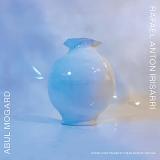
Marja de Sanctis’ cover artwork revisits the vessel sculpture from the duo’s first album, Impossibly Distant, Impossibly Close. There it appeared as raw, unfired clay. Here it has been fired in the kiln and finished with a glaze. Light gathers on its polished surface and spills into the surrounding space. As she explains, “I wanted to convey the idea of continuity within the duo, and the vessel became a kind of container for that idea. However, their music felt different this time, and with the collaboration of Martina and Andrea, I felt it should have a sleeker, softer, more glamorous look, very distant from the first raw appearance.” The transformation of the vessel from raw clay to fired form suggests a passage from immediacy toward permanence, mirroring the music’s gradual expansion.
Order now and we will order the item for you at our supplier.
In spring 2025, Abul Mogard and Rafael Anton Irisarri created the source material for their second album, Where Light Pauses in the Silence of the Sun, during a three-day residency at Morphine Raum in Berlin. Functioning as both recording studio and performance venue, the space has no stage, with the audience gathered around the performers. Working within an open framework, the duo reshaped the music each evening while recording the performances live to multitrack. Rotary speakers, modular synthesizers and bowed guitar formed the core of their sonic language, captured through a 1970s mixing console and microphones placed around the room.
Back in Mogard’s studio in Rome, the material was further crafted as motifs were stretched, fragments isolated, and tempos dissolved. Irisarri recorded additional guitar textures and treatments in New York, while passages recorded by Martina Bertoni and Andrea Burelli in Berlin reinforced the harmonic centres and brought breath, refinement and a new sensibility to their compositions. The process continued as Mogard’s layering and subtraction reassembled everyone’s parts into the final arrangement.
The album opens with “In the Eastern Wild,” building from a sparse outline into a monumental formation of low-frequency weight, its internal motion shaped by the rotating Leslie speaker. “Over the Domes” widens into a broader acoustic field, where sustained modular tones meet waves of softly plucked guitar. The music then turns inward with “A Blue Descent,” centred on Bertoni’s cello, whose growling timbre introduces a melancholic depth.
At the album’s centre, “In a Quiet Radiance” unfolds around a slow guitar ostinato, its luminous stillness opening into a more expansive and reflective state. Across its ten-minute span, Burelli’s violin lines and Bertoni’s lower cello phrases gradually surface, weaving through the harmonic field. Mogard brings Burelli’s processed voice to the fore, its emotive, operatic presence becoming one of the record’s pivotal moments. “Of Blessed Ages” suspends the sonic flow, shifting between parallel major and minor chords as lingering, slowly decaying melodies shape the music’s internal drift. The closing “Among Shadows” settles into a darker resonance as layered textures recede.
Mogard and Irisarri’s shared language balances restraint and maximalism. UK magazine Crack describes the music as “a tidal wave held in suspension,” while Dutch newspaper de Volkskrant writes, “What a colossal sound, and how this music strikes at the emotions.” Reflecting on the residency sessions, Irisarri recalls: “At moments I genuinely couldn’t tell if a sound was coming from me or from Abul. It stopped feeling like two people making decisions and began to feel like we were inside a system moving on its own."
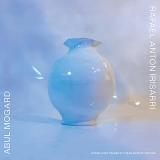
Marja de Sanctis’ cover artwork revisits the vessel sculpture from the duo’s first album, Impossibly Distant, Impossibly Close. There it appeared as raw, unfired clay. Here it has been fired in the kiln and finished with a glaze. Light gathers on its polished surface and spills into the surrounding space. As she explains, “I wanted to convey the idea of continuity within the duo, and the vessel became a kind of container for that idea. However, their music felt different this time, and with the collaboration of Martina and Andrea, I felt it should have a sleeker, softer, more glamorous look, very distant from the first raw appearance.” The transformation of the vessel from raw clay to fired form suggests a passage from immediacy toward permanence, mirroring the music’s gradual expansion.
Order now and we will order the item for you at our supplier.
In spring 2025, Abul Mogard and Rafael Anton Irisarri created the source material for their second album, Where Light Pauses in the Silence of the Sun, during a three-day residency at Morphine Raum in Berlin. Functioning as both recording studio and performance venue, the space has no stage, with the audience gathered around the performers. Working within an open framework, the duo reshaped the music each evening while recording the performances live to multitrack. Rotary speakers, modular synthesizers and bowed guitar formed the core of their sonic language, captured through a 1970s mixing console and microphones placed around the room.
Back in Mogard’s studio in Rome, the material was further crafted as motifs were stretched, fragments isolated, and tempos dissolved. Irisarri recorded additional guitar textures and treatments in New York, while passages recorded by Martina Bertoni and Andrea Burelli in Berlin reinforced the harmonic centres and brought breath, refinement and a new sensibility to their compositions. The process continued as Mogard’s layering and subtraction reassembled everyone’s parts into the final arrangement.
The album opens with “In the Eastern Wild,” building from a sparse outline into a monumental formation of low-frequency weight, its internal motion shaped by the rotating Leslie speaker. “Over the Domes” widens into a broader acoustic field, where sustained modular tones meet waves of softly plucked guitar. The music then turns inward with “A Blue Descent,” centred on Bertoni’s cello, whose growling timbre introduces a melancholic depth.
At the album’s centre, “In a Quiet Radiance” unfolds around a slow guitar ostinato, its luminous stillness opening into a more expansive and reflective state. Across its ten-minute span, Burelli’s violin lines and Bertoni’s lower cello phrases gradually surface, weaving through the harmonic field. Mogard brings Burelli’s processed voice to the fore, its emotive, operatic presence becoming one of the record’s pivotal moments. “Of Blessed Ages” suspends the sonic flow, shifting between parallel major and minor chords as lingering, slowly decaying melodies shape the music’s internal drift. The closing “Among Shadows” settles into a darker resonance as layered textures recede.
Mogard and Irisarri’s shared language balances restraint and maximalism. UK magazine Crack describes the music as “a tidal wave held in suspension,” while Dutch newspaper de Volkskrant writes, “What a colossal sound, and how this music strikes at the emotions.” Reflecting on the residency sessions, Irisarri recalls: “At moments I genuinely couldn’t tell if a sound was coming from me or from Abul. It stopped feeling like two people making decisions and began to feel like we were inside a system moving on its own."
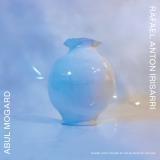
Marja de Sanctis’ cover artwork revisits the vessel sculpture from the duo’s first album, Impossibly Distant, Impossibly Close. There it appeared as raw, unfired clay. Here it has been fired in the kiln and finished with a glaze. Light gathers on its polished surface and spills into the surrounding space. As she explains, “I wanted to convey the idea of continuity within the duo, and the vessel became a kind of container for that idea. However, their music felt different this time, and with the collaboration of Martina and Andrea, I felt it should have a sleeker, softer, more glamorous look, very distant from the first raw appearance.” The transformation of the vessel from raw clay to fired form suggests a passage from immediacy toward permanence, mirroring the music’s gradual expansion.
Order now and we will order the item for you at our supplier.
AcidReflux returns with ARX001, a five-track manifesto from Delta Division. Dead Channel Rituals explores communication beyond collapse, ritualistic rhythms born from broken systems where distortion becomes language.
From the surgical tension of “Rupture” to the grit of “ST600,” the EP defines a new era for the label. Heavyweight remixes from Kincaid and Suncell complete the transmission, re-activating a once-dead channel through hyper-modern sound design.
credits
releases July 6, 2026
W&P by Delta Division
Mastered by Ankur at Seres Studio
Designed by Marco Paganotto
Distributed by One-Eye Witness
Pressed by Intakt
Order now and we will order the item for you at our supplier.
- 1: ENNUI ENNEMI
- 2: MON RêVE ANIMAL
- 3: FEU D'UN REGARD
- 4: JE EST ABSENT
- 5: AUX INUTILES
- 6: NOUS, LE VENIN
LTD PALE BEIGE VINYL[26,01 €]
French quartet Mourir are preparing to release their second full-length studio album, Nous, le venin, this summer via Pelagic Records. Their forward-thinking take on black metal and uncompromising approach to their work marks them out as ones to watch when they present this new material live at festivals across Europe including Hellfest, Rock In Bourlon and Resurrection festival in the months to come. With a demo, an album and an experimental EP to their name, the four-piece retreated to the studio at the end of 2025 to write the music for Nous, le venin. Recorded in January 2026 with Amaury Sauvé (Birds in row, Igorrr, Pneu) at The Apiary Studio in Laval, France, the six tracks are the very embodiment of Mourir's approach to black metal. Although they draw inspiration from many artists in the old-school black metal world, they opted to lean into a more modern sound - one that would allow the depth of their sonic choices to shine. Blending elements of sludge and post-metal to the rawness of their black metal sound, and combining this with a mix that gives space to both the low frequencies and the high-octane viscerality, Mourir have created something both distinctive and captivating. Thematically, the band turns their detached gaze towards an ever-more untethered modern society, one that is inhospitable to those seeking meaning in the cruelty and absurdity of a seemingly senseless world. Yet within these tracks exists slivers of light, of hope and of luminosity - a belief that something better is possible is woven throughout the melodic passages and most celestial, ecstatic elements of their sound. The evocative cover art by Thomas Davezac captures the feeling of disconnection that permeates the album. Mourir have recorded an album that cements their place among underground greats who deftly eschew the nostalgic trappings of black metal convention and breathe new life into the genre. Nous, le venin is imbued with raw emotion that is perfectly complemented by stylistic choices that echo the sentiment of being freed from the chains of the past. FFO Ultha, Fluisteraars, Envy and Neurosis
expected to be published on 10.07.2026
Black Vinyl[21,81 €]
French quartet Mourir are preparing to release their second full-length studio album, Nous, le venin, this summer via Pelagic Records. Their forward-thinking take on black metal and uncompromising approach to their work marks them out as ones to watch when they present this new material live at festivals across Europe including Hellfest, Rock In Bourlon and Resurrection festival in the months to come. With a demo, an album and an experimental EP to their name, the four-piece retreated to the studio at the end of 2025 to write the music for Nous, le venin. Recorded in January 2026 with Amaury Sauvé (Birds in row, Igorrr, Pneu) at The Apiary Studio in Laval, France, the six tracks are the very embodiment of Mourir's approach to black metal. Although they draw inspiration from many artists in the old-school black metal world, they opted to lean into a more modern sound - one that would allow the depth of their sonic choices to shine. Blending elements of sludge and post-metal to the rawness of their black metal sound, and combining this with a mix that gives space to both the low frequencies and the high-octane viscerality, Mourir have created something both distinctive and captivating. Thematically, the band turns their detached gaze towards an ever-more untethered modern society, one that is inhospitable to those seeking meaning in the cruelty and absurdity of a seemingly senseless world. Yet within these tracks exists slivers of light, of hope and of luminosity - a belief that something better is possible is woven throughout the melodic passages and most celestial, ecstatic elements of their sound. The evocative cover art by Thomas Davezac captures the feeling of disconnection that permeates the album. Mourir have recorded an album that cements their place among underground greats who deftly eschew the nostalgic trappings of black metal convention and breathe new life into the genre. Nous, le venin is imbued with raw emotion that is perfectly complemented by stylistic choices that echo the sentiment of being freed from the chains of the past. FFO Ultha, Fluisteraars, Envy and Neurosis
expected to be published on 10.07.2026
King Tubby and Producer Bunny ‘Striker’ Lee are intertwined in the birth of Dub Music. After discovering a mistake that made a ‘serious joke’ (more of which later...) they went on to release the first pressings of this new musical genre namely ‘Dub Music’. Tubby’s vast knowledge of electronics and Bunny’s vast catalogue of rhythms would lay the foundations of what today is taken as a standard... the Remix / Version cuts to an existing vocal tune.
Osbourne ‘King Tubby’ Ruddock was born in Kingston, Jamaica on 28th January 1941 and grew up in the High Holborn Street area of downtown Kingston. He studied electronics at Kingston’s National Technical College and also on two correspondence courses from the U.S.A... When he had qualified Tubby began repairing radios and other electrical appliances in a shack in the back yard of his mother’s home. His work in the early days included winding transformers and building amplifiers for Kingston’s Sound Systems. Tubby built his first Sound System in 1957 playing jazz and Rhythm & Blues at local weddings and birthday parties. His reputation as a man who knew and understood both electronics and music grew steadily and as the sixties drew to a close. Tubby purchased his own basic two track equipment. He installed this alongside his dub cutting machine, a homemade mixing console and his impressive collection of Jazz albums in the back bedroom of his home at 18 Dromilly Avenue which he christened his music room.
Tubby and Striker were at Treasure Isle Studio’s one day while Ruddy from Spanish Town was working with the engineer Byron Smith....
“Tubby and myself was talking when Ruddy was cutting some dub but Smithy (engineer) made a mistake through we were talking and forgot to put in the voice. It was two track recording in those days. Ruddy said ‘No Man! Make it stay! and so they cut the rhythm. When I went over to Ruddy’s that Saturday night a dance was in progress and when they played the vocal to the tune... then he said we’re going to play ‘Part Two’. They never called it ‘Version’..and then he played the rhythm track. The song was a catchy song and everybody started to sing along and the deejay started to toast so everything went down well. On Monday morning I went up and I said ‘Tubbs the mistake we made was a serious joke. It mash up Spanish Town! The people went wild. So you have to start to do that now ‘cause when the man put on the ‘Part Two’ everyone start singing this song. It played about twenty times. I said you try Tubbs!’...Well the next Saturday night now when Tubby strung up down the farm U Roy said he’s going to play ‘Part Two’ but Tubby did it different now. He started with the voice then dropped it out and let the rhythm run and then he brought in the voice in the middle and from there Tubby started to get really popular.’’
Bunny ‘Striker’ Lee
Dynamic Sounds upgraded to sixteen track recording in 1972 and Tubby purchased, again with the help of a deal brokered by Bunny Lee. The old four track equipment and the MCI console from their Studio B. The four tracks now gave him far wider scope to work with and he began to create a new musical form where the bass and drum parts were brought up while the faders allowed Tubby to ease the vocal and rhythm in and out of the mix. It was only a matter of time before Tubby’s dub plate experiments began to make it on to vinyl and the first ever long-playing King Tubby releases would feature a collection of his mixes to a selection of Strikers rhythms. So please sit back and enjoy this historic set of sounds, mixed by King Tubby and Mr Prince Phillip Smart and another set of scorcher Bunny Lee rhythms.
Order now and we will order the item for you at our supplier.
- A1: Ghost Of The Sun
- A2: Sleeper
- A3: Criminals
- A4: A Premonition
- A5: Will I Arrive
- A6: Burn The Remembrance
- B1: Wealth
- B2: One Year From Now
- B3: Walking By A Wire
- B4: Complicity
- B5: Evidence
- B6: Omerta
- B7: Inside The City Of Glass
Katatonia was formed in 1991 by Anders Nyström & Jonas Renkse. Their debut album, ‘Dance Of December Souls’, was released in 1993, gaining the band recognition for their eclectic brand of gothic doom/death metal & joining acts such as Paradise Lot & My Dying Bride as one of the genre's defining bands. Over the years, Katatonia evolved beyond their more extreme metal origins to become one of the pinnacles of the progressive metal genre.
‘Viva Emptiness’ was Katatonia’s sixth studio album & is considered among the band’s strongest works; a step up even over the seemingly insurmountable greatness of previous release, ‘Last Fair Deal Gone Down’. The album was recorded at the famous Soundtrade Studios (part of the 301 group) in Stockholm in October/November 2002 & released the following year; further refining Katatonia’s unique & poignant brand of melodic dark rock & metal.
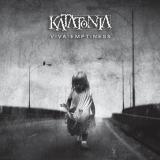
This edition of 'Viva Emptiness' features the original 2003 audio mix, which received a recent half-speed master courtesy of Abbey Road Studios, London, & is presented on black vinyl. The release contains the original artwork from Travis Smith.
expected to be published on 10.07.2026
- A1: Arabian Safari
- B1: I misteri del mondo
African visions, Middle Eastern mirages, and cosmic pulsations: the map of Giuliano Sorgini’s sonic universe continues to expand, revealing new, uncharted territories.
Set for release on 10 July, the 7-inch Savana Selvaggia brings together two extraordinary, previously unreleased tracks, shedding light on one of the most visionary facets of Sorgini’s library music aesthetic. On Side A, “I misteri del mondo” (The Mysteries of the World) transports us to an imagined, ancestral Africa suspended between endless horizons, elegiac wilderness, and analogue electronics.
On Side B, “Arabian Safari” opens the door to a mystical, Arabic-tinged soundscape where African imagery blends with Middle Eastern influences and kosmische futurism. Driven by a potent mix of electronic drums, hypnotic sequencing, and fiercely inventive synths, it strikes a sonic kinship with the finest European Krautrock.
The dialogue between these two tracks perfectly highlights the composer's artisanal, experimental approach. Here, the Solina, Minimoog, modular circuits, pulsating synth lines, and suspended melodies intertwine to form a fascinating, enigmatic, and deeply personal sonic world—one built entirely by Sorgini in his Cat & Fox Studio in Rome, located a mere stone's throw from the RAI headquarters.
Two forgotten tracks. Two cinematic journeys whose original visuals have been lost to time. Two missing puzzle pieces in the ongoing recovery of the work of a composer who sounds more modern today than ever before. A magnificent sonic transmission from a bygone era that lands with the force of a contemporary revelation.
expected to be published on 10.07.2026
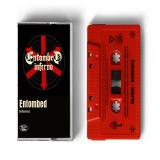
Entombed's 2003 inferno burns anew. Remastered and reignited, this definitive edition unleashes one of the band's dirtiest, most aggressive, and groove-soaked records - where gritty riffs, doom-laden heaviness, and punk-edged energy collide.
Produced and mixed by Per Gunnefeldt (Fireside, also associated with Viagra Boys), the album now returns with a powerful new remaster by Magnus Lindberg (Redmount Studios, known for The Hellacopters, Cult of Luna, Refused, Alcest, and more). The result is sharper, denser, and more forceful than ever - preserving the grainy guitars and thick low-end rumble that define Entombed's trademark sound.
A longtime fan favorite and a bold detour in their catalogue, Inferno showcases Entombed's ability to weave raw death 'n' roll power with punk grit and a heavy, sinister swing. Signature tracks like ""Retaliation,"" ""The Fix Is In,"" ""Incinerator,"" ""Young & Dead,"" and ""That's When I Became A Satanist"" mark the album's feral intensity.
As Swedish Music Hall of Fame inductees and founders of Scandinavian death metal, Entombed forged a legacy that shaped generations of heavy music. Inferno stands as one of their darkest, most visceral statements - now restored for maximum sonic impact.
Formats:
* 2LP + Cassette editions feature 14 tracks, including the bonus cut ""When Humanity's Gone"" between ""That's When I Became A Satanist"" and ""Nobodaddy.""
* CD edition includes 13 tracks, closing with ""Night For Day.""
1. Retaliation 2. The Fix Is In 3. Incinerator 4. Children Of The Underworld 5. Thats When I Became A Satanist 6. When Humanitys Gone 7. Nobodaddy 8. Intermission 9. Young & Dead 10. Descent Into Inferno 11. Public Burning 12. Flexing Muscles 13. Skeleton Of Steel 14. Night For Day
expected to be published on 10.07.2026
- 1: Retaliation
- 2: The Fix Is In
- 3: Incinerator
- 4: Children Of The Underworld
- 5: Thats When I Became A Satanist
- 6: When Humanitys Gone
- 7: Nobodaddy
- 8: Intermission
- 1: Young & Dead
- 2: Descent Into Inferno
- 3: Public Burning
- 4: Flexing Muscles
- 5: Skeleton Of Steel
- 6: Night For Day
Entombed's 2003 inferno burns anew. Remastered and reignited, this definitive edition unleashes one of the band's dirtiest, most aggressive, and groove-soaked records - where gritty riffs, doom-laden heaviness, and punk-edged energy collide.
Produced and mixed by Per Gunnefeldt (Fireside, also associated with Viagra Boys), the album now returns with a powerful new remaster by Magnus Lindberg (Redmount Studios, known for The Hellacopters, Cult of Luna, Refused, Alcest, and more). The result is sharper, denser, and more forceful than ever - preserving the grainy guitars and thick low-end rumble that define Entombed's trademark sound.
A longtime fan favorite and a bold detour in their catalogue, Inferno showcases Entombed's ability to weave raw death 'n' roll power with punk grit and a heavy, sinister swing. Signature tracks like ""Retaliation,"" ""The Fix Is In,"" ""Incinerator,"" ""Young & Dead,"" and ""That's When I Became A Satanist"" mark the album's feral intensity.
As Swedish Music Hall of Fame inductees and founders of Scandinavian death metal, Entombed forged a legacy that shaped generations of heavy music. Inferno stands as one of their darkest, most visceral statements - now restored for maximum sonic impact.
Formats:
* 2LP + Cassette editions feature 14 tracks, including the bonus cut ""When Humanity's Gone"" between ""That's When I Became A Satanist"" and ""Nobodaddy.""
* CD edition includes 13 tracks, closing with ""Night For Day.""
1. Retaliation 2. The Fix Is In 3. Incinerator 4. Children Of The Underworld 5. Thats When I Became A Satanist 6. When Humanitys Gone 7. Nobodaddy 8. Intermission 9. Young & Dead 10. Descent Into Inferno 11. Public Burning 12. Flexing Muscles 13. Skeleton Of Steel 14. Night For Day
expected to be published on 10.07.2026
- 1: Retaliation
- 2: The Fix Is In
- 3: Incinerator
- 4: Children Of The Underworld
- 5: Thats When I Became A Satanist
- 6: When Humanitys Gone
- 7: Nobodaddy
- 8: Intermission
- 1: Young & Dead
- 2: Descent Into Inferno
- 3: Public Burning
- 4: Flexing Muscles
- 5: Skeleton Of Steel
- 6: Night For Day
Entombed's 2003 inferno burns anew. Remastered and reignited, this definitive edition unleashes one of the band's dirtiest, most aggressive, and groove-soaked records - where gritty riffs, doom-laden heaviness, and punk-edged energy collide.
Produced and mixed by Per Gunnefeldt (Fireside, also associated with Viagra Boys), the album now returns with a powerful new remaster by Magnus Lindberg (Redmount Studios, known for The Hellacopters, Cult of Luna, Refused, Alcest, and more). The result is sharper, denser, and more forceful than ever - preserving the grainy guitars and thick low-end rumble that define Entombed's trademark sound.
A longtime fan favorite and a bold detour in their catalogue, Inferno showcases Entombed's ability to weave raw death 'n' roll power with punk grit and a heavy, sinister swing. Signature tracks like ""Retaliation,"" ""The Fix Is In,"" ""Incinerator,"" ""Young & Dead,"" and ""That's When I Became A Satanist"" mark the album's feral intensity.
As Swedish Music Hall of Fame inductees and founders of Scandinavian death metal, Entombed forged a legacy that shaped generations of heavy music. Inferno stands as one of their darkest, most visceral statements - now restored for maximum sonic impact.
Formats:
* 2LP + Cassette editions feature 14 tracks, including the bonus cut ""When Humanity's Gone"" between ""That's When I Became A Satanist"" and ""Nobodaddy.""
* CD edition includes 13 tracks, closing with ""Night For Day.""
1. Retaliation 2. The Fix Is In 3. Incinerator 4. Children Of The Underworld 5. Thats When I Became A Satanist 6. When Humanitys Gone 7. Nobodaddy 8. Intermission 9. Young & Dead 10. Descent Into Inferno 11. Public Burning 12. Flexing Muscles 13. Skeleton Of Steel 14. Night For Day
expected to be published on 10.07.2026
- LP1: (Rotation) A1 Tysch
- A2: Crane
- A3: Now P-PL
- B1: Talking SH-7
- B2: Rotation Of Weight
- LP2: (High Low) A1 Hew Branderson
- A2: Motiern
- A3: Culminate
- B1: Singular Scope
- B2: Genex
- B3: Unending
- LP3: 4 | Trickfinger I A1 After Below
- A2: Before Above
- B1: Rainover
- B2: Sain
- C1: 85h
- C2: 4 30
- D1: 100mc4
- D2: Phurip
- LP5: Trickfinger II A1 Shift Sync
- A2: Ruche
- A3: Exlam
- B1: Hasan
- B2: Cuh
- B3: Stall
LTD Edition, Artwork by John Frusciante
LP1 New album
LP2 Available on vinyl for the first time
LP3/4 Debut album on green vinyl
LP5 Second album on red vinyl
When I recorded the first 2 Trickfinger records, I had recently discovered that you could make electronic music in a room with a bunch of synced machines going at the same time, record it on a
CD burner and have a finished track. I've heard this process described as “overdubbing into the air”. It was as exciting to me as my first 4 track was when I was 14. I wasn't trying to be good, or
original. I was just excited that music could be made that way; it felt like I was a whole group of musicians playing together… or like I was jamming with ghosts of myself. This has actually been a
very common way of making electronic music since the 80s, particularly in the main pioneering genres like Chicago Acid and Detroit Techno, but anyways I didn't figure it out until 2006. In 2007,
I started doing it myself, which resulted in what was eventually released as Trickfinger, and Trickfinger II. I was just home from tour and was still in the middle of recording The Empyrean.
A couple of years later I started making music by overdubbing onto a computer, but using the same machines. I tried to make music that didn't sound like anything else. I saw a way of combining
Progressive Rock and Synth Pop which nobody had done. And I was combining my songwriting and guitar playing with these old machines in a way which I was sure was unique. I had reached a point
where it was more important to do something original than to do something good, whatever “good” means.
Some of this music did not get a proper release, and is compiled here as the vinyl record High Low. I don't think I have ever tried so hard at making music as I did during that period. This in contrast to
those two Trickfinger records, where I wasn't trying at all. There’s something to be said for both mental states. When you're in one, the other seems impossible. I was really pushing myself on High
Low. Looking back, it was as if I had an audience inside myself, driving me to go beyond my abilities, while at the same time I had a total disregard for any concept of an actual audience. It
was one of those periods in life where things come together in a certain way that feels natural at the time, but seems foreign in retrospect. It felt like I was going to die if I didn't do something musically
different.
The fourth record in this box is me breaking in a new mixing console, making live-to-stereo music. The record is called Rotation, and it is all new music. These tracks are more in the “not trying”
category, since we're on that subject. I had just come home from tour, and was just really glad to be in the studio with my machines. Acid Test thought it would be nice to do a box set commemorating the 10th anniversary of the release of Trickfinger, and so we put together this box set, with homemade cover art.
John Frusciante 2026
Order now and we will order the item for you at our supplier.
- 01: blush
- 02: on your side
- 03: patience
- 04: blindside
- 05: morning light
- 06: crybaby
First Word Records are proud to bring you the debut EP from papaya noon - ‘through the moods’.
papaya noon are a Cardiff-based duo comprised of vocalist Annie Mirza and multi-instrumentalist Greg Marriott.
Formed five years ago, they make jazz-infused R&B music that incorporates their mutual love of classic soul, hip hop & electronica.
The duo have already amassed an impressive fan-base online, garnering over 80,000 followers across their socials, and receiving praise from such luminaries in the US as Missy Elliot, Snoop Dogg, Queen Latifah, 9th Wonder, Bootie Brown & the late great Fatman Scoop.
This is a result of their unique style, captivating grooves & deeply catchy hooks, encompassing a distinctive blend of soul music, from retrospective 90s vibes to alternative futuristic flavours, creating a sonic palette that’s wonderfully contemporary, yet very much their own.
All their music is written, performed & produced single-handedly by the duo themselves, who’ve managed to create a magically powerful potion from their plant-filled Cardiff studio space, and generated huge anticipation for their future output in-turn.
The future is NOW, as papaya noon are finally ready to unleash their music into the world.
‘through the moods’ is a 6-track EP of delicious alternative r&b vibes, already set to become future soul classics.
Sonically rooted in warm, textured instrumentation & layered harmonies, the duo have triumphantly built a huge soundscape that feels simultaneously nostalgic & futuristic. Smoky late-night ballads nestle alongside infectious uptempo jams, leaning into their jazzy boom-bap & neo-soul influences, whilst showcasing their phenomenal spread of talents as performers and songwriters both.
The duo explained that the EP navigates “neurodivergence, trauma & loss, with tenderness & honesty. Rather than presenting trauma as a spectacle, we’ve attempted to approach it with the softness and complexity that it merits”.
From the first single release ‘blush’, to the downtempo sweetness of ‘blindside’ or ‘morning light’, to the pacier ‘on your side’ & EP closer ‘crybaby’, each track on this project exemplifies their unbridled ability to produce deeply infectious earworms, whilst thematically encompassing unflinching lyricism that’s deeply personal.
Already hailed by some as “the Welsh Moonchild”, papaya noon were named as one of Clash Magazine’s “must-see” acts at FOCUS Wales in 2025, bringing their music to life on stage with their 5-piece live band, additionally performing at Brick Lane Jazz Festival, The Great Escape, Inglefest, Nowadaze, Swn Festival & Good Vibrations Society, as well as NXNe and BreakOut West in Canada, and supporting the likes of Hot 8 Brass Band & Reel People.
With everything already pointing to the duo swiftly becoming one of the hottest new soul acts in Britain, this is only the beginning of the journey for papaya noon…
‘through the moods’ will be released on vinyl & all digital platforms on Fri 10th July.
expected to be published on 10.07.2026
- A1: Trycket
- A2: Krossad
- A3: Ruiner
- A4: Europa 1984
- A5: Eld
- A6: Ôgats Fest
- A7: Viskningar Och Rop
- A8: Europa
- A9: Ge Upp
- B1: Modern Kvinnor
- B2: Zon Zon
- B3: Ensam
- B4: Music From The Border
- B5: Music From An Extended Border
- B6: Alles
- C1: Kvinnor
- C2: Peur
- C3: Burnout
- C4: Pulz
- C5: Winter Arcade
- D1: Turn Grey
- D2: Black And White
- D3: Glas
- D4: Soon Soon
- D5: SyriFestia
40 years after its creation, MOß GARTEN – Sekvensstyrd 1981–1986 arrives as a compelling double vinyl LP, diving deep into the early Swedish DIY electronic scene. Inspired by pioneers such as Kraftwerk, Cabaret Voltaire, John Foxx, and The Human League, Mikael Isaksson developed a distinct sound situated between minimal electronics, industrial, synth wave, and experimental sound art. At its core was the sequencer: pulsing, programmed structures forming the backbone of dense, often hypnotic compositions.
Working initially with his cousin Jan or friend Thomas and later evolving into a largely one-man project, recordings were made on cassette tapes and in improvised studios—often under time pressure, frequently recorded and mixed within just a few hours. These very limitations gave the tracks their raw and immediate character. Pieces like “Moderna Kvinnor,” “Soon Soon,” “Ensam,” and “Music From The Border” exemplify the uncompromising, sequence-driven (“sekvensstyrd”) approach that defined this era.
Using an arsenal of analog synthesizers, early sequencers, and drum machines, the project created music that feels at once cold, mechanical, and deeply emotional. Sekvenssytrd 1981–1986 is more than a collection of archival recordings—it is a vivid document of a time when electronic music was conceived as a radical and deeply personal form of expression.
Mastered by Martin Bowes. Graphic design by Steve Lippert.
2LP features: limited to approx. 200 copies, solid moss green vinyl, gatefold outer sleeve gloss lamination, polylined inner sleeves, hand-numbered silver foil paper insert with lyrics, download coupon)
expected to be published on 10.07.2026
Foreign Tongues, the new album from The Rolling Stones, is an incredibly vibrant 14-track collection arriving less than three years after the band’s universally acclaimed, GRAMMY-winning album Hackney Diamonds, which topped charts worldwide and achieved multi-platinum status. The new album is introduced by the upbeat and infectious lead single In The Stars.
Leading up to the announcement, the band subtly built anticipation around the project, including the limited white label release of the track Rough and Twisted, issued exclusively on vinyl under the name The Cockroaches. Circulating among fans and collectors, the release has already sparked excitement and speculation about the sound and direction of Foreign Tongues, offering an early glimpse into the album’s raw and experimental energy. Recorded during an exceptionally creative period, Foreign Tongues was brought to life in under a month at Metropolis Studios in West London, with Mick Jagger, Keith Richards and Ronnie Wood reuniting with GRAMMY-winning producer Andrew Watt, who also helmed Hackney Diamonds. The result is a dynamic and forward-looking record that captures the band’s unmistakable sound while venturing into new sonic and lyrical territory—further cementing their unmatched legacy.
The album showcases standout performances from Jagger, Richards and Wood, alongside their long-time collaborators, including Darryl Jones, Matt Clifford and Steve Jordan. It also features a special guest appearance from Charlie Watts, recorded during one of his final studio sessions before his passing in 2021. Additional contributions come from an impressive lineup of guest artists, including Steve Winwood, Paul McCartney, Robert Smith of The Cure, and Chad Smith from Red Hot Chili Peppers.
Speaking about the recording process, Mick Jagger said: “I love doing these recording sessions in London at Metropolis. It was a very intense few weeks recording Foreign Tongues. We had 14 great tracks, and we worked as quickly as we could. I like the room there because it’s not too big, so you can really feel the passion in the room from everyone.”
Keith Richards added: “The album Foreign Tongues has a connection to Hackney Diamonds, and it was great to be working in London again and to have that London vibe around us. It was a month of concentrated punch. For me, it’s all about the joy of it. I’m blessed to be able to do this—may it continue for a long time.”
Ronnie Wood commented: “The atmosphere in the room was so creative, and the whole band was in top form throughout the process. Very often, we nailed it on the first take. I hope everyone will love it.”
The album’s striking cover artwork is a painting created by the acclaimed American artist Nathaniel Mary Quinn
expected to be published on 10.07.2026
- 1: US 54
- 2: S33.U.IN/HAL
- 3: HAPPY SONG
- 4: FIRST DAE
- 5: LULL
- 6: I'M DADA
- 7: UNISON
- 8: TOO ONE
- 9: TO THE OTHER
- 10: DEWEY'S DIRGE
In Ensenada, Mexiko, wo der Horizont des Pazifiks eine klare, unveränderliche Linie zieht, nahmen HOLY WAVE ihr neues Album "i'm DADA" auf - ein Werk, das für die Band weitläufig und neu fokussiert wirkt. Der Schritt außerhalb ihrer Heimat USA war weniger ein Rückzug als vielmehr ein Perspektivwechsel, der Abstand schuf, um einen neuen Sound zu erkennen, der sich langsam unter ihnen herausgebildet hatte. "i'm DADA" offenbarte schnell seinen Charakter: treibender, offener Underground-Lofi-Rock und ihr bisher strukturell durchdachtestes Werk. Durch die Zusammenarbeit mit dem experimentellen Duo Lorelle Meets the Obsolete in deren Studio floss das Gemeinschaftsgefühl in das Album ein, obwohl dessen emotionaler Kern bereits in den monatelangen Vorbereitungen entstanden war. Die Hälfte von HOLY WAVE ist mexikanischer Herkunft und hat ihre Wurzeln in der Grenzregion um El Paso, sodass sich die Aufnahmen in Ensenada intuitiv und entspannt anfühlten. Die Songs spiegelten Gespräche über Vaterschaft und Partnerschaft, Trennungen und Entfremdung, die beunruhigende Beschleunigung der KI und darüber wider, was es bedeutet, präsent und prinzipientreu zu bleiben, während die Welt unvorhersehbar voranschreitet. Diese Spannung wird nicht explizit hervorgehoben, sondern geht in der Musik auf. Die Band dehnt ihr bekanntes Gespür für eine schwindelerregende Atmosphäre zu etwas Schlankerem und Direkterem aus. Es sind mehr Loops und Samples eingewoben als zuvor, Grooves, die konstruiert, zyklisch und hypnotisch wirken. Manche Tracks driften in Richtung der elastischen Weite des Dub; andere pulsieren mit filmischer Downtempo-Schwere. Das gesamte Album ist von einem frischen Schwung geprägt, von Rhythmen, die vorantreiben, von traumgetränkten Texturen, Fuzz-Gitarren und sanft schwebenden Vocals. "dewey's dirge" entfaltet sich geduldig: Verschwommene Gitarrenklänge erblühen, während darunter ein gmotorischer Puls stetig voranschreitet. Der Gesang bleibt im Hintergrund, breitet sich eher aus, als dass er explodiert. Es wirkt weitläufig und nachdenklich, eine Hymne des Abklingens, die Drama gegen Eintauchen eintauscht. "i'm DADA" hingegen findet seinen Rhythmus in einem schlanken, kreisenden Groove. Eine straffe Drum-Figur, eine Basslinie und eine abgehackte Gitarrenphrase wiederholen sich, bis sie lebendig wirken. Textlich kreist der Song um die komplizierte Hingabe ein Eltern-Teil zu sein. "s33.u.in/HAL" klingt wie eine Übertragung, die mitten in der Luft abgefangen wurde, leicht mechanisch, immersiv, ohne sich jemals vollständig aufzulösen, und fängt das zentrale Gefühl des Albums ein: den Versuch, trotz Störgeräuschen klar zu kommunizieren. Während frühere Alben von HOLY WAVE oft durch ein Gefühl des Dahintreibens geprägt waren, wirkt diese Platte nun neu geerdet. Das Album verzichtet nicht auf das Eintauchen in die Musik, sondern zügelt es. Die Grooves setzen sich fest, Wiederholungen gewinnen an Gewicht, und die Musik bleibt trotz ihrer schwereren Themen gefasst und unerschütterlich. Was dabei entsteht, ist keine Neuerfindung, sondern eine Schärfung: Holy Wave klingen weniger wie eine Band, die durch die Atmosphäre treibt, sondern eher wie eine, die diese inmitten des Chaos bewusst gestaltet.
expected to be published on 10.07.2026
- A1: Les Masques - Il faut tenir (1969)
- A2: Isabelle Aubret - Casa Forte (1971)
- A3: Christianne Legrand - HLM et Ciné Roman (1972)
- A4: Jean Constantin - Pas tant d'chichi ponpon (1972)
- A5: Billy Nencioli & Baden Powell - Si rien ne va (1969)
- B1-: Marpessa Dawn - Le petit Cuica (1963)
- B2: Jean-Pierre Sabar - Vai Vai (1974)
- B3: Sophia Loren - De jour en jour (1963)
- B4: Isabelle - Jusqu’à la tombée du jour (1969)
- B5: Sylvia Fels - Corto Maltesse (1974)
- C1: Frank gérard - Comme une samba (1972)
- C2: Ann Sorel - La poupée des Favellas (1971)
- C3: Charles Level - Un enfant café au lait (1971)
- C4: Andrea Parisy - Les mains qui font du bien (1970)
- C5: Audrey Arno - Quand Jean-Paul rentrera (1969)
- C6: Aldo Frank - T’as vu ce printemps (1970)
- D1: Christianne Legrand - Cent mille poissons dans ton filet (1972)
- D2: Clarinha - Lemenja (1970)
- D3: Hit Parade des Enfants - Aquarela (1976)
- D4: Jean-Pierre Lang - Tendresse (1965)
- D5: Magalie Noël - Une énorme Samba (1970)
- D6: Françoise Legrand - La Lune
Ever since the late 1950s bossa-nova revolution, Brazil’s influence on French music has been undeniable. Pierre Barouh, Georges Moustaki and a vast array of lesser known artists, all made the Musica Popular Brasileira (MPB) an axis of promotion at the service of a cool and metaphysical, modern and mixed Brazilian lifestyle. Some were seduced by the poetic languors of the bossa, some were looking for fun, and others just loved the American hybridization of jazz-bossa, jazz-samba.
What is bossa nova? One of its creators, Joao Gilberto said: "Its style, cadence, everything is samba. At the very start, we didn't call it bossa nova, we sang a little samba made up of a single note - Samba de uma nota so .... The discussion around the origins of bossa nova is therefore useless”. It is nevertheless useful to remember that these magnificent Brazilian songs, which the guitarist describes as samba, were shifted and balanced around improbable chords. "I like things that lean, the in-betweens that limp with grace," said Pierre Barrouh, quoting Jean Cocteau.
With emotion, arrangements for violin and supple guitar licks, bossa nova rapidly changed. A transformation that can be heard in the Tchic, tchic, French Bossa Nova 1963-1974 compilation, the result of a cultural reappropriation, which traveled through the United States and supplemented itself in France.
A musical revolution that has remained significant, bossa nova was born in Rio. From 1956 to 1961, Brazil lived through its golden years. In five years, the country had invented its modernist style. Elected president in 1956, Juscelino Kubitschek de Oliveira, an elegant man with a broad forehead, brandished a promising slogan: "Fifty years of progress in five years". He quickly got to work. Not worried about increasing debt, he launched the project for a new federal capital, Brasilia, designed by the communist architect Oscar Niemeyer. Volkswagen opened state-of-the-art factories and created the “fusquinha”, the Beetle. In Rio, the Vespa made its first appearance. The Arpoador Surf Club crew run into the “girl” from Ipanema, Helô Pinheiro - the tanned garota ("chick"), between a flower and mermaid, who at 17 walked by the Veloso bar, where the fiery author and composer, Tom Jobim and Vinicius de Moraes, were getting drunk on whiskey. From then on, bossa symbolized cool.
In 1958, Joao Gilberto recorded Chega de Saudade, which the directors of Philips denied, calling it "music for fagots". The marketing director, who believed in it, secretly pressed 3000 78-inch vinyls and distributed them at schools around Rio, creating a tidal wave.
American jazzmen then took over. In particular, trumpeter Dizzy Gillespie and guitarist Charlie Byrd. In November 1962, the Brazilian Ministry of Foreign Affairs funded a "Bossa-Nova" concert at Carnegie Hall in New York, inviting the genre’s pioneers. Unprepared, the show soon turned to disaster. But the troupe was invited to the White House by Jackie Kennedy. The first lady loved "the new beat" and in particular Maria Ninguem, a song by Carlos Lyra, later covered by Brigitte Bardot.
In Brazil, the 1964 military coup quickly ended this euphoria. The destructive atmosphere that ensued pushed many Brazilian musicians to leave, if not to exile. Thus, Tom Jobim, Sergio Mendes and Joao Gilberto arrived to the United States. In New York, Joao Gilberto met saxophonist Stan Getz. At the time, he was married to the Bahianese Astrud Weinert Gilberto, who had a German father. She had never sung before, but she knew how to speak English. Getz therefore asked her to replace her husband on The Girl From Ipanema. The Getz/Gilberto record with Tom Jobim on piano, was released in March 1964. Phil Ramone, the "pope of pop" was in charge of sound.
Bossa nova arrived in Paris through the classic “guitar-voice” channel (Pierre Barouh, Baden Powell, Moustaki…) But France loved jazz and Paris had already welcomed its American contributors. All these good people were to pass through Saint-Germain-des-Prés. The cabaret l'Escale became the Mecca of Latin American sound where one could find Pierre Barrouh and his friends, such as the Camara Trio, samba-jazz aces, whose only record was published by the Saravah label. With a band strangely called Les Masques (a band that included Nicole Croisille and Pierre Vassiliu, among others), the Camara Trio recorded an interesting Brazilian Sound, including the track Il faut tenir which is present on this tasty compilation of rarities.
Other enlightened musicians can also be found on the compilation, such as Jean-Pierre Sabar (songwriter for Hardy, Auffray, Leforestier ...) and the French pop rock organist Balthazar. In 1975, Sabar recorded Aurinkoinen Musiikkimatka on a Finnish label, which featured the crazy Vai, Vai, included on this record. We are now following the footsteps of Brazilian electronic musicians such as Sergio Mendes, Eumir Deodato or Marcos Valle who created funk and disco sounds on their keyboards and synthesizers. A style that influenced Véronique Sanson when she wrote Jusqu’à la Tombée de la nuit in 1969 for Isabelle de Funès, the niece of Louis and a great friend of Michel Berger - Sanson did end up singing this track on her 1992 Sans Regret record.
The pinnacle of exoticism and travel, Sylvia Fels’ Corto Maltese includes bongos, sea mist and ocean sounds. The title was taken from Jacky Chalard’s concept album written in 1974, Je suis vivant, mais j’ai peur (I am alive, but I am scared), based on Gilbert Deflez’s science fiction novel.
However, bossa nova extended the scope of popularity. "In the 1970s, I was a fan of Sergio Mendes, Getz / Gilberto. I fell in love with this music that I knew because I had been an orchestral singer, " explained Isabelle Aubret, who in 1971 delivered a composite record of covers by the very funky Jorge Ben, Orfeu Negro, Tom Jobim, Vinicius de Morais and Jean Ferrat. "I recorded this album for Meys Records in Paris, far from Brazil, with wonderful musicians, François Raubert, Roland Vincent, Alain Goraguer...". The latter wrote the arrangements for Casa Forte, a very percussive title borrowed from Edu Lobo, one of the initiators of the bossa who spent time in California. "Jazz and bossa came together and produced very rhythmic music. I love singing, it allows me to dream, to have fun, to feel a high on stage, and these songs brought me joy, made me swing, my singing felt like a dance.”
The world tours of French singers and their desire for the tropics, often brought them to Rio with its hills, forests, caipirinhas and tanned bodies. There are surprises though, like this Iemenja (Iemenja is the goddess of the sea in the Afro-Brazilian candomblé religion). Not unlike the composer and musician Jean-Pierre Lang, based in Sao Paulo, Claire Chevalier taught Brazil to Brazil. In 1970, the singer and painter published a 45-inch vinyl, Mon mari et mes amants (My husband and my lovers), under the improbable pseudonym of Clarinha (little Claire). She was then living in Rio, with her husband, Joël Leibovitz, who founded a band called Azimuth, and who owned a record label specialized in "sambas enredos" songs for samba school parades.
For its B side, she asked Pierre Perret to come up with lyrics for a song composed by Carlos Imperial: "Oh goddess of the sea, o goddess Iemenja, I bring a white rose to adorn your long hair ..." . "Perret came to see us, and we had fun, remembers Joël Leibovitz. We wrote Lemenja for fun, we recorded it at the Havaí studio, behind the Central do Brasil the central station. Erlon Chaves, the arranger who worked with Elis Regina, joined us" adding his share of Afro-Brazilian percussions and funky brass to the mix.
There is a common misunderstanding in Franco-Brazilian history: that bossa, admittedly hedonistic, is perceived as funny, even though the poets who wrote the texts are often philosophizing on the human condition. Its French interpreters pull it towards a carnival inspired universe, far removed from its fundamental essence. Thus, Jean Constantin covered the famous Samba da minha terra, an ode to the art of samba written by the classic Bahian composer Dorival Caymmi, renaming it with the enticing title of Pas tant de tchi tchi pompon: "On your pier there is no tchi tchi / when you arch your back, you know everything is alright ”(lyrics by Gérard Calvi). This expedited bossa aims for the absurd, but retains a certain elegance.
Indeed, Jean Constantin was not an idiot, the rather large man had a huge mustache and liked fantasy, (Les pantoufles à papa, Le pacha, inspired by cha-cha-cha-cha, salsa and jazz) but he was also the lyricist of Mon manège à moi interpreted by Edith Piaf, the composer of Mon Truc en plume by Zizi Jeanmaire and the soundtrack of François Truffaut’s 400 Blows. Le Poulpe, published in 1970, from which this bossa is extract, was arranged by Jean-Claude Vannier, an accomplice of Serge Gainsbourg’s Melody Nelson. In short: "There is enough of samba / By looking at the parasol / Because my poor cabeza / Is going to die in the sun".
Even the American actress Marpessa Down, who was at the heart of the bossa nova revolution with her role as Euridyce in Marcel Camus’ film Orfeu Negro, winner of the 1959 Cannes Palme d'or, fed the clichée with Je voudrais parler au petit cuica - "Tell me how you manage to always make people want to dance / It's true, I must admit that I cannot resist your magic" - in consequence, once can hear the cuica, a little drum inherited from the Bantu.
But bossa nova had many angles. Societal, of course, pushing actresses who were symbols of women's liberation like Brigitte Bardot, Jeanne Moreau, or Sophia Loren to engage in the exercise of accelerated bossa. In February of 1963, Sophia Loren made a record in French in Rome, Je ne t'aime plus, featuring the song De jour en jour, a bossa written by two Italians, Armando Trovajoli and Tino Fornai, which was released a little later by Barclay. Bossa accompanied the 1960s, a decade of moral liberation. Ann Sorel, who interpreted La Poupée des favellas, caused a sensation with L’amour à plusieurs, a provocative song written by Frédéric Bottom and Jean-Claude Vannier. As for the actress Andrea Parisy, she displayed her bourgeois cheekiness in Marcel Carné's Les Tricheurs before interpreting Les mains qui font du bien. And Magalie Noël, the friend of Boris Vian, who sung Johnny fais-moi mal, was hired to sing Une énorme Samba, composed by Alain Goraguer (arranger to Gainsbourg, Bobby Lapointe and Jean Ferrat) with lyrics by Frédéric Botton.
But in the end, of what wood is bossa nova made of? The answer is given by Christianne Legrand, daughter of Raymond the conductor, and sister to Michel the composer: "With me, with jà" - jà means "immediately" in Portuguese. In 1972, the singer, an expert in vocal jazz and a member of the Double Six, published Le Brésil de Christianne Legrand. Two songs included on the Tchic Tchic compilation that demonstrate how bossa, jazz, funk, rock, etc. work like a swiss army knife: the music is used to denounce broken systems, or miracles, HLM et ciné roman, Cent mille poissons dans ton filet, two songs from the O Cafona soundtrack, a successful telenovela broadcast, at the time in black and white, on TV Globo. The first was adapted in French by the fighter and friend of the Legrand tribe, Agnès Varda. The second is content with a play on words, jostling them into a summer fun.
Véronique Mortaigne
Order now and we will order the item for you at our supplier.
It’s taken Sealed records more than five years to put this release together but finally it’s here. The one and only Bikini Mutants. The Bikini Mutants were from Yeovil, Somerset and part of the All the Madmen world. In their short life as a band they recorded two demos at Monitor Studios, Milborne Port in Somerset in 1982. Let's Mutate collects these two demos on one LP, along with a 20 page booklet featuring photos, lyrics, reviews, interviews and much more. The band played mostly in Yeovil and the West Country along with the Mob and the Review, and even though they were part of the West Country anarcho scene, the sound was a mix of scratchy post punk and indie pop. Members of the band went on to be in My Bloody Valentine and the Chesterfields. The songs are intricate, delicate and engaging with the drums and bass locked in, the fuzzed out guitar weaving on top and Christine Cole’s angelic voice taking each song to pop heaven. Think a mix of Girls at our Best, Au Pairs and the Marine Girls.
Order now and we will order the item for you at our supplier.
- 1: Like A Thief In The Night
- 2: Oceanwide
- 3: Heavens Calling
- 4: Walk On Water
- 5: God Under Fire
- 6: Remedy (SOS)
- 7: Jerusalem
- 8: Every Breath
- 9: The War That Tore The Land (Reprise)
- 10: The Man From Nazareth Pt. II
With their tenth studio album "X", Swedish melodic metal pioneers Narnia enter a new and powerful chapter, marking their 30th anniversary and nearly three decades of unwavering presence on the international metal scene. While "Ghost Town" (2023) reaffirmed the band's melodic metal foundation, "X" expands the sonic landscape. The album moves confidently between soaring arena-ready choruses and more adventurous, progressive passages, without ever losing the band's unmistakable identity. Songs like "Oceanwide", "Every Breath", and "Heaven's Calling" showcase Narnia's gift for strong hooks and uplifting melodies. At the other end of the spectrum, the high-energy "Remedy (SOS)" pushes the tempo to new heights, while tracks such as "God Under Fire" and "Jerusalem" explore more intricate arrangements and progressive textures. Multiple lead vocalists share the spotlight throughout the album. CJ Grimmark and Jonatan "Jono" Samuelsson both step forward on selected tracks, adding new tonal colors, while Christian Liljegren's unmistakable voice continues to anchor the sound. "The Man from Nazareth Pt. II" reconnects with the band's early era and serves as a continuation of a fan-favorite from the 2006 album "Enter the Gate", while "The War that Tore the Land (Reprise)" offers a reflective callback to 2019's "From Darkness to Light". "X" stands as both a celebration of Narnia's legacy and a bold statement of where the band stands today, musically sharper, more diverse, and more confident than ever. The album is produced and mixed by CJ Grimmark and mastered by Thomas "Plec" Johansson at Studio Bohus. - Narnia - pioneers of Scandinavian melodic metal since 1996. - Celebrating their 10th studio album "X" - marking nearly 30 years of legacy. - Part of the original Swedish melodic metal wave alongside HammerFall, In Flames and Evergrey. - Christian Liljegren - one of the most recognizable voices in melodic metal, fronting the band since day one. - CJ Grimmark - founding member, main songwriter and producer, widely regarded as one of Sweden's finest melodic metal guitarists. - Worldwide sales of several hundred thousand physical units plus strong global streaming presence. - Strong and loyal international fan base in Europe, South America and Japan. - Extensive touring history with Dio, Judas Priest, Europe, Sabaton, Saxon, Stratovarius, Sonata Arctica, Yngwie Malmsteen and Stryper. - Recent music videos approaching 1 million YouTube views combined.
expected to be published on 03.07.2026
- A1: Title Theme
- A2: Overworld
- A3: Tal Tal Heights
- A4: Dungeon Suite
- A5: Hyrule Castle
- A6: Uncovered Secret
- B1: Deku Tree
- B2: Kokiri Forest
- B3: Lost Woods
- B4: Mysterious Woods
- B5: Sheik's Theme / Kakariko Village
- C1: Windmill Hut
- C2: Dark World Suite
- D1: Mabe Village
- D2: Dark World Dungeon Death Mountain
- D3: Light World Dungeon
- D4: Boss Battles
- D5: Fairy Fountain
*ZELDA SUITES (THE LIVE ALBUM) : A MODERN JAZZ REINTERPRETATION OF THE MUSIC FROM ZELDA, RECORDED LIVE!*
WRWTFWW Records continues its collaboration with Belgian jazzman Casimir Liberski with another Zelda-themed rendition, following his celebrated Z Suites album. This time it's a full-on live session - Casimir Libersk ReTRio's Zelda Suites (The Live Album) is a heroic Hyrule jazz adventure available in half speed mastered DLP in a heavyweight sleeve with obi.
Casimir Liberski reimagines the golden era of video game soundtracks with live jazz versions of Zelda favorites The Legend of Zelda (1986), A Link to the Past (1991), Link's Awakening (1993), and Oscarina of Time (1998) - and tons of Easter eggs! Dancing between nostalgia and avant-garde, the Brussels-born pianist and composer crafts a sonic world of pixelated folklore where melody and improvisation coexist in harmony.
Zelda Suites (The Live Album) is the origin story of Liberski's acclaimed Z Suites album. He explains:
The live recording of Zelda Suites (The Live Album) preceded the studio recording that later comprised ReTRio's first album, released on WRWTFWW entitled The Z Suites. This live recording was captured at the end of a tour in Germany and Belgium, in Osnabrück, in a small, intimate venue. This new album therefore contains only "hot first takes," imbued with all the emotion that permeated our playing that evening. In a way, it's perhaps more closely linked to my initial vision for the project: to "take the iconic themes from the Legend of Zelda games that shaped my childhood and perform them live through a jazz lens". For me, the conditions of live performance are the very essence of jazz. There's a frankness of being present, in the very moment the music is created and, one might say, listens to itself, that draws the musicians into a fervor and audacity that often transcends them. The magic of jazz comes at this price. Unapologetic, as they say in English. This album reveals a perhaps more authentic and unrestrained side of our playing. No excuses.
Again, long live Hyrule jazz!
Points of interests
For fans of Zelda, jazz, video game music, Nintendo jazz, modern jazz, piano, Ryo Fukui, Brussels, fantasy, the 80s, the 90s, nostalgia, vintage consoles, Hyrule, half speed mastered vinyl, adventures, the pleasure of feeling alive, and appreciating the small pleasures of life in a world that's going crazy.
Limited edition vinyl release of modern jazz re-interpretations of Zelda music, recorded live!
Order now and we will order the item for you at our supplier.
The 18th Parallel strikes hard once again with its new riddim series called ‘BONANZA CHARGE’. Carefully produced in its Geneva studio, the collective of musicians presents two vocal cuts and one horns instrumental released as three 7” singles with dubs mixed by Roberto Sánchez. This is heavyweight roots reggae tailor-made for the heaviest sound systems!
First song recorded on the riddim, ‘Don’t Tell Me To Smile’ is NIGHTSHADE’s debut single on Fruits Records and it really is music with a powerful message. Turning an everyday frustration into a universal cry, Nightshade sings out loud what she always wanted to answer to the countless strangers who told her – like so many other women – to smile… because “a woman who smiles looks so much prettier”.
She says: “If it’s really such an innocent thing to say as some claim, why do men never say it to other men? Why do some feel entitled to tell complete (women) strangers how they should look, feel or behave? These so-called ‘small comments’, repeated over and over, are just one piece of the constant scrutiny and everyday violence many women face – and we can’t take no more of it.”
Carried by three united voices, ‘Don’t Tell Me To Smile’ reminds us that a woman is not a decorative object meant to please the male gaze. It’s a call to see through the trap: under the guise of compliments, what is at work is control over women’s bodies and minds. A smile should come from the heart, never from an obligation.
Order now and we will order the item for you at our supplier.
Horns of Guiding Star Orchestra, The 18th Parallel
Bonanza Charge
The 18th Parallel strikes hard once again with its new riddim series called ‘BONANZA CHARGE’. Carefully produced in its Geneva studio, the collective of musicians presents two vocal cuts and one horns instrumental released as three 7” singles with dubs mixed by Roberto Sánchez. This is heavyweight roots reggae tailor-made for the heaviest sound systems!
Fruits Records is a label run by musicians, that’s why we love instrumentals so much. In 2022, The 18th Parallel did a first collaboration with some of our favorite reggae musicians, Danish band Guiding Star Orchestra. ‘Meeting In A Wonderland’ was such a killer tune that we wanted to push the collaboration further with our Danish friends. ‘Bonanza Charge’ is another instrumental gem created between Geneva and Copenhagen: a powerful riddim section enhanced by the finest three-piece horn section in the business. Wheel up and come again!
Order now and we will order the item for you at our supplier.
Originally self-released in 2023, Stella Kola, the debut album from Beverly Ketch (Jow Jow, Weeping Bong Band) and Robert Thomas (Sunburned Hand of the Man, Dalthom), now returns in a renewed edition—bringing wider attention to a record that already felt like a quietly essential artifact from the moment it first appeared.
Given the pair’s respective roots—and the presence of collaborators drawn from across the Northeast experimental underground—one might expect “a brutal blast of acid swirl.” Instead, what emerges is something far more unexpected. The album is “steeped, not in noise and dissonance, but in the fragrant, captivating folk of Linda Perhacs, Judee Sill, Karen Dalton, and Bridget St John.”
From the opening moments, especially on “Rosa,” the record reveals its core sensibility: “a ballad that digs deep into the psychedelic-folk tradition until it takes root in a freshly sporous permaculture.” What follows is a set of songs that feel both carefully assembled and organically grown—delicate structures held together by a wide circle of contributing musicians, including Wednesday Knudsen (flute), P.G. Six (harp, guitars, keys), Gary War (synth), Jen Gellineau (viola, violin), Willie Lane, L. Gray, and others.
Rather than functioning as studio additions, these collaborators form a genuine collective presence. “The family affair feeds into the album’s charms,” and the feeling is unmistakably communal. Like many of the ‘60s folk records it echoes, Stella Kola carries “the feeling of community and camaraderie” at its core, shaping a warmth that runs through the entire release.
The album’s emotional palette leans toward a quiet, persistent melancholy: “the best records from that era also carried with them an inherent sadness and Stella Kola’s songs wash over the listener with a beautiful woe.” Its sound edges into the terrain of Fairport Convention and Pentangle, with references to “Beggar’s, Kings, Dark Damsels, and Tarot,” yet never settles into revivalism. Instead, Ketch and Thomas extend the tradition outward, refracting it through their own distinctly American, underground language.
As one early description of the album notes, “the masterful restraint of ‘Rosa’ and the rest of Stella Kola’s shimmering debut evokes Anne Briggs, C.O.B., Pentangle and similar ancestors that knew the best way to honor traditions was to widen the heritage even further.”
Even among a prolific and unpredictable network of underground musicians, Stella Kola stands apart. “It’s early in the year, but it’s hard to see an album, especially a debut, capturing the heart as hard as this one.” With its return in reissue form, the album reasserts itself not just as a hidden gem, but as an essential document of contemporary folk experimentation—an intimate, collective work that continues to unfold with time.
expected to be published on 30.06.2026
Unit Nine is a The Hague-based musical collective weaving together soulful melancholy, minimalist composition and soft grooves. Their debut album, Disaster Jester, will be released digitally and on 12?? vinyl on The Hague imprint PIP Records on November 14th, 2025, celebrated with a release show at Paard, Den Haag. The album was recorded under guidance of renowned producer Tijmen van Wageningen, at The Womb Studio. Disaster Jester revolves around the archetype of the jester, the trickster who embodies both chaos and wisdom, humour and tragedy. Across the album, music video and cover artwork, he appears as a clown in a shadowy crime narrative and as a weary detective who eventually dons the fool?s hat himself. The image becomes a mirror for the artist: observing, stumbling, laughing & fooling. The track ?Afgesproken Plek? features rap artists KC and MC Lost, who provided an imaginary crime skit playing on the detective persona central in the story telling of the album. While their universal and timeless sound could travel anywhere, there?s something distinctly The Hague about Unit Nine; a mix of irony, unpolished charm, and understated design sensibility. Their city?s blend of rough edges and refined aesthetics runs through their work and places the debut album within a historical tapestry of not-so-mainstream culture and art that the sea town is known to embody.
expected to be published on 30.06.2026
Siren Selector launches its mixtape series with a companion release to Remy Solar’s - ‘Heavy Terrain’ cassette.
“Jamaican music grows in rings like an old tree. From a core of early riddims, the genius of Studio One, versions of original basslines and melodies evolve over time New releases of the same tune follow each other through the 70s, 80s, 90s, into this millennium. Generations of the same family. And then there’s the unreleased versions, the frontier dubs built strictly for sound systems, held close by those who got them and only gradually circulated into the wider audience of selectors and collectors. These are the ones where the bass is heavier, the echoes more mind- bending, the effects wilder and the drums harder. Older sound followers tell stories of how these dubs defined dances, flattened opponents in clashes, inspired a dozen rewinds. Younger followers remember these tales and pass them down. These dubs are folklore.
Who knows how many such versions there are in the vast worldwide archives of Jamaican music? Not me. But as a little taster of a lifetime’s musical journey you can open your ears right now to a few moments: Lacksley’s Castell’s “Unkind”, transported from the sprightly riddim which underpinned it on his Princess Lady album and reengineered into a thunderous version of Ras Michael’s None A Jah Jah Children; “Deceivers” by the Heptones, stripped back into something simultaneously ethereal and bathyspheric; Keith Hudson’s “I’m No Fool” emerging from a pressure cooker of bass and drum; Jah Lloyd’s “Black Moses”, busting down walls with its epic echo and siren opening.
I started collecting these dubs in the late 90s. We were going to Shaka at the Rocket, Aba Shanti in the Arches, then Imperial Gardens. Entebbe somewhere off Mare Street. Iration Steppas in Kingsland Road, Jah Tubby’s in the Rec. We were doing our own parties at the time in east London, Bohemia Place, then Trenz, Dungeons, the old social services office by London Fields. Building up a sound, taking it on the road, crew sitting on the speaker boxes in the back of a Mercedes 508. Under the stars or in warehouses with sweat dripping from the ceiling, lugging crates and amps across fields or up flights of stairs, stringing up boxes under bridges, in car parks or on roundabouts. Waiting for the moment to drop the dubs.
This tape is dedicated to my crew and all the music providers and anyone who also knew or wants to know these moments.“
Fifty Physical Copies - 60 mins - No digital
expected to be published on 29.06.2026
Maria is the debut album from renowned Brazilian electric bassist and composer Moyses Dos Santos. A homecoming for the London-based artist, Moyses’ debut reconnects him with his North-Eastern roots while assembling an international cast of collaborators including legendary Brazilian arranger Arthur Verocai, US trumpet sensation Theo Croker and London-based vocal star Lynda Dawn.
After relocating from Brazil to London in the early 2000s, Moyses dos Santos quickly became one of the capitals’ most in-demand players, sharing stages, studios, and writing credits with best-selling artists including Nile Rodgers, Janelle Monáe, Emile Sandé, Gregory Porter and Omar.
In 2022, Moyses toured with Brazilian jazz-funk legends Azymuth, completing the rhythm section alongside Brazilian drumming master Ivan "Mamão" Conti. "It felt like he was my wise Brazilian grandfather figure." Moyses recalls. "When you spend so many years working internationally, you unconsciously start to leave certain parts of yourself behind. Mamão encouraged me to reconnect with Brazilian music, and that's where this record really began."
Brazil’s North-east, where African, indigenous and European traditions collided and fused most intensely, produced a musical heritage unlike anything else on earth, Moyses dos Santos is a product of this syncretism. On Maria, named after his mother, Moyses brings the musical vocabularies of his youth to the fore. From the soul of the church band where he began to learn his trade as a musician, to the rolling batucadas – maractus, baiaos, sambas and frevos – which he played throughout his teenage years.
Drawing on the lineage of North American electric bass giants like George Duke, Jaco Pastorius, and Stanley Clarke, Moyses runs Brazilian musical traditions through jazz, funk, soul and disco: his sound charged with the cosmopolitan energy of London's contemporary jazz scene.
Lead single and album opener “Boa Viagem’ is joyous, carnivalesque dancefloor jazz: a timeless groove for the nightclub and street party alike. Calling directly to a higher power “Brazilian Spirit” is an astral-jazz phenomenon, featuring the transcendent trumpet playing of Grammy nominated Theo Croker. On “Saudade” Moyses calls upon iconic Brazilian maestro Arthur Verocai, whose signature string arrangements cascade around the divine vocals of ascendant London artist Lynda Dawn.
With impeccable style, charisma, warmth and virtuosity, Moyses steps forward with his stunning debut Maria: out on vinyl, LP, CD and digitally on the 12th June 2026.
Order now and we will order the item for you at our supplier.
- HARD TO LOVE A MAN
- BOWERY
- DOING SOMETHING WRONG
- 31: SEASONS IN THE MINOR LEAGUES
- WEREWOLVES OF LONDON
- 31: SEASONS IN THE MINOR LEAGUES (TONIGHT I'M SO DOWN) (DEMO)
- ONE THIN DIME (BLACK RAM SESSION)
- LONESOME VALLEY (ECHO PARK FULL BAND DEMO)
Im Februar 2026 erscheint zum zwanzigjährigen Jubiläum Hard to Love a Man" von Magnolia Electric Co. als erweiterte Edition und zum ersten Mal auf Vinyl. Diese Jubiläumsausgabe der ersten EP der Band enthält drei zusätzliche Tracks: remasterte Demos von 31 Seasons in the Minor Leagues" (zuvor unter dem Titel Tonight I'm So Down" bekannt) und Lonesome Valley", aufgenommen in den Echo Park Studios in Indiana während der Hard to Love a Man"-Sessions, sowie One Thin Dime", aufgenommen während der Black Ram"-Sessions in den Sound of Music Recording Studios in Richmond, Virginia. Working-Class-Rock" ist ein Begriff, der häufig zur Beschreibung von The Magnolia Electric Co. verwendet wurde. Kategorisch hatte sich die Band ihren Platz unter gleichgesinnten Ikonen wie Bob Seger, CCR, Tom Petty und Bruce Springsteen gesichert, doch es handelte sich nicht nur um eine ästhetische Beschreibung, sie untermauerten dies mit ihrer Arbeitsmoral. Im Jahr 2005 waren The Magnolia Electric Co. erstaunlicherweise acht Monate unterwegs. Diese Tatsache wurde den Bandmitgliedern selbst am deutlichsten bewusst, da sie so lange von ihrem Zuhause und ihren Liebsten getrennt waren. Daher die Bedeutung des Titeltracks. Wenn Jason Molina die Perspektive der Person einnimmt, die er zurückgelassen hat, und in Hard To Love A Man" singt: "It was hard to love a man like you / Goodbye was half the words you knew / While you were waiting for me not to call / I sent my love", dann wird die Einsamkeit und Schuld der Trennung schmerzlich deutlich. Jennie Benfords verletzliche Stimme, gepaart mit Jason Groths fließender Gitarre und Mike Kapinus' klagender Orgel, unterstreicht dieses Gefühl eindrucksvoll, unterlegt vom charakteristischen, präzisen und geschmackvollen Rhythmusfundament von Mark Rice und Pete Schreiner, während Nicole Evans eine neue, dynamische Stimme hinzufügt. Hard To Love A Man" und der Live-Favorit Werewolves Of London" wurden mit Steve Albini in seinen Electrical Audio Studios aufgenommen, die übrigen Tracks entstanden während eines kurzen fünftägigen Heimaufenthalts in Indiana bei Echo Park Studios mit Paul Mahern, dessen Engineering-Resume schon damals Projekte wie The Blake Babies, Lisa Germano und John Mellencamp umfasst. Während die Magnolien weiter wuchsen und erblühten, ließ Jason Molina die Insassen das Irrenhaus regieren.
expected to be published on 27.06.2026
- Lucky Streak
- Buzzard
- Wednesday Moan
- Land of Judgement
- Limited Company Hymn
- Mountain Still Ahead
- 19:
- Beggin Pleasure
Green Smoke LP[23,49 €]
They offer a path towards hippiesque stage shows, classic E-organ hues, excess and Sixties rock flair - played by young faces. Their genre is psychedelic rock - but do not miss out on the subtle Blues and Folk traces hidden in there! Established in 2022, the band is already awaiting the release of their second studio album called "Dawns on Mental Highways" in June and making their way onto the various stages of their home region - the Nuremberg Metropolitan area, Southern Germany. The Citadel - Vintage mixed with contemporary vibes, freshly served psychedelic lifestyle! Album description: Here is the second studio album by the German Psychedelic Rock Band The Citadel.
It is a curious mixture of musical styles reminiscent of the time around 1967, when bands experimented in the studio and paved new paths. So maybe, the album title "Dawns on Mental Highways" reflects the stance towards their music. Or maybe it hints at something different. Who can tell? All you need to do is listen, and there is a lot to hear: The singer seems to have a fragile voice, yet shouts her Dylanesque lyrics angrily from time to time. The organ player soaks half of the songs with a classic acid sound. The guitar player acts a folky one, throwing in acoustic tunes and flute, before bashing into heavy electric riffs. The bass player is unusually jumpy on his Tropicana-fused lines while the drummer dances and stomps easily as needed.
expected to be published on 26.06.2026
They offer a path towards hippiesque stage shows, classic E-organ hues, excess and Sixties rock flair - played by young faces. Their genre is psychedelic rock - but do not miss out on the subtle Blues and Folk traces hidden in there! Established in 2022, the band is already awaiting the release of their second studio album called "Dawns on Mental Highways" in June and making their way onto the various stages of their home region - the Nuremberg Metropolitan area, Southern Germany. The Citadel - Vintage mixed with contemporary vibes, freshly served psychedelic lifestyle! Album description: Here is the second studio album by the German Psychedelic Rock Band The Citadel.
It is a curious mixture of musical styles reminiscent of the time around 1967, when bands experimented in the studio and paved new paths. So maybe, the album title "Dawns on Mental Highways" reflects the stance towards their music. Or maybe it hints at something different. Who can tell? All you need to do is listen, and there is a lot to hear: The singer seems to have a fragile voice, yet shouts her Dylanesque lyrics angrily from time to time. The organ player soaks half of the songs with a classic acid sound. The guitar player acts a folky one, throwing in acoustic tunes and flute, before bashing into heavy electric riffs. The bass player is unusually jumpy on his Tropicana-fused lines while the drummer dances and stomps easily as needed.
expected to be published on 26.06.2026
- 1: Anthropocene
- 2: Living the Dream
- 3: Trapped In Reverse
- 4: New Life
- 5: Light Me Up
- 6: Sun Won’t Wait
- 7: Get In Where You Fit In
- 8: Other Side of the Street
- 9: Always Time For Love
- 10: Bitter Honey
Bitter Honey is the new album by Eric Silverman. Produced in collaboration with Damien Lewis, the album finds Silverman leaving behind the acid-fried desert rock of 2023’s Stay In It for something far more lush and expansive—a collection of ten psychedelic rock, pop, and folk tracks inspired by Peter Gabriel, John Cale, and Jeff Tweedy. Fittingly, the album is named after the “mad honey” of the rhododendron flower, a rare and potent hallucinogenic found high in the Himalayas.
The process of writing and recording the album started in early 2023, when Silverman and longtime collaborator Lewis retreated to a cabin near Nevada City, CA. Over the course of a week they sketched out the bones of nearly half the album, with Silverman recording the guitar solo for album opener “Anthropocene” live in one take during a particularly inspired moment. Meanwhile, “Get In Where You Fit In”, inspired by a bumper sticker Silverman saw heading up the mountain, was recorded on Jerry Garcia’s old 8-track tape machine and features pedal steel by Jake (Freeman) DeJongh. While at the cabin they also captured the field recordings that bookend the album, starting with the intro of “Anthropocene” and ending with the outro of “Bitter Honey” - an infinite loop.
Later on they decamped to Palomino Sound in LA for a round of sessions – tracking “Light Me Up” and “Trapped In Reverse” while making use of the prodigious assortment of vintage instruments at their disposal, including a 65’ Wurlitzer electric piano that became the centerpiece of a number of tracks. Eventually the pair ended up at 2200 Studios (formerly The Record Plant) in Sausalito, CA—a legendary studio where Prince, The Grateful Dead, and Fleetwood Mac made classic records. It was there that they tracked “New Light”, featuring strings by brothers Graham and Lewis Patzner; recorded all of Adam MacDougall’s (The Black Crowes, Circles Around the Sun) overdubs, including his synth leads on “Living the Dream”; and mixed the album in Studio A.
In a lot of ways Bitter Honey is Silverman’s first proper studio album. It’s also the first time Silverman has sat in the producer’s chair, this time around sharing the credit with Lewis. While his debut album was a product of its environment, all first takes and raw energy, Bitter Honey is thoughtful and focused, the best work Silverman has done and the culmination of his decade plus creative partnership with Lewis.
Highly anticipated sophomore album from Eric Silverman. Press coverage includes reviews and features in Raven Sings the Blues, and more.
“...threading the quicksilver needle of psych, AOR, and ‘70s Cocaine Cowboy territory.” - Raven Sings the Blues.
expected to be published on 26.06.2026
The 18th Parallel strikes hard once again with its new riddim series called ‘BONANZA CHARGE’. Carefully produced in its Geneva studio, the collective of musicians presents two vocal cuts and one horns instrumental released as three 7” singles with dubs mixed by Roberto Sánchez. This is heavyweight roots reggae tailor-made for the heaviest sound systems!
Three months only after the release of the hit song ‘More Work To Be Done’, Young Kulcha – the rising star of European sound systems – returns with a second single on Fruits Records! In stark contrast to the heavy stepper riddim of The 18th Parallel, Young Kulcha’s high-pitched voice tackles the classic rasta theme of mystical revelation. This ‘Mystic Revelation’ is spiritual music designed to be danced to at sound system community gatherings. Scorcher!
expected to be published on 26.06.2026
- 1: Come On Down
- 2: New God
- 3: Swallow My Pride
- 4: Ride Of Your Life
- 5: Corner Of My Eye
- 6: Tunnel Of Love
- 7: Your Own Best Friend (Demo)
One of the first Grunge Records ever released. Sourced from the original 1985 Master Tapes. Includes Unreleased Bonus Track. Mark Arm & Steve Turner of Mudhoney, Jeff Ament & Stone Gossard of Pearl Jam. Features Studio Master Tape Box image w/ lyrics. Released in 1985, Green River “Come On Down" was a record existing in its sonic universe out of step with its own time. Was it glam? Was it punk? Was it metal? Was it cool? We now know it was one of the building blocks of what Mark Arm would coin as "grunge" but in 1985 this record was a silent groundbreaker. It was not only the raw, sludgy, slower guitar sound that makes this band important in its place in rock history, but the members of Green River would go on to lead some of the biggest names in the genre: Mudhoney and Mother Love Bone, the latter of which also contained the roots of Pearl Jam. The record includes the iconic original cover artwork, now pressed on black vinyl, and includes a printed inner sleeve with lyrics and photo of the original master tape box, plus an unreleased rare bonus track!
expected to be published on 26.06.2026
TRANSPARENT ORANGE VINYL[24,58 €]
ALUNAH says: "Embers of Belief" features the first Alunah recordings with vocalist Daisy Savage and continues our long-standing relationship with Heavy Psych Sounds Records. We are both excited and proud to present our contribution to this split release - two brand new studio tracks that give a glimpse into where this new chemistry as a band is taking us creatively, alongside two live recordings which document and acknowledge the incredible job Daisy did in stepping up to tour and promote our previous full-length. This significant release is part of our "VINGT" celebrations, marking 20 years of Alunah with both new music and festival appearances, including Bloodstock Open Air and Desertfest London. To everyone who's stood by Birmingham, heavy rock, and doom through the years_this one's for you! SAMAVAYO says: Creativity _ it burns deep inside, demanding to be heard and when it wants out, ist has to get out. So here we are! Longing, recklessness and hope_three themes that couldn't be more human or more relevant right now. Samavayo present three exceptional tracks on their split release with Alunah: BAVAR is a crushing heavy piece built on the Fibonacci sequence, featuring Persian lyrics inspired by a poem from Siavash Kasraie. It stands as a defiant cry against grief and mortality_the narrator refuses to accept the death of loved ones, clinging instead to love, shared tears, and the breath of life as proof that loss can neither truly be believed nor surrendered to. Mottainai, the 2nd song takes aim at a reckless, consumption-driven mindset_the relentless pursuit of instant gratification and shortcuts. The song warns that this culture of excess and selfishness will ultimately leave a devastating legacy for future generations. California Sky is a psychedelic, acoustic ode to Samavayo's 2025 US tour, captures a paradoxical longing for the American desert landscape. It evokes a sense of spiritual belonging in the vast emptiness of Joshua Tree, while reflecting a deep yet helpless emotional connection to the United States and all its contradictions.
expected to be published on 26.06.2026