Anarcho Punk was the one sub-genre of Punk that emerged in isolation from the rock & roll establishment. During its pioneering days of the early 1980s it thrived in opposition to the music industry, existing as a fiercely underground alternative to the bands, labels and venues of the commercialised mainstream Punk scene. It continues to do so. Anarcho Punk represented one of the last truly underground and autonomous music movements ever witnessed and remains a movement that has never sold out and has never gone away.
The major differentiation between the Anarcho Punk acts and the more traditional Punk outfits was that for the former, albeit often more due to musical limitation than intent, the message was more important than the music. Standard song structures were often dispersed with in favour of a relentless lyrical polemic accompanied by a similarly uncompromising aural assault. As the scene grew, so did the diversity of records that emerged under the Anarcho Punk umbrella: from D & V (drums & vocals) to the proto-EBM synth-pop of Belfast’s one-man Hit Parade and the Dadaist Beefheart hybrid of The Cravats. In later days the two biggest acts of the scene, Flux of Pink Indians and Crass themselves, both released LPs which had more in common with improv Jazz than hardcore punk.
The resounding victory of Anarcho Punk is that it is now a the unifying soundtrack to a culture of resistance that spans Scotland to Indonesia and remains without compromise. It is still as removed from mainstream music and oppositional to conventional culture as it was over forty years ago and shows no sign of changing. Quite the opposite: the more popular Anarcho Punk becomes the less it has to engage with the music establishment and the more control it can enjoy. In 2023, that message remains as uncompromising as ever.
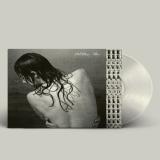
This is a double vinyl retrospective compilation of some of the most radical music ever made, a musical force that changed lives. Covering the years 1979 - 86 and including classic tracks from Crass, Poison Girls, Flux Of Pink Indians, The Mob, Zounds, Annie Anxiety, The Ex, ATV plus 10 more, all newly remastered by iconic Punk mastering engineer Daniel Husayn. It has been lovingly compiled by JD Twitch and Anarcho legend Chris Low and was ten years in the making. There are also a couple of previously unreleased mixes included. It comes as a high quality double vinyl pressing, and has a full colour sleeve with back and front images designed by the legendary Gee Vaucher. It also comes with a 6 page fold out poster on one side with detailed sleeve notes, recollections and essays on the other side.
The compilation is a fundraiser for Faslane Peace Camp. Not so far from Glasgow Faslane Naval Base is home to Britain's abhorrent Trident nuclear missiles. The camp has been there, protesting since 1982 and is still active to this day. We hope in our lifetime we will see those missiles leave Scottish soil. We have so much respect for those who have dedicated their lives to protesting these weapons and it seemed an obvious choice that the proceeds from this release should go to help them, and the Scottish Campaign for Nuclear Disarmament.
quête:subversion
With Pierre-Jean Guidon (Moravagine, Chute Libre) as their saxophone player, Subversion (from France) played lowkey jam-orientated Progressive Rock with prominent folk and jazz flavors. However, despite the brainy exterior, their soft music had more in common with the naivety of the 60’s Yé-yé movement and lounge-pop in general. Thus they seemed to belong to a bygone era, one far removed from the upcoming punk-rock and new-wave one.
And here comes a A W playing 45 for a more dancefloor sound !!
Visionary producer and one half of pioneering electronic duo The Chemical Brothers, Tom Rowlands returns to Phantasy with ‘We Are Nothing / All Night’, the first solo dancefloor material since his last appearance on Erol Alkan’s storied London label in 2013 with ‘Through Me / Nothing But Pleasure’.
Once again, Rowlands delivers a double A-side single in order to commit two progressive new productions to wax. Heavily road-tested across the world in Chemical Brothers DJ sets, the sprawling arrangement of ‘We Are Nothing’ trips through a decades-long obsession and subversion of house music and psychedelia alike. Imaginatively sampling Canadian outsider artist Bill Bissett, Rowlands uses the poet’s existential phrasing as the foundation for a rising slalom of acid catharsis, peppered with snatches of soul, analogue freakouts, and all-encompassing groove.
‘All Night’, meanwhile, finds a different, perhaps unexpected rhythm. Here, Rowlands’ unmatched studio instincts deviate in a different direction entirely, employing a searing tempo to embrace the analogue experimentation at the heart of his work, as well as an appreciation for electronic music’s willingness to barrel ever-forward; the result is a worthy head spinner from both label and artist alike.
Tom Rowlands will play a rare solo DJ set at Glastonbury's Stonebridge Bar on Friday 27th June, as part of Bugged Out's 30th Anniversary celebrations.
Visionary producer and one half of pioneering electronic duo The Chemical Brothers, Tom Rowlands returns to Phantasy with ‘We Are Nothing / All Night’, the first solo dancefloor material since his last appearance on Erol Alkan’s storied London label in 2013 with ‘Through Me / Nothing But Pleasure’.
Once again, Rowlands delivers a double A-side single in order to commit two progressive new productions to wax. Heavily road-tested across the world in Chemical Brothers DJ sets, the sprawling arrangement of ‘We Are Nothing’ trips through a decades-long obsession and subversion of house music and psychedelia alike. Imaginatively sampling Canadian outsider artist Bill Bissett, Rowlands uses the poet’s existential phrasing as the foundation for a rising slalom of acid catharsis, peppered with snatches of soul, analogue freakouts, and all-encompassing groove.
‘All Night’, meanwhile, finds a different, perhaps unexpected rhythm. Here, Rowlands’ unmatched studio instincts deviate in a different direction entirely, employing a searing tempo to embrace the analogue experimentation at the heart of his work, as well as an appreciation for electronic music’s willingness to barrel ever-forward; the result is a worthy head spinner from both label and artist alike.
Tom Rowlands will play a rare solo DJ set at Glastonbury's Stonebridge Bar on Friday 27th June, as part of Bugged Out's 30th Anniversary celebrations.
Im Gegensatz zu den früheren Alben der Lost Boys, die innerhalb eines bestimmten Zeitraums produziert wurden, entstand „Pale Bloom“ langsam und versuchte, einen Schöpfungsmythos in seinem Bernstein einzufrieren – eine Ursprungsgeschichte, die uralt und komplex ist, voller Geheimnisse und Metaphern, die weder einer Klärung noch eines Endes bedarf. Jede Veröffentlichung der Lost Boys wagt sich in neues musikalisches und lyrisches Terrain vor. Von allen greift „Pale Bloom“ am weitesten zurück in die Kindheit und findet unbewusst die Rhythmen und Erzählstile, die in den Zwängen einer religiösen Erziehung verwurzelt sind. Beim Durchforsten der vergessenen Akkorde, Refrains und Melodien aus alten Kinderreimen und Volksliedern entdeckten sie den Wunsch, diese überlieferten Klänge in Richtung persönlicherer Wahrheiten zu verändern. Dieser Impuls ist auf dem gesamten Album präsent und in Krugers ebenso klangvoller wie euphorischer Stimme zu hören, wenn sie die verschiedenen lyrischen Formen um ihre eigene Sehnsucht, Trauer und Begierde herumlegt und sie darauf vorbereitet, in der üppigen und großzügigen Subversion der erinnerten Rhythmen der Band zu landen. Im Gegensatz zu ihrem Auftritt auf „Heaving“ und „A Human Home“ sind die Streicher hier weniger affektiert und haben einen eher düsteren und ernsten Charakter angenommen. Sie streben nach einer komplexen Art von Himmel, der durch das Gewicht und die Bodenständigkeit der Grooves ermöglicht wird, die sowohl stoisch als auch ausdrucksstark sind. Die Gitarren bewegen sich frei zwischen weitläufigen, voluminösen Räumen und sind ebenso knirschend wie sanft. Kruger nahm das Album mit ihren Bandkollegen und ihrem engen Mitarbeiter André Leo über einen Zeitraum von sechs Monaten in verschiedenen Studios in Berlin auf. Das Album wurde von Simon Ratcliffe gemischt.
In between the folds of ceremony and commonality lies a perennial spring of musical expression.
A statement along the time continuum, or a testament to the resilient resourcefulness embedded in that truth, forms the philosophical approach of this album – the first outing of Dídac.
Studying an extensive archive of instruments, artifacts, and field recordings at the Musée d’ethnographie de Genève—a space steeped in folkloric gesture – Dídac encountered a cosmos of liturgical music and folk song. Anchored in reverance for tradition and transformation alike, this album navigates the old-world Mediterranean lore through a post-modern ambient lens, threading drone, gentle rhythm, electroacoustic textures and the crude tactility of archival material into one woven tapestry.
Under the guidance of Dr. Madeleine Leclair, Dídac was invited to work within one of the world’s most extensive ethno- musicological archives—L’AIMP. In the saturated basements and tape-lined backrooms of the museum, he submerged himself in the sounds of ritual and rural life: wax cylinders from the Eastern Mediterranean, tapes of liturgical hymn, the worn edges of communal song.
In a makeshift studio on the fourth floor of the museum, he sifted through the hours of material he collected, gradually discovering that the archive was no static source – It did not dictate; rather, it served as a companion—offering not answers, but questions. Not a beaten track, but a cluster of sonic clues and riddles. Samples do appear occasionally, tenderly interwoven into the dialogue of the songs. In Dídac’s self-titled debut, the past is not worn as ornament or kitsch; it is listened to and responded to. The museum, its archives, and the visit to Geneva became a foundational culisse of sorts, igniting a myriad of rough cuts and improvisational outtakes.
Dídac, or Diego Ocejo Muñoz, was born in Madrid in 1994 to a family of both Catalan and Castilian origin.
Brought up in a religious household, the influence of the Catholic Church innately shaped the social fabric, schooling and daily life. This lingering dominance led the adolescent Diego into a path of rejection of everything sacramental, promptly resorting to subversion in the shape of grafitti, skateboarding and underground music. Only later in life, after a rigorous venture as an acid and electro producer, the Church re-emerged before him in new light, invoking a deep fascination for its mysticism, iconography and choral tradition.
Spain in general and Catalonia in particular, has long served as a crossroads of the eastern–western Mediterranean continuum, with many of its cultures sharing aspects of way of life and ceremony. At the MEG, Diego found himself puzzled with this realization, resulting in a sonic amalgamation that reaches farther away from the rugged mountains of Catalonia than you might perceive at first encounter.
The deeply embedded memory of rite and public ceremony, religious hymn and landscape—sieved through the undercurrent of personal re-emergence, forms the emotional topography of this album. The record does not trace this landscape; it inhabits it. Its repetitive mysticism and ambient, wide-eyed gaze could possibly evoke (perhaps redundant) comparisons to artists such as Dimitris Petsetakis, or Popol Vuh’s late 70’s cinema scores.
The delicate lines between the sacred and the secular – between memory and re-invention – serve as a cipher to understanding this album in its entirety. Titles like Malpàs Mines or Pantocrator’s Portal Outro nudge toward a folkloric and devotional bedrock—places where labor and spirituality coexist, where names preserve both dust and veneration.
Nevertheless, this is far from mere nostalgia. It is a reclamation — singing alongside the spirits of the past, nurturing what still hums beneath the soil. It is an intimate reflection on tradition, rebellion, adolescence, ceremony and fantasy – a pastoral contemplation on what once was and what is to be.
“The hand knows best,” the painter Margaux Williamson says. “A shape produces itself, where I go toward what is intuitive, rather than logical.” The shapely, intuitive songs that comprise Ada Lea's third album, when i paint my masterpiece, are surprising, imagistic, tactile. They stand before us and we feel their brushstrokes. Alexandra Levy holds her guitar against the backdrop of a sea of her paintings on the album cover and it’s tempting to ask: is painting a metaphor here, for music or life? No! As ever, she resists tidy metaphors. She’s a master of this kind of thorny lowercase title that germinates and grows with time. In a real, profound way, music and painting go hand-in-hand as she unveils a new style of subversion and surrealism inspired by her transdisciplinarity.
Levy is a Renaissance woman, and Ada Lea’s albums have been swelling in scope alongside the evolution of her artistic life. Her recent turn toward pedagogy—teaching a songwriting course at Concordia University and co-facilitating a community-based group called The Songwriting Method—weaves another vivid thread into her multifaceted practice. Her debut LP, what we say in private, blurred the lines between interior and performative worlds. Her sophomore record, one hand on the steering wheel the other sewing a garden, featured vignettes centered on Montreal. On this sprawling and ambitious album, written over three years and whittled down from over 200 songs, she asks: what happens when you… pause? How can a life be held suspended in song? The album is a kaleidoscopic exploration of the transformations art can bring: the vision of an uncompromising artist dancing bravely and freely between registers and across mediums.
The album marks a reset—a quiet revolution. After years of relentless international touring, Levy felt an urgent need for community and renewal. Gruelling road schedules with very little support left her wondering: who am I really doing all this for? The system was uncaring and broken, and so it was that she came to envision a new healthy and healing mode of musical genesis. “For me, that looked like resting, extending my creative reach, going back to school, studying painting and poetry,” she explains. “Taking a step away from music as guided by industry expectations. Simplifying things. Getting a job, starting to teach. Engaging with the process rather than the product.” This need for a more deliberate creative renewal was rejected by her existing systems of support, so she began the search for an alternative.
L.A. Witch haben schon immer eine Aura müheloser Coolness ausgestrahlt, sei es in Form des Americana Noir und des lakonischen Back-to-Basics-Rock'n'Roll ihres selbstbetitelten Debüts oder des glühend strengen Abenteurertums ihres zweiten Albums "Play With Fire". Die Band - bestehend aus Sade Sanchez (Gitarre/Gesang), Irita Pai (Bass) und Ellie English (Schlagzeug) - begann als informelle Angelegenheit, aber die schwülen und betörenden, von Hall umhüllten Songs, die sie schufen, fanden beim Publikum Anklang und brachten das Projekt über den isolierten Raum von Freunden und Gleichgesinnten in Südkalifornien hinaus in die weite Welt. Auf ihrem neuesten Album "DOGGOD" geht das Trio über die bisherigen kreativen und geografischen Grenzen hinaus - das Material wurde in Paris produziert und die Tracks im Motorbass Studio in der Rue de Martyrs aufgenommen. "DOGGOD" erkundet ein breiteres klangliches Terrain, setzt ein größeres Arsenal an Sounds ein und erforscht größere existenzielle und kosmische Themen, ohne dabei den für die Band typischen Sinn für das Verbotene, das Verlassene und die Vorahnung zu verlieren. "DOGGOD" ist ein Weg, das universelle Rätsel der spirituellen Natur von Liebe und Hingabe anzugehen. "Ich habe das Gefühl, eine Art Dienerin oder Sklavin der Liebe zu sein", sagt Sanchez. "Ich bin bereit, für die Liebe zu sterben, indem ich ihr diene, für sie leide oder nach ihr suche - so wie ein treuer, ergebener Diensthund es tun würde." Der Titel des Albums ist ein Palindrom, das DOG und GOD zusammenfasst - eine Verherrlichung des Unterwürfigen und eine Subversion des Göttlichen. Es ist eine Anspielung auf die Reinheit von Hunden und eine Anerkennung ihrer bedingungslosen Liebe und ihres beschützenden Wesens, die im Widerspruch zu den verschiedenen abwertenden Assoziationen stehen, die mit dieser Spezies verbunden werden. "Es gibt diese symbolische Verbindung zwischen Frauen und Hunden, die die untergeordnete Stellung der Frau in der Gesellschaft zum Ausdruck bringt", erklärt Sanchez. "Und alles, was solche göttlichen Eigenschaften verkörpert, hat es nicht verdient, als Schimpfwort benutzt zu werden." Diese widersprüchlichen Erkundungen von Liebe und Unterwerfung manifestieren sich in der sanften und rauchigen Garagerock-Alchemie der Band, mit einer neu entdeckten Nutzung der disziplinierten Zurückhaltung und eisigen Instrumentierung des Post-Punk. Der Album-Opener "Icicle" zeigt, wie L.A. Witch aus dem Proto-Punk, der Psychedelia und den düsteren Riffs der 70er Jahre in die von Refrains durchtränkten Gitarren und den verlorenen Minimalismus von Joy Division und den frühen The Cure reist. Es wird eine Parallele zwischen romantischem Selbstmord und Märtyrertum gezogen, die sich im zweiten Song, "Kiss Me Deep", fortsetzt. Hier beschreibt Sanchez eine Liebe, die so rein ist, dass sie die Zeit übersteigt und sich über mehrere Leben erstreckt. Es ist ein Lied über Leidenschaft, vorgetragen mit dem weltlichen und verletzten Stoizismus der frühen Goth-Pioniere. Von dort aus geht die Band zur Leadsingle "777" über, einem Song über Hingabe bis hin zum Tod. Ein treibender Beat, ein treibendes, verzerrtes Riff und Sanchez' ätherischer Gesang vereinen sich zu einem Song, der sowohl düster in seinem Fatalismus als auch sinnlich in seiner treuen Leidenschaft ist. Auf dem gesamten Album "DOGGOD" weichen L.A. Witch nie von ihrer Muse ab. In "I Hunt You Pray" legt Pai einen hypnotischen Basslauf hin, während English einen zyklischen Krautrock-Groove einsetzt und Sanchez das Bild eines verlassenen Hundes am Straßenrand malt, der allein in der Nacht ist und sowohl als Jäger als auch als Gejagter lebt. Auf "Eyes of Love" macht sich die Band die meditativen Mid-Tempo-Wiederholungen, dekonstruierten Akkorde und esoterischen Betrachtungen über Liebe, Tod und Spiritualität zunutze, die Lungfish zu einer so beliebten Band gemacht haben. Es unterstreicht die Parallele zwischen der unerschütterlichen Liebe in den Augen eines Hundes und der Selbstaufopferung eines Erlösers. Auf "The Lines" nimmt die Band den treibenden Puls des Post-Punk und fügt dem Mix eine Extraportion Chorus hinzu. "Chorus ist ein moderner Effekt, der auf der Idee beruht, die leichten Tonhöhenunterschiede eines Chors nachzubilden. Es gibt eine schimmernde Qualität, die uns zurück zu diesem spirituellen, göttlichen Gefühl bringt", erklärt Sanchez. Gepaart mit dem Einsatz von Orgel und einer grüblerischen Moll-Melodie, beschwört der Song gleichzeitig das Heilige und das Sakrileg. Der Titeltrack "DOGGOD" hat vielleicht die größte Ähnlichkeit mit dem Material des Vorgängeralbums "Play With Fire", in den schlanken und gemeinen Gitarren auf eine raue Rhythmusgruppe und verträumten Gesang treffen. Aber während ihr vorheriges Album ein Aufruf war, seinen eigenen Weg zu gehen, bleibt "DOGGOD" dem "Bis dass der Tod uns scheidet"-Thema des Albums treu und geht sogar so weit, ein Maß an Unterwerfung zu beschreiben, das in gefährliche und ungesunde Gefilde übergeht, wobei Sanchez singt "hang me on a leash / `til I wait for my release". Letztendlich ist "DOGGOD" eine perfekte Verkörperung des Ansatzes von L.A. Witch. Es ist gleichzeitig romantisch und bedrohlich, ehrfürchtig und profan, eine Feier und ein Klagelied. Es spannt den Bogen zwischen Vergangenheit und Gegenwart, indem es vertraute Klänge aufgreift und sie für die Jetztzeit aufbereitet. Aber es läutet auch eine neue Ära für die Band ein, die über die Kodachrome-Erinnerungen an das Amerika der Jahrhundertmitte hinausgeht und tiefer in den mittelalterlichen und gotischen Energien von Paris und darüber hinaus gräbt, während sie gleichzeitig ein besudeltes Herz erforscht.
- Duffy And Mr Seagull
- Mind Contorted
- Fourteen Years
- The Moon Song
- Two-Love
- Rêve Réveiller
- Bag Of Excuses
- To Know Him Is To Love Him
- Mri Song
- Alone On The Rope
- Planet Ping Pong
Third album by singer and producer Charlotte Marionneau. A collection of sonic trips that try to capture the spark of beat poetry. She is almost a magician who has captured the directness of punk and can do magic with the emotion of pop. And she is always in the experimental grab bag. On the track 'Two-Love' Noel Gallagher plays piano and bass. Further on there is a Daniel Johnston cover presented as a duet with Terry Hall and his son Theodore and here Noel plays guitar. Marionneau reminds one of a female Syd Barrett. She counts among her admirers: Kevin Shields, Mazzy Star, Noel Gallagher, The Television Personalities, Simon Raymonde, Grimm Grimm, Piano Magic and Cillian Murphy. Le Volume Courbe "Planet Ping Pong" is a collection of sonic trips echoing fulgurances of beat poetry. Charlotte is a magician who can weave the directness of punk with the emotions of pop while staying in the realms of edgy experimentation. The bunny comes out of the hat smoking a cigarette and looks you in the eye. The single "Two-Love" is a collaboration with Noel Gallagher on piano and bass and Lascelles Gordon on percussions. The album also includes a cover by Daniel Johnston "Mind Contorted" which is presented as a duet with Terry Hall, and also features his son Theodore Hall and Noel Gallagher on guitars. The originality of Charlotte's music shares something with outsider art: naïve, primitive, primal, rather than following the standard rules. The new album selfproduced and mixed by Brendan Lynch and Charlotte is no exception, It's a unique and compelling listen laced with surprises, subversions and a refreshing candour which sets it apart from anything else. Charlotte was born and raised in France and moved to London in 1995. She was first signed to Alan McGee Poptones label in 2001, and her debut "I killed my best friend" was released in 2005 on Honest Jon's Records. She has also worked with a number of other bands and musicians including Kevin Shields, Mazzy Star, Noel Gallagher, The Television Personalities, Simon Raymonde, Grimm Grimm, Piano Magic etc.. Her song "Born to Lie" was featured in Series 2 of Killing Eve and Spotify selected her song "Rusty" for their "best of the decade 2010-2020" alternative compilation. Cillian Murphy selected the same song for his BBC6 compilation. "She reminds me of a female Syd Barrett... she keeps running into me all over the place from concerts or serving me ice cream at the Curzon on a wet Saturday night or on Jools Holland with the High Flying Birds... I love Charlotte... a great talent and a real psychedelic soul musician." Alan McGee "Inspiring originality, fiercely independent beautiful music, always years ahead of its time. I remember hearing Charlotte's music for the first time and being immediately taken by the freshness, great melodies and utterly unique approach." Kevin Shields "When I first met her she was wearing a cape... she looked like a little piece of Lego. She told me she liked some of my songs but not all. (I hadn't even asked her opinion!!) She's beautiful, fearless and one hell of a tambourine player." Noel Gallagher. "Charlotte is bewitchingly talented, a true rarity that has inspired many creative people. The kind of woman songs are written about. She's an artist that steals your heart away and then comforts you with her stunning music." Hope Sandoval. "A true original and a truly unique artist. There is not many I can say this about, but I honestly think I love everything she's ever recorded! All hail the Scissor Queen!" David Holmes.
e BAG OF EXCUSES [V3]
[g] DUFFY AND MR SEAGULL [V3]
[i] MIND CONTORTED [V4]
[e] BAG OF EXCUSES [V3]
[g] DUFFY AND MR SEAGULL [V3]
[i] MIND CONTORTED [V4]
L.A. Witch haben schon immer eine Aura müheloser Coolness ausgestrahlt, sei es in Form des Americana Noir und des lakonischen Back-to-Basics-Rock'n'Roll ihres selbstbetitelten Debüts oder des glühend strengen Abenteurertums ihres zweiten Albums "Play With Fire". Die Band - bestehend aus Sade Sanchez (Gitarre/Gesang), Irita Pai (Bass) und Ellie English (Schlagzeug) - begann als informelle Angelegenheit, aber die schwülen und betörenden, von Hall umhüllten Songs, die sie schufen, fanden beim Publikum Anklang und brachten das Projekt über den isolierten Raum von Freunden und Gleichgesinnten in Südkalifornien hinaus in die weite Welt. Auf ihrem neuesten Album "DOGGOD" geht das Trio über die bisherigen kreativen und geografischen Grenzen hinaus - das Material wurde in Paris produziert und die Tracks im Motorbass Studio in der Rue de Martyrs aufgenommen. "DOGGOD" erkundet ein breiteres klangliches Terrain, setzt ein größeres Arsenal an Sounds ein und erforscht größere existenzielle und kosmische Themen, ohne dabei den für die Band typischen Sinn für das Verbotene, das Verlassene und die Vorahnung zu verlieren. "DOGGOD" ist ein Weg, das universelle Rätsel der spirituellen Natur von Liebe und Hingabe anzugehen. "Ich habe das Gefühl, eine Art Dienerin oder Sklavin der Liebe zu sein", sagt Sanchez. "Ich bin bereit, für die Liebe zu sterben, indem ich ihr diene, für sie leide oder nach ihr suche - so wie ein treuer, ergebener Diensthund es tun würde." Der Titel des Albums ist ein Palindrom, das DOG und GOD zusammenfasst - eine Verherrlichung des Unterwürfigen und eine Subversion des Göttlichen. Es ist eine Anspielung auf die Reinheit von Hunden und eine Anerkennung ihrer bedingungslosen Liebe und ihres beschützenden Wesens, die im Widerspruch zu den verschiedenen abwertenden Assoziationen stehen, die mit dieser Spezies verbunden werden. "Es gibt diese symbolische Verbindung zwischen Frauen und Hunden, die die untergeordnete Stellung der Frau in der Gesellschaft zum Ausdruck bringt", erklärt Sanchez. "Und alles, was solche göttlichen Eigenschaften verkörpert, hat es nicht verdient, als Schimpfwort benutzt zu werden." Diese widersprüchlichen Erkundungen von Liebe und Unterwerfung manifestieren sich in der sanften und rauchigen Garagerock-Alchemie der Band, mit einer neu entdeckten Nutzung der disziplinierten Zurückhaltung und eisigen Instrumentierung des Post-Punk. Der Album-Opener "Icicle" zeigt, wie L.A. Witch aus dem Proto-Punk, der Psychedelia und den düsteren Riffs der 70er Jahre in die von Refrains durchtränkten Gitarren und den verlorenen Minimalismus von Joy Division und den frühen The Cure reist. Es wird eine Parallele zwischen romantischem Selbstmord und Märtyrertum gezogen, die sich im zweiten Song, "Kiss Me Deep", fortsetzt. Hier beschreibt Sanchez eine Liebe, die so rein ist, dass sie die Zeit übersteigt und sich über mehrere Leben erstreckt. Es ist ein Lied über Leidenschaft, vorgetragen mit dem weltlichen und verletzten Stoizismus der frühen Goth-Pioniere. Von dort aus geht die Band zur Leadsingle "777" über, einem Song über Hingabe bis hin zum Tod. Ein treibender Beat, ein treibendes, verzerrtes Riff und Sanchez' ätherischer Gesang vereinen sich zu einem Song, der sowohl düster in seinem Fatalismus als auch sinnlich in seiner treuen Leidenschaft ist. Auf dem gesamten Album "DOGGOD" weichen L.A. Witch nie von ihrer Muse ab. In "I Hunt You Pray" legt Pai einen hypnotischen Basslauf hin, während English einen zyklischen Krautrock-Groove einsetzt und Sanchez das Bild eines verlassenen Hundes am Straßenrand malt, der allein in der Nacht ist und sowohl als Jäger als auch als Gejagter lebt. Auf "Eyes of Love" macht sich die Band die meditativen Mid-Tempo-Wiederholungen, dekonstruierten Akkorde und esoterischen Betrachtungen über Liebe, Tod und Spiritualität zunutze, die Lungfish zu einer so beliebten Band gemacht haben. Es unterstreicht die Parallele zwischen der unerschütterlichen Liebe in den Augen eines Hundes und der Selbstaufopferung eines Erlösers. Auf "The Lines" nimmt die Band den treibenden Puls des Post-Punk und fügt dem Mix eine Extraportion Chorus hinzu. "Chorus ist ein moderner Effekt, der auf der Idee beruht, die leichten Tonhöhenunterschiede eines Chors nachzubilden. Es gibt eine schimmernde Qualität, die uns zurück zu diesem spirituellen, göttlichen Gefühl bringt", erklärt Sanchez. Gepaart mit dem Einsatz von Orgel und einer grüblerischen Moll-Melodie, beschwört der Song gleichzeitig das Heilige und das Sakrileg. Der Titeltrack "DOGGOD" hat vielleicht die größte Ähnlichkeit mit dem Material des Vorgängeralbums "Play With Fire", in den schlanken und gemeinen Gitarren auf eine raue Rhythmusgruppe und verträumten Gesang treffen. Aber während ihr vorheriges Album ein Aufruf war, seinen eigenen Weg zu gehen, bleibt "DOGGOD" dem "Bis dass der Tod uns scheidet"-Thema des Albums treu und geht sogar so weit, ein Maß an Unterwerfung zu beschreiben, das in gefährliche und ungesunde Gefilde übergeht, wobei Sanchez singt "hang me on a leash / `til I wait for my release". Letztendlich ist "DOGGOD" eine perfekte Verkörperung des Ansatzes von L.A. Witch. Es ist gleichzeitig romantisch und bedrohlich, ehrfürchtig und profan, eine Feier und ein Klagelied. Es spannt den Bogen zwischen Vergangenheit und Gegenwart, indem es vertraute Klänge aufgreift und sie für die Jetztzeit aufbereitet. Aber es läutet auch eine neue Ära für die Band ein, die über die Kodachrome-Erinnerungen an das Amerika der Jahrhundertmitte hinausgeht und tiefer in den mittelalterlichen und gotischen Energien von Paris und darüber hinaus gräbt, während sie gleichzeitig ein besudeltes Herz erforscht.
First vinyl edition of Carme López’ debut album of entrancing bagpipe arrangements. Unravelling forms of early music and funereal, queered droneworks full of strange tonalities, phased harmonics and curious subversions.
Carme López is a researcher and teacher of traditional Galician oral music, and ‘Quintela’ features her debut recordings for the Galician bagpipe, split into four longform movements totalling 40 minutes of supremely engrossing drone flourishes. Misunderstood by many, the bagpipe is here brought into the experimental realm as a form of decontextualisation, fashioning the instrument’s naturally peculiar timbres into soft, wavering tones.
Despite its unusual resonance, in López's hands the bagpipe almost becomes a pipe organ, producing long, swaying, sustained tones that highlight the instrument's complex timbral qualities. López plays with its breathy overtones, placing microphones on the bag itself to pick up residual sounds while she sculpts its squeals into cavernous siren calls, and then extracting half-rhythms from its reeds on the elegiac closer 'iv: CACHELOS. a César De Farbán'.
The instrument’s inherent wheezing and anomalous timbre lend the recordings a wavering foundation that feels designed to unsettle, but somehow becomes nothing short of entrancing through almost imperceptible harmonic shifts and odd tunings. It’s meditative music that requires active participation, focussed listening - so as to make sense of all the infinitesimal shifts and faults - in a way that feels unique to this most maligned, misunderstood, almost mystical instrument.
Producer, designer, publisher, filmmaker, all-round scene phenom - Lasse Marhaug returns with his first album since relocating from Oslo to the Arctic Circle, surveying his 35-year career for a set of grizzled, doom-pocked rhythms and foghorn drones pulled from the aether. Expansive and hard to categorise, it's a precision-tooled set of ice-cold tonal productions that heavily lean into Mika Vainio’s rhythm experiments, with extra levels of growling bass and curious noises to send us deep into the uncanny.
Lasse Marhaug has put his mark on literally hundreds of albums - working with artists like Jenny Hval, Merzbow, Jim O'Rourke, Kevin Drumm, Hilary Woods - so many others - yet he still regards himself as a primarily visual artist who got diverted into an occasionally different path. If his last album 'Context' was a kiss goodbye to decades of life in Oslo, 'Provoke' turns a new page, but one that draws heavily from memories of the distant past, reflecting on the way the topographies of Norway's frozen north helped shape his creative worldview. Weaving electronics into environmental recordings captured in the bleak Arctic winter, the album was mixed during the Polar night season, when, for two straight months, the sun never rose past the horizon. Somehow, even at its bleakest, Marhaug avoids the usual aesthetic signifiers for this kinda thing, finding elements of queered beauty in all the severity, juxtaposing elements that shine a bright light on all the odd spaces in-between.
A consideration of noise music's place in 2024, and whether it can still be a tool for subversion when its aesthetics have been so commodified, ‘Provoke’ also refernces an experimental '70s Japanese art magazine that attempted to define a new language for photography. Operating somewhere between these two guiding poles, Lasse feels his way through a subtly altered mode of expression, a new approach to familiar concepts. Album opener ‘Plates’, for example, gives it the full Ø treatment, like some exceptional ‘Oleva’-outtake, but , eventually, shards of interference start to exhale like horses blowing, creating uncanny sensations that hit through ambiguous feeling rather than sheer noise terror. Ritualistic, corporeal - hard to know what you’re listening to and why it makes you feel that certain way - so much more than just machine cycles optimised for their ultimately hollow brutalist aesthetic.
Marhaug paints vivid pictures from a carefully chosen palette, drawing us into a soundworld that's rich with contradictions and contrasts. Even the relatively deafening 'New Topographics' offsets its wall of distortion with a muffled, perforating kick drum, cutting into the noise like a knife through butter. And all of this preparation makes the album's lengthy centrepiece 'Monochrome Head' even more impactful; hinging on a Pan Sonic-like alloy of bass and drums, the track snowballs through tempered feedback and improv scrapes and whistles that pick up into an orchestral din. Marhaug accents the bluster with rhythmic hums that gather in momentum until they're almost oppressively heavy, as if everything's about to collapse.
A masterclass in quietly subversive world-building, 'Provoke' invites us to peer at an expansive sonic landscape and marvel at its intricacies, but this time around there's a Lovecraftian behemoth lurking somewhere beneath its icy surface.
Spiral In A Straight Line ist das sechste Studioalbum der beliebten Post-Hardcore-Band Touché Amoré.
Produziert von Ross Robinson (Korn, Glassjaw, Slipknot) und mit Features von Lou Barlow und Julien
Baker.
Leadsänger Jeremy Bolm sagt, dies sei eine „Platte über Vorwärtsbewegung, während alles um einen herum
destabilisiert wird.“
Spiral In A Straight Line ist das sechste Studioalbum der beliebten Post-Hardcore-Band Touché Amoré.
Produziert von Ross Robinson (Korn, Glassjaw, Slipknot) und mit Features von Lou Barlow und Julien
Baker.
Leadsänger Jeremy Bolm sagt, dies sei eine „Platte über Vorwärtsbewegung, während alles um einen herum
destabilisiert wird.“
Zum 20-jährigen Jubiläum erscheint das Debüt-Album einer der erfolgreichsten Indie-Pop- Bands der 00er Jahre erstmals auch auf Vinyl. 2004 waren Schubladen noch wichtig. Popmusik war noch nicht dieses eklektizistische, sich aus universell verfügbaren, entkontextualisierten Quellen speisende Internet-Monster. Wer also beispielsweise deutschsprachigen Gitarrenpop spielte, musste sich positionieren: Bewegte man sich eher in der diskursverliebten, kopflastigen Tradition der Hamburger Schule und hoffte auf "Indie-Credibilität"? Oder wollte man Teil der immer größer werdenden Deutschpop-Industrie werden, vornehmlich repräsentiert von "female fronted" Bands wie Mia, Juli oder Silbermond (nicht zu vergessen die stets gut gelaunten Jungs von von Sportfreunde Stiller), die - mal mit eher studentisch-intellektueller Grundierung, mal mit eindeutig schlagerhafter Geste - das Gefühlige in den Focus rückten. Es gab aber auch Acts, die sich nicht entscheiden wollten. Auf der Insel hatten es die Bands der Britpop-Welle schließlich vorgemacht. Hier ging es mit cooler Haltung, jeder Menge Subversion, aber eben auch goldenen Melodien und echten "Hits" in höchste Popstar-Gefilde. Wieso nicht auch in Deutschland Anspruch, Originalität und Gefälligkeit miteinander in Einklang bringen? Hier kommen nun also Anajo ins Spiel, eine 1999 gegründete Band aus dem provinziellen Augsburg, die 2004 mit ihrem Debüt-Album "Nah bei mir" genau diesen Sprung zwischen die Stühle wagte - und dafür mit sehr viel Liebe bedacht wurde, auch wenn die Indiepolizei nicht immer einverstanden war. "Nah bei mir" ist eine durch und durch leichte Platte, die mit catchy Sounds und Melodien bisweilen gewichtige Themen verhandelt: Überwindung tiefer Trauer ("Der Vorhang geht auf"), Entfremdung ("Einmal noch schlafen"), bittere Enttäuschung ("Die Tränen sind immer noch meine") - immer aber präsentiert mit einem süffisanten Lächeln auf den Lippen. Als wahre Meister beweisen sich Anajo auf dem Album in der schwierigen Disziplin der unblöden Partysongs: Auch nach 20 Jahren überkommt einen beim Hören so skurril-absurder Feger wie "Monika Tanzband", "Honigmelone" oder "Ich hol dich hier raus" noch diese unbändige, mitreißende Freude.
Dame Area's highly anticipated fourth studio album, "Toda la verdad sobre Dame Area" ("The Whole Truth about Dame Area"), a collaboration with the renowned labels Mannequin Records and Humo Records.
Formed in 2017 within the vibrant underground scene of Barcelona's Màgia Roja club, Dame Area comprises the Italian-Catalan duo Silvia Konstance and Viktor Lux Crux. They fuse industrial-tribal polyrhythms with minimalist synth basslines, drawing profound inspiration from avant-garde masters such as Esplendor Geometrico, Throbbing Gristle, Suicide, Einstürzende Neubauten, Can, Coil, Swans, Big Black, and Wolf Eyes.
This record represents a new phase in Dame Area's discography. It's a big step up in terms of sound, composition and ideas. This record it's the perfect representation of what they have been playing live the last three years and what most people know them for. Also it serves as a companion piece to 2022’s Toda la mentira sobre Dame Area ("All The Lies About Dame Area"), which had a stronger focus on melody, while this latest record is more aggressive and industrial-influenced, with a greater emphasis on percussion.
Tracks like the Suicide-influenced "Si no es hoy cuando es" and "Sempre Cambiare" are an onslaught of industrialism and experimentalism—formidable, volatile, and unpredictable avant-garde subversion. Silvia explains, "One of our biggest influences is doing what our influences wouldn't do. We're more into dynamics and structures atypical of electronic music, with changes in time signatures, starts and stops, and dynamics more typical of rock music. We use any musical idea from any genre. Some songs on the album are based on flamenco rhythms, others influenced by '60s experimental pop, heavy metal, or contemporary electronic music."
The confrontational "Vengo dall'aldilà" accelerates with heavy percussion, while "Tu me hiciste creer" builds into a rhythmic, transcendent noise of yelled vocals and hypnotic beats. Viktor adds, "This song took us more time to complete than any other we have recorded. It was a very organic process, evolving slowly from some instrumental percussive stuff we were doing live. Then we started using feedback as a rhythmic element (through a metallic sheet), and this was the first song where we incorporated this element, typical of noise-rock and experimental rock."
Elsewhere, "Esto Es Nuestro Ruido" represents a manic, eclectic form of contemporary industrial music, post-punk, and EBM. Silvia notes, "It's the first album we recorded outside a studio. Although we've been playing live with metallic percussion and floor tom from the very start, in the studio, with some exceptions, it was mostly sample-based until now. On Toda la verdad sobre Dame Area, all drums and almost all metallic percussion have been recorded live."
With a growing reputation as one of the best live bands around since their inception, Dame Area has toured extensively across Europe, performing at renowned festivals like Atonal, CTM, Nuits Sonores, Dour, and Fusion, as well as legendary clubs such as Berghain, Tresor, Apolo, and Spook Factory.
Recorded at Sol de Sants Studios and Estudio Hermetic between August and November 2023
Silvia Konstance: vocals, synths, percussions, electronics, production
Viktor L. Crux: synths, drums, percussions, electronics, production
Mixing and additional production by Guillermo Sánchez Rojo
Mastering by Paul Mac at Hardgroove Mastering
Designed by Leo Sousa
Photography by Fabio Calabretta
Photo concept by Dame Area
The Dandy Warhols etablierten 1997 mit ihrem zweiten Album '...The Dandy Warhols Come Down' ihren Durchbruch, indem sie einen unverwechselbaren Mix aus Psychedelic Rock und Alternative Pop mit eingängigen, von 60er-Jahre-Pop inspirierten Melodien und einem Hauch von Subversion präsentierten.
- Ltd. Col. 2LP: (Yellow Vinyl)
Gregory T.S. Walker’s Minstrels & Minimoogs was self-published by a young, nomadic composer and virtuoso in 1988 to accompany an immersive multimedia performance at the University of Colorado Boulder’s Fiske Planetarium. Created with this outer, and other, world setting in mind, the four tracks find Walker stretching toward an ancient-to-future vision where Egyptian myths and Hieronymus Bosch-ian tableaus are rendered in a screaming three dimensional circuitry of electronic drums, synth guitars, and, of course, Minimoog. Given the musical terrains and outmoded topics traversed, and that this entirely DIY effort was originally released as a micro one-sided 12” edition, Minstrels & Minimoogs is as perplexing and euphoric a document lost-to-time as it is now found.
Born in 1961 into an intensely musical family spanning four generations, Gregory’s mother Helen Walker-Hill was a noted musicologist specializing in the rediscovery and work of historical Black female composers, while his father, George Walker, was the first African American composer to win the Pulitzer Prize for music. Both parents studied with the famed (and famously strict) Nadia Boulanger in Paris in the 1950s, and held to lofty aesthetic standards in their home life. Walker began studying the violin as a child, but when a burgeoning interest in the electric guitar and rock music as a teen manifested, it was largely verboten in the household. The rule was that the music played in the home was to be acoustic and classical. Although the elder Walkers eventually relented and allowed Gregory’s guitar to be plugged in for a brief interval on the weekends, the remaining days he settled for strumming it sans amplification.
Gregory, conditioned and eager for a life in music but looking to get out from under the influence and yoke of his famous composer father, ultimately chose to study computer music at the University of California at San Diego, where he earned a Master of Arts. This was followed by another MA in electronic music composition at that hotbed of West Coast experimental music, Mills College. Intermedia and multimedia in the arts was the rage in the 1980s, and Mills was one of the centers for it; audacious spectacle meeting visionary performance, such as one of the realizations for Anthony Braxton’s music for multiple orchestras a young Gregory performed in with his violin.
After a series of solo synthesizer concerts around California, Gregory followed a girlfriend on a mid-country move to Boulder, Colorado. After picking up yet another composition degree at University of Colorado Boulder, his life as a composer really started, writing a piece for extended technique for guitar, a passacaglia for vocoder and orchestra, as well as Minstrels & Minimoogs.
Envisioned as a multimedia performance such as the kind he’d experienced at Mills (which was all but unknown in Boulder at the time), Gregory roped in a number of college going or aged friends of varying skill levels and musical sympathies to accompany him with distorted sax or oblique spoken interludes. Confronted with a lack of finances, but driven to get his ideas captured in a complete musical package, the album was recorded in his brother’s apartment. If not every player assembled was on Gregory’s virtuosic level, so be it; it was more about capturing the spirit of his intentions and embracing the serendipity of mistakes.
An inspired attempt at world building, Minstrels & Minimoogs draws on the deep well of musical knowledge Gregory gathered from his parents and teachers, but all the while subverting that historical basis by incorporating mutant strains of prog and pop music. The work accumulated is not unlike the playful 1980s work of Gregorio Paniagua, where medieval estampies and rondeaus are wrenched into an anachronistic present where Hildegard Von Bingen and Kate Bush are contemporaries. Ars nova, new art, a 20th century minimalist jester and troubadour.
A one sided LP was the cheapest option Gregory found to have Minstrels & Minimoogs memorialized on vinyl, so somewhere between 50 to 100 copies were pressed. There was no distribution, outside of copies that were handed out to friends or sold at the performances at the planetarium. Gregory T.S. Walker’s cosmic-futuristic forays into oblique pop and baroque subversion could forever reside perfectly in both the domed simulacrum of our universe for which it was composed, in the formats it is being reintoduced now, and our own biblical firmament. For in the words of Gregory, straight from the original liner notes: “God Is A Minimoog”
Gregory T.S. Walker’s Minstrels & Minimoogs arrives again August 23, 2024 on vinyl and digitally as part of uncommon¢ (“uncommon sense”), an open-ended, serialized endeavor from Freedom to Spend that provides new meaning for rarefied recordings from music's outermost fringe.
The Guardian wrote “the Canadian songwriter has one of the all-time great singing voices in popular music, an intensely romantic Chet Baker-ish instrument that seems to float with piercing direction, like a paper aeroplane thrown hard through mist.” With Uncut describing his songcraft “as delicate and lovely as a rare orchid” and Record Collector praising the album’s “sublime alien balladry” such are the accolades that have accrued throughout Chenaux’s unique and consummately uncompromising solo music for well over a decade now. Delights Of My Life opens a new chapter for the singer/guitarist and formally introduces the Eric Chenaux Trio, with Toronto-based musicians Ryan Driver on Wurlitzer organ and Phillipe Melanson on electronic percussion. Driver is a longtime collaborator, appearing on several of Chenaux’s solo albums (even embedded into the very title of the 2010 masterpiece Warm Weather With Ryan Driver). Melanson has a long list of involvements that include Bernice, Joseph Shabason, and U.S Girls, and a recent release with his Impossible Burger project on Chenaux’s own experimental label Rat-drifting, but this marks the first fulsome involvement between the two as players on a recording. In many ways Delights Of My Life also picks up right where Chenaux’s previous album left off, in its subversions of a classic, timeless jazz-inflected balladry, while the interplay of the trio formation indeed unfurls many new delights. Recording together at Chenaux’s spartan home studio in rural France, Driver’s harmonically warped organ and Melanson’s electroacoustic sampling and percussion hold time in newfound ways. Where previously Chenaux relied on a freeze/sustain pedal and minimalist rhythmic triggers to generate both pulse and chordal foundations, Melanson now paints timekeeping with expressive and intricate colourations, through live deployments of fluid sampled percussion (including orchestral timbres like timpani, kettle drums, and woodblock) that blur the boundaries between acoustic and electronic. Driver also ramps up his role in the song arrangements (prefigured in his support playing on Say Laura), teasing out chords and melodic filigree on Wurlitzer that percolate more prominently with Chenaux’s signature fried guitar solos and succulent singing. Both trio members add dulcet backing vocals, most notably on the 10-minute tour-de-force of fuzzed and ring-modulated swing “This Ain’t Life” that opens the record. All seven songs on the album groove and sway, simmer and sparkle, like nothing in the inestimable Chenaux discography to date. Chenaux’s tunes have the uncanny ability to sound like jazz standards; songs you feel you’ve heard before, though certainly never quite like this. Yet these are of course all originals, compositionally and interpretively, bent through an inimitable avant/out-music lens. Delights Of My Life conveys warm familiarity, shot through with the exuberantly experimental subversion and playful, even mischievous, iconoclasm that continues to mark Chenaux as defiantly, virtuosically, and genially one-of-kind
Following the release of Eric Chenaux's last album Say Laura (2022), The Guardian wrote "the Canadian songwriter has one of the all-time great singing voices in popular music, an intensely romantic Chet Baker-ish instrument that seems to float with piercing direction, like a paper aeroplane thrown hard through mist." With Uncut describing his songcraft "as delicate and lovely as a rare orchid" and Record Collector praising the album's "sublime alien balladry" such are the accolades that have accrued throughout Chenaux's unique and consummately uncompromising solo music for well over a decade now. Delights Of My Life opens a new chapter for the singer/guitarist and formally introduces the Eric Chenaux Trio, with Toronto-based musicians Ryan Driver on Wurlitzer organ and Phillipe Melanson on electronic percussion. Driver is a longtime collaborator, appearing on several of Chenaux's solo albums (even embedded into the very title of the 2010 masterpiece Warm Weather With Ryan Driver). Melanson has a long list of involvements that include Bernice, Joseph Shabason, and U.S Girls, and a recent release with his Impossible Burger project on Chenaux's own experimental label Rat-drifting, but this marks the first fulsome involvement between the two as players on a recording. In many ways Delights Of My Life also picks up right where Chenaux's previous album left off, in its subversions of a classic, timeless jazz-inflected balladry, while the interplay of the trio formation indeed unfurls many new delights. Recording together at Chenaux's spartan home studio in rural France, Driver's harmonically warped organ and Melanson's electroacoustic sampling and percussion hold time in newfound ways. Where previously Chenaux relied on a freeze/sustain pedal and minimalist rhythmic triggers to generate both pulse and chordal foundations, Melanson now paints timekeeping with expressive and intricate colourations, through live deployments of fluid sampled percussion (including orchestral timbres like timpani, kettle drums, and woodblock) that blur the boundaries between acoustic and electronic. Driver also ramps up his role in the song arrangements (prefigured in his support playing on Say Laura), teasing out chords and melodic filigree on Wurlitzer that percolate more prominently with Chenaux's signature fried guitar solos and succulent singing. Both trio members add dulcet backing vocals, most notably on the 10-minute tour-de-force of fuzzed and ring-modulated swing "This Ain't Life" that opens the record. All seven songs on the album groove and sway, simmer and sparkle, like nothing in the inestimable Chenaux discography to date. Chenaux's tunes have the uncanny ability to sound like jazz standards; songs you feel you've heard before, though certainly never quite like this. Yet these are of course all originals, compositionally and interpretively, bent through an inimitable avant/out-music lens. Delights Of My Life conveys warm familiarity, shot through with the exuberantly experimental subversion and playful, even mischievous, iconoclasm that continues to mark Chenaux as defiantly, virtuosically, and genially one-of-kind.
- A1: The Look Of Destiny - Crêpesuzette (1982)
- A2: The Speechless Man - Physique Du Rôle (1983)
- A3: The Doll - Polarphoto (1982)
- A4: Make Up - Démodé (1980)
- A5: All The Fancies - Weltanschauung (1984)
- A6: My Only Fight - Ici On Va Faire (1985)
- B1: La Porta - Rosadelleceneri (1985)
- B2: Darkest Before Dawn - Vapore 36 (1987)
- B3: Domani - Anonimia (1989)
- B4: Io Trasformo - Agorà (1989)
- B5: Raving Mad - Autosuggestion (1988)
- B6: Sogni - Quartz (1987)
- B7: Attonito - Maniumane (1989)
“The Missing Boys” is a film born from the need to tell the story of the emergence and affirmation of a forgotten music scene, like much of the youth movement that spread in metropolitan areas as well as in the provinces more than forty years ago, dealing with the same critical issues of everywhere. It’s a story of mostly unknown bands, who from Sardinia, especially from Cagliari and Sassari, interrupt the blissful isolation of an island, only apparently distant from that revolution that ignited wherever there was a stage and a power socket. The birth of a path that began with punk and quickly transformed into a magmatic picture where research, experimentation, sound subversions and slivers of darkness, shape a multifaceted and unique scene in balance between affinities and divergences with its whole surroundings. The examined period between 1979 and 1989 marks a seminal decade, a ten years time-frame linked to an indelible generational transition, like an imaginary journey “from the ants to the clouds”, an invisible thread suspended between those kids and their great dream. This album contains music from a vibrant and uncompromising season, just like all that cannot be recognized as industrial product and maintains an independent spirit. (Davide Catinari)
- On The Run
- Shooting For You
- Hot Fox
- Too Late
- Wild Heart
- Creation
- Cry Fire
- Ra Ra Baby
- Hey Gorgeous (Unreleased)
- Did We Say Goodbye? (Unreleased)
Futurismo are proud to present a first time reissue of the killer 1985 album: Just A Million Dreams by the uncompromising Alan Vega.
The remastered version of this LP comes with two unreleased bonus tracks produced by Liz Lamere and Jared Artaud of The Vacant Lots. It is packaged in a gloss laminated sleeve with a huge fold-out poster and contains new liner notes by Henry Rollins.
Presented in a remastered deluxe vinyl package, Just A Million Dreams, produced by Ric Ocasek and Chris Lord-Alge, takes Vega on an expedition into new territory. As an artist Vega had a crucial drive, but having a hit record was never a motive, neither was pandering to expectations, which is why Just a Million Dreams is perhaps a perfect statement for that moment, bettering the then bastions of MTV rock without even trying, an exercise in subversion that still has Vega’s unique artistry at its core. Would you expect anything less from one half of NYC legends Suicide? Perhaps not, but the hows and whys to Vega landing himself in such a mainstream position are perhaps just as fascinating as the record itself.
Here Alan Vega’s vocals sound better than ever, full of emotion and brooding honesty. Lyrics painting images of dystopian love might be a sideways move away from the intense nihilism of his past, but it’s still the real deal. Alan Vega could not be anything else. Listen to tracks like ‘Creation’ and you still get that raw emotion he spent his career honing. Set against the grandeur of mid 80’s production: big processed drums, runaway guitar solos, we get a rare peak into what Vega would sound like if he was allowed to be a rock star drenched in the sonic excesses of the era. It was a brave and unfairly misunderstood move, but the components come together to form an incredible anti-commercial, commercial album. Just A Million Dreams is the sound of Alan Vega taking on the 1980’s and winning.
With help of the official Vega Vault, two never before heard tracks have been unearthed from the 1985 JAMD recording sessions and brought to life by long time collaborator Liz Lamere and Jared Artaud of The Vacant Lots, adding a new insight to the recordings. Henry Rollins also lends a new written perspective, making this release a vital addition to the collections of Alan Vega and Suicide fans. It has been said that Alan Vega is forever, his unwavering artistic approach can be witnessed throughout his career, whether as part of Suicide or as a solo songwriter, poet or sculptor. Just a Million Dreams is just another example

"Released in May 1986 on SST Records and Blast First! in the UK, EVOL was the third studio album by Sonic Youth and showed the first signs of the band transforming their No Wave past into a greater alt-rock sensibility. “EVOL … marks the true departure point of Sonic Youth’s musical evolution,” noted Pitchfork, “In measured increments, Thurston Moore and Lee Ranaldo … bring form to the formless, tune to the tuneless, and with the help of Steve Shelley’s drums…, impose melody and composition on their trademark dissonance.” ""If Daydream Nation is Sonic Youth’s opus, EVOL was crucial research. There’s a directness that makes everything feel close. It is pure tension with little release. The entire record is a shadow." Stereogum likewise praised the album as one, “full of suspense…, the cornerstone Nico-evoking monotone [by Kim Gordon]. ‘In The Kingdom #19,’ featuring Mike Watt on bass and … vocals [by Ranaldo]…, is a harrowing story of a highway wreck over a suitably edgy instrumental backing punctuated by … live firecrackers in the vocal booth.” For Popstache, “EVOL slithers into the unconscious. Once the....detuned melodies and haunting riffs and final whispers of feedback depart from the speakers… the music [leaves] a faded footprint, forever reeling the listener back for another strange trip.” // “The seeds of greatness…” Pitchfork (who placed the album #31 of the Top 100 Albums of The 1980s) // “A near-masterpiece.” Trouser Press // “A stunningly fluent mixture of avant-garde instrumentation and subversions of rock’n’roll.” All Music Guide"
Emerging from Yorkshire, UK, Druum & Melatron fuse punk intensity with electro and techno beats, igniting a sonic rebellion that transcends genres. This groundbreaking duo captivates audiences with their cathartic live performances, challenging societal frustrations through Melatron's thought-provoking lyrics. With vinyl releases 'Weapons of Mass Subversion' and the upcoming 'Where Did All the Punks Go?' under their belt, Druum & Melatron are set to redefine the electro-punk landscape on a global scale.
For Mal-one’s sixth single he has chosen to use what he calls his Punk Art Poetry to shine a light on one of Malcolm Mclaren and Vivienne Westwood’s most controversial / stylistic garment, the ‘Anarchy Shirt’.
Vivienne had made the prototype of the ‘Anarchy Shirt’ on some stock of ‘Wemblex’ shirts that Malcolm had acquired and had shown it to Malcolm who said it needed to say more. So, he added the text and the quotes from ‘Situationist’ related saying’s ‘Try Subversion’ to quoting revolutionist Durutti ‘We are not afraid of the ruins’. The text over the shirt front, made using their kids ‘letraset stencil’ would say ‘Dangerously Close To Love’ or ‘Only Anarchists Are Pretty’…. sounds like a good chorus for a song. Only fifty of these shirts were originally made but like all design classics have been copied many times.
‘Some say Only Anarchists are Pretty… or Dangerously Close to Love’
Hope you enjoy the story told on this 500-copy single backed with a dubbed-up version on the B-Side.
It is to the detriment of our understanding of musicality that we mostly measure it by the capacity to produce, and much less by the capacity to receive some sort of acoustic information or event. The virtuosity of listening, of understanding the sonic situation and its potential, is, however, that which defines one's capacity to interact – with other musicians, with the audience, and with the environment. This could also be taken to mean that an ethical act is implied in the situation of listening – the decision to relate, to be attentive to, to actively position oneself in relation to what is heard.
Rarely is this capacity so thoroughly pronounced and ethically conscious as in the case of Manja Ristić, the Belgrade-born and Royal Academy of Music-schooled musician, composer, sound and multimedia artist (the list could go on), who currently lives on the island of Korčula in the Croatian part of the Adriatic. Ristić’s recent, field recording-based work, is indeed all about attentiveness, most of all towards the environment and the acoustic traces of the endangered ecological layers of her old-new Mediterranean surroundings. With that in mind, it is indeed no wonder that her newest album draws from Milton’s Paradise Lost, which could easily be the anti-slogan of the endangered Croatian coast, eaten up by the pressures of touristification and the usurpation and privatization of once common space. More precisely, the album is inspired by one of the fifty Gustave Doré illustrations of Milton’s epic, Him, fast sleeping, soon he found, In labyrinth of many a round, self-rolled, from which it draws its title. The verses and the scene are from Book IX, and depict the moment Satan inhabits the Serpent, the beginning of his subversion of God’s autocratic rule, as some interpretations would have it.
For Ristić, the actual Paradise she introduces us to is in a state of imbalance – the idyllic soundscapes of her island surroundings overlain with sonic anxiety, such as on the album’s first track, The Flies, with its unrelenting, nervous buzzing evoking the ominous Biblical entity of Beelzebub, or The Lord of the Flies. The next track, Whales, which beautifully utilizes archival whale recordings, could also be taken to establish an intertextual relation to Milton through Melville, whose Moby Dick was strongly influenced by Paradise Lost. The middle track of the album, dedicated to the Croatian-American painter and muralist Maksimilijan Vanka, uses to great, unsettling effect what to my ears sounds like a buried hydrophone, a technique often employed by Ristić in her work, giving us a rough, grinding impression of water beating the pebbles over a high-pitched drone. But perhaps the most ominous, pessimistic image is painted in The Flag Pole, in which the symbol of revolutionary victory (I’m thinking of the Yugoslav modernist Tin Ujević and his proto-avant-garde sonnet Farewell from 1914) becomes a source of terrifying sonic unease, as we are listening to the incessant sound of its rope hitting the metal pole. However, with Dlana Night comes relief – the drones become airier, calmer; there is a distant notion of people, dogs, everyday life, all shrouded in the calming sound of the crickets on the island of Silba. Ristić, ultimately, serves us some hope on this wonderful new album, showing us that something has been lost, but that something can also be gained through the thoughtful attention with which she listens to the world around her.
„My recording techniques all boil down to one thing – intuition. I do not use expensive or highly sensitive equipment nor do I employ special techniques. On the contrary, I believe that the information regarding a space or an object can be recorded well enough on an average device. My personal guideline when recording sound is the positioning of myself as the listening medium, active and with the intention of establishing a connection that is sometimes intellectual, sometimes conceptual, and sometimes phenomenological.” - Manja Ristić, in an interview for Kulturpunkt.hr
- The Sonic Youth Sound…, Ground Zero For The Combination Of Chiming Guitars And Atonal Skronk… Muggy Delirium…. The Virile ‘Tom Violence’ Sounds Less Written Than Coaxed From A Cauldron, The Sort Of Song That Fogs Windows. The Off-Kilter ‘Starpower’ … Is Sung In A Frosty
- 1: Tom Violence
- 2: Shadow Of A Doubt
- 3: Starpower
- 4: In The Kingdom #19
- 5: Green Light
- 6: Death To Our Friends
- 7: Secret Girl
- 8: Marilyn Moore
- 9: Expressway To Yr. Skull
- 10: Bubblegum
Black Vinyl[29,83 €]
"Released in May 1986 on SST Records and Blast First! in the UK, EVOL was the third studio album by Sonic Youth and showed the first signs of the band transforming their No Wave past into a greater alt-rock sensibility. “EVOL … marks the true departure point of Sonic Youth’s musical evolution,” noted Pitchfork, “In measured increments, Thurston Moore and Lee Ranaldo … bring form to the formless, tune to the tuneless, and with the help of Steve Shelley’s drums…, impose melody and composition on their trademark dissonance.” ""If Daydream Nation is Sonic Youth’s opus, EVOL was crucial research. There’s a directness that makes everything feel close. It is pure tension with little release. The entire record is a shadow." Stereogum likewise praised the album as one, “full of suspense…, the cornerstone [Nico-evoking] monotone [by Kim Gordon]. ‘In The Kingdom #19,’ featuring Mike Watt on bass and … vocals [by Ranaldo]…, is a harrowing story of a highway wreck over a suitably edgy instrumental backing punctuated by … live firecrackers in the vocal booth.” For Popstache, “EVOL slithers into the unconscious. Once the....detuned melodies and haunting riffs and final whispers of feedback depart from the speakers… the music [leaves] a faded footprint, forever reeling the listener back for another strange trip.” // “The seeds of greatness…” Pitchfork (who placed the album #31 of the Top 100 Albums of The 1980s) // “A near-masterpiece.” Trouser Press // “A stunningly fluent mixture of avant-garde instrumentation and subversions of rock’n’roll.” All Music Guide"
Single includes download. “Virginia Wing are not from the sedate school of dream-pop escapism…a hazy subversion of the traditional monochrome evocations of post-punk, a photo negative of an established form.” - The Quietus // “South London three-piece ally buzz and drone with sweetness and light” Guardian – New Band Of The Week // "A piece of noir-pop majesty that consistently pushes its own boundaries and frequently shatters the listeners’ sense of expectation" Loud and Quiet // "They possess a rare ability to dive deep beneath the skin.. a ghostly mix that flirts hard and fast with the avant garde while retaining a sly pop lustre" Mojo 4* // Following the 2015 release of their acclaimed debut album ‘Measures Of Joy’ on Fire Records, Camberwell based outfit Virginia Wing return with a striking new single. ‘Rhonda’, released for Record Store Day on 12” vinyl with a disco cut sleeve featuring artwork from longtime collaborator Florian Brooks. Recorded at Hackney-based Holy Mountain Studios with Misha Hering, ‘Rhonda’ sees the band expand the deep and varied sonic palette displayed on their debut ‘Measures Of Joy’. Featuring guest musician Koichi Yamanoha of Grimm Grimm, the single unfolds slowly as meditative incantations give way to a sprawling piece of experimental pop for the dance floor. The ambitious A-side flirts with disco beats and draws influence from a variety of schools of contemporary dance music whilst still remaining, at heart, a pop song. This is pop music with texture, depth and nuance; a daring and progressive piece. The B-side includes two new tracks: ‘Sisterly Love’ and ‘Daughter Of The Mind’ which further hint at the deviations we can expect on their second LP. Field recordings, ambient mediations and rhythmic experimentation abound; the new material sees Virginia Wing refining and reworking the sound conjured on their debut, a masterful workout.
Bria is an intimate and incisive labour of love from multi-instrumentalists Bria Salmena
and Duncan Hay Jennings. Catapulted by a deep sense of dread and confusion in the
depths of 2020, Salmena decided to forgo writing her own music. “I wanted to listen for
what might reflect my life back to me,” she says, “six tracks that could be my mirror.” The
result is a pointillistic knockout of a release that weaves a landscape both luscious and a
little rogue; showing us exactly what good songs can do.
Bria’s internal turbulence seemed to mirror last year’s external instability. When Jennings
and back-up singer Jaime McCuaig moved to The Outside Inn, a hobby farm in Hockley
Hills, Ontario, Bria soon joined. The farm’s living-room-turned-studio proved an ideal
setting for the long-time friends to compile a record of handpicked country covers. They
went searching for songs that could speak to our everyday loneliness, outside and in.
‘Cuntry Covers’ houses it all: well-worn favourites and lesser-known gems.
The record opens with ‘Green Rocky Road’, as performed by Greenwich Village legend
Karen Dalton. Jennings’ twangy guitar carries Bria’s original inflection and richly textured
vocals, complete with dreamy overlay. ‘Dreaming My Dreams With You’, a rendition of the
Waylon Jennings hit, is followed by John Cale’s ‘Buffalo Ballet’, a lyrical journey through
Abilene, Texas, the endpoint of the Chisholm Trail.
Engineered and mixed by Duncan Hay Jennings, each song brings desire and sexuality
front and centre, with all the swagger you’d expect – and more. Bria hopes the record will
be understood as a small contribution to the subversion of a genre with deep patriarchal
roots. Mistress Mary’s ‘I Don’t Wanna Love Ya Now’, from the 1969 album ‘Housewife’,
served as the original inspiration. “It was the first song Duncan and I worked on,” Bria
notes. “It definitely set the tone for the other tracks we picked.”
Bria’s voice - described as wavering between “sultry and howitzer” - shines on ‘Fruits Of
My Labour’, written and performed by country great, Lucinda Williams. The Walker
Brothers’ ‘The Sun Ain’t Gonna Shine Anymore’ is a harmonic (and hypnotic) standout. A
musical explorer who moves fluidly between styles, Bria doesn’t consider herself a
country artist: “I feel as though I’m a visitor here, paying respect to a style that has
informed a part of my musical identity. Country music, as much as any other art form,
should be an arena for representation, expression and provocation. I have a ton of
reverence for artists who came before me and challenged the primarily whiteheterosexual status quo.”
Salmena and Jennings have toured for years as members of Toronto four-piece FRIGS,
whose 2018 debut ‘Basic Behaviour’ was long-listed for the Polaris Music Prize. Making a
mark in diverse genres from country to punk, both play as permanent members of Orville
Peck’s band.
‘Cuntry Covers’ was recorded on the territories of the Anishnaabe, the Haudenosaunee,
the Wendat and the Mississaugas of the Credit. The release also features contributions
from FRIGS drummer Kris Bowering and vocals by Ali Jennings.
LP pressed on opaque breeze blue vinyl.
Bria is an intimate and incisive labour of love from multi-instrumentalists Bria Salmena
and Duncan Hay Jennings. Catapulted by a deep sense of dread and confusion in the
depths of 2020, Salmena decided to forgo writing her own music. “I wanted to listen for
what might reflect my life back to me,” she says, “six tracks that could be my mirror.” The
result is a pointillistic knockout of a release that weaves a landscape both luscious and a
little rogue; showing us exactly what good songs can do.
Bria’s internal turbulence seemed to mirror last year’s external instability. When Jennings
and back-up singer Jaime McCuaig moved to The Outside Inn, a hobby farm in Hockley
Hills, Ontario, Bria soon joined. The farm’s living-room-turned-studio proved an ideal
setting for the long-time friends to compile a record of handpicked country covers. They
went searching for songs that could speak to our everyday loneliness, outside and in.
‘Cuntry Covers’ houses it all: well-worn favourites and lesser-known gems.
The record opens with ‘Green Rocky Road’, as performed by Greenwich Village legend
Karen Dalton. Jennings’ twangy guitar carries Bria’s original inflection and richly textured
vocals, complete with dreamy overlay. ‘Dreaming My Dreams With You’, a rendition of the
Waylon Jennings hit, is followed by John Cale’s ‘Buffalo Ballet’, a lyrical journey through
Abilene, Texas, the endpoint of the Chisholm Trail.
Engineered and mixed by Duncan Hay Jennings, each song brings desire and sexuality
front and centre, with all the swagger you’d expect – and more. Bria hopes the record will
be understood as a small contribution to the subversion of a genre with deep patriarchal
roots. Mistress Mary’s ‘I Don’t Wanna Love Ya Now’, from the 1969 album ‘Housewife’,
served as the original inspiration. “It was the first song Duncan and I worked on,” Bria
notes. “It definitely set the tone for the other tracks we picked.”
Bria’s voice - described as wavering between “sultry and howitzer” - shines on ‘Fruits Of
My Labour’, written and performed by country great, Lucinda Williams. The Walker
Brothers’ ‘The Sun Ain’t Gonna Shine Anymore’ is a harmonic (and hypnotic) standout. A
musical explorer who moves fluidly between styles, Bria doesn’t consider herself a
country artist: “I feel as though I’m a visitor here, paying respect to a style that has
informed a part of my musical identity. Country music, as much as any other art form,
should be an arena for representation, expression and provocation. I have a ton of
reverence for artists who came before me and challenged the primarily whiteheterosexual status quo.”
Salmena and Jennings have toured for years as members of Toronto four-piece FRIGS,
whose 2018 debut ‘Basic Behaviour’ was long-listed for the Polaris Music Prize. Making a
mark in diverse genres from country to punk, both play as permanent members of Orville
Peck’s band.
‘Cuntry Covers’ was recorded on the territories of the Anishnaabe, the Haudenosaunee,
the Wendat and the Mississaugas of the Credit. The release also features contributions
from FRIGS drummer Kris Bowering and vocals by Ali Jennings.
LP pressed on opaque breeze blue vinyl.
Over the past several years, the recorded output of Carl Stone has been turned on its head. In previous decades, Stone perennially toured new work but kept a harboring gulf of time between the live performances and their recorded release. This not only reflected the careful consideration of the pieces and technical innovations that went into the music but also the largely academic-minded audience that was themselves invested in the history and context of the work. The time span of Stone's recorded output in both sheer musical duration and year range was generously expansive. Following multiple historical overviews of Stone's work on Unseen Worlds and a re-connection with a wider audience, the time between Stone's new work in concert and on record has grown shorter and shorter until there is now almost no distance at all. Stone's work has often at its core explored new potential within popular cultural musics, simultaneously unspooling and satisfying a pop craving. On Stol en Car, the forms of Carl Stone's pieces have also become more compact, making for a progressive new stage in Stone's career where he is not only creating out of pop forms but challenging them. Stolen Car is the gleeful, heart racing sound of hijack, hotwire, and escape. Stone carries the easy smirk and confidence of a car thief just out of the can, a magician in a new town setting up a game of balls and cups. With each track he reaches under the steering wheel and yanks a fistful of wires. Boom, the engine roars to life, the car speeds off into the sunset, the cups are tipped over, the balls, like the car, are gone. "These tracks were all made in late 2019 and 2020, much of when I was in pandemic isolation about 5000 miles from my home base of Tokyo. All are made using my favorite programming language MAX. However distinct these two groupings might be they share some common and long-held musical concerns. I seek to explore the inner workings of the music we listen to using techniques of magnification, dissection, granulation,, anagramization, and others. I like to hijack the surface values of commercial music and re-purpose them offer a newer, different meaning, via irony and subversion." - Carl Stone, Los Angeles, September 2020
‘Giants of All Sizes’ was recorded at Hamburg’s Clouds Hill Studio, The Dairy in Brixton, 604 Studios in Vancouver and Blueprint Studios in Salford with additional recording taking place at various band member’s home studios spread across Manchester. As with their previous four studio albums, ‘Giants’ was produced and mixed by Craig Potter. Guests across the album include Jesca Hoop, The Plumedores and South London newcomer Chilli Chilton.
Given such bleak, if ultimately redeemed, subject matter, it is also, perversely, the most relaxed record which elbow have made in some time. On ‘Giants of All Sizes’, each band member extended their usual process of working on demos alone and followed their vision to its conclusion rather than, as Craig Potter puts it, ‘taking the edges off things to find compromise’. In tandem with this, they returned to playing live in the studio, encouraged to experiment with the banks of analogue equipment at Clouds Hill in Northern Germany, giving songs a looser, more live feel. The result is the most starkly dynamic record from the band in recent times, “Sonically unabashed”, as Guy would have it. Whilst album closer ‘Weightless’ has the gossamer melodies and communal harmonies for which the band have latterly been known, this album echoes earlier elbow work at times whilst also breaking new ground.
‘White Noise White Heat’ is motorik, metal machine soul driven by a vocal that is rage incarnate, ‘Doldrums’ mixes John Carpenter with The Plastic Ono Band to brilliantly disturbing effect and ‘On Deronda Road’ hitches stark bass beats and glitches to an ad-hoc choir. ‘Empires’ delivers dark resignation via an insidious melody and ‘Seven Veils’ continues the subversion by inverting the perception of elbow as a band for lovers into a band for haters, a double-barrelled fuck-you song par excellence. ‘The Delayed 3:15’ marries mariarchi guitars to jazz dynamics, Morricone via Buddy Rich, and ‘My Trouble’ is a clockwork, analogue shuffle housing a delicate melody that builds over the course of the song into a fragile monolith to the power of love.
Lead track, ‘Dexter & Sinister’, released on 10” ahead of the album, encapsulates the whole. A seven-minute musical journey that blends deep bass grooves, sudden keyboard stabs, dislocated piano and guitar runs and soul stylings then abruptly shifts gear, parts the storm clouds and takes wing, flying towards the heat of the sun. It is the soundtrack for these ‘hope free, faith free, charity free days’, a denial of the divine and a reconciliation, two songs in one song, two emotions for one emotion, human, fragile and brilliant like the album which it opens.
Fresh from the release of their third album ‘Autonomy’ earlier this summer, comes Autonomy Variations: four brand new perspectives from four exciting, innovative kindred spirits of the avant-pop duo.
South London’s Medlar breaks the seal. Following a series of incredible live collaborations with Dele Sosimi (Fela Kuti), he’s has turned ‘Autonomy’ into a minimal, percolating house track. Swapping the acid spikes for analog bleeps, Medlar’s signature can be felt every step through this vivid energetic stomper.
Fabric resident Anna Wall follows with another beautiful subversion as ‘New Politik’ is given a smouldering take. Moody, intimate, downtempo; there’s some serious late night HTRK-esque vibes to Anna’s twist.
Further into the remix trip we glide to find Dischi Autunno, Ombra International affiliate Curses pulling ‘Electric Light’ into the fringes. Taking the upbeat, crystalline pop of Penelope and Stephen’s original and flipping it into a stark postpunk Bauhaus-inspired take, Curses’ live bass and driving new wave beat shine a whole new light on the original and write it a whole new chapter.
Finally, brand new act, Isolating have the honour of closing the EP with industrial modular apocalyptic take on ‘Infinity’. A vast playground of contrasts, at points it’s dirty and pounding. At others it’s quiet and menacing. File under ‘Dystopian Techno.’
Four extensions on one of the most interesting electronic albums released this year, if you haven’t treated yourself to ‘Autonomy’ yet, you’d be wise to. DJ Mag stated it’s The Golden Filter’s best work yet while Clash called a it a bruising return. These remixes follow with complete forward-thinking consistency. Enjoy…