frozen reeds presents Mark Fell’s ‘Psychic Resynthesis’, an instrumental work performed by Explore Ensemble. This double LP is the label’s 8th release, arriving 13 years after its foundation.
Fell is a multidisciplinary artist, composer, and theorist based in Rotherham, UK. Renowned for his rigorous and conceptual approach to electronic music and sound art, his work explores the limits of structure, rhythm, and perception through a blend of computational systems, philosophical inquiry, and cultural critique.
Over the last decade, Fell’s practice has visibly shifted from a world of technical intricacy and myopic microdetail to one of collaboration and community. He has purposefully sought out diverse musical partners from a wide variety of traditions and disciplines and found equally diverse ways to work and create together – not to integrate their playing into a musical fusion, but rather to discover how such combinations of approaches and experience can stimulate unique and heretofore unheard results.
The music here emerges from a commission for contemporary chamber group Explore Ensemble, situating Fell’s work in a new context entirely. Having been a notable critic of classical music’s slavish adherence to traditional musical notation, “the score”, and its associated issues of control and hierarchy, one might expect a provocative or abrasive approach. Instead, a work of deep, tonal introspection unfolds - an elegant structure navigating the artist’s antipathy for linear or timeline-based musical approaches.
In Fell’s selection of timbres and events, the dynamic of composer and performer is interrupted by his twin adoption of system and flexibility. Mathematical determination and sonic fixation vie for dominance. The conflict governing combinations. Upsetting preconceived strategies.
Published in an edition of 777 double LPs, with included digital download, the result, ‘Psychic Resynthesis’, represents both a prismatic object for repeated examination and an abstruse table of musical correspondences.
The Keith Tippett Group's Dedicated to You, But You Weren't Listening is a landmark in cutting edge fusion/avant-jazz. A vital and profoundly adventurous Jazz-Rock record that still swings very hard, it was first released on Vertigo in 1971.
Original copies are now very tricky to score and, as most of you really should know, it’s aged ridiculously well.
A legendary work, this Be With re-issue has been newly remastered from the original Vertigo master tapes, demonstrating just why this deserves to be back in press. The stunning gatefold jacket fully restores Roger and Martyn Dean's original, arresting album artwork to complete this must-have reissue.
Alive and bursting with a joyful energy that has to be heard to be believed, Dedicated to You, But You Weren't Listening flirts with perfection. It's truly magical and forever essential.
A brilliant jazz pianist, composer, arranger and bandleader "who could make the outlands of modern music feel like the most hospitable of places" (The Guardian), Keith Tippett's second album is oft-regarded as his Canterbury album.
Indeed, not only does he draw heavily on Soft Machine members past, present and future but the album title itself archly references a Soft Machine composition. Ray Babbington handles bass alongside Neville Whitehead and the drums are shared between Brian Spring (Nucleus), Robert Wyatt(!) and Phil Howard (who would go on to replace Wyatt in Soft Machine). Gary Boyle (Isotope) is on guitar whilst the great percussionist Tony Uter is enlisted for his conga and cow bell expertise. Elton Dean on Alto Saxello, cornetist Marc Charig and Nick Evans on trombone round out this quite stunning ensemble.
Dedicated to You, But You Weren't Listening presents a collective of superhuman musicians really, *really* enjoying themselves in the studio. The sheer exuberance of the performance is totally infectious. It's wild, energetic, atmospheric and, bluntly, bordering on chaotic at points. In a word, it's beautiful.
Robert Wyatt's drumming opens the record with a bang on the majestic Be With favourite "This Is What Happens". Some have described his work here as "easily the most inspired of his career on record." It's an ultra-funky conga-driven groove that truly sparks via the duelling interplay between the three horn players. In the background, Keith's insistent piano, in conversation with those unignorable drums, is the anchor that keeps this piece rollicking away. Breathtaking.
The epic, energetic "Thoughts to Geoff" is a 10-minute jammer that tends towards the dissonant and improvisational but becomes more fluid, laconic and melodic as it unravels. The interplay between soloists and ensembles is particularly dazzling here - blazing solos by Evans, Charig and Tippett himself in a flourish of angular arpeggios interspersed with chordal elocution. Phew.
Up next, the no less-urgent Mingus-referencing "Green and Orange Night Park" is a soaring example of ambitious jazz mixed with rock aggression, with Dean strutting his stuff by launching into a scorching solo. An absolutely jaw-dropping piece. Arguably the highlight of this album of huge highlights!
Though much of the album tends to fall on the raucous side ("Gridal Suite" approaches free-jazz at its most chaotic and, dare we say it, "difficult"), there are a few more sedate, at times spacey numbers, such as the deeply impressionistic "Five After Dawn". The rhythmically complex "Black Horse" is the most accessible track here, a sort of swinging Big Band number with tight grooves, soaring horn & reed melodies, a sizzling Boyle guitar solo and tasty electric piano riffs from Tippett. An hypnotic climax to a staggering record.
This Be With edition of Dedicated to You, But You Weren't Listening has been re-mastered from the original Vertigo master tapes, Simon Francis’ mastering working together with Cicely Balston's cut at Abbey Road Studios to weave their usual magic with these wonderful recordings. The stunning gatefold sleeve has been restored in all its brainchild glory so you know you're dealing with the definitive reissue, here. Now, are you listening?
Wenn Sie von Hillsborough, North Carolina, auf der 1-85 nach Norden fahren und die Ausfahrt zur 58 East nehmen, erreichen Sie in fünfzehn Minuten Diamond Grove, ein kleines, nicht eingemeindetes Gebiet im Brunswick County, Virginia, am Meherrin River. Für die meisten Besucher gibt es dort nicht viel zu sehen - für Lebensmittel müssen Sie nach Lawrenceville und für Baumaterial nach South Hill fahren. Doch versteckt in diesem Fleckchen Virginia-Piedmont liegen die Überreste einer Milchfarm aus den 1740er Jahren, deren Haupthaus ein wunderschönes altes Gebäude mit zwei Etagen ist, das noch immer mit Seilbetten und allem Drum und Dran ausgestattet ist. Wenn man heute dorthin fährt, hört man in der Ferne Geräusche von jemandem, der in den vermieteten Nebengebäuden Sojabohnen und Baumwolle verarbeitet, von landwirtschaftlichen Reifen, die über Schotterstraßen knirschen, von quakenden Fröschen und von singenden Meisen: chick-a-dee, chick-a-dee. Aber wenn Sie zufällig im September 2023 vorbeigekommen sind, konnten Sie vielleicht Fiddle-Melodien hören, die von den Kiefern widerhallen, BBS-Geräusche in leeren Räumen und die Klänge von Weirs, die ihr zweites Album und ihr Debüt bei Dear Life Records aufnahmen: Diamond Grove. Weirs ist ein experimentelles Kollektiv, das aus der Musikszene im Zentrum von North Carolina hervorgegangen ist und zu gleichen Teilen aus Oldtime-Folk und DIY-Noise besteht. Die Auftritte von Weirs sind hierarchielos und umfassen zwischen zwei und zwölf Personen. Im September 2023 reisten neun von ihnen die US-58 hinauf, um sich im Wohn- und Esszimmer des Hauptgebäudes einer Milchfarm einzufinden, die noch immer im Besitz der Familie des Bandmitglieds und Organisators Oliver Child-Lanning ist, deren Verwandte seit Jahrhunderten dort leben. Die Besetzung von Weirs - weder endgültig noch besonders wertvoll - umfasst Child-Lanning, Justin Morris und Libby Rodenbough (seine Mitstreiter bei Sluice); Evan Morgan, Courtney Werner und Mike DeVito von Magic Tuber Stringband; sowie die treuen Andy McLeod, Alli Rogers und Oriana Messer, die bis tief in die Spätsommernächte spielten. Das Ergebnis sind die neun Tracks von Diamond Grove, aufgenommen mit einer provisorischen Signalkette, die aus geliehenem Equipment der gesamten Community zusammengestellt wurde. Das Weirs-Projekt begann als Tape-Experimente mit traditionellen Melodien, die Child-Lanning im Winter 2019 unter dem Namen Pluviöse aufgenommen hatte. Daraus entstand das erste Weirs-Album Prepare to Meet God, das im Juli 2020 in Eigenregie veröffentlicht wurde und eine Zusammenarbeit zwischen Child-Lanning und Morris während der COVID-Pandemie war. Die seltsamen Umstände dieses Debüts - eine gemeinschaftliche Tradition von Live-Songs, die isoliert voneinander aufgenommen wurden - werden durch Diamond Grove aufgehoben, ein Album, das in der unwiederholbaren Konvergenz von Menschen, Ort und Zeit verwurzelt ist. Auf dem neuen Album setzen Weirs ihre Suche nach dem besten Weg fort, sogenannte ,traditionelle" Musik weiterzuentwickeln, zu bewahren und zu befreien. Sie sind Songfänger, die Melodien sammeln, die kurz vor dem Vergessen stehen. Ihr wildes, Jahrhunderte umspannendes Repertoire klingt wie eine avantgardistische Jam-Session - eine Art Real Book für eine Szene, die sich mit Porch Jams, Big Blood, Amps for Christ und Jean Ritchie auskennt. Weirs fangen Songs ein, deren Interpretationskanon noch offen genug ist, um neben denen zu stehen, die sie zuvor gesungen haben, aber niemals über ihnen. Dies sind keine Versuche, definitive Versionen zu schaffen. Die Aufnahmen auf Diamond Grove fühlen sich eher wie Besuche als wie Überarbeitungen an. Und die Frage, die Weirs auf diesem Album stellen, ist nicht, wie sie einfach die Tradition ihrer Vorfahren fortsetzen können, sondern wie traditionelle Musik heute klingen könnte. Für Weirs könnte die Geschichte dieser Tradition weniger aus dem Folk-Revival stammen als aus der Musique concrète, weniger aus makellosen alten Meisteraufnahmen als aus etwas wie The Shadow Ring, wenn diese aus dem evangelikalen Süden kämen. Wenn man ,(A Still, Small Voice)" hört, spürt man, wie die Kraft der Hymne etwas Gleichwertigem weicht: den Dielen, dem Knistern des Feuers, dem Zubereiten und Essen von Mahlzeiten. Diese Spannung zwischen Bewahrung und Verfall ist das innere Leuchten von Diamond Grove. Nehmen wir ,Doxology l": Die Melodie von ,Old Hundred", einer Hymne aus der Sacred-Harp-Tradition, wird in MIDI umgewandelt, über iPhone-Lautsprecher abgespielt und in der Septemberluft neu aufgenommen. Für manche Revivalisten mag diese Hymne, gesungen mit der ganzen Pracht gefälschter Auto-Tune-Stimmen, blasphemisch klingen. Aber Ohren, die beispielsweise auf die Hyperpop-Produktionen der letzten Jahrzehnte eingestellt sind, werden sofort die spannungsgeladene Schönheit des digital verfremdeten Shape-Note-Gesangs verstehen. Dieselbe Spannung belebt ,l Want to Die Easy". Weirs' Version basiert auf der Aufnahme von A Golden Ring of Gospel, die in der Folkways-Sammlung Sharon Mountain Harmony verewigt ist. Die Melodien, Texte und Strukturen sind weitgehend unverändert geblieben. Aber die ,reine" Klarheit der Stimmen der frühen Aufnahme ist verschwunden. An ihre Stelle tritt der distanzierte Klang des Silos der Milchfarm, in dem Weirs ihre Version aufgenommen hat, dessen natürlicher Nachhall von zwei Sekunden die ursprüngliche Nähe ersetzt. Auf diese Weise wird der Klang des Aufnahmeortes selbst zu einem Teil der traditionellen Darbietung. Das Herzstück von Diamond Grove ist Weirs' Interpretation von ,Lord Bateman", einer Melodie, die Jean Ritchie als ,große Ballade" bezeichnete: Sie wurde gespielt, wenn die Arbeit getan war und der Tanzabend zu Ende war. Es ist ein Lied aus dem 18. Jahrhundert - so alt wie die Diamond Grove Farm - über einen gefangenen Abenteurer, der laut Nic Jones den Geist eines Errol-Flynn-Films verkörpert. Wie viele großartige und oft a cappella gesungene Interpretationen steht auch bei diesem ,Lord Bateman" die Stimme im Vordergrund und unterstreicht die Bedeutung des Geschichtenerzählens für das Zusammenkommen der Kinder. Neu ist hier der immense Bordun, der die Erzählung in ein unaufhörliches Gewebe elementarer Kräfte verwandelt. Es ist ein verschwommenes Murmeln kollektiver Saiten, das den Kanon von Ritchie und June Tabor ebenso bereichert wie Pelt's Ayahuasca oder Henry Flynt's Hillbilly Tape Music. Obwohl Diamond Grove nicht explizit von der alten Milchfarm handelt, auf der es aufgenommen wurde, kann es nicht umhin, ihr zu ähneln. Alte englische Balladen wie ,Lord Bateman" und ,Lord Randall" ergießen sich über Felder, die einst von der britischen Krone ,vergeben" wurden. Tragische Lieder wie ,Edward" taumeln über Tuscarora-Pfade und Baumwollfelder nach dem Bürgerkrieg. Hymnen wie ,Everlasting l" und ,Everlasting Il" fangen das Mondlicht ein, das seit Lord Bacons Rebellion durch doppelt gehängte Fenster fällt. Und die Nachtvögel trillern noch immer, und die Pflüge pflügen noch immer eine unkomponierte Musik, die darauf wartet, von zufälligen Ohren entdeckt zu werden. Diamond Grove ist in dieser Hinsicht Geschichte. Es ist ein Ort. Es ist Zeit. Es ist das Einfangen von Liedern, Lebendigkeit, Tonbandmanipulation. Wie der niedrige Damm, den das Wort ,Weir" andeutet, ist es eine Verteidigung gegen die Strömung. Es ist eine Verteidigung regionaler Lexika gegen massenproduzierte Umgangssprachen; eine Verteidigung gegen den Glauben, dass wir einfach zu einer einfacheren Zeit zurückkehren können; eine Verteidigung gegen die Vorstellung, dass Volksmusik ,rein" bleiben muss; eine Verteidigung gegen die Behauptung, dass ein Traum von der Zukunft, der in verlorenen Geschichten schlummert, unwiederbringlich verloren ist. Gegen all das verteidigt Diamond Grove traditionelle Musik, indem es sie so klingen lässt, wie die Komplexität der heutigen Zeit - weil es weiß, dass solche Musik und all die Geschichten, die in ihr stecken, auch in Zukunft eine Rolle spielen werden.
Focus, integrity and substance, all allied to a relentless work ethic and that essential (if indefinable) sprinkling of magic dust, have kept Nick Warren at the top of the electronic music tree for not far short of forty years.
In that timespan, Nick has been tour DJ for Massive Attack, held a residency at Cream, been a Glastonbury regular, and become the UK’s most successful export to Argentina (in no small part due to his touring brand The Soundgarden). As half of Way Out West, he has helped write (and re-write) the rule book for club-based electronic acts, achieving true longevity without compromise. He has curated over a dozen essential compilations – a mainstay of the Global Underground series whose heavyweight influence is still felt to this day, an in-demand decknician for pivotal brands such as Renaissance and Balance, and the very first DJ entrusted with creating a blueprint for the now iconic Back to Mine series.
It's quite the CV, a career many can only dream of. But Nick has long had one further itch in need of scratching. Inspired at a young age by his dad’s Jean-Michel Jarre and Tangerine Dream albums, coming of age with experimental labels like 4AD and Factory, roots deep in the dub-wise scene of his native Bristol, a long time collector of exotica and obscure film soundtracks…all that knowledge and passion has long been crying out to be channelled into a Warren solo album.
All of which brings us to the career-defining Turbulence. The world is certainly a turbulent place as Nick gets set to unleash his masterwork, but the musical turbulence at work here arguably takes its lead from other interpretations of the word – turbulence as a feeling of heightened intensity, turbulence marked by a sense of unpredictability.
Turbulence is a window into Nick’s musical soul, and the myriad styles and influences that reside there, drip-fed into a melodic melting pot to create a unique sonic stew. Tempos and styles switch and interlock effortlessly, the mood ebbs and flows like the best DJ sets, and the running order, from the ethereal opener Loveland all the way through to the achingly beautiful closing cut Sadly (in tandem with Tripswitch, one of several noteworthy collaborations) showcases an artist at the top of his game, and with a deep understanding of the concept of the long player.
A Milan-born multi-instrumentalist of Venetian heritage, Alberto Baldan Bembo was a gifted vibraphonist, organist, pianist, arranger, and composer whose work bridged jazz, pop, and film music. By the early 1960s, he was performing with Italy’s leading ensembles, including I Menestrelli del Jazz and Bruno De Filippi’s group, and soon became an in-demand session musician. For several years, he toured with the legendary Mina, providing the piano and organ backbone to her live shows—a role that sharpened the cinematic sensibility and refined musicianship that would later define his soundtrack work. In the years to come, he would be celebrated for his scores to films such as L’Amica Di Mia Madre (1975) and Lingua Argento (1976), earning a place alongside Piero Umiliani, Alessandro Alessandroni, Berto Pisano, and other luminaries of Italy’s golden age of soundtrack and library music.
Io E Mara is the soundtrack to a film that was never made. Originally released on the CGD label in 1969, this debut album from the brilliant Maestro Baldan Bembo is a sophisticated concept-album tracing 24 hours in the life of two young lovers. Told entirely through music, the record unfolds as a continuous suite of ten tracks, where cinematic lounge, bossa, and jazz flavors mingle to create a dreamlike atmosphere. Baldan Bembo’s signature piano and organ are masterfully complemented by Mara’s ethereal vocals, while immersive soundscapes of crashing waves, seagulls, and rain showers enhance the feeling of a deeply personal and intimate journey. A cast of exceptional musicians brings this vision to life, including Bruno De Filippi on electric guitar and sitar, Carlo Milano on electric bass, Rolando Ceragioli on drums, and Pasquale Liguori on sound effects. This singular work not only showcases the burgeoning talent of a future soundtrack master but also features the original pop art front cover by Italian cult illustrator Guido Crepax.
Limited orange vinyl. A bombastic closure fi lled with energetic thrills delivered by the mighty Ring Van Möbius! Oh, wait..! Didn't they just vanish from the face of the earth? You're absolutely right, Prog Head! However; they had one last full-length album up their sleeves - a sparkling fresh and vital conclusion, filled with three lengthy compositions to wrap up their legacy. "Being able to now close this chapter with such a huge sparkling concept album feels terrific and quite satisfying. We really do feel that the inspiring playfulness during these spontaneous recording sessions shines through. Obviously, it's important to us to end this journey while sounding on top of our game, while still having fun!" the band says in a most humble comment, "A tremendous finale, directly from the analog Spectral Tape Studio".
Offthesky (Jason Corder) is experimental-ambient multimedia artist based in Denver, CO. He has been producing music, video art, audio software, and the occasional interactive sound sculpture, for over 20 years. He teaches private courses on generative music and occasionally lectures on various sound design topics at Denver University. He currently is the Audio Director at the Denver based videogame studio Dire Wolf. Over the years, he has worked with labels such as Home Normal, 12k's term, Facture, LAAPS, IIKKI and more. Over the years he has performed at Mutek, Decibel, Communikey and other festivals, sharing the bill with likeminded artists Pole, Matmos, William Basinski, and more.
out of Stock
Last delivered 12 months ago available to reorder, subject to availability
"Later Than You Think" erscheint bei seinem neuen Label YOUNG und beschäftigt sich mit Themen wie Trauer, Gerechtigkeit, Wiedergeburt, Transformation und spirituellem Kampf. Es ist ein Werk von Bekenntnis und Konfrontation, für das sich Affekt, Intellekt und Geist auf der Suche nach dem Schönen, der Wahrheit und dem Realen zusammenschließen. Entstanden ist das Album in den Ozarks von Missouri. Die 16 Tracks vereinen Elemente und Gegensätze wie Üppigkeit und rohe Reduziertheit, das Heilige und das Profane, minimalistische Disziplin und maximale Schwelgerei, Kontrapunkt und simple Popharmonien. Im Kern unterstreicht das Album aber vor allem Maus" Hingabe an radikale Aufrichtigkeit und emotionale Wahrhaftigkeit in einem Zeitalter der Entfremdung - angetrieben von Konfrontation, Glauben und der tiefen Überzeugung, dass Sinn und Bedeutung noch immer etwas meinen. Maus, der einen Abschluss in Experimental Music und einen Doktortitel in Politikwissenschaft hat, wurde für die Art und Weise, auf die er akademische Sorgfalt und Lo-Fi Synthpop-Ästhetik verbindet, mal als "philosopher pop star" mal als "analog futurist" bezeichnet. Sein Wirken zieht sich dabei quer durch die Popkultur - von der Grime-Ikone Skepta, der seinen Track "I"m Only Human" sampelte bis zum Gen-Z-Rapper nettspend, von Filmemacher Josh Safdie ("Uncut Gems") bis zum Fotografen Wolfgang Tillmans. Sein Track "Cop Killer" ist im 2025er Film "Friendship" mit Tim Robinson und Paul Rudd enthalten. Mit exzessiven Liveshows und seinen bislang erschienenen Alben, auf denen Ironie, Trauer, Freude und Absurdität stets dicht beieinander liegen, hat Maus einen einzigartigen Weg beschritten und sich eine ergebene Fanbase erspielt.
out of Stock
Last delivered 11 months ago available to reorder, subject to availability
It began with a cassette tape entitled 'Pleased To Meet You' gifted to us at Sessa's Fasching, Stockholm show by Yann Dardenne, the multi-tasking tour manager/sound engineer/producer/merch stall worker and co-owner of Seloki Records. On first listen, the selection of underground Brazilian artists from the Seloki's roster was superb, however, one song stopped us in our tracks. The hauntingly captivating ' GOSTO MEIO DOCE' by Nina Maia and Francisca Barreto, gave us a taste of Nina's ethereal, addictive voice and we knew we needed to hear more. Born in Minas Gerais but now based in Sao Paulo, the 22-year-old has already packed a lot into a relatively short space of time. The singer, songwriter, instrumentalist, and producer, has already collaborated on the soundtracks for six Brazilian feature films, including a track with the vocalists Maria Gadu, Iza, and Liniker. But things enter a new exciting era with this, her remarkable debut album entitled 'INTEIRA', which translates to English as 'whole'.
As much inspired by Billie Eilish and Rosalia, as Milton Nascimento and Toninho Horta and not sounding like other records coming out of Brazil, 'INTEIRA' is unique. Though rich in its Brazilian heritage, inspired by samba cancao, MPB, and the Clube da Esquina movement, it also channels influence from bands such as Portishead and Massive Attack, mixed with jazz, contemporary leftfield and electronic pop artists. Musically, it is not easily pigeonholed, with beautiful, well-crafted songs, sophisticated arrangements, eloquent vocals and intimate lyrics. Each track reflects different moments and stories from Nina's youth but with dialogues, feelings, and questions that span generations and resonate with all. This ambitious debut album is Nina's vision and sound, expressing herself without constraints and making music with her friends. Featuring a lineup of Thalin (drums), Valentim Frateschi (bass), Francisca Barreto (cello and vocals), Thales Hashiguti (viola and violin), Yann Dardenne (acoustic guitar and co-producer) and Nina on piano, Rhodes, guitar and production. The album led to a nomination in Paulista Association of Art Critics (APCA) award's 'Breakthrough Artist' category, who also listed 'INTEIRA' as one of the 50 best albums of 2024.
It also received support from Bandcamp Weekly and Jamz Supernova on BBC 6 Music. Released digitally by Seloki Records in Brazil in 2024, Mr Bongo in partnership with Seloki Records now present this new, deluxe worldwide edition that includes four additional songs. These comprise the brand-new exquisite 'MANHA', as well as an original twist on Vinicius de Moraes' classic 'Serenata Do Adeus'. Elsewhere you'll find a live recording showcasing Nina's remarkable energy on stage courtesy of 'DE DENTRO' and 'GOSTO MEIO DOCE' with the amazing musician/vocalist Francisca Barreto, where our whole story began. Here at Mr Bongo, we are honoured to release music by such a remarkable new talent - one whose musical trajectory is most certainly about to soar.
out of Stock
Last delivered 12 months ago available to reorder, subject to availability
12th Isle ready the first of many new releases after a break over the first half of 2025. Radx is a new collaborative endeavour between label artists X.Y.R. and Vlad Dobrovolski (½ of S A D) exploring a shared appreciation of vintage 80s & 90s synthesisers, ambient-adjacent furniture music and, er, dragons. Referencing the electronica of artists such as Kim Cascone/Hydrosphere as well as the sci-fi literature of Michael Swanwick where dragons act as living machines, the pair combine various synthesis models, pedals and samplers for an album that sits somewhere firmly between each of their solo works. From the cathedralic ascension of ‘Heavenly Shepherd of Silence’ to the back-room bean bag swirls of ‘Ovgo’s Etheric Mind’ and dense, jungle-like humidity of ‘Liminal Space’, the more ambient-leaning end of the catalogue is built upon further.
out of Stock
Last delivered 10 months ago available to reorder, subject to availability
First released back in 2004 on the iconic Freestyle Records, "Get It On" is a bonafide cut & paste classic, looping up some well-loved old school samples into a new school dance floor bomb - drop this anywhere and watch the place erupt. Guaranteed party vibes as always from Muscle Cuts! Over on the flip, "Hipness" dates back even further - all the way back to 1992 when DJs such as Gilles Peterson, Norman Jay, Coldcut and many more rinsed it on a mysterious white label. Still sounding fresh 32 years later it’s the perfect example of Sleeve's deft skill of weaving well loved samples to create something completely new.
Return Of The Funky Man is the second album by New York legend Lord Finesse. Originally released in 1992, this album was highly anticipated after his debut on the scene just a few years prior. Having already established himself as a punch-line king capable of humorous storytelling, Return of the Funky Man cemented Finesse as a top-notch producer. Tracks such as “Fat for the 90s” and “I Like My Girls With A Boom” showed the Funky Man truly living up to his name, both on the mic and behind the boards. After the gruff-voiced “Lord Finesse Intro”, the album goes on a nonstop journey of witty wordplay over genre-defining boom bap beats. Along for this ride, Finesse brings D.I.T.C. brethren Showbiz and Diamond D on the production side (plus Aladdin & SLJ) while AG and (at the time) newcomer Percee P share mic duties. Topically, Finesse doesn’t stray too far from reminding us why he’s earned the title The Funky Man. Whether it's bragging and boasting, or breaking down females, he has a way of doing it with a tongue-in-cheek type way that is sure to have you letting out a laugh or two every couple of lines. He possesses that rare quality of being a solo MC that is capable of entertaining throughout the entire hour plus listening experience. Standout tracks such as “Yes You May”, “Stop Sweating the Next Man”, and “Party Over Here” all show why this album was instantly praised by fans and critics alike.
Shhh. The command to be quiet is not just part of the title of one of the two sprawling compositions on this pioneering album. It's also an apt metaphor for the relaxed hypnotism and spaced-out atmosphere that define In a Silent Way, a record that pushes the boundaries of studio possibilities, artist-producer relationships, and rock-jazz chasms. Recognized as Miles Davis' first full-on fusion effort and part of his "electric" era, the 1969 landmark claims a Who's Who line-up that sends the music into an ethereal stratosphere.
Mastered from the original master tapes and pressed at RTI, this unsurpassed 180g LP edition lifts the veil on the cutting-edge assembly process that created the pair of lengthy suites. Helmed by three electric instruments, the bevelled compositions melt away all preconceived notions of "jazz," ˜rock," and "ambience," following a loose theory Davis dubbed "New Directions."
Few albums are so delicately textured. And on Mobile Fidelity's meticulous reissue, such sulcate elements pour over ink-black backgrounds on a canyon-wide soundstage. In particular, Tony Williams' inventive percussive touch – he causes the cymbals to shimmer as a pieces of silver tend to do when exposed to sunlight – is broadcast with lifelike three-dimensional qualities, the panoramic view extending to Davis' nocturnal trumpet, Wayne Shorter's ribbon-unfurling saxophone, Dave Holland's extrapolative bass, and the mosaic of keys.
If the record's only accomplishment is its introduction of guitarist John McLaughlin to the world, it alone would be enough. Yet In a Silent Way continues to bedazzle, puzzle, and inspire for myriad reasons – not the least of which is the seemingly telepathic communicative methods employed by the group's members. The line-up is great on paper, but, if it's even possible, the octet sounds even better in practice, with the instruments and tonalities conjoining in avant-garde communion like hyper-sensitive tentacles exploring the stippled landscapes of an undiscovered planet.
Diverting from expectation, tubular grooves twist, turn, and spin, sometimes piling atop of each other, always shying away from structure and melody. Ellipsoidal solos provide hesitant guidance, ranging from Chick Corea's Fender Rhodes phrases to Davis' decorative spirals. And as colour is the primary unit of currency on Davis' Sketches of Spain, laid-back episodes, geometric spaces, and quiet sensuality reign here, with the set's maverick reputation attained via musings on solitude rather than explosions of noise.
Controversial for the period, the heavily edited production of In a Silent Way blew open the once-locked doors on what producer's could attempt – and how artists could assist them. Knitted together as one would construct a cross-hatched quilt, songs contain grafts of repeat passages that provide unifying structure and experimental continuity. What a statement.
out of Stock
Last delivered 12 months ago available to reorder, subject to availability
Cate Le Bons siebtes Album 'Michelangelo Dying', dessen Entstehung von purer Emotion geleitet wurde, hat das Album, das sie zu machen glaubte, verdrängt. Als Produkt eines alles verzehrenden Herzschmerzes überwanden ihre Gefühle ihren Widerwillen, ein Album über die Liebe zu schreiben, und wurden in diesem Prozess zu einer Art Exorzismus. Herausgekommen ist ein wunderbar schillernder Versuch, eine Wunde zu fotografieren, bevor sie sich schließt - und dabei auch in ihr zu stochern.
Musikalisch gibt es eine Fortsetzung und Erweiterung eines Sounds - eine Maschine mit Herz -, der auf ihren letzten beiden Platten 'Reward' (2019) und 'Pompeii' (2022) Gestalt angenommen hat, da Le Bon zunehmend selbst die Kontrolle über das Spielen und Produzieren übernommen hat. Wenn Gitarren und Saxophone durch Pedale gepresst und Perkussion und Stimmen durch Filter gejagt werden, entsteht ein schillernder, grüner und seidiger Sound, in dem die künstlerischen Eigenheiten von David Bowie, Nico, John McGeoch und Laurie Anderson aufblitzen und wieder verschwinden.
Was übrig bleibt, ist eine sich ständig verändernde, kontinuierliche Einheit, eine Art Songzyklus. Jede Iteration reflektiert die letzte und entwickelt sie weiter. „Jede ist eine Scherbe desselben zerbrochenen Spiegels“: Sie verschiebt sich, glitzert, verbirgt und enthüllt, je nachdem, wie sie im Licht gedreht wird. Letztendlich gibt es, so Cate, „keine Enthüllungen. Keine Schlussfolgerungen. Es gibt keinen Grund. Es gibt nur Wiederholungen und Chaos. Ich habe mir schließlich erlaubt, einen offenen Geist zu haben, um es ohne Widerstand zu erleben, ohne nach einer Offenbarung oder Ordnung zu suchen.“
'Michelangelo Dying' ist eine Übung in der Viszeralität des Lebens, der Liebe und der Menschlichkeit, sowohl für den Hörer als auch für die Künstlerin selbst, und es weiß, was es heißt Halt zu geben, gehalten zu werden aber auch sich ganz und gar allein zu fühlen. „Die Figuren sind austauschbar“, schließt Cate, „aber am Ende bin ich es, der sich selbst begegnet.“
Sdban Records is proud to announce the first official reissue of Coal Mining, the 1978 debut album by Dutch jazz pianist René van Helsdingen. This album marks a significant milestone-the beginning of van Helsdingen's decades-spanning career as an innovative and independent musician.
Born in 1957 in Jakarta, Indonesia, but holding Dutch nationality, René van Helsdingen began classical piano studies in the Netherlands in the early 1960s. While initially following in his family's footsteps by enrolling in mining engineering at the Technical University of Delft, his passion for music ultimately prevailed. His academic path may have diverged, but it set the stage, both figuratively and literally, for what would become an extraordinary musical career.
Coal Mining was originally released on Munich Records, a respected Dutch jazz and roots label founded by music producer and musician Job Zomer. The album features a blend of jazz influences from giants such as Oscar Peterson, McCoy Tyner, and Bill Evans, and showcases van Helsdingen's distinctive voice as a composer and pianist at the very start of his professional journey.
The record includes contributions from a rich ensemble of musicians, including Wim Essed (bass), Klaus Flenter (guitar), Børge Ring (double bass), Henk Zomer (drums), Martijn Nesenberend (drums), Dick Pluim (bass), and even a student orchestra formed during van Helsdingen's time at Delft University.
Often mistakenly referred to as Piano, a result of the album's back cover design prominentlyfeaturing the word, Coal Mining is both a literal and symbolic title. It alludes not only to van Helsdingen's brief academic past, but to the depth and labor of jazz creation itself: layered, gritty, and forged under pressure.
A year after the album's release, van Helsdingen moved to Los Angeles to continue his jazz studies. While living in Hollywood, he shared a house with future musical collaborators including Kent Brinkley, Essiet Okon Essiet, Brian Batie, John Rigby, Edmond Allmond, David Best and John Butler. Even in the early stages of his career, van Helsdingen displayed the entrepreneurial spirit that would define his path, self-releasing albums and even pioneering an early form of crowdfunding by selling 400 ad spaces on a record sleeve to finance an LP project. After his jazz studies in Los Angeles, he performed extensively in Europe, Canada, the U.S., Australia and Asia, often traveling with his own 'Stage bus', which housedboth a stage and instruments.
In August 2018, van Helsdingen was diagnosed with Parkinson's disease. Despite the physical challenges brought on by the condition, he continues to perform and compose music. His openness about the diagnosis-shared publicly in a 2019 documentary-has helped raise awareness of Parkinson's and the role of creativity and improvisation as tools for resilience.
Now, nearly five decades after its initial release, Coal Mining is finally receiving a well-deserved reissue. Introducing a new generation of listeners to the raw talent and visionary beginnings of a true European jazz original.
Mit Faust erschien 1971 eines der kompromisslosesten Debütalben der Musikgeschichte - ein Werk, das bis heute als Grundstein des Krautrock gilt. Jetzt wird dieses legendäre Album von Bureau B neu aufgelegt - roh, radikal und visionär wie eh und je. Was als Suche nach einer deutschen Antwort auf die Beatles begann, wurde zu einem anarchischen Klangexperiment: In einem umgebauten Schulhaus in Wümme lebte und arbeitete die Band wie in einer Kommune - mit selbstgebautem Studio, völliger kreativer Freiheit und einem Hang zum Kontrollverlust. Das Ergebnis: ein Album, das mit Tape-Loops, Improvisation, Dada-Collagen und Noise-Elementen die Rockmusik dekonstruiert und neu zusammensetzt. Tracks wie "Why Don"t You Eat Carrots" oder "Miss Fortune" sind keine Songs im klassischen Sinn, sondern klanggewordene Manifeste - roh, verspielt, politisch, poetisch. Faust ist ein Meilenstein für Fans von Avantgarde, Post-Rock, Industrial und experimenteller Elektronik - und ein faszinierendes Zeitdokument aus einer Ära des musikalischen Aufbruchs.
Mit Faust erschien 1971 eines der kompromisslosesten Debütalben der Musikgeschichte - ein Werk, das bis heute als Grundstein des Krautrock gilt. Jetzt wird dieses legendäre Album von Bureau B neu aufgelegt - roh, radikal und visionär wie eh und je. Was als Suche nach einer deutschen Antwort auf die Beatles begann, wurde zu einem anarchischen Klangexperiment: In einem umgebauten Schulhaus in Wümme lebte und arbeitete die Band wie in einer Kommune - mit selbstgebautem Studio, völliger kreativer Freiheit und einem Hang zum Kontrollverlust. Das Ergebnis: ein Album, das mit Tape-Loops, Improvisation, Dada-Collagen und Noise-Elementen die Rockmusik dekonstruiert und neu zusammensetzt. Tracks wie "Why Don"t You Eat Carrots" oder "Miss Fortune" sind keine Songs im klassischen Sinn, sondern klanggewordene Manifeste - roh, verspielt, politisch, poetisch. Faust ist ein Meilenstein für Fans von Avantgarde, Post-Rock, Industrial und experimenteller Elektronik - und ein faszinierendes Zeitdokument aus einer Ära des musikalischen Aufbruchs. Erstmals als weiße limitierte Vinyl-Edition
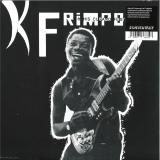
Two Seminal albums from cult Ghanaian musician Alhaji K. Frimpong and his group the Cubano Fiestas, recorded in 1976 and 1977 respectively and considered to be some of the best highlife albums ever recorded, at the pinnacle of West African musical tradition and innovation.
Both originally self titled, they have become known by the colour of the covers - Blue and Black respectively. The Blue Album brings new arrangements to traditional Ghanaian melodies and features the masterpiece Kyenkyen Bi Adi M’awu (come back my love) - universally known in Ghana, covered and sampled by artists such as Chronnix, Gnarls Barkley and many more. The Black Album expands the electronic elements and features the equally visionary Hwehwe Mu Na Yi Wo Mpena, although the real gem is hiding on the B side: the extended groove of “Adam Nana”. Sinuously evolving guitar lines, clavinet vamps, harmonised vocal snatches and otherworldly percussion expand and contract over a full quarter of an hour - a Ghanaian repost to the Afro Jazz experiments going on at the same time on the other side of the Atlantic. Although popular in Ghana at the time of the release, the albums were never distributed internationally and original copies of the album are extremely rare.
The albums got a limited reissue in 2011 and have been unavailable since - even reissue copies sell for high prices on the second hand market
out of Stock
Last delivered 12 months ago available to reorder, subject to availability
15 Years Of Dame-Music Vol. 3 marks the final chapter in a celebratory trilogy from the label, closing out a decade and a half of fearless sonic exploration.
True to form, Vol. 3 delivers a curated cross-section of techno, electro, and acidic dancefloor pressure, each track a statement, each artist a pillar of the underground.
From outer space techno to basement electro, this record is a testament to the label’s enduring influence and unrelenting spirit, with six standout cuts from across the techno and electro spectrum which inc. artists such as Dr Smoke (aka Oscar Mulero), DJ MELL G, Millimetric, Alienata, Delectro and label head Bloody Mary.
out of Stock
Last delivered 10 months ago available to reorder, subject to availability
Glow in the dark vinyl. Ida Maria returns in full force with Seven Deadly Sins + 3, a riotous, confessional, and deeply personal punk-rock opus that confronts our ugliest truths with blistering honesty and a wicked grin. Written and recorded with her longtime core band - Jan Ole Kristensen, Ruben Fredheim Oma and Alf Magne Hillestad, - alongside producer Martin Selen and engineer Hans Petter Heggli, Seven Deadly Sins + 3 is as immediate as it is fearless. From the volcanic fury of "STILL ANGRY" (co-written with Finnish rocker Joonas Parkkonen) to the unhinged groove of "LAZY", a brutally honest take on shame, duty and the paradox of living in a world that preaches modesty while idolizing fame and fortune. As such each track is a sin dissected, and shouted out loud with no remorse. DO NOT expect a sermon! - this is Ida Maria. It's punk rock, baby. For nearly two decades, Ida has set her own rules, building a legacy that resists every attempt at softening her edges. From her breakout debut Fortress Round My Heart to viral anthems like "I Like You So Much Better When You're Naked," her music has always offered a kind of sonic confessional - messy, bold, and impossible to ignore. With Seven Deadly Sins + 3, Ida Maria offers more than just a rock album - it's a confessional booth, a punch in the gut, and a kitchen table chat with a friend who's seen some things and still comes back with laughter, love, and rock'n'roll.
GG Allin singles compilation reissued on vinyl. If you had an immense amount of courage (as well as a strong stomach), then you may have been 'lucky' to have experienced G.G. Allin the way he was meant to be -- on-stage. In the studio, G.G.'s recordings more times than not did not match the fire of his live performance (and after watching some of his brutal shows on video, how could they'), as they were issued on a variety of little-known indie labels, and of varying quality. One of the first compilations to truly pull tracks from throughout G.G.'s controversial career is 2004's Expose Yourself: The Singles Collection 1977-1991. A few selections have been impossible to find for years, such as the early G.G. single "Love Tunnel" b/w "Devil's Triangle," which makes its first appearance in years here. Elsewhere, you'll find tracks that have appeared elsewhere -- "Snakeman's Dance," "When I Die," "Gypsy Motherfucker," etc. -- but are among G.G.'s best. Since it touches upon most of his different eras, Expose Yourself: The Singles Collection 1977-1991 is easily one of the better G.G. comps to appear. ~ Greg Prato
GG Allin singles compilation reissued on vinyl. If you had an immense amount of courage (as well as a strong stomach), then you may have been 'lucky' to have experienced G.G. Allin the way he was meant to be -- on-stage. In the studio, G.G.'s recordings more times than not did not match the fire of his live performance (and after watching some of his brutal shows on video, how could they'), as they were issued on a variety of little-known indie labels, and of varying quality. One of the first compilations to truly pull tracks from throughout G.G.'s controversial career is 2004's Expose Yourself: The Singles Collection 1977-1991. A few selections have been impossible to find for years, such as the early G.G. single "Love Tunnel" b/w "Devil's Triangle," which makes its first appearance in years here. Elsewhere, you'll find tracks that have appeared elsewhere -- "Snakeman's Dance," "When I Die," "Gypsy Motherfucker," etc. -- but are among G.G.'s best. Since it touches upon most of his different eras, Expose Yourself: The Singles Collection 1977-1991 is easily one of the better G.G. comps to appear. ~ Greg Prato
The 1st clash of the necks from polymath guitarists MacKay & Walker, taped live at Chicago"s own Whistler bar for release on the Whistler label. Reissued by us "cause of these dudes" uncanny alchemy and their constant, ever-melding flow. It"s an imperative: there"s not enough records around with such intense properties! Coincidentally, it came out 10 years ago. Big deal! We"d have done it when it was only 9 years old too - we just got busy, okay?
Auf ,Wo das Meer am tiefsten ist" ist keine reine Gitarrenband mehr zu hören. Neben ineinander verzahnten Gitarren hört man Posaune, Klavier, Sitar, Satelliten und zufallende Türen. Der Motor der Band ist Sehnsucht. Ein Nährboden für epische und opulente Songs, die gegen den Strich gebürstet sind, über das Radiosongformat hinauswachsen und keine Scheu vor großen Melodien haben.
Two Seminal albums from cult Ghanaian musician Alhaji K. Frimpong and his group the Cubano Fiestas, recorded in 1976 and 1977 respectively and considered to be some of the best highlife albums ever recorded, at the pinnacle of West African musical tradition and innovation. Both originally self titled, they have become known by the colour of the covers - Blue and Black respectively. The Blue Album brings new arrangements to traditional Ghanaian melodies and features the masterpiece Kyenkyen Bi Adi M"awu (come back my love) - universally known in Ghana, covered and sampled by artists such as Chronnix, Gnarls Barkley and many more. The Black Album expands the electronic elements and features the equally visionary Hwehwe Mu Na Yi Wo Mpena, although the real gem is hiding on the B side: the extended groove of "Adam Nana". Sinuously evolving guitar lines, clavinet vamps, harmonised vocal snatches and otherworldly percussion expand and contract over a full quarter of an hour - a Ghanaian repost to the Afro Jazz experiments going on at the same time on the other side of the Atlantic. Although popular in Ghana at the time of the release, the albums were never distributed internationally and original copies of the album are extremely rare. The albums got a limited reissue in 2011 and have been unavailable since - even reissue copies sell for high prices on the second hand market.
Mit ”Blue Sky Mentality” liefern Good Neighbours ein Debüt voller Aufbruchsstimmung, Melancholie und
Hoffnung. Entstanden unterwegs zwischen Tourbussen, Hotelzimmern und fremden Städten, vereint das
Album die gefeierten Singles ”Home”, ”Suburbs”, ”Ripple” und ”Starry Eyed”. Es ist ein Soundtrack für
alle, die zwischendrin Licht suchen – voller Wärme, Energie und dem Mut, einfach loszulassen. CD und
LP kommen mit je einem eigenen Bonustrack – exklusiv pro Format.
Ab dem 26. September ist das Album ”Blue Sky Mentality” als 1CD, 1MC, 1LP - Sky Blue Vinyl und 1LP
- Ultra Clear Vinyl erhältlich.
Marcus King sieht in der Musik seinen Rückzugsort und thematisiert daher auch emotionale Themen wie
Herzschmerz, Sucht oder psychische Gesundheit. So sang der GRAMMY-nominierte® Künstler sich in die
Herzen vieler Menschen und generierte Fans auf der ganzen Welt.
Auf seinem siebten Studioalbum präsentiert der US-Amerikaner erneut sein breites musikalisches Talent,
von Jazz über Hip - Hop bis hin zu modernem Pop. Vor Albumrelease veröffentlichte Marcus bereits vier
Songs, wie beispielsweise „Honky Tonk Hell“, was den einzigartigen Stil des Albums widerspiegelt.
Sein neues Projekt ist als 2LP und CD erhältlich.
”Downton Abbey: The Grand Finale” ist der Soundtrack zum letzten Film der Downton Abbey Serie. Die
Musik wurde erneut vom mehrfach ausgezeichneten Komponisten John Lunn geschrieben, der für seine
bisherige Musik für die Downton Abbey Serie bereits 2 Primetime Emmys erhalten hat.
Der Film begleitet die Familie Crawley in den 1930er Jahren. Die beliebten Charaktere suchen nach
neuen Wegen, um Downton Abbey in den turbulenten Zeiten in die Zukunft zu führen und stoßen dabei
auf allerlei Hindernisse.
Das Album umfasst 21 Tracks und erscheint als CD und auf Vinyl
"Later Than You Think" erscheint bei seinem neuen Label YOUNG und beschäftigt sich mit Themen wie Trauer, Gerechtigkeit, Wiedergeburt, Transformation und spirituellem Kampf. Es ist ein Werk von Bekenntnis und Konfrontation, für das sich Affekt, Intellekt und Geist auf der Suche nach dem Schönen, der Wahrheit und dem Realen zusammenschließen. Entstanden ist das Album in den Ozarks von Missouri. Die 16 Tracks vereinen Elemente und Gegensätze wie Üppigkeit und rohe Reduziertheit, das Heilige und das Profane, minimalistische Disziplin und maximale Schwelgerei, Kontrapunkt und simple Popharmonien. Im Kern unterstreicht das Album aber vor allem Maus" Hingabe an radikale Aufrichtigkeit und emotionale Wahrhaftigkeit in einem Zeitalter der Entfremdung - angetrieben von Konfrontation, Glauben und der tiefen Überzeugung, dass Sinn und Bedeutung noch immer etwas meinen. Maus, der einen Abschluss in Experimental Music und einen Doktortitel in Politikwissenschaft hat, wurde für die Art und Weise, auf die er akademische Sorgfalt und Lo-Fi Synthpop-Ästhetik verbindet, mal als "philosopher pop star" mal als "analog futurist" bezeichnet. Sein Wirken zieht sich dabei quer durch die Popkultur - von der Grime-Ikone Skepta, der seinen Track "I"m Only Human" sampelte bis zum Gen-Z-Rapper nettspend, von Filmemacher Josh Safdie ("Uncut Gems") bis zum Fotografen Wolfgang Tillmans. Sein Track "Cop Killer" ist im 2025er Film "Friendship" mit Tim Robinson und Paul Rudd enthalten. Mit exzessiven Liveshows und seinen bislang erschienenen Alben, auf denen Ironie, Trauer, Freude und Absurdität stets dicht beieinander liegen, hat Maus einen einzigartigen Weg beschritten und sich eine ergebene Fanbase erspielt.
Mit "Fallen und Schweben" veröffentlicht Rauchen ihr bisher zugänglichstes und zugleich reifstes Album. Die Hamburger Band bleibt ihrem wütenden Kern treu, öffnet ihren Sound aber erstmals spürbar, ohne sich dabei anzubiedern. Zwischen flirrenden Gitarren, schepperndem Schlagzeug und einer Stimme, die immer noch mehr fragt als antwortet, sickert eine neue Form von Melancholie durch: eine, die nicht nur gegen, sondern auch für etwas kämpft. Stilistisch knüpft das Album an die rohen 90er an. Irgendwo zwischen Emocore, Noise und frühem Post-Hardcore, ohne in Nostalgie zu verfallen. Besonders der titelgebende Schlusstrack "FALLEN UND SCHWEBEN" markiert einen Wendepunkt: versöhnlich, fast zärtlich, und doch eindeutig Rauchen. Das Artwork stammt von André Finster, dessen reduzierte Bildsprache das Spannungsverhältnis des Albums visuell spiegelt. Zwischen Aufbruch und Absturz, Härte und Hingabe. "Fallen und Schweben" ist ein Album für alle, die im Lärm Trost suchen und in der Stille das Echo ihrer Wut.
Der Salzburger Musiker Thelema ist während der Suche nach einer Stimme für seine Klangkompositionen nur per Zufall auf R o n i a gestoßen. Sofort war klar, dass hier eine musikalische Seelenverwandtschaft besteht und gar nicht viel geredet werden muss. Denn die Musik beider lebt von Stille, von den Pausen und den Tönen zwischen den Tönen. Thelemas in ihrer Reduktion aufs Wesentliche erstaunlich facettenreichen und verspielten Kompositionen lassen sich nie festnageln und unterstreichen die mysteriöse und fantastische Aura von R o n i as Texten und Gesang.
Italian cinematic funk legends Calibro 35 continue their journey into the world of cinematic jazz-funk. "Exploration" marks their return to independent label Record Kicks after their last studio album "Nouvelle Aventures" released on Universal Music in 2023. The band picks up from their latest EP, "Jazzploitation," released on Record Kicks last October. "Exploration" is a deep dive into the universe of cinematic jazz-funk, showcasing both the band's reinterpretations of timeless classics such as Roy Ayers' "Coffy" or Bob James "Nautilus" and original compositions by the band such us the lead single "Reptile Strut", the jazz-funk stormer "The Twang" and the soulful cinematic number "Pied De Poule". An exploration and a new journey for the Milanese combo that a long its way pays homage to artists such as Lalo Schifrin (Mission Impossible), Italian Maestro Piero Umiliani (Discomania and Gassman Blues) and Herbie Hancock (Chamelon). Described by Rolling Stone as "the most fascinating, retro-maniac and genuine thing that has happened to Italy in the past few years," Milan-based Calibro 35 enjoy a worldwide reputation as one of the coolest independent bands around. Active since 2007, during their long career, they have been sampled by Dr. Dre on Compton ("One Shot One Kill" feat. Snoop Dogg), Jay-Z ("Picasso Baby"), The Child of Lov & Damon Albarn ("One Day"), and Demigodz ("The Summer Of Sam"). They have played major venues and festivals all over Europe, and as unique musicians, they have collaborated with, among others, PJ Harvey, Mike Patton, John Parish, Stewart Copeland, and Rokia Traoré. FOR FANS OF... Piero Umiliani, El Michels Affair, Idris Muhammad, Surprise Chef, Nu Genea, Khruangbin, Snarky Puppy, The Cinematic Orchestra, Comet is Coming, Kamasi Washington
out of Stock
Last delivered 10 months ago available to reorder, subject to availability
As Inagaki himself said, "I did black funk" by fusing the explosiveness of jazz rock that he had cultivated up until then with the tenacity and elasticity of black music, his musicality has leapt to another dimension. Combined with the ingenious arrangements of master Hiromasa Suzuki, the groove is polished, glossy, and shining mysteriously. All the songs are worth listening to, such as the dynamism and speed of "Painted Paradise" the coexistence of funkiness and mellowness of "Breeze" and the low-centered and sharp cover of Cool & the Gang's "Funky Stuff". It is now a definitive masterpiece that is in demand all over the world.
text by Yusuke Ogawa (UNIVERSOUNDS/DEEP JAZZ REALITY)
out of Stock
Last delivered 12 months ago available to reorder, subject to availability
The Mighty Diamonds are one of the most famous vocal groups to come out of the Jamaican Reggae scene.
Their perfect harmonies ride over the wholesome and Garveyite influenced lyrics to such great effect that they will always evoke memories of that time and place, but also like all great music never seems to date.
The Mighty Diamonds consist of Donald ‘Tappy’ Shaw (lead vocals) Fitzroy ‘Bunny’ Simpson and Lloyd ‘Judge’ Ferguson providing those fantastic harmonies.
They began their recording career working with producers Stranger Cole and Rupie Edwards but found their breakthrough success with producer Joseph ‘Joe Joe’ Hookim at the legendary Channel One Studios recording ‘Hey Girl’ and covering two foreign tunes namely ‘Country Living’ (The Stylistics) and ‘Stoned Out of Mind’ (The Chi-lites) which suited their vocal styles perfectly.
The vocal group also cut tracks with other famous producers of the time Joe Gibbs ,Gussie Clarke and Mr.Tappa Zukie of which we focus this release on.On listening, these tunes work perfectly with harmonies weaving together and lifting the songs to another level.
The group also leave some room for a history lesson in the shape of ‘Morgan the Pirate’ and the thought provoking ‘Do You Want to Spend Your Time Wasting Time’.
Well waste no more and enjoy this set by one of Jamaica’s finest vocal groups….
'Osborne' is a rock n roll recovery album for the opioid age, inspired by Trapper Schoepp's own struggles with addiction. It was produced by Mike Viola (Andrew Bird, Jenny Lewis) & Tyler Chester (Madison Cunningham, Iron & Wine, Jackson Browne). After relying on prescription painkillers and other substances for a decade, Trapper checked into the Hazelden Betty Ford rehab center near his birthplace in Minnesota last year. Fittingly, the rock n roller was placed in the 'Osborne' unit - a letter off from Ozzy's surname but appropriated as such to honor the former Hazelden patient.
To All That We Lose And All We Fight For is the debut album by Vera Logdanidi - the
culmination of nearly two decades of musical evolution. Her journey began in the world of drum & bass and jungle, gradually expanding into deep explorations of house, dub techno, and techno. Over the years, Vera has performed on leading stages across Ukraine and internationally, while also mentoring a new generation of DJs and producers, hosting radio shows, and supporting the scene through her label and community work.
This album was written during a time of deep upheaval. The outbreak of full-scale war forced Vera to leave behind a well-established life and begin again on the international stage. While the music often feels dreamy and introspective, To All That We Lose And All We Fight For is a profoundly personal record - a sonic refuge shaped by grief, uncertainty, and resilience.
The album doesn't follow formulas; it's driven by intuition, texture, and a genuine connection to sound. It's rich, emotional, and occasionally unexpected. The tracks form the core of Vera's current live set, which has resonated at major festivals such as Draaimolen or Strichka - captivating audiences with its depth and subtle, immersive energy.
The cover art, created in close collaboration with Vera's longtime visual team, is a real
photograph - not a digital effect. It captures the tension between anxiety and hope: a glance back, and a step forward into the unknown. This visual metaphor reflects the emotional landscape of the album - the fragility of what's been lost, and the courage to embrace what lies ahead.
This release also marks a new chapter for Rhythm Buro Records - one that moves towards music that is more personal, intimate, and unconstrained by expectations.
To All That We Lose And All We Fight For is released alongside another important Rhythm Buro release: RB011 - Your Curves EP by Na Nich. Ukrainian producer Oleksandr Pavlenko, formerly known as Sunchase, returns to his roots in broken beats and bass music, blending them with house and techno sensibilities. The four-track EP ranges from deep grooves to melancholic late-night moods - a compelling counterpoint to Vera's album and a testament to the label's evolving identity.
Order RB012 n
out of Stock
Last delivered 5 months ago available to reorder, subject to availability
Na Nich returns to his roots after a series of successful releases on respected labels such as Delsin, Semantica, On Board, and Fur:ther Sessions. The Ukrainian producer's latest EP pays tribute to his foundation in broken beats and bass music - the core of his craft before adopting the Na Nich moniker.
Co-founder of Rhythm Buro and formerly known as Sunchase, Oleksandr Pavlenko shifted from his decades-long bass music career towards house and techno about ten years ago. Yet those early influences never truly disappeared. On Your Curves, Oleksandr skillfully blends his bass-heavy legacy with the sonic palettes characteristic of his later work, merging two worlds into a cohesive sound.
The A-side opens with 'Unfulfilled Expectations', a deep roller rich with bass textures and mellow synths. It's followed by 'Everything', a slow burner infused with '90s vibes, featuring oldschool vocal samples and a drum pattern reminiscent of UK garage. On the flip side, 'Rain Inside' delivers the EP's grooviest moment, with broken beats crafted for the dancefloor and an intimate, close-your-eyes 4 a.m. mood. The title track, 'Your Curves', closes the EP with a deep and melancholic atmosphere.
This release stands out amid contemporary offerings, reminding listeners that essence always triumphs over form.
out of Stock
Last delivered 12 months ago available to reorder, subject to availability
Dutch-born, Belgian-based artist Chantal Acda has been releasing her music and touring internationally since 2006. Her impressive and eclectic catalog includes numerous band projects, collaborations, and solo albums. The 2024 album Silently Held, recorded with The Atlantic Drifters, is nominated in 2025 for an Edison Award in the Netherlands. Her upcoming album, The Whale, will be released on September 19, 2025, followed by an extensive European tour. The album was produced by Chris Eckman (The Walkabouts) and recorded with her live band, which she has been performing with for over a decade. The songs were co-written with band members Eric Thielemans, Alan Gevaert, Gaëtan Vandewoude, and Niels Van Heertum.
The sound of The Whale is rougher and more rock-oriented than her previous projects, but her signature introspection and vulnerability remain at the core of the music. Singles “Heads” and “Make It Work” have received airplay in Belgium, the Netherlands, the UK, and Germany.
In the past, Chantal has recorded and performed with artists such as Bill Frisell, Nils Frahm, and members of Low, Múm, and Efterklang. Currently, she is also a member of the bands Distance, Light & Sky (with Chris Eckman of The Walkabouts and Eric Thielemans) and Isbells.
The songs of Louisiana's Francophone and Creole heritage have flowed through the bayous for centuries, shaped by African, Native American, French, and Caribbean influences. Combining a vinyl record and a bilingual book, Pasé Bél Tan: Francophonies and Creolities in Louisiana celebrates this cultural legacy. It pairs historical recordings with contemporary reflections, inviting artists and scholars to explore this ever-evolving soundscape. Bridging a vibrant present with a painful past, it creates a space for dialogue around identity, memory, and the ongoing transformation of Louisiana’s musical traditions.
The double vinyl compilation and its OBI strip features a staggering 34 songs, ranging from French ballads and Creole renditions to zydeco hooks and reinterpretations by a wide array of contemporary artists such as Madteo, Tanz Mein Herz, Radio Hito, Cyril Cyril, and Deafkids, among others. With archival recordings and contemporary creations side by side, it serves as a bridge across the vast bayou of Louisiana music.
The book is a 272-page bilingual (French/English) publication that seeks to encapsulate the far-reaching implications of Louisiana’s musical heritage within both Louisianan and American society. It explores how this culture has shaped—and been shaped by—its surroundings. With contributions from many key figures of the scene—musicians, researchers, club owners, and other vital witnesses—it aims to present the intricate and singular relationship that exists between Louisiana and its music.
The book only is not available through distribution but only as a bundle with the 2LP version.
The songs of Louisiana's Francophone and Creole heritage have flowed through the bayous for centuries, shaped by African, Native American, French, and Caribbean influences. Combining a vinyl record and a bilingual book, Pasé Bél Tan: Francophonies and Creolities in Louisiana celebrates this cultural legacy. It pairs historical recordings with contemporary reflections, inviting artists and scholars to explore this ever-evolving soundscape. Bridging a vibrant present with a painful past, it creates a space for dialogue around identity, memory, and the ongoing transformation of Louisiana’s musical traditions.
The double vinyl compilation and its OBI strip features a staggering 34 songs, ranging from French ballads and Creole renditions to zydeco hooks and reinterpretations by a wide array of contemporary artists such as Madteo, Tanz Mein Herz, Radio Hito, Cyril Cyril, and Deafkids, among others. With archival recordings and contemporary creations side by side, it serves as a bridge across the vast bayou of Louisiana music.
The book is a 272-page bilingual (French/English) publication that seeks to encapsulate the far-reaching implications of Louisiana’s musical heritage within both Louisianan and American society. It explores how this culture has shaped—and been shaped by—its surroundings. With contributions from many key figures of the scene—musicians, researchers, club owners, and other vital witnesses—it aims to present the intricate and singular relationship that exists between Louisiana and its music.
The book only is not available through distribution but only as a bundle with the 2LP version.