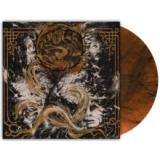
Coloured vinyl reissue of Jungle Rot's fourth studio album, Fueled By Hate, delivering a solid slab of mid-paced death metal that prioritizes crushing rhythm over fret-shredding histrionics.
Nicaraguan-American artist Dagmar Zuniga makes music that feels both intimate and expansive: songs drift like disrupted signals, carried by harmony, tape hiss, and a strong sense of touch. Her debut solo album in filth your mystery is kingdom / far smile peasant in yellow music — written and recorded in New York, Norway, and Athens, Georgia over a period of five years on her longtime companion, the Tascam 424 — was uploaded to Bandcamp and YouTube in January 2025, quickly garnering over two hundred thousand views and the attention of artists such as Mount Eerie, who invited her to tour with them that summer. This year, what was once a jewel of tapped-in algorithms and message boards will meet the world at large, with in filth arriving digitally on March 4, and physically on April 10, via AD 93.
in filth is an atmospheric, devotional collage where one voice multiplies into a chorus of selves, sometimes delicate, sometimes severe; an effect created by Zuniga’s masterful layering of texture and complex harmonies. Synths glitter out like spears of sunlight from beneath clouds of moody, time-distorted guitars, and songs spin about themselves like tightly-wound music boxes, making use of a kind of hypnotic repetition, before melting apart into their components or slipping into the following track.
Zuniga began recording to tape as a teenager, drawn to the physicality of the medium — how a tape recording is fragile, mutable, and alive. Though her ethereal sound may draw easy comparisons to other female pioneers of psychedelic folk, she is influenced just as much by the darker sounds of Syd Barrett and The Fall. Like Barrett, Zuniga is a painter, and she is interested not only in recording music but in creating a full, self-contained artistic universe: she creates her own artwork, merchandise, music videos, and bootleg tapes of new and unfinished music that she exclusively sells at live shows (“If something is not material, it does not exist,” she insists). Her world has not gone unvisited, garnering her a monthly show on NTS Radio ‘World of Pain’, as well as a forthcoming appearance at Rewire Festival in April 2026.
Though Zuniga’s work explores themes of solitude and suffering, the suffering in her songs is not borrowed or displayed; it is held, then opened outward through empathy — an exacting practice of attention that insists on shared ground. Solitude, in her work, is not withdrawal but a starting point for connection. Likewise, over time, her recording process has become increasingly communal, with in filth featuring musicians Hayes Hoey, Austyn Wohlers (Tomato Flower), and Zach Phillips (Fievel Is Glauque). Newer recordings widen the circle even more. For Zuniga, collaboration is a way to “find a place between worlds,” echoing Badiou’s idea of love as a vision refracted through the prism of difference. Meaning emerges there — in the space between voices, between artist and listener. “I hope my music helps people work through difficult experiences,” she says. “The same way it helps me.”
How do losers dance? According to Helmut, almost weightlessly, with soft feet, warm gestures, sometimes alone, sometimes together. Content Creatures, Helmut's fourth album, evokes the pop archetype of the "beautiful loser", who had almost disappeared from view in so-called late capitalism. In a present in which even suffering is often similarly instrumentalised and tailored to clicks like a competitive sport, this album sets a counterpoint: those who listen to it suddenly want to be enchanting losers again, useless and joyfully messing up, losing something beloved, having their hearts broken, giving up a dream, sinking into beauty.
You don't sink alone. Comforting harmonies envelop you, the voices of friends appear, accompany you for a while and then disappear again. Warm grooves, floating synths and delicate guitar lines characterise an indie sound that remains open and breathes.
Self-produced for the first time in his home studio in Neukölln, 'Content Creatures' sounds thoughtful and light at the same time. The album will be released digitally and on vinyl on 10 April 2026 on Berlin-based label St.Vladimir. There are four songs on one side and four songs on the other. The cover is adorned with an exceptionally pretty guinea pig. Helmut shows the special in the seemingly ordinary: a child's pet, the most ordinary of all, is his cover star and headstrong protagonist.
Wie tanzen Verlierer? Wenn man nach Helmut geht, dann fast schwerelos, mit weichen Füßen, warmen Gesten, manchmal allein, manchmal gemeinsam. Content Creatures, Helmuts viertes Album, evoziert den Pop-Archetypus des "beautiful loser", der im sogenannten Spätkapitalismus fast aus dem Blick geraten war. In einer Gegenwart, in der sogar das Leid oft ähnlich durchinstrumentalisiert und auf Klicks getrimmt ist wie ein Leistungssport, setzt dieses Album einen Kontrapunkt: Wer es hört, möchte auf einmal gern wieder ein bezaubernder Verlierer sein, nutzlos und freudvoll abkacken, etwas Geliebtes verlieren, das Herz gebrochen bekommen, einen Traum aufgeben, in Schönheit versinken.
Man versinkt nicht allein. Tröstende Harmonien legen sich um einen, die Stimmen von Freundinnen tauchen auf, begleiten einen ein Stück weit und verschwinden wieder. Warme Grooves, schwebende Synths und feine Gitarrenlinien prägen einen Indie-Sound, der offen bleibt, atmet. Erstmals in seinem Neuköllner Homestudio selbst produziert, klingt "Content Creatures" bedacht und leicht zugleich.
Das Album erscheint digital und auf Vinyl am 10.04.2026 auf dem Berliner Label St.Vladimir. Es hat vier Songs auf der einen und vier Songs auf der anderen Seite. Das Cover ziert ein außergewöhnlich hübsches Meerschweinchen. Helmut zeigt das Besondere im scheinbar Gewöhnlichen: Ein Kinderhaustier, das normalste von allen, ist bei ihm Coverstar und eigensinnige Protagonistin.
Florida deathcore heavyweights Bodysnatcher return with their most punishing and purposeful statement to date. ‘Hell Is Here, Hell Is Home’, out April 10, is not an escape record, it is a confrontation. Brutal, unrelenting, and emotionally unfiltered, the album captures a band fully locked into its identity while sharpening every weapon in its arsenal. True to their roots, Bodysnatcher deliver a sound steeped in suffocating grooves, bone-crushing breakdowns, and feral intensity. ‘Hell Is Here, Hell Is Home’ pushes beyond pure aggression. The record explores cycles of trauma, self-destruction, survival, and the uncomfortable truth that for many, suffering is not a phase, it is a place.
This is deathcore grounded in lived experience, written from inside the fire rather than in hindsight. Across the album, Bodysnatcher balance sonic violence with a disciplined sense of control. Downtuned riffs grind with oppressive weight, drums hit with mechanical precision, and vocals swing between outright hostility and grim reflection. Each track feels deliberate, built not just to hit hard, but to linger. With this release, Bodysnatcher continue to cement their position as one of modern deathcore’s most uncompromising voices. ‘Hell Is Here, Hell Is Home’ is a record built for the pit, rooted in truth, unflinching and heavy in every sense, delivered with absolute conviction.
DOODSESKADER clearly haven’t had enough of redefining boundaries – they’ve only just gotten started. Tim De Gieter and Sigfried Burroughs return on April 3rd, 2026 with their third full-length album, The Change Is Me, a rollercoaster that can only be described as the unstable lovechild between witch house, hip-hop, industrial dream pop, and stadium rock that can’t decide if it wants to watch the world burn or shout from the rooftops that we need to save it. Their combination of grungy 90s melodies with distorted synths, sludgy bass, hard tuned vocals, rapping, singing, and explosions of undiluted rage at the current state of the world leave you wondering just exactly what it was you smoked last night, and if it was too much or not enough. The Change Is Me is an album that grabs you by the arm and asks if you’re ready to go on a grand adventure, then pulls you into its chaos before you can say “yes” or “no.”
Tim and Sigfried aren’t just breaking the boundaries between genres; they’re breaking out of their own Year cycle, a path they had laid out for themselves at the band’s inception in 2020. Up until now, the duo had set out to document their “journey to getting better” through writing one album each year: Year Zero (2020), Year One (2022), and most recently Year Two (2024). After spending eight months throughout 2024 and 2025 writing, recording, producing and mixing Year Three, the band scrapped the finished record entirely. Playing shows while simultaneously navigating the process of mixing Year Three created a sort of disconnect – the people that they were when they wrote that record and the people that playing shows made them become were no longer one and the same. “We’re people with faults and strengths, and we realized we needed to accept it. That’s equal parts bleak and liberating. If you’re so focused on self-improvement, you can’t even applaud yourself for how far you’ve come,” the band explains. “This project is meant to be a document of us and of the human condition, not a self-improvement handbook designed to keep us all stuck on what may or may not have happened to us or because of us in the past.”
DOODSESKADER chose instead to embark anew on a week-long creative journey in Tim’s own Much Luv Studio with one goal in mind: to make an album that captures who they are right now. Finally writing everything together in the same room for the first time in years, the process of bringing "The Change Is Me" to life was captured by Diana Lungu in their latest documentary, "Now I Know You See Me", out December 2nd, 2025.
"The Change Is Me" marks the beginning of DOODSESKADER’s shift into a more positive era, both musically and conceptually. Over the course of the 40-minute record we hear the two friends unite in a fight against a world that grows more and more disappointing, a concept made crystal clear in tracks like “Celebrity Culture Simp Farm,” “It Keeps On Stinging,” and of course the album’s epic closer “Suffering In Technicolor.” While their previous albums saw them trying to outrun their pasts and arrive at a better version of themselves, here the search for some external or internal revelation that will “make them better” is no more. It’s been replaced by the realization that change isn’t something we force: it’s gradual, and more importantly, it’s something that’s already there – we just need to reach out and accept it.
The band’s live appearances over the last several years have been instrumental in shaping their ideology. On stage is where the duo find connection; not only with the audience, but also with each other. Their sold-out release shows at Ancienne Belgique (2022) and VierNulVier (2024) have proven that they are one of Belgium’s must-see acts. Abroad, their energy has translated into a month-long EU/UK tour with French band Alcest in 2024, as well as appearances at festivals such as Roadburn Festival (NL), Eurosonic (NL), Hellfest (FR), Mystic Fest (PL), Jera On Air (NL), ArcTanGent (UK), Fluff Fest (CZ) and more.
"The Change Is Me" is out April 3rd, 2026 on DOODSESKADER’s own label, 45 Records.
Salix is a bold new departure for modular synthesist Loula Yorke, seen here using an antique reed organ to explore the ancient roots of willow trees in magic, myth and medicine, as well as inviting another musician into her recording studio for the first time, clarinettist Charlotte Jolly.
The EP forms a sonic archive of a singular instrument: an antique free reed organ left behind by a previous encumbent of Asylum Studios, (the artists' co-operative in Suffolk where Yorke's Truxalis labelmate and life collaborator, Seiche, has a studio space). The organ is in poor condition and fascinatingly, painfully detuned. Yorke's recordings bring out its host of unusual quirks exacerbated by age and neglect: the powerful rhythmic creaking of the wooden treadles; the bone-shaking resonance emanating from its body at specific pitches; unexpected exclamations of harmonic collision from within the carcass redolent of a human voice; the piercing, shrieking whistles of broken reeds, and the powerful timbres unlocked via Yorke's experiments with various combinations of stops.
The three tracks that form Salix are inspired by a local weeping willow tree, a constant companion photographed over the course of a year. Boughs caught in a gyre. A maiden in mourning. Branches that gesture in the wrong direction. A tree turned upside down. A hand-woven willow basket, an old technology to gather and store. The journey of a lovelorn bard through the underworld, a bundle of willow under one arm for protection.
For the opening track, The Carrier Bag Theory of Fiction, Yorke recorded herself playing a simple unaccompanied improvisation on the organ, the only ornamentation being the processed sounds of the keys being struck and returning to their positions.
For Bundle of Styx, a spell of protection is cast and then broken. Yorke invited virtuoso clarinettist Charlotte Jolly into the studio to test combining the breathy textures of both brass and natural reeds, the instruments uniting and obsuring each other in turn during this one-take improvisation. The organ's unpredictable sharpened tunings take centre stage here, with Jolly using them as a point of departure to conjure a set of peerless harmonic improvisations live in the moment. Throughout the improvisation, Yorke, a self-taught musician, unpracticed on the organ, supports and challenges, freely admitting that she's not always sure what effect her decisions to move up and down the keyboard or pull out certain stops will have. Jolly's genius lies in her ability to meet and build on every uncertain pitch thrown her way, saying of the experience, "I love that Loula isn't classically trained, I can't predict at all what she's about to do."
For the final track, With the Red Dawn, Yorke has come up with another unique combination of textures, this time bringing her own specialism in modular synthesis to the fore. A ten-minute reed organ drone characterised with ever-shifting bass swells and overtones is layered with tuned sines, often shudderingly wave-folded, that ebb and flow both in intensity and harmonic colour according to the duty cycles of eight interrelated LFOs. These recordings are collaged with Yorke's singing voice and a langorous, ascending sequence across two octaves on Jolly's clarinet, all arranged to form a cohesive whole far greater than the sum of its parts. Smatterings of untuned percussion and a fragment of a conversation between the duo left in the final mix cements Yorke's unprecious DIY aesthetic into the release.
At its heart, Salix is like watching the wind in the willows; hundreds of thousands of identical tiny leaves moving in confluence on its branches; at once one thing and many things; moment-to-moment our perception makes out different individuals parts within this expanse of texture, before sinking back into the whole.
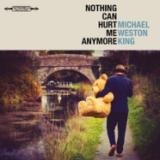
But, in the summer of 2024, a personal tragedy changed everything. Michael and Lou lost their six-year-old granddaughter, Bebe, in the Southport attacks in July that year, and, as much as they tried to carry on and make a My Darling Clementine album, with the weight of so much sadness and grief bearing down on them, it just didn't feel the right thing to do. The tragic events of summer 2024 not only changed the music they were making and the songs they were writing, it also altered their outlook on life. Recognising that everyone's grief is individual even that of a husband and wife Michael and Lou needed to channel their suffering via their own individual creativity and in their own way, rather than in collaboration, so they worked on two solo albums. Michael's "Nothing Can Hurt Me Anymore" is the first of the two to be released.
An album the defies genre, it is simply his instinctive musical reaction to the events of summer 2024. Michael writes "To be honest, it was impossible to write about anything else. It overwhelmed everything. I hope I am now creatively exhausted on the subject, but I think it will affect my writing forever, just as indeed, the loss of Bebe will". It features eleven brand new MWK songs Partly recorded in rural Wales and partly in not so rural Sheffield, "Nothing Can Hurt Me Anymore"was produced by Michael, along with wunderkind Clovis Phillips, and the brilliant Colin Elliot, who also mixed the album.
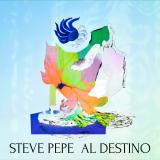
“Al destino”, the new album by Steve Pepe, began to take shape in 2023 after roughly a year of highly abstract sound research. The original intention was to create a dancefloor-oriented record, moving away from down-tempo structures, built around minimal, percussive compositions and high BPMs, with sound conceived primarily as a functional element.
In 2024, however, the process shifted. Less time was spent producing and more time reflecting. Emotions hovered between the urgencies of the present and unresolved past traumas, and almost without conscious intention, singing returned to the center of the project. It was not a calculated choice, but an inevitable one.
The resulting album does not draw its energy from distant places, nor does it focus on sonic experimentation as an end in itself. Instead, Al destino offers an intimate perspective on how memories and emotions shape the inner self, on the sensation of being simultaneously alone and deeply connected to everything, and on the struggle to reconcile feelings, sensations, love, and desire.
Death Is Not The End present a further volume of Arja Kastinen's eerie amalgamations of 110 year old wax cylinders with her own meticulously transcribed takes, this time focussing in on Armas Otto Väisänen's field recordings of kantele player Iivana Mišukka (b. 1861 d.1919).
"Ivana Mišukka (1861–1919) was one of the Karelian kantele players recorded by the folk music researcher Armas Otto Väisänen on wax cylinders in 1916 and 1917. In the early 20th century, the remote areas of Border Karelia were undergoing the final phase of a transformation in musical culture, with the ancient runo song tradition giving way to newer forms of music. This transition is reflected in Mišukka's repertoire and choice of instrument. The ancient small kantele, hollowed out of a single piece of wood, was already rare at the turn of the century. Mišukka's kantele was a new type of instrument with 26 strings, constructed of several parts, but he played it using the traditional plucking technique. Like other Border Karelian kantele players, his repertoire consisted of music rooted in runosong culture, as well as newer dances and songs from the east and west. Most of the recorded material falls into the latter category.
Ivan Bogdanov Mišukka was born out of wedlock in Suursara village, Suistamo, on 1 May 1861. He began playing the kantele at the age of five or six, quickly mastering the instrument. In adulthood, he was considered one of the area's best master players. Mišukka was landless for most of his life and lived in different parts of the Suistamo parish. His first wife, Tekla Markintytär, died in 1897 at the age of 40, and his second wife, Jevdokia Filipintytär Jeminen, died in 1907 at the age of 50. Seven children were born from the first marriage, two of whom died young. The third wife, Maria Ignatintytär Gurnan (Kuurnanen), was a well-known master of lamentations. Together with Maria, Iivana Mišukka worked as a tenant farmer in the village of Suursara. Mišukka suffered from rheumatism, which prevented him from participating in physical work like Maria. This was apparently partly the reason why Iivana Mišukka went to earn extra money by playing the kantele on gig trips. He often had other traditional artists from Suistamo as his travelling companions, such as the runosingers Konstantin Kuokka and Iivana Onoila. Iivana Mišukka died in Leppäsyrjä village, Suistamo, on 18 May 1919 at the age of 58, and his kantele was donated to Teppana Jänis.
Mišukka only used 14 of the 26 strings on his kantele, playing the same tunes either a fourth higher or lower. He tuned his kantele to the major scale using fifths, except for a low seventh scale degree on the upper strings, but not below the fundamental. Since he did not use the seventh note of the scale on the upper strings at all, he could use the major scale both lower and a fourth higher with this tuning. According to Mišukka, the sound of higher, or 'finer', strings is 'more beautiful', while that of lower ones is 'greater'. Among runosingers, the size of the thirds varied, ranging from major to minor to neutral. A similar phenomenon can be observed in kantele tunings, where the third, sixth and seventh scale degrees vary in a comparable way.
During a meeting, Väisänen suggested that Mišukka play the smaller kantele belonging to Konstantin Kuokka. The idea was to bring it closer to the horn to improve the recording quality. However, the kantele was completely out of tune, and now Mišukka tuned it to the Lydian scale (track 18).
Using the old plucking technique, Mišukka placed his right middle finger on the fundamental tone, his right index finger on the second scale degree, his left middle finger on the third scale degree and his left index finger on the fourth scale degree, and his right thumb on the fifth. The thumb also played the notes above the fifth note of the scale. As Mišukka remarked to Väisänen: 'Peigaloll' tuloo enemb ruadoa' (the thumb has to do more work). However, he did not use the seventh note of the scale on the upper strings at all. Below the fundamental note, he played the seventh and sixth notes of the scale with his right middle finger of and the fifth note of the scale with his right ring finger. This fifth scale degree below the fundamental is almost always used as a drone. Sometimes, when the melody required it, Mišukka, like other players, also varied the fingering. He would also occasionally strike the same string with the side of his fingernail after plucking it.
The wax cylinder recordings of Karelian kantele players are kept in the archives of the Finnish Literature Society in Helsinki, Finland. Copies were made of them onto reel-to-reel tapes in both the 1960s and 1980s. The 1960s copies are mono and the 1980s copies are stereo. However, not all kantele recordings from these decades have survived.
The sound of the kantele is difficult to hear in wax cylinder recordings due to its low volume, and it occasionally becomes completely obscured by noise. During the copying process, the cylinder sometimes rotates unevenly, resulting in breaks or jumps in the music. Additionally, the rotation speed of the cylinder in the copies does not correspond to the performance speed of the original music, which alters the pitch. However, since Väisänen's precise notes are available in the archive, it is possible to deduce the melodies, their speed, and the tuning level of the kantele in the recordings. Of the copies of the original recordings from the 1960s and 1980s, I have selected the one that best met the requirements of this publication and adjusted the speed of the recording to align with Väisänen's notes. To enhance the listening experience, I have replayed the songs, which now partly overlap the old recordings on this release."
Death Is Not The End present a further volume of Arja Kastinen's eerie amalgamations of 110 year old wax cylinders with her own meticulously transcribed takes, this time focussing in on Armas Otto Väisänen's field recordings of kantele player Iivana Mišukka (b. 1861 d.1919).
"Ivana Mišukka (1861–1919) was one of the Karelian kantele players recorded by the folk music researcher Armas Otto Väisänen on wax cylinders in 1916 and 1917. In the early 20th century, the remote areas of Border Karelia were undergoing the final phase of a transformation in musical culture, with the ancient runo song tradition giving way to newer forms of music. This transition is reflected in Mišukka's repertoire and choice of instrument. The ancient small kantele, hollowed out of a single piece of wood, was already rare at the turn of the century. Mišukka's kantele was a new type of instrument with 26 strings, constructed of several parts, but he played it using the traditional plucking technique. Like other Border Karelian kantele players, his repertoire consisted of music rooted in runosong culture, as well as newer dances and songs from the east and west. Most of the recorded material falls into the latter category.
Ivan Bogdanov Mišukka was born out of wedlock in Suursara village, Suistamo, on 1 May 1861. He began playing the kantele at the age of five or six, quickly mastering the instrument. In adulthood, he was considered one of the area's best master players. Mišukka was landless for most of his life and lived in different parts of the Suistamo parish. His first wife, Tekla Markintytär, died in 1897 at the age of 40, and his second wife, Jevdokia Filipintytär Jeminen, died in 1907 at the age of 50. Seven children were born from the first marriage, two of whom died young. The third wife, Maria Ignatintytär Gurnan (Kuurnanen), was a well-known master of lamentations. Together with Maria, Iivana Mišukka worked as a tenant farmer in the village of Suursara. Mišukka suffered from rheumatism, which prevented him from participating in physical work like Maria. This was apparently partly the reason why Iivana Mišukka went to earn extra money by playing the kantele on gig trips. He often had other traditional artists from Suistamo as his travelling companions, such as the runosingers Konstantin Kuokka and Iivana Onoila. Iivana Mišukka died in Leppäsyrjä village, Suistamo, on 18 May 1919 at the age of 58, and his kantele was donated to Teppana Jänis.
Mišukka only used 14 of the 26 strings on his kantele, playing the same tunes either a fourth higher or lower. He tuned his kantele to the major scale using fifths, except for a low seventh scale degree on the upper strings, but not below the fundamental. Since he did not use the seventh note of the scale on the upper strings at all, he could use the major scale both lower and a fourth higher with this tuning. According to Mišukka, the sound of higher, or 'finer', strings is 'more beautiful', while that of lower ones is 'greater'. Among runosingers, the size of the thirds varied, ranging from major to minor to neutral. A similar phenomenon can be observed in kantele tunings, where the third, sixth and seventh scale degrees vary in a comparable way.
During a meeting, Väisänen suggested that Mišukka play the smaller kantele belonging to Konstantin Kuokka. The idea was to bring it closer to the horn to improve the recording quality. However, the kantele was completely out of tune, and now Mišukka tuned it to the Lydian scale (track 18).
Using the old plucking technique, Mišukka placed his right middle finger on the fundamental tone, his right index finger on the second scale degree, his left middle finger on the third scale degree and his left index finger on the fourth scale degree, and his right thumb on the fifth. The thumb also played the notes above the fifth note of the scale. As Mišukka remarked to Väisänen: 'Peigaloll' tuloo enemb ruadoa' (the thumb has to do more work). However, he did not use the seventh note of the scale on the upper strings at all. Below the fundamental note, he played the seventh and sixth notes of the scale with his right middle finger of and the fifth note of the scale with his right ring finger. This fifth scale degree below the fundamental is almost always used as a drone. Sometimes, when the melody required it, Mišukka, like other players, also varied the fingering. He would also occasionally strike the same string with the side of his fingernail after plucking it.
The wax cylinder recordings of Karelian kantele players are kept in the archives of the Finnish Literature Society in Helsinki, Finland. Copies were made of them onto reel-to-reel tapes in both the 1960s and 1980s. The 1960s copies are mono and the 1980s copies are stereo. However, not all kantele recordings from these decades have survived.
The sound of the kantele is difficult to hear in wax cylinder recordings due to its low volume, and it occasionally becomes completely obscured by noise. During the copying process, the cylinder sometimes rotates unevenly, resulting in breaks or jumps in the music. Additionally, the rotation speed of the cylinder in the copies does not correspond to the performance speed of the original music, which alters the pitch. However, since Väisänen's precise notes are available in the archive, it is possible to deduce the melodies, their speed, and the tuning level of the kantele in the recordings. Of the copies of the original recordings from the 1960s and 1980s, I have selected the one that best met the requirements of this publication and adjusted the speed of the recording to align with Väisänen's notes. To enhance the listening experience, I have replayed the songs, which now partly overlap the old recordings on this release."
DYING VICTIMS PRODUCTIONS is proud to present ZERRE’s highly anticipated second album, Rotting on a Golden Throne, on CD and vinyl LP formats. From the cellars of Würzburg, Germany, ZERRE have been keeping the torch of old-school thrash metal burning while carving their own vicious path. Their sound draws on the razor-sharp aggression of classic Metallica and Exodus and the stomping groove of early Faith No More: no frills, no mercy. Their third full-length, 2024’s Scorched Souls, tore through the scene and earned critical acclaim for its searing riffs and unflinching energy. Now, ZERRE take a decisive step forward with Rotting on a Golden Throne. Darker, more overtly political, and more aggressive than its predecessor, this fourth full-length dives headfirst into the rot of power, corruption, and human decay – a brutal soundtrack for a world teetering on the edge. Onstage, ZERRE embody the chaos of their music: riff-driven assaults, breakneck tempos, and a raw intensity that leaves no room to breathe. On record, while those influences still remain, but the DNA has been splintered into something more unique and definitely more powerful: thrashing, yes, but within a crossover framework that feels titanic. The production is razor-sharp, but with ominous atmosphere to spare; the execution is even sharper, as the drumming especially pulses like a dread locomotive; and vocals spit forth venom, raging against a machine fatted by suffering. As the throne collapses, ZERRE deliver the anthem of its fall. Keep on Rotting on a Golden Throne!
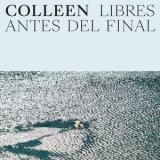
The compositions of Colleen, aka multi-instrumentalist CeIücile Schott, are as richly varied as they are precise. Each of Colleen"s albums are shaped by her predetermined distinct instrumentation and parameters, including works composed entirely of music boxes, pocket synthesizers, and antiquated stringed instruments. The connective essence of Schott"s music is in her ability to create pieces within this transcendent specificity that are both expansive and imbued with profound emotions. Libres antes del final is an album that reaches for the hope and desire to be truly freed from unnecessary suffering and harmful thoughts before reaching the end of one"s life cycle. Schott composed and performed Libres on the Moog Matriarch, centering the record on a pulse-driven, bubbling energy with constant momentum. She then reamped the music in one of her favorite spaces in Barcelona, Casa Montjuic, accentuating the album"s sense of movement. The reamping process adds a literal physicality to the album, as carefully chosen and placed microphones (including the famous Neumann KU100 binaural head) capture both the venue"s PA sound itself and the venue"s acoustics. Colleen"s music translates snapshots of Schott"s life into singular pieces, often instrumentally transmuting a dense web of sensations into wondrous sonic terrain. Schott"s deft manipulation of the Moog Matriarch makes each subtle adjustment feel monumental.
The compositions of Colleen, aka multi-instrumentalist CeIücile Schott, are as richly varied as they are precise. Each of Colleen"s albums are shaped by her predetermined distinct instrumentation and parameters, including works composed entirely of music boxes, pocket synthesizers, and antiquated stringed instruments. The connective essence of Schott"s music is in her ability to create pieces within this transcendent specificity that are both expansive and imbued with profound emotions. Libres antes del final is an album that reaches for the hope and desire to be truly freed from unnecessary suffering and harmful thoughts before reaching the end of one"s life cycle. Schott composed and performed Libres on the Moog Matriarch, centering the record on a pulse-driven, bubbling energy with constant momentum. She then reamped the music in one of her favorite spaces in Barcelona, Casa Montjuic, accentuating the album"s sense of movement. The reamping process adds a literal physicality to the album, as carefully chosen and placed microphones (including the famous Neumann KU100 binaural head) capture both the venue"s PA sound itself and the venue"s acoustics. Colleen"s music translates snapshots of Schott"s life into singular pieces, often instrumentally transmuting a dense web of sensations into wondrous sonic terrain. Schott"s deft manipulation of the Moog Matriarch makes each subtle adjustment feel monumental.
In 1962, Black Music was making its transition from R&B to soul and the Chicago music industry was exploding, producing thousands of records and dozens of new labels. The two biggest black labels Vee-Jay and Chess led in the creation of the distinctive, smooth, Chicago soul brand with names familiar and not so familiar: the former with Curtis Mayfield and Jerry Butler and the latter with Mitty Collier, Etta James and Billy Stewart. And yet it's the smaller labels that make up the bulk of the Chicago story: Hawk with Geraldine Taylor, Lu-Cee with Roberta, M-Pac with Dorothy Prince and it's here that we explore some of the finest sounds of the era in this collection. Extensive liner notes written by Robert Pruter, author of the acclaimed 'Chicago Soul'. Side One. 1. The Town I Live In - McKinley Mitchell 2. I'm The One Who Loves You - The Impressions 3. Shake A Tail Feather - The Five Du-Tones 4. Mama Didn't Lie - Jan Bradley 5. Make It Easy On Yourself - Jerry Butler 6. Seven Day Fool - Etta James 7. The Blues Don't Like Nobody - Tony Adams 8. I've Got To Get Away From It All - Mitty Collier 9. How Much Longer - Geraldine Taylor 10. I'm On The Prowl - Roberta. Side Two: 1. Fat Boy - Billy Stewart 2. Can't Take No More - Ted Taylor 3. I Don't Want To Suffer - Walter Jackson 4. Open Your Heart - Sugar Pie DeSanto 5. Shook Up Over You - Dee Clark 6. Something's Got A Hold On Me - Etta James 7. Why Not Tonight - Dorothy Prince 8. Delilah - Major Lance 9. Money In My Pocket - Moss Tolbert
‘Call To Arms & Angels’ is the title of the twelfth studio album from South London collective Archive.
A 17-track double CD / triple LP recorded at RAK studios in London and released on Dangervisit/PIAS.
Deluxe editions of the album also include a bonus ‘Super8’ album of new and exclusive instrumentals, as featured in the band’s ‘Super8’ documentary that will accompany the release of the album.
Produced by Archive and long-time collaborator Jérome Devoise, ‘Call To Arms & Angels’ is the band’s first studio set since 2016’s ‘The False Foundation’.
Talking about the new album, Darius Keeler says, “Writing our twelfth studio album was an extraordinary time for the band. The song writing became an unfolding narrative as the world got stranger and more disturbing every day. With people’s freedoms being pushed to the brink, the suffering Covid caused and the terrible events in the US lead by Trump and the rise of the Right, anything seemed possible.
“To reflect on these times as artists brought up a darkness and an anger, but also a strange kind of inspiration that was at times unsettling. It really made us appreciate the power of music and how lucky we are to be able to express our feelings in this way.
“It seems there is light at the end of the tunnel, but there are always shadows within that light.”
Deluxe 2CD album plus ‘Super8’ bonus CD in 40-page casebound Polaroid bookpack.
2CD album.
Deluxe vinyl box set with white coloured vinyl 3LP (exclusive to this box set), ‘Super8’ bonus LP on white vinyl (exclusive to this box set), deluxe 3CD with Polaroid booklet and 12” x 12” art print.
Triple LP on gold vinyl in triple gatefold sleeve.
Triple LP on green vinyl in triple gatefold sleeve.
Triple LP on black vinyl in triple gatefold sleeve.
out of Stock
Last delivered 7 months ago available to reorder, subject to availability
Italy-born, Dublin-based Lerosa is back on Assemble after eight years. With releases on labels like D1, Millions of Moments, Ostgut Ton, Acid Test, Uzuri, Hotmix and Ferox, he now returns to Assemble Music with his second solo EP. Four tracks crossing deep techno, acid, electro and breaks. Analog stuff!
out of Stock
Last delivered 5 months ago available to reorder, subject to availability
‘Call To Arms & Angels’ is the title of the twelfth studio album from South London collective Archive.
A 17-track double CD / triple LP recorded at RAK studios in London and released on
Dangervisit/PIAS.
Deluxe editions of the album also include a bonus ‘Super8’ album of new and
exclusive instrumentals, as featured in the band’s ‘Super8’ documentary that will
accompany the release of the album.
Produced by Archive and long-time collaborator Jérome Devoise, ‘Call To Arms &
Angels’ is the band’s first studio set since 2016’s ‘The False Foundation’.
Talking about the new album, Darius Keeler says, “Writing our twelfth studio album
was an extraordinary time for the band. The song writing became an unfolding
narrative as the world got stranger and more disturbing every day. With people’s
freedoms being pushed to the brink, the suffering Covid caused and the terrible
events in the US lead by Trump and the rise of the Right, anything seemed possible.
“To reflect on these times as artists brought up a darkness and an anger, but also a
strange kind of inspiration that was at times unsettling. It really made us appreciate
the power of music and how lucky we are to be able to express our feelings in this
way.
“It seems there is light at the end of the tunnel, but there are always shadows within
that light.”
Deluxe 2CD album plus ‘Super8’ bonus CD in 40-page casebound Polaroid
bookpack.
2CD album.
Deluxe vinyl box set with white coloured vinyl 3LP (exclusive to this box set), ‘Super8’
bonus LP on white vinyl (exclusive to this box set), deluxe 3CD with Polaroid booklet
and 12” x 12” art print.
Triple LP on gold vinyl in triple gatefold sleeve.
Triple LP on green vinyl in triple gatefold sleeve.
Triple LP on black vinyl in triple gatefold sleeve.
out of Stock
Last delivered 7 months ago available to reorder, subject to availability
Greyscale Records is proud to announce Make Them Suffer's debut album Neverbloom, pressed for the first time on vinyl. Over ten years after it's release, the album still stands up as one of the most respected deathcore releases ever, with songs like Widower and the title track still being fan favourites in the band's set.
Very limited numbers, orders will need to be confirmed.
For his new album, Irreparable Parables, Andrew Wasylyk felt a strong desire to write a set of songs featuring an element hitherto rare in his work: the human voice. Equally strong was the conviction that he did not want to sing them himself.
The Scottish multi-instrumentalist and composer set about assembling a group of guest singers, sending out the songs to wherever they were in the world. The vocals were recorded remotely and then, like migrating birds, winged their way back to Scotland. The result is an album of great beauty which, perhaps preeminently in Wasylyk’s work, expresses the vulnerability and resilience of the human spirit.
Six singers appear on the record, represented by six songbirds illustrated on the sleeve by Clay Pipe Music’s Frances Castle. The cuckoo is a nod to Belle and Sebastian’s 2004 single ‘I’m A Cuckoo’, that band’s Stuart Murdoch being the first voice you hear on the new album. When the vocal for ‘Private Symphony #2’ arrived, says Wasylyk, “it was everything that I was looking for and more. But this is Stuart Murdoch. Of course he’s going to make something incredibly beautiful and thoughtful.”
The song lyrics were, for the most part, written by the singers. The music is Wasylyk’s creation. He navigates a sound world that lies somewhere beyond the borders of classical and jazz, ambient and abstract. It is difficult to describe, but easy to understand, which is to say to feel. That is the way Wasylyk’s work is experienced: as a feeling. It takes you back to childhood, perhaps, to feelings of comfort and safety, or to memories of walks at sunrise and sunset, or to the way a shadow falls on a particular field in a particular place at a particular time in your life. This is consoling music. That is why, though pretty, it is not merely pretty. These are songs to shore up the soul.
Wasylyk writes in a room, in his native Dundee, full of “half broken” instruments. He picks these up, plays a little, seeking an idea, a feeling, a door that lies ajar. The musical palette of Irreparable Parables includes brass and woodwind, a six-piece string section, guitar, bass, drums, vibraphone, Mellotron, Fender Rhodes, tape loops, synthesisers and percussion. The strings were arranged by the cellist Pete Harvey, a long-term collaborator.
Among the other guest vocalists are Gruff Rhys of the Super Furry Animals, Saya Ueno from Japan’s Tenniscoats and Peter Brewis from Field Music. Wasylyk himself takes the lead vocal on the title track, though a throat infection and touch of pitch-shifting have altered his singing in a way that even he, having fallen out of love with his own voice, finds acceptable.
The heart of the record can, arguably, be found in two tracks, ‘Love Is A Life That Lasts Forever’ and ‘Spectators In The Absence of God’, sung respectively by Molly Linen and Kathryn Joseph. The former, bright with trumpets, was inspired by the writing of Derek Jarman. “I was feeling deeply upset about the world and wanted to try and write some- thing that was obviously hopeful,” Wasylyk says.
‘Spectators …’ offers an emotional counterpoint. It is an “apocalyptic hymn” that seems to grapple with watching human suffering from afar, too distant to be at physical risk, but experiencing the psychological wounding, and feelings of helplessness, even complicity, that come with constant awareness of other people’s pain. “Kathryn’s a pal, I love her dearly, and she’s a brilliant artist who really feels what she writes,” Wasylyk says. “The cracked tenderness of her voice is spellbinding.”
The album closes with an instrumental piece, ‘Soul Enters The Ocean Sun Climbs Out Of The Sea’, all piano and strings, that offers a sense of resolution and ascension. A good moment, too, for Wasylyk to reflect upon the artistic companionship that he enjoyed while making this record – the songbirds that answered his call: “These humans are incredible at what they do. I’m deeply grateful and feel so lucky. It blows my mind.”
Das vierte Album und Sub Pop-Debüt von Lala Lala, alias Lillie West, ist ein kraftvoller, warmer und mit Ohrwürmern gespickter Indie-Pop-Kracher für Fans von Jay Som, Porches, Dehd, Angel Olsen und Alex G. Lillie West hat ihre Musik immer aus dem Bedürfnis heraus gemacht, ständig in Bewegung zu sein. Als sie aber kürzlich den Wunsch verspürte, sich niederzulassen, hat sie gemerkt, dass Beständigkeit Kreativität fördern kann. Diese Entwicklung ist der Antrieb für einen Großteil ihres neuen Albums "Heaven 2". Viele Jahre lang lebte West in Chicago, wo sie Lala Lala als Teil der Indie-Szene der Stadt etablierte und mehrere Alben auf Hardly Art veröffentlichte. Diese Alben, "The Lamb" und "I Want the Door to Open", waren kraftvolle Statements einer neugierigen Künstlerin: eingängige Gitarren-Pop-Songs über das Feststecken in den Höhen und Tiefen des Lebens, den Kampf, nüchtern zu bleiben, die Stadt zu verlassen, sein Leben in die Luft zu jagen. West verließ Chicago, um nach mehr zu suchen, und schrieb dabei ihr neues Album "Heaven 2". Auf ihrer Reise landete sie in New Mexico, wo sie in Taos fernab der Zivilisation lebte. "Es war sehr herausfordernd, eiskalt und voller giftiger Tiere. Aber es ist immer noch der schönste und magischste Ort, an dem ich je gewesen bin, und ich träume ständig davon", sagt West. Anschließend zog sie nach Island, wo sie zwei Jahre lang mit Unterbrechungen lebte, wobei sie die Unterbrechungen in London verbrachte, wo sie aufgewachsen war. Schließlich kam sie nach Reykjavik, wo sie sich in der Musikszene einlebte und ein Instrumentalalbum ("If I Were A Real Man I Would Be Able To Break The Neck Of A Suffering Bird") veröffentlichte, bevor sie nach Los Angeles ging, wo sie sich verliebte und sich niederließ. L.A. ist ein guter Ort zum Leben, schon allein deshalb, weil, wie West sagt: "Wo auch immer du hingehst, dort bist du. Ich wünschte, es gäbe eine coolere Art, das auszudrücken." Zum Glück gibt es die: Dieses Thema, überall Schönheit und Erfüllung zu finden, zieht sich durch "Heaven 2". In ,Even Mountains Erode" singt West: , "There are symbols and signs, you're missing your life". West ermutigt sich selbst und uns, langsamer zu werden. Innezuhalten und den Duft der Blumen zu genießen. West hat das Album zusammen mit Melina Duterte von Jay Som produziert, die mit ihrer kraftvollen Stimme einen starken Kontrast zu Wests warmem, rundem Gesang bildet. Die Beziehung zwischen den beiden war telepathisch, und das Ergebnis ist ein mutiges und selbstbewusstes Album. Duterte und West spielten fast alle Instrumente des Albums selbst, mit ein paar wichtigen Gästen wie Sen Morimoto am Saxophon im Eröffnungstrack "Car Anymore" und einer Bridge, die Aaron Maine von Porches für den Titeltrack ,Heaven 2" geschrieben hat. Bei "Catharsis" geht es nicht nur um den Schmerz, sondern auch um die Befreiung, die man erlebt, wenn man sich davon befreit. Und so gibt es auch Momente kühner Freude auf dem Album. "Arrow", das Samples der französischen Electro-Pop-Band La Femme enthält, ist schnell, und seine Schnelligkeit und Freude fühlen sich an, als würde man auf etwas zulaufen und nicht davonlaufen. "None of this was supposed to happen", singt West. Aber es ist passiert. "Es ist so eine grundlegende spirituelle Sache", sagt West, ,Widerstand ist die Wurzel allen Leidens, und ich dachte, ich könnte den Verlauf meines Lebens bestimmen." Natürlich konnte sie das, wie alle anderen auch, nicht. Wohin man auch geht, man ist immer da.
"deathcrash’s third album, Somersaults, glimmers with an everyday euphoria. The London-based slowcore/ post-rock quartet has always had an affinity for building worlds only to crush them. From their breakout EP, People thought my windows were stars (2021), through two critically acclaimed studio albums, Return (2022) and Less (2023), they have been both the architects and the destroyers, the creationists and the ones manning the flood barrier. But, recorded between Black Box Studio in the Loire Valley and Haggerston’s Holy Mountain, Somersaults is almost joyful.
Its ten tracks are more vocal heavy than any of the band’s catalogue – think Mark Linkous via The Kinks – but lyrically, Somersaults resists revelation. For all its abrasion, phrases appear half-swallowed, broken off at the edge of meaning, consumed by the smaller textures of living. “Thirty, no career, it fucking worries me / And doing the band doesn’t help,” Banks sings in ‘NYC’. But, “This life is the best life,” he finishes in ‘CMC’ on top of the ambient white noise of an office printer, thankful that the band is still there, “still making noise in the doorway.”
Their role as caretakers of Duster, Low and Codeine’s slowcore lineage is all across Somersaults – songs scud to a narcotic crawl, sound monolithic and inwards before spotlighting a crystalline nothing. Cathartic builds are muddied with tenderness, the bass a heavy grounding, the drums an exhausted heartbeat grasping for air. But more so than ever, even the silence feels collaborative – a gesture of communal trust – friends celebrating the room they’ve made for each other’s ghosts, and some of the biggest, brightest songs they’ve made to date."
DIESECT fearlessly navigates the turbulent realms of both internal struggles and external chaos, refusing to sugarcoat the complexities of life. From humble beginnings as Brisbane locals to their current status as national contenders, DIESECT has garnered over 2 million streams across various platforms all by themselves, showcasing their undeniable appeal to a growing audience. They've toured across the nation selling out their own shows and supporting the likes of Fit For A King (US), ERRA (US), Silent Planet (US), Currents (US), August Burns Red (US), While She Sleeps (UK), Spite (US), To The Grave and more.
Malena Zavala is an Argentinian-born, London-based artist, producer, and filmmaker, known for crafting ethereal, genre-blending music that navigates the space between her Latin heritage and her British upbringing. With the forthcoming album If This Life Could Start Again set for release on 30 January 2026 on Paraná Records, Zavala presents her most intimate, cohesive, and accomplished work to date, marking a significant evolution in her artistic journey.
With her new album, Malena creates an atmospheric dream pop world, weaving singer-songwriter intimacy with synth pop, Argentine folk, indiepop, rock and experimental music, threaded together by her blissful vocals and dreamy guitar work. Gorgeously warm and vivid, If This Life Could Start Again charts the journey from pain to acceptance, mapping out the non-linear nature of healing through a sonic landscape. Each song embodies a distinct emotion within that journey, from grief and chaos to feeling lost, seeking refuge, finding confidence, and finally acceptance and letting go. Drawing on her Argentinian roots, Malena uses the Andes mountains as both a visual and thematic anchor – the difficult climb towards higher ground becomes a metaphor for healing, whilst being lost at rock bottom reflects the darkest moments of the journey.
Completely composed and performed by Malena herself, the album was recorded in Girona’s L’Empordà countryside in Spain with producer Luke Smith. As a professional producer and audio engineer, this was Malena’s first time relinquishing production control – an intimate creative shift that allowed their shared vision to shape the album’s rich, enveloping sound.
However, Zavala’s career to date has been a testament to self-sufficient artistry. Her critically acclaimed debut, Aliso (2018), was written, recorded, and produced alone in her parents’ garage, which honed her dreamy bedroom pop sound. The album, praised by The Guardian for its “gently warped and beguilingly melancholy guitar pop,” ****, immediately catapulted her from DIY beginnings to prestigious stages, supporting acts like Lord Huron at London’s Roundhouse and Men I Trust at Village Underground and subsequently continuing on their UK/EU tours. Later with standout performances at Latitude, Green Man, and All Points East. Her consistent radio support from key influencers including BBC Radio 6 Music, BBC Radio 1's Huw Stephens, and Steve Lamacq has solidified her presence on the airwaves.
Her second album, La Yarará (2020), saw Zavala delve deeper into her roots, exploring Latin traditions like Cumbia and Bolero. This exploration of identity continues powerfully on the new album, but with a newfound lyrical depth and sonic confidence. The new album, If This Life Could Start Again, is a raw and transformative eight-track journey that maps the emotional landscape of healing. Written after a period of personal upheaval, the album traverses themes of grief, hereditary trauma, and self-discovery. The record’s narrative is structured like a mountain ascent. A challenging climb through varied emotional terrain, posing the central question: “Will you join the journey?” Sonically, this journey mirrors the non-linear path to acceptance, evolving from acoustic folk and synth-pop to funk-infused rhythms and rock anthems.
As a formidable live performer, Zavala has built a robust touring profile across the UK and Europe. She will embark on an extensive tour in February and March 2026 to support the album, with dates spanning major cities from London and Glasgow to Berlin, Paris, and Barcelona.
With If This Life Could Start Again, Malena Zavala fully realizes her artistic vision as a self-taught producer to an autonomous artist commanding her career through Paraná Records whilst reflecting the vast landscapes of her heritage and affirming her place as a compelling and evolving voice in contemporary music.
out of Stock
Last delivered 7 months ago available to reorder, subject to availability
A moonstone glow infuses Boy Golden’s Best of Our Possible Lives, an album that finds its flow state. A pensive, questioning collection, Best of Our Possible Lives is informed by the artist’s intuitive, observational worldview, beaming honesty and levity in its quest for emotional balance. Buoyant, smooth and disarming, the music of singer-songwriter/producer Boy Golden is charmingly undefinable, drawing lines from the Tulsa sound to North Carolina indie, New Jersey DIY to swampy New Orleans folk. From opening riff to swirling final notes, Best of Our Possible Lives ripples like sun on the lake, an invitation to seek each our own bliss. Produced by Robbie Lackritz (Feist, Bahamas, Weather Station), Best of Our Possible Lives brought Boy Golden to Lucy’s Meat Market in Los Angeles with Pino Palladino (D’Angelo), Gabe Noel (Father John Misty), Joseph Shabason (Destroyer) and Abe Rounds (Meshell Ndegeocello) alongside Church of Better Daze founding members FONTINE and Austin Parachoniak. RIYL - Mk.gee, Waxahatchee, MJ Lenderman, Plant & Krauss’ Raising Sand, Paul Simon
Mudline presents BRAINS (MUDL003) — the label’s first mixtape, curated by Leo Gibbon and Joshua Brinksman. A hazy transmission built from Sufferers Rock, Yard Lovers, and tough dancehall rhythms — music for vacant rooms and slow hearts.
Please note there are 5 different covers for the tape.
Mudline presents BRAINS - MUDL003.
First mixtape for the label, selected and assembled by Leo Gibbon and Joshua Brinksman.
A transmission dragged from dust and static - built from Sufferers Rock, Yard Lovers, and Tuff Dancehall.
Rhythms for vacant rooms and slow hearts.
All proceeds from the tape will be donated to support communities in Jamaica affected by the recent devastation of Hurricane Melissa.
Mit "Eon of Obscenity" erreicht die texanische Brutal-Death-Metal-Band STABBING neue Höhen der klanglichen Vulgarität. Das Album ist gespickt mit unerwarteten Momenten verdrehter Technizität und sinneszerstörender Kraft. Das Debüt des Quartetts beim Label Century Media übertrifft, überrollt und vernichtet die Konkurrenz gänzlich. Mit Tracks wie "Inhuman Torture Chamber" nimmt Sängerin Bridget Lynch ihren Platz als eine der kraftvollsten und markantesten Stimmen des Genres ein und macht ihrem ehemaligen Tourkollegen Ricky Meyer von Suffocation mit dem Track "Nauseating Composition" ordentlich Konkurrenz. Nachdem sie sich in der Underground-Szene einen Namen gemacht haben, mit Sanguisugabogg und 200 Stab Wounds (u. a.) auf Tournee waren und beim Maryland Deathfest und Milwaukee Metalfest bahnbrechende Auftritte geliefert haben, setzen STABBING neue Maßstäbe in Sachen Brutalität - und legen ohne Kompromisse noch eine Schippe drauf.
Whitelands' second album Sunlight Echoes builds on their elemental debut - that won them fans from Slowdive to David Jonsson - with a more expansive sound that takes them out of the shoegaze shadows to somewhere bigger, better and brighter. Produced by long-time collaborator Ian Flynn and mixed by double Grammy Award-winner Eduardo De La Paz (New Order, The Horrors, The Charlatans, The KVB, Drug Store Romeos), there are soaring string arrangements (by Iskra Strings) and Lush guest vocals from labelmate Emma Anderson. "We're coming back with a lot more maturity and realness," says singer and guitarist Etienne Quartey-Papafio of their step up. "It shows in how much more emotional our music has become." With maturity comes a newfound confidence, so not only are there stunning melodies everywhere, but Etienne's vocals are front and centre throughout. "It's been really cool to watch Etienne push through boundaries," adds bassist Vanessa Govinden. "I like the direction we've taken on this album. We're taking a risk. It's half and half." She's right - the first half of the album has an almost Britpop breeziness, that belies the serious subject matter that inspired the songs, while the second half gets heavier, in all senses, with added grit and gravitas."This album is one of enduring," says Etienne of the overarching theme. "We had family that were dying, I was broke, there was a shortage of my ADHD medication_ I was suffering, but not just me, everyone around me was too." "The last two years have been challenging," concludes Vanessa. "The universe really fucked with us. That's why there are themes of loss, disconnection, fragmentation and yearning, but on the other side there is also unity and hope." Sunlight Echoes is a poetic, melodic statement of intent from this formidable band. Whitelands have fought back and triumphed in the face of adversity.
NEW VERSION ON WHITE VINYL! After turning heads with the relentless 2024 EP Råtner på rot, Jordsjuk are back with their full-length debut: Naglet til livet (translates to 'Nailed to life'). Across twelve tracks and 36 minutes, the band delivers a visceral strike of raw, uncompromising metal - free of gloss, gimmicks and nonsense. Naglet til livet is a kaleidoscope of destruction, decay, and ugliness, the band states. From the thrash-fueled chaos of "Grovt skadeverk" and the suffocating aggression of "Parasitt", to the punk-driven decay of "Rennestein" and the gloomy introspectiveness of "Svikter den neste", this is the sound of filth, concrete, ruin, and rage. Twelve tracks of in-your-face, riff-driven and organic metal. Jordsjuk consists of Renton (drums), Mannevond (vocals), Sagstad (guitars), and Larsen (bass) - seasoned musicians from the Norwegian underground. Their sound sits somewhere between black, death, thrash, punk, and rock, forging a sonic identity as raw as it is deliberate. The lyrics, written in Norwegian, dive into personal collapse, trauma, and apocalyptic despair, delivered with uncompromising honesty. Drums were recorded at PhatCat Studios (Rygge, Norway), with the rest captured at various locations in Oslo. Mixing was handled by Kurt Ballou (Converge) at God City Studios (Salem, MA), while Brad Boatright took care of mastering at Audiosiege Studio (Portland, OR). The result is exactly what it needs to be: dirty, sharp, and heavy. Jordsjuk is necro music for necro times, says the band, and after hearing Naglet til livet, it's hard to disagree. The band were booked to by:Larm festival and Midgardsblot in 2025, and it's on stage that their sonic violence truly takes over. For those who've seen them live, expectations are high. For everyone else - prepare to be run over.
Die japanische Metalcore-Band Crystal Lake wird ihr neuestes Album "The Weight of Sound" über Century Media Records veröffentlichen. Das Quintett ist seit langem ein bekannter Name in der internationalen Metalcore-Szene. Mit Einflüssen sowohl aus dem Metalcore als auch aus dem Hardcore verschmilzt ihr Sound die Intensität beider Genres zu einem einzigartig schweren und mitreißenden Stil, der besonders bei ihren elektrisierenden Live-Auftritten zum Tragen kommt. Während die Band intensiv auf Tour war, wurde das erste Stück ihres neuesten Albums, "BlüdGod" (feat. Taylor Barber), bereits im Mai 2024 veröffentlicht.
Die aus Japan stammende Band hat sich eine globale Fangemeinde aufgebaut, tourt weltweit und gewinnt durch ihre kraftvolle und energiegeladene Musik an Zugkraft. Das Quintett, das seine Musik in englischer Sprache veröffentlicht, hat es geschafft, sich im Laufe der Jahre eine internationale Fangemeinde aufzubauen und seit 2002 insgesamt 6 Alben zu veröffentlichen.
Ihr neuestes Album, "The Weight of Sound'", ist weniger von bestimmten Aspekten inspiriert als vielmehr eine Reflexion über die Reise der Band und ihre Lebensweise im Laufe ihrer Geschichte, wie Gründer YD erzählt: "Bevor ich es realisiert habe, war Crystal Lake 23 Jahre lang aktiv. Die Leute sagen oft: "Die Zeit vergeht wie im Flug", aber die Wahrheit ist, dass wir eine lange Geschichte mit Freunden, Bandkollegen und anderen Musikern aufgebaut haben, die Blut, Schweiß und unzählige Kämpfe geteilt haben, um diese Band aufzubauen. Das ist eine unbestreitbare Tatsache und mein Stolz. Jede Note, die wir spielen, wird zur Harmonie, und diese Harmonie wird zur Musik. Diese Musik gemeinsam mit Kameraden zu spielen, das macht eine Band aus. Und die Musik, die eine Band macht, kann eine neue Kultur hervorbringen. Unser neues Album 'The Weight of Sound' ist ein Spiegelbild dieser Lebensweise."
Das Gefühl von Gemeinschaft und Zusammengehörigkeit spiegelt sich auf dem Album auch in den verschiedenen Beiträgen wider, an denen die Band mitgearbeitet hat - vom Eröffnungstrack "Everback" feat. David Simonich von Signs of The Swarm bis hin zum düsteren, aber verführerischen "Dystopia", bei dem Jesse Leach von Killswitch Engage mitwirkt. Mit "BlüdGod" (feat. Taylor Barber), das ursprünglich im Mai 2024 veröffentlicht wurde, spiegelt das Album eine ziemlich lange Reise und einen langen Entstehungsprozess wider, der das Warten für Fans und neue Hörer gleichermaßen wert war. Gemischt und gemastert von Jeff Dune (Knocked Loose, Make Them Suffer, Currents), enthält "The Weight of Sounds" alle Elemente der Härte und bleibt dabei den rohen Emotionen, die die Band in ihren Texten ausdrückt, treu. Mit insgesamt 11 Tracks wird "The Weight of Sound" von Crystal Lake sicherlich schwer sein - musikalisch und emotional.
“Innovative, hooky and full of depth” - Far Out Magazine
“Songs that lodge into your brain in the opening ten seconds” - Brooklyn Vegan
“Breezy, melodic… a clear ear for a hook” - UNCUT
“Playful and unexpected, emotional but not overstated” - CLUNK
‘Crows’ is the new single from Bristol’s Langkamer and the first to be revealed from their new album ‘No’, which is due for release on 22nd January 2026. Their fourth album in as many years, ‘No’ saw the prolific band taking to the mountains at the invitation of veteran producer Remko Schouten (Pavement, Personal Trainer, Bull). The much loved Bristol band holed up for a week in the wilds of Southern Spain at his brand new Zarzalico studio. Over a week, under the Murcian heat, they laid down the perfectly formed eleven tracks that make up ‘No’.
Since the band’s conception, Langkamer have worked out of anywhere affordable and available, whether it be the basements of renowned venues (‘West Country’, ‘Red Thread Route’, ‘Langzamer’) or secluded cottages (‘The Noon And Midnight Manual’). Over the years, their frenetic pace and quality of writing has earned them fans across the world, plaudits at UK media, and built an ever-growing musical community around them - not least via Breakfast Records - the independent label that is home to Getdown Services - formed by Langkamer’s Dan Anthony and Josh Jarman in 2006 alongside acclaimed singer-songwriter Jasmine 4.T.
To call Langkamer ‘your mid-level indie bands favourite mid-level indie band” sells them short. They have always scraped by on irregular incomes, plagued both by daily financial pressures and the occasional cash sinkhole so well known to any musician in the current impossible climate. Once Schouten offered to host them at his new studio (Zarzalico), they couldn’t refuse. A relentless recording schedule found the group only breaking for the daily long lunch and to occasionally fire an airgun across the hills. If the last half a decade had been a pressure cooker of constant touring and recording, their brief time in the remote Zarzalico could not have been more symbolic. Lead single ‘Crows’ perfectly captures this nervy balance and is a wiry slice of atmospheric proto-punk, drawing from the shadows of the late-70s UK landscapeit also defies these conventions, striking an anthemic chord from beginning to end. From the scaling chromatic guitars at the breakdown, to the final chants of ‘suffer’ and ‘struggle’, there’s a loud desperation and defiance to ‘Crows’ that lends it an unparalleled urgency. As singer/drummer Josh Jarman states:
“Crows is a song about the crazy shapes we contort ourselves into trying to create art in the era of late-stage capitalism. Working a thousand jobs. Writing songs with the left hand while writing emails with the right hand. Your day is already doomed the moment you open your eyes. Everything’s a bad omen.”.
With ‘No’ arriving early next year, ‘Crows’ is the perfect introduction to Langkamer, a band that has only taken new bold steps with each release, always hiding a keen experimentalism behind a charming hook. It is also the surest sign yet that they are ready to step up, and take on the road once again vision unclouded.
Fantastisches Album mit 12 Liedern der Begena-Musiker Tafese Tesfaye, Admassu Fikre, Seyoum Mengistu und Alemu Aga. ""Die Begena ist eines jener seltenen Musikinstrumente, das seit über 5800 Jahren existiert. Faszinierend an ihr ist nicht nur ihr Alter, sondern auch die Tatsache, dass sich ihre Herstellung und ihr Verwendungszweck über all die Jahre hinweg nicht verändert haben. ... Während des Derg-Regimes, nach dem Sturz von Kaiser Haile Selassie, wurde sie nicht mehr als wichtig erachtet. ... Aber besonders in den letzten 15-16 Jahren hat es eine Renaissance erlebt. Es gibt viele, meist junge Begena-Spieler, von denen ich über 500 Schüler unterrichtet habe. Es gibt auch Begena-Bauer, die das Instrument für neue Schüler bauen. Das Interessante an diesem Instrument ist, dass die Musik, der Klang, der aus diesem Instrument kommt, die besondere Kraft hat, Menschen zur Konzentration, zur Ruhe und zum Nachdenken zu bewegen. Das ist eine besondere Qualität. Man muss kein Äthiopier sein, jeder kann es hören, es wird ihn automatisch zur Ruhe und Konzentration anregen."" – Alemu Aga (aus einem Interview mit Pit Budde für den WDR, Köln, 2008)
out of Stock
Last delivered 8 months ago available to reorder, subject to availability
Nearly 40 years ago A.O.A. and OI POLLOI joined forces to condemn what they saw as an Unlimited Genocide. Fast forward to 2025 and nothing has changed for the better, with everybody witnessing a genocide unfolding in front of our eyes daily, while humanity hits rocks bottom. So Sealed Record decided it was the right time to bring back this classic slice of Scottish punks and skins protest music.
Originally released on the ever impressive Children of the Revolution Records Unlimited Genocide features the hardest side of the OI POLLOI vast catalogue. Full of rage and anger, tensely tuneful with earnest anarcho conviction. With A.O.A. On the flip side delivering seven tracks of full in your face hardcore punk, carrying the torch of the DISCHARGE influenced thrash of the era.
The record has a strong 80’s production and touches on green and environmental issues, apartheid, nuclear power, religion, vegetarianism and much more. It’s raw, direct and a great snapshot of an era that is often mimicked but never bettered.
This reissue has been remastered and includes a printed inner sleeve as well as a slightly altered artwork.
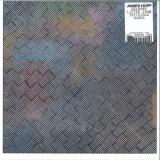
Shadows Lifted from Invisible Hands is an autobiographical record, comprised of four songs that Hoff refers to as ambient media. Each track is composed from sources drawn from his own involuntary aural landscape, specifically musical earworms and tinnitus frequencies.
Neither sound nor a daydream, the earworm (or stuck song) emblematizes music as a commercial form—immediate, ubiquitous, and persistent. Likewise, tinnitus is inaudible and unscrupulous, manifesting across a spectrum of frequencies at will. The cognitive swirling of these phenomena provides an ambivalent, internal soundtrack that scores a person’s movement through the world.
Those suffering from tinnitus or those who have grown accustomed to the “Tinnitus Effect” in movies will likely recognize the buzzing pitches on the record, but will likely not recognize the songs. Distorted and distilled, Shadows Lifted from Invisible Hands features altered versions of four commercial pop songs: Blondie’s “Heart of Glass,” David Bowie’s “Space Oddity,” Madonna’s “Into the Groove,” and Lou Reed’s “Perfect Day.”
Having been haunted by these songs on and off for years, Hoff tweaks the tracks, transposing and recomposing them for orchestral instrumentation. Speaking back to these involuntary echoes, these tracks go to great lengths to obfuscate their sources; to be sure not to simply re-introduce each earworm, as though they were samples. Otherwise, what’s the point? No one needs another stream.
Besides, earworms are not music, although we perceive them as such. They are non-cochlear and exist as an affective force that is neither subjective nor objective, which is to say they are an invasive—and alien—phenomenon. Like tinnitus, they are aggravated by economic, social, and environmental forces as well as emotional states, mental health, and aging. Hoff doesn’t underplay his own struggles with mental health in discussing the record—noting a long history of depression and its acuteness over the last few years, which serve as the backdrop to the composition of this record.
Scratch any pop song hard enough and you’ll find sadness underneath it. Subdermal, the songs on this record evoke a type of ephemeral weariness and despair. By recasting the original songs through their shadowy doubles, Hoff provides a window into the dark core of pop music. At the center of which lies capitalism’s desperate attempt to replicate itself through a cheap high built on echoing refrains. Just below the surface the listener finds a hangover of shadows dancing through the mind.
out of Stock
Last delivered 9 months ago available to reorder, subject to availability
![Dubkasm - Transformed In Dub [Unsleeved]](https://www.deejay.de/images/l/1/1/1229011.jpg)