"KILLER KLOWNS FROM OUTER SPACE have landed at Waxwork Records! After much anticipation, we are thrilled to present the official 1988 Original Motion Picture Soundtrack by John Massari! In this '80's cult classic, teens Mike Tobacco (Grant Cramer) and Debbie Stone (Suzanne Snyder) have to fight both the diabolical bozos and the local law enforcement's disbelief to save themselves and their community from becoming victims of intergalactic killer klowns! The original score to Killer Klowns From Outer Space is kicked off by the classic 80’s horror movie theme track, Killer Klowns (From Outer Space) by California punk band, The Dickies. The ‘nightmare merry-go-round’ continues with a smattering of menacing electronic brass sections, electric guitar, bombastic drum machine beats, & harpsichord combined with sci-fi synth elements to capture the ultra-specific origins of the antagonists. Massari's score to Klowns is a retro-synth joyride from start to finish featuring immediately recognizable cues from the beloved 80's cult-classic! Waxwork Records is thrilled to present the official Killer Klowns From Outer Space double LP, released for the first time on vinyl. Complete with “Killer Klown” handpoured colored vinyl, deluxe packaging, new artwork by Ruiz Burgos, heavyweight gatefold jackets with matte coating, a heavyweight 12”x12” art print, and liner notes by composer Massari and Klowns co-creator Stephen Chiodo!
Das vierte Studioalbum unter seinem eigenen Namen, „Punchlines“, ist Johnny Lloyds erstes Soloalbum seit „La La La“ (2021) und folgt auf eine
produktive Zeit des Songwritings für TV und Film (wo er den RTS Best Original Music Award für „I Hate Suzie“ gewann) sowie auf ein neues Album und
eine Tour mit seiner Band Tribes. Produziert von dem Musiker und Produzenten Max Clilverd (Tom Odell, Holly Humberstone), zeigt das zehn Titel
umfassende Album Lloyds umfangreiches Songwriting-Talent, das sich mit Themen wie Liebe, Verlust und Loslassen beschäftigt.
Tempat Angker (haunted place) is a Halloween mixtape compiled by music researcher and artist Luigi Monteanni, aka Neurotica Exotica.
To celebrate a second year of fieldwork research in West Java and to bring together the longing for All Hallows’ Eve partying with the archipelago’s richness in local and historical horror folklore tropes, figures, characters and stories, Artetetra’s co-founder cuts up 120 minutes of soundtracks, sound effects and dialogues from the glorious and extensive Indonesian horror movies tradition counting more than 700 titles.
Hear it from speculative horror and sci-fi filmmaker Riar Rizaldi (whole essay in the tape’s leaflet):
“The popularity of cinematic media during the New Order era led to the unprecedented development of more rapid and large-scale production methods. Genre films, particularly horror and fantasy, emerged as some of the most prolific outputs, with hundreds being produced annually. The filmmaking process was accelerated, and post-production ᅳ especially sound design ᅳ was completed as swiftly as possible. Notably, veteran composer and musician Gatot Sudarto, who had worked extensively on drama films in the 1970s, became a regular contributor to studios producing horror and fantasy films in the following decade ᅳ although composer Embie C. Noer was also active during this period, his focus was more on action “sword and sandals” films. Gatot’s influence in the music departments of these films was significant, helping to create an authentic soundscape. He adapted many of the compositional techniques used in European horror films (mostly the usage of harpsichord) at the time, blending them with the bass synths characteristic of American horror, while incorporating local and regional instruments to tailor the sound to Indonesian audiences.”
By sampling excerpts from 43 movies spanning the ages from the early seventies to the two thousand and tens, mostly trying to portrait the sound influence of the vintage horror era made popular by the “queen of horror”, actress Suzzanna, Tempat Angker throws you into decades of experimentation in conjuring the sound of Indonesian terror. Unearthly screams, bombastic fights, bamboo music, eighties synthy extravaganza, ominous sound effects, sexy dangdut, evilish pitched vocals, gamelan, eerie laughters from beyond and even calls to prayer fill the air in the spooky month!
Die 'weiße' LP GREATEST HITS" ist erstmals 1977 bei RAK erschienen und war nach einer Reihe von Top Hits die erste "offizielle" Best Of von Smokie.
Mit den Singles aus den ersten drei Alben, die für diese Kopplung ausgewählt wurden, sind schon reichlich Hits versammelt. Die zur Erstveröffentlichung bis dato völlig neuen 'Non-Album' Tracks sind dann allerdings für den Aufstieg der LP in den Legenden-Status verantwortlich. 'Living Next Door To Alice' wurde als erste neue Single ausgekoppelt und ein Welterfolg sondergleichen. Mit 'Lay Back In The Arms Of Someone' hat das Album zudem eine zweite neue Single, die ebenfalls zum Top-Hit avancierte. Das Album erreichte Platin Status in Deutschland, war 67 Wochen in den Charts, davon allein 8 Wochen auf der 1 und auch in vielen anderen Ländern in den Top 10, darunter mit einer #6 Platzierung auch der heimische Markt der Band, England.
Da die Erfolgsserie mit den folgenden Alben und Singles wie 'Mexican Girl' 'It's Your Life' oder 'Needles And Pins' anhielt erschien 1980 die 'goldene' GREATEST HITS VOL.2 und wurde ein weiteres Chart-Album für die Band. Ebenso wie die erste Greatest Hits ist auch Vol 2 durch verschiedene Vertragswechsel bis heute nicht wieder neu aufgelegt worden. Bis heute! Jetzt werden beide Alben zusammengefasst und zudem mit einigen weiteren Erfolgstitel, die der Erstveröffentlichung nachgelagert waren, ergänzt. Damit sind diese Kult-LP endlich wieder aufgelegt und das auch gleich noch auf hochwertigem 180g Vinyl die sich auf dem Plattenteller in strahlendem Weiß präsentieren .
Christened ‘High Tide’ after the sudden rising of the LA River basin during a particularly epic and rare rainfall, this cosmic slop funk jam was born from the minds of Devin Flynn (Pixeltan) and Eddie Ruscha (Secret Circuit), two individuals with a deep connection to Los Angeles’ tap water sources. While traipsing through the aisles of an Atwater Village bodega, the two mustered up a plan to create a rhythmic piece so delectable as to turn peoples’ heads inside out and pummel the senses with a wobbly Jah Wobble bass sound and a toy drum machine ‘no toy’ style back beat. They figured if they laced it up with enough electronic scuzz, the masses would be sure to want to sip from its nectar.
When DFA got wind it was all systems go and, from then on, all relevant parties knew that they should sit on the track for at least five years before it was released, otherwise the world at large would not be ready for it. The remixes are by Eddie himself - as Secret Circuit - and Dr. Dunks, aka Eric Duncan, a fellow Angeleno (at least at heart). Eric and Devin rolled through the streets as small children, shredding curbs and tagging local ice cream trucks, so it was inevitable they would reconnect and jam on ‘High Tide’.
Devin Flynn is an animator, musician and teacher who has worked on projects like Gary Panter’s web series Pink Donkey & The Fly and MTV2’s Wonder Showzen. He has previously released on DFA with Pixeltan, a trio - Flynn, Hisham Bharoocha of Black Dice and singer Mika Yoneta - that recorded with The DFA at the label’s inception, creating two seminal singles.
Eddie Ruscha is another DFA veteran, having remixed artists including Wolfram and Museum of Love. He has been making music for decades, as Secret Circuit and with myriad other aliases and collaborators, in addition to recording under his own name. He has released on labels like Beats in Space and Emotional Response, among others.
For fans of Young Marco, Suzanne Kraft, Prins Thomas, Khotin, Gaussian Curve.
out of Stock
Last delivered 15 months ago available to reorder, subject to availability
Alkisah Versi Hitam is a radical deconstruction and reimagination of Indonesian duo Senyawa's most recent album Alkisah by Hamburg's Marc Richter aka Black To Comm. The original album was released to critical acclaim in February of this year as a decentralized release on a multitude of labels from all corners of the world, Germany’s Dekorder being one of them. Richter is now completely reinventing the original album from scratch by doing an almost Teo Macero-level production job here, cutting up the originals and (re)constructing new material from scratch.
Arcane chants and vocal cut-ups, fierce freeform percussion, grimy No Wave collage, monochrome drones exploding into multicolour streams, unearthly psychedelic Noise and sheer sonic mayhem, warped discordant rhythms between moments of calming beauty - it's never easy to digest but the outcome is both ecstatic and transcendental - never sounding anything less than a fully formed singular album.
A special cassette version of the album will be released by Jordanian label Drowned By Locals.
BLACK TO COMM is the moniker of Hamburg composer/musician Marc Richter who is creating intricate multi-layered collage based works for labels like Thrill Jockey, Type and Dekorder. His 2019 album "Seven Horses For Seven Kings" revealed an increasingly angry, transcendental and fearless approach, attaining new levels of urgency through noise, volume, rhythm, repetition, atonality and beauty.
Jogjakarta’s SENYAWA embody the aural elements of traditional Indonesian music whilst exploring the framework of experimental music practice, pushing the boundaries of both traditions. Their music strikes a perfect balance between their avant-garde influences and cultural heritage to create truly contemporary Indonesian new music. Their sound is comprised of Rully Shabara’s deft extended vocal techniques punctuating the frenetic sounds of instrument builder, Wukir Suryadi’s modern-primitive instrumentation. Inventions like his handcrafted ‘Bamboo Spear’; a thick stem of bamboo strung up with percussive strips of the animal skin along side steel strings. Amplified it fuses elements of traditional Indonesian instrumentation with garage guitar distortion. Sonically dynamic, the instrument can be rhythmically percussive on one side whilst being melodically bowed and plucked on the other.
They have collaborated and performed with many notable musicians such as Stephen O'Malley of Sunn o))), Otomo Yoshide, KK Null, Keiji Haino, Rabih Beiani, Trevor Dunn, Greg Fox, Arrington De Dionysus, Melt Banana, Damo Suzuki and Oren Ambarchi.
out of Stock
Last delivered 20 months ago available to reorder, subject to availability
Ein weiterer außergewöhnlicher Release in der hochgelobten WaJazz-Reihe ist dem Leben und der Musik eines der berühmtesten japanischen Jazzmusiker der letzten 60+ Jahre gewidmet, dem legendären Saxophonisten Jiro Inagaki mit seiner Soul Media-Band und ihrer goldenen Ära 1968-1980. Diese ultimative Kollektion erscheint auf goldfarbigem 180g Doppelvinyl im Gatefold mit detaillierten Linernotes von Yusuke Ogawa (Universounds), Kommentaren von Jiro und exklusiven Fotos. 16 mal pures Gold aus Jazz, Jazz-Funk und Jazz-Rock, darunter eine unveröffentlichte Version des Tracks 'Express' – erstmals auf Vinyl!
out of Stock
Last delivered 20 months ago available to reorder, subject to availability
Angeführt von der explosiven Sängerin Siân Greenway veröffentlichten Bobbie Dazzle Anfang des Jahres ihre Debüt-Single bei Rise Above Records, die bald restlos ausverkauft war. Inspiriert von Glam-Größen wie Bowie, T. Rex, Suzi Quatro und The Sweet ist das Debütalbum 'Fandabidozi' der aus den West Midlands stammenden Band ein belebender Ansturm massiver Melodien, mitreißender Riffs und strahlendem Pop-Rock-Bombast. Als Gegenmittel zu der enervierenden Negativität, die uns in diesem historischen Moment umgibt, könnte es kaum perfekter sein. Das Album ist eine feierliche Zeitreise mit zehn Songs, die die 70er Jahre plündert und sie mit aller Kraft ins Hier und Jetzt zerrt. Von der harten Rockmusik des eröffnenden 'Lightning Fantasy' bis zur Pop-Psychedelischen Perfektion des abschließenden 'Flowers On Mars'. Oder frech und stark im klassischen Glam-Shuffle von 'Revolution' und herrlich hymnisch auf der feurigen Debütsingle 'Back To The City', deckt das Album ein riesiges musikalisches Terrain ab und bleibt dabei den Prinzipien des Glam-Rock der 70er Jahre treu: große Riffs, noch größere Hooks und das vorherrschende Gefühl, dass die Zuhörer in ein wirbelndes Kaleidoskop purer Euphorie geschleudert wurden.
Writing music, for singer-songwriter and producer Fine, “feels like being entrusted with a secret.” On Rocky Top Ballads, the Copenhagen-based musician’s debut album, these secrets take the form of minimalist compositions that search for glimpses of beauty in the everyday. Recorded, produced, and mixed by Fine, the album is a mystical soundtrack to a captivating songwriter’s explorations of process and intuition.
“The whole album is about the moments when you see a crack in something,” Fine explains, “where you briefly see another side of yourself or of someone you've known forever.”
Fine grew up in Denmark’s rural Northern Jutland; there, her father’s guitar and banjo playing formed the sonic backdrop of her childhood. In the years since, her musical curiosity has led her to work across a range of styles and sounds. In her early twenties, she became part of Danish electronic trio Chinah, which released three albums. You might also have caught her sampled vocals on the joyfully rollicking Two Shell song “Home,” from 2021. Then, last year, she — along with Erika de Casier and Smerz — co-wrote three songs for the massive, critically lauded K-pop group New Jeans. Fine is also a part of Clarissa Connelly Canons group back home in Denmark, and writes music under the moniker Coined with composer and songwriter Astrid Sonne.
But Rocky Top Ballads is a turn back towards a more personal, stream-of-consciousness songwriting style. Fine wrote and recorded these songs sporadically over the course of the last few years. In light of Chinah’s collaborative, piecemeal production style, Fine craved a more organic, intuitive process for these songs. Her work on the record combines sample-based production with the sounds of instruments she and her collaborators could hold in their hands, ones that inspired free-flowing improvisation: electric and acoustic guitar, even the Ensoniq keyboard that was in her childhood home. The resulting songs are equally inspired by the country and folk of her childhood, the hazy beauty of Mazzy Star, the avant-garde pop of Dean Blunt, and the songwriting of ’90s singer-songwriters like Suzanne Vega.
Fine describes her songwriting process as a “magical thinking method”: being in contact with the present moment and pretending as if she already knows the song she’s about to write. Many of the songs on Rocky Top Ballads use the original takes of Fine’s vocals, an attempt to capture a song’s initial essence and avoid disturbing the song’s generative idea as much as possible. You can hear that well-preserved spark on songs like “Losing Tennessee,” a minimalist and wistful reflection on the inherent loss and change of growing older. She wrote other tracks, like the piano-led “Whys” and the woozy “Coasting,” through a process of cutting and layering her improvisations, carefully merging multiple musical snippets into newly seamless compositions. And the stunning closing track “A Star” is the product of a slow process of evolution: beginning as an understated expression of sincerity before dissolving into a rich, distorted guitar-driven exploration.
As a songwriter and producer, Fine’s work often peers into the universes of experience that can be hidden inside a fragmentary moment. Sometimes she explores this literally — as in “Days Incomplete,” which she built off a short sample from “A Star.” This impulse — to zoom in, to recontextualize, to excavate — threads throughout her lyrics, too. What happens, her songs ask, when we pay close attention to those everyday images and physical realities we might otherwise ignore: the sky, the rain, the sun, the sea? On the spacious and swoony “Big Muzzy,” with its gentle sway and Cocteau Twins-inflected vocals, Fine sings about watching the “summer turn blue”; the grooving, propulsive “Remember The Heart” is a love letter to the sea where she grew up. In her airy voice, Fine traces meandering melodies that continually unspool with fresh insights.
A particular mantra guided Fine’s songwriting throughout the creation of Rocky Top Ballads: “Everything has potential.” In these songs, small moments are worthy of deep contemplation, and gentleness can evoke worlds of emotion. The resulting songs offer a gift of momentary pleasure, flowing and unhurried as a gentle breeze.
Marissa Lorusso
out of Stock
Last delivered 11 months ago available to reorder, subject to availability
With this second record Shoko unveils a new genre called “Onsen Music”. Each track invites you on a relaxing journey, much like soaking away your troubles in the steamy hot waters of a traditional Japanese spa (Onsen). The variety of songs mimic the variety of onsens, some are salty and scorching, some are smooth and clear, some are bubbly and colorful, and others are a refreshing dip into crisp clear waters. In every instance, there's a sense of satisfaction as soothing and delightful as the tracks themselves. This ode to “relax”, while remaining irresistibly danceable, is filled with good vibrations, melodies and hooks that go straight to the heart, saxophone playing virtuosity, intricate electronic compositions, vocals that make us dream of new worlds, and beats that could keep us on a dancefloor all night long.
Shoko Igarashi was born in Yamagata Prefecture, Tsuruoka city, Japan. An accomplished tenor saxophonist, she is also a versatile flautist and plays alto and soprano saxophone fluently. She has already made her mark as both an arranger and a composer. Shoko grew up surrounded by dreamlike landscapes of abundant nature in the snowy countryside of Tsuruoka, a mysterious and surreal region renowned for producing the best quality rice in Japan, where she says, “the water and the air feel the purest," and where mountains and shrines overflow with ancient mysticism.
The Numero Group guide to private issue new age. Featuring Laraaji, Iasos, Joanna Brouk, Don Slepian, Peter Davison, Master Wilburn Burchette, Jordan De La Sierra, David Casper, Robert Slap and 9 other pioneers of the Perrier underground. Adorned with Marcus Uzilevsky's Linear Landscapes, this 2xLP compilation is housed in a sturdy tip-on jacket and is accompanied by a 32-page booklet. The fourth world awaits.
out of Stock
Last delivered 15 months ago available to reorder, subject to availability
The Numero Group guide to private issue new age. Featuring Laraaji, Iasos, Joanna Brouk, Don Slepian, Peter Davison, Master Wilburn Burchette, Jordan De La Sierra, David Casper, Robert Slap and 9 other pioneers of the Perrier underground. Adorned with Marcus Uzilevsky's Linear Landscapes, this 2xLP compilation is housed in a sturdy tip-on jacket and is accompanied by a 32-page booklet. The fourth world awaits.
out of Stock
Last delivered 22 months ago available to reorder, subject to availability
To give you an idea of what the New Jersey, USA band Cowardice sound like, “Atavist” exists somewhere on the spectrum between the sombre strains of Bell Witch and the tormented tones of Body Void, with the first half of the album (“Suzerain”) erring more towards the bleakly melodic style of the former, while part two (“Sentinel”) shifts the focus towards a darker, dirgier approach; somewhere on the edges between melancholic doom and experimental sludge metal. Perhaps inevitably, it’s not quite that cut and dry - the gut-churning grind of “Unforgeable Key” for example, is just as nasty and gnarly as anything found on “Sentinel”, while the desolate disharmonies of “The Diminutive Principle” channel a similarly angst-ridden aura as much of “Suzerain” - but this distinction between the two halves, subtle as it may be, plays a big role in giving the whole album its sense of direction and progression.
And while it is always recommended to listen to the totality of “Atavist” so as to get the most out of it - especially if you’re a fan of the likes of Cavernlight and/or Chained To The Bottom Of The Ocean, both of whom also serve as useful touchstones for any prospective listener - also pay extra attention to the gorgeously gloomy slow-burn of opener “To The Hilt Of Humanity”, the haunting melodies and heaving grooves of the sludge-soaked “Clairvoyance Anxiety” and the morbid majesty of “Hall Of Mages”, as some of the record’s major highlights. Indeed, it’s this last track which will both test your resolve and prove, once and for all, that “Atavist” is more than worth every second you’ve invested into listening to it so far, with every crushing, cathartic chord and ringing, harmonic note… every tortured, suffering snarl and trembling, melancholy melody… coming together over the course of seventeen absolutely massive minutes to demonstrate that, despite its imposing size and intense sound, “Atavist” is nothing to be afraid of. Green and red coloured double vinyl edition.
Research Records teams up with organist and synthesist E. Bobby G. to release his sophomore album, Bobby Business. Once again, the album is primarily centered around the 1982 Kawai DX900, but it masterfully explores more genres than his debut, Giving You M.O.R.E.
Bobby Business was recorded in 2022 after E. Bobby G. received an eviction notice from his beloved sharehouse of 12 years. After moving out, he stored the organ at his workplace, Bakehouse Studios, where his boss let him use the space overnight to record until the early hours. The remainder of the album was recorded in his old studio space, NGBE.
The first track, "Ha-Ha," is as meditative as it is glittery, with floating sustained chords. "Big Boy" and "Disco Shift" bring back a slightly more polished E. Bobby G. sound—lo-fi library music with bright tones that will appeal to fans of proto-electronic icons like Brian Bennett. Tracks like "Lucky Strike" and "Tropical Dino Ride" are video game music dreams, featuring West Coast lead lines and strutting percussion. The second half of the album explores spaced-out '90s downtempo and dub elements, with a distinctive refinement that hides the fact it was created primarily using the Kawai DX900.
Bobby Business closes with "Lillian," a sonic dedication to the artist's Grandmother, with a more traditional song structure that hints at what Bobby has planned next.
'Can Live in Keele 1977' ist die neueste Veröffentlichung in einer Reihe von Live-Alben, die aus den Tresoren von Spoon Records und aus Fanaufnahmen ausgegraben und dann von Gründungsmitglied Irmin Schmidt und Produzent/Ingenieur René Tinner sorgfältig zusammengestellt wurden.
Live in Keele 1977 ist ein dynamisches Dokument der Spätzeit von Can. Die im März 1977 aufgenommene Kernbesetzung bestehend aus Irmin Schmidt, Jaki Liebezeit, Michael Karoli und Holger Czukay wird durch Rosko Gee (Traffic) am Bass ergänzt. Gees kürzliche Ergänzung des Line-Ups bedeutete, dass Holger Czukay von seinen Bassaufgaben entbunden wurde, um „Waveform Radio und Spec“ zu spielen. Sounds“, die sich hier als jenseitige Klänge, Samples und das manifestieren, was ein Rezensent einer späteren Show als „Mondgespräch mit einem weißen Kontinentaltelefon“ beschrieb.
Das neue Album ist die letzte Veröffentlichung in der aktuellen Reihe von Live-Dokumenten, die 1975 mit „Can Live in Stuttgart“ starteten (Uncuts Reissues of the Year, Platz 2 in MOJOs Reissues of the Year, Platz 7 in The Wire's Archive Reissues of the Year und mehr). ), gefolgt von „Can Live in Cuxhaven 1976“ (das erneut eine große Rolle in den Neuauflagen des Jahres spielte); „Can Live in Brighton 1975“ („Pure Dynamit… Keep They Coming“ – MOJO); „Can Live in Paris 1973“, das erste der Reihe mit dem verstorbenen Damo Suzuki („eine lebhafte Hommage an eine der besten Improvisationsgruppen des Rock“ – Financial Times), und „Can live in Aston 1977“ (The Quietus's Reissue of the Week – „ Es ist zweifellos Musik zur Erweiterung des Geistes, aber sie dehnt das Gehirn auf eine Weise, die einzigartig bleibt – „Can waren schon immer Anbieter von Inner-Space-Rock, und jede Reise ins Unbekannte war so anders wie ihre Shows“).
The drums of fire scorch the age. With his young and talented Sound Limited, Takeshi Inomata heralds the arrival of the golden age of jazz rock in high spirits. Drummer Takeshi Inomata, who led the Japanese jazz scene with his precise stick work and musicality with an eye on the times, formed Sound Limited at the end of the 1960s, influenced by the brass rock music that was flourishing at the time. He said, “I wanted to fuse jazz and rock and bring together young musicians to play music with vitality. I want this group to be a group with a large scale that is not confined to the small frame of modern jazz,” he said, launching a new axis. Their first album, “The Sound of Sound Limited” (1970), became their masterpiece. It is a masterpiece that is full of energy and enthusiasm throughout the album, starting with “Theme~Mustache,” which has become one of the most beloved and iconic songs of the band.
Drums, Music Director – Takeshi Inomata
Electric Bass – Jun Suzuki
Electric Guitar – Ryo Kawasaki, Shigenori Kamiya
Flute – Toshiaki Yokota
Mixed By – Eiji Uemura
Organ – Yusuke Hoguchi
Tenor Saxophone – Takao Uematsu
Trombone – Shigemichi Domoto, Takashi Imai
Trumpet – Shunzo Ohno, Takashi Kumagai
out of Stock
Last delivered 22 months ago available to reorder, subject to availability
Claude is the number one pop sensation of the past year. He broke through with the mega
hit 'Ladada (Mon Dernier Mot)', which spent no less than 4 weeks at #1 in the Top 40. On
his debut album 'Parler Français' you will, in addition to this double Platinum song, also find
other hits such as 'Layla', 'Écoutez-moi' and his duet 'Vas-y (Ga Maar)' with the duo Suzan
& Freek.
On this album, Claude shows all his different sides. In addition to up-tempo hits, he also
goes into depth with singles such as 'La Pression', and there are a number of surprising
collaborations.
One of the Most Exhilarating Live Albums Ever Released: Santana’s Lotus Documents 1973 Performances Distinguished by Passionate Soulfulness, Chemistry, and Inventiveness
Mobile Fidelity’s 180g 33RPM 3LP Set Features Reference Sound and Deluxe Trifold Packaging Faithful to That of the Original Japanese Import: Strictly Limited to 5,000 Numbered Copies, Includes Four Photo Inserts and Two Fold-Out Posters
The bizarre legacy of Lotus transcends its status as both the definitive onstage document of Santana’s career and one of the most spectacular live albums ever released. Originally issued in 1974, the triple LP contains exhilarating performances of the band recorded at two shows in early July 1973 at the 2400-seat Osaka Kosei Nenkin Kaikan concert hall. It bears witness to the eight-piece collective playing with a chemistry, inventiveness, cohesiveness, and soulfulness no other Santana lineup would ever surpass. Featuring seven previously unreleased tracks as well as remarkable renditions of material from Santana’s first four albums and the Carlos SantanaJohn McLaughlin collaboration Love Devotion Surrender, Lotus simultaneously suggests and inspires, dreams and delivers.
Transferred by original engineer Tomoo Suzuki, strictly limited to 3,000 numbered copies, and housed in deluxe trifold packaging faithful to that of the original pressing, Lotus benefits from reference audiophile treatment on Mobile Fidelity’s 180g 3LP set. Featuring rich tones, smooth dynamics, excellent separation, deep soundstages, and involving presence, this reissue pays tribute to both the virtuosic lineup and the magnetic fusion of Latin- and Afro-Cuban-influenced jazz, rock, psychedelia, R&B, and blues. The complexity of the spiritual passages, demands of the crescendos, delicacy of the calm transitions, electricity of the solos: everything is rendered with superb balance and free of the harshness, compression, and fatiguing peaks that would otherwise distract from the presentations at hand. Black magic, indeed.
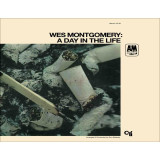
A Day in the Life' was released in 1967 and reached #1 on the Billboard Jazz Albums chart.
From the early 1960s to the late '80s, A&M was one of the most eclectic and powerful independent record labels in the world. The roster of artists who recorded there includes The Carpenters, Captain Beefheart, The Police, Joe Cocker, Suzanne Vega, Procol Harum and Janet Jackson, among others. Founded as an independent company by Herb Alpert and Jerry Moss in 1962, soon the label garnered interest and success, and was acquired by PolyGram in 1989. Throughout its operations, A&M housed well-known acts such as Sting, Sergio Mendes, Supertramp, Bryan Adams, Burt Bacharach, Liza Minnelli, Paul Williams, Quincy Jones, Cat Stevens, Peter Frampton, Carole King, Extreme, Joan Baez, the Human League, Soundgarden, Duffy, and Sheryl Crow, among others. Reissue of the debut album on A&M Records by jazz guitarist Wes Montgomery, released in 1967. It reached #1 on the Billboard Jazz album chart and #2 on the R&B chart. Considered by far the best of his three albums on A&M (in partnership with Creed Taylor’s CTI Records), A Day in the Life features a plethora of star sidemen, such as Herbie Hancock, Ron Carter, Ray Barretto and Grady Tate, among others, as well as superb arrangements by Don Sebesky.
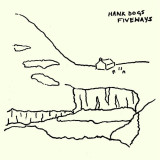
Hank Dogs – Andy Allan, his partner Piano and Lily, Andy’s daughter from a previous relationship - started out at folk clubs in London in the early 1990s before going worldwide in 1998 when legendary producer and late 60s Folk Rock guru, Joe Boyd declared them the first British act he'd loved in 30 years. Their debut album ‘Bareback’ saw them touring the US with Joan Baez and winning fans with their quiet, haunting sound featuring ethereal vocal harmonies, strong traces of blues and Celtic music and Allan’s fluid acoustic finger-picking recalling UK folk guitarists such as John Renbourn. Another part of their appeal, particularly in the States, was their ‘Carter Family’ image but then, when Andy and Piano split-up in real life, so did the band. A follow up album ‘Half Smile’ appeared in 2002 but this turned out to be their swansong. However, the story was not quite over yet.. a third unreleased album ‘Fiveways’ had been recorded before they went their separate ways and now it’s finally seeing the light of day on South London label Scratchy Records, plus the band are re-uniting for some long overdue gigs to celebrate the release. ‘Fiveways’ contains much of the Hank Dogs’ trademark English folk/US country-straddling sound. Piano’s voice bounces between early Suzanne Vega, Tracey Thorn and Mary Margaret O’Hara with occasional hints of Dolores Cranberry and Bridget St. John, while underneath the acoustic guitars run freeform tangled and Lily’s backing vocals add sky. Stand out track ‘Logic’ with its pensive lyrics and haunting guitar line recalls the way Suzanne Vega (her again) could sometimes make songs stand still in their tracks but it’s the dreamy ‘Nut’ that really captures the mood “You had me when I was sweet as a nut.. Not sweet enough” sings Piano. This is the sound of two ex-lovers still able to work together but unable to hide the odd dig here and there.. like a follow up album a couple of years later on from ‘Blood On The Tracks’. Andy sings a few songs too including the raggedy, swashbuckling ‘Gazetteer’ revolving around a ‘Pre-CBS Maple neck Sunburst bought off The Pretty Things’ and hinting at a whole lifetime of music biz escapades from watching his dad Elkan Allan produce 60s TV show ‘Ready Steady Go’ to a stint on bass in The Professionals along with Steve Jones and Paul Cook. Next year the story carries on with his long-running South East London ‘Easycome’ club night featuring in US TV queen Lena Dunham’s new Netflix series ‘Too Much’. Towards the end of the album an angelic setting of Dylan Thomas’s ‘Do Not Go Gentle Into That Good Night’ in the song ‘Nod’ recalls Christmas TOTP number ones from days gone by and captures Hank Dogs ability to transport the listener. This album is definitely one for the dreamers. FFO Pentangle, The Innocence Mission and William Blake
Jubiläums Werkschau des Münchener Indie Labels Echokammer. Wie kein anderes Label repräsentiert Albert Pöschls Echokammer den Sound of Munich Underground. Am Außenposten von Popmusik ist Echokammer ein Labor, in dem Schablonen renoviert oder weiterentwickelt werden. Disko wird (in Kenntnis des Sound of Munich selbstverständlich) neu zusammengebaut, von Punk werden die weiterhin verblüffend beliebten Klischees abgeschraubt, Electro wird mit scheinbar unpassenden Elementen versetzt usw. Das alles klingt nach einer sehr ernsten Angelegenheit. Tatsächlich aber könnte man auch einen langen Essay "Über die Komik in der Musik am Beispiel von Echokammer-Platten" schreiben. Wobei die Komik immer karl-valentinesk bizarr-grotesk ist und nie comedy-witzig. In etwa vergleichbar mit der Taktik, Autoritäten nicht mit Gebrüll, sondern mit Verarschung anzurempeln.
2024 pressing Japanese Import of the Japanese Jazz-Funk classic. Features a cover of “Funky Stuff” by Kool & The Gang. All songs written and arranged by Hiromasa Suzuki
out of Stock
Last delivered 20 months ago available to reorder, subject to availability
Captures a night at London’s well known vintage venue Bush Hall when the stage was shared with Jerron ‘Blind Boy’ Paxton. Takes you on a musical journey through Mississippi and Louisiana performing music by artists such as Memphis Minnie, Blind Boy Fuller, Rev Gary Davis. Acoustic duo project of Sister Suzie and Andy Twyman. Part of a growing movement in the UK presenting stripped back acoustic blues. Be ready to be transported back to the 1920s with a show of early folk blues evoking the playfulness, power and soul of the music and the people who created it. The duo are singer/songwriter, guitarist, occasional member of Dana Gillespie’s Blues Band and sometime one-man-band Andy Twyman, and Sister Suzie, singer/songwriter and frontperson of The Right Band; both busy and popular artists in their own right. They have toured the UK and Europe extensively.
Nothing In Rambling as the project name is taken from a Memphis Minnie song which Sister Suzie describes as “very poignant – and like so many in that era, it sounds deceptively cheery and upbeat, but the lyrics are dark, telling a tale of danger and bravery in taking to the road rambling especially as a black person. and the struggles that women, especially black women, faced in that era.” Sister Suzie published a dissertation “Women In The Blues, Pre-1960’ detailing the struggle that women, especially black women, had against the ‘patriarchy’ and in their own sexual liberation. The latter element was often written about observing the ‘racy’ side of life, and on songs such as ‘Me And My Chauffeur’ and ‘Kissing In The Dark’ Sister Suzie takes the cue to deliver with particular juke joint panache. PRESS / ADDITIONAL SALES POINTS: Launched at The Sound Lounge (Sutton) September 12th - Feature published in September issue of Blues In Britain magazine - Reviews in Rock n Reel, Blues In Britain, Blues Matters - Radio play on IBBA and RMR stations - Live shows, and Festival appearances through 2024 – Red Rooster, Ealing Blues, Upton Blues, Tenby Blues, Glastonbury
Mit neuem Album „In These Dying Times“ meldet sich Suzan Köcher eindrucksvoll aus der Pause zurück.
Psychedelischer Pop trifft auf eingängige Melodien und Texte, die sich auch mit ernsteren Themen befassen (Schmerzhaftes Erwachsenwerden bei „Seventeen“ und Weltschmerz allgemein bei „Living In A Bad Place“).
Alles in allem hat sich das Warten gelohnt oder wie Klaus Fiehe bereits in seiner Sendung auf WDR 1Live schwärmte „Das Beste, was sie je geschrieben hat“.
Im Herbst außerdem auf Tour!
Genre: synth garage punk The Cherry Pies are a bittersweet band from Turin composed of Veronica Zucca, Stefano Isaia (Movie Star Junkies, LAME), Nicola Lotta (Love Trap, GGR) and Riccardo Salvini (Indianizer, Love Trap). Their sound draws heavily from garage punk and American folk, from Reigning Sound to Jonathan Richman, via country ballads à la Lee Hazlewood and Nancy Sinatra.
Black, Gold & Green was the first of three albums Ken Boothe would record together with producer Lloyd Charmers and takes his Memphis-via-Kingston aesthetic to the next level. Some of the best soul singing of his career can be heard here on numbers such as ""Out of Love,"" ""Missing You,"" and the gritty ballad ""Second Chance."" His singing as being in the same kind of soul groove as the late and great Otis Redding. Ken’s tradition, though, is based in the powerful religious messages reflected in the native Jamaican religion. Black, Gold & Green includes some serious social-political material, and these heavy tones permeate every note of this album. It also includes his great cover version of Bill Withers' ""Ain't No Sunshine."" Black, Gold & Green is available as a limited edition of 500 individually numbered copies on orange coloured vinyl.
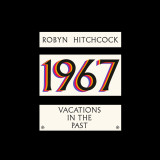
Robyn Hitchcock is a rock’n’roll surrealist. Born in London on March 3rd, 1953 he describes his songs as “pictures you can listen to”. As much a child of Dali, De Chirico, and JG Ballard as of his 1960s musical heroes, he is a master of the absurd, reveling in the beauty of the unexpected. His first publicly visible band The Soft Boys (1976 - 81) has remained an influential art-rock touchstone for generations of musicians. “I just want to be an obscure cult fringe,” he told the NME in 1978; the NME didn’t believe him, but he’s been true to his ambition. Without ever breaking the surface of pop culture Hitchcock has floated at a tangent to the mainstream for nearly 5 decades. His songs have been performed by REM, The Replacements, Neko Case, Gillian Welch & David Rawlings, Lou Barlow, Grant Lee Phillips, Sparklehorse, and Suzanne Vega with the Grateful Dead among others. A confirmed outsider, he nonetheless has devoted listeners around the world who attend his concerts, and also tune into the online streaming shows Robyn seasonally does with his wife, the singer Emma Swift. In 1996 he was the subject of Jonathan Demme’s in-concert film, ‘Storefront Hitchcock’. Robyn Hitchcock came of age in the 1960s when he attended Winchester College, an eccentric hothouse boarding school in the south of England. This is the subject of “1967”, which is both a memoir and an album, due for release in June this year. The memoir is a book “1967: How I Got There And Why I Never Left”, describing how the music of Bob Dylan, The Beatles, Jimi Hendrix and others drastically transformed the direction of his life when he left home for this strange new world. The companion record album “1967: Vacations In The Past” is a selection of the (mostly) hit songs of that year, re-recorded acoustically by Robyn with the help of some friends in Cambridge, San Francisco, and Sydney. He is currently preparing new material to release in 2025. “I like to keep busy”, he says: “We have all eternity to not exist”.
Unsere Resident Evil Vinyl-Serie wird mit dem actiongeladenen Remake von Resident Evil 3 fortgesetzt, in dem Jill Valentine in HD von der furchterregenden Nemesis gejagt wird.
24 Tracks wurden speziell für Vinyl gemastert und auf traditionelle schwarze Heavyweight-Platten gepresst. Diese befinden sich in einer Deluxe-Gatefold-Hülle mit einem Cover-Artwork von Capcom. Unter der Leitung des langjährigen Resident Evil-Mitarbeiters Masami Ueda gehören Kota Suzuki, Takayasu Sodeoka, Azusa Kato, Ryo Koike, Takumi Saito und Saori Maeda zum Kompositionsteam des Spiels. Der Score schwelgt in der unheimlichen, atmosphärischen Spannung, die nur Resident Evil-Titel erzeugen können. Dazu kommen pulsierende Actionszenen, die das Herz höher schlagen lassen, und einige nostalgische Themen aus dem Jahr 1999.
The agony of hard bop, the rise of jazz-rock, and the emergence of free jazz. The definitive live recording that captures the chaos and climax of jazz in Japan.
Japan's jazz scene around 1970 is very interesting. The agony of hard bop, the rise of jazz-rock, and the emergence of free jazz. New music and values were born one after another, and chaos was reached, and up-and-coming musicians ran at a speed that shook off the meter. This album "Sensational Jazz '70 Vol. 1/2" is famous as a live sound source that contains this appearance and enthusiasm. Shibuya Public Hall on April 30, 1970. The Three Musketeers of Jazz Rock such as Jiro Inagaki, Takeshi Inomata, and Akira Ishikawa have all stepped on the stage, free jazz musicians such as Mototeru Takagi and Itaru Oki have finally taken the stage, and musicians who support the mainstream such as Toshiyuki Miyama and Terumasa Hino have stepped "beyond". Led by the sound limited "Mustache", which is said to be the deadliest jazz rock live recording, there are hot performances that make smoke rise.
text by Yusuke Ogawa (UNIVERSOUNDS / DEEP JAZZ REALITY)
Originally released in November 1984, Limahl’s debut solo album ‘Don’t Suppose’ is to be reissued on recycled lavender vinyl to celebrate its 40th anniversary. The album is probably best known for the aforementioned ‘Neverending Story’. As well as featuring in the film of the same name (which is being revived for the big screen once more), it more recently found a whole army of new fans when it appeared in the final episode of the third season of Stranger Things. Set in 1985, the song is sung by Dustin (Gaten Matarazzo) and his long-distance girlfriend Suzie (Gabriella Pizzolo) as a way to reconnect after not seeing each other for some time. Following the season's release on July 4, 2019, interest in the track surged; viewership of the original music video had increased by 800% within a few days according to YouTube, while Spotify reported an 825% increase in stream requests for the song.
Further reflecting on the album Limahl goes on… “I can’t believe it’s been 40 years, yet sometimes it feels like yesterday! Looking back now, it's surreal to think that at just 24 years old, being born and raised on a Wigan council estate with no family connections in the music business, I was thrust into a whirlwind of travel and appearances to promote my music worldwide via TV, radio, and press—long before the internet.
“I’m excited to imagine where and how the song will continue its journey. It’s amazing that it still feels relevant 40 years on. I’m not too shy to say how immensely proud I am of its achievements.”
Carving an unlikely and elaborate niche in the stoney academic landscape
which she once shared with the likes of Phill Niblock, John Cage and Sorel
Hayes, the excitable proto-punk poèmes sonores of the linguistic loose
cannon known as Beth Anderson first rolled through New York in the mid-
1970s (from Kentucky via San Francisco) like a jumbled tumbleweed of lost
Letterism, face paint and threadbare drummy funk to astonish gallery floors,
lecture theatres and loft apartment stages.
One thousand leagues under the radar of the commercial music industry,
with a sense of humour that elevated way above her highbrow peer group,
the music of Beth Anderson has successfully evaded the pressing plant for
most of her creative career, and not unlike fellow New York gallery actionist
Suzanne Ciani, it has taken decades to successfully collect and contextualise
these early recordings - expanding her elusive discography beyond the rare
and mysterious solo single entry in the process.
When uttered amongst the type of vinyl vampires that haplessly gravitate
between both art school vintage vanity pressings and family funded plunder
funk, there’s an outside chance that the name Beth Anderson might muster
some vague recognition on account of her one and only solo wax sojourn
into the expansive DIY market. In 1980 the 45rpm single, ‘I Can’t Stand It’,
combusted into the consciousness of adventurous participants with its deep
rhythmic backbeat (courtesy of future Sonic Youth / Dinosaur Jr producer
Wharton Tiers, member of the new wave band Theoretical Girls), climaxing
with two colourful and commanding linguistic tantrums before disappearing in
a puff of smoke leaving would-be fans dumbstruck without so much as a
label name or distribution contact to explain what they had just heard.
For those who have spent the subsequent years on the edge of that same
seat, it might come as some comfort knowing that somewhere out there,
there is also a contrasting world of gallery patrons and experimental sound
poetry enthusiasts that similarly didn’t know that their regular performance
poet Beth Anderson even made the ambitious pop record. For the uninitiated,
the enigmatic Beth Anderson has straddled both sides of the art / rock fence
placed between two equally niche pastures.
Hopefully this first ever vinyl compendium will succeed in joining the dots,
loops, yelps, squeaks, beats and repeats. Let us follow Beth’s lineage, along
her magnetic tape highways crossing multiple boundaries in a hope to bridge
unlikely anti-genres like ‘yoga punk’, ‘ramble rap’, ‘combustion pop’ and
‘formroom funk’… all of which were officially neatly bracketed under the
curious Text-Sound movement where Beth garnered utmost respect as a key
practitioner.
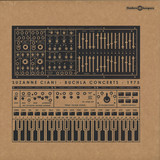
The very first Buchla synthesiser performance by revolutionary composer Suzanne Ciani finally makes its fifty year journey from its switch-on New York art gallery to its long deserved and discerning global phonographic audience.
With this previously unheard vinyl pressing, Finders Keepers Records are proud to present an archival project of ‘art music’ that not only redefines musical history but lays genuine claim to the overused buzzwords such as pioneering, maverick, experimental, groundbreaking and esoteric, while questioning social politics and the evolution of music technology as we have come to understand it. To describe Italian-American composer Suzanne Ciani’s resurrected Buchla concert records as genuine gamechangers would be a gross understatement. These records represent a musical revolution, an artistic revelation, a scientific benchmark and a trophy in the cabinet of counterculture creativity. This sonic installation album, alongside her recently liberated WBAI/Phill Niblock 1975 sessions (FKR082), are triumphant yardsticks in the synthesiser space race and the untold story of the first woman on the proverbial musical moon. While pondering the early accolades attached to these golden era New York recordings it’s daunting to learn that these records were in fact not even records at all.
What exists on this disc now was a manifesto and a one-time gateway to a new world, which somehow was only partially pushed ajar. Captured here is a genuine live act exploring new territories with a fully performable music instrument. If the unfamiliar, modernistic, melodic pulses, tones and harmonics found on these 1970’s artistic gallery collaborations/ live presentations (then soon to be followed by academic grant applications and educational demonstrations) had been placed in a phonographic context alongside the widely marketed work of Morton Subotnick, Walter Carlos or Tomita, then the name Suzanne Ciani and her infectious influence would have already radically changed the shape, sound and gender of our record.
With the light of Buchla and Ciani’s initial flame Finders Keepers continues the journey through the vaults of this increasingly celebrated music legacy, illuminating these ‘non-records’ that evaded the limelight for almost half a century. You can’t write history when you are too busy making it. With fresh ink in the bottomless well, let’s start at the beginning. Again
Evening Air is the result Loren Connors and David Grubbs’s first trip to the recording studio in the two decades since their first duo album, Arborvitae (Häpna). Arborvitae stood out for its spellbinding, utterly unhurried meshing of electric guitar (Connors) and piano (Grubbs).
With this long-awaited return, Connors and Grubbs take turns trading off on piano and guitar, with Grubbs at the keyboard for the two gently expansive pieces on the first side and Connors taking over the instrument for three gorgeous miniatures on the flip, including an album-closing and perfectly heart-stopping version of Connors’s and Suzanne Langille’s “Child.” The album’s wildcard is “It’s Snowing Onstage,” which finds the two locking horns with two electric guitars before Loren blew the minds of all present in the studio by unexpectedly switching to drums.
Loren Connors is one-of-a-kind, one of a handful of deservedly storied musical greats gracing us with their presence, and with Evening Air David Grubbs again demonstrates that he’s a stellar musician who also ranks among the most simpatico of collaborators.
A cover painting by Connors — another wordless signalling — sets the tone for this most beguiling of seances.
Pressed on heavy-weight 3xLP 180g curaçao vinyl GIANTS is an ambitious video game concept album, meticulously crafted over six years by Tokyo-based record label Brave Wave Productions under the direction of Mohammed Taher. The colossal 98-minute album showcases the talents of legendary composers known for their iconic work on series like Mega Man, Ninja Gaiden, Panzer Dragoon, Sonic the Hedgehog, Final Fantasy, among others. The album is a rich tapestry of new, gameinspired compositions from these celebrated artists, paired with innovative remixes from their classic catalogue as reimagined by their contemporaries. A highlight of the album is its emphasis on collaboration, exemplified by original tracks like Ultramarine_the first collaborative effort from Mega Man 2's Takashi Tateishi with Mega Man 3's Harumi Fujita and Sonic Mania's Tee Lopes. Another standout track, Ronin, marks a historic reunion for the Ninja Gaiden composer trio_Keiji Yamagishi, Ryuichi Nitta, and Kaori Nakabai_collaborating for the first time since their work on the NES Ninja Gaiden titles. The collaborative spirit extends to the remixes as well, such as Final Fantasy series composer Yoshitaka Suzuki's cinematic reimagining of Mega Man 2's Wily Stage, featuring Bayonetta co-composer Takahiro Izutani on acoustic guitars and producing, as well as Celeste composer Lena Raine's tranquil rendition of Panzer Dragoon Saga's Art Thou the Holy One, crafted in harmony with original composer Saori Kobayashi. GIANTS transcends traditional boundaries, featuring a diverse array of genres and styles brought to life by over two dozen talented musicians, making it a celebratory anthology of game music's rich history and evolution, led by Brave Wave's in-house rock band Super Strikers and a legion of legendary game composers.
Taeko Onuki's 1st album "Grey Skies" will be released on white collar vinyl! (Originally released on September 25, 1976)
After Sugababes disbanded, he signed a solo artist contract with Crown Records.
Recorded between June ~ August 1976, Tatsuro Yamashita, Ryuichi Sakamoto, Makoto Yano, and Tin Pan Alley (Haruomi Hosono,
Shigeru Suzuki, Tatsuo Hayashi) participated in this masterpiece of city pop.
Finders Keepers invite you to witness the incredible first ever Buchla synthesiser concerts/demonstrations providing a distinctive feminine alternative to The Silver Apples Of The Moon if they had ever been presented in phonographic form. This is history in the remaking.
This spring Finders Keepers Records are proud to release an archival project that not only redefines musical history but boasts genuine claim to the overused buzzwords such as pioneering, maverick, experimental, groundbreaking and esoteric, while questioning social politics and the evolution of music technology as we've come to understand it. To describe this records as a game-changer is an understatement. This record represents a musical revolution, a scientific benchmark and a trophy in the cabinet of counter culture creativity. This record is a triumphant yardstick in the synthesiser space race and the untold story of the first woman on the proverbial moon. While pondering the early accolades of this record it's daunting to learn that this record was in fact not a record at all... It was a manifesto and a gateway to a new world, that somehow never quite opened. If the unfamiliar, modernistic, melodic, pulses, tones and harmonics found on this 1975 live presentation/grant application/educational demonstration had been placed in a phonographic context alongside the promoted work of Morton Subotnick, Walter Carlos or Tomita then the name Suzanne Ciani and her influence would have already radically changed the shape, sound and gender of our record collections. Hopefully there is still chance.
In short, Suzanne was a self-imposed twenty-year-old employee of the Buchla modular synthesiser company, San Francisco's neck and neck contender to New York's Moog. Buchla was run by a community of festival freaks and academic acid eaters whose roots in new age lifestyles and the reinvention of art and music replaced the business acumen enjoyed by its likeminded East Coasters. In the eyes of the consumer the creative refusal to adopt rudimentary facets like a piano keyboard controller rendered the Buchla synthesiser the more obscure stubborn sister of the synth marathon, steering these incredible units away from the mainstream into the homes and studios of free music aficionados, art house composers and die-hard revolutionaries. Championed and semi-showcased by composer Morton Subotnick on his albums The Bull and Silver Apples Of The Moon, Buchla's versatility began to open the minds of a new generation, but the high-end design features and no-compromise modus operandi was often confused with incompatibility and, in the pulsating shadow of Moog's marketing, the revolution would not be televised nor patronised. Suzanne Ciani, as one of the very few female composers on the frontline (and also providing the back line) did not lose faith.
These concerts' are the epitome of rare music technology historic documents, performed by a real musician whose skills and academic education in classical composition already outweighed her male synthesiser contemporaries of twice her age. At the very start of her fragile career these recordings are nothing short of sacrificial ode to her mentor and machine, sonic pickets of the revolution and love letters to an absolutely genuine vision of and 'alternative' musical future. In denouncing her own precocious polymathmatic past in a bid to persuade the world to sing from a new hymn sheet, Suzanne Ciani created a bi-product of never before heard music that would render the pigeon holes ambient' and futuristic' utterly inadequate. Providing nothing short of an entirely different feminine take on the experimental records' of Morton Subotnick and proving to a small, judgmental audience and jury the true versatility of one of the most radical and idiosyncratic musical instruments of the 20th century. These recordings have not been heard since then.
The importance of these genuinely lost pieces of electronic musics puzzle almost eclipses the glaring detail of Suzanne's gender as a distinct minority in an almost exclusively male dominated, faceless, coldly scientific landscape. Those familiar with Suzanne's work, a vast vault of previously unpublished non-records', will already know how the creative politics in her art of being' simultaneously reshaped the worlds of synth design, advertising and film composition before anyone had even dropped a stylus in her groove. Needless to say this record, finally commanding the archival format of choice, courtesy of the Ciani and Finders Keepers longstanding unison, was not the last first' with which this hugely important composer would gift society, and the future of a wide range of exciting evolving creative disciplines.
You have found a holy grail of electronic music and a female musical pioneer who was too proactive to take the trophies. With the light of Buchla and Ciani's initial flame Finders Keepers continues to take a torch through the vaults of this lesser-celebrated music legacy shining a beam on these non-records' that evaded the limelight for almost half a century. You can't write history when you are too busy making it. With fresh ink in the bottomless well, let's start at the beginning. Again. You, are invited!
out of Stock
Last delivered 6 years ago available to reorder, subject to availability
Grande Coisa! (Big Deal!). You could hear it. It is the eternal irony of life. For a composer who has been making music since he was a teenager and only at the age of 38 does he make his work public, it can indeed be a big deal. Grande Coisa, is Dorea's first authorial album, and tells his stories, the ones he lived, others he heard about, but mainly the ones he created. With all the songs composed during the most isolated period in the pandemic, the work can be dense in many moments, difficult to digest, but there are sighs. And there are stories that intersect, like those of the boys who are one and also millions, and show the artist's vision of Brazil. The disappeared, forgotten, the sad and aimless still appear. And there is the warmth of the song for a loved one or even a family partnership, between mother and son. Grande Coisa has ten songs, all written by the artist himself, one of them with lyrics adapted from an excerpt from a book written by his mother. Its musical roots are rooted in rock, but with a blatantly Brazilian gaze and interpretation. It has musical production and minimalist paths chosen by Sebastian Notini, collaborative arrangements forged in the encounter of Dorea's guitar with Seba's percussive and melodic vein and Carla Suzart's bass, and a wood weave that ends the album with the timbres of Joana Queiroz (bass clarinet and clarinet) and Leandro Tigrão (flute) under the baton of maestro Per Ekdahl.