My Boy, the third solo record from New Zealand singer/ songwriter Marlon Williams, announces an artist emerging anew. Gone is the solemn, country-indebted crooner with the velvet voice - in his place comes a playful, shapeshifting creature. Following the release of his second album, 2018's Make Way For Love, Williams' toured the world, playing major festivals and collaborating with Lorde, Yo-Yo Ma and Florence Welch. He also forged a fledgling acting career with roles in films The True History of the Kelly Gang and Netflix series Sweet Tooth, as well as a cameo in Oscar winning film A Star Is Born. My Boy parlays this flush of worldly experience into a vivid record as spirited and kinetic as the unfolding life of its performer. "I've always explored different character elements in my music," says Williams. "And the more I get into acting, the more tricks I'm learning about representation and presentation. To get braver and bolder with exploring shifting contexts and new ways of doing things." As the pandemic paused global travel, Williams found himself at home in New Zealand, reconnecting with family and friends. Soon new demos and lyrical themes emerged: of self-identity and escapism; tribalism and a gnarled family tree; and ruminations on the role of masculinity and mateship. Co-produced with Tom Healy and recorded at Roundhead Studios in New Zealand, My Boy finds Williams' leading a new band through a set of genre-hopping tunes: from the cheery sway of `My Boy' and chugging `80s noir sheen of `Thinking Of Nina', to the charging synth of `River Rival', and the sultry pop jam `Don't Go Back.' All this sonic and emotional whiplash is intentional, and ultimately My Boy sees Williams having fun, even while interrogating the behaviors of himself and those around him.
“Form itself, even if completely abstract... has its own inner sound.”
— Wassily Kandinsky
We are thrilled to announce the release of Objection To Form, a protean dispatch from the fringes of 1980s-inspired wave and raw, rugged electro. Driven by arcane machines and imbued with a melancholic urban atmosphere, Objection To Form offers a warped, modern-day response to the sonic landscapes forged by the likes of Chris & Cosey, Shoc Corridor, The Normal, and Cabaret Voltaire.
Spanning eleven tracks, Objection To Form explores electro-tinged wave that resonates with today’s creative pulse. From the lo-fi machine sounds of Alpha Sequenz’s Dawn Lines and the rugged jams of Fiume’s Haïti Market Daze, to the implacable Electro cadenza delivered by Le Syndicat Electronique, the compilation unfolds like a fragmented narrative. L.F.T.’s Inside I Was Screaming, a cavernous, electro-wave anthem featuring the mythical British band The Children Of Leir, adds a deeply resonant dimension, while the relentless drive of Beau Wanzer’s The Johnnie’s Secret Sauce underscores the compilation's protean spirit.
Objection To Form delivers a forward-looking sonic experience—a space where experimentation meets timeless resonance.
out of Stock
Last delivered 15 months ago available to reorder, subject to availability
Mirai is a 2018 Japanese animated adventure fantasy comedy film written and directed by Mamoru Hosoda and produced by Studio Chizu (known for Belle, Wolf Children and The Boy and the Beast). The film stars the voices of Moka Kamishiraishi, Haru Kuroki and Gen Hoshino a.o. It was met with critical acclaim and became nominated for an Academy Award in 2019 for Best Animated Feature Film. Additionally, the movie received an Annie Award in the same year. Mirai follows the story of a four-year-old boy named Kun whose world is turned upside down when he meets his new baby sister. After venturing into a magical garden, Kun encounters strange guests from the past and future, including his sister Mirai, as a teenager. Together, Kun and teenage Mirai go on a journey through time and space, uncovering their family's incredible story. The soundtrack for the film was written by Masakatsu Takagi, who had previously scored Hosoda's Wolf Children and The Boy and the Beast. His work for Studio Chizu has been praised for its magical and whimsical atmosphere. For Mirai specifically, this dreamy aesthetic was mixed with a contemporary sound and made to be simple in tone and be reflective of family. Mirai is available as a limited edition of 500 numbered copies on turquoise coloured vinyl and includes a 4-page booklet.
Revolutionary DJ and producer Matador presents his exciting debut release for Hot Creations Wildside this July. It features two contrasting tracks that stay true to the ethos of the label synonymous with White Isle hedonism.
Wildside opens with spirited percussion of shakers and snare rolls, reverberating into a fuzzy and infectious bassline groove. The playful sample is looped over crazy effects and bright keys, before dropping into a final crescendo that will have feet stomping in unison. Sweet Release retains a classic deep house sound with dreamy chords and lush synth. The track develops with warm sub-bass, piano, arpeggiation and soulful vocals, resulting in a summertime anthem.
Matador has made his mark on the electronic music world since the very beginning, producing a BBC Radio 1 Essential Mix, becoming a brand ambassador for MODEL 1 and featuring in Resident Advisor’s ‘Top 20 Live Acts’ for three years in the early part of his career. In 2016 he launched his label RUKUS, releasing music from emerging and established artists alike. Spanning genres and formats he has made music for Sky TV and British Airways, his vinyl-only series Cyclone is firmly rooted in techno, whilst the stream only album Tuesday presents an exquisite take on ambient. His collaboration with Zurich’s Tonhalle Orchestra again highlighted his dexterity as a truly authentic musician. 2020 sees the launch of Matador’s podcast series focusing on studio gear and featuring interviews with touring artists. His new live performance ‘Live 2.0’ is also forthcoming and will feature hotly anticipated new music.
out of Stock
Last delivered 79 days ago available to reorder, subject to availability
Short n’ Sweet showcases the scintillating spirit of Sabrina Carpenter, the pocket-sized popstar with a larger than life artistic presence. With a gold album & multiple platinum singles under her belt, it’s no wonder that ‘Espresso’, the debut single from the album, has it all: lyrics that make you giggle & blush and songwriting that makes you wish you’d thought of it first. The deluxe album is released with the 12 standard tracks plus 5 additional songs.
Diamond Dogs may be a bunch of renaissance rockers deeply rooted in the early 70s British rock and roll, but just like our forerunners, we owe
almost everything to Little Richard, the architect of it all! It's impossible to even imagine rock and roll without him.
Little Richard is the soul, spirit and passion of the Diamond Dogs lifestyle, and I was six years old when I first heard 'Rip It Up' with love at first feel.
The raw energy and the blood screaming lyrics over that manic hammering piano embodied everything I craved in music, straight from the speakers to my young heart. Even if I discovered a lot of other influences later on in life, I always kept Little Richard close to where he once hit me. One of Diamond Dogs' early tunes is called 'Lunatic Eye-Rolling Delivery' which is a line nicked from a concert review of Little Richard, and we believe it sums up the essence of his greatness pretty well. He was much more than a rock pioneer, the way he dressed up and spoke was something the world had never experienced before.
Little Richard got Paul McCartney to write 'I Saw Her Standing There', got James Brown a new haircut, and put a silly little mustache on Prince!
So, the idea of recording a homage to the true king of rock and roll had been with all of us for many years when Chris Spedding one day called me
and asked if we should record something together. Of course, I immediately said yes, and then asked him to join Diamond Dogs in the upcoming
studio session to record some well selected Little Richard gems for an LP. All said and done, and Chris was extra thrilled that his favorite 'Send Me
Some Lovin'' was among the songs we picked.
And on a cold and windy January day we gathered the Dogs and the new old puppy in the sweet premises of Dog Pound Studios, along with our
beloved friend and engineer Jonas Åhlén.
So, when the room is geared up, we do our melodies as we normally do it, no rehearsals, all live, straight to tape. One hour per track is usually a
good thing! An amazing energy and swagger filled the atmosphere as Diamond Dogs and Chris fulfilled my dream.
Now that I'm listening through the vinyl, I must say that I've never been prouder of anything we've achieved with this shady bunch so far. It's like
walk the full circle, like I've been graduating from the 12-bar rock and roll academy.
Sulo, Stockholm/Sweden, 2024
Sound Like: The Faces, Rod Stewart, Frankie Miller, Elton John, Mott
The Hoople, J Geils Band, The Rolling Stones, Steppenwolf, Little
Richard
Diamond Dogs may be a bunch of renaissance rockers deeply rooted in the early 70s British rock and roll, but just like our forerunners, we owe
almost everything to Little Richard, the architect of it all! It's impossible to even imagine rock and roll without him.
Little Richard is the soul, spirit and passion of the Diamond Dogs lifestyle, and I was six years old when I first heard 'Rip It Up' with love at first feel.
The raw energy and the blood screaming lyrics over that manic hammering piano embodied everything I craved in music, straight from the speakers to my young heart. Even if I discovered a lot of other influences later on in life, I always kept Little Richard close to where he once hit me. One of Diamond Dogs' early tunes is called 'Lunatic Eye-Rolling Delivery' which is a line nicked from a concert review of Little Richard, and we believe it sums up the essence of his greatness pretty well. He was much more than a rock pioneer, the way he dressed up and spoke was something the world had never experienced before.
Little Richard got Paul McCartney to write 'I Saw Her Standing There', got James Brown a new haircut, and put a silly little mustache on Prince!
So, the idea of recording a homage to the true king of rock and roll had been with all of us for many years when Chris Spedding one day called me
and asked if we should record something together. Of course, I immediately said yes, and then asked him to join Diamond Dogs in the upcoming
studio session to record some well selected Little Richard gems for an LP. All said and done, and Chris was extra thrilled that his favorite 'Send Me
Some Lovin'' was among the songs we picked.
And on a cold and windy January day we gathered the Dogs and the new old puppy in the sweet premises of Dog Pound Studios, along with our
beloved friend and engineer Jonas Åhlén.
So, when the room is geared up, we do our melodies as we normally do it, no rehearsals, all live, straight to tape. One hour per track is usually a
good thing! An amazing energy and swagger filled the atmosphere as Diamond Dogs and Chris fulfilled my dream.
Now that I'm listening through the vinyl, I must say that I've never been prouder of anything we've achieved with this shady bunch so far. It's like
walk the full circle, like I've been graduating from the 12-bar rock and roll academy.
Sulo, Stockholm/Sweden, 2024
Sound Like: The Faces, Rod Stewart, Frankie Miller, Elton John, Mott
The Hoople, J Geils Band, The Rolling Stones, Steppenwolf, Little
Richard
Released in 1971, Get Off in Chicago captures the essence of an energetic concert featuring Harvey Mandel and key figures from the Chicago blues scene. Alongside Mandel, known for his innovative guitar playing, are renowned musicians such as John Bishop and Gregory E. Stinson, who contribute their talents on guitar. The rhythm section, with Peter Milo on drums and Nick Tountas on bass, anchors the tracks in a powerful groove. The album shows blazing solos, bold improvisations, and a collaborative spirit that transcends genres. This unique blend of blues, rock, and jazz highlights the collective genius of these talented artists.
Los Angeles-based experimental jazz collective High Pulp will release
their new album Days in the Desert in peak sweltering summer heat on
July 28
The titular desert is both literal and metaphorical: it's the Mojave Desert that the
band powers through on their many DIY tours around the country, and the band's
founder / drummer Bobby Granfelt perceives the desert as "a spiritual quest" as
well. Amid the trials of our present moment, you must look within, relying solely
on your own instincts to keep moving forward. "You're in the desert and it's a long,
lonesome process and a lot of times you have to check yourself to ask 'Is this
right? Is this good? Is it too out?'" he says.
High Pulp's Days in the Desert makes this vision come true, finding the West
Coast band fully emerging into their own sound. Rooted in the jazz tradition while
also smitten by indie- rock and electronic music, High Pulp was willing to grab
from all these sounds at once to pursue something truly their own. Their third fulllength album (following 2022's promising Anti- debut Pursuit of Ends), Days in the
Desert reveals the band realizing their strengths, deepening their own bonds, and
pushing all these skills into a thrilling new sonic vista all but unimaginable just a
few years before
out of Stock
Last delivered 20 months ago available to reorder, subject to availability
First Word Records is extremely proud to welcome aboard Takuya Kuroda.
A highly-respected trumpeter born in Kobe, Japan, Takuya is a forward-thinking musician that has developed a unique hybrid sound, blending soulful jazz, funk, post-bop, fusion and hip hop music.
After following the footsteps of his trombonist brother playing in big bands, he relocated to New York to study jazz & contemporary music at The New School in Union Square; a course he graduated from in the mid-noughties. It was here that Takuya met vocalist José James, with whom he worked on the 'Blackmagic' and 'No Beginning No End' projects.
Following graduation, Takuya established himself further in the NYC jazz scene, performing with the likes of Akoya Afrobeat and in recent years with DJ Premier's BADDER band (also including acclaimed bass player, Brady Watt). Premier said "The BADDER Band project was put together by my manager, and an agent I've known since the beginning of my Gang Starr career. He said, 'What if you put a band together that revolved around a trumpet player from Japan named Takuya Kuroda? He's got a hip-hop perspective and respect in the jazz field…"
Takuya Kuroda is already incredibly prolific, releasing five albums in the past decade and fortifying a solid reputation in the global jazz scene. 2011 saw the release of Takuya's independently-produced debut album, 'Edge', followed by 'Bitter and High' the following year and 'Six Aces' on P-Vine in 2013. Takuya was signed to the legendary Blue Note Records in 2014 for his album 'Rising Son', as well as appearing on their 2019 cover versions project, 'Blue Note Voyage'. He released his 5th album 'Zigzagger' on Concord in 2016, which also featured Antibalas on a reimagining of the Donald Byrd classic 'Think Twice'.
Late Summer 2020, Takuya Kuroda returns with his sixth album 'Fly Moon Die Soon'.
In his words, "this album is about the irony between the greatness of nature and the beautiful obsceneness of humanity. Melodies and grooves fly back and forth from being spiritual to being vulgar."
It took two years to make this album. In 2018, I decided I just couldn't make albums the same way I had been in the past anymore. As a birthday treat to myself, I booked a studio in Brooklyn for two days, with only myself and an engineer, Todd Carder. I brought along some tracks I'd been building at home to see if we could complete them within that time. We began replacing sounds and adding texture, sampling noises from all over the studio; me sipping coffee, hitting a 26" kick drum, speeding up snares. At the end of the two days we were like "wow, I didn't know we could make tracks this good in this way". This is how the process of the full album started. Everything was based on my beats I made at home, inviting musicians in one by one, adding or replacing parts. I was very careful when developing these tracks; just note by note, part by part. I wanted to make the music effectively from a blend of two different recording methods; one very slickly produced part and one very organic part played by live musicians. I remember mixtapes from when I was kid, and wanted to make an album that wasn't just a bunch of flashy singles, trying to catch people's attention in the first 30 seconds, or full of guest features. Instead, I'm essentially just trying to let the grooves breath."
The album consists of nine tracks of excellence. The uptempo jazz-funk of 'ABC' and 'Moody' sit alongside soulful jazz cuts like 'Fade' and 'CHANGE', also featuring Corey King on vocals. The title track is a downtempo groove lead by a heavy Moog bassline, whilst 'Do No Why' contains an infectious piano riff throughout. Aside from Takuya's original compositions, he revisits two classics from Ohio Players ('Sweet Sticky Thing' featuring Alina Engibaryan on vocals) and Herbie Hancock ('Tell Me A Bedtime Story') whilst the album closes with the epic 'TKBK'.
Takuya adds "this special cover was inspired by the Golden Moon I saw during a photoshoot in Death Valley with my homie Hiroyuki Seo".
Takuya Kuroda is a truly unique talent, and this album is a realisation of the evolution of his sound.
'Fly Moon Die Soon' is released on Worldwide Award-winning UK label First Word Records on vinyl & digital in September 2020.
out of Stock
Last delivered 18 months ago available to reorder, subject to availability
In memory of a long lost friend, Patas comes forth with a relic of a vinyl release in the name of that loved one, featuring one dreamy side in memoriam of the flesh, and one bouncy side for the spirit.
Title track starts it out in a lush and vibrant synthworld pairing up with a dubby techno groove, whole track foaming over with saudade, an emotional concoction of joy interlaced with melancholic sadness, one part looking back in tears, the other going forward with a subtle smile.
ILU 2 MUCH takes a bit too much sweet emotions stuff and turns it into a restless standstill.
Flip the record over and you get two certified dancefloor scorchers in different trajectories. Bontelabo is a deep and trippy broken beat keepsake using only sampled guitar for its harmonic and melodic content.
Og Sa ? is a fresh take on the techno tool, constantly flipping and changing up the material around some good ol machine funk, a tune for all the serious clowns looking to get down.
out of Stock
Last delivered 18 months ago available to reorder, subject to availability
The Gentle Spring are a new group, formed by Michael Hiscock, Emilie Guillaumot and Jérémie Orsel. Michael has an illustrious pop history, having been a founder member of The Field Mice, possibly the most beloved band on Sarah Records in the 1990s. And with The Gentle Spring, it seems that history is repeating itself…
When Michael and his friend Bobby Wratten formed The Field Mice, the two of them very quickly created a set of songs whose emotional honesty, raw guitars and perfect pop melodies pierced the hearts of a generation of indiepop fans, kids who were unmoved by the posturing of mainstream indie, and who didn’t want to spend time in fields dancing at 24-hour raves. The Field Mice were the band who defined the meaning and the spirit of Sarah Records. Defiantly in love with pop, defiantly un-macho, defiantly…sensitive. And now, remarkably, Michael has done it again. With his new musical partner Emilie, The Gentle Spring have created a fresh new iteration of indiepop music. Once again, the songs are unafraid of raw emotions, brutally honest and is still in love with big pop melodies.
They are still….sensitive. But life is seen through a different lens now. There is wisdom, there is experience, and there is the ability to look back at the world with a mixture of regret and joy. These are very adult songs, and the arrangements reflect this. Rich acoustic guitars and Emilie’s haunting keyboard have replaced hectic drum machines and urgent distortion. And there is a third element to this music. Jérémie Orsel’s sophisticated guitar adds textures and melodies that give these songs a real depth, while maintaining an enigmatic distance, never quite overwhelming the vocal line. So things are clearer now.
But feelings are just as strong. The pain of unrequited love that made Field Mice songs so poignant hasn’t gone away. In some ways, the thought of roads not taken is more profound when experienced in retrospect. I Can’t Have You As A Friend entertains this notion, still moved by the allure of a different life, but shuddering with fear at what might have happened. Also still haunted by the past, The Girl Who Ran Away conjures up the ghost of a previous failed relationship, which threatens to undermine happiness in the present. In Severed Hearts, sung by Emilie, there is the stark recognition that some endings really are final: sometimes there can be no reconciliations. But the song cleverly moves on from this: it acknowledges that, even after the worst emotional loss, you have to pick yourself, you will move on. It’s sophisticated and it’s mature – but it will still break your heart. Sugartown is another song that plays this trick on you. It insists that there will always be lightness and shade. It warns you against complacency, but does it so kindly that you feel like you’ve been embraced. When Michael’s and Emilie’s vocals combine in the final chorus, telling us that we don’t live in Sugartown, you know they are right – and yet the sweetness of the singing makes you feel that – just for a moment – you do.the band perform as a trio and have already found a keen audience in France, where they are based. During a short tour of the UK in January, to coincide with this release, British audiences will get their first opportunities to see The Gentle Spring play these new songs live
"Because it's the passion for music that drives the person behind the decks, a dj's debut is bound to exude authenticity. It's often themselves they're recounting in music, posing on the slip mats their DNA and what makes them who they are.
When you're just starting out, you're faced with a multitude of routes to take and styles to play. When you know just how devastating it can be to step out of line and empty the dance floor even faster than it filled up, it often takes a lot of audacity to break the unity of a funk evening with a punk track.
Over time, to evolve is to find oneself facing only two roads.
On the first one, to satisfy the greatest number of people and not lose the credit for his fees, the dj adapts to the trend. Whether he likes what he's playing or not, the road has become a freeway and, indeed, a very comfortable one. The audience already knows everything there is to hear and doesn't come to hear anything else. Thirty seconds, or even a minute of each track, is more than enough. Everything has to flow quickly. Everything is marked out and secured. Those who respect the regulations will (normally) make the journey without accident. Several times a week, several times a month, several times a year. Curiosity disappears altogether.
And then there's the other road. Where nothing is expected nor sometimes even ever heard. The road of an unquenchable passion for diggin' and the desire to always know more and more. A passion billed at the price of hours of research-finding spent in the discomfort and possible disappointment of never coming across anything exciting, as well as nights exploring platforms and multiplying clicks resulting in a good old headache. Until that moment of grace happens when, after thousands of fruitless shakes, the nugget stands alone in the sieve, without the slightest doubt as to its quality.
Coming from places never mentioned for their music, sometimes classics of their genre, they are also rarities miraculously saved from total disappearance, as much as current marvels, but threatened to never leave the immensity of the web. Even if the possibility of a text with substance is never excluded, they can tell long stories or be destined solely to make you dance till you're dehydrated. Scintillating with spirituality, some can also vaporize energy and replace it with a pure emotion capable of touching hearts in the bareness of simple percussions.
This road is marked by sincerity, singularity and surprises, but always in a communion between the dj and the audience, who embark on it together, with mutual confidence in the promise of hours of sharing and discovering. "
out of Stock
Last delivered 17 months ago available to reorder, subject to availability
Next from the label that brought you "You Time", "Unrest Hazard 1" and "First Sign of Trouble" is a sizzling 5 track slice of 12" from renowned DJs and producers who get the crowd jumpin and pumpin, Deejay Atlas and K Super. The pair are known for an impressive back-catalogue of tracks the last few years on Ruff Cutz, SweetBox, Parallax and more, as well as for running the Certain Sounds label and parties in Manchester, UK.
This one takes a look at the less glamorous side of northern England's rave scene, the goings on under a dark night sky at a free party in a field somewhere near Manchester. Illustrated through tunes that possess the brooding spirit of 1993 and 1994 jungle and ferocious vocals, albeit as always when it comes to Erupt, with a modern twist for the 2020s that tells a story of the here and now.
Also featuring appearances from Buda and Wild Swan, as well as an EXCLUSIVE fifth track that you won't find on any digital releases of this EP!
out of Stock
Last delivered 18 months ago available to reorder, subject to availability
"Alternative History: A Cracker Retrospective" is a dynamic journey through the sonic landscape of Cracker, one of alt-rock"s most enduring and beloved bands. This special compilation album offers fans a fresh perspective on Cracker"s rich musical catalogue, featuring alternative versions, re-recordings, and live takes from the band"s history. Spanning their entire career, this retrospective highlights the band"s evolution, revisiting classic songs with new energy, creative arrangements, and live recordings that capture their unfiltered spirit. Featuring 5 previously unreleased versions and 6 rare live recordings the album presents a mix of fan favourites and deeper cuts.
[b] Teen Angst (What The World Needs Now) [Redux Version]
Using a variety of tape stocks, Black Swan creates a haunting atmosphere that evokes the sensation of uncovering long-lost, sacred recordings hidden in time on his ninth album, Ghost.
The New York-based artist reveals that he was inspired by musique concrete and ambient while making the record, which is made up of 20 pieces that all form a continuous suite. Each track varies in length and complexity from short and sweet sketches to more elongated studies and that are made from intense layering and harmonic surges using an array of tape stocks.
The result is a haunting, unearthly atmosphere that sounds perfect in this cassette format.
Uncomon tribe sound, quiet melodious, with Kputsh... you might have heard some violin/tekno is some parties ? here it is on Vinyl !!! that's something...
The whole EP brings loads of percussives ideas and fresh spirit... the whole thing is quiet sweet, and not crazy-hardcore style....
With a last track electro Punk ! A Fuck Keta anthem ^^ that all Ketakore guys will love... if they understand French language ^^
Katie Gavin's debut What A Relief taps into the unguarded self-possession and homespun pop sensibility of singers like Alanis Morissette, Fiona Apple and Ani DiFranco, and uses their tenacity as a north star for Gavin's own trek towards self-discovery. "This record spans a lot of my life - it's about having a really deep desire for connection, but also encountering all the obstacles that stood in my way to be able to achieve that, patterns of isolation or even boredom with the real work of love" they say. Written over the course of seven years, What A Relief comprises a set of songs that Gavin always loved but which "had something in them" that she and her bandmates felt didn't quite fit within the universe they were trying to cultivate with MUNA. Many of them were written on acoustic guitar, and are rooted in "a style of music that's very much in my blood, and natural for me," as typified by the Women & Songs CDs that Gavin loves, which compiled music by artists like Tracy Chapman, Tori Amos and Sarah McLachlan. That openness of spirit is the overwhelming character of What A Relief, an album that's refreshing in its willingness to accept people as they come, even as it remains in dogged pursuit of a life that's kinder, wiser and more loving. Gavin's explorations of desire and intimacy feel time-worn and necessary - songs that might teach a generation if not how to live, exactly, then at least how to look within oneself for guidance about how to move forward.
Katie Gavin's debut What A Relief taps into the unguarded self-possession and homespun pop sensibility of singers like Alanis Morissette, Fiona Apple and Ani DiFranco, and uses their tenacity as a north star for Gavin's own trek towards self-discovery. "This record spans a lot of my life - it's about having a really deep desire for connection, but also encountering all the obstacles that stood in my way to be able to achieve that, patterns of isolation or even boredom with the real work of love" they say. Written over the course of seven years, What A Relief comprises a set of songs that Gavin always loved but which "had something in them" that she and her bandmates felt didn't quite fit within the universe they were trying to cultivate with MUNA. Many of them were written on acoustic guitar, and are rooted in "a style of music that's very much in my blood, and natural for me," as typified by the Women & Songs CDs that Gavin loves, which compiled music by artists like Tracy Chapman, Tori Amos and Sarah McLachlan. That openness of spirit is the overwhelming character of What A Relief, an album that's refreshing in its willingness to accept people as they come, even as it remains in dogged pursuit of a life that's kinder, wiser and more loving. Gavin's explorations of desire and intimacy feel time-worn and necessary - songs that might teach a generation if not how to live, exactly, then at least how to look within oneself for guidance about how to move forward.
'We're excited to be able to bring you the latest wonderful album from Chester's boycalledcrow, after a series of superb releases for labels such as Mortality Tables, Waxing Crescent Records and Subexotic Records, including the wonderful Kullu from earlier this year.
Knott's music doesn't sit easily in any pre-existing genres, being at once strange and experimental, yet melodic and somehow comforting. His music is intimate and evocative, deeply personal, and manages to be both bucolic and yet totally 21st century, like Kraftwerk's robots dreaming of sheep.
The songs and sounds on “eyetrees” are inspired by a rich family life and the wonderful times spent with his wife and kids, both at home and out in nature.'
Knott said of the album and its inspirations:
“We enjoy spending time in the woods with our young children, creating stories about the "eye tree”. This tree, with thousands of eyes, watches over us and cares for us like family. We make fox medicine and cherish these blissful moments. The music reflects these times, seen through the colors of an old, fuzzy reel—orange, red, and yellow with blurred edges, like an old photo scorched by the sun.
I feel a deep spiritual connection to the countryside; the hands of Arcadia cradle me when I feel sad. Some of the album was created during times of sadness when I felt death was close and the lines between worlds were blurred. This feeling—that anything can happen and that life is delicate and can be taken away in a flash—permeates the music.
The song titles are stories and memories of my family, filled with hazy pinks, yellows, reds, and oranges.
Wonky acoustic guitar, broken electronics, and a warm, otherworldly space."
Die niederländische Gospel-Soul-Sensation Michelle David & The True-tones feiert eine triumphale Rückkehr nach ihrem 2022er Werk "Truth & Soul", das von BBC Radio 6 zu einem der Alben des Jahres gekürt wurde. Mittelpunkt der Combo ist die ehemalige New Yorker Kirchenchorsängerin Michelle David, bekannt durch erfolgreiche Musicals/Shows (Mama, The Sound Of Motown, Glory Of Gospel, Mahalia) und als Backgroundsängerin (Diana Ross, Michael Bolton). Auf dem live im Studio aufgenommenen Album "Brothers & Sisters" gelingt es der Band wieder meisterhaft, die rohe, dynamische Energie und die gefühlvolle Atmosphäre ihrer Live-Auftritte im Studio einzufangen, wo sie mit peppigen Grooves, kraftvollen Vocals und starken Melodien, inspiriert von altem Gospel über Curtis Mayfield und Bobby Womack bis zu Klassikern des renommierten Stax-Labels, das Publikum in den Bann ziehen.
out of Stock
Last delivered 2 years ago available to reorder, subject to availability
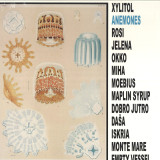
Xylitol is the alias of Catherine Backhouse, producer and DJ under the name DJ Bunnyhausen. She was a resident DJ at Kosmische, the now dormant Krautrock club and is a fan of jungle and hardcore. She currently co-hosts the radio show Slav To The Rhythm, which focuses on vintage central and eastern European pop and electronica and she's also co-writing a book on Yugoslavian pop culture. 'Anemones' is a total project from the cover to the music. Backhouse is fascinated by early botanical illustrations of anemones and other aquatic fauna, and how the act of taxonomy reveals as much about human psychology, desire and sublimation as it does about the organic specimen as a thing in itself. Each track is a microcosm of this 'other life', an allegory for the extraordinary potential latent within bodies that the dancefloor has the power to activate. Using early jungle and garage as starting points to connect dots and open up contrasts between dance music and vintage electronics, Backhouse finds a sweet spot which, in her words "feels like something that's simultaneously still and ancient yet propulsive and ecstatic." Not afraid of letting the the hiss and flutter of the music show, 'Anemones' holds attention with ancient bubbling synths and gracefully drifting arpeggiations, occasionally brought to heel by charming melodies, all accompanied by breakbeats that explode like fireworks. 'Anemones' has a lively and unpolished aesthetic that's a kindred spirit to Nondi_'s 2023 album of smeary, water-damaged footwork, 'Flood City Trax'. 'Moebius' pits the spaced out neon chords of the track's namesake against absolutely tearing breaks, allowing time for this almost overwhelming combination to become near enough transcendental, while the bleeping melody and sad slavic chorus motif in 'Okko' feels like an artifact from an alternative future. The Drexciya meets 2-step garage of 'Dobro Jutro' creates a welcome respite at the album's midpoint before the flow builds up again to 'Daša' with its glassy sounds from a lost radiophonic workshop miniature meeting bruising kicks and snares. Meanwhile 'Iskria' has purring synth chords and 8-bit melodies evoking the cosmonaut age. The subliminal influence of the Yugo era is felt in DIY synthesis and Mitteleuropean melody and seen in song titles such as 'Jelena', 'Miha', 'Daša' (named after novelist Daša Drndič) and 'Iskria' (taken from the fictitious Balkan region in Ottessa Moshfegh's bleak fable 'Lapvona'). 'Anemones' very effectively folds experimental genres from different times and places into a very enjoyable new sound.
out of Stock
Last delivered 2 years ago available to reorder, subject to availability
Cloudy Baby Blue Vinyl. with you in spirit, the fourth Balance and Composure LP, is an arresting, atmospheric collection of melodic post-punk and towering rock. Due out October 4 on long-time collaborator and Grammy-nominated producer Will Yip's Memory Music, it's the band's first LP in eight years, and a thrilling full-length comeback after their four-year hiatus. It thunders and stirs, dipping between beautiful, crystalline arrangements and punishing, earth-shaking climaxes; in between all, a gripping, near-physical tension crackles and growls and grooves, waiting to rip open. It's an intensely self-reflective record for vocalist and guitarist Jon Simmons, an uprooting and examination of the supports on which a life is built. Preemptive grief, wrestling with god and faith, familial responsibility, familial mortality_these are the things Simmons was carrying while writing this material. They're also things he was trying, for better and worse, to avoid_ hence the record's title. with you in spirit feels like the work of songwriters reaching new heights, exploring new depths. Sometimes, the record itself feels like a band grappling with its own avoidance, its own mortality, and deciding to face these things the only way they know how. Balance and Composure are with us in spirit, yes, but in the flesh, too, for now.
with you in spirit, the fourth Balance and Composure LP, is an arresting, atmospheric collection of melodic post-punk and towering rock. Due out October 4 on long-time collaborator and Grammy-nominated producer Will Yip's Memory Music, it's the band's first LP in eight years, and a thrilling full-length comeback after their four-year hiatus. It thunders and stirs, dipping between beautiful, crystalline arrangements and punishing, earth-shaking climaxes; in between all, a gripping, near-physical tension crackles and growls and grooves, waiting to rip open.It's an intensely self-reflective record for vocalist and guitarist Jon Simmons, an uprooting and examination of the supports on which a life is built. Preemptive grief, wrestling with god and faith, familial responsibility, familial mortality_these are the things Simmons was carrying while writing this material. They're also things he was trying, for better and worse, to avoid_hence the record's title.with you in spirit feels like the work of songwriters reaching new heights, exploring new depths. Sometimes, the record itself feels like a band grappling with its own avoidance, its own mortality, and deciding to face these things the only way they know how. Balance and Composure are with us in spirit, yes, but in the flesh, too, for now.
Fans and supporters of our label already know that almost any of our compilation series are focused on privately produced recordings, whether it is Funk, Jazz, AOR or Yacht Rock. We always try to dig as deep as possible, and sometimes even further.
"Sounds" are one of those combos which have been overlooked since the start of the so called Rare-Groove movement in the early 1990s. The full length version of "Sound Spirit" can be found on the album "VARIOUS ARTISTS - PEACE CHANT Vol.7 - PRIVATE JAZZ FROM GERMANY" (TRLP-9124) album. "Sweet Emma" on the flip is a 7"-only track!
with you in spirit, the fourth Balance and Composure LP, is an arresting, atmospheric collection of melodic post-punk and towering rock. Due out October 4 on long-time collaborator and Grammy-nominated producer Will Yip’s Memory Music, it’s the band’s first LP in eight years, and a thrilling full-length comeback after their four-year hiatus. It thunders and stirs, dipping between beautiful, crystalline arrangements and punishing, earth-shaking climaxes; in between all, a gripping, near-physical tension crackles and growls and grooves, waiting to rip open.
with you in spirit, the fourth Balance and Composure LP, is an arresting, atmospheric collection of melodic post-punk and towering rock. Due out October 4 on long-time collaborator and Grammy-nominated producer Will Yip’s Memory Music, it’s the band’s first LP in eight years, and a thrilling full-length comeback after their four-year hiatus. It thunders and stirs, dipping between beautiful, crystalline arrangements and punishing, earth-shaking climaxes; in between all, a gripping, near-physical tension crackles and growls and grooves, waiting to rip open.
Das Vorgänger-Album Sweet Poison (2022) kletterte bis auf Platz 13 der deutschen Albumcharts, und mit Nothing But Wild (2019) erreichte die Band
die Top 10 in Deutschland. Bereits früh in ihrer Karriere konnten THE NEW ROSES für internationale Aufmerksamkeit sorgen, als ihr Song „Without a
Trace“ in der Kult-US-Serie Sons of Anarchy zu hören war. Im Laufe der Jahre haben sie sich als feste und beim Publikum beliebte Größe im
internationalen Rockradiosender etabliert, aber ihre unzähmbare Rock’n’Roll-Energie ist am besten live zu erleben. Sie waren nicht nur die erste
deutsche Band, die 2018 und 2019 auf der KISS Kruise auftrat, sondern auch Support bei den Deutschland Shows der Rock-Ikonen. Außerdem teilten
sie sich bereits mit weiteren beeindruckenden Genregrößen die Bühne, wie den legendären Aerosmith, Foreigner und den deutschen Hard
Rock-Urgesteinen Scorpions.
Im Jahr 2023 begrüßten sie den Gitarristen Norman Bites zurück in ihren Reihen und als Quintett vereint sind THE NEW ROSES zweifellos auf direktem
Weg an die Spitze des Hard Rock!
"In partnership with Milan Records, Waxwork Records is proud to release KINDS OF KINDNESS (ORIGINAL MOTION PICTURE SOUNDTRACK) with music by multi-instrumentalist, producer, and Oscar®-nominated composer JERSKIN FENDRIX. The album reunites Fendrix with director Yorgos Lanthimos following the breakout success of Poor Things, which earned the first-time composer an Oscar® nomination and marked Lanthimos’ first-ever collaboration with a composer. For Kinds of Kindness, Fendrix has crafted a soundscape rooted in solo piano and choral music, peppering the 22-track collection with hymnals throughout. Rounding out the soundtrack album are pop tracks like Cobrah’s “Brand New Bitch” and Eurythmics’ “Sweet Dreams (Are Made of This),” both of which were featured in the film’s trailers, plus a cover of “How Deep Is Your Love” by film star Margaret Qualley as well as a demo from Fendrix’s personal discography. Searchlight Pictures’ Kinds of Kindness is available in theaters now.
Similar to Poor Things, Fendrix began working on Kinds of Kindness with relatively few materials, utilizing only the film’s script, black and white photographs from set, and conversations with Lanthimos as a guide. This time around, however, Lanthimos provided Fendrix with specific guidance on instrumentation, instructing the composer to craft a soundscape rooted in piano and choral music.
“I love working with Jerskin, and I guess he’s the reason why I am now working with a composer – I’ve found someone that works for me,” says director Yorgos Lanthimos, continuing, “Jerskin worked on this in the same way he worked on Poor Things, which is before even seeing a frame of the film. I gave him the script and started sending him black and white pictures that I shot on set. Our agreement in the beginning was, ‘This time, I want to use piano and choir, and go down that direction,’ which was very different to Poor Things. When I went into the edit, he had this library of music that he created to work with, and it turned out great.”
Also helpful to Fendrix at the start of the project was a conversation with Kinds of Kindness star Jesse Plemons, who helped the composer wrap his mind around the complexity of Lanthimos’ triptych story.
“I was very lucky to go on set at the very beginning of filming, and I asked Jesse about the emotions because I was struggling to understand where so many of these characters were coming from,” composer Jerskin Fendrix confesses. “He spoke to me about his interpretation, and how he planned to embody his characters, which was great. I ended up thinking about the abstract space between the emotions and whether that space was empty or noisy. From there, I utilized the piano and choir to explore those spaces.”
Waxwork Records is thrilled to release KINDS OF KINDNESS as a picture disc featuring artwork and design by Vasilis Marmatakis housed in a crystal clear poly-bag.
ABOUT KINDS OF KINDNESS
KINDS OF KINDNESS is a triptych fable, following a man without choice who tries to take control of his own life; a policeman who is alarmed that his wife who was missing-at-sea has returned and seems a different person; and a woman determined to find a specific someone with a special ability, who is destined to become a prodigious spiritual leader."
Digital digs deep into his dusty DAT box and his hard drives for DDD Vol. 2!
A1. Digital & Spirit’s rave banger, Remote Control, gets a sweet freshen up from heavy hitter Kiljoy
A2. Dubby, spaced out roller, Reflection, is intense, rough and rugged!
B1. Restoration, we all need it.
B2. X Nation has a heap of great jungle to his name and the Ras 78 remix doesn’t disappoint
out of Stock
Last delivered 20 months ago available to reorder, subject to availability
Today Not Yesterday Records’ third vinyl release. Influenced by the 90s and early 2000 era of house music. Music to make people dance. House music for your body, your mind and your soul.
out of Stock
Last delivered 7 months ago available to reorder, subject to availability
Anyone who’s overcome mental, physical, emotional, or spiritual barriers will relate deeply to Soraia’s music. Their instrumentation and lyrics showcase tragic romance, awakened passion, fiery desire, and lost identity - yet their message is ultimately filled with a consistent foreboding of hope. It's the band's drive to empower the listener to make the change they choose that helps Soraia stand apart, defining them not simply as a rock n' roll band, but even more: a hard-rocking force of nature.
Es gibt Bands, die machen nach drei Akkorden und einer popeligen Orgelmelodie Feierabend. Es gibt aber auch Bands, die schleifen am Sound, schrauben am Text, polieren die Solos auf Hochglanz und überschreiten das Tempolimit nur an den dafür geeigneten Stellen. Bands, die den Popsong an allen Ecken und Enden abklopfen, bis sie perfekte Schmuckstücke mit dem Gütesiegel "Zeitlos!" herausbekommen haben. Eine amerikanische Band aus dem fernen Wien: Pretty Pleas (Daniel Smith - vocals/guitars, George Clavicle - bass, B.B. Kong - drums) zeigen, dass es neben exzellentem Handwerk und Spaß am Experiment auch die richtigen Einflüsse braucht, um einen authentischen, individuellen Sound zu schaffen, der gleichzeitig großer Pop und tougher Alternative Rock ist. Die Quadratur des Kreises? Vielleicht. Aber war gute Musik war nicht schon immer Alles und noch etwas mehr? Unterstützung beim Modellieren des idealen Sounds fanden Pretty Pleas im Multiinstrumentalisten Paolo Tornitore, der vor allem für die großartigen Arrangements verantwortlich zeichnet, sowie in der fabelhaften Keyboarderin Jasmin Nagl, die einigen Songs das perfekte Sahnehäubchen aus herrlich dahingroovendem Orgelsound aufsetzte. Daniel Smith: "The record is an intriguing blend of power pop, glam rock, new wave, and psychedelia influences." Diesen gelungenen und sehr tanzbaren Mix aus Atmosphäre, Beat und Klang bezeichnet die Band passenderweise als Moody Art Pop. Das Debutalbum "In Circles And Lines" ist das beste Beispiel für diese elegante Soundbeschreibung. Der Opener "Moving Forward" liefert den ZuhörerInnen die atemberaubende Frische, die wir von den frühen Roxy Music kennen. Mit "Broke" wird sofort auf dem gleichen Niveau nachgelegt. Und obwohl die markante Stimme von Daniel Smith eine andere Liga bespielt - das flamboyante Wesen eines Brian Ferry liegt da gar nicht weit entfernt. Aber auch die mitreißende Melancholie eines Stuart A. Staples (Tindersticks) ist Smith keineswegs unbekannt. "The band delves into universal themes such as loss, heartbreak, alienation, as well as the throes of new found love.", erklärt Daniel Smith die Themenwelt der Songs. Damit der Sound von "In Circles And Lines" kompakt und groovy bleibt wie ein Hit von The Sweet, setzt der glasklare Klang der Gitarre die Markierungen in Richtung Power Pop. Aber auch der Orgelsound, der den Garagenpunk der 60s und die britischen Ravebands der 1990er in Erinnerung ruft ("Ghosts"), feiert den Enthusiasmus für funkelnde Melodien - Moody Art Pop it definitely is. "In Circles and Lines" offers a deep dive into the ways we interact with each other in romance, life, and every facet of human relationships - a contemplative exploration of love's many forms and the inevitable heartbreak that often follows." (Daniel Smith)
ercury Rev take you on a swan dive into the mystic: a rapture of ballad-dreams and emotional memoir at the crossroads of The Dharma Bums, Pet Sounds and Side Three of Electric Ladyland. A profound, transcendant trip from the psychedelic explorers who brought you Deserter's Songs.
David Fricke In upstate New York, deep in the seam between the Catskills mountains and the Hudson Valley, a richly swelling, spellbound sound emerges, eddying and flowing like the local Esopus Creek, or in the slipstream of the grander Hudson river, carrying the flotsam and jetsam of our hopes, dreams, fears. A sound composed of organic and electronic; guitars, keys, brass, strings, woodwind, drums - and a voice of incantations, tapping streams of consciousness that similarly eddy and flow.
Spiritually, literally, psycho-geographically: where else does Mercury Rev’s ninth album Born Horses spring from? This cascade of gleaming, glistening psych-jazz-folk-baroque-ambient quest that searches its soul but can never truly know the answer? A sound and vision linked to their exalted past whilst quite unlike anything they have created before?
The answer is somewhere between the homes of founder members Jonathan Donahue (the hamlet of Mt Tremper) and Grasshopper (the town of Kingston), in their veins and brains of their now-legendary tapping of musical cosmology, and the vital presence of new permanent member Marion Genser (keys), plus long-term ally Jesse Chandler (keys) and guests Jeff Lipstein (drums), Martin Keith (double bass) and Jim Burgess (trumpet). A place that feeds off the levitating mood of their last album, 2019’s expansive tribute Bobbie Gentry's The Delta Sweete Revisited, and the instrumental psych explorations under the names of Harmony Rockets and Mercury Rev’s Clear Light Ensemble, and the spiritual guidance of avant-garde artist Tony Conrad and Beat poet Robert Creeley, to whom Born Horses is
dedicated.
180 Gram, Tip On Sleeve RSD version of this classic. One of the rarer records of the mythical Strata East albums is finally reissued for the first time on Heavenly Sweetness!
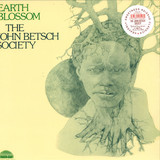
The recording of Earth Blossom, the John Betsch Societys one and only album, seems something of an enigma nowadays. For even though Nashville is clearly one of the towns in the US with the highest number of recording studios, who would have thought that the capital of country music would give birth to one of the forgotten masterpieces of 1970s spiritual jazz. The path leading to the album starts in 1963 when John Betsch, originally from Jacksonville in Florida, arrives in Nashville to study at Frisk University. He is a young drummer and joins Bob Holmes trio. Holmes is one of the towns major jazz organists and pianists; he becomes Betschs mentor and, over the space of two years, John will play alternately with him and with the trumpeter Louis Smiths group. However, in 1965, John leaves town to go to the prestigious Berkeley University in Boston and do a two-year course along with his fellow debutants with names like John Abercrombie, Ernie Watts and Alan Broadbent. Two years later, he is invited by a pianist friend, Billy Chilf, to join the legendary singer/songwriter Tim Hardins group. Just after Woodstock, John Betsch and Tim record a psychedelic album Columbia will never release together with the members of the future group Oregon: Colin Walcott, Glen Moore, Paul McCandles and his friend Billy Chilf. But he soon leaves this group to return to Nashville where he hooks up again with his friend Bob Holmes. Two years later, he is accepted on Archie Shepp and Max Roachs famous course at the University of Massachusetts Amherst (UMASS) and for the next four years he participates in this collective of intellectuals and musicians under the aegis of the two masters.
During this period he returns to Nashville to form his Society whose music is obviously influenced by the Afrocentric ideas of the UMASS student and political movement. However, the album, recorded in one day and in one take, also bears the hallmark of their generations psychedelic experiences, and in the themes and playing of the musicians we can hear a less violent form of music than the radical free jazz of New York or Chicago. Nature and environmental themes are the inspiration behind tracks touched by the spirit of Coltrane but also of Flower Power.
After Amherst, John Betsch joins Marion Browns group in 1976, leaves Tennessee for good and makes his home in New York over the next ten years or so. He plays and records with Dollar Brand, Kalaparusha Maurice McIntyre and many others, before heading off to France. He has lived in Paris for the last twenty years and played in Steve Lacy, Mal Waldron and Archie Shepp bands, as well as forming groups of his own. He now lives in Paris and plays with many musicians/bands.
Released in 1969, The Golden Gate’s “Year One” album is a gem of late 60s psychedelic pop and alternative rock. This album is renowned for its innovative compositions, combining complex harmonies and rich sonic textures. With its poetic lyrics and experimental production, “Year One” captures the spirit of its era while offering a unique perspective. It is considered a cult classic for fans of this revolutionary period in music.
Acid Jazz's announcement of the 30th anniversary 2LP remastered edition of Mother Earth's The People Tree is a momentous occasion for fans of acid jazz and soul music alike. Originally released in 1994, this album holds a significant place in the genre's history, blending elements of soul, funk, and folk-tinged rock from the 70s with a modern twist. The special edition reissue boasts the original album, along with three previously unreleased tracks and six making their vinyl debut. Remastered from the original analogue recordings, this release promises to breathe new life into the beloved classic. Featuring guest appearances from iconic artists like Paul Weller, Dee C Lee and Simon Bartholomew of Brand New Heavies, The People Tree is a testament to the collaborative spirit of the acid jazz scene. Notable bonus tracks include the previously unreleased alternative version of 'Apple Green,' an alternate take on 'Illusions,' and the title track itself. First-time vinyl cuts offer fresh perspectives on tracks like 'Jesse' and 'Slide Sweet Baby,' adding depth to the listening experience. The album's presentation is equally impressive, with a beautiful 'wide-spine' layout, printed inner sleeves, and insightful notes from label-founder Eddie Piller, accompanied by unseen photos from the original cover shoot. Overall, this anniversary edition of The People Tree is a album worth your time as it often selected for one of the best examples in the genre.
out of Stock
Last delivered 2 years ago available to reorder, subject to availability
Nowadays, fresh proponents of folk rock seem to prefer fiery delivery to vibrant depth of the pieces they perform, and it's a rare feat for them to explore the Stygian regions of a centuries-spun lore. However, David Carroll, an erstwhile member of SPINNING WHEEL who hasn't publicly practiced the art for decades, sticking instead to the luthier aspect of music industry, knew better when embarking on this project and inviting longtime fellow travelers for the ride. Those kindred spirits, tethered for years to FAIRPORT CONVENTION and GRYPHON, never ceased to be excited by the possibilities of delving into tradition, especially when there's no showcase to make out of tragedy inherent in familiar tunes, with filigree fed into songs per se rather than their perfunctory trappings. That's why "Bold Reynold" is so compelling without ever sounding flashy, the resulting gloomy tapestry stressing the ancient wisdom of every cut on offer.
Here at Mr Bongo we have been inundated with people asking us to reissue this release. Ana Frango Elétrico's petit cult classic masterpiece 'Little Electric Chicken Heart' from 2019, which was only ever released on vinyl and CD in Brazil and Japan, has fast become a collector's item.
Well received by fans, DJs, and reviewers on release, The Needle Drop expressed "Ana Frango Elétrico's authentically vintage fusion of chamber pop, rock, samba and jazz is a real blast!" listing it as one of its Top 50 Albums of 2019. The album's reputation has been slowly building ever since, gaining a Latin Grammy nomination in 2020, and now solidly cementing itself as a gem of contemporary Brazilian music.
Across the albums nine tracks, Ana blends elements and influences from MPB, Tropicália, indie rock, punk and pop, forging them together with a sumptuous dose of her signature style. The finesse of 'Saudade' kicks off the LP, one of Ana's most known tracks to a non-Brazilian audience. A sublime opener, beginning with a spellbinding piano solo before transcending into a beautiful dream-laden slice of warmth, complete with luscious jazzy horns and deft vocal delivery. ‘Promessa e previsões’ follows, the only track on the album not to be written by Ana, instead being penned by Chico França. It’s a swelling and sweeping twilight groover, building and breaking across absorbing peaks.
Other highlights on the album include the anthemic 'Chocolate', which was a firm favourite with a packed sing-along crowd when we heard Ana perform it live. Elsewhere, 'Se No Cinema' hits with its quirky allure, charm and catchy melodies before transforming into a carnival spirit.
Tapping into the richness of Brazil’s new wave of musical energy, the album also includes a heavyweight lineup of collaborations with artists such as Dora Morelenbaum (Bala Desejo), Tim Bernardes, Antonio Neves and Guilherme Lirio to name but a few.
A short, sweet and refreshing record, that leaves nothing to waste, marrying playful ideas with poignant themes. 'Little Electric Chicken Heart' is a future classic and will beguile fans of ‘70s Brazilian recordings, Gal Costa, Mac DeMarco, Stereolab, Superorganism, Caetano Veloso and more.
out of Stock
Last delivered 2 years ago available to reorder, subject to availability
American jazz pianist and composer Weldon Irvine dropped his fourth and some say best album, In Harmony, in 1974. It came originally on the legendary spiritual jazz outlet Strata-East and now gets reissued by Japan's equally well regarded P-Vine. It has got a fresh mastering job for the occasion so sounds as good as possible with standout cuts like 'What Are Ou Doing For The Rest Of Your Life' and 'Pleasure, Pain & Me' exemplifying Irivine's unique conversational style and ability to lay down spiritual jazz sounds that energies and refresh mind, body and soul.
out of Stock
Last delivered 2 years ago available to reorder, subject to availability