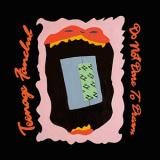
When you notice the cheerful mystery playing with the synths, the edges of this small world start to look slightly distorted. In any era, someone is always creating mysterious music on their own. (7FO)
----------------------------
Music in DNA is an album recorded in the early 1980s in New York City by Yasuhito Ohno, a young Japanese man breaking free from the constraints of his homeland. The album is a naive burst of outsider DIY enthusiasm, inspired by the multiple avant-garde movements of the era, in music, painting and performance, as well as the native energy of 80s NYC. Ohno channeled his youthful "edge" and zeal into open-minded lo-fi musical explorations using a mere two machines: the then-new technological glories of a four-track cassette recorder and that polyphonic synthesizer masterpiece, the Roland Juno-60; on several pieces he vocalizes. These seven tracks have a zestful, innocent, anything-goes charm, free from preciousness and self-consciousness: a raw and youthful human spirit at play in a new world. Ohno was also inspired by the humanistic promise of the general technological developments of the day, including DNA research, personal computing, and early computer graphics, an example of which can be found on the cover. Ohno later returned to Japan, becoming a renowned composer/producer. In an era of jaded cynicism, Music in DNA is a welcome taste of big-hearted innocence, a revival of a raw self. Available on CD/LP/Digital, with E/J liner notes.
Suche:ta ra
- Wänderer
- Castle
- Lament
- Genom Sorgen (Ft. Vs
- Angest
- Mörker Över Mörker
- Three Winters Away
- Drömsång
- Raven King
- Vigil
- Eternal Martyr (Ft. Bladee)
- Trollsång (Ft. Spöke)
- Land Av Evig Natt L
- Land Av Evig Natt Ll
- Gates
- Morning Star
- Outro (Ft. Varg2)
"Morning Star" zeigt Kekht Aräkh auf dem Weg zu einer authentischeren, verfeinerten Version seiner selbst. Das Album wurde in Berlin und Stockholm aufgenommen und entstand in einer Phase intensiven persönlichen und künstlerischen Wachstums. Es verbindet aggressive Black-Metal-Passagen mit immersiven, strukturierten Klanglandschaften, die sowohl intim als auch weitläufig wirken. Seit seinen Anfängen in Mykolajiw, Ukraine, hat Dmitry (alias Crying Orc), der alleinige Kopf hinter dem Projekt, einen unverwechselbaren Weg innerhalb des Black Metal gesucht. Diese Vision entfaltete sich durch sein Debütalbum "Through the Branches to Eternity EP" (2018) und die Alben "Night & Love" (2018) und "Pale Swordsman" (2021), die eine charakteristische Spannung zwischen wildem, viszeralem Black Metal und zarten, introspektiven Balladen etablierten. Auf "Morning Star" erreicht diese Dynamik eine neue Tiefe. Das Album entstand in einer Phase künstlerischer Klarheit und erkundet eine rauere, persönlichere Gefühlspalette, geprägt von Stress, Angst und langen Phasen der Schreibblockade, was ihm eine seltene Unmittelbarkeit und Verletzlichkeit verleiht. Dmitry nahm fast alle Instrumente selbst auf, das Schlagzeug stammt von Jonathan (Spira Me, Vanskapth, Olycka). Bladee steuerte den Gesang bei und war Co-Autor der Texte zu "Eternal Martyr", eine unerwartete Zusammenarbeit, die eine intuitive Chemie offenbart. VS--55 und Varg2Ö fügen abstrakte Samples und subtile Texturdesigns hinzu, die "Morning Star" seine unverwechselbare Körnigkeit und analoge Wärme verleihen, während James Ginzburg (Emptyset, Osmium) sich um das finale Mastering kümmerte und die dynamische Tiefe und atmosphärische Fülle verstärkte. Mehrere Tracks greifen früheres Material mit neuen Perspektiven wieder auf. ,Wänderer" und ,Drömsang" wurden teilweise neu aufgenommen oder komplett neu interpretiert. Intensive, treibende Passagen kollidieren mit spärlichen, kontemplativen Zwischenspielen und erzeugen eine Landschaft, die sowohl viszeral als auch eindringlich ist. Themen wie Isolation und Wanderschaft tauchen in "Wänderer" auf, traumhafte Melancholie in ,Drömsang", existenzielle Kämpfe in "Angest" und Reflexionen über Zeit und Transformation in "Three winters away". Mit "Morning Star" verbindet Kekht Aräkh vergangene Erkundungen mit neuer kollaborativer Energie und produziert ein Album, das die Black-Metal-Tradition der 90er Jahre würdigt und gleichzeitig Lo-Fi-Wärme, melancholische Melodien, klangliche Experimente und emotionale Offenheit umfasst. Das Ergebnis ist ein zutiefst persönliches Statement - ein Album, das sowohl eine Ankunft als auch eine Fortsetzung seiner künstlerischen Reise darstellt.
- A1: Frankie Knuckles Feat Jamie Principle - Your Love (Original 12” Version)
- A2: Steve "Silk" Hurley - Jack Your Body (Original Club Mix)
- A3: Marshall Jefferson - Move Your Body (The House Music Anthem)
- A4: Farley “Jackmaster Funk & Jesse Saunders Feat Darryl Pandy - Love Can’t Turn Around
- B1: Jesse Saunders - On And On
- B2: Ron Hardy - Sensation (Long Version)
- B3: The House Master Boyz& The Rude Boy Of House - House Nation
- C1: Ralphi Rosario Feat Xavier Gold - You Used To Hold Me
- C2: Ten City - That’s The Way Love Is (Underground Mix)
- C3: Joe Smooth - Promised Land
- C4: Raze - Break 4 Love
- D1: Maurice Joshua With Hot Hands Hula - This Is Acid
- D2: 808 State - Pacific State
- D3: Orbital - Chime
- D4: Phuture - Acid Tracks
Back in stock !
First three releases in Ministry Of Sound's new 'Origins Of' series of vinyl releases. Taking it right back to where it all began, Ministry of Sound’s Origins series charts a selection of pioneering records responsible for shaping the sound of modern day dance music. It’s hard to imagine a world without House; this 2x LP release explores the origins of the genre from its early beginnings in 1980s Chicago presenting some of the key building blocks of a sound that went on to change the world. Featuring, Frankie Knuckles&Jamie Principle, “Steve” Silk Hurley, Marshall Jefferson, Farley “Jackmaster” Funk, Ron Hardy, RalphiRosardo, Joe Smooth and many more.
'Balconies' is an urgent, physical record shaped by momentum and heat. The album takes its title from a recurring metaphor: a balcony as a place of exposure and distance. Elevated, visible, yet removed from the action below. Throughout the record, Tin Fingers explore feelings of observation, displacement and restlessness, moving through places without fully belonging.
Musically, 'Balconies' marks a clear shift for the Antwerp band. Where earlier releases leaned into intimacy and melancholy, this album is louder, more direct and built for movement. Sharp, energetic songs are balanced by the band's continued attention to atmosphere and imagery.
The album was written instinctively over three months by frontman Felix Machtelinckx before being brought to the band, with arrangements coming together quickly thanks to years of shared experience. Recording took place over four hot summer days at The Old Carpet Factory on Hydra, Greece. The warmth, the sea and the island's isolation shaped both sound and mood, while limited time encouraged live recordings that capture the album's raw energy and immediacy. 'Balconies' was mixed by D. James Goodwin (The National, Kevin Morby, Whitney).
Following the release, Tin Fingers will present 'Balconies' live, with shows at De Roma (Antwerp), Mezz (Breda) and Supersonic (Paris).
- Majesty And Misery
- Tunderizer
- Out Of Our Bed
- Waiting For The Drugs
- 680:
- Ain't I Worth That
- Whiskey On The Rocks
- Greece Without The Greeks
- Chennai
- Nothome
- Select A Room
- Approaching Ramp
- Money And Blood
Rami Gabriels zweites Album ,Tunderizer" bringt den harten Experimentalismus des Post-Punk-Industrial in die gemütliche Atmosphäre von zu Hause. Wie Schatten, die durch Spiegel huschen, verdeckt ein Mix aus Lo-Fi-Noise-Art und Feldaufnahmen das super abgestimmte Songwriting. ,Tunderizer" rockt in allen Bereichen, von mitreißenden Melodien bis hin zu dekonstruktivem Rauschen, von Country bis Tarab, von Skronk bis Delta Blues. Der in Beirut geborene Rami Gabriel ist Komponist und Songwriter und spielt Oud, Buzuq und Gitarre. Er lernte Blues und Jazz, indem er mit legendären Musikern aus Chicago auftrat und diese Musikstile mit arabischen Traditionen verband. Rami tritt häufig in Nordamerika und international auf, unter anderem in Europa, Indien, der Türkei, dem Libanon und Ghana. Kürzlich spielte er beim Portland Jazz Festival, dem NYC Arab Festival und dem Festival International De Louisiane. Rami leitet die in Chicago beliebten Bands The Arab Blues und das R&B-Quartett Rami & the Reliables. Er stand schon mit Größen wie Buddy Guy, Zakir Hussein, Bela Fleck, Edgar Meyers und Rakesh Chaurasia auf der Bühne. Er war Vorband für den britischen Songwriter Nick Lowe und nimmt regelmäßig mit Mitgliedern der amerikanischen Rocklegenden NRBQ auf. Außerdem stand er schon mit Prostitute, Marvin Tate und anderen Punk- und Noise-Künstlern auf der Bühne. Seine Musik wurde von experimentellen Künstlern wie Fire-Toolz, Beau Wanzer, Sen Morimoto, Lynyn, k-rAd und Alex Hall von Reliable Recorders aus Chicago remixt.
- Eat Your Greens
- Mustard Sauce
- Drop Top
- Parlor Change
- Emeralds
- Letter To Brother Ben
- Francisco Smack
- Jolene
- Lion's Mane
- Red Dog
- Queen Of My Heart
Auf ,Emeralds", dem zweiten Longplayer von Parlor Greens, präsentiert das Trio eine sorgfältig zusammengestellte Auswahl dessen, was funkige Orgelmusik leisten kann. Drei wahre Meister ihres Fachs: Tim Carman (ehemals GA-20) am Schlagzeug, Jimmy James (True Loves, ehemals Delvon Lamarr Organ Trio) an der Gitarre und Adam Scone (Scone Cash Players, The Sugarman 3) an der Orgel. Erfahrene und gefühlvolle Profis, die sich zusammengetan haben, um mitreißende, funkige Instrumental-Jams zu kreieren. Parlor Greens sind in Bestform: Sie sind eingespielt und selbstbewusster denn je, was ihre Identität und ihre Ausrichtung betrifft. Der Opener des Albums, ,Eat Your Greens", beginnt mit einem von Charles Earland inspirierten Four-on-the-Floor-Beat, wobei Jimmy und Scone den Song wie einen überladenen Güterzug vorantreiben, der einfach nicht zu stoppen ist. Greens", startet mit einem von Charles Earland inspirierten Four-on-the-Floor-Beat, wobei Jimmy und Scone den Song wie einen überladenen Güterzug vorantreiben, der einfach nicht zu stoppen ist. ,Lion's Mane" zeigt eine etwas raffiniertere Seite des Trios, mit Anspielungen auf einen von Scones Orgelmentoren , den unvergleichlichen Dr. Lonnie Smith. Um seinen Bandkollegen in nichts nachzustehen, demonstriert Tim Carman in ,Letter To Brother Ben", einem gospelartigen Shuffler, warum er den besten Shuffle diesseits des Mississippi spielt. Und obwohl die Ergebnisse stärker denn je sind, war die Stimmung bei dieser zweiten Aufnahmesession ganz anders. Als sich die drei zum ersten Mal in Loveland im Colemine's Portage Lounge Studio trafen, war die Atmosphäre von einer gewissen Frische geprägt. Es war neu, es war das erste Mal, dass sie alle zusammen spielten. Es war aufregend, es war Neuland. Die Session für Emeralds lastete viel schwerer auf allen drei Mitgliedern. Da alle drei mit persönlichen Tragödien in ihrem individuellen Leben zu kämpfen hatten, war die Session für die Gruppe ein echter Moment der Freude. Nur drei talentierte Musiker, die nun als Freunde in einer vertrauten Umgebung Musik schreiben und spielen. Nirgendwo wird die Bedeutung dieser Session deutlicher als beim letzten Titel des Albums, ,Queen Of My Heart", einem Stück, das Jimmy für seine Mutter kurz nach ihrem Tod geschrieben hat. Mit schwerem Herzen und voller Emotionen ist Colemine Records sehr stolz darauf, das zweite Album dieser drei Meister präsentieren zu dürfen. Parlor Greens präsentiert_ Emeralds.
- Beadie
- Ratchet Strap
- Wtf
- Gator
- The Ephemeral Stream
- Torpor
- Unknowing
- Overhead
- Zillow
- Vegas
Als Justin Morris 2019 nach einem Leben in North Carolina nach New York City zog, hatte er vor, das Gegenteil von dem zu machen, wofür die Leute normalerweise in die Stadt ziehen: seinen Traum aufzugeben. Seit seiner Kindheit war dieser Traum einfach: Songs schreiben, in Bands spielen, im ,Indie-Rock" leben. Aber als er für einen der größten Indie-Stars der Zeit Merchandise verkaufte, geriet diese Überzeugung ins Wanken. Von seinem Platz im Bus aus betrachtet, schien der Alltag auf Tournee nicht zu den faszinierenden Shows zu passen; Zugaben wichen einer Arbeitsrealität, die ihm die berufliche Seite von etwas zeigte, das er immer nur romantisiert hatte, und ihn fragen ließ, wo der Glanz geblieben war. Für seine naive Weltanschauung war die Kluft zwischen der Fantasie, ,es zu schaffen", und der Realität erschütternd. Wenn das ,der Traum" war, dachte er, musste er vielleicht überdacht werden. New York sollte ein Neuanfang sein, vielleicht sogar der Ort, an dem er einen anderen Beruf erlernen und die Musik hinter sich lassen würde. Doch weniger als einen Tag nach seinem Einzug in die Untermiete in Bushwick trat ein Mann mit einer Waffe seine Schlafzimmertür ein, zwang ihn auf den Boden und fesselte seine Hände mit Fernsehkabeln. In den Tagen nach dem Raubüberfall, in denen er nur noch durch Songs einen Sinn in den Dingen erkennen konnte, begann er wieder zu schreiben. Diese Songs wurden zum Beginn eines neuen Projekts, das er Sluice nannte. Sluice ist jetzt eine vierköpfige Band aus Durham, North Carolina - mit Morris an der Gitarre und am Gesang, Oliver Child-Lanning am Bass und verschiedenen Instrumenten, Avery Sullivan am Schlagzeug und Libby Rodenbough an der Geige - mit Companion, ihrem dritten Album und Debüt bei Mtn Laurel Recording Co. Es folgt auf Radial Gate aus dem Jahr 2023, das still geliebte Album, das Morris aufgenommen hatte, nachdem er aus New York geflohen war und sich mit dem damals noch unbekannten Child-Lanning in einem Haus in Hillsborough niedergelassen hatte, das er über Craigslist gefunden hatte. Dort nahm er Songs im Sylvan Essos Studio Bettys auf, während er als Zimmermann arbeitete. ,Companion" ist ein Album über das Dating, über das Verlieben zu den weitläufigen Refrains von Kenny Chesney und Alan Jackson. Der ,Begleiter" ändert seine Form: Manchmal hat er einen Namen (Sara, Bluey, Of Doe Eyes), manchmal ist er ein Hund, der morgens aus der Tür schlüpft, manchmal ist es Morris selbst, der sein Spiegelbild im Badezimmerspiegel sieht und murmelt: ,Junge, ich liebe dich." Manchmal sind es die Tischler, die Stadtbewohner, die Bandkollegen, die alten Tourkollegen, die wieder in sein Leben treten. In seinem sachlichen, ironiefreien lyrischen Stil, den Pitchfork einmal als ,eine Umerziehung in Aufrichtigkeit" beschrieb, wirken diese Menschen real, weil sie es sind. Und immer in greifbarer Nähe ist die Musik selbst, die Begleiterin, die fast verloren gegangen wäre.
Die limitierte 7"-Vinyl präsentiert einen der letzten Studio-Momente des verstorbenen David Johansen - eine intime, akustische Liebeserklärung voller Verletzlichkeit und Reife Seine Stimme trägt jene rauhe, unverwechselbare Tiefe, die ihn seit den Tagen der New York Dolls auszeichnete: ehrlich, ungeschönt, unmittelbar. "Gonna love you baby, till I lose my mind." An der akustischen Gitarre erschafft Earl Slick - bekannt durch seine Arbeit mit David Bowie und John Lennon - schwebende, fast sphärische Klangfarben, die Johansens erdigen Gesang umrahmen. Gemeinsam formen sie ein nuanciertes Zusammenspiel aus bluesiger Erdung und kosmischer Leichtigkeit. Der Track steigert sich in ein kraftvolles Mundharmonika-Finale, das Blues und Rock miteinander verschmilzt und den Song in eine spirituelle Intensität führt. Am Ende bleibt die Erinnerung daran, was uns Menschen am stärksten bewegt: L.U.V. - die Liebe.
- A1: Chris Liebing - Unfold
- A2: Chris Liebing, Charlotte De Witte - Symphonie Des Seins
- A3: Chris Liebing, The Advent - Subjective Immortality
- B1: Chris Liebing - Roy Batty
- B2: Chris Liebing - Evolver
- B3: Chris Liebing - John Connor
- B4: Chris Liebing, Luke Slater - Double Split
- C1: Chris Liebing, The Alte Stuben Modular Ensemble - Entangled Circuits
- C2: Chris Liebing - Higher Things
- C3: Chris Liebing, Speedy J - Shaping Frequencies
- D1: Chris Liebing - Brooks Ave
- D2: Chris Liebing - Eye C
- D3: Chris Liebing - Endtrack
Chris Liebing's first full solo techno LP, 'Evolver' is released on 27th March 2026, via his own CLR imprint. The German techno don's LP features a host of collaborators across music, images, and artwork. Luke Slater, Charlotte De Witte, Speedy J, The Advent, Terence Fixmer, Pascal Gabriel, Daniel Miller contribute to the music, while long-time collaborators Studio Bergfors deliver design, and legendary photographer Anton Corbijn shot Liebing for the project.
The Evolver LP is the sum total of Chris Liebing's three decades at the beating heart of techno. It's the record only someone whose first break as a techno DJ was playing five hours at Sven Väth's infamous Omen in Frankfurt - and who has ridden out every twist and turn of life and subcultures since, while remaining rooted in the true school, dark, sweaty techno sweat pits of the world - could have made. It's the result of deep introspection, but it's about utter immediacy. It's the sound of someone previously driven along by compulsion and happenstance at last finding the confidence to be utterly intentional about their practice, allowing them to take the most classic, familiar, proven elements from the past and render them completely new.
Evolver is also Liebing's first completely solo album. There are collaborations, yes: with old friends from the OG techno generation, Luke Slater, Speedy J, and The Advent, all on uncompromising form, and with new generation figurehead Charlotte De Witte, who provides a thrilling narration of total surrender to the moment on acid clarion call "Symphonie des Seins". But unlike all Liebing's albums to date, there's no co-pilot. Every structure, every mixdown, every choice serves his singular vision of how his untold immersion in the surging currents of the world's greatest clubs should sound. The elements are all those forged in the white heat of Omen and Tresor in the mid 90s - brutal repetition, titanium kick drums, industrial atmospherics, but also dark rave euphoria, ever present surging acid lines just on the cusp of trance, and just enough human voices to remind you of bodies on the dance floor - but rendered with all the extraordinary accumulated skill and technological developments since then.
It's Chris's vision entirely, his musings on sound, technology, and life birthing tracks like "Roy Batty." Inspired by thoughts of AI becoming sentient and hungering for more life like Rutger Hauer's titular Blade Runner character, it was one of the first tracks to emerge and a foundation stone for the album. And in pursuit of that vision, it's built like a "proper album". The anticipation and menace of intro "Unfold" tip over into the glowing hot high drama psychedelia of "Symphonie…" then the breathless headlong rush of The Advent collab and on through an unfolding narrative that goes deep, goes dark, opens out into grand vistas, takes strange turns before finally landing on the alien landscape of… well… "Endtrack".
Not everything is pummelling on Evolver - the dazzling title track feels like you've been welcomed into the courtly dance of a higher dimension civilisation, and the audacious Speedy J collab "Shaping Frequencies" is a beatless flow that tests the boundaries between signal and noise. But for all its complexity, conceptualism, and stylistic branching out, every last part unmistakably powered by that dark techno-cavern energy above all else. All of it positively radiates the qualities of Liebing's greatest work and sets to date - but somehow even more so than before. Whether you're listening for aesthetic inspiration, cerebral stimulation or just that raw physical power, this album will sweep you up into its momentum and won't let go of you until it's done.
2LP 180gm heavyweight 45 RPM Audiophile Edition, Featuring a half speed remaster by Miles Showell at Abbey Road Studios, Housed in polylined inners, Printed insert with sleevenote. The Alan Parsons Project"s multi-million selling album The Turn of a Friendly Card (1980), their celebrated prog pop tour de force, is reissued in a variety of formats, including this 2LP heavyweight, 45 RPM Audiophile edition. Expertly cut by Miles Showell at Abbey Road Studios on a customised Neumann VMS 80 lathe at half speed using high-resolution archive transfers taken from Eric Woolfson"s rarely played, mint condition duplicate masters run at the time of the original sessions in 1980. Like other Alan Parsons Project albums, there were a variety of different lead vocalists employed including Chris Rainbow, Lenny Zakatek, Elmer Gantry as well as Eric Woolfson himself. Plus, a selection of session musicians such as guitarists Ian Bairnson and David Paton and drummer Stuart Elliott with arrangements by Andrew Powell.
We are excited to continue our work with Art P / Art Programming by finally offering the first full-length work from this Bremen-based electronic group. Originally released only on cassette in 1983, the self-titled album has now been fully restored and remastered, complete with bonus tracks and unreleased mixes unearthed from a rare demo.
The LP opens with "Wesen vom anderen Stern" ("Beings from Another Planet"), a downtempo, 808-driven electro synth wave track with German lyrics telling a story of aliens capturing earth, becoming the new "Herren" (lords), while humans are reduced to mere "objects." Art Programming founding member Jens-Markus Wegener notes that this track has always been a favorite during live performances, and it's easy to imagine how the futuristic sounds would have blown people away at the time.
Next is the electro/proto-techno title track "Art Programming," which we previously issued on a limited 12" in its full-length form. With its straightforward Roland 808 rhythms, catchy synth lines, and vocoder vocals, it's a classic example of German electro, and one of the earliest proto-techno tracks - long before Cybotron claimed the techno mantle. Its extensive break and electronic twist make it an early precursor to the genre. Wegener recalls that this track was created exclusively by him and Grotelüschen, with Grotelüschen contributing most of the melodic elements, while Wegener focused on drum machine programming and vocoder vocals.
On "That's Me," the album welcomes back singer Claudia Roebke. Although it's an electronic composition, Roebke adds a rock-infused, almost psychedelic vibe to the song. The lyrics, written by Wegener, depict a person obsessed with their appearance, using irony to critique societal beauty norms, questioning the obsession with perfection and attraction.
The album continues with a series of uptempo electro tracks: "Videoscreen," "La Gare," and "Genscher Pull 'N' Push." The first two feature slightly different mixes from an earlier demo that we personally prefered over the versions that were available on the final cassette release. "Videoscreen" expands on the theme of social isolation, with lyrics reflecting on a world obsessed with watching video all day - a topic that resonates strongly with today's culture of doom scrolling and social media addiction.
Next up, "Genscher Pull 'N' Push" is an incredible electro/wave/proto-techno track recorded in October 1982 with a political edge. Originally omitted from the album, it was only available on the demo cassette we mentioned earlier. The song takes aim at German politics, with lyrics that shout "bitte geh nach links / bitte geh nach rechts" ("please go to the left" and "please go to the right"), referencing the shifting political allegiances during the 1982 coalition change, when Genscher's party, the FDP, left the Helmut Schmidt cabinet to join the CDU/CSU opposition. The track was never released as the political topic had become outdated just a few months later.
The album closes with "Light and Fire," which originally served as the album's opening track. Its quirky, upbeat vibe now makes for a fitting outro.
The gear used on this album reads like a dream list for early 80s electronic music production: Roland Jupiter 4, TR 808, TB 303, System 100, SVC 350, Korg Mono/Poly, Moog Prodigy, FRICKE-Sequenzer, Roland CSQ-100 Sequenzer, Coron DS-8, MM 12/2, Sony TC 399, TEAC-244 Portastudio, Ibanez DM 1000, EH-Electric Mistress, EV-Micro. This unique lineup of equipment sets the album apart from NDW releases of the era, lending it a distinct sound with heavy proto-techno leanings and that straightforward electro vibe we all love.
The album is being released as a very limited edition of 300 copies on transparent red vinyl, complete with a full picture sleeve and lyrics inlay. This is yet another rediscovered and restored 80s gem on our label that you definitely don't want to miss!
Sound Records proudly presents ‘Morpho’, the debut LP from UK-based producer Benyayer, formerly one-third of celebrated electronic trio Dark Sky. A deeply personal record and a symbolic transition, Morpho captures the emotional and sonic evolution of an artist in metamorphosis.
Having stepped into the solo spotlight following his successful Infiltrator EP, Benyayer (aka Matt) delivers a bold, vinyl release that combines seven previously digital-only tracks with a brand new cut, ‘The Return’, all meticulously curated and pressed for the first time on wax.
Bridging influences from techno, UK bass, Afrofuturism, and electronica, Morpho is a meticulous exploration of rhythm designed to excite, cause chaos, personal reflection and movement. Each track is a raw, rhythmic exploration that draws on his time spent busking on the streets of London with found objects, experimentation with modular synths and years of experience honing his craft as a performer at some of the finest establishments in the electronic music landscape.
This initial vinyl edition is limited to just 300 copies. Designed in collaboration with Harry Cresswell, each sleeve features a deconstructed butterfly motif, laser-cut on both sides of heavy matte stock, paired with a matte-printed inner sleeve and a transparent vinyl disc, making each copy a true collector’s item.
The LP arrives amid support from tastemakers like Gilles Peterson, Benji B, and Tom Ravenscroft (BBC 6 Music), as well as heavyweight artists including Ben UFO, Bicep, Laurent Garnier, Bonobo, and Modeselektor.
Benyayer's new live show, built around these very tools, has already been trailed to great acclaim across Europe, adding a powerful performative dimension to the record. With previous performances at Berghain, Fabric, Glastonbury, MUTEK, Dimensions and Melt Festival. Benyayer's solo trajectory continues to rise with intent, mystery, and a fierce sense of artistic purpose.
Saithara were a leading traditional Lanna music group in the Chiang Mai area, led by Chansom Saithara who was named a National Artist in 1996.
Chansom's son, Thepthara Panyamana, fronted the related Saithara "Combo", who explored a range of international pop styles to craft their light-hearted parody tracks in the local "kam mueang" dialect. The lead single here, from 1985, makes use of a well-known German synth-pop song which had become a surprise smash a few years earlier, while the b-side snags a similarly notable power-pop tune from the USA.
Thepthara was also a songwriter and instructor for the child musical group Nok Lae, a Chiang Mai area youth band who became mainstream crossover stars nation-wide. Thepthara passed away in 2017, and Baa Records has teamed with his brother Komsan to license this re-issue in his memory.
- 01: Maanitus &Amp; Tšiižik
- 02: Markka
- 03: Melkutus
- 04: Letška
- 05: Kuuen Parin Hoirola
- 06: Brišatka
- 07: Tšiižik
- 08: Kirkonkellot
- 09: Kirkonkellot Korkea
- 10: Hoirola, 3 Parin
- 11: Lippa
- 12: Kyngäkiža
- 13: Ristakondra
- 14: Vanha Polkka
- 15: Viistoista
- 16: Vanha Valssi
- 17: Kiberä
- 18: Maanitus Kuokan Kanteleella
- 19: Tuuti Lasta Nukkumahe
Vinyl[22,65 €]
Death Is Not The End present a further volume of Arja Kastinen's eerie amalgamations of 110 year old wax cylinders with her own meticulously transcribed takes, this time focussing in on Armas Otto Väisänen's field recordings of kantele player Iivana Mišukka (b. 1861 d.1919).
"Ivana Mišukka (1861–1919) was one of the Karelian kantele players recorded by the folk music researcher Armas Otto Väisänen on wax cylinders in 1916 and 1917. In the early 20th century, the remote areas of Border Karelia were undergoing the final phase of a transformation in musical culture, with the ancient runo song tradition giving way to newer forms of music. This transition is reflected in Mišukka's repertoire and choice of instrument. The ancient small kantele, hollowed out of a single piece of wood, was already rare at the turn of the century. Mišukka's kantele was a new type of instrument with 26 strings, constructed of several parts, but he played it using the traditional plucking technique. Like other Border Karelian kantele players, his repertoire consisted of music rooted in runosong culture, as well as newer dances and songs from the east and west. Most of the recorded material falls into the latter category.
Ivan Bogdanov Mišukka was born out of wedlock in Suursara village, Suistamo, on 1 May 1861. He began playing the kantele at the age of five or six, quickly mastering the instrument. In adulthood, he was considered one of the area's best master players. Mišukka was landless for most of his life and lived in different parts of the Suistamo parish. His first wife, Tekla Markintytär, died in 1897 at the age of 40, and his second wife, Jevdokia Filipintytär Jeminen, died in 1907 at the age of 50. Seven children were born from the first marriage, two of whom died young. The third wife, Maria Ignatintytär Gurnan (Kuurnanen), was a well-known master of lamentations. Together with Maria, Iivana Mišukka worked as a tenant farmer in the village of Suursara. Mišukka suffered from rheumatism, which prevented him from participating in physical work like Maria. This was apparently partly the reason why Iivana Mišukka went to earn extra money by playing the kantele on gig trips. He often had other traditional artists from Suistamo as his travelling companions, such as the runosingers Konstantin Kuokka and Iivana Onoila. Iivana Mišukka died in Leppäsyrjä village, Suistamo, on 18 May 1919 at the age of 58, and his kantele was donated to Teppana Jänis.
Mišukka only used 14 of the 26 strings on his kantele, playing the same tunes either a fourth higher or lower. He tuned his kantele to the major scale using fifths, except for a low seventh scale degree on the upper strings, but not below the fundamental. Since he did not use the seventh note of the scale on the upper strings at all, he could use the major scale both lower and a fourth higher with this tuning. According to Mišukka, the sound of higher, or 'finer', strings is 'more beautiful', while that of lower ones is 'greater'. Among runosingers, the size of the thirds varied, ranging from major to minor to neutral. A similar phenomenon can be observed in kantele tunings, where the third, sixth and seventh scale degrees vary in a comparable way.
During a meeting, Väisänen suggested that Mišukka play the smaller kantele belonging to Konstantin Kuokka. The idea was to bring it closer to the horn to improve the recording quality. However, the kantele was completely out of tune, and now Mišukka tuned it to the Lydian scale (track 18).
Using the old plucking technique, Mišukka placed his right middle finger on the fundamental tone, his right index finger on the second scale degree, his left middle finger on the third scale degree and his left index finger on the fourth scale degree, and his right thumb on the fifth. The thumb also played the notes above the fifth note of the scale. As Mišukka remarked to Väisänen: 'Peigaloll' tuloo enemb ruadoa' (the thumb has to do more work). However, he did not use the seventh note of the scale on the upper strings at all. Below the fundamental note, he played the seventh and sixth notes of the scale with his right middle finger of and the fifth note of the scale with his right ring finger. This fifth scale degree below the fundamental is almost always used as a drone. Sometimes, when the melody required it, Mišukka, like other players, also varied the fingering. He would also occasionally strike the same string with the side of his fingernail after plucking it.
The wax cylinder recordings of Karelian kantele players are kept in the archives of the Finnish Literature Society in Helsinki, Finland. Copies were made of them onto reel-to-reel tapes in both the 1960s and 1980s. The 1960s copies are mono and the 1980s copies are stereo. However, not all kantele recordings from these decades have survived.
The sound of the kantele is difficult to hear in wax cylinder recordings due to its low volume, and it occasionally becomes completely obscured by noise. During the copying process, the cylinder sometimes rotates unevenly, resulting in breaks or jumps in the music. Additionally, the rotation speed of the cylinder in the copies does not correspond to the performance speed of the original music, which alters the pitch. However, since Väisänen's precise notes are available in the archive, it is possible to deduce the melodies, their speed, and the tuning level of the kantele in the recordings. Of the copies of the original recordings from the 1960s and 1980s, I have selected the one that best met the requirements of this publication and adjusted the speed of the recording to align with Väisänen's notes. To enhance the listening experience, I have replayed the songs, which now partly overlap the old recordings on this release."
— Arja Kastinen
- 01: Maanitus &Amp; Tšiižik
- 02: Markka
- 03: Melkutus
- 04: Letška
- 05: Kuuen Parin Hoirola
- 06: Brišatka
- 07: Tšiižik
- 08: Kirkonkellot
- 09: Kirkonkellot Korkea
- 10: Hoirola, 3 Parin
- 11: Lippa
- 12: Kyngäkiža
- 13: Ristakondra
- 14: Vanha Polkka
- 15: Viistoista
- 16: Vanha Valssi
- 17: Kiberä
- 18: Maanitus Kuokan Kanteleella
- 19: Tuuti Lasta Nukkumahe
Tape[16,39 €]
Death Is Not The End present a further volume of Arja Kastinen's eerie amalgamations of 110 year old wax cylinders with her own meticulously transcribed takes, this time focussing in on Armas Otto Väisänen's field recordings of kantele player Iivana Mišukka (b. 1861 d.1919).
"Ivana Mišukka (1861–1919) was one of the Karelian kantele players recorded by the folk music researcher Armas Otto Väisänen on wax cylinders in 1916 and 1917. In the early 20th century, the remote areas of Border Karelia were undergoing the final phase of a transformation in musical culture, with the ancient runo song tradition giving way to newer forms of music. This transition is reflected in Mišukka's repertoire and choice of instrument. The ancient small kantele, hollowed out of a single piece of wood, was already rare at the turn of the century. Mišukka's kantele was a new type of instrument with 26 strings, constructed of several parts, but he played it using the traditional plucking technique. Like other Border Karelian kantele players, his repertoire consisted of music rooted in runosong culture, as well as newer dances and songs from the east and west. Most of the recorded material falls into the latter category.
Ivan Bogdanov Mišukka was born out of wedlock in Suursara village, Suistamo, on 1 May 1861. He began playing the kantele at the age of five or six, quickly mastering the instrument. In adulthood, he was considered one of the area's best master players. Mišukka was landless for most of his life and lived in different parts of the Suistamo parish. His first wife, Tekla Markintytär, died in 1897 at the age of 40, and his second wife, Jevdokia Filipintytär Jeminen, died in 1907 at the age of 50. Seven children were born from the first marriage, two of whom died young. The third wife, Maria Ignatintytär Gurnan (Kuurnanen), was a well-known master of lamentations. Together with Maria, Iivana Mišukka worked as a tenant farmer in the village of Suursara. Mišukka suffered from rheumatism, which prevented him from participating in physical work like Maria. This was apparently partly the reason why Iivana Mišukka went to earn extra money by playing the kantele on gig trips. He often had other traditional artists from Suistamo as his travelling companions, such as the runosingers Konstantin Kuokka and Iivana Onoila. Iivana Mišukka died in Leppäsyrjä village, Suistamo, on 18 May 1919 at the age of 58, and his kantele was donated to Teppana Jänis.
Mišukka only used 14 of the 26 strings on his kantele, playing the same tunes either a fourth higher or lower. He tuned his kantele to the major scale using fifths, except for a low seventh scale degree on the upper strings, but not below the fundamental. Since he did not use the seventh note of the scale on the upper strings at all, he could use the major scale both lower and a fourth higher with this tuning. According to Mišukka, the sound of higher, or 'finer', strings is 'more beautiful', while that of lower ones is 'greater'. Among runosingers, the size of the thirds varied, ranging from major to minor to neutral. A similar phenomenon can be observed in kantele tunings, where the third, sixth and seventh scale degrees vary in a comparable way.
During a meeting, Väisänen suggested that Mišukka play the smaller kantele belonging to Konstantin Kuokka. The idea was to bring it closer to the horn to improve the recording quality. However, the kantele was completely out of tune, and now Mišukka tuned it to the Lydian scale (track 18).
Using the old plucking technique, Mišukka placed his right middle finger on the fundamental tone, his right index finger on the second scale degree, his left middle finger on the third scale degree and his left index finger on the fourth scale degree, and his right thumb on the fifth. The thumb also played the notes above the fifth note of the scale. As Mišukka remarked to Väisänen: 'Peigaloll' tuloo enemb ruadoa' (the thumb has to do more work). However, he did not use the seventh note of the scale on the upper strings at all. Below the fundamental note, he played the seventh and sixth notes of the scale with his right middle finger of and the fifth note of the scale with his right ring finger. This fifth scale degree below the fundamental is almost always used as a drone. Sometimes, when the melody required it, Mišukka, like other players, also varied the fingering. He would also occasionally strike the same string with the side of his fingernail after plucking it.
The wax cylinder recordings of Karelian kantele players are kept in the archives of the Finnish Literature Society in Helsinki, Finland. Copies were made of them onto reel-to-reel tapes in both the 1960s and 1980s. The 1960s copies are mono and the 1980s copies are stereo. However, not all kantele recordings from these decades have survived.
The sound of the kantele is difficult to hear in wax cylinder recordings due to its low volume, and it occasionally becomes completely obscured by noise. During the copying process, the cylinder sometimes rotates unevenly, resulting in breaks or jumps in the music. Additionally, the rotation speed of the cylinder in the copies does not correspond to the performance speed of the original music, which alters the pitch. However, since Väisänen's precise notes are available in the archive, it is possible to deduce the melodies, their speed, and the tuning level of the kantele in the recordings. Of the copies of the original recordings from the 1960s and 1980s, I have selected the one that best met the requirements of this publication and adjusted the speed of the recording to align with Väisänen's notes. To enhance the listening experience, I have replayed the songs, which now partly overlap the old recordings on this release."
— Arja Kastinen
London Based Deadbeat is a techno label founded in 2000 as an outlet for the more eclectic, risk taking and aggressive elements of the genre. Dedicated to unveiling forward thinking new talent, championing cult underground producers and celebrating established global acts the label has created a loyal fan base and now after more than two decades presents its first vinyl release, a massive six track EP that covers a lot of creative ground and features three artists well known for pushing boundaries while delivering face melting, dancefloor destroying beats.
Sane ( Don't Recordings / Fun In The Murky ) is a Uk based producer and techno DJ who has featured multiple times on the 'Best electronic music on bandcamp' pages. Described there by music journalist Joe Muggs as 'Filthy, dirty, vile and brilliant. His techno will tear the top off your head and make soup with the contents. It screeches, it blurts, it whistles, and it roars. Above all, it crashes and clangs like a dancing mech warrior, crushing all before it. What more do you need to know?'
TSR ( Analog Records / Hörspielmusik ) are a highly regarded creative force of Swedish musical mentalists, a crazed, technologically berserk band of electronic wizards who relentlessly conjure up the most brilliant, silliest, toughest, most dance bootable funky techno on this train of existence. Known for high-energy, raw, and sometimes humorous tracks they have released to high acclaim on many notable labels and played all over the world.
DJ Ze MigL ( Djax-Up-Beats / Minimalistix ) is first and foremost a DJ, but also a producer & a Dude! Creating crazy, funky and sometimes brutal techno mayhem. Residentially from Portugal, he’s been the one of most prolific Portuguese techno producer/ DJ during the last 25 years. Producing and Spinning his own special brand of honkin’ techno, not changing a single cowbell. Never too serious or dark, always with proper party ON!
The record additionally features full sleeve artwork by Ed Twist ( of the influential 'Ugly Funk' label ) and is pressed on yellow vinyl.
- A1: Poor Johnny
- A2: That Ain't Love
- A3: Does It Really Matter
- A4: Fadin' Away
- A5: My Last Regret
- A6: It Doesn't Show
- A7: I'm Walkin
- A8: Twenty
- A9: I Know You Will
- A10: I Forgot To Be Your Lover
- A11: Two Steps From The End
Not long after Strong Persuader became an unexpected crossover hit in 1986 - which was hard to imagine then and seems like a near impossibility now - Cray decided that he would rather pursue the sound of Stax and Hi soul than be a full-fledged bluesman. He punctuated his songs with stinging licks not dissimilar to Albert King, but the sound was closer to O.V. Wright. But what really separated Cray from his forefathers is that instead of getting dirty and gritty, he stayed classy and tasteful. After 25 years and 14 albums, Robert Cray has been mining the same low-key, mellow Memphis soul-blues groove for well over two-thirds of his career. He's found his sound and he's sticking to it. Now for the first time ever available on vinyl Twenty, his 14th album; a thoroughly pleasant listen indeed, it pack's a punch, and has just all the right ingredients. Twenty is available as a limited numbered edition of 750 copies on crystal clear 180 gram vinyl and includes an insert.
High-quality FERRO cassette tapes, printed on 160g premium paper.
Release info
For the second release in the series, I invited Diffused Signal from Australia. His track can be categorised more as an extension of my original track rather than a remix. With new rhythmic elements and textures that blend smoothly with the main idea, creating a more dynamic atmosphere.
The result is a fusion of deep techno and breakbeat, with an organic aesthetic that gives the release its unique character.
- 1: The Awakening - Mode For D.d. (4.47)
- 2: Doug Carn - Higher Ground (5.06)
- 3: Calvin Keys - Aunt Lovey (7.22)
- 4: Roland Haynes - Eglise (3.06)
- 5: The Awakening - Slinky (6.0)
- 6: Walter Bishop Jr. - Coral Keys (5.33)
- 7: Rudolph Johnson - Diswa (6.34)
- 8: Henry Franklin - Blue Lights (6.57)
- 9: Kellee Patterson - Maiden Voyage (5.17)
- 10: Chester Thompson - Power House (6.33)
- 11: The Awakening - March On (5.31)
- 12: Walter Bishop Jr. - Soul Village (6.16)
- 13: Rudolph Johnson - The Highest Pleasure (7.36)
This album brings together some of the finest music ever released on Black Jazz Records which in its short four-year history, between 1971 and 1975, released over 20 superlative albums which all successfully blending spiritual jazz, funk and soul jazz of the highest calibre. Similar to other independent jazz labels at the time, including Strata-East Records and Tribe Records, Black Jazz focussed on a number of key artists, most of whom first established their career during this period, and all of whom are featured here. Featuring The Awakening, Doug Carn, Walter Bishop, Chester Thompson, Kellee Patterson and more. Black Jazz Records was founded in Oakland, California, by pianist Gene Russell and percussionist Dick Schory.
The label released twenty albums between 1971 and 1975. Artists who recorded for Black Jazz Records included Cleveland Eaton (bassist for Ramsey Lewis), keyboardists Doug Carn and Chester Thompson, vocalist Kellee Patterson, saxophonist Rudolph Johnson, bassist Henry Franklin, and spiritual fusion group The Awakening. The label was distributed and financed by Ovation Records, based in Chicago. Schory founded Ovation in 1969, shortly after leaving RCA. Schory was a Grammy-nominated percussionist who was also known for his development of the stereo recording techniques including Dynagroove and RCA Victor’s Stereo Action. Schory also pioneered quadrophonic sound, and a number of Black Jazz Records were in quadrophonic and other formats such as ¼” tape and 8-track.
Black Jazz launched in 1971 with Gene Russell’s ‘New Direction’. Russell was the creative force behind the label, acting as producer, engineer and A&R and focussed on developing new solo artists. The most successful of these was Doug Carn, who released four albums featuring his wife, Jean Carn, as vocalist. She later changed her name to Jean Carne and became a successful soul singer signed to Gamble and Huff’s Philadelphia International empire.
2026 Repress / Blue Vinyl
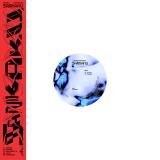
After releasing five sell out various artists EP’s featuring 25 artists, positivesource is excited to present a new chapter for the label with a diverse and anthemic EP from Berlin based producer Regent.
No stranger to the label, Regent contributed to src005 last year with his smooth techno roller ‘Off Agenda’ alongside music from Neri J, Alpha Tracks, Vil & Cravo. His tracks have featured heavily in DJ sets by label founders Blue Hour and Philippa Pacho over the years, naturally the idea to present the first artist EP on positivesource with Regent comes as no surprise. The record starts on a hypnotic tip with ‘Occult’, grooving along with an infectious bass-line swung beats and blissed out atmospherics before stepping up the energy levels on ‘Khmera’, a relentless chord driven percussive anthem with nostalgic vocals rising to new heights. On the flip the title track ‘Aphid Riot’ is bold and vibrant leaning heavily into UK flavours using sliced up vocals, breakbeats and a classic ‘Reece’ bass-line. Completing the record is a ‘broken’ version of ‘Aphid Riot’ highlighting an ethereal tonal melody with a deeper and more introspective take on the original. It’s a new sound exploration from the producer, emonstrating his versatility and perhaps a rare moment in his discography
Melchior Productions Ltd. returns to his own My King Is Light imprint with a brand-new 12″—this time alongside Romanian-Russian pianist-producer Mischa Blanos, one third of the acclaimed Amorf trio, Jupiter Tracks pt. 1 is a beautiful record, deep and emotional, as if beamed in from another world—yes, Jupiter.
Across “Push,” “First Eva,” and “Spirit Of 23,” the pair interlace meticulous programming and crystalline sound design into an ever-shifting strain of minimal house. Dispensing with overt drama, the EP zooms in on nuance: textures flicker between digital shimmer and tactile grit, while Melchior’s trademark restraint leaves ample space for Blanos’s melodic Midas touch to radiate quietly.
- A1: Stars Align
- A2: Off The Ground
- A3: City Lights
- A4: Fair Game
- A5: Blue World
- A6: Do Me A Favour Prelude
- A7: Do Me A Favor
- B1: Visions
- B2: The Best For You
- B3: Play Me Like A Synth
- B4: Holy Day
- B5: H D 1 4 0 2 8 3
- B6: Until We Meet Again
HolyBrune begeistert mit ihrer sanften Stimme und eingängigen Toplines. Als Singer-Songwriterin und Komponistin erlangte sie erstmals Aufmerksamkeit an der Seite von Dabeull mit dem goldzertifizierten Hit „You & I“. Mit „Visions“ liefert sie eine intergalaktische Ode an die Liebe, die kosmische Romantik und Retro-Futurismus miteinander verbindet. Verspielt und luftig vereint der Track Vocoder, Talkbox, groovigen Bass und kitschige Synthesizer – eine lebendige Hommage an die 80er-Jahre und The Rah Band.
Incl. Remixes by Red Axes, Roman Flügel & Abe Duque
What does it mean to exist in sound?
It does not begin with a beat, but with a choice. With the moment when someone decides not merely to inhabit the space, but to shape it – and in doing so, makes themselves visible.
Roman Flügel stands as a constant in the background. Not as an authority, but as a collective consciousness. Since the 1990s, he has moved through club music like a seeker, never content with the first answer. House, techno, experimentation – these are not genres, but states of being. His remix thinks, hesitates, opens, strikes like a surging acid wave, warping reality and demanding true presence.
New York taught him that club music is never neutral. It is body, friction, attitude. Abe Duque’s remix carries a strangely enchanting relentlessness, a resistance to smoothness – as if the dancefloor were a place where freedom is not claimed, but fought for.
Red Axes do not enter this space; they conjure it. Their sound is raw, repetitive, circular, as if deliberately refusing linearity. House, dub, and acid elements become material for a movement that is more trance than structure. Their remix does not ask where it is going; it asks why one should ever stand still.
And then there is Tim Paris. Not at the center, but as a narrator. As someone who knows that the voice is an attitude. “That Boy” is not a pose, but a mirror, ironic, direct, vulnerable. Paris moves between new wave house and club, always aware that identity is never fixed, but formed in the moment.
This remix record is not a gathering of names. It is a situation, four perspectives on the same question:
What does it mean to exist in sound?
Yet sound alone does not tell the full story: like music, the visual is a space to be shaped, felt, and deciphered. The cover of Tim Paris feat. Foremost Poets – That Boy, created by Konstantin Fürchtegott Kipfmüller, a visual artist at the Hochschule für Gestaltung in Offenbach under Heiner Blum, embodies this principle. Drawing inspiration from the urban environment, Kipfmüller transforms traces of decay, weather, and time into abstract narratives that, like the music of Tim Paris, Roman Flügel, Abe Duque and Red Axes, unfold meaning layer by layer. The result is no mere adornment, but a mirror of the sonic landscape: every line, every surface an echo of the question of what it means to exist – fully, in the moment, in sound.
- A1: Conway The Machine, Goosebytheway, 7Xvethegenius, Sk Da King, Lucky Seven & Kndrx - Hov Numbers
- A2: Jae Skeese, 7Xvethegenius, Sk Da King & Lucky Seven - Lonely
- A3: Conway The Machine & Benny The Butcher - Lalo (Feat. 38 Spesh)
- B1: Jae Skeese, 7Xvethegenius & Goosebytheway - City Grill
- B2: Jae Skeese, 7Xvethegenius & Rory - Rory Joint
- B3: Jae Skeese, Goosebytheway & Shots Almigh - Blue Glass
- B4: Goosebytheway, Sk Da King, 7Xvethegenius & Lucky Seven - Take It Back
- C1: Conway The Machine, Goosebytheway, Sk Da King - Elephant Man (Feat. Heem B$F & Rome Streetz)
- C2: Jae Skeese, Goosebytheway, Kota Savia, Lucky Seven & Sk Da King - This Is War
- C3: 7Xvethegenius & Kota Savia - Crown For Queens
- D1: Conway The Machine, D Smoke & 7Xvethegenius - Andre 3000 (Feat. Bangladesh)
- D2: Conway The Machine, Shots Almigh & Goosebytheway - Sudan (Feat. Lo Profile)
- D3: Conway The Machine, Elcamino & Shaun 2X - Far Away
As a torchbearer of gritty lyricism and unapologetic authenticity, Conway The Machine takes the helm to introduce the world to the burgeoning talents that make up the Drumwork roster, a powerhouse assembly of artists ready to reshape the landscape of rap music.
At the forefront of the album stands Conway The Machine, delivering blistering verses and commanding attention with his trademark grit and authenticity. But "Drumwork Collective" is more than just a solo endeavor; it's a collaborative effort featuring guest appearances by Rome Streetz, Benny The Butcher, 38 Spesh, and others. Each artist brings their unique perspective to the table, adding layers of depth and complexity to the project.
Behind the boards, producers like Beat Butcha, Graymatter, Trizzy Williams, and more craft a sonic landscape that's as gritty as it is innovative. From soulful samples to hard-hitting drums, the production on this compilation sets the stage for the lyrical onslaught that follows, blending traditional boom-bap aesthetics with a modern edge. Together, these elements form a cohesive tapestry that captures the essence of hip-hop's underground renaissance, proving that the beat truly does strike back.
- A1: Intro
- A2: Off The Turnpike
- A3: Tripleback Tuck
- A4: New Dance Show (Feat. Boldy James)
- B1: Youngblood Priest
- B2: Just The Three Of Us
- B3: Large Step! (Feat. Blu)
- B4: Perceived Merits
- C1: Calculated Risks (Feat. Theravada)
- C2: Coffee Into Coins (Feat. Dreamcastmoe)
- C3: Thx-1138 (Feat. Genevieve Artadi)
- C4: Flick Of The Wrist (Feat. Grip)
- D1: The Amazing Randi (Feat. Kool Keith & Fatboi Sharif)
- D2: This Or That
- D3: Tell Me Something Different
Real Bad Man and YUNGMORPHEUS are excited to announce their new album The Chalice & The Blade is out now. The album features Boldy James, Kool Keith, Grip, Blu, Fatboi Sharif, and more.
YUNGMORPHEUS is a highly innovative rapper that consistently endeavors to redefine the boundaries of originality and elevate the art of lyricism. Earlier this year, YUNGMORPHEUS dropped his critically acclaimed album “From Whence It Came” which received praise from The FADER, NPR, SPIN, and was hailed by QUIP Mag as “Everything you need from a hip-hop record.”
Since 2020, Prolific LA-based producer and designer Adam Weissman (Real Bad Man) has been on a sensational run releasing albums with Boldy James, Smoke DZA, and Pink Siifu. The Chalice & The Blade will be Real Bad Man’s third album of the year following his remarkable collaborations with Blu (“Bad News”) and Kool Keith (“Serpent”).
The Chalice & The Blade showcases a unique ambiance marked by a stoney and atmospheric quality, interspersed with elements of funk. Real Bad Man explains the album making process, "I always tailor the music to the artist I’m collaborating with. I sent Morpheus a bunch of beats that he’d sound good over and once he started picking them, that set the path. We’d record and I’d make more beats, and move stuff around, get rid of some songs and record new ones. It was a good process. I like being able to adjust as we go, I think that makes for a good album. We left some songs on the cutting room floor. Cream rises."
YUNGMORPHEUS discussing the new album, “‘The Chalice & The Blade’ is an album primarily rooted in dichotomies; contemplation of action vs action itself, inner locus vs outer locus, pursuit for self vs pursuit for others. Honesty is always the centerpiece. Play if you want cause I’m not!”
On The Chalice & The Blade, the seamless synergy between Real Bad Man and YUNGMORPHEUS takes center stage, showcasing an extraordinary chemistry that elevates every track to new heights of musical innovation.
- A1: Piranha
- A2: Used To Be Broke
- A3: Ciao! (Feat. Lord Apex)
- A4: Love Me 4 Me (Feat. Blvck Svm)
- A5: Bumbo
- A6: Eight8All (Feat. Nyck Caution)
- A7: Quasimodo
- A8: Ballet In Traffic
- B1: Sangre / Agua (Feat. Mick Jenkins & Amarah)
- B2: All Day Eryday
- B3: Hate 2 See U Go
- B4: Ruby
- B5: Kazu Nori (Feat. Lord Sko)
- B6: Alamode
Released in November 2023, "Piranha" is the electrifying collaboration album between Brooklyn's own CJ Fly, the lyri-cal virtuoso of Pro Era fame, and masterful producer Stoic. Dive deep into the sonic depths of this mesmerizing pro-ject as CJ Fly's razor-sharp lyricism cuts through the beats crafted by Stoic with surgical precision for a sonic feast that devours everything in its path.
With guest appearances including the likes of Mick Jenkins, Nyck Caution, Lord Apex, Blvck Svm and AMARAH, as well as young legend Lord Sko on one of the bonus tracks featured on this deluxe edition, each track on "Piranha" is a testament to the raw talent and creativity of its collaborators.
With Stoic's immersive production providing the perfect backdrop for CJ Fly's impassioned delivery, "Piranha" is an album that demands your attention from start to finish, a tidal wave sure to leave a lasting impression on hip-hop heads everywhere.
- 1: You're A Dog, Don't Talk To Me
- 2: Hoot Owls
- 3: Give Me The Cure
- 4: New Tea
- 5: Don't Blame It On Me
- 6: Parsnip Snips
- 7: Runaway
- 8: Old Black Crow
- 9: Light Green Fellow
- 10: The Time Is Right
- 11: Goin' To Polynesia
- 12: Abominable Snowman
- 13: U.s. Space Weevils
Das Album hat Songs, die Michael für eine zweite Folkways-LP aufgenommen hat, die nie rausgekommen ist, und auch Songs von einer Demo-Aufnahme für ESP-Disk, die leider nicht geklappt hat. Das sind einige unserer Lieblingsstücke von Hurley. Es sind einfache, warme und eindringliche Heimaufnahmen von Songs, die später zu Klassikern seiner Karriere wurden. Man kann die Entwicklung in seinem Songwriting und Gitarrenspiel verfolgen, während Hurley zu dem Künstler wird, den wir heute kennen. Ein Muss!
"Saint Cloud" von Katie Crutchfield alias Waxahatchee ist das fünfte Album der Indie-Songschreiberin und wurde im Sommer 2019 auf der texanischen Sonic Ranch in Tornillo und Long Pond in Stuyvesant, NY, aufgenommen und von Brad Cook (Bon Iver, Big Red Machine) produziert. Mit unerschütterlicher Ehrlichkeit unterzieht sich Crutchfield auf "Saint Cloud" einer offenen Selbstprüfung. Das Album entstand nach Crutchfields Entschluss Alkohol und Drogen hinter sich zu lassen, entsprechend widmet sie sich lyrisch dem Thema Sucht. Das schlägt sich auch klanglich in einer klareren und traditionelleren Ausrichtung des Albums nieder: "I think all of my records are turbulent and emotional, but this one feels like it has a little dose of enlightenment. It feels a little more calm and less reckless." gibt die Musikerin zu Protokoll. Auch musikalisch beschreitet Crutchfield neues Terrain, während die letzten beiden gefeierten Alben "Out In The Storm" (2017) und "Ivy Tripp" (2015) noch von lärmenden Gitarren bestimmt waren, streift "Saint Cloud" diese Wall of Sound Schicht für Schicht ab, um Platz für Crutchfields Stimme und Texte zu schaffen. Das Ergebnis ist ein Album geworden, das von klassischen Americana-Sounds durchwoben ist, aber mit einem modernen Touch. Auf "Saint Cloud" präsentiert sich Crutchfield erneut als eine der talentiertesten Geschichtenerzählerinnen der Gegenwart und sitzt so selbstsicher im Songwriter-Sattel wie noch nie zuvor.
Some tracks are just too good to only feature on a compilation, even if it is a significant and celebratory set like Leng’s 15 Year anniversary album from late last year. That’s certainly the case with Payfone’s brilliantly atmospheric ‘Dime Algo’, a seductive slab of slow-motion Balearic disco featuring ‘I Feel You’ vocalist Kyd Nereida, along with Sofi Hardoy and Ludmila Rodriguez.
For this single release Black Science Orchestra, one of Britain’s most storied production collectives, deliver some truly exceptional remixes. Initially making their name with a series of sensational house jams on Junior Boy’s Own across the 1990s, BSO became renowned for the quality of their remixes as well as an ever-evolving trademark sound that put soul, organic instrumentation and references to dance music’s rich and varied past front and centre.
Comprised of Rob Mello, Ashley Beedle and Darren Morris, Black Science Orchestra work has been rare in recent years but here they deliver some magical takes on ‘Dime Algo’, blending Payfone’s original instrumentation with their own low-tempo magic. The Vocal Mix begins with sparse drums, Kraftwerkian bleeps and heavy sub-bass, building the action in waves with 303 lines, electro synths, warm chords and Nereida’s superb lead vocals combining to re-frame ‘Dime Algo’ as a deep, far-sighted slice of chugging 21st century acid-disco. The Dub Mix stretches things out with effects-laden instrumentation, acid lines and vocal snippets. Deeper and woozier, with more prominent use of the trio’s 303 trickery and Payfone’s superb original elements, it’s a heady, intoxicating and loved-up interpretation that subtly gains intensity throughout its seven-minute duration.
- A1: Marcellus Pittman - Everybody Party
- A2: Javontte - Late Night Love
- A3: Rick Wilhite And Delano Smith Ft Jon Dixon - Neo Solaris
- B1: Rick Wilhite And Delano Smith - 11 Minutes Of Funk
- B2: Jon Dixon - Belle Isle Bounce
- C1: Norm Talley - Dreaming In Detroit
- C2: Gerald Mitchell Aka Soul Saver - Kaori
- D1: Kenny Dixon Jnr - I'm Goin Black
- D2: Delano Smith - Hot Lovely Relations
- E1: Omar S. - Vat 69 (Godson Mix)
- F1: Rick Wilhite And Delano Smith - Pipe Putta
Roberto Zanetti, better known as Savage or Robyx, is without a doubt a fully realized artist. When he stepped into the world of dance electronics in 1983, success came instantly. Not only across Italy, but far beyond its borders. Alongside his own chart-defining run as Savage, Zanetti was simultaneously shaping the scene from behind the desk, developing talent and refining a signature sound that would define an era. By the late ’80s, Robyx was already an established powerhouse producer. Around that time, he wrote three tunes for Maurizio Felici, performing under the alias Wilson Ferguson. These tracks carried all the hallmarks of Zanetti’s late-’80s aesthetic: lush melodies, smooth, flowing arrangements and high-energy grooves built for the dancefloor. In Europe, where house music was rapidly taking over, this sound faced tougher competition, but in Japan, where Eurobeat was exploding into the mainstream, these productions were untouchable. Felici’s rich, throaty vocal delivery gave the tracks an unmistakable emotional weight and identity.
Responding to long-standing requests from fans, Vintage Pleasure Boutique now revisits the most melancholic and emotionally charged of these three recordings: “I’m Singing Again”, a bittersweet tale of lost love told through the language of Italo disco. It’s a perfect fusion of Savage’s late-’80s sonic elegance and a truly distinctive vocal performance.
For this new release, the story is pushed one step further with a fresh remix, slightly faster in BPM and clearly nodding to Robyx’s classic Eurobeat instincts, a version built to move bodies while keeping the original’s emotional core intact.
- 1: Brand New Heartache
- 2: Long Ride
- 3: The Lie
- 4: Barroom Feather (Radio Edit)
- 5: Blind
- 6: Nothing New
- 7: One To One Another
- 8: Always Almost
- 9: Barroom Feather
Good As True (2026), the 12th studio album from Yonder Mountain String Band, leans into a warm, expressive sound — bluegrass shaped with an indie edge, rock undertones, and a hint of country. Recorded live in the studio, its eight original tracks trace romantic, personal, and societal relationships and the work it takes to stay connected. The lead single “Brand New Heartache” pairs rock-driven verses with a bluegrass-lifted chorus as it follows the fallout of a breakup and the uneasy hope of starting again, while “Blind” opens with a striking instrumental riff that lingers long after the song ends, while its lyrics confront regret, mental health struggles, and the pull to become something better. “Long Ride” delivers a sharp, sarcastic look at life in a touring band; “Nothing New” and “The Lie” confront political rigidity and division; “One to One Another” and “Always Almost” pull toward quieter emotional corners; and “Barroom Feather” drifts into indie-folk terrain with one of the album’s most atmospheric jams. Across Good As True, Yonder moves between high-tempo runs, layered harmonies, and moments that breathe — a reminder that nearly three decades in, they’re still charting new ground.
- 1: Underworld Alliance
- 2: Rise Of The Desecrated
- 3: Rise Of The Desecrated
- 4: Blood In The Alleys
- 5: Vlad The Impaler
- 6: Burn The Witch
- 7: Pedophiliac
- 8: Cold Grave
DYING VICTIMS PRODUCTIONS is proud to present the much-needed reissue of WITCHING HOUR’S debut album, Rise of the Desecrated, on vinyl LP format. This marks the beginning of vinyl reissues of all of the band’s albums, under license from Evil Spell Records. Originally released in 2009, as well as on tape through Dying Victims in 2011, this album has not lost any of its juvenile enthusiasm for raw and evil thrash metal. While the band developed a more complex style of blackened heavy thrash throughout the years, this debut album is pure and straightforward black thrashing madness. Clocking in at just over half an hour, the album perfectly represents the Teutonic (black) thrash revival of the mid-2000s
- 1: Dead Undead
- 2: Strange Companion
- 3: Fiend In You
- 4: Like A Beast
- 5: Obscene Cult
- 6: Denied By The Reaper
- 7: Harlot’s Spell
- 8: Return Of The Axe
- 9: Gallows
DYING VICTIMS PRODUCTIONS is proud to present AGGRESSIVE PERFECTOR’s highly anticipated second album, Come Creeping Fiends, on CD and vinyl LP formats. Released in 2019 via DYING VICTIMS, AGGRESSIVE PERFECTOR’s Havoc at the Midnight Hour debut album introduced this British power-trio with no small amount of sleazy, Satanic fanfare. While their background may jointly lie in black metal, the three un-gentlemen of AGGRESSIVE PERFECTOR held high heavy metal done the ancient way: classic Tank, early Raven, Warfare, and of course the almighty Venom as well as modern torchbearers like Midnight, Whipstriker, and Power From Hell. Unsurprisingly, the album garnered international acclaim. Eclipsing that feat is the band’s second album, Come Creeping Fiends.
Truly titled once again, Come Creeping Fiends comprises nine tracks of heavy metal for the insane, forged in the Manchester morgue. Raging like a ravenous beast, summoning ancient ones, and agonizing with morbid doom, AGGRESSIVE PERFECTOR cover a lot of ground here, but like the rotting undead that inspired it, this second album somehow holds together. The same black magic that made Havoc at the Midnight Hour a highlight six(-six-six) years ago is here again, only this time with a higher kill count and hit rate. Cleaner and crisper in execution but somehow darker and dirtier in its content, Come Creeping Fiends offers highlights at every crooked turn; tunes like “Strange Companion,” “Fiend in You,” and lead track “Dead Undead” will have all the witches dancing. Needless to say, fans of maniacal, EVIL heavy metal music and horror movies will find a lot to love. The wait for AGGRESSIVE PERFECTOR’s second album might have been long, but Come Creeping Fiends will prove to be worth it…
- 1: Intro
- 2: Concrete Hell
- 3: Rotting On A Golden Throne
- 4: Pigs Will Be Pigs
- 5: Tin God
- 6: Deception Of The Weak
- 7: Mental Vacation
- 8: Killing Taste
- 9: No Alibi
DYING VICTIMS PRODUCTIONS is proud to present ZERRE’s highly anticipated second album, Rotting on a Golden Throne, on CD and vinyl LP formats. From the cellars of Würzburg, Germany, ZERRE have been keeping the torch of old-school thrash metal burning while carving their own vicious path. Their sound draws on the razor-sharp aggression of classic Metallica and Exodus and the stomping groove of early Faith No More: no frills, no mercy. Their third full-length, 2024’s Scorched Souls, tore through the scene and earned critical acclaim for its searing riffs and unflinching energy. Now, ZERRE take a decisive step forward with Rotting on a Golden Throne. Darker, more overtly political, and more aggressive than its predecessor, this fourth full-length dives headfirst into the rot of power, corruption, and human decay – a brutal soundtrack for a world teetering on the edge. Onstage, ZERRE embody the chaos of their music: riff-driven assaults, breakneck tempos, and a raw intensity that leaves no room to breathe. On record, while those influences still remain, but the DNA has been splintered into something more unique and definitely more powerful: thrashing, yes, but within a crossover framework that feels titanic. The production is razor-sharp, but with ominous atmosphere to spare; the execution is even sharper, as the drumming especially pulses like a dread locomotive; and vocals spit forth venom, raging against a machine fatted by suffering. As the throne collapses, ZERRE deliver the anthem of its fall. Keep on Rotting on a Golden Throne!
Boutique-pressed 7" vinyls A-side: "Wonderin'" / B-side: "Dream"
Drawing influence from the likes of CAN, Faust, Mahavishnu Orchestra, and David Vorkhaus, Shakti Soundsystem traverses the borderlands of psychedelic rock, Krautrock, jazz fusion, and ritual improvisation. But this isn't a retro trip—this is future folklore.
Each track is a trance in motion, built on hypnotic basslines, spiraling melodies, and moments of ecstatic dissonance. The instrumentation is as unconventional as the process: Bulbul Tarang, modular synths, guitars, drums, and vocals that oscillate between invocation and surrender.
Their first singles have already made waves across tastemaker blogs and listener-curated Spotify playlists, includingNeo-Psychedelia, Psych Rock Melting Pot, Rock for when 26 King Gizzard albums aren't enoug and Psychedelic & Space Rock.

"Wonderin',"described by Analogue Trash (UK) as "an absorbing, psychedelic jam that thrives on hypnotic repetition and a raw, live energy,"introduced their trance-infused sound to a wider audience.
"Silver," hailed by RMAS (Mexico) as"a hypnotic journey between Krautrock and spoken word... a sonic delirium that recalls CAN and the free spirit of the European underground," cements their place in the modern psych scene.


![CJ Fly & Stoic - Piranha [deluxe] (LP)](https://www.deejay.de/images/l/1/2/1220612.jpg)