Suche:the best of

Styles
Alle
Sagittarius - Present Tense LP
  • A1: Another Time
  • A2: Song To The Magic Frog (Will You Ever Know)
  • A3: You Know I've Found A Way
  • A4: The Keeper Of The Games
  • A5: Glass
  • A6: Would You Like To Go
  • B1: My World Fell Down
  • B2: Hotel Indiscreet
  • B3: I'm Not Living Here
  • B4: Musty Dusty B5 The Truth Is Not Real

Nachdem er Songs für die Beach Boys geschrieben und Alben für die Byrds produziert hatte, ging Gary Usher ins Studio, um sein eigenes Projekt zu starten. Während dieses Prozesses wurde Curt Boettcher von der Gruppe The Millennium zu einem festen Bestandteil der Sessions, produzierte zwei Songs und schrieb sieben. Die Männer erhielten auch Unterstützung von prominenten Persönlichkeiten wie Bruce Johnston (The Beach Boys) und Glen Campbell, was das Album zu einem einzigartigen und beliebten Studioalbum machte.

Die Single »The World Fell Down« war mit Platzierungen in den unteren Regionen der Billboard Hot 100 am erfolgreichsten. All dies führte dazu, dass das Album zu einem echten Kultklassiker wurde. Fans sehen es nach wie vor als eines der wichtigsten Alben der Musikszene von Los Angeles in den 1960er Jahren an, und es wurde auch in das legendäre Compilation-Album Nuggets von 1972 aufgenommen.

»Present Tense« ist eine limitierte Auflage von 1000 einzeln nummerierten Exemplaren auf orangefarbenem Vinyl.

vorbestellen03.04.2026

erscheint voraussichtlich am 03.04.2026

31,30
Crimeapple & Clovis Ochin - Cacio & Pepe LP

Conceived in Paris and brought to life in Roma during a spring day flooded with good wine and even better food, CACIO & PEPE is the perfect melange between the NJ rapper of Colombian descent and the Parisian bon vivant, al-ways doing what they do best: enjoying the fine pleasures of life!

vorbestellen03.04.2026

erscheint voraussichtlich am 03.04.2026

29,37
Crimeapple & Clovis Ochin - Cacio & Pepe LP

Conceived in Paris and brought to life in Roma during a spring day flooded with good wine and even better food, CACIO & PEPE is the perfect melange between the NJ rapper of Colombian descent and the Parisian bon vivant, al-ways doing what they do best: enjoying the fine pleasures of life!

vorbestellen03.04.2026

erscheint voraussichtlich am 03.04.2026

13,87
THE BEVIS FROND - HORRORFUL HEIGHTS (2x12")
  • 1: A Mess Of Stress
  • 2: Best Laid Plans
  • 3: Square House
  • 4: Quietly
  • 5: Space Age Eyes
  • 6: Naked Air
  • 7: Horrorful Heights
  • 8: Draining The Bad Blood
  • 9: A Simple Pursuit
  • 10: Hiss
  • 1: Animal Man
  • 2: Romany Blue
  • 3: Mossbacks' Dream
  • 4: Buffaloed
  • 5: Silver Insects
  • 6: That's Your Lot
  • 7: Sink Estate
  • 8: I'm Gonna Drag You Into My World
  • 9: Momma Bear
  • 10: King For A Day

Horrorful Heights markiert ein beeindruckendes neues Kapitel im umfangreichen Werk von The Bevis Frond und zeigt die anhaltende Kreativität des Songwriters, Gitarristen und Frontmanns Nick Saloman, der nun in ein weiteres Jahrzehnt als Musiker startet. Seit langem als eine der markantesten Stimmen des britischen Underground-Rock etabliert, verfeinert Saloman weiterhin die Qualitäten der Band aus melodischer Psychedelia, drahtigen Gitarrenepen und Songwriter-Kunst. Einer der zugänglichsten Einstiege in die Bevis Frond Welt, welcher alle Stärken zu einem zusammenhängenden, lebendigen Ganzen vereint. Das Album bewegt sich fließend zwischen klirrendem Psych-Pop, schweren Gitarrenriffs und pastoralen Träumereien. Die Bandbreite des Albums ist groß, aber klar definiert. "Draining The Bad Blood" erinnert an den klassischen Bevis-Frond-Stil melodisch inspirierten Gitarrenpops der 60er Jahre, "Space Age Eyes", eine prägnante neunminütige Odyssee, verweist auf die transzendentalen Erkundungen des elektrischen Miles Davis der 70er Jahre. Der mit Sitar untermalte Titeltrack driftet durch rauchige Psychedelia mit mehrstimmigem Gesang und geschichteten Tablas - ein liebevolles Echo der Headshop-Mystik, mit der Saloman während der gesamten Bandgeschichte gespielt hat. An anderer Stelle verbindet "Mossback's Dream" lysergische Leads mit der treibenden Energie des amerikanischen Hardcore der 80er Jahre und schafft so einen Hybrid, der sowohl zeitlos als auch völlig eigenständig wirkt. Weitere Höhepunkte sind das von den Byrds beeinflusste "Buffaloed", das wirbelnde "Silver Insects" und "That's Your Lot", ein rasantes Feuerwerk melancholischer Euphorie und einer der unmittelbarsten Songs des Albums. Obwohl eklektisch anmutend, ist es ein fokussiertes Porträt von The Bevis Frond im Jahr 2025 - vital, melodisch und frei von Nostalgie. Saloman beschreibt die Sammlung ganz einfach: die besten Songs, die er in den letzten Jahren geschrieben hat, entstanden ohne Zwang und ganz instinktiv. Das Ergebnis ist ein Höhepunkt aus der Spätphase einer der stillsten einflussreichen Underground-Bands Großbritanniens.

vorbestellen03.04.2026

erscheint voraussichtlich am 03.04.2026

26,85
TOXIC SHOCK - FUTURE IS CALLING
  • 1: Into The Garden Of Grief
  • 2: Reborn
  • 3123: 9
  • 4: Lifelong Sentence
  • 5: Quick To Forget
  • 6: Earth
  • 7: Hq
  • 8: Through The Poison
  • 9: Procrastination-Frustration
  • 10: Creepy Reaper
  • 11: Sex Beat

Ok Leute, die fünf legendären Thrasher aus Antwerpen kommen mit einem dicken Moshbrett zurück auf das europäische Crossover-Parkett! Glatte 9 Jahre nach 20 Last Century brettert "Future Is Calling" straighter und direkter, aggressiver als je gehört - I know, das liest man bei jeder neuen Platte, aber hier stimmt es ausnahmsweise mal. Im Ernst, das neue Zeug klingt in keinster Weise angestaubt oder so, als wäre es schon das 100. Mal wieder aufgewärmt - im Gegenteil: Toxic Shock hat die kleine Pause der letzten Jahre offensichtlich gutgetan und ordentlich Fuel in den Motor geschüttet. Hier passt alles - die Gitarren sind super aufeinander abgestimmt, das Drumming ist tight und vor allem Wally, der Sänger, hat einen fetten Sprung in die A-Liga der Shouter geschafft. Aber klar - Toxic Shock erfinden das Crossover-Thrash-Game nicht neu, im Gegenteil, sie zollen den Großen des Genres Tribut! Klar, Excel, Suicidal Tendencies, Testament - das sind die Referenzen. Gleichzeitig merkt man die Hardcore/Punk-Wurzeln der fünf - nicht zuletzt durch das überaus passende und gelungene Cover von The Gun Club. Und fun fact - bei dem Gun Club-Song klingen Toxic Shock stellenweise wie Lee Hollis zu seinen besten Spermbirds-Zeiten! Was "Future Is Calling" aber wirklich auszeichnet, ist diese rohe, ungebremste Energie, die trotzdem nie ins Chaos kippt. Die Songs sind kompakt, kommen schnell auf den Punkt und haben trotzdem genug Hooks, um im Ohr zu bleiben. Kein unnötiger Schnickschnack, kein selbstverliebtes Gefrickel - einfach ehrlicher, wuchtiger Crossover mit Haltung. Genau so muss das 2020er-Thrash-Revival klingen. Moshpit-Garantie inklusive.

vorbestellen03.04.2026

erscheint voraussichtlich am 03.04.2026

23,11
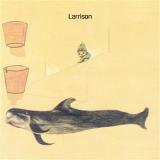
LARRISON - CONNECTERS VOL. 1: ORIGINAL RECORDINGS, 1992-1999
  • Ripples
  • Driving To Austin
  • Rewind
  • Waiting For Sleep
  • Fancy Free
  • Water Montage
  • Wake / The City / Sleep
  • On Glass Ii
  • In Motion
  • Fancy Finish
  • A Late Start
  • Leaving Again
  • Dazzling Showroom / Future City
  • Winter Wave
  • Swarm
  • On Glass I
  • Dap
  • Ice Planet (Alt)
  • Song From A Bedroom In Podunk Indiana
  • Exiting
  • Hi And Lo
  • Sea Level
  • Sequencer Sway
  • Moonplay
  • Aquarium

Connecters Vol. 1: Original Recordings, 1992-1999 ist die erste Veröffentlichung von Larrison, dem Pseudonym des bildenden Künstlers und Musikers Larrison Seidle aus dem Mittleren Westen. Larrison komponierte, programmierte und nahm alles komplett auf einem Casio CZ-5000 auf, während der guten alten Zeit der selbstgemachten Experimente und Entdeckungen in den frühen 90ern. Er lebte in einer Traumwelt, die er selbst erfunden hatte, mit Soundtracks aus Space-Age-Pop-Vignetten, gespickt mit hypnotischen, überschwänglichen, vielschichtigen Synthesizer-Melodien. Mit 26 Tracks, die alle neu restauriert und aus den Originalquellen gemastert wurden, erfindet sich Connecters Vol. 1 Song für Song neu, überwindet die Zeit und trotzt der vorbestimmten Vergessenheit dieser brillanten, diskreten Musik, die vor drei Jahrzehnten entstanden ist. Larrison Seidle wuchs in den 70er und 80er Jahren in Greenwood, Indiana, einem Arbeitervorort von Indianapolis, auf. Er stammte nicht aus einer Musikerfamilie, aber aus einem Haushalt, in dem Musikalität gefördert wurde. Sein Vater kaufte eine elektrische Orgel, in der Hoffnung, dass Larrison und sein älterer Bruder das Instrument lernen würden. ,Am Ende saß mein Vater einige Abende an der Orgel, improvisierte und spielte immer wieder dieses eine Lied, von dem ich mich noch an die ersten Takte erinnern kann", erinnert sich Larrison. Möglicherweise war es in diesem Moment, in dem es zwar keine formale Ausbildung gab, aber viel Ermutigung und Entdeckungsfreude, dass der Künstler seine ersten musikalischen Experimente machte. Diese Erlaubnis, sich auszuprobieren, sollte seine kreative Arbeit in den folgenden Jahren deutlich prägen. Während in Larrisons Elternhaus klassische Rockplatten leicht zugänglich waren, lieh sich sein Vater 35-mm-Dokumentarfilme aus der Bibliothek aus, um sie im Wohnzimmer zu zeigen, die alle mit skurrilen Instrumentalstücken unterlegt waren. Als Teenager nahm er John Carpenters und Alan Howarths Endthema aus ,Die Klapperschlange" mit einem kleinen Kassettenrekorder neben dem Fernsehlautsprecher auf und liebte Tangerine Dreams Beiträge zu Ridley Scotts düsterer Fantasy ,Legend". Seine Faszination für diese weitgehend textlosen, synthesizerbasierten Kompositionen führte zu einem eigenwilligen Verständnis davon, wie Musik nicht nur das ergänzt, was wir vor uns sehen, sondern auch das, was wir in den Tiefen unseres Bewusstseins erleben. 1985, als er dreizehn Jahre alt war, überzeugte Larrison seinen Vater, ihm ein Casio CZ-5000-Keyboard zu kaufen. Wie zuvor die Orgel war auch dieses Instrument eine Neuheit im Haushalt der Seidles. Erst nach seinem Highschool-Abschluss 1991 und dem Beginn seines Studiums an der Herron School of Art in Indianapolis entdeckte er den in das Casio integrierten Sequenzer und begann, seine Kompositionen auf Band aufzunehmen. ,Das CZ-5000 und sein 8-Spur-Sequenzer sind die einzigen Musikinstrumente, die ich benutzt habe. Es hat eine fast unbegrenzte Funktion zur Erzeugung neuer Klänge", erklärte Seidle. Während seiner Zeit an der Herron School of Art freundete sich Larrison mit seinem Kommilitonen und Klangkünstler Michael Northam an, den er bei einem Konzert auf dem Campus kennengelernt hatte. Nachdem Northam Larrison für die Musik von Severed Heads, Throbbing Gristle und Roger Doyle begeistert und damit seine Zuneigung und sein Vertrauen gewonnen hatte, überredete er ihn, nach Austin, Texas, zu ziehen, das in den frühen 90er Jahren für seine lebendige Kunst- und Musikszene bekannt war. Die beiden wohnten zunächst bei Northams Freund Daniel Plunkett, dem Herausgeber und Verleger von ND, einem einflussreichen Magazin, das sich von 1982 bis 1999 mit DIY-Musik und Tape-Trading beschäftigte. In seiner Blütezeit hatte ND Tausende von Lesern, und Plunkett verschickte die Ausgaben weltweit. In den letzten Monaten des Jahres 1993 und Anfang 1994 schrieb und nahm Larrison mit begrenzten Mitteln und grenzenloser Intuition eine Reihe von Songs mit seinem CZ-5000 in einer kleinen Wohnung nördlich der Innenstadt von Austin auf, bastelte eine farbenfrohe, illustrierte Beilage, in der einige Songtitel durch Linien oder Pfeile dargestellt waren, und gab sie an Plunkett weiter, damit er sie für ND rezensieren konnte. Diese einzelne Kassette mit dem Titel Connecters sic war eine von 1200, die im Laufe des Bestehens der Publikation bei ND eingereicht wurden und die Jed Bindeman, Mitbegründer von Freedom To Spend, 2020 erworben und fast wie durch ein Wunder entdeckt hat. ,Ich hatte große Schwierigkeiten, mir die Kassetten in dieser Sammlung anzuhören", gibt Bindeman zu. ,Aber dann legte ich Larrisons Connecters ein und dachte sofort: ,Wow! Was höre ich da?' Die Kassette war von Anfang bis Ende einfach fantastisch." Mit Musik von genau dieser Kassette und anderen Aufnahmen aus Larrisons Experimenten in den 90er Jahren ist Connecters eine Übersicht über Instrumentalmusik, die sowohl durch vielfältige konzeptionelle Strategien als auch durch spielerische Neugierde geprägt ist. Seidle arbeitete unter Bedingungen, die viele Musiker als Einschränkung empfinden würden, und entwickelte technisch innovative Ansätze, um die Klänge und integrierten Effekte des CZ-5000 zu modifizieren. Das Gerät ermöglichte es ihm, die Wellenform, die Hüllkurve und die Tonart von Klängen mithilfe der Phasenverzerrungssynthese zu verändern und so im Grunde genommen Instrumente zu schaffen, während er Songs komponierte. Die Tracks zeichnen sich durch eine durchdachte impressionistische Vielfalt aus, die mal lo-fi, mal symphonisch klingt. Inmitten der Zerlegung und Verstärkung der Fähigkeiten des CZ-5000 gibt es auch einen geschmackvollen Rückgriff auf eine kindliche Interaktion und Erfahrung von Klang. Vielleicht ist es diese Erfahrungsqualität, die es so schwierig macht, Larrisons Projekt einfach als Ambient oder Elektronik zu verstehen. Sein Wille, die ihm zur Verfügung stehenden Werkzeuge zu transformieren, hebt die daraus resultierenden Kompositionen auf eine persönliche Ebene und verleiht der Musik einen bezaubernden Sinn für Mystik. Connecters ist ein Beweis für eine künstlerische Vision, die sich nicht durch Grenzen einschränken lässt und keine Angst vor Informalität hat. Diese Aufnahmen, die dreißig Jahre nach ihrer Dokumentation auf magische Weise an die Oberfläche kommen, zeigen, wie personalisierte Produktionsmittel die Zeit ausdehnen und verkürzen können. Larrison lädt die Zuhörer ein, sich auf die Wunder der auditiven Vorstellungskraft einzulassen - eine Brücke zwischen visueller Erinnerung, emotionaler Resonanz und der grenzenlosen Möglichkeit, mit den uns zur Verfügung stehenden Mitteln Musik zu machen. Larrison's Connecters Vol. 1: Original Recordings, 1992-1999 wird am 3. April 2026 von Freedom To Spend als Vinyl- und Digitalausgabe veröffentlicht.
vorbestellen

Der Artikel ist noch nicht erschienen. Du kannst den Artikel jetzt vorbestellen, dieser ist nach Wareneingang für dich versandbereit.

22,27
Maria Taylor - Story's End LP
  • Story’s End
  • Shades Of Blue
  • Sorry I Was Yours (Feat. Conor Oberst)
  • Tricky
  • Never Thought I’d Feel
  • New Powerlines
  • Nathaniel
  • Be Careful What You Want
  • Everything Is Fine (My Loves)
  • Change Is Coming Soon (Green Butterfly Sequel)

Acclaimed songwriter Maria Taylor, best known for her work with Azure Ray, returns with her forthcoming album ‘Story’s End’, a hushed,
cinematic collection that unfolds like an intimate narrative of loss, healing and quiet transformation.
Featuring contributions from Mike Mogis, Conor Oberst, Nate Walcott and Ben Brodin, the album pairs Taylor’s intimate vocals with widescreen strings, bell-like piano and atmospheric arrangements

vorbestellen03.04.2026

erscheint voraussichtlich am 03.04.2026

23,95
DOCTOR BIONIC - THE ISLAND OF DOCTOR BIONIC
  • A1: Island Universes (Intro)
  • A2: 7Th Thunders
  • A3: The Best Recluse
  • A4: Wondering Ascetic
  • A5: Put The Work In
  • A6: Rhythm Of Water
  • A7: Benevolent Beings
  • B1: Where Is Your Tribe (Interlude)
  • B2: A Kings Mind
  • B3: Umbilical Cord
  • B4: Shell Of The Soul
  • B5: Divine Reality
  • B6: The Meet & Greet
  • B7: Life Span
  • B8: Triple Beam
  • B9: The Path Of Stars

In his 1954 book The Doors of Perception, Aldous Huxley theorized that every person lives and experiences life on their own island universe. We can try to explain our experience to others using language, symbols, and art, but we'll never be sure that we're feeling something precisely the same as anyone else. This line of thinking has become a source of inspiration for many prolific artists. Now, Cincinnati-based producer Jason Grimez is inviting us to hear what it sounds like on an island of his own creation. The Island of Dr. Bionic is the third installment in Dr. Bionic's Terrestrial Radio series. Due out 5/2/2025 on Chiefdom Records, it's a collection of instrumental fusion for fans of hip-hop, jazz, funk, and beyond. Grimez is the producer, mixer, and mastermind behind Dr. Bionic. He's a Cincinnati-based creator with a deep understanding of 90s hip-hop and DJ culture, and he draws inspiration from music of all kinds. Grimez' ever-growing catalog is best described as organic groove. He calls on a rotating cast of veteran musicians to join him at his home studio to write, record, and try out new ideas. Long-time listeners will find some familiar names in the liner notes, for good reason. 'Life Span' (track 14) features a head-bobbing beat from Marvin Hawkins. Nick Brown is responsible for the dreamy Rhodes performance on 'Shell Of The Soul' (track 11). If Charlie Suit's unforgettable sax performance on 'The Path Of Stars' (track 16) is stuck in your head for more than 3 days, please consult Dr. Bionic. Once the recording sessions are complete, the real production work begins. "We get together and record a ton of stuff, and then I'll go back and cut it and mix it together," Grimez explained. "It all finds a home over time."

nicht am Lager

Bestelle jetzt und wir bestellen den Artikel für dich beim Lieferanten.

23,49

Last In: vor 29 Tagen
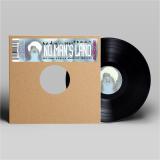
Addy Weitzman - No Man's Land (The Time & Space Machine Remixes)

Complimenting his singular debut LP, 2025’s ‘Light Months Will Fly Over Us’, singer-songwriter and producer Addy Weitzman sees his thoughtful artrock and new wave aesthetic expanded by The Time & Space Machine for a limited three-track 12".

The long-running alias of British DJ, archivist and acid pioneer Richard Norris, this trio of remixes from The Time & Space Machine’s central processing unit finds Norris in a jubilant raving mode, his trademark psychedelia contributing to Slacker at its best and baggiest. The initial mix captures Weitzman’s songwriting in full, including his portentous vocal hook – “No man is a prophet in his own land” – a proverb first found in the gospels, blessed with the innovative Norris’s application of hypnotic groove, fat low-end and a ton of percussion.

The B-side sees Norris stripping things back in two directions: the Shango Dub draws focus on the higher vibrations found in the track’s beautifully intertwined percussive and synth elements, while the Riddim Mix reduces the frequencies further still, with a phased, slightly fried drum workout primed to spin heads as the night gets deeper and darker.

nicht am Lager

Bestelle jetzt und wir bestellen den Artikel für dich beim Lieferanten.

15,34

Last In: vor 21 Tagen
The Tornados - No More You And Me/ You Always Did What You Wanted (7")

In Joe Meek's last months, he produced some of his best, hard-edged mod and proto-psychedelic records - like this one. But still he clung on to the name of the Tornados, like a touchstone, reminding him of his greatest success with the 1962 hit single ‘Telstar’.

This Tornados in 1966 was very different to the original line-up, based around an entirely different group called the Saxons, and had an entirely different sound. ‘No More You And Me’ has blistering guitar lines, and an intense soulful vocal; it's a British popsike monster that drives along like the Eyes or Wimple Winch. On the flip, ‘You Always Did What You Wanted’ is British blue-eyed soul, a terrific beat ballad with hypnotic swirling piano.

Both point to directions Meek could have headed in had he lived, and are A-grade 60s beat. It's the first time on vinyl for both tracks. And it's another brace of dancefloor-friendly tracks from Bob Stanley's Measured Mile label.

nicht am Lager

Bestelle jetzt und wir bestellen den Artikel für dich beim Lieferanten.

13,66

Last In: vor 30 Tagen
The Officials - Babylonian [2 mixes] (7")
  • A1: 45 Mix
  • B1: Lp Mix

One of the best mid 70s roots tunes, reissued the way we always wanted to see it. The Officials (later known as Earth & Stone) "Babylonian" was released on a very rare Jaguar 45 as a solo vocal, but also had a lesser known release on a Dynamic Sounds compilation album. That album cut is a duo harmony vocal over a slightly different take of the rhythm, and never reissued on vinyl before. Both vocal cuts are now paired back to back in crisp master tape quality.

vorbestellen30.03.2026

erscheint voraussichtlich am 30.03.2026

10,88
SUEP - Forever LP
  • 1: Purgatory
  • 2: In The Morning
  • 3: Highway Ii
  • 4: Hollywood
  • 5: Country Suep
  • 6: Patronised
  • 7: The Rain
  • 8: Big Jump
  • 9 10: Days
  • 10: Fornever

The track shows SUEP at their best - glistening synth pop with Marr-esque jangle, sweet but emotionally incisive. Singer Georgie Stott - also known for being the keyboardist of the recently ended Porridge Radio - is at peak performance, marrying catchy melodies with off-kilter storytelling.
Receiving acclaim across BBC 6 Music and the indie press for their ‘car boot sale’ pop music, SUEP rummage through the jumble bin of music history, selecting and reassembling its best parts into something playful, strange and deeply artful. The band are affiliates of the Gob Nation collective - including The Tubs, Sniffany & The Nits, Ex-Void, and others., described by the Guardian as uniting around “a leftfield sensibility, lacerating wit and snotty attitude.”

With a slightly darker edge than their delightful EP Shop or last year’s groovy The Rain, Highway II tells the story of hope slamming into disappointment - a Valentine’s date gone wrong. Tears, cigarette breaks, running makeup and snotty sleeves paint a picture of painful emotional dislocation. It comes with an incredible, multilayered dance-routine music video from frequent collaborator, artist Jess Power.

Singer Georgie Stott says: “The lyrics for this poured out of me on Valentine’s Day when me and my partner went out on a date in the Limehouse area, over the river from where we lived in Rotherhithe. I got drunk too quickly, he got grumpy, and tears started streaming down my face because I just wanted to have a nice romantic time. We made up in the Canary Wharf Wetherspoons at the end of the night, but I went to have a cigarette before, to get out all my sobs and wrote all the lyrics on my phone in one go. Then at a practice studio we quickly wrote it around some chords I made up in the room.”
Forever is a confident debut, a masterpiece of modern indie songcraft. Across the album SUEP dip into country, synthpop, garage rock, post punk, and pub rock, but always retain their signature penchant for melodic hooks, snappy structures and straight-to-the-heart lyrics. Artfully unpretentious, the album was recorded by friend Matt Green, best known for his work with The Tubs, and mixed by Mike O’Malley of the band caroline.

Led by Georgie Stott and Joshua Harvey, SUEP have become fixtures of south-east London’s underground through a series of shared living spaces, improvised studios and DIY venues. Now with George Nicholls (The Tubs, Joanna Gruesome, GN Band), William Deacon (PC World), and Louis Forster (The Goon Sax, Expiry) completing the line up, their debut is finally on its way.
Forever is a glimpse into one of the best bands on the scene, not fitting into any trend, but also never fading into obscurantism - SUEP are a band that wear a joie de vivre loosely but fashionably. Now is their time to shine.

vorbestellen27.03.2026

erscheint voraussichtlich am 27.03.2026

23,49
Iivana Mišukka & Arja Kastinen - Iivana Mišukka (Tape)
  • 01: Maanitus &Amp; Tšiižik
  • 02: Markka
  • 03: Melkutus
  • 04: Letška
  • 05: Kuuen Parin Hoirola
  • 06: Brišatka
  • 07: Tšiižik
  • 08: Kirkonkellot
  • 09: Kirkonkellot Korkea
  • 10: Hoirola, 3 Parin
  • 11: Lippa
  • 12: Kyngäkiža
  • 13: Ristakondra
  • 14: Vanha Polkka
  • 15: Viistoista
  • 16: Vanha Valssi
  • 17: Kiberä
  • 18: Maanitus Kuokan Kanteleella
  • 19: Tuuti Lasta Nukkumahe
auch erhältlich

Vinyl[22,65 €]


Death Is Not The End present a further volume of Arja Kastinen's eerie amalgamations of 110 year old wax cylinders with her own meticulously transcribed takes, this time focussing in on Armas Otto Väisänen's field recordings of kantele player Iivana Mišukka (b. 1861 d.1919).

"Ivana Mišukka (1861–1919) was one of the Karelian kantele players recorded by the folk music researcher Armas Otto Väisänen on wax cylinders in 1916 and 1917. In the early 20th century, the remote areas of Border Karelia were undergoing the final phase of a transformation in musical culture, with the ancient runo song tradition giving way to newer forms of music. This transition is reflected in Mišukka's repertoire and choice of instrument. The ancient small kantele, hollowed out of a single piece of wood, was already rare at the turn of the century. Mišukka's kantele was a new type of instrument with 26 strings, constructed of several parts, but he played it using the traditional plucking technique. Like other Border Karelian kantele players, his repertoire consisted of music rooted in runosong culture, as well as newer dances and songs from the east and west. Most of the recorded material falls into the latter category.

Ivan Bogdanov Mišukka was born out of wedlock in Suursara village, Suistamo, on 1 May 1861. He began playing the kantele at the age of five or six, quickly mastering the instrument. In adulthood, he was considered one of the area's best master players. Mišukka was landless for most of his life and lived in different parts of the Suistamo parish. His first wife, Tekla Markintytär, died in 1897 at the age of 40, and his second wife, Jevdokia Filipintytär Jeminen, died in 1907 at the age of 50. Seven children were born from the first marriage, two of whom died young. The third wife, Maria Ignatintytär Gurnan (Kuurnanen), was a well-known master of lamentations. Together with Maria, Iivana Mišukka worked as a tenant farmer in the village of Suursara. Mišukka suffered from rheumatism, which prevented him from participating in physical work like Maria. This was apparently partly the reason why Iivana Mišukka went to earn extra money by playing the kantele on gig trips. He often had other traditional artists from Suistamo as his travelling companions, such as the runosingers Konstantin Kuokka and Iivana Onoila. Iivana Mišukka died in Leppäsyrjä village, Suistamo, on 18 May 1919 at the age of 58, and his kantele was donated to Teppana Jänis.

Mišukka only used 14 of the 26 strings on his kantele, playing the same tunes either a fourth higher or lower. He tuned his kantele to the major scale using fifths, except for a low seventh scale degree on the upper strings, but not below the fundamental. Since he did not use the seventh note of the scale on the upper strings at all, he could use the major scale both lower and a fourth higher with this tuning. According to Mišukka, the sound of higher, or 'finer', strings is 'more beautiful', while that of lower ones is 'greater'. Among runosingers, the size of the thirds varied, ranging from major to minor to neutral. A similar phenomenon can be observed in kantele tunings, where the third, sixth and seventh scale degrees vary in a comparable way.

During a meeting, Väisänen suggested that Mišukka play the smaller kantele belonging to Konstantin Kuokka. The idea was to bring it closer to the horn to improve the recording quality. However, the kantele was completely out of tune, and now Mišukka tuned it to the Lydian scale (track 18).

Using the old plucking technique, Mišukka placed his right middle finger on the fundamental tone, his right index finger on the second scale degree, his left middle finger on the third scale degree and his left index finger on the fourth scale degree, and his right thumb on the fifth. The thumb also played the notes above the fifth note of the scale. As Mišukka remarked to Väisänen: 'Peigaloll' tuloo enemb ruadoa' (the thumb has to do more work). However, he did not use the seventh note of the scale on the upper strings at all. Below the fundamental note, he played the seventh and sixth notes of the scale with his right middle finger of and the fifth note of the scale with his right ring finger. This fifth scale degree below the fundamental is almost always used as a drone. Sometimes, when the melody required it, Mišukka, like other players, also varied the fingering. He would also occasionally strike the same string with the side of his fingernail after plucking it.

The wax cylinder recordings of Karelian kantele players are kept in the archives of the Finnish Literature Society in Helsinki, Finland. Copies were made of them onto reel-to-reel tapes in both the 1960s and 1980s. The 1960s copies are mono and the 1980s copies are stereo. However, not all kantele recordings from these decades have survived.

The sound of the kantele is difficult to hear in wax cylinder recordings due to its low volume, and it occasionally becomes completely obscured by noise. During the copying process, the cylinder sometimes rotates unevenly, resulting in breaks or jumps in the music. Additionally, the rotation speed of the cylinder in the copies does not correspond to the performance speed of the original music, which alters the pitch. However, since Väisänen's precise notes are available in the archive, it is possible to deduce the melodies, their speed, and the tuning level of the kantele in the recordings. Of the copies of the original recordings from the 1960s and 1980s, I have selected the one that best met the requirements of this publication and adjusted the speed of the recording to align with Väisänen's notes. To enhance the listening experience, I have replayed the songs, which now partly overlap the old recordings on this release."

— Arja Kastinen

vorbestellen27.03.2026

erscheint voraussichtlich am 27.03.2026

16,39
Iivana Mišukka & Arja Kastinen - Iivana Mišukka LP

Death Is Not The End present a further volume of Arja Kastinen's eerie amalgamations of 110 year old wax cylinders with her own meticulously transcribed takes, this time focussing in on Armas Otto Väisänen's field recordings of kantele player Iivana Mišukka (b. 1861 d.1919).

"Ivana Mišukka (1861–1919) was one of the Karelian kantele players recorded by the folk music researcher Armas Otto Väisänen on wax cylinders in 1916 and 1917. In the early 20th century, the remote areas of Border Karelia were undergoing the final phase of a transformation in musical culture, with the ancient runo song tradition giving way to newer forms of music. This transition is reflected in Mišukka's repertoire and choice of instrument. The ancient small kantele, hollowed out of a single piece of wood, was already rare at the turn of the century. Mišukka's kantele was a new type of instrument with 26 strings, constructed of several parts, but he played it using the traditional plucking technique. Like other Border Karelian kantele players, his repertoire consisted of music rooted in runosong culture, as well as newer dances and songs from the east and west. Most of the recorded material falls into the latter category.

Ivan Bogdanov Mišukka was born out of wedlock in Suursara village, Suistamo, on 1 May 1861. He began playing the kantele at the age of five or six, quickly mastering the instrument. In adulthood, he was considered one of the area's best master players. Mišukka was landless for most of his life and lived in different parts of the Suistamo parish. His first wife, Tekla Markintytär, died in 1897 at the age of 40, and his second wife, Jevdokia Filipintytär Jeminen, died in 1907 at the age of 50. Seven children were born from the first marriage, two of whom died young. The third wife, Maria Ignatintytär Gurnan (Kuurnanen), was a well-known master of lamentations. Together with Maria, Iivana Mišukka worked as a tenant farmer in the village of Suursara. Mišukka suffered from rheumatism, which prevented him from participating in physical work like Maria. This was apparently partly the reason why Iivana Mišukka went to earn extra money by playing the kantele on gig trips. He often had other traditional artists from Suistamo as his travelling companions, such as the runosingers Konstantin Kuokka and Iivana Onoila. Iivana Mišukka died in Leppäsyrjä village, Suistamo, on 18 May 1919 at the age of 58, and his kantele was donated to Teppana Jänis.

Mišukka only used 14 of the 26 strings on his kantele, playing the same tunes either a fourth higher or lower. He tuned his kantele to the major scale using fifths, except for a low seventh scale degree on the upper strings, but not below the fundamental. Since he did not use the seventh note of the scale on the upper strings at all, he could use the major scale both lower and a fourth higher with this tuning. According to Mišukka, the sound of higher, or 'finer', strings is 'more beautiful', while that of lower ones is 'greater'. Among runosingers, the size of the thirds varied, ranging from major to minor to neutral. A similar phenomenon can be observed in kantele tunings, where the third, sixth and seventh scale degrees vary in a comparable way.

During a meeting, Väisänen suggested that Mišukka play the smaller kantele belonging to Konstantin Kuokka. The idea was to bring it closer to the horn to improve the recording quality. However, the kantele was completely out of tune, and now Mišukka tuned it to the Lydian scale (track 18).

Using the old plucking technique, Mišukka placed his right middle finger on the fundamental tone, his right index finger on the second scale degree, his left middle finger on the third scale degree and his left index finger on the fourth scale degree, and his right thumb on the fifth. The thumb also played the notes above the fifth note of the scale. As Mišukka remarked to Väisänen: 'Peigaloll' tuloo enemb ruadoa' (the thumb has to do more work). However, he did not use the seventh note of the scale on the upper strings at all. Below the fundamental note, he played the seventh and sixth notes of the scale with his right middle finger of and the fifth note of the scale with his right ring finger. This fifth scale degree below the fundamental is almost always used as a drone. Sometimes, when the melody required it, Mišukka, like other players, also varied the fingering. He would also occasionally strike the same string with the side of his fingernail after plucking it.

The wax cylinder recordings of Karelian kantele players are kept in the archives of the Finnish Literature Society in Helsinki, Finland. Copies were made of them onto reel-to-reel tapes in both the 1960s and 1980s. The 1960s copies are mono and the 1980s copies are stereo. However, not all kantele recordings from these decades have survived.

The sound of the kantele is difficult to hear in wax cylinder recordings due to its low volume, and it occasionally becomes completely obscured by noise. During the copying process, the cylinder sometimes rotates unevenly, resulting in breaks or jumps in the music. Additionally, the rotation speed of the cylinder in the copies does not correspond to the performance speed of the original music, which alters the pitch. However, since Väisänen's precise notes are available in the archive, it is possible to deduce the melodies, their speed, and the tuning level of the kantele in the recordings. Of the copies of the original recordings from the 1960s and 1980s, I have selected the one that best met the requirements of this publication and adjusted the speed of the recording to align with Väisänen's notes. To enhance the listening experience, I have replayed the songs, which now partly overlap the old recordings on this release."

— Arja Kastinen

vorbestellen27.03.2026

erscheint voraussichtlich am 27.03.2026

22,65
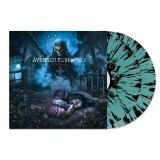
AVENGED SEVENFOLD - NIGHTMARE LP 2x12"

Their fifth studio album, Avenged Sevenfold’s album Nightmare debuted No. 1 on the Billboard 200 Chart and No. 5 on UK OCC chart.

Following the unexpected death of drummer Jimmy “The Rev” Sullivan, the album is dedicated to his memory and a reflection of death and despair. Dream Theater’s Mike Portnoy would step in to finish the recording.

Metal Hammer rated the album eight out of ten. Billboard rates four out of five and Kerrang! gave the album four K’s out of five. The album won Golden God Awards for Best Drummer, Best Guitarist, and Album of the Year. Nominated for Kerrang! Awards Best Album and Single (Nightmare) & Revolver Magazine’s Song of the Year 2011 for Buried Alive.

For Fans Of | Metallica, Slipknot, & Bullet For My Valentine

vorbestellen27.03.2026

erscheint voraussichtlich am 27.03.2026

32,35
DOMINGAE - AE

DOMINGAE

AE

12inchSBRLPC2275
Sacred Bones Records
27.03.2026
  • 1: Aeva
  • 2: Daemon
  • 3: Archaeans
  • 4: Aennihilator
  • 5: Asaese

Debut solo album from leader of legendary psych band Föllakzoid, Available on white color vinyl! RIYL: Föllakzoid, Beatrice Dillon, Huerco S., Arca, Amnesia Scanner, SOPHIE, Kaitlyn Aurelia Smith. Musician and filmmaker Domingæ is probably best known as the founder of experimental psych band Föllakzoid. Written whilst stranded in Mexico and Tokyo on her way to a world tour with Föllakzoid, her new debut solo album Æ has taken the decompositional system she devised for the band and added the depth of inner exploration and a symbiotic relationship with musical craft. The resulting sound is as groovy and hypnotic as the best Föllakzoid tracks but with a seductive and darkening electronic texture. She has become a channel in which the shadows inhabit. Domingæ's sounds and formats are articulated via depuration, expanding in time and space via the subtraction of shifting elements. The process of unlearning and uninstalling previously established creative softwares in order to achieve dissolution has always been a central focus in her creative pursuit. Æ is a result of said experimentation, the dissolution of preconceived notions to create a minimal sound yet rich in textures.

vorbestellen27.03.2026

erscheint voraussichtlich am 27.03.2026

22,65
MASAYOSHI TAKANAKA - Ocean Breeze LP
  • A1: Medley
  • A2: Plastic Tears
  • A3: Thunder Storm
  • B1: Soon
  • B2: Finger Dancin
  • B3: Heartache
  • B4: Tropic Birds

OCEAN BREEZE" (originally released June 1, 1982): 180g clear green vinyl Remastered and cut by Alex Wharton (Abbey Road Studios, London)

Described as “the best take from the best concert” (from the original obi).
This live album captures performances from Takanaka’s 1980–81 "POWER PLAY ’80 & ’81" tour, featuring a medley of classics such as "BELEZA PULA,"
"Tokyo Reggae," "TAJ MAHAL," and "MAMBO NO.5 (DISCO DANGO)," as well as selections from "The Rainbow Goblins" and his debut album "SEYCHELLES."
A dynamic showcase of Takanaka’s
live brilliance.

Musicians: Hirokuni Korekata (guitar), Kiyosumi Ishikawa (keyboards), Mimi Kobayashi (keyboards), Akihiro Tanaka (bass), Masahiro Miyazaki (drums), Hiroki Sugawara
(latin percussion), Makoto Kimura (latin percussion)

vorbestellen27.03.2026

erscheint voraussichtlich am 27.03.2026

40,13
Blue Lake - The Animal LP

Blue Lake

The Animal LP

12inchTU014LE
Tonal Union
27.03.2026

Yellow Vinyl

Blue Lake reveals his most ambitious album yet, which finds its visionary creator Jason Dungan harnessing the collective alchemy of his band, with ten spirited tracks that resonate with a powerful directness, evoking an ecological connection to the wider world.

The solo project (Blue Lake), now on its fifth album, found its name and inspiration via Don Cherry's 1974 live album, sparking a creative epiphany in Dungan, who set off on a path into his own untapped sonic world, guided by what he cited as the emotional potential found within non-lyrical composition. With a newly inspired ethos aimed toward creating direct and simple instrumental music imbued with a deep sense of feeling, Jason began combining an array of musical elements that gave rise to his highly revered album 'Sun Arcs' (2023), with its "ornate, zither-led lattices" (Pitchfork, Best New Music). Conceived in the blissful isolation of a Swedish cabin set in the woods, this was music that soundtracked spring in full bloom. Then, in contrast to the solitary approach of 'Sun Arcs', the highly lauded mini-album 'Weft' (2025) began to set the tone for a more band-oriented approach to delivering the Blue Lake sound. Jason had by this time experienced a special collective energy with his band during a swathe of live performances, which he then sought to harness and distill on 'The Animal', leading him to take the project into a traditional recording studio (The Village) and its limitless potential along with his gifted cohorts.

'The Animal' at its core vividly celebrates human collaboration and is deeply rooted in a sense of community and non-hierarchical connectivity. The group's creative alchemy transcends outwards and beyond the musicians performing together, to summon an inclusive, existential and ecological connection to the wider world and its inhabited spaces. The album contemplates the idea of the human as an animal as Dungan explains: "I'm quite fascinated in thinking about humans more as part of the animal environment and not as something that's so separated into a "human" realm, or sitting on top of a hierarchical pyramid. So the Animal is also me, or us - that we are just living, existing, in the same way as a piece of moss or a sparrow or a cow.

'The Animal' is a form of musical metamorphosis, still acoustic, yet more amplified, elevating it to new dimensions. The Blue Lake project takes on a new lease of life to encompass collaboration with Jason Dungan bound in a universal connectivity, resulting in his most ambitious album to date. A harmonious rejoicing that cements his reputation as a transformative presence in contemporary music.

vorbestellen27.03.2026

erscheint voraussichtlich am 27.03.2026

24,58
33 - Tripolar LP

33

Tripolar LP

12inchSPCTR022
Haunter Records
27.03.2026
  • 1: Adhd
  • 2: Worry Days
  • 3: Crying Song
  • 4: Fuck U
  • 5: Bastard State
  • 6: Mania
  • 7 3: Sides Touching
  • 8: Canned Coffee
  • 9: Babymusicc

As collaborative projects often do, 33 has in time found a more fixed form, a kind of structure that turned it from a loose collection of collaborators gravitating around founders Bill John Bultheel and Alexander Iezzi into something resembling more of a traditional band. Not that there is anything conventional in their creative process tho, nor in the music itself… Nontheless Tripolar - their second album and first for Haunter - seems to take them closer to song territory than ever before.

The (progressive) graduation of multi-instrumentalist Cem Dukkha and vocalist/clarinet player Ivan Cheng from collaborators to full-time members has brought 33 to a more refined awareness of their possibilities as a creative unit, although their compositional process has retained a high level of spontaneity and musical madness. Tripolar was in fact assembled by editing hours of improvisation that Bultheel, Iezzi and Dukkah recorded with no specific endgame in mind. The sessions saw them exchange a variety of acoustic, electronic and electric musical instruments: percussions, guitars, strings, piano, hurdy gurdy, synthesizers and even CDJs as a tool of live sampling manipulation.

By molding the pieces into what they are now, the band managed to concoct some beautiful vignettes of contradictory mental and emotional states, as sonically playful as a renaissance fair happening within a broken timestream. Cheng’s lyrical and vocal contributions helped them coalesce even further into proper songs, adding a melodic presence that’s at once seductive and uncanny. But vocal duties are often ceded to guests, namely Danish pop-neoclassicist Astrid Sonne, Kenyan metal guru Lord Spikeheart, Irish goth raconteur Olan Monk and Japanese body-poet Golin.The amount of different sounds arranged into each of the tracks produces a unique sense of awe and bewilderment, a testament to the incredible talent and craft the musicians have employed into putting together such a broad range of influences and approaches into a coherent and extremely effective musical journey.

An equally erratic thematic thread seems to run through all the tracks, one ultimately preoccupied with mental health and its ramifications. Without turning the project into a concept album, 33 and their collaborators have sprinkled it with references to personality disorders and mental conditions that are all too relevant to the contemporary age, reflecting on the lineage of human inner life. A wide display of lyrical and musical tools is employed to explore these themes, ranging from Sonne’s expressionist depiction of ADHD in the opener, to Cheng’s queer-themed reinvention of an Irish murder ballad in closing track ‘Babymusicc’. Tracing lateral trajectories for introspection, Tripolar is not only highly captivating, but it ultimately sounds esoteric in the best possible way: progressively revealing layer after layer of incredible aural magic, its true meaning living in the form and in its manic scope of energies.

vorbestellen27.03.2026

erscheint voraussichtlich am 27.03.2026

23,49
Artikel pro Seite:
N/ABPM
Vinyl