Progressive rock may rarely grace the mainstream spotlight, but its devoted global community continues to thrive, and few bands embody that spirit better than Airbag. Since their debut EP, Safetree (2007), and first full-length album, Identity (2009), the Norwegian quintet has steadily built a worldwide following with their cinematic soundscapes, soaring melodies, and timeless songwriting. From All Rights Removed to The Century of the Self, each release has cemented Airbag's reputation as one of the most vital acts in modern progressive rock, earning critical acclaim and packing venues across Europe and beyond. Now, 16 years and five studio albums later, Airbag returns with their first official live album, captured during a powerful performance at Poppodium Boerderij in Zoetermeer, The Netherlands in 2024. This double CD / double vinyl release showcases the band at their best, raw, immersive, and sonically stunning. The recordings have been meticulously mixed to preserve the atmosphere and authenticity of the live shows. For collectors, the vinyl edition is a must-have: A deluxe gatefold cover with an exclusive booklet and a limited first pressing on coloured splatter vinyl, a beautiful piece for fans and audiophiles alike. Whether you've followed Airbag from the beginning or discovered them along the way, this live album is a celebration of a band that continues to defy trends, connect deeply with fans, and delivers music that stands the test of time.
Hot off the griddle, Cookin' The Books is the long awaited new album from Australia's kings of Hammond soul, Cookin' On 3 Burners. Their first studio LP in six years finds the trio in top form - deep in the pocket, wide in scope, and stacked with heavyweight collaborators. With a 27-year legacy, global tours, and over 2 billion streams (including the international smash This Girl), Cookin' On 3 Burners remain a defining force in vintage soul, funk, and groove.
Cookin' The Books features a collection of killer collaborators including electrifying live vocalist Stella Angelico, acclaimed soul artist Natalie Slade (Steve Spacek, Katalyst, Simon Mavin), hip hop mainstay Mantra alongside Jane Tyrrell (The Herd), rising alt-soul voice Wilson Blackley, and a sweeping string arrangement from composer/violinist Tamil Rogeon (Aloe Blacc, The Dandy Warhols).
Across the record, the group shifts seamlessly between gritty instrumentals and lush vocal cuts - from the cinematic funk of "Only Words", to the break-beat heavy title track "Cookin' The Books", the bumping bounce of "No Bread For You", and the introspective soul of "Phoenix". Every track reflects the group's deep funk DNA while carving out bold new territory.
With airplay from BBC6's Craig Charles, support from tastemakers (Wax Poetics, Dusty Groove, Rolling Stone Australia), and a world tour booked for 2026, this release is a must-stock for deep funk, soul, and cinematic groove audiences.
out of Stock
Last delivered 10 months ago available to reorder, subject to availability
Young Gun Silver Fox are the captains of AM Waves, setting sail towards an isle where melodies soak the shoreline and grooves sway like palm trees. Their route traces a natural progression fromWest End Coast, an album that cast Andy Platts (Young Gun) and Shawn Lee (Silver Fox) as musical virtuosos of SoCal-infused pop. AM Waves does more than duplicate the perfection of West End Coast. It improves it.
Recorded at The Shop in London and Roffey Hall in the English countryside, AM Waves burnishes the blend between the duo's modern aesthetic and their sumptuously crafted homage to '70s-styled pop, rock, and soul. "This music hits a certain spot for me personally that nothing else quite does," says Shawn, who produced the album amidst his projects for Saint Etienne, Shawn Lee's Ping Pong Orchestra, and several other acts. "It's real high-caliber music. It's easy and breezy to listen to but it's really hard to make. Every aspect is A game."
The A game behind AM Waves fuels 43 minutes of Young Gun Silver Fox in peak form. "AM Waves is much more instinctive," says Andy, whose penchant for writing irresistible hooks and melodies also shapes his role as lead singer and lyricist/composer for the band Mamas Gun. "It's more vivid. You can see the clarity to the colors of AM Waves whereas West End Coast is slightly more impressionist, as it were."
Originally issued as a single in September 2017, "Midnight in Richmond" is the anchor of AM Waves. "I hit one chord, which I'd never played before, and the song sort of wrote itself," notes Shawn. "It was intuitive. In many ways, the primary function of what I'm doing is trying to find that chord that opens a door and takes you someplace else. Those chords have magic." Andy embellishes the song's appeal by nimbly juxtaposing wistful emotions with a sun-kissed melody, his voice evoking richly drawn memories. The qualities that make "Midnight in Richmond" an instant classic abound throughout the album.
"Lenny" and "Take It or Leave It" spotlight Andy's versatility as a songwriter. The former was inspired by a dream he had where Lenny Kravitz owned a bar. "It was surreal," he says. "He was polishing the glasses and just serving me hit after hit." Like swimming through moonshine, Andy languorously savors every syllable in the song. "Take It or Leave It" is pure pop bliss. "That was one of those songs that fell out in half an hour," he says. "I had everything and it was done." Shawn adds, "It's such a perfect song in itself. When I listen to it, it's like you've created a record that already existed."
Young Gun Silver Fox introduce a five-piece horn section on "Underdog" that literally trumpets the song's protagonist. Shawn affectionately dubbed them the "Seaweed Horns" in honor of the Seawind Horns, an LA-based unit that recorded with powerhouses like Michael Jackson,Rufus & Chaka Khan,and Earth, Wind & Fire during the late-'70s. Andy explains, "The horns grab another hue of the west coast sound, which is the starting point, but it's also maybe the point where we're injecting a little bit more of ourselves and some outside colors into the familiar west coast palette."
A bounty of treasures course through AM Waves' ebb and flow. "Mojo Rising," which the duo penned with Rob Johnson, is a veritable retreat to paradise. "Sky-bound, heaven sent / Way above the clouds watching shootingstars descend," Andy sings, mirroring the music's celestial undertones. Sensuality contours the notes on "Just a Man," a song that basks in the allure of a woman who leaves "footprints on the water" while "Love Guarantee" is festooned with the Seaweed Horns. "I wanted to bring more of that R&B slickness into the mix," Shawn notes about the latter track. "We hadn't done a tune with that sort of groove." Similar to his work on "Underdog," Nichol Thomson's intricate horn arrangement on "LoveGuarantee"exemplifies another distinction between AM Waves and its predecessor.
"Caroline" occupies a special place on AM Waves, beyond spawning the album title. It tells the story of Radio Caroline, a pirate radio station that broadcast from an offshore vessel during the '60s and '70s. "They played the music that kids wanted to hear, whether it was the old stuff or cutting edge stuff," says Andy. "'Caroline' is about Radio Caroline's eventual capture." Complementing Andy Platts' deft wordplay, which draws parallels between radio airwaves and the station's literal home on the ocean, Shawn Lee layers nearly a dozen different parts on "Caroline," showcasing the vastness of his musicality. "I loved that track as soon as I heard it," Andy continues. "It's a beautiful fusion of me and Shawn."
The Seaweed Horns joinYoung Gun Silver Foxas they detour to the dance floor on "Kingston Boogie." Shawn explains the track's genesis, "I was thinking, what have we not done yet We definitely should get an AOR disco thing happening. I quite like disco. The beat is so metronomic that it allows you to be really sophisticated on top. 'Kingston Boogie' just laid itself out. I call it 'midnight disco.'" With a nod to "Lenny," Andy Platts sets "Kingston Boogie" back at Lenny's Bar, this time revealing a detail or two about its mysterious proprietor as he pours sweet wine and moonshine.
In a sense, AM Waves ends with the beginning. Even before there was Young Gun Silver Fox, there was "Lolita," the first song Andy Platts and Shawn Lee wrote together and a crowd-pleasing staple of the duo's live sets. The tale of a femme fatale who harbors a secret was recorded for West End Coast but instead furnished the B-side to "Long Way Back" as well as a bonus track on the North American edition of the album. Despite the song's checkered trajectory, its infectious chorus sparked the brighter, more buoyant orientation of AM Waves.
Like the moon pulling the tide, Young Gun Silver Fox are a magnet for good songs. "We're both so obsessed and constantly interested in music-making," says Andy. "We're both thinking about it all the time. When you know you have an accomplice with you that's the same as you, it's very liberating. Suddenly, worlds of color start to appear." Indeed, AM Waves is elemental in its power to induce pleasure. Dive right in.
Ska was the name given to the music that came out of Jamaica between 1961/66.Based on the American R&B and Doo Wop records that the Sound Systems in Kingston Town used to play.But the American records style started to mellow out while the Jamaicans preferred a more upbeat sound.So the Sound System boss's became record producers to cater for this demand.Sir 'Coxonne'Dodd and Duke Reid led the way putting the top musicians on the island in the studio to make music,its subtle twist that had an emphasis placed on the offbeat made the music unmistakably Jamaican.
W.I.R.L Records(West India Records Limited) was set up by the Jamaican politician Edward Seaga in the late 1950's.He had supervised the recording of an album of Ethnic Jamaican music and needed an outlet for its eventual release.In 1962 the year of Jamaican Independence ,Seaga became a member of Parliament, representing the Jamaican Labour Party and then decided to sell the label to Bryon Lee,the sale led to a name change from W.I.R.L to Dynamic Sounds.
We have compiled some of the best SCORCHING SKA SOUNDS that came out of W.I.R.L vaults...and it still sounds as fresh today as the day it was recorded...hope you enjoy the set
Jackie Mittoo’s ‘Reggae Magic’ is a new collection from the great Jackie Mittoo. The album features a mixture of classic tunes and rarities from the period 1967-74, when Mittoo was at the height of his musical powers. Mittoo’s solo career began after the end of The Skatalites in 1965. He began pushing new musical boundaries, creating a uniquely identifiable organ-led funky reggae sound that owed as much to Booker T and The MGs, Jimmy Smith, Stax and Motown as to the post-ska and emergent rocksteady island rhythms of Kingston, Jamaica. His solo work at the legendary Studio One spanned seven albums and hundreds of singles.
Aside from producer and founder Clement ‘Sir Coxsone’ Dodd, it’s hard to think of anyone more central to the sound and success of Studio One than Mittoo; keyboard player extraordinaire, songwriter, arranger, musician, truly the Keyboard King at Studio One. Jackie Mittoo had been the youngest founding member of The Skatalites (at age 16), probably the most important group in Jamaican music. After they split, he became leader of the three pivotal groups at Studio One – The Soul Brothers, The Soul Vendors and Sound Dimension. He also became musical director for Studio One, helping create countless hits for singers Ken Boothe, Bob Andy, The Wailers, John Holt, Delroy Wilson and more – unforgettable tunes like Alton Ellis’ ‘I’m Still in Love with You’, Marcia Griffiths’ ‘Feel Like Jumping’, The Heptones’ ‘Baby Why’ and others. Between 1965 and 1968, many of the tunes created at Studio One can be attributed to Mittoo – timeless instrumental tracks, recorded either under his own name or those of The Soul Brothers, Soul Vendors and Sound Dimension, that have become the basis for literally 1000s and 1000s of Jamaican songs over many decades, giving the music an unsurpassed longevity.
The endurance of his music was as a direct result of significant developments in Jamaican music in the 1970s, namely the creation of three important new styles: Dub, Deejay and Dancehall. In the early 1970s Mittoo’s instrumental tracks were used as the musical source for a series of classic Studio One dub albums. At the same time Deejays at Studio One, including Dillinger, Prince Jazzbo and Dennis Alcapone, began toasting over these same popular rhythms to create their own new songs. In the mid-70s, a new generation of Studio One singers and deejays, including Sugar Minott, Freddie McGregor, Johnny Osbourne, Michigan & Smiley and others, began once again creating new melodies over these original instrumentals, signalling the birth of a new Jamaican style that became known as ‘dancehall’.
As dancehall swept across the island, rival producers copied these now classic rhythms. These original Jackie Mittoo-driven tunes spread like a virus throughout Jamaican music; be they the instrumental cuts to tunes such as Alton Ellis’ ‘Mad Mad’ , ‘I’m Just A Guy’, Larry Marshall’s ‘Mean Girl’, Slim Smith’s ‘Rougher Yet’, and instrumentals such as Mittoo’s classic ‘Hot Milk’ or ‘One Step Beyond’, The Sound Dimension’s ‘Real Rock’, ‘Heavy Rock’, ‘Full Up’, ‘Drum Song’, ‘Rockfort Rock’ … and the list goes on. These tracks became a constant soundtrack to the island, emitting from the ever-present sound of speaker boxes strung up around dancehalls. This recycling travelled even farther afield; The Sound Dimension’s instrumental ‘Real Rock’, updated by Willie Williams on his classic ‘Armageddon Time’ was in turn covered by The Clash. Lily Allen sampled Mittoo’s debut solo single ‘Free Soul’ for number one hit ‘Smile’; Dawn Penn’s ‘You Don’t Love Me (No, No, No)’, accompanied by The Soul Vendors, was revived by Penn and producers Steely & Cleevie in 1994, since covered by Rihanna, Ghostface Killah, Stephen Marley, Damian Marley and Beyonce. And so it goes; an endless time-leaping, continent-hopping diasporic musical map of the world with all roads essentially leading back to one man – Jackie Mittoo.
out of Stock
Last delivered 12 months ago available to reorder, subject to availability
Following the success of the first season’s release, the official soundtrack to Vikings Season 2 returns to vinyl with another immersive chapter in the saga. Composed by Emmy Award-winner Trevor Morris (The Tudors, The Borgias, Dragon Age: Inquisition), this score continues to build the series' signature atmosphere. From pulse-pounding battle themes to introspective, ambient textures, the music reflects the growing scale and complexity of Ragnar's world as alliances shift and empires collide. For this second season of Vikings, Trevor Morris collaborated with Einar Selvik from the band Wardruna. The soundtrack features original music by Einar as well as co-compositions together with Trevor. Vikings (Music From Season Two) is available as a limited edition of 750 numbered copies on red coloured vinyl. This 2LP package includes a 4-page booklet with pictures and liner notes by Trevor Morris.
In Guadeloupe, many people think that jazz and ka music are like a ring and a finger. To some extent, the same could be said about so called Latin music and the music played in the French West Indies.
Both aesthetics were born in the Caribbean and bear so many connections that they can easily be considered cousins. In constant dialogue, there are lots of examples of their fruitful alliance and have been for a while. The English country dance that used to be practiced in European lounges came to be called kadrille in Martinique and contradanza in Cuba. They both featured additional percussion instruments inherited from the transatlantic deportation. Drawing from shared feelings about the same traumatized identity – later to be creolized – it would be hard not to assume that they were meant to inspire each other. The golden age of the orchestras that graced the Pigalle nights during the interwar period further proves the point. As soon as the 1930s, Havana-born Don Barreto naturally mixed danzón and biguine music in a combo based at Melody's Bar. In the following decade, Félix Valvert, a conductor who was born and raised in Basse-Terre in Guadelupe, also worked wonders in Montparnasse with La Coupole, which was an orchestra made up of eclectic musicians. Afro- Caribbean performers of various origins were often hired on rhythm and brass sections in jazz bands, which used to enliven the typical French balls of the capital. In the 1930s and onwards, Rico’s Creole Band was one of them.
Martinican violinist-clarinettist Ernest Léardée, who would become the king of biguine music as well as the main figure of French Uncle Ben's TV commercials (a dark stigma of post-colonial stereotypes), had musicians from the whole Caribbean sphere play at his Bal Blomet – and they all enchanted "ces Zazous-là" (according the words of Léardée's biguine-calypso piece). In les Antilles (French for French West Indies), music history started to speed up in the 1950s, when trade expanded and radio stations grew bigger. The Guadelupean and Martiniquais youth tuned in their old galena radio sets to South American and Caribbean music. As for the women traders, les pacotilleuses, they bought and sold goods across different islands (the "passing of items through various hands" was thought to be most pleasurable) and brought back countless sounds in their luggage. Such was the case of Madame Balthazar, who once returned from Puerto Rico with the first 45rpm and 33rpm to ever enter Martinique.
Out of this adventure was created the famous Martinican label La Maison des Merengues, a music business she opened and undertook with her husband and which proved to be a major landmark. At the end of the 1950s, in Puerto Rico, Marius Cultier competed in the Piano International Contest playing a version of Monk's Round 'Midnight. He won the first prize and this distinction foreshadowed everything that was to come. Cultier, the heretic Monk of jazz, was quickly praised for writing superb melodies, always tinged with a twist that conferred a unique sound to his music. It didn't take long for the gifted self-taught musician to get to play with Los Cubanos, making a name for himself thanks to his impressive maestria on merengues.
The rest is history. Besides, in the late 1950s, Frantz Charles-Denis, born into the upper middle class in Saint-Pierre and better known by his first name Francisco, went back home after working at La Cabane Cubaine – a club located rue Fontaine where he had caught the Latin fever. Francisco's music was therefore heavily marked by his Cuban cousins' influence, which gave the combos he led a specific style and also led to renewal. Things were swinging hard in La Savane, located in the main square in Fort-de-France. He set up the Shango club close by and tested out the biguine lélé there, a new music formula spiced up with Latin rhythms. Soon afterwards, fate had him fly to Puerto Rico and Venezuela.
As for percussionist Henri Guédon (percussions were only a part of his many talents), he was born in Fort-de-France in May 22nd 1944, the day marking the celebration of the abolition of slavery. As an old man, he could remember that in " his father's Teppaz, a lot of hectic 6/8 music was constantly playing...". In the opening lines of his Lettre à Dizzy, a small illustrated collection of writings published by Del Arco, he highlighted the huge impact that cubop had on him as a teenage boy, around 1960. He eventually turned out to be the lider maximo in La Contesta, a big band steeped in Latin jazz. He was also the one who originated the word zouk to describe music which brought the sound of the New York barrio to Paris. It was the culmination of a journey that started in Sainte-Marie: "a mythical place for bélé, the equivalent of Cuban guaguancó". In the early 1960s, the tertiary economy developed to the detriment of agriculture. Yet rural life was where roots music emerged in Martinique and in Guadeloupe.
Record companies played a major part in the process of Latin versions sweeping across the islands – before reaching everywhere else. Producer Célini, boss of the great Aux Ondes label, and Marcel Mavounzy, both the head of Émeraude records - a firm which was founded in 1953 - as well as the brother of famous saxophonist Robert Mavounzy, were big names to bear in mind. Although there were many of them - all of whom are featured on this record - Henri Debs was definitely the major figure in the recording adventure. He proved to be so influential that he even got compared to Berry Gordy. In the mid 1950s, when he acquired his first Teppaz, he worked on his first compositions: a bolero and a chachacha. Then, he became the one man who made people discover Caribbean music, from calypso to merengue. He was among the first ones to rush out to San Juan, Puerto Rico, to buy records and distribute them through a store run by one of his brothers in Fort-de-France. He had members of the Fania All Star come and perform there, which he was madly proud about. He was also the first one to pay attention to Haitian music, such as compas direct and various other rhythms which would soon flood the market. As a result, many of the combos hitting his legendary studio would end up boosted by widespread "Afro-Latin" rhythms. However, he never denied his identity: gwo ka drums were given a major role, although they were instruments which had long been banned from the "official" music spheres. The present selection bears witness to such a creative swarming. Here are fourteen tracks of untimely yet unprecedented cross-fertilization: all types of music rooted in the Creole archipelago have found their way, whatsoever, to the tracklisting. Whether originating from the city or being more rural, they all go back to what Edouard Glissant, in an interview about the place of West Indian music in the Afro-American scope, called "the trace of singing, the one which got erased by slavery." "It is so in jazz, but also in reggae, calypso, biguine, salsa... This trace also manifests through the drums, whether Guadelupean, Dominican, Jamaican or Cuban... None of them being quite the same. They all point to the idea of a trace, seeking it out and connecting to each other through it. This is the hallmark of the African diaspora: its ability to create something new, in relation to itself, out of a trace. It may be the memory of a rhythm, the crafting of a drum, a means of expression which doesn't resort to an old language but to the modalities of it." The opening track features one of the emblematic orchestras of this aesthetic identity, criscrossing many music types from the archipelago. The 1974 Ray Barretto guajira – Ray Barretto was a major New York drummer influenced by Charlie Parker and Chano Pozzo – is magnificently performed by Malavoi, a legendary Fayolais group (i.e from Fort-de-France). Additionally, the compilation ends on a piece by Los Martiniqueños de Francisco. It symbolically closes the circle as it is a genuine potomitan of Martinique culture which also functions as a tireless campaigner for Afro-Caribbean music. Practicing the danmyé rounds (a kind of capoeiria) to the rhythm of the bèlè drum, it delivers a terrific Caterete, a kind of champeta of Afro- Colombian obedience which was originally composed by Colombian Fabián Ramón Veloz Fernández for the group Wgenda Kenya. The icing on the cake is Brazilian Marku Ribas, who found refuge in Martinique in the early 1970s, bringing his singing to the last trance-inducing track. These two "versions" convey the whole tone of a selection composed of rarities and classics of the tropicalized genre, swarming with tonic accents and convoluted rhythms. It is the sort of cocktail that the West Indians never failed to spice up with their own ingredients. For instance, the Los Caraïbes cover of Dónde, a famous Cuban theme composed by producer Ernesto Duarte Brito, has a typical violin and features renowned Martinique singer Joby Valente and his piquant voice.
The track used to be – or so we think – their only existing 45rpm. The meaningful Amor en chachachá by L'Ensemble Tropicana, a band which included Haitian musicians among whom was composer and leader Michel Desgrotte, also recalls how Latin music was pervasive in the tropics in the mid-1960s. They were the ones keeping people dancing at Le Cocoteraie in Guadelupe and La Bananeraie in Martinique. Around the same time, another "foreign" band, Congolese Freddy Mars N'Kounkou's Ryco Jazz, achieved some success on both islands by covering Latin jazz classics – such as their adaptation of Wachi Wara, a "soul sauce" by Dizzy Gillespie and Chano Pozo whose interweaving of strings and percussions can have anyone hit the dancefloor. How can you resist Dap Pinian indeed, a powerful guaguancó by Eugene Balthazar, performed by the Tropicana Orchestra and published by the Martinique-founded La Maison des Merengues? It also acts as a symbol of the maelstrom at work. Going by the name Paco et L'orchestre Cachunga, Roger Jaffory used to play guaguancó too: his Fania-inspired Oye mi consejo is one example of his style. Baila!!!!! Dancing was also one of the Kings' focus points. Oriza is a Puerto Rican bomba and a "classic" originally composed by Nuevayorquino trumpeter Ernie Agosto, which reserves major space for brasses, giving it a special sheen.
Emerging from the New York barrios crucible was also La Perfecta, a Martinique group originating from Trinidad, whose name directly references the totemic Eddie Palmieri figure as well as his own band, also called La Perfecta. Here they borrow Toumbadora from Colombian producer and composer Efraín Lancheros and interpret it by emphasizing percussions, which set fire to the track even more than the wind instruments. The same goes for Martinique's Super Jaguars, who use Tatalibaba – a composition by Cuban guitarist Florencio "Picolo" Santana which was made famous by Celia Cruz & La Sonora Matencera – as a pretext for sending their cadences into a frenzy. In a more typically salsa vein, the Super Combo, a famous Guadelupean orchestra from Pointe-Noire that was formed around the Desplan family and had Roger Plonquitte and Elie Bianay on board, adapt Serana, a theme by Roberto Angleró Pepín, a Puerto Rican composer, singer and musician also known for his song Soy Boricua. Here again, their vision comes close to surpassing the original. In the 1970s, L'Ensemble Abricot provided a handful of tracks of different syles, hence reaching the pinnacle of the art of achieving variety and giving pleasure. They played boleros, biguines, compas direct, guaguancó and even a good old boogaloo - the type they wanted to keep close to their hearts for ever, "pour toujours", as they sang along together in one of their songs. Léon Bertide's Martinican ensemble excelled at the boogaloo which had been composed by Puerto Rican saxophonist Hector Santos for the legendary El Gran Combo.
Three years later, in 1972, Henri Guédon, with the help of Paul Rosine on the vibraphone, tackled the Bilongo made famous by Eddie Palmieri. Such a classic!!!!! And so were the Aiglons, the band from Guadelupe: choosing to execute Pensando en tí, a composition by Dominican Aniceto Batista, on a cooler tempo than the original, they noticeably used a wonderfully (un)tuned keyboard in place of the accordion. On the high-value collectible single – the first one released by Les Aiglons under the Duli Disc label – there is a sticker classifying the track under the generic name "Afro". Now that is what we call a symbol. Jacques Denis
out of Stock
Last delivered 7 months ago available to reorder, subject to availability
Knowledge The Pirate returns with a powerful new statement with his new album, The Round Table, which is now available. The Round Table is produced in its entirety by longtime collaborator and legend Roc Marciano through his Pimpire International imprint.
With roots in New York’s revered ‘90s hip-hop scene, Knowledge The Pirate has steadily built a reputation as one of the genre’s most consistent and authentic voices. A frequent Roc Marci collaborator and key figure in the modern un-derground renaissance, Knowledge fuses golden-age grit with new wave innovation—bridging generations while stay-ing firmly rooted in New York’s timeless sound.
Since his 2018 debut Flintlock, Knowledge has carved a lane entirely his own through his label Treasure Chest Enter-tainment, Inc. With five acclaimed projects under his belt, including the recent 5lbs of Pressure, he continues to deliver unfiltered street wisdom and personal reflection in every bar.
The Round Table stands as a testament to his evolution—an uncompromising body of work laced with Roc Marciano’s signature production and Knowledge’s lived-in lyricism. It’s not just a record—it’s a meeting of the minds, an audio council of kings.
“The Round Table is cinematic storytelling, teaching street knowledge, eating etiquette that will save your life” Knowledge professes. “This album is like an Honorable Elijah Muhammad book; How To Eat To Live. Produced fully by the true creator of the new wave sound, Roc Marciano, you are all invited to a seat at The Round Table; and break bread with the true Godfathers of this new wave rap renaissance.”
The Sound of Now...mentioned in 'The Return of Jack Slade' by Derrick Morgan was the sound of 1969/1970 and that sound was the sound of Jamaican Reggae.The look at the time was the Skinhead fashion borrowed heavily from the Jamaican Rude Boy style.
The Skinhead movement started around 1968 and by the following year of 1969 became the style and fashion of many British teenagers.The uniform of the Skinheads consisted of boots,braces and jeans and the upbeat Reggae sound seemed to match the style perfectly.
Never before has a music matched a look more perfectly than that of the Skinhead/Rude Boy and Jamaican Reggae sound.
So stand up and move your feet one more time to the Skinhead Reggae Sound!!!
Hope you enjoy the set....
out of Stock
Last delivered 4 years ago available to reorder, subject to availability
Cornell Campbell's distinctive falsetto voice alongside his Rastafarian beliefs during the 70's gave
him a musical style that added urgency and righteousness to songs that few other singers could match.
Mia Zapata was the greatest rock singer of her time. She may have likely been the greatest blues singer in punk rock history, the woman who married the 78 and the '78. Tragedy did not make this true. Mia Zapata made this true, and the ferocious, spring-loaded shrapnel frame that was built around her by Andy Kessler (guitar: metronomic and furious), Matt Dresdner (bass: fluid, punching, beat-addicted and melodic), and Steve Moriarty (drums: martial and explosive) - who, with Mia, combined to form The Gits - made it true. The Gits were formed at Antioch College in Yellow Springs, Ohio in mid-1986, grabbing and swapping pieces of art, thrash, noise, punk rock, classic rock, and all the sorts of magical silly and bookish jingle bells that an old-school liberal arts education handed you; for the next few years they worked on turning it all into something tough, sensitive, both brutal and kind. Andy, Matt, Mia, and Steve moved to Seattle in middish 1989, landing in a house on Capitol Hill where they (and fellow travelers) wood-shedded and rehearsed for the next few years. The Gits put out three EPs in 1990 and '91 before signing with C/Z Records and releasing their first full-length album, Frenching the Bully. Seattle quickly claimed the quartet as their own and embraced the Gits blend of ferocious fangs and soft heart, the slug/slap of the guitars, and the gorgeous, soft underbelly of the poetic emotions. These qualities not only fit in with the doe-eyed/sharp-clawed grunge ethos but earned the Gits the respect of their peers, including Nirvana, who tapped them to open a major local show in 1990. Then other stuff happened, and their frantic, confessional barbed-heart snowball began rolling up hill very, very fast; the Gits "quickly" (hah! After half a decade learning to implode and explode hearts and stomping their boots on manifold beer-softened, Marlboro-weeded wood stages!) inspired rapture, awe, and the levitation that happened when peak emotion meets peak grindage in front of amps spitting out something that sounded like the mad marriage of Bolan swagger and Dischord tension_ all fronted by a genuinely incomparable woman who held her heart in her mouth and shared it, in all its celebration and fear, without hesitation. The Gits were an angry, inflamed slinky fully in tune with and tuned by the Bessie Patti Smith of her time, truly the only singer who could summon Joplin, Poly Styrene, Sam Cooke, Iggy Pop and Ian MacKaye all in the same goddamn song. In 1993, less than four weeks after accepting an offer from Atlantic Records, Mia died. I leave it at that, because this is not about death; it's about an extraordinary life. I do not say, "You should have been there," I say, "We are lucky so many of us were, and I am so glad we have this extraordinary evidence of the power and gifts of Mia and the Gits that you now can hold in your hands." And I note that Frenching the Bully, this extraordinary testament to the soul, shock, fury and feeling of the Gits, has been long out of print on vinyl and CD, and this new edition - remastered by legendary Seattle engineer Jack Endino - joyfully rectifies that. -Tim Sommer
'Ska never stopped you know! From its Jamaican music if the piano's not playing ska or the guitar....any music you have...Reggae...even the computer music..the piano's playing Ska Ska Ska...it leads the music so Ska is still the backbone of Jamaica music, Right'..Bunny Lee
The music of Jamaica has had a profound and lasting influence all around the world and Reggae is the name by which it has become universally known.
Although the term Ska is often used to describe all Jamaican music before Dub,Dee Jays and Dread in the mid 70's the real Jamaican Ska was made in Kingston between 1961/62 to 1966.
NOW is proud to present the next instalment in our ongoing ‘Yearbook’ series, and the final one representing an individual year from the 1980s: NOW – Yearbook 1989. 78 tracks across 4CDs – celebrating a magnificent and eclectic year in pop! This release is available as a standard 4-CD set, and as a special edition 4-CD set in ‘hardback book’ packaging, which includes a 28-page booklet packed with notes about all of the 78 featured tracks. Also available as 42 tracks across 3LPs, pressed in stunning pink vinyl…celebrating a magnificent and eclectic year in pop!
out of Stock
Last delivered 16 months ago available to reorder, subject to availability
Bob Moog’s invention of the analog Moog synthesizer ignited an explosion of creativity across the music spectrum. On the classical side, there was Isao Tomita and Wendy Carlos; on the more avant-garde side, such artists as Mort Garson and Craig Leon used the new technology to explore the limits of sound production while rockers like Keith Emerson incorporated the technology into their music. And, of course, there was also a silly pop side to the synth mania, or “moogsploitation” as some wags put it; albums by The Moog Machine, The Happy Moog, and other similarly-entitled acts provide good examples of that. But the one man straddling all these camps was Gershon Kingsley. Kingsley studied with John Cage before making a pair of groundbreaking albums with fellow electronic music pioneer Jean-Jacques Perry (their “Baroque Hoedown” was the theme for the Main Street Electrical Parade attractions in Walt Disney theme parks). Kingsley then embarked on a solo career and scored an instant hit with this album, 1968’s Music to Moog By, and its signature track, “Pop Corn.” “Popcorn” (one word) became an international smash for Hot Butter four years later, but Music to Moog By also caught consumer ears with its blend of originals, classical, and especially versions of Beatles tunes (though you will have to excuse the egregious misspelling of “Paperback Writer” as “Paperback Rider”)! Ever in pursuit of pop music’s most eccentric manifestations, we at Real Gone are proud to reissue Music to Moog By for the first time in the U.S., complete with the 8-page “The Book of Moog” that was inside some original copies. Strawberry with black swirl pressing limited to 900 copies!
Parisian mambo " is the second album by " Cecilya & the Candy Kings ". The entire LP is an homage to the city of Paris, that has made musically grown up the catalan singer since she settled down in the capital of love. The 11 songs of the album take you to a musical journey back to the 1950"s by the hand of a woman with a powerful and luminous voice committed to the causes of her time. Cecilya"s lyrics, intimate and universal at the same time, not only speak about love and celebrationas the old rhythm"n"blues did. She speaks about dreams (broken or not), internal struggles, healing,emigration, her native Mediterranean sea, the chance to be a freewoman, the superficiality of the world we live in and the nostalgia for better times.The music, signed Rodolphe Dumont, has been carefully created and produced to sublimate Cecilya"s personal universe. The retro sound ambiances and catchy melodies truly take us back to the times of Elvis and Marilyn Monroe. "Parisian mambo" captures the essence of the cream of rhythm"n"blues from the golden era: a mix of blues,rock"n"roll, boogie-woogie, mambo and far more.The musicians on the album are:Cecilya Mestres on vocals, Rodolphe Dumont on electric guitar, Sax, Gordon on tenor and baritone saxophones, Olivier Cantrelle on piano, Abdell B. Bop on double bass and Denis Agenet on drums.
The Freedom Affair hat von Anfang an tiefe Wurzeln in der Soulmusik geschlagen, aber nach fast einem Jahrzehnt gemeinsamer Arbeit konzentriert sich der Sound der Gruppe auf ihrem selbstbetitelten zweiten Album genau dort, wo Muscle Shoals und Memphis Soul aufeinandertreffen. Es ist eine Meisterleistung an leidenschaftlicher Message-Musik, die zeitlose Themen wie Ungerechtigkeit, Liebe und Zusammengehörigkeit erforscht. Eine schicksalhafte Begegnung mit dem Grammy-prämierten Toningenieur Boo Mitchell (Mark Ronson, Bruno Mars, Al Green) in den Royal Studios im Februar 2023 löste einen Funken aus, der die Band mit neuer musikalischer Überzeugung zurück nach Kansas City schickte. Im November kehrte die Band zurück, um in dem legendären Studio in Memphis völlig neue, vom Southern Soul inspirierte Songs aufzunehmen. Das stets starke weibliche Trio an der Spitze der Band - Paula Saunders, Seyko Groves und Shon Ruffin - ist das Markenzeichen des Sounds und der Identität von The Freedom Affair, und ihr kollektives stimmliches Können ist in vollem Umfang zu hören - von hart bis zart, von Herzschmerz und Hoffnung. Die Erfahrung in den Royal Studios hat die Band davon überzeugt, dass es keinen besseren Raum gibt, um Bläser aufzunehmen. Die ,One-Take"-Bläser von Pete Carroll an der Trompete und Brett Jackson am Saxophon beweisen, dass sich ihre jahrelange Zusammenarbeit mit ihrer Präzision und den perfekt auf die Stimmung abgestimmten Linien ausgezahlt hat. Das Personal der Rhythmusgruppe ist das gleiche wie auf dem Debütalbum "Freedom is Love", aber Chris Hazelton wechselt vom Bass zu seinem Hauptinstrument, der Hammond B3-Orgel, sowie zu verschiedenen Keyboards. Branden Moser tauscht den Bass, der auch sein Hauptinstrument ist, mit seiner früheren Rhythmusgitarre aus. Cole Bales greift an der Leadgitarre weiterhin zu zeitlosen Riffs, und Dave Brick sorgt am Schlagzeug für das Rückgrat mit dem schweren Boom-Bap. Dieses Album hat den Sound von The Freedom Affair zementiert: beständige Melodien mit reichhaltigen Arrangements, unterstützt von einem düsteren Puls. Royal war der perfekte Ort für dieses Album, und die Band nutzte die Geschichte des Studios in vollem Umfang, indem sie Studiogeräte und Relikte während des gesamten Prozesses einbezog. Da die Band nur vier Tage Zeit hatte, um das zehn Songs umfassende Album aufzunehmen, bestand sie darauf, das gleiche Ampex 1"-Bandgerät zu verwenden, mit dem alle Hi-Record-Hits von 1974 und davor aufgenommen wurden, um die Authentizität zu wahren. Es war das erste Mal seit 1974, dass dieses Gerät für ein Album verwendet wurde. Die Einschränkungen und Macken, die sich aus der Verwendung alter, analoger Geräte ergeben, machten Platz für magische Momente, die den Charme des Albums ausmachen. Die Platte erweckt den klassischen Southern Soul zu neuem Leben, mit all der Gemütlichkeit und Wärme, die man erwarten würde, wenn man Al Green oder Ann Peebles Aufnahmen aus dem selben Raum hört. Abgemischt von Vince Chiarito (Hive Mind, Jalen Ngonda, Charles Bradley) und gemastert von JJ Golden (Sharon Jones & the Dap Kings, The James Hunter Six, Antibalas), ist dieses Album eine wahre Lektion in Sachen Soulmusik.
Im Mai 2021 veröffentlichten Adam Duritz und Counting Crows „Butter Miracle: Suite One“ und erhielten begeisterte Kritiken. Nach der Veröffentlichung von Counting Crows’ Butter Miracle, Suite One folgt nun das vollständige Album Butter Miracle, The Complete Sweets!. Das Album besteht aus den 4 Titeln von Suite One sowie 5 neuen Titeln.
Im Mai 2021 veröffentlichten Adam Duritz und Counting Crows „Butter Miracle: Suite One“ und erhielten begeisterte Kritiken. Nach der Veröffentlichung von Counting Crows’ Butter Miracle, Suite One folgt nun das vollständige Album Butter Miracle, The Complete Sweets!. Das Album besteht aus den 4 Titeln von Suite One sowie 5 neuen Titeln.
Im Mai 2021 veröffentlichten Adam Duritz und Counting Crows „Butter Miracle: Suite One“ und erhielten begeisterte Kritiken. Nach der Veröffentlichung von Counting Crows’ Butter Miracle, Suite One folgt nun das vollständige Album Butter Miracle, The Complete Sweets!. Das Album besteht aus den 4 Titeln von Suite One sowie 5 neuen Titeln.
Newly mastered from restored audio fidelity tapes. Comes in digi sleeve with alternate sleeve artwork and includes a rare 8-page booklet. Includes the original version of 'Pop Corn', later a worldwide hit in 1972 . Adds rare single B-side as bonus track. This CD edition also adds exclusive mono mixes to the expanded tracklist.
One of the earliest & most influential Electronic albums OF ALL TIME "Audio Fidelity Records... believes Gershon Kingsley is a true genius and a worthy creative compliment to the electronic wizardry of Robert A. Moog, the creator of the Moog Synthesizer." 1969 The Beatles were influenced by him (and sampled his music on their 1968 Beatles Christmas EP). Since 1972, his music accompanies each day's Main Street Electrical Parade in Disney theme parks. Yet Gershom Kingsley (born: Götz Gustav Ksinski) remains a mystery to many, despite being one of electronic music's finest pioneers and earliest exponents of Robert Moog's synthesizer and the possibilities its use bought to music. Newly mastered from restored Audio Fidelity tapes - this reissue sounds incredible! The rare non-album B-side The First Step (The Sea Of Tranquility) has been added to the LP while the CD adds additional mono mixes and comes in the album's alternate cover. Both LP and CD include the rare 8-page booklet that came with initial copies of the Audio Fidelity LP. To repay The Beatles compliment of including one of his songs, Gershom Kingsley covered two Fab Four classics in his own unique electronic style and included them on Music To Moog By: 'Nowhere Man' and 'Paperback Writer'. "First-wave Moog enthusiast and electronic music pioneer...." Electronic Sound - The Electronic Music Magazine, January 2020.
Tapper Zukie's 'Black Man' album originally came out in 1978 as a Jamaican only release on Tapper's' Stars imprint. Long deleted it has become a classic in Mr Zukie's vast cannon of musical biscuits and is well overdue this worldwide release for the first time.
Tapper Zukie (b1956. David Sinclair, Kingston, Jamaica) was raised in the rough and tough West Kingston area of Jamaica, between the districts of Trench Town and Greenwich Farm. Living pretty much on the streets from an early age, the youths including the young Tapper had no choice but to fall into the hands of the Political Parties that controlled various ghetto areas of the town. Music seemed like the only way out of a life of crime and gang culture. A path that Tapper Zukie found by the mid 1970's was establishing himself as a named star on the DJ Roots circuit. Back home in Jamaica he was also getting a name for his production work for other local singers such as Prince Allah and the group Knowledge. To release these productions and his own material in Jamaica, Tapper started up his own label called Stars. It's this label that saw the initial release of this album 'Black Man'. A great collection of Tapper tunes such as his biblical cut 'My God Is Real', 'Revolution' and the tile track of this collection 'Black Man' and some work overs of some of his felloe Jamaican Artists like 'Poor Man Problem' a work over of Johnny Clarke's ' Blood Dunza' and also Mr Clarke's Leggo Violence'. 'Yaga Yaga' re working Horace Andy's and Tapper's big hit 'Natty Dread ah She Want'. 'Gather Them' a reworking of Knowledge's tune of the same name with the help from bands like Jah Wisdom and Delroy Fielding. A great collection of tunes and reworkings that we hope will find a wider audience with this release.
For the CD issue of this release we had added Tapper's 'Liberation Struggle', 'Get Ready', 'Prophesy' and 'Fire Bun' tracks from Tapper Zukie's back catalogue that seem to sit well and follow the theme and meanings of the 'Black Man' album.
out of Stock
Last delivered 4 years ago available to reorder, subject to availability
Jamwax Records proudly presents this historic reissue, featuring two timeless tracks from The Wailers’ legendary album The Best of The Wailers: "Can't You See" and "Back Out". While these songs have long been cherished as classics, this marks the first time they have ever been available on a 7-inch vinyl single. Even though some books about Bob Marley & The Wailers list them as having been released on 7-inch, I have never seen a copy for sale.
Produced by the visionary Leslie Kong with co-producer Warwick Lyn, the album captures The Wailers at their soulful, raw best. These songs predate the group’s later partnership with Lee Perry and Island Records, offering a purer, more unembellished sound. The harmonies are flawless, the arrangements simple yet deeply powerful, and the performances utterly timeless. "Back Out" highlights Bob Marley's unmistakable voice, brimming with the confidence and charisma that would later make him a global icon. Bunny Wailer and Peter Tosh's harmonies add depth to a track that perfectly embodies the spirit of early reggae. "Can't You See" showcases Peter Tosh on lead vocals, supported by the sublime harmonies of Bob Marley and Bunny Wailer.
These recordings, crafted with a four-track setup and featuring some of Jamaica’s finest musicians—including Mickey ‘Boo’ Richards on drums, Jackie Jackson on bass, and Winston Wright on organ—are testament to a moment in time when reggae was still raw, revolutionary, and evolving.
Recorded at Dynamic Sounds Studios (Kingston, Jamaica), from 29th April until 19th May 1970.
Originally released on August 9th of 1971 by Beverley's Records, 135 b Orange Street, Kingston, Jamaica, West Indies.
out of Stock
Last delivered 20 months ago available to reorder, subject to availability
MANOWAR is an American heavy metal band from Auburn, New York. Formed in 1980, the band is known for lyrics based on fantasy and mythology . The band is also known for a Loud and Bombastic sound. In 1984 the band was included in the Guinness Book of World Records for delivering the loudest performance, a record which they have since broken on two occasions. They also hold the world record for the longest heavy metal concert after playing for five hours and 1 minute in Bulgaria (at Kavarna Rock Fest) in 2008. MANOWAR have also been known for their slogan "Death to false metal » and have maintained a very strong following with dedicated fans worldwide as referred to by the band as "Metal Warriors", "Manowarriors", "Immortals" or "Brothers of Metal". The band signed with Atlantic Records in 1987. Via Atlantic, they released 'Fighting the World', which enjoyed more extensive distribution and increased the band's prominence in the international heavy metal scene. Album art was designed by Ken Kelly. In 1988, MANOWAR released the album 'Kings of Metal', which is the band's best known work. Songs like "Heart of Steel", "Kings of Metal" and "Hail and Kill" are performed regularly in concerts. 'Kings of Metal' is MANOWAR's highest-selling album worldwide. A new musical unit after the recent changes, MANOWAR released The Triumph of Steel in 1992. It gained some great success and was particularly famous for the presence of a suite lasting no less than 28 minutes entitled "Achilles, Agony and Ecstasy in Eight Parts", inspired by the events of the Iliad and the hero Achilles. After this release, the band went on a world tour for two years. Those MANOWAR’s album have become legendary and are still must have in any metal fan record collection . Vinyls formats Having been very rare and reaching high prices online, those three albums are now being made available again in quality coloured vinyls; Grab them now while you can !!
out of Stock
Last delivered 20 months ago available to reorder, subject to availability
The Sound System has become part of today’s musical/cultural heritage, playing the people’s favourite hits or just as important, breaking some new tunes.
But perhaps less known are the roots of the Sound System, which began way back when…in Kingston….
Around the late 1940’s the Sound System began to overtake the big bands that usually played at the dances in Kingston.
The American Rhythm and Blues records that were so popular at the time would find their way to Jamaica via the merchant sailors and migrant workers returning from their stints in America. For economical reasons alone it would pay to have a DJ on hand to play these hits rather than a 10 piece band that could eat and drink the promotor out of the house and on curried goat!!
The early Sound Systems were basic affairs built around a single record deck, a valve amp and a speaker.
But by the 1950’s they had grown to purpose built speakers the size of wardrobes that could be heard blocks away.
Record producer Bunny ‘Striker’ Lee would remember the time ‘Sound Systems was like our radio station…not many people on the island would own a wireless, so it was the way for the people to hear their music.
So this selection of Lovers, Ballads, Root’s classic’s made the Sound Sytems of Jamaica the place to be.
So sit back and enjoy the ride….SOUND SYSTEM ROCKERS …one and all
out of Stock
Last delivered 20 months ago available to reorder, subject to availability
MANOWAR is an American heavy metal band from Auburn, New York. Formed in 1980, the band is known for lyrics based on fantasy and mythology . The band is also known for a Loud and Bombastic sound. In 1984 the band was included in the Guinness Book of World Records for delivering the loudest performance, a record which they have since broken on two occasions. They also hold the world record for the longest heavy metal concert after playing for five hours and 1 minute in Bulgaria (at Kavarna Rock Fest) in 2008. MANOWAR have also been known for their slogan "Death to false metal » and have maintained a very strong following with dedicated fans worldwide as referred to by the band as "Metal Warriors", "Manowarriors", "Immortals" or "Brothers of Metal". The band signed with Atlantic Records in 1987. Via Atlantic, they released 'Fighting the World', which enjoyed more extensive distribution and increased the band's prominence in the international heavy metal scene. Album art was designed by Ken Kelly. In 1988, MANOWAR released the album 'Kings of Meta’l, which is the band's best known work. Songs like "Heart of Steel", "Kings of Metal" and "Hail and Kill" are performed regularly in concerts. 'Kings of Metal' is MANOWAR's highest-selling album worldwide. A new musical unit after the recent changes, MANOWAR released The Triumph of Steel in 1992. It gained some great success and was particularly famous for the presence of a suite lasting no less than 28 minutes entitled "Achilles, Agony and Ecstasy in Eight Parts", inspired by the events of the Iliad and the hero Achilles. After this release, the band went on a world tour for two years. Those MANOWAR’s album have become legendary and are still must have in any metal fan record collection . Vinyls formats Having been very rare and reaching high prices online, those three albums are now being made available again in quality coloured vinyls; Grab them now while you can !!
out of Stock
Last delivered 21 months ago available to reorder, subject to availability
In den späten 1960er Jahren erlebte Kanadas größte Stadt einen musikalischen Aufschwung, als karibische Einwanderer Toronto zu ihrer neuen Heimat machten. Die besten Ska-, Rocksteady- und Reggae-Aufnahmekünstler jener Zeit - die Gründer von Studio One, Treasure Isle und Trojan Records - taten einfach das, was ihnen in den Sinn kam. Einer nach dem anderen gingen sie ins Studio und nahmen einige der härtesten Songs diesseits von Kingston auf. Gemeinsam überwanden sie die rassischen und kulturellen Barrieren und bildeten eine beispiellose und wenig bekannte kanadische Soul & Reggae-Community. "Jamaika to Toronto: Soul, Funk & Reggae 1967-1974" beschreibt diese entscheidende klangliche Migration im Detail. // Mit Jackie Mittoo, Johnnie Osbourne, Wayne McGhie, Lloyd Delpratt, The Mighty Pope, Jo-Jo Bennett, Eddie Spencer, Noel Ellis und mehr_ // 2024 erweiterte Ausgabe mit 20-seitigem Deluxe-Booklet mit Archivbildern, Künstlerbiografien und Essays // 2xLP-Set, läuft mit 45 rpm, in einem luxuriösen Klappcover // Zusammengestellt, und kommentiert von dem GRAMMY-nominierten Produzenten, DJ und Journalisten Kevin Howes (alias Sipreano, Voluntary In Nature) in Zusammenarbeit mit Light in the Attic // Yellow & Green ReVinyl, eine nachhaltige Alternative aus 100% recycelten Materialien //
Nach Funk, Soul und Reggae entdecken Sie in der neuen Ausgabe der Greatest Hits-Sammlung alle Blues-Hits. Muddy Waters, Robert Johnson, BB King, John Lee Hooker... Die größten und legendärsten Bluesmusiker auf einer schönen Vinyl 2LP
So viel Ärger in der Welt...Aber - die Reggae Legende King Jammy kehrt in sein Dub-Labor zurück, um eine neue Klangbotschaft mit positiven Vibrationen im Dub zu schmieden. Jammys handverlesene Friedenstruppe von Kingston 11 Stalwarts lässt 10 frische Boomshots zur Heilung der Nationen fallen, um die Welt mit Hilfe von Dub zu vereinen - wenn diese Dubs einschlagen, fühlst du keinen Schmerz! Frisch aufgenommene 2024 Dub Attack von King Jammy, Versionen in Hülle und Fülle von Jammys 21st Century A Team, Musikern Andre Dennis, I Sax, Brandon Harris plus eine Anspielung auf seine illustre Vergangenheit Jammy zieht Vintage Parts von Sly & Robbie und High Times Band heraus, um sie auf zwei Deep Dives (Climate Action Dub und Ceasefire Dub) zu mixen. Alle Tracks wurden von King Jammy, Romeo 'Shemmo' Facey und John John fachmännisch aufgenommen und abgemischt.
Diving deeper into the story of Japanese reggae pop, Tokyo Riddim Vol. 2 explores an electronic, new wave and often experimental sound unlike anything Japan or Jamaica had ever heard before.
The first time Ryuichi Sakamoto left Japan, he did not go to the United States or Europe - he went to Jamaica. It was 1978, YMO were about to release their debut album, but Sakamoto was in Kingston, invited to play synths for Japanese idol singer Teresa Noda at Dynamic Sound Studios in a band alongside Neville Hinds and none other than Rita Marley. It’s not a story many know, but one which would spark Sakamoto’s fascination with dub and mark a new chapter in the ongoing Japanese love affair with reggae.
The Teresa Noda tracks they cut - ‘Tropical Love’ and ‘Yellow Moon’ - bookend this second volume of Time Capsule’s Tokyo Riddim compilation, which tells the wider story of how a fascination with Jamrock swept Japan, adding a dash of lime to that sweet city pop sound, embracing a globalised musical palette and creating a whole new genre in the process.
For some, like Sakamoto, a diversion into reggae was part of broader fascination with new sounds and styles, tipped into the global disco of homage and appropriation that made Japanese music of the late ‘70s and early ‘80s some of the most creative and undefinable in the world.
You had iconic shape-shifter Yosui Inoue, who toyed with reggae, afro-beat and electro-Balearic, (and whose For Life Records released several tracks on this comp), and Kay Ishiguro, who enlisted J-reggae originator Pecker on the ambitious Stevie Wonder-esque ‘Red Drip’.
Then there were the Compass Point devotees - producers and musicians alike who were enthralled by the sound of the Bahamas studio and drew on the detached cool of Grace Jones - as heard in the music of Juicy Fruits, and the disco noir of Casablanca-signed femme fatale Yuki Nakayamate. Sometimes, as was the case with Risa Minami, the J-reggae influence said more about Japan than it did about Jamaica.
But where Tokyo Riddim Vol. 1 focused on the city pop sound, this compilation goes further, digging out the more experimental collaborations and hybrids exemplified by Tomoko Aran, who in working with Yusuaki Shimizu and Mariah emphasised just how far reggae had travelled to be recast into something entirely new on the other side of the world.
Perhaps more than anything, in connecting the dots between Tokyo and Kingston, between Jamaica and Japan, the Japanese reggae was building a musical language that existed outside of the paradigms of US and European cultural hegemony - an encounter shaped by commerce, capital and creativity that is now being recognised more broadly for the first time.
out of Stock
Last delivered 16 months ago available to reorder, subject to availability
Lonnie Smith (1942 – 2021), was an American jazz organist. He was part of several vocal ensembles in the 1950s, includ- ing the Teen Kings which included Grover Washington Jr. Art Kubera, the owner of a local music store, gave Smith his first organ, a Hammond B3. Smith’s affinity for R&B mixed with his own personal style as he became active in the local music scene. In 1965 he met guitarist George Benson. The two con- nected on a personal level and formed the George Benson Quartet, featuring Lonnie Smith, in 1966. After two albums under Benson’s leadership, Smith recorded his first solo al- bum ‘Finger Lickin’ Good (Soul Organ)’ with George Benson and Melvin Sparks on guitar, Ronnie Cuber on baritone sax, and Marion Booker on drums. This combination remained stable for the next five years. After recording several albums with Benson, Smith became a solo recording artist and sub- sequently recorded over 30 albums under his own name.
Numerous prominent jazz artists joined Smith on his albums
and in his live performances, including Lee Morgan, David “Fathead” Newman, King Curtis, Blue Mitchell, and Joe Lova- no. The album ‘Finger Lickin’ Good (Soul Organ)’ showcases Lonnie Smith’s virtuosity and his innovative approach on the organ, with tracks that feature intricate solos and groovy rhythms so typical of the soul jazz and jazz funk genres. Lon- nie Smith was named 9 times “the best organist of the year” by the Jazz Journalists Association.
This release comes as a limited edition of 750 copies on smoke coloured vinyl.
Distance as a measure of time and place informs Kelly Finnigan's, A Lover Was Born with a grit and grace that turns passion into virtue. The latest solo release from The Monophonics frontman roots itself in the best traditions of midwest soul labels like King, Curtom, Dakar, and the Bodie Recording Company. A Lover Was Born is a testimony that these deep cut grooves are not resigned to nostalgia, instead, they are at the burning heart of longing and hope. The journey Finnigan takes listeners on over Lover's eleven tracks echo the state of motion and growth since his solo debut, The Tales People Tell (2019). These two records bookend a prolific period of output, including a pair of Monophonics albums, a Christmas album, a mixtape, and a full slate of producing other artists (The Ironsides, Alanna Royale, the Sextones). "There's nothing like making records," says Finnigan. "It feels like that's my purpose _ the reason I was put on this earth." Written in California, Ohio, and Staten Island, Kelly Finnigan collaborated with old friends in and outside the studio. "I enjoy working alone but it's not how you want to make a record_almost everybody I brought in for this album I've worked with, toured with or spent a great deal of time with." Max and Joe Ramey (The Ironsides), Jimmy James (Parlor Greens), Sergio Rios (Orgone), Joey Crispiano (Dap Kings) and Jay Mumford (aka J-Zone) all contribute to the overall sound of A Lover Was Born. Dramatic influences like Isaac Hayes (check out the piano on "Be Your Own Shelter") and Jerry Ragovoy are chopped and folded into Northern Soul uptempo numbers to create stompers like "Get a Hold of Yourself" or "Chosen Few". Finnigan's take on Deep Soul is captured brilliantly on "Walk Away from Me" and "Love (Your Pain Goes Deep)", while Boom Bap pervades on hard hitters "His Love Ain't Real" & "Cold World". Slower songs such as "Let Me Count the Reasons", the emotional "All That's Left", and the soul-stirring album closer "Count Me Out" show the honest and tender side that has become Finnigan's calling card. All the while, the voice is raw and earthy _ in the best tradition of R&B shouters like Otis Redding, Lee Moses, and David Ruffin. The songs on A Lover Was Born reconfigure the spliced and sampled DNA of hip hop (extracted by crate diggers like Dilla and RZA) to create something new, underscoring both the spectrum and depth of soul while making a case to the timelessness of Finnigan's sound.
Distance as a measure of time and place informs Kelly Finnigan's, A Lover Was Born with a grit and grace that turns passion into virtue. The latest solo release from The Monophonics frontman roots itself in the best traditions of midwest soul labels like King, Curtom, Dakar, and the Bodie Recording Company. A Lover Was Born is a testimony that these deep cut grooves are not resigned to nostalgia, instead, they are at the burning heart of longing and hope. The journey Finnigan takes listeners on over Lover's eleven tracks echo the state of motion and growth since his solo debut, The Tales People Tell (2019). These two records bookend a prolific period of output, including a pair of Monophonics albums, a Christmas album, a mixtape, and a full slate of producing other artists (The Ironsides, Alanna Royale, the Sextones). "There's nothing like making records," says Finnigan. "It feels like that's my purpose _ the reason I was put on this earth." Written in California, Ohio, and Staten Island, Kelly Finnigan collaborated with old friends in and outside the studio. "I enjoy working alone but it's not how you want to make a record_almost everybody I brought in for this album I've worked with, toured with or spent a great deal of time with." Max and Joe Ramey (The Ironsides), Jimmy James (Parlor Greens), Sergio Rios (Orgone), Joey Crispiano (Dap Kings) and Jay Mumford (aka J-Zone) all contribute to the overall sound of A Lover Was Born. Dramatic influences like Isaac Hayes (check out the piano on "Be Your Own Shelter") and Jerry Ragovoy are chopped and folded into Northern Soul uptempo numbers to create stompers like "Get a Hold of Yourself" or "Chosen Few". Finnigan's take on Deep Soul is captured brilliantly on "Walk Away from Me" and "Love (Your Pain Goes Deep)", while Boom Bap pervades on hard hitters "His Love Ain't Real" & "Cold World". Slower songs such as "Let Me Count the Reasons", the emotional "All That's Left", and the soul-stirring album closer "Count Me Out" show the honest and tender side that has become Finnigan's calling card. All the while, the voice is raw and earthy _ in the best tradition of R&B shouters like Otis Redding, Lee Moses, and David Ruffin. The songs on A Lover Was Born reconfigure the spliced and sampled DNA of hip hop (extracted by crate diggers like Dilla and RZA) to create something new, underscoring both the spectrum and depth of soul while making a case to the timelessness of Finnigan's sound.
Distance as a measure of time and place informs Kelly Finnigan's, A Lover Was Born with a grit and grace that turns passion into virtue. The latest solo release from The Monophonics frontman roots itself in the best traditions of midwest soul labels like King, Curtom, Dakar, and the Bodie Recording Company. A Lover Was Born is a testimony that these deep cut grooves are not resigned to nostalgia, instead, they are at the burning heart of longing and hope. The journey Finnigan takes listeners on over Lover's eleven tracks echo the state of motion and growth since his solo debut, The Tales People Tell (2019). These two records bookend a prolific period of output, including a pair of Monophonics albums, a Christmas album, a mixtape, and a full slate of producing other artists (The Ironsides, Alanna Royale, the Sextones). "There's nothing like making records," says Finnigan. "It feels like that's my purpose _ the reason I was put on this earth." Written in California, Ohio, and Staten Island, Kelly Finnigan collaborated with old friends in and outside the studio. "I enjoy working alone but it's not how you want to make a record_almost everybody I brought in for this album I've worked with, toured with or spent a great deal of time with." Max and Joe Ramey (The Ironsides), Jimmy James (Parlor Greens), Sergio Rios (Orgone), Joey Crispiano (Dap Kings) and Jay Mumford (aka J-Zone) all contribute to the overall sound of A Lover Was Born. Dramatic influences like Isaac Hayes (check out the piano on "Be Your Own Shelter") and Jerry Ragovoy are chopped and folded into Northern Soul uptempo numbers to create stompers like "Get a Hold of Yourself" or "Chosen Few". Finnigan's take on Deep Soul is captured brilliantly on "Walk Away from Me" and "Love (Your Pain Goes Deep)", while Boom Bap pervades on hard hitters "His Love Ain't Real" & "Cold World". Slower songs such as "Let Me Count the Reasons", the emotional "All That's Left", and the soul-stirring album closer "Count Me Out" show the honest and tender side that has become Finnigan's calling card. All the while, the voice is raw and earthy _ in the best tradition of R&B shouters like Otis Redding, Lee Moses, and David Ruffin. The songs on A Lover Was Born reconfigure the spliced and sampled DNA of hip hop (extracted by crate diggers like Dilla and RZA) to create something new, underscoring both the spectrum and depth of soul while making a case to the timelessness of Finnigan's sound.
The most iconic holiday record in Verve Records’ repertoire and one of the most successful jazz holiday albums of all time like you’ve never heard it before! This expanded edition of Ella Fitzgerald’s classic 1960 album Ella Wishes You A Swinging Christmas features a second LP with six tracks making their vinyl debut - for the first time, all of Ella’s holiday recordings for Verve Records and Decca Records are together on one collection. Housed in a beautiful gatefold jacket featuring a “deluxe” take on Gene Grant’s classic 1960 album artwork, the package also includes a beautiful 8-page booklet with detailed session notes and essay from journalist Will Friedwald, plus a sheet of cut-out holiday ornaments – the perfect gift for any music fan. Nearly 65 years after its original release, Ella’s beloved holiday classic is now twice as long as it was in 1960. As Ella herself once said, “the only thing better than singing is more singing,” and the only thing better than the original Ella Wishes You a Swinging Christmas is the new, expanded edition!
Black, Gold & Green was the first of three albums Ken Boothe would record together with producer Lloyd Charmers and takes his Memphis-via-Kingston aesthetic to the next level. Some of the best soul singing of his career can be heard here on numbers such as ""Out of Love,"" ""Missing You,"" and the gritty ballad ""Second Chance."" His singing as being in the same kind of soul groove as the late and great Otis Redding. Ken’s tradition, though, is based in the powerful religious messages reflected in the native Jamaican religion. Black, Gold & Green includes some serious social-political material, and these heavy tones permeate every note of this album. It also includes his great cover version of Bill Withers' ""Ain't No Sunshine."" Black, Gold & Green is available as a limited edition of 500 individually numbered copies on orange coloured vinyl.
The birth and growth of the Jamaican recording industry…
Records have played an integral part in the history of Jamaican music and the importance of making records, as opposed to making music, can never be overstated. These are the stories, told through first-hand accounts wherever possible, of the men and women… manufacturers, musicians, arrangers and record producers… who made the records and who made the sound of reggae available worldwide.
“An absolutely crucial survey of the origins of the Jamaican music industry replete with chapter and verse quotes from many of the pivotal movers and shakers. A wealth of new information, expertly marshalled: this is a book whose time has come."
Steve Barrow
Co-author of ‘Reggae The Rough Guide’
“Noel Hawks’ history of Jamaican studios and the characters involved provides an intriguing insight into the development of ska, rock steady and reggae. His lifelong love and deep knowledge of the music prove to be invaluable assets as he takes us on a journey from the primitive ‘direct-to-disc’ mento recordings of the Fifties through to the sophisticated roots and dub reggae of the Seventies. As both a music fan and a reggae business insider he has had access to the main players in the Jamaican music scene, and this book offers a genuine and unique insight into Kingston’s studios and the producers and musicians who worked in them.”
Chris Lane
Fashion Records
“Any music reference book should balance knowledge of an expert and enthusiasm of a fan in roughly equal measure. Noel Hawks’ ‘Jamaican Recordings’ unquestionably succeeds in doing both. The wealth of facts and information that Noel has amassed in almost fifty years of researching and collecting reggae and its musical antecedents are presented here in a way that will show any reader that Noel still gets as much pleasure out of finding new classic music, not to mention acquiring new know how about it, as he and others among us did when we started our individual collector odysseys.
‘Jamaican Recordings’ is a fine read and a book that anybody with more than a passing interest in Jamaican recordings will need to add to their library right away.”
Tony Rounce
Author & Music Historian
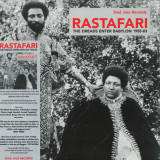
Soul Jazz Records’ are releasing their classic release ‘Rastafari – The Dreads Enter Babylon 1955-83’ in a new one-off pressing limited edition blue coloured double vinyl edition. The album includes new tracks and is fully remastered from the original edition.
Spanning nearly 30 years of revolutionary music and featuring the music of Count Ossie, Johnny Clarke, The Mystic Revelation of Rastafari, Bongo Herman, Earth & Stone and many more, this is an in-depth look at some of the heaviest and righteous music ever made!
Soul Jazz Records' Rastafari: The Dreads Enter Babylon charts the many links between reggae music and Rastafarianism. The album comes complete with full gatefold and bespoke inner sleeves, containing stunning exclusive photography and extensive sleevenotes.
Rastafarianism had its roots at the start of the 20th century and became widespread in Jamaica following the visit of Haile Selassie, the King of Ethiopia, to Kingston in 1966. By the 1970s Rastafarianism become practically synonymous with reggae, as many roots reggae artists became known throughout the world, notably spearheaded by the success of Bob Marley and The Wailers.
As ‘roots reggae’ artists in the 1970s continued to spread the word of Jah (God) in their music, Rastafari reggae became the ultimate rebel sound throughout the world.
out of Stock
Last delivered 2 years ago available to reorder, subject to availability
Almost three decades on from their last release, Acid Jazz forefathers Galliano are back with news of their new LP ‘Halfway Somewhere’ which is being released on Gilles Peterson’s Brownswood Recordings on 30 August.
Born out of London’s underground clubs and warehouse parties of the mid to late eighties, with the debut single on the Acid Jazz label in 1988, Galliano came out of a culture that spanned music, dance, fashion, art, design, and the written word.
When they arrived as the first act on Gilles Peterson’s Talkin’ Loud label in 1990 with ‘Welcome to the Story’ (produced by Chris Bangs who invented the term Acid Jazz) dressed in Gabicci sweaters, beads and skullcaps they captured a scene built on re-invention. “We were all playing around with what we could get our hands on whether that was a seventies book on Jamaican style or old Last Poets and Watts Prophets records,” says Gallagher. “We’d been recycling things for a few years but suddenly everything had coalesced and you’ve got an amalgam that seemed quite solid.”
For their first album since 1997, Rob Gallagher and his partner, vocalist Valerie Etienne, are joined by Galliano stalwarts Ernie McKone on bass, Crispin Taylor on drums, and Ski Oakenfull on keys (with guests including saxophonist Jason Yarde and percussionist Crispin ‘Spry’ Robinson).
Where the old Galliano recycled records they heard at clubs, today they are responding to the kaleidoscopic global jazz scene - from Total Refreshment Centre in London to International Anthem in Chicago. More than forty years since they came together, Galliano are still only ‘Halfway Somewhere’, but listening to the album they are obviously having fun getting there. “I think the stars have to be aligned when you redo things,” says Gallagher. “Coming at it from this door is very different to the door we came into back then. But once it's existing it is something. But I’m still not sure what that something is.”
out of Stock
Last delivered 4 months ago available to reorder, subject to availability
Almost three decades on from their last release, Acid Jazz forefathers Galliano are back with news of their new LP ‘Halfway Somewhere’ which is being released on Gilles Peterson’s Brownswood Recordings on 30 August.
Born out of London’s underground clubs and warehouse parties of the mid to late eighties, with the debut single on the Acid Jazz label in 1988, Galliano came out of a culture that spanned music, dance, fashion, art, design, and the written word.
When they arrived as the first act on Gilles Peterson’s Talkin’ Loud label in 1990 with ‘Welcome to the Story’ (produced by Chris Bangs who invented the term Acid Jazz) dressed in Gabicci sweaters, beads and skullcaps they captured a scene built on re-invention. “We were all playing around with what we could get our hands on whether that was a seventies book on Jamaican style or old Last Poets and Watts Prophets records,” says Gallagher. “We’d been recycling things for a few years but suddenly everything had coalesced and you’ve got an amalgam that seemed quite solid.”
For their first album since 1997, Rob Gallagher and his partner, vocalist Valerie Etienne, are joined by Galliano stalwarts Ernie McKone on bass, Crispin Taylor on drums, and Ski Oakenfull on keys (with guests including saxophonist Jason Yarde and percussionist Crispin ‘Spry’ Robinson).
Where the old Galliano recycled records they heard at clubs, today they are responding to the kaleidoscopic global jazz scene - from Total Refreshment Centre in London to International Anthem in Chicago. More than forty years since they came together, Galliano are still only ‘Halfway Somewhere’, but listening to the album they are obviously having fun getting there. “I think the stars have to be aligned when you redo things,” says Gallagher. “Coming at it from this door is very different to the door we came into back then. But once it's existing it is something. But I’m still not sure what that something is.”
out of Stock
Last delivered 22 months ago available to reorder, subject to availability
The early Reggae sound that came out of Jamaica between the years 1968 and 1971 became the soundtrack to the skinhead movement in the UK. Not only was the music embraced but also the dress style of the Jamaican Rude Boys.
The skinhead style started around 1968 and by the following year 1969, had become the style and fashion of the British teenagers. The uniform of the skinheads consisted of boots, braces, button down shirts and jeans and the upbeat reggae sounds seemed to match the style perfectly. The tempo of the music in Jamaica had previously slowed down from the more up tempo beat of Ska to the calmer pace of beat called Rock Steady. Some say this was to match the extreme heat wave that was hitting the island between 1966 and 1968. But that period had now passed and the evolution of the Reggae beat had again found a new pulse to hang its songs by. A more up tempo beat that all Jamaicans, British youths and various pockets of people around the world could groove to.
We have selected a cross section of tunes from those heady times, so sit back and enjoy some of the tunes the youths were listening to when the Skinhead Shuffle was all the rage. Hope you enjoy the set….