Поиск:the choice four

Стили
Все
Uplink - Sporting Audio

Uplink

Sporting Audio

12inchSFLX002
Superflux
05.06.2026

After a sold out first release, NY’s Superflux is back for Round Two with a debut release from arguably the most unsung hero of the Midwest underground. Uplink is a REDACTED-based hardware specialist known for their work running a series of labels and organizing parties that have helped define the region’s sound for more than a decade. Crafted using time-honored tools of the trade, these four dubby, tracky, and raw cuts – lifted from live stereo board recordings – will sit comfortably alongside releases from STL, Skudge, and MRSK.

The A1, Audio Sport, is a dubby groover with almost-steppy hats and bit of bite; a reverb-drenched lattice of delayed pads bends your sense of time and space until you realize you’re 12 hours into the warehouse function and someone’s just thrown a piano off the roof. A2, Blue Untitled, is a deep stomper reminiscent of the early WAX records. A big & shifty bassline turns this into a true head-nodder. B1, Temporary Machine 1, is a more subdued dubbed-out tech house cut anchored on a rolling bassline and flanked by dusty percussion and prescriptive stabs. Proper warm up tackle or hazy after-afters fodder: the choice is yours. Connoisseurs of a fine B2 rejoice – this one is it. Dokta is a moody, tripped out late night techno affair with a dash of bounce for good measure. All that hisses is gold.

Written by Colin Boardway

нет на складе

Закажите сейчас, и мы закажем товар для вас у нашего поставщика.

Последний логин: 4 мес. назад
15,34 €
Raymond MacDonald & Christian Ferlaino - A Jig in the Future

"All the tracks on this release come from a live concert at Sharmanka, a beautiful and unique museum of kinetic sculptures in Glasgow, and throughout the record, the sounds of the sculptures moving and emitting noises are incorporated into the music performed. The four pieces presented are entirely improvised. There was no discussion beforehand of what instruments or what approach would be taken, and each piece evolved as a musical negotiation as the performers individually made choices about what instruments to play and how to support and meet each other within the unfolding musical narrative. While Macdonald and Ferlaino both share a lifetime of work with their chosen primary instrument, the saxophone, they also share a passion for exploring other instruments and objects for their sonic and socio-creative potential. This record foregrounds both these aspects of their work: they use saxophones, but also incorporate bells, toys, bagpipes, accordions, percussion instruments and voice.
"Raymond MacDonald is a saxophonist and composer with an extensive career in music, cross-disciplinary arts and academia. He has played on and released over 100 albums, toured and broadcast worldwide and has composed music for film, television, theatre, radio and art installations. He is a founding member of the Glasgow Improvisers Orchestra, and his work is informed by a view of improvisation as a social, collaborative, and uniquely creative process that provides opportunities to develop new ways of engaging musically.
"Christian Ferlaino is an Italian saxophonist, bagpipe player, improviser, composer and ethnomusicologist. He composes for ensembles of improvisers, both from the jazz and improvised music scene, as well as for contemporary music ensembles. His work explores the relationships between composition and improvisation, and the expressive potential of improvised music. His musical research also focuses on creatively engaging with the sonic and musical realm of Calabria, with special attention to its performing techniques and approach to sound and music generation."

Сделать предзаказ30.05.2026

он должен быть опубликован на 30.05.2026

23,23 €
DJ Sneak - Galactic Funk EP

DJ Sneak

Galactic Funk EP

12inchPHONOGRAMME42
PHONOGRAMME
15.05.2026

2026 Repress

Finally repressed. Excitement reverberates through the underground music scene as the legendary DJ Sneak gears up for his latest sonic exploration, the "Galactic Funk EP," set to drop on the iconic Phonogramme Records. This four-track masterpiece showcases Sneak's unparalleled ability to blend classic house vibes with cutting-edge techno elements, delivering a dancefloor experience like no other.This EP comes in a distinctive yellow vinyl, a bold choice that mirrors the vibrant energy encapsulated within the tracks.

На складе от13.10.2026

Последний логин: 19 дн. назад
14,71 €
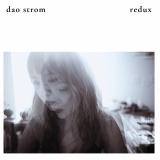
Dao Strom - Redux

Dao Strom

Redux

12inchLPNUY012
Disasters By Choice
08.05.2026

Redux, an ambient-folk album from Portland, Oregon musician, poet, and multimedia artist Dao Strom, is a collection of nine resurrected pieces. Reimagining songs she initially composed as a member of the Austin, Texas alt-country and singer-songwriter scenes of the early 2000s, Strom reworks these lost songs into ambient-folk mini-epics—part grounded and earthly, part ethereal and otherworldly. Drawing on an intimate yet spacious palette of folk, ambient, and experimental textures, woven through with a poetics of vulnerability and quiet emotion, Redux explores song as gently reverberant fields of layered vocals over finger-picked guitars with touches of electronics and sampling. Strom’s musical journey initially began in a roots and acoustic vein, simultaneously with her career as a fiction writer. In the years since, she has moved from Austin, Texas to Juneau, Alaska to Portland, Oregon; her work too has expanded across genres into more experimental formats of poetry, music, and multidisciplinary art. In returning to these earlier songs, Strom reclaims and revives them, exploring her relationships to time, voice, and the continuances of emotion and memory. The word redux means “brought back; revived”; a sense of something restored—earlier renditions of some of the Redux songs were recorded with Austin-based collaborators and producers; some songs were written in that time period but never recorded. Produced, performed, and recorded by Strom alone in her home studio, Redux is a return and reemergence of the artist to her own most personal, intuitive structures and atmospheres of voice, sound, and song. Released on cassette by Antiquated Future Records, and reissued on vinyl in 2026 by Disasters By Choice.

Dao Strom is an artist who works with three “voices”—written, sung, visual—to explore hybridity and contemplate the intersection of personal and collective histories. Her music releases move between “song-poem” cycles and ambient-folk albums. She is the author/composer of several hybrid projects that blend poetry, music, and visual art into unique multimodal experiences, including Tender Revolutions/Yellow Songs, a song-cycle with set of four chapbooks, jointly released by Beacon Sound, Antiquated Future Records, and The 3rd Thing Press (2025), and Instrument/Traveler’s Ode, a poetry-art collection and song-cycle released by Fonograf Editions and Antiquated Future Records (2020). Born in Vietnam and based in Portland, Oregon, Strom began her musical journey in the early 2000s, when she first began infusing into the context of “Americana” folk/roots music her own diasporic Vietnamese experience and stories. Her music has since moved in more experimental directions, resisting easy categorization, yet still maintaining tendrils of folk ethos. She also writes songs about the ineffable nuances of emotion, memory, and connection, as captured on the album, Redux, which gathers songs from across her songwriting years into an ambient-folk setting, self-produced and recorded by Strom, released on cassette in 2022 by Antiquated Future Records, and reissued on vinyl in 2026 by Disasters By Choice. As a multidisciplinary artist, Strom has presented performance and installations at venues such as the Time Based Art Festival (Portland Institute for Contemporary Art) and Moving Poets Novilla in Berlin, Germany, and has received awards from the Creative Capital Foundation, Spark Artist Award, and others. Strom is also a founding member of She Who Has No Master(s), a collective of Vietnamese women writers and artists making polyvocal poetry-art works as a means of reaching across borders.

Сделать предзаказ08.05.2026

он должен быть опубликован на 08.05.2026

26,68 €
Mystic-Force - The Eternal Quest LP

Mystic Force was a progressive power metal band from Baltimore, Maryland. After releasing several demo tapes, they signed a contract with the German label Rising Sun Productions. This resulted in two albums, “The Eternal Quest” (1993) and “A Step Beyond” (1995). Their third album, “Man Vs. Machine,” followed in 2001 on Siegen Records. After Mystic Force broke up, drummer Chris Lembach and guitarist Rich Davis formed the group Shift and recorded two albums with them. Rich then started his own solo project (for which he played all the instruments and sang), before looking for suitable fellow musicians again and releasing the CD “Inside The Upside Down” in 2024. Mystic Force was originally formed in 1984 by guitarists Rich Davis and Marc Rouchard together with bassist Keith Menser. After numerous line-up changes in the early days, they finally found suitable bandmates in Chris Lembach (drums) and Bobby Hicks (vocals). In 1987, Mystic Force released their first 4-song demo, followed by “Blind Vision” a year later. After selling large quantities of self-produced cassettes (the first 4-track demo is said to have sold over 5,000 copies), it was time for their first vinyl release. In 1990, the album “Take Command” was released on the English label C.M.F.T. Records, which included the first demo and four brand new tracks: “Take Command,” “Awakened By The Dawn,” “Immortal Souls,” and “Silent But Deadly.” Later that year, the 12“ single ”Shipwrecked With The Wicked“/”Eternal Quest" was released in a limited and numbered edition by the band's own company, Pro-duction. The widespread distribution of Mystic Force's material (also via underground distributors such as Oliver Jung's “Demolition”) led to an increasing number of labels taking an interest in the band. Ultimately, the choice fell on Rising Sun Productions, who released the debut album “The Eternal Quest” in 1993, featuring tracks such as “Shipwrecked With The Wicked,” “Another World,” and “Answers Of The Mystery”—a forgotten gem of progressive power metal somewhere between Fates Warning and Hades.

Сделать предзаказ24.04.2026

он должен быть опубликован на 24.04.2026

27,10 €
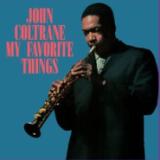
John Coltrane - My Favorite Things LP
  • My Favorite Things
  • Everytime We Say Goodbye
  • Summertime
  • But Not For Me
  • Like Sonny

My Favorite Things is one of J ohn Coltrane 's all time bestselling LPs. Recorded in 1960 for Atlantic Records during three marathon sessions that also produced enough music for four subsequent albums: Coltrane Plays the Blues , Coltrane's Sound , and Coltrane Legacy. The LP's title tune belongs to the Rodgers & Hammerstein musical The Sound of Music, which at the time, might have seemed an odd choice by critics and fans. However, in Coltrane's hand the tune is spun out with an Eastern sound, a waltz reminiscent of a dervish dance, hypnotic and totally engaging. An edited version of the track was issued as a single and gained popularity across US radio stations, resulting in the LP becoming a major commercial success. My Favorite Things features John Coltrane 's first recorded performance on soprano saxophone - an instrument gifted to him by Miles Davis.

Сделать предзаказ17.04.2026

он должен быть опубликован на 17.04.2026

22,65 €
Guilty Razors - Complete Recordings 1977 - 1978

UILTY RAZORS, BONA FIDE PUNKS.


Writings on the topic that go off in all directions, mind-numbing lectures given by academics, and testimonies, most of them heavily doctored, from those who “lived through that era”: so many people today fantasize about the early days of punk in our country… This blessed moment when no one had yet thought of flaunting a ridiculous green mohawk, taking Sid Vicious as a hero, or – even worse – making the so-called alternative scene both festive and boorish. There was no such thing in 1976 or 1977, when it wasn’t easy to get hold of the first 45s by the Pistols or the Clash. Few people were aware of what was happening on the fringes of the fringes at the time. Malcolm McLaren was virtually unknown, and having short hair made you seem strange. Who knew then that rock music, which had taken a very bad turn since the early 1970s, would once again become an essential element of liberation? That, thanks to short and fast songs, it would once again rediscover that primitive, social side that was so hated by older generations? Who knew that, besides a few loners who read the music press (it was even better if they read it in English) and frequented the right record stores? Many of these formed bands, because it was impossible to do otherwise. We quickly went from listening to the Velvet Underground to trying to play the Stooges’ intros. It’s a somewhat collective story, even though there weren’t many people to start it.
The Guilty Razors were among those who took part in this initial upheaval in Paris. They were far from being the worst. They had something special and even released a single that was well above the national average. They also had enough songs to fill an album, the one you’re holding. In everyone’s opinion, they were definitely not among the punk impostors that followed in their wake. They were, at least, genuine and credible.

Guilty Razors, Parisian punk band (1975-1978). To understand something about their somewhat linear but very energetic sound, we might need to talk about the context in which it was born and, more broadly, recall the boredom (a theme that would become capital in punk songs) coupled with the desire to blow everything off, which were the basis for the formation of bands playing a rejuvenated rock music ; about the passion for a few records by the Kinks or the early Who, by the Stooges, by the Velvet mostly, which set you apart from the crowd.
And of course, we should remember this new wave, which was promoted by a few articles in the specialized press and some cutting-edge record stores, coming from New York or London, whose small but powerful influence could be felt in Paris and in a handful of isolated places in the provinces, lulled to sleep by so many appalling things, from Tangerine Dream to President Giscard d’Estaing...
In 1975-76, French music was, as almost always, in a sorry state ; it was still dominated by Johnny Hallyday and Sylvie Vartan. Local rock music was also rather bleak, apart from Bijou and Little Bob who tried to revive this small scene with poorly sound-engineered gigs played to almost no one.
In the working class suburbs at the time, it was mainly hard rock music played to 11 that helped people forget about their gruelling shifts at the factory. Here and there, on the outskirts of major cities, you still could find a few rockers with sideburns wearing black armbands since the death of Gene Vincent, but it wasn’t a proper mass movement, just a source of real danger to anyone they came across who wasn't like them. In August 1976, a festival unlike any other took place in Mont-de-Marsan – the First European Punk Festival as the poster said – with almost as many people on stage as in the audience. Yet, on that day, a quasi historical event happened, when, under the blazing afternoon sun, a band of unknowns called The Damned made an unprecedented noise in the arena, reminiscent of the chaotic Stooges in their early adolescence. They were the first genuine punk band to perform in our country: from then on, anything was possible, almost anything seemed permissible.

It makes sense that the four+1 members of Guilty Razors, who initially amplified acoustic guitars with crappy tape recorder microphones, would adopt punk music (pronounced paink in French) naturally and instinctively, since it combines liberating noise with speed of execution and – crucially – a very healthy sense of rebellion (the protesters of May 1968 proclaimed, and it was even a slogan, that they weren’t against old people, but against what had made them grow old. In the mid-1970s, it seemed normal and obvious that old people should now ALSO be targeted!!!).
At the time, the desire to fight back, and break down authority and apathy, was either red or black, often taking the form of leafleting, tumultuous general assemblies in the schoolyard, and massive or shabby demonstrations, most of the time overflowing with an exciting vitality that sometimes turned into fights with the riot police. Indeed, soon after the end of the Vietnam War and following Pinochet’s coup in Chile, all over France, Trotskyist and anarcho-libertarian fervour was firmly entrenched among parts of the educated youth population, who were equally rebellious and troublemakers whenever they had the chance. It should also be noted that when the single "Anarchy in the UK" was first heard, even though not many of us had access to it, both the title and its explosive sound immediately resonated with some of those troublemakers crying out for ANARCHY!!! Meanwhile, the left-wing majority still equated punks with reckless young neo-Nazis. Of course, the widely circulated photos in the mainstream press of Siouxsie Sioux with her swastikas didn’t necessarily help to win over the theorists of the Great Revolution. It took Joe Strummer to introduce The Clash as an anti-racist, anti-fascist and anti-ignorance band for the rejection of old-school revolutionaries to fade a little.

The Lycée Jean-Baptiste Say at Porte d’Auteuil, despite being located in the very posh and very exclusive 16th arrondissement of Paris, didn’t escape these "committed" upheavals, which doubled as the perfect outlet for the less timid members of this generation.
“Back then, politics were fun,” says Tristam Nada, who studied there and went on to become Guilty Razors’ frontman. “Jean-Baptiste was the leftist high-school in the neighbourhood. When the far right guys from the GUD came down there, the Communist League guys from elsewhere helped us fight them off.”
Anything that could challenge authority was fair game and of course, strikes for just about any reason would lead to increasingly frequent truancy (with a definitive farewell to education that would soon follow). Tristam Nada spent his 10th and 11th unfinished grades with José Perez, who had come from Spain, where his father, a janitor, had been sentenced to death by Franco. “José steered my tastes towards solid acts such as The Who. Like most teenagers, I had previously absorbed just about everything that came my way, from Yes to Led Zeppelin to Genesis. I was exploring… And then one day, he told me that he and his brother Carlos wanted to start a rock band.” The Perez brothers already played guitar. “Of course, they were Spanish!”, jokes their singer. “Then, somewhat reluctantly, José took up the bass and we were soon joined by Jano – who called himself Jano Homicid – who took up the rhythm guitar.” Several drummers would later join this core of not easily intimidated young guys who didn’t let adversity get the better of them.

The first rehearsals of the newly named Guilty Razors took place in the bedroom of a Perez aunt. There, the three rookies tried to cover a few standards, songs that often were an integral part of their lives. During a first, short gig, in front of a bewildered audience of tough old-school rockers, they launched into a clunky version of the Velvet Underground's “Heroin”. Challenge or recklessness? A bit of both, probably… And then, step by step, their limited repertoire expanded as they decided to write their own songs, sung in a not always very accurate or academic English, but who cared about proper grammar or the right vocabulary, since what truly mattered was to make the words sound as good as possible while playing very, very fast music? And spitting out those words in a language that left no doubt as to what it conveyed mattered as well.
Trying their hand a the kind of rock music disliked by most of the neighbourhood, making noise, being fiercely provocative: they still belonged to a tiny clique who, at this very moment, had chosen to impose this difference. And there were very few places in France or elsewhere, where one could witness the first stirrings of something that wasn’t a trend yet, let alone a movement.

In the provinces, in late 1976 or early 1977, there couldn’t be more than thirty record stores that were a bit more discerning than average, where you could hear this new kind of short-haired rock music called “punk”. The old clientele, who previously had no problem coming in to buy the latest McCartney or Aerosmith LP, now felt a little less comfortable there…
In Paris, these enlightened places were quite rare and often located nex to what would become the Forum des Halles, a big shopping mall. Between three aging sex workers, a couple of second-hand clothes shops, sellers of hippie paraphernalia and small fashion designers, the good word was loudly spread in two pioneering places – propagators of what was still only a new underground movement. Historically, the first one was the Open Market, a kind of poorly, but tastefully stocked cave. Speakers blasted out the sound of sixties garage bands from the Nuggets compilation (a crucial reference for José Perez) or the badly dressed English kids of Eddie and the Hot Rods. This black-painted den was opened a few years earlier by Marc Zermati, a character who wasn’t always in a sunny disposition, but always quite radical in his (good) choices and his opinions. He founded the independent label Skydog and was one of the promoters of the Mont-de-Marsan punk festivals. Not far from there was Harry Cover, another store more in tune with the new New York scene, which was amply covered in the house fanzine, Rock News (even though it was in it that the photos of the Sex Pistols were first published in France).
It was a favorite hang-out of the Perez brothers and Tristam Nada, as the latter explained. “It’s at Harry Cover’s that we first heard the Pistols and Clash’s 45s, and after that, we decided to start writing our first songs. If they could do it, so could we!”
The sonic shocks that were “Anarchy in the UK”, “White Riot” or the Buzzcocks’s EP, “Spiral Scratch” – which Guilty Razors' sound is reminiscent of – were soon to be amplified by an unparalleled visual shock. In April 1977, right after the release of their first LP, The Clash performed at the Palais des Glaces in Paris, during a punk night organised by Marc Zermati. For many who were there, it was the gig of a lifetime…
Of course, Guilty Razors and Tristam were in the audience: “That concert was fabulous… We Parisian punks were almost all dressed in black and white, with white shirts, skinny leather ties, bikers jackets or light jackets, etc. The Clash, on the other hand, wore colourful clothes. Well, the next day, at the Gibus, you’d spot everyone who had been at this concert, but they weren’t wearing anything black, they were all wearing colours.”

It makes sense to mention the Gibus club, as Guilty Razors often played there (sometimes in front of a hostile audience). It was also the only place in Paris that regularly scheduled new Parisian or Anglo-Saxon acts, such as Generation X, Siouxsie and the Banshees, the Slits, and Johnny Thunders who would become a kind of messed-up mascot for the venue. A little later, in 1978, the Rose Bonbon – formerly the Nashville – also attracted nightly owls in search of electric thrills… In 1977, the iconic but not necessarily excellent Asphalt Jungle often played at the Gibus, sometimes sharing the bill with Metal Urbain, the only band whose aura would later transcend the French borders (“I saw them as the French Sex Pistols,” said Geoff Travis, head of their British label Rough Trade). Already established in this small scene, Metal Urbain helped the young and restless Guilty Razors who had just arrived. Guitarist for Metal Urbain Hermann Schwartz remembers it: “They were younger than us, we were a bit like their mentors even if it’s too strong a word… At least they were credible. We thought they were good, and they had good songs which reminded of the Buzzcocks that I liked a lot. But at some point, they started hanging out with the Hells Angels. That’s when we stopped following them.”

The break-up was mutual, since, Guilty Razors, for their part, were shocked when they saw a fringe element of the audience at Metal Urbain concerts who repeatedly shouted “Sieg Heil” and gave Nazi salutes. These provocations, even still minor (the bulk of the skinhead crowd would later make their presence felt during concerts), weren’t really to the liking of the Perez brothers, whose anti-fascist convictions were firmly rooted. Some things are non-negotiable.
A few months earlier (in July 1978), Guilty Razors had nevertheless opened very successfully for Metal Urbain at the Bus Palladium, a more traditonally old-school rock night-club. But, as was sometimes the case back then, the night turned into a mass brawl when suburban rockers came to “beat up punks”.

Back then, Parisian nights weren’t always sweet and serene.

So, after opening as best as they could for The Jam (their sound having been ruined by the PA system), our local heroes were – once again – met outside by a horde of greasers out to get them. “Thankfully,” says Tristam, “we were with our roadies, motorless bikers who acted as a protective barrier. We were chased in the neighbouring streets and the whole thing ended in front of a bar, with the owner coming out with a rifle…”
Although Tristam and the Perez brothers narrowly escaped various, potentially bloody, incidents, they weren’t completely innocent of wrongdoing either. They still find amusing their mugging of two strangers in the street for example (“We were broke and we simply wanted to buy tickets for the Heartbreakers concert that night,” says Tristam). It so happened that their victims were two key figures in the rock business at the time: radio presenter Alain Manneval and music publisher Philippe Constantin. They filed a complaint and sought monetary compensation, but somehow the band’s manager, the skilful but very controversial Alexis, managed to get the complaint withdrawn and Guilty Razors ended up signing with Constantin with a substantial advance.

They also signed with Polydor and the label released in 1978 their only three-track 45, featuring “I Don't Wanna be A Rich”, “Hurts and Noises” and “Provocate” (songs that exuded perpetual rebellion and an unquenchable desire for “class” confrontation). It was a very good record, but due to a lack of promotion (radio stations didn’t play French artists singing in English), it didn’t sell very well. Only 800 copies were allegedly sold and the rest of the stock was pulped… Initially, the three tracks were to be included on a LP that never came to be, since they were dropped by Polydor (“Let’s say we sometimes caused a ruckus in their offices!” laughs Tristam.) In order to perfect the long-awaited LP, the band recorded demos of other tracks. There was a cover of Pink Floyd's “Lucifer Sam” from the Syd Barrett era – proof of an enduring love for the sixties’ greats –, “Wake Up” a hangover tale and “Bad Heart” about the Baader-Meinhof gang, whose actions had a profound impact on the era and on a generation seeking extreme dissent... On the album you’re now discovering, you can also hear five previously unreleased tracks recorded a bit later during an extended and freezing stay in Madrid, in a makeshift studio with the invaluable help of a drummer also acting as sound engineer. He was both an enthusiastic old hippie and a proper whizz at sound engineering. Here too, certain influences from the fifties and sixties (Link Wray, the Troggs) are more than obvious in the band’s music.

Shortly after a final stormy and rather barbaric (on the audience’s side) “Punk night” at the Olympia in June 1978, Tristam left the band ; his bandmates continued without him for a short while.

But like most pioneering punk bands of the era, Guilty Razors eventually split up for good after three years (besides once in Spain, they’d only played in Paris). The reason for ceasing business activities were more or less the same for everyone: there were no venues outside one’s small circuit to play this kind of rock music, which was still frightening, unknown, or of little interest to most people. The chances of recording an LP were virtually null, since major labels were only signing unoriginal but reassuring sub-Téléphone clones, and the smaller ones were only interested in progressive rock or French chanson for youth clubs. And what about self-production? No one in our small safety-pinned world had thought about it yet. There wasn’t enough money to embark on that sort of venture anyway.

So yes, the early days of punk in France were truly No Future!

нет на складе

Закажите сейчас, и мы закажем товар для вас у нашего поставщика.

Последний логин: 6 мес. назад
21,43 €
Cootie Catcher - Something We All Got MC

There’s an alternate reality where everyone makes a living wage and the cleanest buses you’ve ever seen arrive every other minute. Where the most intense songs are about confessing your love to a crush at the apple orchard, and where gentle feelings and chaotic energy are inseparable best friends. This is the timeline where Cootie Catcher is right at home. This Toronto based four-piece exudes both vulnerability and unbridled excitement, creating a sound that hypercharges the open-hearted tenderness of twee pop with spiraling synths and giddy electronics. New album Something We All Got is the clearest and most vibrant reading of Cootie Catcher’s vision yet, with songs of sweetness, nervousness, and expectancy that beam out unguarded.
After releasing music made primarily in basement recording environments, Something We All Got is the band’s first flirtation with studio recording. The edges are still sharp, however, with some parts assembled from time-honored lo-fi methods and fun, personally-sourced samples seeping into the production. The sound is explosive and upbeat, with euphoric guitars, bubbly synth lines, speedy drums both played and programmed, and all other manner of sound constantly colliding. Cootie Catcher has three songwriters, Sophia Chavez, Anita Fowl, and Nolan Jakupovski, all of whom have distinctive voices but still manage to overlap in their writing on shared concerns like navigating the lines of romantic and platonic relationships, their city’s social scenes, and struggles in both the microcosmic experience of playing in a band and the zoomed-out challenges of living through late-stage capitalism.
Joy still touches every surface of Something We All Got. “Quarter Note Rock” bounces around the room in a fit of jangling guitar chords, scratched samples, and interplay between breakbeat loops and somersaulting live drums. It’s a blast of positivity even with lyrics about how disappointing it can be to meet your heroes. A smiling electro pop instrumental supports lyrics about having to step painfully away from an almost realized love on “Gingham Dress,” a song that subverts themes of domesticity as a backdrop for the dashed wilt of hopeless devotion.
Cootie Catcher rolls down hills and jumps through flaming hoops throughout Something We All Got without ever dumbing down the visceral emotions that drive these songs. There’s a palpable tension between the band’s exhilarating sonics and the raw, often uneasy sentiments expressed, but it’s an integral part of what makes them unique. Rather than hide behind the kind of calculated vagueness that plagues so much of the indie rock landscape in the time of cursed algorithms, Cootie Catcher runs full-speed toward every confusion and excitement, fearlessly direct and embracing the reality they’re in.

Сделать предзаказ03.04.2026

он должен быть опубликован на 03.04.2026

10,88 €
Iivana Mišukka & Arja Kastinen - Iivana Mišukka (Tape)
  • 01: Maanitus & Tšiižik
  • 02: Markka
  • 03: Melkutus
  • 04: Letška
  • 05: Kuuen parin hoirola
  • 06: Brišatka
  • 07: Tšiižik
  • 08: Kirkonkellot
  • 09: Kirkonkellot korkea
  • 10: Hoirola, 3 parin
  • 11: Lippa
  • 12: Kyngäkiža
  • 13: Ristakondra
  • 14: Vanha polkka
  • 15: Viistoista
  • 16: Vanha valssi
  • 17: Kiberä
  • 18: Maanitus Kuokan kanteleella
  • 19: Tuuti lasta nukkumahe
также имеющийся в продаже

Vinyl[22,65 €]


Death Is Not The End present a further volume of Arja Kastinen's eerie amalgamations of 110 year old wax cylinders with her own meticulously transcribed takes, this time focussing in on Armas Otto Väisänen's field recordings of kantele player Iivana Mišukka (b. 1861 d.1919).

"Ivana Mišukka (1861–1919) was one of the Karelian kantele players recorded by the folk music researcher Armas Otto Väisänen on wax cylinders in 1916 and 1917. In the early 20th century, the remote areas of Border Karelia were undergoing the final phase of a transformation in musical culture, with the ancient runo song tradition giving way to newer forms of music. This transition is reflected in Mišukka's repertoire and choice of instrument. The ancient small kantele, hollowed out of a single piece of wood, was already rare at the turn of the century. Mišukka's kantele was a new type of instrument with 26 strings, constructed of several parts, but he played it using the traditional plucking technique. Like other Border Karelian kantele players, his repertoire consisted of music rooted in runosong culture, as well as newer dances and songs from the east and west. Most of the recorded material falls into the latter category.

Ivan Bogdanov Mišukka was born out of wedlock in Suursara village, Suistamo, on 1 May 1861. He began playing the kantele at the age of five or six, quickly mastering the instrument. In adulthood, he was considered one of the area's best master players. Mišukka was landless for most of his life and lived in different parts of the Suistamo parish. His first wife, Tekla Markintytär, died in 1897 at the age of 40, and his second wife, Jevdokia Filipintytär Jeminen, died in 1907 at the age of 50. Seven children were born from the first marriage, two of whom died young. The third wife, Maria Ignatintytär Gurnan (Kuurnanen), was a well-known master of lamentations. Together with Maria, Iivana Mišukka worked as a tenant farmer in the village of Suursara. Mišukka suffered from rheumatism, which prevented him from participating in physical work like Maria. This was apparently partly the reason why Iivana Mišukka went to earn extra money by playing the kantele on gig trips. He often had other traditional artists from Suistamo as his travelling companions, such as the runosingers Konstantin Kuokka and Iivana Onoila. Iivana Mišukka died in Leppäsyrjä village, Suistamo, on 18 May 1919 at the age of 58, and his kantele was donated to Teppana Jänis.

Mišukka only used 14 of the 26 strings on his kantele, playing the same tunes either a fourth higher or lower. He tuned his kantele to the major scale using fifths, except for a low seventh scale degree on the upper strings, but not below the fundamental. Since he did not use the seventh note of the scale on the upper strings at all, he could use the major scale both lower and a fourth higher with this tuning. According to Mišukka, the sound of higher, or 'finer', strings is 'more beautiful', while that of lower ones is 'greater'. Among runosingers, the size of the thirds varied, ranging from major to minor to neutral. A similar phenomenon can be observed in kantele tunings, where the third, sixth and seventh scale degrees vary in a comparable way.

During a meeting, Väisänen suggested that Mišukka play the smaller kantele belonging to Konstantin Kuokka. The idea was to bring it closer to the horn to improve the recording quality. However, the kantele was completely out of tune, and now Mišukka tuned it to the Lydian scale (track 18).

Using the old plucking technique, Mišukka placed his right middle finger on the fundamental tone, his right index finger on the second scale degree, his left middle finger on the third scale degree and his left index finger on the fourth scale degree, and his right thumb on the fifth. The thumb also played the notes above the fifth note of the scale. As Mišukka remarked to Väisänen: 'Peigaloll' tuloo enemb ruadoa' (the thumb has to do more work). However, he did not use the seventh note of the scale on the upper strings at all. Below the fundamental note, he played the seventh and sixth notes of the scale with his right middle finger of and the fifth note of the scale with his right ring finger. This fifth scale degree below the fundamental is almost always used as a drone. Sometimes, when the melody required it, Mišukka, like other players, also varied the fingering. He would also occasionally strike the same string with the side of his fingernail after plucking it.

The wax cylinder recordings of Karelian kantele players are kept in the archives of the Finnish Literature Society in Helsinki, Finland. Copies were made of them onto reel-to-reel tapes in both the 1960s and 1980s. The 1960s copies are mono and the 1980s copies are stereo. However, not all kantele recordings from these decades have survived.

The sound of the kantele is difficult to hear in wax cylinder recordings due to its low volume, and it occasionally becomes completely obscured by noise. During the copying process, the cylinder sometimes rotates unevenly, resulting in breaks or jumps in the music. Additionally, the rotation speed of the cylinder in the copies does not correspond to the performance speed of the original music, which alters the pitch. However, since Väisänen's precise notes are available in the archive, it is possible to deduce the melodies, their speed, and the tuning level of the kantele in the recordings. Of the copies of the original recordings from the 1960s and 1980s, I have selected the one that best met the requirements of this publication and adjusted the speed of the recording to align with Väisänen's notes. To enhance the listening experience, I have replayed the songs, which now partly overlap the old recordings on this release."

— Arja Kastinen

Сделать предзаказ27.03.2026

он должен быть опубликован на 27.03.2026

16,39 €
Iivana Mišukka & Arja Kastinen - Iivana Mišukka LP

Death Is Not The End present a further volume of Arja Kastinen's eerie amalgamations of 110 year old wax cylinders with her own meticulously transcribed takes, this time focussing in on Armas Otto Väisänen's field recordings of kantele player Iivana Mišukka (b. 1861 d.1919).

"Ivana Mišukka (1861–1919) was one of the Karelian kantele players recorded by the folk music researcher Armas Otto Väisänen on wax cylinders in 1916 and 1917. In the early 20th century, the remote areas of Border Karelia were undergoing the final phase of a transformation in musical culture, with the ancient runo song tradition giving way to newer forms of music. This transition is reflected in Mišukka's repertoire and choice of instrument. The ancient small kantele, hollowed out of a single piece of wood, was already rare at the turn of the century. Mišukka's kantele was a new type of instrument with 26 strings, constructed of several parts, but he played it using the traditional plucking technique. Like other Border Karelian kantele players, his repertoire consisted of music rooted in runosong culture, as well as newer dances and songs from the east and west. Most of the recorded material falls into the latter category.

Ivan Bogdanov Mišukka was born out of wedlock in Suursara village, Suistamo, on 1 May 1861. He began playing the kantele at the age of five or six, quickly mastering the instrument. In adulthood, he was considered one of the area's best master players. Mišukka was landless for most of his life and lived in different parts of the Suistamo parish. His first wife, Tekla Markintytär, died in 1897 at the age of 40, and his second wife, Jevdokia Filipintytär Jeminen, died in 1907 at the age of 50. Seven children were born from the first marriage, two of whom died young. The third wife, Maria Ignatintytär Gurnan (Kuurnanen), was a well-known master of lamentations. Together with Maria, Iivana Mišukka worked as a tenant farmer in the village of Suursara. Mišukka suffered from rheumatism, which prevented him from participating in physical work like Maria. This was apparently partly the reason why Iivana Mišukka went to earn extra money by playing the kantele on gig trips. He often had other traditional artists from Suistamo as his travelling companions, such as the runosingers Konstantin Kuokka and Iivana Onoila. Iivana Mišukka died in Leppäsyrjä village, Suistamo, on 18 May 1919 at the age of 58, and his kantele was donated to Teppana Jänis.

Mišukka only used 14 of the 26 strings on his kantele, playing the same tunes either a fourth higher or lower. He tuned his kantele to the major scale using fifths, except for a low seventh scale degree on the upper strings, but not below the fundamental. Since he did not use the seventh note of the scale on the upper strings at all, he could use the major scale both lower and a fourth higher with this tuning. According to Mišukka, the sound of higher, or 'finer', strings is 'more beautiful', while that of lower ones is 'greater'. Among runosingers, the size of the thirds varied, ranging from major to minor to neutral. A similar phenomenon can be observed in kantele tunings, where the third, sixth and seventh scale degrees vary in a comparable way.

During a meeting, Väisänen suggested that Mišukka play the smaller kantele belonging to Konstantin Kuokka. The idea was to bring it closer to the horn to improve the recording quality. However, the kantele was completely out of tune, and now Mišukka tuned it to the Lydian scale (track 18).

Using the old plucking technique, Mišukka placed his right middle finger on the fundamental tone, his right index finger on the second scale degree, his left middle finger on the third scale degree and his left index finger on the fourth scale degree, and his right thumb on the fifth. The thumb also played the notes above the fifth note of the scale. As Mišukka remarked to Väisänen: 'Peigaloll' tuloo enemb ruadoa' (the thumb has to do more work). However, he did not use the seventh note of the scale on the upper strings at all. Below the fundamental note, he played the seventh and sixth notes of the scale with his right middle finger of and the fifth note of the scale with his right ring finger. This fifth scale degree below the fundamental is almost always used as a drone. Sometimes, when the melody required it, Mišukka, like other players, also varied the fingering. He would also occasionally strike the same string with the side of his fingernail after plucking it.

The wax cylinder recordings of Karelian kantele players are kept in the archives of the Finnish Literature Society in Helsinki, Finland. Copies were made of them onto reel-to-reel tapes in both the 1960s and 1980s. The 1960s copies are mono and the 1980s copies are stereo. However, not all kantele recordings from these decades have survived.

The sound of the kantele is difficult to hear in wax cylinder recordings due to its low volume, and it occasionally becomes completely obscured by noise. During the copying process, the cylinder sometimes rotates unevenly, resulting in breaks or jumps in the music. Additionally, the rotation speed of the cylinder in the copies does not correspond to the performance speed of the original music, which alters the pitch. However, since Väisänen's precise notes are available in the archive, it is possible to deduce the melodies, their speed, and the tuning level of the kantele in the recordings. Of the copies of the original recordings from the 1960s and 1980s, I have selected the one that best met the requirements of this publication and adjusted the speed of the recording to align with Väisänen's notes. To enhance the listening experience, I have replayed the songs, which now partly overlap the old recordings on this release."

— Arja Kastinen

Сделать предзаказ27.03.2026

он должен быть опубликован на 27.03.2026

22,65 €
Various - States & Paths

Driveline Records launches its catalog with a focused four-track vinyl EP built for the dancefloor, presenting four distinct yet cohesive techno cuts driven by groove, atmosphere and functionality.

The A-side opens with Invexis - "Roots", a hypnotic builder that slowly unfolds into a funky-driven rhythm. Tight hi-hats and rolling basslines carry the track forward, culminating in a subtle yet engaging melodic progression that lifts the energy without losing tension.

Next, Pylot - "Observation" delivers a highly functional club tool based on steady loops and an aquatic sound design. Aggressive low-end and raw basslines support an atmospheric and hypnotic flow, making it a solid choice for mid-set pressure and long blends.

On the B-side, Berlin-based duo Disguised contribute "Gitty (Dub Mix)", a dub-influenced and dreamy track designed to keep the dancefloor moving while creating a floating, immersive mood. Deep grooves and spacey textures balance rhythm and emotion.

Closing the EP, Shadow Hrym - "Delia" explores more melancholic territory, combining tribal and funky rhythms with emotive soundscapes, offering a powerful and memorable ending to the record.

A strong debut statement that defines Driveline Records' sonic vision: DJ-oriented techno with depth, groove and atmosphere, pressed on vinyl for dedicated selectors.

нет на складе

Закажите сейчас, и мы закажем товар для вас у нашего поставщика.

Последний логин: 6 мес. назад
13,03 €
Cootie Catcher - Something We All Got LP

There’s an alternate reality where everyone makes a living wage and the cleanest buses you’ve ever seen arrive every other minute. Where the most intense songs are about confessing your love to a crush at the apple orchard, and where gentle feelings and chaotic energy are inseparable best friends. This is the timeline where Cootie Catcher is right at home. This Toronto based four-piece exudes both vulnerability and unbridled excitement, creating a sound that hypercharges the open-hearted tenderness of twee pop with spiraling synths and giddy electronics. New album Something We All Got is the clearest and most vibrant reading of Cootie Catcher’s vision yet, with songs of sweetness, nervousness, and expectancy that beam out unguarded.
After releasing music made primarily in basement recording environments, Something We All Got is the band’s first flirtation with studio recording. The edges are still sharp, however, with some parts assembled from time-honored lo-fi methods and fun, personally-sourced samples seeping into the production. The sound is explosive and upbeat, with euphoric guitars, bubbly synth lines, speedy drums both played and programmed, and all other manner of sound constantly colliding. Cootie Catcher has three songwriters, Sophia Chavez, Anita Fowl, and Nolan Jakupovski, all of whom have distinctive voices but still manage to overlap in their writing on shared concerns like navigating the lines of romantic and platonic relationships, their city’s social scenes, and struggles in both the microcosmic experience of playing in a band and the zoomed-out challenges of living through late-stage capitalism.
Joy still touches every surface of Something We All Got. “Quarter Note Rock” bounces around the room in a fit of jangling guitar chords, scratched samples, and interplay between breakbeat loops and somersaulting live drums. It’s a blast of positivity even with lyrics about how disappointing it can be to meet your heroes. A smiling electro pop instrumental supports lyrics about having to step painfully away from an almost realized love on “Gingham Dress,” a song that subverts themes of domesticity as a backdrop for the dashed wilt of hopeless devotion.
Cootie Catcher rolls down hills and jumps through flaming hoops throughout Something We All Got without ever dumbing down the visceral emotions that drive these songs. There’s a palpable tension between the band’s exhilarating sonics and the raw, often uneasy sentiments expressed, but it’s an integral part of what makes them unique. Rather than hide behind the kind of calculated vagueness that plagues so much of the indie rock landscape in the time of cursed algorithms, Cootie Catcher runs full-speed toward every confusion and excitement, fearlessly direct and embracing the reality they’re in.

Сделать предзаказ27.02.2026

он должен быть опубликован на 27.02.2026

22,65 €
Jim Noir - Programmes For Cools LP
  • start
  • out of sight
  • the fountain
  • these are things
  • manchester cat
  • longsword
  • harum scarum
  • bit 42
  • one more hand
  • i think i found it
  • fireworks
  • morning light
  • motorbike
  • close

The last time Noir embarked on a similar creative exorcism was for 2012's Jimmy's Show LP which selected choice cuts from 18 E.P. 's released via straight to fan subscription over as many months. The resulting album is one of his most lauded and beloved by fans, with the vinyl now selling for silly money on Discogs.

Programmes for Cools is Jimmy's Show's spiritual successor, idiosyncratic, other worldly and brimming with timeless melodies. Noir's influences seep through the track list, wrapped with a haunting, dreamlike delivery.

First single 'Out Of Sight' is a Fleetwood Mac meets Selected Ambient Works era Richard D James, four to the floor banger. Already a fan favourite, it propels Side A forward with a somewhat misplaced optimism, much like Neil Young's 'Walk On' starting On the Beach.

Side B is more esoteric, exemplified by 'Fireworks’which includes lyrics and vocals from Marie Claude Dequoy,produced with the wooze of golden era Boards of Canada. Elsewhere, influences as disparate as Stevie Wonder, on the wonky clav funk of 'The Fountain', and Ian Brown 'I think I found it' illustrate Noir's disregard for musical straightjackets (the latter may have the most unapologetic baggy, hypnotic groove since the Mondays' 'Halleluiah').

As the album swells to its conclusion, via the epic Led Zeppelin meets the Warhol clique 'Morning Light’and the heart tugging finale of 'Motorbike’(the first song released from the most recent run of E.P.'s), there is a sense of completion and finality...
‘This is the last Jim Noir album. There are no more Jim Noir albums after this one. This time I'm serious. It's been the hardest I've ever worked on anything. I think I have created my own Be Here Now...Sorry.’
Joking and hyperbole aside, the album has more of an Abbey Road feel, and needs to be experienced in one sitting. If the infamous Davyhulme prankster is to be believed and this is his final outing, then you could wish for a more fitting album. - NM

Сделать предзаказ20.02.2026

он должен быть опубликован на 20.02.2026

21,43 €
Ness - Chromadelia EP

Ness

Chromadelia EP

12inchT3R018
The Third Room
29.01.2026

Where maturity evolves into a signature sound, the personal and musical journey becomes one. Chromadelia by Italian producer and live artist Ness refines two decades of precision and craft. It is techno reduced to its core logic - direct, functional, and self-aware. Ness' process moves from spontaneous jams to detailed sculpting, a continuous sequence where improvisation gradually becomes structure. Randomness plays a role, but only as the foundation for his architecture. The result is music that feels both deliberate and fluid, shaped by intuition and refined through years of practice. Minimalism here isn't merely an aesthetic choice, but an organic conclusion -- drawn from experience and the trust that less can truly reveal more. The four tracks on Chromadelia extend this clarity onto the dance floor: sharp, beepy, metallic, rhythmically charged, yet open enough to let each element breathe. Introspection and club-functionality coexist seamlessly, each amplifying the other. In Chromadelia, Ness demonstrates that every tone, every pulse serves a purpose, offering a clear reflection of an artist who has learned to let precision speak louder than complexity.

нет на складе

Закажите сейчас, и мы закажем товар для вас у нашего поставщика.

Последний логин: 65 дн. назад
13,24 €
Peverelist - Pulse Remix EP

Following the completion of the Pulse EP series, Peverelist invites four producers to present their own refreshing takes on choice cuts from his most recent phase of club exploration.

Fadi Mohem channels the bright angles of 'Pulse IX' into a buoyant, sleek run of uptempo dub techno with an unmistakable Berlin focus. Huey Mnemonic takes the crafty, curious swerve of 'Pulse XX' and sets it to a 4/4 rush of exuberant, steady-climbing techno informed by his Detroit surroundings. Munich-based artist Polygonia's snaking electronica response to 'Pulse VII' capitalises on the swooning melody of the original's second half and matches it with vibrant sound design. Rounding off an especially invigorating round of remixes, the stark jack of 'Pulse V' becomes a twinkling, dreamy Motor City reverie in the hands of the legendary Optic Nerve, aka Keith Tucker.

The end result is a collection of remixes bursting with the same vibrant, uplifting energy that courses throughout the Pulse series.

Livity Sound is a label set up by Peverelist in 2011 as a vehicle for a raw and exploratory strain of UK techno, rooted in the heritage of UK dance music and sound system culture. It has since become one of the UK's foremost protagonists for cutting edge underground electronic music.

нет на складе

Закажите сейчас, и мы закажем товар для вас у нашего поставщика.

Последний логин: 6 мес. назад
15,34 €
Mangiadischi - MD008

MD008 is here! — a bold new chapter in theever-evolving world of re-edits. This latest instalmentis a masterclass in versatility and emotion: four distinct cuts, four immersivesoundscapes, each crafted to ignite the dancefloor in its own unforgettableway. From hypnotic vocal firestorms to cinematic tributes, MD008 is a recordthat transcends trends and celebrates the timeless art of groove. Vinyl-only,limited edition — a future classic in the making.


A1 –TVGLips
A relentless vocal workout built to commandattention from the very first beat. “TVGLips” is a powerhouse opener —hypnotic, high-energy, and unapologetically intense. Its driving rhythm andsoaring vocal lines lock dancers into a euphoric trance, pushing momentumhigher with every bar. A weapon of choice for peak-time sets.


A2 –Tu Sei
Radiating pure nostalgia, “Tu Sei” channelsthe neon-lit spirit of the 1980s with a contemporary twist. Shimmering synths,heartfelt melodies, and a groove steeped in retro romance make this track anirresistible dancefloor moment. Equal parts cinematic and soulful, it’s a loveletter to a bygone era — and a timeless anthem for now.


B1 –Inquinada
Where new wave attitude meets disco power.“Inquinada” is a darkly seductive cut that pulses with underground energy — rawbasslines, mechanical percussion, and shimmering synth layers collide to createa sound that’s both nostalgic and futuristic. Perfectly balancing edge andallure, it’s a track that keeps the floor moving deep into the night.


B2 –Gatto Fresco
Closing the EP is aheartfelt homage to one of music’s greatest icons. This is a tribute toFreddie, and it’s pure celebration — anthemic, uplifting, and full of life.With its soaring melodies and infectious groove, it captures the unbreakablespirit and theatrical brilliance of Freddie’s legacy, leaving dancersexhilarated and inspired as the lights come up.


LimitedEdition, Vinyl Only
True to form, MD008 ispressed in strictly limited quantities — once it’s gone, it’s gone forever.Collectors, selectors, and lovers of the edit craft: this is a piece you’llwant in your collection.

нет на складе

Закажите сейчас, и мы закажем товар для вас у нашего поставщика.

Последний логин: 9 дн. назад
12,19 €
SLADEK - Things Gotta Change LP

Things Gotta Change is the fourth release by Austrian soul band SLADEK, following their debut album and
two EPs. With Loveless (2024), the group redefined their sound and secured a unique place in contemporary
soul. This new ten-track album builds on that breakthrough, blending the spirit of Curtis Mayfield, Donny
Hathaway and Marvin Gaye into a style distinctly their own.
At the core of SLADEK are David Sladek (vocals, guitar), Alvis Reid (bass) and Raphael Vorraber (drums),
joined by longtime producer Mathias Garmusch. Passionate about late-’60s soul and analog recording, they
craft a warm, deep sonic palette enriched by Taineh (backing vocals, keys), Yvonne Moriel (flute) and Tobias
Meissl (vibraphone).
The opener “Weight of the World” moves from heaviness to hope over guitar riffs, Mellotron flutes and a
powerful outro. “Stranger”, the first single, turns romantic miscommunication into an uplifting groove. “Wait for
Me” reflects on tough choices before drifting into a meditative guitar and flute mantra. “What a Little Love Can
Do” delivers a calm yet urgent call for compassion. “Here to Stay”, the second single, pairs emotional
uncertainty with steadfast resolve.
Instrumental “Lotus Eater” offers a dreamlike pause, inspired by mythic forgetfulness. The title track “Things
Gotta Change” is a heartfelt plea to break harmful patterns. “Beacon”, the ballad, urges kindness in a cruel
world. “Waking Dream” brings minor-key blues and abstract introspection, while “Bye Bye” closes with highenergy farewells and fresh perspectives.
Things Gotta Change stands as a rich, analog-crafted statement—blending timeless influences, vivid
storytelling, and a deep emotional range into one cohesive, soulful journey.

нет на складе

Закажите сейчас, и мы закажем товар для вас у нашего поставщика.

Последний логин: 10 мес. назад
22,65 €
Oscar and the Wolf - The Shimmer

Belgian pop superstar Max Colombie, aka Oscar and the Wolf, announces new
album ‘The Shimmr’, on PIAS Recordings.
Enter Colombie’s world and you’ll discover a uniquely dazzling and shimmering
fusion of contemporary R&B and a more European electro-pop sensibility, uniting
shivery melody, shifting beats and vocals steeped in drama, sensuality and yearning.
Colombie hears, “a twilight zone where it doesn’t sound dark nor happy. It’s like the
name Oscar and the Wolf; it’s a balance between light and dark, this perfect
combination between the sun and the moon. It’s beautiful and scary at the same
time.”
Oscar and the Wolf’s official debut, the 2012 EP ‘Summer Skin’, showed his gifts
arrived virtually fully formed, but he truly came of age in 2014 with his debut album
‘Entity’. Balanced between dancefloor anthems and slow jams, ‘Entity’ went 4 times
Platinum in his native Belgium and quickly jettisoned Colombie to superstar status.
He sold out arenas in Belgium and the Netherlands, taking the penultimate
headlining slot (behind Muse) at 2016’s Lowlands festival before headlining
Belgium’s Pukkelpop festival, sharing the bill with Rihanna and LCD Soundsystem.
Released in 2017, the second Oscar and the Wolf album, ‘Infinity’, went Platinum at
home, whilst amassing a huge Middle Eastern fanbase across Turkey (where his
2018 tour sold out in minutes), Egypt, Israel and Iran. On stage, Colombie cut a
commanding and lithe performer, often garbed in shimmering outfits that interacted
with the dynamic lighting.
The new Oscar and the Wolf album, ‘The Shimmer’, distils the essence of Colombie’s
sound and vision in its title and the image of Colombie on the album cover, bathed in
starry light. The album is a benchmark of his transformation on record; whereas
‘Entity’ was recorded in a barn, “very lo-fi with no access to gear,” he recalls.
‘The Shimmer’’s bold, rich and layered dynamics were captured at ICP Studios in
Brussels, home to, “one of the best live rooms in Europe, with all this vintage gear.”
More intimate moments were added at Colombie’s house outside the city, “those
magic takes we made just after we’d written something, which are so hard to capture
again.”
By ‘we’, Colombie includes producer Jeroen De Pessemier and multi-instrumentalist
Ozan Bozdag, who had both worked on ‘Infinity’ (and Bozdag on ‘Entity’ too). “It’s a
magical trio,” Colombie says. “Everyone is allowed to be themselves, and to explore
themselves. I’m really happy with ‘The Shimmer’ because I hear a more mature
version of myself. I always want things to grow, and I’m proud that I allowed myself to
not follow people’s expectations and reproduce what had been successful before.
There are no four-to-the-floor clubby pop songs this time.”
Instead, ‘The Shimmer’ more accurately reflects Colombie’s personality. “My
emotions run from super-happy to super-melancholic in a split second,” he says. “To
me, ‘The Shimmer’ feels like the soundtrack to a blockbuster, with many types of
tracks and themes. It’s always changing."

нет на складе

Закажите сейчас, и мы закажем товар для вас у нашего поставщика.

Последний логин: 10 мес. назад
28,78 €
Devo - Hardcore Vol. 1

Devo

Hardcore Vol. 1

12inchSV024LP
SUPERIOR VIADUCT
10.10.2025

DEVO’s Hardcore documents the group’s beginning as pre-punk outcasts in the fertile Akron, Ohio, underground rock scene. Spawned at the nearby college of Kent State, site of the infamous May 4 Massacre, DEVO formed as a conceptual art project armed with the radical philosophy of de-evolution. Brothers Mothersbaugh (Mark, Bob and Jim) and Brothers Casale (Jerry and Bob) along with drummer Alan Myers soon whipped up an otherworldly brand of “devolved blues” that could hold its own alongside the beatnik groove of 15-60-75 (a.k.a. The Numbers Band) or the primal rock poetry of The Bizarros. Recorded on various four-track machines and in tiny studios, basements and garages between 1974-1977, Hardcore reveals their strikingly clear vision: rock ’n’ roll stripped bare of its collective cool and jerked back into propaganda fit for post-modern man. It’s no surprise that these transmissions would soon catch the eye and ear of Brian Eno, who later produced their landmark 1978 debut album. Noisy synth, strangled guitar chops and a primitive rhythmic thud power the early DEVO sound. Threaded beneath it all are lyrical themes of post-McCarthy paranoia, middle-class ephemera and DEVO’s long-running topic of choice: sex, or lack thereof. Few moments in pop music history can match the grinding, pent-up energy of “Mongoloid” and the spastic bounce and sputter of “Jocko Homo” (two anthems presented in their earlier and superior versions here). Cult favorites like “Mechanical Man” and “Auto-Modown” make Volume 1 essential listening. Superior Viaduct and Booji Boy Records are proud to present DEVO’s Hardcore to a new generation of spuds, lovingly packaged with Moshe Brakha’s stunning cover photography. As David Bowie said in 1977, DEVO is indeed “the band of the future.”

Сделать предзаказ10.10.2025

он должен быть опубликован на 10.10.2025

22,65 €
TIN FINGERS - ROCK BOTTOM BALLADS LP

Tin Fingers takes on a darker, melancholic direction on their second full album. Felix Machtelinckx' weeping vocals, preaching, searching, and trying to understand God, form the leitmotif. With rich melodies, haunting piano sounds, improvisations, first takes and no overdubs, Tin Fingers is searching for pureness and keeping things human and simple. The band is playing together intuitively, without a computer, without ego, just for the sake of music

The creation of the album was very fluent and spontaneous. Singer Felix wrote the backbones of the songs and the lyrics on acoustic guitar and piano. He wanted to have songs ready in order to be able to record and write arrangements fast. With an eye for details but without overthinking, keeping the ideas fresh. 'I wanted to stay in love with the music.' he explains. 'It needed to go fast, very fast, in just two weeks the entire album was recorded and ready to be mixed.'

In the studio, the band especially focused on picking the right mood rather than playing the right notes.

They were fed up with working on a computer for many hours, overthinking production choices, and adding instruments on top of each other as if they were Lego blocks. This time they decided to work in a more traditional way, going for first takes, jams, and essentially working with analog gear. No computers, no screens, no distractions. Only four humans in a studio trying to make a sound together by keeping things spontaneous and raw. They said goodbye to perfection and worked towards an unfinished product, a snapshot.

Tin Fingers also didn't want to sound like any other artist on this record. They decided not to listen to music during the sessions, and to never express ideas by referencing other bands. Just before the studio session, however, bass player Simen Wouters broke the rules and shared Bonnie 'Prince' Billy's, I See Darkness. Its dark and searching sound ended up inspiring the band unmistakably.

Once the recording was finished, the band decided to keep the volatile rhythm going and asked reputable NYC-based mixer and producer D. James Goodwin to finish the job. Goodwin, known for his analog folk productions with a real American punchy sound but a tender touch, proved the right man for the job. He opened up the songs and kept things poetic, minimal but impressive.

нет на складе

Закажите сейчас, и мы закажем товар для вас у нашего поставщика.

Последний логин: 12 мес. назад
12,19 €
Bob Marley & The Wailers - Rastaman Vibration LP 2x12"
  • A1: Positive Vibration
  • A2: Roots, Rock, Reggae
  • B1: Johnny Was
  • B2: Cry To Me
  • B3: Want More
  • C1: Crazy Baldhead
  • C2: Who The Cap Fit
  • D1: Night Shift
  • D2: War
  • D3: Rat Race

Bob Marley & The Wailers' Rastaman Vibration Analogue Productions' UHQR, the pinnacle of high-quality vinyl! 45 RPM 2LP Ultra High Quality Record release limited to 4,500 copies Mastered from the original tapes by Ryan K. Smith at Sterling Sound Pressed on 180-gram at Quality Record Pressings using Clarity Vinyl® Includes "12 x 12" 8-page booklet featuring new liner notes by musician and Marley biographer Leroy Jodie Pierson (APO Records Direct-To-Disc AAPO 005), plus exclusive photos by Kim-Gottlieb Walker Purest possible pressing and most visually stunning presentation and packaging!

When Rastaman Vibration was first released in America in 1976 it did what some in the music industry considered nearly impossible at the time. It took Bob Marley into the Top Ten alongside disco records and corporate rock, points out Rolling Stone, which rates the album 4 stars. Despite the good cheer of the title track and the upbeat "Roots, Rock, Reggae," Rastaman Vibration contains some of Marley's most intense images of oppression, paranoia and despair. Tracks such as "Who the Cap Fit," "Crazy Baldhead" and "War" are offered by the Wailers with dire urgency as Marley's brutal visions are echoed by his own church choir, the I-Threes.

More than four decades later, neither Marley's music nor his message has lost its sting. Now, Analogue Productions presents perfection — Rastaman Vibration cut at 45 RPM in UHQR format on 180-gram 2LP Clarity Vinyl. This Ultra High Quality Record release will be limited to 4,500 copies, with gold foil individually numbered jackets. For Bob Marley, 1975 was a triumphant year. The singer's Natty Dread album featured one of his strongest batches of original material (the first compiled after the departure of Peter Tosh and Bunny Wailer) and delivered Top 40 hit "No Woman No Cry." The follow-up Live set, a document of Marley's appearance at London's Lyceum, found the singer conquering England as well. Upon completing the tour, Marley and his band returned to Jamaica, laying down the tracks for Rastaman Vibration (1976) at legendary studios run by Harry Johnson and Joe Gibbs.

At the mixing board for the sessions were Sylvan Morris and Errol Thompson, Jamaican engineers of the highest caliber. Of the material on Rastaman Vibration, "War," for one, remains one of the most stunning statements of the singer's career. Though it is essentially a straight reading of one of Haile Selassie's speeches, Marley phrases the text exquisitely to fit a musical setting, a quiet intensity lying just below the surface. Equally strong are the likes of "Rat Race,""'Crazy Baldhead," and "Want More."

These songs are tempered by buoyant, lighthearted material like "Cry to Me," "Night Shift," and "Positive Vibration." Not quite as strong as some of the love songs Marley would score hits with on subsequent albums, "Cry to Me" seems like an obvious choice for a single and remains underrated. This UHQR is remastered at 45 RPM by Sterling Sound's Ryan K. Smith from the original analog master tapes. Each UHQR will be pressed at Acoustic Sounds' industry-leading pressing plant Quality Record Pressings (QRP) using hand-selected Clarity Vinyl® with attention paid to every single detail. These records will feature the same flat profile that helped to make the original UHQR so desirable. From the lead-in groove to the run-out groove, there is no pitch to the profile, allowing the customer's stylus to play truly perpendicular to the grooves from edge to center.

Clarity Vinyl allows for the purest possible pressing and the most visually stunning presentation. Every UHQR will be hand inspected upon pressing completion, and only the truly flawless will be allowed to go to market. Each UHQR will be packaged in a custom clamshell box and will include a booklet detailing the entire process of making a UHQR along with a hand-signed certificate of inspection. This will be a truly deluxe, collectible product. In addition to the UHQR booklet the package will contain a 8-page 12" x 12" booklet containing new liner notes by musican and Marley biographer Leroy Jodie Pierson as well as exclusive photos by Kim-Gottlieb Walker. Pierson is a past performer for Blues Masters at the Crossroads, the two-night historic blues festival at Blue Heaven Studios in Salina, Kansas. He's also recorded a Direct-To-Disc blues album for APO Records. (AAPO 005) Rastaman Vibration — now a landmark production on 180-gram 45 RPM Analogue Productions UHQR Clarity Vinyl!

Сделать предзаказ30.07.2025

он должен быть опубликован на 30.07.2025

235,25 €
Powerplant - Crashing Cars
  • A1: Crashing Cars
  • B1: Never Smile

‘You are behind the damn wheel every day and you don’t even know it’ , weightily remarks Powerplant’s band leader Theo Zhykharyev on the reading of his latest single. London-based project signals the return to signature formula of marching drum machines and wailing synthesisers, matured by life experiencing of prolonged touring. ’Car is life, brother. Sometimes you drive it, other times - the car drives you. And, statistically, we’ll all see the airbags go off sooner than later as consequence of choices made by us or onto us, consciously or not.’
Crashing Cars breaks out the gates to the heavy low end driven dance floor. ‘I was listening to a lot of Bladee when I wrote it and needed a similar thick kick to get you moving’, says Theo. Its an emotionally loaded cannon of a track that will keep you in its grip until it has run its course and told its story. Yearning from connection unfulfilled, rings out through the heartbroken and weeping synth and choir lines. The ever-morphing and dynamic bass works in tandem with razor sharp guitars. The instrumentation, through combined ‘no looking back’ forward charge and immediacy, conjure a manic and emotional forward momentum, which rings out in the song’s lyrics. The vocal performance ranges from the trademark Powerplant goblin squeaks, to more mature, tour-hardened singing. On a sonic aesthetic level, Crashing Cars vibrates in a familiar fashion to Powerplant’s biggest hit Dungen. However, this time far less playful and harder hitting. Described as the fallout of “avoiding, chasing and running away”, lyrically it paints a dead end in human relationships concluding it car-crash heading for the scrapyard. The song concludes with a loaded four line spoken word poetry segment, that hangs over the fleeting outro.
The B side of the single, Never Smile, rolls the speed back, but throws in jangly guitar hooks and bouncy bass lines. Zhykharyev’s vocals sit in a lower register, hence are more stoic and melancholic. If this track had to be a day of the week, it would be a calm, introspective Sunday. With lyrics about looking into evil omens, the sky and reading people as ‘not something different’, it paints an ambiguous, but heavy conclusion about the world and its people. It tells a story about circumstantially settling into an identity and playing the assigned part for the convenience of the external world. It’s easier to fit than to stand apart. It's a perfect balance of mid-tempo radio-rock that builds and changes, before exploding into a shaggy guitar solo, only to go into an unexpected ethereal outro and this 7”s crescendo.
‘Both of these songs are kinda old now, sitting at around 4 years old. And although I haven’t changed the lyrics since then, I somehow find new meaning in them as time goes on. Being Ukrainian and going into the fourth year of the full scale Russian invasion back home, the chorus “my death to you - a better price to pay” makes a lot of sense looking at how the world powers are trying to spin the devastation of my people for a quick profit and an easier life for themselves. This single coming out now at this very point in my life feels both profound and very ironic. Life never ends’, summarises Zhykharyev.

Сделать предзаказ13.06.2025

он должен быть опубликован на 13.06.2025

12,40 €
JOŚE JAMES - 1978: Revenge of The Dragon

José James just can’t leave the ’70s alone. Or maybe it’s the other way around. The singer, songwriter, bandleader, and producer was born in 1978, after all, but over his past 17 years of fundamentally forward-looking, blessedly mercurial music, he keeps getting pulled back in. His 2013 Blue Note breakthrough No Beginning No End revisited the hooky, funky, jazz-streaked songcraft of the time through a modern crate-digger’s ears. On 2020’s No Beginning No End 2 — James’ debut on his own Rainbow Blonde Records — he went back through the portal with a small army of fellow celebrated eclecticists. Just last year, there was the album 1978, a richly layered love letter to said year that felt deep, luxe, and cool. It’s as if — vested with the restless fluidity of jazz, the tuned-in sensitivity of soul, and the revisionist grit of hip-hop — he is trying to play his way into the exact moment when, culturally speaking, everything was about to change.

“I'm still so fascinated by the tension in that era of all these seemingly clashing things happening at once,” says James. “The loft scene, the jazz scene, Elton and Billy, Bob Marley, the Isleys, Funkadelic, disco being this behemoth in a way I don't think we even understand today… And then there’s where everybody went from there — into hip-hop, into punk rock, exploding jazz. It's like a summation of the ’70s, and it's about to transform. It's the peak of the rollercoaster.”

Literally breaking into history is impossible, of course, but James’ new LP, 1978: Revenge of the Dragon, does feel like breaking through or bursting out. In loving contrast to its predecessor, the fresh set plays hot, like a Friday night out at the Mudd Club in its prime. Though he’s dreamt up albums with collaborator counts approaching the dozens, James gathered a tight crew for this one. Himself and Taali on vocals. BIGYUKI on keys and analog synth. Jharis Yokley on drums. Bass split between David Ginyard (Blood Orange, Terence Blanchard) and Kyle Miles (Michelle Ndgeocello, Nick Hakim). And an all-star brass lineup: Takuya Kuroda on trumpet, young lion Ebban Dorsey on alto sax, and genre-spanning ronin Ben Wendel on tenor sax. They set up in Dreamland Studios near Woodstock, a restored 19th century church, and recorded live to tape, two tracks, drums pushed to the max — “a small homage to the rise of punk,” says James.

In that place out of time, the band laid down a handful of choice covers and some wild originals, like the single “They Sleep, We Grind (for Badu),” a decades-collapsing cut powered by an ugly groove. Steeped in dub, funk, and sampledelia, James chants an artists’ mantra (“They sleep, we grind / Man, f--- your nine to five”), makes lyrical callouts to Marley and Nas, and channels everything from George Clinton to J Dilla, not to mention the earthy mysticism of Erykah Badu. In 2023, James released and toured his Badu covers LP, On & On. “Living in her musical house for a year was transformative,” he says. “This is my summary of everything I learned through her, tying it to this idea that artists move differently. We are in society but we are outside, too, looking out and in at the same time. Our hours are different, our schedules are different.”

To that point, James and co. actually began each day in the woods, filming the album’s visual companion piece, Revenge of the Dragon, an honest-to-God kung-fu short complete with bad overdubs, training montages, camera tricks, and plot twists. The film pays tribute not only to the genre’s greatest year (1978, of course), but also its cinematic exchange with Blaxploitation, plus James’ own recent Shaolin training and admiration for Bruce Lee as a culture-bridging force (the LP’s cover recreates an iconic shot of Lee). On top of that, says James, “We had this immediacy in the studio. Live, one take, no overdubbing. I feel like that's where the martial arts piece comes in, where it's about being relaxed but also aware, and there's immediacy in your movements.”

Across the project, tribute takes that refracted, multifaceted form. From his personal late-’70s playlist, James chose four covers reflecting the era’s disco-fied churn: the MJ-meets-Quincy dancefloor masterpiece “Rock With You”; Herbie Hancock’s prescient vocoder fever dream, “I Thought It Was You”; and a pair of Black-radio hits from two bands whose fans typically wouldn’t have been caught dead in the same stadium: “Miss You” by the Rolling Stones and the Bee Gees’ “Inside and Out.” All of it gets filtered through a contemporary Black (and beyond) lens, coming out loud, free, funky, and buzzing — dynamic, yes, but also of a joyous piece.

1978: Revenge of the Dragon transports you to a crowded room where all this is playing out in real time. That feeling is helped out by opener “Tokyo Daydream,” a bass-driven swan dive into a neverending night of boutique bar-hopping and neon revelry. Later, “Rise of the Tiger” finds James bringing rare braggadocio to a propulsive track with growling synth lines and a hunger for whatever comes next. And then there’s the closer, “Last Call at the Mudd Club,” which with its upbeat energy and string of Stevie-inspired pickup lines, evokes the sort of unabashedly elated track the DJ throws on at 3:56 a.m. before everyone is kicked out. “I wanted to leave the album on that note,” says James. “If this was a night out in New York, this would be the last thing you hear before you get in that taxi and go back to your apartment.” Or, perhaps, back to 2025.

нет на складе

Закажите сейчас, и мы закажем товар для вас у нашего поставщика.

Последний логин: 16 мес. назад
32,35 €
Izumi “Mimi” Kobayashi - Choice Cuts 1978-1983 LP

"Irrepressible, off-the-wall and utterly unique - the late 70s/early 80s Latin jazz-funk and leftfield electronic boogie of Japanese composer and pianist Izumi ‘Mimi’ Kobayashi collected for the first time.

A star in Japan, she moved to Europe to record global hits with Depeche Mode and Swing Out Sister, toured the world with the Reggae Philharmonic Orchestra and made beats with Attica Blues’ Tony Nwachukwu. Now based in London, Mimi currently fronts Tokyo Riddim Band - the intergenerational live Japanese Reggae outfit born from Time Capsule’s acclaimed 2023 compilation of the same name - playing live shows and releasing a trio of recordings.

Choice Cuts 1978-1983 collects eight recordings from four of Mimi’s first five albums – Sea Flight (1978) recorded with her group Flying Mimi Band, and Coconuts High (1981), Nuts Nuts Nuts (1982) and Tropicana (1983) under her own name.

The compilation opens with a syncopated electro-funk cover of Sergio Mendes’ ‘Mas Que Nada’ (Tropicana) and the crisp and stripped back techno-pop of ‘Coffee Rumba’ (Nuts Nuts Nuts) with a keyboard bass line that would have made Stevie Wonder weep.

Alongside the off-beat synth jam ‘Quiet Explosion’ (Nuts Nuts Nuts) and piano samba of ‘Espresso’ (Tropicana), there’s two low slung soul-jazz numbers, ‘Naze’ and ‘Angel Sky’, from Sea Flight (1978) that recall the collaborations between Herbie Hancock and Kimiko Kasai. But it is around the two tracks from Mimi’s 1981 album Coconuts High that this compilation revolves (and from whose cover shoot it borrows).

Released on legendary guitarist Takanaka’s Kitty Records label, Coconuts High was recorded in LA with a jazz fusion backing band, including Alex Acuña, Abraham Laborial, Harvey Mason and the Tower of Power horns. A riot of playful Latin-tinged jazz, funk and fusion with the off-beat spirit of Kid Creole & and the Coconuts, the album became a cult hit. Here it’s the sultry, Minnie Riperton-esque ‘Crazy Love’, with its addictive groove and bittersweet melodies that makes the cut, alongside the steel drum-infused carnivalesque bounce of ‘Palm St’.

Choice Cuts 1978-1983 will introduce the idiosyncratic energy and playful verve of this under-the-radar pioneer to a wider audience for the first time. Welcome to the world of Izumi ‘Mimi’ Kobayashi."

нет на складе

Закажите сейчас, и мы закажем товар для вас у нашего поставщика.

Последний логин: 16 мес. назад
24,33 €
CAUSA SUI - IN FLUX 2x10"

Causa Sui

IN FLUX 2x10"

2x10inchEPR080LP
El Paraiso
16.05.2025
  • THE CIRCUS IS BACK
  • MILKWEED'S POD
  • SILVER IN THE GATHERING LIGHT
  • MOLEDO
  • BOOGIE LORD'S REVENGE
  • SPREE
  • ASTRAL SHORES

Causa Sui return with the perfect companion to last year's tour de force, "From The Source". Whereas that record was a tightly structured piece of work, that condensed many aspects of the band's sound into a concise 45 minute LP, "In Flux" presents the more loose and impulsive side of Causa Sui. After an introductory suite in classic Causa Sui territory, with deep fuzz riffs and syncopated grooves, things gradually become more outlandish. The following three vinyl sides see the band channeling Hot Rats-style jazz fusion, the oceanic post-rock of late-period Talk Talk, and the impulsive, anarchic experimentalism of Can's "Tago Mago" into their own beatific brew. On "Spree", the band abandons guitar entirely, relying on a dual synthesizer on top of drums and bass instead, yet maintains that uniquely Sui-an vibe.The centerpiece in this set, "Astral Shores", unfolds over 16 minutes - from gently hypnotic, ritualistic folk, through motoric psychedelia and back again. It's been many years since Causa Sui have sounded this unmoored on a studio record. "In Flux" is an essential chapter in the band's ever-changing oeuvre. The double 10" format might seem like an odd choice, but splitting the album into four short, distinctive parts makes perfect sense stylistically. Each side has a character all off its own, taking the listener somewhere different. Still a continious CD version is available as well.

Сделать предзаказ16.05.2025

он должен быть опубликован на 16.05.2025

23,95 €
The Crippled - Flower Forming Haze Recordings 1985/86 (TAPE)

The Crippled Flower was a post-punk band from Düsseldorf - and they arrived late. However, unlike many young, unsuspecting, hairsprayed hopefuls from that time, in 1985 they could sense that the end of their era was approaching. They knew too much to want to take the world by storm. They were four individualists searching their own way. Each of the band members only found their calling after the time that they had spent together – but that's exactly what makes The Crippled Flower still seem really interesting today, this static energy that does not discharge, but is simply there.

Searching dreamers should sound like that and that's what they were. Singer Phil Elston, for example, had brought his love of Kraftwerk from England to Düsseldorf. Even his bandmates found this strange, but they were also entangled in their own longings. This is because the times were still so crazy and these searchers were "on fire". A fire that glows in the band's recordings.

Listening to the songs today, The Crippled Flower sound like they are hugely at the height of their game; think of Wire, Felt, Scritti Politti or Minimal Compact. The variety of musical themes, as well as different soundscapes, which the band created can only be listened to in amazement. Often, it is only Phil Elston's Sprechgesang that confirms that this is really the same band. However, it was back in 1985 when, importantly, the catalyst that brought the musicians together - the short lived eclectic record store "Heartbeat" in Düsseldorf Bilk - occured. It was there where post-industrial and pop, melodic minimal music and sound attacks awaited those who wanted to discover music by artists and bands they did not yet know.

Cassette releases. All recorded on 4-Track. The Crippled Flower succeeded in this medium. Firstly, with a cassette just entited The Crippled Flower, working from project-like studio recorded sketches. Four more tracks from the short-lived band appeared in 1986 on "A Heartbeat Rendezvous“. A demo tape submitted to Les Disques du Crépuscule, however, did not lead to a worldwide career and so, unfortunately, it was soon over.

Stefan Krausen moved on to the follow-up project Deux Baleines Blanches with Stefan Schneider, which, in 1994, gave rise to the band Kreidler. Krausen was already drumming with the I-Burnettes on AtaTak and much later he studied painting in Munich. Nina Ahlers moved from Düsseldorf to Paris to study art, because in the 80s it was still the case that Paris was the destination of choice for those really wanting to become an artist – and that's what she did. Her work is characterized by a non-academic minimalism focusing on everyday objects. Stefan Schneider remained connected to music. Only Phil Elston, who helped sabotage fox hunts in England and wrote these observant lyrics about environmental destruction and time travel, seems to have escaped the social-media world. Whether he found Kraftwerk-fulfilment in Düsseldorf or moved on disillusioned remains a mystery to us. And somehow this also fits in with that peculiar, special band. - Oliver Tepel, Köln 2025 (Translation by Philipp Elston)

Сделать предзаказ02.05.2025

он должен быть опубликован на 02.05.2025

13,03 €
Ibex Band - Stereo Instrumental Music LP 2x12"

The Ibex Band, with Giovanni Rico and Selam Woldemariam at the creative helm, provided the musical backbone for legends like Aster Aweke, Girma Beyene, Tilahun Gessesse, Mulatu Astatke, and Mahmoud Ahmed, including the iconic album Ere Mela Mela, shaping modern Ethiopian music as we know it today. This 1976 album (Ge’ez Year 1968) played a pivotal role in that legacy and has now resurfaced to set the record straight.

There’s a tendency to talk about the seventies as a golden age of Ethiopian music. There are good reasons for that, and just as good reasons against it. However, the notion of a golden past privileges the role of Western explorers and suggests that the pinnacle of Ethiopia’s musical culture is something only a foreigner can appreciate and unearth. It downplays the complexities of Ethiopia’s culture and history, creating an artificial divide between then and now. And it underestimates the constantly evolving sound that has followed.

The legendary musical outfit The Ibex Band, later metamorphosed into The Roha Band, has played a central role in defining the sound of many of the greatest stars on the music scene of Ethiopia from the mid-seventies onwards–but their golden output has never really waned. The story of the origins of the band that provided the musical backbone for greats such as Aster Aweke, Girma Beyene, Tilahun Gessesse, backing the solo career of group member Mahmoud Ahmed as well as backing Mulatu Astatke and many others has yet to be properly told.

Two misconceptions plague the image of Ethiopian music, one is that the music is pure because it is, by some notion, unexploited, the other is that it is all traditional. To begin with, a combination of political changes between the late sixties and the mid-nineties created an environment where only the most dedicated and skilled musicians struggled on and pursued a musical career against fierce odds. The whole Ibex Band, with Giovanni Rico and Selam “Selamino” Seyoum Woldermarian at the creative helm, are arguably the origo of the vibrant scene in the mid-seventies, and the said pair are foremost responsible for not only navigating the band through troubled times, but also modernizing the 6/8 chickchicka rhythm to a contemporary form. Giovanni laid the rhythmic foundation with heavy looped basslines that reinvented traditional melodies as dance music, and with Selamino’s innovative guitar work they influenced scores of musicians from Abegaz Kibrework Shiota to Henock Temesgen. Even Giovanni’s Fender bass and Selamino’s Gibson guitar inspired younger musicians in their choice of instruments. Not only in choice of instruments but also in sound–even as the digital revolution hit Ethiopian music, a lot of popular music still took its cue from the masters from Ibex and Roha.

Ibex emerged out of the ashes of the sixties group the Soul Echos band, adding Giovanni and Selamino to their ranks and taking their cues from a slew of influences, such as Motown and The Beatles, fused with traditional music. A tighter-knit unit than most bands at the time – Ibex has remained six to seven members throughout their whole career, compared to many bands that were as large as fifteen or sixteen men strong when Ibex set out. Their playing has been viciously focused, economical yet heavy. Just a year before the recording sessions of the album in your hands, Giovanni and Selamino made a contribution to the popular musical lexicon of Ethiopia that was simply defining the popular sound: their arrangement and recording of bandmate Mahmoud Ahmed’s solo effort and real commercial breakthrough tune and eponymous album, Ere Mela Mela, from 1975.

Selamino has never limited himself to being an adroit lead guitarist, but has always been a scholar of history, and as such he has probably contributed as much to modern Ethiopian music with his guitar playing and compositions as with a deepened understanding of modern or contemporary – Zemenawi – Ethiopian music. Selamino’s contributions serve as a metaphor for those of the whole band, at one and the same time creating and defining a new, danceable and updated sound anchored in Giovanni’s bass, whilst also elevating the broader scene through their support for others on the scene and on top of that, increasing the understanding of the music.

There is an understandable desire to romanticize the musical heyday Ibex and Roha were at the forefront of, because so much of the output is sorrowfully hard to come by. Ibex creativity was nothing short of ridiculously fierce compared to many of their Western contemporaries. Based on their sheer recorded output alone they could have usurped the title “hardest working in show business” from James Brown, recording more than 250 albums or 2500 songs in the seventies and eighties. Some only surface as cassettes today, others were never given full LP release, and some are simply impossible to find today. In the light of that, it’s nothing short of a miracle that the recording Stereo Instrumental Music from 1976 (Ge’ez Year 1968) has resurfaced. Unearthed in perfect condition on a chrome cassette, this is musical history comes alive–to set the future straight. Stereo Instrumental Music was recorded in collaboration with Karl-Gustav Lundgren, a Swedish national working for the Radio Voice of the Gospel. It took two sessions at the Ras Hotel ballroom in Addis Ababa. The Ibex Band was the first band in Ethiopia to employ a four-track recorder for their recording (the first available in the country, lent by Karl-Gustav). Later the same week, Giovanni and Selamino realized that, lengthwise, the recorded material fell short of what they wished for, so they recorded four more tracks in one more session on a single-track recorder. The Ras Hotel and Ghion Hotel, where the Ibex Band held musical residencies were to Ethiopia in general and Addis Ababa in particular what Motown was to the USA and Detroit a few years earlier – a hotbed of musical creativity and showmanship.

The most astonishing thing about Ethiopian music of the last half century is how tradition and modernity are intertwined. Because of this feature, it’s kind of hard to tell when there ever was or when we are in a “golden age”. So much of music from the past has been criminally neglected, but because of the hardships in the past, it would be an oversimplification to say that said past was a golden age. Probably, the golden age is what we are approaching, because for the first time both the past and future are accessible, and the monumental contributions from before can lay a firm foundation for a thriving music scene today. The Ibex Band stands firmly in the past, present and the future. That, if anything, is golden.

The detailed history of Stereo Instrumental Music is in many ways unique. To begin with, it couldn’t have been recorded earlier (there were no four-track recorders available) and it really couldn’t have been recorded afterwards either, at least not in the years directly following, because of the toll the musical scene took from the unfavorable political climate that followed when the nascent Derg regime and rival groups tried to assert themselves, the musical equipment lent from The Voice of Gospel Radio simply disappeared from Ethiopia when the radio station folded in 1977. Karl-Gustav Lundgren,
the Swedish foreign national who assisted during the recording, worked with the Ethiopian Evangelical Church Mekane Yesus at the time, recalls how they only had about fifteen minutes to get the microphones in place for the recording as to not alert neither the management at Ras Hotel nor the authorities and most importantly, to complete the recording before the curfew came into effect at midnight. In leaping to the opportunity to use previously unavailable equipment to push their sound forward and improvising to meet the logistical challenges, the Ibex Band displayed the very avant-gardism and adaptability that explains their longevity as a band through the years. The recording of Stereo Instrumental Music is from a given time in history, but it sounds as beyond time.
Much of the energy that burst out of the scene that Stereo Instrumental Music came out of dissipated or got sidetracked during the societal changes Ethiopia went through in the 1970s and 80s. Whilst leaders might have professed to be revolutionary, the work ethic of the Ibex Band can truly be described as that. They never called it quits, but adapted, toured extensively abroad in Africa, Europe, and the Middle East, and found ways to work even in the face of the curfew that curtailed a lot of musical life. They even played major arenas in the nineteen eighties, despite said curfew and restrictions. The whole extent of their legacy has never been told, but their music speaks louder than words, so therefore… tune in to the Ibex Band’s Stereo Instrumental Music.

нет на складе

Закажите сейчас, и мы закажем товар для вас у нашего поставщика.

Последний логин: 15 мес. назад
24,33 €
Muro / Various - Diggin' Victor: Deep Into The Vaults Of Japanese Fusion/ AOR For Vinyl Selected By MURO LP 2x12"

Renowned DJ and selector MURO is a Jedi-level compiler and this new collection of his delves into Victor's extensive archives to spotlight a world of Japanese jazz, fusion and AOR. It take sin plenty of internationally known names like Yasuko Agawa on the sunset sounds of 'L.A. Night', Sadistics who offers the more psyched out guitar leans of 'On the Seashore', Yuji Ohno's neo-Balaeric bliss-out 'The Dawn of Seychells' and Hiroshi Fukumura's soul soothing Ry Ayres-style melodies on 'White Clouds.' These are luxurious sounds and timeless tracks with MURO's signature funky perspective making this a brillaint choice for brighter, warmer days.

нет на складе

Закажите сейчас, и мы закажем товар для вас у нашего поставщика.

Последний логин: 6 мес. назад
67,19 €
DEVO - Recombo DNA LP 4x12"

DEVO

Recombo DNA LP 4x12"

4x12inchFTRSMO53A
FUTURISMO
21.03.2025
  • A Necessary Response with Gerald Casale
  • Recombo DNA (Demo)
  • The Words Get Stuck In My Throat (Live)
  • Sloppy (I Saw My Baby Gettin’) (Demo)
  • Be Stiff (Alternate Mix)
  • Pink Pussycat (Demo)
  • Goo Goo Itch (Alternate Version)
  • Strange Pursuit (Demo)
  • Sequence (b)
  • The Day My Baby Gave Me A Surprise (Demo)
  • Bushwacked (Prosthetic Version)
  • Girl U Want (Demo Alternate Version)
  • Turn Around (Demo Alternate Version)
  • Snowball (Demo Alternate Version)
  • Luv & Such
  • Conscious Mutation with Mark Mothersbaugh
  • Sequence (c)
  • Gates Of Steel (Demo Alternate Version)
  • Planet Earth (Demo Alternate Version)
  • Whip It (Demo Alternate Version)
  • Cold War (Demo Alternate Version)
  • Time Bomb
  • That’s Pep (Demo Alternate Version)
  • Mental Warfare with Gerald Casale and Mark Mothersbaugh
  • Make Me Dance (Labeled ’Make Me Move’)
  • Gotta Serve Somebody (Live) by Dove
  • I Saw Jesus
  • Psychology Of Desire (Demo)
  • Pity You (Demo)
  • Sequence (e)
  • Beautiful World (Demo)
  • Race Of Doom (Demo)
  • I Desire (Demo)
  • Big Mess (Demo)
  • Pink Pussycat (Demo)
  • The 4th Dimension (Alternate Rough Mix)
  • Here To Go (Alternate Rough Mix)
  • Sequence (f)
  • Some Things Don’t Change (Rough Mix)
  • Big Adventure (Rough Mix)
  • No Noise (Rough Mix)
  • Love Is Stronger Than Dirt
  • Faster And Faster
  • Modern Life
  • We Are Unique with Gerald Casale and Mark Mothersbaugh
  • Sequence (g)
  • The Only One (Demo) with vocal by Toni Basil
  • Baby Doll (Demo)
  • Some Things Never Change (Demo)
  • Plain Truth (Demo)
  • Sequence (d)
  • Happy Guy (Demo)
  • Sequence (h)
  • Before Baby Doll There Was Satan with Mark Mothersbaugh
  • Satan (Pre-Baby Doll)
  • Red Alert (Unreleased)
  • Sad Song (Unreleased Instrumental)
  • Mind Games (Demo)
  • Later Is Now (Instrumental)
  • It’s Not Nuclear Bombs You Must Fear with Booji Boy
  • Sequence (i)
  • The Somewhere Suite (Studio Version Demo)
  • Ton ‘O Luv (Instrumental Demo)

Also includes a large double sided poster , colour inner sleeves and liner notes by Gerald V Casale.

Spuds rejoice. After years of requests, Futurismo are thrilled to announce a brand new limited pressing of the DEVO’s incredible Recombo DNA 4xLP with Mini CD Set, plus also available is a brand new 3xCD version.


For decades Devo have been working non-stop at Recombo DNA Laboratories on a new kind of research to keep up with the mutating world around us. That extensive research is now ready for public consumption once again. Futurismo were the first to bring you this on vinyl and now they present unhindered access into Devo’s labs, documenting the scientific analysis and demonstrations as conducted by the band between the years 1977-2008.


This tireless research has manifested itself in Recombo DNA…an unmissable collection of studio demos and unreleased rare tracks that span Devo’s entire recording career, from their original basement days to their famed ’Freedom Of Choice’ era, right the way through to unused demos from their last studio album. You may know the track ‘Baby Doll’ but do you know it’s original incarnation as ‘Satan’? If you submit to the findings of Recombo DNA Labs you will, Futurismo’s version of this compilation includes six bonus tracks taken from the archives that had never been released, or even heard before.


This limited edition 4xLP set is a sonic fusion of demos, alternate versions and outtakes, demonstrating the true breadth and talent of one of America’s most important bands. But this set doesn’t stop at four beautiful slabs of mutated vinyl, also included is ’The Somewhere Suite’ served up on the format it was originally intended to be back in the May of ‘89, advertised although never released, it’s contained here in all it’s full length glory on a 3” Mini CD. Recombo DNA is also coming on a 3xCD digipak version for the very first time from Futurismo, including all the wonderful artwork and bonus material. Devo’s Recombo DNA is an essential addition to the collection of any science fearing spud, and the perfect sister release to last years Art Devo. The original 2017 pressing of Recombo DNA sold out in less than 48 hours, so grab this while you can. Each set includes 4xLP on limited edition coloured vinyl and includes a Mini CD. This fantastic collection of devolved recordings and bonus tracks are contained within the gloss laminated wide spined sleeve, with newly tweaked artwork, a huge A1 poster, full colour inner sleeves and liner notes by Gerald V Casale. A 3xCD digipak version is also available. Submit to these findings and witness audio mutation in action.

Сделать предзаказ21.03.2025

он должен быть опубликован на 21.03.2025

67,65 €
Corky 'Traxman' Strong - Funkbomb Reworx Vol. 2

Vol. 2 of TRAXMAN's (DANCE MANIA, TEKLIFE) FUNKBOMB REWORX series digs 6 more cuts out of the private archive. On tap this time we've got reworks of of FOUR TOPS, THE SPINNERS, BOOKER T. & MG'S, PEOPLE'S CHOICE and even LED ZEPPLIN, among others.

нет на складе

Закажите сейчас, и мы закажем товар для вас у нашего поставщика.

Последний логин: 12 мес. назад
14,71 €
Cordae - The Crossroads LP

Cordae

The Crossroads LP

12inch0075678601439
Warner Music
28.02.2025

"The, multi-platinum, 3x GRAMMY® Award-nominated, and Emmy® Award-winning rapper Cordae has releases his highly acclaimed third studio album, The Crossroads on 12"" LP.

The new album features production from Executive Producer Smoko Ono, as well as production from multi-platinum and award-winning hitmakers Bongo ByTheWay, Dem Jointz, Camper, BoogzDaBeast, FNZ, and more. Listen HERE.

The Crossroads arrives on the heels of “Syrup Sandwiches” (feat. Joey Bada$$), the fourth lead single released by Cordae ahead of today’s official album release. Previously, “Saturday Mornings” (feat. Lil Wayne), “Summer Drop” (feat. Anderson . Paak), and “Mad As Fuck” were released along with accompanying music videos. An official album trailer was also previously shared on Cordae’s YouTube channel last month. The Crossroads integrates the four lead singles into a cohesive 16-track album containing even more stellar collaborations from Juicy J, Ty Dolla $ign, Jordan Ward, Ravyn Lenae, and Kanye West.


Cordae’s inspiration for The Crossroads comes from his feelings of quite literally finding himself at a crossroads in his own life. Through the album, he conveys his conviction that one single decision doesn’t have the power to change everything, and that while there may be hard decisions to make, there is never truly a “wrong” choice.

The album has already had a viral moment online in the UK with the features being tagged on to the iconic Abbey Road crossing during release week. "

Сделать предзаказ28.02.2025

он должен быть опубликован на 28.02.2025

32,14 €
Agonis - Neutropia Remixed

Agonis debut album Neutropia gets a high profile and well deserved remix treatment. Originally released in 2021 on his own co-founded amenthia recordings, the album was a strong statement in terms of sound. Formerly known for his excellent deep and incantatory techno, Neutropia opened the door to show more of his far reaching musical interests. It became a vital document of genre bending electronics, fusing half paced drum & bass, rolling amen breaks, forceful frequencies, dreamlike trip-hop and futuristic techno all together. For Neutropia Remixed the sound palette even got wider. Four artists that are highly appreciated by the amenthia camp were asked to rework their track of choice and make it their own. Carrier drops the pace of 'Thermo' and adds a brilliant touch of his stripped down half-time rhythm excellence. Christina Vantzou continues to build on the powerful frequencies that were present at the full original album with a mesmerizing drone trip. Amsterdam resident upsammy adds her glistering dynamics to the dark 'Algoflash' and Felix K does what he does best.. The Hidden Hawaii/Nullpunkt originator turns the rolling 'Pyrchid' into a heady drum work out.

нет на складе

Закажите сейчас, и мы закажем товар для вас у нашего поставщика.

Последний логин: 18 мес. назад
13,24 €
JULIA & THE SQUEEZETTES / LYNC - CUE CARDS
  • CUE CARDS
  • CUE CARDS

Like so many bands that cut their teeth playing basements, rental halls, and teen centers around the Puget Sound in the early '90s, the Olympia trio Lync may have had similar roots to the local rock heroes of the era but were conscientiously averse to the trappings of mainstream success. Lync kept the grit, the shouted vocals, and the rough-hewn choruses, but eschewed the machismo and metal swagger. Their song 'Cue Cards' is a perfect encapsulation of their overall approach-heartfelt melodies, bashed drums, hoarse throats, gritty bass lines, and fractured guitars. Lync's legacy was interwoven with fellow PNW artists like Modest Mouse, 764-Hero, and Red Stars Theory-bands that were crucial to the foundation of Suicide Squeeze Records. It only made sense for Suicide Squeeze to reissue Lync's lone LP, These Are Not Fall Colors back in 2023. And in conjunction with the reissue, Suicide Squeeze is proud to announce the second single featuring a choice cut from Fall Colors paired with a current artist's reinterpretation of the song. On their latest 7", Lync's original version of 'Cue Cards' is paired with a cover by Julia & The Squeezettes-a Suicide Squeeze-centric all-star line-up featuring Julia Kugel of The Coathangers and Julia, Julia, Staz Lindes of The Paranoyds, Bonnie Bloomgarden and Rikki Styxx of Death Valley Girls. On their rendition, Julia & The Squeezettes excise the half-time distorted bombast of the original in favor of up-tempo minimalist pop. Guitars are reduced to a few choice phrases, putting the song's luring vocals and lyrical charms at the forefront. Paired with the tasteful yet propulsive rhythm section, this new approach to 'Cue Cards' demonstrates the timeless songwriting of Lync while simultaneously showcasing the creative vision, timbral aptitude, and resourceful production savvy of four contemporary artists in the ongoing lineage of American indie rock. Suicide Squeeze is proud to release these two versions of 'Cue Cards' to the world on a pressing of 500 Ocean Blue-colored vinyl 7" singles.

Сделать предзаказ07.02.2025

он должен быть опубликован на 07.02.2025

14,08 €
The Last Poets & Tony Allen feat. Egypt 80 - Africanism LP

"This is the time that we, who have benefitted from the Last Poets shouldbe able to say, 'it's the Last Poets. It's them we should be honouring, because we did not honour them for so many years_"

KRS One wasn't just addressing the hip hop fraternity when he uttered
those words by way of introducing the video for Invocation - a poem
written thirty years ago, around the time of the Last Poets' last significant comeback. He was speaking to everyone who's been affected by the word, sound and power issuing from the most revolutionary poetry ever witnessed, and that the Last Poets had introduced to the world outside of Harlem at the dawn of the seventies.

In 2018 the two remaining Last Poets, Abiodun Oyewole and Umar Bin
Hassan, embarked on another memorable return with an album -
Understand What Black Is - that earned favourable comparison with theirseminal works of the past, whilst showcasing their undimmed passion andlyrical brilliance in an entirely new setting - that of reggae music. Trackslike Rain Of Terror ("America is a terrorist") and How Many Bullets demonstrated that they'd lost none of their fire or anger, and their essential raison d'etre remained the same.

"The Last Poets' mission was to pull the people out of the rubble o f their lives," wrote their biographer Kim Green. "They knew, deep down that poetry could save the people - that if black people could see and hear themselves and their struggles through the spoken word, they would be moved to change."

Several years later and the follow-up is now with us. The project started when Tony Allen, the Nigerian master drummer whose unique polyrhythms had driven much of Fela Kuti's best work, dropped by Prince Fatty's Brighton studio and laid down a selection of drum patterns to die for. That was back in 2019, but then the pandemic struck. Once it had passed, the label booked a studio in Brooklyn, where the two Poets voiced four tracks apiece and breathed fresh energy, fire and outrage into some of the most enduring landmarks of their career. Abiodun, who was one of the original Last Poets who'd gathered in East Harlem's Mount Morris Park to celebrate Malcolm X's birthday in May 1968, chose four poems that first appeared on the group's 1970 debut album, called simply The Last Poets. He'd written When The Revolution Comes aged twenty, whilst living in Jamaica, Queens. "We were getting ready for a revolution," he told Green. "There wasn't any question about whether there was going to be one or not. The truth was many of us still saw ourselves as "niggers" and slaves. This was a mindset that had to change if there was ever to be Black Power." He and writer Amiri Baraka were deep in conversation one day when Baraka became distracted by a pretty girl walking by. "You're a gash man," Abiodun told him. The poem inspired by that incident, Gash Man, is revisited on the new album, and exposes the heartless nature of sexual acts shorn of intimacy or affection. "Instead of the vagina being the entrance to heaven," he says, "it too often becomes a gash, an injury, a wound_" Two Little Boys meanwhile, was inspired after seeing two young boys aged around 11 or 12 "stuffing chicken and cornbread down their tasteless mouths, trying to revive shrinking lungs and a wasted mind." They'd walked into Sylvia's soul food restaurant in Harlem, ordered big meals, then bolted them down and run out the door. No one chased after them, knowing that they probably hadn't eaten in days. Fifty years later and children are still going hungry in major cities across America and elsewhere. Abiodun's poem hasn't lost any relevance at all, and neither has New York, New York, The Big Apple. "Although this was written in 1968, New York hasn't changed a bit," he admits, except "today, people just mistake her sickness for fashion." Umar is originally from Akron, Ohio, but had arrived in Harlem in early 1969 after seeing Abiodun and the other Last Poets at a Black Arts Festival in Cleveland. That's where he first witnessed what Amiri Baraka once called "the rhythmic animation of word, poem, image as word- music" - a creative force that redefined the concept of performance poetry and stripped it bare until it became a howl of rage, hurt and anger, saved from destruction by mockery and love for humanity. When Umar's father, who was a musician, was jailed for armed robbery he took to the streets from an early age where he shined shoes and raised whatever money he could to help feed his eight brothers and sisters. By the time he saw the Last Poets he'd joined the Black United Front and was ready to join the struggle. Once in Harlem, Abiodun asked him what he'd learnt in the few weeks since he'd got there. "Niggers are scared of revolution," Umar replied. "Write it down" urged Abiodun. That poem still gives off searing heat more than fifty years later. In Umar's own words, "it became a prayer, a call to arms, a spiritual pond to bathe and cleanse in because niggers are not just vile and disgusting and shiftless. Niggers are human beings lost in someone else's system of values and morals." And there you have it. It's not just race or religion that hold us back, but an economic system that keeps millions in poverty and living in fear - a system born from political choice and that's now become so entrenched, so bloated on its own success that it's put mankind in mortal danger. It was many black people's acceptance of the status quo that inspired Just Because, which like Niggers Are Scared Of Revolution, was included on that seminal first album. Along with their revolutionary rhetoric, it was the Last Poets' use of the "n word" that proved so shocking, but it would be wrong to suggest that they reclaimed it, since it never belonged to black people in the first place. There's never any hiding place when it comes to the Last Poets. They use words like weapons, and that force all who listen to decide who they are and where they stand. Umar's two remaining tracks find him revisiting poems first unleashed on the Poets' second album This Is Madness! Abiodun had left for North Carolina by then where he became more deeply enmeshed in revolutionary activities and spent almost four years in jail for armed robbery after attempting to seize funds related to the Klu Klux Klan. Meanwhile, the 21 year old Umar was squatting in Brooklyn and had developed close ties with the Dar-ul Islam Movement. A longing for purity and time-honoured spiritual values underpins Related to What, whilst This Is Madness is a call for freedom "by any means necessary," and that paints a feverish landscape peopled by prominent black leaders but that quickly descends into chaos. "All my dreams have been turned into psychedelic nightmares," he wails, over a groove now powered by Tony Allen's ferocious drumming. Those sessions lasted just two days, and we can only imagine the atmosphere in that room as the hip hop godfathers exchanged the conga drums of Harlem for the explosive sounds of authentic Afrobeat. Once they'd finished, the recordings and momentum returned to Prince Fatty's studio, since relocated from Brighton to SE London. This was stage three of the project, and who better to fill out the rhythm tracks than two key musicians from Seun Anikulapo Kuti's band Egypt 80? Enter guitarist Akinola Adio Oyebola and bassist Kunle Justice, who upon hearing Allen's trademark grooves exclaimed, "oh, the Father_ we are home!" Such joy and enthusiasm resulted in the perfect fusion of Nigerian Afrobeat and revolutionary poetry, but the vision for the album wasn't yet complete. He wanted to create a new kind of soundscape - one that reunited the Poets with the progressive jazz movement they'd once shared with musicians like Sun Ra and Pharoah Sanders. It was at that point they recruited exciting jazz talents based in the UK like Joe Armon Jones from Mercury Prize winners Ezra Collective, also widely acclaimed producer/remixer and keyboard player Kaidi Tatham, who's been likened to Herbie Hancock, and British jazz legend Courtney Pine, whose genius on the saxophone and influence on the UK's now vibrant jazz scene is beyond question. The instrumental tracks on Africanism are in many ways as revelatory and exciting as the Last Poets' own. It's important to remember that the kaleidoscope of styles and influences we're presented with here aren't the result of sampling but were played "live" by musicians responding to sounds made by other musicians. That's where the magic comes from, aided by Prince Fatty's peerless mixing which allows us to hear everything with such clarity. Music fans today have grown accustomed to listening to all kinds of different genres. Their tastes have never been so broad or all- encompassing, and so the music on this new Last Poets' album is as groundbreaking as their lyrics, and perfectly suited to the era that we're now living in. John Masouri

Сделать предзаказ06.12.2024

он должен быть опубликован на 06.12.2024

27,52 €
Nadia Reid - Listen To Formation, Look For The Signs LP
  • A1: Runway
  • A2: Track Of The Time
  • A3: Reaching Through
  • A4: Holy Low
  • A5: Just To Feel Alive
  • B1: Seasons Change
  • B2: Some Are Lucky
  • B3: Ruby
  • B4: Call The Days
  • B5: Holy Loud

8/10 FULL-PAGE LEAD REVIEW IN UNCUT: “TALENTED ARTISTS SUCH AS ALDOUS HARDING , DELANEY DAVIDSON, IVY ROSSITER AND MARLON WILLIAMS REPRESENT A FRESH COUNTRY-FOLK/AMERICANA MOVEMENT IN AND AROUND CHRISTCHURCH AND DUNEDIN. NADIA REID'S IMPECCABLE DEBUT WILL MAYBE SET A WIDER ORBIT IN MOTION.”
4/5 LEAD REVIEW IN MOJO: “INSPIRED DEBUT BY A YOUNG NEW ZEALAND SINGER-SONGWRITER YOU'LL FEEL YOU'VE KNOWN FOREVER. A WONDERFUL ALBUM"

SUNDAY TIMES DEBUT OF THE WEEK: "SHE RANKS ALONGSIDE LOW AND THE COWBOY JUNKIES FOR DELIVERING SLOW-BURN EMOTION"
"It has all that well-smoked wisdom, that mingling of strength and yearning that seems to charge the work of all my favourite female artists – Laura Marling, The Weather Station, Sharon Van Etten and Tift Merritt, to name but four. Reid is just 23, and since I am loathe to run that “old beyond her years” line, let us simply say that when I hear a young artist making an album as soulful and rich and self-possessed as Listen to Formation, Look for the Signs, I feel so thrilled not only for the existence of that record but for all the music they will make over all the years to come.” THE GUARDIAN PLAYLIST
6MUSIC ALBUM OF THE WEEK
A richness of voice; a depth of emotion; and wise beyond her years; with Listen To Formation, Look For the Signs, 23-year-old New Zealand native Nadia Reid has claimed her place as one of the country’s most evocative and profound young songwriters. Her music traces the sharp mountain peaks, azure coastline, and mirrored images of the land and sky that pinpoint her home country’s vast open landscapes.
Whether nerding about with friends, stunning audiences into silence with her spellbinding live shows or unwinding in the tranquillity of her favourite hometown spot overlooking Port Chalmers’ harbour through her large-rimmed spectacles, Nadia Reid has achieved a gloriously fresh and eloquent new folk sound. “I’ve been in New Zealand my whole life and guess at times I take for granted the serene beauty that I live so closely with,” she says of her music’s majestic affiliation with nature. Mapping out tales of change and loss, whilst drawing inspiration from reading, writing, the human condition, falling in and out of love, death, and birth - it all lends to a superbly balanced album that moves surreptitiously between sparse and fragile melancholia to beautifully brutal lyricism with a philosophical maturity that bellies her years.
Born in Auckland, Nadia’s acoustic roots stem from an upbringing in a musical household where attending folk clubs and festivals were regular occurrences on the family calendar. “I was lucky to witness a lot of live music and theatre performances because my mum was an actress. I was encouraged to learn piano and guitar, and attended a Steiner school where we spent a lot of time in nature, singing songs.” Before long Nadia was listening to The Be Good Tanyas with friend and fellow recording artist Aldous Harding, which spurred her chosen career path. “There was something spiritual about the Tanyas’ records - I vividly remember the goose-bump feelings up my arms, a true connection to the lyrics and vocals,” she recalls. “Aldous was the first person who told me I had a good voice and I thank her for that. I admire her as an artist and writer, and we like to keep up with what each other is up to.”
Creating her own enchanting wonderworld, each of Nadia’s songs explores the elements; truly organic, her vocals ebb, flow and soar but are always ignited with fire from the gut. Her lyrics clearly reference lush landscapes but equally reflect alienation provided by the surrounding Pacific Ocean and mortality of living in such close proximity to Mother Nature’s wrath, as experienced whilst living in Christchurch at the time of 2011’s devastating earthquake. “It shook the city to its core,” Nadia recalls. “I’m sure living through it has shaped my personality and writing. My first EP was recorded just months afterwards, it was a strange time. We were all quite fragile, but I was braver somehow.”
Boldly infusing folk with full flavour, Listen To Formation, Look For The Signs was produced by Ben Edwards, owner of Lyttelton Records in his Sitting Room studios with Nadia’s band consisting bassist Richie Pickard, guitarist Sam Taylor and percussionist Joe McCallum. Whilst 'Reaching Through’s rich but unhurried nature evokes She Hangs Brightly -era Mazzy Star and intricate nuances of Beth Orton are recalled on lead single ‘Call The Days’ which talks of moving to a new town and was the first song penned after Nadia moved from Christchurch to Wellington; spurred on by a “panic attack” and being “worried about making the right choices in life”. Elsewhere ‘Runway’ and ‘Some Are Lucky’ immediately channel Nadia’s love of TBGT’s Jolie Holland and appreciation for New Zealand’s Maori music by Maisey Rika and Anika Moa, plus the inspirational narratives of Kenyan-born Somali poet Warsan Shire.

Сделать предзаказ29.11.2024

он должен быть опубликован на 29.11.2024

21,43 €
Mikaela Davis - And Southern Star!

"Five years since her debut album Delivery, Mikaela Davis has moved away from her hometown of Rochester, shared the stage with the likes of Bob Weir, Phil Lesh, Christian McBride, Bon Iver, Lake Street Dive and Circles Around the Sun and entered a new decade. But it’s the ever-evolving relationships between her closest friends and bandmates that has propelled the Hudson Valley-based artist onto her latest album And Southern Star––a truly collaborative effort that ruminates on the choices we make, and the people we always come back to.

The band, made up of Davis (harp/vocals), Alex Coté (drums), Cian McCarthy (guitars/vocals), Shane McCarthy (bass/vocals) and Kurt Johnson (steel guitar), have been playing together for over a decade and it’s the first time they’ve appeared on a full length record together. Weaving 60s pop-soaked melodies, psychedelia and driving folk rock, And Southern Star picks apart the reflection we used to recognise, while trying to build a new one. It navigates the periphery of past selves, the coexistence of isolation and excitement in a new environment and the tension of growing away from what we thought we wanted, tackling it with a luscious, kaleidoscopic grace. “I finally feel like this album is more me than anything else that’s been released,” Davis says, adding that producing the album along with her four bandmates allowed them to carve out their own ideas, rather than someone else’s. It’s the band’s collective step into adulthood that has informed much of And Southern Star’s thematic landscape."

Сделать предзаказ01.11.2024

он должен быть опубликован на 01.11.2024

31,72 €
Hardspace - Hardspace Volume Four LP 2x12”

Arriving on transparent blue vinyl, the fourth installation of Figure’s Hardspace series brings six new re-interpretations of Len Faki’s favorites via his Hardspace alias.

Starting with a true classic, the gem that is Josh Wink’s Sixth Sense picks up on the original’s tight plastic groove and creates some serious low end rumble.
A less obvious choice, Aoki Takamasa’s minimalist dub from Japan, gets a complete makeover in the Hardspace edit, using driving percussion to morph the pensive blueprint into an upbeat peaktime slammer.
One of the most iconic basslines of the last decade, DJ Yoav B’s Energize is a standout on its own but paired with the relentless groove of the high-energy Hardspace remix it unlocks new levels of rave potential.
Huxley’s Weapon 3 was maybe one of the darkest tunes ever released on the otherwise house-centric catalogue of UK label Aus, which Len Faki already played back when it was first released. The Hardspace Mix merges a feeling explosive force with the originals sultry ambiance, catapulting the track back onto today’s dancefloors.
Colourful, dubby synth stabs are what keeps the momentum on peak time roller Funktion by French producer Tuttle, which in its Hardspace version packs even more heat, as Faki employs his signature claps and tunes up the original’s enervating siren sound, squeezing out every last drop of energy.
Originally released in the 90ies, Mike Parker’s Shakuhachi Two is as techno as it gets. Only now sounding even more powerful and dynamic, as the Harspace Mix keeps all of the original goodness while stacking additional propulsive percussion for a sweaty floor workout.

нет на складе

Закажите сейчас, и мы закажем товар для вас у нашего поставщика.

Последний логин: 4 мес. назад
25,00 €
Moo Latte - Mellowmaniac LP

The 180g vinyl is available in two colors: Classic Black and a Limited Burgundy Edition, with the outer cover hand-colored and numbered (100 copies) by Moo Latte himself.

Mellomaniac, the seventh full-length album by Moo Latte, is different. These 28 compositions, written and recorded in 2021/22, were initially created for Moo's personal use, serving as a life soundtrack during many weeks and months spent away from home while touring with the band. Most of the tracks were recorded in hotel rooms and even backstage areas, fully embracing the lo-fi mindset and philsophy. Comparing to his previous works, this one holds a special significance and it's the most personal of them all.

What's Mellomaniac? The wordplay combines "melomania"—defined as an excessive and abnormal attraction to music—with the "mello" vibe that reflects both Moo Latte's personality and the nature of the music itself. The album leans toward a mellow sound, designed more for an intimate, individual listening experience where each spin of the record leads to new discoveries.

Why is this album different? Each of these pieces was created without any predetermined goal, which is why the tracklist is so eclectic—much like Moo Latte's palette of inspirations. These influences stretch back to when he was just four years old, singing in front of others for the first time or listening to his sister practice the violin. These early memories and instincts are blended with more deliberate musical choices, refined over two decades of music education. Each song is dedicated to a person, place, or situation that shaped him both as a musician and as an individual, reflecting the journey he has been on so far.

After six previous albums rooted in beat-making culture, this is the first one that is 95% drumless and free from sampling of any kind. Although the stories in these songs are told without words, Moo Latte incorporates his voice alongside a wide array of instruments, using it more expressively than ever before. The album's sonic quality is both raw and lush. The grit comes from the way it was recorded, using gear and microphones that, while not top-tier, were simply what was available. Everything was mixed in Moo Latte's bedroom and mastered on analog tape, resulting in a personal, intimate, and dynamic listening experience.

Сделать предзаказ04.10.2024

он должен быть опубликован на 04.10.2024

27,31 €
Moo Latte - Mellowmaniac LP

The 180g vinyl is available in two colors: Classic Black and a Limited Burgundy Edition, with the outer cover hand-colored and numbered (100 copies) by Moo Latte himself.

Mellomaniac, the seventh full-length album by Moo Latte, is different. These 28 compositions, written and recorded in 2021/22, were initially created for Moo's personal use, serving as a life soundtrack during many weeks and months spent away from home while touring with the band. Most of the tracks were recorded in hotel rooms and even backstage areas, fully embracing the lo-fi mindset and philsophy. Comparing to his previous works, this one holds a special significance and it's the most personal of them all.

What's Mellomaniac? The wordplay combines "melomania"—defined as an excessive and abnormal attraction to music—with the "mello" vibe that reflects both Moo Latte's personality and the nature of the music itself. The album leans toward a mellow sound, designed more for an intimate, individual listening experience where each spin of the record leads to new discoveries.

Why is this album different? Each of these pieces was created without any predetermined goal, which is why the tracklist is so eclectic—much like Moo Latte's palette of inspirations. These influences stretch back to when he was just four years old, singing in front of others for the first time or listening to his sister practice the violin. These early memories and instincts are blended with more deliberate musical choices, refined over two decades of music education. Each song is dedicated to a person, place, or situation that shaped him both as a musician and as an individual, reflecting the journey he has been on so far.

After six previous albums rooted in beat-making culture, this is the first one that is 95% drumless and free from sampling of any kind. Although the stories in these songs are told without words, Moo Latte incorporates his voice alongside a wide array of instruments, using it more expressively than ever before. The album's sonic quality is both raw and lush. The grit comes from the way it was recorded, using gear and microphones that, while not top-tier, were simply what was available. Everything was mixed in Moo Latte's bedroom and mastered on analog tape, resulting in a personal, intimate, and dynamic listening experience.

Сделать предзаказ04.10.2024

он должен быть опубликован на 04.10.2024

33,57 €
Maelstrom - The FM Tapes

Maelstrom returns to Central Processing Unit for the fourth time, and it's the one born Joan-Mael Péneau's lengthiest drop on the Sheffield label yet. The French artist has been a mainstay in the European electro game since the 2000s, and Malestrom brings that experience to bear on new LP The FM Tapes. He goes about this album with the assurance of a seasoned pro, combining his mastery of electro production techniques with a trademark guile to craft an expertly-paced eleven-track affair.

The first section of The FM Tapes sets out the album's stall with style and aplomb - listeners are in store for a rich feast of off-kilter machine-funk which will feature no shortage of intriguing detours. On opener 'Ondes Courtes' the mix throbs with all manner of strange electronic gristle: a distorted bass hum rattles the monitors; wisps of distortion float across the mix; eerily pretty keys wax and wane before giving way to a radar pulse.

'Ondes Courtes' is an ominous slouch of a scene-setter, and it lines things up perfectly for following cut 'Alt50ser' to lock in. This track's churning, gurgling mid-tempo rattle brings to mind the wacky insistence of Modeselektor. Maelstrom repeats the slow-fast one-two again directly afterwards - 'La Vie Sociale Des', a strange nugget that sounds like an early Eski instrumental stripped for parts and blasted into the cosmos, is an ideal prelude to the twitchy space-funk of 'My Digitone'.

Maelstrom's staying power in the electro world comes, in no small part, from his ability to apply his delightfully idiosyncratic choices to some of the genre's staple production tropes. On The FM Tapes, he marks himself out once more as a pleasingly unorthodox talent by taking tracks in unexpected directions to produce surprising - and often rather moving - results.

There are multiple cuts here which channel the more cerebral end of Richard D. James' AFX/Analord output: 'My Digitone' may be a quicksilver techno-electro number, but there's still something cinematic about the synth treatment here which softens the edges; 'Suede's minor-key oscillations bring other CPU veterans like Cygnus and Bochum Welt into view; 'Res 06', one of two Fasme collaborations on the record, is full of pathos even as the beat programming bangs and whirrs throughout.

While there's a deep emotional undercurrent to The FM Tapes, though, Maelstrom's commitment to bringing the thrills surfaces time and again. If 'Res 06' had Maelstrom and Fasme getting wistful, the album's other Fasme link-up 'Trempo' is one of the hardest club joints here, a piece of old-school Detroit energy replete with some great cascading drum production. Indeed, 'Trempo' comes in the middle of a run towards the album's end where Maelstrom takes the handbrake off - there's a wild-eyed sense of fun to 'The Operator' and 'Upside Down DX7' which has one thinking of the zany cut-and-thrust of KiNK's best work.

Maelstrom's latest drop for Sheffield's Central Processing Unit label is an album of leftfield electro numbers that bring both pounding beats and poignant production.

RIYL: KiNK, Modeselektor, Cygnus, Bochum Welt, AFX

нет на складе

Закажите сейчас, и мы закажем товар для вас у нашего поставщика.

Последний логин: 16 мес. назад
16,60 €
Продуктов на странице:

Language