In Ensenada, Mexiko, wo der Horizont des Pazifiks eine klare, unveränderliche Linie zieht, nahmen HOLY WAVE ihr neues Album "i'm DADA" auf - ein Werk, das für die Band weitläufig und neu fokussiert wirkt. Der Schritt außerhalb ihrer Heimat USA war weniger ein Rückzug als vielmehr ein Perspektivwechsel, der Abstand schuf, um einen neuen Sound zu erkennen, der sich langsam unter ihnen herausgebildet hatte. "i'm DADA" offenbarte schnell seinen Charakter: treibender, offener Underground-Lofi-Rock und ihr bisher strukturell durchdachtestes Werk. Durch die Zusammenarbeit mit dem experimentellen Duo Lorelle Meets the Obsolete in deren Studio floss das Gemeinschaftsgefühl in das Album ein, obwohl dessen emotionaler Kern bereits in den monatelangen Vorbereitungen entstanden war. Die Hälfte von HOLY WAVE ist mexikanischer Herkunft und hat ihre Wurzeln in der Grenzregion um El Paso, sodass sich die Aufnahmen in Ensenada intuitiv und entspannt anfühlten. Die Songs spiegelten Gespräche über Vaterschaft und Partnerschaft, Trennungen und Entfremdung, die beunruhigende Beschleunigung der KI und darüber wider, was es bedeutet, präsent und prinzipientreu zu bleiben, während die Welt unvorhersehbar voranschreitet. Diese Spannung wird nicht explizit hervorgehoben, sondern geht in der Musik auf. Die Band dehnt ihr bekanntes Gespür für eine schwindelerregende Atmosphäre zu etwas Schlankerem und Direkterem aus. Es sind mehr Loops und Samples eingewoben als zuvor, Grooves, die konstruiert, zyklisch und hypnotisch wirken. Manche Tracks driften in Richtung der elastischen Weite des Dub; andere pulsieren mit filmischer Downtempo-Schwere. Das gesamte Album ist von einem frischen Schwung geprägt, von Rhythmen, die vorantreiben, von traumgetränkten Texturen, Fuzz-Gitarren und sanft schwebenden Vocals. "dewey's dirge" entfaltet sich geduldig: Verschwommene Gitarrenklänge erblühen, während darunter ein gmotorischer Puls stetig voranschreitet. Der Gesang bleibt im Hintergrund, breitet sich eher aus, als dass er explodiert. Es wirkt weitläufig und nachdenklich, eine Hymne des Abklingens, die Drama gegen Eintauchen eintauscht. "i'm DADA" hingegen findet seinen Rhythmus in einem schlanken, kreisenden Groove. Eine straffe Drum-Figur, eine Basslinie und eine abgehackte Gitarrenphrase wiederholen sich, bis sie lebendig wirken. Textlich kreist der Song um die komplizierte Hingabe ein Eltern-Teil zu sein. "s33.u.in/HAL" klingt wie eine Übertragung, die mitten in der Luft abgefangen wurde, leicht mechanisch, immersiv, ohne sich jemals vollständig aufzulösen, und fängt das zentrale Gefühl des Albums ein: den Versuch, trotz Störgeräuschen klar zu kommunizieren. Während frühere Alben von HOLY WAVE oft durch ein Gefühl des Dahintreibens geprägt waren, wirkt diese Platte nun neu geerdet. Das Album verzichtet nicht auf das Eintauchen in die Musik, sondern zügelt es. Die Grooves setzen sich fest, Wiederholungen gewinnen an Gewicht, und die Musik bleibt trotz ihrer schwereren Themen gefasst und unerschütterlich. Was dabei entsteht, ist keine Neuerfindung, sondern eine Schärfung: Holy Wave klingen weniger wie eine Band, die durch die Atmosphäre treibt, sondern eher wie eine, die diese inmitten des Chaos bewusst gestaltet.
Ever since the late 1950s bossa-nova revolution, Brazil’s influence on French music has been undeniable. Pierre Barouh, Georges Moustaki and a vast array of lesser known artists, all made the Musica Popular Brasileira (MPB) an axis of promotion at the service of a cool and metaphysical, modern and mixed Brazilian lifestyle. Some were seduced by the poetic languors of the bossa, some were looking for fun, and others just loved the American hybridization of jazz-bossa, jazz-samba.
What is bossa nova? One of its creators, Joao Gilberto said: "Its style, cadence, everything is samba. At the very start, we didn't call it bossa nova, we sang a little samba made up of a single note - Samba de uma nota so .... The discussion around the origins of bossa nova is therefore useless”. It is nevertheless useful to remember that these magnificent Brazilian songs, which the guitarist describes as samba, were shifted and balanced around improbable chords. "I like things that lean, the in-betweens that limp with grace," said Pierre Barrouh, quoting Jean Cocteau.
With emotion, arrangements for violin and supple guitar licks, bossa nova rapidly changed. A transformation that can be heard in the Tchic, tchic, French Bossa Nova 1963-1974 compilation, the result of a cultural reappropriation, which traveled through the United States and supplemented itself in France.
A musical revolution that has remained significant, bossa nova was born in Rio. From 1956 to 1961, Brazil lived through its golden years. In five years, the country had invented its modernist style. Elected president in 1956, Juscelino Kubitschek de Oliveira, an elegant man with a broad forehead, brandished a promising slogan: "Fifty years of progress in five years". He quickly got to work. Not worried about increasing debt, he launched the project for a new federal capital, Brasilia, designed by the communist architect Oscar Niemeyer. Volkswagen opened state-of-the-art factories and created the “fusquinha”, the Beetle. In Rio, the Vespa made its first appearance. The Arpoador Surf Club crew run into the “girl” from Ipanema, Helô Pinheiro - the tanned garota ("chick"), between a flower and mermaid, who at 17 walked by the Veloso bar, where the fiery author and composer, Tom Jobim and Vinicius de Moraes, were getting drunk on whiskey. From then on, bossa symbolized cool.
In 1958, Joao Gilberto recorded Chega de Saudade, which the directors of Philips denied, calling it "music for fagots". The marketing director, who believed in it, secretly pressed 3000 78-inch vinyls and distributed them at schools around Rio, creating a tidal wave.
American jazzmen then took over. In particular, trumpeter Dizzy Gillespie and guitarist Charlie Byrd. In November 1962, the Brazilian Ministry of Foreign Affairs funded a "Bossa-Nova" concert at Carnegie Hall in New York, inviting the genre’s pioneers. Unprepared, the show soon turned to disaster. But the troupe was invited to the White House by Jackie Kennedy. The first lady loved "the new beat" and in particular Maria Ninguem, a song by Carlos Lyra, later covered by Brigitte Bardot.
In Brazil, the 1964 military coup quickly ended this euphoria. The destructive atmosphere that ensued pushed many Brazilian musicians to leave, if not to exile. Thus, Tom Jobim, Sergio Mendes and Joao Gilberto arrived to the United States. In New York, Joao Gilberto met saxophonist Stan Getz. At the time, he was married to the Bahianese Astrud Weinert Gilberto, who had a German father. She had never sung before, but she knew how to speak English. Getz therefore asked her to replace her husband on The Girl From Ipanema. The Getz/Gilberto record with Tom Jobim on piano, was released in March 1964. Phil Ramone, the "pope of pop" was in charge of sound.
Bossa nova arrived in Paris through the classic “guitar-voice” channel (Pierre Barouh, Baden Powell, Moustaki…) But France loved jazz and Paris had already welcomed its American contributors. All these good people were to pass through Saint-Germain-des-Prés. The cabaret l'Escale became the Mecca of Latin American sound where one could find Pierre Barrouh and his friends, such as the Camara Trio, samba-jazz aces, whose only record was published by the Saravah label. With a band strangely called Les Masques (a band that included Nicole Croisille and Pierre Vassiliu, among others), the Camara Trio recorded an interesting Brazilian Sound, including the track Il faut tenir which is present on this tasty compilation of rarities.
Other enlightened musicians can also be found on the compilation, such as Jean-Pierre Sabar (songwriter for Hardy, Auffray, Leforestier ...) and the French pop rock organist Balthazar. In 1975, Sabar recorded Aurinkoinen Musiikkimatka on a Finnish label, which featured the crazy Vai, Vai, included on this record. We are now following the footsteps of Brazilian electronic musicians such as Sergio Mendes, Eumir Deodato or Marcos Valle who created funk and disco sounds on their keyboards and synthesizers. A style that influenced Véronique Sanson when she wrote Jusqu’à la Tombée de la nuit in 1969 for Isabelle de Funès, the niece of Louis and a great friend of Michel Berger - Sanson did end up singing this track on her 1992 Sans Regret record.
The pinnacle of exoticism and travel, Sylvia Fels’ Corto Maltese includes bongos, sea mist and ocean sounds. The title was taken from Jacky Chalard’s concept album written in 1974, Je suis vivant, mais j’ai peur (I am alive, but I am scared), based on Gilbert Deflez’s science fiction novel.
However, bossa nova extended the scope of popularity. "In the 1970s, I was a fan of Sergio Mendes, Getz / Gilberto. I fell in love with this music that I knew because I had been an orchestral singer, " explained Isabelle Aubret, who in 1971 delivered a composite record of covers by the very funky Jorge Ben, Orfeu Negro, Tom Jobim, Vinicius de Morais and Jean Ferrat. "I recorded this album for Meys Records in Paris, far from Brazil, with wonderful musicians, François Raubert, Roland Vincent, Alain Goraguer...". The latter wrote the arrangements for Casa Forte, a very percussive title borrowed from Edu Lobo, one of the initiators of the bossa who spent time in California. "Jazz and bossa came together and produced very rhythmic music. I love singing, it allows me to dream, to have fun, to feel a high on stage, and these songs brought me joy, made me swing, my singing felt like a dance.”
The world tours of French singers and their desire for the tropics, often brought them to Rio with its hills, forests, caipirinhas and tanned bodies. There are surprises though, like this Iemenja (Iemenja is the goddess of the sea in the Afro-Brazilian candomblé religion). Not unlike the composer and musician Jean-Pierre Lang, based in Sao Paulo, Claire Chevalier taught Brazil to Brazil. In 1970, the singer and painter published a 45-inch vinyl, Mon mari et mes amants (My husband and my lovers), under the improbable pseudonym of Clarinha (little Claire). She was then living in Rio, with her husband, Joël Leibovitz, who founded a band called Azimuth, and who owned a record label specialized in "sambas enredos" songs for samba school parades.
For its B side, she asked Pierre Perret to come up with lyrics for a song composed by Carlos Imperial: "Oh goddess of the sea, o goddess Iemenja, I bring a white rose to adorn your long hair ..." . "Perret came to see us, and we had fun, remembers Joël Leibovitz. We wrote Lemenja for fun, we recorded it at the Havaí studio, behind the Central do Brasil the central station. Erlon Chaves, the arranger who worked with Elis Regina, joined us" adding his share of Afro-Brazilian percussions and funky brass to the mix.
There is a common misunderstanding in Franco-Brazilian history: that bossa, admittedly hedonistic, is perceived as funny, even though the poets who wrote the texts are often philosophizing on the human condition. Its French interpreters pull it towards a carnival inspired universe, far removed from its fundamental essence. Thus, Jean Constantin covered the famous Samba da minha terra, an ode to the art of samba written by the classic Bahian composer Dorival Caymmi, renaming it with the enticing title of Pas tant de tchi tchi pompon: "On your pier there is no tchi tchi / when you arch your back, you know everything is alright ”(lyrics by Gérard Calvi). This expedited bossa aims for the absurd, but retains a certain elegance.
Indeed, Jean Constantin was not an idiot, the rather large man had a huge mustache and liked fantasy, (Les pantoufles à papa, Le pacha, inspired by cha-cha-cha-cha, salsa and jazz) but he was also the lyricist of Mon manège à moi interpreted by Edith Piaf, the composer of Mon Truc en plume by Zizi Jeanmaire and the soundtrack of François Truffaut’s 400 Blows. Le Poulpe, published in 1970, from which this bossa is extract, was arranged by Jean-Claude Vannier, an accomplice of Serge Gainsbourg’s Melody Nelson. In short: "There is enough of samba / By looking at the parasol / Because my poor cabeza / Is going to die in the sun".
Even the American actress Marpessa Down, who was at the heart of the bossa nova revolution with her role as Euridyce in Marcel Camus’ film Orfeu Negro, winner of the 1959 Cannes Palme d'or, fed the clichée with Je voudrais parler au petit cuica - "Tell me how you manage to always make people want to dance / It's true, I must admit that I cannot resist your magic" - in consequence, once can hear the cuica, a little drum inherited from the Bantu.
But bossa nova had many angles. Societal, of course, pushing actresses who were symbols of women's liberation like Brigitte Bardot, Jeanne Moreau, or Sophia Loren to engage in the exercise of accelerated bossa. In February of 1963, Sophia Loren made a record in French in Rome, Je ne t'aime plus, featuring the song De jour en jour, a bossa written by two Italians, Armando Trovajoli and Tino Fornai, which was released a little later by Barclay. Bossa accompanied the 1960s, a decade of moral liberation. Ann Sorel, who interpreted La Poupée des favellas, caused a sensation with L’amour à plusieurs, a provocative song written by Frédéric Bottom and Jean-Claude Vannier. As for the actress Andrea Parisy, she displayed her bourgeois cheekiness in Marcel Carné's Les Tricheurs before interpreting Les mains qui font du bien. And Magalie Noël, the friend of Boris Vian, who sung Johnny fais-moi mal, was hired to sing Une énorme Samba, composed by Alain Goraguer (arranger to Gainsbourg, Bobby Lapointe and Jean Ferrat) with lyrics by Frédéric Botton.
But in the end, of what wood is bossa nova made of? The answer is given by Christianne Legrand, daughter of Raymond the conductor, and sister to Michel the composer: "With me, with jà" - jà means "immediately" in Portuguese. In 1972, the singer, an expert in vocal jazz and a member of the Double Six, published Le Brésil de Christianne Legrand. Two songs included on the Tchic Tchic compilation that demonstrate how bossa, jazz, funk, rock, etc. work like a swiss army knife: the music is used to denounce broken systems, or miracles, HLM et ciné roman, Cent mille poissons dans ton filet, two songs from the O Cafona soundtrack, a successful telenovela broadcast, at the time in black and white, on TV Globo. The first was adapted in French by the fighter and friend of the Legrand tribe, Agnès Varda. The second is content with a play on words, jostling them into a summer fun.
Véronique Mortaigne
out of Stock
Last delivered 3 months ago available to reorder, subject to availability
MEGAPTERA, the scientific name of the humpback whale, is also the title of the new album by French producer and composer Rone.
Born from an ambitious film project, the record was largely composed at sea, off the coasts of Brittany and Réunion Island, using a modular synthesizer and melodic sketches developed for an almost unreal proposition: attempting to resonate with whales through music.
Following Room With a View—a soundtrack to a performance created with the alternative dance company La Horde, exploring collapse and rebirth—Rone continues his investigation into new imaginaries. If that earlier work emerged from reflections on ecological, social, and technological tipping points, MEGAPTERA marks a shift: away from the city, toward the sea.
Gradually, he moved away from performance toward a more craft-based approach, extending his practice beyond the studio into a wider space of listening, exchange, and fieldwork. Early footage of sailors broadcasting his work into open water—seemingly answered by whale presence—circulated online, generating fascination, but also a growing unease for the artist regarding what these projections might imply.
This tension became the starting point for a longer period of field experimentation, developed in dialogue with scientists, environmentalists, sailors, and bioacousticians. The resulting 15-track album reflects this open-ended inquiry — not only into whether human-made sound can reach whales, but also into how this process can shape a new form of electronic music, and open it towards new deep-sea soundscapes.
Rather than seeking imitation, Rone works with reduction. Drawing on research into cetacean vocalisation, he pares back his language—focusing on frequency bands, repetition, and suspended structures. Minimalism appears less as reference than as natural convergence.
out of Stock
Last delivered 3 months ago available to reorder, subject to availability
Winner of the 2026 César Award for Best Original Music, the Arco soundtrack is composed by Arnaud Toulon.
Blending sweeping orchestral passages with delicate electronic textures, Toulon’s music accompanies Arco’s temporal wanderings in an expansive sonic journey. An immersive, sensitive, and luminous soundtrack that echoes the great works of Joe Hisaishi while asserting a distinctly contemporary identity. Balancing poetry and dramatic tension, the score stands as a fully-fledged experience in its own right, emerging as a striking cinematic work.
Directed by Ugo Bienvenu, Arco won the César Award and the European Film Award for Best Animated Feature in 2026. It also won the Cristal for Best Feature Film at Annecy in 2025, and was presented at the 2025 Cannes Film Festival and selected for the 2026 Oscars.
Film:
Best Animated Film and Best Original Score at the 2026 César Awards / 2026 European Film Awards / 2025 Cristal Award for Best Feature Film at Annecy
Screened at the 2025 Cannes Film Festival
Nominated for the 2026 Academy Awards
Distributed in over 40 countries
VOD already available in France
Music:
Nearly 1.5 million streams
1,000 vinyl records sold
Over 177,000 views on the live session of “Clouds Away” by Arnaud Toulon x November Ultra
CD released in Japan in April 2026
International releases (movie)
2025
October: France + Belgium
December: Netherlands
2026
January: Portugal, Czech Republic, Spain, China
February: Latin America, Taiwan, Turkey, India
March: Greece, South Korea, Italy, Australia, Estonia, UK, Hungary, Romania
April: Latvia, Germany, Hong Kong, Bosnia & Herzegovina, Austria, Poland, Japan, Switzerland
Based on Terry Pratchett and Neil Gaiman’s international best-selling novel, the first series of Good Omens was released in 2019 and became a worldwide hit.
Good Omens 2 explores storylines that go beyond the original source material to illuminate the ineffable friendship between Aziraphale (Michael Sheen),
a fussy angel and rare-book dealer, and the fast-living demon Crowley (David Tennant).
Multi-faceted composer David Arnold returns having received two Primetime Emmy nominations for the first series.
His many awards include a Grammy (Independence Day) and a Primetime Emmy (Sherlock). Taking over the mantle from
John Barry as the Bond composer he scored five in total ranging from Tomorrow Never Dies through to Quantum of Solace.
Other film successes include Stargate, 2 Fast 2 Furious, Hot Fuzz and Made in Dagenham. TV highlights include Little Britain, Sherlock and Dracula.
This debut vinyl edition is pressed on Pearl White and Transparent Green vinyl.
A Good Year - Play. Driving through the country. Tender anthemic voices. Real sounds and synthetic sounds. Baggy drums. Acoustic guitars, bass drops, big and small, Moody. A Good Year is a collaboration between producer and former Liss drummer Tobias Laust Hansen and filmmaker-turned-musician Albert R. Hildebrand. Featuring: Horse Vision, Koilwood, Tiffi M, Quiet Light, Late Verlane, Alba Akvama, Suisse Air and MØ
Odysee’s vinyl release schedule for 2026 kicks off with this superb 3-track E.P. from none other than the labels founder, T-Mirage. Following up from his 2024 release Dark Rhodes, this E.P. is an embodiment of the raw Mirage sound; a melting pot of Atmospheric D&B with hard hitting dance-floor sensibilities, where 70's OST & Film Noire sounds are blended with deep Techno and electronica elements.
From the blistering amens and deep textures of 'Expressive Thoughts', to the dreamy atmosphere of 'Dawnbreaker' and the dystopian menace of the breakbeat-driven 'Machines Of London', this E.P. is an absolute must for all true Odysee fans!
In 1994, Tilla was just 17 years old, and an integral part of the original St Albans collective that comprised Jim Baker & Phil Aslett (Source Direct) and Rupert Parkes (Photek), when he set up the Odysee imprint and released the first Source Direct record (Future London/Shimmer). With a follow-up release from Photek (Phaze 1/Try A Style) and a second from Source Direct, the profile of the label began to grow exponentially.
It was the 3 Mirage releases however that really put the label on the map. These tracks were engineered by Jim Baker but heavily co-produced by Tilla himself with a major focus on his keen ear for dark 70’s Noire samples and eerie abstract electronica pitted against soulful R&B vocals. In hindsight, the impact of this rather different soundscape on the Source Direct material that followed is unmistakable.
out of Stock
Last delivered 3 months ago available to reorder, subject to availability
Mit diesem außergewöhnlichen Doppel-Vinyl lässt sich die Musik aus den ikonischsten Filmen von Clint Eastwood neu entdecken. Als Schauspieler, Regisseur und Produzent zählt Eastwood zu den prägenden Figuren der internationalen Filmgeschichte - und hat über Jahrzehnte hinweg ein ebenso markantes musikalisches Universum geschaffen. Diese sorgfältig kuratierte Sammlung vereint Originalaufnahmen aus seinen Filmen und spiegelt die enorme stilistische Bandbreite wider: von Jazz-Legenden wie Charlie Parker und Duke Ellington über Soul- und Pop-Klassiker bis hin zu Orchesterwerken und traditionellen Stücken. Die Auswahl zeigt eindrucksvoll, wie entscheidend Musik für die Atmosphäre von Eastwoods Filmen ist - mal subtil, mal prägend, immer charakteristisch. Gepresst als hochwertige Doppel-LP auf farbigem Vinyl, ist diese Edition zugleich Sammlerstück und klangstarke Hommage an eine einzigartige Film- und Musiktradition.
out of Stock
Last delivered 3 months ago available to reorder, subject to availability
Lukas Frank aka Storefront Church wiederholt sich ungern; er lässt die üppigen Orchestrierungen von "Ink & Oil" (2024) hinter sich und sucht auf seinem neuen Album "Blue Movie" nach einer intimeren, elektronischen Klangpalette: kantige Strukturen, wunderschöne Klangwellen und harte Wahrheiten. Dieses intensive Aufbäumen gegen das Verlöschen des Lichts hat Künstler wie Perfume Genius, Lauren Auder, Last Dinner Party, Diiv und The Horrors zu seinen jüngsten Konzerten gelockt. Florence Welch gestand, dass sie bei Lukas’ Musik Gänsehaut bekommt. Und sie sind nicht die Einzigen. Seine Songs sind auf den Soundtracks von "Department Q" und "Das Damengambit" zu hören, und er hat etwas Wildes für den neuen Film von Tony Gilroy mit Pedro Pascal komponiert – in dem er auch einen kleinen Auftritt hat. Zusätzlich hat Storefront Church gerade seinen mitreißenden Soundtrack zu P Staffs Installation "Canicula" auf der Kunstbiennale in Venedig vorgestellt (und eine weitere Zusammenarbeit für Paris im nächsten Jahr ist bereits in Planung).
Lukas Frank aka Storefront Church wiederholt sich ungern; er lässt die üppigen Orchestrierungen von "Ink & Oil" (2024) hinter sich und sucht auf seinem neuen Album "Blue Movie" nach einer intimeren, elektronischen Klangpalette: kantige Strukturen, wunderschöne Klangwellen und harte Wahrheiten. Dieses intensive Aufbäumen gegen das Verlöschen des Lichts hat Künstler wie Perfume Genius, Lauren Auder, Last Dinner Party, Diiv und The Horrors zu seinen jüngsten Konzerten gelockt. Florence Welch gestand, dass sie bei Lukas’ Musik Gänsehaut bekommt. Und sie sind nicht die Einzigen. Seine Songs sind auf den Soundtracks von "Department Q" und "Das Damengambit" zu hören, und er hat etwas Wildes für den neuen Film von Tony Gilroy mit Pedro Pascal komponiert – in dem er auch einen kleinen Auftritt hat. Zusätzlich hat Storefront Church gerade seinen mitreißenden Soundtrack zu P Staffs Installation "Canicula" auf der Kunstbiennale in Venedig vorgestellt (und eine weitere Zusammenarbeit für Paris im nächsten Jahr ist bereits in Planung).
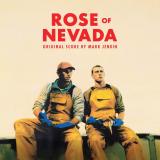
Mark Jenkin, the BAFTA Award winning director, editor, screenwriter, cinematographer and musician, presents the score to his new film, Rose of Nevada on Invada Records. Unique among British feature filmmakers for the analogue way in which he crafts his films - all three feature films have been shot on 16mm using a Bolex clockwork camera – as well as his multifaceted roles as the writer, director, director of photography and editor of the film, once more he is responsible for handling the sound design and composing the original score.
The new score mirrors the techniques employed in the film, with analogue synthesisers drawing the listener into nebulous hypnotic tones and delicate movements.
Composed, produced, engineered and performed by Mark Jenkin using synthesiser, guitar, percussion and loops & effects, the environmental recordings remind us of the context in which the music was originally borne, but as the score ebbs and flows between ambient tranquil seas and crashing storms, it affirms its presence as a powerful stand-alone piece of work.
The score’s physical release follows the Cornish director’s third feature film: the time-travelling Rose of Nevada cinematic release in UK and Irish cinemas on 24 April, with a BFI Blu-ray and BFI Player release in the summer.
- Die allererste Vinyl-Neuauflage und definitive Ausgabe von Nancys Album ,Movin' with Nancy" aus dem Jahr 1967 - Wunderschön gestaltete und erweiterte Gatefold-LP mit 20-seitigem Booklet sowie eine CD-Ausgabe mit 32-seitigem Booklet - beide enthalten ein neues Interview mit Nancy und dem GRAMMYr-nominierten Co-Produzenten Hunter Lea sowie bisher unveröffentlichte Fotos aus Nancy Sinatras persönlichem Archiv - Mit Audio, das vom GRAMMYr-nominierten Toningenieur John Baldwin frisch von den originalen Analogbändern remastert wurde - Enthält 4 bisher unveröffentlichte Bonustracks: ,It's Such A Pretty World Today" (Movin'-Version), ,Let's Get Movin'", ,This Town" (Film Intro) und ,RC Cola" (It's A Mad Mad Cola) - Mit Gastauftritten von Frank Sinatra und Dean Martin - LP gepresst auf violettem ,Some Velvet Morning"-Vinyl Beschreibung: Light in the Attic präsentiert stolz Nancy Sinatras Album ,Movin' With Nancy" aus dem Jahr 1967. Diese definitive Neuauflage und erste Vinyl-Wiederveröffentlichung überhaupt feiert Nancy auf dem Höhepunkt ihres 60er-Jahre-Coolness. ,Movin' with Nancy" ist eines der ambitioniertesten kreativen Projekte in Nancy Sinatras Karriere. Das einstündige Fernseh-Special von 1967 und das dazugehörige Soundtrack-Album fangen die kreativen, groovigen und schönen Zeiten der 1960er Jahre ein. Das Projekt wurde von RC Cola finanziert, aber das war kein reiner Geldsegen. Es war ein Herzensprojekt für Nancy, die ihren Vater, Dean Martin, Sammy Davis Jr. und andere Familienmitglieder und Freunde bat, im Film mitzuwirken. Sie nutzte auch ihre eigenen Autos, Kleider und ihr Haus und schminkte sich selbst. Eine echte DIY-Produktion. Auf dem Album ist Frank Sinatra mit ,Younger Than Springtime" zu hören und Dean Martin im Duett mit Nancy bei ,Things". Produzent Lee Hazlewood singt mit Nancy im Duett bei ,Some Velvet Morning" und ,Jackson"; außerdem steuert er die Songs ,I Gotta Get Out Of This Town", ,Friday's Child", ,This Town" und ,See The Little Children" bei. Zu den Bonustracks gehören der bisher unveröffentlichte Outtake ,It's Such A Pretty World Today (Movin' Version)", zwei unveröffentlichte Musikstücke aus dem Film und der unglaublich eingängige Werbespot ,RC Cola (It's A Mad Mad Cola)".
[m] 13IT'S SUCH A PRETTY WORLD TODAY (MOVIN' VERSION) [PREVIOUSLY UNRELEASED] LET'S
[n] 14GET MOVIN' [PREVIOUSLY UNRELEASED]
[o] 15THIS TOWN (FILM INTRO) [PREVIOUSLY UNRELEASED]
[p] 16RC COLA (IT'S A MAD MAD COLA) [PREVIOUSLY UNRELEASED]
Mark Jenkin, der BAFTA-preisgekrönte Regisseur, Editor, Drehbuchautor, Kameramann und Musiker, präsentiert auf Invada Records den Score zu seinem neuen Film Rose of Nevada. Das Album erscheint auf einfarbig gelbem Vinyl und enthält ein beidseitig bedrucktes 12"-Inlay. Jenkin nimmt unter britischen Spielfilmregisseuren eine Sonderstellung ein - nicht zuletzt durch seine analoge Arbeitsweise: Alle drei seiner Spielfilme wurden auf 16mm mit einer mechanischen Bolex-Kamera gedreht. Neben seinen vielfältigen Rollen als Autor, Regisseur, Kameramann und Editor zeichnet er erneut auch für das Sounddesign und die Komposition der Originalmusik verantwortlich. Der neue Score spiegelt die im Film angewandten Techniken wider: Analoge Synthesizer ziehen die Hörerinnen und Hörer in nebelhafte, hypnotische Klanglandschaften und feine, subtile Bewegungen hinein. Komponiert, produziert, aufgenommen und eingespielt von Mark Jenkin - unter Verwendung von Synthesizern, Gitarre, Percussion sowie Loops und Effekten - erinnern die Field Recordings an den Kontext, in dem die Musik ursprünglich entstanden ist. Während der Score zwischen ruhigen, ambienten Klangmeeren und aufbrausenden Stürmen oszilliert, behauptet er zugleich seine Wirkung als kraftvolles, eigenständiges Werk. Die physische Veröffentlichung des Scores folgt auf Jenkins dritten Spielfilm: Rose of Nevada, ein Zeitreise-Film, startet am 24. April in den Kinos in Großbritannien und Irland, gefolgt von einer Veröffentlichung auf BFI Blu-ray sowie auf dem BFI Player im Sommer.
With "Una Lama D'Argento", TENEBRO take their most extreme and visionary step yet: an entire album conceived as a tribute to Dario Argento, the undisputed master of horror, giallo, and thriller cinema. Eleven tracks that are not just songs, but episodes of a single nightmare, a journey through the dark and obsessive atmospheres of the films that shaped cinema history: Deep Red (1975), Suspiria (1977), Inferno (1980), Tenebre (1982), Phenomena (1985), and Opera (1987). TENEBRO translate Argento's universe into sound: riffs sharp as blades, guttural vocals emerging from the darkness, relentless drumming, and atmospheres shifting between pure violence and suffocating tension. Iconic scenes such as the mirror revealing the killer in Deep Red, the brutal mutilation in Tenebre, or the larva-filled bathtub finale in Phenomena are transformed into brutal, immersive sonic attacks, capturing the full horror and tension of the films. As with every album, TENEBRO continue to evolve, introducing new symphonies, styles, and melodies, while remaining distinctly separate from the wider underground scene. Their music explores new horizons without ever betraying the pulsating heart that has always defined their sound: extreme, theatrical, and viscerally horror-driven.
Gadea’s original soundtrack to In the Beginning, the new animated short film by director Ala Nunu, unfolds across three surreal, yet surprisingly real, stories about people and the world around them: a lunar probe’s tardigrade cargo, 16th-century myths surrounding birds of paradise, and Hong Kong’s pandemic-driven hamster cull. The film is a tonally absurd documentary-fiction essay on anthropocentrism and the human need to control narratives.
This is Gadea’s first musical accompaniment for animation. Collaborating with Marina Herlop on vocals, Gadea’s sonic palette sits somewhere between field-recording minimalism, chamber electro-acoustics, and the more fragile end of speculative composition.
Big Crown Records is proud to present Adult Themes, the latest full length offering from El Michels Affair. This album takes the band's "Cinematic Soul" aesthetic literally and sends the listener on a journey through a whirlwind of moods and energies. With their 2005 debut album Sounding Out The City, EMA spearheaded an instrumental funk / soul movement that inspired a slew of bands and even lead to the creation of a few independent record labels. El Michels has since lent his signature sound to artists from Adele to Dr John, Lana Del Rey to Aloe Blacc, and a who's who list of others. In 2016 he co-founded Big Crown Records and has since produced the lion's share of its output. A short stint as the touring band for Wu Tang Clan in 2007 led to the cult classics Enter The 37th Chamber (2009) and Return To The 37th Chamber (2017). Adult Themes marks the long awaited, highly anticipated return to an album of original compositions from El Michels Affair. In 2017 in between producing, playing, and recording on other artists' records Leon Michels began creating compilations of short interludes intended to be sampled by hip hop producers. Some of these wound up becoming songs by Jay Z & Beyonce, Travis Scott, and Don Toliver. These minute-long snippets were inspired by the dense moody work of `60s composers like David Axelrod, and Francois de Roubaix, as well as Moondog's brand of classical jazz. Michels was having so much fun creating these instrumental / orchestral nuggets that he decided to expand on some of the ideas and create what would become the soundtrack for a movie that has yet to be made, an imaginary film entitled "Adult Themes." The album plays like the colors on an artists pallet. Songs like "Rubix" and "Villa" are densely orchestrated with the hard-hitting drums that El Michels Affair is known for. On "Life of Pablo", Leon's son makes his first appearance on record and intros a song with an epic arrangement and a moving mood. "Hipps" is a drum heavy ballad that could've easily fit on EMA's debut record, Sounding Out the City. Other compositions like "The Difference" and "Kill The Lights" are bare, melodic mood pieces with sparse drums and sophisticated chord movement. All of these tunes come together to make perfect backgrounds for dialogue and action. One of the beautiful things about instrumental music is that the listener can decide what the narrative is. With Adult Themes El Michels Affair has created a "choose your own adventure" in musical form.
Originally released in 2012. A long-in-the-making soundtrack to acclaimed filmmaker Grant Gee's documentary about German writer WG Sebald. »Patience (After Sebald)« is a multi-layered film essay on landscape, art, history, life and loss - an exploration of the work and influence of German writer WG Sebald (1944-2001), told via a long walk through coastal East Anglia tracking his most famous book »The Rings Of Saturn«. Much like The Caretaker's oeuvre, Sebald's works are particularly focused on themes of memory, both personal and collective, making Kirby the ideal candidate for this score.
Grant tasked him with soundtracking responsibilities, but rather than thrift shop shellac, the source material for »Patience« was sourced from Franz Schubert's 1827 piece 'Winterreise' and subjected to his perplexing processes, smudging and rubbing isolated fragments into a dust-caked haze of plangent keys, strangely resolved loops and de-pitched vocals which recede from view as eerily as they appear. Mastered by Lupo at D&M, the album is adorned with another specially commissioned painting by Ivan Seal.
out of Stock
Last delivered 3 months ago available to reorder, subject to availability
‘Cécile McLorin Salvant ... sings standards, show tunes and old novelties in a taut, flinty, elusively beautiful voice, erring toward material with difficult lyrics and tough places in history. Salvant wins over her audiences by tweaking them slightly: daring them to go there with her—not just into the archive, but toward the darkness of the past.’ – New York Times
‘Although Salvant is known as a jazz musician, her approach to music is defined by her instinct for experimentation ... Her music is beloved for ... embracing theatre and subverting classics with playful renditions.’ – Guardian
Salvant, who has performed with orchestras regularly over the last decade-and-a-half and intended to make an album with one sooner in her career, but logistics and her abundant creative ideas led to other new projects intervening. Having finally found time to make this album, With Every Breath I Take is a different sort of record than it might have been even ten years ago.
“It is a rare opportunity to be able to make an album at this scale, which has been a dream of mine for many years,” Salvant says. “Darcy James Argue wrote stunning arrangements and the Metropole Orkest, conducted by the extraordinary Jules Buckley, gave these stories a cinematic dimension. We overcame quite a few obstacles to even get into the recording studio for this project; it took almost four years for us to do so, and I am so incredibly proud to share it.
“I did not choose these songs because they are beautiful, but because they are crucial to me,” she adds.
Cécile McLorin Salvant, a 2020 MacArthur Fellow and three-time Grammy Award winner, is a singer and composer bringing historical perspective, a renewed sense of drama, and an enlightened musical understanding to both jazz standards and her own original compositions. Classically trained, steeped in jazz, blues, and folk, and drawing from musical theater and vaudeville, Salvant embraces a wide-ranging repertoire that broadens the possibilities for live performance.
Salvant’s performances range from spare duets for voice and piano to instrumental trios to orchestral ensembles. Her unreleased work Ogresse is an ambitious long-form musical fairy tale that is being made into a feature length animated film. She has performed at national and international venues and festivals such as the Newport Jazz Festival, the Monterey Jazz Festival, the Village Vanguard, and the North Sea Jazz Festival. Her previous Nonesuch albums, Ghost Song (2022) Mélusine (2023), and Oh Snap (2025) received critical accolades; the former two were both nominated for Grammy Awards. Salvant is also a visual artist, and Oh Snap was named a best album of 2025 by the Guardian, Jazzwise, JazzTimes, and the Francis Davis Jazz Critics Poll.
Odysee’s vinyl release schedule for 2026 kicks off with this superb 3-track E.P. from none other than the labels founder, T-Mirage. Following up from his 2024 release Dark Rhodes, this E.P. is an embodiment of the raw Mirage sound; a melting pot of Atmospheric D&B with hard hitting dance-floor sensibilities, where 70's OST & Film Noire sounds are blended with deep Techno and electronica elements.
From the blistering amens and deep textures of 'Expressive Thoughts', to the dreamy atmosphere of 'Dawnbreaker' and the dystopian menace of the breakbeat-driven 'Machines Of London', this E.P. is an absolute must for all true Odysee fans!
In 1994, Tilla was just 17 years old, and an integral part of the original St Albans collective that comprised Jim Baker & Phil Aslett (Source Direct) and Rupert Parkes (Photek), when he set up the Odysee imprint and released the first Source Direct record (Future London/Shimmer). With a follow-up release from Photek (Phaze 1/Try A Style) and a second from Source Direct, the profile of the label began to grow exponentially.
It was the 3 Mirage releases however that really put the label on the map. These tracks were engineered by Jim Baker but heavily co-produced by Tilla himself with a major focus on his keen ear for dark 70’s Noire samples and eerie abstract electronica pitted against soulful R&B vocals. In hindsight, the impact of this rather different soundscape on the Source Direct material that followed is unmistakable.
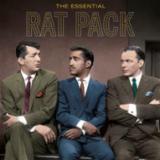
A legendary group of entertainers who dominated the nightlife of Las Vegas in the late 1950s and 1960s, The Rat Pack blended music, film, and comedy with effortless charisma and style. Its principal figures - Frank Sinatra , Dean Martin , and Sammy Davis Jr. - were widely regarded as the group's leaders. They not only headlined the shows but also supplied much of the music that defined their performances, embodying the spirit of swing and sophistication through their exceptional on-stage and studio chemistry. This special gatefold edition LP brings together 21 outstanding performances, and includes the only two studio duets they ever recorded for release as singles; 'Sam's Song' (Sammy Davis Jr. & Dean Martin) and 'Me And My Shadow' (Frank Sinatra & Sammy Davis Jr.)
Somewhere between krautrock, noise rock, decaying psychedelia, and pagan proto-punk, Dééfait makes music like one performs a ritual: in trance, on repeat, and without a safety net. From the chaotic arteries of Mexico City to the basement venues of the Paris suburbs, Dééfait sculpts noise rock in apnea. Their self-titled debut EP is a noise rite: a wall of guitars, incantatory percussion, and possessed voices. With Dééfait, sound twists, repeats, stretches, until exhaustion and ecstasy. Formed in 2023, Dééfait brings together the Valero brothers (Lucas on guitar / Pablo, ex-Pays P, on drums), Enir Da (bass - Temir Alcy, Dali Muru & the Polyphonic Swarm), Grégoire Couvert (guitar), and Riki Lara, a Mexican-born vocalist and performer whose lyrics _ chanted, whispered, shouted _ alternate in three languages: English, Spanish, and French. Active on the Paris underground scene since 2024 (La Mécanique Ondulatoire, Le Cirque Électrique, Nouveaux Sauvages_), Dééfait imposes a ritual tension, physical, almost hallucinatory. No choruses to hum along to, no comforting melodies _ just a dense sonic flow that seeps and vibrates. This debut EP, set for release in December 2025 on Ici, d'ailleurs (Zëro, Matt Elliott, Bruit Noir_), lines up six long tracks resembling pagan litanies. Six extended pieces forming a possessed monologue, as if a camera had been slipped inside a burning body. Everything pants. Everything overflows. From We Love Each Other So Much That We Won't Belong To Any Species Anymore, love exceeds expected forms and becomes an organic pact, a ritual of species departure: "Cut me like you want, in bloom your fire," "We scratch consanguinity / We don't belong to any species anymore." It quickly suggests a call to ecstasy, to trance. The EP as a whole navigates unstable zones where desire, sacrifice, and alienation entwine like serpents on acid. Molokh 8 chants an offering to a carnivorous deity, between severed tongue and chemical body. In Bondbondbond, voices entangle, seek each other in a delirious, sensual chiaroscuro where pleasure derails into compulsion. It's a dogma-free ceremony, a game of inverted masks. Alether _ a live-explosive track and perhaps the most powerful of this first project _ shatters frameworks: convulsive dancing, possessed rhythms drowned by waves of guitar. Finally, Ferreri, cook for us closes the EP as a dark farce: a deviant homage to Italian filmmaker Marco Ferreri, the track chews and regurgitates words as if digesting an overfed world. Recorded in the chaos of DIY and mixed as a raw work, the record captures Dééfait's electric discharge in its purest state. The sound is dirty, visceral, possessed. Think Terminal Cheesecake, Boredoms, Nick Cave-era Birthday Party on acid, but also CAN impaled on an autopsy table, or a Giallo under a strobe light_ Yet it emerges as a singular work.
R&B outsider Zsela joins forces with inc. no world's Daniel Aged and film composer Taul Katz on '4 Dreams', a billowing ambient-neoclassical hallucination that'll tickle fans of Mary Lattimore, Malibu, Nala Sinephro, Gigi Masin. If you only know Zsela thanks to her dramatic 2024 debut album 'Big For You', the mostly beatless, fully reflective '4 Dreams' might come as a surprise. But look a little further back in her catalogue and things will fall into place; remember 'Angels Pharmacy' and Remembrance' from Actress's 'Karma & Desire'? That was Zsela on vocals, so she's got priors. '4 Dreams' started life as the soundtrack to 'Seven Heavenly Senses', an art exhibition from last year at Paris's Hôtel de la Marine, but has since taken on a life of its own. Zsela's breaths are stretched and sculpted into warm, washing biomechanical pads on the opening dream, left to weather tinny arpeggiated FM synths and muggy bass drones. So far, so predictable. But Zsela muddles proceedings with her confident delivery, layering her voice into jazzy, R&B inflected key changes that keep you guessing. Imagine an astral plane answer to Dawn Richard's ambient-inflected pop and you'll have some idea of where this is headed.
Then 'Dream 2' takes an unexpected diversion, the vocals replaced by swirling harp flourishes and the kind of floating synth stabs that draw a core logic from classic Ambient - Harold Budd, Laraaji et al - then adding extra colors just where necessary. And on 'Dream 3', faint, almost folk-y strings enter the frame, calling out from beyond the horizon, almost blotted out by a synth part that's in the thrall of Gigi Masin's legendary 'Clouds' - the track that ended up being repurposed by Björk on 'It's In Our Hands'. Zsela, Katz and Aged keep that momentum for the final track, too, letting cinematic strings echo around subtle synths and vanishing rhythms, hitting those hypnagogic, tranquil notes that so much contemporary ambient music seems to avoid. 'Cause at its heart, '4 Dreams' is deeper than that, a record that's entrenched in jazz, soul and classical minimalism rather than throwaway numbing music, of the contemporary variety.
THE M.V.P.'s burst into life on the Northern Soul scene back in 1975 courtesy of Blackpool Mecca DJ Ian Levine and has long since divided opinion. Is it pop, is it soul, are they black, are they white, etc etc. Well, it's a rock record from 1971 and has nothing to do with soul... but everything to do with Northern Soul! It packed the floor at the Highland Room and was adopted as a Wigan Casino anthem and immortalized by Tony Palmer in his 1977 Granada TV documentary This England. It was reissued by UK Buddah, due to popular demand, driven in no small part by the TV show and its 20 million viewers. Now, some 40 years on, we present the iconic track, both stereo and mono mixes, as mastered at the time by Bell Sound's senior engineer Joe Breschie.
SALES POINTS:
All time Northern Soul Classics - Two fabulous sides
Massive appeal to ALL Northern Soul fans
As featured in the film Northern Soul
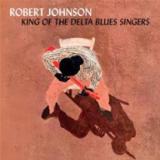
Robert Johnson , the legendary blues guitarist, sold his soul at the crossroads in Clarksdale, Mississippi, for musical greatness. Ryan Coogler's latest film, Sinners , resonates with that story, exploring ambition and sacrifice. His 'King of the Delta Blues Singers' LP epitomises that story
The monumental 2006 live recording of mama!milk, which laid the foundation for their current performance style, is now available on CD and LP!
mama!milk, hailed worldwide as “Japanese New Exotica,” praised for their “music that entices you on a journey” and “soundtracks to unseen films.”
This site-specific, one-day-only performance, unique to the 21st Century Museum of Contemporary Art, Kanazawa, is packaged here.
Reverie is the first full-length collaboration between Ori Kaplan and Lihu Melamed - a cinematic, soul-soaked LP that drifts between modal jazz, cinematic scores and psychedelic rock, released on Batov Records.
Saxophonist and producer Ori Kaplan is best known as a founding member of Balkan Beat Box, for his work with Gogol Bordello and more recently, Shotnez, while Melamed brings a deep studio craft honed over years as an engineer, producer and multi-instrumentalist. Together, they create a record that feels both ancient and immediate: music that evokes old biblical films, sun-bleached Western soundtracks and 70s jazz explorations, while remaining playful, spontaneous and deeply human.
There’s a strong cinematic undercurrent throughout Reverie. Think Charles Heston wandering through an Old Testament epic; Ennio Morricone soundtracking a desert horizon; Nino Rota scoring Fellini’s Rome; or Pasolini filming in Ethiopia. Minor-key strings, modal structures and unhurried grooves sit alongside echoes of Mingus and Yusef Lateef, with Ori’s baritone sax and flutes guiding the listener through shifting scenes and moods.
Les Baxter The Passions (1954) featuring Bas Sheva is an experimental, avant-garde, exotica masterpiece with Bas Sheva"s dramatic vocals, ranging from moans, grunts, and shrieks to melodic singing...portraying intense emotions like "Despair" and "Lust," paired with Baxter"s complex, orchestral, and percussive arrangements. Dark, intense, and highly theatrical, it is often described as a cross between a 1950s film score and avant-garde music.Bas Sheva"s voice is like another instrument, wordless, anguished, or ecstatic shrieks abound, and blend well with Baxter"s usual adventurous scoring. Solid Purple colour LP:
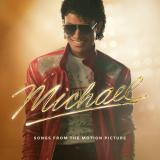
‘Michael: Songs From The Motion Picture’ is the official companion album to the brand new biopic ‘Michael’. This album highlights 13 songs showcased in the film, from The Jackson 5 to The Jacksons to Michael’s chart-topping solo success with “Off The Wall” and “Thriller.” This collection includes smash hits like “Billie Jean,” “Don’t Stop ’Til You Get Enough,” “Human Nature” and more.
out of Stock
Last delivered 3 months ago available to reorder, subject to availability
Atkinson first saw Les yeux sans visage when she was a teenager, around the turn of the century. The film made an impact for its iconic imagery and the way Franju draws on the aesthetics of early filmmaking, from its score that relies on stylistic markers typical of the 1940s or 50s to the decision to shoot in black and white. Even four decades after its first release, it was clear that this was a work that stood outside of the cultural moment that birthed it, speaking through time in ways that were uncanny, but profound.
A quarter-century later, Atkinson was approached by the Belgian cultural center VIERNULVIER to create a new score for Les yeux sans visage for its celebrated Videodroom series, which has seen artists like claire rousay, Mabe Fratti, Lee Renaldo, and many more create new original scores for cult classics and genre cinema. Atkinson's music, with its sublime meditations on space and proximity, its elusive sense of narrative development, mirrors the pacing and mystery at the heart of horror filmmaking. There is a shadow at the heart of her soundtrack to Les yeux sans visage, an ever-shifting wisp and an insinuation of encroaching transfiguration. Echoing a climactic moment in the film, the music obliquely points to "the Beyond," an impossible place of discovery and revelation.
Atkinson envisioned her music as something akin to the air moving throughout and beyond the many cages that appear in the film, unconstrained by the bars and with undefined borders. Those cages hold the victims of a madman surgeon, determined to graft a new face onto his daughter, the protagonist Christiane Génessier, who lost hers in a car accident while he was behind the wheel. Atkinson was reminded of her predecessors at the pioneering French studio the GRM, who approached sound in a less sinister, but similarly surgical manner, and took inspiration from their playful approach to cerebral soundmaking for the electroacoustic topography into which the piano is embedded. As such, Atkinson’s reactions to the larger themes and the minute-by-minute happenings onscreen are both audible simultaneously.
A film about a man who destroys the lives of young women marked by their beauty and similarity to his daughter in a shame-fueled rage has clear, continuous cultural resonance. "Through the music, I decided to bring back their empowerment despite what they endure," says Atkinson. "This is why the record is also dedicated to Gisèle Pelicot, whose trial happened while I was in the process of composing the music and kept thinking of her strength and her decision to share her trial in order to reverse the shame."
This recorded version of the soundtrack is a 34-minute synthesis of the full 90-minute score, presented on LP along with an essay by writer-musician Claire Cronin and drawings by Momo Gordon, together forming a complex reflection on the film's themes. If these sounds move as if the bars of cages are no barrier, they also intimate the freedom and power of those held behind them. Rather than simply mirroring the fear and confinement shown onscreen, Atkinson offers an elusive escape, a beacon for the characters, and the listener, to follow as they reckon with the narrative and move through it.
out of Stock
Last delivered 3 months ago available to reorder, subject to availability
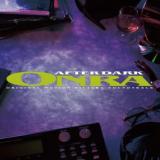
AFTER DARK is the latest project from French producer Onra, conceived as the soundtrack to an imagined late-night film. Entirely self-produced, the album continues the sophisticated R&B and Modern Soul direction explored since his 2010 classic Long Distance and 2018's accomplished Nobody Has To Know, focusing on late 80's / early 90's inspirations.
Structured like a film unfolding between dusk and dawn, After Dark moves through themes of intimacy, urban solitude, distance, and quiet indulgence. Analog synthesizers, tight drum programming, understated basslines, and selective live saxophone textures shape a cohesive body of work that favors mood and narrative over excess. The sequencing reinforces its cinematic intent, opening and closing with intro and outro pieces that frame the record as a cohesive night-time narrative album.
Over 20 years since emerging in the mid-2000s from the beat scene, Onra has steadily evolved from sample-based Hip-Hop production toward polished, song-oriented projects rooted in contemporary R&B and Funk. With After Dark, he delivers one of his most focused and refined statements to date: a mature, immersive album built for late hours, and attentive listening.
out of Stock
Last delivered 4 months ago available to reorder, subject to availability
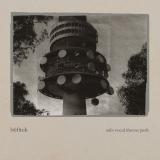
Portal Replica welcomes cult Australian duo, B(if)tek, onto the label with a first-time-on-vinyl release of their debut album ‘Sub-vocal Theme Park’ released in 1996 exclusively onto CD. The 2x12” release includes the original album, plus additional never-heard-before 'lost' tracks from the pair. The album has been mastered by Rashad Becker at Clunk Studios (DE) and pressed to 180g heavyweight vinyl.
Kate Crawford and Nicole Skelty’s pioneering electro-femme outfit ‘B(if)tek’ can be traced back to 1994 in Canberra, where lack of blueprint blossomed their playful and bizarre experimentations in techno — ‘feminism with a wink and a bleep’. Thirty years on, the uniqueness and ingenuity of B(if)tek’s deep analogue exploration endures.
“Monstrous clowns dressed as princes whose role is to laugh at themselves and entertain outlandish beings, suffocated by etiquette, conspiracy and lies, bound by confession and remorse … and beyond that, the auto-da-fe and silence.” – Ferdinand (Pierrot), from the film “Pierrot Le Fou” .
Photography by Kate Crawford.
Design by Jesse Sappell.
Mastered by Rashad Becker at Clunk Studios, DE.
out of Stock
Last delivered 61 days ago available to reorder, subject to availability
Lifeforce is the 1985 sci-fi horror cult film directed by Tobe Hooper, responsible for the 1974 horror classic The Texas Chain Saw Massacre. Based on Colin Wilson's 1976 novel The Space Vampires, the film is about the remnants of a race of intergalactic vampires who are brought to London, where they soon begin to infect its population.
Legendary composer Henry Mancini has soundtracked this apocalyptic descent into chaos. He is widely regarded as one of the greatest composers in film history exemplified by his impressive trophy wall: he won four Oscars, a Golden Globe, and twenty Grammy Awards, plus a posthumous Grammy Lifetime Achievement Award. He is most famous for "Moon River" performed by Audrey Hepburn in Breakfast at Tiffany's and of course The Pink Panther.
James Horner was first asked to compose the score, but Mancini was brought in instead and crafted a piece of music both bombastic and ambient (and sometimes even atonal), employing the London Symphony Orchestra. Sit back and feel the fear...
The soundtrack of Lifeforce is available as a limited edition of 500 individually numbered copies on purple marble vinyl, and includes a 4-page booklet containing an alternate cover, film stills, and a fold-out movie poster replica.
Mutant, in partnership with Milan Records, and Sony Pictures, are proud to present the premiere vinyl release of legendary composer Joe Hisaishi (Spirited Away, Princess Mononoke, Boy and the Heron) debut American film score, for Koganada's 2025 film A BIG BOLD BEAUTIFUL JOURNEY.
A criminally underseen, and misunderstood, future cult classic ;A Big Bold Beautiful Journey s a capital E Earnest, heart-on-its-sleeve swirling romance that demands re-evaluation. But until it finds its audience, we are here to celebrate one of its most significant contributions to cinema - the debut American film score by the legendary Joe Hisaishi.
For those cinephiles who have yet to journey into the world of Studio Ghibli's animated output, you have deprived yourself of the works of one of the world's greatest living film composers - Joe Hisaishi. Scratching an itch left by the brilliant Yann Tiersen's score Amelie, Hisaishi's score is nothing short of sublime.
If that wasn't enough, this album also features five song performances by Grammy®-Award winning performer and songwriter Laufey, as well as a cover of The Who's song "Let My Love Open The Door" by Mitski.
Mutant, in partnership with Netflix, are proud to present the premiere physical media release of the soundtrack to the 2025 animated feature adaptation of Roald Dahl's THE TWITS - featuring original songs and Demos by David Byrne, and an original score by Oli Julian.
Featuring vocal performances by David Byrne, Hayley Williams, Natalie Portman, Margo Martindale and Euan Morton (and more) the songs of THE TWITS are exactly what you'd expect from the singular song-writing style of David Byrne - simultaneously unlike anything you've ever heard and yet undeniably catchy. Oli Julian's score is no slouch either - the score to THE TWITS is riddled with fun and bouncy melodies, with quirky instrumentation - bold, playful and vibrant and nearly impossible to categorize into a single genre.
This limited edition physical media release contains TWO exclusive demo recordings by David Byrne, not available anywhere else! With original artwork by Sonny and Biddy - self-proclaimed Twits themselves - this album is a love letter to fans of the book, the film, the music of David Byrne, or the muggle-wump in all of us.
Der Soundtrack zur irischen Komödie ""The Spin"" (2024) in der Regie von Michael Head, der zahlreiche Auszeichnungen bei diversen unabhängigen Filmfestivals von Belfast über Chicago bis Toronto gewann und auch auf dem Filmfest Bremen lief. Die Originalmusik wurde von Mark McCausland (McKowski) komponiert und produziert und enthält Gastbeiträge von: Howe Gelb, Jolie Holland, John Parish, Nick Power, Dave Murphy, Pieta Brown, Dead Goat, Steve Wickham, Gemma Doherty, Laura McFadden, Brenock O’Connor und Drew McConnell. Die LP erscheint auf farbigem Ecomix-Vinyl, bei der jedes Format ein Unikat ist.
Powerful Stuff is a 1989 studio album recorded in Memphis at Ardent Studio and Alpha Sound and produced by Terry Manning - With Kim Wilson on vocals, Preston Hubbard on bass and Fran Christina on drums, it was the last one by the Fabulous Thunderbirds to feature guitarist Jimmie Vaughan before he left the band - The track "Powerful Stuff" achieved mainstream success when it was featured in Touchstone Pictures' 1988 hit film Cocktail - It was the first single released from the Cocktail soundtrack album, which reached number one on the Billboard Charts and sold over 19 million copies worldwide
Vince Staples is one of the most revered voices of his generation. Though he's a celebrated multi-hyphenate, making an impact in TV, film, & contemporary culture, music is where he most naturally pushes boundaries as an artist, storyteller, & creative force. Following a string of acclaimed introspective projects, Ramona Park (a melancholic tribute to his hometown) & Dark Times (deeper, more personal themes), Cry Baby is a more outwardly facing artistic statement and piece of social commentary.
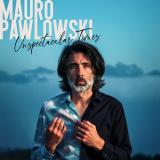
Mauro Pawlowski's 'Unspectacular Times' is the sound of an artist completely at ease with himself, and with the world, in all its ordinary, unglamorous beauty. Ten songs rooted in everyday observation and emotion, produced by Scorpio Twins (Stephane Misseghers and Bruno Coussée) with a full 24-carat 80s gloss: lush synths and basslines.
Where everything around us seems to demand maximum volume and instant outrage, Pawlowski turns that logic quietly inside out. These are songs about love that sneaks up on you, desire that builds in an art gallery, and a Nobel Prize winner falling off his bike and giving a thumbs up. Small moments, but in Pawlowski's hands, that's where everything worth paying attention to actually lives.
Guest appearances from Brianne Dunne (Daryl Hall & John Oates) and Pol Coussée, a Belgian saxophonist who found his way from London to Toronto and has played alongside Barry White and Isaac Hayes.
Following the 70s-tinged 'Eternal Sunday Drive', his second album on Unday Records 'Unspectacular Times' is Pawlowski's most pop focused to date. His most recent chapter in a career that has taken him from Evil Superstars to dEUS, through theater, dance, film and more alter egos than most artists have albums.
Michael J. Sheehy has been making records for almost three decades, initially as founder and mouthpiece of mid-"90s cult band Dream City Film Club, then as a solo artist and frontman of rootsy garage rock act Miraculous Mule. He has toured with the likes of Kristin Hersh, Tindersticks, John Cale and Peter Murphy, while his songs have been utilised in films such as "Intimacy" and the TV show "Deadwood". Following a six-year hiatus, Sheehy has just "Don"t We Deserve Some Kind of Love?", his seventh solo album but first for Dimple Discs. "Don"t We Deserve Some Kind Of Love?" features contributions from Fiona Brice (violin), Sandy Mill (backing vocals), Ian Burns (drums) and Patrick McCarthy (guitar). It was recorded at home over a five-year period while Sheehy was a stay-at-home father and working evenings at a bar in Camden, north London.
Rough Trade Records veröffentlicht eine remasterte Doppel-Vinyl-Neuausgabe von Love Is Overtaking Me. Die Sammlung vereint Folk-, Pop- und Country-Songs von Arthur Russell, darunter "Planted a Thought", "Close My Eyes" und "I Couldn"t Say It to Your Face". Die ursprüngliche Ausgabe erschien 2007. Für die neue Edition wurden frisch entdeckte Originalbänder verwendet und von Timothy Stollenwerk in Portland neu gemastert. Ergänzt wird das Release durch überarbeitetes Artwork von Molly Smith sowie ausführliche Linernotes von Tom Lee. Seit über zwanzig Jahren macht Audika Russells vielseitiges Werk zugänglich und hat maßgeblich dazu beigetragen, ihm posthum ein größeres Publikum zu erschließen. Heute gilt er als visionärer Künstler und Einfluss für viele zeitgenössische Musiker. Schon zu Lebzeiten arbeiteten zahlreiche Künstler mit ihm, darunter Produzent John Hammond. Auf dem Album finden sich außerdem Aufnahmen mit The Flying Hearts sowie Projekten wie The Sailboats, Turbo Sporty und Bright & Early. Aus über acht Stunden Material zusammengestellt, umfasst das Album Aufnahmen von 1973 bis 1991. Einige Stücke sind auch im Film Wild Combination: A Portrait of Arthur Russell von Matt Wolf zu hören.