
In Stock
Disponibile in Stock e pronto per la spedizione
Last In: 13 days ago
15,92 €
Disponibile in Stock e pronto per la spedizione

This release is about the soul, about the spirit, fact that a person opens up and shows who he is in sometimes difficult extreme conditions, also about the fact that everything will be fine and war does not choose who is right and who is wrong. “I dedicate this record to my friends, defenders who are now at the front, those who helped me and those whom I helped.
Disponibile in Stock e pronto per la spedizione

XY0815 wraps up his magnum opus with an additional collection of eight tracks. The second volume of 'Gates Need Inputs' blends crafty, melodic electronica with intricate rhythms.
Disponibile in Stock e pronto per la spedizione

The Sound Of Summer on Acid Jazz - the Humble Souls
sampledelic classic ‘Beads Things & Flowers’ gets its first
outing on a 7-inch single as part of our new Acid Jazz
classics series. A magnificent dance floor classic, ‘Beads
Things & Flowers’ is the result of the creative coming
together of Simon Anniky - previously of Beats International
and Hugh Brooker of the Night Trains and The Hip Joints, an
Acid Jazz fixture since its earliest days. Its seamless blend
of Mod Jazz samples and tight beats is inspirational. The Aside 7-inch was the hit of our ‘Acid Jazz (Not Jazz)’
compilation last year, whilst the vocal version makes its first
ever appearance since its 1991 single release!
Disponibile in Stock e pronto per la spedizione

Over three years after the release of his latest record, Belgian singer-songwriter Bram Vanparys finally returns with breathtaking new music. His songwriting has often drawn comparisons to the music of Bob Dylan and Neil Young, but the new record 'Silent Days' reveals that Vanparys has been on a journey into new musical territory.
After 'Wild Flowers' (2015), which he recorded in Los Angeles with Ray LaMontagne's former live band, Bram Vanparys kept his guitars locked away in their cases for months. Too many questions had been bothering him and soon he found himself struggling with his musical direction and his artistic integrity. Partly so because he felt that his almost archaic approach on songwriting was pushing him down a dead end street and partly because his interest in rich and complex arrangements started to grow stronger. In 2016 he bought an old trailer and went living in the countryside to work on his new sound. A harsh winter and a tragic breakup with his wife set the mood for a new set of songs and soon Vanparys started recording again.
'Silent Days' comprises both classic songwriting reminiscent of the old masters such as Leonard Cohen and Bob Dylan and on the other hand dark, complex arrangements that refer to late Talk Talk and even Radiohead. Guitars were played with kitchen knives and the heavily manipulated acoustic sounds reveal that Vanparys might have been listening to Kurt Vile. Bram's lyrics are deeply honest, touching, but never sentimental and his once so angelic voice now sounds hoarse and mature.
The Bony King of Nowhere is the pseudonym of Belgian singer-songwriter Bram Vanparys. He released his debut album 'Alas my love' to critical acclaim in 2009, which was followed by his second and most celebrated album 'Eleonore' in 2011. In the aftermath of 'Eleonore' he was asked to write the film score for the movie 'Les Géants', for which he was awarded by Les Magritte du Cinéma for best original soundtrack.
L
Disponibile in Stock e pronto per la spedizione
![Current Rage - Seven Songs [40th Anniversary Expanded Edition]](https://www.deejay.de/images/l/2/8/1009328.jpg)
Black Vinyl[30,67 €]
CURRENT RAGE - The missing musical link between Athens and Atlanta
To celebrate the 40th Anniversary of the out-of-print forgotten classic, Propeller
Sound Recordings is set to release and remastered and expanded edition of
"Seven Songs". Fully immersed in the do it yourself aesthetic of the early-R.E.M.
era, Current Rage's sole indie record is highly regarded by record collectors
seeking out early eighties DIY releases. The relative scarcity of the original EP
today suggests the item does not circulate on the marketplace very often making
it ripe for reintroduction to the current marketplace with this expanded version.
Anthony DeCurtis of Rolling Stone wrote, "an enviable and impressive explosion
of new music was emerging from the Atlanta Athens area at this time" Current
Rage drew inspiration from Talking Heads, Pylon and R.E.M.
Disponibile in Stock e pronto per la spedizione

Disponibile in Stock e pronto per la spedizione
![Current Rage - Seven Songs [40th Anniversary Expanded Edition]](https://www.deejay.de/images/l/2/7/1009327.jpg)
Clear Yellow Vinyl[30,67 €]
CURRENT RAGE - The missing musical link between Athens and Atlanta To celebrate the 40th Anniversary of the out-of-print forgotten classic, Propeller Sound Recordings is set to release and remastered and expanded edition of "Seven Songs". Fully immersed in the do it yourself aesthetic of the early-R.E.M.
era, Current Rage's sole indie record is highly regarded by record collectors seeking out early eighties DIY releases. The relative scarcity of the original EP today suggests the item does not circulate on the marketplace very often making it ripe for reintroduction to the current marketplace with this expanded version.
Anthony DeCurtis of Rolling Stone wrote, "an enviable and impressive explosion of new music was emerging from the Atlanta Athens area at this time" Current Rage drew inspiration from Talking Heads, Pylon and R.E.M.
Disponibile in Stock e pronto per la spedizione
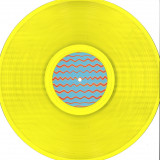
Three years after he released the incredible New Experience EP (picking up plaudits from Bill Brewster, Tim Sweeney, Laurent Garnier, Horse Meat Disco, Leo Mas & 6Music’s Tom Ravenscroft, among many more), Tokyo’s Kota Motomura returns to Hobbes Music for his debut LP, Pay It Forward. This is the first vinyl release on Hobbes Music since the much-loved ‘Aranath’ EP by Leonidas & Hobbes last Spring. While the label maintains the level of quality control for which it has become recognised, the artist continues to subvert electronic and dance music norms in his iconoclastic way on this extraordinary record.
He’s a mysterious character with an ear for idiosyncratic music that runs the gamut from ambient, exotica and jazz to disco, house and techno via post punk, new wave and funk. It’s highly original and all adds up to a confection perhaps best described as ‘Balearic’.
Album opener Paradise is a certified jazz-funk JAM. Destined for dance floors worldwide, this one’s been dropping well with DJs, Motomura demonstrating his piano chops alongside Mutsumi Takeuchi’s sax. Tropical pushes the boat in a more rhythmic direction, some pretty wild drum programming laced with more sounds of the, um, tropics, before mad vocal yelps suggest something yet more tribal. To Be Free initially resembles early 90s progressive house (pulsing bassline, synth-driven melodies), before the arrival of some new wave guitar licks a la classic Talking Heads/David Byrne and ooh ooh vocal chants take it to another dimension altogether.
B-side opener Emotion features Takeuchi again (on flute this time) and more vocal chants before things take a dramatic turn, threatening to open up into a full fanfare before calming and then bursting into wild life again with the exhortation that “C’mon, everybody dancing!” Rhythm flirts with an energy and pace more akin to a techno record: drums, drums, more drums plus a fair few yelps and chants - the kind of DJ tool that will send a simmering dance floor wild in the right hands. Flower closes things in a more melancholy style, familiar to fans of ‘Aboy’ from the New Experience EP, with plaintive acoustic guitar (performed by Akichi), birdsong and big piano chords.
Support from Bill Brewster, Leo Mas, Al Kent, Red Rack’em, Nick The Record, Phil Mison, Phat Phil Cooper, KZA, Sean Johnston (ALFOS), S/A/M, Dribbler, Joe Muggs, Monolith Cocktail and more…
‘Gonna review in MÜ mag... very fine stuff!’ JOE MUGGS
‘Will be reviewed on the blog’ MONOLITH COCKTAIL
BILL BREWSTER played Flower on the DJ History podcast #641 (25.3.22)
'I really like this album, Flower and Paradise are my favourite' LEO MAS
‘I like Paradise’ AL KENT
‘Woo this is tasty. DEFO playing on my next radio show. The label’s A&R is defo getting better and better. HM has been putting out some dope stuff and this one seems really good quality’ RED RACK’EM
‘Paradise and Flower sounding good’ NICK THE RECORD
‘Tunes sound great!’ PHIL MISON
‘Going to include Paradise and Flower on my Sunday Ibiza global radio show PHAT PHIL COOPER (Nu Northern Soul)
‘Very nice album with influences from many different genres. I especially like To Be Free with nice synths and guitar cutting, and Flower, which is a chill vibe’ KZA (Mule Musiq, Endless Flight)
'100% correct about the ALFOS potential of To Be Free!' SEAN JOHNSTON (A Love From Outer Space)
'Stunning, will fit perfectly with the vibe of my radio show’ S/A/M (Music For Dreams, DK; Playa Del Sol, Ibiza)
'Stellar work, i'll make a bet that Flowers is a Balaeric classic this summer' DRIBBLER (Breakfast Club, Ibiza)
‘It's cool in a nice smelling psycho sense, it was a very DEEP sound that I couldn't produce. Congrats!’ ALTZ (Altzmusica)
‘Paradise is my jam, it's deep, sunny and never boring. I'm interested to see how this will work on the dance floor. Overall a great album with solid composition and impressive use of live instruments!’ SOBRIETY (fka Chloé Juliette)
'Very tidy selection' ASTROJAZZ (Kelburn Garden Party, Wee Dub, Samedia Shebeen, Disco Makossa)
‘This is a lovely release. Follows on from New Experience in the best way possible. It's got lots of vibes going on but holds together as a cohesive piece of work. Love it’ JAMIE THOMSON (La Cheetah, Glasgow)
‘To Be Free is a track i could imagine Andy Weatherall playing in one of his sets at A Love From Outer Space’ KIRSTIE PATON aka She-Bang Rave Unit (Threads Radio, Radio Magnetic)
Disponibile in Stock e pronto per la spedizione

Jessy Lanza has always made music that perfectly suits the mood - whether it's the heads-down trance of the dancefloor or that hazy, post-club bliss. It's no surprise for an artist that takes electronic music's most intoxicating sensibilities and effortlessly reimagines them as experimental pop and R&B. The Canadian singer, producer and DJ from Hamilton, Ontario, has trodden an inspiring path which led to 2013's boldly minimalist debut Pull My Hair Back, released on revered UK label Hyperdub. Gorgeously complex follow-ups Oh No - shortlisted for Canada's prestigious Polaris Prize - and 2020's All the Time crowned her as a singular talent in the left-of-pop sphere. It's with this genre-bending approach that Jessy Lanza presents her entry for the DJ-Kicks series - a sprawling, club-indebted odyssey that draws you in closer and closer with each listen. Recorded this summer, the mix is an incisive snapshot of her emotional landscape during the past 18 months. In 2020, with nothing but a van, a few personal belongings and her musical gear, Lanza and her partner relocated from New York City to the Bay Area to ride out the pandemic. A change of scenery, buoyed by the slower pace of their new home, gave her a fresh perspective during a worldwide screeching halt. Jessy Lanza's DJ-Kicks mix also arrives as a divine stroke of timing. As the world slowly starts to re-open, it's a portal into the ecstatic energy of the dancefloor; an emblem of genuine healing - both personal and communal - that transports listeners to a state of pure euphoria.
Disponibile in Stock e pronto per la spedizione

The so much anticipated Volume 9 of the fortunate limited edition vinyl series FullTime Factory is finally here! Gems from the FullTime
Production vaults re-edited and remixed with a House, Nu-Disco and Disco Twist!
On Side A Jimmy Ross' Classic "S.O.S. Of Love" got brand new life
through Flowersons' nu-disco attitude and "Tell Me" from the eponymous Rainbow Team album dated back 1981, is re-edited by J.B. Boogie.
On the flipside, italo-disco funk gem "Gosh" by Galaxy band is rematered and repressed for the first time on vinyl, while the neapolitan funky jam "O' Guaglione" by Tony Cicco is re-crafted by the M.B. Edit's fine scalpel.
4 tunes to boogie!
Disponibile in Stock e pronto per la spedizione
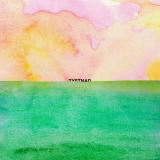
The word ‘Tystnad’ – literally translated – means silence. In this case, the Silence is less that of zen buddhism or that of John Cage, rather the name of the studio where Flowers Must Die – carriers of the torch of Swedish psychedelia for now nearly 20 years – retreated to make their most head-expanding album to date. Located near the Norwegian border in the verdant rural Värmland region, Silence Studios has been a countercultural hub for decades, attaining a legendary status as a residential outpost where bands can retreat to stretch out creatively and focus their psychic powers.
From just such origins, Flowers Must Die have crafted a collection of expansive and incandescent jams that maps out a lysergic trajectory between the idealistic, anything-goes mania of early ‘70s psychedelia and the 21st century. Tystnad is the sound of a band buoyed by the afterglow of their last Rocket release, 2017’s Kompost and its attendant touring, and expanding into extrapolations that marry the wildest free improv with haunting melody.
If Tystnad, as the band claim, is to be their last recording made in one room at the same time, then it displays a formidable escape velocity. Who’s to say whether Flowers Must Die have tapped into a Swedish continuum, one including the like of Pärson Sound, Dungen or Goat. What’s clear is that Tystnad is a timeless treatise, and a potent channeling of spirits –transcending genre in search of enlightenment anew.
dovrebbe essere pubblicato su 25.09.2026

Our favorite London duo „ddwy“ are back on Public Possession with a 4 track EP titled „Tell Me, Told You“.
„Drink the real flowers“ is soft, emotional, cinematic stuff, giving hard late 90s early 2000s Trip Hop vibes. Check the B-Side for a very lush D.J. mix by „Stone“.
The title giving „Tell Me, Told You“ is peaking psychedelia, a warm, intense hug.
„Told You, Tell Me“ is orientated more towards the dancefloor and can surely create some serious ecstasy if played in the right moment.
In all this, the multiple layers of sounds intertwined with Naomi’s voice create one remarkable, organic whole that is full testament to the continuous evolution of these super talented musicians.
Dive in, fall slowly, land very gently.
Ordina ora e ordineremo l'articolo per te presso il nostro fornitore.
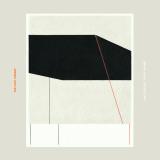
Following the much-loved Library Music: Volume One (2022), and hot on the heels of this year’s critically acclaimed ‘After The Rain, Strange Seeds’ (9/10 - Uncut) , London group The Leaf Library return with a second journey through the margins of their catalogue. Gathering together rare recordings, compilation tracks, limited edition releases, collaborations and hidden gems from their ever-expanding musical world, Library Music: Volume Two is another vibrant and varied collection of electronic indie pop, in all its guises.
Far from a conventional odds and ends collection, the double LP compilation reveals another side of a band who have always treated the spaces between albums as places to explore. These are the moments where ideas stretch out; there are hypnotic drones, motorik rhythms, glowing analogue textures, pastoral electronics and the warm, melodic melancholy that has become unmistakably The Leaf Library. There is the electro-pop of Flowers At The Border, the psych rock-adjacent Building Better Worlds, and the gentle chamber shuffle of Kendrick Road. Tracks range from the 22 minute folk kosmiche epic Versatile Clouds to the 59 seconds, record skip punctuation mark of Harmonic Runout, with a whole array of trips, ideas and experiments in between.
Since forming in a pre-Ghost Box, Castles in Space and Clay Pipe world, The Leaf Library have carved out a unique place somewhere between dream pop, kosmische repetition and experimental songcraft — drawing comparisons to Stereolab, Broadcast, Yo La Tengo and the outer edges of library music, while creating a sound entirely their own.
“We’ve always loved making things outside the pressure of a ‘proper’ album,” says singer/guitarist Matt Ashton. “Singles, collaborations and compilation tracks give you permission to follow an idea wherever it wants to go. Looking back, those pieces tell their own story.”
Where their studio albums have shown the group carefully building immersive worlds, the Library Music series maps the pathways between them — the sketches, diversions and unexpected discoveries that often reveal the most about a band.
Across a lucky thirteen tracks, Library Music: volume two is a reminder that some of the best discoveries are found on the shelves you forgot to check.
[a] Flowers At The Border [4.21]
[b] The Long Dead King [7.16]
[c] Bowed Clusters [4.00]
[d] I Learned To Swim Under Water [4.32]
[e] Building Better Worlds [11.59]
[f] Harmonic Runout [0.59]
[g] Kendrick Road [3.36]
[h] Sailing Day (Wintergreen Remix) [3.59]
[i] Versatile Clouds [22.00]
[j] Bells and Thread [2.54]
[k] No Memories, No Plans [4.33]
[l] Everyone I Met Today [1.00]
[m] Tired Ghost In Orbit [9.19]
dovrebbe essere pubblicato su 25.09.2026

1982 4-Piece Demo' is the first official, fully-licensed and unreleased material to be released under the name Strawberry Switchblade in 30 years. Since disbanding amid major record label acrimony and personal differences in 1986, the already-cult band have since grown in stature and legend. Trailblazers in many ways, the band's mythology justifiably centers around the charismatic duo of Jill Bryson and Rose McDowall, but that isn't a complete picture. Bryson and McDowall's growing friendship, having met some years earlier on the punk scene, became a creative partnership: Bryson's art school background and McDowall's history in avant-punk group The Poets meant Strawberry Switchblade was a band pitted against many established norms. The band's very first incarnation, an all-female 4 piece, recorded one demo at Glasgow's Hellfire Club and played a handful of gigs. Friends Janice Goodlett and Carole McGowan completed the line up on bass and drums respectively. Strawberry Switchblade would eventually pair down to a duo and go on to chart success but it's in these raw, passionate recordings that the songwriting and vocal elements were being hammered out and explored in real time.
Spanish Song' is a previously unreleased song. With Rose McDowall's instantly recognizable lead vocal dovetailing with Bryson's harmonies and lead guitar, it's the first glimpse at an alternative history of Strawberry Switchblade. This incarnation could easily have been featured on a Nuggets compilation or a precursor to the indie-pop revolution that would take over British bedrooms a couple of years later. "Trees & Flowers" is instantly recognizable, a bona fide classic that would earn the band its first record deal. Here it's given a more forceful rhythm section: Goodlett and McGowan's playing is in fact accomplished and doesn't hint at the bands' youth. "Go Away" would also surface later on the band's debut LP but here it is a moody-garage stomper with a psychedelic, haunting refrain. These 3 songs point to a tantalizing future of the band that was never realized.
Remastered and restored by Sean Pennycook from the original cassette, with artwork based on a single photographic contact sheet (the only visual evidence of the band in this form) and with a booklet of photographs and new text. Pa
Questo articolo non è stato ancora rilasciato. È possibile pre-ordinare il prodotto ora.
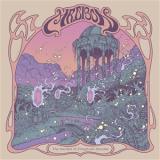
MAGENTA VINYL[24,58 €]
The Garden, a magical place where lost dreams don't fade, but grow like silent flowers. Each petal holds an unfulfilled wish, each scent a memory left behind. In this garden, those who enter rediscover parts of themselves they thought lost and understand that nothing should be forgotten if it has touched their heart. The garden is the image that recurs most frequently throughout the album. We chose it as a metaphor for "refuge," a place where we can choose to nurture our natural inclinations, let them grow and blossom, but where we can also keep our shadows and our lights hidden. Where our secrets, our most authentic truths, our aspirations and our dreams, can therefore remain guarded until we are ready to reveal them to those who can contain and appreciate them.
dovrebbe essere pubblicato su 25.09.2026

Magenta Coloured Vinyl, limited to 400 copies. The Garden, a magical place where lost dreams don't fade, but grow like silent flowers. Each petal holds an unfulfilled wish, each scent a memory left behind. In this garden, those who enter rediscover parts of themselves they thought lost and understand that nothing should be forgotten if it has touched their heart. The garden is the image that recurs most frequently throughout the album. We chose it as a metaphor for "refuge," a place where we can choose to nurture our natural inclinations, let them grow and blossom, but where we can also keep our shadows and our lights hidden. Where our secrets, our most authentic truths, our aspirations and our dreams, can therefore remain guarded until we are ready to reveal them to those who can contain and appreciate them.
dovrebbe essere pubblicato su 25.09.2026
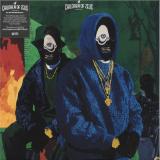
Transparent Aquamarine Vinyl[28,78 €]
Children of Zeus return with their third studio album ‘As The World Burns…’
Five years on from their highly-acclaimed sophomore album ‘Balance’, Manchester’s kings of hip hop soul, Tyler Daley and Konny Kon, bring us a brand new 16-track opus.
Sonically the duo continue their story where they left off; crafting an amalgamation of street soul, alternative r&b and boom bap hip hop, with a sprinkle of flavours taken from their original multi-genre pirate radio influences, and a dash of forward-thinking new sounds, ensuring all tracks are destined to become future classics.
The features are sparing but powerful, enlisting the talents of revered UK rapper Knucks (‘Before We Drown’), Colorado-native Young Old Soul (‘Dopamine’), MCR family K S R (‘Do You Want To Get High’, & Australian/Mauritian up & comer Anieszka (‘Water & Vibes’).
As with previous projects, this album is largely produced by the duo themselves, though there are guest productions from previous collaborators too, including Grammy Award-winner Beat Butcha, Grammy-nominated Teo, and broken beat pioneer K15, along with an assortment of new players making moves in the underground neo-soul & beats circuit.
Conceptually, this project continues on with the story to date. An eternal search for sunsets and soulfood, as a respite to the anxieties of the modern world; personally, professionally and globally. Assertive swagger is matched with brutal but sincere candidity. As ever, it encapsulates the rough with the smooth, with reflections on where they’ve been, where they’re at and where they’re headed. There’s no preaching to be found here; just an acceptance of things as they are, an embrace of the environment and people they were nurtured by, and a celebration of some of the finer things in life; slow jams, weed & rum, water & vibes. Raps for listeners, blunt heads, fly ladies and prisoners. All packaged together as another perfect sonic love letter to sound system culture. 50 minutes of big people music.
Since the release of their anthemic debut single ‘Still Standing’ a decade ago, to the subsequent EP ‘The Story So Far’, and their critically-lauded debut album ‘Travel Light’, the duo have received numerous accolades, including nominations for AIM Awards & Worldwide Awards both, along with tons of ‘Album of the Year’ nods care of Clash Magazine, Bandcamp, Complex, Wordplay and many more. This along with huge swathes of support from DJs, radio stations, press outlets, tastemakers, luminaries & fellow artists across the globe.
Children of Zeus have performed sessions for COLORS, Soulection (Apple Music), DJ AG, Boiler Room, BBC 6 Music and at the infamous Maida Vale studios for BBC 1Xtra as well as touring across Europe, Australia and South Africa. This is in addition to collaborating & touring with Mercury Award Winner’s Ezra Collective, including a Wembley Arena show. Other collaborations over the years have included Shy FX, Juls, Goldie, Black Milk, Kofi Stone and the late great Lenzman.
From the Broke ’n’ English / Hoodman-era, to the present day, Children of Zeus have been omnipresent in the fabric of British black music. Proud ambassadors of Manchester music, and of UK soul, it really is “Zeus to the world”.
Children of Zeus have been adorned with plenty of flowers over their career. The unbridled quality and poignance of the music and the message on display throughout this project will see the algorithmic needle move some more. It’s undoubtedly set to be a Zeus Summer. As the world burns…
Available on all digital platforms and physical formats, Friday September 4th 2026.
t 07: Do You Want To Get High? (feat. K S R ) - Children of Zeus03:26
t 07: Do You Want To Get High? (feat. [ K S R ]) - Children of Zeus03:26
[t] 07: Do You Want To Get High? (feat. [ K S R ]) - Children of Zeus03:26
[g] B3 | Do You Want To Get High? (feat [ K S R ]) - Children of Zeus03:26
Ordina ora e ordineremo l'articolo per te presso il nostro fornitore.

The follow up to her UK number 1 album This Is How Tomorrow Moves, the stark and striking fourth album by beabadoobee is named for the electricity towers that dot every major artery in the world—the strong, spindly structures that reminded Beatrice Laus of her connection to friends and family at home while she was staring down extreme disconnection and isolation on tour over the past few years.
The title can also be read as an allusion to Laus’ spiky, forceful new sound—the waves of distortion that crash and shatter across this record’s 14 songs mirroring the intense crackle you hear when walking under power lines. The pylon is also a fitting symbol for an album that reckons with the repetitive anxieties of your mid-twenties: What if I’m always going to be this way? What if life is just pylon after pylon on the road?
The album’s first single is available to stream and buy from today: “Sun Has Set” introduces Pylon as, in essence, a set of songs that began as diary entries, words that Laus thought she’d never be able to say out loud. “A lot of the songs on this record are things I wish I could have said to someone,” she says. “This song has this petty tunnel vision—it’s like, I hate you. You’re gonna stay here and listen to how much I hate you. Because I never got to say that.” The single comes accompanied by a striking first person video directed by Bea’s partner and longtime visual collaborator Jake Erland.
Ever a devotee of pure rock music—both as something to be cherished and something to be played with—Laus casts these feelings in songs that touch on classic grunge, midwest emo and ‘90s radio rock, zeroing in on a sound that is both harsher and more direct than any of her previous records. She says the music she’s loved has “always been an influence” on her music, and so for B4 she went straight to the source. A fair few of Beabadoobee’s composite influences contributed to Pylon, a fact that speaks to the goodwill and respect Laus has amassed over the course of her relatively brief career.
Hayley Williams sings on “Nothing to Prove,” a deeply anthemic indie-rock song about getting your power back from fairweather friends who just want a bit of your success. The moody “Powerlines” features a verse from Turnstile singer Brendan Yates, a master of matching vocal force with emotional nuance. Elsewhere, you’ll find contributions from Pinegrove’s Evan Stephens Hall, Deftones’ Chino Moreno, and Title Fight’s Shane Moran, as well as, on “Write Me A Letter”, production work from Laus’ longtime friends and collaborators Matty Healy and George Daniel of The 1975.
Beabadoobee will debut songs from the record on the Powerlines Tour, her first ever arena shows and biggest tour to date, taking in shows across North America, the UK and Europe this autumn-winter. The Powerlines Tour kicks off 1 October and includes stops at Madison Square Garden, The Kia Forum, The O2 and more (full routing below). Support comes from Wisp in the US, Canada and UK and Violet Grohl in France, The Netherlands, Belgium and Germany.
Born in the Philippines and raised in London, Beatrice Laus emerged as a British alternative music icon across three acclaimed albums and five EPs. She has garnered multiple BRIT Award and BBC Sound Of nominations, and won NME’s Radar award, whilst amassing over 10 billion streams worldwide and more than 12 million followers across her social channels.
This Is How Tomorrow Moves became her first record to reach number 1 on the UK Official Album Chart in 2024, following her Top 10 albums Fake It Flowers (which reached number 8) in 2020 and 2022’s Beatopia (#4). Earlier this year, beabadoobee released the one-off single ‘‘All I Did Was Dream Of You,” teaming up with Grammy-nominated best New Artist The Marías, the result of a longtime mutual creative admiration between María Zardoya and Bea.
Questo articolo non è stato ancora rilasciato. È possibile pre-ordinare il prodotto ora.

The follow up to her UK number 1 album This Is How Tomorrow Moves, the stark and striking fourth album by beabadoobee is named for the electricity towers that dot every major artery in the world—the strong, spindly structures that reminded Beatrice Laus of her connection to friends and family at home while she was staring down extreme disconnection and isolation on tour over the past few years.
The title can also be read as an allusion to Laus’ spiky, forceful new sound—the waves of distortion that crash and shatter across this record’s 14 songs mirroring the intense crackle you hear when walking under power lines. The pylon is also a fitting symbol for an album that reckons with the repetitive anxieties of your mid-twenties: What if I’m always going to be this way? What if life is just pylon after pylon on the road?
The album’s first single is available to stream and buy from today: “Sun Has Set” introduces Pylon as, in essence, a set of songs that began as diary entries, words that Laus thought she’d never be able to say out loud. “A lot of the songs on this record are things I wish I could have said to someone,” she says. “This song has this petty tunnel vision—it’s like, I hate you. You’re gonna stay here and listen to how much I hate you. Because I never got to say that.” The single comes accompanied by a striking first person video directed by Bea’s partner and longtime visual collaborator Jake Erland.
Ever a devotee of pure rock music—both as something to be cherished and something to be played with—Laus casts these feelings in songs that touch on classic grunge, midwest emo and ‘90s radio rock, zeroing in on a sound that is both harsher and more direct than any of her previous records. She says the music she’s loved has “always been an influence” on her music, and so for B4 she went straight to the source. A fair few of Beabadoobee’s composite influences contributed to Pylon, a fact that speaks to the goodwill and respect Laus has amassed over the course of her relatively brief career.
Hayley Williams sings on “Nothing to Prove,” a deeply anthemic indie-rock song about getting your power back from fairweather friends who just want a bit of your success. The moody “Powerlines” features a verse from Turnstile singer Brendan Yates, a master of matching vocal force with emotional nuance. Elsewhere, you’ll find contributions from Pinegrove’s Evan Stephens Hall, Deftones’ Chino Moreno, and Title Fight’s Shane Moran, as well as, on “Write Me A Letter”, production work from Laus’ longtime friends and collaborators Matty Healy and George Daniel of The 1975.
Beabadoobee will debut songs from the record on the Powerlines Tour, her first ever arena shows and biggest tour to date, taking in shows across North America, the UK and Europe this autumn-winter. The Powerlines Tour kicks off 1 October and includes stops at Madison Square Garden, The Kia Forum, The O2 and more (full routing below). Support comes from Wisp in the US, Canada and UK and Violet Grohl in France, The Netherlands, Belgium and Germany.
Born in the Philippines and raised in London, Beatrice Laus emerged as a British alternative music icon across three acclaimed albums and five EPs. She has garnered multiple BRIT Award and BBC Sound Of nominations, and won NME’s Radar award, whilst amassing over 10 billion streams worldwide and more than 12 million followers across her social channels.
This Is How Tomorrow Moves became her first record to reach number 1 on the UK Official Album Chart in 2024, following her Top 10 albums Fake It Flowers (which reached number 8) in 2020 and 2022’s Beatopia (#4). Earlier this year, beabadoobee released the one-off single ‘‘All I Did Was Dream Of You,” teaming up with Grammy-nominated best New Artist The Marías, the result of a longtime mutual creative admiration between María Zardoya and Bea.
Ordina ora e ordineremo l'articolo per te presso il nostro fornitore.
Black Vinyl[15,76 €]
On his brand new studio effort Styles P proves his key to success has always been consistency. The born in Corona, raised in Yonkers, NY native has really worked harder than most to earn the name GOAT, and by naming his album “S.P. The GOAT: Ghost Of All Time” you know he’s not bragging about it, in fact he’s getting his flowers while he’s alive from Hip Hop connoisseurs who know fire bars when they hear them. With productions by Vinny Idol, Termanology, Dayzel the Machine, and Noah Idol among others and guest appearances by Sheek Louch, Jadakiss, Nino Man, Fame of M.O.P, Whispers and Cris Streetz, the legendary LOX and D-Block member proves once again he’s aging like fine wine.
dovrebbe essere pubblicato su 18.09.2026
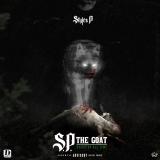
Clear Vinyl[18,70 €]
On his brand new studio effort Styles P proves his key to success has always been consistency. The born in Corona, raised in Yonkers, NY native has really worked harder than most to earn the name GOAT, and by naming his album “S.P. The GOAT: Ghost Of All Time” you know he’s not bragging about it, in fact he’s getting his flowers while he’s alive from Hip Hop connoisseurs who know fire bars when they hear them. With productions by Vinny Idol, Termanology, Dayzel the Machine, and Noah Idol among others and guest appearances by Sheek Louch, Jadakiss, Nino Man, Fame of M.O.P, Whispers and Cris Streetz, the legendary LOX and D-Block member proves once again he’s aging like fine wine.
dovrebbe essere pubblicato su 18.09.2026

Kareen Lomax macht Musik für alle, die sich auf dem Weg zur Selbstliebe befinden, ohne ein Ruder, mit dem sie die Richtung bestimmen können. Ihre unverkennbare Stimme war bereits auf Blockbuster-Hits von Diplo und Rudimental zu hören. Auf ihrem Debütalbum „NAJI“, das Anklänge von Neo-Soul, Alternative R&B und Indie enthält, richtet sie das Rampenlicht auf sich selbst. Produziert von Daoud (Kehlani, J. Cole, Lizzo), ist „NAJI“ ein Zeugnis von Lomax’ Trauer und davon, wie diese sie dazu zwang, sich ihrer Vergangenheit und Gegenwart zu stellen.
dovrebbe essere pubblicato su 18.09.2026
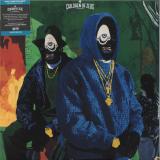
Black Vinyl[28,78 €]
Children of Zeus return with their third studio album ‘As The World Burns…’
Five years on from their highly-acclaimed sophomore album ‘Balance’, Manchester’s kings of hip hop soul, Tyler Daley and Konny Kon, bring us a brand new 16-track opus.
Sonically the duo continue their story where they left off; crafting an amalgamation of street soul, alternative r&b and boom bap hip hop, with a sprinkle of flavours taken from their original multi-genre pirate radio influences, and a dash of forward-thinking new sounds, ensuring all tracks are destined to become future classics.
The features are sparing but powerful, enlisting the talents of revered UK rapper Knucks (‘Before We Drown’), Colorado-native Young Old Soul (‘Dopamine’), MCR family K S R (‘Do You Want To Get High’, & Australian/Mauritian up & comer Anieszka (‘Water & Vibes’).
As with previous projects, this album is largely produced by the duo themselves, though there are guest productions from previous collaborators too, including Grammy Award-winner Beat Butcha, Grammy-nominated Teo, and broken beat pioneer K15, along with an assortment of new players making moves in the underground neo-soul & beats circuit.
Conceptually, this project continues on with the story to date. An eternal search for sunsets and soulfood, as a respite to the anxieties of the modern world; personally, professionally and globally. Assertive swagger is matched with brutal but sincere candidity. As ever, it encapsulates the rough with the smooth, with reflections on where they’ve been, where they’re at and where they’re headed. There’s no preaching to be found here; just an acceptance of things as they are, an embrace of the environment and people they were nurtured by, and a celebration of some of the finer things in life; slow jams, weed & rum, water & vibes. Raps for listeners, blunt heads, fly ladies and prisoners. All packaged together as another perfect sonic love letter to sound system culture. 50 minutes of big people music.
Since the release of their anthemic debut single ‘Still Standing’ a decade ago, to the subsequent EP ‘The Story So Far’, and their critically-lauded debut album ‘Travel Light’, the duo have received numerous accolades, including nominations for AIM Awards & Worldwide Awards both, along with tons of ‘Album of the Year’ nods care of Clash Magazine, Bandcamp, Complex, Wordplay and many more. This along with huge swathes of support from DJs, radio stations, press outlets, tastemakers, luminaries & fellow artists across the globe.
Children of Zeus have performed sessions for COLORS, Soulection (Apple Music), DJ AG, Boiler Room, BBC 6 Music and at the infamous Maida Vale studios for BBC 1Xtra as well as touring across Europe, Australia and South Africa. This is in addition to collaborating & touring with Mercury Award Winner’s Ezra Collective, including a Wembley Arena show. Other collaborations over the years have included Shy FX, Juls, Goldie, Black Milk, Kofi Stone and the late great Lenzman.
From the Broke ’n’ English / Hoodman-era, to the present day, Children of Zeus have been omnipresent in the fabric of British black music. Proud ambassadors of Manchester music, and of UK soul, it really is “Zeus to the world”.
Children of Zeus have been adorned with plenty of flowers over their career. The unbridled quality and poignance of the music and the message on display throughout this project will see the algorithmic needle move some more. It’s undoubtedly set to be a Zeus Summer. As the world burns…
Available on all digital platforms and physical formats, Friday September 4th 2026.
t 07: Do You Want To Get High? (feat. K S R ) - Children of Zeus03:26
t 07: Do You Want To Get High? (feat. K S R ) - Children of Zeus03:26
[t] 07: Do You Want To Get High? (feat. [ K S R ]) - Children of Zeus03:26
[t] 07: Do You Want To Get High? (feat. [ K S R ]) - Children of Zeus03:26
[g] B3 | Do You Want To Get High? (feat [ K S R ]) - Children of Zeus03:26

“Beachside Blue” Vinyl[30,04 €]
Brian Fallon reunites with producer Butch Walker (Taylor Swift, Fall Out Boy, Green Day) for Not Bad for New Jersey, his first collection of original solo songs since 2020's Local Honey. Fallon is best known as the frontman of The Gaslight Anthem (The '59 Sound, Handwritten). Featuring Brandon Flowers (The Killers), Phil Collen (Def Leppard), Lori McKenna, Donovan Woods, and guitarist Marc Ribot (Tom Waits, Elvis Costello, Robert Plant). Out September 10, 2026. Eleven tracks of high-energy, power-pop-leaning rock about underdogs turning setbacks into rocket fuel.
dovrebbe essere pubblicato su 11.09.2026

Early into their collaboration as Turning Jewels Into Water, Val Jeanty and Ravish Momin adopted the Association for the Advancement of Creative Musicians’ longtime credo “Ancient to the Future” as a lodestar. Perhaps it seems like a riddle, but the AACM motto offers instruction to take what is sacred from the past and pull it into the present, using new means to make music that resonates with your lineage. Jeanty emigrated to the United States from Haiti in the mid-’80s, while Momin was born in India but now calls New York home. Since improvising together at Pioneer Works in 2017, Momin and Jeanty have integrated a world of beliefs and sounds—voodoo and hoodoo, mbalax and drum circles—into kinetic music made with cutting-edge electronics, from Sensory Percussions drums to Smart Fabric MIDI controllers. They pull the past into the present, then use it to imagine a better future.
dovrebbe essere pubblicato su 11.09.2026

Long Slow Distance is an album about finding peace, and making peace where it can’t be found. It’s inspired by change, grief, acceptance, forgiveness, love, and running.
Dawson began running around the same time he started making records. At this point it’s unclear where one practice ends and the other begins. The album’s title has become the ethos he’s embraced for all things in life.
Long Slow Dance unravels the woven collage of his previous work. Here each song consists of three long guitar takes, panned across the stereo-field with minimal overdubs. “I remember my grandmother always kept a rain barrel on the farm. Just a simple vessel that served as a means for gathering water for the garden and the flowers. I wanted to instill that sentiment on this record. Other than some panning and recreational EQing, the computer was just a vessel to gather sounds.”
There is a distant grace to the album. A soft expanse, a quiet contrast. Guitars dissolve and then recalibrate. Sparse melodic motifs bloom and fracture. Warm chords clash and make amends. Alpenglow textures shimmer against tones that feel weathered by salt air. The songs are lightly propulsive, yet drift at a glacial pace. Fields and artifacts ground the material, like keeping your eyes on the horizon. Long Slow Distance feels intuitive, sentimental, and like Dawson is one step closer to whatever distance he is chasing.
Downloadable Assets
dovrebbe essere pubblicato su 04.09.2026

Love as Art, Love under the Patriarchy, Love as a political and radical act - in short 'The Fatal Flaw' examines Love from a deeper and philosophical perspective. Even the songs that aren't about Love, also are. They are about the absence of love, and what happens in those spaces, so they are songs about the necessity of love, and the consequences of its absences.
dovrebbe essere pubblicato su 04.09.2026

"There are two versions of this album," says Hollow Hand's Max Kinghorn-Mills. "But there's only one that exists." Kinghorn-Mills is reflecting on a period when he was at something of a crossroads. He had written songs for his forthcoming fourth album but, after coming back off tour, something needed to change. “When I listened back to where I’d left the album, it wasn't exciting enough for me,” he says. “I was like: that's not really what I want to do anymore.” Since releasing 2023’s Your Own Adventure – which drew acclaim from the likes of Mojo, Uncut, and Shindig! – he found himself touring and collaborating with a variety of other artists. Hollow Hand became the house band for Caitlin Rose on tour, while Kinghorn-Mills was also collaborating with Aoife Nessa Frances and playing in her touring band. There was countless exposure to incredible Irish bands along the way, and then came a sold-out European tour with Hollow Hand supporting MJ Lenderman.
dovrebbe essere pubblicato su 04.09.2026
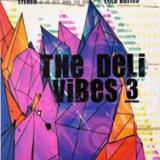
The album's centerpiece, the delightfully breezy "Flowers," has racked up 26 million Spotify plays on its own, with the full album cracking an astonishing 37 million and The Deli himself gaining 1.7 million monthly listeners. In The Deli's case, this success in the digital realm only whets an appetite for the physical. Now Cold Busted is remastering and repressing the out-of-print Vibes 3 LP on vinyl. And it's purple vinyl to boot. The album's 18 cuts serve up proper old school vibes, dropping beats that'll make one reminisce while also anticipating the new. In addition to "Flowers," the album contains other worthy contenders like the smooth "Luv Shxt," which grooves with gentle jazz guitar and a lonely horn under a snappy beat; "Rain" and its simple introspection; the lovely lazy ride of "4Tina;" and album opener "1B4W" which sets things properly on the smoky late-night-lounging tip.
dovrebbe essere pubblicato su 28.08.2026
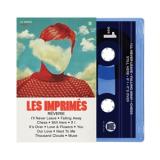
Big Crown Records is proud to present the debut full length offering from Les Imprimés, Rêverie. The stirring and ethereal sounds of Les Imprimés have been making fans of anyone who hears them since their first 7" single hit the speakers. Morten Martens is the man behind the band. Born, raised, and working in Kristiansand, Norway, he keeps a low prole while making his heart felt, highly infectious, and unique music. This album is a long time coming for Martens and it is sure to make him a name to be reckoned with. The first thing you notice listening to Les Imprimés is the high level of musician-ship. Martens plays nearly every instrument on the recordings and handles the production and arranging. He has been making records for decades, winning a Spellemann Award (aka, the Norwegian Grammy) in 2006 for producing a HipHop album as well as getting nominations across three other genres. While awards and accolades speak to the level of his talent, this new album really shows who he is an artist on his own terms. Moving away from being a hired gun on the touring scene naturally led him to start doing more studio work. Slowly collecting gear and getting more experi-ence behind the boards he built his own studio on the island of Odderoya and was making a living playing with and recording other people's music. As the story goes, after those sessions would end he would work on his own project into the wee hours of the night. From these late night sessions, Les Imprimés was born and Rêverie began to take shape. However, "it wasn't until COVID, when things locked down, that I was really able to nd the time to focus on Les Imprimés" Morten says about creating and leading his own solo project. "It was a scary time. But I knew I had to do something with it." He took the sum of his inuences, combined them with his own vibe and got busy writing the music, playing the instruments, and singing the songs. "It's soul music, but I don't exactly have the soul voice," Morten explains humbly. "But I do it my own way, in a way that's mine. "It is his sound, his fingerprint, his sensibility, that makes his music hard to put in a box. The album showcases both Martens' range and his ability to make a cohesive album. The lead single "Falling Away" starts with a raw drum break and turns into a lushly arranged tune that paints the picture of love when it slips away. On "Still Here" he professes his resilience through life's twists and turns over a thundering track that puts a new spin on the B side ballad genre. Songs like "You" and "Our Love" mix tones from 60s and 70s Soul with arrangement nods to Doo Wop records while Martens' lyrics and delivery leave you singing the melodies long after they finish. "Love & Flowers" finds Martens in a moment of clarity with a song that ts the niche sub genre of happy break up tunes, the four on the floor track will move the dancefloor or while the message will resonate with anyone who put too much effort into the wrong situation in their lives. However, it is songs like "Muse" and "Chess" that really encapsulate the uniqueness of Les Imprimés as they push the boundaries of genre, one a profession of love for music and the other a cover of an electronic record respectively. Martens' lyrics, emotion, and delivery truly make the whole thing come together and stand out from any of his peers. There's an infectiousness and a pop sensibility in the writing that is done with the utmost class and taste giving Les Imprimés the rare quality of immediate attraction that only deepens the more you listen.
dovrebbe essere pubblicato su 28.08.2026
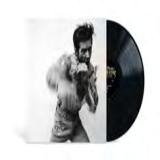
Brandon Flowers, Frontmann der weltweit erfolgreichen Rockband The Killers, kehrt mit seinem ersten
Soloalbum seit über zehn Jahren zurück. Mit „THRASHER“ präsentiert er sein bislang persönlichstes
Album, das sich intensiv mit seinen Wurzeln, seiner Familie und den Geschichten seiner Heimat Utah
auseinandersetzt.
Den ersten Vorgeschmack liefert die Single „Plans“. Sie wurde zusammen mit dem restlichen Album
im historischen RCA Studio A in Nashville aufgenommen. Der Song vereint Flowers’ unverwechselbares
Storytelling mit einem warmen, organischen Sound zwischen Americana, Country und Rock.
Produziert wurde das Album von dem mehrfach Grammy-prämierten Shawn Everett sowie von Jonathan
Rado. Für die Aufnahmen versammelten sich einige der renommiertesten Studiomusiker Nashvilles, die die
Songs live im Studio einspielten und so eine besondere Authentizität und Unmittelbarkeit geschaffen haben.
Mit „THRASHER“ zeigt Brandon Flowers eine neue Seite seines künstlerischen Schaffens und unterstreicht
einmal mehr seinen Status als einer der bedeutendsten Songwriter seiner Generation. Das Album verbindet
intime Geschichten mit zeitlosen Melodien.
Erhältlich ist das Album als 1LP Black Vinyl im Gatefold Jacket sowie als Jewel Case CD mit 16-seitigem
Booklet
dovrebbe essere pubblicato su 21.08.2026

Hand Me My Flowers brings together one of underground hip-hop’s most relentless voices with one of the genre’s most revered producers. The result is a hard-hitting collaboration that bridges generations, uniting Flee Lord’s raw street narratives with Buckwild’s unmistakable golden-era production pedigree.
A cornerstone of the legendary Diggin’ In The Crates (D.I.T.C.) collective, Buckwild has spent decades shaping the sound of East Coast hip-hop, crafting classics for artists such as The Notorious B.I.G., O.C., Big L, Fat Joe, Nas, and countless others. On this project, he delivers a masterclass in gritty, soulful production—dusty samples, hard drums, and cinematic arrangements that provide the perfect backdrop for Flee Lord’s uncompromising lyricism.
Throughout the album, Flee Lord sounds right at home over Buckwild’s expertly crafted soundscapes, weaving vivid tales of survival, loyalty, sacrifice, and perseverance. His commanding delivery and relentless work ethic are matched by production that honors hip-hop’s foundations while remaining timeless and relevant.
More than a producer-and-emcee collaboration, this album represents a meeting of eras. Buckwild’s decades of experience and crate-digging mastery merge seamlessly with Flee Lord’s modern underground sensibilities, creating a project that feels both classic and contemporary. Every track reflects a shared commitment to authenticity, lyricism, and the enduring spirit of New York hip-hop.
For longtime fans of boom-bap and newcomers drawn to today’s thriving underground scene, this collaboration stands as a powerful reminder that real hip-hop never goes out of style.
dovrebbe essere pubblicato su 21.08.2026

¡Hola amigos! ¡Dieciséis guarniciones de chile picante, peyote loco y tequila helado! ¡Hermoso!
If there's one thing I'm good at it's finding records. It doesn't matter where in the world I am, I find records, the best records, the rarest records. And always in Mint condition. I have a knack for it. One place I like to hunt for records is South of the Border, in Mexico. You can find great records there, way out in those pequeños pueblos del desierto. Another great thing you can find is cactus.
Mexico is famous for cactus. You got your Ariocarpus, your Turbinicarpus, your Mammillaria. You got cactus of all kinds, big and small. Little ones like Eplithelantha, psychedelic ones like the peyote Lophophora, and rare ones like Aztekium. But my favourite is Mammillaria humboldtii. Now this one is very hard to find. The villagers over in Hidalgo know where it is, and they go high up in the mountains to look for it.
Now these guys, they take their time. But when they come down from those mountains, they bring back the most beautiful specimens. I really mean it, they're beautiful. They're like clumps of fluffy white golf balls, and they have these cute little pink flowers. Beautiful I tell ya. I pay precio alto for a good specimen of Mammillaria humboldtii.
dovrebbe essere pubblicato su 21.08.2026

Me First and the Gimme Gimmes show that they have truly matured as song-thieves on this album! Running at 45 RPM, the 25th anniversary pressing comes with silver foil and silver 25th anniversary labels. But if you like you can buy the original CD still too. Punk pranksters, Me First and the Gimme Gimmes, came forth with their third full length album, Blow In The Wind. That time around the band pays tribute to the tunes of the late 50s and 60s. Once again Me First and the Gimme Gimmes have woven their punk rock magic into the threads of the classics from the likes of The Beach Boys, The Beatles, Del Shannon, and Cat Stevens, just to name a few. On Blow In The Wind, Me First and the Gimme Gimmes don't simply cover 13 songs whose future was dependent upon the AM dial, they breathe the breath of new life into songs that were on the verge of being forgotten! Me First and the Gimme Gimmes is comprised of the following punk rockers: Spike Slawson (Swingin' Utters), Joey Cape (Lagwagon), Fat Mike (NOFX), Chris Shiflett (ex No Use For A Name, present Foo Fighters), and Dave Raun (Lagwagon)
dovrebbe essere pubblicato su 14.08.2026

Langsam, schnörkellos und größtenteils instrumental - auf ,Orphans" wendet sich Art Feynman nach innen. Das Album, das als ,Musik zum Nebenbei-Hören" konzipiert ist, soll den Alltag begleiten und die Atmosphäre untermalen, ohne konzentrierte Aufmerksamkeit zu erfordern. Es bewegt sich durch den Raum wie ein Windspiel - weniger etwas, dem man folgt, als etwas, das man spürt. Es sind intime, einsame Erkundungen, Skizzen, die sich weniger komponiert als vielmehr entdeckt anfühlen, und doch strahlen sie eine stille emotionale Klarheit aus. Während sich Feynmans frühere Arbeiten oft auf komplexe Grooves und dichtes Zusammenspiel stützten, ist ,Orphans" entwaffnend still, geduldig und beruhigend. Zu Beginn des Albums kann man sich fast vorstellen, wie Feynman über einem 4-Spur-Recorder sitzt, Melodien auf einem kleinen Casio nachspielt und seinem Instinkt folgt, wohin auch immer er ihn führt. Der Eröffnungstrack ,Soft Reminder" entfaltet sich mit einer sanften Orgelmelodie, die zu gleichen Teilen melancholisch und neugierig ist; ihre Töne verweilen in der Luft, anstatt voranzutreiben, und legen sich so mühelos im Raum nieder, wie sie zur stillen Reflexion einladen. An anderer Stelle vermittelt ,Soup Song" eine Art hausbackenen Minimalismus, wobei sein beharrliches Orgelmuster an den frühen, experimentierfreudigen Geist von Terry Rileys ,A Rainbow in Curved Air" erinnert. ,Always In Need of Something" verweist auf die verspielten, suchenden Qualitäten von Francis Bebey, wobei seine zyklische Phrasierung eine stille, menschliche Unruhe unter der Oberfläche andeutet. Durchgehend sammeln sich Klänge und Texturen sanft an und formen ebenso sehr eine Atmosphäre wie eine Reihe eigenständiger Kompositionen, wobei sie subtil die emotionale Temperatur des Raums verändern, den sie einnehmen. Das späte Herzstück des Albums, ,Ice Bath", einer der wenigen Momente mit Gesang, bietet eine subtile These: "It slowed me down / That's what I needed / For a new beginning." Der Song fühlt sich wie ein Wendepunkt an, eine Akzeptanz der Stille als notwendige Voraussetzung für Veränderung. Er geht nahtlos über in ,The Condition of New Things", ein wunderschön skizzenhaftes E-Gitarrenstück, das im offenen Raum nachhallt, wobei jede Note mit sorgfältiger Absicht platziert ist und an einige von Jeff Parkers Soloarbeiten erinnert. Der Abschluss-Track ,Plastic Flowers" schwebt herein, getragen von Vocoder-gefiltertem Gesang und einem zarten Bett aus Gitarre und Synthesizer. "To trick the eye but still touch the heart", singt Feynman - eine Zeile, die stillschweigend das Ethos des Albums umrahmt. Wie Licht, das im Laufe eines Tages über eine Wand wandert, mögen diese Aufnahmen bescheiden sein, in ihrer Einfachheit sogar illusionartig, doch ihre emotionale Resonanz ist unbestreitbar.
dovrebbe essere pubblicato su 07.08.2026

First Word Records proudly bring you the sophomore EP from Ruby Wood - ‘No Rain, No Flowers’.
Ruby is a singer / songwriter hailing from Huddersfield, West Yorkshire in the UK. Her soulful yet distinctive voice has enabled her to front numerous projects over the years; perhaps best known as lead vocalist of the critically acclaimed Submotion Orchestra, since 2009.
Her first solo EP ‘Sincerely’ dropped back in 2023, and received love from the likes of Jamie Cullum, Craig Charles, Jyoty, Huey Morgan, Wordplay & saw Ruby named Mi-Soul Radio's 'One to Watch'.
The follow-up EP ‘No Rain, No Flowers’ is a personal tale of growth through adversity. Reflecting on long-term love, fleeting intimacy, grief, and the relationships that shape us. Rather than offering answers, the 8-track EP sits with life as it is. Imperfect, cyclical and shared. The title speaks to the belief that difficult experiences are not separate from growth, but essential to it.
Musically, the project encompasses contemporary flavours within the realms of r&b, soul and hip hop. It features an impressive collective of vocal collaboraters; Illa J, Devin Tracy, Abnormal Sleepz & PRIDO. Each bring their own distinct perspective, whilst complimenting the EP’s introspective tone; favouring warmth, restraint & lyrical authenticity. All are backed by a smooth sonic backdrop of beautifully rich instrumentation, produced primarily by Rob Mitchell of Abstract Orchestra.
Ruby has performed live shows with Nightmares on Wax & Abstract Orchestra as well as with r&b legend Bryson Tiller at his sell-out UK gigs, including Wembley Arena & Manchester Apollo. This is additionally to touring with Bonobo & Nubiyan Twist, and collaborating with the likes of Krept & Konan, Alfa Mist, GLXY and Roska, to name a few.
The diversity of her career, ranging from the intimate to the large-scale performances, gives Ruby a unique balance of vulnerability and musical depth, prioritising authenticity over spectacle. As a solo artist, her work is rooted in honest lived experiences, leading to a focus on songs that resonate long after first listen.
This EP offers a reflection of where Ruby is at now, informed by where she’s been before. It’s a project that embraces imperfection, recognising that those experiences that challenge us the most, shape us the deepest.
Ordina ora e ordineremo l'articolo per te presso il nostro fornitore.
“Released on Joe Boyd’s Hannibal label here was a band rooted in Thompson/Swarbrick Fairport but also a snatch of the Velvet Underground and a sprig of The Byrds. The Eighteenth Day Of May evoked a legendary era, and now they are a justifiably legendary band too.” – KLOF Mag
Beginning life as a trio in London, 2003, the original line-up consisted of Allison Brice (vocals, flute), Richard Olson (acoustic guitar) and Ben Phillipson (guitar, mandolin) before expanding the following year to include the rhythm section of Mark Nicholas (bass) and Karl Sabino (drums, autoharp) and finally Alison Cotton (viola).
This being the mid zeros, the independent music scene in the UK was reluctant to embrace a sun-dazed folk band but this, their sole album, has gradually feathered a bed of affection amongst international folk fans. Twenty years on, the album is now rightfully seen as a trailblazer for the myriad alternative/psych folk bands that emerged in its wake.
Andy Childs who signed the band originally takes up the story. “I first heard their music on a cover mounted CD with the much missed Comes With A Smile magazine and as far as I could tell no-one was making music like this anymore, certainly not with such panache and confidence. To my jaded ears it all sounded so uninhibited - old weird folk songs, Americana, original psych-folk, minimalist drones. Great melodies and all six of them could sing! A joyous, unfettered sound that could in one moment conjure up flashes of The Byrds and then effortlessly the spirit of Velvet Underground would drift through. They even covered a Spacemen 3 song. I loved the fact that they had the aplomb to tackle traditional folk songs like Lady Margaret and Flowers In The Forest and not be afraid to stamp their own identity on them.
Signing them to the Hannibal label was straightforward. If anything the album somehow sounds fresh and undated, even better than it did in the day when perhaps eclecticism was out of synch with the times; its subtleties have become more apparent.”
“Their rendition of Lady Margaret builds to a headswirling crescendo that challenges anyone who claims Shirley Collins, Buffy Sainte-Marie or Trees have recorded the definitive version and the hallucinatory The Waterman’s Song To His Daughter raises an already brilliant album to an unholy level” - IT’S PSYCHEDELIC, BABY Magazine
dovrebbe essere pubblicato su 31.07.2026

Die international gefeierte und GRAMMY-prämierte Sängerin, Songwriterin und Schauspielerin Miley Cyrus
(Flowers, Party In The U.S.A) veröffentlicht ihre Single „Younger You (From the Hannah Montana 20th
Anniversary Special)” als Teil des großen Jubiläumsprojekts rund um die Kultserie „Hannah Montana“. Der
Song verbindet nostalgische Elemente aus ihrer frühen Karriere mit einem gereiften, genreübergreifenden
Sound und schlägt so eine Brücke zwischen Vergangenheit und Gegenwart.
„Younger You (From the Hannah Montana 20th Anniversary Special)” erzählt von dem Rückblick, persönlichem Wachstum und der Auseinandersetzung mit dem eigenen früheren Ich. Mit der Verbindung aus
Mileys emotionalem Pop und den modernen Country-Einflüssen von Lainey Wilson entsteht ein zeitloser
Track, der sowohl langjährige Fans als auch neue Hörer*innen anspricht.
Younger You (From the Hannah Montana 20th Anniversary Special)” ist erhältlich als 7‘‘ Vinyl
dovrebbe essere pubblicato su 24.07.2026
dovrebbe essere pubblicato su 24.07.2026
