In celebration of Arrow Films' new 4K restoration of the seminal hip hop film Wild Style, Azorean-Canadian producer and DJ Jorun Bombay steps up with a specially commissioned megamix cut across two sides of a 7”. Featuring recently discovered unreleased material, cut up with sections of the remastered soundtrack, expert turntablism, and added live instrumentation, Jorun shines a new light on this pioneering piece of hip hop history.
Having released music since the mid-‘80s on labels such as Soundweight, Diggers With Gratitude, and JBOR Records, Jorun also produces and scores music for film and television in the USA. He’s been hosting his influential DJ podcast ‘Funkbox Reload’ for over a decade, regularly showcasing his DJ and remixing skills, which have landed him several key production jobs, including for the documentary ‘Mixtape’ directed by Omar Acosta on Paramount Plus.
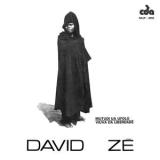
David Zé - Mutudi Ua Ufolo / Viúva da Liberdade is a major milestone in Angolan music, intensely blendingsemba, rumba, and bolero, recordedat the height of the country"s liberation struggle. Both soulful and political, the album resonates far beyond Luanda, carrying a universal spirit akin to that of Bob Marley. Originally released on CDA with Conjunto Merengue, it captures David Zé at his creative peak. Sung in Portuguese and local dialects, it combines rhythmic elegance with deep commitment, weaving links between Afro-Brazilian and Latin American traditions. After his assassination in 1977, the album was banned for several years, before being reborn as an essential work of resistance and beauty. In 2008, his legacy found a new echo when Damian Marley and Nas sampled "Undenge Uami" on Distant Relatives.
Straight into 2026 with a new slab of heavyweight DUB in a sound system style. Two new tracks, one side featuring uplifting vocals from Nia Songbird, the other side is classic Vibronics style undiluted instrumental dub. This one one for all lovers of Iration Steppas, OBF, Channel One and all the Bass-heavy sound systems out there.
This release is pressed on 10” vinyl and presented in a full-colour printed SCOOPS label sleeve, making it a collector’s item as much as a sound system weapon.
Vibronics is one of the most established names in UK Dub/Reggae music achieving millions of views on YouTube, millions of Spotify streams and many tens of thousands of vinyl record sales. Collaborators include Michael prophet, Macka B, Iration Steppas, Soom T, Aba-Shanti and more.
Nia Songbird is a Leicester born UK vocalist, a rising star known for her work with Vibronics as well as the likes of OBF, Mr.Zebre and a host of worldwide Dub producers.
Kezia Gill hat sich schnell zu einer der renommiertesten Country-Künstlerinnen Großbritanniens entwickelt und wird für ihre kraftvolle Stimme sowie die Qualität und Ehrlichkeit ihrer Songtexte gefeiert. Sie ist bereits ausgiebig in ganz Großbritannien aufgetreten und hat bei Festivals in Europa, den USA und Australien gespielt. Dabei setzt sie weiterhin neue Maßstäbe und vertritt stolz die britische Country- und Roots-Musik auf der internationalen Bühne.
Allein im Jahr 2025 trat sie beim renommierten Country 2 Country Festival in London und Glasgow auf, gefolgt von weiteren großen Festivals (Splendour, The Long Road). Außerdem besuchte sie Frankreich, Dänemark und die Niederlande und war zuletzt Co-Headliner einer Tournee mit Imogen Clark in Australien. Die vorherige Single „Dublin's Outta Whiskey“ wurde von Bob Harris in der Country Show auf BBC Radio 2 vorgestellt und sofort bei Planet Rock und Absolute Radio Country in die A-Liste aufgenommen. Sie markierte auch den Beginn einer neuen Zusammenarbeit mit Snakefarm, der weltweiten Heimat von Marty Stuart, Mark Morton und Austin Meade und dem britischen Label für einige der größten Namen der Country-Musik in den USA und Kanada (Eric Church, Brothers Osborne, Darius Rucker, Josh Ross usw.). Die Single „If Heaven Has A Honkytonk”, eine von Kezia’s Lieblingskompositionen wurde von der US-Künstlerin Alyssa Bonagura mitgeschrieben, produziert und gemischt und ist eine von Herzen kommende Hommage an das reiche Erbe der Country-Musik. Kezia wird im Februar 2026 auch eine Headliner-Tournee durch Großbritannien starten, unterstützt von Bonagura.
„All On Red“ ist ein mutiger Neuanfang in der Karriere einer Künstlerin, die bereits Auszeichnungen und Nominierungen der British Country Music Association („Entertainer of the Year“ / „UK Female Artist of the Year“) erhalten hat und sich für ein Musikgenre einsetzt, das vor allem in Großbritannien stark im Kommen ist.
Remix EP featuring remixes by Justin Robertson and Hawksmoor
Magick Knives is a four-piece band conjuring cinematic post-punk from the sandy shadows of the Sonoran Desert. Drawing from gothic rock, darkwave, and cinematic atmospheres, their music is less composed than summoned, blending hypnotic basslines, ghostly guitar textures, and synths that shimmer.
Formed by vocalist/bassist Sonia Campbell and visual artist + guitarist/synth wizard Daniel Martin Diaz (Trees Speak), the band emerged through instinct and alchemy. Rounded out by lead guitarist Daniel Singleton and drummer Daniel Thomas, Magick Knives quickly found a shared sonic language that is brooding, immersive, and otherworldly.
2LP-Erstauflage auf farbigem Loser-Vinyl: "BIO PETROL" Disk 1 und "MAGENTA" Disk 2. "¡Simpatico! (Remastered and Expanded)" bringt das lange vergriffene zweite Album von Velocity Girl aus dem Jahr 1994, "¡Simpatico!", mit einem superfrischen Mastering und einer Menge Bonus-Tracks aus der "¡Simpatico!"-Zeit endlich wieder raus. Das Originalalbum klingt besser als je zuvor und wird durch ein komplettes Album mit B-Seiten und Raritäten ergänzt. Velocity Girl wurde um 1989 an der University of Maryland außerhalb von Washington DC gegründet, mit dem Gitarristen Archie Moore (Black Tambourine), dem Gitarristen Brian Nelson (Black Tambourine), dem Schlagzeuger Jim Spellman (Starry Eyes, Foxhall Stacks, High Back Chairs, Julie Ocean, Piper Club), dem Bassisten Kelly Riles (Starry Eyes) und der Sängerin Sarah Shannon (Starry Eyes, The Not Its). Die Band kombinierte englisch inspirierten, lauten Shoegaze-Fuzz mit rauem US-Indie-Rock und klassischem Pop-Songwriting im Stil der 60er Jahre. Eine Killer-Single auf Slumberland und ununterbrochene Tourneen erregten die Aufmerksamkeit der Indie-Rock-Kenner, und bald darauf unterschrieb Velocity Girl einen Vertrag mit Sub Pop auf einer Motorhaube in Hoboken, New Jersey. Nach der Tournee zur Unterstützung ihres Debüts ,Copacetic" verbrachte die Band den größten Teil des Jahres damit, eine Reihe von Songs für ein zweites Album zu schreiben. So hatten sie noch nie gearbeitet - es war eine neue Erfahrung, Zeit und Budget (vom Label!) darauf zu verwenden, ein Album zu produzieren, das kein selbst produziertes Punkrock-Studioalbum war. Nachdem sie ihr neues Material monatelang im lauten Stil von ,Copacetic" gespielt hatten, waren die Bandmitglieder von den Songs begeistert, wollten sich aber von der rauen, amateurhaften Atmosphäre ihrer früheren Alben lösen. Und ihre Einflüsse waren diesmal etwas anders: weniger My Bloody Valentine und Wedding Present, mehr New Order. Jemand bei Sub Pop brachte die Band mit John Porter zusammen, dem ehemaligen Mitglied von Roxy Music, der The Smiths, Billy Bragg, The Alarm und eine Reihe anderer Acts der 80er Jahre produziert hatte. Sie trafen sich während einer Tournee in Los Angeles. Er erklärte sich bereit, das Album in einer dreiwöchigen Session in den Cue Studios in Falls Church, Virginia, zu produzieren. Er war genau das, was die Band brauchte: ein Redakteur, Arrangeur und Zuchtmeister. Als er gnadenlos jeden unnötig wiederholten Takt herausschnitt, merkte die Band, dass sie sich zu einem klareren Sound hingezogen fühlte und fast komplett auf die laute Gitarre verzichtete, zweifellos beeinflusst durch Porters Präsenz. Velocity Girl waren super zufrieden mit dem Ergebnis, und ,¡Simpatico!" kam im Juni 1994 raus. Diese erweiterte Neuauflage enthält eine Reihe von Songs, die einige Monate nach den Albumaufnahmen in den Inner Ear Studios in Arlington, Virginia, aufgenommen wurden. Die Sessions lieferten spielerisch-experimentelle B-Seiten für die Singles des Albums, zwei Cover-Songs (das New-Order-Cover ,Your Silent Face" und ein Beach-Boys-Cover) für eine Single auf Merge Records und einen Compilation-Track.
DJ Europarking lands on UFO Inc. with his debut EP. Tongue-in-cheek and extremely danceable, this is an incendiary EP. 'Boompahpah' gets things rolling with dense beats, a high-octane tempo and a choir-driven breakdown. '20inch Chrome' is a madcap cut that uses a variety of hip hop-esque samples, sirens and a tribal chant. On the flip 'Bitte Everyday' utilises breakbeats and a mixture of rapping, chanting, and zany effects to enchant the listener. Finally 'Like Trampolines' features hefty beats alongside an incendiary riff that is sure to cause havoc on the dance floor.
out of Stock
Last delivered 4 months ago available to reorder, subject to availability
Nachdem Ásgeir jahrelang mit Übersetzern wie John Grant zusammengearbeitet und die Poesie seines Vaters, Einar Georg Einarsson, vertont hat, betritt er nun neues Terrain: Zum ersten Mal in seiner langen und gefeierten Karriere hat er die Texte komplett selbst verfasst.
Ásgeir wird seit Langem für seinen detailreichen Folk-Pop, die opulente Produktion und sein sehnsüchtiges, gefühlvolles Falsett gefeiert. „Julia“ markiert eine Wende – nicht nur hin zu lyrischer Eigenständigkeit, sondern auch zu kathartischer Direktheit, mit Songs, die nicht nur meisterhaft vorgetragen, sondern auch durchlebt wirken. „Das war irgendwie das erste Mal, dass ich die Texte völlig allein geschrieben habe“, erzählt er. „Es war beängstigend. Ich versuche immer noch, mich darin zu finden. Aber ich habe versucht, mich zu öffnen, und habe in diesem Prozess viel gelernt. Es war auf jeden Fall therapeutisch für mich.“
Dieses neue Gefühl der Verletzlichkeit zieht sich durch die zehn Stücke des Albums, die über einen Zeitraum von fast zwei Jahren geschrieben und aufgenommen wurden. Viele der Songs entstanden zunächst auf der Gitarre, wobei Ásgeir auf Schlichtheit setzte und Melodie, Klarheit und Bedeutung in den Vordergrund stellte. Die Produktion, gemeinsam mit seinem langjährigen Weggefährten Guðm. „Kiddi“ Kristinn Jónsson entwickelt, bleibt organisch und zurückhaltend – und gibt so Ásgeirs Stimme, und vor allem seiner Stimme als Songwriter, den nötigen Raum.
Der aus Nashville stammende Cellist Nathaniel Smith, den Ásgeir als „Zauberer“ beschreibt, steuert hier und im gesamten Album atmosphärische Klangteppiche bei. Mit improvisierten Melodien verleiht er den Stücken Leben und Tiefe – auf eine Weise, die Ásgeir sich zuvor nicht vorgestellt hatte.
Story Of The Year haben seit ihrem Debütalbum »Page Avenue« – einem der ersten Alben dieser Art, das sich 2003 eine Million Mal verkaufte – die Post-Hardcore-Szene maßgeblich geprägt, und das Quartett aus St. Louis ist im Laufe der Jahre nur noch beeindruckender geworden. Fans haben die Band auf Tour mit Linkin Park, My Chemical Romance und Deftones gesehen, sowie bei ihren Auftritten auf der Warped Tour und beim Festival When We Were Young und vielen anderen.
Belgian electronic duo schntzl, known for their fearless live improvisation and playful fusion of jazz, Dada, and ’90s trance kitsch, invite listeners to hear sound anew with their latest album.
On their new album Fata Morgana, an illusory trip of emotion and confrontation, Belgian duo schntzl conjure mirages of fleeting realities while diving headfirst into a trance-driven, confrontational digital sound.
Fata Morgana unfolds like a hyper-visual journey, constructing enveloping dreamworlds through trance-infused live electronica. Yet trance here is present not in form but in essence—an intensity, a state of being. It may stir the same emotions as club music, but schntzl express them in a language entirely their own. Kitsch loops, improvisation, and distortion bend their music into illusions that dissolve and reappear, creating sonic worlds that never settle into habitual patterns.
Gemastert und restauriert von den Original-Master-Transfers durch Patrick W. Engel bei TEMPLE OF DISHARMONY im Dezember 2021. Geschnitten von SST Germany auf Neumann-Maschinen für optimale Qualität auf allen Ebenen. Die ultimative audiophile Neuauflage dieses zeitlosen Thrash-Klassikers! Infernäl Mäjesty aus Toronto, Kanada, formierten sich 1986 zunächst unter dem Namen Overlord; ihr erstes Demo brachte ihnen im Underground und bei der einschlägigen Presse gleich genug Bekanntheit ein, um einen Deal mit Roadrunner Records an Land zu ziehen. Das selbstproduzierte Debüt „None Shall Defy“ wurde 1987 veröffentlicht und hat sich seitdem zu einem veritablen Kultklassiker gemausert. Thrasher in der ganzen Welt betrachten „None Shall Defy“ als eines der besten Thrash-Alben überhaupt, und als die beste Kanadische Scheibe auf ihrem Gebiet – sengend, aggressiv und ultra-heavy; trotzdem hat der Infernäl Mäjesty-Erstling bisher nie die gebührende Aufmerksamkeit erfahren. Das muss sich ändern, und dank des Re-release auf High Roller Records gibt es nun die Chance, dieses Stück Thrash-Geschichte (wieder) zu entdecken. Wenn man sich vor Augen hält, dass Infernäl Mäjesty sich nur ein Jahr vor Erscheinen des Albums gegründet hatten, werden seine hohe Qualität, das große musikalische Können und die extrem durchdachten Songstrukturen noch ein Stück beeindruckender. Während der Sound das Albums vielleicht schon auf vorbildliche Weise das Harte, das Klare und das Finstere ausbalanciert, wurde es von Patrick W. Engel (Temple of Disharmony) noch einmal sorgfältig remastered, um das Beste aus “None Shall Defy” herauszuholen. Was Reviewer niemals zu erwähnen vergessen ist, wie unglaublich evil das Album ist; nicht nur was den Sound angeht, sondern auch in der Art und Weise, wie die Band ihre Songs rüberbringt – es ist technisch, aber die Technik ist stets songdienlich; die Riffs werden ohne Ende variiert, es herrscht definitiv kein Mangel an brillanten Ideen, an komplexen Tempiwechseln und an starken Soli.
Darüber hinaus sind die Lyrics schön finster und streckenweise extrem blasphemisch – was will man mehr?
The Flatlife Records Labelgroup is happy to announce: DDR is back on his own magical oldschool acid techno label from the 90's: HAZCHEM. Four excellent tracks on this one and 2 with Acerbic (aka Chicago Loop or Ant). Pressed on limited RED colour vinyl in 200 copies only.
out of Stock
Last delivered 4 months ago available to reorder, subject to availability
Bass: Takashi Mizuhashi, Teruo Nakamura
Drums: Bruno Carr
Piano, Electric Piano: Herbie Hancock
Recorded on February 22, 1977, in New York, this rare session captures Japan’s proud bassist Takashi Mizuhashi performing alongside Herbie Hancock.
Throughout the album, Mizuhashi’s deeply resonant bass tone and melodious phrasing shine, making this a quintessential “international” Japanese jazz classic.
Es ist durchaus eine kleine Sensation, dass dieser Tage ein weiteres MORBID SAINT-Album erscheint, also mehr als 30 Jahre, nachdem ihre zweite LP „Destruction System“ aufgenommen, aber bis zu ihrer offiziellen Veröffentlichung vor kurzem nicht fertiggestellt worden war. Allerdings war die Aussicht, neue Musik in ihrem einzigartigen Death/Thrash-Metal-Stil zu schreiben, einer der Hauptgründe dafür, dass sich die Kernmitglieder 2010 überhaupt wieder vereinten. Während ihrer ersten aktiven Phase von 1984 bis ’94 konnte die Band ihr Potenzial längst nicht ausschöpfen, insbesondere im Hinblick auf ihre bahnbrechende erste Platte „Spectrum of Death“ (1990). Das neue Werk entstand im kreativen Fernaustausch, wobei sich alle Mitglieder gegenseitig Ideen zuspielten, um ein Breitseite aus zehn Extrem-Metal-Tracks abzufeuern, wie man sie heute kaum mehr hört – absolut verheerend und doch musikalisch anspruchsvoll, Grenzen überschreitend, aber nicht auf Teufel komm raus, und abgerundet von einem Artwork des legendären Ed Repka (Death, Megadeth). „Swallowed By Hell“ wurde von Chris Djuricic (Num Skull, Disinter) im The Belle City Sound Company aufgenommen und erhielt den letzten Schliff von Scott Elliott in den Chernobyl Studios. Es riecht nach alter Schule, steht aber mit beiden Beinen im Hier und Jetzt.
Black Heavy Metal is the law, and MIDNIGHT subjugate all subjects with their highly anticipated debut album for 2011 after nearly a decade of EPs and splits. "Satanic Royalty" is both a distillation of first-wave black metal magick and an extension into harder-rocking territories rampant with lust, filth, and sleaze. The name MIDNIGHT has been a cult one for years, but here they prove it beyond a shadow of a doubt - bow down before their "Satanic Royalty"! Recommended for diehards of MIDNIGHT, MIDNIGHT, and MIDNIGHT: there is only MIDNIGHT!
Black Heavy Metal is the law, and MIDNIGHT subjugate all subjects with their highly anticipated debut album for 2011 after nearly a decade of EPs and splits. "Satanic Royalty" is both a distillation of first-wave black metal magick and an extension into harder-rocking territories rampant with lust, filth, and sleaze. The name MIDNIGHT has been a cult one for years, but here they prove it beyond a shadow of a doubt - bow down before their "Satanic Royalty"! Recommended for diehards of MIDNIGHT, MIDNIGHT, and MIDNIGHT: there is only MIDNIGHT!
Die Grammy- und BRIT-Award-Gewinner Mumford & Sons kehren mit ihrem sechsten Studioalbum „Prizefighter“ zurück, das am 20. Februar 2026 veröffentlicht wird. Ihr letztes Album „Rushmere“ erschien
Anfang 2025 und landete in Großbritannien auf Patz #1 der Album Charts und in Deutschland auf Platz
#5. „Prizefighter“ wurde von Mumford & Sons und Aaron Dessner (The National) gemeinsam produziert
und enthält unter anderem ihre Single „Rubber Band Man“ mit Hozier und weitere Features von Gracie
Abrams, Gigi Perez und Chris Stapleton.
Der Spoken-Word-Künstler Dan Whitlam, eine der überzeugendsten neuen Stimmen aus GB, balanciert auf der 14-Track-Odysee "Strangers (Again)", seinem Debütalbum, gefühlvolle, klavierbetonte Momente und gebrochene Beats mit seiner charakteristischen Mischung aus lyrischer Ehrlichkeit und melodischem Feingefühl. So entsteht ein intimer wie auch weitläufiger Sound. Mit Gastfeatures von Raphaella, Tamzene, Saphire & Jordan Akampa fängt die LP die Dualität seiner Arbeit ein, wenn poetisches Geschichtenerzählen mit zukunftsweisender Produktion kontrastiert. Jeder Track reflektiert Verbindung und Distanz und verwebt Momente emotionaler Tiefe und Entspannung. Im Okt./Nov. 2025 startet(e) Whitlam seine bisher größte Headliner-Tour, mit ausverkauften Konzerten in Köln & Berlin, die ein intensives Erlebnis verspricht, wenn Grenzen zwischen Poesie, Soul und zeitgenössischer Musik verschwimmen. Der Londoner feiert Millionen TikTok- & Instagram-Aufrufe und wird von Künstlern wie Fred Again & Arlo Parks sowie Modemarken wie Hermes & YSL unterstützt.
Der Spoken-Word-Künstler Dan Whitlam, eine der überzeugendsten neuen Stimmen aus GB, balanciert auf der 14-Track-Odysee "Strangers (Again)", seinem Debütalbum, gefühlvolle, klavierbetonte Momente und gebrochene Beats mit seiner charakteristischen Mischung aus lyrischer Ehrlichkeit und melodischem Feingefühl. So entsteht ein intimer wie auch weitläufiger Sound. Mit Gastfeatures von Raphaella, Tamzene, Saphire & Jordan Akampa fängt die LP die Dualität seiner Arbeit ein, wenn poetisches Geschichtenerzählen mit zukunftsweisender Produktion kontrastiert. Jeder Track reflektiert Verbindung und Distanz und verwebt Momente emotionaler Tiefe und Entspannung. Im Okt./Nov. 2025 startet(e) Whitlam seine bisher größte Headliner-Tour, mit ausverkauften Konzerten in Köln & Berlin, die ein intensives Erlebnis verspricht, wenn Grenzen zwischen Poesie, Soul und zeitgenössischer Musik verschwimmen. Der Londoner feiert Millionen TikTok- & Instagram-Aufrufe und wird von Künstlern wie Fred Again & Arlo Parks sowie Modemarken wie Hermes & YSL unterstützt.
Sie bevorzugen Ihren Lo-Fi-Dreamgaze so, wie Sie Ihre Partner bevorzugen: geboren in den 90er Jahren und mit ihrer College-Freundin in einem Schlafzimmer in einem Vorort zusammenlebend. Hier erstmals zusammengestellt: Shoulds Debütalbum ,Feed Like Fishes" aus dem Jahr 1998 plus 10 Bonus-Tracks aus dieser Zeit, zum ersten Mal auf Vinyl erhältlich. Es klingt, als würde man den Kopf aus dem Autofenster hängen, während man drei Stunden nach der Ausgangssperre an einem Schultag mit hoher Geschwindigkeit eine Landstraße entlangfährt. Bitte schalten Sie die Scheinwerfer aus.
„Pilgrimage“, 1971 veröffentlicht, ist das zweite Studioalbum der britischen Rockband Wishbone Ash. Das Album zeigt eine Mischung aus Progressive Rock, Blues Rock und Hard Rock. Wishbone Ash sind vor allem für ihre doppelten Leadgitarren-Harmonien bekannt, eine Besonderheit, die auch auf „Pilgrimage“ zu hören ist. Das Album enthält mehrere bemerkenswerte Titel, darunter: „Vas Dis": Ein energiegeladener Eröffnungstrack mit Jazz-Einflüssen. „The Pilgrim": Ein Instrumentalstück, das zu den herausragenden Stücken gehört und die doppelte Gitarrenarbeit der Band hervorhebt. „Jail Bait“ (Gefängnisköder): Ein rockiges Stück, das sich zu einem Live-Favoriten entwickelt hat, und „Valediction“: Ein eher nachdenklicher und melodischer Song, der die sanftere Seite der Band zeigt.
„Pilgrimage“ wurde von Derek Lawrence produziert, der auch das Debütalbum der Band produzierte. Das Album verkaufte sich gut und erreichte Platz 14 der UK-Album-Charts. Es verhalf der Band auch dazu, in den Vereinigten Staaten und anderen internationalen Märkten Anhänger zu finden.
"Pilgrimage" (1971) ist das zweite Studioalbum von Wishbone Ash und ein entscheidender Schritt bei der Definition des unverwechselbaren Sounds der Band. Diese Wiederveröffentlichung ist eine originalgetreue Nachbildung der UK-Veröffentlichung in der Klapphülle und wurde auf 180g Vinyl gepresst.
Im Gegensatz zu den früheren Alben der Lost Boys, die innerhalb eines bestimmten Zeitraums produziert wurden, entstand „Pale Bloom“ langsam und versuchte, einen Schöpfungsmythos in seinem Bernstein einzufrieren – eine Ursprungsgeschichte, die uralt und komplex ist, voller Geheimnisse und Metaphern, die weder einer Klärung noch eines Endes bedarf. Jede Veröffentlichung der Lost Boys wagt sich in neues musikalisches und lyrisches Terrain vor. Von allen greift „Pale Bloom“ am weitesten zurück in die Kindheit und findet unbewusst die Rhythmen und Erzählstile, die in den Zwängen einer religiösen Erziehung verwurzelt sind. Beim Durchforsten der vergessenen Akkorde, Refrains und Melodien aus alten Kinderreimen und Volksliedern entdeckten sie den Wunsch, diese überlieferten Klänge in Richtung persönlicherer Wahrheiten zu verändern. Dieser Impuls ist auf dem gesamten Album präsent und in Krugers ebenso klangvoller wie euphorischer Stimme zu hören, wenn sie die verschiedenen lyrischen Formen um ihre eigene Sehnsucht, Trauer und Begierde herumlegt und sie darauf vorbereitet, in der üppigen und großzügigen Subversion der erinnerten Rhythmen der Band zu landen. Im Gegensatz zu ihrem Auftritt auf „Heaving“ und „A Human Home“ sind die Streicher hier weniger affektiert und haben einen eher düsteren und ernsten Charakter angenommen. Sie streben nach einer komplexen Art von Himmel, der durch das Gewicht und die Bodenständigkeit der Grooves ermöglicht wird, die sowohl stoisch als auch ausdrucksstark sind. Die Gitarren bewegen sich frei zwischen weitläufigen, voluminösen Räumen und sind ebenso knirschend wie sanft. Kruger nahm das Album mit ihren Bandkollegen und ihrem engen Mitarbeiter André Leo über einen Zeitraum von sechs Monaten in verschiedenen Studios in Berlin auf. Das Album wurde von Simon Ratcliffe gemischt.
La Margarita (1994) is an unforgettable collaboration between iconic Uruguayan musician Jaime Roos and legendary writer and playwright Mauricio Rosencof. Blending the rich musical traditions of Uruguay-candombe, murga, tango, and milonga-with elements of folk and rock, as he is known for, Roos sets to music a cycle of sonnets that tell a tender, naive love story. These poems were written by Rosencof under harrowing conditions during his imprisonment by the Uruguayan dictatorship in the 1970s. Includes 16-page booklet. Jaime Roos and Mauricio Rosencof are two of Uruguay's most beloved and influential artists. Roos, a groundbreaking musician, redefined Uruguayan music in the 1980s with his signature fusion of deep-rooted local rhythms and cosmopolitan flair. Rosencof, a celebrated writer and playwright who emerged in the early 1960s, was also a prominent figure in the historic Tupamaros guerrilla movement. Their paths converged in 1987, when Roos composed the score for Rosencof's play El Regreso del Gran Tuleque. During this collaboration, Roos discovered a series of sonnets Rosencof had written while imprisoned under Uruguay's brutal dictatorship. Held in solitary confinement for over eleven years, Rosencof composed these poems as a lifeline-scribbled on cigarette papers and hidden in the hems of clothes his family collected for laundering. Against all odds, both the author and his poems survived. The sonnets tell a delicate, moving love story set in 1950s Montevideo. Roos, inspired and captivated, rose to the challenge of transforming them into music. The result was La Margarita-a groundbreaking project in which Roos masterfully fused Uruguay's rich musical traditions-candombe, murga, tango, and milonga-with elements of folk and rock, creating a deeply evocative set of songs as only he could deliver. Beyond its beautiful music, La Margarita stands as a testament to resilience, creativity, and the enduring power of love and art.
ince its opening in spring 2021, JUBG, a still young Cologne gallery for contemporary art, has specialized in the broad field of artists and collaborations working along artistic interfaces, especially those between visual art and experimental and/or electronic music. For example, JUBG has already hosted exhibitions by Markus Oehlen, Kim Gordon, Wolfgang Voigt, Matthias and Aksel "Superpitcher" Schaufler, Sven-Åke Johansson, and Emil Schult. Albert Oehlen, who is a kind of mentor and supporter of the gallery, was also a guest at Albertusstraße this summer, where he presented the exhibition D-I-E ORPHEUSMASCHINE together with Michael Wertmüller, Thomas Stammer and the poet Rainald Goetz.
It is only logical that the gallery now expands its sphere of activity to include its own label, on which music appears that comes from similar contexts as the artists listed above already suggest.
As catalog number 1, JUBG is now releasing the official soundtrack to "The Painter" from 2021. The film, German title "Der Maler", is a mixture of feature film and documentary and a collaboration between German director Oliver Hirschbiegel, best known for his Oscar-nominated film "Downfall", and Albert Oehlen, with whom Hirschbiegel has a long friendship, as they both once studied together at the Hochschule der Bildenden Künste in Hamburg.
The docu-fiction shows Oehlen struggling with a painting and pondering the meaning of his work. Oehlen is played by German actor and musician Ben Becker, accompanied by the off-screen voice of Charlotte Rampling. In the film, Becker makes a painting that Oehlen himself creates step by step behind the camera, while the actor improvises the process in front of the camera.
The wonderful music for this film comes from no less than two outstanding personalities whose individual biographies and musical signatures could hardly be better suited to this project. On the A-side it is Gudrun Gut, icon not only of the German electronic music scene since at least the 90's, singer, composer, DJ, label owner (Monika Enterprise) and of course founding member of the legendary 80's New Wave band Malaria. On the B-side it’s the world famous and award winning US avant-garde trumpeter and improvisational musician Nathan "Nate" Wooley, who has played with Fred Frith and John Zorn among others.
Gudrun Gut's tracks bear such beautiful titles as "Bewegung", "Küste" or "Weinen" and she once again pulls out all the stops of her great skills and decades of experience as a producer of the most diverse electronic music genres. These are unusual and much more experimental musical paintings that she creates here than on her recent solo works. Edgy, angular, raw and unpolished, yet always elegant and clever, she subverts the male artist madness depicted extensively in the film in her own unique way.
Nathan Wooley answers with the instrument he has been familiar with since childhood, the trumpet, with which he is able to create a ravishingly virtuosic noise. His pieces are more like sketches, often only 90 seconds or a few minutes long, but in all their abstractness underpin the narrative of the film almost perfectly.
A limited edition of 20 copies in total, painted and signed by Ben Becker, can be purchased directly through JUBG.
JUBG, eine noch junge Kölner Galerie für zeitgenössische Kunst, hat sich seit ihrer Eröffnung im Frühjahr 2021 auf das weite Feld von Künstler:innen und Kollaborationen spezialisiert, die entlang künstlerischer Schnittstellen tätig sind, insbesondere an denen zwischen bildender Kunst und experimenteller und/oder elektronischer Musik. So hat JUBG bereits Ausstellungen von Markus Oehlen, Kim Gordon, Wolfgang Voigt, Matthias und Aksel "Superpitcher" Schaufler, Sven-Åke Johansson und Emil Schult gezeigt. Auch Albert Oehlen, der eine Art Mentor und stiller Unterstützer der Galerie ist, war im Sommer dieses Jahres zu Gast in der Albertusstraße, wo er zusammen mit Michael Wertmüller, Thomas Stammer und dem Dichter Rainald Goetz die Ausstellung D•I•E ORPHEUSMASCHINE präsentierte.
Es ist nur logisch und folgerichtig, dass die Galerie ihren Wirkungskreis nun um ein eigenes Label erweitert, auf dem Musik erscheint, die aus ähnlichen Zusammenhängen und Sphären stammt, wie es die oben aufgezählten Künstler:innen bereits vermuten lassen.
Als Katalog-Nummer 1 veröffentlicht JUBG nun den offiziellen Soundtrack zu "The Painter" aus dem Jahr 2021. Der Film, deutscher Titel “Der Maler”, ist eine Mischung aus Spiel- und Dokumentarfilm und eine Zusammenarbeit zwischen dem deutschen Regisseur Oliver Hirschbiegel, vor allem bekannt für seinen Oscar-nominierten Film "Der Untergang", und Albert Oehlen, mit dem Hirschbiegel eine lange Freundschaft verbindet, studierten sie doch beide zusammen einst an der Hochschule der Bildenden Künste in Hamburg.
Die Doku-Fiktion zeigt Oehlen, wie er mit einem Gemälde kämpft und über die Bedeutung seines Werks nachdenkt. Oehlen wird vom deutschen Schauspieler und Musiker Ben Becker gespielt und von der Stimme von Charlotte Rampling aus dem Off begleitet. Im Film erstellt Becker ein Gemälde, das Oehlen selbst hinter der Kamera Schritt für Schritt anfertigt, während der Schauspieler den Prozess wiederum vor der Kamera improvisiert.
Die wunderbare Musik zu diesem Film kommt von gleich zwei herausragenden Persönlichkeiten, die mit ihren individuellen Biographien und musikalischen Handschriften kaum besser zu diesem Projekt passen könnten. Auf der A-Seite ist dies Gudrun Gut, Ikone nicht nur der deutschen elektronischen Musikszene seit mindestens den 90er Jahren, Sängerin, Komponistin, DJ, Label-Betreiberin (Monika Enterprise) und natürlich Gründungsmitglied der legendären 80er Jahre New Wave-Band Malaria, auf der B-Seite der weltberühmte und Preisgekrönte US-amerikanische Avantgarde-Trompeter und Improvisationsmusiker Nathan “Nate” Wooley, der u.a. mit Fred Frith und John Zorn zusammengespielt hat.
Gudrun Gut’s Tracks tragen so schöne Titeln wie “Bewegung”, “Küste” oder “Weinen” und sie zieht hier einmal alle Register ihres großen Könnens und ihrer jahrzehntelangen Erfahrung als Produzentin der verschiedensten elektronischen Musikspielarten. Es sind ungewöhnliche und sehr viel experimentellere musikalische Gemälde, die sie hier entwirft als auf ihren jüngsten Solo-Werken. Kantig, eckig, roh und ungeschliffen und dabei immer elegant und schlau, unterläuft sie den im Film ausgiebig dargestellten männlichen Künstlerwahnsinn auf ihre ganz eigene Art und Weise.
Nathan Wooley antwortet mit dem ihm seit Kindesbeinen vertrauten Instrument, der Trompete, mit der er in der Lage ist, einen hinreißend virtuosen Lärm zu erzeugen. Seine Stücke sind eher Skizzen, oft nur 90 Sekunden oder ein paar wenige Minuten lang, die in all ihrer Abstraktheit das Narrativ des Films nahezu perfekt untermalen.
Eine auf insgesamt 20 Exemplare limitierte Edition, bemalt und signiert von Ben Becker, ist direkt über die JUBG zu erwerben.
out of Stock
Last delivered 8 months ago available to reorder, subject to availability
The fourth and final album by The Faces, originally released in 1973 was their only effort to top the UK albums chart and featured some of the band’s most popular tracks including the title track ‘Ooh La La’, ‘Cindy Incidentally’, ‘Glad and Sorry’ and ‘Just Another Honky’
The album begins with the title track (Blossom) a light and immediate song composed by Besson. Also composed by Besson are 'Kyoto dans la brume', inspired by a stay in Japan's imperial city, and 'La Course', originally written for three slapstick short films by Fatty Arbuckle starring Buster Keaton. Suarez's composition ' Sans laisser d'adresse' , was initially written for a stage play titled ' Ici Nougaro' , and his ' Le jour J a l'heure H' for a film by director Jean- Henri Meunier. 'Les Tuiles Bleues' is a nod to Suarez's late friend, Malagasy accordionist and singer, Regis Gizavo.
There are also three covers on the album, 'Answer Me' by Gerhard Winkler and Fred Rauch, a composition recorded by Keith Jarrett during his 2016 European tour; Besson cites Jarrett as a major influence. There is also Carla Bley's ' Ida Lupino' and Pat Metheny and Lyle Mays' ' Au Lait'. These and their own compositions result is Blossom' ', a highly accomplished album on which trumpet and accordion shine in equal measure.
Am 13. Februar 2026 veröffentlicht Sony Music Austria die ersten beiden Hansi-Lang-Alben "Keine Angst" und "Der Taucher" auf einer LP neu in einer limitierten Auflage auf farbiger Vinyl.
Hansi Lang gilt als eine der charismatischsten Stimmen der heimischen Rock- und Popkultur. Mit seinem experimentierfreudigen Stil, der Elemente aus Rock, Pop, Punk und New Wave verband, prägte er maßgeblich die österreichische Musikszene der frühen 80er Jahre.
In bildhaften, existenzialistischen Texten griff Lang Themen wie Unsicherheit, die Selbstbehauptung in einer konformen Gesellschaft und Großstadtgefühl auf und traf damit den Nerv einer jungen, urbanen Generation.
Während "Keine Angst" und die bahnbrechende gleichnamige Single den Grundstein für Hansi Langs Solokarriere legte und lautstark und zeitgeistig eine Brücke zwischen Wiener Underground und Mainstream-Pop schlug, präsentierte sich das zweite Album "Der Taucher" komplexer und konzeptioneller als der Vorgänger und stellt möglicherweise Langs künstlerisch ambitioniertestes Werk dar. Mit "Monte Video" und "Ich spiele Leben" enthält es zudem zwei absolute Klassiker aus dem Repertoire des Ausnahmekünstlers.
Die limitierte coloured Vinyl Reissue vereint beide Alben in einer hochwertigen Edition - ideal, um das einzigartige musikalische Erbe Hansi Langs wieder oder auch neu zu entdecken!
Beide Alben werden zum Release der Vinyl-Edition endlich auch vollständig im Streaming erhältlich sein.
Mess Esque are a duo featuring music and instruments by Mick Turner
and words and voice by Helen Franzmann. Their self-titled album is a
beguiling travelogue of restless, somnambulant wanderings.
Perhaps best known as one of the Dirty Three, Mick’s been playing
guitar and making music with many collaborators for forty years. He’s
loved his paintings too but revered especially for his solo music - since
1997, Drag City have released four of his albums, plus an EP and an
album of the Tren Brothers (Mick with percussionist and fellow Dirty
Three-ite, Jim White) and two EPs featuring Mick as the Marquis de Tren
with Bonnie ‘Prince’ Billy.
Mick’s last record was 2013’s ‘Don’t Tell the Driver’, a work that found
him departing from his traditional hermetic instrumental template by
employing a rhythm section and brass charts and even collaborating with
a vocalist. After all the purely instrumental music he’s made with Dirty
Three and solo, a singer is now part of the sound he’s hearing in his
head these days; while demoing new material, he realized that he was
again writing music that needed lyrics - and for that matter, someone
other than himself to sing them. But who? In 2019, he was introduced to
Helen through a mutual friend who’d produced her last album. Under the
name Mckisko, Helen has released three albums over the past 12 years,
working and touring with a range of Australian musicians along the way.
Her music has been described as numinous and transformative. Her
most recent album, ‘Southerly’, saw her moving into a more expansive
sound which led to an openness and excitement around further
collaboration.
Helen’s words are carefully observed, her phrasing responding intuitively
to Mick’s looping guitar figures with vocal repetitions of her own. Starting
with a feeling or a voicing, there are often no words - both players are
searching on their own paths. Then suddenly they have arrived and are
passing the emerging meaning back and forth, the rising intensity
forming a kind of undertow that pulls the listener deeper into their world.
Often, Helen would record her vocals in the middle of the night, seeking
that 2am flow, a moment of greatest isolation through which to trace her
melodie with fragility and strength. This crystallizes Mess Esque’s
intention: riding the sleepy drift through the blurred edges of the day…
time-traveling to that moment beyond stasis where sense and no sense
coincide and share space and time and energy. Viewing from afar the
immense peace of this planet when its ghost world of spirits below - the
madness of crowds, people sliding past each other faraway in the night -
are quieted at last.
Tilaye Gebre is one of Ethiopia’s most soulful saxophone giants, with a musical legacy that’s hard to surpass. A founding member of the Equators, later renamed the Dahlak Band, he was a key figure in Ethiopia’s vibrant hotel music scene and a sought-after musician and arranger for artists like Aster Aweke, Mahmoud Ahmed, Tilahun Gessesse, and Muluken Melesse.
Tilaye — still going strong — was at the epicenter of the Ethiopian music scene during one of the most turbulent periods in the country’s history. Tilaye’s musical trajectory, regardless of the forms it has taken over the decades, is simply ceaseless. The road to a musical career spanning six decades started out winding, and the first steps came almost as a fluke.
With the Dahlak Band, Tilaye had managed to secure a musical residency at the legendary Ghion Hotel, where they honed their skills and developed their musical expression to unparalleled levels. From the late sixties onwards, Dahlak Band lit up Addis Ababa with a mixture of James Brown and Wilson Pickett tunes, rhythm and blues, soul, funk, and the sound of the disco era — mixed with modern Ethiopian styles — serving up majestic concoctions with full-range instrumentation, featuring trumpet, keyboard, saxophone, bass, drums, and guitar. Through their hotel sessions, Tilaye developed further as an arranger, arranging fellow band member Muluken Melesse’s first solo album, Muluken Melesse with the Dahlak Band (Kaifa Records – LPKF 39), recorded during the turbulent years of 1975–1976, following the fall of Haile Selassie. Everything was in flux in this transitional period, but a constant was how Tilaye stood in the spotlight. On that record, there’s a loose vibe to the soundscape that lets Tilaye’s skills shine, while all the other musical contributions coalesce into a slowly cooking atmosphere where the groove at times fluctuates into psychedelic territory, making the music stand out from most contemporaries.
Most of their recorded output came from one-take live cassette recordings at the Ghion, or from music shops at that time — one microphone at the front, hit record: no EQ, no reverb, just some delay. Some of the Dahlak Band’s releases featured Tilaye as frontman, such as Tilaye’s Saxophone with the Dahlak Band from the late 1970s — typical of a rare groove on the Ethiopian scene — with excursions into reggae territory, including the band’s characteristic sound featuring Tilaye Gebre (tenor and alto saxophone), Dawit Yifru (organ), David Kassa (electric guitar), Shimelis Beyene (trumpet), Moges Habte (tenor saxophone), Abera Feyissa (bass guitar), Tesfaye Tessema (drums), and Muluken Melesse (cowbell). The Dahlak Band’s output was so prodigious that they simply couldn’t be pigeonholed.
No saxophonist in Ethiopia influenced the sound of popular music more than Tilaye in the 1970s, yet his recordings have been hard to come by for ages, which has meant that newcomers to the scene have gems to uncover in retrospect. Arguably, Tilaye shifted gears when he relocated to the U.S. to such an extent that his musicianship became even more renowned, accompanying the greatest of his contemporaries internationally. Tilaye is one of Ethiopia’s all-time greats, with a musical legacy — both as musician and arranger — that’s hard to surpass. It’s a wonder to be able to enjoy a recording like this half a century later.
out of Stock
Last delivered 3 days ago available to reorder, subject to availability
Iconic hip-hop duo The High & Mighty, composed of rapper Mr. Eon and producer DJ Mighty Mi, make their long-awaited return with Sound of Market, their first studio album in over twenty years. The release marks a powerful comeback for one of underground hip-hop’s most celebrated duos — a project steeped in nostalgia, boom-bap grit, and the timeless energy of East Coast rap.
Named in honor of Sound of Market Street, the legendary Philadelphia record store that served as a hub for crate diggers, DJs, and hip-hop heads for decades, the album pays homage to the culture that shaped The High & Mighty’s sound and identity. Much like the store itself, the record celebrates deep cuts, rare finds, and the shared love of vinyl that connects generations of hip-hop fans.
Across 17 tracks, Sound of Market revives the duo’s trademark wit and sharp lyricism while showcasing an impressive lineup of collaborators, including Kool Keith, The Alchemist, Your Old Droog, Large Professor, O.C., Chubb Rock, King T, Skillz, and many more. The result is a cohesive, sample-driven experience that bridges the classic and contemporary — reaffirming The High & Mighty’s status as true architects of independent hip-hop.
From the opening anthem “Two Man Crew” and the surreal swagger of “Pinky Tuskadero” with Kool Keith, to the cinematic boom of “Mighty’s Big 5 (Live from The Palestra)”, the record moves effortlessly through sharp lyricism, layered production, and a shared reverence for the foundations of the genre. Sound of Market is both a return and a reminder — a record that feels timeless in its authenticity.
Subconscio left the smallest town in Gargano to begin a new life in uncharted Bologna.
Leaving mother earth, he still retains a strong sense of that distant world, expressed through the senses of his inner child. The Subconscio
project finds its expression in music, where it blends Neo Soul, Hip Hop, and Electronica into a sound deeply influenced by individual experiences. Soft vibrations and relaxed lyrics are the means through which he expresses his devotion to creative freedom, moving with the urgency of someone who has finally found his voice. The word dáimōn originates from Ancient Greek and means divine messenger, a guiding
spirit that hovers in a middle ground, called metaxu, the same place where the soul resides, and acts as a link between God and humanity.*
"Daimon" is Subconscio's debut album, produced by Luzee. It's the intimate vision of a person suspended in his imagination, questioning
the identity of his own memory and how the places that led him to his NOW are actually his future. The present doesn't exist in the narrative.
It exists only in the connection between childhood memories and the adult perspective.
Giulio is his son and also his parent: the Subconscious; the "daimon" is the musical journey that connects these two ways of observing the
same memory. Nostalgic turmoil meets the desire to recognize oneself and fuel the obsession with music, because only this—albeit the least
apparent art—is the only one that can be the voice and bearer of the dimensions of consciousness.
Featuring on the album: Madbuddy and Claver Gold
B' ROOTS SOUND SYSTEM presents the first release of its record label -NORTH&SOUTH Reggae Label-. A 12inch worked with Sergio López aka Japu, from Lana Studio in Linares (Jaén-Andalusia-Spain).
A version of the original riddim by N. Bailey with the voice and lyrics of Natty Nature. 'Keep up the vibe', a song full of powerful melodies, where the lyrics refer to creating a harmony between the music and the listener through the vibration of the instruments, the voice and each sound element. That is, keeping the energy and creativity awake in perfect balance.
On the other side, Jorge Dopico contributes his art in 'Trombone vibe', to keep the energy at its highest until the end of the album. A trombone line that delights anyone who loves the most melodic and instrumental reggae.
All this, supported by the respective Dub Versions, by Sergio López aka Japu, from Lana Studio. Providing the riddim, production, mixing and mastering of this sensational first work.
(make of that what you will). FIG DISH were four high school friends: guitarists/ vocalists Rick Ness and Blake Smith, bassist/ vocalist Mike Willison, and drummer Andy Hamilton. In their day (a day that began in the late Winter of 1991 and ended in the early summer of 1998), they were known for catchy songs, memorable (often booze-fueled) live shows, and self-sabotage. In July 1995, FIG DISH's debut That's What Love Songs Often Do was released. And just like that, the band was catapulted from regional obscurity into national obscurity. MTV played the video for the band's first single, "Seeds" and FIG DISH toured the U.S. and Canada relentlessly with bands like Veruca Salt, The Muffs, Letters to Cleo, Juliana Hatfield, Local H, and The Rentals. In 1997, their sophomore album When Shove Goes Back To Push , was sunk by a risque music video for the single "When Shirts Get Tight" Featuring adult film stars that MTV refused to play and the band was dropped by an indifferent Polygram Records in the summer of 1998. FIG DISH returned from hibernation in 2024 with two sold out shows in Chicago and the release of Feels Like The Very First Two Times, the band's first "new" release in 27 years, collecting unreleased tracks recorded in the late 90s. On August 1, 2025, Forge Again Records reissued That's What Love Songs Often Do on vinyl for the first time, 30 years after the original CD release. The officially licensed 2xLP features white vinyl, reworked gatefold jacket art by Wall of Youth and vinyl mastering by Carl Saff. FIG DISH celebrated the 2025 re-release with live shows in Chicago and Milwaukee with old tour-mates Letters to Cleo and capped off the year with shows in Kenosha and Chicago with Local H and Fountains of Wayne.
For the first time, all the 1978 recording sessions of Lino Capra Vaccina's legendary Antico Adagio - including Frammenti da Antico Adagio and Echi Armonici da Antico Adagio - collected in one definitive deluxe edition. Minimalism, and so much more. Sheets of resonance, stunning harmonic interplay, intricate rhythms rising as one. Sidelong works of pulsing, hypnotic, ritualistic drone built from vibraphones, marimbas, gongs, bells, and cymbals, threaded by the sustained vocal tones of Juri Camisasca and Dana Matus. A trance-inducing, meditative, cosmic world of sonic interplay - the world beyond, joined with that which lays within.
Before an aberrant idea of progress ludicrously sped up our daily lives, even in hectic Milan it was possible to "play slowly" - with no pressure, simply following the path your art was showing you. This music moves between modal fascinations, ritual evocations, and states of hypnotic trance, evoking the acoustic environment of Tibetan and Zen Buddhist ceremonies and the temporal structures of Noh theatre, from which Vaccina took the name of his original label, Nō. Now, fittingly, this complete collection appears on Ubi Kū, the label of the Italian Buddhist Union.
Lino Vaccina (1953) first gained note as a member of Aktuala, creating a hybrid of rock, avant-garde, and ancient musics while incorporating sonic traditions from across the globe. After leaving in 1974, he studied at Milano's Civica Scuola di Musica, collaborating with Franco Battiato and Juri Camisasca, and forming Telaio Magnetico in 1975. In 1978 he self-released Antico Adagio in a tiny edition and wouldn't be heard from again until 1992. From 1979 to 1985 he was percussionist with the Orchestra of Teatro alla Scala under maestros such as Abbado and Ozawa. His career has been marked by an incredibly high bar of quality and a tragically slim recorded output - a rigorous and sensual language fusing Oriental, Mediterranean, and African influences with ritual elements and a cosmic sense of time.
As Massimo Torrigiani writes: "Lino Vaccina's music captivates through its internal coherence and its ability to generate states of suspension and deep listening - through undulations, small melodic fragments, dialogues between acoustic instruments and resonances that seem to evoke a phantom orchestra. An example of personal exploration, discipline and openness that speaks across time to anyone willing to be drawn into its sound."
Frammenti da Antico Adagio and Echi Armonici da Antico Adagio contain material from the original sessions, restored and issued by Die Schachtel in 2014 and 2017. The new masters, prepared by Giuseppe Ielasi, are based on those restorations and the original material. The package includes previously unpublished photographs from the May 1978 sessions and liner notes by Mauro Radice in Italian, English, and French. Cover art by Dana Matus. Printed by Legno, Milano & Mother Tongue, Verona.
Personnel: Lino Capra Vaccina (vibraphone, marimba, tablas, wooden drums, darbuka, cymbals, gong, metal sheets, bells, bass drum, tom, snare drum, piano, voice), Dana Matus (voice, percussion, cetra), Juri Camisasca (voice), Mario Garuti (violin), Roberto Mazza (oboe). Original production by Massimo Villa & Lino Vaccina with Piero Cannizzaro. Recorded May 1978 at Circle Studios, Milano.
The heights of the Italian avant-garde, at their very best.
Jackie Mittoo, organ and piano maestro, was also one of the founding members of Jamaica's top session band The Skatalites. Musical arranger for Studio One he provided the backbone to so many of Jamaica's finest tunes. The invention of Ska music and the sounds that rode through the Rocksteady and Reggae period all carry his stamp. Whether it be in his various incarnations, the aforementioned Skatalites, The Soul Brothers, Soul Vendors and the Sound Dimension or under his own name, his distinctive organ and piano sound and musical arrangements have all played a major part in Jamaica's musical history.
Jackie Mittoo (born 1948, Kingston, Jamaica) began playing musical instruments at a very early age. Taught piano by his grandmother he was performing live by the age of 10 and recording by the age of 15. Two Kingston bands that he played with the Rivals and the Sheiks brought him to the attention of Studio One's founder Coxsone Dodd. Who at the time was putting a group of musicians together to be his studio band. Impressed by his skills on both the organ and the piano, Jackie was asked to join in what would become Jamaica's foremost band The Skatalites. The fellow band members were Lloyd Brevett (bass), Lloyd Knibbs (drums), Don Drummond (trombone), Tommy McCook, Roland Alphonso and Lester Sterling (Sax), Johnny Moore (trumpet), Jah Jerry (guitar) and Mr Mittoo (piano). This line up ruled the Jamaican scene between 1964 - 1965 as well as inventing the Ska sound, they also performed the backing duties for the other top labels of the time including Duke Reid's Treasure Isle and Justin Yap's Top Deck label.
1965 saw The Skatalites disband and Jackie Mittoo move on to his next musical project The Soul Brothers. Formed with fellow Skatalite Roland Alphonso, this band would back all the hits coming out of Studio One for the next three years with Jackie Mittoo working as band leader and musical arranger. Around this time Jackie also had his own single released, a Ska underground classic called 'Got My Bugaloo'. Rare, as it also features Jackie in the unusual role for him, as lead singer!!!!.
1966 saw the Ska sound evolve into Rocksteady, again with Jackie's band at the helm, and his first hit single the Rocksteady cut 'Ram Jam'. The success of which would lead to a solo career and album releases under his own name such as 'Now', 'Macka Fat', 'Evening Time', 'In London' and 'Keep on Dancing', to name but a few. In1967 the hits at Studio One were still flowing when The Soul Brothers morphed into The Soul Venders and began backing such luminaries as Ken Boothe, Alton Ellis, Delroy Wilson, The Heptones, The Cables, The Wailers and many other of the labels solo artists.
By 1968 Jamaican music was ready for another change and Rocksteady rolled into a slower groove soon to be called Reggae. Jackie Mittoo would be at the forefront with his latest band The Sound Dimension. A line up that included Leroy Sibbles (bass), Roland Alphonso and Cedric Brooks (saxophone), Eric Frater and Ernest Ranglin (guitar) and Bunny Williams (drums). Being the house band at Studio One they backed all the leading names of the time, John Holt, Horace Andy and Alton Ellis, all of Studio One's output carried his sound.
Jackie Mittoo emigrated in the late 60's to Canada, but travelled to Jamaica and London to record with many of the big new names, who were trying to redress Studio One's supremacy and needed his magic touch. Such Producers as Bunny Lee used Jackie Mittoo on many of his sessions, Sugar Minott among others were always glad of his services.
We have captured some fine 1970's cuts that feature Jackies numerous talents, showing his ability to embellish tracks with a feel that few could better, Musical arranger, band leader all round studio ace. We hope you enjoy the set and I'm sure you'll agree with us Jackie Mittoo does indeed Ride On.........