Search:the latin section

Styles
All
Santamaria Bros - We Got Latin Soul

Santamaria Brothers are the latest incarnation of a lifelong musical journey rooted in rhythm, rebellion, and reinvention. The children of Peruvian and Ecuadorian immigrants to Australia, brothers Pat and Andrew Santamaria grew up steeped in the sounds and culture of Latin America - a deep inheritance that coloured everything they did, even as they moved through scenes and styles far from home.

In their youth, the brothers sharpened their first musical swords playing in globally touring indie bands. As the rhythm section of cult outfit Lost Valentinos, they had the opportunity to see the world and learn from the best; touring with, working alongside, and releasing music through the likes of Soulwax, Ewan Pearson, and Kitsuné. Taking those experiences home, they dove deep into the rave underground, co-founding of the crucial Sydney-centric techno label, warehouse party collective, and long-running radio show Motorik! In that guise,they helped shape the city’s electronic music scene over the past decade from the booth, the studio, the airwaves, and the street.

Now, after years behind the decks and on both sides of the mixing board, Santamaria Brothers return to their roots - releasing music under the family name for the first time. With We Got Latin Soul, they bring it all together on a 4-track EP of club-ready edits (via Sosilly Records). Reworking four towering figures of Latin soul; Mongo Santamaria, Ray Barretto, Pucho & The Latin Soul Brothers, and Joe Bataan — the brothers inject each cut with tasteful touches of Balearic haze and chugging acid house pressure, honouring the originals while making them sing on today’s dancefloors.

This is Latin soul filtered through a unique blend of antipodean rave culture, crate-digging, and relentless reinvention. It’s joyful, percussive, and made for the club - a full-circle moment from two lifers forever finding new ways to move bodies.

pre-order now17.04.2026

expected to be published on 17.04.2026

13,87
Zé Ibarra - Afim

Zé Ibarra

Afim

12inchMRBLP324
Mr Bongo
13.04.2026
  • A1: Infinito Em Nós
  • A2: Segredo
  • A3: Transe
  • A4: Retrato De Maria Lúcia
  • B1: Da Menor Importância
  • B2: Morena
  • B3: Essa Confusão
  • B4: Hexagrama 28

Mr Bongo proudly presents, ‘AFIM’, the second solo album by one of Brazil’s most exciting new talents, Zé Ibarra. You may be familiar with the hypnotic, entrancing tones of Ibarra’s vocals through his work with the Latin Grammy award-winning, four-piece, Bala Desejo and the band Dônica. He has also toured with the musical titan, Milton Nascimento, performing guitar and vocals, which is quite the honour and a testament to Ibarra's craft. As a solo artist, he has performed headline solo shows in Japan, Portugal and the US, as well as recently completing a support tour with the great, Seu Jorge.

‘AFIM’ is comprised of eight tracks, featuring Zé’s own compositions as well as cover versions of tracks by contemporaries and friends, Sophia Chablau, Tom Veloso, and Dora Morelenbaum. It combines elements of MPB, jazz, pop and progressive rock in a bold, authoritative style. The album represents the intersection between different facets of the artist, from the stripped-down, intimate, guitar singer-songwriter, to dense arrangements with sweeping strings sections. Writing this album allowed Ibarra "to explore sides of myself that had not yet been organized in an album: a certain darkness, a more cinematic musicality, a desire for new soundscapes.

The album features the single, 'Transe', a song with an instantly comforting tone reminiscent of classic Brazilian songs of the past (think Caetano Veloso). It is built on a rhythmic guitar that supports dynamic sound layers, opening space for Ibarra's intense interpretation. Cinematic atmospheres that lend an air of mystery come courtesy of string arrangements by Jaques Morelenbaum.

His unique cover version of Sophia Chablau's 'Segredo' is equally compelling, taking Sophia's punky-indie original in a different direction and making it feel like his own. 'Essa Confusão', a song celebrating the intensity of love and co-written by Dora Morelenbaum, is steered into epic, 70's AOR, singer-songwriter territory with wind arrangements by Ibarra, Jorge Continentino and strings by Jaques Morelenbaum.

The album is the result of the collaboration of experienced musicians and long-time partners of Ibarra. Fellow Bala Desejo and Dônica member Lucas Nunes co-produced the album. The core band featured on the record consists of Lucas Nunes on organs, Alberto Continentino on bass, Daniel Conceição and Thomas Harres on drums and percussion, Rodrigo Pacato on additional percussion, Chico Lira on Fender Rhodes and Guilherme Lírio on guitar.

The overall feel of the record is archetypically quintessential without slipping into retro mode. It is a stunning album from one of the finest musicians of his generation. A true star of Brazil’s blooming contemporary scene.

out of Stock

Order now and we will order the item for you at our supplier.

27,05

Last In: 7 days ago
MANNY CORCHADO / NELSON Y SUS ESTRELLAS - CHICKEN AND BOOZE / AGUARDIENTE Y POLLO

Manny Corchado should be a household name for all boogaloo fans. A true boogaloo gem that blends Manny Corchado's explosive rhythm with the melodic touch of salsa legend Nelson y sus Estrellas. His classic track 'Pow-Wow' is one of the most sought-after singles among collectors and DJs-not just for its A-side, but also for the absolute dance floor bomb hidden on its B-side: 'Chicken and Booze.' This instrumental recording features an irresistible rhythm section that could practically serve as the definition of the boogaloo genre itself. In this case, it plays at a faster tempo than other similar hits, making it even more effective on the dance floor. The horn arrangements create a catchy hook, spiced up with percussion breaks, all while driving its addictive, fast-paced groove. On the B-side of this single, we find another version of the same song-this time re-titled 'Aguardiente y Pollo' in Spanish-performed by Nelson y sus Estrellas. The tropical and salsa orchestra, founded in Venezuela by pianist, composer, and bandleader Nelson González Rojas, keeps the same punch and dance-driven focus as Corchado's version, but adds more melodic and sophisticated arrangements, in the style of the other tracks featured on the band's 1977 album, where this stunning cut was originally included (available here on a 45 for the first time). This Latin vinyl 45er is pure dance floor dynamite!

out of Stock

Order now and we will order the item for you at our supplier.

11,35

Last In: 44 days ago
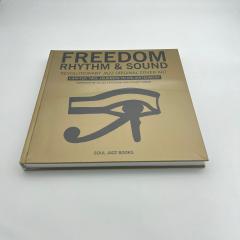
Gilles Peterson & Stuart Baker - Freedom, Rhythm & Sound CHAPTER TWO: Revolutionary Jazz Cover Art

Freedom, Rhythm and Sound showcases the stunning graphic works of independently published jazz record cover designs in the 1960s, 70s, 80s and beyond, from radical jazz musicians such as Sun Ra, John Coltrane, Pharoah Sanders, The Art Ensemble of Chicago and others. This second Freedom, Rhythm and Sound book is a new ‘chapter’, featuring hundreds more unique, rare and beautiful jazz record cover designs.

This book documents the continued development in jazz as African-American artists set out on new journeys to enlightenment, heading out into Europe at the end of the 1960s. The artwork of these (often self-produced) record cover designs during this era reflected their radical agenda, spiritual awareness and singular search for musical and personal freedoms. From raw, DIY aesthetics to lyrical and poetic illustrations, sometimes containing futuristic worlds and ancient landscapes, the designs are always bold, strikingly graphic, and most importantly capture the spirit of the music, giving them a unique beauty. The book also includes sections on African-American poets and writers, Civil Rights and Black Power Movement leaders (Martin Luther King, Malcolm X) and early musical pioneers (Yusef Lateef, Max Roach, Art Blakey and others), all of which helped influence and shape the world of radical and spiritual jazz from the 1960s and onwards to its rebirth today. Since the 1980s, Gilles Peterson has been a pivotal figure in the club scene, renowned for his genre-defying approach to music with jazz at its core. As one of the UK’s most iconic DJs, he has spent over 40 years shaping music trends as a radio presenter, club DJ, producer, and festival curator.

He hosts a flagship show on BBC Radio 6 Music and, in 2016, launched Worldwide FM. He is founder of the Worldwide Festival in the South of France and We Out Here festival in the UK. He runs the label Brownswood Recordings, dedicated to discovering and promoting new talent and bringing fresh voices to the global stage. Stuart Baker founded Soul Jazz Records in 1992. For more than 30 years the record company has released over 500 records covering a genre-defying array of non-mainstream musical worlds – Jazz, Reggae, Punk, Latin, Brazilian, Disco, African, Gospel, Acid House and more.

In 2017, part of Stuart Baker’s jazz record collection (much of which appears in Freedom, Rhythm and Sound) was featured and displayed as part of the Soul of a Nation: Art in the Age of Black Power exhibition at Tate Modern in London, and subsequently at The Broad in Los Angeles (2019) and Brooklyn Museum (2019). Soul Jazz Books launched in 2007, a similarly diverse and critically acclaimed publishing house with graphic art, culture and photography titles that include ‘Voguing and The House Ballroom Scene of New York’, ‘Dancehall – The Rise of Jamaican Dancehall Culture’, ‘Yo! The Early Days of Hip-Hop’, ‘Freedom, Rhythm and Sound – Revolutionary Jazz Cover Art 1965-83’, ‘Punk 45 – The Singles Cover Art of Punk 1976-80’ and others. Reviews of the first Freedom, Rhythm and Sound: “A remarkable book” The New Yorker “If there can be such a thing as a revolutionary coffee table book, Freedom Rhythm & Sound is it―a chance to wallow in the Afrocentric visual language of the non-mainstream black jazz vinyl of this extraordinary fertile and creative period.” Eye “Like the uncompromising music they represent, all the covers broadcast a sense of bold, brazen ideology” Pitchfork “A definitive account of a complex passage of cultural upheaval.” The Independent “For decades, no one was sure how to refer to this extraordinary music.

Calling it ‘fire music’ does justice to its incandescent spirit, still burning from the pages of a book that preserves the memory of a special time.” The Guardian “These sleeves are the original independent legacy to America’s premier art form – Jazz. In terms of African-American cultural expression they are part of a long line of thought that was charged in the 1960s by John Coltrane, Martin Luther King, Ornette Coleman, Malcolm X and others” The Wire “A hefty compendium of radical jazz cover art” Mojo

out of Stock

Order now and we will order the item for you at our supplier.

34,87

Last In: 29 days ago
Zé Ibarra - Afim

Zé Ibarra

Afim

12inchMRBLP324T
Mr Bongo
29.10.2025

Mr Bongo proudly presents, ‘AFIM’, the second solo album by one of Brazil’s most exciting new talents, Zé Ibarra. You may be familiar with the hypnotic, entrancing tones of Ibarra’s vocals through his work with the Latin Grammy award-winning, four-piece, Bala Desejo and the band Dônica. He has also toured with the musical titan, Milton Nascimento, performing guitar and vocals, which is quite the honour and a testament to Ibarra's craft. As a solo artist, he has performed headline solo shows in Japan, Portugal and the US, as well as recently completing a support tour with the great, Seu Jorge.

‘AFIM’ is comprised of eight tracks, featuring Zé’s own compositions as well as cover versions of tracks by contemporaries and friends, Sophia Chablau, Tom Veloso, and Dora Morelenbaum. It combines elements of MPB, jazz, pop and progressive rock in a bold, authoritative style. The album represents the intersection between different facets of the artist, from the stripped-down, intimate, guitar singer-songwriter, to dense arrangements with sweeping strings sections. Writing this album allowed Ibarra "to explore sides of myself that had not yet been organized in an album: a certain darkness, a more cinematic musicality, a desire for new soundscapes.

The album features the single, 'Transe', a song with an instantly comforting tone reminiscent of classic Brazilian songs of the past (think Caetano Veloso). It is built on a rhythmic guitar that supports dynamic sound layers, opening space for Ibarra's intense interpretation. Cinematic atmospheres that lend an air of mystery come courtesy of string arrangements by Jaques Morelenbaum.

His unique cover version of Sophia Chablau's 'Segredo' is equally compelling, taking Sophia's punky-indie original in a different direction and making it feel like his own. 'Essa Confusão', a song celebrating the intensity of love and co-written by Dora Morelenbaum, is steered into epic, 70's AOR, singer-songwriter territory with wind arrangements by Ibarra, Jorge Continentino and strings by Jaques Morelenbaum.

The album is the result of the collaboration of experienced musicians and long-time partners of Ibarra. Fellow Bala Desejo and Dônica member Lucas Nunes co-produced the album. The core band featured on the record consists of Lucas Nunes on organs, Alberto Continentino on bass, Daniel Conceição and Thomas Harres on drums and percussion, Rodrigo Pacato on additional percussion, Chico Lira on Fender Rhodes and Guilherme Lírio on guitar.

The overall feel of the record is archetypically quintessential without slipping into retro mode. It is a stunning album from one of the finest musicians of his generation. A true star of Brazil’s blooming contemporary scene.

out of Stock

Order now and we will order the item for you at our supplier.

27,10

Last In: 17 days ago
Various - Dolores: Salsa & Guaracha From 70's French West Indies

In Guadeloupe, many people think that jazz and ka music are like a ring and a finger. To some extent, the same could be said about so called Latin music and the music played in the French West Indies.

Both aesthetics were born in the Caribbean and bear so many connections that they can easily be considered cousins. In constant dialogue, there are lots of examples of their fruitful alliance and have been for a while. The English country dance that used to be practiced in European lounges came to be called kadrille in Martinique and contradanza in Cuba. They both featured additional percussion instruments inherited from the transatlantic deportation. Drawing from shared feelings about the same traumatized identity – later to be creolized – it would be hard not to assume that they were meant to inspire each other. The golden age of the orchestras that graced the Pigalle nights during the interwar period further proves the point. As soon as the 1930s, Havana-born Don Barreto naturally mixed danzón and biguine music in a combo based at Melody's Bar. In the following decade, Félix Valvert, a conductor who was born and raised in Basse-Terre in Guadelupe, also worked wonders in Montparnasse with La Coupole, which was an orchestra made up of eclectic musicians. Afro- Caribbean performers of various origins were often hired on rhythm and brass sections in jazz bands, which used to enliven the typical French balls of the capital. In the 1930s and onwards, Rico’s Creole Band was one of them.


Martinican violinist-clarinettist Ernest Léardée, who would become the king of biguine music as well as the main figure of French Uncle Ben's TV commercials (a dark stigma of post-colonial stereotypes), had musicians from the whole Caribbean sphere play at his Bal Blomet – and they all enchanted "ces Zazous-là" (according the words of Léardée's biguine-calypso piece). In les Antilles (French for French West Indies), music history started to speed up in the 1950s, when trade expanded and radio stations grew bigger. The Guadelupean and Martiniquais youth tuned in their old galena radio sets to South American and Caribbean music. As for the women traders, les pacotilleuses, they bought and sold goods across different islands (the "passing of items through various hands" was thought to be most pleasurable) and brought back countless sounds in their luggage. Such was the case of Madame Balthazar, who once returned from Puerto Rico with the first 45rpm and 33rpm to ever enter Martinique.

Out of this adventure was created the famous Martinican label La Maison des Merengues, a music business she opened and undertook with her husband and which proved to be a major landmark. At the end of the 1950s, in Puerto Rico, Marius Cultier competed in the Piano International Contest playing a version of Monk's Round 'Midnight. He won the first prize and this distinction foreshadowed everything that was to come. Cultier, the heretic Monk of jazz, was quickly praised for writing superb melodies, always tinged with a twist that conferred a unique sound to his music. It didn't take long for the gifted self-taught musician to get to play with Los Cubanos, making a name for himself thanks to his impressive maestria on merengues.

The rest is history. Besides, in the late 1950s, Frantz Charles-Denis, born into the upper middle class in Saint-Pierre and better known by his first name Francisco, went back home after working at La Cabane Cubaine – a club located rue Fontaine where he had caught the Latin fever. Francisco's music was therefore heavily marked by his Cuban cousins' influence, which gave the combos he led a specific style and also led to renewal. Things were swinging hard in La Savane, located in the main square in Fort-de-France. He set up the Shango club close by and tested out the biguine lélé there, a new music formula spiced up with Latin rhythms. Soon afterwards, fate had him fly to Puerto Rico and Venezuela.

As for percussionist Henri Guédon (percussions were only a part of his many talents), he was born in Fort-de-France in May 22nd 1944, the day marking the celebration of the abolition of slavery. As an old man, he could remember that in " his father's Teppaz, a lot of hectic 6/8 music was constantly playing...". In the opening lines of his Lettre à Dizzy, a small illustrated collection of writings published by Del Arco, he highlighted the huge impact that cubop had on him as a teenage boy, around 1960. He eventually turned out to be the lider maximo in La Contesta, a big band steeped in Latin jazz. He was also the one who originated the word zouk to describe music which brought the sound of the New York barrio to Paris. It was the culmination of a journey that started in Sainte-Marie: "a mythical place for bélé, the equivalent of Cuban guaguancó". In the early 1960s, the tertiary economy developed to the detriment of agriculture. Yet rural life was where roots music emerged in Martinique and in Guadeloupe.

Record companies played a major part in the process of Latin versions sweeping across the islands – before reaching everywhere else. Producer Célini, boss of the great Aux Ondes label, and Marcel Mavounzy, both the head of Émeraude records - a firm which was founded in 1953 - as well as the brother of famous saxophonist Robert Mavounzy, were big names to bear in mind. Although there were many of them - all of whom are featured on this record - Henri Debs was definitely the major figure in the recording adventure. He proved to be so influential that he even got compared to Berry Gordy. In the mid 1950s, when he acquired his first Teppaz, he worked on his first compositions: a bolero and a chachacha. Then, he became the one man who made people discover Caribbean music, from calypso to merengue. He was among the first ones to rush out to San Juan, Puerto Rico, to buy records and distribute them through a store run by one of his brothers in Fort-de-France. He had members of the Fania All Star come and perform there, which he was madly proud about. He was also the first one to pay attention to Haitian music, such as compas direct and various other rhythms which would soon flood the market. As a result, many of the combos hitting his legendary studio would end up boosted by widespread "Afro-Latin" rhythms. However, he never denied his identity: gwo ka drums were given a major role, although they were instruments which had long been banned from the "official" music spheres. The present selection bears witness to such a creative swarming. Here are fourteen tracks of untimely yet unprecedented cross-fertilization: all types of music rooted in the Creole archipelago have found their way, whatsoever, to the tracklisting. Whether originating from the city or being more rural, they all go back to what Edouard Glissant, in an interview about the place of West Indian music in the Afro-American scope, called "the trace of singing, the one which got erased by slavery." "It is so in jazz, but also in reggae, calypso, biguine, salsa... This trace also manifests through the drums, whether Guadelupean, Dominican, Jamaican or Cuban... None of them being quite the same. They all point to the idea of a trace, seeking it out and connecting to each other through it. This is the hallmark of the African diaspora: its ability to create something new, in relation to itself, out of a trace. It may be the memory of a rhythm, the crafting of a drum, a means of expression which doesn't resort to an old language but to the modalities of it." The opening track features one of the emblematic orchestras of this aesthetic identity, criscrossing many music types from the archipelago. The 1974 Ray Barretto guajira – Ray Barretto was a major New York drummer influenced by Charlie Parker and Chano Pozzo – is magnificently performed by Malavoi, a legendary Fayolais group (i.e from Fort-de-France). Additionally, the compilation ends on a piece by Los Martiniqueños de Francisco. It symbolically closes the circle as it is a genuine potomitan of Martinique culture which also functions as a tireless campaigner for Afro-Caribbean music. Practicing the danmyé rounds (a kind of capoeiria) to the rhythm of the bèlè drum, it delivers a terrific Caterete, a kind of champeta of Afro- Colombian obedience which was originally composed by Colombian Fabián Ramón Veloz Fernández for the group Wgenda Kenya. The icing on the cake is Brazilian Marku Ribas, who found refuge in Martinique in the early 1970s, bringing his singing to the last trance-inducing track. These two "versions" convey the whole tone of a selection composed of rarities and classics of the tropicalized genre, swarming with tonic accents and convoluted rhythms. It is the sort of cocktail that the West Indians never failed to spice up with their own ingredients. For instance, the Los Caraïbes cover of Dónde, a famous Cuban theme composed by producer Ernesto Duarte Brito, has a typical violin and features renowned Martinique singer Joby Valente and his piquant voice.


The track used to be – or so we think – their only existing 45rpm. The meaningful Amor en chachachá by L'Ensemble Tropicana, a band which included Haitian musicians among whom was composer and leader Michel Desgrotte, also recalls how Latin music was pervasive in the tropics in the mid-1960s. They were the ones keeping people dancing at Le Cocoteraie in Guadelupe and La Bananeraie in Martinique. Around the same time, another "foreign" band, Congolese Freddy Mars N'Kounkou's Ryco Jazz, achieved some success on both islands by covering Latin jazz classics – such as their adaptation of Wachi Wara, a "soul sauce" by Dizzy Gillespie and Chano Pozo whose interweaving of strings and percussions can have anyone hit the dancefloor. How can you resist Dap Pinian indeed, a powerful guaguancó by Eugene Balthazar, performed by the Tropicana Orchestra and published by the Martinique-founded La Maison des Merengues? It also acts as a symbol of the maelstrom at work. Going by the name Paco et L'orchestre Cachunga, Roger Jaffory used to play guaguancó too: his Fania-inspired Oye mi consejo is one example of his style. Baila!!!!! Dancing was also one of the Kings' focus points. Oriza is a Puerto Rican bomba and a "classic" originally composed by Nuevayorquino trumpeter Ernie Agosto, which reserves major space for brasses, giving it a special sheen.

Emerging from the New York barrios crucible was also La Perfecta, a Martinique group originating from Trinidad, whose name directly references the totemic Eddie Palmieri figure as well as his own band, also called La Perfecta. Here they borrow Toumbadora from Colombian producer and composer Efraín Lancheros and interpret it by emphasizing percussions, which set fire to the track even more than the wind instruments. The same goes for Martinique's Super Jaguars, who use Tatalibaba – a composition by Cuban guitarist Florencio "Picolo" Santana which was made famous by Celia Cruz & La Sonora Matencera – as a pretext for sending their cadences into a frenzy. In a more typically salsa vein, the Super Combo, a famous Guadelupean orchestra from Pointe-Noire that was formed around the Desplan family and had Roger Plonquitte and Elie Bianay on board, adapt Serana, a theme by Roberto Angleró Pepín, a Puerto Rican composer, singer and musician also known for his song Soy Boricua. Here again, their vision comes close to surpassing the original. In the 1970s, L'Ensemble Abricot provided a handful of tracks of different syles, hence reaching the pinnacle of the art of achieving variety and giving pleasure. They played boleros, biguines, compas direct, guaguancó and even a good old boogaloo - the type they wanted to keep close to their hearts for ever, "pour toujours", as they sang along together in one of their songs. Léon Bertide's Martinican ensemble excelled at the boogaloo which had been composed by Puerto Rican saxophonist Hector Santos for the legendary El Gran Combo.


Three years later, in 1972, Henri Guédon, with the help of Paul Rosine on the vibraphone, tackled the Bilongo made famous by Eddie Palmieri. Such a classic!!!!! And so were the Aiglons, the band from Guadelupe: choosing to execute Pensando en tí, a composition by Dominican Aniceto Batista, on a cooler tempo than the original, they noticeably used a wonderfully (un)tuned keyboard in place of the accordion. On the high-value collectible single – the first one released by Les Aiglons under the Duli Disc label – there is a sticker classifying the track under the generic name "Afro". Now that is what we call a symbol. Jacques Denis

out of Stock

Order now and we will order the item for you at our supplier.

21,43

Last In: 30 days ago
Tommy Guerrero - Loose Grooves & Bastard Blues LP

2025 Repress

Loose Grooves & Bastard Blues is Tommy Guerrero's sublime debut. Of this beloved masterpiece, the legendary skater himself says: "my 1st album. It was never meant to be released. I was just recording for the fun of it.. still my fave. Oh so naive..." And you know what? It's definitely Be With's fave too. An astonishingly great record. A chill, blissful, deeply moving album, it was rightly garlanded as an instant classic.

A laidback, fusionistic ride replete with loopy drum tracks underpinning Tommy's trademark reflective guitar stylings, Loose Grooves & Bastard Blues remains powerfully evergreen. Originally released in 1997, there's elements of jazz, trip hop, rock and downtempo groove. All shot through with a heavy dose of soul. Thirteen tracks of lo-fi (mostly) instrumental freshness fused with Cuban, Latin and blues, it's a must for fans of Money Mark, J Dilla, RJD2, DJ Shadow and Pete Rock. As ever with Tommy's records, the title sums up the music contained within most aptly. And writing about his songs, his vibes, is one of the trickier things to do, it has to be said. It's just all gorgeous!

A total vibe throughout, to blast Loose Grooves & Bastard Blues is a majestic experience, one that suits a start-to-finish listen and renders the picking out of highlights totally redundant. Featuring nagging, deeply melodic guitar lines - both electric and acoustic - over simple rhythms with such sumptuous elegance, the hypnotic playing against unrushed percussion releases a crystal clear stream of healing frequencies. It's ust divine. This album laid the blueprint from which Tommy Guerrero would subsequently explore further on A Little Bit of Somethin' and Soul Food Taquiera.

Meticulously remastered and cut by both Simon Francis and Cicely Balston respectively, it has been pressed to the highest possibly quality at Record Industry in Holland. The original and iconic sleeve, designed by Natas Kaupas, has been restored here at Be With HQ as the finishing touch to this long overdue re-issue.

out of Stock

Order now and we will order the item for you at our supplier.

23,82

Last In: 16 months ago
Various - Eccentric Soul: The Dynamic Label 2x12"
  • A1: Commands – Hey It's Love
  • A2: Little Jr. Jesse & The Tear Drops – Give Your Love To Me
  • A3: Tonettes – I Gotta Know
  • A4: Doc & Sal – Can't Get You Offa My Mind
  • A5: Commands – I've Got Love For My Baby
  • A6: Willie Cooper & The Webs – You Don't Love Nobody
  • A7: Little Jr. Jesse & The Tear Drops – Ain't No Big Thing
  • B1: Commands – No Time For You
  • B2: Webs – Little Girl Blue
  • B3: Tonettes – My Heart Can Feel The Pain
  • B4: Doc & Sal – Cry & Wonder Why
  • B5: Commands – Don't Be Afraid To Love Me
  • B6: Willie Cooper & The Webs – I Can't Take No More
  • B7: Don & The Doves – Together
  • C1: Webs – Don't Ever Hurt Me
  • C2: Commands – Must Be Alright
  • C3: Bobby Blackmon & The Soul Express – She's Gotta Have Soul
  • C4: Doc & Sal – Laughing To Keep From Crying
  • C5: Webs – Try Loving Me
  • C6: Commands – Too Late To Cry
  • C7: Doc & Sal – My Dream
  • D1: Little Jr. Jesse & The Tear Drops – If You Don't Love Me
  • D2: Webs – Can't Let You Go
  • D3: Commands – A Way To Love Me
  • D4: Little Jr. Jesse & The Tear Drops – It Keeps Rainin
  • D5: Don & The Doves – I Need You
  • D6: Bobby Blackmon & The Soul Express – You'll Find Another
  • D7: Commands – Around The Go-Go

Whipped up in the dust of Rene & Rene’s Tejano tornado “Angelito,” the Dynamic label was just one among San Antonio record and real estate mogul Abe Epstein’s enterprises. Dynamic’s flagship outfit, the Commands, marched “No Time For You” up to the middle of the charts in 1966 with performance chops honed jet-sharp by the demanding Air Force Base circuit. That take off paved a runway for 20 more soulful Dynamic singles over an impressive 30-month campaign. Epstein’s open-door policy brought a diverse cross-section of Texas talent into convergence within his General McMullan Drive studio, as whites, blacks, and Latinos alike suited up for service in whichever new group the call of duty called for. Epstein’s Alamo City melting pot is ladled out here in 21 (28 on the 2LP) of Dynamic’s most intriguing dishes by the Tonettes, Little Jr. Jesse & the Tear Drops, Don & the Doves, Willie Cooper & the Webs, Bobby Blackmon & His Soul Express, and Doc & Sal. Lone Star pic sleeves, full-color dancehall photography, and rich ephemera plant a new flag for soul in soil that’s seen its share of hoisted banners.

pre-order now28.03.2025

expected to be published on 28.03.2025

35,92
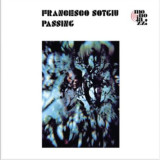
FRANCESCO SOTGIU - Passing 2x12"

Francesco Sotgiu

Passing 2x12"

2x12inchMJC129005LP
Mono Jazz
21.03.2025
  • A1: Caravan (Tizol, Ellington) 5:50
  • A2: Wishes (F. Sotgiu) 3:05
  • A3: Ballad For Aisha (Tyner) 5:11
  • A4: Stranatole (F. Sotgiu) 2:50
  • B1: Black Bats And Poles (Walrath) 4:14
  • B2: 7Th Street (F. Sotgiu) 4:48
  • B3: Wise One (Coltrane) 3:24
  • A1: Afro Blue (Santamaria) 3:37
  • A2: Duke Ellington’s Sound Of Love (Miingus) 4:48
  • A3: Take Five (Desmond) 5:00
  • A4: Lotus Blossom (Strayhorn) 1:06
  • B1: Passing (F. Sotgiu, L. Bonafede) 7:09
  • B2: Calm (F. Sotgiu) 4:35
  • B3: My Foolish Heart (Washington, Young) 6:37

Francesco Sotgiu has forged a unique and very swinging project of songs. With a quintet consisting of Luigi Bonafede on piano, Emanuele Cisi and Riccardo Luppi on woodwinds, Salvatore Maiore on bass, Francesco on drums, and with special guest Paolo Fresu on trumpet to cap off this heartfelt collection. There is also a nice diversity of groups within this larger collection. A nice trio piece called “Calm” featuring Paolo Birro sitting in with Marco Micheli and Francesco. And one called “Lotus Blossom” where Francesco shows his considerable skills and soul on violin. But the bulk of the material is straight-ahead jazz and is totally swinging and soulful, proving that jazz has no borders and is a worldwide language to which Francesco has added to that tradition with this project and all the great voices he has included here. Bravo maestro.

This is the comment of Gil Goldstein, American accordion player who won 5 Grammys and collaborated with giants such as Gil Evans, Wayne Shorter, and Michel Petrucciani.

This record was recorded in the middle of the pandemic times, and most of the work for preparing this record took place via the telephone: the selection of the songs on paper, the exchange of ideas on arrangements, staff and instruments, a sort of “phone rehearsal” of the structure of the songs, with the choice of a solo; everything else, everything that will happen in the recording sessions, is the result of a controlled improvisation, a jam session masterfully captured in the studio through the use of well-positioned ribbon microphones.

This is why “Passing,” literally “passing” or “crossing”: because the musicians have gone through listening to these songs as teenagers, and find themselves today, as a mature meeting of old friends who create an informal game made of nostalgic fun, great personality, confrontation, and deep spirituality. In the classic “Caravan” by Ellington and Tizol or “Afro Blue” by Mongo Santamaria, Coltrane toning, the Latin accent of the rhythm section supports the interpretation of the theme and the interplay in the solos between the soprano and tenor saxophones by Cisi & Luppi, and the piano by Bonafede.

A certain elegance in the execution distinguishes pieces such as Duke Ellington’s “Sound of Love,” yet another tribute by Mingus to the Duke, with a calibrated solo on the double bass of Maiore and the flute by Luppi, the immortal “Take Five” by Paul Desmond, with the highlighted soprano by Cisi, “Wishes,” “7th Street,” and the eponymous “Passing,” all pieces composed by Sotgiu, characterized by the precise medium/fast drive of the drums and a certain “cinematic” taste of the main themes.

In songs such as “Black Bats and Poles,” composed by trumpeter Jack Walrath for the Mingus Orchestra, and in “Stranatole,” an original piece in which Sotgiu writes a theme of Monk’s influence and enjoys overturning the traditional “Anatole Jazz” structure, the quintet opts for an effective hard bop language, with exciting moments of dazzling virtuosity in Bonafede’s solo. While in Coltrane’s “Wise One” and McCoy Tyner’s “Ballad for Aisha,” we enter a modal, mystical, and ceremonial jazz, of a cosmic depth, which seems to hover in the sweet volume of the great hall of the recording studio. These are truly magnificent interpretations.

A special separate mention for two classics such as “My Foolish Heart” by Victor Young, performed in trio by Sotgiu, Maiore, and the unmistakable trumpet by Paolo Fresu, and the (unfortunately very short) “Lotus Blossom” by Billy Strayhorn and Duke Ellington, which in the piano-violin duo of Birro and Sotgiu, in a minute gives a suspended momentary magic, sums up the roots of African-American jazz music, and also referencing an old-fashioned Italian musical sensitivity, typical of Nino Rota’s music for Federico Fellini’s films.

pre-order now21.03.2025

expected to be published on 21.03.2025

26,47
VARIOUS - ECCENTRIC SOUL: THE DYNAMIC LABEL LP 2x12"
  • Don't Be Afraid To Love Me
  • I Can't Take It No More
  • Together
  • Don't Ever Hurt Me
  • Must Be Alright
  • She's Gotta Have Soul
  • Laughing To Keep From Crying
  • Try Loving Me
  • Too Late To Cry
  • My Dream
  • If You Don't Love Me
  • Can't Let You Go
  • A Way To Love Me
  • It Keeps Rainin
  • I Need You
  • You'll Find Another
  • Around The Go-Go
  • Hey It's Love
  • Give Your Love To Me
  • I Gotta Know
  • Can't Get You Offa My Mind
  • I've Got Love For My Baby
  • You Don't Love Nobody
  • Ain't No Big Thing
  • No Time For You
  • Little Girl Blue
  • My Heart Can Feel The Pain
  • Cry & Wonder Why

Whipped up in the dust of Rene & Rene's Tejano tornado "Angelito," the Dynamic label was just one among San Antonio record and real estate mogul Abe Epstein's enterprises. Dynamic's flagship outfit, the Commands, marched "No Time For You" up to the middle of the charts in 1966 with performance chops honed jet-sharp by the demanding Air Force Base circuit. That takeoff paved a runway for 20 more soulful Dynamic singles over an impressive 30-month campaign. Epstein's open-door policy brought a diverse cross-section of Texas talent into convergence within his General McMullan Drive studio, as whites, blacks, and Latinos alike suited up for service in whichever new group the call of duty called for. Epstein's Alamo City melting pot is ladled out here in 21 (28 on the 2LP) of Dynamic's most intriguing dishes by the Tonettes, Little Jr. Jesse & the Tear Drops, Don & the Doves, Willie Cooper & the Webs, Bobby Blackmon & His Soul Express, and Doc & Sal. Lone Star pic sleeves, full-color dancehall photography, and rich ephemera plant a new flag for soul in soil that's seen its share of hoisted banners.

pre-order now28.02.2025

expected to be published on 28.02.2025

28,78
Delinquent Habits - Here Come The Horns LP 2x12"

Delinquent Habits’ 1998 album Here Come The Horns is a standout in the world of Latin-infused hip-hop, blending bilingual lyrics, smooth beats, and a vibrant mariachi-inspired sound. The album builds on the group’s unique style, featuring bold horn sections, infectious rhythms, and their signature West Coast vibe. Tracks like “This Is L.A.” and the title track “Here Come The Horns” highlight the trio’s lyrical prowess and creative fusion of traditional Latin sounds with modern hip-hop elements. The album showcases their ability to deliver socially conscious messages with a party-ready energy, making it both thought-provoking and entertaining. Here Come The Horns cemented Delinquent Habits’ reputation as trailblazers in the genre, earning them acclaim for their innovative approach. For fans of Latin hip-hop, this album is a must-listen, offering a timeless blend of cultural pride and musical innovation.
Here Come The Horns is available as a limited edition of 1500 individually numbered copies on red coloured vinyl.

pre-order now31.01.2025

expected to be published on 31.01.2025

39,08
Mirko Casalini presenta Tasty Treats Squad - Fusione Sul Groove

Tasty Treats Squad is a new project created by Mirko Casalini for his label Tasty Treats Records.

The track is a blend of latin,blues and jazz influences blended on this groovy bassline.

B-side mix,with a powerful drums section and more percussions elements,has been touched by Mirko to create a dancefloor oriented version of the track.

out of Stock

Order now and we will order the item for you at our supplier.

10,50

Last In: 15 months ago
Las Palabras - Fe LP

Las Palabras

Fe LP

12inchLC102LPW
La Castanya
13.12.2024

Rafael Cohen’s Spanish-language solo project Las Palabras gives the D.C. punk scene veteran and member of dance-rock group !!! (Chk Chk Chk), the words to reveal himself as a Latin alternative artist and what he calls “a cautious believer”. Fe, Faith his second Las Palabras album, and first on the Barcelona label La Castanya, “deals with what it means to have faith, what it means to have doubts, and what it means to stay open to the idea that something untouchable and unknowable may exist”.
Written and produced by Cohen in his home studio in Brooklyn and mixed by Black Pumas guitarist Adrian Quesada, Fe builds on nylon-string guitar and electric bass with live drums and synthesizers in songs that embrace elements of 70s Brazilian funk and an amalgam of beats from hip hop to bachata, interspersed with contemplative ballads on which Cohen’s voice and guitar can be quiet enough to hear the rumble of a bus going by in the background.
“Fe” is colored by musical influences that include those Brazilian grooves, but also shades of Sade, Sounds of Blackness and eighties electro funk group Zapp. The arrangements spotlight the rhythm section, with drums played by Chris Egan (!!!, Solange, Blood Orange) and featuring Alberto Lopez (LCD Soundsystem, Stanley Clarke) on percussion. Cohen credits Adrian Quesada for the album’s warm, worn-in tone: “He made the beats sound a lot bigger and gave it an ’80s hip hop feel. He really understood the references and brought his background in Latin music to it”

pre-order now13.12.2024

expected to be published on 13.12.2024

21,81
Las Palabras - Fe LP

Las Palabras

Fe LP

12inchLC102LP
La Castanya
13.12.2024
  • A1: Escudo Y Espada
  • A2: La Misma Luna (Feat. Angélica Garcia)
  • A3: De Nuevo Otra Vez
  • A4: El Año Del Dragón (Feat. Σtella)
  • A5: No Se Puede
  • B1: La Catarata
  • B2: También
  • B3: Espejismo
  • B4: Por Qué
  • B5: Fe
also available

White Vinyl[21,81 €]


Rafael Cohen’s Spanish-language solo project Las Palabras gives the D.C. punk scene veteran and member of dance-rock group !!! (Chk Chk Chk), the words to reveal himself as a Latin alternative artist and what he calls “a cautious believer”. Fe, Faith his second Las Palabras album, and first on the Barcelona label La Castanya, “deals with what it means to have faith, what it means to have doubts, and what it means to stay open to the idea that something untouchable and unknowable may exist”.
Written and produced by Cohen in his home studio in Brooklyn and mixed by Black Pumas guitarist Adrian Quesada, Fe builds on nylon-string guitar and electric bass with live drums and synthesizers in songs that embrace elements of 70s Brazilian funk and an amalgam of beats from hip hop to bachata, interspersed with contemplative ballads on which Cohen’s voice and guitar can be quiet enough to hear the rumble of a bus going by in the background.
“Fe” is colored by musical influences that include those Brazilian grooves, but also shades of Sade, Sounds of Blackness and eighties electro funk group Zapp. The arrangements spotlight the rhythm section, with drums played by Chris Egan (!!!, Solange, Blood Orange) and featuring Alberto Lopez (LCD Soundsystem, Stanley Clarke) on percussion. Cohen credits Adrian Quesada for the album’s warm, worn-in tone: “He made the beats sound a lot bigger and gave it an ’80s hip hop feel. He really understood the references and brought his background in Latin music to it”

pre-order now13.12.2024

expected to be published on 13.12.2024

19,75
ACID MOTHERS TEMPLE & THE COSMIC INFERNO - Starless And Bible Black Sabbath LP

Continuing our quest to get all of the classic early AMT albums released on vinyl, we turn to 2006’s ‘Starless And Bible Black Sabbath’, and with the help of Makoto Kawabata’s studio wizardry, we’ve made it possible.

This latest instalment in the ‘Acid Mothers Temple Vinyl Archives - First Time On Vinyl’ series (as with the three previous SOLD OUT releases in the series) have all been meticulously put together with the help of Makoto Kawabata with the original CD artwork recreated for these vinyl editions from archive photos stored in the vaults at the Acid Mothers Temple in Osaka, Japan and the original audio remastered by James Plotkin.

Here’s what "Brainwashed" had to say upon it’s original CD only release back in 2006 …

“The title track is the meat of the beast, beginning with a minute of booms and gongs reminiscent of a thunderstorm before launching into some slow, heavy Sabbath-esque riffs. Squealing guitar and synth effects accompany the vocals of bassist Tabata Mitsuru, whose voice captures some of the sound and feeling of Ozzy's more than it does the melody. The pace is slower than most AMT fare, but things speed up considerably around the eight and a half minute mark. The group convincingly imitates the Sabbath guitar sound here and the rhythm section is particularly tight, giving listeners something on which to hang their ears or even providing them with a chance to gasp for air during Makoto's guitar explorations. Around the sixteen minute mark, everything comes to a wailing halt before the band returns to the dirge-like tempo that started the song. This pattern continues for the duration of the piece, until a couple of minutes before the ending, when the group makes a smooth transition to acoustic guitar and processed vocals to cool down.

Clocking in at nearly thirty-five minutes, the length alone may tax some listeners. However, the second track, "Woman From A Hell, "provides relief, which with a running time of six minutes is uncommon in the Acid Mothers canon for its brevity. This one condenses many of the ideas of the title track, and accomplishes much of the same evocation of Sabbath, but with the vocals in a more prominent role. The disc comes full circle, ending with thunderstorm sounds much like theones which started the album. Though the title track could have been shortened and perhaps an additional track included, this album remain some of the group's more accessible releases in some time and should please fans old and new alike.

According to the group's website, Makoto is reviving the Melting Paraiso U.F.O. line-up after a year of recording and touring with the Cosmic Inferno. This is a shame of sorts, since the Cosmic Inferno infused a much-needed vitality to the group that it had lacked since the departure of vocalist Cotton Casino. Yet the reformed Melting Paraiso U.F.O. has the potential to be even better since, if anything, Makoto seems to be the Mother of Reinvention.”

Acid Mothers Temple & The Cosmic Inferno are: Tabata Mitsuru - Bass, Vocal, Maratab - Hiroshi Higashi - Synthesizer, Dancin' King - Shimura Koji - Drums, Latino Cool - Okano Futoshi - Drums, God Speed - Makoto Kawabata - Guitars, Speed Guru

out of Stock

Order now and we will order the item for you at our supplier.

21,81

Last In: 16 months ago
GRUPO LOS YOYI - YOYI LP

Grupo Los Yoyi

YOYI LP

12inchMRBLP286
Mr Bongo
27.09.2024

To launch Mr Bongo’s new Cuban Classic Series, we are thrilled to present this sought-after, psychedelic-funk masterpiece. A fusion of traditional Latin and Afro-Cuban rhythms meets disco, jazz, and funk, with hints of 70s soundtrack productions, this much-loved cult album featuring nine predominantly instrumental tracks is a real treasure that deserves a much wider appreciation. One look at the trippy artwork and you know it is going to be special.

Originally released in 1977 on Areito Records, a sub-label of the state-owned label Egrem, it has become one of the rarest (even in Cuba) and most in-demand albums to come from the label. It is the sole album from Grupo Los Yoyi and was composed, orchestrated, and produced by the mysterious, Jorge Soler Leó.

After Castro ring-fenced Cuba with an embargo on, among other things, Western music, the ‘Yoyi’ album had a sound more left of centre than what was normally allowed to be recorded there at the time. It subtly and covertly flirts with disco, jazz-funk, and electronic sounds coming from the US and Europe. It is probably best known for the space funk, bubbly club cut 'Paco La Calle’. A track that was edited in 2008 by the fantastic DJ / producer, Nick the Record, and one that is guaranteed to set a discerning dancefloor alight. However, ‘Yoyi’ is far from a one-track album. Other highlights include, 'Banana’, with its call and response trombone and horn section, squelchy keys, pulsating breaks and percussion, and a loose, floating vocal arrangement. 'Tu No Me Puedes Conquistar' is a beautiful, bouncing plodder with a variety of instruments interchanging as the track progresses. 'Ruta 30' takes things in a straighter Latin direction, which we are accustomed to from Cuba at that time, yet it is still full of personality, treats and vigour. Take our word for it, this album is strong throughout.

This is one of our favourites and most beloved albums to come out of Cuba and is the perfect flagship for our Cuban Classics Series. Look out for plenty more to come real soon.

out of Stock

Order now and we will order the item for you at our supplier.

27,31

Last In: 16 months ago
MITCHUM YACOUB - LIVING HIGH IN THE BRASS EMPIRE

It is with great pleasure that we announce Mitchum Yacoub's debut album Living High in the Brass Empire_ a showcase in unique stylings of tropical funk, afrobeat, cumbia, and soul; a musical patchwork threaded by a heavy, hypnotic rhythm section and powerfully vibrant horn lines. What sounds like a 12-piece ensemble was actually mostly recorded and performed by Yacoub at his home in San Diego, featuring a few close friends from local groups Sure Fire Soul Ensemble and Boostive. The horn section is comprised of Travis Klein, Bradley Nash, and Wesley Etienne (featuring Todd Simon on "Los Muñequitos"), each with distinguished performances that send the music to higher heights. Nuanced vocalist Divina Jasso lends humanity and introspection throughout the head-nodding soul sounds of "Never Knew", latin dance anthem "Cumbia Divina", and the syncopated funk of "Empire". You'll hear rhythms from Colombia, folkloric percussion of Cuba, interlocking grooves à la Fela Kuti, 70's r&b influence, and something in between it all. Drawing many inspirations into a refreshing and unified record, we think you'll enjoy Living High in the Brass Empire.

pre-order now20.09.2024

expected to be published on 20.09.2024

23,49
DROP COLLECTIVE - INSIDE LP

INSIDE is the third album (and second in a row on Brixton Records) by the respected ten-piece group from Barcelona that fuses Jamaican music and jazz. DROP COLLECTIVE bravely faces the so-called third album syndrome and makes a sincere declaration of principles, a public manifestation of their musical identity. The two sides of the album are clearly identified. Side A is Inside-Out, displaying five own-penned compositions, including three songs sung in Catalan and two in English, in which DROP COLLECTIVE make it clear what they like to do and what they are capable of offering. The album opens with "Com Estimo Jo" (The Way I Love), a reggae ballad composed by Andreu Domènech (baritone sax) that is dedicated to the growth and learning we do when we love. It is followed by "Let Us Dance", a fluid ska with Latin airs and an invitation to dance, which recaptures the sound of some of the most celebrated passages from their previous album. "Estel" (Star) is a melancholic reggae song, sung in Catalan, in homage to someone who is no longer here - "now you are the star that watches over us from up there, bright, bright". Prior to the release of this LP, four advance tracks have been published on digital platforms, but "Life's Too Short" is, perhaps, the album's single. This resounding reggae with a powerful brass section could have easily taken more elaborate instrumental and studio developments, however, the band has preferred to produce a compact track brimming with strength and lasting less than three minutes. “Ombra" (Shade) closes this side of the album with solemn roots sonorities. The B-side is Outside-In, four reinterpretations of jazz classics that DROP COLLECTIVE internalize, make their own and, therefore, also form part of their identity. The choice of pieces is hair-raising, because of the risks they take. "Yearnin'" is a cover of the song originally included in one of the most epic albums in the history of jazz, "The Blues and the Abstract Truth", by saxophonist Oliver Nelson. DROP COLLECTIVE take the song to their own territory with the skill and freshness of expert ska-jazzers and with the special collaboration of trumpeter Joan Mar Sauqué, they make one of the most famous riffs in jazz sound unashamedly contemporary and... Caribbean. "Day by Day" is an adaptation of the standard from the late forties of the last century that was part of the regular repertoire of, among others, Frank Sinatra. The result is a swinging ska love themed, sugary and romantic, with an exquisite interpretation. And to close the album, two extraordinary trials by fire for Maria del Rio, the band's vocalist, which she solves with total ease and mastery of the situation. "What a Little Moonlight Can Do", a composition by Harry Woods that the legendary Billie Holiday recorded in 1935 and which, after 90 years, still sounds fresh in up tempo ska mode, and "Sinnerman", a traditional spiritual from the early 20th century made popular worldwide by Nina Simone, becomes a lively ska-jazz with soulful touches and an infectious organ solo by Daniel Ferruz. INSIDE is an album with a compact, solid, and synchronous sound, but full of details, which gives a total sense of permanence and singularity to their skareggae- jazz mastery, in which many universes fit.

pre-order now12.07.2024

expected to be published on 12.07.2024

21,64
Los Fulanos - Blue Monday / Why Don't We Do Some Boogaloo?

Los Fulanos, Barcelona's champions of Latin Soul, are back on wax!

Miguelito Superstar, co-producer along with Manuel Dabove of their celebrated debut album, "Si esto se acaba, que siga el boogaloo", has crafted two electrifying versions that are pure fire. 'Why Don't We Do Some Boogaloo?', already a local classic, is paired with a take on New Order's legendary 'Blue Monday', which is transformed into a nearly unrecognizable Latin Funk powerhouse.

Both tracks receive special treatment, Miguelito has unearthed some key breaks from the original sessions and pushed the rhythm section front and center, making this 7" a must-have for you know who.

Latin Soul para que baile la gente!

out of Stock

Order now and we will order the item for you at our supplier.

11,35

Last In: 19 months ago
New Regency Orchestra - New Regency Orchestra LP

Announcing the debut album from one of London’s most electrifying acts, New Regency Orchestra. An 18-piece Afro-Cuban big band, inspired by the musical melting pot of NYC in the 1950s, but with the punch and power of a whole host of London’s best Latin and jazz musicians. Blowing new life into these compositions, the album is a reimagining of some of the finest music from that golden era. From early 1950s René Hernandez and Tito Puente, through to the 1970s salsa of Rafael Labasta and Orlando Marin, produced and performed with fresh fire.

NRO is the brainchild of its artistic director, and the man behind Total Refreshment Centre and Church of Sound, Lex Blondin. Through a long-held passion for jazz, Lex discovered the explosive Afro-Cuban rhythms of mid-1940s NYC via the godfather of Afro-Cuban jazz, Mario Bauzá. A time when two musical worlds collided in a fusion of creativity and energy, jazz luminaries like Dizzy Gillespie and Charlie Parker joining forces with Cuban greats like Machito and Chano Pozo. This vibrant sound was music to dance to and found a home at The New York Palladium, a formative space of freedom and expression that was key to the scene’s development.

Although dance-focussed in their makeup, those early recordings are not often heard in modern club environments and Lex dreamt of retelling their story with a contemporary dynamism. A slice of serendipity followed, as a slot at a new festival opened up and Lex jumped at the chance to make this idea a reality, an 18-piece big band breathing new life into these beloved songs.

Enlisting the expertise of some of the capital’s finest talent, Lex and co-captain Andy Wood, of Como No fame, put together a world-class line-up of talent. Bringing in Eliane Correa as musical director and bandleader, a fluid and interchanging 18-piece band was formed.

The album itself is a hand-picked selection of timeless Afro-Cuban jazz classics, reimagined with NRO’s unbridled energy. It contains ten incredible instrumental tracks including 'Pregon' with its anthemic horn stabs and the addictive head nod bounce of 'Mambo Rama', alongside two scorching vocal numbers in 'Papa Boco' and 'Labasta Llego'. Coupling a heavyweight rhythm section with a wall of horns, they provide a fresh spin on songs from Tito Puente and Chico O'Farrill, René Hernandez through to Rafael Labasta.

“Some of the tunes like Tito Puente’s ‘Mambo Rama’ and ‘Scarlet Mambo’ might sound like they went to a gym as extra drums and bass synth were added to them whilst the tune ‘Sahib & Tito’ is a mix of Tito’s ‘Mambo Buda’ and Sahib Shihab’s ‘Nus’. Our intention is to be both respectful to the innovators and inventors of this incredible music and to pay our dues, but also to add something special from London where the city’s new jazz scene connects with its Latin American musicians and the musical influences around us.”

This pure collective joy, shared experience and music you can’t help but move to.

pre-order now14.06.2024

expected to be published on 14.06.2024

25,00
Items per Page:
N/ABPM
Vinyl