In discotheques and dark rooms across Europe, Boys’ Shorts have earned the trust of the queer and wider clubbing communities as generous stewards of a timeless sound that, like themselves, never stops moving forward. The duo of Vangelis and Tareq initially met at an underground club in their native Greece. Sensing a rare sonic connection, the pair became friends, forming Boys’ Shorts to meet again and again, travelling from their adopted cities of Thessaloniki and London to appear as far afield as Berlin’s Panorama Bar and New York’s Le Bain, as well as supporting Goldfrapp and Hot Chip on tour. Their motivation? In their own words, “we make people dance!”
Following years of gradual, thoughtful studio sessions, and EP releases on tastemaking electronic labels including Phantasy Sound and Live At Robert Johnson, Boys’ Shorts establish their own imprint, ALL SORTS, in order to deliver a fantastically ambitious debut album, ‘What Does It Take To Make These Men Happy?’
The LP opens with the grandiose, cosmic vista of ‘The Space Between Us’, a classic passage of strings and synthesis, before the shared Boys’ Shorts vision falls back to earthier territory with deep groove of ‘Let’s Fall In Love’, mixing universal sentiment with a patient vision of human potential and the voice of Greek electronic pioneer, K.BHTA. ‘Come’ aligns with NYC’s Michael Cignarale, offering an excitable invitation to the mind and body sculpted by the way of a throbbing, warehouse-sized statement of nineties house sensuality. Channeling heroes Lowe and Tennant at their most introspective, ‘Short Life’ maintains the dance, yet dares to ask, “what if the parties aren’t enough anymore… Can you ask for something more?”
Out of the pet shop and straight into the strobe lights, ‘Disco Romantica’ makes true on the promise of its title, a lovelorn monologue giving way and slipping into rave stabs and whirring synthesis that looks forward to a memorable, emotionally-charged night ahead. Underpinning this feeling of anticipation, ‘Going Out Hoping To See You’ introduces the voice of Justin Strauss to Boys’ Shorts' musical world. A certified icon of club culture, spinning from The Mudd Club to modern day DJ booths, Strauss’s generation spanning experience of nightlife leans into the fundamentals of human connection and the pleasure of musical discovery, wrapped in irresistible chug.
Another transformative figure in club music, Fischerspooner’s own Casey Spooner dips into French for the Motorik cyber sleaze of ‘MECANIMAUX’, their own vocals pitching up and down with playful EBM abandon. ‘Montage’ offers a different kind of composition, conjuring an ecstatic club banger that finds inspiration in nineties indie rock motifs alongside the rave scene, while ‘Run’ promises to blow out sound systems before its weighty electro bassline succumbs to waves of glistening synths.
Such bombast into beauty perfectly sets up the record’s blissful conclusion; ‘The Stars Are Out For You’ is electro-pop so delicate as to heal aching feet (and mend broken hearts), while offering the final tender moments of the album as a form of tribute on ‘Untitled (For Mitsi)’. It’s a thoughtful ending to a thrilling trip through a shared passion for electronic and pop music in all its glorious potential. What does it take to make these men happy? It’s a pleasure to find out.
Buscar:the mud men
- 1
Willie Roy Turner a native Mississippian, migrated with his family to the South Side of the city of Chicago during the 1950’s. Initially taking up employment at the Golden Rod Ice Cream Company, his first foray into secular music arose when he was accompanied by Muddy Waters Band at Smitty’s Corner Club and performed an impressive recital of the 1959 Big Jay Neely standard “There’s Something On Your Mind” at an Open Mic Night sometime in 1963. A regular talent show entrant, Duke would eventually meet and befriend fellow Mississippian, Garland Green. Green himself had been spotted at the Trocadero Theater by the then husband and wife team of Mel Collins and “Joshie” Jo Armstead, who signed him to their Giant Enterprises production company where he recorded several excellent singles for MCA’s subsidiary, Revue and Uni labels. Green’s third Revue single release, “Ain’t That Good Enough” was composed by Jo Armstead, brothers Howard and Walter Scott and session drummer Ira Gates. It was Green who introduced Duke Turner to the Scott Brothers. The Scott Brothers Review (later known as The Scott Brothers World), one of Chicago’s most respected bands, operated their own production company, Capri Productions, producing songs on both their own and other labels artists. With the Scott’s, Duke recorded his first 45, the upbeat funk mover “Doggie Dog World” b/w “Put Some Soul In Your Dance”. The tracks penned by Duke and respected arranger Johnny Cameron was released on Don Clay’s Omega label in 1968.
Duke then formed his own company, Spinning Top Records, initially releasing “Shake Your Rang-A Tang (Rang-Dang-Du) to be followed by a second single “(Let Me Be Your) Baby Sitter”. Originally intended for release with a b-side entitled “Friendship Or Friends” the studio engineer on the project Ed Cody persuaded Duke to drop “Friendship” in favour of a part 2 version of “(Let Me Be Your) Baby Sitter”. “Friendship Or Friends” was sadly never revisited and with Duke moving to several different addresses across the ensuing years, the tapes eventually became lost. Fast forward half a century, and following a conversation with collector Malcolm Collins who divulged the existence of a acetate of “Friendship Or Friends” won on e-bay by a British collector Russell Gilbert (now living in the Netherlands), the idea of releasing the song was born. When contacted, Russell was only too happy to loan to us the acetate as a mastering reference. Upon receipt of the acetate, we realized in addition to the unreleased “Friendship Or Friends” the version of “Baby Sitter” was a longer and different mix to the released 45 version. After confirming and reacquainting Duke with his long-lost masters a licensing deal was struck which will see the long overdue release of “Friendship or Friends” along with the alternative mix of “(Let Me Be Your) Baby Sitter” as part of a 3- track EP courtesy of Soul Junction Records that also includes the original 1974 version of “Give Me Some Sugar, Baby”, a song now finding favour with the ‘Lowrider’ scene. “Give Me Some Sugar, Baby” became Duke’s signature song, which he recorded again in 1983 under the title of “Sugar Baby Your Love” with his then band ‘Torch’, which included two young musicians that Duke had previously mentored, Terry Coffey and Jon Nettlesbey, the successful 90’s songwriting partnership responsible for several RnB/Pop hits for Howard Hewitt, Alexander O’Neil, Teddy Pendergrass and Keith Washington. Their credits also include Joey Diggs “Always Coca-Cola” hit commercial jingle.
Firescope are always on the lookout for new music, searching and sieving with headphones clamped over ears. GGGG, a recent discovery, unveils a stunning debut release. The co-founder of D.Ko Records may be a fresh face when it comes to releasing, but he has a wealth of both experience not to mention talent. His album, Gazé, is testament to this.
A spread of styles and influences coalesce to create GGGG’s unique sound. Ambient. Braindance. Electronica. Techno. All are melted and forged into the new. Processed percussion is the shifting sands from which a swooping melody takes flight, a melody that bends and soars as “K-Robot OG” ascends. Crystalline chords are shaven with fizzing drums in the frenzied elation of “Cas Contact.” And this is what lies at the heart of the collection, a rapturous joy that permeates the entire record. From the complexity and grandeur of “Chien Flûte 5.1” to the considered and subtle “Mudla 2”, the brightness of the audio palette chosen gives tracks an incandescence. This “joi de vivre” glistens and glows in the more playful tones of “Broutine Lamé” and “Cat Intro.” Textures are another area of interest for GGGG. Pieces like “Slowdry” and “Trip 2 Delinc” reshape and ruffle rhythms to bring a counterpoint to form and harmony. Beats are replaced by gentle waves of sound as the twelve-work collection culminates in “Sac Ala Blofel.”
Gazé tracks a course. From the energy and frenetic rhythms of first encounters to the atmospheric embrace of the latter part of the album, there is the sense that GGGG is celebrating the astounding of the ordinary, the amazing that is contained from the routine of dawn to dusk.
- 09: Chris Bangs &Amp; Nova Vida - My Only (Geemix)
- 01: Venus Dodson - Mother Of The Future
- 02: Jacques Schwarz-Bart - Mendé
- 03: Guinu - Eletromandinga (Extended Version)
- 04: Stefano Di Santis - Nova Laze
- 05: Geew - Kyoto
- 06: Mary Greer Mudiku &Amp; Oneness Of Juju - I Face East
- 07: Alfredo Dias Gomes - Vaya Mulatto
- 08: Juju - Wanting Touch (Instrumental)
- 10: Lifetime - I&Apos;Ll Bet You Thought I&Apos;D Never Find You
- 11: Tres-Men - Samba De-La Cruz
- 12: Miho Nobuzane - Ponteio
- 13: El Caballo Y Su Orquesta - Mambo De Papi
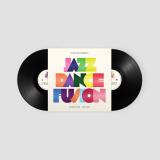
Colin Curtis Jazz Dance Fusion Vol 4
Colin Curtis is back! with another finely curated selection of the best Jazz Dance Fusion records he could find.
Volume 4 reflects a combination of new music, unreleased music, and tracks that have never been on vinyl before or have not attained the recognition they deserve. Packed with great Jazz Dance music from the UK and all around the world. The whole purpose of these compilations is to introduce you to fantastic talent and allow you to then go and explore all their works and keep this movement moving!
With brand new & exclusive releases, extremely rare tracks, and many only available on Vinyl for the first time from Brazil, Cuba, Japan, Italy, USA, UK, and beyond. Showcasing another insight into Colin Curtis's world of Jazz Dance Fusion and highlighting the sheer diversity & talent on offer from Vocal Jazz, Salsa, and Latin Spoken Word to Sambas & Fusion, It's All Here!
"Fasten your Seatbelts for a Jazztastic ride !!" - COLIN CURTIS
i 09: Chris Bangs & Nova Vida - My Only (Geemix) feat. Klei
i 09: Chris Bangs & Nova Vida - My Only (Geemix) [feat. Klei]
[i] 09: Chris Bangs & Nova Vida - My Only (Geemix) [feat. Klei]
[i] 09: Chris Bangs & Nova Vida - My Only (Geemix) [feat. Klei]
- Hallucinating Past And Future
- Descend
- Fierce Femme
- Psychic Vultures
- Planetarium Highside B
- Primitive Psyche
- Into The Ocean
- Endless Kiss
- Sometimes
- Collective Unconsciousness
Evolving from a solo-project of Christian Wilson Larsen to a dynasty including members of Serena Maneesh, Le Corbeau, Mindy Misty, Burning Motherfuckers, Next Life, Far From Tellus and Deathcrush, - Izakaya Heartbeat is seemingly a constellation in flux - complimentary to their psychedelic soundscape. Three available albums in our catalog and more on the horizon. "They do a sort of driving early/mid 90s alt rock thing, mentioning Sonic Youth, MBV, Trumans Water, Unwound, Can, Mudhoney and 100 other bands you know as influences. Their guitar sound is definitely Thurston/Lee, but unlike SY, they have members who can headbang their impressively long locks when locating a locked noise-rock groove." - Stereogum
- Close To You + Karen Is The Drummer
- I Like It When You're Happy
- I'm Sorry I'm Mentally Ill
- Mud
- This Place
- About That
- I'm Not Myself
- Tiny Specks
- The Ceiling
- Fat Pig
- I'm Sorry (Derwood Mix)
- You Keep Saying + Close To You
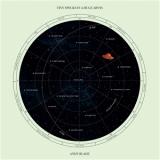
Punk pioneer/Eater main-man, Andy Blade's 7th solo album and follow up to 2024's critically acclaimed & heavily rotated, Sparks bros endorsed "Being Alive Is Fun". It is imbued with the usual left-of-centre Blade-ism's & themes: star maps, UFO's & a slightly twisted nod to tragic 70's heroine Karen Carpenter. You get what you deserve with Blade, and with Tiny Specks you are rewarded with a rich code to decipher at your leisure. Most of all, however, it is all about the quality of his songwriting. Opening track 'Karen Is The Drummer' (featuring Blade's regular singing collaborator - PseudoPomp's Katerina Sharkova) seems unsettlingly self-explanatory, but all does not seem well in the Carpenter M.O.R world - 'It's just her & her brother & her folks indifference to that girl'. Occasional Dinosaur Jr vocalist Tiffany Anders gives 'I'm Not Myself' a poppy but eerie nuance. PollyPikPocketz's Myura Amara pops up on the short but very sweet 'About That'. Matilda Scotland, Quick Romance's uber-cool punky-chanteuse - adds her Gen Z aura to the summery 'I Like It When You're Happy'. Former Generation X guitarist Bob 'Derwood' Andrews, with whom Blade has worked with consistently of late, once again features heavily on 'Tiny Specks'_ Like with Katerina Sharkova's voice, Derwood guitar lines interweave with Blade's honeyed vocal as though they made for each other. 'This Place' is another key track, capturing the claustrophobic-genocidal mood of what has been taking place in Gaza/Palestine for over two years now, and counting. 'This is not so much a protest song as it is the noise in my head'. If John Lydon is the Widow Twanky of Punk, and Billy Idol, its Elvis, then Andy Blade must surely be the Sinatra of Punk.
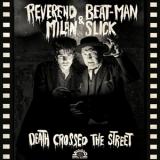
Zwei Garagen-Generationen treffen aufeinander! Reverend Beat-Man, das Schweizer Ein-Mann-Orchester und der König des Blues Trash, trifft auf Milan Slick, eine echt dunkle Seele und vielleicht Reinkarnation von Nick Cave (ach, noch zugegen)/Johnny Thunders, um Rock'n'Roll zu spielen, der so frisch und lebendig, wild und düster ist wie nie zuvor. Reverend Beat-Man und Milan Slick lernten sich 2020 inmitten der Pandemie kennen, als sie einen Soundtrack für den Vampirfilm "A Girl Walks Home Alone at Night" von Ana Lily Amirpour schrieben. Zusammen spielten sie Gigs bei Super Sonic Records oder im legendären SO36 in Berlin, um dann gemeinsam mit Beatrice Graf und Benjamin Glaus ein Album unter dem Namen "Reverend Beat-Man & The Underground" zu produzieren (im Rahmen des Rocklette PALP Festivals), eine makabre Tanzparty zum Untergang der Menschheit. Als Nächstes nahmen der superprimitive Rock 'n` Roll-Trash-Hi-Energy-Lo-Fi Reverend Beat-Man und der raffinierte, clevere, verspielte und düstere Milan Slick ihr erstes gemeinsames Album im ehemaligen Züri West Studio mit Sebastian Zwahlen und dem einzigartigen Robert Butler von Miracle Workers auf. Reverend Beat-Man ist eigentlich eine Ein-Mann-Band mit einer Mission: Blues-Trash und wilden Rock'n'Roll. Geboren 1967 in Bern, Schweiz, im Sommer der Liebe und des Hasses, ist er seit 1992 auf Tour, zuerst als Lightning Beat-Man, dann als Reverend Beat-Man One-Man-Band und mit seiner Band The Monsters. Er spielte in ganz Europa, Nord- und Südamerika, Japan, Vietnam, Neuseeland, Australien, Afrika, CBGBs, Montreux Jazz, Muddy Roots usw. Er ist der Gründer von Voodoo Rhythm Records (1992). Wäre er Politiker, würden ihn sogar seine Feinde respektieren (die Regierung). Er wurde 2014 für den Schweizer Musikpreis nominiert, gewann den lokalen Musikpreis als einflussreichster Musiker in Bern (Hauptstadt der Schweiz) und betreibt dort einen Platten- und Souvenirladen. Der Singer-Songwriter Milan Slick (Jahrgang 2004) steht noch ganz am Anfang seiner Karriere, hat aber bereits mit namhaften Künstlern wie Mario Batkovic oder Birdman Jäggi oder seiner eigenen Band Fatigues zusammengearbeitet. In seiner Musik sind Einflüsse von u.a. Nick Cave bis David Bowie zu hören, aber auch, dass sich eine eigenwillige junge Stimme herauskristallisiert, von der wir in Zukunft hoffentlich noch viel hören werden. Als Classic Black or limitiertes Glow In The Dark Vinyl, jeweils mit vierseitigem A4-Insert & DLC, Digisleeve-CD, Kassette sowie Tonband mit Extras erhältlich!
REVEREND BEAT-MAN & MILAN SLICK
DEATH CROSSED THE STREET (TAPE)
Zwei Garagen-Generationen treffen aufeinander! Reverend Beat-Man, das Schweizer Ein-Mann-Orchester und der König des Blues Trash, trifft auf Milan Slick, eine echt dunkle Seele und vielleicht Reinkarnation von Nick Cave (ach, noch zugegen)/Johnny Thunders, um Rock'n'Roll zu spielen, der so frisch und lebendig, wild und düster ist wie nie zuvor. Reverend Beat-Man und Milan Slick lernten sich 2020 inmitten der Pandemie kennen, als sie einen Soundtrack für den Vampirfilm "A Girl Walks Home Alone at Night" von Ana Lily Amirpour schrieben. Zusammen spielten sie Gigs bei Super Sonic Records oder im legendären SO36 in Berlin, um dann gemeinsam mit Beatrice Graf und Benjamin Glaus ein Album unter dem Namen "Reverend Beat-Man & The Underground" zu produzieren (im Rahmen des Rocklette PALP Festivals), eine makabre Tanzparty zum Untergang der Menschheit. Als Nächstes nahmen der superprimitive Rock 'n` Roll-Trash-Hi-Energy-Lo-Fi Reverend Beat-Man und der raffinierte, clevere, verspielte und düstere Milan Slick ihr erstes gemeinsames Album im ehemaligen Züri West Studio mit Sebastian Zwahlen und dem einzigartigen Robert Butler von Miracle Workers auf. Reverend Beat-Man ist eigentlich eine Ein-Mann-Band mit einer Mission: Blues-Trash und wilden Rock'n'Roll. Geboren 1967 in Bern, Schweiz, im Sommer der Liebe und des Hasses, ist er seit 1992 auf Tour, zuerst als Lightning Beat-Man, dann als Reverend Beat-Man One-Man-Band und mit seiner Band The Monsters. Er spielte in ganz Europa, Nord- und Südamerika, Japan, Vietnam, Neuseeland, Australien, Afrika, CBGBs, Montreux Jazz, Muddy Roots usw. Er ist der Gründer von Voodoo Rhythm Records (1992). Wäre er Politiker, würden ihn sogar seine Feinde respektieren (die Regierung). Er wurde 2014 für den Schweizer Musikpreis nominiert, gewann den lokalen Musikpreis als einflussreichster Musiker in Bern (Hauptstadt der Schweiz) und betreibt dort einen Platten- und Souvenirladen. Der Singer-Songwriter Milan Slick (Jahrgang 2004) steht noch ganz am Anfang seiner Karriere, hat aber bereits mit namhaften Künstlern wie Mario Batkovic oder Birdman Jäggi oder seiner eigenen Band Fatigues zusammengearbeitet. In seiner Musik sind Einflüsse von u.a. Nick Cave bis David Bowie zu hören, aber auch, dass sich eine eigenwillige junge Stimme herauskristallisiert, von der wir in Zukunft hoffentlich noch viel hören werden. Als Classic Black or limitiertes Glow In The Dark Vinyl, jeweils mit vierseitigem A4-Insert & DLC, Digisleeve-CD, Kassette sowie Tonband mit Extras erhältlich!
- Seduce
- I Found Out
- Fuck You Jesus
- Death Crossed The Street
- What Is Wrong With Those People In This World Today
- In The End
- Feed My Brain
- Shut Up
- Junkie Child
- I Want Your Sweat
Zwei Garagen-Generationen treffen aufeinander! Reverend Beat-Man, das Schweizer Ein-Mann-Orchester und der König des Blues Trash, trifft auf Milan Slick, eine echt dunkle Seele und vielleicht Reinkarnation von Nick Cave (ach, noch zugegen)/Johnny Thunders, um Rock'n'Roll zu spielen, der so frisch und lebendig, wild und düster ist wie nie zuvor. Reverend Beat-Man und Milan Slick lernten sich 2020 inmitten der Pandemie kennen, als sie einen Soundtrack für den Vampirfilm "A Girl Walks Home Alone at Night" von Ana Lily Amirpour schrieben. Zusammen spielten sie Gigs bei Super Sonic Records oder im legendären SO36 in Berlin, um dann gemeinsam mit Beatrice Graf und Benjamin Glaus ein Album unter dem Namen "Reverend Beat-Man & The Underground" zu produzieren (im Rahmen des Rocklette PALP Festivals), eine makabre Tanzparty zum Untergang der Menschheit. Als Nächstes nahmen der superprimitive Rock 'n` Roll-Trash-Hi-Energy-Lo-Fi Reverend Beat-Man und der raffinierte, clevere, verspielte und düstere Milan Slick ihr erstes gemeinsames Album im ehemaligen Züri West Studio mit Sebastian Zwahlen und dem einzigartigen Robert Butler von Miracle Workers auf. Reverend Beat-Man ist eigentlich eine Ein-Mann-Band mit einer Mission: Blues-Trash und wilden Rock'n'Roll. Geboren 1967 in Bern, Schweiz, im Sommer der Liebe und des Hasses, ist er seit 1992 auf Tour, zuerst als Lightning Beat-Man, dann als Reverend Beat-Man One-Man-Band und mit seiner Band The Monsters. Er spielte in ganz Europa, Nord- und Südamerika, Japan, Vietnam, Neuseeland, Australien, Afrika, CBGBs, Montreux Jazz, Muddy Roots usw. Er ist der Gründer von Voodoo Rhythm Records (1992). Wäre er Politiker, würden ihn sogar seine Feinde respektieren (die Regierung). Er wurde 2014 für den Schweizer Musikpreis nominiert, gewann den lokalen Musikpreis als einflussreichster Musiker in Bern (Hauptstadt der Schweiz) und betreibt dort einen Platten- und Souvenirladen. Der Singer-Songwriter Milan Slick (Jahrgang 2004) steht noch ganz am Anfang seiner Karriere, hat aber bereits mit namhaften Künstlern wie Mario Batkovic oder Birdman Jäggi oder seiner eigenen Band Fatigues zusammengearbeitet. In seiner Musik sind Einflüsse von u.a. Nick Cave bis David Bowie zu hören, aber auch, dass sich eine eigenwillige junge Stimme herauskristallisiert, von der wir in Zukunft hoffentlich noch viel hören werden. Als Classic Black or limitiertes Glow In The Dark Vinyl, jeweils mit vierseitigem A4-Insert & DLC, Digisleeve-CD, Kassette sowie Tonband mit Extras erhältlich!
José James just can’t leave the ’70s alone. Or maybe it’s the other way around. The singer, songwriter, bandleader, and producer was born in 1978, after all, but over his past 17 years of fundamentally forward-looking, blessedly mercurial music, he keeps getting pulled back in. His 2013 Blue Note breakthrough No Beginning No End revisited the hooky, funky, jazz-streaked songcraft of the time through a modern crate-digger’s ears. On 2020’s No Beginning No End 2 — James’ debut on his own Rainbow Blonde Records — he went back through the portal with a small army of fellow celebrated eclecticists. Just last year, there was the album 1978, a richly layered love letter to said year that felt deep, luxe, and cool. It’s as if — vested with the restless fluidity of jazz, the tuned-in sensitivity of soul, and the revisionist grit of hip-hop — he is trying to play his way into the exact moment when, culturally speaking, everything was about to change.
“I'm still so fascinated by the tension in that era of all these seemingly clashing things happening at once,” says James. “The loft scene, the jazz scene, Elton and Billy, Bob Marley, the Isleys, Funkadelic, disco being this behemoth in a way I don't think we even understand today… And then there’s where everybody went from there — into hip-hop, into punk rock, exploding jazz. It's like a summation of the ’70s, and it's about to transform. It's the peak of the rollercoaster.”
Literally breaking into history is impossible, of course, but James’ new LP, 1978: Revenge of the Dragon, does feel like breaking through or bursting out. In loving contrast to its predecessor, the fresh set plays hot, like a Friday night out at the Mudd Club in its prime. Though he’s dreamt up albums with collaborator counts approaching the dozens, James gathered a tight crew for this one. Himself and Taali on vocals. BIGYUKI on keys and analog synth. Jharis Yokley on drums. Bass split between David Ginyard (Blood Orange, Terence Blanchard) and Kyle Miles (Michelle Ndgeocello, Nick Hakim). And an all-star brass lineup: Takuya Kuroda on trumpet, young lion Ebban Dorsey on alto sax, and genre-spanning ronin Ben Wendel on tenor sax. They set up in Dreamland Studios near Woodstock, a restored 19th century church, and recorded live to tape, two tracks, drums pushed to the max — “a small homage to the rise of punk,” says James.
In that place out of time, the band laid down a handful of choice covers and some wild originals, like the single “They Sleep, We Grind (for Badu),” a decades-collapsing cut powered by an ugly groove. Steeped in dub, funk, and sampledelia, James chants an artists’ mantra (“They sleep, we grind / Man, f--- your nine to five”), makes lyrical callouts to Marley and Nas, and channels everything from George Clinton to J Dilla, not to mention the earthy mysticism of Erykah Badu. In 2023, James released and toured his Badu covers LP, On & On. “Living in her musical house for a year was transformative,” he says. “This is my summary of everything I learned through her, tying it to this idea that artists move differently. We are in society but we are outside, too, looking out and in at the same time. Our hours are different, our schedules are different.”
To that point, James and co. actually began each day in the woods, filming the album’s visual companion piece, Revenge of the Dragon, an honest-to-God kung-fu short complete with bad overdubs, training montages, camera tricks, and plot twists. The film pays tribute not only to the genre’s greatest year (1978, of course), but also its cinematic exchange with Blaxploitation, plus James’ own recent Shaolin training and admiration for Bruce Lee as a culture-bridging force (the LP’s cover recreates an iconic shot of Lee). On top of that, says James, “We had this immediacy in the studio. Live, one take, no overdubbing. I feel like that's where the martial arts piece comes in, where it's about being relaxed but also aware, and there's immediacy in your movements.”
Across the project, tribute takes that refracted, multifaceted form. From his personal late-’70s playlist, James chose four covers reflecting the era’s disco-fied churn: the MJ-meets-Quincy dancefloor masterpiece “Rock With You”; Herbie Hancock’s prescient vocoder fever dream, “I Thought It Was You”; and a pair of Black-radio hits from two bands whose fans typically wouldn’t have been caught dead in the same stadium: “Miss You” by the Rolling Stones and the Bee Gees’ “Inside and Out.” All of it gets filtered through a contemporary Black (and beyond) lens, coming out loud, free, funky, and buzzing — dynamic, yes, but also of a joyous piece.
1978: Revenge of the Dragon transports you to a crowded room where all this is playing out in real time. That feeling is helped out by opener “Tokyo Daydream,” a bass-driven swan dive into a neverending night of boutique bar-hopping and neon revelry. Later, “Rise of the Tiger” finds James bringing rare braggadocio to a propulsive track with growling synth lines and a hunger for whatever comes next. And then there’s the closer, “Last Call at the Mudd Club,” which with its upbeat energy and string of Stevie-inspired pickup lines, evokes the sort of unabashedly elated track the DJ throws on at 3:56 a.m. before everyone is kicked out. “I wanted to leave the album on that note,” says James. “If this was a night out in New York, this would be the last thing you hear before you get in that taxi and go back to your apartment.” Or, perhaps, back to 2025.
Vinyl[22,27 €]
In the vibrant streets of Tembisa, South Africa, amidst the sprawling urbanity connecting Johannesburg and Pretoria, the story of Moskito began. Formed in 2001 by Mahlubi "Shadow" Radebe and the late Zwelakhe "Malemon" Mtshali, the group first emerged as a powerhouse of pantsula dancers. However, their undeniable passion for music soon led them down a new path_ one that would cement their place in kwaito history. Spending countless hours on the street corners of their township, where they were born and raised, Shadow and Malemon danced and sang with an infectious energy that attracted crowds. It wasn't long before the duo decided to channel their talents into a kwaito group, and after adding friends Patrick Lwane and Menzi Dlodlo, Moskito was born. (Pantsula dancing emerged in the 1950s among Black South Africans in townships and continually evolved until it became intertwined with kwaito music culture. The stylized, rapid foot movements and characteristic low-dancing became associated with kwaito as it took over South African urban culture into the early 2000s.) With limited resources, the group displayed immense creativity, recording demos using two cassette decks and instrumental tracks from other artists. They would rap and sing over an instrumental playing on one deck while the second deck records their performance. Their determination paid off when they submitted their demo to Tammy Music Publishers, who were captivated by Moskito's style. "Kwaito was the thing `in' at the time. If you did music you did kwaito. We wanted to fit in and actually it was easy," says Radebe. "We didn't have engineers in the group, so the first time in a real studio was with Percy and Thami to record Idolar." That same year, the group released their debut album, Idolar, under Tammy Music. The album was an undeniable success reaching gold status selling over 25,000 units and earning them a devoted fan base across South Africa and neighboring countries like Botswana, Swaziland, Namibia and Zimbabwe. Moskito collaborated with industry legends such as Chilly Mthiya Tshabalala, who was known for his work with Thiza and Spoke "H." They drew inspiration from Thami Mdluli a.k.a Professor Rhythm, who had dominated the disco scene back in the 80s and 90s. Mdluli helped with musical arrangements and executive produced the album and signed on producer-engineer Percy Mudau, while Shadow and Malemon took pride in composing most of their songs. Like many of the rising kwaito artists of the time, they didn't have music production or engineering backgrounds so they required support from engineers together their ideas down on tape. They were inspired from South African kwaito icons like Trompies, Mdu, Mandoza, and Arthur Mafokate, alongside international heavyweights like Snoop Doggy Dogg, Dr. Dre, 2Pac, and R. Kelly, Moskito created a sound that was uniquely theirs_a perfect blend of local flavor and global influence.
- Until The Time Is Right
- Damage Is Done
- Add It Up
- Heartbreak In East Dallas
- Blame It On Me
- Tabletop
- Low No More
- Countin' Them Days
- My Journey
- Somebody Gonna Lose, Somebody Gonna Win
- That's What Love Will Make You Do
Liner Notes Shawn Pittman 'My Journey' Since releasing my first album in
1998, I have been on a road with many twists and turns and some interesting
stops along the way - Like the title song of this album 'My Journey' reveals,
"if I played on the streets, or on the biggest stage..." I think of high points like
getting a standing ovation and an encore as the opening act at The Fillmore in
San Francisco
Opening up for B.B. King for two nights in Houston at The House of Blues. Playing the
Chicago Blues Festival and having hundreds of people standing in line for an
autographed CD. Playing with the Muddy Waters band at Antone's in Austin and doing
a duo with James Cotton. Being a guest front man with Double Trouble in Minneapolis
and many more special moments. There were also gigs where I played for tips on the
street (mainly 6th street in Austin) and played at a shark auction on a pier in Bordeaux
(the auctioneer would interrupt the song and speak in very fast French!). I played 3
nights a week on the Riverwalk in San Antonio for people throwing wadded up napkins
at me and yelling "Play something we've heard!"
During this journey you meet people along the way that can see something in you that
maybe you can't even see yourself. I have been fortunate enough to meet many
people like that that have encouraged me to continue to use the gift that God gave
me. Erkan Ozdemir is one of those people. We started doing tours together around
2011 and I have had the privilege of sharing the band stand with him many times in
Europe and even in the USA. He is a great bass player and has raised up some
amazing young men as well as musicians, Kenan and Levent. You may know them as
the Ozdemirs. I am kind of like the "American cousin" to them as I have seen them
grow up and felt like family. This is the second time we have teamed up on a record.
The first was 'Make it Right' with Levent on drums and Erkan on bass. We have a great
chemistry live and in the studio.
I think this album might just be my favorite one of them all! Hope you enjoy!
- A1: Otis Rush - I Can't Quit You Baby
- A2: Muddy Waters - You Shook Me
- A3: B B King - Sugar Mama
- A4: John Lee Hooker - Boogie Chillun
- A5: Sonny Boy Williamson Ii - Nine Below Zero
- A6: Mississippi Fred Mcdowell - Shake 'Em On Down
- A7: Howlin' Wolf - Going Down Slow
- B1: Little Richard - Keep A Knockin
- B2: Elvis Presley - A Mess Of Blues
- B3: Eddie Cochran - Somethin' Else
- B4: Wynonie Harris - I Get A Thrill
- B5: Roy Brown & His Mighty-Mighty Men - Rockin' At Midnight
- B6: Ruth Brown - Sea Of Love
- B7: Amos Milburn - (Let's Have A) Party
- C1: Bob Dylan - In My Time Of Dyin
- C2: Joan Baez - Babe, I'm Gonna Leave You
- C3: Odetta - The Gallows Pole
- C4: Blind Snooks Eaglin - That's All Right
- C5: Sam Cooke & Bumps Blackwell Orchestra - Mary, Mary Lou
- C6: Muddy Waters - You Need Love
- C7: Arthur "Big Boy" Crudup - My Mama Don't Allow Me
- D1: Blind Willie Johnson - It's Nobody's Fault But Mine
- D2: Sonny Boy Williamson – I Got The Bottle Up And Gone
- D3: Robert Johnson - Traveling Riverside Blues
- D4: Big Bill Broonzy - Truckin' Little Woman
- D5: Bukka White - Fixin' To Die Blues
- D6: Sleepy John Estes - The Girl I Love, She Got Long Curly Hair
- D7: Memphis Minnie & Kansas Joe - When The Levee Breaks
Find all the titles that influenced one of the greatest rock band of all times, on a double vinyl. With: B.B. King, John Lee Hooker, Elvis Presley, Little Richard, Bob Dylan, Joan Baez, Muddy Waters, Sonny By Williamson I... The tracklist was made up by the journalist Lionel Eskenazi, who is a true specialist of the what many consider as the best rock band ever
- A1: Deadman
- A2: Baptized In Mud
- A3: Bones Jones
- A4: She's Like A Song
- A5: Droppin Bombs
- B1: Gunsmoke
- B2: Eat Crow
- B3: Million Man Army
- B4: Test Positive
- B5: I'm Getting Hig
F.F.O.: Black Label Society, HELLYEAH, Five Finger Death Punch, Pantera, Lynyryd Skynyrd, Pride & Glory, Molly Hatchet, Blackfoot, The Black Crowes
Eine Gruppe von fünf gottesfürchtigen Außenseitern kommt mit Gitarren und Verstärkern in die Stadt, und sofort beginnt eine Party... Mit
eingeschenkten Drinks, erhobenen Fäusten und einem breiten Grinsen wissen die TEXAS HIPPIE COALITION (THC) immer, wie man eine gute Zeit hat.
Das texanische Quintett - Big Dad Ritch (Gesang), Cord Pool (Gitarre), Nevada Romo (Gitarre), Rado Romo (Bass) und Joey Mandigo (Schlagzeug) - ist
ein Kollektiv aus bewährten Pöblern und eingefleischten Geschichtenerzählern, die arschtretenden Hardrock mit einer Prise Country und einer Menge
texanischer Härte und Lebensfreude spielen. Mit zehn Millionen Streams, Tausenden von Kilometern auf der Straße und zahllosen Fans liefern sie auf
ihrem achten Album Gunsmoke zehn Hymnen, die wie maßgeschneidert sind, um zu kochen und zu brennen. Im Jahr 2024 zogen sich Ritch und Co.
für einen Monat in ein Airbnb zurück und schrieben das, was Gunsmoke werden sollte, um es dann in Dallas und in den Bell Labs in Nord-Oklahoma
mit dem Produzenten Trent Bell aufzunehmen. Diesmal ließen sich die Musiker voll und ganz auf ihren Country- und Southern-Rock-Stil ein, aber
auch auf ihre lebenslange Leidenschaft für Western. „Ich war schon immer ein Western-Typ“, bekräftigt Ritch. „John Wayne ist einer meiner
Superhelden. Man versucht, sich an Leuten zu orientieren, von denen man glaubt, dass sie eine gute Moral und einen guten Standard haben. Wenn
ich als großer Kerl reinkomme und wie ein Mann aussehe, der alles im Griff hat, heißt es: 'Hier kommt der große Mann'“, lacht er.
MENSCHENFRESSER" heißt das aktuelle Album von RAWSIDE, mit dem die Band es sogar auf die #81 in den deutschen Albumcharts geschafft hat. Deshalb muss nun auch eine Nachpressung sein. Ink Spot Vinyl bedeuted knallroter Kern und außenrum schwarz-rot gemischt. Fünf Jahre nach dem wahrscheinlich persönlichsten Album "Your Life Gets Crushed" gibt es neue Songs der Hardcore-Punks aus Coburg. Songs, die wieder politischer, wütender und angriffslustiger sind. Menschefresser meint hier emotionalen Kannibalismus, psychischer Druck, der ausgeübt wird, wie Menschen sich verhalten, Ellbogen auspacken wenn sie nur versuchen, sich ihren eigenen Vorteil zu verschaffen. Oder Menschen, die denken, sie wären der Mittelpunkt der Welt. RAWSIDE werden nicht müde, den Finger in die Wunde zu legen und sich mit korrupten Wirtschaftsbossen, selbsternannten Verschwörungstheoretikern, rechten Politikern oder stumpfen Wutbürgern anzulegen. Die 13 neuen Songs von RAWSIDE sind eine volle Breitseite, musikalisch kommt es laut und fordernd zwischen Hardcore, Metal und Punk daher. Die Wucht der Songs hat seit dem letzten Album ein neues Level erreicht. Das liegt vielleicht auch an der Frischzellenkur in der Besetzung. Sänger/Shouter Henne ist das einzig verbliebene Gründungsmitglied nach mehr als 30 Jahren Bandgeschichte. Seit Sohn Justin am Schlagzeug ist gerade mal 23 Jahre alt. "RAWSIDE ist zum Glück keine One-Man-Show", sagt Henne. "Das waren wir nie und wollen wir auch nicht sein. 2024 hat die Band beim LOIKAEMIE-Label Fettfleck angeheuert. "Für uns war es ein Schritt in Richtung Selbstverantwortung", erklärt Henne. Bei Fettfleck sind wir in alle Prozesse eingebunden. Und das ist doch die Idee, die hinter dem ganzen Punk- und Hardcore- Gedanken steckt. So bleiben RAWSIDE auch nach über 30 Jahren Bandgeschichte ein Grundpfeiler der deutschen HC/Punkszene. "Menschenfresser" ist ein Biest von einem Album, dass die Vorfreude auf die Open Air-Saison nochmal steigert. Wir lassen schon mal das Dosenbier zischen. - Wolfram Hanke (Ox, Zündfunk, Der kosmische Penis)
Im Kopf eines Vigilanten tobt ein Krieg. A Killer's Confession erzählen ihn laut auf ihrem vierten Album und MNRK Music Group Debütalbum Victim 1.
Die Band um Sänger und Mastermind Waylon Reavis geht über den Punkt ohne Wiederkehr hinaus und kanalisiert die fesselnde Abscheulichkeit
wahrer Verbrechen zu einem Soundtrack aus melodischem Hardrock mit Anflügen von hämmerndem Metal und heimtückischem Industrial. Eine fast
ein Jahrzehnt dauernde Reise führte zu diesem Punkt. Nach drei bahnbrechenden Alben mit Mushroomhead zog sich Waylon von der Musik zurück,
bis sie ihn 2016 wieder einholte. Er tauchte wieder an der Spitze von A Killer's Confession auf und lieferte drei kultige Lieblingsalben: Unbroken
2017, The Indifference of Good Men 2019 und Remember [2021]. Auf dem Weg dorthin verzeichnete die Band zig Millionen Streams und arbeitete
mit jedem zusammen, von Brian "Head" Welch von Korn und Love And Death bis hin zu Chad Gray von Mudvayne und HELLYEAH.2022 ging Waylon
mit seinen Kollegen und Produzenten Dusty Boles [Make Me Famous] und Evan Mckeever [Nine Shrines] ins Studio. Als er diese Vision zum Leben
erweckte, entstand das zehn Tracks umfassende Äquivalent zu "falling down a YouTube rabbit hole of unsolved mysteries". Am Ende erzählt A Killer's
Confession eine Geschichte, von der man sich nicht mehr abwenden kann.
Im Kopf eines Vigilanten tobt ein Krieg. A Killer's Confession erzählen ihn laut auf ihrem vierten Album und MNRK Music Group Debütalbum Victim 1.
Die Band um Sänger und Mastermind Waylon Reavis geht über den Punkt ohne Wiederkehr hinaus und kanalisiert die fesselnde Abscheulichkeit
wahrer Verbrechen zu einem Soundtrack aus melodischem Hardrock mit Anflügen von hämmerndem Metal und heimtückischem Industrial. Eine fast
ein Jahrzehnt dauernde Reise führte zu diesem Punkt. Nach drei bahnbrechenden Alben mit Mushroomhead zog sich Waylon von der Musik zurück,
bis sie ihn 2016 wieder einholte. Er tauchte wieder an der Spitze von A Killer's Confession auf und lieferte drei kultige Lieblingsalben: Unbroken
2017, The Indifference of Good Men 2019 und Remember [2021]. Auf dem Weg dorthin verzeichnete die Band zig Millionen Streams und arbeitete
mit jedem zusammen, von Brian "Head" Welch von Korn und Love And Death bis hin zu Chad Gray von Mudvayne und HELLYEAH.2022 ging Waylon
mit seinen Kollegen und Produzenten Dusty Boles [Make Me Famous] und Evan Mckeever [Nine Shrines] ins Studio. Als er diese Vision zum Leben
erweckte, entstand das zehn Tracks umfassende Äquivalent zu "falling down a YouTube rabbit hole of unsolved mysteries". Am Ende erzählt A Killer's
Confession eine Geschichte, von der man sich nicht mehr abwenden kann.
Metal vengeance is hers! - LIMITED EDITION 300 copies only MARBLED BLUE
Elettra Storm ist die brandneue Power-Metal-Sensation: Mit der talentierten und umwerfenden Crystal Emiliani am Gesang und unterstützt von erstklassigen Musikern ist das Debütalbum der Band ein glorreicher, 100%iger Power-Metal-Ritt vom Feinsten, der die Magie der frühen 00er-Jahre-Genre-Superhelden wie Stratovarius und Rhapsody of Fire mit dem modernen Female-Fronted-Ansatz von Unleash the Archers und Frozen Crown verbindet.
Seid bereit, Euch von Geschichten über mächtige Erzengel, Mondgöttinnen und unterirdische Zivilisationen verzaubern zu lassen; ein Eskapismus aus der Müdigkeit des Alltags, aber auch eine Reflexion über die Tugenden und Fehler der Menschheit. “Powerlords" ist das ultimative Album für junge UND graubärtige Metalheads, in denen die Macht der Drachenflamme noch immer hell brennt!
In 2002, the American heavy metal band Mudvayne released their sophomore album The End Of All Things To Come, which expanded their sound with a more versatile range of sounds, dynamic, moods and vocalization. The band wrote the album's songs in less than a month, drawing inspiration from their self-imposed isolation during the songwriting process, and crafted a more mature sound which drew from jazz and progressive rock influences, as well as elements of death metal and thrash metal. For the production, Mudvayne worked with three-time Grammy Award winner David Bottrill. The album spawned two singles: “Not Falling” and “World So Cold”, which were both a commercial success and charted well. The End Of All Things To Come is available as a limited edition of 1500 individually numbered copies on purple marbled vinyl. The 2LP is housed in a gatefold sleeve and includes a 4-page booklet.
MENSCHENFRESSER" heißt das neue Album von RAWSIDE und wird im Mai 2024 über Fettfleck Records erscheinen. Fünf Jahre nach dem wahrscheinlich persönlichsten Album "Your Life Gets Crushed" gibt es neue Songs der Hardcore-Punks aus Coburg. Songs, die wieder politischer, wütender und angriffslustiger sind. Menschefresser meint hier emotionalen Kannibalismus, psychischer Druck, der ausgeübt wird, wie Menschen sich verhalten, Ellbogen auspacken, wenn sie nur versuchen, sich ihren eigenen Vorteil zu verschaffen. Oder Menschen, die denken, sie wären der Mittelpunkt der Welt. RAWSIDE werden nicht müde, den Finger in die Wunde zu legen und sich mit korrupten Wirtschaftsbossen, selbsternannten Verschwörungstheoretikern, rechten Politikern oder stumpfen Wutbürgern anzulegen. Die 13 neuen Songs von RAWSIDE sind eine volle Breitseite, musikalisch kommt es laut und fordernd zwischen Hardcore, Metal und Punk daher. Die Wucht der Songs hat seit dem letzten Album ein neues Level erreicht. Das liegt vielleicht auch an der Frischzellenkur in der Besetzung. Sänger/Shouter Henne ist das einzig verbliebene Gründungsmitglied nach mehr als 30 Jahren Bandgeschichte. Seit Sohn Justin am Schlagzeug ist gerade mal 23 Jahre alt. "RAWSIDE ist zum Glück keine One-Man-Show", sagt Henne. "Das waren wir nie und wollen wir auch nicht sein. 2024 hat die Band beim LOIKAEMIE-Label Fettfleck angeheuert. "Für uns war es ein Schritt in Richtung Selbstverantwortung", erklärt Henne. Bei Fettfleck sind wir in alle Prozesse eingebunden. Und das ist doch die Idee, die hinter dem ganzen Punk- und Hardcore- Gedanken steckt. So bleiben RAWSIDE auch nach über 30 Jahren Bandgeschichte ein Grundpfeiler der deutschen HC/Punkszene. "Menschenfresser" ist ein Biest von einem Album, dass die Vorfreude auf die Open Air-Saison nochmal steigert. Wir lassen schon mal das Dosenbier zischen. - Wolfram Hanke (Ox, Zündfunk, Der kosmische Penis)
- Pedro Laya - Navidad Negra
- Buddy Ace - Screaming Please
- Elena Madera Pu-Chun-Ga
- Muddy Waters - Ebony Boogie
- Tamps Red - Since Baby's Been Gone
- Noro Morales - Mississippi Mambo
- Sylvestre Mendes - Malambo
- Katherine Durham - Congo Moundong
- The Sultans - Toss In My Sleep
- Machito - Guajeo
- King Eric - Big Bamboo
- Lina De Lima - Cafe Cafe Cafeecito
- Billy Mure - Misirlou
- Joe Swift - That's Your Last Boogie
Voodoo Mambosis And Other Tropical Diseases ist der 2. Teil einer neuen Serie auf Stag-O-Lee. Vier Volumen sind geplant. Die Original Schallplatten stammen aus dem Fundus von unserem geschätzten Duke Jens-O-Matic, seit Jahrzehnten als Grafiker, international gefeierter DJ, Sammler und Jäger unterwegs. Schon damals, als wir Stag-O-Lee das erste Leben einhauchten, war Jens-O-Matic dabei und lieferte vier Volumen der wundervollen Jim Jam Gems 10" Serie ab. Jeweils stilistisch in sich geschlossen. Aktuell arbeitet er an weiteren Jim Jam Gems Volumen, tut sich aber mit den Linernotes schwer, weil, "man hat ja einen pädagogischen Auftrag!". Nun zu dem vorliegenden Tonträger: Was macht ein Freund der obskuren 7", wenn er schon alles im Bereich Rhythm & Blues usw. hat? Er sucht sich weitere Betätigungsfelder. Andere Länder, andere Musik, andere Einflüße. So auch unser Jens-O-Matic. Eine kleine Weltreise hat er für Voodoo Mambosis unternommen, seine neue Liebe den Cumbia einfließen lassen, eine Prise Voodoo drunter gemischt, einige alte Bluesheroen reaktiviert, dazu etwas Exotica - die schadet nie. Die große Kunst ist nun, diese auf Papier disparaten Elemente so zu verbinden, dass etwas einzigartiges, durchweg spannendes entsteht. Voodoo Mambosis And Other Tropical Diseases ist das beste Beispiel dafür! Das Cover, ebenfalls designt von Jens-O-Matic, ist eine Hommage an die wegweisende 84er Compilation Rockabilly Psychosis and the Garage Disease!
- A1: Dust Settles On Humanity 1:50
- A2: The Numinous One 7:02
- A3: Against The Sovereignty Of Mankind 5:36
- A4: Atto Quarto: The Horror Paradox (Feat. Zach Jeter Of Olkoth) 8:40
- B1: Quasi-Sentient 5:03
- B2: Hair, Dirt, Mud 2:23
- B3: More Than Many, Never One 6:15
- B4: Der Verlorene Sohn 1:12
- B5: Mysterium Tremendum 4:33
- B6: Leben Ohne Feuer 8:26
Das neueste Album von Hideous Divinity ist eine tiefgründige Erkundung existenzieller Paradoxien und kosmischer Ängste. Die Stücke weben einen erzählerischen Teppich aus technischem Death Metal, in dem sich der göttliche Schrecken des numinosen Lebens mit der vergeblichen Souveränität der Menschheit überschneidet. Die technischen Fähigkeiten der Band verstärken ein beängstigendes Thema: das Erwachen zu einer Realität, in der die Existenz ein Zyklus ist, in dem man geboren wird, um zu sterben und inmitten der Ruinen gefallener Ideologien neu aufzuerstehen. Jeder Song ist eine Lobeshymne, eine Reflexion über den Verrat unseres Lebenswillens, die den Hörer dazu auffordert, den Mut aufzubringen, sich den unnennbaren, unvorstellbaren Kräften zu stellen, die unsere vergängliche Existenz diktieren. Dies ist nicht einfach nur Musik; es ist eine philosophische Untersuchung, unterlegt mit der unerbittlichen Kadenz des Death Metal, die uns einlädt, über das "Mysterium Tremendum" des Lebens nachzudenken. Umarme das göttliche Grauen mit "Unextinct"!
- Never Enough (Opb Kelly Clarkson)
- Its All Coming Back To Me (Celine Dion)
- Despacito ( Pablo Cepeda)
- The Power Of Love (Jennifer Rush)
- Hoy Tengo Ganas De Ti (Alejandro
- Fernandez, Christina Aguilera)
- Crazy (Gnarls Barkley)
- I Have Nothing (Whitney Houston)
- Talking To The Moon (Bruno Mars)
- Show Me The Meaning (Backstreet Boys)
- Apres Un Reve (Gabriel Faure
- Barbara Streisand)
- Always On My Mind
20. Jubiläumsalbum der weltweit bekannten klassischen Crossover-Gruppe Il Divo mit neuem Material, darunter ein neuer Originalsong. Erstes Album
mit dem neuen Mitglied Steven LaBrie,nach dem Tod von Gründungsmitglied Carlos Marin im Jahr 2020. Il Divo hebt 2024 mit ihrem 10. Album "XX"
ab. Wieder einmal machen sie einen kreativen Sprung nach vorne und erweitern gleichzeitig ihren Stil und ihre Vision. "Das Album hat wirklich einen
eigenen Sound", so Sébastien weiter. "Es ist aufregend zu hören, wohin wir gehen. Es ist Il Divo, aber es ist das nächste Kapitel"."Es hat etwas
Magisches, dass wir 2022 auf Tournee waren, enge Freunde wurden und zusammen Musik machen", führt Steven weiter aus. "Es ist unglaublich."Für
Il Divo beginnt jetzt eine neue Zeitrechnung."Für mich ist Musik mehr als nur Unterhaltung", sagt David. "Sie trennt den Menschen vom Rest des
Tierreichs. Die menschliche Stimme ist zu Dingen fähig, die jeder im Publikum schwingungsmäßig zuordnen kann. Wir haben alle schon Traurigkeit
und Glück erlebt. Il Divo übersetzt extreme Emotionen in eine moderne Erfahrung von Menschlichkeit. Das ist keine Hintergrund Musik. Wir spiegeln
in unseren Schwingungen wider, wie Sie sich vielleicht fühlen, und ermöglichen eine Katharsis. Wir möchten, dass dies so lange wie möglich andauert.
Solange wir den Atem haben und in der Lage sind, das zu tuntun können, was wir tun, ist das alles, was wir wollen. Wir wollen Fenster der
Transformation für jeden schaffen, der bereit ist zuzuhören.""Alles, was wir tun, ist für das Publikum", erklärt Sebastien. "Carlos wird immer in
unseren Herzen sein. "Nachdem wir einen Bruder verloren und in 20 Jahren so viel erlebt haben, sind Il Divo und unsere Musik kein bisschen müde",
sagt Urs weiter. Das ist für mich das Wichtigste: Il Divo ist nach 20 Jahren immer noch da, und Il Divo ist da um zu bleiben."
A lot of water has flown under the bridge since Błoto released their last album. Sadly, in Polish rivers it wasn't just water flowing, but also all sorts of sewage of unknown origin, which destroyed the condition of these once vibrant bodies of water; it eventually led to a real catastrophe on the Odra River, which, after all, surrounds the entire city of Wroclaw, the band's birthplace. It is time for a decisive response. Błoto is making a comeback with a seven-inch vinyl and their first singles in over two years - "Szlam" and "Ścieki".
Climate change had already led to a permanent hydrological drought, which was echoed on Erozje LP. Today, as many as 91.5 percent of Poland's rivers are in very poor condition. It is not only drought that threatens rivers, but also excessive salinity. This is precisely the kind of disaster that happened on the Odra river. It resulted in 360 tonnes of dead fish and death of the river along a stretch of almost 500 km, and the reason for that was short-sighted human activity that could have been avoided. Still, the decision was made to turn the river into a cesspool.
Two years of hiatus is far too long. During this time, reality has not let up for a moment, providing new inspiration. Szlam (eng. sludge) is the sediment that forms on the river bed and sometimes the river banks. The Polish word derives from German (Schlamm), which means swamp - or mud. Szlam is therefore a sticky and unsettling remorse that rests somewhere at the bottom of the human consciousness.
In "Szlam" and "Ścieki" tracks, you will not only hear references to Erozje, but also to Kwasy i Zasady LP. For it is also a metaphor for everything that pours out of the media, smartphones, and then flows into one's head. The constant bickering, conflicts and dirty play in political campaigns, scandals to which we are already numb. On top of this, hate speech, low-quality stupefying influencer content, resulting in an ever-decreasing cultural capital of a society that breeds conformists, individualistically-minded egoists and mindless consumers. This state of affairs spawns a society of egoists, incapable of critical reflection, questioning and rebelling against reality.
The sound and genres explored by the band are, as usual, difficult to pigeonhole. These two musical miniatures contain a lot of anxious and neurotic sounds, as well as synth glitches evoking emotions such as fear, anger, sadness and guilt. The quartet consisting of Wuja HZG, OlafSaxx, Cancer G and Latarnik managed to distill this mental state by encapsulating it in shades of breakbeat ("Szlam"), and broadly defined house music ("Ścieki").
The 7" vinyl will be released on January 08th 2024 by Astigmatic Records.
"Whiskey For The Holy Ghost" ist das zweite Soloalbum von MARK LANEGAN und erschien ursprünglich am 18. Januar 1994. Es baut auf dem Roots Music Fundamet auf, das LANEGAN mit seinem Solodebüt "The Winding Sheet" errichtete. Veröffentlicht während der Grunge Explosion der frühen Neunziger ist das Album ein schöner Anhaltspunkt, um LANEGANs wachsende Reife als Songwriter und Sänger in den Vordergrund zu stellen. Auf der textlichen Ebene taucht LANEGAN weiter in die düstere Seite der menschlichen Existenz ein - so wie bei "Borracho" und dem biblischen "Pendulum". "House A Home" erschien seinerzeit als Single mit dem passenden Video. Dan Peters von MUDHONEY taucht als Gast auf dem Album auf und spielt Schlagzeug bei den Songs "Borracho" und "House A Home".
Nach dem jüngsten Erfolg ihres aktuellen Albums "I Don't Know" melden sich bdrmm mit einer 7" zurück. Darauf enthalten ein neuer Track, "Mud", sowie ein Remix des Albumtracks "Be Careful", überarbeitet von den Kollegen von Fila Brazillia aus Hull. Fila Brazillia haben bereits mit allen möglichen Musikern zusammengearbeitet, von Radiohead über Harold Budd, Black Uhuru, Twilight Singers und The Orb. Aufgenommen mit ihrem langjährigen Kollaborateur Alex Greaves (Working Men's Club, Bo Ningen) während der Album-Sessions in den Nave Studios in Leeds, zeigt "Mud", wie die Band ihren dynamischen und ausladenden Sound weiter ausbaut, mit einer gewaltigen Produktion und atmosphärischer Instrumentierung, unterfüttert von den halllastigen Vocals der Band.
- A1: Olga Gutierrez - A Veces He Pensado
- A2: Hermanas Mendoza Suasti - Alas De Sombra
- A3: Benitez Y Valencia - Amor En Tus Ojos
- A4: Caspi Shungo - Mal Pago
- A5: Gladys Viera - Palomita Cuculi
- A6: Orquesta Nacional - Ponchito Al Hombro
- B1: Lida Uquillas - Tengo Un Amor
- B2: Los Inaquingas - Blanco Lirio
- B3: Segundo Bautista - La Naranja
- B4: Benitez Y Valencia - Lindos Ojos
- B5: Los Barrieros - Siendo Triste Vivo Alegre
- B6: Segundo Bautista - Soledad
- C1: Raul Emiliani Y Hector Bonilla - Imploracion Indigena
- C2: Caspi Shungo - Indio Soy
- C3: Duo Aguayo Huayamabe - Mi Ultima Ilusion
- C4: Conjunto Caife - Huasipichay
- C5: Hermanas Mendoza Suasti - Para Ti
- C6: Olga Gutierrez - Despedida
- C7: Lucho Munoz - Lamparilla
- D1: Hermanos Valencia - Destrozado Corazon
- D2: Luis Alberto Valencia - Toro Barroso
- D3: Los Barrieros - Ashcu De Primo
- D4: Duo Aguayo Huayamabe - Panuelo De Penas
- D5: Hermanas Mendoza Suasti - Alma Enamorada
- D6: Benitez Y Valencia - Lamparilla
- D7: Orquesta Nacional - Atahualpa
Impatiently returning to the golden age of Ecuadorian musica national, this second round of retrievals is more of a selectors’ affair: less reverent, more free-flowing, with more twists and turns. There is no let-up in musical quality, maintaining the same judicious, heart-piercing balance between emotional desolation and dignified endurance, the same bitter-sweet play between affective excess and musical sublimity.
This time around, the woman steal the show. Laura and Mercedes Suasti were child stars, with an exclusive Radio Quito contract. Unlike nearly all the men here, they lived long and prospered: Mercedes died last year, at the age of 93. Gladys Viera and Olga Gutierrez both came to Ecuador from Argentina. To start, Gladys plugged the scandalous new Monokini swimwear; Olga performed for visiting British royalty in 1962. Olga was glamorous but tough. She would make little of the amputation of one of her legs: ‘I don’t sing with my leg.’ She is accompanied on our opener by quintessentially reeling, sultry musica national: haunted-house organ, twinkling xylophone, Guillermo Rodriguez’ heart-plucking guitar-playing, and lilting, dance-to-keep-from-crying double-bass. ‘Sometimes I think that you will leave me with no memories,’ she sings, ‘that you hold only disappointments in store for me… In the future your love will search me out, full of regret. By then it will be too late, there will be no consolation, only disappointment awaiting you.’
Other highlights include the two contributions of Orquesta Nacional: Ponchito Al Hombro, like an off-the-wall forerunner of the Love Unlimited Orchestra, beamed into the tropics from an unknowable time and space; and the tone poem Atahualpa, a mystical yumbo invoking Quito’s most ancient inhabitants, the Kichwa. Also the tremulous, gypsy-flavoured violin-playing of Raul Emiliani, who arrived in Quito from Italy, suffering PTSD from the Second World War; the inscrutable, sardonic experimentalism of organist Lucho Munoz; and the mooing and whistling of Toro Barroso — school of Lee Perry — in which a muddy bull dashes home to his darling chola, fearless, full of desire.
Lavishly presented, with a full-size, full-colour booklet, with transporting art-work and expert notes. Luminous sound, by way of Abbey Road, D&M and Pallas.
- A1: John Lee Hooker - Boom Boom
- A2: B B. King - Three O'clock Blues
- A3: Mississippi Fred Mcdowell - Good Morning Little Schoolgirl
- A4: Muddy Waters - Mannish Boy
- A5: Fats Domino - Blueberry Hill
- A6: Buddy Guy - First Time I Met The Blues
- A7: Willie Dixon - I Ain't Superstitious
- B1: Ray Charles - Mr Charles' Blues
- B2: Screamin' Jay Hawkins - I Put A Spell On You
- B3: Fenton Robinson - You Don't Know What Love Is
- B4: T-Bone Walker - T-Bone Blues
- B5: Bo Diddley - I'm A Man
- B6: Johnny Cash - Home Of The Blues
- B7: Slim Harpo - I’m A King Bee
- C1: Bobby "Blue" Bland - I'll Take Care Of You
- C2: Lead Belly - Where Did You Sleep Last Night
- C3: Lightnin' Hopkins - Mojo Hand
- C4: Albert King - Don't Throw Your Love On Me So Strong
- C5: Lucky Peterson - Four Little Boys
- C6: Popa Chubby - Carrying On The Torch Of The Blues
- D1: Chuck Berry - Driftin' Blues
- D2: C B. & The Ten Others With Axes - Rosie
- D3: Howlin' Wolf - Smokestack Lightnin
- D4: Sonny Boy Williamson - Good Morning Little Schoolgirl
- D6: Robert Johnson - Sweet Home Chicago
- D7: Otis Rush - Double Trouble
- D5: Elmore James - Dust My Broom
Guber is a blue-collar bass music producer from Paris. While you may think he’s newcomer in the local electronic scene, he has already released several records from Paris-based Beat X Changers, Bad Winners Records labels as well as several self-releases that has been heard all around Europe. His influences come from the 90’ metal scene to the UK Bass 2010 decade bangers, both following common paths of massive sub-frequencies shocks and obsessional drum loop. When Guber is self-releasing, his visual identity is heavily influenced by asset plants & machinery from the Energy Industry and enable to finally produce overall tracks with a universe deeply reflecting his own day-to-day work environment.
Wrong Ibiza EP follows 2 opposite dynamics from mental endothermic deployments to spontaneous exothermic loop deliveries. One face that is more uncertain, with bass lines densely packed with Brazilian-influenced drums, while the other is composed with tech-house cuts dimensioned and played around different rhythms and tempos. Guber shows in 'Wrong Ibiza' he is a savant in creating an engaging tapestry of sample loops, a sonic magic carpet ride of forgotten genres, a ride that does not lean on nostalgia to create magic but utilizing his uncompromising ears to weaves and waves decades of dance music sounds into a new end-product for the here and now.
The final remix from Ploy is overarching and consolidates the whole EP around sharp resequenced loops based on the main sample cuts. Diligent 148 bpm-remix, the track focuses on the development of hard cut vocals from the original mix, mechanically deployed among muddy atmospheric breaks. Side elements moving forward enhance the whole structure to deliver pure mental vibe construction.
- A4: Eclipse A (Beginnings)
- A5: Eclipse B (First Movement)
- B1: Eclipse C (Hustle Bustle)
- B2: Eclipse D (Funky Side Of Town)
- B3: Eclipse E (Midnight)
- B4: Eclipse F (First Movement Continued)
- B5: Eclipse G (Home)
- A1: Think Positive (Feat Steve Garcia, Edward Garcia & John Ortega - Live)
- A2: Jennifer (Feat Steve Garcia, Edward Garcia, Vincent Anderson & John Ortega - Live)
- A3: Try It All Again (Feat Vincent Anderson, John Ortega, Edward Garcia & Steve Garcia - Live)
First ever repress of the sought after psychedelic tinged funk rock private press album 'Eclipse of the City' from 1980 New York. Originally recorded between 1975 and 1977 in Manhattan's garment district. Eclipse of the City lay dormant on a reel to reel player whilst frontman Carlos Fire Aguasvivas muddled through life working as a data entry clerk away from his fellow band members. It wasn't till he rediscovered the tapes that a sudden life affirming moment drove him to get the music pressed. Putting pen to paper Carlos created the artwork as a homage to his love of comic art and brought the band to life on the reverse with his spindly characters engrossed in the jam. Only 300 copies were pressed at the time leading to eye-watering prices for a copy. with a recent digital re-release from Indian Summer's Anthology Records, Sticky Buttons stepped up to repress the record with a limited run of 500, lovingly manufactured in the UK in all its vinyl glory.
Arriving in the Bronx from the civil unrest of Santo Domingo in the early 60's Aguasvivas was surrounded by the raucous sounds of rock, jazz and prog. Absorbing the humdrum atmosphere of life in New York, Eclipse of the City came from the minds of close friends Carlos Aguasvivas, Steve Garcia and Eddy Garcia. Meeting at Monroe High School the three of them quickly formed a strong bond over their shared interest in music. It wasn't long after that they began rehearsing in a basement under a neighbourhood cleaners and in the attic of Steve and Eddy's family home piecing together their extended sessions of tripped out cinematic psychedelia.
Recording got off to a rocky start as a car accident left the three band members in A&E after taking an early morning cab ride through Manhattan to watch the sunrise on their way into the studio (a theatrical artistic statement of intent conceived by Steve Garcia) - as Eddy mentioned "Eclipse was forged from a lot of pain". Their recording sessions were postponed but a few weeks later they were back and with the added energy of John Ortega on Bass and Vincent Anderson on electric piano and organ - with just a few microphones and a reel to reel recorder, Eclipse of the City was laid down as the stark bold homage to New York's downtown.
Influences ranged from the cinematic behemoth Jaws to the UK prog rock bands of Genesis, Yes and Emerson Lake & Palmer but only could Eclipse of the City take its unique form in the attics and basements of New York with the full band adding their Puerto Rican and Dominican slanted New York energy. Side one includes 3 fully formed tracks breaking out into eerie moments of calm before diving into well timed jolts of reprise as each element weaves over the top of one another whilst side two presents a 30 minute narrative work following the night adventures of a young group of friends exploring the vibrant nightlife of downtown New York. A rumbling half hour of wobbling guitar, tight drumming and synth organ licks jutting out from the glistening lights of the night before the sun rises down Manhattan's East-West axis as the lilt changes and the organ lulls the friends back home. A truly idiosyncratic take on the heady world of New York in the 70's and one that still resonates with our urban landscapes and love for the nights they bring today.
a 01: Think Positive (Live) feat. Steve Garcia, Edward Garcia & John Ortega
b 02: Jennifer (Live) feat. Steve Garcia, Edward Garcia, Vincent Anderson & John Ortega
c 03: Try It All Again (Live) [feat. Vincent Anderson, John Ortega, Edward Garcia & Steve Garcia]
[d] 04: Eclipse A (Beginnings) [Live] [feat. Vincent Anderson, John Ortega, Edward Garcia & Steve Garcia]
[e] 05: Eclipse B (First Movement) [Live] [feat. John Ortega, Steve Garcia & Edward Garcia]
[f] 06: Eclipse C (Hustle Bustle) [Live] [feat. Vincent Anderson, John Ortega, Steve Garcia & Edward Garcia]
[g] 07: Eclipse D (Funky Side of Town) [Live] [feat. Vincent Anderson, John Ortega, Steve Garcia & Edward Garcia]
[h] 08: Eclipse E (Midnight) [Live] [feat. John Ortega, Steve Garcia & Edward Garcia]
[i] 09: Eclipse F (First Movement Continued) [Live] [feat. Vincent Anderson, John Ortega, Steve Garcia & Edward Garcia]
[j] 10: Eclipse G (Home) [Live] [feat. Vincent Anderson, John Ortega, Steve Garcia & Edward Garcia]
In 2015 Tanz Mein Herz welcome a new arrival among its ever-evolving roster of musicians, the self-taught hurdy-gurdy wizard Alexis Degrenier.
With a tour already in the works, the musicians settle on a set consisting of old material (Magical Stones and Shiny Mud) as well as new themes such as Spiegel Haus, both built around the new instrumentation.
The selection presented on Dosses is taken from the very first rehearsals around these themes, as the musicians strive and wander about freely in search of new musical vistas and promising friendship. With Ernest Bergez, Pierre Bujeau, Alexis Degrenier, Pierre-Vincent Fortunier, Guilhem Lacroux, Jeremie Sauvage and Mathieu Tilly.
credits
Tripe. It’s what graces the cover of Cassels’ third album, A Gut Feeling. It looks gross. And Cassels are a rock band who’ve often sounded gross. You know the adjectives. ‘Discordant’. ‘Angular’. ‘Cynical’. Shellac quickly mentioned. I’ve done it already, see?Listening to A Gut Feeling, though, Cassels sound different. Not too different – the molten riff of advance single ‘Mr Henderson Coughs’ puts paid to the idea that the London-based duo have taken a hard 180. But instead of writing as quickly as possible, riding the churn forced on DIY bands by an indifferent ecosystem, the Covid-19 pandemic gave the brothers Beck (Jim, guitar/vocals, and Loz, drums/BVs) some time to mull things over. Instead of sticking with the stripped-back recording approach of previous LPs, Jim and Loz spent time at Tom Hill’s Bookhouse Studios in South London, considering tone, layering tracks, and bringing new instruments into the fold. Lyrically, the approach has changed too. Rather than presented as personal experience, Jim notes that his words this time around “are an intentionally muddy mix of experience, opinion, red herrings and fiction,” adding, “I found that setting myself the brief of writing character pieces offered a nice way of sneaking quite personal things into the songs without being explicitly autobiographical.” The result is the most satisfying and unexpected collection of songs in the Cassels catalogue. Instruments at turns razor-sharp and bludgeon-blunt provide the backing track to a savage, hilarious, and tender collection of short stories. Jim notes that “writing can be a great way of unearthing hang-ups and becoming acquainted with your own anxieties”. Hardly new ground for a rock band, but presented in this third person format – unbiased and filled to the brim with human warmth – these songs are more empathetic than anything the band have written before. You might have been Michael on his daily commute. Perhaps you’re Sarah, or have a mum like her. And many of us will recognise ourselves in the heart-breaking ‘Family Visits Relative’. It’s clear that the band still aren’t afraid to tackle weighty subjects too, with A Gut Feeling picking up where their previous album, The Perfect Ending, left off. ‘Charlie Goes Skiing’ pulls a similar trick to Future of the Left’s ‘Goals in Slow Motion’ – setting a screed against consumerism to one of the most propulsive, catchy tracks on the record. It’s followed by ‘Dog Drops Bone’, a rustling loop overlaid with sad, simple chords reminiscent of a Sparklehorse tune, which uses the internal monologue of a beloved canine companion to question the true depth and sincerity of human relationships. This kicks into the breakneck ‘Beth’s Recurring Dream’ – a track exploring a sexual identity crisis which owes as much to early Los Campesinos! as it does Steve Albini. Of ‘Your Humble Narrator’, the album’s punishing, pulsing opener and A Gut Feeling’s thematic frame, Jim explains: “I liked the idea of introducing an unreliable narrator who frames the album as an exercise in manipulation for personal gain. When a person engages with a piece of art they are invariably being manipulated by the artist to some degree – that’s part of the fun. The artist aims to elicit some sort of emotional response, the audience buys into the conceit at the promise of experiencing some form of escape.” as listeners, we experience that manipulation first-hand on A Gut Feeling. But the fact Cassels have packaged it up as offal feels like another bleak wink. This is far from a stinking by-product, salvaged and sold to maximise profit. It’s nothing less than the most complete, relatable, and fully realised piece of art the duo has produced to date. Emotional response elicited. Conceit embraced.
It’s nearly a decade since William Doyle handed a CD-R demo to the Quietus co-founder John Doran at a gig, who loved it so much he set up a label to release Doyle’s debut EP (as East India Youth). Doyle’s debut album, Total Strife Forever, followed in 2014, as did a nomination for the Mercury Music Prize. A year later, he was signed to XL, touring the world and about to release his second album – all by the age of 25.
After self-releasing four ambient and instrumental albums, Doyle’s third full-length record – and the first under his own name – Your Wilderness Revisited arrived to ecstatic reviews in 2019: Line of Best Fit described it as “a dazzlingly beautiful triumph of intention” and Metro declared it an album not only of the year, but “of the century”. Just over a year later, as he turns 30, Doyle is back with Great Spans of Muddy Time.
Born from accident but driven forward by instinct, Great Spans was built from the remnants of a catastrophic hard-drive failure. With his work saved only to cassette tape, Doyle was forced to accept the recordings as they were – a sharp departure from his process on Your Wilderness Revisited, which took four long years to craft toward perfection. “Instead of feeling a loss that I could no longer craft these pieces into flawless ‘Works of Art’, I felt intensely liberated that they had been set free from my ceaseless tinkering,” Doyle says.
“The album this turned out to be – and that I’ve wanted to make for ages – is a kind of Englishman-gone-mad, scrambling around the verdancy of the country’s pastures looking for some sense,” says Doyle. “It has its seeds in Robert Wyatt, early Eno, Robyn Hitchcock, and Syd Barrett.” Doyle credits Bowie’s ever-influential Berlin trilogy, but also highlights a much less expected muse: Monty Don, presenter of the BBC programme Gardener’s World, Doyle’s lockdown addiction.
“I became obsessed with Monty Don. I like his manner and there's something about him I relate to. He once described periods of depression in his life as consisting of ‘nothing but great spans of muddy time’. When I read that quote I knew it would be the title of this record,” Doyle says. “Something about the sludgy mulch of the album’s darker moments, and its feel of perpetual autumnal evening, seemed to fit so well with those words. I would also be lying if I said it didn’t chime with my mental health experiences as well.”
Lead single “And Everything Changed (But I Feel Alright)” is representative of the album as a whole: eclectic and unpredictable, but also playful and properly danceable. On top of the gently pulsing electronics, soothing harmonies and glowing melodies, there’s a ripping guitar solo that ricochets around the song like a pinball. “I wanted to get back into the craft of writing individual songs rather than being concerned with overarching concepts,” Doyle says. Elsewhere there’s the synth pop strut of “Nothing At All”, pulsating static on “Semi-Bionic”, incandescent synths and enveloping soundscapes in “Who Cares”, and the ambient glitch groove of “New Uncertainties”.
Great Spans of Muddy Time is a beautiful ode to the power of accident, instinct and intuition. The result, however, is far from an anomaly: this celebration of the imperfect album is one that required years of honed craft and dedicated focus to achieve, “For the first time in my career, the distance between what I hear and what the listener hears is paper-thin,” Doyle says. “Perhaps therein reveals a deeper truth that the perfectionist brain can often dissolve.”
m 13. [a sea of thoughts behind it]
The band that became Nightshift formed in 2019 in the ecosystem of Glasgow's current indie scene. The city's fertile & creative group of musicians have been committed to pushing the boundaries of and blurring the lines between DIY, punk, experimentalism and indie pop for decades now; a home to bands like Shopping, Vital Idles, Current Affairs, Still House Plants, and Happy Meals as well as forebears like Orange Juice, Teenage Fanclub and Yummy Fur. Nightshift slot right in with all mentioned, featuring members from current indie stalwarts Spinning Coin, 2 Ply and Robert Sotelo. Initially formed by guitarist David Campbell and bassist Andrew Doig as a "No Wave/No New York/ early Sonic Youth/This Heat-esque" group, the addition of Eothen Stern (keyboards/vocals) and Chris White (drums) instantaneously transformed their approach (guitarist/vocalist/clarinetist Georgia Harris joined as the band was writing "Zöe"). The band self-released a full-length tape on CUSP Recordings in early 2020, laying the foundation of their sound; hypnotic, melodic, understated indie post-punk with hooks that stick around long after you've heard them. "Zöe" is the band's newest effort, and first for Trouble In Mind. Unlike the band's previous album, the songs on "Zöe" weren't conceived live in the band's practice space, but rather pieced together and recorded remotely during quarantine lockdown, with each member composing or improvising their parts in homes/home studios, layering ideas over loops someone made and passing it on. The isolation actually allowed for an openness and creativity to flow and many of the songs took on radically different forms from when they were originally envisioned. Vocalist & primary lyricist Eothen Stern says "The process of writing these songs separately during lockdown was a kind of exquisite corpse - I liked this gesticulation of reaching out to one another and responding. Building up the next layer and passing it on." Stern says "poetic restraints" to writing & Eno's Oblique Strategies concepts were on their mind when composing the words to the songs on "Zöe" and lists the influence of author Rosi Bradiotti's book "The Posthuman". "Zöe" means "live drive", derived from the word conatus. Bradiotti defines conatus as "an effort or striving, endeavour, impulse, inclination, tendency, undertaking, serving is an innate inclination of a thing to continue to exist and enhance itself." and Stern views it as "...a kind of feminist re-claiming of communal public, anti- privatisation, looking to strive for social and environmental justice. Zöe kind of became a character of striving for me when writing.". "Zöe" kicks off with "Piece Together", a hypnotic song anchored by the band's chanted vocals and serpentine guitar licks. "Spraypaint the Bridge" showcases Harris' clarinet in an unexpected & delightful melodic shift during the song's anti-chorus. Elsewhere tunes like the swooning "Infinity Winner" and "Outta Space"s minimalist, slinky rhythm swirl in a late-night vibe, while "Make Kin" ruminates on "Looking to kinship as a way of engaging with entangled environmental and reproductive issues... how a band is a bond" and lurches forward with kinetic guitar strangling and staccato rhythmic percussion from White and Doig. "Power Cut" is the album's centerpiece, kicking off side two and lures the listener into its world over it's 7-minute runtime. Lulling them into involuntary movement with its waves of melodic harmonies, synth drones and metronomic pulse, until they all come crashing down in the song's dissonant midsection. The band acknowledges the whiffs of nostalgia prevalent in "Zöe"s songs (the title track in particular), and the nature of writing and recording the album is soaked in the self-work, reflection and reevaluations involved not only personally but creatively in each member's lives. Consequently, the album becomes a collection of sketches of hope, growth, awareness of the power of the world and the power of self, kith, kinship, friendship, resistance, and possibility.
1970’s best-kept Bossa Nova secret. Surrounded by mystery for nearly 50 years due to its obscurity, this is one of the most honest, personal and unpretentious albums of it's genre.
A selection of 12 exquisitely crafted songs supported by measured, subtle arrangements. The list of musicians born or raised in the Tijuca district of Rio de Janeiro is long and illustrious and includes names that have shaped Brazilian music: Tom Jobim, Roberto Carlos, Tim Maia, Milton Nascimento, Jorge Ben or Erasmo Carlos – to mention but a few.
We can now add to that list another name: Werther. In 1970, a man by that name recorded an album unique in its personality, its honesty, and its lack of pretense. In a time when Bossa Nova had become a global phenomenon and its main characters were already household names in Brazil, Werther assembled a collection of songs that uncannily – almost naively – remind us of the time when Bossa Nova was just a group of youngsters making music. His songs are about simple things: bohemian life, the sea, love.
Despite Werther and his friends being only in their teens, without any previous experience recording music, those working behind the scenes were not equally amateur. Producer Peter Keller had already worked with Aloysio De Oliveira in the quintessential Bossa Nova label Elenco, and was also an initial partner in Roberto Quartin’s cult label Forma.
Studio owner Bill Horne was a very loved character in the Rio jazz scene who had regularly taken part in the legendary meetings in Nara Leão’s apartment and befriended some of Brazil’s most respected musicians. Some of these musicians were, for example, Naná Vasconcelos and Edison Machado, who provided small contributions to Werther’s album.
The outstanding 1971 debut by piano player and arranger Osmar Milito features his amazing cover of Herbie Hancock's Cantaloupe Island plus several classic Brazilian songs by Marcos Valle, Jorge Ben and Ivan Lins among others. Fierce samba jazz and bossa all the way through! The line-up of performing artists could hardly be more impressive: Quarteto Forma on vocals, Luis Ea, Marcos Valle, Pascoal Meirelles. This brilliant album is up there with the best work of Arthur Verocai and Marcos Valle. Presented in facsimile artwork and pressed on 180g vinyl
During the 90s, a walk around London’s Camden Market inevitably meant listening to the music with groove that the most popular DJs had made fashionable at the time: soul jazz instrumentals and Brazilian music targeting the club dancefloors. Among all those songs that ended up becoming classics of the scene was the amazing cover version of Herbie Hancock’s ‘Cantaloupe Island’ that Osmar Milito had recorded in 1971. This song was probably the main reason that made his LP for Som Livre one of the most sought after Brazilian records by collectors from all over the world. Now we finally have a new opportunity to enjoy this album, reissued on vinyl for the first time.
Along with the aforementioned version of Herbie Hancock’s song, this first album by piano player and arranger Osmar Milito is full of versions of Brazilian classics, from Marcos Valle to Jorge Ben or Ivan Lins. Fierce samba jazz and bossa all the way through! Note that Milito spent the first years of his career as a member of the backing band of big artists such as Elis Regina, Jorge Ben, Nara Leão... and after two years working with Sergio Mendes in the United States, he returned to Brazil and recorded his first LP.
The line-up of performing artists on this album could hardly be more impressive: Quarteto Forma on the vocals, Luis Eça, Marcos Valle, Pascoal Meirelles (what an amazing drummer he is!)... and both sides of the record hide a seamless sequence of solid tune after solid tune with similar doses of instrumental and vocal tracks. Just listen to the magnificent ‘Garra’, ‘Que bandeira’ or ‘Rita Jeep’, or the sweet samba that gives its name to the record, and you will see why this LP should be up there, next to the best works of Arthur Verocai and Marcos Valle.
"Available again for the first time since original release in 1974, Outernational Sounds proudly presents one of the deepest custom press jazz recordings of all – Jaman’s spiritualised and funky Sweet Heritage.
The history of jazz is often told as though it was principally a history of releases and recordings. On those terms, it’s easy to mistake a small recorded footprint for obscurity or silence. But that is to put the cart before the horse, for the true history of the jazz is the story of the music as it was played night after night in the clubs, bars, concert halls and backrooms of cities and towns across America and the world. Only a tiny fraction of this living tradition ever makes it onto a recording. The far greater part is embodied in the musicians and their music as they play it and live it. And even though 1974’s Sweet Heritage is James Edward Manuel’s only release, the pianist and educator better known as Jaman has undoubtedly lived it.
Brought up in Buffalo, New York, Jaman studied classical piano before beginning formal jazz studies under greats including Earl Bostic and Horace Parlan. Quickly becoming a respected regular on the club scene in Buffalo, Jaman held down innumerable residencies and worked with top local musicians – one of his early trios included the renowned bassist John Heard and drummer Clarence Becton, both of whom were poached one night by a visiting Jon Hendricks; sometime Sun Ra Arkestra bassist Juini Booth and regular Ahmad Jamal sideman Sabu Adeyola (also of Kamal & The Brothers) have graced his groups too. At famous night spots all over Buffalo’s East Side and on excursions to Manhattan’s storied jazz clubs, Jaman has shared the stage with some of the most illustrious names in jazz and blues: Big Joe Turner, Muddy Waters, Joe Henderson, Ruth Brown, Frank Morgan, Woody Shaw, Sonny Stitt, and too many others to mention. His eponymous group, Jaman, was formed in 1970; they toured the US and Canada steadily in the years that followed. He became, in short, one of Buffalo’s true jazz stalwarts, and so he remains.
But despite a life lived deep within the music, Jaman only recorded a single LP, 1974’s Sweet Heritage. Pressed in tiny quantities by the Mark Records custom service, and issued with a stock landscape cover, Sweet Heritage featured the regular Jaman group playing a mixture of covers and originals. The whole LP showcases an ensemble in compete control, and with the flying, spiritual sound of ‘Free Will’ and the upful, Latin-tinged ‘In The Fall of The Year’ – both Jaman originals – the album has since become a legendary collector’s classic. Unavailable since its original issue, Outernational Sounds is proud to present Jaman’s Sweet Heritage – the soulful and spiritualised sounds of a master at work."
- A1: How Do You Like My New Dog_ (2019 Remaster)
- A2: Kaltes Klares Wasser (2019 Remaster)
- A3: Geh Duschen (2019 Remaster)
- A4: Zarah (2019 Remaster)
- A5: Pernod (2019 Remaster)
- B1: Your Turn To Run (2019 Remaster)
- B2: Thrash Me (2019 Remaster)
- B3: You You (2019 Remaster)
- B4: Kampfen Und Siegen (2019 Remaster)
- B5: Dabo (2019 Remaster)
- C1: Geld - Money (2019 Remaster)
- C2: Leidenschaft - Passion (2019 Remaster)
- C3: Eifersucht - Jealousy (2019 Remaster)
- C4: Einsam - Lonesome (2019 Remaster)
- C5: Macht - Power (2019 Remaster)
- D1: Tod - Death (2019 Remaster)
- D2: Mensch (2019 Remaster)
- D3: Slave (2019 Remaster)
- D4: Traum - Dream (2019 Remaster)
- D5: Gewissen (2019 Remaster)
2x12" Repress
January 1981 found Gudrun Gut and Bettina Koster in Christopher Franke’s Berlin-Spandau Studio recording their first Malaria! EP (Zensor Records). Christine Hahn of The Static with Glenn Branca and Barbara Ess, joined in from New York, and Manon P. Duursma fresh from Nina Hagen’s O.U.T. project and Susanne Kuhnke completed the Line-Up.
Malaria! started touring intensively soon after the release of their 12”, commencing with a concert with New Order at Brussel’s Ancienne Belgique, and going on from there to concerts with Siouxsie and the Banshees, Birthday Party, The Slits, The AuPairs, Raincoats, Nina Hagen, John Cale, Einstuerzende Neubauten. They played venues as diverse as the Mudd Club, Peppermint Lounge and Studio 54 in New York, the Documenta in Kassel, the Bat Cave in London, Les Bains Douche in Paris, Milky Way and Paradiso in Amsterdam, ICA in London, the Piazza Santa Maria Novella in Florence and Markthalle in Hamburg and naturally, again and again, at the SO36 in Berlin.
While touring, Malaria! used their time off to record in Studios in New York, London, Brussels, New Orleans, and in Berlin (How Do You Like My New Dog? 7”, Weisses Wasser 12”, New York Passage 12”, Revisited MC, Emotion Album). At the BBC studios in London Maida Vale Malaria recorded an Kit Jensen and a John Peel Session.
Malaria! took a break in 1984 - Bettina and Christine re-located to New York, and Gudrun and Manon stayed in Berlin to form, with Beate Bartel, Matador, but not before they recorded their Mini-Album, Beat the Distance. 1992 Gudrun, Bettina, Christine, and Manon met up in New Orleans with Jim Thirlwell (Foetus) to record Elation 12”. Elation was followed by Cheerio, Album, which again was recorded in Berlin.
Chicks on Speed did their own version of Malaria’s song, Kaltes Klares Wasser in 2001, and the Remix went into the German Top 10.
Malaria has been an instrumental part of Berlin Music History, as recently presented at the „Zurück zum Beton“ at Düsseldorf’s Kunstakademie, Kunsthalle Wien „Punk!“, „Geniale Dilletanten“ Goethe Institut, and in B-Movie.
BIBA KOPF 2019
The theme song for that great German road movie yet to be made, Malaria!’s 1981 single “How Do You Like My New Dog?” etched the E into the motion music of their soon-come debut album Emotion with its trail-out line “Immer vorwärts, nie zurück...”. Always forward, never back: from West Berlin to London, Paris, New York and Tokyo... from here, there and everywhere to eternity, the Autobahn goes on forever, with Malaria! at the wheel, spinning new moves from timelines crossed in records and songs right on the money evoking Zarah Leander, fighting the power, staring down Death, and a whole lot more. In all, one merry hell of a ride, and on the evidence of Compiled 2.0, it’s not over yet.
MARK REEDER 2019
"Even today, their originality in everything from sound to style, has proven just how relevant Malaria! are. In my opinion, their music has stood the test of time. To me, Emotion sounds as good today as it did when it was first released and it was a pleasure to revisit it. They might not have had any zillion selling albums, and their image might have been copied, while their sound could never be. They remain exclusively unique and their influence and legacy will reach far into the future. This band is both an inspiration and a statement and they prove what five very creative girls can achieve, if given the right support to allow them to evolve, and it is exactly that, which has made Malaria! Germany’s most successful and renowned, all-girl band...“
DIEDRICH DIEDERICHSEN 1991
"...Malaria! put across so many clear, manifest, attractive, certain, muscular, and harsh symbols, just as they refused - defying the customs intrinsic to these symbols and the worlds in which they circulate - to weave all these things into a readable, reproducible and manageable, generic text..."
The Brazilian singer-songwriter and guitarist Joyce Silveira Moreno was born and raised in the middle of Copacabana, a short beach stroll from the epicentre of the bossa nova universe.
Her father was a Dane that had settled in Brazil, but she was raised by her mother and step-father in a typical Portuguese-Brazilian household. Since her older brother was friendly with
leading lights of the bossa nova movement such as Roberto Menescal and Eumir Deodato, she was steeped in the form at an early age and witnessed its key evolution first-hand. At the
age of 16 in 1964, she was taken to the studio by Menescal to contribute to the coveted debut album by the mythical group Sambacana, assembled to record the work of composer Pacífico
Mascarenhas when the meagre budget would not allow the vocalists he preferred. Knowing that a full-time career in music was certainly not guaranteed, she began studying journalism
in 1967, shortly before her controversial song “Me Disseram” reached the finals of Rio’s second International Song Competition. The following year, her self-titled debut album was
released by Philips, produced by Armando Pittigliani, with orchestration by Dorival Caymmi and arrangements by Gaya; along with her own compositions, the album also featured songs
by her rising-star friends, including Caetano Veloso and Marcos Valle.
Reless return to follow up on there first official release which was entitled Cycle, out on World Talk Records that included a bold yet hazy remix from avant techno engineer Shlømo.This time their foot firmly in the the mud, is a solid 4 tracks EP entitled, Circuitry merging classic techno components which they say focuses on creating "analogically modified melodic organisms". The eponymous title track « Circuitry » brings the listener into a field of near moving stabs synths, pulsing through- out the persistent motor rhythm. The follow up « Seed » germinates a melodious and deep sequence to sense growth of emotions into the listeners body. Reless stand by their motto of always repeating the essential, which can be heard strikingly through - out « Limitation » bringing us toward an end of an endlessly metallic grain storage silo.
To conclude, the hotly tipped Swedish producer Kuf (head of Arsenik Records) pulls apart the harshly stark « Limitation » exploring a rework focusing on the frustrations and jittering nervous pathways of the listener - speaking directly to the frontal lobe his job to reside purely at the edge of our mental limitations.
De-Bons-en-Pierre is a project from Beau Wanzer & Maoupa Mazzocchetti. Beau Wanzer spends the majority of his days sifting through paraffin embedded animal tissues and reading old issues of Fangoria, occasionally breaking his monotonous routine to record in various fits and bursts. As well as solo material, he is also in numerous projects including Streetwalker, Mutant Beat Dance, Civil Duty, and Corporate Park. He's released on many labels including; Diagonal, L.I.E.S, Cititrax, Nation, Rush Hour, and Light Sounds Dark. Maoupa Mazzocchetti is the pseudonym of Florent Mazzocchetti, a French producer based in Brussels. Florent is strictly devoted to a DIY mentality around music production and his sound revives the electro-industrial aesthetic of the late 70s and early 80s. He's released notable productions on labels such as Unknown Precept, PRR! PRR!, Knekelhuis and Mannequin Records.
While Beau was visiting Brussels he stopped by Maoupa's house to jam for a bit. All songs were recorded on April 4, 2016 between 11:00am and 11:00pm, as single live takes.'Crepes' is a 6-track EP, titled so because they ate crepes the majority of the session. Beau says, "There was a bit of a language barrier. We'd mostly just laugh and nod when something sounded cool to us." The equipment set up included a Roland TR-808, TR-606, SH-101, CR-78, CR-8000, two Syncussions and effects. Over 23 minutes of garbles, sludgy synths and leviathan rhythms. Surfing the slippery slope between industrial and electro, but never quite falling in, just a dip of your pinky toe to to test the temperature.
All songs are mastered by George Horn at Fantasy Studios in Berkeley. Housed in a sewage green/blue jacket featuring a crepe-masked duo reminiscent of pulpy VHS covers. Designed by Eloise Leigh and Florent Mazzocchetti. Each copy includes a 2-sided postcard with a photo taken during the recording session.
- 1