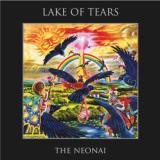
- Eos
- All The Love
- Like Music
- Vigil
- Shadows Of The Sun
- Let The Children Go
- Solitude
- Funebre
- What Happened?
Re-print of the Ulver milestone, which after its initial re-print in 2018 has already been sold out again for some years.
Brenda (Hudson Whitlock of Surprise Chef / Karate Boogaloo / The Pro-Teens) presents new album 'Bath Time', a suite of heartbreaking, cinematic indie-soul ballads from the hotbed of Melbourne, Australia.
Brenda encompasses the left-field soul sensibilities for which Whitlock has come to be recognised in cult instrumental groups Surprise Chef, Karate Boogaloo and The Pro-Teens, alongside heartfelt, introspective lyricism delivered in a sincere, delicate falsetto. Stylistically, lines can be drawn to the 1960s sweet soul ballads of The Delfonics, Jean-Claude Vannier's vivid arrangements for Serge Gainsbourg, and, of course, the unmistakable flavour of Melbourne's cinematic soul movement à la other Whitlock exploits Surprise Chef and Karate Boogaloo.
'Bath Time' contains ten entrancingly melancholic ballads that earnestly express Whitlock's dramatic indie-soul sensibilities; encompassing the classically introspective nature of the poetic lyricist and the idiosyncratic use of soulful instrumental arrangements. The songs encompass themes of old romantic habits dying hard, familial rifts and unrequited love.
True to his modest vagabond nature, Whitlock has 'released' six Brenda albums to date, each uploaded exclusively to bandcamp, gladly resigning the music to the underground. Whilst he created theses albums in solitude, playing each instrument himself, 'Bath Time' sees Whitlock relinquishes the isolationism of previous works in favour of including his trusted inner circle of friends and collaborators: Surprise Chef's Lachlan Stuckey and Jethro Curtin on guitar and keyboard respectively, Karate Boogaloo's Darvid Thor on bass, and production from Henry Jenkins (Surprise Chef, Karate Boogaloo, Frollen Music Library).
AVAILABLE IN BLACK ICE WITH ORANGE AND BLUE SPLATTER (COK015WW)
Color Vinyl[23,95 €]
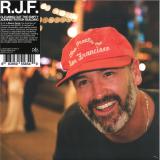
Cleaning Out The Empty Administration Building ist Ross Farrars neuestes Werk aus rohem, gesprochenem Wort und experimentellem Sounddesign, hier präsentiert unter dem Namen R.J.F.. Der Frontmann der amerikanischen Bands Ceremony und SPICE begann dieses Soloprojekt zunächst als persönliche Herausforderung: Songs von Grund auf selbst zu schreiben, sich mit Instrumenten vertraut zu machen und dabei zugleich sein Unterbewusstsein freizulegen. Dabei ging es weniger um musikalische Virtuosität als um Verletzlichkeit - darum, etwas Ehrliches aus einem ungeschützten, unbearbeiteten, unpolierten Moment zu ziehen, kompromisslos amateurhaft und rein.Diese Sammlung zeigt Farrar im offenen, poetischen Dialog: mit Drumloops und gefundenen Klängen, durchbrochen von Gitarren, Bass und Tasteninstrumenten. Nach über zwanzig Jahren in der vertrauten wie chaotischen Welt von Band-Kollaborationen, legt Farrar all das ab - als Experiment. Das Ergebnis ist unverwechselbar und bewegend.Farrars Punk-Pathos ist in Spuren vorhanden, doch seine deutlichsten Einflüsse stammen von repetitiven Musikformen: Drone, No-Wave, Avant-Jazz und darüber hinaus. Seine nüchternen Texte erinnern an Lou Reed, Rowland S. Howard und andere große Exzentriker. Farrars Texte kreisen um Liebe, Sucht, Vaterschaft und das Leben in der heutigen Welt. ,Ich wollte Bilder schaffen, die die Menschen klar vor sich sehen können", sagt er. Farrar unterrichtete früher Schreiben und Literatur - und wendet hier ein einfaches Prinzip an, das er auch seinen Schülern mitgab: Nicht zu viel nachdenken. ,Ich habe mir einfach gesagt: Diese Songs sollen Spaß machen. Sie sollen nicht stressig sein. Zwei, drei Takes aufnehmen und dann gut ist. Nicht über jedes Geräusch den Kopf zerbrechen. Mach einfach das, was natürlich aus dir herauskommt - und wenn es sich gut anfühlt, dann nimm es."Aus hunderten freier Songs, die Farrar in den letzten Jahren mit geliehenem Equipment aufgenommen hat, kristallisierte sich dieses Album langsam heraus. ,Es kam einfach immer wieder."Der Ton von Cleaning scheint die Zeit zu verbiegen, versetzt die Hörer in eine Art Gang voller Songs, bei denen jede Tür in einen neuen Raum führt - Räume, die oft auf unheimliche Weise vertraut wirken. Der gurgelnde Bass des Openers ,Advance" taucht auch in anderen Stücken wieder auf, etwa im gespenstischen ,Ovidian", benannt nach Ovids Metamorphosen, in dem Farrar über das Wunder der Veränderung sinniert - begleitet von fernen Glockenklängen. Instrumentalstücke wie ,Gravity Hill" - ein Flattern aus Synth-Brummen und statischem Rauschen - oder ,Frogs", mit Saiteninstrumenten und perkussivem Topfschlagen, wirken wie tranceartige Zwischenspiele und verstärken die Wirkung der Texte drumherum.,Exile" blickt zurück auf Verluste, die sich nicht mehr reparieren lassen: ,So much of your heart caught in my exile", singt Farrar mit sanfter Resignation - über einer einsamen Klaviermelodie und schlingernden Gitarrenakkorden. Es ist das strukturierteste Stück der Sammlung und erinnert daran, dass Farrar ein Gespür für melodische Linien besitzt.Das Album endet mit ,Traveling Light From Afar", deutlich schneller als alle vorherigen Songs. Hier, über einem stoischen Motorik-Beat, spricht Farrar das zentrale Thema des Projekts direkt an:,I've been so young in my old age / Selfish & self-pitying / But that's just narcissism - man."Genau dieser Balanceakt - zwischen schonungsloser Selbstbefragung und der Klarheit, die mit dem Älterwerden kommt - schafft Raum für Entwicklung. Farrar leert das Gebäude - Zeile für Zeile.
‘Best tunes for your answering machine’ is the debut album of oblique, introspective electronic music by the mysterious solo artist Tekamolo.
Fusing melancholic synth pop and absurdist trip hop, ‘best tunes for your answering machine’ is a special assemblage of pitch-modified vocals, retrofuturist samples and freeform electronics that coalesces into music both outlandish and bittersweet, playful and profound.
Produced by a renowned artist, opting to conceal their identity under the guise of a new pseudonym, Tekamolo presents a series of curious, incognito confessionals with ‘best tunes for your answering machine’. An album led by a voice like a sentient, heavy-hearted android, the nine tracks collected here contend with themes of inertia, solitude and longing, revealing an inspired, affecting stream of messages from an unknown caller.
Without preconceptions tied to provenance, this is music liberated from the burdens of biographical detail. Music that eschews ego and the cult of the self. An album that can be heard purely for the strange, poignant sounds unfurled throughout.
For Tekamolo, the album signifies an attempt to navigate aesthetic reductionism, as well as an absolute sense of seclusion:
“An audio diary of a lonely soul. Broken, wounded mantra-songs. Memories of things that never happened. Dreams that never had the chance to be dreamed. Disassembled songs. As if testing the limits of emptiness — how much void can a song endure while still remaining a song? How much can be stripped away, how bare can it be, and still, the groove lingers, the melody pierces the memory, sinking into the listener's mind.
These are the skeletons of songs, an attempt to assemble music from the bare minimum — words, sounds, fragments of memory.
The songs are filled with desperate calm. They are not sung to the world, nor to anyone tangible, but solely to oneself and to the unseen. In a way, they could be considered songs of the end of the world: you wake up, and there is not a single person left in the world. At least, no one you can see. You wander through empty streets and deserted shopping malls, humming softly to yourself, hoping that someone — anyone — might hear you.”
‘best tunes for your answering machine’ is a sui generis conception of warped 21st century blues from an enigmatic figure, a work filled with surreal, indelible songs of modern isolation. Lost contemporary hymns, now recovered. Voicemails worth hearing.
Vines, the solo project of New York-based multi-instrumentalist and composer Cassie Wieland, offers a window into her inner world through expansive swaths of sound. She pieces together a celestial mix of synths, percussion, strings, and vocoded voice, making music that is at once deeply personal and cinematic in scope. This diaristic approach first took shape with her 2023 EP Birthday Party, and is crystallized on her debut LP, I’ll be here. With the sweeping and vulnerable I’ll be here, Vines arrives fully formed as an artist who crafts deeply resonant and open music–the kind that invites listeners in to listen, reflect, and share in the journey of learning through living.
“It was through making music that I was able to meet myself,” Wieland said. “Anything I’m going through or feeling is something that somebody else out there can relate to, and that’s really special to me.”
I’ll be here is both a culmination of years spent creating gossamer soundscapes and an opening to a new journey for Wieland as an artist. The album grew out of her years as a composer and songwriter, and builds on the language she developed on Birthday Party, which transformed the tumultuous feelings of the passing of time into minimalist meditations. It was just a start, though–a prologue, a development of the kind of language and ideas she wanted to express. With I’ll be here, she digs deeper and writes music that feels more sprawling, further solidifying her singular voice.
Wieland’s musical composition process is similar to journaling, lending itself to the music’s honesty. When she writes, she makes room for all the ideas she has; in these sessions, there are no wrong ideas, and she allows the music to be attuned to the experiences she’s having at the time. With I’ll be here, Wieland zeroes in on themes of anxiety, loneliness, navigating human connection, and having to grow up from a young age, ultimately coming to a place of acceptance. And though it began as a journal written in solitude, her collaborators shape the music with her.
Working with friends, in fact, was a crucial part of bringing the record to life. “Everything that was supposed to happen came together so easily because of the people involved,” Wieland said. I’ll be here was co-produced and recorded with Wieland’s longtime collaborator Mike Tierney, a four time Grammy-nominated engineer who has worked with artists across the contemporary classical and experimental scene like minimalist pioneer Steve Reich, LA’s preeminent classical ensemble Wild Up, and various bands on Bang on a Can’s Cantaloupe Music label. Percussionist and composer Adam Holmes and violinist Adrianne Munden-Dixon are two other longtime collaborators who are frequent fixtures of her live show. Holmes plays synths, drums, and banjo; in live settings, his kit is loaded with elements of the songs that are then triggered by MIDI, making the music an interactive, evolving experience. The album’s gentle, filamented edges are colored by Munden-Dixon, whose poignant string melodies elevate Wieland’s introspective compositions, as well as cellist Helen Newby, saxophonists Julian Velasco and Jordan Lulloff, and bassist Pat Swoboda.
Wieland takes an economic approach to writing music, building the swirling and immersive landscapes of Vines through short melodies, lyrics, and phrases. As each element layers and interweaves, they grow into sprawling webs of ghostly sound. Prior to Vines, Wieland composed pieces for other people to play using a minimalist’s sensibility, writing slowly unfolding melodies for instruments like violin and saxophone. In recent years, she sharpened her solo style across a variety of singles and covers which have garnered significant attention on social media for their emotional resonance (“being loved isn't the same as being understood” in particular went massively viral on TikTok in 2024). Birthday Party, her debut as Vines, brought her writing to a much more intimate space, centering on her vocoded voice cloaked in feathery reverb. A series of recent singles, meanwhile, including “I am my home,” showcase the way that Wieland’s music is born from the story of her innermost feelings, extending far beyond just the self.
Though Wieland’s music often deals with dark themes, it unfolds with tender melancholy, the kind that feels like a warm embrace. On “Evicted,” Wieland wonders if she’s getting sick or moving on, if she’s lost or found. Her vocals expand with each lyrical repetition, as the instrumentals slowly encircle and the music’s rhythm grows and bursts into a heart-wrenching, yet radiant wave reminiscent of post-rock bands like Explosions in the Sky. “Tired” follows a similar trajectory, building from a looping, melancholy rhythm and floating lyrics into a solemn resignation. Elsewhere, Wieland takes a more ruminative approach: “Omw” begins with twinkling piano and melancholy strings that gradually transform into an undulating mass. It is a song born out of the warm feeling of reminiscence, the slight return of hope that comes with nostalgia.
With any searching journey, there is also a point of understanding. The title track closes the album with the freedom of acceptance. A marching drum beats steadily beneath Wieland’s open vocals, moving forward, ever onward as it flies into the ether. In Wieland’s delicately textured music, there is room to come into yourself, and learn to love whomever that is. I’ll be here is a special space that can be all your own, one in which to feel what needs to be felt. “This is music for your story,” Wieland said. “I want you to use it how you need it.”
Love in the time of collectively assured techno-capitalist-nuclear holocaust! It’s the endless summer the Brits have been harping on about since they think they won the World Cup. The soundtrack is the debut album of the Content Provider; where Octatrack illbient and industrial chanson mesh in a singed postcard addressed to the UK Border Force and co-signed by aliens plucked from the petri dishes of Young Echo, Cold Light and Avon Terror Corps.
It’s a name she tried to keep anonymous, but Drowned By Locals and Bokeh Versions are breaking contract to reveal that the Content Provider is in fact the shock production alias of DALI DE SAINT PAUL. Patron saint of Bristol’s self-destructive improv idols EP/64 as well as post-feminist chamber collective Viridian Ensemble, avant-terror duo Harrga and constant collaborator with the likes of *breathe* Moor Mother, Valentina Magaletti, Mariam Rezaei, Vincent Moon, Maxwell Sterling, Ossia, Ben Vince.
And isn’t it such a strange release? And won’t people be surprised? Endless Summer is grubby and heartfelt, defiant and hopeful, with flecks of warped reggae on E-System nudging the freeform dream balladry of A Feeling and Sunday Morning, Kode9 & Spaceape-worthy dread poetry of Close Ur Eyes next to anthemic electro-crush of Overdrive. Even to those that know her well, and EVERYONE with their belly in the Bristol underground knows her, Endless Summer is a revelation. Perhaps the apex of the known Dali-verse……where her live gigs have boiled with an experimental volcanic vocal force, Endless Summer is twisted, syrupy, sultry, POP.
Marconi Union, one of the most influential names in contemporary ambient and electronic music, announce their twelfth studio album, The Fear of Never Landing, set for release 6th June via Just Music. The news is paired with the release of first single Eight Miles High Alone, out 20th March on all major streaming platforms.
Known for their ability to craft cinematic, immersive soundscapes that blur the lines between ambient, electronic, and experimental music, the Manchester-based duo once again push the boundaries of sonic exploration. The Fear of Never Landing takes us on a dynamic journey that’s atmospheric, diaphanous and never short of mesmerising. While the new record is certainly infused with a sense of hope, there’s more than a soupçon of anxiety too, as the title suggests.
A 55-minute odyssey presented as one seamless piece divided into nine movements, they transcribe the nexus of modern living into a mostly wordless odyssey. The album encapsulates Marconi Union’s ability to translate the complexities of the human experience into sound, all while maintaining a stunning sense of cohesion.
While the music feels effortless, the creative process was anything but. During the two years it took to complete the album, members Jamie Crossley and Duncan Meadows faced creative struggles that even led them to briefly question the band’s future. A pivotal moment came when they performed a live soundtrack to the 1975 skateboarding film Downhill Motion, rekindling their connection to atmospheric composition. By testing new material live and returning to their roots, Marconi Union redefined their creative process, leading to some of their most emotionally impactful work to date.
“We’ve always made atmospheric music but we had started to lose that aspect. Other than some rough ideas, we had no sense of what we were doing anymore, a kind of musical wilderness. Eventually a couple of things fell into place, and it was like, ‘Ah, okay.”
With a foundation to build upon, they went back to basics and decided to take their time going forwards. “We tried out a few new tracks live which gave us the opportunity to see what worked and what didn’t. We've never given ourselves that luxury before.”
The first track to be shared, Eight Miles High Alone, is a mesmerizing sequencer-driven track that builds an immersive, atmospheric soundscape. Its hypnotic pulses and intricate layers evoke a sense of solitude and weightlessness, perfectly capturing the album’s blend of tension and introspection. “Eight Miles High Alone was the first piece that we managed to complete and helped to inform our approach to the rest of the album.”
Formed in Manchester in 2003, their debut album, Under Wires and Searchlights (2003), introduced their signature sound, but it was their 2011 release of Weightless that brought international acclaim. Developed in collaboration with a sound therapist, Weightless was scientifically recognised as “the world’s most relaxing song”, praised for its ability to reduce anxiety and heart rates. With over 900 million streams and widespread coverage across media, the track remains a cultural phenomenon.
Over the years, Marconi Union has continued to evolve, producing critically acclaimed albums such as Signals (2021), Ghost Stations (2016), and Tokyo+ (2017). Their work has been hailed for its emotional resonance and sonic depth, with The Quietus noting their ability to find “beauty in the bleakest places” and The Sunday Times describing them as “amongst today’s most talented musicians.”
Beyond their studio albums, Marconi Union has collaborated with visual artists, provided soundtracks for installations, and remixed notable acts like Max Richter and Vök. Their invitation by Brian Eno to perform at Norway’s Punkt Festival further cemented their reputation as innovators in the ambient music sphere.
With The Fear of Never Landing, Marconi Union once again showcases their unmatched ability to create immersive soundscapes that resonate deeply. The album reaffirms their position as masters of atmosphere and emotional storytelling, making it an essential addition to their storied catalog.
HEXVESSEL erkunden auf ihrem epischen siebten Album "Nocturne" liminale Räume, z.B. zwischen Licht und Dunkelheit sowie Natur und Einsamkeit. Die sich kontinuierlich wandelnde finnische Band besinnt sich wieder auf ihre Wurzeln im Folk und im psychedelischen Rock, indem sie akustische Zwischenspiele, kosmische Synthesizer und geisterhafte Pianoklänge kunstvoll mit den frostgesponnenen Fäden ihres Black Metal Geflechts verwebt. "Nocturne" klingt sowohl vertraut als auch unverhohlen progressiv, da HEXVESSEL ihre eigene Tradition mit einer frischen Neuerfindung ihres charakteristischen Sounds vermischen. Der Keim für dieses Meisterwerk wurde durch die Aufführung eines Auftragswerks beim Roadburn Festival 2024 gesetzt, das ursprünglich den Titel "Music for Gloaming: A Nocturne" trug. Mit diesem Album nimmt das Projekt eine ausgearbeitete physische Gestalt an. Dieses opus magnum verbindet den rauen Geist von Quorthons Black Metal mit dem komplexen Minimalismus zeitgenössischer Komponisten wie Philip Glass, György Ligeti und Avro Pärt. Den eklektischen Charakter von "Nocturne" unterstreichen ausgewählte Gastauftritte wie der ätherische Gesang von Saara Nevalainen oder die harschen Stimmen der Avantgarde Black Metal Vorreiter Yusaf Vicotnik Parvez (DHG/DØDHEIMSGARD) und ORANSSI PAZUZUs Juho Vanhanen. HEXVESSEL stammen zwar aus dem finnischen Tampere, die Band wurde aber vom englischen Sänger und Songwriter Kvohst alias Mat McNerney gegründet, nachdem er im Jahr 2009 in das nordische Land gezogen war. In vielerlei Hinsicht spiegeln HEXVESSEL die Natur ihres Gründers wider. Der Sänger und Songwriter war schon in vielen erfolgreichen Gruppen und Projekten aktiv, deren Spektrum von der britischen Black Metal Band CODE über einen Abstecher bei den norwegischen Legenden DHG bis hin zu den Rock-Shootingstars BEASTMILK reicht, die er später mit GRAVE PLEASURES fortsetzte. Mit "Nocturne" laden HEXVESSEL alle dunklen Seelen der Erde zu einem transzendentalen Nachtritual ein, das unter anderem die Klangvisionen von DARKTHRONE, TANGERINE DREAM und Philip Glass aus der toten Vergangenheit erweckt und mit neuem Leben erfüllt.
With their seventh full-length "Nocturne", HEXVESSEL explore the liminal spaces between light and darkness, nature and solitude on an epic album. The ever evolving and shifting Finnish band has reawakened their treasured roots in folk music and psychedelic rock as they artfully weave acoustic interludes, cosmic synths, and spectral piano into the frost-spun threads on their black metal loom. "Nocturne" sounds both familiar and fearlessly progressive as echoes of tradition entwine with a fresh reinvention of their characteristic sound. The seed of this masterpiece was sown by the performance of a commissioned work at Roadburn Festival 2024 that was originally entitled: "Music for Gloaming: A Nocturne". With this album, it arrives fully fleshed in recorded form. This opus magnum blends the raw spirit of Quorthon's black metal with the intricate minimalism of contemporary composers such as Philip Glass, György Ligeti, and Avro Pärt. Its eclectic nature is elevated and underlined by select guest performances, including the vocals of Saara Nevalainen, as well as the avant-garde black metal luminaries Yusaf Vicotnik Parvez (DHG/DØDHEIMSGARD), and ORANSSI PAZUZU's Juho Vanhanen. While HEXVESSEL are based in Tampere, Finland, they were founded by English singer & songwriter Kvohst aka Mat McNerney after he moved to the country in 2009. In many ways, HEXVESSEL reflect their founder. The vocalist and songwriter has instigated and been involved in various bands ranging from UK black metal act CODE, a stint in Norwegian legends DØDHEIMSGARD, and to rock shooting stars BEASTMILK – later 'continued' with GRAVE PLEASURES to name but a few of his success stories. With "Nocturne", HEXVESSEL invite all souls on earth to a transcendental night ritual that is imbued with DARKTHRONE, TANGERINE DREAM, Philip Glass, and sounds unearthed from the dead past, now instilled with new life.
Thrash metal's new Swedish hope Sarcator, further cement their status as one of metal's most exciting young bands, with their stunning second
album. By mixing fresh thrash metal with touches of old-school Scandinavian death metal, these Swedish prodigies sound at least as good as
veterans three times their age. The future is sure to hold great things for Sarcator as they continue to create their awesome metal.
Sound Like: Megadeath, Morbid angel, Dissection, Possessed, Kreator,
Sodom, Exodus, In Solitude, The Devil's Blood
After his critically acclaimed EP LOOP (national press coverage, playlist support, a sold-out tour with Odezenne, opening for Zaho de Sagazan and Pomme, winner of the 2024 iNOUïS of Printemps de Bourges), Jean unveils an ambitious and cohesive debut album, conceived as a complete work of art. Created without guest features or compromise, this 12-track record delves deep into introspective songwriting, raw yet poetic, at the crossroads of rap, melancholic pop, and modern French chanson. Jean isn’t trying to please, he exposes himself with no filter.
The album stands out for its strong narrative and visual identity, where each track plays like a film sequence, a resurfacing memory. It explores universal themes: love, solitude, escape, addiction, aging, through a deeply personal and always lucid lens. The imagery reflects this universe: the album cover, shot in a movie theater, introduces an ambiguous character, somewhere between absurdity and allegory, perhaps a manifestation of the artist’s inner demon. A disturbing yet familiar presence, intentionally open to interpretation, like a key without a lock.
Musically, the album spans multiple aesthetics without losing its coherence: each track asserts a distinct tone and balance. Jean positions himself within a new, demanding francophone scene, free from cynicism or affectation. He delivers a unique, sincere project, both accessible and profound, that invites listeners to experience it in one sitting, from start to finish.
Col Vinyl[27,69 €]
Black Vinyl[24,24 €]
Red Coloured Vinyl[24,24 €]
Picture Vinyl[32,14 €]
Red Vinyl[25,42 €]
Eindrucksvolles Debütalbum der US-Power-Melodic-Metal-Formation Behölder! 'In The Temple Of The Tyrant' bietet 8 Tracks und vereint kolossale, imposanten Riffs, eindringliche, majestätische Melodien und kraftvollem Gesang, der von düster bis grandios reicht. Klingt wie Candlemass, Momento Mori, Solitude Aeturnus oder Sorcerer.
Lael Neale's minimalist drone pop draws inspiration from the Transcendentalists, the alienation of modern life, and a rich array of musical influences-ranging from Dionne Warwick and John Lennon to primitive American gospel and Spacemen 3. Her expansive new record, Altogether Stranger, due May 2, was written and recorded in the early morning quiet of Los Angeles. Clocking in at just 32 minutes, the 9-song LP covers an unexpected breadth of musical and lyrical terrain-from garage rock nursery rhymes and creation myths to Motorik dance dirges and solitary Omnichord meditations. A brilliant lyricist, Neale has a unique ability to uncover the extraordinary within the mundane, tackling themes of polarity that recur throughout her work-country vs. city, humanity vs. technology, isolation vs. society. This album is her third collaboration with producer Guy Blakeslee who helps expand the tonal palette while staying true to Neale's commitment to the raw immediacy and hand-made intimacy of home recording. Altogether Stranger - a stunning album filled with dreamlike reverie, Neale's crystalline voice, and echoes of the Velvet Underground - was conceived after four years of oscillating between rural solitude and urban chaos. It finds Neale perched at the piano in a hilltop bungalow, looking down on a rare curve of Sunset Blvd. Here, in this daily ritual of writing, singing, and painting-what David Lynch referred to as "the Art Life"-she creates the space for her most adventurous work to date. Born and raised in Virginia's idyllic countryside, Neale brought the high-lonesome sound of her home state with her when she moved to California to pursue music. After years of writing songs on guitar and playing small venues in Los Angeles, she discovered the Omnichord in 2019, which sparked a new creative direction. This led to her 2021 Sub Pop debut album, Acquainted With Night. That album's 2023 follow-up, Star Eaters Delight, deepened the collaboration with Blakeslee, infusing minimalist soundscapes with a heightened electric energy. The album found a devoted audience, and Neale's subsequent tour included sold-out shows in Los Angeles, New York City, London, and Paris, multiple trips across Europe, and a West Coast run supporting kindred spirit Weyes Blood. This marked yet another return to Los Angeles. Indeed, Los Angeles is not just the backdrop of Altogether Stranger but a lead character. The album's accompanying film - created with Neale's faithful Sony Handycam - builds on her ongoing series of videos, telling the story of Neale as an alien in a suit of mirrors stranded on Earth. Wandering through modern-day LA, she finds both absurdity and beauty in our fragile, untenable way of life. Over the long year it took to write Altogether Stranger, Neale vacillated between childlike optimism and existential melancholy. While she may not have been able to reconcile these opposing states, Altogether Stranger represents an ambitious breakthrough for this singular, self-sufficient artist.
After a strong first release on Fuse Imprint with 'The Wall', resident Phara returns to his home base for a mirage of introspective tracks. Furthering his research of emotive club music, 'Soft Glow, Fierce Light' seems more than appropriately named. Shimmering melodies, swinging rhythms, and a comforting ambiance, Phara proves that his constantly evolving musical persona and relationship with the Brussels club are built to last.
Beginning with 'Unfold', the Belgium-native sets the board with a warm introduction. Reminiscent of his recent endeavor as In Glass, a balance is struck between the slower tempo dub techno of his secondary alias and the higher club energy that he's been known to bring as Phara. Steady at first, filters open wide half way through the track to ensure maximum euphoria off or on the dance floor. 'Flow' follows in suit and here the producer keeps the level constant and tense with intricate melodic design. A steady groove with blossoming synth lines make 'Flow' a beauty to witness unravel. Warm chord stabs make for a nostalgic EP and shows once more that the seasoned producer frequently enjoys prioritizing emotion over drive. Flipping the vinyl to the other side, 'Wave to Wave' points a finger to all things dub, even a discrete appreciation of house music, through the harmony of his keys to the sound design of his square bass, and its common borders with techno. Juggling in snare rolls and rides throughout, Phara sets the tone with a soothing piece of work for lovers of the eyes-closed genre. To conclude, 'Solitude' brings a polished vintage effect to the project that 'Wave to Wave' introduced, this time with heightened intensity worthy of a set closer. Punchy stabs make this a particularly extraverted track, fitting into almost any record bag - Room 01 or Motion Room friendly. Thundering claps over an electric melody, these kinds of tracks aren't new to Phara. Pouring soul into his tracks, Phara proves once again to be a truly central artist in developing the Fuse sound and continuing his stylistic journey.
'Gone Down Meadowland' is the much-anticipated debut album release from Norwich, UK psych outfit Floral Image, releasing 25th April 2025 on the renowned Fuzz Club. More than ever, the band wanted to produce a brand of East-Coast psychedelia that reflected the natural lusciousness and glorious solitude of the immediate world around them. Over 30 songs were conjured, considered and arranged before being whittled down to a final 10 that epitomise what they do best - ten tracks of vivid hue, harnessed live power, all laced together in fluid lyrical harmonies. Taking inspiration from band favourites Woods, KGLW, Stereolab, among many others, a string of at-home recording sessions commenced over a 6-week period across the summer of 2024. Side A is a sun-drenched journey through their whimsical Norfolk countryside, narrated with a surreal sense of lyricism which focuses on the undulating flow of the human psyche and the shape of relationships that can decide its fate. 'Burning 305' follows the mould of the band’s earlier creations with white-knuckled rhythms layered with dashing production and gritty guitars. 'The Score' summarises their love of Revolver-era Beatles and infuses it with a hint of 90's dance grooves. Side B is where the trip takes a heavier turn, the un-hinged night-time of the record. It is where the band best shows the force with which their live reputation has been built on. 'Tiergarten' - a motorik course through consciousness and 'Howling Dog Song' - all raucous, scuzzy-garage riffing. The album concludes with the 7-minute epic 'Sun For Hire'. Born out of a 30-minute live improvisation, it is the earliest written of all songs on GDM and a strong fan favorite for the audiences of the last 2 years. "A lot of themes are anti-establishment commentaries on the state of the modern world. It can feel isolating being bystanders of global concern in sleepy Norfolk, even though it’s easy to slip into a false comfort when you’re surrounded by vast space, natural beauty and friendly folks down the market. Gone Down Meadowland is that egoless escapist fantasy that still can't escape the world caving in on itself; Norfolk isolationism." Produced by the band themselves, mixed by Hugh Fothergill of Volleyball, and mastered by Joseph Carra at Crystal Mastering of KGLW fame, Gone Down Meadowland is Floral Image’s first full flourish. They take the record on the road across Europe and the UK throughout April & May 2025.
2x12"[31,05 €]
Die Violinistin Esther Abrami wirft auf ihrem Album "WOMEN" neue und erhellende Schlaglichter auf Komponistinnen. "Women" legt den Fokus auf die außergewöhnlichen Talente von 14 Komponistinnen aus unterschiedlichen Epochen und Genres und enthält neue Kompositionen der Oscar-Preisträgerinnen Rachel Portman und Anne Dudley sowie neue Arrangements von Werken historischer Komponistinnen wie Pauline Viardot, Chiquinha Gonzaga, Teresa Carreño und Ethel Smyth. Esther Abrami hat selbst einige dieser Stücke neu arrangiert und mit "Transmission" ein eigenes Orchesterstück für das Album komponiert. Im Mittelpunkt von "Women" steht die Weltersteinspielung von Ina Boyles Violinkonzert, eine poetische, spätromantische Komposition. Esther Abrami hat jedes Stück für das Album aufgrund einer besonderen emotionalen Verbindung zu den unterschiedlichen Frauen hinter der Musik ausgewählt: "Solange ich mich erinnern kann, war die einzige klassische Musik, die ich je gehört habe, von männlichen Komponisten geschrieben. Ich habe über 15 Jahre lang klassische Musik an renommierten Musikschulen studiert, aber in all den Jahren kein einziges Stück von einer Frau gespielt. Es war nicht so, dass ich sie diese Stücke aktiv vermieden hätte - sie waren einfach nicht Teil des Kanons. Ich fragte mich 'haben Frauen jemals klassische Musik komponiert?' und es stellte sich heraus, dass sie es taten, und ich entdeckte einen verborgenen Schatz. Ich verbrachte Monate mit Recherchen und tauchte in eine völlig neue Welt der Musik und faszinierenden Geschichten von Frauen ein, die im Schatten der Geschichte geblieben waren. Dieses Album ist meine Hommage an sie und eine Reise durch Jahrhunderte der Musik, erzählt durch die Stimmen von Frauen, die trotz aller Widrigkeiten komponierten, kämpften, lebten und schufen. Die Geschichten dieser Frauen inspirierten mich für meinen Karriereweg und zeigten mir wie wichtig es ist, dass zukünftige Generationen diese entdecken können. Ich hoffe, 'Women' kann eine neue Generation junger Mädchen dazu inspirieren, zu komponieren." Über ihre gesamte noch junge Karriere als professionelle Musikerin hinweg hat sich Esther Abrami dafür eingesetzt, Komponistinnen eine Stimme zu geben. In ihrem Podcast "Women in Classical" spricht sie mit einflussreichen Musikerinnen über ihre Karriere. Auch mit ihrer EP "Spotlight" mit dem Londoner "Her Ensemble", das ausschließlich aus Frauen und non-binären Musiker*Innen besteht, hat sie bereits wortwörtlich ein Schlaglicht auf Komponistinnen geworfen. "Women" führt diesen Weg konsequent fort und versammelt eine Reihe außergewöhnlicher Mitwirkenden, wie das ORF Radio-Symphonieorchester Wien unter der Leitung von Dirigentin Irene Delgado-Jiménez, die Pianistin Kim Barbier, die Harfenistin Lavinia Meijer und das Esther Abrami Quintet."Ich bin unglaublich glücklich mit einem so großartigen Orchester und tollen Musikerinnen an einem so persönlichen Projekt zu arbeiten. Diese Kompositionen mit einem Orchester zum Leben zu erwecken, ist eine Erinnerung, die ich nie vergessen werde."
Red Vinyl[28,99 €]
Die Violinistin Esther Abrami wirft auf ihrem Album "WOMEN" neue und erhellende Schlaglichter auf Komponistinnen. "Women" legt den Fokus auf die außergewöhnlichen Talente von 14 Komponistinnen aus unterschiedlichen Epochen und Genres und enthält neue Kompositionen der Oscar-Preisträgerinnen Rachel Portman und Anne Dudley sowie neue Arrangements von Werken historischer Komponistinnen wie Pauline Viardot, Chiquinha Gonzaga, Teresa Carreño und Ethel Smyth. Esther Abrami hat selbst einige dieser Stücke neu arrangiert und mit "Transmission" ein eigenes Orchesterstück für das Album komponiert. Im Mittelpunkt von "Women" steht die Weltersteinspielung von Ina Boyles Violinkonzert, eine poetische, spätromantische Komposition. Esther Abrami hat jedes Stück für das Album aufgrund einer besonderen emotionalen Verbindung zu den unterschiedlichen Frauen hinter der Musik ausgewählt: "Solange ich mich erinnern kann, war die einzige klassische Musik, die ich je gehört habe, von männlichen Komponisten geschrieben. Ich habe über 15 Jahre lang klassische Musik an renommierten Musikschulen studiert, aber in all den Jahren kein einziges Stück von einer Frau gespielt. Es war nicht so, dass ich sie diese Stücke aktiv vermieden hätte - sie waren einfach nicht Teil des Kanons. Ich fragte mich 'haben Frauen jemals klassische Musik komponiert?' und es stellte sich heraus, dass sie es taten, und ich entdeckte einen verborgenen Schatz. Ich verbrachte Monate mit Recherchen und tauchte in eine völlig neue Welt der Musik und faszinierenden Geschichten von Frauen ein, die im Schatten der Geschichte geblieben waren. Dieses Album ist meine Hommage an sie und eine Reise durch Jahrhunderte der Musik, erzählt durch die Stimmen von Frauen, die trotz aller Widrigkeiten komponierten, kämpften, lebten und schufen. Die Geschichten dieser Frauen inspirierten mich für meinen Karriereweg und zeigten mir wie wichtig es ist, dass zukünftige Generationen diese entdecken können. Ich hoffe, 'Women' kann eine neue Generation junger Mädchen dazu inspirieren, zu komponieren." Über ihre gesamte noch junge Karriere als professionelle Musikerin hinweg hat sich Esther Abrami dafür eingesetzt, Komponistinnen eine Stimme zu geben. In ihrem Podcast "Women in Classical" spricht sie mit einflussreichen Musikerinnen über ihre Karriere. Auch mit ihrer EP "Spotlight" mit dem Londoner "Her Ensemble", das ausschließlich aus Frauen und non-binären Musiker*Innen besteht, hat sie bereits wortwörtlich ein Schlaglicht auf Komponistinnen geworfen. "Women" führt diesen Weg konsequent fort und versammelt eine Reihe außergewöhnlicher Mitwirkenden, wie das ORF Radio-Symphonieorchester Wien unter der Leitung von Dirigentin Irene Delgado-Jiménez, die Pianistin Kim Barbier, die Harfenistin Lavinia Meijer und das Esther Abrami Quintet."Ich bin unglaublich glücklich mit einem so großartigen Orchester und tollen Musikerinnen an einem so persönlichen Projekt zu arbeiten. Diese Kompositionen mit einem Orchester zum Leben zu erwecken, ist eine Erinnerung, die ich nie vergessen werde."
Four Seasons in Kyoto’ marks the final chapter of The Kyoto Connection’s Ambient Japanese trilogy, following Postcards (2018) and The Flower, The Bird and The Mountain(2022). Like its predecessors, this album pays homage to the pioneering ambient and environmental music movements of 1980s and 1990s Japan.
The album unfolds as the imagined soundtrack to life in a quiet rural village, where nature and tradition shape the rhythm of everyday existence. Across 14 evocative compositions, The Kyoto Connection captures the essence of Japan’s ever-changing seasons, weaving together delicate melodies and immersive soundscapes. With contributions from friends and fans in Japan, Four Seasons in Kyoto is both a tribute and a transportive listening experience from producer Facundo Arena, the composer and producer behind The Kyoto Connection.
With Four Seasons in Kyoto, Facundo Arena continues his deep exploration of Japanese ambient and environmental music, blending his long-standing admiration for Kyoto’s cultural heritage with a sound that feels both nostalgic and timeless. While Postcards was an instinctive homage and The Flower, The Bird and The Mountain drew from real Kyoto field recordings, this final chapter in the trilogy leans further into the imagined, an intimate portrait of an unseen yet deeply felt Japan.
Recorded using a mix of vintage synths, delicate acoustic instrumentation, and subtle electronic textures, Four Seasons in Kyoto refines The Kyoto Connection’s signature approach. Organic soundscapes and drifting melodies mirror the slow change of seasons, evoking the impermanence central to Japanese aesthetics. The result is a record that seamlessly bridges the natural and the synthetic, memory and imagination, a fitting conclusion to a journey that began with an algorithmic discovery and blossomed into a rich sonic world of its own.
Boxset w/ 12" + 7" + Tape + Magazine, Posters
Embryo Issue 5 - Interviews and Mix series Exome
Quiet Husband
Jim KirkwoodSvartvit
Trenchfoot
Necropolis Festival White Centipede Noise Cryptworm Hyperdonitia
Crawl of Time
Night Terror Records Disengagement
Snet
Ineffable Slime
Marie Queau
Personal Hell
Natural Sciences Recs started in 2015 before mutating into the Embryo magazine series. Flesh Renewed marks ten years of the label with the fifth issue of Embryo. A light into the gutter of the fringe underground, through new tracks from the labels catalogue, 100 pages of interviews by labels and artists kicking against the grain and ties forged from the 80’s tape network. We invite you to witness the next stage of the evolution.
e A1. Osiris - Starlight Scorpio 1989 - 7"
f B1. SEEMEN - Floating Gently 1989 - 7"
Black Vinyl[29,62 €]
On April 4th, Brighton-based Australian vocalist, producer, and multi-instrumentalist Penelope Trappes will release her fifth full-length album ‘A Requiem’. It comes alongside news of her signing to London imprint, One Little Independent Records. ‘A Requiem’ collects ten haunting, ambient soundscapes - incantations of dreams and nightmares, of death and grief, as well as power and autonomy. Carnal, transcendent cello drones are used to exorcise historical and generational traumas in an evocative and macabre piece of gothic experimentalism.
Seeking solitude for what she knew would be an intense and cathartic writing experience, Trappes travelled to Scotland and isolated completely. Amidst meditative and psychedelic states, she channeled demons and accessed parts of herself she’d long desired to cleanse. During candle-lit recording sessions she found herself drawn to cello, an instrument she has no formal training in, she explains, “I always felt an affinity toward the cello, I embraced it, held it, and became one with it as a way to accompany my voice. The nerve-like strings of the cello became external chords of my vocal folds… I scratched on them, leaned into them, and conjured all of the textures I could muster”.
‘A Requiem’ is a musical service in honour of the dead, a sanctuary Trappes built for herself to explore familial chaos and history. “I was looking for an equilibrium between a ‘heaven' and a ‘hell’” she explains, “screaming out to the wisdom of our foremothers - surfacing and leading me into true strength and beauty. I listened to the sorrow closely. Death is a part of our reality. Inevitable. Omnipresent. But nightmares can be beautiful”.
She continues, “This album is my personal requiem for my parents, my ties to the land where I was born, along with all of my epigenetically connected ancestors before them. The songs helped me summon up the strength to move through my own awareness of mortality, death, and impending loss. This album is a living funeral. It’s a ceremonial collection of music. It’s an externalising of the power and strength to fight the generations of abuse and darkness that my parents self-admittedly played out in their parenting and to keep it away from my own social patterns and my psyche. It’s not an uncommon thing in the world and this lamented warcry goes out to everyone to help exorcise patriarchal, political, and religious systems of abuses of power”.
Bon Iver, Bon Iver is JustinVernon returning to former haunts with a new spirit. The reprises are there - solitude, quietude, hope and desperation compressed - but always a rhythm arises, a pulse vivified by gratitude and grace notes. The winter, the legend, has faded to just that, and this is the new momentary present. "Bon Iver is often equated with just me," says Vernon, "but you are who surrounds you, and for Bon Iver, Bon Iver I wanted to invite those voices as musical catalysts." Thus on the track "Beth/Rest" and throughout the album, we hear the pedal steel of Greg Leisz (LucindaWilliams, Bill Frisell), the uniquely layered low end of Colin Stetson's (TomWaits, Arcade Fire) saxophones, the riffing of Mike Lewis' (Happy Apple, Andrew Bird) altos and tenors, and the lush horns of C.J. Camerieri (RufusWainwright, Sufjan Stevens). Bon Iver regulars Sean Carey, Mike Noyce and Matt McCaughan contributed vocals, drums and production, Rob Moose (Antony and the Johnsons, The National) helped with arranging and added strings, and fellow members of Volcano Choir, Jim Schoenecker and Tom Wincek provided processing. Bon Iver, Bon Iver was recorded and mixed over the course of three years
As a founding member of Dublin experimental folk group Lankum, Ian Lynch explores submerged leylines of music and song. Forging a musical path that is all at once dark, mysterious and foreboding, but ultimately transcendental. His new solo project One Leg One Eye sees him taking a fresh approach to musical arrangement culminating in a sound that is more rooted in the raw aesthetics of second wave black metal than contemporary folk. The project was born across 2021, a period in which Lynch was able to enjoy the freedom of experimenting and exploring different paths of sound design without expectation or pressure. Seeking out interesting settings to record music and gather field recordings, there are several environments, external and interior, whose respective essence have seeped into the spirit of the music and come to represent Lynch’s artistic approach and development with this singular debut album, …And Take The Black Worm With Me. Rediscovered spaces in Dublin and the familiar enclave of his bedroom are intrinsic to the distinct and sometimes harrowing atmosphere conjured throughout the album’s five enveloping compositions. One particular location, an abandoned factory where his father worked when Ian was a child, provided a space of great inspiration and intrigue during this time. Lynch frequently visited the large abandoned warehouse and sang with his shruti box, contented in his solitude. ‘I’d Rather Be Tending My Sheep’, grew into existence from those initial sessions, eventually finding a home as an emotive centrepiece to the album. Reflecting on the overall recording of …And Take The Black Worm With Me, Lynch says, “Everything I was doing with these songs was all kind of new to me; experimenting with different sounds, textures and palettes and seeing what I could come up with by piecing it all together. I spent about a year making the album. I loved the whole process because it was basically just me in my bedroom recording everything. The experience of recording like this and having my own time to do it was amazing. I could focus on recording a specific element and happily spend all day working on that one part, doing it as many times as I wanted. At the end of the day if it didn’t feel right, I could just try it again the next day. When you’re on your own you can spend as much time as you want on particular parts until you feel that it’s absolutely perfect. I found that to be a really liberating experience. It was probably my favourite experience recording music.” The collection of songs (and their chronology) featured on …And Take The Black Worm With Me tell a story unique to Lynch’s experiences with anxiety and recognising his shadow self. Whilst the album became an outlet of personal expression for Lynch, the overarching themes and subsequent journey to confront one’s internal dichotomy of light and dark before accepting this inherent duality is universally shared. The eerie and often unsettling world contained within the album’s texturally dense opener ‘Glistening, She Emerges’, driven by the captivating drone of distorted uilleann pipes, immediately immerses the listener in this transportive work. It descends with a great heaviness, yet woven throughout the arrangement is a fascinating and indescribable entity that draws you further into this otherworldly dimension. This mood continues as the tracklist progresses and transitions into Lynch’s haunting realisation of ‘Bold and Undaunted Youth’ which further demonstrates a cinematic influence to Lynch’s compositional style. Sonically, Lynch effectively builds an impressively vast terrain with brilliantly murky lo-fi recording techniques and an unshakable curiosity to move beyond conventional structures and play with the timbre of the instruments available to him. From recording hurdy-gurdy or concertina to tape and experimenting with loops and effects pedals to stitching field recordings together, there’s an intimacy established between Lynch and his audience established through the simultaneously eerie and beautiful tones courting through …And Take The Black Worm With Me. This culminates in ‘Only the Diceys’, the extraordinary closing track in which we reach a place of resolution mapped into the album’s narrative structure. Mixed by longtime collaborator John ‘Spud’ Murphy in his Dublin-based Guerrilla Sounds Studio and mastered by Harvey Birrell …And Take The Black Worm With Me features contributions from Ruth Clinton (Landless) on church organ and vocals by Laurie Shanaman (Ails, Ludicra). Of Shanaman’s participation, in particular, which further illustrates the lo-fi and DIY ethos to the recording, Lynch says, “Laurie is my favourite black metal vocalist of all time and so I reached out to her hoping to have her involved in some way. She did, and she features on the opening track by providing some incredible screams. She recorded them into her phone and sent them over to me; what appears on the album is literally a phone recording of her screaming in her kitchen!” …And Take The Black Worm With Me continues Ian Lynch’s groundbreaking work with Lankum; recontextualising traditional forms and generating new spheres of music in his wake, confirming his status as one of the most interesting and innovative artists working in Ireland today.
"Float like a butterfly and sting like a bee" said the famous boxer Mohammed Ali, in reference to his legendary strike. This punchline also works wonderfully in music, listening to Roseaux's third album. A French success story, created with all modesty and honesty by the Parisian trio: Emile Omar, Alex Finkin and Clément Petit.
The three musketeers of sound cultivate their know-how, now acclaimed by critics and an ever-growing audience since their first project in 2012. It took them time to take a step back and gain perspective in order to offer us a return that is both joyful and resounding.
Roseaux takes root on the banks of soul, folk, jazz, and songs from all eras, a cascade of inexhaustible sounds, where the three composers draw their inspiration and merge their experiences.
The leaves of Roseaux soar to the breath of wonderful voices, chosen with precision by the three friends, like that of the American singer Aloe Blacc, present since the beginning of the adventure, essential enchanter of the three episodes.
Conceived as a dreamlike escapade full of emotions, on the fringes of the massive, instantaneous and often disembodied production, Roseaux is a totally artisanal group, a sort of UFO in the French musical landscape, which operates on instinct and above all on desire.
Thus, Roseaux has become an expert in bringing together, for the duration of a record, the artists who specifically form the DNA of their host: captivating voices, a plot on the piano and cello, but also encounters and reunions, in a poetic and deliberately nebulous universe.
A welcoming nebula, where the listener is invited to listen and immerse themselves without hindrance, in a luxuriant, wild, exciting sound forest. This third album is the work of 3 music lovers, capable of switching roles: writing, arrangements, production, from which emerge this time, eleven tracks with chiseled melodies including three colorful and unusual instrumentals.
A journey between melancholy and euphoria, which led Roseaux to the ends of the planet, from the Caribbean to Europe via Africa to unearth other vibrations and unique performers: the captivating Grenadian-British singer Ala.ni, the little English afropop prince from Ghana, Ghetto Boy, and the disturbing Swedish Isabel Sörling, sign here a first flamboyant collaboration with the group.
While the talented Haitian-Canadian Mélissa Laveaux, the hypnotic Scandinavian singer Olle Nyman, the sparkling French-Canadian Anna Majidson and our remarkable national Ben, already present on the second part, still manage to create a surprise by revealing new aspects of their range.
Roseaux's voices are decidedly impenetrable and its magic is renewed today by making the strength of all these scintillating elements dialogue, to be discovered in a setting of softness and voluptuousness.
Nature is full of reeds, this one is unique.
With a Swedish Grammy (GRAMMIS) nomination for her 2023 sophomore album ‘Be Free’ and a packed touring schedule, the in-demand trombonist, songwriter and producer sough to quiet the noise around her and challenge the jazz genre’s rigid rules for her next project.
The end result is ‘When You Know’; a smoky and melancholic 10-track cocktail of jazz, alternative R&B, indie, Hip-Hop and ambient sonics that experiments at every turn. On hand to co-produce the record and provide the electronic elements that move ‘When You Know’ away from the jazz world and into more avant-garde territory, Ebba collaborated with Berlin-based producer Lucy Liebe.
Packing a potent emotional punch, the 10 tracks are a reflection of Ebba herself: direct, driven, precise. Retreating to a cabin outside of her small hometown of Hammarö, 200 miles west of Stockholm, she recorded the album in the dead of winter. With the temperatures outside nearing minus-thirty degrees, Åsman logged off for a month – disconnecting from TV, social media and emails. Embracing with vigour both the deep sense of calm and the challenges that come with the cold but also the stillness and solitude that is yielded by being in the wilderness.
Aunes is a rare solo album from peripatetic Australian cellist-composer-performer Judith Hamann, presenting six pieces recorded across several years and countries. Developing the collage techniques and expanded sound palettes heard on their previous releases, Aunes makes use of synthesizers, organ, voice and location recordings alongside the dazzlingly pure, enveloping tones of Hamann's cello. The record takes its name from an old French unit of measurement for fabric, varying around the country and from material to material. Unlike the platinum metre bar deposited in the National Archives after the Revolution as an immovable standard, an aune of silk differed from an aune of linen: the measure could not be separated from the material. In much the same way, in these six pieces_which Hamann thinks of as `songs'_formal aspects such as tuning, pacing, melodic shape and timbre are not abstractions applied universally to musical material but are inextricable from the instruments and sounds used, even from the places and communities in which the music was made. Audible location sound embeds the music in its place of making, as in the delicate duet for church organ and wordless singing `schloss, night', where shuffles and cluttering in the reverberant church space form a phantom accompaniment, gradually displaced by a uneasy shimmer of wavering tones from half-opened organ stops. `Casa Di Riposo, Gesu' Redentore' documents a walk up a hill to an outdoor mass in Chiusure, layering voices near and far with footsteps, insects and other incidental sounds. Like in the work of Moniek Darge or Luc Ferrari, location recordings are folded on themselves in space and time, their documentary function dislocated to dreamlike effect. On other pieces, it is the emphatic presence of the performing body that grounds the music, whether in the intimate fragility of Hamann's softly sung and hummed vocal tones or the clothing that rustles across a microphone on the opening `by the line'. The idea of a music inextricable from its material conditions is perhaps most strikingly communicated on the album's briefest piece `bruststärke (lung song)', composed from layered whistling recorded while Hamann suffered through an asthma flare up, the results halfway between field recordings of an imaginary aviary and the audiopoems of Henri Chopin. More than any of Hamann's previous solo works, a strong melodic sensibility runs through Aunes, even when, like on `seventeen fabrics of measure', the music hangs together by the merest thread. At other points, Hamann's love of pop music is more obvious: the rich synth harmonies of `by the line' could almost be a melting fragment of a backing track from Hounds of Love. The expansive closing piece `neither from nor toward' exemplifies the highly personal musical language that Hamann has developed in recent years through constant solo performance (and a rigorous discipline of instrumental practice), pairing two overdubbed voices with the boundless depth and harmonic richness of just-intoned cello notes, calling up Ockegham or Linda Caitlin Smith in its elegiac slow motion arcs. Hamann's most personal work yet, Aunes arrives in a striking sleeve reproducing a section of a painting made from sewn pieces of dyed wool by Wilder Alison, a friend and fellow resident at Akademie Schloss Solitude, one of the temporary homes where much of this music was recorded.
Julek ploski’s ‘Give up Channel’ is on mappa. It’s the follow-up to the Poland-based FL Studio demon’s ‘Hotel *’, released via Orange Milk in 2023.
It’s an album that wrestles against a shadow self. It’s about shelter from the hailstorm of unwanted memories and guilt pangs and serrated blades of thought. It’s about clinging on to some semblance of hope, knuckles taut and teeth gritted.
The fragmented drift of opener ‘Naysayer’ flows forward like an anxious daydream, pad eddies and piano plinks anchored by Trapaholics drops and bursts of guaracha drums. It’s a mess of mind: the bleakness of ‘Truth’ is punctuated by gun cocking and bullet spray and sudden jester-like blasts of unhinged, schizo-whimsical melody. An internal war without a clear winner.
Shame snakes through this music like venom through an emaciated body. Blue screenlight in a dark bedroom, pulsating temples, lockjaw. ‘Titanic’ hits like the thrashing resistance of a being built for love grappling against the scalding vengefulness it’s forced to contend with, the song’s abstracted rave synths giving way to warped voices and spiralling derangement. ‘Hollywood’ is a scarred battleground, the martial bludgeoning of a tightly wound hardstyle stomp blistering and shredding a delicate piano-and-string arrangement.
This music is about deep solitude, a meditation on simmering, slow-marinating hatred. But it’s ultimately about prevailing. It doesn’t revel in negativity, it roils and twists and writhes against it. Dots of light in oppressive darkness. Clarity and purpose against chaos and filth. It’s a struggle worth waging.
h I Was #AllAlone Movements V - VIII
[i] Economy [Movements I - IV]
Free-floating. Inspired. Multi-layered. Al Pagoda’s debut Lucky Veil for Bigamo certainly was many different things, but, above all, a highly impressive sleeper album that offered something new with each and every listening. It also felt a bit dizzy and lonely, but maybe that’s what’s happening when you relocate yourself to Berlin as an artist during the cold season.
Four years later, many of these characteristics still remain intact, but the sonic identity of Al Pagoda has evolved: the feeling of solitude made room for something way bigger, precise, and ambitious sounding. This transformation is shaped by the creative partnership with German producer Berend Intelmann, whose rhythmic expertise has become integral to their shared musical vision.
It’s written in the Agreement Terms. There’s no getting out alive in Life. And yet, mankind keeps striving for eternal life; through art, through power, through cryogenics, through singularity. In that misguided quest against the inevitable, we all fall into the category of lost travellers. No one is exempt. In that understanding, Confucius MC and producer Bastien Keb offer no misgivings about the destination on the somber “Time Will Come”: Time will come for all of us / try to take your time.
Songs For Lost Travellers is a collaborative album by Con and Bastien Keb that merges unexplored pathways between rap, folk, and jazz into a spiritual triumvirate. Each genre is a balancing force within the record. The result is an album unlike either artist have made previously, possibly unlike any record in existence. Songs For Lost Travellers opens with bedtime stories and fairytales. Both “Tell Me Lies” and “Fairytale” present the creature comforts that trick us into forgetting the truth. Con’s first words spoken are “tell me lies ‘til I swear I can’t remember” over Keb’s lo-fi plucking that feels like it was lifted from a handheld recorder capturing a nursery mobile above a crib. Third track “Time Will Come” resets the album after acknowledging on “Fairytale” there’s “no nourishment in half-truths / no sustenance in eating lies.”
Honest and direct, Con and Keb imbue Songs For Lost Travellers with knowledge and truth from their lived experiences. There is grief hidden in the notes, an inherent sadness that is balanced with an awareness that grief is a protest against the social machinery of remaining numb. The record lingers in a meditative state, unafraid of restlessness and embracing solitude, with the expectation that peace is just as imminent as death.
The production contains a complimentary authenticity. Neither Con nor Keb bothered much with the professional studio in making Songs For Lost Travellers. Instead they opted for the raw state of their home recordings and first takes, matching the intimacy of being alone and reflective in their creative energies. Room static on “Tell Me Lies” makes it feel like you’ve entered their apartments. The immediacy continues on “Gutters,” as Keb plays guitar while watching the tele and Con hums along to the vocal melody in search of the proper pocket for his verse. Someone snaps their finger to mark a cue, but the snap never returns to the mix to keep time.
More drawn to Keb’s recent folk recordings on the Songs For Lilla EP than his funk roots circa Dinking In The Shadows of Zizou or the cinematic soul of The Killing of Eugene Peeps, Con leaned into the spacial freedom he heard in Keb’s lo-fi production cobbled from field recordings and voice notes. Both artists placed their families into the tableau. Con wrote “Little Man” for his son, hoping to add a positive contribution to the canon of parental rap songs. Later, his son appears at the end of “Paramount” to deliver a passage from Kahlil Gibran’s The Prophet. Keb secretly recorded his mum playing saxophone and sampled his cousin playing sax as well. The result is a near-drumless album (save for “Toulouse” and light tapping on “It Would Speak”) in which Keb’s raw production (plus a few sessions with Kofi Flexxx) gave Con a liminal zone, unencumbered by beats per minute, to craft melodies that turn his philosophical rhymes into mantras.
Perhaps there’s a message in the presence of family? It would be one of many. Con and Keb’s reflective, somber approach to Songs For Lost Travellers does not wallow in the mire. Music is action and it’s taking them through a portal to the other side of grief. We are welcome to join (which is also in the fine print of the Agreement Terms), but first there’s a password in the final song, a single request to answer: Tell me what you care about.
Biography by Blake Gillespie
credits
Rauelsson's third solo album for Sonic Pieces focuses on simplicity and minimalism. It recalibrates his love for ambient with an austere approach that conjures an atmosphere of silence and solitude. On Niu, the artist has traded his craft for shimmering layers of sound clusters and electronic editing in favor of a predominantly raw and acoustic recording.
Recorded primarily in Sofia and Berlin and mixed at Saal 3 of Funkhaus Berlin, Niu presents a 9-song journey that includes orchestral compositions, delicate synth miniatures, and sparse brass and woodwind drones with room for spoken word and a hint of psychedelic noir fable. The result is an album that, despite the eclectic choice of instrumentation, paints a landscape of spiritual clarity; an album that without being typically classical, still feels like a classical album. Three themes vary across the 9 pieces, starting with the purely orchestral "Prelude No. 7" before moving on to airy synth bass arpeggio and pedal steel. With more changing instruments, Raúl next takes us into a fairytale flute composition with guest flutist Heather Woods Broderick and brass vibrations by the trio Zinc & Copper. Finally, Katrine Grarup Elbo recites a poem by Raúl, ending the piece on a somber but beautiful note. The rest of the album continues in this vein, creating a unique sound that surprises the listener at every turn. Niu is a real departure from the artist's previous works in both scope and musicality. Everything was recorded without overdubs and with only minimal editing, trying to preserve the feeling of music coming from a room where musicians play live. Overall, this is music that finds comfort in movement as much as in pause and silence; music in which tenderness and tension exist in the same gesture.
The album also follows a certain mysticism with its poetic interludes, alternate track lists and titles like "Podium Of Riddles", "A Keyhole-Shaped Island" and "Ceramic Swallows, Set Of 3". Perhaps, given enough time, a hidden meaning or a new perception will be revealed. Niu is also set to be expanded into an art book, containing poems and photographs by Raúl, as well as an exhibition. Perhaps the key lies somewhere in there.
FiXT is proud to present the debut vinyl release of Fight The Fade showcasing their highly anticipated album Isolationist on a blood red & black splatter vinyl LP designed by the band.
This hard-hitting collection of 12 tracks delves into themes of solitude and self-reflection, delivering a sonic storm that is both fierce and energetic, as well as raw and captivating.
'Solitude' is a perfectly apt title for anything Sistrum label head Patrice Scott does. The US deep house master makes such introverted and introspective sounds that they have you utterly transfixed in the moment, locked into thought and gazing on at his gorgeous synth designs which are cosmic, meaningful and jazzy. The title track here does all that and more with some deft vocals laced in and gentle tambourine sounds. 'Inoffensive Dance' is another meditation of deepness with loose drums and lovely melodies all soothing mind, body and soul.
The German jazz duo Roman and Julian Wasserfuhr craft an intimate refuge through music. This is not about a physical destination—it’s a state of mind, a sanctuary for reflection and focus amidst the noise of modern life. Joined by cellist Jörg Brinkmann and saxophonist Paul Heller, the brothers craft an intimate, heartfelt soundscape that celebrates genuine connection and invite the listener on a musical journey away from distractions, offering clarity and tranquility. It’s a celebration of friendships, authenticity, and the power of music to ground us in what truly matters.
Today, the Toronto-born-and-raised singer, songwriter, producer, and multi-instrumentalist Charlotte Day Wilson announces her highly-anticipated sophomore album Cyan Blue out May 3rd via Stone Woman Music / XL Recordings
Along with the announcement of her new album comes the release of first single, "I Don"t Love You", a stark and devastatingly beautiful confessional, highlighting Wilson"s immaculate production skills and chill inducing vocals laid atop smooth groove piano chords and soft drums. The track also arrives with a visual directed by Dani Aphrodite featuring layered low fi footage of the artist and producer performing at home, living every day life and having moments of solitude in her car, a theme that comes up throughout the album. Cyan Blue finds Wilson crafting a smoothly woven cyan tapestry of her eternal influences; thumping gospel piano, warm soul basslines, atmospheric electronics, and penetrating R&B melodies. Yet, it possesses a sense of vastness that rings in a new era for Wilson, one in which she"s embracing collaboration and newfound creative openness tinged with wistfulness and yearning and a reflection on youthful innocence. "I want to look through the unjaded eyes of my younger self again," Wilson explains of making Cyan Blue. "Before there wasn"t as much baggage, before so much life was lived. But I also wish that my younger self could see where I am now. It would be nice to be able to impart some of the wisdom and clarity that I have now onto her.
" Working with producers like Leon Thomas (SZA, Ariana Grande, Post Malone), and Jack Rochon (HE.R, Daniel Caesar), Cyan Blue demonstrates Wilson´s sonic expertise while also showcasing the next evolution of her time-bending songwriting. Through 13 hypnotizing tracks, she continues to use music as a vessel for unpacking relationships, which in turn allows her to meet and understand herself in life-spanning, panoramic focus.
But, on Cyan Blue, she challenged herself to kick her perfectionist tendencies. "Before, I was extremely intentional about creating music with a strong foundation, a bed of artistic integrity," Wilson reflects. "But that was a bit stifling, like, "Let me just make a great piece of art that will stand the test of time, no pressure." Now, I think I"m getting out of this frozen state of needing everything to be perfect. I"m more interested in capturing feelings in the moment as they happen and leaving them in that moment."
While this is only her second album, Wilson"s influence in music has made a major mainstream impact. Wilson broke out in 2016 with her critically acclaimed EP, CDW, followed by 2018"s Stone Woman and made her debut studio album an official coming out moment in 2021 with the critically acclaimed, self-released Alpha.
Over the past decade, she´s been sampled by Drake, John Mayer, and James Blake, while Patti Smith has recently praised and covered Wilson´s 2016 breakout single "Work." Additionally, she´s collaborated with artists like Kaytranada, BADBADNOTGOOD, and SG Lewis, demonstrating that there´s no sound Wilson can´t adapt to and sprinkle her cyan-colored magic over.
The Toronto rock band’s critically acclaimed third album, reissued on lemon yellow vinyl! If you’ve ever read a comic book, watched a science fiction movie, played freeze tag, or undertaken a top-secret intergalactic space mission, then you know all about the value of a good force field. Tokyo Police Club surely do, and in the four years since the band’s last album, our brave heroes from Toronto spent several long winters and many manic nights in their own fortress of solitude, learning to deflect that which would do them harm or lead them astray and to respect and to trust those they knew best: each other
I Will Find You” takes listeners on a journey through Mathame’s greatest inspiration, Franchino, who’s love for electronic music inspired not only the brothers, but the entire nation. As this track reveals itself, the duo’s devotion to creating meaningful music that is deeply rooted in their own influences reverberates throughout as they translate its gripping sonic identity through their own, distinct lens.
Throughout their career, Mathame (brothers Matteo and Amedeo Giovanelli), have been elevating fans to new heights through their sophisticated compositions that infuse cinematic soundscapes with ethereal energies and raw, real emotions that command movement. While Franchino’s version of this track was originally introduced in 1993 and influenced some legends of the italian progressive techno pioneer scene such as Ricky Le Roi and Mauro Picotto, the Mathame record is actually a rework of Clannad’s theme song from the soundtrack of the 1992 film “The Last of Mohicans”, which the duo first incorporated into performances during their 2019 Cercle set in Mexico City.
“I Will Find You” has since become an anthemic and defining element of Mathame's performances, inclusive of the duo’s 2023/2024 world tour, and has already garnered critical acclaim. The release of “I Will Find You” carries a special endorsement from its original composers, Clannad. The Grammy and BAFTA award-winning band has expressed their delight in seeing their music embraced and reinterpreted by not only new generations, but new genres, as the duo breathe new life into the track's legacy.
From the solitude of volcanic Mount Etna to stages around the world, Italian DJ and producer duo Mathame connect audiences around the globe through transportive music that transcends genres, generations and dimensions. More than another DJ duo, Mathame are sonic alchemists whose productions unfold as poignant odysseys that blur the lines between reverie and reality. Defying convention through their sound, the brothers masterfully immerse listeners into the futuristic realms they conjure, pulsating with sensorial magic and ethereal energies that linger in the air akin to candles in a great cathedral. Their first LP, “MEMO” was a technically driven masterpiece, paving the way for colossal collaborations with global talents like Tiësto and John Summit and amassing over 6 Million streams on Spotify and support from the likes of industry authorities such as Forbes’ 15 Best Albums List of 2023.
The arrival of their solo record “I Will Find You” signals a return to their shared artistic vision and will be released in tandem with the announcement of the duo’s Ibiza Residency concept - NEO - at the beloved electronic temple, Amnesia. Born from an inspirational journey in Tokyo, Japan this past year, Mathame will introduce their most groundbreaking concept to date that masterfully blends the worlds of technology, artificial intelligence and their profound performances with a sense of mysticism that dances between what is seen and what is heard. The cinematic experience - complete with a setup, development and climax - will take place at Amnesia under the HORIZON framework from June 7 to July 5, and from September 13 to 27, with each chapter boasting an eclectic lineup of performances from the likes of The Blaze (DJ Set), Mind Against, NTO and more.
Earquake 1991[22,48 €]
Earquake 1993[22,48 €]
Earquake 1994[22,48 €]
Earquake 1995[22,48 €]
Earquake 1996[22,48 €]
Earquake 1997[22,48 €]
Earquake 1998[22,48 €]
Earquake 1999[22,48 €]
Talking to machines in the land of happiness.
Machines are machines. Art is art.
Even the greatest artificial-intelligence machine is a machine.
Earquake 1992 is the second part of the man-made "Best Of 90s" music series by the various artist Wolfgang Voigt.
The prayer flags are waving in the stormy wind of truthfulness.
Time for change.
Mit Maschinen sprechen im Land des Glücks.
Maschinen sind Maschinen. Kunst ist Kunst.
Auch die größte Künstliche-Intelligenz-Maschine ist eine Maschine.
Earquake 1992 ist der zweite Teil der menschengemachten „Best Of 90er Jahre“ Musik-Reihe des diversen Künstlers Wolfgang Voigt.
Die Gebetsfahnen wehen im stürmischen Wind der Wahrhaftigkeit.
Zeit für Veränderung.
When Sonny Rollins arrived to Los Angeles in early 1957, he discovered that Ray Brown was also in town with Oscar Peterson's trio and that Shelly Manne was on hand leading a band of his own. The result was a March 7, 1957 recording session, Way Out West, which marked Rollins' very first date in a trio setting and his first recording without the accompaniment of a piano or guitar. The saxophonist was at the height of his career during this period and in 1957 he was named the "New Star" tenor saxophonist in the Down Beat critics' poll. THE COMPLETE ALBUM + 1 BONUS TRACK - Contains new specially prepared liner notes by Penguin Guide to Jazz's writer BRIAN MORTON and by Paris' prestigious JAZZ MAGAZINE.