Suche:the third degree

Styles
Alle
Exit - The Little Green Monster/One More Hour (7")

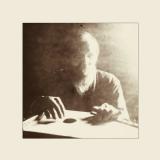
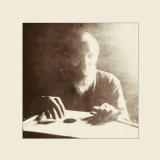
Exit were a five-piece ensemble of journeymen musicians from the lone star state of Texas who came together in the early 1980’s to record a handful of popular local 45’s including two Football-mania songs. The groups line-up consisted of lead guitarist and vocalist Clennis High, rhythm guitarist Lonnie Jones, his brother Johnny K. Jones the groups keyboardist, bassist Frank Houston Jr and George Oliver on Drums.

Clennis High, a promising Football player with a flair for playing the guitar began his early musical career while attending Wheatley High school. Aged 17, Clennis played on several Crazy Cajun, Huey P Meaux’s recording sessions for Eugene Gamble and Barbara Lynn. Further recording sessions on Roy Head followed before he accepted an invitation by his neighborhood friend Willie Parnell to play alongside a group of fellow students in a band called ‘The Drells’. ‘The Drells’ had been founded by Archie Bell in 1966 pulling together neighborhood friends James Wise, base singer Cornelius Fuller, Billy Butler, Willie Parnell joined later by Archie’s brother Lee Bell. Clennis would play with ‘Archie & The Drells’ through their time on Skipper Lee Frazier’s Ovide label often accompanied by the ‘Texas Southern University Toronadoes’ where they scored a hit with the dance instruction song “Tighten Up” which on the strength of Atlantic Records picked the group up. Clennis played on all 3 of the Drells studio albums “Tighten Up”, “I Can’t Stop Dancing” and There’s Gonna Be A Showdown” under Gamble and Huff’s tutelage before quitting to return home to complete his degree. He continued to play with several local Houston bands including the Cold Four who recorded the sort after “Love And Care/Low Riden” (Drells).

Clennis later formed ‘The Reality Band’ with his friend Jerald Grey which introduced him to George Oliver and Frank Houston Jr. Occasionally ‘The Reality Band’ played with other groups, one group in particular (which Jerald previously knew) being an outfit from Conroe, Texas called the ’58 Engineers.

‘The 58 Engineers’ were founded by Johnny and Lonnie Jones, taking their name from the Army unit Johnny served with during his time in the service. By 1973 having grown to 8 members the group entered the studio to record the highly collectable and popular funk outing “The Funky Fly (Part1 & 2)” on their own Bryant Records label (Bryant being the Jones brother’s mother’s maiden name).

As members of the ‘58 Engineers’ moved on, the Jones brothers found themselves working more and more with the ‘Reality Band’ so when Jerald Grey too later moved on the remaining ‘Reality Band’ members Clennis, George and Frank having grown fond of the two “Country Brothers from Conroe” as they affectionally called the Jones’s made the decision to continue working with them, which led to the foundation of the group, Exit.

During 1980 the recently formed Exit recorded the first of their two Football -mania songs but it is from the groups 1981 release “Success/One More Hour” (Dat-Tex 105) that Soul Junction have taken the splendid ballad “One More Hour” to pair with the flipside of the groups third release “The Little Green Monster” (Dal-Tex 106) which is now highly regarded and sort after by sweet soul/lowrider connoisseurs alike. Both of these songs have been put back-to-back to feature on Soul Junction’s forthcoming September 45 release.

Auf Lager

Bei uns am Lager und sofort versandfertig

17,86
Stevie Nicks - Rock a Little (2x12")
  • A1: I Can't Wait
  • A2: Rock A Little (Go Ahead Lily)
  • A3: Sister Honey
  • B1: I Sing For Things
  • B2: Imperial Hotel
  • B3: Some Become Strangers
  • C1: Talk To Me
  • C2: The Nightmare
  • D1: If I Were You
  • D2: No Spoken Word
  • D3: Has Anyone Ever Writen Anything For You

Looking back on her career in the early 90s, Stevie Nicks described the first track of Rock a Little as “the most exciting song that I had ever heard.” This coming from a superstar who was already closely affiliated with several bajillion-selling Fleetwood Mac albums — to say nothing of her own benchmark solo debut. Her remarks attest to the enthusiasm and effort she invested in her third record, a 1985 work that quickly furthered Nicks’ profile and cemented itself as a piece of 80s pop lore.

Mastered at MoFi’s California studio, pressed at Fidelity Record Pressing in California, strictly limited to 4,000 numbered copies, and housed in a Stoughton gatefold jacket, Mobile Fidelity’s 180g 45RPM 2LP set presents Rock a Little in audiophile sound for its 40th anniversary. Helmed by a cadre of producers and engineers, and recorded for a reported one million dollars, the platinum-certified album teems with a head-spinning array of colors, tones, dreamscapes, and accents. This reference-grade reissue marks the first time they are all brought to light and conveyed with proper balance, dimensionality, and positioning.

Though Rock a Little doubtlessly has period characteristics of a mid-80s LP, Nicks and company spare no expense when it comes to distinguishing the music with expansive sonics distinguished with lush melodies, high-tech percussion, echoing vocals, sampled keyboards, and layers of sophisticated accents. The degrees of spaciousness, headroom, and dynamics are nothing less than inspiring, while the newly enhanced detail, texture, and clarity make the songs sing like never before. As for Nicks’ voice? Wait ’til you experience the transparency and depth.

Those advantages extend, of course, to the aforementioned “I Can’t Wait,” a statement-making opener shot through with modulating synthesizers, splashy drums, metallic guitars, and serious drama. Holed up in a massive studio, Nicks required just one take to nail her part, which she called “magic and simply not able to beat.” The singer-songwriter also distilled the reverberating emotional essence of the Top 20 tune, stating “when I hear it on the radio, this incredible feeling comes over me, like something really incredible is about to happen.”

The same can be said for nearly all of Rock a Little. Crafted by the likes of Songwriters Hall of Fame multi-instrumentalist/producer Rick Nowels, Heartbreakers organist Benmont Tench, bassist Bob Glaub, jack-of-all-trades Greg Phillinganes, and session-pro guitarists Waddy Watchel, Les Dudek, and Danny Kortchmar — along with another two dozen or so participants — the record spills with diverse ideas, shapes, and moods. Everything is in the right place, as evidenced by the swirling glide and sensual undertow of the slightly funky title track to the snapping rhythmic pace and big hooks of “Imperial Hotel,” one of Nicks’ standout moments.

“What was it she wanted?” Nicks queries on “No Spoken Word,” continuing a theme of contemplation that runs through the narratives. Nicks never lands on a definite answer, but hearing her explore loneliness, love, and the secrets we keep to ourselves proves continuously rewarding. Take her passionate performance on a cover of Chas Sanford’s “Talk to Me,” a Top 5 smash furthered by tasteful saxophone lines and understated folk elements. Immersive yourself in the grand sonic corridors of “If I Were You,” laden with Nicks’ signature mysticism.

Moreover, surrender to the gravitas of the closing “Has Anyone Ever Written Anything for You,” a piano ballad composed about the death of Joe Walsh’s three-year-old daughter. As Nicks asserts earlier on the album, she sings for things money can’t buy.

So, rock a little, yes, but dare to feel even more.

vorbestellen

Der Artikel ist noch nicht erschienen. Du kannst den Artikel jetzt vorbestellen, dieser ist nach Wareneingang für dich versandbereit.

82,56
Tee Mac - Nepa Oh Nepa

Tee Mac

Nepa Oh Nepa

12inchHC41
HOT CASA
28.04.2016

With the agreement of the artist Hot casa decided to select the best of his repertoire. The long awaited Tee Mac's Best Of is a reality at last: juicy, hot, explosive and threatening to shatter all existing records !
Tee Mac is a Nigerian multi-talented maestro flutist with cross-cultural Itsekiri and Swiss roots. He combined his first degree in Economics from the University of St. Gallen in Switzerland, with a specialization in classical music concert performance and philharmonic compositions at University of Lausanne.

During a rich career spanning over 40 years, Tee Mac formed numerous bands including Tee Mac & Afro Collection in the 1970s with notable Nigerian artists. He recorded his first LP, United, for Polydor International in Germany, with his European band, Tee Mac United, in the late 70s. And he then hit the global music charts with two songs, "Fly Robin Fly" and "Get Up & Boogie", touring extensively with his third band, Silver Convention.

Auf Lager

Bei uns am Lager und sofort versandfertig

16,77
Sugar Horse - Not A Sound In Heaven LP
  • 1-: Fire Graphics
  • 2: Secret Speech
  • 3: Ex-Human Shield
  • 4: History's Biggest T-Shirts
  • 5: Not A Sound In Heaven
  • 6: Company Town
  • 7: You Can't Say Dallas Doesn't Love You

Bristol experimental band SUGAR HORSE are delighted to announce that their third album, Not A Sound In Heaven, will be released on 10th April 2026 via Fat Dracula Records.

To celebrate the news, the band are sharing the bruising lead single ‘Secret Speech’, available to stream on all good digital service providers from 12th February 2026.

Also announced today are a run of April 2026 UK album headline tour dates and an appearance at StrangeForms Festival 2026, with tickets on sale now (see below for full listings).

“We are fortunate enough to live in what is generally known as ‘The West’,” says front man Ash Tubb of the lyrical themes behind the new track. “I say fortunate with gritted teeth, because I know—as I’m sure the reader knows—that living in the West isn’t always rosy. The vast majority of people struggle everyday to feed, clothe and house themselves. Let alone receive adequate healthcare, schooling and workers’ rights.”

“We are, however, where all the world’s wealth is hoarded. We are at the centre of Empire. The people outside of this empire—those of the Global South—have had their resources extracted and their populations exploited by our own governments, with very little given back in return. This won’t go on forever. It will inevitably end, as all great empires do.”

“We in The West have a choice to make in the meantime; either help create a new, fairer world, or let the greed of our ruling classes become the undoing of all of us.”

The first glimpse of new material from the quartet, ‘Secret Speech’ starts as Not A Sound In Heaven means to go on—a politically-charged wrecking ball of a song that smashes its way through the often unbelievable chaos and brutality of the 21st century with vitriolic malice.

How do you capture the machinations of the geo-political industrial war machine—and all the horrors that go with it—in the studio, without seeming trite or crass? That’s the question that Sugar Horse have posed themselves on their forthcoming third album Not A Sound In Heaven, and they must surely be one of the only bands in existence capable of delivering on just that premise with both musical substance and cutting philosophical insight.

“Ever since I was born I can remember visions of war, famine, and death being beamed directly into my living room via the magic of television,” says Tubb of the record. “These visions were accompanied by newsreader narratives designed to either humanise or dehumanise the people involved. We humanise our government’s allies and dehumanise their enemies. This is taken as common sense, or even wisdom to some degree. People watch the news and accept it as fact, simple and true.”

“As a person gets older they move in one of three different directions with this acceptance of reality; They embrace what they’re being told, they fall into a kind of trust free nihilism or they learn that there are deeper narratives at play.”

“Not A Sound In Heaven is an aged acceptance of the latter. An acceptance of sitting at the centre of a global empire of both military and economic dimensions. An acceptance that the stories we’re told as a nation, or what’s generally in the zeitgeist, isn’t necessarily reality itself.”

“How does a person cope with the weight—and, frankly, the guilt—of a society that perpetuates such distinct inequalities? A society that thinks a bit of killing abroad is fine, as long as it improves the lives of people at home. You can see why so many choose to embrace it. Hell, nihilism seems pretty sensible. Once a person decides upon pursuing a degree of truth however, things get a bit depressing. Beyond depressing...maddening.”

“This album explores this kind of breezy, frivolous subject matter in a manner that will no doubt be uplifting to the listener and massively financially rewarding for the artist.”

The new album follows on from their standalone AA single ‘What’s Your ETA? Let’s Have A Tear Up’/‘Would You Like Me To Be The Cat?’ which was released late last year as a surprise double drop.

vorbestellen10.04.2026

erscheint voraussichtlich am 10.04.2026

24,79
Iivana Mišukka & Arja Kastinen - Iivana Mišukka LP

Death Is Not The End present a further volume of Arja Kastinen's eerie amalgamations of 110 year old wax cylinders with her own meticulously transcribed takes, this time focussing in on Armas Otto Väisänen's field recordings of kantele player Iivana Mišukka (b. 1861 d.1919).

"Ivana Mišukka (1861–1919) was one of the Karelian kantele players recorded by the folk music researcher Armas Otto Väisänen on wax cylinders in 1916 and 1917. In the early 20th century, the remote areas of Border Karelia were undergoing the final phase of a transformation in musical culture, with the ancient runo song tradition giving way to newer forms of music. This transition is reflected in Mišukka's repertoire and choice of instrument. The ancient small kantele, hollowed out of a single piece of wood, was already rare at the turn of the century. Mišukka's kantele was a new type of instrument with 26 strings, constructed of several parts, but he played it using the traditional plucking technique. Like other Border Karelian kantele players, his repertoire consisted of music rooted in runosong culture, as well as newer dances and songs from the east and west. Most of the recorded material falls into the latter category.

Ivan Bogdanov Mišukka was born out of wedlock in Suursara village, Suistamo, on 1 May 1861. He began playing the kantele at the age of five or six, quickly mastering the instrument. In adulthood, he was considered one of the area's best master players. Mišukka was landless for most of his life and lived in different parts of the Suistamo parish. His first wife, Tekla Markintytär, died in 1897 at the age of 40, and his second wife, Jevdokia Filipintytär Jeminen, died in 1907 at the age of 50. Seven children were born from the first marriage, two of whom died young. The third wife, Maria Ignatintytär Gurnan (Kuurnanen), was a well-known master of lamentations. Together with Maria, Iivana Mišukka worked as a tenant farmer in the village of Suursara. Mišukka suffered from rheumatism, which prevented him from participating in physical work like Maria. This was apparently partly the reason why Iivana Mišukka went to earn extra money by playing the kantele on gig trips. He often had other traditional artists from Suistamo as his travelling companions, such as the runosingers Konstantin Kuokka and Iivana Onoila. Iivana Mišukka died in Leppäsyrjä village, Suistamo, on 18 May 1919 at the age of 58, and his kantele was donated to Teppana Jänis.

Mišukka only used 14 of the 26 strings on his kantele, playing the same tunes either a fourth higher or lower. He tuned his kantele to the major scale using fifths, except for a low seventh scale degree on the upper strings, but not below the fundamental. Since he did not use the seventh note of the scale on the upper strings at all, he could use the major scale both lower and a fourth higher with this tuning. According to Mišukka, the sound of higher, or 'finer', strings is 'more beautiful', while that of lower ones is 'greater'. Among runosingers, the size of the thirds varied, ranging from major to minor to neutral. A similar phenomenon can be observed in kantele tunings, where the third, sixth and seventh scale degrees vary in a comparable way.

During a meeting, Väisänen suggested that Mišukka play the smaller kantele belonging to Konstantin Kuokka. The idea was to bring it closer to the horn to improve the recording quality. However, the kantele was completely out of tune, and now Mišukka tuned it to the Lydian scale (track 18).

Using the old plucking technique, Mišukka placed his right middle finger on the fundamental tone, his right index finger on the second scale degree, his left middle finger on the third scale degree and his left index finger on the fourth scale degree, and his right thumb on the fifth. The thumb also played the notes above the fifth note of the scale. As Mišukka remarked to Väisänen: 'Peigaloll' tuloo enemb ruadoa' (the thumb has to do more work). However, he did not use the seventh note of the scale on the upper strings at all. Below the fundamental note, he played the seventh and sixth notes of the scale with his right middle finger of and the fifth note of the scale with his right ring finger. This fifth scale degree below the fundamental is almost always used as a drone. Sometimes, when the melody required it, Mišukka, like other players, also varied the fingering. He would also occasionally strike the same string with the side of his fingernail after plucking it.

The wax cylinder recordings of Karelian kantele players are kept in the archives of the Finnish Literature Society in Helsinki, Finland. Copies were made of them onto reel-to-reel tapes in both the 1960s and 1980s. The 1960s copies are mono and the 1980s copies are stereo. However, not all kantele recordings from these decades have survived.

The sound of the kantele is difficult to hear in wax cylinder recordings due to its low volume, and it occasionally becomes completely obscured by noise. During the copying process, the cylinder sometimes rotates unevenly, resulting in breaks or jumps in the music. Additionally, the rotation speed of the cylinder in the copies does not correspond to the performance speed of the original music, which alters the pitch. However, since Väisänen's precise notes are available in the archive, it is possible to deduce the melodies, their speed, and the tuning level of the kantele in the recordings. Of the copies of the original recordings from the 1960s and 1980s, I have selected the one that best met the requirements of this publication and adjusted the speed of the recording to align with Väisänen's notes. To enhance the listening experience, I have replayed the songs, which now partly overlap the old recordings on this release."

— Arja Kastinen

vorbestellen27.03.2026

erscheint voraussichtlich am 27.03.2026

22,65
Iivana Mišukka & Arja Kastinen - Iivana Mišukka (Tape)
  • 01: Maanitus &Amp; Tšiižik
  • 02: Markka
  • 03: Melkutus
  • 04: Letška
  • 05: Kuuen Parin Hoirola
  • 06: Brišatka
  • 07: Tšiižik
  • 08: Kirkonkellot
  • 09: Kirkonkellot Korkea
  • 10: Hoirola, 3 Parin
  • 11: Lippa
  • 12: Kyngäkiža
  • 13: Ristakondra
  • 14: Vanha Polkka
  • 15: Viistoista
  • 16: Vanha Valssi
  • 17: Kiberä
  • 18: Maanitus Kuokan Kanteleella
  • 19: Tuuti Lasta Nukkumahe
auch erhältlich

Vinyl[22,65 €]


Death Is Not The End present a further volume of Arja Kastinen's eerie amalgamations of 110 year old wax cylinders with her own meticulously transcribed takes, this time focussing in on Armas Otto Väisänen's field recordings of kantele player Iivana Mišukka (b. 1861 d.1919).

"Ivana Mišukka (1861–1919) was one of the Karelian kantele players recorded by the folk music researcher Armas Otto Väisänen on wax cylinders in 1916 and 1917. In the early 20th century, the remote areas of Border Karelia were undergoing the final phase of a transformation in musical culture, with the ancient runo song tradition giving way to newer forms of music. This transition is reflected in Mišukka's repertoire and choice of instrument. The ancient small kantele, hollowed out of a single piece of wood, was already rare at the turn of the century. Mišukka's kantele was a new type of instrument with 26 strings, constructed of several parts, but he played it using the traditional plucking technique. Like other Border Karelian kantele players, his repertoire consisted of music rooted in runosong culture, as well as newer dances and songs from the east and west. Most of the recorded material falls into the latter category.

Ivan Bogdanov Mišukka was born out of wedlock in Suursara village, Suistamo, on 1 May 1861. He began playing the kantele at the age of five or six, quickly mastering the instrument. In adulthood, he was considered one of the area's best master players. Mišukka was landless for most of his life and lived in different parts of the Suistamo parish. His first wife, Tekla Markintytär, died in 1897 at the age of 40, and his second wife, Jevdokia Filipintytär Jeminen, died in 1907 at the age of 50. Seven children were born from the first marriage, two of whom died young. The third wife, Maria Ignatintytär Gurnan (Kuurnanen), was a well-known master of lamentations. Together with Maria, Iivana Mišukka worked as a tenant farmer in the village of Suursara. Mišukka suffered from rheumatism, which prevented him from participating in physical work like Maria. This was apparently partly the reason why Iivana Mišukka went to earn extra money by playing the kantele on gig trips. He often had other traditional artists from Suistamo as his travelling companions, such as the runosingers Konstantin Kuokka and Iivana Onoila. Iivana Mišukka died in Leppäsyrjä village, Suistamo, on 18 May 1919 at the age of 58, and his kantele was donated to Teppana Jänis.

Mišukka only used 14 of the 26 strings on his kantele, playing the same tunes either a fourth higher or lower. He tuned his kantele to the major scale using fifths, except for a low seventh scale degree on the upper strings, but not below the fundamental. Since he did not use the seventh note of the scale on the upper strings at all, he could use the major scale both lower and a fourth higher with this tuning. According to Mišukka, the sound of higher, or 'finer', strings is 'more beautiful', while that of lower ones is 'greater'. Among runosingers, the size of the thirds varied, ranging from major to minor to neutral. A similar phenomenon can be observed in kantele tunings, where the third, sixth and seventh scale degrees vary in a comparable way.

During a meeting, Väisänen suggested that Mišukka play the smaller kantele belonging to Konstantin Kuokka. The idea was to bring it closer to the horn to improve the recording quality. However, the kantele was completely out of tune, and now Mišukka tuned it to the Lydian scale (track 18).

Using the old plucking technique, Mišukka placed his right middle finger on the fundamental tone, his right index finger on the second scale degree, his left middle finger on the third scale degree and his left index finger on the fourth scale degree, and his right thumb on the fifth. The thumb also played the notes above the fifth note of the scale. As Mišukka remarked to Väisänen: 'Peigaloll' tuloo enemb ruadoa' (the thumb has to do more work). However, he did not use the seventh note of the scale on the upper strings at all. Below the fundamental note, he played the seventh and sixth notes of the scale with his right middle finger of and the fifth note of the scale with his right ring finger. This fifth scale degree below the fundamental is almost always used as a drone. Sometimes, when the melody required it, Mišukka, like other players, also varied the fingering. He would also occasionally strike the same string with the side of his fingernail after plucking it.

The wax cylinder recordings of Karelian kantele players are kept in the archives of the Finnish Literature Society in Helsinki, Finland. Copies were made of them onto reel-to-reel tapes in both the 1960s and 1980s. The 1960s copies are mono and the 1980s copies are stereo. However, not all kantele recordings from these decades have survived.

The sound of the kantele is difficult to hear in wax cylinder recordings due to its low volume, and it occasionally becomes completely obscured by noise. During the copying process, the cylinder sometimes rotates unevenly, resulting in breaks or jumps in the music. Additionally, the rotation speed of the cylinder in the copies does not correspond to the performance speed of the original music, which alters the pitch. However, since Väisänen's precise notes are available in the archive, it is possible to deduce the melodies, their speed, and the tuning level of the kantele in the recordings. Of the copies of the original recordings from the 1960s and 1980s, I have selected the one that best met the requirements of this publication and adjusted the speed of the recording to align with Väisänen's notes. To enhance the listening experience, I have replayed the songs, which now partly overlap the old recordings on this release."

— Arja Kastinen

vorbestellen27.03.2026

erscheint voraussichtlich am 27.03.2026

16,39
Repetition Repetition - Fit for Consequences: Original Recordings, 1984–1987
 
2

Fit for Consequences: Original Recordings, 1984–1987 is the first ever archival release from Repetition Repetition, the “two-man electric minimalist band” consisting of Ruben Garcia and Steve Caton hailing from Los Angeles in the mid 1980’s. Repetition Repetition’s unique blend of cosmic art-rock minimalism / maximalism was self-released across a series of cassettes produced in micro editions, and while garnering the attention and participation of luminaries such as Harold Budd, remained under the radar during the band’s existence. Fit for Consequences: Original Recordings, 1984–1987 collects select material from across the duo’s catalog.

It was over a plate of Mexican breakfast food when Ruben Garcia and Steve Caton first told Harold Budd of Repetition Repetition and the worlds they intended to explore by respective way of synthesizers and guitars --- a rendezvous instigated by the former’s fan mail to the legendary composer. If the upstarts entered this restaurant from a one-way street of admiration, they would leave with not only Budd’s interest but, sometime later, a blessing in the wake of many hours shared by the three in Garcia’s Los Angeles home recording studio: “This is going to be difficult, but God help them, I think they’re great,” noted Budd in a USC lecture in 1985. Now several degrees removed from prior rock music aspirations, the real game was afoot.

Between 1984 and 1988, Repetition Repetition operated within something akin to the underground of the experimental underground, although even that designation perhaps overstates the case. The duo’s sparse output consisted of three cassettes self-released on Garcia’s Third Stone Music label: Repetition Repetition (1985), Lakeland (1987), and The Machinist (1987). Their songs would also be included during this period on Trance Port Tapes’ vital scene-scanning compilations assembled by A Produce. Live performances occurred with similar infrequency, but Garcia and Caton counted converts in quality over quantity, numbering among them the aforementioned Budd, a Chambers Brother, and, judging by a memorably drop-jawed reaction following a rare Repetition Repetition gig, Jackson Browne.

Likewise, critical support materialized in the form of KCRW deejays Brent Wilcox and Dean Suzuki, whose steady airplay positioned Repetition Repetition’s music amidst fearless company like Jon Hassell, Hiroshi Yoshimura, and Richard Horowitz. Yet, to hear fellow Trance Port featured players like Tom Recchion and Bruce Licher of Savage Republic tell it, Garcia and Caton moved as ghosts --- a notion more vexingly endorsed by the silence of record companies that failed to come knocking --- and therein lies an overarching truth to the work itself.

Journey to the heart of Repetition Repetition and one discovers a collective ear impossibly attuned to the hypnotic possibilities of stylistic convergence, the resulting music possessed of seamless multimodalities which beckon to a glimmering plane of the disembodied. Where Caton sought his artistic fixes at an intersection of popular genres, Garcia zoned in on the sonically spare, drawing from the same wellspring as the Enos and Rileys of his personal avant-garde pantheon, and in their coming together the two tapped into a deeper cosmic source. Synthetic walls of keyboard sound in forever states of reprise met waves of shimmering --- and at times even punishing --- guitar in reply, their soundscapes hovering convincingly between, as suggested in fittingly dualistic fashion in a press kit assembled by Garcia, such disparate sensations as bird flight in one song and oil drilling in the next.

But don’t call it a push-pull dynamic, as this was a creative partnership founded upon fluidity and organicism by way of, naturally, repetition. In contrast to, say, the Bressonian ideal of repetitive motion as a great stripping away, the concept in the hands of Garcia and Caton equated to ascendancy via continuous unfolding, a maximal route to minimalism. To be sure, their recording philosophy morphed over the course of the act’s short history, and what started as a process defined by consistent in-person interplay developed into a more isolated method formulated by Garcia, who eventually took to his own one-man bedroom-studio sessions in order to fully chart any and all potential ostinato-loaded paths which he could travel down, the Tascam-captured resonances subsequently provided to Caton as blueprints from which to take flight himself, adding layer upon layer of steel to the proceedings.

If the practice and execution changed, however, the evidence certainly didn’t rest in the results: The seamlessness remained, and, despite the brevity of their time together, so has Repetition Repetition. With this finely calibrated collection of songs in Fit for Consequences: Original Recordings, 1984–1987, Freedom To Spend sees to it that the private worlds of Garcia and Caton can now be visited by all rather than just the count-‘em-on-both-hands lucky few whose musical endeavors or collector vocations carried them into this once-distant dimension.

Repetition Repetition’s Fit for Consequences: Original Recordings, 1984–1987 will be released on Freedom To Spend in vinyl and digital editions on May 30, 2025. The collection includes extensive liner notes from Bill Perrine, and wil be offered alongside Over & Over, a supplemental collection of music available exclusively as a mail order cassette from Freedom To Spend and RVNG Intl.

vorbestellen30.05.2025

erscheint voraussichtlich am 30.05.2025

26,01
Alexander Flood - Artifactual Rhythm

Steeped in classic dancefloor rhythms and sounds, ARTIFACTUAL RHYTHM presents a re-interpretation of club and DJ music through the lens of a live band with a jazz edge. Tapping into sounds of the 90s and 2000’s while keeping his foot very firmly in the now and beyond, Flood’s new body of work is both for the dancefloor and the listener.

Dubbed 'nu-jazz', 'jazztronica' and 'jazz house music', at its core Alex’s sound takes influence from house, UK garage, drum n’ bass, and broken beat. 'Artifactual' can be defined as 'made by human hands', and that’s exactly what Alex explores with this record; taking sounds and styles that are inherently electronic and giving them new life through the rawness of a live band underpinned by jazz and improvisational explorations. Music made by human hands.

Recorded live in a studio in Naarm / Melbourne and engineered, mixed, and co-produced by Lewis Moody (Energy Exchange Records), the album features a list of some of the finest players 'Down Under' including Erica Tucceri (flute), Finn Rees (keyboards), Dylan Paul (bass), as well as guest vocal features from the lyrical legend Cazeaux O.S.L.O on LIFE IS A RHYTHM, Kara Manasala on UK garage cut DON’T WAIT 4 ME, and New York soul queen Vivian Sessoms heating up some classic house energy on CAN’T GET ENOUGH.

Alexander Flood is one of Australia’s commanding beat-masters, possessing a unique and finessed arsenal of groove, power, and expertise on the drums. Leading his own band from the drum chair, Alex’s music pushes a fresh rhythmic and dynamic realm of live dance music leaning on nu-jazz, deep-house, broken beat, DnB, funk, and experimental sounds. The band has recently featured at Wellington Jazz Festival, Melbourne International Jazz Festival, SXSW Sydney, WOMADelaide, JazzMontez Frankfurt and various clubs across Europe and Australia.

Winning Australia’s Best Up and Coming Drummer Competition in 2016 was just the beginning of Flood’s accelerating trajectory in music. After graduating top of his University jazz degree in 2017, Alex signed with US label Stretch Music to release his debut album HEARTBEAT, followed by his sophomore release The Space Between in 2022. Later that year Alex toured Europe with heavyweight 6x GRAMMY nominee Christian Scott aTunde Adjuah’s band. While in Berlin Flood recorded his third album 'Oscillate' with an all-star lineup including Horatio Luna and Abase, releasing via Jakarta Records in May 2023. In 2023 Alexander was also the recipient of the highly prestigious Young Achiever Award at the Ruby Awards, as well as receiving the Robert Stigwood Fellowship (Government of South Australia).

2024 sees Alex join forces with Atjazz Record Company to release new music from his forthcoming album ARTIFACTUAL RHYTHM, as well as touring his band across Australia, New Zealand, Europe and the UK.

Some notable collaborators of Alex’s include Chief Christian Scott aTunde Adjuah, Abase, Horatio Luna, Atjazz, Vivian Sessoms, Cazeaux O.S.L.O, Nelson Dialect, the ASO, WASO, QSO, as well as working with brands including Red Bull Music and Istanbul Cymbals.

nicht am Lager

Bestelle jetzt und wir bestellen den Artikel für dich beim Lieferanten.

22,65

Last In: vor 6 Monaten
GREG MENDEZ - GREG MENDEZ

Greg Mendez

GREG MENDEZ

12inchDOCLP371
Dead Oceans
06.12.2024

For Greg Mendez, reflection doesnüft mean a static image in a mirror, or even a face he recognizes. Itüfs more a kaleidoscopic mirage, where paths taken shapeshift with the prospect of paths untread, and the subconscious merges with the intentional. On his self-titled new album, the Philadelphia-based songwriter and multi-instrumentalist investigates the shaky camera of memory, striving to carve out a collage that points to a truth. But there isnüft a regimented actuality here; instead, Mendez highlights the merit in many truths, and many lives, and how even the hardest truths can still contain some humor. While this is technically Mendezüfs third full-length album, his back catalog boasts an extensive range of EPs and live recordings. Heüfs a prolific and thoughtful songwriter, understanding the joy in impulse, and shying away from the clinical sheen of overproduction. 2017üfs ügüP/ _(c)_ /üPüh and 2020üfs Cherry Hell garnered acclaim for their quiet, lo-fi urgency, exploring themes of addiction and heartbreak with an intentional, authentic haze, and itüfs this approach that has solidified Mendez as a staple in the DIY community for years. Greg Mendez was written in fragments, some stretching across more than a decade, with Mendez reworking old ideas and arrangements, and others blossoming much more recently. The weight of time..and perhaps the anxiety in running out of it..clouds the album, as Mendez prods at some painful experiences from his childhood and early adulthood. The common thread connecting the characters is their evident imperfections, and the various degrees of damage they cause, both knowingly and unknowingly. But where do we draw the line between a good person and a bad person? For Mendez, itüfs never been that easy. Greg Mendez is an intimate dialogue between the chapters weüfve experienced, and how they can inform the reality we perceive. Itüfs a reminder that we are constantly shifting, ever-changing selves and that if we ruminate too long, we may find ourselves stuck in the seriousness of it all. Here, Mendez allows us to take the time to notice what happens outside of the framework we may have built for ourselves, and the beauty that can occur when we finally do.

vorbestellen06.12.2024

erscheint voraussichtlich am 06.12.2024

25,17
Sunturns - Christmas III LP

Sunturns

Christmas III LP

12inchFIKA105LP
Fika Recordings
06.12.2024
  • 1: New Snow
  • 2: Crash Course Christmas
  • 3: Magnetic Field
  • 4: I Do
  • 5: First Winter
  • 6: Back In Town
  • 7: Turtle Neck
  • 8: Colibri Heart
  • 9: The Day Before The Day
  • 10: This Christmas / Next Christmas

The Norwegian indie-pop super-group with members from Making Marks, The Little Hands of Asphalt, Mildfire, Flight Mode and Elva return with a third album of original Christmas songs.

Get into that alternative, Nordic Christmas spirit! Christmas III at its heart is an alt-Christmas album: the songs are firmly rooted in December’s festivities, albeit not usually relying on the season’s traditional reference points. The songs hone in on the more ambivalent sides of Christmas - family, customs and the passing of time - with a keen eye towards the holidays’ most obvious function in countries close to the Artic circle: getting through the cold and dark times to celebrate the winter solstice and the turning of the sun. Drawing from Sufjan Stevens’ epic indie Christmas compendium and Phil Spector’s wall of sound classic A Christmas Gift From You, Christmas III is built on shimmering guitars, snow filled piano lines, gentle strings, springy vocals and dynamic drums - all steadily conducted by Sunturns’ own Sjur Lyseid (Flight Mode, The Little Hands of Asphalt) in the producer’s seat at his Globus studio in Oslo. With 3 songwriters (Ola Innset, Einar Stray & Sjur Lyseid) contributing to Christmas III, there’s an ever shifting sense of reflections. Parenthood and the struggles of the dark Norwegian winter is behind Ola’s track First Winter. “Sometimes I feel bad about bringing children into such a difficult world. Not so much with respect to daylight and the seasons, they’re just going to have to learn how to live with it, but with many other things – like war, poverty, climate change and even just death.” Back In Town might have been inspired by a discussion over whether Thin Lizzy’s “The Boys Are Back In Town” is a Christmas song or not, but it’s written about his youngest daughter Klara, to his elder daughter, about taking holidays with your family in a town you once lived. Einar pulls in Phoenix and Mew by the way of Jesus and Mary Chain on Crash Course Christmas, resulting in a seasick wave of a pop tune. “It’s a song about the guilt of not prioritizing your relationships. It’s been year of rainchecks and Christmas finally gives you some time to reflect. You’ve experienced so much and changed so much as a person that you almost forget your origins. Coming home for Christmas can then be a ritual of finding your way back to what you left behind." Drawing on the knitwear from the film Love, Actually, Turtle Neck, taps into the Backstreet Boys by way of Mac Demarco, with a sneaky reference to the legendary Norwegian Christmas hit En Stjerne Skinner I Natt. Album closer This Christmas / Next Christmas leans in on the hook for the Norwegian Christmas TV show Jul i Blåfjell, a multi-generational seasonal staple (essentially a daily children’s advent calendar kids show). “The song is about your parents ageing and needing your help – possibly really far away - while at the same time having your own children to take care of”. The cover artwork is a homage to Christmas dress codes for Norwegian men. Suits and shirts are a rarity in day to day life, but there are a handful of occasions that require some form of formal attempt at a suit: New Year’s Eve, National Day, weddings & funerals, and Christmas Eve: resulting in various degrees of sartorial elegance on the day (and on this instance, a hot summer’s day stifling the Christmas vibes, with ambiguous apparel instructions ahead of the photoshoot!).

Merry Christmas! Sunturns are Ola Innset – vocals, guitars, banjo. Sjur Lyseid – vocals, guitars. Einar Stray – vocals, keyboards, guitars. Eivind Almhjell – guitars, bass. Simen Herning – guitar. Jørgen Nordby – drums.

vorbestellen06.12.2024

erscheint voraussichtlich am 06.12.2024

27,52
Bopperson & Bikbaye - The Wellness Remixes

Label and collaborative musical collective, +33JOY announce their debut release, this first one from Bopperson & Bikbaye.

Born out of a meeting at New York’s annual Winter Jazz Festival, back in 2020, this 4 track EP entitled ‘The Wellness Project’ is a very personal project.

Neil Bopperson is a DJ, musician and producer originally from Yorkshire. Having travelled the world working as a DJ and chef, he landed in London for a while where he remixed afrobeat legend Dele Sosimi for Wah Wah 45s. Now residing in Paris, France, a sharer and carer of music in every aspect, he chooses not to follow trends but instead follow his heart, with variety being an essential part of his musical DNA.

Based in Los Angeles, Bikbaye Inejnema works as a cultural activist, writer, teacher, counselor and spoken word artist. He has a bachelor’s degree in Sociology boasting over ten years experience in social work. He works as a A.T.O.D. (alcohol, tobacco & other drugs) prevention specialist for Homeless Healthcare in L.A. He is also the Executive Director of The Conscious Youth Global Network (CYGN)

Bikbaye strives to utilize art to equip the youth with the skills to become positive, productive citizens. Focusing on diverse topics ranging from leadership development to financial literacy to health and nutrition, Bikbaye gives youth the tools they need to create empowered and enlightened content.
As Bikbaye says, “The goal is to flood the airwaves, the media, everywhere with enlightened art.”

This first release on +33JOY comes in the form of a collaborative project, with music coming predominantly from Neil, with a little help from some additional players - Sam Crowe; keys (Lianne La Havas, Little Simz & Native Dancer) and the saxophone of Nick Briggs; (Joel Culpepper, Poté & The Last Skeptik). All words and vocals are from Bikbaye.

After a chance meeting in NYC, where Bikbaye was hosting talks at The Winter Jazz Festival, speaking mainly about mental health and wellness in the music industry. His words really resonated with Neil, they connected and this EP is the outcome.

Sitting somewhere in the alternative hip hop world, music is used as a vessel for Bikbaye’s words to ring out. Upon being presented with Bikbaye’s recordings, Neil composed music and collected sound design accordingly.

Starting out the set is the stripped back ‘Wellness Is A Practice’, as the opener to proceedings the vocals take forefront and the message is clear. Found sound, an old crunchy keyboard and some guitar pulses keep the poem afloat.

‘Who Are You?’ raises important questions, directed at other artists and music industry professionals. Flute, choirs and spacy drums come together for an eerie and dubbed out moment.

Third track ‘Consumption’ conveys perhaps the most important memo on the release. Sam Crowe’s grand piano floats beautifully over the reading, really highlighting Bikbaye’s statements.

Finally, and with a more hopeful feel, ‘Changes’ was the last addition to the recording sessions. A sketch Neil had been sitting on for a while, DJ Bobafatt added some cuts and Nick Brigg’s sax solo opens this track out to a goosebumps inducing ending. The most upbeat of the four tracks serves as a perfect prelude to the club-ready remixes that will follow this release.

nicht am Lager

Bestelle jetzt und wir bestellen den Artikel für dich beim Lieferanten.

15,76

Last In: vor 14 Monaten
Various - The Craig Charles Trunk Of Funk Vol. 3 LP 2x12"
 
19

In Craig Charles' eigenen Worten enthält "The Craig Charles Trunk Of Funk Volume 3" "19 der feinsten Stücke von super-slinky Soul, boot shaking Blues und Boogie, schillernde Discosongs und feine funky rump shakers!"

Als Dichter, Schauspieler, Radio- und Fernsehstar (u. a. in der Science-Fiction-Comedy "Red Dwarf" und der Seifenoper "Coronation Street") ist er seit seiner Jugend berühmt, und seit über 22 Jahren predigt er in seinen weltberühmten BBC 6 Music-Wochenend- und Tagesshows für den guten Groove, legt in Clubs und auf Festivals rund um den Globus auf - sein Ruf als einer der profiliertesten Botschafter für alles, was Soul und Funky ist, ist unbestritten.

Craigs neueste Kollektion mischt Up-Tempo-Club-Klassiker mit frischer Musik von der Creme de la Creme der zeitgenössischen Soul- und Funk-Szene mit einer Prise Oldschool-Klassikern. Das Ergebnis ist so, als ob Craig persönlich als DJ auflegen würde - eine Mischung aus modernem und klassischem Soul, Disco, Deep Funk und beatlastigem Rhythm and Blues.

nicht am Lager

Bestelle jetzt und wir bestellen den Artikel für dich beim Lieferanten.

38,87

Last In: vor 21 Monaten
Orcas - How to Color a Thousand Mistakes

Following a ten-year hiatus, multi-instrumentalists Rafael Anton Irisarri and Benoît Pioulard return with »How to Color a Thousand Mistakes«, their third LP together as Orcas. Building on the electronic minimalism of »Orcas« (2012) and the Twin Peaks-inspired haze of »Yearling« (2014), the duo have expanded their sound and vision into a full-spectrum ensemble.

In the time since their last major collaboration, Irisarri and Pioulard have done plenty on their own, while also traversing significant life changes: relocation from Seattle to New York, separation and divorce, illness, hospitalizations, and the loss of siblings, parents, and friends. Yet from these tribulations, they gleaned inspiration to reconstruct their lives, creating music with new collaborators and partners. Recorded in a variety of studios and cities including Brooklyn, Cambridge, Oxford, Seattle, and upstate New York, the resulting album, under the tutelage of UK producer James Brown (Arctic Monkeys, Kevin Shields, Nine Inch Nails), is a patiently-crafted beast, equally inspired by impressionism, British new wave, and dream pop.

With Irisarri’s guidance and Brown’s encouragement, Pioulard brings his velvety voice to its harmonized peak on songs like »Wrong Way to Fall« and the Durutti Column-indebted »Fare«. Where his most recent solo albums for Morr Music (»Sylva« and »Eidetic«) navigated foggy forests of ambient pop and stacked tape loops, here his characteristic blur shifts into focus with a unique degree of clarity and confidence. »How fare against balance do I / Navigate my errors?«, Pioulard sings in a heartbreaking tenor, echoing the album’s broader themes of introspection, grief, loss, trial and trauma.

Lead single, »Riptide«, is a summary of Pioulard’s life changes and personal upheavals in the past decade, »flitting eastward toward a yen deep in the past« and learning to glide through the tumult of ocean waves, as a metaphor for the punches one takes in pursuit of grace. Its towering, key-changing midsection arrives with the monumental drumming of Slowdive’s Simon Scott, a long-time friend and cohort who appears on most songs in the set. Scott’s quintessentially English, jazzier approach offers a balance of force and restraint as the backdrop for Irisarri’s majestic guitars, analog synth lines, and Martin Heyne’s Fender Rhodes counterpoints.

Second single, »Next Life«, began as a sketch by Scott, and reached its final form in the hands of Pioulard and Irisarri, at a point that each had endured major concurrent losses, finding a commonality in the need to gaze over the horizon while acknowledging the unavoidable bittersweetness of letting go – not only of people, but of routines, places, and expectations. It’s one of Orcas’ most nuanced pieces, with a mid-tempo, sunset glow that unfolds into a sparkling, slide-guitar finale as it disappears in the rear view.

On third-act highlight, »Bruise«, Scott is doubled on the drum kit by MONO’s Dahm Majuri Cipolla, whose Liebezeit-influenced metronomy anchors a nimble bass groove from Andrew Tasselmyer (of Hotel Neon), and some of the album's most syncopated, spaced-out interplay, courtesy of Puerto Rican guitar player Orlando Méndez (a childhood friend of Irisarri’s). Originally a droney, fingerpicked guitar demo, »Bruise« is the most storied composition here, having gone through almost a dozen versions and lyrical edits, with Brown distilling hours of improvised performances into the final arrangement.

Throughout »How to Color a Thousand Mistakes«, Irisarri uses his deep well of production experience to paint the stereo field with meticulously designed textures, exemplified on the slow burn of »Heaven’s Despite« and the heady rush of »Swells«. As a mixing and mastering engineer with Black Knoll, he has built a client list that reads as a who’s-who of modern, forward-thinking composition, including Temporary Residence, All Saints Records, and Ghostly International, among many others.

As with previous collaborations, Irisarri and Pioulard bring disparate styles and specialties to the table, but with an interpersonal dynamic that transcends friendship into brotherhood, their open-minded workflow and mutual respect are evident at every turn. »How to Color a Thousand Mistakes« brims with tight, complex art rock songwriting, masterful production, and sonic versatility, informed by a plethora of genres and tonal hues. The title might promise answers, but the gravitational center of the album is the dawning realization that, as you reckon with the infinite whims of the cosmos, there could be none.

vorbestellen19.07.2024

erscheint voraussichtlich am 19.07.2024

28,36
Galecstasy - Stone Flute (TAPE)

With 'Stone Flute', the free-improvising duo's third studio album proper, Galecstasy returns to the universe of synthesizers to deliver an aural odyssey, conjuring the ancient tones of a forgotten world.
The album was entirely conceived and recorded in, and around, the majestic landscapes of Joshua Tree National Park in the magnificent high desert of southern California. From atop the mountain, the two sonic surveyors were witness to a 360 degree view of the stars at night. From above, the giant rocks looked like immense wise faces looking up at the sky, or even huge bodies resting on the Earth and looking up at space. It was during this time that Galecstasy started a ritual that ended up being called the “Moon Cruise”. This would involve waiting for the full moon to rise and then driving into the national park after dark. They would turn off the headlights of the car and drive slowly through the alien landscape lit up by the moon. Boulder fields took on the shape of temples; faces carved into the rocks everywhere they looked; giant heads with smiles or haunting expressions; and the knowledge that people had been living, dancing, and making music here for thousands of years. It was during these enchanting escapades that 'Stone Flute' was conceived.
In the mountain-top recording studio, the band were utilizing every potential space to tap into the best vibrations the land had to offer. Where the mic was placed: Perhaps a giant boulder once stood, or an ancient tree. One could feel the different energies of every room. The fireplace in the living room was built of giant lava rocks for the music to swirl around. Sounds would spill and climb around the house.

"The living room was just a beautiful tangle of synthesizers and plants. It was an inspiring place to make great records. We channeled the music of the boulders buoyed by the energy shooting up from the fault lines. The good feelings emanated from the studio, it had become our own temple and the birthplace of 'Stone Flute'."

With 'Stone Flute', the free-improvising duo's third studio album proper, Galecstasy returns to the universe of synthesizers to deliver an aural odyssey, conjuring the ancient tones of a forgotten world.
The album was entirely conceived and recorded in, and around, the majestic landscapes of Joshua Tree National Park in the magnificent high desert of southern California. From atop the mountain, the two sonic surveyors were witness to a 360 degree view of the stars at night. From above, the giant rocks looked like immense wise faces looking up at the sky, or even huge bodies resting on the Earth and looking up at space. It was during this time that Galecstasy started a ritual that ended up being called the “Moon Cruise”. This would involve waiting for the full moon to rise and then driving into the national park after dark. They would turn off the headlights of the car and drive slowly through the alien landscape lit up by the moon. Boulder fields took on the shape of temples; faces carved into the rocks everywhere they looked; giant heads with smiles or haunting expressions; and the knowledge that people had been living, dancing, and making music here for thousands of years. It was during these enchanting escapades that 'Stone Flute' was conceived.
In the mountain-top recording studio, the band were utilizing every potential space to tap into the best vibrations the land had to offer. Where the mic was placed: Perhaps a giant boulder once stood, or an ancient tree. One could feel the different energies of every room. The fireplace in the living room was built of giant lava rocks for the music to swirl around. Sounds would spill and climb around the house.

"The living room was just a beautiful tangle of synthesizers and plants. It was an inspiring place to make great records. We channeled the music of the boulders buoyed by the energy shooting up from the fault lines. The good feelings emanated from the studio, it had become our own temple and the birthplace of 'Stone Flute'."

vorbestellen20.05.2024

erscheint voraussichtlich am 20.05.2024

11,98
C-CLAMP - DREAM BACKWARDS LP (3x12")

Percolating in the same watery diner coffee that spawned American Football and Hum, C-Clamp shrugged on and off the '90s slowcore and emo scenes in a hurry. Compiled here are the band's two albums for the venerable Ohio Gold label - Longer Waves and Meander + Return, plus a third LP of singles and compilation tracks, and a meticulously annotated book stuffed with lyrics, photos, flyers, and ephemera from their all-too-brief existence. This one's colder than a Chicago winter - better plug in that space heater.

vorbestellen08.12.2023

erscheint voraussichtlich am 08.12.2023

53,74
C-CLAMP - DREAM BACKWARDS LP (3x12")

Percolating in the same watery diner coffee that spawned American Football and Hum, C-Clamp shrugged on and off the '90s slowcore and emo scenes in a hurry. Compiled here are the band's two albums for the venerable Ohio Gold label - Longer Waves and Meander + Return, plus a third LP of singles and compilation tracks, and a meticulously annotated book stuffed with lyrics, photos, flyers, and ephemera from their all-too-brief existence. This one's colder than a Chicago winter - better plug in that space heater.

vorbestellen08.12.2023

erscheint voraussichtlich am 08.12.2023

51,05
Grouper - Dragging A Dead Deer Up A Hill

2023 VINYL REPRESS.
The third full-length release for Portland, Oregon-based LIZ HARRIS.

Harris might have achieved a significant fan base thanks to the whispering, near-ambient vocal crusades of her debut album Way Their Crept and its follow-up Wide, but those with a careful ear would have heard slightly more trapped beneath her fuzzy chain of effects.

Dragging A Dead Deer Up A Hill marks a departure of sorts for Liz, which sees her turn down the fuzz boxes which caged (and to some degree defined) her sound and allows her voice to ring out above everything else. It is an album steeped in the world of dream-pop and far from shying away from the reference, Liz has instead grabbed on with both hands, creating an album's worth of perfect, left-field pop songs. Using delicate song structures which are at once both familiar and somehow alien, her vocals cry out hauntingly over stripped-down guitar lines and looped environmental recordings.

These are the future soundtracks to love, despair and ultimately, hope.

“This remarkable album is actually what I personally always wanted 4AD records to sound like, only they never quite delivered the hazy pleasures their beautiful sleeve art promised.”—Pitchfork (8.2)

nicht am Lager

Bestelle jetzt und wir bestellen den Artikel für dich beim Lieferanten.

24,16

Last In: vor 2 Jahren
SUNFRUITS - ONE DEGREE

Sunfruits

ONE DEGREE

12inchTESS030X
Third Eye Records
23.06.2023

100-150 TRANSPARENT ORANGE / BLACK VINYL EDITIONS Sunfruits are pleased to announce their forthcoming debut album, One Degree. In high anticipation ever since the Melbourne/Naarm band released their Certified Organic EP in 2020, the album sees their most mature and conceptual songwriting to date. As heard in recent singles ‘End Of The World’, ‘Believe It All’ and ‘Made To Love’, the album showcases Sunfruits’ knack for writing memorable pop songs and their desire to use their music for good. The album is filled with anthemic choruses, melodic psychedelia, harmonious ballads and danceable indie pop, interplaying with potent lyrical messages of hope and despair. Through the album’s 11 tracks the band explore environmental collapse, resilience, self-reflection, love and relationships, all textured with a coming-of-age feel. On their debut album One Degree, the band presents new-age, anthemic psychedelia and indie-pop, similar to MGMT and Pond. The album’s memorable guitar hooks and garage-rock grit nods to artists such as Ty Segall and 70s glam-rocker, T. Rex, while the album’s softer moments echo the cinematic folk of Weyes Blood. Sunfruits take this eclectic mix of influences and create something uniquely their own, branded by euphonious four part vocals that have become a big part of their new sound. One Degree lets the listener sit with their feelings and encourages them to experience the rawness of human existence — highs, lows and the in-betweens. Touring UK/EU in September, including a date at the Manchester Psych Fest.

vorbestellen23.06.2023

erscheint voraussichtlich am 23.06.2023

36,56
Various - Elemental Child:The Words and Music of Marc Bolan  2x12"
 
23

• A globe spanning (France, Italy, Germany, USA, Belarus, Sweden, Russia, Australia, Canada) covers album of the late great Marc Bolan songs starting with the earliest cover in 1965 • Covering a huge range of genres and styles • A response to the U.S Hit album Angel Headed Hipster which opened up the songs of Bolan to a new American audience by using big names and TV advertising…this concentrates on quality recordings by lesser known artists • Presented in deluxe gatefold sleeve. • Reviews in Record Collector, Vive le rock R2, Shindig, Classic Rock.

vorbestellen22.05.2023

erscheint voraussichtlich am 22.05.2023

27,94
Artikel pro Seite:
N/ABPM
Vinyl