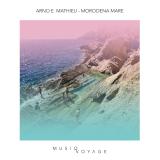
Arno E. Mathieu returns with a new EP on Musiq Voyage
A Mediterranean horizon in motion.
Arno E. Mathieu returns with a new Balearic journey where electronic disco grooves meet funky guitar, atmospheric synthesizers, mystic chants and driving percussion.
Rooted in the warmth of the Mediterranean but built for movement, the EP unfolds like an endless landscape — from the coastline to the distant horizon. Organic guitar lines, hypnotic bass and percussive rhythms lock into spacious electronic textures, creating a sound that feels simultaneously earthy, cosmic and deeply danceable.
Balearic in spirit, disco at heart, house and psychedelic in atmosphere and driven by a strong sense of place.
After releases and remixes connected with labels and artists including Compost, Real Tone, Earthrumental, Joe Claussell, I:Cube, Mark E, Beanfield and Max Essa, Arno E. Mathieu continues to build a body of work where dance music becomes a form of landscape painting.
Sun on the water. Bass beneath the feet. Guitar in the distance. The horizon keeps moving.
“My Love” is one of its key tracks on “Summer End”, the current album by French singer & songwriter Al Sunny. Now that summer really has ended, Al Sunny asked a few producers and DJs from all over France to deliver their interpretation “My Love”. Featuring a wonderful organic take by Ludovic Llorca aka Art of Tones this EP is available digitally and as limited four track 12inch vinyl edition including the Art of Tones, Hugo LX and Jared mixes.
Art of Tones
Art of Tones is the house and disco project of acclaimed French producer Ludovic Llorca. Launched in 2006, the alias quickly earned international recognition through its distinctive combination of soulful musicianship, powerful grooves and dancefloor energy. His catalogue includes releases on respected labels such as 20/20 Vision, Local Talk, Glitterbox, GAMM and Toy Tonics, establishing him as a highly regarded producer and remixer within the global house scene.
Hugo LX
Hugo LX is a Paris-based DJ and producer whose musical universe moves effortlessly between deep and soulful house, downtempo beats, jazz, hip-hop and ambient influences. Known for his refined production style and wide-ranging musical knowledge, he has released music on respected labels including NDATL, MCDE, Balance and People of Earth, alongside projects on his own Doma Music imprint. Both behind the decks and in the studio, his work is defined by warmth, subtlety and a deeply personal approach to electronic music.
Jared
Jared is a French DJ, producer and event curator based in Bordeaux, with a strong connection to house music and club culture. Over the years, he has performed at a wide range of events and international stages, including Tomorrowland, developing a reputation for energetic and carefully constructed DJ sets. His musical approach combines a deep understanding of the dancefloor with warm grooves, contemporary production and an enduring passion for house music.
Theory Therapy presents “Smoker’s Choice,” the second release and first full-length from Alien D, the project of New York producer Daniel Creahan. Following last year’s “For the Early Hours of a World in Bloom” EP, the record takes on a decidedly more spacious, inward bent, with softened rhythms and arrangements given more room to breathe, folding electronics and acoustic composition into a shifting, ethereal wash.
Featuring a range of collaborations across the record, including guest vocals from his wife Ellen, Creahan’s electronics serve as a base for a series of dubwise interpolations of his collaborators’ work, from washed-out zither and bowed banjo to scorching saxophone leads.
There’s a particular pleasure in the obfuscation here, each instrument buffed into a mass of sound. A sub-bass tone might linger beneath the surface before receding into the haze; a groove can feel steady one moment and subtly shift the next. Repetition becomes less about locking into a pattern than watching it slowly change, like the same view seen through moving water.
“Smoker’s Choice” finds its depth in these small shifts, with dub rhythms, soft-edged electronics and acoustic inflections reaching something dreamlike but tactile, where atmosphere and groove are never quite separate. The record feels like a snapshot of several forces moving in slow motion – a landscape of drifting forms and blurred boundaries, where nothing feels entirely fixed.
With his last three records all landing within a calendar year (2024-25), enigmatic Swedish producer Civilistjävel! (aka Tomas Bodén) is on a hot streak of releases, his singular vision increasingly ambitious and expansive. There are few artists working at this level so consistently right now, reinventing, revising and continually developing their language. Following on from 2025’s radically re-worked ‘Versions’ (of Mayssa Jallad’s ‘Marjaa…’), Bodén returns to break further fresh ground with his new album, ‘Älvgång’. Featuring contributions from Soccer Committee, Carrier and guest (aka Jabu’s Jasmine Butt), ‘Älvgång’ foregrounds a more brittle and insistent rhythm-based sound, whilst comprising his most broad-ranging collection of material to date.
‘Älvgång’ grew out of a series of sketches made from late ‘24 and throughout the whole of ‘25 at Stockholm’s renowned EMS Studios, which gave Boden free rein to its extensive collection of vintage analogue equipment and rare modular synthesizers such as the Serge and Buchla systems. As a loose framework of tracks began to take shape, so did a reflection of sorts, on family and foundations, underpinned or influenced by sounds that drifted into Tomas consciousness around this time - ancient Swedish pastoral music, Georgian lithurgical chants, gongs, chimes. An idea settled into place, a dedication to his Grandfather, as the earlier release Fyra Platser (tr. ‘Four Places’) was to his Grandmother. Älvgång is grounded with the sense of time and place of an old family photograph, with the tracks over each side bearing one of two names that are more or less the same location - Strinne was the old name for a this loose collection of villages. These days it is more commonly known as Bjärtrå. Metaphorically speaking, the river runs through both.
Civilistjävel! conjures so many adjectives and descriptors, ‘glacial’ and ‘ambient’ frequently among them - but while not altogether untrue, such terms belie the tension and drama so often present in Tomas’ music. Listening to ‘Älvgång’ is not a passive experience. The eight tracks here feel like a patchwork of memories that bathe in the same ethereal, otherworldly glow of Tarkovsky’s polaroids’.
The machine pulses that dominate this landscape are reigned in and tempered by a human hand; lithe, untethered coils, breathing in and out. ‘Strinne Ett’ sets out with purpose, sensing awe and wonder through the murk, but as the final tone unfurls like a question mark, another chapter begins, unfolding/building like a Tarjei Vesaas novel. These lyrical, abstract miniatures combine to reveal a wider context, fragile humanity standing alone against nature.
Guest appearances on Civilistjävel! records have become a regular occurrence (including recent collaborations with Mayssa Jallad, Laila Sakini, Cucina Povera, Thomas Bush, Eldon + Withdrawn), but are used sparingly and with increasing precision. On ‘Strinne Tre’ Mariska Baars’ (Soccer Committee) voice feels like a balm, a clearing. But as her simple, three-word incantation drifts further into fog, the meaning changes, and her words seem to curdle. Carrier’s beats widen the parameters on ‘Strinne Fyra’, a skittering promise that builds tension then refuses to release it; all false starts, Photek gongs, and trinkling modulars. Jabu’s Jasmine Butt pulls all the threads together for the final track, Thomas Tallis’ ghost walking over offset machine impulses, that work against their own symmetry.
Side two begins inquisitively, scanning bleached, alien surroundings, its sparse pads recalling Aphex Twin’s ‘Selected Ambient works Vol 2’. 'Bjärtrå Två’ picks up the baton from ' Strinne Fyra’ with a ruptured Simmons SDS200 analogue drum synth set free from its shackles, the rhythm eventually slotting into the spaces that were hiding in plain sight. What follows seems like an epiphany; ‘Bjärtrå Tre’ is achingly beautiful, a euphoric, winding ascent that leads to devotional plainsong. ‘Bjärtrå Fyra‘s final unheralded shift feels both tragic and haunting.
Life In Patterns welcomes Uncertain for his first appearance on the label with “Defeat”, a five-track EP bringing together five warehouse-focused techno tracks, moving between darker industrial tones and the classic rave influences that have long been part of his sound. “Defeat” will release on vinyl and digital formats on 16 October 2026. Across the EP, Uncertain explores a broad range of peak-time energy. “Anxiety” and “Dismiss” take a darker route, built around tense atmospheres, heavy percussion, and industrial textures, while the remaining tracks introduce classic rave chords and a more open, melodic character. Despite the differences in tone, the five tracks share the same directness and focus, designed with the dance floor firmly in mind. Uncertain, formerly known as Boriqua Tribez, has been active in electronic music since 1989. Over the past two decades, he has released and remixed more than 50 tracks for labels including KMS, Recycled Loops, and Ingoma, before starting a new chapter under the Uncertain name in 2018. Since then, his more frantic approach to techno has found a home on labels such as Rekids, Symbolism, Beard Man, H-Productions, WRKTRX, ANAOH, Illegal Alien, Mind Medizin, Intec, and Uncage. Alongside his productions, Uncertain is an experienced DJ known for fast, precise three-deck sets, with international performances and support from artists including Ben Sims, Radio Slave, Truncate, Mark Broom, Carl Cox, Blasha & Allatt, Chris Liebing, Richie Hawtin, Luke Slater, DJ Rush, DJ Bone, and others. With “Defeat”, Uncertain makes his Life In Patterns debut with a focused collection of five techno tracks — from dark industrial pressure to classic rave energy, all built for the warehouse.
BAUGRUPPE90 return to their MONTAGE imprint with a four-track release built around different shades of peak-time functionality, moving between emotional warehouse pressure, stripped-back bounce and rolling club mechanics. A1 “Crowd Can’t Sit Down” sets the tone with an emotional big-room charge: a warehouse stomper driven by scale, tension and a sense of release without losing its physical weight. “The Bell” follows with a cleaner, more direct approach, pairing old-school energy with a bouncy, forward-pushing groove and a distinct FM-driven sound that gives the track its sharp, instantly recognizable character. On the flip, “Gummy Cluster” moves into more unconventional territory. Built around inventive sound design, shifting textures and an unusual rhythmic vocabulary, the track functions as a club tool while maintaining a character of its own. Closing track “Roller” is exactly what its title suggests: a locked-in, propulsive groove designed to keep moving without unnecessary detours. Across four tracks, BAUGRUPPE90 balance personality with utility, keeping MONTAGE firmly focused on music made for the floor.
Step into the backroom of the Bordello, the lights dim and the soundtrack adopts a different tone. L.F.T. leans against the wall. Nestled under his arm, Sonic Boom: four tracks of acid-inflected electro disruption. Love, Fist, Tears is no stranger to the more gnarled side of the machines, and that unadulterated rawness is evident from the needle drop of “Locked in My Head.” From its bent and buckled intro, the track launches a beat that punches before drawing the listener in for more. Vocoder lyrics are mangled with distortion, static soaked chords blighted by corrosive chemicals and industrial decay as the knives are drawn from the outset (and this is only the beginning). Blistered and cracked beats are doused in a pestilent haze for “Las Plagas” and a message of intent is firmly stated: there will be no let up on Sonic Boom, no reprieve. “Ningen” opens the flip. Grisly, petrol smeared beats splutter below a juddering synthline that coils and twists with serpentine menace. A probing tom is lanced before being set alight in the finale. Sinister and unsettling, “Schmutzig Personality” is as physically powerful as it is psychologically gripping. Barrages of drums rain down, barbed snares and sharpened claps, as an assault of acid is further weaponised by machined vocals. L.F.T. doing what he does with an EP that will leave bodies and speakers broken.
Renovat Records opens its vinyl catalogue with a four-track built around deep rolling rhythms, low-end pressure and deep, warm energy.
Side A brings together Remus and Drianu. Remus sets the tone with a rolling and percussive cut that moves with a deep, steady groove, while Drianu follows with a more hypnotic approach, driven by heavy sub pressure and a stripped-back, locked-in rhythm.
Side B shifts the mood through Lumieux and Vid. Lumieux brings a sharper and more kinetic edge, while Vid closes the record by slowing things down into a deeper, more spacious and dynamic trip.
Four distinct perspectives on minimal and microhouse, connected by groove, restraint and a clear focus on the dancefloor.
In a blizzard of crushed breaks and dissonant tones, Shelley Parker lands on Sneaker Social Club with her third album, Screed. Taking a forensic approach to noise sculpture and harmonic interference, the UK-based artist maintains a fringe perspective on the legacy of hardcore-derived dance music, extrapolating the renegade spirit of the earliest innovators into unexplored zones where sound art and sound systems collide.
Parker's path through the underground has been informed by her art school background, equally at home in the parallel world of galleries, installations and institutions as she is in the club. This dualistic dimension to her practice charges her music with an outsider spirit that manifests across 10 striking new productions on Screed. Focusing on the sound over an umbrella concept, it's an album that rejects comfortable, functional formulae in favour of original expression.
There are plenty of forthright structures for DJs and dancers to lock onto, from the militaristic techno thrust and tightly clipped breakbeat loop of 'Relentless' to the splayed boom bap guiding the giddy string sequences of 'Stargazer Lily'. The insistent pulse of 'April' meanwhile offers only the faintest of paths to navigate dense thickets of jerky, swinging static and metallic clamour. 'Georgian Wire' closes the record out on dissembled drum licks with a brittle patina - a scooped out closer with the skeletal remains of a rave dialect that's second nature to someone with as much skin in the game as Parker.
In amongst those tracks lies a wide-ranging tapestry of rhythmic, textural and emotional approaches, from head-knocking beatdowns to billowing clouds of dub techno, angular stabs and industrial smudges. On Screed, Parker proves herself to be peerless and purposeful in her quest to find new forms within the well-worn canon of hardcore and rave.
Modeight returns with four new cuts from label head Silat Beksi, moving across broken grooves, stripped minimal house and hazy after-hours moods. A1 "Belpaese 3000" opens on a loose summer feel, built around off-centre drums, elastic funk phrasing and a surreal vocal line that feels half-sung, half-invented. Sampled folk details and a crunchy acid twist in the breakdown give the track its own oddball tension. A2 "Alpha Style" keeps things tighter and more direct, locking into a pumping minimal house flow with clipped modular stabs, warm female vocal phrases and light atmospheric drift. It is playful, controlled and built with the floor in mind. On the flip, "For The Heads" goes deeper into late-night territory - reduced, driving and sharply focused, with a rolling pulse and enough pressure to carry a room without overstatement. "Soft Collapse" closes the record on a softer axis, layering blurred vocal tones, textured percussion and a gentle after-hours motion that stretches naturally from the first warm-up hours into the early morning.
To kick off our 5th year party celebrations the label begins its new set of releases starting with the joined forces of Regal86 and IMOGEN. The artists contribute two tracks each to the four track vinyl alongside remixes of each other's work, meeting at sonic crossroads.
The EP journeys through rave nostalgia filled with warmth and hope for the future, recollecting some favourite memories of the dance floor.
The A side is fast, driving with a sense of longing for the Halcyon Days and the offline times of partying when things felt easier. The release opens with ‘One Night In 1992’, IMOGEN’s nostalgic ode to an earlier rave era, built around a vocal recollection of her mother’s experiences on the dancefloor in the 90’s. Raw, hazy and deeply personal, it sets the tone for a record rooted in memory while remaining firmly in the present. Regal86 follows with ‘Rush’, bringing a different energy to the record. Driven by rolling rhythms, playful movement and a strong sense of groove.
The B side takes a more optimistic turn looking into the future with dubby aquatic pads and euphoric breakdowns, carrying a feeling of forward motion. There is a lightness to the tracks, a sense of joy running beneath NC Station and keeping the momentum locked whilst turning inwards on the final track, IMOGEN’s ‘Midnight At Bret’ rounds out a release that moves naturally between nostalgia, propulsion and the shared language of the dance floor.
As the next release launches, IMOGEN takes wigs on tour for a five year special run of shows starting on release at Tresor for a two club take over following with further cities: London, Milan, Dublin and more.
New York-based Japanese jazz and electronic music polymath Takuya Nakamura presents his debut album Shape The Future - almost 35 years into his storied musical journey.
An expansive double album, the album’s first LP documents a spellbinding live performance by Nakamura recorded at fabric. A hybrid set combining DJing, live electronics, vocals, and trumpet, the set also features studio versions of special collaborations with Shigeto, Currency Audio and Tim Reaper. The second LP complements the first by assembling studio recordings of select album tracks. Altogether the two volumes make for a definitive display of Nakamura’s exceptional musicianship across jazz, DnB, jungle, broken beat, deep techno and more.
Across his career, Nakamura has played Brazilian music, merengue, salsa and straight-ahead jazz. He’s opened for Sun Ra Arkestra, performed with David Byrne, Laurie Anderson, Lee “Scratch” Perry, Wu-Tang Clan, and Arto Lindsay, appeared on sessions with Terry Riley, ASAP Rocky, Goldie, and TV On The Radio, and remixed the likes of Quincy Jones, Sun Ra, Billie Holiday, and The Streets. He’s also played under director and playwright Robert Wilson.
Although the musical past and present of the Tokyo-born, New York-based DJ and trumpet player is undoubtedly eclectic, Nakamura is abidingly steeped in the sounds of jazz and jungle. This’ll be obvious to casual observers who may have seen any viral videos of him. But there’s more to this. The depth of Nakamura’s engagement with these kinds of music, the way they’ve made him into the person he is, the decades-long path they’ve taken him on; to now arrive at the summit of a solo album is all truly remarkable. Shape The Future resonates with every chapter in this story.
In high school, Nakamura’s friends started listening to jazz and jazz fusion, which piqued his interest, especially when they started going to clubs to see it live, where they managed to see US legends like Sonny Rollins play. Eventually he began to play jazz every day and his musical skill emerged early. He soon became obsessed with getting closer to the source of this music, which led to his studies at the New England Conservatory of Music in Boston with George Russell, an influential figure who had taught Miles Davis and John Coltrane. Nakamura drank it in: not only the technical aspects but the sense of a direct connection to “a music culture where Russell and his friends changed harmony forever. I wanted to know how that was possible!”.
This was a radical experience in itself, but then another revolution happened for Nakamura. He was playing in a venue called The Western Front, near Boston and discovered that the elderly owner had his own soundsystem and was playing what was then - in 1992 - only just becoming known as jungle. This was as freeing a musical revelation as his proximity to the giants of jazz was, and in that instant the two things fused. He understood that using technology to fill a dancehall with sound and a jazz musician’s reflexes are all working to the same ends: “You’re always making decisions,” he says, “but it doesn’t have to be really difficult. It’s the truth of the frequencies, and how they’re affecting people’s minds.”
From that moment on, his life path was set. Moving to New York City, he sought out jungle and its offshoot sounds wherever he could find them, gigging and collaborating relentlessly, and gradually developing his own live and hybrid live/DJ shows. Through regular appearances at New York fixtures Zebulon and CBGBs, and continual shows elsewhere in the city, Nakamura developed his live performance and DJing and it was in these environments that he gradually weaved together his twin loves without compromising either, building an international reputation in the process.
It’s only fitting then that his first album, almost 35 years after he first found his musical direction, should be a live one: a window into this never-ending process. Even here, he had to be persuaded that he should make a record. A member of the fabric team got turned on to his music after their daughter saw him play. Of course, as a jungle lover, Nakamura knew fabric – which has a special place in the history of jungle and drum’n’bass – and “had wanted to play there since I was very young.” You can hear the club in the record: this isn’t just a live show, in keeping with his jungle roots, it’s Nakamura duetting with the soundsystem, and you can feel how the emotions in the room would have ebbed and flowed.
This dynamic translates to a transfixing record. Setting the tone with lushly textured ambient and reverberant jazz, Nakamura segues into cinematic breakbeat and stellar fusion, infusing it all with intoxicating low end and hypnotic rhythms. The LP’s midway point locks into mesmeric percussion heightened by resonant echoes of piano and trumpet. There’s an endless pull to this music. Nakamura adjusts the levels for maximum impact throughout, and the overall effect begins to evoke some harmonious hybrid between a jazz ensemble, a classic Metalheadz 12” and a Theo Parrish DJ set. His electric form continues through surreal jazz, intricate electronics and rolling sub-bass velocity, right up to the subtly devastating final cover of Peter Gabriel and Kate Bush’s ‘Don’t Give Up’, with Nakamura’s fragile vocal sitting in the heart of a huge sound.
From Tokyo jazz nights to formative studies and encounters in Boston to his artistic development in New York, Nakamura reaches another milestone with his monumental debut album. It’s a release that happened just the way a Takuya Nakamura record should. In the same way his instincts led him to musical revelations, taking his own sweet time has led him to make one of the most extraordinary debut albums imaginable, all executed in his own singular style. In Nakamura’s world, the universe finds a way.
“Sacred Aeolian music capturing and harnessing the divine power of the wind”
Aeolian Harp is somewhere between a string instrument and a receiver. Its strings are agitated by the wind without any human interference, producing tones entirely of its own volition. Archer toured the British Isles setting up his harp in various sacred and loosely mystical locations. Where he let the Devaharp transmit an otherwise unknown sacred music that has ALWAYS existed around us.
Listening to the natural swells of the strings and their unusual tonalities, the billowing wind and bird song overhead, it feels divinely calm and comforting. Something like tapping into the natural resonance of Mother Gaia or being back inside the womb.
DELUXE 2LP REISSUE
Housed in it’s original gatefold sleeve with original inserts, 2 new special colour inner sleeves, a new 2026 insert and a BONUS UNRELEASED album recorded in 1983 on Robert’s previously UNHEARD pyramid-shaped Aeolian harp the DEVAHARP 2.
Since the release of DAMAGED in 2024, Michael Fiedler aka GHOST DUBS has been surfing intensifying waves of adulation, earning praise from such diverse underground legends as Justin Broadrick (Godflesh/Jesu), Regis, Stefan Betke (Pole) and Steve Von Till (Neurosis). With second album Oblique, his mastery of sculpting sound waves results in a spellbinding set of alien soundscapes: larger in scale, richer in tone and considerably more cinematic than its predecessor. Lower, deeper and moodier, its cloudy abstractions, shadowy pulsations and submerged rhythms find Fiedler reaching further into his own sonic void, crafting blurred melodies and addictive narco loops into something simultaneously heavyweight and hypnotic.
Lead single and album opener “Low Times” sets the atmospheric pressure to maximum, resembling a dream date between prime dirt-house era Andy Stott and Berlin dub-tech pioneers Basic Channel. From there, Oblique descends into a series of enchanting mood scenes: the furtive, balletic gyrations of “After All”, the haunting ambience and buried heartbeat throb of “Soft Collapse”, and the noirish atmospherics of “Blackout Dust”, which worms its way into the mind like some forgotten David Lynch scene. The spirit of reggae is more distanced here than on DAMAGED, but the ghost of Jamaican dub still permeates these foggy soundscapes, particularly on “Bombed Suburbs”, where Augustus Pablo-style melodicism is chopped, screwed and slowed into a magnetic lock groove.
Superficially minimal but maximal in its minute detail, Oblique is a record of contorted reflections, mesmeric echoes and tantalising audio mirages. By the vaporous mist of closing track “Almost a Structure”, obvious rhythm has been craftily filtered away, leaving a blurred and blunted residue full of mystery and implied narrative. Dense in the best possible sense and crushing when played loud yet equally potent played quiet, Oblique imagines dub techno burning its own rigid rulebook: sensual, funky and concussive rather than dry or alienating. Following Fiedler’s recent work scoring Sound of Falling, recognised at Cannes in 2025, Oblique finds Ghost Dubs shedding his influences and making it clear he has arrived at a sound entirely his own — essential deep listening and a bewitching dose of future shock.
Minutiae is the first full-length release form Stockholm’s Ināra Quartet, made up of brothers Kasper (guitar, banjo, mandolin) and Mauritz Agnas (bass, cello), Johan Graden (piano, harmonium, synths) and Mischa Grind (percussion). Drawing on wide performance and composition experience in free improvisation, jazz, and composed new music, the quartet have carved out a unique niche where radical approaches to rhythmic organisation and group interaction are wedded to immediately accessible, folkish melodic and harmonic material. Unfolding briskly across eight pop-song length tracks, Minutiae places these folk fragments under a microscope, expanding them into intricate patterns of group interplay by turns austere and lushly psychedelic.
The quartet’s layering of independent rhythms, pulses, and tempi suggests a range of precedents, from Ligeti’s ticking clock textures to the pulse music of John McGuire, the repeating asynchronous cycles of The Necks, and the intricate irregular crosshatching of Banda music. Rhythm, harmony and melody shade into one another within each of the instrumental layers that overlap to form the music’s rippling surface. At points guitar, bass, percussion, and keyboards can seem each to occupy their own world, each player moving independently according to their own internal tactus, but attention to the details of group interplay reveals carefully planned collective movement. On ‘Klapparen’, strummed acoustic guitar chords and clinking percussion accelerate and decelerate in unison, washed over by floating synth lines. At other points, the quartet as a whole suddenly shift direction like a This Heat tape edit. Check the opener ‘Box Pieces’, where a brief percussion tag cues an unexpected cut from frenetic layering of percussive attacks undergirded by slow moving synth and bass foundations to a rumbling, locked-in dirge.
The eight pieces span a range of tones, from plaintive abstraction to surging minimalism. Touches of whimsy relieve any threat of over-seriousness: witness the wacky electric guitar glissandi that open ‘Tilting’ or the lovely, almost Pascal Comelade-esque fairground wobbles that begin the wayward journey of ‘Cadence: not even,’ before it stumbles into a totally different zone of spacious Paul Bley balladry sprinkled with banjo plucks. Recorded across two days at Stockholm’s Atlantis studios, Minutiae’s minutiae truly sparkle thanks to the careful mixing work of Ghosted drummer extraordinaire Andreas Werliin. A wonderfully approachable document of the richness of the next generation of contemporary creative musicians from Sweden, Ināra Quartet’s debut also looks back to 70s touchstones like Archimedes Badkar in its joyful embrace of musical collectivity.
This autumn sees the release of ‘En de stilstaande tijd voor (elektro-)akoestisch ensemble’ (And Stationary Time for (electro-)acoustic ensemble), the new album by composer and musician Sietse van Erve. With this release, Van Erve marks a definitive turning point in his artistic career: bidding farewell to his long-standing pseudonym Orphax to continue under his own name.
From Rewire to the Studio
The foundations for this album were laid during a memorable live performance at the Rewire Festival 2025 in Den Haag (The Hague). There, Van Erve presented the composition for the first time with an ensemble featuring Anne La Berge (flute), Gareth Davis (bass clarinet), and Dario Calderone (double bass). The leading Dutch newspaper De Volkskrant praised the performance as "incomprehensibly still", drifting on a single, drone-like tone through which the instruments softly float.
Van Erve recalls the intensity of that debut: “I don’t think I’ve ever been as nervous for a performance as I was for Rewire. A packed hall in Amare, during such a major festival”. Following a second successful performance at Festival Musica in Strasbourg, the decision was made to capture the work permanently in the studio.
A New Vision of Nostalgia
The composition originates from Van Erve’s fascination with time and nostalgia, inspired by a 1960s postcard of a Spanish village where time seemed to freeze. While based on a solo piece from 2020, the (electro-)acoustic instrumentation provides a completely new interpretation. The transition from solo electronics to an ensemble brought unique challenges. Van Erve explains: “Certain effects can be triggered with a single knob on a synthesizer, but they result in almost unplayable parts for other instruments. In those situations, I presented the challenge to the group and we searched for a solution together.’’
Identity and Evolution
The album also marks a personal transition for the artist. Regarding the departure from his moniker, he states: “I was looking for the right moment, and now it feels right. With this project, I have finally been able to do what I’ve had in my head for a long time... I feel I have achieved something, and that is why I think it is a good time to initiate the name change."
Realisation through Crowdfunding
Recorded in the spring of 2026 at Studio 150—located in a former church in Amsterdam-Noord known for its exceptional acoustics—the album was captured by Joeri Saal. The production of the deluxe vinyl LP and CD was made possible through a successful crowdfunding campaign via Dutch platform Voordekunst, where supporters contributed to the studio and production costs.
Rhythm Cult returns with a heavyweight four-track EP from Magnetik Source, featuring a very special remix from Brian Kage. Four deep, driving cuts built for the heads, moving between Detroit house, dub techno and stripped-back machine grooves. Title track “Eastpointe” sets the tone with its rolling drums, deep chords and understated Detroit feel, before Brian Kage takes it deeper into tougher, more hypnotic techno territory. “Tecumseh” strips things back further, locking into a raw, drum-led groove, while “Cinron” closes the EP on a deeper, slower-burning note. A serious four-track package from Magnetik Source, with Brian Kage on remix duties and already receiving early support from John Digweed, Laurent Garnier, Radio Slave, Danny Howells, Guy J, Joseph Capriati, Âme, Paco Osuna, Funk D’Void, Karotte, DJ Harri and Chris Fortier. Another Rhythm Cult release made with the vinyl heads firmly in mind.
One year on from its launch, Regal's Backspin reaches its 11th release, marking a year of steady growth for the label and an equally prolific period in his own output. Following 'Forgotten Heroes' earlier in 2026, Regal returns with his second Backspin release this year. Across five originals and a remix by Berlin duo Disguised, he explores a more groove-driven side of his sound, bringing together unconventional synth design and entrancing melodies with the ferocious club energy that has become central to it.
The A-side opens with 'Red Dress', immediately establishing the EP's unique presence through a menacing synth that commands attention. An addictive horn-like motif repeats throughout, seemingly resonating through a vast, tunnel-like space, while a roaring low end and subtle tom groove keep the track moving. 'Leviathan' follows with crunchy, drum-like synth and a drifting tone that gradually build tension, giving the track an imposing aura fitting its title. A strong kick and restrained percussion leave room for its atmosphere to unfold. Closing the side, 'Midnight Rider' puts a highregister melody at the centre, its warped and uncanny quality giving the track an irresistible character. A rolling bassline drives things along while minimal percussion lets the melody lead, sending the A-side out on a final rush of energy. The B-side begins with 'Claut', where reverberating and dissonant synth lines introduce a more mysterious mood. A solid low end keeps the track grounded, while sparse percussion, echoing chord hits and carefully placed effects build an unpredictable groove. 'Just One Chance' centers on a repeating sine tone whose captivating pull carries the track, locking in alongside a strong kick, rumbling sub and rolling tom groove. An unexpected vocal introduces a message of love, lending an uplifting flavor before becoming another rhythmic and textural element. The EP closes with Disguised's interpretation of 'Red Dress'. The Berlin duo strip the original back into a more loop-driven form, reducing its melody to selected fragments that surface as scattered percussive details. A chugging synth takes centre stage, driven by a striking kick and deep sub, while spoken vocal fragments and stray effects keep the arrangement in constant motion and retain the original's intensity.
Designed with the colder months and club environments in mind, the EP balances atmospheric textures and unusual sound design with a more rolling energy. The drums keep everything rooted in club music, letting Regal explore more adventurous territory without losing sight of thedancefloor and marking another milestone for him and Backspin.
With “Heat Motel,” Eternal Love join forces with Caravan for a collaborative single landing on Palms Trax’s own imprint, CWPT. The pairing brings together two distinct voices from the current underground: Eternal Love’s Italo-rooted, globally minded production and Caravan’s balearic, acid-tinged sensibility, meeting on a double-sided single built squarely for the dancefloor. The track was written and recorded together in Sydney this past December, the two producers locking into a shared studio session that set the tone for the record. The collaboration follows Eternal Love’s breakout with Ritmomento, their debut EP on Music From Memory’s Second Circle imprint. “Heat Motel” carries that same instinct for rhythm and atmosphere into new territory, filtered through Caravan’s own dancefloor-focused, Afrodisco-informed lens: a house-driven cut built around insistent vocals and a rolling low end, engineered for peak time. Side B hands the reins to Caravan for a solo remix, stretching the original out into trippier, sunrise-session territory — a wilder, more expressive take built for the after-hours crowd.
BOOH opens the record with a slow subterranean rumble before the machine locks in with full force. Welding Groove is a dense and relentless techno tool, built on a heavy low-end foundation and punctuated by sharp breaks that release tension only to snap back harder. A floor-ready opener that sets the tone for what follows.
Powder wastes no time. The groove hits from the first bar, driving forward with precision and urgency through a series of tightly chopped breaks before the bass reclaims the floor. Physical, direct, and built for the peak hours.
BOOH flips the record with Spectrum, the most patient track of the four. A long, layered intro slowly stacks elements one by one before the groove finally takes over and holds its ground without letting up. Wide and immersive, it carries the energy of a long set deep into the night.
Jackson Poliakov is the most unpredictable of the bunch. Opening with a wide, full-spectrum groove, it shifts midway into darker, more hypnotic territory before a final break brings everything back for the closing stretch. Two faces in one track, and the perfect way to close this chapter.
For the fifth release on At A Glance, Shabi delivers a four-track collection of groove-driven house music built for long nights and packed dancefloors. Blending rolling drums, infectious basslines, soulful vocal touches and a deep sense of movement, AAG005 captures the label’s love for timeless club records with a fresh and contemporary edge.
Opening with “All Night Stompin”, Shabi sets the tone with a driving rhythm and irresistible swing designed to keep bodies moving from start to finish. “Teach You” follows with warm grooves and hypnotic vocal elements, balancing energy and atmosphere in equal measure. On the flip side, “Dee Vibe” dives deeper into stripped-back, late-night territory, locking into a raw and infectious groove, while “Free Our Minds” closes the EP on an uplifting note, combining soulful textures with a powerful dancefloor pulse.
Groovy, classy and effortlessly effective, AAG005 is a versatile house release that feels equally at home in intimate club settings, peak-time sessions and sunrise moments alike. Another essential chapter in the At A Glance catalogue.
collecting
Bestelle jetzt. Wir sammeln aktuell Bestellungen für eine Nachpressung.
Impressive Collective, BBE Music and Mark de Clive-Lowe present: Remixes & Reimaginations World-renowned for decades, Mark de Clive-Lowe is a New Zealand-born, Tokyo-based pianist, composer and producer, widely recognised as a pioneer in nu-jazz, broken beat and electronic music. In contrast to his previous release on Impressive Collective, the contemplative solo project 'past present (tone poems across time)', this collection brings together MdCL’s extraordinary reinterpretations of other artists’ work. As he explains: “Remixing has always meant more to me than just rearranging stems - it’s about uncovering a new reality inside the music.” From the uplifting gospel-house of Close Counters’ 'I’ll Be There For You', recontextualised for the broken beat dancefloor, to the timelessly angelic tones of We Are KING’s ‘Supernatural'; from Omar’s 'This Is Not A Love Song' reimagined almost 30 years later, to the politically charged intensity of Anthony Joseph’s 'Maka Dimweh' - every remix has been crafted with the progressive dancefloor in mind, while still resonating for the deep listener and always in service to the original artist’s essence. “I’m grateful to every artist who’s invited me to dive into their work - to deconstruct it and reimagine it with love, curiosity and respect. This compilation isn’t just a retrospective, it’s a celebration of the remix as an art form.”
In 2023, Kraków-based composer Martyna Basta and Los Angeles-based sound artist claire rousay were invited to Poland by Unsound for a short residency, where they spent a few days trading ideas and concepts, and brainstorming their first collaboration. Initially motivated to create lengthy, expansive pieces together, they also ended up experimenting with shorter vignettes, and ‘hotel room’ expresses these two extremes, featuring three long-form tracks and three brief, euphoric songs. “It wasn’t something we specifically planned,” explains Basta. “It just unfolded that way.” The most important stage of the process, however, was the period that followed the residency, when rousay and Basta began working on their sketches in isolation, trading drafts and sculpting the sounds independently before rousay handled the final mixdown. In the comfort of their own bedrooms, they were better able to reflect their individual creative routines, organically reaching a junction where their music felt truly unified. Even while they were in Poland, the duo joked that it might have been easier if they’d been holed up in separate rooms emailing each other.
Both artists have had an energetic few years: after steadily building a reputation for her diaristic and candid concrète experiments, rousay signed to Thrill Jockey in 2023, releasing the acclaimed ‘sentiment’, ‘a little death’ and the more eaze collaboration ‘no floor’; Basta, meanwhile, followed up 2023’s hallucinatory ‘Slowly Forgetting, Barely Remembering’ and her debut for Belgium’s Stroom imprint, ‘Diaries Beneath Fragile Glass’ with a studio album on !K7’s 7K sublabel: ‘Winged in Collapse’. The title of their collaboration reflects rousay and Basta’s hectic touring schedules in the wake of these releases, the constant feeling of displacement and the emotions that emerge when the environment is in flux. “I know we aren’t the only musicians traveling and creating work at the same time,” says rousay, “but being able to speak about that experience and all the things that come with it was comforting.” And the music itself, assembled from hypnagogic field recordings, spectral voices, electronics and filtered instrumental improvisations, sounds bewitchingly unmoored, not tied to a specific location but hovering around the uncanny space in-between.
Scratchy ASMR sounds introduce us to the opening track ‘zoom’, initially obscuring the duo’s elegiac harmonies. They are careful to let the various elements evolve at their own pace, with the fictile guitar drones melting into the foreground while Basta’s dissociated whispers and rousay’s illusory synths pick out the subtlest subliminal shades. It all builds to the piece’s dramatic third act, when layered chords ring out like organ blasts, enveloping the negative space. The shorter, more anxiety-provoking ‘denim’ is remarkably divergent, a dismantled folk memory pieced together from skeletal piano notes, vaporous choral echoes, haunting string plucks and pulsating feedback. Where the music aligns is in the mood itself, capturing a feeling that’s neither completely abstract nor fully referential. Not ambient exactly, ‘hotel room’ is a suite of soundscapes that gesture towards structure while repeatedly folding in on themselves.
On ‘Lost and Found’, wordless Autotuned ad-libs spiral around delicate guitar plucks and washing waves, coalescing into a faded Polaroid of opiated Americana, and on ‘Where Are You Now’, operatic squeals and corroded orchestral scrapes are juxtaposed with nauseous low-end tones. Evaporating until only industrial whirrs and music box chimes remain, the latter encapsulates the entire album’s chilling liminality, smudging saturated voices with casual electro-acoustic interjections before it erupts abruptly, transforming into a dense, pitch-skewed hymn. ‘hotel room’ plays like a surreal travelogue, teasing listeners with airy familiarities as it humidifies dry, awkward spaces. More a labyrinth of catacombs than a single, fixed chamber, it’s Escher-like – cryptic and seductive – and decked out with personal asides and intimate details that reward the most patient, curious listeners.
Welcome back, hope you've had a good trip so far. While we're digging global tunes, let's not forget what's cooking in our own yards. No less then a new dub don has risen from the wastelands of bratwursts, nutcrackers and garden gnomes: Toni Wobble is looking back on over 20 years of roots in punk, free parties and political movements. From anti-nuclear activism to the Gaggeldub performances, Toni's dug deep into the Dub universe: from Dubstation to Rootsbase to Subardo. By 2012, Toni became a respected operator of Leipzig's Plug Dub Soundsystem. Soon after, he didn't hesitate to create the very own solarpowered Sunplugged sound. Toni's live dub sets hit with all depth and energy of low bass sound culture, shaking the foundations with refreshing freakuency adventures. After a guest spot on our 18th release, helping RUZ dubbing out a deep b-side, it's time to unleash the full Wobble fury on 45Seven!
Out In Da Streetz was born in a lockdown, when urban life got stall, opening space for experiments. Inspired by Juke and Footwork at nights such as Bassmæssage, Toni ventured into Jungle production - the genre him love from way back. The result is an opus of subs, breaks, skanks and dubs. Expect 30 Hertz bass, wobbly midranges, halftime snares and Jungle edits sharp like razor. Don't miss the Ini cameo and hand-made skank work straight from the lab. The result ain't just a track, it's a state of inner and outer emergency, a deep dive into groove, texture and creative chaos.
Irie Cruise rolls up like a cloud of green smoke riding through the streets with a sick ride in a surreal vibe. Rootsy rhythms meet subtle Jungle twists inbetween the twinkles of Dub and the flickers of breakbeats. When the hook drops, the impulse fires up, the lowrider bounces through the turns of skanks, throwing dub delays and gliding deep into the night. By the final tone, you didn't just take a ride, you're actually a bit closer to the sun.
Toni Wobble is giving the full hundred. Dub ain't just a genre, it's a portal to infinite spaces of sound. It's a culture, a process and an attitude, all about echo, bass and space. But it's also about experimentation, consciousness and transformation. Each delay loop is reshaping reality, tearing it down and rebuilding it from the ground up. D.U.B. equals to deep universal beats, the universal frequency... Deep, wide and open. Tune in and dub out!
Phosphor returns with its fifth release and a new chapter for the label’s founders, Blue Vision. As their second EP on the imprint, Machines Will Transform Us (PHP005) confirms the project’s direction: a precise balance between club-driven tech house and more immersive, hypnotic electro textures.
Across the EP, Blue Vision asks a simple question: after spending our days connected to algorithms and modern machines, can repetitive rhythms and mechanical grooves on the dancefloor turn us into machines once again, or instead help us reconnect with ourselves?
Machines Will Transform Us (A1) opens the EP with a driving Italo bassline and tight, tech-driven drums. Melodic 80s synths contrast with sharper electro elements, gradually building tension before a final drop designed for peak-time impact. The track sets the tone for the release: machines transform us as much as we transform them.
Then comes Just a Game (A2), blending spacious 90s progressive and synthwave influences over a rock-solid club bassline and crisp drums. Playing with atmosphere and emotion, the track explores the feeling that we are never too far from a simulation, that maybe everything is just a game. Perfectly suited for introspective yet intense moments, it acts as an ideal bridge between harder tracks in a set.
On the flip side, I Love Acid (B1) is direct, hypnotic, and designed to lock the dancefloor into a steady flow. Stripped back to punchy drums and a raw acid line, it takes a minimal approach that works equally well in early hours or late-night sets. Behind the title lies the idea of acid as both machine energy and mental escape, where repetitive sequences blur the boundary between human emotion and mechanical movement.
As a final touch, Scan Your Brain (B2) shifts into deeper, more immersive territory. Analog pad textures create a drifting atmosphere over a hypnotic bassline and electro drums. With this closing track, Blue Vision answers their initial question by imagining the dancefloor as a space to disconnect from rigid thinking. The vocal serves as a reminder that the brain is constantly overloaded, and that dancing becomes a way to let go, reset, and reconnect.
White Scar returns with its fourth instalment, drawing together four producers from across South America and Eastern Europe for a peak-time statement built for the club.
Uruguayan artist Alejo opens the A-side with Pain or Pleasure, a driving cut that sets the tone early — tense, purposeful, and locked in. Romanian talent Mar.c follows with Tears Aside, carrying emotional weight without losing momentum on the floor.
Flipping to the B-side, we return to Uruguay with Muten delivers Osiris — a club banger with the kind of mythic, expansive feel its name suggests. Paraguay's R.E.S.S closes out the record with Necromancy, a suitably melodic and hypnotic finale that leaves a lasting impression.
Four producers, one cohesive vision. The Squeeze EP is peak-time techno at its most focused.
With his Periodical EP, Isaiah delivers a six-tracker rooted in the foundations of early techno, built around percussion, groove, and stripped-back functionality. As a driving force in the underground scene, both as a DJ and the founder of the Frenzy and Vulged collectives, Isaiah meticulously designed this EP for selectors and club settings.
Opening with 'Monthly', the EP sets the tone with a punchy kick, crisp high-end percussion and a driving bassline, while smeared textures and subtle effects create depth within a minimal framework. 'Yearly' intensifies the approach, with sharper hi-hats and layered mid percussion pushing the energy forward, maintaining a hypnotic yet no-frills momentum.'Hourly' keeps the focus on rhythm, pairing dense percussion work with a bouncing bassline that locks into a steady groove, while occasional pad accents add flashes of brightness.
On the second half, 'Real' strips things back, centering around a rolling bassline and sparse percussion, with shimmering synth touches guiding the track into deeper territory. 'Everlasting' reintroduces a tougher edge, driven by a hard-hitting kick and a bouncing low end, while eerie synth elements add a darker tone. Closing the EP, Beau Didier, a rising force in the Techno scene and fellow Frenzy collective member, reshapes 'Everlasting' into a smoother, more low-end focused roller. Known for his heavy basslines and powerful rhythms, Didier brings the bassline to the forefront, softens the percussion and introduces vocal chops that expand the atmosphere.
On his debut EP on Regal's Backspin Records, the 8th release of the newborn imprint, Isaiahpresents a focused collection of percussive techno tools built for diverse sets, offering tracks for every moment while maintaining a consistent, groove-driven identity throughout.
Hot Creations Summer 2026 Vinyl Sampler featuring four of the Hottest recent releases on Hot Creations.
Adam Ten and Asulin join forces for the first time on Hot Creations with ‘Warawara’. Fusing driving grooves, finely tuned production, and emotive vocals into a cohesive club-ready statement. ‘Warawara’ moves with hypnotic energy and forward momentum, as Adam Ten channels his signature blend of evolving rhythms and precise production, before Asulin’s vocals weave seamlessly through the arrangement, delivering melodic clarity and emotional resonance. High-flying UK DJ/producer Riordan debuts on Hot Creations with ‘Feel The Funk’ which locks into a slick groove built around silky M1 organs, skippy drums, and soulful vocals, as it twists through a series of cascading builds and drops. Infectious as hell!
Following the release of ‘Murder Mystery’ in October, Jamie Jones’ groove-driven track returns with a reinterpretation from one of the scene’s most hyped talents: German producer Kolter’s remix injects the track with his unmistakable style: deep, rolling basslines, playful funk tones, and raw, 90s-inspired textures that keep the energy moving. The result is a version that maintains the original’s tension and groove while opening new sonic spaces for DJs and dancefloor explorers alike - bridging underground sensibilities with festival-ready punch. Finally, Volkoder returns to Hot Creations with ‘My House’, a no-nonsense groove designed to hold and control the dancefloor. ‘My House' locks in from the off, sitting firmly in the pocket with commanding synths, hooky vocal interjections, and chunky low-end weight, while smaller details dart around the groove to add splashes of momentum.
New York’s Ma Sha brings wigged-out rhythms to Nerve Collect with an explosive, future-facing new EP. The six tracks prove she is bound by no rules but knows exactly how to energise the club.
Ma Sha deals in sounds that operate outside the usual boundaries and demand full-bodied, physical reactions. She has become a driving force in the New York underground with Kindergarten, which is both a much-loved party and a much hyped label. Though built on global techno foundations, Sha’s grooves range from peak-time brain melters to more twisted and rugged, always at high tempo and with plenty of invention on labels like Steel City Dance Discs and Rhythm Section International.
‘Salpa’ opens with a clipped rhythm drenched in neon and psychedelic swirls as oversized bass cocoons from below with glitchy vocal fragments and hard but bouncy techno momentum. ‘Gillz’ swallows you in waves of bass and rubber kicks while screwy synths spray across the mix while a syncopated broken beat brings irresistible funk to a post-human world. ‘Shots’, a collab track with Hodge, works in overdrive with rising tones and liquid metal textures that trap you in a hall of mirrors. Intense club pressure builds with pristine percussion and hyperreal vocals.
‘Spinmachine’ is a freaky sound world of fuzzy synths, cantering drums and static electricity that is full of threat and never lets go. ‘Total Energy’ locks into rolling drums and hyping swing with descending leads and a sense of future rave chaos designed for sheer dance floor release.
Ma Sha’s sound designs feel beamed back from the future to rewire familiar rhythms that tickle the brain as they make their way through your entire body.
Based out of Brighton, UK, Murmurations have been steadily carving their path as an essential label for distinctive dancefloor moods. The fourth record on the imprint is the launch of a new series titled 'Flock', focusing on bringing different artists together who share similar visions and tastes. Volume one features Evasive frontman Rob Pearson with Paul Donton and label founder Leo Christopher on the A-side. On the flip, you have rising Manchester talent Huw Shipps and Bubble resident The Adventures Of Dogman. This amalgamation of producers has materialised into a record that focuses on nostalgic tech house textures, infused with modern elements and deep, dub tones.
First up is Rob Pearson & Paul Donton's excursion, 'Ideas Abstract'. Slinky drums pave the way, as pensive vocals circulate around the distinct and perky drive of the track. The aptly named 'Underground' from Murmurations boss Leo Christopher teases a more mysterious energy, with pulsating bass in combination with tight drum arrangements. The emerging producer Huw Shipps kicks off the B-side with a playful outing; quirky elements splash in and out throughout the track. Finishing off the release is dancefloor heater 'Cruising Around On A Pair Of Naughty Pennies', chunky and driven as it moves, ready to do the damage, keeping the club locked in.
The Murmurations curation thus far has seen each release shine bright, with timeless music for the club, no-nonsense, heads-down action, and long may that continue.
A reflective mood shapes this new ENSOULED compilation, which leans into thoughtful deep house and rhythmic exploration. Italian producer Kikko Esse sets the tone with 'Nightfall Chroma', a spiritual cut guided by warm chords and the sort of slow burn groove that is like sinking into a lush bath, and is later reworked by Alton Miller, whose Detroit-rooted style adds some lovely swing. On the reverse, Cee ElAssaad and Masaki Morii deliver 'Tribe', a more prickly percussive cut underscored by dub effects and spoken word. Hugo LX closes the 12" with a deeper club reinterpretation that keeps you locked.
Unheard Music returns with its second release, delivering a hypnotic and club-driven Tech House package by Malandra Jr. and pizzaaftersex.
Built around the infectious pull of Your Retreat, this EP captures that late-night tension where groove, atmosphere, and repetition lock into one fluid movement. The original mix sets the tone with a stripped yet emotionally charged framework, balancing rolling percussion, subtle pressure, and a strong sense of floor-focused depth.
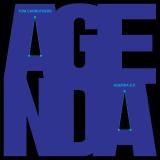
With Agenda EP, Tom Carruthers closes a landmark trilogy on Skylax Records, following Neutralise EP and Deepline. Three records. Fifteen tracks. One coherent vision of machine-driven house music stripped to its raw, functional core. This final chapter dives deeper into direct, club-focused energy, where groove, repetition and tension do the talking. Agenda is less reflective, more physical — built for movement, sweat, and long transitions in dark rooms. Opening track “Chrome” sets the tone: sharp drum programming, metallic pressure, and looping synth phrases that lock the body into motion. “Agenda (Raw Mix)” follows with a tougher, stripped-down approach — no excess, just pure rhythmic insistence rooted in early Chicago jack and warehouse discipline. “Beat Down” pushes further into machine funk territory, where relentless patterns and rugged textures meet in hypnotic repetition. On the flip, “Fade Away” brings a deeper, moodier tension — a late-night track where subtle emotion seeps through minimal structures. Closing cut “What You Want” is classic Carruthers: jacking drums, understated melody, and a groove that feels timeless rather than retro. As with the previous releases, the visual identity is handled by H5, whose modernist, reduced artwork mirrors the sonic philosophy: clarity, impact, and purpose. Agenda EP completes the Skylax trilogy as a statement of intent — not revivalism, not nostalgia, but dance music reduced to its essential elements.
Gorizont Sobytiy (Event Horizon), the duo of veteran electronic musician Nocow and his wife, DJ Designer, mark the project's debut with an album worth of material of 'frogg-step' / Pankratov Step. It's safe to say this is an intriguing proposition for even those well-initiated into the world of the contemporary Russian underground. What is perhaps most immediately obvious across the 11 tracks is a clear appreciation for golden-era Rephlex records, as if the duo are reflecting on how the iconic label was perceived in the Eastern bloc at the time. There's a nostalgic touch tugging at the heart strings with the warm ambient tones of 'Bananoivy Twist' or even the ballroom-esque organ melodies of follow up 'Chacha', both swiftly followed by a switch back into frantic gabber style kicks that recur across the album.
To give a little more away in terms of a background story, Nocow and DJ Designer draw influence from a film called Winter Evening in Gagra, a somewhat distant feeling artefact of late-Soviet cinema about a tap dancing champion's late nights spent gallivanting across the glitz of Moscow's pop music scene in the 1980s. Maximalist in its sound design, Pankratov Step draws its name from actor-protagonist Pankratov, not quite an out-of-time soundtrack as such but at the least a wry nod to the former world in which the film takes place. The cascading, brittle synthesis of 'Cemetry's Boss' forms an icy cinematic fusion again with a gabber influence at play whilst a fierce acid line works alongside myriad glitch rhythms and repeating keys on 'Octopus Werk'. Influenced by the local humour and sentimentality surrounding the film, a melodrama with themes of lost art and a kind of old-world transcendence the young circus performer yearns for, the duo use it as a vessel to describe the projects sound - a coalescing of vintage Soviet soundtracks, early IDM, Jake Slazenger and Expert Knob Twiddlers album. 'Pankratov-Step' becoming their own fictional genre. The LP marks another avant-garde chapter in Nocow's long back catalogue, as well as a fully formed collaborative debut for the currently enigmatic DJ Designer. Pankratov Step is the second release on GOST ZVUK sub-label MEMONT, curated by Kuzma Palkin.
Berlin-based producer ZentaSkai returns with ‘Analog Assets Vol. 04’, a four-track vinyl-only EP focused on analog texture, dub-inflected atmospherics, and disciplined techno structure. Active since 1997 and operating Mask Records and its parent label, Zaijenroots, from his Berlin studio, he continues to refine a sound shaped by spatial control and steady, architectural pacing. Tracks unfold patiently, elements are introduced with intent, and nothing feels excessive.
Setting the tone with Cuddling Monsters’ partner, Laura Merino Allue, A1 features phased melodic textures and crisp percussion that gradually lock in the rhythm. A2 develops a filtered synth motif over a steady four-to-the-floor rhythm, revealing its full weight before pulling back. B1 is the most direct cut, driven by a firm, punchy beat and sharp rhythmic detailing built for peak-time focus, while B2 closes with rising string layers over a dub framework, balancing warmth and precision in a clean, measured finish.
With releases on Jerome Sydenham’s Ibadan Records and upcoming collaborations including Cuddling Monsters with Laura Merino Allue and a joint project with Thomas Grun for Rhythm Trax Austria, ZentaSkai’s work sits comfortably between minimal experimentation and functional dancefloor design.
Supported by artists such as Richie Hawtin, Joseph Capriati, Marcel Dettmann, Luke Slater, Laurent Garnier, and DVS1, he maintains a consistent presence within the underground without chasing trends.
In an engrossing lattice of polyrhythmic beat science and deep atmospheric meditation, Samurai Music is thrilled to welcome Marco Shuttle to the fold for the Sumud EP.
Since his early years locked into the 00s London techno scene, Marco Sartorelli has developed as an artist entirely on his own terms. Through the rush of new ideas and cross-pollination that has characterised cutting-edge techno over the past 20-odd years, Sartorelli has travelled as Marco Shuttle from one considered stylistic concept to the next. On his own Eerie label and across expansive releases for respected outposts such as Spazio Disponibile, Incensio and Astral Industries, he's taken an exploratory approach to rhythm and spatial design while always drawing on intentional thematic frameworks, creating distinctive and immersive dance music in the process.
As Samurai Music continues to celebrate the rich seams of inspiration where deep techno and drum & bass intersect, Sartorelli's malleable, mysterious strain of drum work fits right in and sets a captivating tone for the label's operations in 2026. 'Sumud' is a steely drum mantra dealing in fractured patterns with the primal patina of the early Artificial Intelligence era, while 'Las Dunas de Taroa' leans on gently pulsing melancholia undulating at a half-time pace. 'Iso 50' taps into raw, analogue minimalism once more, evoking the sound of Roman Flugel's Ro70 records in their icy, alien formation. Completing the set, we're guided towards the tense electronica of 'Polylayering What I've Got', where uneasy melodic chimes interlock with intricately programmed drum machines.
There's a distinct sense of golden-era, mid-90s electronica coursing through Sumud EP, but Sartorelli shrouds the classic tools at his disposal in his subtle signature atmospherics, pushing towards a plain of expression that transcends time.
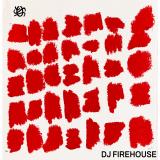
Full Dose welcome DJ Firehouse to the fold with a four-track suite that drifts deep into fogged-out space. Rooted in the lineage of late-2000s innovators, this is a record that leans into atmosphere as much as it does low-end pressure.
“Hamilton Hill” sets the tone with metallic percussion and submerged chords, locking into a hypnotic groove that feels equal parts system music and head music. “Gardening” follows with a blurred palette, combining rippling textures, tape hiss and a hypnotic vocal loop to pull you further inward. On “Starpol 666”, Firehouse eases off the pressure with a more abstract, interlude-like piece, where drifting mid-range pads and liquid movement hint at a more experimental edge. Closing track “Cross Fader” stretches things out into a dubbed, slow-burning finale. Breathy ambient layers give way to dembow-leaning drums, with thunderous hits and long-tailed echoes building a quiet but undeniable tension.
Stanz Amor delivers a five-track EP that blends crunchy sound design, tribal influences and driving grooves into a cohesive statement of energy, movement and atmosphere. Hailing from Blackpool UK, Stanz Amor emerged in 2023 with a distinctly old-school approach, channeling groove, rhythm and intensity into a modern context, which he showcases on his Backspin Records debut EP 'Mercurial'. ??Opening with 'Kong', the EP sets the tone with an old school spirit reimagined through a contemporary lens. Loopy structures, banging percussion and textured, gritty elements create a hypnotic flow designed for peak-time moments. 'Mercurial' raises the intensity, propelled by fast-paced hi-hats and shimmering rides that injectconstant motion, while a rolling low end gives the track serious weight. A striking Latin vocal lingers throughout, leaving a lasting impression long after the track fades. On the B-side 'Count' shifts the energy into a groove led by rolling bongos, underpinned by a heavy sub and catchy, repeating vocals that lock into a tight, circular rhythm. 'Yawhoo' follows with a punchy kick, rumbling foundation and driving percussion, elevated by a cheeky vocal and a whistle straight out of the 90s rave era, adding a playful, nostalgic edge. The closing track is a remix of 'Count' by Steve Redhead, who reinterprets the original with forceful yet hypnotic percussion and finely detailed vocal work. A Belgian techno mainstay since the early 2000s, Redhead is known for his uncompromising, groove-driven sound and lasting influence within the underground. ??With this release, Stanz Amor delivers a focused and effective collection built on groove, repetition and dancefloor functionality. Released on Regal's Backspin Records, a label rooted in the underground and dedicated to honoring techno's origins while pushing its future, the project balances nostalgia with modern clarity, designed to resonate in clubs and leave a lasting impact.
Selekt Wax returns with its second vinyl offering, shifting the lens from introspection toward motion. Where its predecessor explored stillness and space, Varginha 96 leans into rhythm with a more fluid, tactile energy.
Loopedeville works within a minimal framework but pushes it toward something more animated. Groove takes the lead, while detail reveals itself gradually. The result is playful but controlled, built for movement while still carrying depth beneath the surface.
Inspired by the 1996 Varginha incident in Brazil, the record carries a subtle sense of the otherworldly. Not in a literal sense, but in texture. Unfamiliar tones, slightly off center moments, and elements that feel just outside of reach.
Etched on the sleeve, a poem sets the tone:
the analog moment is now
but, how? release
free form feelings finding
new places in yourself
a sort of synthesis
of interpretations
crash & collide
into the infinite groove of reality
but, is anything really real?
A1 – Varginha 96
A breakbeat driven opener centered on a looping vocal from the Varginha ‘96 incident. Off kilter synth textures circle the groove, giving it a subtle, otherworldly feel. Simple on the surface, with depth that reveals itself over time.
A2 – Varginha 96 (Ohm Hourani Remix)
Ohm takes it into a more stripped back, hypnotic space. Centered around the same vocal, the track locks into repetition and feel. Hazy, controlled, and built for late hours.
B1 – Thunders in Paradise
A driving groove built on dusty drums and a tightly controlled rhythm. It holds a steady pulse, with understated details and shifting textures giving it quiet depth.
B2 – Never Enough
A fluid, late night groove shaped by Loopedeville’s signature swing. Less driving than the previous cut, but still locked in, with warm tones and an easy bounce that carries through.
collecting
Bestelle jetzt. Wir sammeln aktuell Bestellungen für eine Nachpressung.
Little Beat More is delighted to present the new EP release from Grupo Jejeje, los místicos de la kumbia!
This release reflects the commitment of the duo founded by Turbo Sonidero and Arrabalero to musical exploration and innovation, blending synth-driven Mexican cumbia with hip-hop, electronic and Persian influences.
Whether it’s the hypnotic, bass-heavy pulse of "Sordeados Kasbah" or the wistful, laid-back tones of "Asuka," Grupo Jejeje’s music resonates with a rare depth and sophistication transforming their local roots into a global soundscape like sonic alchemists, and crafting a sound that feels both ancestral and futuristic.
Pressed on 7” vinyl, this release encapsulates what Grupo Jejeje does best: reimagining the essence of cumbia while anchoring it in a forward-thinking sound.
Let the mystics of cumbia guide you into uncharted musical territories.