Brenda (Hudson Whitlock of Surprise Chef / Karate Boogaloo / The Pro-Teens) presents new album 'Bath Time', a suite of heartbreaking, cinematic indie-soul ballads from the hotbed of Melbourne, Australia.
Brenda encompasses the left-field soul sensibilities for which Whitlock has come to be recognised in cult instrumental groups Surprise Chef, Karate Boogaloo and The Pro-Teens, alongside heartfelt, introspective lyricism delivered in a sincere, delicate falsetto. Stylistically, lines can be drawn to the 1960s sweet soul ballads of The Delfonics, Jean-Claude Vannier's vivid arrangements for Serge Gainsbourg, and, of course, the unmistakable flavour of Melbourne's cinematic soul movement à la other Whitlock exploits Surprise Chef and Karate Boogaloo.
'Bath Time' contains ten entrancingly melancholic ballads that earnestly express Whitlock's dramatic indie-soul sensibilities; encompassing the classically introspective nature of the poetic lyricist and the idiosyncratic use of soulful instrumental arrangements. The songs encompass themes of old romantic habits dying hard, familial rifts and unrequited love.
True to his modest vagabond nature, Whitlock has 'released' six Brenda albums to date, each uploaded exclusively to bandcamp, gladly resigning the music to the underground. Whilst he created theses albums in solitude, playing each instrument himself, 'Bath Time' sees Whitlock relinquishes the isolationism of previous works in favour of including his trusted inner circle of friends and collaborators: Surprise Chef's Lachlan Stuckey and Jethro Curtin on guitar and keyboard respectively, Karate Boogaloo's Darvid Thor on bass, and production from Henry Jenkins (Surprise Chef, Karate Boogaloo, Frollen Music Library).
AVAILABLE IN BLACK ICE WITH ORANGE AND BLUE SPLATTER (COK015WW)
Cerca:true to nature
- Musique Pour Le Lever Du Jour
- Arabesque
With Vermilion Hours, Melaine Dalibert offers a condensed rereading of his Musique pour le lever du jour, still exploring minimal variations and subtle piano resonances. This new version, enriched by David Sylvian's discreet electronic textures, retains the atmospheric magic of the original while offering a new density. Sylvian, best known as the singer of Japan, is also an important figure in ambient music, collaborating with Czukay, Hassell and Sakamoto. Their collaboration, born of a sincere artistic affinity, acts here as a transmission between generations. The two tracks on the album - Musique pour le lever du jour and Arabesque - evoke a soundscape where each note is reflected and diffracted infinitely. The electronic work acts like a halo, a vibrant aura. Dalibert speaks of a desire to humanize his theoretical processes, to touch through the organic. Like a Klee painting, each stratum of sound builds depth. This is, indeed, "landscape music," where, if you listen closely, you might hear birds singing in the background. And that is the true essence of these suspended harmonies, these vermilion hours-which transport us, as only the contemplation of nature can, into another space-time, a sonic bath that is also a renewal of the senses. Since his career with Japan began in 1974, David Sylvian has explored a wide range of musical territories, collaborating with the likes of Robert Fripp, Jon Hassell, Readymade FC and Ryuichi Sakamoto - venturing as far as ambient music, which he further develops here in tandem with Melaine Dalibert. While continuing to teach at the Rennes Conservatoire, Melaine Dalibert regularly releases albums on various labels and performs both his own works and those of other composers - most recently, a reworking of Keith Jarrett's Köln Concert. He also co-curates the Autres Mesures festival. The two pieces forming Vermilion Hours feel like transcending the generations. Between Melaine Dalibert (born in 1979) and David Sylvian (1958) lies the same generational gap as between Sylvian and Czukay (1938-2017) or Hassell (1937-2021). The CD versions adds two edit versions of both long tracks.
- 1: Saged Incantations
- 2: A Dark Carriage Led By Blind Men
- 3: Passage
- 4: Snake Healer
- Wild Host
- I Am The Howling
- Mountain
- Promethean Gallows
- Lurking Beneath The Pines
Rooted in acoustic instrumentation, their music features intricate melodies and
soulful vocals that resonate deeply with listeners. The band has toured the US and
Europe and contributed music to the Vikings series on Netfix, further cementing their
connection to Norse mythology.
Larvatus marks a return to the band's earlier, more mystical sound, evoking the
haunting qualities of albums like Uthuling Hyl and Nordlige Runaskog. This album,
which began taking shape during the uncertain years of 2020 and 2021, refects the
emotional turbulence of the pandemic. Despite the chaos surrounding its creation,
Larvatus is a demonstration of resilience and its introspective and contemplative
nature offering a sense of refuge amid a world in fux.
Over the past two years, Larvatus has been carefully revisited, refned, and expanded.
The album has taken on new layers of complexity, enriched with the addition of
Kakophonix's stunning cello work, which adds an ethereal depth to the intimate
soundscapes. The fnal mix, done by Greg Chandler at Priory Recording Studios,
brings out the full emotional resonance of the music, ensuring the band's earthy,
organic style is preserved while allowing every instrument and vocal to shine with
clarity.
At its core, Larvatus explores the passage of time, the fragility of existence, and the
quiet power of nature. It invites listeners to refect on their place in the world and fnd
solace in the timeless tradition of folk music. The fusion of Nordic folk melodies and
Americana storytelling creates a rich listening experience, staying true to the band's
signature blend of ancient sounds and modern sensibilities.
With Larvatus, Osi and the Jupiter offers a soundtrack for those seeking comfort in
difcult times, reminding us that even in the darkest moments, music can provide
solace, connection, and a sense of healing. It is a celebration of the enduring power of
music to unite and inspire, inviting listeners on a deeply personal journey into the
heart of both nature and self.
- 1: Saged Incantations
- 2: A Dark Carriage Led By Blind Men
- 3: Passage
- 4: Snake Healer
- Wild Host
- I Am The Howling
- Mountain
- Promethean Gallows
- Lurking Beneath The Pines
Rooted in acoustic instrumentation, their music features intricate melodies and
soulful vocals that resonate deeply with listeners. The band has toured the US and
Europe and contributed music to the Vikings series on Netfix, further cementing their
connection to Norse mythology.
Larvatus marks a return to the band's earlier, more mystical sound, evoking the
haunting qualities of albums like Uthuling Hyl and Nordlige Runaskog. This album,
which began taking shape during the uncertain years of 2020 and 2021, refects the
emotional turbulence of the pandemic. Despite the chaos surrounding its creation,
Larvatus is a demonstration of resilience and its introspective and contemplative
nature offering a sense of refuge amid a world in fux.
Over the past two years, Larvatus has been carefully revisited, refned, and expanded.
The album has taken on new layers of complexity, enriched with the addition of
Kakophonix's stunning cello work, which adds an ethereal depth to the intimate
soundscapes. The fnal mix, done by Greg Chandler at Priory Recording Studios,
brings out the full emotional resonance of the music, ensuring the band's earthy,
organic style is preserved while allowing every instrument and vocal to shine with
clarity.
At its core, Larvatus explores the passage of time, the fragility of existence, and the
quiet power of nature. It invites listeners to refect on their place in the world and fnd
solace in the timeless tradition of folk music. The fusion of Nordic folk melodies and
Americana storytelling creates a rich listening experience, staying true to the band's
signature blend of ancient sounds and modern sensibilities.
With Larvatus, Osi and the Jupiter offers a soundtrack for those seeking comfort in
difcult times, reminding us that even in the darkest moments, music can provide
solace, connection, and a sense of healing. It is a celebration of the enduring power of
music to unite and inspire, inviting listeners on a deeply personal journey into the
heart of both nature and self.
A true royal rebel without a cause joins the Step Ball Chain chosen family. Berlin psy-con Yazzus presents a sexy sweatfest; a four track original EP featuring DJ Fuckoff of tech-trodden club stompers that will shake and break you. Operating in a lane of her own, she draws on her UK roots with bass laden bounce and never forgets to add that sapphic touch crucial to SBC. “Rebel Royale” is keeping techno freaky, cheeky and ahead of the curve.
Quintessentially out of control, elements of tension and release are toyed with throughout all the tracks, the building and driving addictive synth work in Venom & Vision; Serpent’s Rising sending even the most sane into a spiral. Basslines come thick and heavy, chunky by nature and particularly prevalent in Delicately Mad and My Lipgloss My Rules, they are the backbone of the record. Don’t get it twisted, this isn’t some run of the mill techno; the modular bleeps and freakouts, FX and vocals are wired and inspired; the glue showcasing Yazzus’s fully sick technical abilities. Last but not least, she entails the help of friend DJ Fuckoff; haunted slippery vocals are a match made in heaven for the percussive psy workout Erotica.
Movement and Soul Records is the highly-anticipated imprint, founded by Nonna Fab...
The label aims to capture deeper sounds and meditations in rhythm, spanning spiritual jazz, broken-beat and deeper house.
Nature is Enlightenment is the debut release on the label. With flute, keys, bass and drums from Nonna Fab and saxophonefrom Benjamin Ten-Bruggencate.
The B1, 'TROPIC' invites Kali, lyricist, poet and azz influenced vocalist from Sheffield, accompanied on piano/rhodes by Nonna Fab.
The broken-beat focussed B2,'FLOAT' featuring bassist Tom French and an opening poem, that touches on thecosmos, by Kali.
Multi-instrumentalist, producer, band leader, record collector and party'starter, Nonna Fab has launched the label as a platform to push the sound of his own music, working closely with a range of musicians from the North.
"It's come at the right time for me to allow a space to push a very new, organic sound working with a lot of the musicians I play with regularly, interweaving the sound with dance music."
Nonna Fab is behind audiophile party, Apricot Ballroom, which was named in the top 10 nights in the country in TimeOut Magazine as well as being acknowledged for being a pioneer of northern contemporary jazz by BBC for Footprints. As well as this, Nonna Fab is co-owner of Grub Records, which has been written about in DJMag, Mixmag and Resident Advisor.
"The label is a true hybrid of both live sound and electronic dance music and really allows focus on true communication and expression. I have always appreciated more free-form styles of dance music so it really is a space for me to explore the more expressive andspiritual side of my sound"
Iori Wakasa, one of the leading lights of the Tokyo club scene is set to release his second 12” from his own label, “BOTANICA” which he established to express his own primal sensibilities.
The Concept of the Label:
Tokyo-based DJ/producer, Iori Wakasa launched BOTANICA to assert that his label’s activities in itself is art and a palette for his creative, self-expression. It is also based on 2 main concepts: To integrate the sensibilities of both "nature" and “artificial and human activities" and to “contribute music that presents a scenery from the listener's point of view”.
For Iori, his label is an interface of some sort and is also a symbol of his own personal musical expectations.
Iori produced these 2 new tracks during the recent pandemic when the world was under severe restrictions. While taking into account and focusing on both 'his current outlook' and returning to “the roots of his own production aesthetic', he strived to produce something that would substitute it and as a result, created these two new tracks and the artwork that are presented in the label's second release, 'The Party Is Here EP’.
In this EP, he also attempts to express the sentiment that 'the experience that music provides to people is invaluably infinite' and that 'if you truly want to go out and party, it will happen, then and there!’.
About the tracks:
For the track, ’Bedroom Disco’, Iori tries to express his memories of 'a virtual night of partying’ that he experienced during Covid and created this track while being ‘in a state of wanting to break free from oppression’ and reminiscing about a party in a bedroom at night.
He also wanted to express the idea that no matter what situation or environment you are in, you can go to anywhere you want if you really want to and with that sentiment, he wanted to express a scenerio that transcends it and at the same time, he also wanted to convey his feelings of nostalgia for the past, rebellion against the environment and his feelings of desire.
For this track, Iori did not use any sampled voices or field recordings and created it by layering pure sonic imagery repeatedly folded and desolved which triggered the creation of new developments while imagining the thought that “a party actually begins when you step out” and the swaying of emotions that take place from it.
’Tropica' is a track that Iori produced by heavily mixing a utopian feel that people have inside of them with his own sensuality and is designed to ‘guide you to a tropical seaside', regardless of what the listener may have experienced in the past.
Unlike 'Bedroom Disco', this track uses a variety of samples and envisages "many elements intertwining with each other, working together to create this sound structure”. And it also expresses that equal opportunity exists for anyone who wants to visit an imaginary tropical land as well as the hope that even a brief break of the mind can be created by yourself and those close to you, if one pursues it.
About the artwork:
The cover of this new EP, the concept text 'Is your window open?', and the label's logo was designed by illustrator, HILOSHI SHINOZAKI who also worked on the first release, BOTANICA EP. For over 10 years, he has been a regular visitor of Hawaii, where he tries to cultivate his "true way of life” in his art.
And, artwork for the cover and label design of the EP is complemented by the label design and art direction of the record by hiro, a graphic designer who has been his partner and best friend since the first Botanica EP.
hiro expresses Bedroom Disco track's shifting compositional changes and its complex series of sound waves by creating an intricately multi-layered design that is a perfect representation of the way he sees it.
Also initially inspired by the fluctuations of waves, islands, sun, rays, sky and time, the artwork of Tropica also found inspiration from a drawing that made by Iori’s daughter who drew a picture of a scenery when she listened to the track. So through this design, one of the label’s concept of “the label’s activities is in itself art” was realised via the surprising contribution coming from his own family.
Hyldon, Brazil’s highly revered vocalist, musician and producer, has partnered with Adrian Younge to create a new psychedelic soul album, HYLDON JID023. The duo, highly inspired by Hyldon’s seminal work in the ‘60s and ‘70s, revisits’ the spirit of this epoch while creating a modern-day classic. Hyldon’s unique voice and lyrical depth, combined with Younge’s innovative analogue production, ensures this album will not be forgotten. JID023 is one of the last recordings featuring Hyldon’s long-time collaborator and friend, the late drummer Ivan “Mamao” Conti of Azymuth.
Hyldon, a musical pioneer and early contributor to the “Black Rio” movement is a genius in synthesizing the sounds of MPB, Tropicália and Black American R&B. His unique voice, coupled with his rich arrangements and laid-back grooves set him apart from the contemporaries of the time. In ’75, his remarkable debut album, Na Rua, Na Chuva, Na Fazenda changed the sound of Brazil forever. Hyldon’s earnest and experimental approach in creating that album served as the inspiration for Younge’s production on the new JID023.
Months before Mamão's untimely passing, Adrian Younge and Hyldon invited the legendary drummer to join them at Younge’s Linear Labs studio in Los Angeles. Mamão and Hyldon shared a rich musical history — Azymuth, Mamão’s group, served as the rhythm section for much of Hyldon’s work, including his iconic 1975 LP, Na Rua, Na Chuva, Na Fazenda. Their goal was ambitious: to craft an album that would stand alongside Hyldon’s finest achievements, one that would captivate fans who love his unique blend of psychedelic and soulful “Música Brasileira.” The result is nothing short of remarkable.
“Producing a Hyldon album was a dream come true. I’ve studied his catalogue for so many years and highly respect the way he mixed the sound of The Beatles, with that of Marvin Gaye and Tim Maia. I’m still enamored by the fact that he is even a better singer now than he was, in what many deem, his prime. Also, we greatly miss our dear friend and contributor Mamão, the late drummer of Azymuth. We dedicated this album to his memory, and we wish he could have had the chance to hear the finished album.” – Adrian Younge
Songs such as “Olhos Castanhos” evoke the ethereal nature of The Beatles “Strawberry Fields” as the mellotron flutes and Hyldon’s vulnerable performance captivates our hearts. Mamão’s gritty and funky drumming on “Nhanderuvucu (The Creator of God)” showcase what made him a leading pioneer in Brazil’s samba funk scene. Apart from the remarkable drumming, multi-instrumentalist Younge accomplishes the unthinkable by playing every other instrument on JID023. The experimental fusion of horns, analog synthesizers and acoustic instrumentation on songs like “Viajante de Planeta Azul” take listeners on a funky journey to the blue planet; a fictional space that Hyldon lyrically describes with passion and conviction.
Hyldon JID023 is an unexpected, yet remarkable addition to the canon of Brazilian Music. Hyldon’s emotional resonance, coupled with Younge’s sophisticated production and Mamao’s outstanding drumming make this a standout album within the deep catalogue of Jazz Is Dead.
Kindred spirits Passepartout Duo and Inoyama Land embody the essence of play - charting a new chapter and reinvigorating the environmental music and electronic landscape.
Passepartout Duo is formed of Nicoletta Favari (IT) and Christopher Salvito (IT/US), who since 2015 have been on a continuous journey travelling the world's corners, engaged in a creative process they term "slow music". Having been guests of many notable artist residencies and with live performances in cultural spaces and institutions, their evocative music escapes categorisation. With no fixed abode their musical pilgrimage brought them to Japan first in 2019, which prompted a deep connection to Kanky? Ongaku 'environmental music', a genre in which Inoyama Land is often associated with, soundtracking the duo's first immersive experience. In 2023 the duo revisited Japan and set out to reconnect in particular with the music of Inoyama Land, performed by Makoto Inoue and Yasushi Yamashita. The highly revered album 'Danzindan-Pojidon' (1983) produced by Haruomi Hosono amongst other well publicized and acclaimed reissues (Light in The Attic Records' Grammy-nominated compilation 'Kanky? Ongaku'), produced a global resurgence and admiration of the environmental music movement. Nicoletta took the lead to seek out Inoyama Land and in making contact successfully their intrigue and eagerness to meet was warmly reciprocated, and the group scheduled to meet in the form of a spontaneous improvisation session. "We're deeply concerned with what it means to be a duo, and what it means for people to connect through music."
Radio Yugawara is a unique one-off transmission from a specific place and point in time, unlikely to ever occur again. The respective duo's approach can really be described as "tuning in", a tuning into each other, to themselves, and to the surrounding nature of Yugawara. Like waves that travel off-world, sounds travel through the universe and can be lost forever if we don't seek them out. In finding a harmonic affinity within their instruments and a spiritual kinship in their interwoven performance, Radio Yugawara at its core is an interpretation of feeling, of close human interaction and the true essence of discovery.
"The album is both a transmission from a location, but also a tuning into the surroundings and to each other. Music in this kind of ephemeral moment is much less about active creation and more about discovering something which is already there in the air."
LA's Elbow Grease label takes a sharp left turn from dance floor-finessing singles to their first full-length
release via the elusive yet illustrious band KAMM, who return in extra fine form for their third and
presumably final album offering, following the sudden tragic death of core member Alland Byallo last
year. Surviving bandmates Marc Barrite aka Dave Aju, Kenneth Scott, and Marc Smith chose the
inspirational higher ground, finishing off what they had begun with Byallo prior to his passing, resulting in
this sublime musical love letter of an LP.
In keeping with the band’s broad influence canon, we are treated to a blend of sonic flavors from
across the genre spectrum with Barrite and Byallo’s jazz upbringings ringing true at the center, then
branching out through golden era hip-hop feels, phased-out psych funk, warm smokey soul, and of
course generous helpings of intricate electronic layers and innovative treatments, as all band members
have become notorious for in their respective solo bodies of work.
While highly personal by nature, including otherworldly cover art based on Byallo's last paintings, the
musical content contained on the album is also widely universal - from opener “Crystalline Dreams”
serpentine tones turned slo-mo funk bomb, to the triptych Bossa boom-bap of “No Deal”, the timely
political calls of uptempo jazz burner “Your Honor”, the intimate upright-led tribute tales of “Angels
Flight”, to the sleek electro rhythm changes of mid-set breather “How Long?”, a deeply felt take on our
mobile-reliant fate in “S.I.M.”, the expansively expressive depth of “Coordinates”, then closing it out with
the title track featuring a grand finale chorus of Byallo’s best friends and fam from around the world
joining in the “Let The Light In” chant, with as much uplifting intention as possible to capture on record.
A loving collective embrace and very welcome reminder to help lighten these darker days
- 1: Bernie Sanders
- 2: A Fabricated Life
- 3: Say Less
- 4: In Blueberry Memories
- 5: Blue Mecca
- 6: April Ha Ha
- 7: Just A Story
- 8: Catch A Fade
- 9: Famine Asylum
- 10: Ask The Rust
The Great Dismal, NOTHING’s new full-length album explores existentialist themes of isolation, extinction, and human behavior in the face of 2020’s vast wasteland. Closing in on the band’s ten-year mark, frontman Domenic Palermo finds himself stringing together songs of misanthropic tales of Philadelphia with a refined and refreshed take on NOTHING's classic sound. “The Great Dismal refers to a swamp, a brilliant natural trap where survival is custom fit to its inhabitants,” Palermo states. “The nature of its beautiful, but taxing environment and harsh conditions can’t ever really be shaken or forgotten too easily.” The ever progressive NOTHING keep true to their chaotic outlook on life, keeping a keen eye to avoid repetition. With a radical cast of talented contributors such as harpist Mary Lattimore, classical musician Shelley Weiss, and singer/songwriter/producer Alex G., The Great Dismal showcases yet another essential side of the band’s trademark American Post-Shoegaze.
- 1: Rain Crow
- 2: Brown’s Dream
- 3: Hook And Line
- 4: Pumpkin Pie
- 5: Duck’s Eyeball
- 6: Ryestraw
- 7: Little Brown Jug
- 8: Going To Raleigh
- 9: Country Waltz
- 10: Molly Put The Kettle On
- 11: Fly Around My Pretty Little Miss
- 12: John Henry
- 13: Love Somebody
- 14: Ebenezer
- 15: Old Joe Clark
- 16: Old Molly Hare
- 17: Marching Jaybird
- 18: Walkin’ In The Parlor
Rhiannon Giddens reunites with her former Carolina Chocolate Drops bandmate Justin Robinson on What Did the Blackbird Say to the Crow, an album of North Carolina fiddle and banjo music. Produced by Giddens and Joseph "joebass" DeJarnette, the album features Giddens on banjo and Robinson on fiddle, with the duo playing eighteen of their favourite North Carolina tunes: a mix of instrumentals and tunes with words.
Many were learned from their late mentor, the legendary North Carolina Piedmont musician Joe Thompson; one is from another musical hero, the late Etta Baker, from whom they also learned by listening to recordings of her playing. Giddens and Robinson recorded the album outdoors and on location at Thompson’s and Baker’s North Carolina homes, as well as the former plantation Mill Prong House. They were accompanied by the sounds of nature, including two different broods of cicadas, which had not emerged simultaneously since 1803, creating a true once-in-a-lifetime soundscape. The duo, along with four other string musicians including the multi-instrumentalist Dirk Powell, will embark on the Rhiannon Giddens & The Old-Time Revue North America tour in April.
“With the assaults on reality going on in the world today, we wanted to offer another kind of record, like walking back onto a gravel or dirt road while a stampede goes the other way,” Giddens says. “With the cicada choir, this record could’ve only happened at a certain time in the last 120 years. We doubled down on place, time, realness, and old-fashioned front porch music. It’s a reminder that another way exists, with music made for your community’s enjoyment and for dancing–not solely for commercial purposes.
“What is the role of music in our society?” she wonders. “How do we de-couple it from unfettered capitalism, where music is a product and musicians are incidental? How do we use the tools and system that we have been bequeathed in a way that reminds us of other ways of being?” Robinson adds, "Recording this album felt like being back in the saddle. Just this time Joe is not here, and his fiddle is under my chin. The album is about home, the cicadas, the storms, the music, and the people who make it feel like home."
Thompson was one of the last musicians of his era and his community to carry on the southern Black string band tradition. He played a crucial role in the lives of Giddens and Robinson, who, along with their Carolina Chocolate Drops bandmate Dom Flemons, spent their formative years learning from Thompson in traditional apprentice/mentor relationships. His influence has guided all of their artistic journeys as well as their mission to keep the legacy of the Black string band tradition alive.
In further tribute to Giddens’ North Carolina roots, What Did the Blackbird Say to the Crow will arrive just a week before Biscuits & Banjos, the inaugural edition of her first festival, which highlights the deep roots and enduring legacy of Black music, art, and culture while fostering community and storytelling. The sold-out festival will feature a much-anticipated Carolina Chocolate Drops reunion, their first performance together in more than a decade.
- A1: Searchin' Ft. Jem Cooke
- A2: Falling Down - Totally Enormous Estinct Dinosaurs & A-Trak
- B1: Y Don't U
- C1: Alive Ft. Bloom Twins
- C2: R U Dreaming? Ft. Mathew Jonson
- D1: So Low Ft. Zoe Kypri
- D2: La Hija De Juan Simon Ft. Mëstiza
- E1: Warrior Dance Ft. Jojo Abot
- F1: Sunrise Generation Ft. Fink
- F2: Force Ft. Jojo Abot
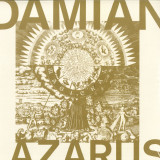
Audio alchemist Damian Lazarus continues to redefine the boundaries of electronic music with his fifth studio album, ‘Magickal’.
Renowned for his unparalleled ability to craft transformative sonic journeys, Damian Lazarus is a master of rhythm, melody, and vibration—a true pioneer among his generation’s visionary artists. Damian’s broad depth of experience encompasses a variety of disciplines: tastemaker, selector, label owner, A&R and a Grammy-nominated artist in his own right - each informed by his unique ear for sound. He is chief wizard of the hugely influential and culture-defining Crosstown Rebels label, a globally renowned DJ with a penchant for exotic outdoor locations and a highly regarded recording artist with four albums and a plethora of solo cuts, collaborations and remixes in his sprawling discography.
With his fifth album, ‘Magickal’, Damian steps into his next evolutionary phase, combining his newly found sobriety with a more mature outlook while still pushing boundaries and creating unforgettable moments. At the root of it all is the magical power of togetherness and human connection that only music can facilitate. Driven by this core ethos, Damian continues on his mission to share his heartfelt music, taking the dance floor into unexplored realms of experience, facilitating moments of transcendence, bliss and pure, unadulterated magic.
Damian Lazarus, the avant-garde architect of spiritually nourishing sounds, is joined by a stellar lineup of collaborators on his latest excursion. It’s imaginative and mystical, rhythmically captivating and daring in its own way, as is typical of Damian’s approach. Taking consideration of his past, the album references his previous work to create a tapestry of compositions that tap into the energy of key moments from his discography. Drawing on his existing catalogue creates cohesive through lines and thematically serves as a continuation of previous stories. November’s single, ‘Sunrise Generation’, for instance, works as a companion to ‘Vermillion’, which was recorded by Damian with his band The Ancient Moons and vocalist Moses Sumney back in 2015. ‘Sunrise Generation’, featuring the beautiful vocals of Fink, was Damian’s first major release since his Grammy-nominated 2021 collaboration ‘Don’t Be Afraid’ with Diplo and Jungle, and continues to take inspiration from global gatherings at solstice and those moments of collective awe at sunrise.
Indeed, the album’s themes of mental elevation and psychedelic sonic journeys are evident throughout. Damian channels this energy through tracks like the soulful ‘So Low’, featuring the incredible Zoe Kypri, and the luminous ‘Searchin’, with Jem Cooke, whose collaboration with Damian dates back to ‘Flourish’ (2020) and lead single ‘Into The Sun’. Uplifting is the operative word here, as Damian aims straight for our hearts and inner selves, stripping away the layers to take us on a trip inwards, and out into the ether all at once. There’s a clear nod to Damian’s appreciation of amapiano when he teams up with Ghanaian interdisciplinary healer Jojo Abot on ‘Warrior Dance’. Old friend and inspirer Mathew Jonson brings his virtuoso touch to ‘Are You Dreaming?’, while TEED and A-Trak form an awesome alliance for ‘Falling Down’ with its heartrending vocals. ‘Alive’ features the Bloom Twins, and also additional production from acclaimed producer Mark Ralph, who incidentally worked on Damian’s debut album ‘Smoke The Monster Out’ in 2009 and forms another throughline to the past. ‘Alive’ blends pop sensibilities and song structure with Damian’s inimitable sound - and could become one of Damian’s biggest moments to date. ‘La Hija De Juan Simon’ delves into the Latin energy synonymous with vibrancy and self-expression as Damian teams up with acclaimed Spanish flamenco-influenced duo Mëstiza. On a solo tip, he rolls out with the eight-minute-plus soulful funk flex ‘Why Don’t U’.
In a suitably aligned instance of serendipity, the arrival of ‘Magickal’ comes at a pivotal period in Damian’s life, just as it has been with previous album concepts. Albums made and released during big shifts in his life speak to the correlation between growth, personal evolution, creativity, catharsis and sharing that process musically. The last album ‘Flourish’, for instance, was recorded and released in the space of a few months during the first summer of the global pandemic. As a result, there’s a kind of vulnerability in the music, a subtle story that’s being told with emotional touchpoints that will be relevant to anyone listening. The universal human experience and spectrum of emotions are things almost everyone can relate to. With the enhanced clarity of his sobriety, Damian’s compositions embody the uplifting nature of simply being alive, connected and unified in our love for music and one another.
Day Zero, Damian’s iconic annual festival, is intrinsically linked to ‘Magickal’. It’s the setting for his imagination when producing the music, it’s the launchpad for each year’s kaleidoscopic adventures around the world, and this year’s edition will be the backdrop to the release of ‘Magickal’. As the pinnacle of Damian’s annual experiences, Day Zero marks a vital milestone for his artistry, an extension of his inner realm, carefully curated and created for his global family of lovers and dancers to revel in the awe-inspiring beauty of Mother Nature. Central to the ethos of Day Zero is its sustainability practices and deep consideration for the locality within which it is held. Connections with local elders embolden its depth, cultivating a strongly aligned purpose with the ritual, customs and energy of the land and its people.
‘Magickal’ will be released in the same week as Day Zero, tying the two projects together in a neat dovetail. 12 years since it started, Day Zero continues to play a significant role in the music Damian makes, curates and plays. For him, it’s the epitome of his vision: a stunning natural setting, the very best party people from around the world, an unparalleled lineup of friends and family, high production values, eco-centric policies and music from another dimension. With these interdimensional transmissions, Damian channels his inner alchemist, which, in turn, permeates into the vibrational framework of ‘Magickal’.
Never one to adhere to convention, Damian has opted for a disruptive album release. ‘Magickal’ is to be kept under wraps and then announced and released on Crosstown Rebels on 8th January 2025, bypassing the modern trend of prolonged single drops and ‘tombstone’ album releases. ‘Magickal’ is the embodiment of Damian and his intentional, against-the-grain approach and reinforces the album as a complete artistic statement, offering listeners the full cohesive experience from the very beginning. This is a return to the album as the pinnacle moment and not the afterthought. Singles, edits and remixes will follow the ‘Magickal album’ release, and, of course, there will be a world tour to promote the album (including Glastonbury and Coachella) and a chance to present the album in exciting, innovative and unique ways.
Forever dreaming, a sincere student of magic, new and old, social sorcerer, lover of nature and master of musical wizardry, Damian Lazarus is a potent force. With ‘Magickal’, he reaffirms his place as one of electronic music’s most influential figures, taking listeners on a profound journey into sound, spirit, and connection.
Wie Hip-Hop nach Hamburg kam
Die Compilation ist als Zeitreise zu den Anfängen der Hamburger Hip-Hop-Kultur konzipiert und umfasst über 100 weitgehend unveröffentlichte Songs und Skits. Begleitet wird das Triple-Vinyl von einem 96-seitigen Booklet, das von den frühen Jahren von Hip-Hop, Rap und DJing in Hamburg erzählt. Präsentiert wird das Werk von den Herausgebern des Buchs und den Kuratoren der Museumsausstellung EINE STADT WIRD BUNT.
Kennt eigentlich noch jemand Easy Business? Was wie ein Ratgeber Video auf YouTube klingt, ist der Name einer der ersten Hamburger Rap-Gruppen. Die vierköpfige Formation aus Steilshoop gründete sich schon in den späten 1980er Jahren und begann bald erste englischsprachige Texte zu schreiben. 1989 nahmen sie gemeinsam mit Mario von Hacht den Song „Money“ in einem Jenfelder Jugendzentrum auf.
Als House-Produzent verfügte Von Hacht über ein vergleichsweise schon recht ansehnliches Produktions-Equipment. Selbst die legendäre Roland TR-808, analoger Drumcomputer und Allzweckwaffe von Hip-Hop-Produzenten, war bereits 1989 Teil seines Maschinenparks. Nur hatte er sie eben nicht für Rap genutzt – bis Easy Business anklopften. Und so öffnete ein Musik-Nerd und Technik-Freak dem Hip-Hop eine Tür in Hamburg. Von Hachts Offenheit für den neuen Musikstil sollte sich auszahlen: 1995 produzierte er mit „Nordisch by Nature“ den ersten Chartstürmer von Fettes Brot.
Es sind Geschichten wie diese aus der Gründerzeit des Rap in Hamburg, um die sich die 3-Vinyl-Compilation EINE STADT WIRD BUNT dreht. Unter den über 100 Songs und Skits aus den frühen Jahren des Rap in Hamburg finden sich neben dem Song „Money“ von Easy Business auch ein Mitschnitt eines Auftritts der Gruppe in der Fabrik im Mai 1991.
Von frühen Aufnahmen von MC Africa True, der später unter dem Namen Nana einige Hits landen würde, bis zu den Britcore-Veteranen von Readykill, von 2 Ruff, deren Mitglied Simple Simon zu den ersten Hip-Hop-Produzenten der Stadt gehörte, bis zu den Reim Banditen, die als eine der ersten hiesigen Bands mit einem Majorlabel-Vertrag als Hamburger Antwort auf die Fantastischen Vier positioniert werden sollten, vereint das Triple-Vinyl eine einzigartige Sammlung musikhistorischer Zeitdokumente. In Kombination mit dem begleitenden Booklet vermitteln sie ein authentisches – und überaus unterhaltsames – Bild von den Anfängen des Rap in Hamburg.
Nach dem preisgekrönten, 2021 erschienenen Buch „EINE STADT WIRD BUNT. Hamburg Graffiti History 1980-1999“ und der gleichnamigen Ausstellung, die bis Anfang Januar 2024, als eine der erfolgreichsten aller Zeiten, im Museum für Hamburgische Geschichte gezeigt wurde, folgt mit der Compilation nun also eine weitere Dokumentation Hamburger Subkultur Geschichte der 1980er und 1990er Jahre. Im Fokus diesmal: die Pioniere des Rap in der Hansestadt.
Zum Team hinter dem Triple-Vinyl gehören neben den vier Herausgebern von EINE STADT WIRD BUNT. Oliver Nebel, Frank Petering, Mirko Reisser und Andreas Timm drei ausgewiesene Kenner der deutschen Hip-Hop-Szene. Oliver Herbst, einst DJ der Hip-Hop-Band City Nord, betreibt heute ein Musiklabel, auf dem die Platte erscheint, und konnte im Zuge der Recherche an viele alte Kontakte anknüpfen. Ebenfalls mit an Bord: der langjährige Chefredakteur des Hip-Hop-Magazins Backspin Dennis Kraus und der Musikjournalist und Moderator Falk Schacht.
Über einen Zeitraum von über zwei Jahren hinweg hat sich das Team auf Recherche begeben. Sie nahmen Kontakt zu Bands, Rapper*innen, DJs und Produzenten auf, die in den 1980er und 1990er Jahren in und um Hamburg aktiv waren. Sie sichteten und archivierten unzählige Stunden von Radio-Shows, Tapes, Demo-DATs und Live-Mitschnitten und führten Interviews mit Hip-Hop-Pionieren aus der Hansestadt. „Unser Ziel war es, ein kaum beleuchtetes Kapitel Hamburger Subkulturgeschichte zu erzählen“, sagt Mirko Reisser.
Begleitet werden die Platten deshalb von einem rund 80-seitigen, reich bebilderten Booklet im Vinyl-Format, das in aufwändig recherchierten Texten nachzeichnet, wie der neue Musikstil ab Mitte der 1980er Jahre in Hamburg langsam heimisch wurde. Zu den zentralen Themen dieser Erzählung gehört die Abwesenheit von technischem Equipment – und der Umgang der jungen Szene mit diesem Mangel.
Ein Vierspur Kassettenrekorder musste für die ersten Aufnahmen im Kinderzimmer reichen. Und wer DJ werden wollte, übte Scratchen mit dem Plattenspieler der Eltern. Anders als heute, wo man mit einem Smartphone in der Hand theoretisch ein Millionenpublikum erreichen kann, stellte die Aufnahmetechnik damals eine große Hürde dar. Wer jedoch über die technischen Voraussetzungen verfügte, Songs aufzunehmen, wurde schnell zur Anlaufstelle für die junge Rap-Szene.
Parallel zu dieser Ära der Technik-Autodidakten, öffneten die Rapper*innen der frühen 1990er Jahre ebenfalls ein Fenster in eine neue Welt: Indem sie anfingen, auf Deutsch zu rappen, grenzten sie sich bewusst von den amerikanischen Vorbildern ab und schufen ein ganz neues Selbstbewusstsein der jungen Subkultur. Und ganz nebenbei auch ein ganz neues Bewusstsein für die Möglichkeiten der deutschen Sprache. „Hier wurde etwas gänzlich Neues erschaffen“, sagt Oliver Herbst.
Viele Künstler, die auf der Compilation vertreten sind, dürften heute nur noch echten Hip-Hop-Nerds bekannt sein. Doch es finden sich auch bekannte Namen auf der Tracklist. Jan Eißfeldt etwa, der heute solo als Jan Delay oder als Teil der Beginner Konzerthallen füllt. Oder Fettes Brot, die von einem Hip-Hop-Trio aus dem Hamburger Umland zu einer der erfolgreichsten deutschen Popbands der Gegenwart heranwuchsen. Oder Deichkind, die zu einem massentauglichen Universal Kunstprojekt avanciert sind.
Wie schon das gleichnamige Buch und die Museumsausstellung, so blickt auch die Compilation EINE STADT WIRD BUNT. hinter die Kulissen einer jungen Subkultur – und erzählt parallel spannende Kapitel Musik-, Technik- und Stadtgeschichte aus der Hip-Hop-Hochburg an der Elbe.
INTERPRETEN
Fettes Brot, Absolute Beginner, Deichkind, Das Bo, Ferris MC, Mr. Schnabel, Sleepwalker, Kastrierte Philosophen, Mellow Mark, David Fascher, Easy Business, Reim Banditen, Readykill, TobiTob, I.L.L. Will, City Nord, MK Cram (Poets of Peeze), Dialektik, 2 Ruff, Nina, Flashmaster Ray, Dennis Deutschland, 2BIAS, MC Africa True alias Nana, Vers Chaoten, Die Erstausgabe, THC (Ter Hartchor), R.A.F. (Reimende Antifaschisten), Direkt Aktion, Fogmoor, Syren, Mental Disorda (Crime Code Barets), Dennis the Menace, Selma, 08/15, Hamburg Royal, Skunk Funk, B-Low, Gizmo, AJ, SMG, Phantom Black, Leon Le Pro alias EL’OMC, Paolo 77, Monti, Hanseknaller, Schlechta Umgang u.v.a.
ZITATE VON
André Luth, Jan Eißfeldt, Mathias Arfmann, Ale Dumbsky, David Fascher, Fatih Akin, Carsten Bohn, Schiffmeister (Björn Beton), Pasha Kamber (DJ MPK), Boris Ekambi, Sleepwalker, Mr. Schnabel, Nana Abrokwa, Simon Vegas u.a.
PRODUCER
Mario von Hacht (Super Mario), Sleepwalker, B-Base, Bubblez, TobiTob, X-Ray, Simple Simon
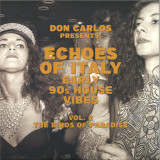
- A1: Montego Bay - Everything (Paradise Mix) 04 59
- A2: Atelier - Got To Live Together (Club Mix) 06 06
- A3: Golem - Music Sensations 04 56
- B1: The True Underground Sound Of Rome Feat. Stefano Di Carlo - Gladiators 05 26
- B2: Eagle Parade - I Believe 04 26
- C1: Dj Le Roi - Bocachica (Detroit Version) 05 28
- C2: Green Baize - Synthetic Rhythm 01 41
- C3: M.c.j. Feat. Sima - Sexitivity (Deep Mix) 05 30
- D1: Kwanzaa Posse Feat. Funk Master Sweat - Wicked Funk (Afro Ambient Mix) 06 31
- D2: Progetto Tribale - The Bird Of Paradise 06 29
- D3: Mbg - The Quite 06 59
Vol 1[28,99 €]
Googling “paradise house”, the first results to pop up are an endless list of European b&b’s with whitewashed lime façades, all of them promising “…an unmatched travel experience a few steps from the sea”. Next, a little further down, are the institutional websites of a few select semi-luxury retirement homes (no photos shown, but lots of stock images of smiling nurses with reassuring looks). To find the “paradise house” we’re after, we have to scroll even further down. Much further down.
It feels like yesterday, and at the same time it seems like a million years ago. The Eighties had just ended, and it was still unclear what to expect from the Nineties. Mobile phones that were not the size of a briefcase and did not cost as much as a car? A frightening economic crisis? The guitar-rock revival?! Certainly, the best place to observe that moment of transition was the dancefloor. Truly epochal transformations were happening there. From America, within a short distance one from the other, two revolutionary new musical styles had arrived: the first one sounded a bit like an “on a budget” version of the best Seventies disco-music – Philly sound made with a set of piano-bar keyboards! – the other was even more sparse, futuristic and extraterrestrial. It was a music with a quite distinct “physical” component, which at the same time, to be fully grasped, seemed to call for the knotty theories of certain French post-modern philosophers: Gilles Deleuze, Félix Guattari, Paul Virilio... Both those genres – we would learn shortly after – were born in the black communities of Chicago and Detroit, although listening to those vinyl 12” (often wrapped in generic white covers, and with little indication in the label) you could not easily guess whether behind them there was a black boy from somewhere in the Usa, or a girl from Berlin, or a pale kid from a Cornish coastal town.
Quickly, similar sounds began to show up from all corners of Europe. A thousand variations of the same intuition: leaner, less lean, happier, slightly less intoxicated, more broken, slower, faster, much faster... Boom! From the dancefloors – the London ones at least, whose chronicles we eagerly read every month in the pages of The Face and i-D – came tales of a new generation of clubbers who had completely stopped “dressing up” to go dancing; of hot tempered hooligans bursting into tears and hugging everyone under the strobe lights as the notes of Strings of Life rose up through the fumes of dry ice (certain “smiling” pills were also involved, sure). At this point, however, we must move on to Switzerland.
In Switzerland, in the quiet and diligent town of Lugano, between the 1980s and 1990s there was a club called “Morandi”. Its hot night was on Wednesdays, when the audience also came from Milan, Como, Varese and Zurich. Legend goes that, one night, none less than Prince and Sheila E were spotted hiding among the sofas, on a day-off of the Italian dates of the Nude Tour… The Wednesday resident and superstar was an Italian dj with an exotic name: Don Carlos. The soundtrack he devised was a mixture of Chicago, Detroit, the most progressive R&B and certain forgotten classics of old disco music: practically, what the Paradise Garage in New York might have sounded like had it not closed in 1987. In between, Don Carlos also managed to squeeze in some tracks he had worked on in his studio on Lago Maggiore. One in particular: a track that was rather slow compared to the BPM in fashion at the time, but which was a perfect bridge between house and R&B. The title was Alone: Don Carlos would explain years later that it had to be intended both in the English meaning of “by itself” and like the Italian word meaning “halo”. That wasn’t the only double entendre about the song, anyway. Its own very deep nature was, indeed, double. On the one hand, Alone was built around an angelic keyboard pattern and a romantic piano riff that took you straight to heaven; on the other, it showcased enough electronic squelches (plus a sax part that sounded like it had been dissolved by acid rain) to pigeonhole the tune into the “junk modernity” section, aka the hallmark of all the most innovative sounds of the time: music that sounded like it was hand-crafted from the scraps of glittering overground pop.
No one knows who was the first to call it “paradise house”, nor when it happened. Alternative definitions on the same topic one happened to hear included “ambient house”, “dream house”, “Mediterranean progressive”… but of course none were as good (and alluring) as “paradise house”. What is certain is that such inclination for sounds that were in equal measure angelic and neurotic, romantic and unaffective, quickly became the trademark of the second generation of Italian house. Music that seemed shyly equidistant from all the rhythmic and electronic revolutions that had happened up to that moment (“Music perfectly adept at going nowhere slowly” as noted by English journalist Craig McLean in a legendary field report for Blah Blah Blah magazine). Music that to a inattentive ear might have sounded as anonymous as a snapshot of a random group of passers-by at 10AM in the centre of any major city, but perfectly described the (slow) awakening in the real world after the universal love binge of the so-called Second Summer of Love.
For a brief but unforgettable season, in Italy “paradise house” was the official soundtrack of interminable weekends spent inside the car, darting from one club to another, cutting the peninsula from North to centre, from East to West coast in pursuit of the latest after-hours disco, trading kilometres per hour with beats per minute: practically, a new New Year’s Eve every Friday and Saturday night. This too was no small transformation, as well as a shock for an adult Italy that was encountering for the first time – thanks to its sons and daughters – the wild side of industrial modernity. The clubbers of the so-called “fuoriorario” scene were the balls gone mad in the pinball machine most feared by newspapers, magazines and TV pundits. What they did each and every weekend, apart from going crazy to the sound of the current white labels, was linking distant geographical points and non-places (thank you Marc Augé!) – old dance halls, farmhouses and business centres – transformed for one night into house music heaven. As Marco D’Eramo wrote in his 1995 essay on Chicago, Il maiale e il grattacielo: “Four-wheeled capitalism distorts our age-old image of the city, it allows the suburbs to be connected to each other, whereas before they were connected only by the centre (…) It makes possible a metropolitan area without a metropolis, without a city centre, without downtown. The periphery is no longer a periphery of any centre, but is self-centred”.
“Paradise house” perfectly understood all of this and turned it into a sort of cyber-blues that didn’t even need words, and unexpectedly brought back a drop of melancholic (post?)-humanity within a world that by then – as we would wholly realise in the decades to come – was fully inhuman and heartless. A world where we were all alone, and surrounded by a sinister yellowish halo, like a neon at the end of its life cycle. But, for one night at least, happy."
Black Vinyl[33,82 €]
A crisp, spellbinding intro sets the mood for the first song on 'Maintenant Jamais', Population II's third album. With the guidance of producer Dominic Vanchesteing (Marie Davidson, Chocolat, Peter Peter), the turbulence of the band’s previous releases is structured and refined. The result is a sophisticated rock album that surprises with its languorous grooves, as heard on "Le thé est prêt", while staying true to the raw power for which the band is renowned, as demonstrated on vigorous tracks such as "La Trippance" and "Rédemption naturelle".
The album follows with "Prévisions", a song that ripples with finesse before abruptly transitioning into the instrumental number "Macavélique rock". While "Haut-fond" and "Cardinaux" are true feats of elegant prog rock, "Mariano (Jamais je ne t'oublierai)" and "homme étoilé" prove that Population II is also endowed with a profound melodic sensibility capable of creating catchy and explosive hooks.
On this new album, the trio fine-tunes the distinctive style they’ve been developing for several years, thanks in part to a fusion of shared influences – from Soft Machine to MC5 to L'Infonie – but also to a rare complicity that can only blossom between such close friends. This creative chemistry is what makes the band's complex songwriting seem so fluid and supple. Population II breaks through their previous sonic frontiers while remaining true to their roots. Therein lies the achievement of 'Maintenant Jamais'.
Coke Bottle Green Clear Vinyl[36,56 €]
A crisp, spellbinding intro sets the mood for the first song on 'Maintenant Jamais', Population II's third album. With the guidance of producer Dominic Vanchesteing (Marie Davidson, Chocolat, Peter Peter), the turbulence of the band’s previous releases is structured and refined. The result is a sophisticated rock album that surprises with its languorous grooves, as heard on "Le thé est prêt", while staying true to the raw power for which the band is renowned, as demonstrated on vigorous tracks such as "La Trippance" and "Rédemption naturelle".
The album follows with "Prévisions", a song that ripples with finesse before abruptly transitioning into the instrumental number "Macavélique rock". While "Haut-fond" and "Cardinaux" are true feats of elegant prog rock, "Mariano (Jamais je ne t'oublierai)" and "homme étoilé" prove that Population II is also endowed with a profound melodic sensibility capable of creating catchy and explosive hooks.
On this new album, the trio fine-tunes the distinctive style they’ve been developing for several years, thanks in part to a fusion of shared influences – from Soft Machine to MC5 to L'Infonie – but also to a rare complicity that can only blossom between such close friends. This creative chemistry is what makes the band's complex songwriting seem so fluid and supple. Population II breaks through their previous sonic frontiers while remaining true to their roots. Therein lies the achievement of 'Maintenant Jamais'.
- A1: Yves Deruyter - The Rebel (40 Years Yves Deruyter Rework)
- A2: F.u.s.e. Vs Lfo - Loop
- B1: Two Pieces - Magic Bells (Final Mix)
- B2: Channel X - Rave The Rhythm
- B3: Master Techno - My Noise
- C1: Circuit Breaker - Overkill
- C2: Dj Misjah - Karin's Paradox
- D1: Technicida - Purgatorio
- D2: Meng Syndicate - Sonar System
- D3: Epilepsia - Epilepsia
- E1: Insider - Destiny
- E2: Symphony Of Love - Quantum Leap
- F1: Ramin Feat. 2 Stripes - Brainticket
- F2: Peyote - Alcatraz
- G1: A.paul - Juice
- G2: The Effect - Green Angel (Angel Mix)
- H1: Cybersonik - Technarchy
- H2: Dna - La Serenissima
- H3: Tronikhouse - The Savage & Beyond (Savage Reese Mix)
- I1: Yves Deruyter - Back To Earth (40 Years Yves Deruyter Rework)
- I2: Dream Concept - Shy Kid (In Rhythm Mix)
- I3: All In One - Mama's Kick
- J1: F.u.s.e. - Substance Abuse
- J2: Dj Bountyhunter - The Bountyhunter
- L2: The Wavecatcher - Flight Dh2126
- M1: Yves Deruyter - Feel Free (40 Years Yves Deruyter Rework)
- M2: Methadon - Synthetic Fruits
- N1: Edge Of Motion - Set Up 707
- N2: Reese & Santonio - Rock To The Beat
- N3: Mechanical Soul Saloon - Punos
- O1: Plastikman - Panikattack
- O2: Reese - Funky Funk Funk
- P1: The Prodigy - Charly (Alley Cat Mix)
- P2: Phantasia - Inner Light
- P3: Second Chance - In Paradise
- Q1: Final Exposure - Vortex
- Q2: Quazar - Dragonfighters
- R1: Ecstasy Club - Jesus Loves The Acid
- R2: Quadrophonia - Quadrophonia
- S1: Illuminatae - Tremora Del Terra
- S2: Josh Wink - Higher State Of Consciousness (Tweekin Acid Funk Mix)
- T1: Phuture - Rise From Your Grave (Wild Pitch Mix)
- T2: Black Scorpion Aka Steve Rachmad - Empyrion
- J3: Cybersonik - Backlash
- K1: Robert Armani - Circus Bells (Full Length Original Mix)
- K2: Photon Inc. Feat. Paula Brion - Generate Power (Wild Pitch Mix)
- L1: L.s.g. - Netherworld (Dj Randy's Smoke Free Remix)
Celebrating 40th anniversary of Yves Deruyter's musical career with this 10 x 12" Vinyl Box Set. Including tracks from F.U.S.E. vs LFO, Tronikhouse, Robert Armani, L.S.G., Edge Of Motion, Plastikman, The Prodigy, Ecstasy Club, and the master himselfYves Deruyter.
Yves Deruyter - 40 Years at the Pinnacle of the Night
Forty years. A rollercoaster of a musical career, meandering through five decades, leaving timeless marks on the collective dancefloor memory. Yves Deruyter is the exception that proves the rule. An icon behind the decks, celebrated far beyond national borders for his legendary sets, impeccable musical choices, and the anthems released under his name. The result of collective effort, where Yves, with his vision and unique touch, consistently left his mark-transforming good tracks into inescapable bombs that still resonate through time.
If you've spent forty years living to the pulse of music, the night is in your DNA. Yves Deruyter, a DJ to the core-the real deal. The man who bent the night to his will, dragging weekend vibes into the workweek like a warrior, a true master behind the turntables who made his people dance. His beats: the oxygen that generations lived on.
Yves sharpened his musical weapons in the early '90s within the iconic afterparty scene of Barocci and The Globe-places that became sanctuaries in Belgium's endless night. Here, die-hard dancefloor warriors, cutting-edge music lovers, and night owls from the four corners of the globe gathered. They willingly followed Yves' masterful mixing and his razor-sharp set construction. Clubs with a more conventional timeframe were the next step, with the iconic Cherrymoon as his home base for years-alongside endless guest DJ spots and global gigs. From there, the underground pulsed through Yves' hands and crates, reaching ever-larger crowds-without ever compromising for commercial or crossover sounds. Yves stayed true to his choices, lifting his audience to euphoric heights like a craftsman, armed with his hits, hidden gems, and freshly unearthed nuggets.
From the pounding energy of Rave City to the flippy, epic flashes of Calling Earth-tracks that not only captured the spirit of the times but conquered dancefloors worldwide. This isn't just music; it's a time capsule-a connection between generations and a reminder of the energy from a golden era.
With musical partners like Roel Butzen, Frederico Santini, M.I.K.E. Push, and more recently, Insider, Yves forged a sound that etched its place into rave and dance history. From The Rebel to The House of House, parts of Yves' musical taste have become immortal pillars of dance music heritage. In the early rave days, he topped Belgium's DJ rankings year after year, elevating every club he played to the highest echelons of popularity. The same held true for the records where his name appeared like a badge of honor.
From The Globe to the globe itself-it seemed almost written in the stars. Yves, thestar DJ, became one of the instigators of the electronic music storm that put Belgium on the global map-a storm that never subsided. Festivals like Love Parade, Mayday, I Love Techno, Nature One, and Tomorrowland saw Yves as a trusted force, effortlessly commanding crowds and turning dancefloors inside out. Forty years later, that storm still ignites partygoers, vibrates through dancefloors, and keeps entire generations moving.
Even today, Yves still holds a steady residency with Yves Deruyter and Friends at Club Moustache, where his concept always sells out. Here, both fresh talent and seasoned DJs deliver a killer blend of modern electronic dance music and timeless classics, creating an atmosphere that hooks the crowd every single time.
Because partying doesn't need an excuse. But forty years? That deserves the spotlight-not as a mere milestone, but as a showcase of timelessness. Music mutates, reinvents itself for new generations, yet retains the same impact as that very first time. Yves proves that forty is just a number, and relevance isn't about trends-it's about vision, energy, and an unmistakable touch. His sets? Indestructible. His sound? A heartbeat echoing through time.
And Yves? He doesn't live in the past. Today, Yves distills those four decades into a compilation capturing the essence of his career. Belgian beats, interpreted and refined into a sound that powered raves around the world. Ten vinyls featuring not just a fiercely curated selection that contextualizes the magic of his early days, but also new versions of three unbeatable anthems-potent hits designed to turn dancefloors upside down in wonder, without losing a shred of their soul. Yves remains a beacon in the night, a searchlight for that one perfect beat-always relevant, always chasing that magical moment.
Yves Deruyter-a name spoken in the same breath as the greats of the scene. A ten-vinyl compilation is more than a celebration; it's a well-earned trophy. As unique, indestructible, and uncompromising as the man himself.
Demonstrating the poignant power of experience + human connection + innate musicality + operating in the present moment, Jeff Mills' Spiral Deluxe collective unveil their second album - The Love Pretender. Driven by the free expression and creativity of improvised performance, Spiral Deluxe is an electronic jazz fusion project comprised electronic music visionary Jeff, along with legendary keyboardist Gerald Mitchell (Underground Resistance/ Los Hermanos), Japanese rocker Yumiko Ohno (Buffalo Daughter/Cornelius) on Moog synthesizer and the Japanese bassist, adopted New Yorker, Kenji "Jino" Hino - son of Terumasa Hino, the world famous jazz trumpeter. Together, the four key players formed a band centred around completely improvised journeys through sound.
During their unrestrained performances, what Jeff describes as sonic "conversations" arose between the musicians, as they each contributed to full-length live shows, and studio sessions. Within the boundless parameters of freeform spontaneity, they developed an unspoken understanding of one another, finding balance and poise within the unplanned performances. The resulting recordings have been used for three releases so far: Two EPs, Kobe Session (2016) and Tathata (2017), and their debut album Voodoo Magic in 2018. With The Love Pretender, we're presented with another stunning collection of "tracks" extracted from one long improv session.
With each musician proficient in their specialism and, of course, an all-out music lover, the communication between the group members became almost telepathic. Very little preparation was needed, and their performances flowed naturally and organically. This can be heard, and felt, throughout The Love Pretender. Tracks like 'The Soloist' evolve effortlessly, each new shift subtly influenced by one of the musicians nudging the conversation into a different phase, and the rest responding accordingly, or vice versa. It's music that embodies the true nature of mindfulness and letting go of fear. In their unstructured, liberated cocoon the artists thrive and create musical moments that have, fortunately, been captured for us all to immerse ourselves in. Jazzy notes fill the air, combined with electronic bass, synthesised beats, sparkling keys and an all-round warm and welcoming atmosphere, with the slight edge you can only get from improvised performance.
Sylvain Luc's posthumous appearance on the album is of significance too. The French guitarist died in March 2024 at the age of 59. His natural flair adds another dimension to the album, bringing a touch of that laid back 1980s American California Coast feeling to tracks such as 'Society's Man'. These contributions to the LP, recorded separately, add character - a final sprinkling of humanity to complement the aliveness and presence of this body of work. Three other musicians also added their creative energy to the project. They were; TOKU, a Japanese jazz musician who specialises in wind instruments, especially the cornet, trumpet and flugel horn. And there's Masa Shimizu, who also has wide-ranging with the guitar, as well as being a producer.
Themes on the album include the optimism one can have by simply trusting the process and trusting that everything will work out in the end. By playing together in the way they do, Spiral Deluxe place their trust in the mystery of what will happen next. Getting comfortable with not knowing is key to a sense of peace with regard to the future and this energy is vital to their collective musical output. By embracing the notion of the unknown, you become an eternal optimist, living in the moment, rather than projecting into the future. This cultivates excitement, an antidote to anxiety.
Meanwhile, the title alludes to the shifts and changes that have occurred in today's society, whereby it's possible to achieve success through pretending. The superficiality, and falsehood, that can often be presented via social media, can lead to questions about what's real and what's not. From AI to the fake personas that populate the dominant platforms, The Love Pretender speaks to a process that is symbolic of the time we're living in. Behaviour that has become acceptable in today's world, which may not have been as welcomed a few decades ago. But this is part of the cycle of life...
Jeff's intention with this music is to present it in high-fidelity, to be listened to over and over and over again. In post-recording he worked for hours to ensure the audio quality was as high as it could be. The goal is to create music that people can live with their entire lives, from his solo work to these masterful improvisations. Music that comes to life, music that has a voice we can replicate with our own vocals. Expressive, unstructured, and alive...
With The Love Pretender Jeff Mills continues his mission to experiment with music outside the bounds of what is typically expected. It's freeing, enlivening, vibrant and uniquely human. As ever, Jeff's visionary outlook and bold approach to musical performance and recording has produced a body of work that epitomises his often revolutionary capabilities. There's no pretending here, just pure unadulterated sonic transmissions from a wonderfully daring, inspiring and optimistic ensemble...
Tuning the Wind was created in 2022 as an installation piece. Since then, it has been adapted into multichannel, 4DSOUND, and stereo installations, as well as performed live on numerous occasions around the world. The piece has a duration of 36 minutes and 15 seconds. For the vinyl pressing, it has been divided into two parts.
Composer Aimée Portioli, known professionally as Grand River, recorded various types of wind and then reworked them through layering and pitch adjustment to create a musical piece where the wind itself becomes a prepared instrument. At times, the sound of the wind is tuned to the 440 Hz reference, while at other times, the instruments are tuned to the sound of the wind. In Tuning the Wind, nature and music merge seamlessly. Synthesizers and wind recordings become indistinguishable, blending natural sounds with human-made instruments. The boundary between a gust of wind and an instrument-generated sound fades away. Human artistry and nature’s symphony merge to become one.
Wind is air in motion. It makes no sound until it encounters an object. The sounds it produces depend on the strength of the wind and the shape and material of the object it touches. When the wind blows, trees sway, buildings rattle, materials move, and sound waves are generated. Some believe that temperature changes create layers of air, and that the friction between them forms a unique sound—perhaps the true voice of the wind, which birds may be the only creatures capable of recognising. Sometimes the wind howls; at other times, it sings or whistles, shifting from a gentle murmur to an angry roar. The wind’s range of frequencies, tones, and timbres is vast and varied. Tuning the Wind is a piece about the wind, made with the wind—an abstract expression of our ongoing conversation with nature.
Concept, composition and production by Aimée Portioli. Wind recordings by Aimée Portioli and Pablo Diserens.
Mastered by Rafael Anton Irisarri. Front cover photo by Bárbara Cameán and Aimée Portioli. Back cover photo by Maria Louceiro. Design by Daniel Castrejón.