'Deixa Rodar' is an essential midtempo disco/boogie jam taken from Hanna's 'Deixa Rodar' LP from 1979. A tip off from our good friend Mark 'GV' Taylor, played at the first of our 'Braziloid' sessions on Brighton sea front.
'To Parado Na Tua' is another killer midtempo disco/boogie cut, produced by the legendary Lincoln Olivetti and Robson Jorge, released in 1984. Taken from the sought after and now fairly pricey 'Festa Funk' LP on RGE.
Search:tua
Shen is a quartet from Tel Aviv, constantly switching between genres while searching for truth and patience in the process.
After dealing with urban experiences on their first album back in 2018, Shen has matured and started to explore the power of nature and the dimension of time with their latest offering, recorded at Kibbutz HaOgen, which is located on a kibbutz near Kfar Yona, far from the big cities of Jerusalem and Tel Aviv.
- A1: Regenmacher
- A2: Zug
- A3: Zapp Brannigan
- A4: Wer Hat Die Hitze Feat. Trettmann
- A5: Ernte Dank Feat. Maxim
- B1: Was Ihr Seht
- B2: Er Ist / Voodoo Interlude
- B3: Wohin Feat. Musa
- B4: Himmel Berühren
- B5: Schlechter Schlaf Feat. Joy Denalane
- C1: Oyoyo Feat. Musa
- C2: Alles Anders Feat. Max Herre
- C3: Graulila Feat. Tua
- C4: Geradeaus Feat. Jan Delay
- C5: Blaue Aurora
- D1: Exodus Feat. Gentleman
- D2: Welt Gehört Uns
- D3: Tripleschicht
- D4: Bis Ans Ende
Der Regenmacher trägt Hoffnung in sich. Er kann Blüte in Zeiten der Dürre bringen, neues Leben, wo lange keines war. Er weiß, dass er scheitern kann - und dass er gerade deswegen den Glauben an seinen Erfolg aufrecht erhalten muss. Mit seiner Musik ist der Berliner Rapper Megaloh selbst zu einer Art Regenmacher geworden. Er bringt die Hoffnung auf eine neue Ära im deutschen Hip-Hop. Nun erscheint sein neues Album mit genau diesem Titel: "Regenmacher". Die Stärke des Megaloh von 2016: dass er Geschichten nicht nur erzählt, sondern sie in unmittelbar mitreißende Musik zu übersetzen weiß. Dass er so unterschiedliche Feature-Gäste wie Max Herre, Joy Denalane, MoTrip, Jan Delay, den Sänger Maxim, Tua von Die Orsons, Patrice oder den Leipziger Dancehall-Don Trettmann auf einem Album zusammenbringen kann - und dennoch einen unverwechselbaren Sound schafft.
- A1: Kahedi Radio Intro
- A2: Hallo Welt!
- A3: Aufruhr (Freedom Time) Feat. Patrice
- A4: Kahedi Radio Interlude 1
- A5: Jeder Tag Zuviel Feat. Patrice & Joy Denalane
- A6: Esperanto Feat. Joy Denalane
- B1: 1Ste Liebe Feat. Joy Denalane
- B2: Du Du Du
- B3: Kahedi Radio Skit 1
- B4: A-N-N-A Prelude
- B5: A-N-N-A (Immer Wenn Es Regnet)
- C1: Kahedi Radio Skit 2
- C2: Rap Ist Feat. Afrob & Megaloh
- C3: 1992 (Fab 5 Freddy Exclusive) Feat. Samy Deluxe
- C4: Eimsbush Bis 0711 Feat. Samy Deluxe
- C5: Einstürzen Neubauen Feat. Samy Deluxe
- C6: Zu Elektrisch
- D1: Fremde Feat. Sophie Hunger
- D2: Berlin / Tel Aviv Feat. Sophie Hunger
- D3: Solang Feat. Tua & Grace
- D4: Wolke 7 Feat . Philipp Poisel
- E1: Kahedi Radio Skit 3
- E2: Tabula Rasa Pt. 1 Feat. Gentleman & Sékou
- E3: Tabula Rasa Pt. 2 Feat. Gentleman, Sékou, Afrob & Joy Denalane
- E4: Fk 10
- E5: Kahedi Dub / Yogibär Feat. Megaloh
- F1: Alter Weg
- F2: Er-Sagt-Sie-Sagt
- F3: Wo Rennen Wir Hin
- F4: Fühlt Sich Wie Fliegen An
- G1: Kahedi Radio Skit 4
- G2: Vida Feat. Gregory Porter
- G3: Kahedi Radio Interlude 2
- G4: Niemand (Was Wir Nicht Tun) Feat. Joy Denalane
- G5: Kahedi Radio Interlude 3
- G6: Mit Dir Feat. Joy Denalane
- G7: Leg Dein Ohr Auf Die Schiene Der Geschichte Feat. Grace
- G8: Flor Que Marchitará Feat. Don Philippe & Laura López Castro
- H1: Wenn Der Vorhang Fällt Feat. Don Philippe, Megaloh, Afrob & Grace
- H2: So Wundervoll Feat. Gregory Porter
- H3: Halt Dich An Deiner Liebe Fest
- H4: Kahedi Radio Outro
Max Herre hat ein MTV Unplugged aufgenommen. Das rückt ihn in eine Tradition mit Udo Lindenberg, Eric Clapton, Lauryn Hill, Jay Z. Mehr noch als ein konsequenter Karriereschritt und popkultureller Ritterschlag aber ist das Konzert eine Rückkehr zu seinen Wurzeln. Denn lange bevor er als Texter und MC einer ganzen Generation eine neue Stimme geben sollte, war er vor allem der Junge mit der Gitarre, der einfach nur spielen wollte. Das Gefühl, das er als 15-Jähriger im Proberaum suchte, hat er nun im 'Großen Saal'des altehrwürdigen Funkhaus Berlin Nalepastraße wiedergefunden.
Die Geschichte dieses besonderen Abends beginnt vor knapp 25 Jahren in einem Keller in Stuttgart-West. Dort jammte er mit Freunden zu dem Funk, Soul und Reggae, den er liebte - und legte, ohne es zu wissen, den Grundstein für das, was da kommen sollte. Zwei klassische Alben mit Don Philippe und DJ Friction als Freundeskreis zum Beispiel, die sich nicht nur weit über 500.000 mal verkauften, sondern eine ungehörte Musikalität in die deutsche Rap-Landschaft einführten. Drei Soloplatten, die den Bogen spannten von der '1sten Liebe' HipHop zu fragilem Folk im Stile eines Singer-Songwriters (und zurück). Eine Zweitkarriere als Labelbetreiber und Produzent. Und dazwischen immer wieder Auftritte, bei denen all diese Erfahrungen und Einflüsse auf fast magische Weise zusammenliefen.
Max Herre hat Rap immer in einem Bandkontext gedacht, HipHop stets in einem Kollektivgedanken gelebt. Das war Anfang der Neunziger so, als er als Kind der Kolchose seine ersten Live-Auftritte in süddeutschen Jazzclubs hatte. Das war später so, als er aus Freundeskreis die FK Allstars erwachsen ließ und mit ihnen über die größten Festivalbühnen des Landes tourte. Und das ist heute nicht anders, wenn er wie 2012 auf seinem fulminanten Gold-Album Hallo Welt! alte wie neue Inspirationen zu seelenvoller Rapmusik mit Ewigkeitsanspruch bündelt.
So ist es nur konsequent, dass für MTV Unplugged / KAHEDI Radio Show zahlreiche Featuregäste und Freunde nach Berlin gekommen sind: wichtige Weggefährten wie Joy Denalane, Afrob, Sékou, Gentleman, Samy Deluxe, Patrice, Sophie Hunger, Philipp Poisel oder US-Ausnahmesänger Gregory Porter, aber auch das 26-köpfige, eigens für den Abend zusammengestellte KAHEDI RADIO ORCHESTRA. Unter der Führung des musikalischen Leiters Lillo Scrimali kommen so mehr als 40 Musiker aus drei Generationen zusammen. Produzent Samon Kawamura und Host Fab 5 Freddy, einst erster Moderator der wegweisenden HipHop-Sendung Yo! MTV Raps, ziehen im Regieraum zusätzlich dramaturgische Fäden.
'Ich bin sehr dankbar und glücklich, dass ich für dieses Projekt mit einigen der besten arbeiten durfte: viele davon langjährige Freunde und Wegbegleiter', so Max über das mehr als zweistündige, komplett akustische Konzert. 'Sie alle haben nicht nur ihr Spiel und ihre Fähigkeiten eingebracht, sondern ihr Herz und ihre musikalische Vision.'
Den passenden Rahmen bietet das Funkhaus Berlin Nalepastraße am Köpenicker Spreeufer. In dem ehemaligen Hauptsitz des DDR-Hörfunks, in dem schon Barenboim und die Bartoli, aber auch Portishead und Sting gearbeitet haben, vereinen sich Feierlichkeit und funktionelle Strenge auf ganz erstaunliche Weise. Max Herre hat diesen geschichtsträchtigen Ort für MTV Unplugged / KAHEDI Radio Show neu erdacht, indem er seine ursprüngliche Funktion als Aufnahmeraum unterstrichen hat. Vom Publikum umgeben spielen die Musiker in einer 360°-Konstellation zueinander und empfinden gemeinsam nach, wie in den siebziger Jahren Soulmusik gemacht wurde.
MTV Unplugged / KAHEDI Radio Show ist ein erlebtes Experiment mit offenem Ausgang und maximaler künstlerischer Freiheit. Eine kollektive Verneigung vor Soul, Jazz, Funk, Reggae und Rap. Und die in Musik gefasste Botschaft, dass Zukunft stets auch ein Stück Vergangenheit in sich trägt.
Zumindest, wenn sie so klingt wie die Musik von Max Herre.
- A1: Hallo Welt!
- A2: Aufruhr (Freedom Time) Feat. Patrice & Fetsum
- A3: Dududu
- A4: Jeder Tag Zuviel Feat. Antonino (Mega!Mega!)
- B1: Wolke 7 Feat. Philipp Poisel
- B2: Solang Feat. Tua
- B3: Einstürzen Neubauen Feat. Samy Deluxe
- B4: Fühlt Sich Wie Fliegen An Feat. Cro & Clueso
- C1: 1992
- C2: Vida Feat. Aloe Blacc
- C3: Kahedi Dub Feat. Marteria
- C4: Berlin - Tel Aviv Feat. Sophie Hunger
- C5: So Wundervoll Feat. Aloe Blacc
- D1: Nicht Vorbei (Bis Es Vorbei Ist)
- D2: Abserviert
- D3: Rap Ist Feat. Megaloh
- D4: Yvonne
An assorted mixtape-style collection of recordings from Constantin Brăiloiu's World Collection of Folk Music archive, originally broadcast on NTS Radio in July 2017, issued as part of DINTE's 10th anniversary series.
Comprising field recordings made by the pioneering Romanian ethnomusicologist of English, Irish, Gaelic, Norwegian, Breton, Japanese, Italian, Swiss, Basque, Fulah, Sardinian, Estonian, Georgian, Greek, Turkish, Judaeo-Spanish, Portuguese, French, Chinese, Russian, Hausa, Tuareg, Indian, Corsican, Ethiopian, Romanian, Walloon, Flemish, German, Kabyle, Bulgarian, Macedonian, Bosnian and Caribou Eskimo folk songs & dances.
From the heart of Tamanrasset in South Algeria, Imarhan transcend Tuareg tradition, weaving hypnotic synths into desert blues. The result is a timeless work—deeply respectful of their roots, yet alive with a stirring sense of modernity.
ESSAM is the band’s fourth album, recorded with the same core lineup, but marks a significant shift in their sound and approach. Musically, it marks a departure from the rocky, bluesy, psychedelic Tuareg guitar-driven sound influenced by Tinariwen’s heritage — moving toward something more open, modern, and exploratory.
For the first time, their long-time sound engineer Maxime Kosinetz stepped in as producer. He travelled to Tamanrasset with Emile Papandreou (of the French duo UTO), a multi-instrumentalist who introduced electronic elements by sampling live instruments and reprocessing them in real time with a modular synthesizer — subtly reshaping the band's sonic identity.
The album was recorded mostly live, in one big room at Aboogi Studio — the band’s own rehearsal and recording space in Tamanrasset. The studio, a converted concert hall, has become a kind of cultural hub for the local youth. Friends dropped by during the sessions to contribute handclaps, vocals, and just be part of the energy. It’s a space where people gather, hang out, play dominoes, smoke chicha — a rare communal spot in a city that doesn’t offer many for young people, somewhat like a youth and community center.
This context — the creative shift, the live recording process, the atmosphere around Aboogi — might be interesting threads to explore in the conversation.
RedNilo is an Italian-Moroccan duo composed of Reda Zine and Danilo Mineo, two musicians based in Bologna linked by a deep passion
for world music, particularly African music. Their ongoing and tireless musical exploration has led them to collaborate for over a decade
on numerous artistic and recording projects. Their new album, eponymously titled RedNilo, features six tracks characterized by a sound
reminiscent of Gnawa, Hassani, Tuareg, and experimental rock. The psychedelic, raspy riffs of the electric guitar, the repetitive rhythms
of the percussion, and the rhythmic-melodic lines of the guembri represent and evoke their journey. The resulting sound material is the
culmination of their journey and their encounters with masters, artists, griots, artisans, and instrument makers in the Draa Valley in
southeastern Morocco, bringing together the two musicians' urban and experimental backgrounds and souls. The album's artwork was
designed by Moroccan artist Aali Wica, initiator and mentor of their spiritual and artistic journey to the southern African continent,
across the long black snake.
Réda Zine, a musician and documentary filmmaker born in 1977 in Casablanca, launched his musical career in the 1990s, contributing
to L'Boulevard, Africa's largest independent festival. Raised in the Casablanca medina, he was introduced to Gnawa music by various
Maallems. After studying at the Paris 3 Sorbonne University, he founded Café Mira, a project that has performed at several international
events.
From 2011 to 2014, Zine was artistic director for Creative Commons (Middle East and North Africa), where he won the #CC10 Korea
award in 2012 with the project "It will be Wonderful," which brought together musicians from over 12 countries. He has also been
involved in exhibitions on music and censorship, participating in events in major cities such as Paris, Buenos Aires, and Seoul. In Italy,
he continued his musical research with the Hardonik project and was part of the Afrobeat group Voodoo Sound Club, recording the
album Mamy Wata. Zine collaborates with artists such as Seun Kuti and has initiated educational activities related to Gnawa music,
contributing to initiatives such as the African Symphony Laboratory for improvisers. He is the co-founder of Fawda, a Gnawa-based
project, and is part of the Gnawa Rumi collective, which explores the music of the Moroccan diaspora in Italy. He directed the documentary "The Long Road to the Hall of Fame" about Public Enemy, which won an award at the Pan African Film Festival in 2015.
Danilo Mineo graduated as a national educator from the AMMnationalscholl music academy in Milan, with a thesis entitled "Afro-Cuban
Music and the Rhythm Section." Over the years, he has attended workshops and masterclasses with international artists and masters
of percussion and drums, including Horacio El Negro Hernandez, Airto Moreira, Trilok Gurtu, Luis Agudo, Arto Tuncboyaciyan, Dudu
Tucci, Dom Famularo, Karl Potter, Rodney Barreto, and Eno Zangoun, exploring the rhythmic language of various musical genres and
styles.
In addition to publishing several educational manuals for percussionists, music critics consider him a versatile percussionist, active in
various musical productions and recordings: Mop Mop, Fawda, Guglielmo Pagnozzi "Voodoo Sound Club," Fabrizio Puglisi "Guantanamo," Panaemiliana, The Mixtapers, and many others, with whom he has performed at numerous national and international music festivals (in Europe and Africa). As a percussionist and side man he has recorded numerous albums and collaborated with Italian and
international artists including: Giancarlo Schiaffini, Gianluca Petrella, Roy Paci, Roberto Freak Antoni, Famoudou Konate, Melaku Belay, Baba Sissoko, Kalifa Kone, Jamal Ouassini, Deda, Dj Lugi, Bioshi.
After over a decade as a digital-only album, Larry Manteca's Zombie Mandingo gets its first vinyl release, making a fresh comeback in a completely renewed version.
Like Manteca's previous full-length releases, this album too is conceived as a soundtrack to a non-existent exploitation film, drawing inspiration from the classic Italian B-movies of the 1970s. This time, cinematic references encompass both the zombies found in Lucio Fulci's horrors and the cannibalistic adventures directed by Umberto Lenzi, creating a strange mash-up between Jacopetti's Mondo Cane and Deodato's Cannibal Holocaust.
The setting is an unspecified island in the Atlantic Ocean, nestled halfway between equatorial Africa and the Caribbean. A handful of Western tourists, having miraculously survived a plane crash, collide with the age-old rituals of an indigenous tribe who perform human sacrifices to appease their local god—the Zombie Mandingo of the title—a monstrous creature with superhuman strength, half Haitian zombie, half African cannibal.
This fusion of genres and cultures is reflected in the music. Manteca creates horror-tinged exotica that evokes and re-imagines the soundscapes of distant lands and dreamlands, from Africa to South America, to the mysterious islands in the Bermuda Triangle. He boldly and brilliantly combines Les Baxter with Fela Kuti, Joe Zawinul with Piero Umiliani, Janko Nilovic with KPM libraries, sprinkling the mixture profusely with psychedelia, Afro-groove, and Italian soundtrack vibes.
The album's nine tracks, recorded between 2013-2019, were meticulously remixed and remastered in 2023. This process made it possible to add new solo instruments, including the Fender Rhodes on the title track. The result is a captivating, kaleidoscopic journey taking us into the sonic depths of the tropical jungle to unveil its dark secrets and surrender to the primary emotions behind every B-movie: action, adventure, erotic desire, and fear.
The album is embellished with a 650-gram hardcover sleeve featuring breathtaking artwork by Matteo Fumagalli.
i 09: Zombie Mandingo (Trailer Music) Remastered
For 20 years the Tuareg culture and music has fascinated the world. Their quasi-sacred poetic songs inspire western songwriters like KURT VILE or JOSÉ GONZALEZ, while the virtuosity of their guitar playing fascinates guitar heroes like JIMMY PAGE, and finally the spirituality and meditative hypnotism impresses electronic music producers like FOUR TET.With two albums, IMARHAN has become an emblem of the new Tuareg generation, breathing new life into “Assouf”, the desert blues.

While most of current Tuareg productions are exiled to the United States, the group, led by Sadam, is part of their culture and their city, the capital of the Tuareg people, with an open door to the desert. By building their own studio in Tamanrasset Aboogi, Imarhan become the spokesmen of the young Tuareg lost generation (forgotten by Algerian, Nigerian and Malian governments).With their new album Aboogi, Imarhan manipulate the rights and ancestry of the Tuareg. By inviting the legendary Mohamed At Itlale aka Japonais (who has since, sadly, passed away) and the genius musician Abdallah Ag Alhousseyni, IMARHAN follows the heritage of TINARIWEN, the godfathers of Assouf. When they recorded with GRUFF RHYS of the SUPER FURRY ANIMALS, their brilliant and universal songwriting takes on every sense of the word. Finally, by inviting the Sudanese singer Sulafa Elyas, we understand that IMARHAN is open to all of Africa, defenders of the Tuaregs but above all spokesperson for the new African generation.
Embark on a rhythmic journey with our latest vinyl release, F4E006 from Frieds 4 Ever. This 180-gram vinyl features two tracks recorded at 45 RPM, each a unique exploration into the heart of African musical traditions. On the A side, lose yourself in the enchanting beats of “Touareg.” Inspired by the nomadic Tuareg people, this track weaves a tapestry of tribal rhythms and modern sounds, capturing the spirit of the African desert. Let the music carry you across the sands with its hypnotic groove. Flipping to the B side, discover the pulsating rhythms of “Afreekah.” This track takes you deep into the heart of the continent, blending traditional influences with contemporary flair. Immerse yourself in the vibrant sounds of Africa as “Afreekah” unfolds, echoing the diverse musical landscapes of the continent. F4E006 is more than a record; it’s an exploration of cultural richness through music. Limited in its release, this vinyl promises a premium auditory experience, where the weight of each beat is felt in the depth of the 180-gram vinyl. Spin it, feel it, and let the rhythms of Africa resonate through your speakers.
Two decades since they formed in New York City and over ten years since their last album, Tel Aviv based quartet Shotnez are back with Dose a Nova, an album of 10 exhilarating jazz filtered jams, with vibrations indebted to tuareg desert blues, Ethiopian-jazz, 1950's Afro Cuban recordings, surf- rock and folk from across the East Mediterranean basin.
Featuring the original Balkan Beat Box producers Ori Kaplan and Tamir Muskat alongside Uri Kinrot from Boom Pam and Itamar Ziegler from The Backyard, four musicians who are all producers and share love and deep connection to hip hop and jazz, Shotnez reunited in 2020 meeting up for improvised sessions and jams, once a week over a period of about four months at a carpentry turned music studio in suburban Tel Aviv.
Downing midi cards, triggers and synths, the day to day tools for these four producers and picking up and playing their respective traditional instruments - saxophone, clarinet, guitar, bass, percussion and drums – the group was immediately liberated by the moment. In the middle of a strict lockdown, they had no preconceptions, no deadlines, no labels or managers knocking on the door. This was an opportunity to rebuild the camaraderie that developed on the other side of the world two decades back, to reconnect as brothers and seek a higher spiritual plane, all the whilst fully encouraging each other to express their diverse musical backgrounds channelled within, during their time apart.
From the heart of Tamanrasset in South Algeria, Imarhan transcend Tuareg tradition, weaving hypnotic synths into desert blues. The result is a timeless work—deeply respectful of their roots, yet alive with a stirring sense of modernity.
ESSAM is the band’s fourth album, recorded with the same core lineup, but marks a significant shift in their sound and approach. Musically, it marks a departure from the rocky, bluesy, psychedelic Tuareg guitar-driven sound influenced by Tinariwen’s heritage — moving toward something more open, modern, and exploratory.
For the first time, their long-time sound engineer Maxime Kosinetz stepped in as producer. He travelled to Tamanrasset with Emile Papandreou (of the French duo UTO), a multi-instrumentalist who introduced electronic elements by sampling live instruments and reprocessing them in real time with a modular synthesizer — subtly reshaping the band's sonic identity.
The album was recorded mostly live, in one big room at Aboogi Studio — the band’s own rehearsal and recording space in Tamanrasset. The studio, a converted concert hall, has become a kind of cultural hub for the local youth. Friends dropped by during the sessions to contribute handclaps, vocals, and just be part of the energy. It’s a space where people gather, hang out, play dominoes, smoke chicha — a rare communal spot in a city that doesn’t offer many for young people, somewhat like a youth and community center.
This context — the creative shift, the live recording process, the atmosphere around Aboogi — might be interesting threads to explore in the conversation.
- 1: Puritatem Tuam Interiorem Serva
- 2: Todeslied
- 3: The Road
- 4: Hero And Leander
- 5: Mariner's Song
- 6: Shores In Flames
- 7: White Dress
Blue, Grey & Black Marble vinyl[23,49 €]
Through crushing riffs and haunting vocals, it reflects on loss, the forces of nature, and existential struggle. The production balances raw intensity with a deep, immersive atmosphere, enhancing the album's emotional depth. The album opens with a song in Latin, setting the tone with a ritualistic invocation. As its title suggests, it serves as a reminder to preserve one's inner purity in a decaying world, weaving ancient echoes into the album's foundation.
Todeslied follows as a hymn to death, carrying a solemn mood. The record also draws upon literary inspirations: one track is based on The Road by Cormac McCarthy, evoking apocalyptic desolation and the desperate fight for survival, while Dress in flames gives voice to the fury and imprisonment of Bertha Mason, the tormented character in Charlotte Bronte's victorian novel Jane Eyre. Compared to her previous release, which was more personal, Moonstone marks a shift towards greater collaboration within the band, with a more unified approach to songwriting and arrangements. The album, featuring two tracks by bassist Francesca Papi, has been arranged and refined together with Davide Rosa (guitar) and Fabio Orticoni (drums). The release also includes a powerful tribute to Bathory with a reinterpretation of Shores in Flames.
Recorded at Produzione Rumorose, mixed by Maurizio Baggio, and mastered by Giovanni Versari, this record represents a powerful evolution in the band's sound, sharpening their identity and pushing the boundaries of their musical expression.
Through crushing riffs and haunting vocals, it reflects on loss, the forces of nature, and existential struggle. The production balances raw intensity with a deep, immersive atmosphere, enhancing the album's emotional depth. The album opens with a song in Latin, setting the tone with a ritualistic invocation. As its title suggests, it serves as a reminder to preserve one's inner purity in a decaying world, weaving ancient echoes into the album's foundation.
Todeslied follows as a hymn to death, carrying a solemn mood. The record also draws upon literary inspirations: one track is based on The Road by Cormac McCarthy, evoking apocalyptic desolation and the desperate fight for survival, while Dress in flames gives voice to the fury and imprisonment of Bertha Mason, the tormented character in Charlotte Bronte's victorian novel Jane Eyre. Compared to her previous release, which was more personal, Moonstone marks a shift towards greater collaboration within the band, with a more unified approach to songwriting and arrangements. The album, featuring two tracks by bassist Francesca Papi, has been arranged and refined together with Davide Rosa (guitar) and Fabio Orticoni (drums). The release also includes a powerful tribute to Bathory with a reinterpretation of Shores in Flames.
Recorded at Produzione Rumorose, mixed by Maurizio Baggio, and mastered by Giovanni Versari, this record represents a powerful evolution in the band's sound, sharpening their identity and pushing the boundaries of their musical expression.
- 01: La Tua Amica Più Cara
- 02: Non Sono Tua
- 03: Un Letto Per Tre
- 04: Semi Nel Vento
- 05: Corteggiamento Lento
- 06: Impermeabile
- 07: Io Sono Il Vento
- 08: Come Fossi Estate
Following the release of the 7-inch "La Tua Amica Più Cara / Corteggiamento Lento" last September, Marengo is thrilled to announce Lumiero's debut LP, Il Primo Grande Disco Di Lumiero. Distributed by Four Flies Records, the album will be available starting Friday 5 December.
Featuring a timeless voice and a sophisticated touch, Lumiero sends poetic postcards from Milan and its Barona district that expertly blend auteur pop, chanson, and 60s exotica. Born in '97, Lumiero is the city's new chansonnier. Drawing inspiration from both the core and fringes of Milanese life, he offers a romantic, nuanced, yet playfully irreverent look at contemporary Italy and its profound longing for new horizons.
Marquis's compositions and arrangements provide the perfect backdrop for Lumiero's captivating melodies, acting as both canvas and frame. Meanwhile, the lyrics explore passionate romances, fleeting summer escapades, and a nation striving to reconnect with its core identity.
Moving between exotic waltzes and theatrical atmospheres, Lumiero's full-length debut is imbued with lightheartedness, underpinned by elegant songwriting and vocals that combine irony and melancholy. Living fully in the present but rooted in tradition, the album's tracks are little musical gems that bridge eras and generations, infusing the classic style of Italian songs with a modern, elegant, and cinematic quality.
And so, as time comes full circle, we find ourselves at a new beginning.
- 1: High As You
- 2: Sunsets And Cigarettes
- 3: Hold Still
- 4: Pretty Little Picture
- 5: Autopilot
Deadbeat Records is back with a debut 4-track EP from rising star Berwick. Four tracks of tightly produced breaks that range from moody and playful, uplifting to joyous - and everything in between. Will Hofbauer is on remix duties, and turns in a woozy, dub-soaked remix that sounds like it's been up way past its bedtime.
Early support from: Laurent Garnier, Identified Patient, DJ EZ, Doctor Jeep, Enzo Leep, AC Slater, Syz, Jay Carder, Alien Communications, Bake, Giant Swan, Yushh, Dead Man's Chest, Vladimir Ivkovic, Alien Communications, Shy One, Nala Brown, Andy Martin, Ehua, Ayesha, Sha Ru, Double O, French II, Tañ, Dadan Karambolo, Bokonon, An Taobh Tuathail, Shady Daoud, bake, Dax J, LWS, Gigsta, Nancy June, COLA REN, Yas Reven, Just Jane, Will Hofbauer, Guiltee
- A1: Disappearances And Losses
- A2: Forest Encyclopedia
- A3: Oceanus Procellarum
- A4: Villa Sacchetti
- A5: Mare Crisium
- A6: Garbo's Face
- A7: Mare Imbrium
- B1: Tuanaki Atoll
- B2: Mare Serenitatis
- B3: Guericke's Unicorn
- B4: Mare Humorum
- B5: Sappho's Poems
- B6: Ghost Train
- C1: Caspian Tiger
- C2: Mani's 7 Books
- C3: Moon Voyager
- C4: Mare Nectaris
- C5: Mare Tranquillitatis
Black Vinyl[28,78 €]
A Study of Losses", das siebte Studioalbum von Beirut, ist eine Odyssee mit 18 Tracks. Das Projekt entstand im Frühjahr 2023, als Viktoria Dalborg, Direktorin des schwedischen Zirkus Kompani Giraff, Condon fragte, ob er Interesse hätte, die Musik für ihr nächstes Projekt zu liefern, eine Show, die auf einer Adaption eines Romans der deutschen Autorin Judith Schalansky basiert. Die Hauptthemen in Schalanskys Buch "Verzeichnis einiger Verluste" und in der Adaption für die Zirkusshow befassen sich mit dem Konzept des Verlusts und der Vergänglichkeit von allem, was uns bekannt ist: von ausgestorbenen Tierarten, verlorenen architektonischen und literarischen Schätzen bis hin zu abstrakteren Konzepten des Verlusts durch den Prozess des Alterns. "A Study of Losses" reist durch elf Songs und sieben erweiterte instrumentale Themen, die nach den Mondmeeren benannt und von der erschreckenden Geschichte eines Mannes inspiriert sind, der davon besessen ist, alle verlorenen Gedanken und Schöpfungen der Menschheit zu archivieren. Musikalisch jedoch taucht er wieder in Chorgesang, Renaissance und andere Stile ein, die seine frühe Arbeiten inspiriert haben, sowie in Variationen von Klängen und Ideen, die sich auf eine seiner Lieblingsplatten, "69 Love Songs" von The Magnetic Fields, beziehen. Mit einer Länge von fast einer Stunde ist es das bei weitem umfangreichste Album, das Beirut je gemacht hat, und es gehört fraglos zu Condons bisher schönsten Arbeiten. "A Study of Losses" ist das zweite neue Beirut-Album innerhalb von nur zwei Jahren und die Fortsetzung eines weiteren, charakteristisch produktiven Kapitels für Zach Condon. Nach einem halben Jahrzehnt, das er damit verbrachte, sich von hartnäckigen Halsproblemen und einem drohenden mentalen Zusammenbruch zu erholen - was ihn daran zweifeln ließ, ob er jemals wieder vor Publikum auftreten würde - folgt "A Study of Losses" auf "Hadsel", das "einen neuen Anfang für Beirut" markierte, lobte Pitchfork und nannte es "eine aus Verzweiflung und Einsamkeit geborene Platte, die sich dennoch voller Leben anfühlt". Während sich "Hadsel" um eine gewaltige, antike Kirchenorgel drehte, die Condon während eines dunklen arktischen Winters in Nordnorwegen entdeckte, wird "A Study of Losses" durch Streichquartette und Arrangements der Cellistin und "No No No"-Mitarbeiterin Clarice Jensen aufgehellt. Geschrieben und aufgenommen von Zach Condon in Berlin (DE) und Stokmarknes (NO), wobei die Wurzeln des Albums in Schweden und Deutschland liegen, erweitert "A Study of Losses" auch die weite Welt, die er durch die Musik von Beirut aufgebaut hat, seit er das Projekt als neugieriger und umherziehender 14-Jähriger begonnen hat. "Als ich zum ersten Mal angesprochen wurde, einen Soundtrack für einen Zirkus zu schreiben, kam zunächst ein gewisses Trauma der 'Elephant Gun'-Ära hoch", erklärt Condon, als er Ende 2024 ,Caspian Tiger' von "A Study of Losses" vorstellt. "Ich war jahrelang in eine Schublade gesteckt worden, in der ich ein skurriles Zirkuskind war, voller sepiafarbener Bilder von Groschenromanen und vielleicht Löwendompteuren mit Schnurrbärten. Es hätte nicht weiter davon entfernt sein können, wie ich mir die Musik vorstellte, die ich machte. Es ist also eine Ironie, dass ich das Projekt von Kompani Giraff so verlockend fand."
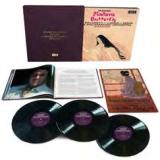
Diese brandneue Deluxe-Edition ist Teil des Jubiläumsprogramms von Decca zum 100. Todestag des großen
Opernkomponisten Giacomo Puccini. Die im Januar 1974 in den Wiener Sofiensälen entstandene Aufnahme
präsentiert die beste Besetzung der damaligen Zeit: angeführt von Mirella Freni und Luciano Pavarotti
sowie unter der Leitung von Herbert von Karajan. Bei ihrer Erstveröffentlichung wurde die Einspielung
von Kritikern und Musikliebhabern gleichermaßen gelobt. Das Magazin Gramophone beschrieb sie als „ein
Set zum Träumen“. Dieses Erbe wird mit der neu präsentierten Edition fortgesetzt. Die Aufnahme wurde
von den Original-Bändern aus dem Jahr 1975 neu gemastert und ist nun auf audiophilem Vinyl sowie als
Hybrid-SACD mit einer Auflösung von 192 kHz/24 Bit erhältlich.
a1 E Soffitto E Pareti (LP1: Act 1) (2:19)
a2 Sorride Vostro Onore? (3:26)
a3 Dovunque Al Mondo Io Yankee Vagabondo (2:00)
a4 America For Ever (2:47)
a5 Ier L'altro Il Consolato Sen; Venne A Visitar (3:43)
a6 Ecco. - Son Giunte Al Sommo Del Pendio (2:51)
a7 Gran Ventura (3:40)
a8 L'imperial Commissario, L'Ufficiale Del Registro, I Congiunti (3:50)
a9 Vieni, Amor Mio! VI Piace La Casetta (2:13)
b1 E Un Presente Del Mikado (3:52)
b2 Tutti Zitti! (5:21)
b3 O Kami! O Kami! (4:36)
b4 Cio-cio-san! Cio-cio-san! Abbominazione! (1:15)
b5 Bimba, Bimba, Non Piangere (3:52)
b6 Viene La Sera (4:33)
b7 Vogliatemi Bene (3:19)
c1 E Izaghi Ed Izanami (LP2: Act 2 - part 1) (4:15)
c2 Un Bel Di, Vedremo Levarsi Un Fil Di Fumo (2:59)
c3 C'e - Entrate (3:17)
c4 Si Sa Che Aprir La Porta E La Moglie Cacciar (4:41)
c5 Udiste? (3:20)
c6 Ora A Noi - Sedete Qui (4:22)
c7 Ebbene. Che Fareste, Madame Butterfly (3:11)
c8 E Questo? E Questo? (3:16)
d1 Che Tua Madre Dovra Prenderti In Braccio (3:13)
d2 Vespa! Rospo Maledotto! (4:05)
d3 Una Nave Da Guerra (2:47)
d4 Scuoti Quella Fronda Di Ciliegio (4:35)
d5 Or Vienmi Ad Adornar (4:27)
d6 Humming Chorus - Summchor (5:09)
e1 Intermezzo - Oh Eh! Oh Eh! (LP3: Act 2 - part 2) (2:16)
e2 Twittering Of Birds From The Garden (2:59)
e3 Gia Il Sole! Cio-Cio-San! (2:30)
e4 Chi Sia? (2:27)
e5 Io So Che Alle Sue Pene Non Ci Sono Conforti! (2:09)
e6 Non Ve L'avevo Detto? (4:20)
e7 Addio, Fiorito Asil Di Letizia E D'amor (2:48)
e8 Suzuki! Suzuki! Dove Sei? (2:36)
f1 Tu, Suzuki, Che Sei Tanto Buona, Non Piangere! (3:39)
f2 Come Una Mosca Prigioniera L'ali Batte Il Piccolo Cuor! (5:15)
f3 "Con Onor Muore Chi Non Puo Serbar Vita Con Onore" (5:10)
When the hypnotic groove of Berlin band Onom Agemo & The Disco Jumpers meets the pulsating riffs of Malian guitarist and singer Ahmed Ag Kaedy, new horizons open up.
At the centre of 'Common Stars' is Ahmed Ag Kaedy's distinctive vocals - always with poetic urgency. His lyrics, deeply rooted in the political and cultural realities of his homeland, deal with freedom, home and the search for identity. They deal with the ongoing conflict of the Tuareg in Mali, who are caught between the desire for cultural self-determination and political tensions with the central government. They also address the threat posed by Islamist groups, which have controlled parts of northern Mali and banned music since 2012. Ahmed Ag Kaedy had to flee his home country due to this repression. With his band Amanar, he shaped modern Tuareg rock and toured internationally. The collaboration with Onom Agemo began after he came to Berlin for the premiere of the film 'Mali Blues', in which he is one of the protagonists, and led to joint concerts throughout Europe.
'Common Stars' is a musical meeting of cultures that unites sounds from the Sahara to Berlin. Music that creates connections and makes different perspectives audible. The tracks are characterised by trance-like rhythms, hypnotic bass lines and shimmering saxophone and flute sounds. Pulsating synthesizers, dry-as-dust guitar riffs and improvisational outbursts interweave to create a soundscape that is sometimes driving, sometimes floating and creates a very unique, captivating atmosphere. Ahmed Ag Kaedy describes it aptly: 'Space jazz meets the rhythm of the camel.'
A Study of Losses", das siebte Studioalbum von Beirut, ist eine Odyssee mit 18 Tracks. Das Projekt entstand im Frühjahr 2023, als Viktoria Dalborg, Direktorin des schwedischen Zirkus Kompani Giraff, Condon fragte, ob er Interesse hätte, die Musik für ihr nächstes Projekt zu liefern, eine Show, die auf einer Adaption eines Romans der deutschen Autorin Judith Schalansky basiert. Die Hauptthemen in Schalanskys Buch "Verzeichnis einiger Verluste" und in der Adaption für die Zirkusshow befassen sich mit dem Konzept des Verlusts und der Vergänglichkeit von allem, was uns bekannt ist: von ausgestorbenen Tierarten, verlorenen architektonischen und literarischen Schätzen bis hin zu abstrakteren Konzepten des Verlusts durch den Prozess des Alterns. "A Study of Losses" reist durch elf Songs und sieben erweiterte instrumentale Themen, die nach den Mondmeeren benannt und von der erschreckenden Geschichte eines Mannes inspiriert sind, der davon besessen ist, alle verlorenen Gedanken und Schöpfungen der Menschheit zu archivieren. Musikalisch jedoch taucht er wieder in Chorgesang, Renaissance und andere Stile ein, die seine frühe Arbeiten inspiriert haben, sowie in Variationen von Klängen und Ideen, die sich auf eine seiner Lieblingsplatten, "69 Love Songs" von The Magnetic Fields, beziehen. Mit einer Länge von fast einer Stunde ist es das bei weitem umfangreichste Album, das Beirut je gemacht hat, und es gehört fraglos zu Condons bisher schönsten Arbeiten. "A Study of Losses" ist das zweite neue Beirut-Album innerhalb von nur zwei Jahren und die Fortsetzung eines weiteren, charakteristisch produktiven Kapitels für Zach Condon. Nach einem halben Jahrzehnt, das er damit verbrachte, sich von hartnäckigen Halsproblemen und einem drohenden mentalen Zusammenbruch zu erholen - was ihn daran zweifeln ließ, ob er jemals wieder vor Publikum auftreten würde - folgt "A Study of Losses" auf "Hadsel", das "einen neuen Anfang für Beirut" markierte, lobte Pitchfork und nannte es "eine aus Verzweiflung und Einsamkeit geborene Platte, die sich dennoch voller Leben anfühlt". Während sich "Hadsel" um eine gewaltige, antike Kirchenorgel drehte, die Condon während eines dunklen arktischen Winters in Nordnorwegen entdeckte, wird "A Study of Losses" durch Streichquartette und Arrangements der Cellistin und "No No No"-Mitarbeiterin Clarice Jensen aufgehellt. Geschrieben und aufgenommen von Zach Condon in Berlin (DE) und Stokmarknes (NO), wobei die Wurzeln des Albums in Schweden und Deutschland liegen, erweitert "A Study of Losses" auch die weite Welt, die er durch die Musik von Beirut aufgebaut hat, seit er das Projekt als neugieriger und umherziehender 14-Jähriger begonnen hat. "Als ich zum ersten Mal angesprochen wurde, einen Soundtrack für einen Zirkus zu schreiben, kam zunächst ein gewisses Trauma der 'Elephant Gun'-Ära hoch", erklärt Condon, als er Ende 2024 ,Caspian Tiger' von "A Study of Losses" vorstellt. "Ich war jahrelang in eine Schublade gesteckt worden, in der ich ein skurriles Zirkuskind war, voller sepiafarbener Bilder von Groschenromanen und vielleicht Löwendompteuren mit Schnurrbärten. Es hätte nicht weiter davon entfernt sein können, wie ich mir die Musik vorstellte, die ich machte. Es ist also eine Ironie, dass ich das Projekt von Kompani Giraff so verlockend fand."
Madrid-based ensemble Sinouj fuses the deep-rooted traditions of the Mediterranean with the driving force of contemporary jazz, funk, rock and West African grooves. Their open-door vision draws in musicians from across the spectrum – from flamenco and Iranian classical music to soul and cutting-edge jazz – creating a dynamic, ever-evolving sound that is both global and unmistakably their own.
Their latest release shines a spotlight on 'Hak Dellali', a traditional North African tune that first rose to fame in the 1980s thanks to Tunisian star Hedi Habbouba and later Emirati singer Hussain Al Jassmi. In Sinouj's hands, this classic song becomes a transformative ritual, pulsing with the festive sway of Moroccan chaabi rhythm, Tuareg rock grit and the spontaneous spark of jazz. Over the years, it has consistently ignited the band's concerts into ecstatic celebration.
Backed with a psych-tinged and club-oriented remix by Berlin's Voodoocuts, with 'Hak Dellali' Sinouj continue to blur lines between genres and geographies, offering a fresh take on tradition.
- La Notte
- Il Giorno Prima
- Teorema
- Il Giorno
- La Tua Ultima Serata
- Le Lacrime Di Maria
,Siamo tutti in pericolo" ist das dritte Album von Golem Mecanique, dem Pseudonym der französischen Multiinstrumentalistin und Komponistin Karen Jebane, das auf Ideologic Organ veröffentlicht wird. Jebane arbeitet am Rande des zeitgenössischen Folk (aka La Novea Community), des mikrotonalen Sounds und der frühen Moderne, berührt aber auch die Asche und die Fasern des Back Metal und die DNA der Gothic-Musik, der Literatur, der Zauberei und vor allem der Poesie. Jebanes Arbeit mit der Drone Box (einer mechanisierten Drehleier) und der Zither als glatte und wellige Oberfläche für ihren Gesang ist auf fast zeremonielle Weise sofort ersichtlich und lädt in einen Raum von klarer, dunkler Kreativität und Schönheit ein. Auf ,Siamo tutti in pericolo" arbeitet Jebane mit ihren Kompositionsformen auf neue Art und Weise, poetisch und sparsam in der Ausführung ihrer Techniken, durch ihre Hommage/Hymnen/Meditationen über die höchst unregelmäßigen Umstände und Fragen/Mysterien des Vergehens der Seele von Meisterkünstler Pier Paolo Pasolini. In perfekter Kombination mit dem Coverbild des Collagekünstlers Julien Langendorff präsentiert ,Siamo tutti in pericolo" Jebanes ,Golem Mecanique" in Reinkultur. -Stephen O'Malley, Brion, Frankreich, 1. September 2024
LTD. BLUE COLOURED EDIT[21,81 €]
War "Funeral for Justice" der Klang der Entrüstung, so ist "Tears of Injustice" der Klang der Trauer. Mit dem neuen Album "Tears of Injustice", das am 28. Februar 2025 erscheint, hat Mdou Moctar sein Meisterwerk "Funeral for Justice" neu interpretiert. Dieses wurde vollständig neu aufgenommen und mit akustischen sowie traditionellen Instrumente arrangiert. Das Album ist die kontemplative Weiterentwicklung der Band - das ruhige Gegenstück zum intensiven Original. Im Juli 2023 war Mdou Moctar auf Tournee in den USA, als eine Militärjunta den nigrischen Präsidenten Mohamed Bazoum stürzte und ihn in der Präsidentenresidenz festsetzte. Aufgrund der geschlossenen Landesgrenzen konnten Mdou Moctar, Ahmoudou Madassane und Souleymane Ibrahim nicht zu ihren Familien zurückkehren. Obwohl bereits Pläne zur Aufnahme von Begleitmaterial zu Funeral for Justice - das zu diesem Zeitpunkt noch Monate vor der Veröffentlichung stand - existierten, gewann das Projekt plötzlich an Dringlichkeit und Tiefe. Nur zwei Tage nach Abschluss der Tour in New York City begann das Quartett im Bunker Studio in Brooklyn unter der Leitung von Toningenieur Seth Manchester mit den Aufnahmen zu Tears of Injustice. "Wir wollten unsere eigene Interpretation von 'Funeral" schaffen, die die Menschen auf eine andere Art erleben können", sagt Mikey Coltun, der in den USA lebende Bassist und Produzent der Band. "Bei unseren Konzerten experimentieren wir ständig mit den Arrangements. Nun wollten wir zeigen, dass wir diese kreative Vielfalt auch auf einem Album umsetzen können. Wenn wir ein reduziertes Set spielen, zeigt sich eine ganz neue Seite der Band - es wird zu etwas Eigenem." Sie entschieden sich, Tears gemeinsam in einem Raum aufzunehmen und die Session spontan und unstrukturiert zu gestalten. "Wir haben die Arrangements nicht im Voraus festgelegt", erinnert sich Coltun. "Wir haben einfach gespielt, das richtige Gefühl eingefangen und die Songs aufgenommen. Alles fügte sich schnell zusammen, und die Hauptaufnahmen waren in nur zwei Tagen abgeschlossen." Der hypnotische 8-Minuten-Track Imouhar besteht eigentlich aus zwei direkt hintereinander aufgenommenen Durchläufen - Moctar hörte kaum auf zu spielen, sodass die Takes nahtlos ineinander übergingen. Nach einem Monat konnte die Band schließlich nach Niger zurückkehren, und Coltun gab Madassane einen Zoom-Recorder mit. Damit nahm der Rhythmusgitarrist eine Gruppe von Tuaregs auf, die traditionelle Call-and-Response-Gesänge vortrugen, die später in den endgültigen Mix eingearbeitet wurden. Auf Funeral for Justice äußert sich die Wut über die schwierige Lage des Niger und des Tuareg-Volkes durch die Lautstärke und das Tempo der Musik. Auf Tears bewahren die Lieder dieses Gewicht, jedoch ohne elektrische Verstärkung. Sie sind von tiefer Traurigkeit durchdrungen und vermitteln das Leid eines Volkes, das in ständiger Armut, unter kolonialer Ausbeutung und politischen Umbrüchen lebt. Es ist Tuareg-Protestmusik in ihrer rohesten und essenziellsten Form. "Wenn Mdou die Texte schreibt, tut er das oft mit einer Akustikgitarre", erklärt Coltun. "Dadurch kommt man dem ursprünglichen Moment näher. Die Schwere bleibt, aber die Intensität ist auf eine eindringlichere Weise spürbar."
Black Vinyl[21,81 €]
War "Funeral for Justice" der Klang der Entrüstung, so ist "Tears of Injustice" der Klang der Trauer. Mit dem neuen Album "Tears of Injustice", das am 28. Februar 2025 erscheint, hat Mdou Moctar sein Meisterwerk "Funeral for Justice" neu interpretiert. Dieses wurde vollständig neu aufgenommen und mit akustischen sowie traditionellen Instrumente arrangiert. Das Album ist die kontemplative Weiterentwicklung der Band - das ruhige Gegenstück zum intensiven Original. Im Juli 2023 war Mdou Moctar auf Tournee in den USA, als eine Militärjunta den nigrischen Präsidenten Mohamed Bazoum stürzte und ihn in der Präsidentenresidenz festsetzte. Aufgrund der geschlossenen Landesgrenzen konnten Mdou Moctar, Ahmoudou Madassane und Souleymane Ibrahim nicht zu ihren Familien zurückkehren. Obwohl bereits Pläne zur Aufnahme von Begleitmaterial zu Funeral for Justice - das zu diesem Zeitpunkt noch Monate vor der Veröffentlichung stand - existierten, gewann das Projekt plötzlich an Dringlichkeit und Tiefe. Nur zwei Tage nach Abschluss der Tour in New York City begann das Quartett im Bunker Studio in Brooklyn unter der Leitung von Toningenieur Seth Manchester mit den Aufnahmen zu Tears of Injustice. "Wir wollten unsere eigene Interpretation von 'Funeral" schaffen, die die Menschen auf eine andere Art erleben können", sagt Mikey Coltun, der in den USA lebende Bassist und Produzent der Band. "Bei unseren Konzerten experimentieren wir ständig mit den Arrangements. Nun wollten wir zeigen, dass wir diese kreative Vielfalt auch auf einem Album umsetzen können. Wenn wir ein reduziertes Set spielen, zeigt sich eine ganz neue Seite der Band - es wird zu etwas Eigenem." Sie entschieden sich, Tears gemeinsam in einem Raum aufzunehmen und die Session spontan und unstrukturiert zu gestalten. "Wir haben die Arrangements nicht im Voraus festgelegt", erinnert sich Coltun. "Wir haben einfach gespielt, das richtige Gefühl eingefangen und die Songs aufgenommen. Alles fügte sich schnell zusammen, und die Hauptaufnahmen waren in nur zwei Tagen abgeschlossen." Der hypnotische 8-Minuten-Track Imouhar besteht eigentlich aus zwei direkt hintereinander aufgenommenen Durchläufen - Moctar hörte kaum auf zu spielen, sodass die Takes nahtlos ineinander übergingen. Nach einem Monat konnte die Band schließlich nach Niger zurückkehren, und Coltun gab Madassane einen Zoom-Recorder mit. Damit nahm der Rhythmusgitarrist eine Gruppe von Tuaregs auf, die traditionelle Call-and-Response-Gesänge vortrugen, die später in den endgültigen Mix eingearbeitet wurden. Auf Funeral for Justice äußert sich die Wut über die schwierige Lage des Niger und des Tuareg-Volkes durch die Lautstärke und das Tempo der Musik. Auf Tears bewahren die Lieder dieses Gewicht, jedoch ohne elektrische Verstärkung. Sie sind von tiefer Traurigkeit durchdrungen und vermitteln das Leid eines Volkes, das in ständiger Armut, unter kolonialer Ausbeutung und politischen Umbrüchen lebt. Es ist Tuareg-Protestmusik in ihrer rohesten und essenziellsten Form. "Wenn Mdou die Texte schreibt, tut er das oft mit einer Akustikgitarre", erklärt Coltun. "Dadurch kommt man dem ursprünglichen Moment näher. Die Schwere bleibt, aber die Intensität ist auf eine eindringlichere Weise spürbar."
‘Night Wobble’ is the sixth long-player from Saarbrücken, Germany duo Pretty Lightning and their
second instrumental record following 2022’s ‘Dust Moves’. It’s a set of downtempo, repetitive grooves
that course through dusty spaghetti-western psychedelia, Tuareg-derived desert-blues, library music
and '70s progressive. It’s always cinematic but shot through with trippy, off-kilter moments that bring a
sense of alien to the widescreen.
Die französischen Pop.-Connaisseure aus Paris, LA FEMME, veröffentlichen ihr zweites Album ,Mystère".
Die Band hat die kulturelle Landschaft des modernen Paris massiv beeinflusst und ihre Musik an beiden Seiten der Stadt an der Seine verortet: im Glamour und an den weniger glamourösen Schauplätzen. Seit der Veröffentlichung ihres Debüts ,Psycho Tropical Berlin" haben LA FEMME prominente Bewunderer gesammelt: darunter die Regisseure Jacques Audiard und Romain Gavras, Legenden wie JEAN MICHEL JARRE und Hedi Slimane sowie eine stetig wachsende junge Fangemeinde, die ihnen den Titel ,French Best New Band of the Year" bei den französischen Music Awards und Plätze ganz oben in den französischen Charts einbrachte; dazu sorgten TV-Werbespots von Aplles, Renault und Sonos mit der Musik von LA FEMME für gespitzte Ohren.
Die Band kehrt mit einem psychedelischeren Sound und einer ganzen Reihe von Gastsängerinnen zurück, die eine Schneise durch die härtesten Elektrobeats schlagen. LA FEMME feiern ihre wunderbare Heimatstadt und hinterfragen das Ver- und Entlieben. ,Mystère" ist tatsächlich eine Kollektion von Kurzgeschichten über Liebe und Verlust. Jeder einzelnen Song überspringt Sprachbarrieren durch reine Melodie. Der retrofuturistische Surfpop-Sound der Band beruft sich noch immer auf den gleichen glamourös-punkigen Krach wie zuvor, doch dieses Mal ist er durchzogen von einer Zusammenstellung eleganter Einflüsse zwischen ENNIO MORRICONE, dem Disco-Rock von MARIE ET LES GARCONS und THE VELVET UNDERGROUND.
,Mystère" ist ein Fundament für die neue LA FEMME Vorliebe für orientalische Klänge; türkischen Disco, Tuareg Blues, mittelalterliche Psychedelia lehnen sich an an BRIAN ENO und PINK FLOYD.
This one is highly recommended for fans of Khruangbin, Lord Echo, Leon Bridges or Fat Freddy's Drop.
Open is the sixth studio album from acclaimed composer, producer, filmmaker and multi-instrumentalist, Kutiman. It is an addictive & irresistible twelve-track trip taking in elements of classic soul, Middle Eastern psychedelia, Afrobeat, Thai funk, jazz fusion, cosmic library soundscapes and more.
The uptempo “Vanishing Point” opens proceedings, recalling both Abstract Orchestra’s 2017 Dilla tribute and the lounge OST/library music flips of Tosca and DJ Vadim fame.
My Everything introduces prominent guest & frequent Kutiman collaborator, Dekel, whose soul-pop vocals coupled with jangly acoustic guitar riffs tip to contemporary indie artists such as Michael Kiwanuka and SAULT. “A Day Off passes through” Anatolian psych and Khruangbin-esque Thai funk whilst the afrobeat/jazz fusion “Confetti” pays tribute to Kutiman’s other namesake, Fela Kuti.
Dekel rejoins for the beatdown, lilting dub-soul “Believe In You” with hints of Lord Echo and the sun-inflected New Zealand dub-soul sound. The Tuareg-leaning guitar lines on “Canoe” travel across the Saharan desert easterly towards Sudan and Ethiopia by the end, whilst meditative and Coltrane-adjacent album closer “Ripples” provides a final moment of reflection from a truly global excursion of soundscapes.
Blue vinyl repress
With a voice of pure gold and a startling sensitivity for heartfelt pop songwriting, on No Reino Dos Afetos (In the Realm of Affections), Berle firmly embraces earnestness, through starry-eyed Brazilian love songs, ambient vignettes, warm, home-cooked beats and gentle strokes of MPB genius.
Maceió, the capital of Brazil’s Alagoas state on its sprawling east-coast, is home to pastel coloured colonial houses, white sand beaches and a brilliant young composer, poet and multi-instrumentalist named Bruno Berle.
With a voice of pure gold and a startling sensitivity for heartfelt pop songwriting, on No Reino Dos Afetos (In the Realm of Affections), Berle firmly embraces earnestness, through starry-eyed Brazilian love songs, ambient vignettes, warm, home-cooked beats and gentle strokes of MPB genius.
“It’s an album that was built from my desire to find beauty”, Berle explains - his simple, graceful words mirroring the graceful simplicity in his music. But amongst the simplicity, the compositions, arrangements and productions on No Reino Dos Afetos tingle with nuance and detail.
On the contemporary R&B inspired lead single “Quero Dizer” - produced by Berle and longtime friend and collaborator Batata Boy - the swirling, lo-fi, kalimba and guitar-fronted beat is turned into a feel-good hit by the ingenuity of Berle’s honey-soaked vocal melody.
Powerfully intimate, “O Nome Do Meu Amor” (My Love’s Name) is a guaranteed tearjerker, with Berle’s stunning voice soaring over gently plucked acoustic guitar and the textural flutter of soft movement, as if we hear him writing the song in the moment.
Drawing upon a close-knit, collaborative scene of Maceió artists and musicians, (of which Berle and Batata Boy are vital members), Berle also recorded some of his friends songs on the album, including João Menezes’ “Até Meu Violao”, the album’s beautifully laid back sunshine soul opener, which has all the charm of early-70s João Donato.
Having cut his teeth in soft-rock group Troco em Bala, and more recently finding himself embedded in both Rio and Sao Paulo’s contemporary music scenes - collaborating with the likes of Ana Frango Eletrico, who took the photo for the album cover - No Reino Dos Afetos is as musically diverse as Bruno himself. It’s hazy indie rock (“É Preciso Ter Amor”), calming ambient and field recording (“Virginia Talk”) as well as Berle’s own take on West African High Life (“Som Nyame”).
Instantly recognisable as a truly special artist, Berle’s character fills every corner of the sound, which is unsurprising considering he played most of the instruments.
TRANSPARENT BLUE VINYL[24,79 €]
Etran de L'Aïr, die Sterne der Luft, die am längsten bestehende Hochzeitsband in Agadez, der Hauptstadt der Tuareg-Gitarre, kehren mit einem neuen Album mit sonnenbeschienenem Wüstenklang zurück! Ihr erstes Album, No.1, brachte ihre Musik den Kritikern und Fans näher. Ihr zweites Album, Agadez, führte sie auf internationale Tourneen. Und jetzt sind sie zurück mit 100% SAHARA GUITAR, bereit, die Welt zu erobern, mit diesen swingenden Melodien, wie ein vom Meer her wehender Sandsturm . Etran de L'Aïr sind 100% SAHARA, und das gilt auch für die Band, alles Söhne aus Agadez, darunter die Brüder Moussa, Abdoulaye und Abdourahamane,und ihr lieber Freund, der jüngste der Gruppe, Alghabid. Alle Brüder schreiben und spielen Gitarre und tauschen die Instrumente aus, während Alghabid die vier auf dem Boden hält. Mit 100% SAHARA GUITAR sind Etran de L'Aïr zurück, um den Thron zu erobern, mit ihrem ersten Studioalbum! Und was für ein Sound das ist. Aufgenommen in sonnigen Studios an der Westküste, bringen die Brüder den alten Agadez-Sound auf ein neues Niveau. Sie fügen noch mehr Gitarren hinzu und verweben Schichten von halligen Melodien und schimmernden Harmonien zu einem Klangteppich. Wie viel Gitarre können sie in eine Platte packen? Die Antwort lautet 100%.
Black Vinyl[23,49 €]
Etran de L'Aïr, die Sterne der Luft, die am längsten bestehende Hochzeitsband in Agadez, der Hauptstadt der Tuareg-Gitarre, kehren mit einem neuen Album mit sonnenbeschienenem Wüstenklang zurück! Ihr erstes Album, No.1, brachte ihre Musik den Kritikern und Fans näher. Ihr zweites Album, Agadez, führte sie auf internationale Tourneen. Und jetzt sind sie zurück mit 100% SAHARA GUITAR, bereit, die Welt zu erobern, mit diesen swingenden Melodien, wie ein vom Meer her wehender Sandsturm . Etran de L'Aïr sind 100% SAHARA, und das gilt auch für die Band, alles Söhne aus Agadez, darunter die Brüder Moussa, Abdoulaye und Abdourahamane,und ihr lieber Freund, der jüngste der Gruppe, Alghabid. Alle Brüder schreiben und spielen Gitarre und tauschen die Instrumente aus, während Alghabid die vier auf dem Boden hält. Mit 100% SAHARA GUITAR sind Etran de L'Aïr zurück, um den Thron zu erobern, mit ihrem ersten Studioalbum! Und was für ein Sound das ist. Aufgenommen in sonnigen Studios an der Westküste, bringen die Brüder den alten Agadez-Sound auf ein neues Niveau. Sie fügen noch mehr Gitarren hinzu und verweben Schichten von halligen Melodien und schimmernden Harmonien zu einem Klangteppich. Wie viel Gitarre können sie in eine Platte packen? Die Antwort lautet 100%.
Einer der größten Club Hits aus dem Jahr 1999 jetzt wieder als 12“ Vinyl erhältlich: „Arabian Pleasure“ ist eine Gemeinschaftsproduktion der beiden italienischen Kult DJs Mauro Picotto und Mario Piu. Die farbige 12” Max Single enthält neben 4 Original Mixen aus dem Jahr 1999 einen neuen Remix von Karl8 & Andrea Monta.
Diese leicht verrückten Italiener kannten keine Berührungsängste! Für Fans von gut gespieltem, originellem Thrash Metal ist „Neurodeliri“ von 1988
ein Muss. 1988 schien der richtige Zeitpunkt für die Welt gekommen zu sein, Bulldozer endlich so zu sehen, wie sie es verdienten, nämlich nicht mehr
als Venom-Tribute-Band, sondern als eine wirklich eigenwillige Band mit einer ganz eigenen Musikrichtung. Im Lichte dieser Überlegungen markierte
„IX“ definitiv eine 180-Grad-Wende von der Vergangenheit, mehr als in musikalischer Hinsicht. Es war endlich der Moment für die Mailänder Crew,
auf ihrer Popularitätswelle zu reiten, vielleicht erwarteten die Bandmitglieder, dass es das beste Jahr für die bisherige Karriere der Band werden
würde. Doch dann, im April, beging der Mitbegründer und ehemalige Bassist Dario Carria Selbstmord und machte alles kompliziert. AC Wild und vor
allem Andy Panigada waren wie die Fans fassungslos und zutiefst erschüttert. Dennoch gelang es ihnen, alle Emotionen dieser Tragödie in das
Songwriting für den Nachfolger ihres Durchbruchsalbums „IX“ zu kanalisieren, das übrigens ihr letztes Album nach ihrer Auflösung im Guten im Jahr
1990 sein sollte.
Dom Salvador, released in 1969, is a landmark album by Brazilian pianist and composer Dom Salvador. This instrumental jazz record showcases Salvador's mastery of blending Brazilian rhythms with American jazz influences. The album features a mix of samba, bossa nova, and hard bop, highlighting Salvador's innovative approach and technical prowess. Known for tracks like ""Samba do Malandrinho"" and ""Tio Macrô,"" the album stands out for its vibrant, sophisticated arrangements and improvisational flair. ""Dom Salvador"" is celebrated for its contribution to the evolution of Brazilian jazz and remains a significant work in Salvador's extensive discography. Dom Salvador is available as a limited edition of 500 copies on translucent magenta coloured vinyl.
In Nordafrika ist eine Ziara eine spirituelle Zeremonie, zu der die Menschen kommen, um Dämonen zu exorzieren, ihren Körper zu reinigen und lautstark ihre Verbundenheit mit Gott, dem Propheten und den Gottheiten, die ihn zu verkörpern behaupten, zu bekräftigen. Eine berauschende Ekstase, die an ein Voodoo-Ritual erinnert. Die besten Meister dieser Art von Zeremonie sind die Gnawa. Sie stammen ursprünglich aus Schwarzafrika, vor allem aus dem Sudan und dem Senegal, und wurden von Tuareg-Räubern in den südlichen Maghreb verschleppt, um sie als Sklaven zu benutzen. Nach mehreren Jahrzehnten der Sklaverei gelang es ihnen, sich aus dieser schmerzhaften Situation zu befreien, die sie in einigen ihrer Lieder zum Ausdruck bringen. Vor allem aber zeichnen sich die Gnawa durch ihre bezaubernde Musik, ihren Tanz und ihre Rhythmen aus, denen therapeutische Wirkungen zugeschrieben werden. Vor allem in den letzten Jahren hat die musikalische und rhythmische Tradition der Gnawa, die sich sowohl an die Arabesken des Nahen Ostens als auch an die afrikanische Perkussion anlehnt, unter den marokkanischen Künstlern der neuen Generation eine deutliche Wiederbelebung erfahren. Doch bisher ist es nur der sehr populären Gruppe Nass El Ghiwane gelungen, mit Talent, Treue und Authentizität den Geist der Gnawa wiederzubeleben, wie dieses Album beweist. Also schließen Sie sich ihnen an und lassen Sie sich in Trance versetzen.