SYML is the solo venture of artist Brian Fennell. Welsh for “simple”—he makes music that taps into the instincts that drive us to places of sanctuary, whether that be a place or a person. Born and raised in Seattle, Fennell studied piano and became a self-taught producer, programmer, and guitarist. Says Fennell about his album Nobody Lives Here, "We change, the world changes, and there is so much unknown. About a year ago I started writing songs that represent the change that is happening in front of my face, a group that have emerged to become the third SYML album. Many of these songs are about getting older, and the intimate, and sometimes frightening, passing of time. Some are about how getting older revolves around looking forward to things happening, and when they don’t happen, or they feel different than anticipated, we can be left with surprise and sadness. I’m actually reminded of this watching my 2 year old! We learn to live with disappointment. I recorded some of these songs with kids and dogs making noise in the background, and others in silent studios with musicians I’ve listened to and admired for many years. These songs are meant to be pieces of clothing to wear as you need (or I need). Some are bright and bold and others are gentle, but they were all made with a sense of comfort in mind, even when things feel bleak. My wife jokes that when our friends hear some of these songs, they might think we are not “ok”. Thankfully, putting myself inside a sad song is still a good place to feel happy. There's this generally unspoken feeling that musicians don’t listen to their own music. That isn’t true for me. I love living with my songs because their meaning changes as I change. There is as much fear and beauty in the big questions as there is wonder and possibility in the simple, everyday shit we live through.”
"BODIES marks a bold evolution in our ever-developing sound. HEROINE was defined by its meticulously crafted and tightly woven concept, but the weight of this careful construction sometimes overshadowed the energy of the music itself, leaving some listeners feeling disconnected. With BODIES, we have embraced a more immediate, unfiltered approach that feels like a lightning bolt, looking to capture the energy of “Thornhill right now.” The album thrives on spontaneity and freedom, foregoing rigid concepts in favor of pure, in-your-face authenticity. It’s less about delivering a carefully constructed narrative and more about creating a visceral, open-ended experience. BODIES serves as a sonic moodboard—a collection of feelings and vibes—intentionally left open to interpretation. It has an upbeat and almost celebratory, party energy at times, but also retains all the emotion and intensity Thornhill are known for, making it our heaviest and most explosive work to date. With BODIES, we invite listeners to connect on their own terms. It’s raw, personal, and unapologetically immediate—a record that thrives in the moment, capturing our band at our most authentic and free."
PITCHFORK “This ‘Director’s Cut’ is the way it was always intended to be heard” - Patterson Hood In 2004 the Drive-By Truckers released what would become the best selling album in their illustrious catalog. The Dirty South is a concept album that examines the state of the South, and unveils the hypocrisy, irony, and tragedy that continues to exist. The album features live show staples like, “Tornadoes”, “Where The Devil Don’t Stay” and “Puttin’ People On The Moon” as well as rarities like “Goode’s Field Road” and “Daddy’s Cup.” The Complete Dirty South is a band-led rework of the original album. Principal member, Patterson Hood, took the reins and reimagined this record as it was originally intended. The complete version features resequenced audio, three additional tracks, four remixes along with updated vocals. The packaging comes with a perfect bound book featuring liner notes from Patterson Hood, track by track descriptions from Mike Cooley and Jason Isbell as well as never before seen photos along with updated artwork from the late Wes Freed.
LADYTRON--Helen Marnie, Mira Aroyo, Daniel Hunt and Reuben Wu--formed in 1999 and sparked an entire movement in music pop culture powered by vintage synths and electro-rock engines. Originally released in 2002 by Emperor Norton Records and re-released by Nettwerk in 2011, Liverpool electropoppers Ladytron’s second studio album Light & Magic was written and co-produced in Los Angeles by the band & Mickey Petralia and featured the underground hits “Seventeen”, “Blue Jeans” and “Evil.”
Ennio Morricone composed and arranged scores for more than 500 film and television productions, making him one of the most influential and best-selling film composers since the late 50s. The Legend of 1900 (Italian: La leggenda del pianista sull'oceano) is a 1998 Italian drama film directed by Giuseppe Tornatore and starring Tim Roth, Pruitt Taylor Vince, and Mélanie Thierry. The film is inspired by Novecento, a monologue by Alessandro Baricco. The Legend Of 1900 was nominated for a variety of international awards, winning several for its soundtrack, including a Golden Globe for Best Original Score - Motion Picture. This release includes the song “Lost Boys Calling” featuring Roger Waters & Eddie van Halen. Throughout his career, Morricone received an unprecedented amount of awards, including Grammys, Golden Globes and BAFTAs. Ennio Morricone has influenced many artists including Danger Mouse, Dire Straits, Muse, Metallica, Radiohead, Hans Zimmer, and many more. The Legend of 1900 is available as a limited edition of 2500 numbered copies on green coloured vinyl and contains an insert and is housed in a deluxe sleeve with silver foil finish.
On April 4th, Brighton-based Australian vocalist, producer, and multi-instrumentalist Penelope Trappes will release her fifth full-length album ‘A Requiem’. It comes alongside news of her signing to London imprint, One Little Independent Records. ‘A Requiem’ collects ten haunting, ambient soundscapes - incantations of dreams and nightmares, of death and grief, as well as power and autonomy. Carnal, transcendent cello drones are used to exorcise historical and generational traumas in an evocative and macabre piece of gothic experimentalism.
Seeking solitude for what she knew would be an intense and cathartic writing experience, Trappes travelled to Scotland and isolated completely. Amidst meditative and psychedelic states, she channeled demons and accessed parts of herself she’d long desired to cleanse. During candle-lit recording sessions she found herself drawn to cello, an instrument she has no formal training in, she explains, “I always felt an affinity toward the cello, I embraced it, held it, and became one with it as a way to accompany my voice. The nerve-like strings of the cello became external chords of my vocal folds… I scratched on them, leaned into them, and conjured all of the textures I could muster”.
‘A Requiem’ is a musical service in honour of the dead, a sanctuary Trappes built for herself to explore familial chaos and history. “I was looking for an equilibrium between a ‘heaven' and a ‘hell’” she explains, “screaming out to the wisdom of our foremothers - surfacing and leading me into true strength and beauty. I listened to the sorrow closely. Death is a part of our reality. Inevitable. Omnipresent. But nightmares can be beautiful”.
She continues, “This album is my personal requiem for my parents, my ties to the land where I was born, along with all of my epigenetically connected ancestors before them. The songs helped me summon up the strength to move through my own awareness of mortality, death, and impending loss. This album is a living funeral. It’s a ceremonial collection of music. It’s an externalising of the power and strength to fight the generations of abuse and darkness that my parents self-admittedly played out in their parenting and to keep it away from my own social patterns and my psyche. It’s not an uncommon thing in the world and this lamented warcry goes out to everyone to help exorcise patriarchal, political, and religious systems of abuses of power”.
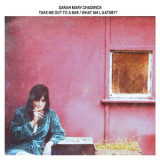
Take Me Out To a Bar / What Am I, Gatsby? marks a deliberate pivot. The album’s open, introductory chords evoke seem fit to score a scene in a Michael Haneke movie in which some stern German woman stomps down a whitewashed hallway. By the time that Chadwick’s crackly soprano joins in, it figures almost as a kind of intrusion upon what had been, up until that point, a pure mood. “You don’t have to listen to all the lyrics,” she attests. Chadwick's calling card since her earliest releases — a jagged, one-take immediacy — has been dialed back, leaving room to inconspicuously crowbar as much poeticism into the songs as she possibly could.
Teen Jesus and the Jean Teasers are a powerhouse, celebrated for their raw emotion and incisive social observations. Their talent has earned them nominations for Best Independent Punk Album or EP at the AIR Awards, Emerging Songwriter of the Year and Song of the Year at the APRA Awards, along with nods from the J Awards and Rolling Stone Awards. Recognised as Spotify's RADAR Artist, their rising global influence is undeniable.
Following their award winning 2022 EP, Pretty Good For A Girl Band, their debut album I Love You charted at number 6 on the ARIA Albums Chart, marking a significant milestone. The accompanying tour saw them sell out iconic venues like 170 Russell in Melbourne, the Metro Theatre in Sydney, and The Triffid in Brisbane. They capped off the year supporting the Foo Fighters at AAMI Park in Melbourne and launched into 2024 by supporting The Vaccines across the EU/UK. They will support Pearl Jam on select dates in the United States mid-2025.
I Love You showcases the bands growth, with each member contributing to songwriting. It stands as a definitive statement of their sound—joy, rage, and euphoria, delivered with precision and heart. Teen Jesus and the Jean Teasers continue to make waves, solidifying their place in the music industry.
A sprawling patchwork of the artist’s dreams and fears, Parannoul’s third album After the Magic explores the enigmatic solo artist’s life in the wake of his second album’s overnight success.
Expanding on the shoegaze-shaded emo that made Parannoul’s To See the Next Part of the Dream so beloved by lo-fi and indie rock fans alike, After the Magic sees the anonymous auteur striving to write a follow-up as worthy of acclaim as the last.
Across the album’s ten songs, Parannoul plunges yet deeper into his diverse pool of influences, coming back to the surface with a record that captures and extends the magic of its predecessor. Unexpected flashes of orchestral ambient and glitched-out electronica meld seamlessly with Parannoul’s signature passages of noisy, distortion-laden shoegaze, offering a real time glimpse into the maturation of one of indie rock’s most exciting artists.
In the artist’s own words, “This album is not what you expected, but what I always wanted.”
POISON IDEA’s momentum hasn’t slowed down one bit; this is still their brand of loud, potent powerthrash. Slightly more metal than in the past but the accent here is on the force and fury. Scorching. Each song on War All the Time flows into the other in a natural sequence for maximum impact and the whole thing blows over before you know it, but everything stays in your head, banging against the walls of your frontal bone. All this makes a good album, but what turns War All the Time into an amazing album are the lyrics and their delivery. Jerry A took the negative side of the world around him and expressed it in detail, rendered with words that can be read in a universal manner, expressing everything trivial and worthy of our puke in a language better suited to talk about the beauty of life. And those words remain as true to this day as the band’s riffs are brutal.
Die schwedische Rock-Band Spiders präsentiert ihren neuen Longplayer 'Sharp Objects'! Wie bei ihren früheren Veröffentlichungen ist der Sound von Spiders tief im klassischen Rock'n'Roll verwurzelt. 'Sharp Objects' bietet jedoch etwas Neues, indem es Einflüsse aus der New-Wave- und Garage-Rock-Szene der frühen 80er Jahre einfließen lässt. Klingt wie Blondie, Dead Boys, The Hellacopters oder Bikini Kill.
Mit ihren unberechenbaren Live-Auftritten und Songs wie "Zurück zum Beton" und "Industriemädchen" sorgten S.Y.P.H. Ende der 70er für Furore - als eine der Bands, die rund um Düsseldorfs Ratinger Hof begannen, deutschsprachig zu texten. Die Band brach von Beginn an mit genre-konformistischen Erwartungshaltungen und machte Musik, die sich bei Rock, Punk und Kraut genauso bediente wie bei der Zügellosigkeit des Dadaismus und der Realität des Tagesgeschehens. Nach dem ersten Album und mehreren Singles (wiederveröffentlicht bei Tapete Records im Dezember 2024) produzierte die Band zwei weitere Alben - Pst und S.Y.P.H. (Album 4) - gemeinsam mit CANs Holger Czukay. Tapete Records veröffentlicht beide Alben gemeinsam mit einer Sammlung zuvor unveröffentlichter Raritäten - Punkraut 1978-1981.
Mit ihren unberechenbaren Live-Auftritten und Songs wie "Zurück zum Beton" und "Industriemädchen" sorgten S.Y.P.H. Ende der 70er für Furore - als eine der Bands, die rund um Düsseldorfs Ratinger Hof begannen, deutschsprachig zu texten. Die Band brach von Beginn an mit genre-konformistischen Erwartungshaltungen und machte Musik, die sich bei Rock, Punk und Kraut genauso bediente wie bei der Zügellosigkeit des Dadaismus und der Realität des Tagesgeschehens. Nach dem ersten Album und mehreren Singles (wiederveröffentlicht bei Tapete Records im Dezember 2024) produzierte die Band zwei weitere Alben - Pst und S.Y.P.H. (Album 4) - gemeinsam mit CANs Holger Czukay. Tapete Records veröffentlicht beide Alben gemeinsam mit einer Sammlung zuvor unveröffentlichter Raritäten - Punkraut 1978-1981.
THE NIGHTINGALES veröffentlichen ihr erstes Studioalbum seit dem viel gelobten Vorgänger "The Last Laugh" von 2022. Ihr neues Album "The Awful Truth", das am 4. April bei Fire Records erscheint, ist eine moderne Music-Hall-Interpretation mit Popsongs und 80er Nostalgie. Gefeiert in dem exzellenten, von Stewart Lee erzählten Film "King Rocker of 2020", in dem der Vorhang für die Magie des "altgedienten Punk/Alternative-Rock-Freiwilligen" (The Quietus) Robert Lloyd gelüftet wurde, sind THE NIGHTINGALES so aktuell wie eh und je, denn sie veröffentlichen eine scharfes Statement-Album auf die moderne Zeit, die zu Recht als "The Awful Truth" betitelt wird. Das Eröffnungsstück "The New Emperor's New Clothes" ist ein beschwingter, mitreißender Ausbruch mit einem dröhnenden Klavier, das den Song einleitend begleitet und dann in wilder, improvisierter Popmusik endet. Die Band über den Track: "A stream of consciousness. Initially inspired by the tawdry but tractable trend of the vacant, voluntarily egged on by ego hungry politicians, pop stars, beauties, ballers, ingrowing haters and hard-nosed influencers. One hundred percent on point with the nonsense of neo populism and savagely edited to fit the music, it is far from silky, it is futile and silly. Real rock 'n' roll." In den frühen 80er Jahren genossen sie Kultstatus als Lieblinge der glaubwürdigen Musikszene und wurden von John Peel angepriesen, der über sie sagte: ,Ihre Auftritte werden dazu dienen, ihre Exzellenz zu bestätigen, wenn wir weit genug von den 1980er Jahren entfernt sind, um diese Zeit rational zu betrachten, und andere, unendlich viel bekanntere Bands als Scharlatane entlarvt werden." Ihre Zeit ist in der Tat gekommen. The Nightingales sind Robert Lloyd, Andreas Schmid (Faust) am Bass, Fliss Kitson (Violet Violet) am Schlagzeug und Gitarrist James Smith (Damo Suzuki). "They genuinely sound more vital than ever." Uncut - "One of rock's unsung heroes" Esquire - "Still stunningly relevant" London Evening Standard - "Lloyd is the most underestimated songwriter of his generation" The Independent
Long coveted by diggers, connoisseurs and beat makers, here we have the first-ever reissue of Amedeo Tommasi's "Industria 2000", released in 1974 via RCA's "Original Cast" series under his Jarrell alias. These 12 sonic experiments - totally devoted to synthesizers - offer tense tonalities, dissonant ambiences, complex textures, white noise rides and muted rhythms that can easily be seen as cornerstones of what would become later known as Industrial Music, also anticipating the sonic landscapes found in some of the early Warp Records releases.
Comprising 12 tracks entirely devoted to synthesizers, Industria 2000 explores a range of stark, tense tonalities and dissonant atmospheres. The album’s complex textures, white noise swells, and muted rhythms can be seen as precursors to industrial music, anticipating the aggressive, abrasive soundscapes that would later come to define the genre. It is clear that Tommasi's work was not only ahead of its time, but was also laying the foundations for the sound realms explored in the early days by major electronic record labels of the 1990s and future electronic pioneers.
Los Angeles-born music producer, artist, and DJ DF Tram is thrilled to announce the release of his highly anticipated new album, Bittersweet Afternoon on Orbscure Records. Orbscure Records, founded by Alex Paterson of the legendary electronic act The Orb, continues its tradition of championing innovative and boundary-pushing artists with this remarkable release. DF Tram is a leading figure in the global downtempo electronic scene, celebrated for his meticulously crafted audio-visual performances and immersive storytelling through sound. His work seamlessly blends ambient, sampling, spoken word, vocals, and psychedelia into genre-defying sonic journeys, offering listeners a unique and transformative experience.
Legendary producer Ant, best known for his work with Atmosphere, proves once again how irreplaceable he is with Collection of Sounds: Vol. 4. This latest release showcases the lifetime of dedication behind his craft, blending his unparalleled skills with a fresh, expanded vision. With previous volumes in the Collection of Sounds series, Ant has traced his musical evolution, spanning hip-hop, funk, reggae and more, all influenced and inspired by extensive travel dating back to his youth. Vol. 4 deepens this exploration, introducing rock-inspired elements—guitars that wail, gnaw, and groove—while maintaining his signature sound.
Despite these genre experiments, Vol. 4 is firmly grounded in hip-hop. The opening track, “Hearing In Dark Colors,” sets the tone, evoking long drives up desolate highways in the dead of night. Tracks like “Created With a Heavy Brush” and “Just Another Three A.M.” reveal a mastery of diverse soundscapes, while the triumphant “Day After 2010" takes listeners on an unexpected journey. As the album circles back to hip-hop on tracks like “A Pinch Brighter” and “Prelude Revisited,” it leaves listeners transformed, further solidifying Ant’s status as a visionary artist.
Bethesda Game Studios und Laced Records haben sich zusammengetan, um die Musik von 'Starfield' auf Deluxe-Vinyl zu bringen.
In allen Titeln der Bethesda Game Studios ist die Musik ein wesentlicher Bestandteil der Reise des Spielers und ein ständiger Begleiter während seines Abenteuers. Die langjährige Zusammenarbeit zwischen dem Komponisten Inon Zur und dem Studio begann bereits 2008 mit der Veröffentlichung von Fallout 3. Die Musik zu 'Starfield' sollte sowohl die Weite des Weltraums als auch die Neugier der Menschen auf das Unbekannte zum Ausdruck bringen. So verwob Zur traditionelle und nicht-traditionelle orchestrale und elektronische Klänge zu einem Klangteppich aus Organischem und Synthetischem.
Während der Entwicklung hat das Team ein eklektisches Spektrum an Referenzpunkten durchlaufen: Es begann bei den Sci-Fi-Grundsäulen von John Williams und Jerry Goldsmith, durchquerte einen klassischen Nebel von Debussy, Ravel und Prokofiev, flog an Vangelis' überragendem Synthesizerwerk vorbei und warf einen Blick auf die experimentellen Arbeiten der Einstürzenden Neubauten und von John Cage.
In den Orchesterstücken von Starfield, die vom Budapester Filmorchester eingespielt wurden, beschwören verschiedene Instrumentalgruppen oft imaginäre Aspekte des Weltraums herauf. Schnelle, sich wiederholende Sequenzen in den Holzbläsern stellen Partikel dar. Streicher, die wellenförmige Akkorde spielen, imitieren lange Wellen interstellarer Energie. Die Blechbläser werden zum Leuchtfeuer der Melodie, das über die Galaxie hinaus strahlt. In ähnlicher Weise erhalten die eher elektronischen Cues ein Gefühl von Erhabenheit durch schwere Synthesizerflächen, die kryptische, sich wiederholende Muster und ungewöhnliche perkussive Schläge untermauern.
Aeralie Brighton (DEATHLOOP, Ori-Serie) ist auf dem Soundtrack als Sängerin zu hören.
Label head Len Faki continues his legacy of personalized remixes with this two-tracker, combining a personal favorite of him with a more recent output from his peers.
First up is the euphoric 010X by Benjaming Damage, whose anthemic chords have been ringing in our ears ever since its first release back in 2013. Faki reframes the standout lead and packages it neatly within his own jacking percussion, beefing up the low end and giving the melodic original a pronounced bassy drive.
Rewinding yet another decade, Aquatrax' Stabilize pulsates with the relentless energy of late 90's techno, formative years for Len Faki as an artist and also club regular. His take on the UK classic introduces a hypnotic dubby swirl, one of those perfect loops that is captivating from start to finish. The details ebb and flow with a subtlety unusual for his Hardspace alias, creating an immersive journey that's impossible to tap out of.
out of Stock
Last delivered 64 days ago available to reorder, subject to availability
16 GB Flash Drive, golden key USB.
Includes all the tracks on DUPLOC released since DUPLOC100 up to and including DUPLOC140.
183 unique tracks in WAV.
Individually numbered (edition of 300) with wooden box.
Fraufraulein, the San Francisco duo of Billy Gomberg and Andy Guthrie, are master world builders. Their work is immersive — it wraps around you like a warm coat, guiding you deep into a trance-like state. Time moves in slow circles, folds in on itself, and unspools like caught fishing line. It’s tempting to say Guthrie and Gomberg construct a new reality with their work, but I think they’re revealing the contours of familiar territory, gluing together a complicated mirror more than constructing a quotidian diorama. Their music reflects a truth that we all share in some way. It’s the pauses between thoughts, the little observations that color a day, the beauty of how others’ lives imbricate for brief moments before pulling apart completely. Fraufraulein’s music feels beamed from inner space, the soft parts of our consciousness that glow like a flashlight beneath fingertips.
It’s also tempting to call Greater Honeyguide, the duo’s new record — and first in four years — a tool for fostering presence. Each composition can serve as a meditative space, and observing the quietly unfurling layers of sound — a footfall and a quiet breath, scraps of overlapping melodies sung like notes to self, synthesizers droning lightly in the distance — can be a very calming, grounding experience. But I also love to let these pieces guide me through the sulci of my brain like a slot canyon, emerging at some long-forgotten memory or idea. Think of it as a passively-active experience, like looking out of a train window, watching the scenery blur together. At the end of the album’s 37 minutes, I feel transformed. Not necessarily different, just in tune with something else. Something beyond. Something within.
With a growing international reputation for championing forward-thinking artists in the contemporary jazz space, Denmark"s April Records proudly presents the third album from instrumental collective Andorra. Their most ambitious undertaking yet, the audio-visual release invites audiences to fully immerse themselves in the energetic grooves, lyrical melodies, and colorful modern production that define their sound. Andorra"s eponymous 2021 debut reunited five friends who met at the Funen Music Conservatory and went on to work across a range of disciplines, from film music and orchestral work to large ensembles and chamber jazz. Realising their long-held desire to explore their collective creative potential, the ensemble describes their sound as "modern vintage", bringing together the nostalgic warmth of analog synthesis, present-day digital audio manipulation techniques, and jazz musicianship steeped in tradition. Taking a decisive step to perfect the production of their music, the quintet recorded at Lundgaard Studios - one of Denmark"s most prestigious studios - and placed the responsibility of mixing in the hands of their own synth-guru Peter Moller, whose deep understanding of the band"s sound made him best suited for the role. Taking a step back from the dark, brooding music often associated with the Nordic countries, "III" is a playful, high-energy, deep pocket collection of seven original pieces that are unapologetic in their grooving, in-your-face attitude. Driving complex drum parts, shimmering guitar textures, squelching synth pads, thick old-school bass tones, and lush timbres from Mads La Cour"s horns deliver catchy and danceable hooks as easily as they do spacious explorations of texture and vivid harmony. The entire album has been shaped into a concert film directed by photographer Jesper Van, set to premiere at select cinemas across Denmark - soon to be available online - offering global listeners a comprehensive experience of Andorra"s creative vision.
Following the success of their 2023 release "Stockholm Kobenhavn", two of Denmark"s most celebrated musicians in multi-instrumentalist Gustaf Ljunggren and drummer Emil de Waal present their fourth collaborative album. Expanding on their growing reputation for crafting songs and sounds with masterful senses of subtlety, narrative and capacity to form meaningful connections with their collaborators and audiences alike, "Mikroklima" is set to release on February 7th on April Records. Emil de Waal has been one of Denmark"s leading drummers for three decades, best known for his work leading the band Kalaha and his collaborations with Elith "Nulle" Nykjær, as well as performing alongside most of the finest names in modern Scandinavian jazz. Gustaf Ljunggren initially studied the saxophone at the Rhythmic Conservatory of Copenhagen, where whispers spread throughout the school that he was the best saxophone player in town and yet never practiced. His career has seen him prove that he can bring grace, musicality and heart to any instrument he touches, from the pedal steel guitar, to the bass, piano, and more. "Mikroklima" is a testament to and celebration of musical growth, community, and the joy of musical gathering. One element that truly sets this album apart, is the bold move of inviting a group of 12 year old school children from a music class into the studio to record alongside Gustaf and Emil. Drawing from years of experience leading music workshops with young musicians, on Mikroklima Ljunggren and de Waal wanted to capture the sound of musicians from different generations and experiences coming together to contribute their ideas to their compositions. Showcasing Ljunggren"s colorful, comforting, folk-influenced approach to harmony and songwriting alongside de Waal"s distinctive touch on the drums, crafting simplistic yet creative grooves that feel as pleasing and refreshing as they do restrained and purposeful. As each piece unfolds, it becomes more and more apparent how present and communicative the duo are, playing only what the music needs and placing more weight on texture and feeling than soloistic flair. "Mikroklima" is an organic, generous offering that shows Gustaf Ljunggren and Emil de Waal doing what they do best: connecting with music.
Danish drummer Daniel Sommer completes his internationally acclaimed Nordic Trilogy (featured in Stereogum, Downbeat Magazine, Bandcamp"s Best of Jazz and more...) with the release of Lost Threads on March 21st, 2025, via April Records. Following As Time Passes and Sounds & Sequences, the highly anticipated third chapter features Finnish pianist Artturi Rönkä and Swedish bassist Thommy Andersson. Together, the trio embarks on a deeply introspective exploration of time, space, and their shared Nordic spirit of improvisation. Described by Sommer as "a process-oriented project prioritizing musical risk and flow," the Nordic Trilogy has sought to illuminate Nordic approaches to composition and improvisation across generational and stylistic divides. With Lost Threads, this vision culminates in a collection of music that embraces vulnerability, spontaneity, and togetherness. "Most of the music emerged as Daniel and I improvised in my living room in Helsinki," Rönkä recalls. "Later, when Thommy joined us for a couple of concerts and recording sessions... his highly personal way of playing the bass inspired Daniel and me to try to develop the music in further, unexpected directions." The result is a dynamic and emotionally resonant album, recorded live in a Helsinki studio with all three musicians in the same room, without headphones or edits whatsoever. The title track and Den ensommes dans pulse with energetic groove and rhythm, while pieces like Meditation, Silent Steps, and Forgotten Song float with a haunting, rubato lyricism. With influences ranging from Nordic folk, Western Classical music and the jazz tradition, Lost Threads continues the trilogy"s history of blurring the boundaries between composition and improvisation. The trio"s collective sound-anchored by Rönkä"s nuanced piano, Andersson"s deeply personal bass tones, and Sommer"s textural drumming-creates a sonic landscape both timeless and contemporary. As the trilogy closes, Lost Threads invites listeners into a contemplative space where silence and sound intertwine, offering a balm for the modern world"s relentless pace. True to the spirit of the Nordic Trilogy, it stands as both a conclusion and a testament to the boundless possibilities of collective improvisation.
Aguaturbia's second LP "Volumen 2" (1970) is an essential album to understand the construction of what we know today as Chilean rock. Aguaturbia's debut album was originally released in 1970 and showcases one of South America's most significant psychedelic bands from the late 60s and early 70s. Their influence in their native Chile -and beyond- was groundbreaking. In July that same year the band recorded "Volumen 2" that, just as raw and dynamic as the debut,delivers even heavier intensity than their debut LP. As expected, this album is raw and dynamic, featuring heavy rhythms, distortion, and exceptional phased female vocals reminiscent of Jefferson Airplane. Comparisons with the Grateful Dead, Country Joe and the Fish and Led Zeppelin can be drawn. Splendid heavy psych and proto-stoner tracks make this album a pioneer recording in the history of South American rock. The LP showcases breathtaking moments, like the psych-blues 'Heartbreaker' or 'I Wonder Who' where guitarist Carlos Corales shines. When he played solos at the gigs, the effect on the audience was silence and euphoria at the same time. In fact, Carlos Corales (guitar) and Willy Cavada (drums) were both professional musicians who had made a previous career in rock and roll bands. Other outstanding songs are 'Blues On The Westside', 'Waterfall' and the magnificent 'Well All Right'. Controversy accompanies the release of the album once again. In this case the cover artwork, a tribute to Salvador Dalí, scandalizes the most conservative sector of Chilean society. This outstanding album is now available again on vinylafter many years out of stock.
Smith/Kotzen ist die musikalische Zusammenarbeit zwischen den Musikern Adrian Smith von Iron Maiden
und Richie Kotzen, der Mitglied der Winery Dogs und selbst Solokünstler ist.
White Noise ist die Debütsingle des mit Spannung erwarteten zweiten Albums Black Light/White Noise
des Weltklasse-Duos der Sänger/Gitarristen Adrian Smith und Richie Kotzen. Dieser mitreißende Track
hebt ihre einzigartige Zusammenarbeit auf die Spitze, da ihr moderner Ansatz, sowohl auf dem Griffbrett
als auch stimmlich, ihre Liebe zum klassischen Hard Rock hervorruft. Dieser hymnische Aufruf zeigt einmal
mehr das Songwriting-Können dieser beiden Musiker für ihre weltweiten Fan-Legionen.
*180g virgin leaded vinyl in a deluxe textured heavy gatefold cover, with paste-on artwork and special anti-static innersleeve.* Note: The pressing is absolute on point!!!!
Vincent Gallo and Harper Simon with a beautifully recorded suite of songs and instrumentals.
" More than two decades since he blew minds with a suite of brilliant releases on Warp, Vincent Gallo returns to the world of music at long last in Butterfly, his duo with Harper Simon, with the project’s full-length debut, “The Music of Butterfly”. A gesture of gentle, DIY / bedroom left-field pop, falling within the rough territory for which Gallo became renowned during the late '90s and early 2000s, while interweaving fascinating flirtations with minimalism and experimentalism, it’s a truly captivating piece of work that’s hard to get off the turntable after the first needle drop.
In the arts, the lines between genius and madness, as well as fact and fiction, often blur. Such, it seems, has always been the life of the artist, filmmaker, actor, musician, and composer Vincent Gallo. A cult figure and a member of various creative undergrounds for the better part of half a century, Gallo has courted controversy, ruffled feathers, and made some of the most singular statements to flirt at the outer edges of popular culture that can be called to mind. Arguably most well known for his work in film, during the late '90s and early 2000s - notably with his soundtrack for “Buffalo 66” and a suite of releases on Warp - Gallo became something of a sensation in the world of independent music for a visionary, incredibly unique and sensitive approach to sonority. For a time, the world was abuzz, waiting on bated breath for more, and yet time passed. Bar a few fragments, appearing here and there, almost nothing has been heard from Gallo, within the world of music, for more than 20 years. That is, until now, with the release of “The Music of Butterfly”, the debut full-length of Butterfly, his duo with Harper Simon: beautifully produced and issued by Family Friend Records - Gallo’s own label, founded in 1981 - in a deluxe edition that simply left us speechless: 180g vinyl in textured heavy gatefold cover with paste-on artwork and thick anti-static innersleeve. More or less picking up from where we last encountered him, spinning captivating melodies and gentle song-craft within the quieter temperaments of DIY, left-field pop, once again, and at long last, Vincent Gallo, encountered in an incredibly successful collaboration with Harper Simon as Butterfly, reminds us that he’s as much a force within the realm of music as he is within film. Not to be missed. This one isn’t going to sit around for long.
Vincent Gallo’s biography reads like the stuff of blaring beauty: a figure of moderate fame in his own right, who has remained at the centre of cultural ferment as the decades have rolled by. Born in 1961, in Buffalo, New York, as the story goes he ran away to New York City at the age of 16 and fell into the brewing counterculture of the Downtown scene, William Burroughs and John Giorno, in addition to the cream of his own peers, and began making paintings, music, and experimenting with film. In addition to being a member of the now legendary band Gray, with the artist, Jean-Michel Basquiat, and the filmmaker, Michael Holman, Gallo appeared in the cult 1981 film “Downtown 81”, before slowly beginning a career as an actor and catching the eye of Claire Denis, who brought his talents into the broader cultural gaze. Catapulted into the public by his own subsequent career as a filmmaker with “Buffalo '66” (1998) and “The Brown Bunny” (2003), both of which were marked by controversy and praise, Gallo further captivated the public with a partially brilliant, if not relatively brief, flurry of activity in the realms of music.
While Gallo had already been making music for roughly two decades at the time of his release of the “Brown Bunny” soundtrack, and the four release issued by Warp in rapid succession between 2001 and 2002 - “When”, “Honey Bunny”, “So Sad”, and “Recordings of Music for Film” - the almost fanatical fandom reached a fever pitch at the moment, allowing him, for some, to be regarded as much, if not more, as a musical artist than an actor and filmmaker. Anyway you cut it, in a few short years, he proved himself to be a polymath of rare talent. Somewhere along the way, while both were working as members of Yoko Ono's Plastic One Band, Gallo met the New York based, highly regarded singer-songwriter, guitarist, and producer, Harper Simon, who also happens to be the son of Paul Simon. The pair fell into an incredibly fruitful duo collaboration, which came to be called Butterfly, and “The Music of Butterfly” being their debut full-length release.
Written, performed, and recorded by Vincent Gallo and Harper Simon in New York City between the winter of 2018 and the spring of 2019, the ten tracks comprising “The Music of Butterfly” are cumulatively a gesture of gentle, DIY / bedroom left-field pop, falling within the rough territory for which Gallo became renowned during the late '90s and early 2000s, making one feel like barely a moment had passed since we’d encountered his graceful hand at song-craft. Stripped back and raw, while retaining a sense of warmth and intimacy, across the length of “The Music of Butterfly” the duo of Gallo and Simon weave something completely captivating at the juncture of minimalism, experimentalism, and pop: meandering moments of texture and tone, slowly forming toward flirtations of melody that flower into song and back again. Somehow playful and light, while also remarkably emotive and personal, it’s almost as though each of these tracks crystallised out the air, unlabored and exactly as they should be without a note or beat more.
An engrossing immersion into both Gallo and Simon’s remarkably accomplished minds, having followed the path toward one another after radically different experiences and careers, “The Music of Butterfly” is one of those records that’ll be hard to get off the turntable after that first needle drop, and rarely leave the listening pile for some time to come. Issued by Family Friend Records in a beautiful deluxe edition that is unmatched even among the most stunning recent productions we can call to mind - 180g vinyl in textured heavy gatefold cover with paste-on artwork and thick anti-static innersleeve - it’s lovely to have Gallo back in the musical mix after so many years. "
Liz Stringer has been a steadfast and captivating feature of the Australian musical landscape over a six album career. Venerated by her musical peers and devoted fanbase alike, Stringer's world-class vocals, multi-instrumental prowess, notoriously powerful live performances and story-rich, genre-defying songs place her among the most important songwriters of her era. Mirroring the scope and complexity of Stringer's sensibilities and accomplishment as an artist, The Second High draws from Stringer's wider influences of jazz, funk and soul, and takes her ability to dissect the minutiae of the human condition through song - and connect with her audience - to a new level. The album is redolent with motifs of self-actualisation, lessons learned, sharp and ever-relevant commentary on social issues, and a strong and consistent focus on justice and equality. Fuelled by keys-driven grooves ranging from poignant grand piano lamentations (When You Met Me), the Rhodes-led jazz odyssey of On the Level, hip-hop flavoured keys brightening the bottom-heavy and deeply funky The Second High, to virtuosic keys that dance between strings and soaring multi-layered vocals in To Survive, Stringer's seventh studio album is a fresh and engaging ride to a destination yet uncharted, even by Stringer's standards - thrilling, stark and transformative. If 2021's First Time Really Feeling was an excavation, The Second High is an exorcism.
Kneading dough is tricky – you should know how it’s supposed to feel. If you try too hard you could make it worse. It’s a beautiful practice – creation with a gentle touch, to work at something so it can be left alone. “If it’s too drawn out it’s awful. It’s easy to give too much.” Dance in the mirror. Contemplate your veiny hands. Who do they remind you of?
You begin by mixing flour and water. “What happens when your people die? Why’d they move the rock to the other side of Ulster Park?” Eliza Niemi asks two seemingly unrelated questions in a rising melody with guitar accompaniment, like fingers playing spider up to the nape of your neck. Gentle pressure. Strands of gluten form to bind the mix. A new question lingers in the binding. When she admits “but I don’t know how to tell if I’m feeling it or not,” that question surfaces through the text. It is reiterated throughout the album. When I’m working with dough I think the same thing to myself.
On Progress Bakery, her second album as a solo artist, Eliza knows to leave some questions alone – to let juxtaposition and tension be the proof. It doesn’t have to be hard. The feelings and revelations they provoke rise in the heat. The smell is sweet. Crispy on the outside and soft all the way through. She playfully slip-slides through words and sounds and images, delighting in surprise, skimming ideas like stones cast across clear water, touching down briefly with uncommon grace.
The question provoked between those opening lines resurfaces in the strands between songs – “Do U FM” is fully formed and beautifully layered, while “Novelist Sad Face” is a short, acapella rendering of gentle curiosity. What is holding these ideas together? Some songs demand more, seem to carry a whole load – eventually the skipping stone will halt to sink and resume its idle duty – while others drift in and out of focus, the way thoughts and dreams become interwoven before the mind is sunk into true sleep.
Music and words don’t always have to interact. Where she decides to keep them apart gives a new contour to where and how she puts them together. The kind of thing you’re supposed to take for granted with songs and their singers comes alive in Eliza’s hands – the little miracle of mixing, kneading, stretching, and stopping.
So often on Progress Bakery, Eliza teases out truth and meaning by asking questions. “Do I wanna be crying?” “Do you want me good or do you want me bad?” “Do I need an eye test?” “I’m writing songs in my head while you’re going over stuff with me — is that cruel??” In “Pocky” Eliza ends with a question that feels to me like the actual biography, succinct and revealing:
I don’t wanna be made to see
I just wanna ask “what’s that?”
Grace that ought to be rare, but in its care and precision is offered humbly, with great generosity, and without announcing itself. Eliza’s simple, miraculous music is given further form and shape by a group of collaborators – invaluable guest musicians Jeremy Ray, Evan Cartwright, Steven McPhail, Kenny Boothby, Ed Squires, Carolina Chauffe, Dorothea Paas, Louie Short, and Avalon Tassonyi. Together with Louie Short, who recorded, mixed, and produced the album along with Jeremy Ray and Lukas Cheung, Eliza has cultivated a richness in sound and texture that prods and provokes the ticklish ear. Barely audible guitar tinkering, a brief lo-fi field recording of trumpets, the harmonic clicking of a looped synthesizer, a flourish of reeds, a child’s conversation, each uncanny sound perfectly placed, rippling out under a soft breeze.
Lay in bed alone at night and ask aloud to the stillness,
“What were you doing at the Albuquerque Airport?
What were you doing there??”
And hear your question answered by a dream of swelling, undulating cellos. Try to grasp at the melody and structure. It’s not an answer (if there could be one), but it moves deeper, closer to the weird layer of fleeting moments and disconnected images, barely perceptible at its core. Wait for the dream reel to click into place.
Eliza took me for a ride in Nicole (her beloved Dodge Grand Caravan) and told me she’d been thinking of the album as an embodiment of transition – and I think every transition, known or unknown, carries the weight of new meaning, skittering off the surface tension of life as you know it, creating ripples, sometimes bouncing off and sometimes breaking through. There is a trick you can use to tell if a dough is glutinous enough. You’re supposed to stretch it out as thin as you can without breaking it and hold it up to the light. If you can see through, even if it renders the world murky and uncertain, you should leave it alone. I love this trick. It’s one that Eliza seems to know intuitively: work gently and ask questions and don’t always expect answers, and when you can, take a glimpse at something new, and then leave.
Scowl is a band that sounds exactly like their name implies. Venomous, fierce, antagonistic. A sneer not to be crossed. Over the last five years, the Santa Cruz, California, band has firmly planted their flag in the hardcore scene with their vicious sound and ripping live show, sharing stages around the world with Circle Jerks, Touché Amoré, and Limp Bizkit, and filling slots at prominent festivals like Coachella, Sick New World, and Reading and Leeds. But with their new album, Are We All Angels (Dead Oceans), Scowl is aiming to funnel all that aggression through a more expansive version of themselves. Much of Are We All Angels grapples with Scowl’s newfound place in the hardcore scene, a community which has both embraced the band and made them something of a lightning rod over the past few years. Standout single “Not Hell, Not Heaven” outright rejects the narratives cast onto them by outsiders. “It’s about feeling victimized and being a victim, but not wanting to identify with being a victim,” explains vocalist Kat Moss. “It’s trying to find grace in the fact that I have my power. I live in my reality. You have to deal with whatever you're dealing with, and it ain’t working for me.” The band breaks from a sense of disassociation to seek deeper connections on “Fantasy.” “It’s incredibly challenging to try to balance my love for the scene while also feeling, in some spaces, extremely alienated and hated,” Moss says. “‘Fantasy’ is about feeling like I don't know how to connect with these people anymore, because I have shelled myself away so hard.” The album ends in a philosophical place on the closing, titular track, “Are We All Angels,” asking questions like, “Is this all there is?” and ultimately putting it on the listener to decide. “It’s about the personal struggle between good and evil. It doesn’t matter how ‘good’ or ‘bad’ you are, there are systems that will try to rewrite your narrative no matter what you actually do,” explains Moss, noting that punctuation on “Are We All Angels” has been deliberately omitted in an attempt to leave the statement open-ended. Are We All Angels is the highly anticipated follow-up to Scowl’s debut, 2021’s How Flowers Grow, a 16-minute primal scream over punishing riffs. But amidst the pounding chaos, it was the record’s sonic outlier, a cleaner interlude called “Seeds to Sow,” that, true to its name, planted the seed for what was to come for the band. “It kind of laid out this destiny for us, and I feel like now we’re fulfilling that,” says drummer Cole Gilbert. The band continued to expand their sound on 2023’s widely acclaimed Psychic Dance Routine EP, incorporating more pop hooks and favoring gentler singing over heavy screaming, paving the way for what would come next. Scowl’s growth got a huge boost from producer Will Yip (Turnstile, Title Fight, Code Orange, Balance and Composure), who broadened the band’s scope. “Will would say, ‘Everything you have here is correct, but it’s in the wrong place,’” says Gilbert. Moss adds: “Will really helped restructure a lot of the material. Some songs he tore apart to make more space for the really good hooks and choruses.” But even through this more eclectic approach, Scowl loses none of their edge, and still manages to convey the anger and frustration that lies underneath. They are deeply committed to carrying the ethos of punk and its sense of community. “Hardcore and punk have sculpted how we operate, what we want to do as a band, and how we participate,” says guitarist Malachi Greene. “At our core, we are a punk and a hardcore band, regardless of how the song shifts and changes.
Scowl is a band that sounds exactly like their name implies. Venomous, fierce, antagonistic. A sneer not to be crossed. Over the last five years, the Santa Cruz, California, band has firmly planted their flag in the hardcore scene with their vicious sound and ripping live show, sharing stages around the world with Circle Jerks, Touché Amoré, and Limp Bizkit, and filling slots at prominent festivals like Coachella, Sick New World, and Reading and Leeds. But with their new album, Are We All Angels (Dead Oceans), Scowl is aiming to funnel all that aggression through a more expansive version of themselves. Much of Are We All Angels grapples with Scowl’s newfound place in the hardcore scene, a community which has both embraced the band and made them something of a lightning rod over the past few years. Standout single “Not Hell, Not Heaven” outright rejects the narratives cast onto them by outsiders. “It’s about feeling victimized and being a victim, but not wanting to identify with being a victim,” explains vocalist Kat Moss. “It’s trying to find grace in the fact that I have my power. I live in my reality. You have to deal with whatever you're dealing with, and it ain’t working for me.” The band breaks from a sense of disassociation to seek deeper connections on “Fantasy.” “It’s incredibly challenging to try to balance my love for the scene while also feeling, in some spaces, extremely alienated and hated,” Moss says. “‘Fantasy’ is about feeling like I don't know how to connect with these people anymore, because I have shelled myself away so hard.” The album ends in a philosophical place on the closing, titular track, “Are We All Angels,” asking questions like, “Is this all there is?” and ultimately putting it on the listener to decide. “It’s about the personal struggle between good and evil. It doesn’t matter how ‘good’ or ‘bad’ you are, there are systems that will try to rewrite your narrative no matter what you actually do,” explains Moss, noting that punctuation on “Are We All Angels” has been deliberately omitted in an attempt to leave the statement open-ended. Are We All Angels is the highly anticipated follow-up to Scowl’s debut, 2021’s How Flowers Grow, a 16-minute primal scream over punishing riffs. But amidst the pounding chaos, it was the record’s sonic outlier, a cleaner interlude called “Seeds to Sow,” that, true to its name, planted the seed for what was to come for the band. “It kind of laid out this destiny for us, and I feel like now we’re fulfilling that,” says drummer Cole Gilbert. The band continued to expand their sound on 2023’s widely acclaimed Psychic Dance Routine EP, incorporating more pop hooks and favoring gentler singing over heavy screaming, paving the way for what would come next. Scowl’s growth got a huge boost from producer Will Yip (Turnstile, Title Fight, Code Orange, Balance and Composure), who broadened the band’s scope. “Will would say, ‘Everything you have here is correct, but it’s in the wrong place,’” says Gilbert. Moss adds: “Will really helped restructure a lot of the material. Some songs he tore apart to make more space for the really good hooks and choruses.” But even through this more eclectic approach, Scowl loses none of their edge, and still manages to convey the anger and frustration that lies underneath. They are deeply committed to carrying the ethos of punk and its sense of community. “Hardcore and punk have sculpted how we operate, what we want to do as a band, and how we participate,” says guitarist Malachi Greene. “At our core, we are a punk and a hardcore band, regardless of how the song shifts and changes.
Almost as soon as Σtella Chronopoulou began writing Adagio, her fifth album as Σtella, she knew the time had finally come to sing in Greek, her native tongue. It would be a first. She started the record almost by accident in 2019, during an 11-hour boat ride to the island of Anafi. Σtella had recently gone through a patch of personal turmoil and needed a break from home. On the ferry, she pulled out her cell phone as the boat clipped through the Mediterranean and began with a simple melody, steadily piecing together a rough instrumental. As psychedelic keyboards twinkled and swayed above staccato drums, the track suggested some deep exhalation, as if Σtella were letting go of long-unnecessary baggage. For a spell, she set the instrumental aside. She wasn’t ready yet, or in a rush. Σtella, after all, grew up in a slow place. During her youth in a relatively rural suburb of Athens, Greece, she and her friends played unfettered in empty streets, not worried about cars or permission, and living felt easy. But in the last decade life has steadily become busier for Σtella, now based in the heart of Athens. She has become one of modern Greece’s most popular musical exports, with three sophisticated, playful pop albums rendered with international élan. After her Sub Pop debut, Up and Away, in 2022, she catapulted beyond three million monthly Spotify listeners. That success was a blessing, but Σtella sometimes found herself pining for the slower pace of her youth. That longing is the thread that loosely binds together her fifth album, the entrancing Adagio. Borrowing its name from the term for music that’s meant to be played slowly, Adagio is a pop record that feels like a very warm blanket, its nylon-string guitars and featherlight percussion swaddling its listeners for three minutes at a time. Written and recorded over the span of five years, with a consortium of international collaborators including !!!’s Rafael Cohen and British songwriter Gabriel Stebbing, Adagio is a 27-minute meditation on love and desire, rest and time. Though the bulk of it is sung in English, Σtella delivers her first two songs in Greek here—“Omorfo Mou,” the one that began on the boat, and a cover of a 1969 cult classic of the Greek New Wave, Litsa Sakelariou’s “Ta Vimata.” It is a sign of the self-assurance that radiates throughout these tender and smitten little tunes. Start to finish, Σtella sounds more at ease and comfortable than she’s ever been on Adagio. These fetching songs will not slow her career or grant her that title track’s wish. But, for half an hour, Adagio adds a measure of warmth to the world, with time loosening its grip even if it doesn’t slow down.● Athens, Greece-based Σtella’s new album Adagio is a pop record that feels like a very warm blanket, its nylon-string guitars and featherlight percussion swaddling its listeners for three minutes at a time.● Features Rafael Cohen and British songwriter Gabriel Stebbing.• Σtella’s breakout hit “Charmed” from her 2022 album Up and Away has nearly 100 million streams, and was recently featured in the hit Max show Industry.• On Spotify, Σtella has 3.4 million followers, 66k monthly listeners.
Legendary postmodern, post punk, post human, past caring collective Mekons return with a brand-new album for 2025. Their first release on Fire Records, ‘Horror’ a collection of songs written in late 2022 but providing a horribly prescient reflection of the world in its current miasma and how we got here. ‘Horror’ looks at history and the legacies of British imperialism with mashed up lyrics set against a typically eclectic sound that amalgamates everything from dub, country, noise, rock & roll, electronica, punk, music hall, polka and you can even take your partner for a nice waltz on ‘Sad And Sad And Sad’. The roots of their global sound reflect their nomadic journey through time and space from Leeds to California in the West and Siberia in the East and is woven into the fabric and intricacies of their song creation… Sounding like The Chills and R.E.M circa the I.R.S Records years, ‘Mudcrawlers’ sees just about the whole band joining Jon Langford on vocals speaking of Irish famine and refugees journeying to Wales. ‘War Economy’ shivers in the cold of such Boroughs spiked one-liners: “Clinical coercion will not achieve dominance!” Sounding like its straight off a Jenny Holzer neon sign (she of Abuse Of Power Comes As No Surprise), it’s held together by a disgruntled swaggering riff that underpins an explosion of disquiet. Meanwhile, Rico takes the lead on the maliciously luscious ‘Fallen Leaves’ an appalled and appalling Hammer Horror take on climate breakdown reminiscent of Rolling Thunder Dylan, that recalls The Pogues at their most introspective, its Celtic twilightism augmented by Susie Honeyman’s keening violin as the dying sun sinks down and the river Styx flows on in the pitch black night. Almost 50 years in the making, these Mekons continue to astound, their sound, sentiment and method of delivery blended to perfection by bass player and studio wizard, Dave Trumfio. The Mekons are Jon Langford, Sally Timms, Tom Greenhalgh, Dave Trumfio, Susie Honeyman, Rico Bell, Steve Goulding, and Lu Edmonds. "Effortlessly eloquent post-punks" Pitchfork // “The Mekons are still vital” Rolling Stone // “The most revolutionary group in the history of rock ‘n’ roll,” Lester Bangs // UK Tour 8-15 May 2025 (including London, Manchester, Glasgow, and more).
LORCO aims to evoke an ancient Naturalism, like a relic brought back to light from the depths of the sea, a buried simulacrum rescued from the pyre that sought to erase the philosophical legacy of Giordano Bruno.
"Stories are battle axes to be unearthed" (Wu Ming).
In Giordano Bruno Will Have His Revenge on Rome, the human presence is sparse. Voices are rare, words remain in listening.
It’s industrial music played “as forests think” (Eduardo Kohn), speaking the language of waterfalls, hurricanes, and serene lakes Far from the factories, it listens to something we still belong to.
During the pandemic, The Ophelias transformed uncertainty into Spring Grove, their fourth album and most dynamic offering yet. Named after a Cincinnati cemetery, the album blends nostalgia with fresh perspective, reflecting on themes of relationships, identity, and power dynamics. Singer-songwriter Spencer Peppet draws from her OCD diagnosis during the pandemic and the clarity that comes with growing older, resulting in lyrics that explore the cracks and complexities of human connection.
Produced by Julien Baker, who adds lush textures and harmonies, Spring Grove marks a turning point in the band’s evolution. Recorded at Young Avenue Sound in Memphis, the album centers on the core quartet—Peppet, violinist Andrea Gutmann Fuentes, bassist Jo Shaffer, and drummer Mic Adams—with arrangements that balance cinematic intensity and delicacy. Gutmann Fuentes’s violin provides striking countermelodies, while Shaffer’s bass lines, inspired by doom metal, explore melodic depth. Adams’s drumming reflects his first project after transitioning, offering nuanced rhythms that blend power and tenderness.
With one queer and two trans members, the band has moved beyond the reductive label of an “all-girl” group, delving deeply into themes of womanhood and identity. Tracks like “Salome” and “Parade” examine power dynamics and friendship, while nature imagery in songs like “Cumulonimbus” and “Vulture Tree” mirrors lived experience. Across 13 tracks, the album’s cinematic and introspective journey scavenges the past for meaning, ultimately embracing transformation. On the closing track, “Shapes,” Peppet reaches serene acceptance, singing, “I see what’s coming after... a reflection in the water. I am rippling forever.”
Spring Grove captures the band’s evolution, offering a transcendent meditation on self-awareness, identity, and growth, leaving listeners with a sense of profound discovery.
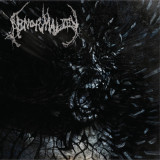
Mechanisms of Omniscience - a brutal and unrelenting journey through technical death metal, returns to the market as a special vinyl reissue, brought to you by our newly established record label. Originally released by Abnormality in 2016, this album has left a lasting mark on the genre with its punishing riffs, precise technicality, and intense lyrical content. Abnormality explores profound and provocative themes in every track, addressing existentialism, corruption, and the darker side of human nature. This is an album that defies genre expectations, marrying complex arrangements with raw aggression. Abnormality, a force hailing from Massachusetts, has carved a niche within extreme metal for its signature blend of technical prowess and relentless heaviness. Led by the fierce vocals of Mallika Sundaramurthy, the band is complemented by the exceptional talents of guitarist Jeremy Henry, bassist Josh Staples, and drummer Jay Blaisdell. Together, they create a sound that is as precise as it is punishing, offering fans a visceral experience in each performance. This reissue celebrates the lasting impact of Mechanisms of Omniscience while paying homage to Abnormality’s powerful contribution to metal.
Mechanisms of Omniscience - a brutal and unrelenting journey through technical death metal, returns to the market as a special vinyl reissue, brought to you by our newly established record label. Originally released by Abnormality in 2016, this album has left a lasting mark on the genre with its punishing riffs, precise technicality, and intense lyrical content. Abnormality explores profound and provocative themes in every track, addressing existentialism, corruption, and the darker side of human nature. This is an album that defies genre expectations, marrying complex arrangements with raw aggression. Abnormality, a force hailing from Massachusetts, has carved a niche within extreme metal for its signature blend of technical prowess and relentless heaviness. Led by the fierce vocals of Mallika Sundaramurthy, the band is complemented by the exceptional talents of guitarist Jeremy Henry, bassist Josh Staples, and drummer Jay Blaisdell. Together, they create a sound that is as precise as it is punishing, offering fans a visceral experience in each performance. This reissue celebrates the lasting impact of Mechanisms of Omniscience while paying homage to Abnormality’s powerful contribution to metal.
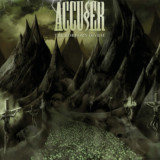
The Forlorn Divide by Accuser is back on vinyl, and it’s more intense than ever! Released by the German thrash metal legends, this 2016 album marked a triumphant return to their raw, relentless roots. Known for their blistering riffs, sharp precision, and aggressive vocals, Accuser captures the gritty essence of thrash metal with a modern edge, making this release essential for any fan of the genre. The Forlorn Divide dives deep into themes of alienation, societal decay, and inner turmoil, resonating with listeners through both its lyrical content and powerful instrumentation. The album’s standout tracks, including "Lust for Vengeance" and "Impending Doom," showcase Accuser’s refined songwriting and fierce musicianship, driving their iconic sound forward. With founding member Frank Thoms leading on guitar and vocals, supported by Dennis Rybakowski on guitar, Frank Kimpel on bass, and Olli Fechner on drums, Accuser creates a wall of sound that’s as intricate as it is unyielding. This reissue offers a chance to own a vital piece of thrash metal history perfect for collectors and metalheads everywhere.
The Forlorn Divide by Accuser is back on vinyl, and it’s more intense than ever! Released by the German thrash metal legends, this 2016 album marked a triumphant return to their raw, relentless roots. Known for their blistering riffs, sharp precision, and aggressive vocals, Accuser captures the gritty essence of thrash metal with a modern edge, making this release essential for any fan of the genre. The Forlorn Divide dives deep into themes of alienation, societal decay, and inner turmoil, resonating with listeners through both its lyrical content and powerful instrumentation. The album’s standout tracks, including "Lust for Vengeance" and "Impending Doom," showcase Accuser’s refined songwriting and fierce musicianship, driving their iconic sound forward. With founding member Frank Thoms leading on guitar and vocals, supported by Dennis Rybakowski on guitar, Frank Kimpel on bass, and Olli Fechner on drums, Accuser creates a wall of sound that’s as intricate as it is unyielding. This reissue offers a chance to own a vital piece of thrash metal history perfect for collectors and metalheads everywhere.