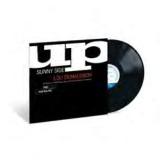
Altsaxofonist Lou Donaldson wurde schnell zu einer festen Größe des Blue-Note-Labels, nachdem er 1952
als Sideman an der Seite von Thelonious Monk und Milt Jackson zu hören gewesen war. Noch im selben
Jahr begann er, eigene Sessions als Bandleader einzuspielen und blickte, als er 1960 ins Van Gelder Studio zurückkehrte um sein hervorragendes Album ”Sunny Side Up” aufzunehmen, bereits auf ein Dutzend
Aufnahmesessions unter eigenem Namen zurück. In vielerlei Hinsicht ist das Album ein Paradebeispiel für
den typischen Blue-Note-Hard-Bop-Sound: eine Mischung aus swingenden Standards und bluesgetränkten
Eigenkompositionen, die von einem Quintett mit viel Gefühl und Ausdruck interpretiert werden.
Trumpet player Freddie Hubbard's fusion jazz on Red Clay is something that the younger generations within jazz and hip hop admire and aspire to. The title track "Red Clay" was sampled by both A Tribe Called Quest on "Jazz (We've Got)" and Freestyle Fellowship in "Parkbench People", only to be covered by today's new vocal jazz singer José James.
It would take half a day to explain the intricacies of a song like "The Intrepid Fox". Red Clay seamlessly blends bop with soul jazz and fusion in a way that will remain unsurpassed for a long time. Red Clay was Hubbard's first album on CTI Records, after his long stint with Blue Note Records. Accompanying Freddie on this album are Joe Henderson (sax), Herbie Hancock (piano), Ron Carter (bass) and Lenny White (drums). The album was produced by Creed Taylor and recorded and engineered by Rudy Van Gelder in his legendary studio in Englewood Cliffs, New Jersey.
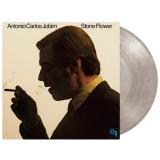
Antonio Carlos Jobim was definitely one of the most important artists in the bossa nova movement of the 1960s. The pianist and guitarist wrote the iconic "Desafinado" and, probably the most famous song in the genre, "The Girl from Ipanema". His elegant style of playing the music became the blueprint for the genre and inspired many.
Stone Flower is the album where you hear Antonio Carlos Jobim evolve in response to the new trends of the 1970s. His gentle and signature melodies are still there, but there are new elements; you here for example an electric Fender Rhodes. These changes only add to the timeless sound of Stone Flower.
The album has an impressive line-up of artists that were at their creative peak such as Ron Carter, Airto Moreira, and Eumir Deodato. Producer Creed Taylor and engineer Rudy Van Gelder give it the warm, high-quality sound that's typical of many CTI releases.
Stone Flower is available as a limited edition of 2000 individually numbered copies on transparent/black marble vinyl.
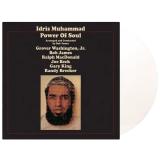
Power Of Soul is the third record as a bandleader by legendary jazz drummer Idris Muhammad, originally release in 1974. He embarked on his solo career in 1970 after years of work as a sideman for the absolute biggest names in jazz such as George Benson, Lou Donaldson, Grant Green, Ahmad Jamal, Pharoah Sanders, and many, many others.
This record was produced by Creed Taylor, founder of CTI, and engineered by Rudy Van Gelder. The architect of the Blue Note sound developed a deep relationship with Muhammad and played a big role in finetuning his sound. But, don't forget the rest of the line-up; the recorded features arrangements and compositions by keyboard legend Bob James and smooth jazz founder Grover Washington Jr., supplemented with performances by Randy Brecker, Joe Beck, and Ralph MacDonald. All in all, you can see why Muhammad's works ended up as samples on so many hip-hop records.
Power Of Soul is available as a limited edition of 2000 individually numbered copies on white vinyl.
Spinnin' Records, one of the most influential dance music labels, celebrates its 25th anniversary with the Chapter 1 compilation featuring a selection of iconic hits that have shaped the global electronic music scene. Since its founding in 1999, Spinnin' has been a trendsetter in electronic dance music (EDM), nurturing superstar artists and groundbreaking tracks across house, future bass, big room, and deep house genres.
This edition of Spinnin' 25 Years...Chapter 1 double vinyl LP collection includes memorable tracks from legends like Martin Garrix with the chart-topping hit “Animals”, "Stumblin' In" by CYRIL, "Secrets" by Tiësto & KSHMR, "Tsunami" by DVBBS & Borgeous, “Bullit” by Watermat, “Toulouse” by Nicky Romero, "Show Me Love" by Sam Feldt and 23 more tracks showcasing the signature sound and major contributions to the label.
Spinnin' 25 Years...Chapter 1 is available as a limited edition on green vinyl. The iconic Spinnin' logo is printed with an uv spot varnish on the gatefold sleeve.
The organist’s classic 1970 album. His third record for Blue Note and one of the key soul-jazz workouts of the era. Recorded at the Van Gelder Studio on 12th December 1969. Produced by Blue Note co-founder Francis Wolff. Featuring a red-hot backing band of tenor saxophonist John Manning, guitarist Melvin Sparks and drummer Tommy Derrick. Highlights of the album include Wilson’s dynamic originals ‘Bus Ride’, ‘Orange Peel’ and the title track, plus great covers of Eddie Floyd’s ‘Knock On Wood’ and Edwin Starr’s ‘Twenty-Five Miles’. Wilson recorded two subsequent Blue Note albums: Set Us Free and A Groovy Situation.
This October Jamiroquai celebrates the 30th anniversary of ‘The Return Of The Space Cowboy’. Their second album, it will be reissued as a double-LP set on 140g “moon grey” vinyl and includes Michael Gray’s Good Vibe Zone edit of ‘Space Cowboy’ - which has never been released on a physical product. The packaging has also been re-designed for this anniversary release including foil enhancement of the original cover design.
‘The Return Of The Space Cowboy’ is the follow up album to the band’s huge 1993 debut, ‘Emergency On Planet Earth’. Selling over 3 million copies globally, ‘Emergency On Planet Earth’ put the band on the map with their distinctive sound standing them apart from other popular acts of the time.
‘The Return Of The Space Cowboy’ was released just one year later and was met with great critical and public acclaim. Certified Platinum in the UK, Japan and France, it achieved chart success in multiple countries and spawned the single ‘Space Cowboy’ which remains one of their biggest tracks to date. Critically the album was lauded with Rolling Stone saying "Jamiroquai parlay jazzy soul pop so tight it crackles… Nowadays, when most funk comes out of cans, Jamiroquai's live spark glows", The Guardian said “... this second album sounds like vintage Stevie Wonder and Johnny 'Guitar' Watson, but Kay's vocals are as snappy and engaging as his extrovert persona" and Q magazine said it “combines intricate arrangements with several long, free-form workouts crammed with virtuoso performances".
For many, this album is defined by some of the most complex songwriting the band have ever produced and Jay Kay called it “one of our most creative and accomplished albums”. The process of making the album came with many challenges. Having to recruit a new drummer (after Nick Van Gelder failed to return from holiday), the band were met with second-album syndrome with Kay proclaiming since that lyrics weren’t coming "... because suddenly I wasn't homeless, I had everything I needed. So I found myself creating problems to write about." The songwriting process was complex for the band as Jay Kay was often dissatisfied with the results, leading songs to be scrapped or rewritten, but half-way through recording Kay wrote ‘Space Cowboy’, a song which reflects darker times during the recording session, and it became the catalyst of creative inspiration helping them finish the record. On this 30th anniversary edition of the album Space Cowboy gets a modern dance makeover courtesy of DJ Michael Gray, shedding new light on the track and emphasising it’s already infectious groove.
The album built on the success of ‘Emergency On Planet Earth’ and Jamiroquai have become one of the UK’s most pioneering and ground breaking bands of the past 30 years. Pushing boundaries and bringing jazz and funk to a mainstream audience, their sound is not only unique, but immediately recognisable.
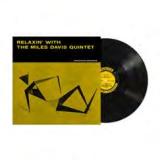
Relaxin’ with the Miles Davis Quintet fängt den mühelosen Swing und das außergewöhnliche Zusammenspiel der legendären Formation um Miles Davis, John Coltrane, Red Garland, Paul Chambers und Philly
Joe Jones ein. Aufgenommen 1956 im Van Gelder Studio, erschien das Album erstmals 1958 bei Prestige
Records.
Anlässlich des 100. Geburtstags von Miles Davis erscheint der Klassiker nun neu als Teil der Original
Jazz Classics-Reihe – auf 180-Gramm-Vinyl, vollständig analog von den Originalbändern gemastert und im
hochwertigen Tip-On-Cover
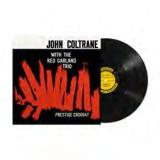
John Coltrane with the Red Garland Trio ist das dritte Studioalbum von John Coltrane und entstand 1957
im legendären Van Gelder Studio. Gemeinsam mit Red Garland, Paul Chambers und Art Taylor zeigt es
Coltrane in einer entscheidenden Phase seiner musikalischen Entwicklung. Das Album erschien 1958 bei
Prestige Records und wurde 1961 unter dem Titel Traneing In neu veröffentlicht.
Anlässlich Coltranes 100. Geburtstags erscheint der Klassiker nun als Teil der Original Jazz Classics-Reihe
neu – auf 180-Gramm-Vinyl, vollständig analog von den Originalbändern gemastert und im hochwertigen
Tip-On-Cover.
It pairs Virelles - who is known for his all-encompassing approach to creativity that is deeply-rooted in the Cuban influences of his upbringing - with two towering figures of creative music, whose individual work have helped shape the evolution of modern jazz for more than six decades. Together, they create music that is spacious, lyrical, and uncompromisingly inventive, grounded in profound listening and collective imagination. The group evolved out of Trio 3 , which featured saxophonist Oliver Lake alongside Cyrille and Workman. Following Lake's retirement, the remaining members invited David Virelles to help continue the group's legacy. Recorded at the legendary Van Gelder Studio , the album captures three master improvisers in an intimate, deeply expressive dialogue that unfolds through shared intuition, revealing an ensemble whose interplay is marked by subtlety, trust, and fearless exploration.
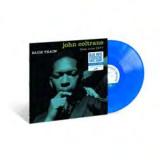
BLUE NOTE ESSENTIALS heißt die neue LP-Serie, die Klassiker des Labels erstmals kompromisslos
preiswert aber ohne Abstriche bei der Fertigung präsentiert (140g-Optimal-Pressung, Hi-res-Master, OriginalCover). Ein ganz besonderes Album erscheint innerhalb der Serie jetzt als limitierte Auflage in blauem Vinyl:
”Blue Train”.
Am 15. September 1957 nahm John Coltrane in Rudy Van Gelders Studio in New Jersey sein erstes
großes Meisterwerk auf. Es blieb das einzige Album des legendären Saxofonisten als Bandleader für Blue
Note. Inspiriert vom bluesigen Titelstück präsentiert das Album auf fünf Stücken ein hochkarätig besetztes
Sextett mit Lee Morgan (Trompete), Curtis Fuller (Posaune), Kenny Drew (Piano), Paul Chambers (Bass)
und Philly Joe Jones (Drums). Ein Meilenstein des Hard Bop.
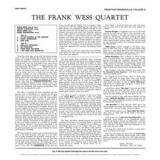
Diese neu remasterte Ausgabe des Albums „The Frank Wess Quartet“ des Tenorsaxophonisten Frank Wess
erscheint im Rahmen der neuen Moodsville Acoustic Sounds Reihe. Das Album, das ursprünglich 1960
veröffentlicht und in den berühmten Studios von Rudy Van Gelder in New Jersey aufgenommen wurde,
umfasst außerdem Tommy Flanagan (Klavier), Eddie Jones (Bass) und Bobby Donaldson (Schlagzeug).
Diese Neuauflage erscheint auf 180-Gramm-Vinyl, gepresst bei QRP, mit vollständig analogem Mastering
von den Originalbändern und in einer Tip-On-Hülle.
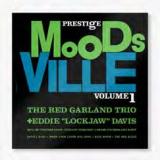
Diese neu remasterte Ausgabe von „The Red Garland Trio + Eddie ‚Lockjaw‘ Davis“, auch bekannt als
„Moodsville Volume 1“, erscheint im Rahmen der neuen Moodsville Acoustic Sounds Reihe. Auf dem
Album, das ursprünglich 1960 veröffentlicht und in Rudy Van Gelders Studio in New Jersey aufgenommen
wurde, sind Red Garland (Klavier), Eddie „Lockjaw“ Davis, Sam Jones (Bass) und Art Taylor (Schlagzeug)
zu hören. Diese Neuauflage erscheint auf 180-Gramm-Vinyl, gepresst bei QRP, mit vollständig analogem
Mastering von den Originalbändern und in einer Tip-On-Hülle
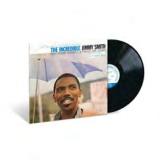
Man könnte fast meinen, dass Jimmy Smith um jeden Preis seine Vielseitigkeit beweisen wollte, als er
im Februar 1958 mit seiner Entourage in den Ballsaal des Manhattan Towers Hotels einzog, der von Rudy
Van Gelder in ein Aufnahmestudio umgewandelt worden war. Binnen zwei Tagen machte der Meister der
Hammond-B3-Orgel dort Aufnahmen für drei sehr unterschiedliche Platten. Am 25. Februar zunächst mit
einem mit Blue-Note-Stars gespickten Sextett für das ausgelassene Album “House Party” und das eher
bluesig-andächtige “The Sermon”. Am darauffolgenden Tag ging er mit zwei unterschiedlichen klassischen
Orgel-Trio-Besetzungen erneut zu Werke, um “Softly as a Summer Breeze” einzuspielen - ein schwungvolles
Album mit teils balladesken Standards, einer cool groovenden Eigenkomposition und einem Stück von Thelonious Monk.
Original Jazz Classics celebrates Miles Davis’ centennial with the release of Cookin' with the Miles Davis Quintet. Originally released on Prestige in 1957 and one of four albums recorded during sessions at Van Gelder studios, Cookin’ features Davis alongside John Coltrane, Paul Chambers, Red Garland and Philly Joe Jones. This new edition of the album is released on 180-gram vinyl pressed at RTI with all-analog mastering from the original tapes at Cohearent Audio and a Stoughton Tip-On Jacket.
Zwei Monate bevor Jackie McLean sein bahnbrechendes Meisterwerk “One Step Beyond” einspielte, hatte
der Altsaxofonist im Studio von Rudy Van Gelder ein dynamisches Quintett für eine Aufnahmesession versammelt. Trotz der hochkarätigen Besetzung mit dem Trompeter Donald Byrd sowie dem Pianisten Herbie
Hancock und dem Schlagzeuger Tony Williams - die kurz danach Mitglieder des zweiten großen Quintetts
werden sollten - legte Produzent Alfred Lion die Aufnahmen erst einmal auf Eis. Sie wurden erst 1980
als Teil der “Connoisseur”-Reihe unter dem Titel “Vertigo” veröffentlicht. Das Quintett präsentierte eine
schwindelerregende Vielfalt an Stilen - von energiegeladenem Post-Bop über raffnierten Funk bis hin zu
langsamem Blues. Gekoppelt wurden das Material auf dem Album mit einer klassischen Hard-Bop-Nummer
aus dem Jahr 1959, die McLean mit einem anderen exzellenten Quintett ursprünglich für das Album “New
Soil” aufgenommen hatte. Auf diesem Album war sie aber wegen Platzmangels nicht erschienen.
Die Aufnahmen für das 1963 bei Impulse! Records erschienene Album “Impressions” entstanden im
Zeitraum zwischen 1961 und 1963 bei einem Auftritt im Village Vanguard sowie bei zwei unterschiedlichen
Sessions im Studio von Rudy Van Gelder. Sie zeigen das klassische John Coltrane Quartet, teils verstärkt
durch Gäste, auf dem Höhepunkt seiner Schaffenskraft und dokumentieren die sich rasch entwickelnde
modale Sprache des Ensembles. Obwohl sich das Jazzmagazin DownBeat Coltranes Experimenten damals
nicht immer aufgeschlossen zeigte, erhielt das Album 1963 die Höchstwertung von fünf Sternen. In seiner
Rezension schrieb der Kritiker Harvey Pekar: “Nicht alle Stücke auf diesem Album sind hervorragend (was
eine Fünf-Sterne-Bewertung ja eigentlich bedeutet), aber einige sind mehr als hervorragend.”
Als John Coltrane 1965 für Impulse! Records das Album “Ascension“” aufnahm, war er sowohl in künstlerischer als auch in kommerzieller Hinsicht einer der erfolgreichsten Jazzmusiker. Das Album besteht
aus einem fast 40-minütigen Stück, das am 28. Juni 1965 im Rudy Van Gelder Studio in zwei verschiedenen Takes (Edition I und Edition II) aufgenommen wurde, die nun erstmals gemeinsam auf einer
Doppel-LP präsentiert werden. Für die Aufnahme hatte Coltrane sein bestens eingespieltes Quartett um
sieben Musiker zu einer Art Big Band erweitert. Die Musik, die Coltranes entschiedene Hinwendung zur
Avantgarde markierte, wechselt zwischen dicht strukturierten kollektiven Improvisationen und ausgedehnten Solopassagen und entfesselt einen wahren Wirbelsturm aus Klängen
Nach einem turbulenten Jahrzehnt, in dem er häufiger im Gefängnis als auf der Bühne oder in einem
Aufnahmestudio anzutreffen war, begann Tenorsaxofonist Dexter Gordon mit einem neuen Vertrag bei
Blue Note Records eine erstaunliche Karriere-Renaissance. Mit den im Mai 1961 im Abstand von nur drei
Tagen in Rudy Van Gelders Tonstudio in Englewood Cliffs aufgenommenen Alben “Doin’ Allright” und
“Dexter Calling” untermauerte er seine Rückkehr zu alter Form mit Bravour. Hervorragend unterstützt von
einem fein besetzten Quartett, wechselte der spielfreudige Saxofonist auf “Dexter Calling” mühelos von
energiegeladenem Swing zu atemberaubenden Balladen.
VERVE ACOUSTIC SOUNDS SERIE: komplett analog von Ryan K. Smith bei Sterling Sound von den
Originalbändern gemastert, QPR-Pressung (180 g), stabiles Tip-On-Gatefold (Stoughton Printing), wattierte Innenhülle.
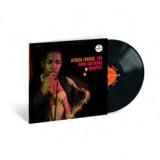
“Africa/Brass”, im September 1961 veröffentlicht, war Coltranes erstes Album für das noch junge Label Impulse! Records. Das Werk markierte einen Wendepunkt in der Karriere des Saxofonisten und gilt laut dem
“AllMusic Guide to Jazz” als “Schlüsselwerk für das Verständnis des Weges, den John Coltrane in seiner
letzten Schaffensphase mit seiner Musik einschlug”. Für das im Studio von Rudy Van Gelder aufgenommene
und von Creed Taylor produzierte Album erweiterte Coltrane sein Quartett zu einem großen Ensemble mit
bis zu sechzehn Musikern. Coltranes leidenschaftliche, freie Improvisationen auf dem Tenor- und Sopransaxofon stehen dabei in reizvollem Kontrast zu dem kompakten, rhythmischen Sound des Blechbläser-lastigen
Orchesters unter der Leitung von Cal Massey. Die Arrangements für die Big Band wurden von Eric Dolphy
und McCoy Tyner erst während der Proben im Studio angefertigt
“The spirit moves us to sing these fight songs”, schreiben die Irreversible Entanglements in einem Statement
zu ihrem von Fans heiß erwarteten zweiten Album auf Impulse! Records. Seit zehn Jahren mischt die Band
mit spektakulären Live-Auftritten und abenteuerlichen Alben nun schon die internationale Jazzszene auf.
Das Quintett um die Spoken-Word-Künstlerin Camae Ayewa (a.k.a. Moor Mother), die als “Internationale
Künstlerin des Jahres” mit dem Deutschen Jazzpreis 2023 ausgezeichnet wurde, ist in der Vergangenheit
schon mit John und Alice Coltrane, Pharoah Sanders, aber auch der Schroffheit des Punk und aktuellen
Zeitgenossen wie Shabaka Hutchings und Makaya McCraven verglichen worden.
Sein zweites Impulse!-Album ”Future Present Past“ hat das Quintett erneut im legendären Rudy Van
Gelder Studio aufgenommen, in dem auch der Coltrane-Klassiker ”A Love Supreme“ entstand. Mit dem
Album wollen die fünf Musiker einmal mehr dynamischen Jazz, globale Musiktraditionen, Spoken Word
und klare politische Standpunkte verbinden. Als Gäste sind erstmals die beiden Künstler MOTHERBOARD
und Helado Negro dabei.
High-definition audiophile pressing - 180g premium vinyl - the complete album plus bonus track from the same session, but not included on the original LP
This special edition presents the complete Grant Green LP 'Gooden's Corner' (1961) with an additional track recorded at the same session with saxophonist Ike Quebec joining the quartet on the seldom heard standard, Count Every Star by Bruno Coquatrix and Sammy Gallop. Grant Green - guitar Sonny Clark - piano Sam Jones - bass Louis Hayes - drums Ike Quebec - tenor sax (on 'Count Every Star' only) Rudy Van Gelder Studios, Englewood Cliffs, New Jersey, December 23, 1961. Original sessions recorded by Rudy Van Gelder & produced by Alfred Lion. "This is an album of real beauty and synergy between Green and pianist Sonny Clark, who along with Sam Jones on bass and Louis Hayes on drums rounds out the quartet. Green, an expert with standards, offers 'Moon River', 'What Is This Thing Called Love?', and 'On Green Dolphin Street'." - ****1/2 Michael Erlewine, All Music
Nur drei Monate nach der Aufnahme seines vielversprechenden Blue-Note-Debüts ”Page One” kehrte der
Tenorsaxofonist Joe Henderson im September 1963 in das Studio von Rudy Van Gelder zurück, um mit
“Our Thing” sein zweites Album für das Label einzuspielen. Darauf stellte er einmal mehr seine tiefe
Verbundenheit mit dem Trompeter Kenny Dorham unter Beweis. Wie auf dem vorangegangenen Album
teilt das Duo, das von einer außergewöhnlichen Rhythmusgruppe begleitet wird, die Kompositionen unter
sich auf und gibt solistisch ganz klar den Ton an.
Als Rudy Van Gelder noch das kleine Tonstudio nutzte, das er sich im Haus seiner Eltern in Hackensack,
New Jersey, eingerichtet hatte, wich Blue Note für Aufnahmen mit größeren Ensembles eine Zeit lang
in den Ballsaal des Manhattan Towers Hotels in New York aus. Im August 1957 und im Februar 1958
schmiss Hammond-Organist Jimmy Smith dort mit zwei unterschiedlichen All-Star-Bands seine boppigbluesige “House Party”. Bei denselben Sessions entstanden auch die Aufnahmen für das Nachfolgealbum
“The Sermon!”.
Aufgenommen im November 1957 im Van Gelder Studio, ist „Soul Junction“ ein Album des Jazzpianisten
und Komponisten Red Garland. Mit dabei sind unter anderem die legendären Musiker John Coltrane
(Tenorsaxophon) und Donald Byrd (Trompete). Das Album enthält fünf Titel, darunter den von Garland
komponierten Titelsong. Diese Neuauflage des Albums erscheint als Teil der Original Jazz Classics Series
auf 180-Gramm-Vinyl, gepresst bei RTI, mit vollständig analogem Mastering von den Originalbändern bei
Cohearent Audio und einem Stoughton Tip-On-Cover.
Recorded November 1957 at Van Gelder Studio, Soul Junction is an album by jazz pianist and composer Red Garland. Also featuring the legendary John Coltrane (tenor sax) and Donald Byrd (trumpet) amongst others, the album features five cuts including the Garland penned title track. This new edition of the album is released as part of the Original Jazz Classics Series on 180-gram vinyl pressed at RTI with all-analogue mastering from the original tapes at Cohearent Audio and a Stoughton Tip-On Jacket.
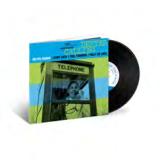
Heutzutage ist beinahe vergessen, dass im letzten Jahrhundert Jazzaufnahmen auch auf 45er-Singles erschienen, nicht zuletzt, um damit die populären Jukeboxen zu bestücken. Diese streng limitierte Sonderausgabe der Blue Note Tone Poet Serie versammelt alle Singles, mit denen Tenorsaxofonist Ike Quebec ab
1959 ein überwältigendes Comeback bei Blue Note Records feierte. Mit ihnen knüpfte Quebec an seine
Erfolge der Mittvierziger Jahre an, als er sich bei Blue Note den Ruf erwarb, der ”König der Jukebox-Hits”
zu sein.
Ausstattung LP: Das 3-LP-Set ist wie immer bei der Tone Poet Serie von Joe Harley produziert und
von Kevin Gray komplett analog und direkt von Rudy Van Gelders Original-Masterbändern geschnitten
worden. Die bei RTI auf 180-g-Vinyl gepressten LPs werden in einem luxuriösen Dreifach-Gatefold verpackt, das zudem ein Booklet mit unveröffentlichten Fotos von Francis Wolff und einem ausführlichen
Essay von Loren Schoenberg enthält.
Ausstattung CD: Doppel-CD in Jewelbox, Booklet mit gleichem Inhalt wie o.g
Miles ’55: The Prestige Recordings ist eine 16-Track-Retrospektive, die eine Reihe von wegweisenden Aufnahmen aus dem Jahr 1955 präsentiert, die in Rudy Van Gelders legendärem Studio in Hackensack, New
Jersey, für Prestige Records aufgenommen wurden. Mit einer Auswahl aus Miles: The New Miles Davis
Quintet, Miles Davis and Milt Jackson Quintet/Sextet und The Musings of Miles präsentiert Miles ’55
eines der wichtigsten Ensembles des Jazz: das „First Great Quintet“, bestehend aus damals noch relativ unbekannten Musikern wie dem Tenorsaxophonisten John Coltrane, dem Pianisten Red Garland, dem
Bassisten Paul Chambers und dem Schlagzeuger Philly Joe Jones sowie Milt Jackson, Ray Bryant und
Oscar Pettiford. Dieses Jahr markierte einen entscheidenden Wendepunkt für Davis, da er begann, seine
Stimme als Trompeter und sein Selbstvertrauen als Bandleader zu finden, wobei seine Live-Auftritte bereits
einen Vorgeschmack auf die mythische Figur gaben, zu der er bald werden sollte. Diese grundlegenden
Aufnahmen legten nicht nur den Grundstein für die zukünftigen Klassiker des Trompeters, sondern zeigten
auch das aufkeimende Genie seiner bald legendären Bandkollegen.
Alle Audioaufnahmen wurden vom GRAMMY-preisgekrönten Engineer Paul Blakemore von den originalen
Analogbändern remastert. Die physischen Ausgaben der Sammlung enthalten einen neuen Essay des mit
einem GRAMMY ausgezeichneten Musikhistorikers Ashley Kahn (Autor von „Kind of Blue: The Making
of the Miles Davis Masterpiece“) sowie
As part of Ace 50 BGP has hooked up with our old friends at Concord Music to reissue one of the most important albums in our story. In 1987 as the dance jazz scene morphed into acid jazz Billy Hawks ‘Oh Baby (I Believe I’m Losing You)’ was filling the dance floors where either Gilles Peterson or Baz Fe Jazz were playing.
The Prestige Records album, “Heavy Soul!”, that featured the track, was impossible to find, and frustrated DJs were desperately trying to find a copy. BGP - the Ace label that the two DJs helmed - reissued the album and put the in-demand track onto a 12 inch single. With supply sufficient it became a club smash, crossing over to become a mod classic and one of the most important cuts from our scene.
In the ensuing years the track's status has remained undimmed and the album has never turned up in significant numbers, and yet it has never been reissued since. With an attention to detail that has always been the Ace way, we have carefully mastered the record to be as close as possible to the sound of the original Van Gelder mastering of 1967, and created and accurate representation of the album and label cover art.
Hawks never lived to be rediscovered, but through our musical detective work we tracked down his brother and found out as much of his story as feasible and we also unearthed a couple of pictures. The Virginian born organist with the amazing voice was a fixture on the North-Eastern lounge bar circuit, which was the entertainment backbone off Black American music at the time, and his full story is told on the illustrated inner sleeve that comes with this release
Mit verschiedenen Ensembles wie seinem World Saxophone Quartet hat US-Saxofonist David Murray Jazz
und Avantgarde zusammengebracht und das Genre über Jahrzehnte hinweg immer wieder maßgeblich
geprägt. Letztes Jahr hat er mit Pianistin Marta Sanchez, Bassist Luke Stewart und Schlagzeuger Russell Carter ein neues Quartett gegründet und einen Vertrag mit dem legendären Coltrane-Label Impulse!
Records abgeschlossen.
Für sein dortiges Label-Debüt hat er sich von Musik inspirieren lassen, die älter als die Menschheit ist:
dem Vogelgesang. “Birdly Serenade” ist Teil des Grammy-ausgezeichneten “Birdsong Project”, sechs der
acht Originale komponierte Murray in einem Künstler-Retreat in den Adirondack Mountains, inmitten
von Seen, Wäldern und endlosem Himmel. Am Anfang des Schreibprozesses standen drei Gedichte von
Francesca Cinelli, die auf dem Album auch mit einer Spoken-Word-Performance zu hören ist. Weiterer
Gaststar ist Sängerin Ekep Nkwelle.
Wer zartes Flötenspiel und “Jazz-Gezwitscher” erwartet, den wird der kraftvolle Saxofon-Sound des im
berühmten Van Gelder Studio aufgenommenen Albums eines Besseren belehen.
Recorded in 1965 at Rudy Van Gelder's studio in New Jersey, Roland Kirk's album Rip, Rig and Panic finds him teamed with the most awesome rhythm section he ever recorded with: pianist Jaki Byard, bassist Richard Davis, and drummer Elvin Jones. It received a 5 star rating on AllMusic, with reviewer Thom Jurek stating that "Rip, Rig, and Panic may be pre-Rahsaan Roland Kirk's greatest outing.
Lukas Somers, also known as SOLAK, delves into deep emotions with his new album Atlas, set for release on November 15 via Capitane Records. After his first album Green came out four years ago, Somers embarked on an introspective journey, playing each instrument himself. In 2021, accompanied by Steven Van Gelder and a few musicians, he recorded the album at Ocean Sound Studios in Norway, inspired by the surrounding seascape and perpetual daylight. Somers overcame the challenges of the pandemic by also playing the bass and guitar. After six days of recording and months of post-production, eight tracks were finalized. Atlas stands out with increased vulnerability, while remaining true to the authenticity that defines SOLAK.
Born from of a relentless global tour schedule, Samara Joy took her touring band, made up of other rising young jazz musicians, into the legendary Van Gelder Studios (the venerable studio from which A Love Supreme and so many of the great catalog records from Impulse and Blue Note were recorded) in February of 2024. Recorded across three days, Samara and her musicians were able to capture an incredible snapshot of who she is today and the promise of tomorrow. It’s a collection of standards, as well as one original and some of her first forays into lyric writing and features her singular voice, alongside arrangements and playing from this tight knit young group. The recording is this story of the community she’s created with a new generation of young players and serves as a studio rendering that delivers on the promise of the live show so many fans have seen them perform over the last year.
Jazz pianist Mal Waldron’s 1962 album The Quest features Eric Dolphy (clarinet, alto sax) and Booker Ervin (tenor sax). Recorded at Rudy Van Gelder Studios in New Jersey the album contains seven cuts that fall somewhere between hard-bop and avant-garde. This new edition of the album is released as part of the Original Jazz Classics Series and is pressed on 180-gram vinyl at RTI with all-analog mastering from the original tapes by Kevin Gray at Cohearent Audio and presented in a Tip-On Jacket.
Guitarist Grant Green joins organist Gloria Coleman and drummer Pola Roberts on this satisfying and soulful album, unique in the Impulse catalog. Produced by Bob Thiele, recorded by Rudy Van Gelder and originally released in 1963. This Verve By Request title is pressed on 180-gram vinyl at Third Man in Detroit.
John Wright’s 1960 debut album “South Side Soul” was originally released on the Prestige label and recorded at Van Gelder Studios. Along with Wright (piano), the album features Wendell Robert (bass) and Walter McCants (drums). This new edition of the album is released as part of the OJC Series and is pressed on 180-gram vinyl at RTI with (AAA) lacquers cut from the original master tapes by Kevin Gray at Cohearent Audio. It is presented in a Tip-On Jacket.
Recorded by award-winning mastering engineer Kevin Gray's record label, Anthony Wilson's Hackensack West is Cohearent Records' follow-up to Kirsten Edkins' Shapes & Sound album. Produced by Joe Harley and recorded all-analogue/all-tube at Gray's studio, Cohearent Recording, the AAA vinyl release is pressed on 180-gram vinyl at RTI and housed in a deluxe tip-on gatefold jacket.
From the liner notes:
The week before these sessions in the summer of 2023, I sat down each morning with the goal of composing one new song by day's end. I knew I'd soon be in the room with my dear friends Gerald Clayton, John Clayton, and Jeff Hamilton, three musicians whom I trust the most, and with whom I've played the most over the last couple of decades. I tried to imagine themes that would feel natural to us, the kinds of songs we could simply dive into without much thinking. When we headed to Kevin Gray's studio to record, I brought seven new songs along with me. Five are included on this album.
"Daido" is dedicated to Japanese photographer Daido Moriyama, who became known in the late 1960s for his grainy, sometimes blurry, high-contrast black and white images made throughout Japan. I love his pictures taken on the streets of various Tokyo neighbourhoods such as Shinjuku. His portrait of a menacing stray dong, from his series "A Hunter," is the kind of picture that, seen just once, is unforgettable. These days Daido is still out on the street making pictures, at the ripe young age of 85.
"Verdesse" has a sinuous, chorinho-like melody and rhythmic feel. The tune seems to weave and bob playfully in a space of brightness the way a grapevine seems to curl towards the sunlight. So I named it after a wine grape native to the pre-Alpine region of Isère, near Grenoble in eastern France, that makes a particularly delicious and drinkable white wine.
I wrote "Sunday," well...on Sunday. It unfolds slowly, like a good Sunday does when there's nothing to do, you can sleep in, you've got your person beside you, and you just relax into the day.
"The Lands" is dedicated to a family very dear to my heart: that of tenor saxophonist Harold Land. My mother met Harold when they were both teenagers growing up in San Diego, California. The two of them became lifelong friends, and a little later, Harold enjoyed a fruitful musical association and close friendship with my father, Gerald Wilson. Harold, his lovely wife Lydia, and their son Harold Jr. were extended family for us; they looked after me with love and care. Some of my first gigs ever as a young guitarist were with Harold's incredible band that included Oscar Brashear, Billy Higgins, Richard Reid, and Harold Land Jr.
I've loved Todd Rundgren's "Marlene" since I first heard it on his epic double-album Something/Anything. With its tender, well-contoured melody buoyed by a few special harmonic surprises, it almost seems like something from the pen of Burt Bacharach. It tells such a complete musical story. Rundgren's recorded version has a beautiful endlessly repeating tag. So we played the melody simply, and used the tag as a small staging area for a bit of improvising.
Hackensack West is our alias for engineer Kevin Gray's studio Cohearent Recording, a place inspired by Rudy Van Gelder's first studio in Hackensack, New Jersey. Located inside Van Gelder's parents' home, the musicians played in the living room! It was there, in 1954, that Thelonious Monk recorded his classic tune "Hackensack," a "contrafact" melody over the chord changes to the Gershwins' "Oh, Lady Be Good!" In contrafact-like fashion, my own bebop-spirited melody "Hackensack West" seems to nod toward the changes of a few recognizable standards, without corresponding to any particular one.
An expanded 3-LP edition of Sonny Rollins’ essential and legendary live trio album A Night At The Village Vanguard: The Complete Masters is added to Blue Note’s acclaimed audiophile vinyl series in Q1, mastered for the very first time from the original tapes. (The first release and subsequent reissues were made from a tape transfer.) This deluxe tri-fold edition includes a plethora of great editorial, including a new interview with Rollins in conversation with Blue Note President Don Was.
“As we began to prepare for this album, I made my customary call to Capitol tape vault archivist Jack Arenas to inquire about the analog master tapes. Naturally, I assumed there would be a set of Rudy Van Gelder assembled 15ips analog masters of all the material. Indeed, there was, but then Jack said something that caught my ear. ‘Now there are these other tapes, but they haven’t been assembled, and they are all recorded at 7.5ips.’ I sat straight up and probably looked a bit like the mind-blown emoji. With this issue of Sonny Rollins ‘A Night At The Village Vanguard: The Complete Masters’ we are finally able to hear the actual masters that were recorded that afternoon and evening.” — Joe Harley
Bass player Ron Carter’s debut album Where? features Eric Dolphy (clarinet, sax, flute) and Mal Waldron (piano). The album was originally released in 1961 having been recorded at Rudy Van Gelder Studios in New Jersey. This new edition of the album is released as part of the Original Jazz Classics Series and is pressed on 180-gram vinyl at RTI with all-analogue mastering from the original tapes by Kevin Gray at Cohearent Audio and presented in a Tip-On Jacket. US import.
Audiophile reviews rave about saxophone master John Coltrane's immortal Impulse! records, A Love Supreme (1964) and Ballads (1963). Ballads is an album that will never go out of style and never be unwelcome on any jazz lover's turntable.
You're about to experience Ballads at its peak of vinyl perfection — in UHQR format on Clarity Vinyl, with the added bonus of a double 45 RPM cut by Ryan K. Smith at Sterling Sound. Ryan's cut has his characteristic clarity and transparency all set against Quality Record Pressing's usual noiseless backgrounds on 200-gram flawless records. Each UHQR will be packaged in a deluxe box and will include a booklet detailing the entire process of making a UHQR along with a hand-signed certificate of inspection. This will be a truly deluxe, collectible product.
For this 45 RPM 2LP edition you'll also receive a !2" x 12" 12-page booklet featuring liner notes by Ashley Kahn and recording session images by Jim Marshall.
The intense passionate Coltrane interpretation of standards such as "All Or Nothing At All," "What's New," "It's Easy To Remember" and the Sinatra classic "Nancy (With The Laughing Face)" are the essence of Ballads. When asked why attempt such an undertaking, Coltrane replied "Variety."
While it may have been a short detour by Trane before he exploded off into the nether regions of jazz music a few years later, it is still a fantastic document of one of the premier jazz groups of the 1960s.
Recorded December 21, 1961 and September 18 & November 13, 1962 at Rudy Van Gelder Studios.
"It's impossible to sleepwalk through tracks like "You Don't Know What Love Is" and "I Wish I Knew" and impart them with even a fraction of the emotional heft that the Quartet achieves. This is the type of jazz album in which the music just washes over the listener with it's restrained grace and beauty, and while it may not have the adventurousness that some listeners think Trane should have had each and every time he recorded, I'd say it shows off a side of him that only makes us appreciate his more bold and daring albums even more." — The Jazz Record







![Ike Quebec - The Complete Blue Note 45 Sessions of Ike Quebec [Tone Poet Special Edition] LP3 3x12"](https://www.deejay.de/images/l/0/4/1184104.jpg)





