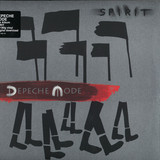
Depeche Mode have released their much anticipated new single Where's The Revolution' today. A powerful and timely track, the song vibrates with a drum laden, menacing energy, anchored in frontman Dave Gahan's vocals demanding, Where's The Revolution / Come on people you're letting me down.'
Search:vibr
Bristol-based singer, songwriter and bandleader, who has powered her
way to the-forefront of the British blues and roots scene in recent years,
unveils her eagerly-awaited third album 'Shining in the Half Light'
Crammed with vibrant originals brought to life with her A-list touring band, it's yet
another significant step forward in a career already feted with awards and
acclaim.'Shining in the Half Light' is Bailey's first full length album recorded in the
UK & feature's Joe Wilkins on Guitar, Jonny Henderson on Ivories, Matthew Waer
on Bass duties and Matthew Jones on drums. It was recorded in deepest Devon
in December 2020 at Middle Farm Studios and produced by Dan Weller, best
known for his long working relationship with Enter Shikari. Elles wanted this
record to feature 'gospel style vocals' so in steps Izo Fitzroy, an incredible artist in
her own right, who arranged the stunning background vocals on 'Shining In The
Half Light', and performed them alongside Jade Elliot and Andrusilla Mosley.
An exciting team of co-writers feature with three credits for Ashton Tucker & Will
Edmunds, who both wrote with Elles for 'Road I Call Home', plus she teamed up
with longtime guitarist Joe Wilkins to write the slow-flowing, philosophical 'Riding
Out The Storm'. Other kindred spirits include guitar maestro Martin Harley, for the
gentle and romantic 'Different Kind Of Love' and Matt Owens, co-founder of the
hugely successful indie- folk outfit Noah and the Whale, on the aforementioned
'Sunshine City'. The album comes to a striking conclusion with its title track, cowritten with Nashville's Craig Lackey, written over Zoom in May 2020.
Front cover features in Blues in Britain (Jan) and MNPR (May) Features in Record
Collector, Rock and Reel, Blues Matters, HRH Magazine, Fireworks Mag,
Powerplay, and Maverick
Reviews in Record Collector, Maverick, Powerplay,Fireworks,Blues Matters,HRH
Mag
Online press in Music News, Maximum Volume, Rush On Rock, All About The
Rock, Vents, Bluesdoodles, Rock and Blues Muse,Blues Rock Review, Blazing
Minds, Decibal Report, Maverick Country
Radio- BBC Radio 2 Cerys Matthews and Johnnie Walker, Planet Rock A playlist.
Bristol-based singer, songwriter and bandleader, who has powered her
way to the-forefront of the British blues and roots scene in recent years,
unveils her eagerly-awaited third album 'Shining in the Half Light'
Crammed with vibrant originals brought to life with her A-list touring band, it's yet
another significant step forward in a career already feted with awards and
acclaim.'Shining in the Half Light' is Bailey's first full length album recorded in the
UK & feature's Joe Wilkins on Guitar, Jonny Henderson on Ivories, Matthew Waer
on Bass duties and Matthew Jones on drums. It was recorded in deepest Devon
in December 2020 at Middle Farm Studios and produced by Dan Weller, best
known for his long working relationship with Enter Shikari. Elles wanted this
record to feature 'gospel style vocals' so in steps Izo Fitzroy, an incredible artist in
her own right, who arranged the stunning background vocals on 'Shining In The
Half Light', and performed them alongside Jade Elliot and Andrusilla Mosley.
An exciting team of co-writers feature with three credits for Ashton Tucker & Will
Edmunds, who both wrote with Elles for 'Road I Call Home', plus she teamed up
with longtime guitarist Joe Wilkins to write the slow-flowing, philosophical 'Riding
Out The Storm'. Other kindred spirits include guitar maestro Martin Harley, for the
gentle and romantic 'Different Kind Of Love' and Matt Owens, co-founder of the
hugely successful indie- folk outfit Noah and the Whale, on the aforementioned
'Sunshine City'. The album comes to a striking conclusion with its title track, cowritten with Nashville's Craig Lackey, written over Zoom in May 2020.
Front cover features in Blues in Britain (Jan) and MNPR (May) Features in Record
Collector, Rock and Reel, Blues Matters, HRH Magazine, Fireworks Mag,
Powerplay, and Maverick
Reviews in Record Collector, Maverick, Powerplay,Fireworks,Blues Matters,HRH
Mag
Online press in Music News, Maximum Volume, Rush On Rock, All About The
Rock, Vents, Bluesdoodles, Rock and Blues Muse,Blues Rock Review, Blazing
Minds, Decibal Report, Maverick Country
Radio- BBC Radio 2 Cerys Matthews and Johnnie Walker, Planet Rock A playlist.
Pressing Info: 180g black vinyl, standard sleeve, printed inner sleeve. In dark, troubling times, maybe the most instantly gratifying solace one can seek is a wittily barbed diagnosis of the situation. “The fox has his den. The bee has his hive. The stoat … his stoat-hole,” Stewart Lee once remarked: “But only man chooses to make his nest in an investment opportunity.” Caustic retorts like this are what fuel the debut EP by dance-punk outfit Regressive Left, ‘On The Wrong Side of History’. For pervading through their dynamic and glitching music is a duty to report unflinchingly society’s ills. They are a staunchly political group, but far from your average po-faced by-numbers punk band. There is a gristly social commentary at the band’s core, but the songs themselves are characterised by a need to have fun, to find some kind of solace and escapism from the inevitable rapture. Recorded over an intense 5-day spell with in-demand producer Ross Orton (Arctic Monkeys, MIA, Amyl and The Sniffers) in Sheffield, Regressive Left’s debut EP ‘On The Wrong Side of History’ was immortalised over a handful of 11am-1am sessions in his studio. In many ways it is a time capsule of the maelstrom of ideas that got the group to this point in the first place – the infuriating, bleak political climate, and the urge to find escapism from it – consigned to vinyl in one herculean effort. Taking influence from the booming post-punk, funk and disco scenes of New York, Regressive Left’s sound is stark and danceable. Angular guitar scratches meet dirty synth basslines, whilst Simon Tyrie’s Edwyn Collins croon is chased around by effervescent drums. The banal horror of life in Tory Britain expressed with sharp and dry wit, and then set to truly barnstorming and infectious dance music Due out July 15th on Bad Vibrations Records, the new EP arrives following a trio of acclaimed singles (‘Eternal Returns’, ‘Take the Hit’, ‘Cream Militia’), tours with the likes of Bodega and Folly Group, festival appearances at End of the Road, Latitude, Great Escape and Wide Awake, and a sold out headline at The Windmill.
Don't You Turn On Me ist das zweite Album der Poison Boys. Gestarted mit "Out Of My Head" in 2019, ist das 2. Ablbum ein großer Schritt in Richtung Punk und der Fähigkeit, knallharten Punk der späten 1970er Jahre zu schreiben mit einer großen Portion Rock 'n' Roll. Es reicht von sleazy Hits der frühen bis Mitte der 70er Jahre bis hin zu glühenden Punk-Tracks, von Instant-Punk-Klassikern bis hin zu Johnny Thunders Garage Rock. Ganz anders als viele andere Bands, die zu viele moderne Einflüsse in ihrem Streben nach Punk hinzufügen, bringen dich die Poison Boys mit diesem neuen Album zurück ins Jahr 1977 und versetzen dich in eine Zeit und an einen Ort, an dem du vielleicht noch nicht einmal existiert hast, aber auf jeden Fall wünschtest, du wärst da gewesen. Gegründet im Jahr 2014 von Matt Dudzik und Mike Lippmann, der tragischerweise an einer Überdosis verstarb, bleibt die Band den Klängen der späten 1960er / frühen 1970er Jahre Protopunk-Bands wie den Stooges, den New York Dolls und den Flamin 'Groovies treu und mischt sie mit New Yorker und britischen Punkbands der späten 1970er Jahre wie The Heartbreakers, Dead Boys, Vibrators und Slaughter and The Dogs, hinzu kommt noch ein Dosis Hanoi Rocks Glam. In der aktuellen Besetzung der Poison Boys spielen Sänger und Gitarrist Matt Dudzik, Gitarrist Steve Elfinger, Bassist Nico Bones und Schlagzeuger Matt Chaney. Poison Boys tragen die Rock'n'Roll Fackel glorreich weiter.
- 1: Into The Light (Edit Version)
- 2: Saiyidi Dub
- 3: Tribal Dervish Union Of Souls
- 4: Arab Quarter
- 5: Arid Land
- 6: Mother Of Nature
- 7: Tribute To Hasni
- 8: Ancient Vibrations
- 9: Spirit Of The Nile
- 10: Canaanite Call
- 11: Serengeti
Deluxe double 12'' vinyl housed in a 2 pantone sleeve Including insert with liner notes Akuphone is pleased to present the first compilation dedicated to musician John Bolloten, aka The Rootsman. As a precocious punk, he formed his first band, State Oppression, in his teens. Yet he is best known for his dub music, a genre that gave him international recognition. Largely influenced by the rhythms of North Africa and the Middle East, he built his musical identity around samples from these regional repertoires. His encounter with Bryn Jones - better known as Muslimgauze - further defined his artistic path. This selection offers an overview of his work from 1996 to 1998, a prolific period when Into The Light, 52 Days To Timbuktu, Union Of Souls (with Celtarabia) and Distant Voices (with Pachakuti) were released. A visionary production that predicted today's growing international predilection for the musical heritage of the MENA regions. The compilation is enriched with an explanatory preface by Mabrouk Hosni Ibn Aleya and illustrated with rare archival photos- all of which are contained in a superb jacket designed by the artist Ghiya Haydar.
Members of Island of Love, Imposter, Lawful Killing, Antag-onizm, Powerplant. For Fans of Sheer Terror, Crumbsuckers, Cro-Mags, Slayer. Quality Control HQ proudly releases The Masters' Orders, the new LP from South London UK hardcore band Mastermind, the jewel in the crown of UKHC. This is the band's third release after 2019's Bad Reaction EP and comes on the heels of recently released single "Price You Pay". The new release, which was recorded at East London's most vibrant independent music hub, Fuzzbrain Studios, finds Mastermind continue to walk a well crafted line between almost jazz like song writing wrapped in the meat and potatoes sound of 80s NYHC, but this time amping up the rabid dog energy to another level. Having played with a range of punk and hardcore bands from Judge to Chubby and the Gang on their home turf, this summer sees Mastermind, with members of Island of Love, touring with NYHC upstarts Combust across Europe and playing Fluff Fest, equally comfortable playing to punks, metalheads and everyone in between. If one proposes that the classic late eighties NYHC sound owed a chunk of its identity to blue collar meat heads from Queens, then the same can be said for London hardcore’s meatiest riffs coming from Croydon cousins who work construction, built their own instruments and met their lead guitarist on the tram. This band reminds me of Rest in Pieces, Breakdown, Sick of it All, Sheer Terror, Inside Out NYC, and a touch of Cleveland’s Die Hard with a healthy dose of crossover picking and a heap of sick guitar solos. Something all of the above bands had in common was the ability to blur the fine line between great genius and great stupidity. It's a delicate natural balance reached only by bands that don’t take themselves too seriously but would kick your ass if you called them a joke. There is a clearly defined love of hardcore, in its many forms, behind the songwriting in Mastermind – a band of young heads and scene mainstays who intend to have fun playing hardcore the way they like it. After a four year run with a solid demo and a crushing EP, Mastermind are ready to present you with their masterpiece – The Masters’ Orders
Roy Mills readies a whirlwind trio of bass-bin-rattling tracks for his Local Knowledge label.
This is the third full solo release for Roy, who turns in a set of genre-spanning, sound design heavy cuts - channelling his twisted, thrilling take on dance music.
Leading the A1 is ‘Chinchilla’, a weighty tripped out stepper with mind-bending basslines, bubbling synths, and sharp stuttering drums taking charge.
Following is the low slung mutant ‘My Safeword is Dolphin’, a tongue in cheek break up song that serves up wonky percussion, vocal chops, and uneasy bleeps, fragmenting between dance floor tension and prog-matic might.
The 10 inch release settles it’s vibrations below the surface, ending with ‘Aquatiqué’. Gentle, reverberated drums work in tandem with spacious, considered sound design for a comparatively calm but no less club relevant closer to the EP.
The record comes complete with an AR interactive 70 x 48cm Offset printed poster, printed inserts, stickers + special treats.
Keep The Peace™ 2022
Includes AR Interactive 70 x 48cm Offset printed poster
Includes Printed Inserts
Includes Roy Mills ‘Mascot Sticker’ + special treats
Includes Poly-lined Paper Sleeve for Safe Storage
- A4: Eclipse A (Beginnings)
- A5: Eclipse B (First Movement)
- B1: Eclipse C (Hustle Bustle)
- B2: Eclipse D (Funky Side Of Town)
- B3: Eclipse E (Midnight)
- B4: Eclipse F (First Movement Continued)
- B5: Eclipse G (Home)
- A1: Think Positive (Feat Steve Garcia, Edward Garcia & John Ortega - Live)
- A2: Jennifer (Feat Steve Garcia, Edward Garcia, Vincent Anderson & John Ortega - Live)
- A3: Try It All Again (Feat Vincent Anderson, John Ortega, Edward Garcia & Steve Garcia - Live)
First ever repress of the sought after psychedelic tinged funk rock private press album 'Eclipse of the City' from 1980 New York. Originally recorded between 1975 and 1977 in Manhattan's garment district. Eclipse of the City lay dormant on a reel to reel player whilst frontman Carlos Fire Aguasvivas muddled through life working as a data entry clerk away from his fellow band members. It wasn't till he rediscovered the tapes that a sudden life affirming moment drove him to get the music pressed. Putting pen to paper Carlos created the artwork as a homage to his love of comic art and brought the band to life on the reverse with his spindly characters engrossed in the jam. Only 300 copies were pressed at the time leading to eye-watering prices for a copy. with a recent digital re-release from Indian Summer's Anthology Records, Sticky Buttons stepped up to repress the record with a limited run of 500, lovingly manufactured in the UK in all its vinyl glory.
Arriving in the Bronx from the civil unrest of Santo Domingo in the early 60's Aguasvivas was surrounded by the raucous sounds of rock, jazz and prog. Absorbing the humdrum atmosphere of life in New York, Eclipse of the City came from the minds of close friends Carlos Aguasvivas, Steve Garcia and Eddy Garcia. Meeting at Monroe High School the three of them quickly formed a strong bond over their shared interest in music. It wasn't long after that they began rehearsing in a basement under a neighbourhood cleaners and in the attic of Steve and Eddy's family home piecing together their extended sessions of tripped out cinematic psychedelia.
Recording got off to a rocky start as a car accident left the three band members in A&E after taking an early morning cab ride through Manhattan to watch the sunrise on their way into the studio (a theatrical artistic statement of intent conceived by Steve Garcia) - as Eddy mentioned "Eclipse was forged from a lot of pain". Their recording sessions were postponed but a few weeks later they were back and with the added energy of John Ortega on Bass and Vincent Anderson on electric piano and organ - with just a few microphones and a reel to reel recorder, Eclipse of the City was laid down as the stark bold homage to New York's downtown.
Influences ranged from the cinematic behemoth Jaws to the UK prog rock bands of Genesis, Yes and Emerson Lake & Palmer but only could Eclipse of the City take its unique form in the attics and basements of New York with the full band adding their Puerto Rican and Dominican slanted New York energy. Side one includes 3 fully formed tracks breaking out into eerie moments of calm before diving into well timed jolts of reprise as each element weaves over the top of one another whilst side two presents a 30 minute narrative work following the night adventures of a young group of friends exploring the vibrant nightlife of downtown New York. A rumbling half hour of wobbling guitar, tight drumming and synth organ licks jutting out from the glistening lights of the night before the sun rises down Manhattan's East-West axis as the lilt changes and the organ lulls the friends back home. A truly idiosyncratic take on the heady world of New York in the 70's and one that still resonates with our urban landscapes and love for the nights they bring today.
a 01: Think Positive (Live) feat. Steve Garcia, Edward Garcia & John Ortega
b 02: Jennifer (Live) feat. Steve Garcia, Edward Garcia, Vincent Anderson & John Ortega
c 03: Try It All Again (Live) [feat. Vincent Anderson, John Ortega, Edward Garcia & Steve Garcia]
[d] 04: Eclipse A (Beginnings) [Live] [feat. Vincent Anderson, John Ortega, Edward Garcia & Steve Garcia]
[e] 05: Eclipse B (First Movement) [Live] [feat. John Ortega, Steve Garcia & Edward Garcia]
[f] 06: Eclipse C (Hustle Bustle) [Live] [feat. Vincent Anderson, John Ortega, Steve Garcia & Edward Garcia]
[g] 07: Eclipse D (Funky Side of Town) [Live] [feat. Vincent Anderson, John Ortega, Steve Garcia & Edward Garcia]
[h] 08: Eclipse E (Midnight) [Live] [feat. John Ortega, Steve Garcia & Edward Garcia]
[i] 09: Eclipse F (First Movement Continued) [Live] [feat. Vincent Anderson, John Ortega, Steve Garcia & Edward Garcia]
[j] 10: Eclipse G (Home) [Live] [feat. Vincent Anderson, John Ortega, Steve Garcia & Edward Garcia]
Hailing from Portugal, PHENOCRYST was formed in early 2020 by D.S. (Archaic Tomb, Summon) and P. Tosher (Extreme Unction, Scum Liquor, ex-A Tree of Sign), with N. (Summon, Sepulcros, Concilium) and V.M. (Systemik Violence, Necrobode) joining later on, during the recording of their debut EP. The band is based in the outskirts of Lisbon, and the origin of such conjuration is a rigorous consequence of a vibrant underground activity in the city. D.S. and P. Tosher wanted to create the foundation of a death metal act crossing other influences like doom and some psychedelic vibes, to illustrate soundscapes of disastrous, catastrophic, and annihilating volcanic and natural events. There are not many artists actually singing about this specific topic, if any, and therefore, the lyrical content is also something to explore. As such, the moniker PHENOCRYST is fitting. Aptly titled Explosions, PHENOCRYST now reveal their debut recording. Totaling five tracks (one instrumental) over 23 minutes, Explosions unsettles with preternatural ease, reeking of death stench and obscure delirium. PHENOCRYST are proudly and purely death metal, but are emboldened in their liberation to explore within this rich language: Only Death is Realer. Indeed, Explosions is an explosive event, and one which marks PHENOCRYST's forthcoming debut album, which is currently being prepared. Take the first step into their burnt lands...
Two years after his Debut EP Bloodline OTN 01, Umo returns to OpenTheNext with another 5 #neodancefloor killer tracks.
The sound of Umo is the result of almost two decades of studying frequencies, vibrations, sequences of movements, plants and ascetic substances, seeking to recover the Music & Dance´s sacred and transcendental vision to ascend and sustain higher states of consciousness.
His new EP is a slow motion rework of the Raves in the 90s´ original sounds & vibrations. Traveling to a time when the dancefloors were true places of healing , authentic liturgies where people danced in community for days with eyes closed – before the internet, smartphones and globalization would corrupt everything.
#slowravers is a sonic journey that encourages conscious breathing and movement, and allows you to empty, dilute and connect in perfect resonance with the void that binds everything together.
White Vinyl.
Includes postcard and poster.
Part of the Optic Sevens 3.0 Reissue Series.
Originally released on the Sub Aqua label in 1988. It appears here on 7” for the first time. This is a previously unreleased version of Back Between Places. The band were never really happy with the original single release and having discovered the master tape of a superior version, it is to be mixed and released here for the very first time.
From East Village
Both tracks were recorded at Greenhouse Studios at the same one day session in August 88 and are technically unreleased.
‘Back Between Places’ is an alternate mix made at the time and better than the one we chose to release.
‘Violin’ is a completely unreleased recording. It was planned as the original B-side but ended up being replaced by two early recordings ‘Her Fathers Son’ and ‘Precious Diamond Tears’ on the actual 12” release.
We rerecorded ‘Violin’ at few months later at Scruttocks along with ‘Freeze Out’, ‘Vibrato’ and a couple of others that have appeared on the ‘Hotrod Hotel’ LP.
Led by vocalist/multi-instrumentalist Simi Sohota, Healing Potpourri specialize in effervescent guitar pop that incorporates elements of ‘70s soft rock, chamber pop, lounge, and more, to create songs that are all but guaranteed to leave the listener in a better mood. But on the San Franciscobased band’s sophomore LP, Paradise, the group offers more than just sonic escapism. Written and recorded over the past two tumultuous years, Paradise finds Sohota and company processing the often overwhelming deluge of stress, frustration, and despair that’s become a part of modern life—but rather than be completely deflated, the band have created some of their most vibrant and instantly appealing music to date. The result is eleven hopeful songs that seek to imagine a better world and strive to make it a reality, while still taking the time to appreciate the moments of brightness that can shine through in hard times.
Reissue!
Cold Busted has navigated the smooth seas to unearth Sailing, the new album from Moroccan guitarist and beat-flinger saib. The Casablanca-based producer has steered his sound into warmer waters. Mixing tempered hip hop beats with jazzy vibes and a lounge sensibility, saib. touches on a style that's both chill and opulent. The album's opener, "Archipelago," sets the scene with gentle piano, swirling strings, and beachside sounds that would make Martin Denny proud. "Tropics" pushes the agenda further, featuring delightful vibraphone lines, stand-up bass, and boom bap beats, providing the perfect soundtrack for poolside cocktails. The sleepy crooning of "Blue Memories," the future-retro sing-a-long of "Mermaid Dreams," and the guitar/vibes interplay of "Pastel" provide other highlights. Sailing's twelve songs show saib. as an artist capable of bringing a sunny climate to any listening environment.
- A1: Mari Norleen - Knock Me A Kiss
- A2: Jack Carson Combo - Wildwood Jc
- A3: John Lemons Quartet - Ain't It The Truth
- A4: Macy & Company - Sixteen Tons
- A5: Jimmy Wilkins Orchestra - Snatchin' It Back
- B1: Rosie & Eddie - Undun
- B2: Vince Mance Trio - Big Boy
- B3: Junkyard Angels - See How You Are
- B4: Phil Palumbo & Pals - Sidewinder
- B5: Dianne Elliott - When He Speaks
- C1: Rudy Gutierrez & Orchestra - Viva Tirado
- C2: Bill Beau Trio - Blue Jamaica
- C3: Al Duncan - Bawana Jinde
- C4: Sleepy Carrethers - The Creeper
- D1: Reunion - A Brighter Day
- D2: Antelon - Real Life
- D3: Harry Hann - Syrene
- D4: Natral Ridum - Breezy
- E1: Al White & The Hi-Liters - Noise With The Boys
- F1: Al White & The Hi-Liters - Thread The Needle
MOVEMENTS Vol.11 – A bag full of rare rhythm & blues, mod-jazz, soul, and mid 70s funk.
Side A starts with rhythm & blues and jazz from the 1960s. The first three tracks were pulled from hopelessly obscure 7" singles. Macy & Company are responsible for the first 'aha' moment. Their version of "Sixteen Tons" would have certainly astouned even Tennessee Ernie Ford. A truely fantastic version indeed! "Snatchin' It Back" completes the first side with a furious bigband jazz cut.
Side B is all about mod-jazz. "Undun" is just like "Big Boy" a sure-shot for any dancefloor. Rare Groove DJs will have a lot of fun spinning these tunes in a club. Admittedly, the next one is a strange cut. "See How You Are" was recorded on a whim when they two composers were spontaneously pulled into a studio. High time for 'aha' effect #2. Many bands have tried their hands on a cover version of the Lee Morgan jazz classic, one of them being Mr. Palumbo. Listen closely to Dianne Elliott's contribution as it is a highlight for sure despite the fact von Frau Elliott.
Side C begins with 'aha' effect #3 and a fantastic cover version of Gerald Wilson's "Viva Tirado". "Blue Jamaica", is the second track on Movements 11 were a vibraphone is the lead instrument. "Bawana Jinde" is a wild, wailing blast of percussive instrumental explosion while "The Creeper" is the perfect choice to finish this side.
Side D is reserved for proper 1970s funk. The flip side of Reunion's sole 45rpm single was included on a previous Tramp compilation album. "A Brighter Day" has not been compiled yet. "Real Life", "Syrene" and "Breezy" are all prime examples how mid 70s funk has to sound . A dream for B-Boys and B-Girls.
Those of you who have been enjoying the detective work of the people behind the label over the past 18 years know that the Movements series can be easily considered as the flagship compilation series on Tramp. So, after having listened to the entire selection of this brand new volume we sincerely hope that we will have achieved our aim to surprise, delight, and enlighten you once again!
Tiptoe between the toadstools of Liverpool’s city parks, and amongst the foliage you might find a Strawberry Guy, contemplating his next chord-progression. Composing hi-fi symphonies from within his humble abode, the Welsh-born songwriter is ready to share the fruits of his labour with debut album Sun Outside My Window. A timeless vista of ethereal balladry looking towards 19th Century musical maestros and works of art, it brings new meaning to the term ‘Modern Classic’ and is the most optimistic of lockdown records yet.
“It’s about seeing the simple things in life and them making you happy,” tells Alex Stephens, the Guy behind the Strawberry. “I remember this day when I was really down… looking out the window, the sun beaming in was beautiful, it made me want to go outside – it was simple but made me so happy in that instance.”
A one-man impressionist, painting majestic soundscapes, Strawberry Guy blends truthful lyrics with lush arrangements to conjure new emotive worlds. Inspired by composers of the Romantic period, or Debussy, Ravel, and other classical artists of the 1800s, his wonderland moves like a Monet painting where arpeggios dance between meadows of dazzling dynamics and dramatic key changes. As former keyboard player of The Orielles and Trudy and The Romance, the light through his floor to ceiling windows has caused a dramatic Greenhouse Effect and now ripening on solo terms, his innocent uploads of ‘Without You’ and ‘F-Song’ comfort 2 million Spotify listeners a month. ‘Mrs Magic’ has received 40 million streams, landing at #13 in its chart and countless fan-created videos have appeared on YouTube. “Throughout history composers have tried to capture emotion, painting their own impressionist pictures with musical brush strokes… I guess I’m just trying to do the same and people enjoy that,” he suggests modestly.
Named by musical friends Her’s after his impeccable taste in milkshakes, Strawberry Guy upturns ‘bedroom artist’ perception, as each idea is crafted into a widescreen wonder where vocals tag-team instrumentals and countermelodies flourish within the Georgian walls of his Liverpool flat’s small space. “I want it to sound like I’ve squeezed an 80-piece orchestra into my room, and for listeners to wonder how all those strings got there,” he says. “Working on the 4-part harmonies, the orchestra became real; I began believing in myself.”
Imitating nature’s effect on emotion, like 70s songwriters, or the fantastical soundtracks accompanying vibrant scenes in the Japanese animated Studio Ghibli films and video games, landscape is brought to the fore. Monet’s picturesque Meadow at Giverny features as the album’s accompanying artwork – perhaps a reminder of the rural Welsh countryside views through his childhood home’s window; “I was inspired by how calm and peaceful the image felt. Its painted lines show real-life scenes in a magical way, which to me reflects my music.”
Just as the first Strawberry Guy EP Taking My Time To Be offered a slowing down for the soul, Sun Outside My Window is musically unhurried, written and recorded over 2 years. “Recording as a lone berry meant I could run with my emotions in the moment and deliver something true; it would have been an entirely different album had it been recorded in a studio,” he says.
Modern Classic? Only time will tell. For now this Guy’s happy-sad world is here to get the juices flowing and with, pandemic permitting, a US tour in 2022, life looks a whole lot sweeter. Until then, take it slow, be at one with the wilderness and remember, when life gives you lemons, swap them for Strawberries.
Like the MIMIKOTO project’s previous albums, also “Blackbird’s Philosophy” can be described as a symbiosis of jazz with electronic music and other styles of groovy stuff.
On this album the electronic elements melt into the acoustic sounds and rhythms on a quite subtle way, while the acoustic patterns partially adopt styles of electronic music reminding of deep house, ambient and Detroit house.
Jazzy Rhodes, bass, drums and sax solos performed by jazz-rooted musicians like Darius Blair, Uli Schiffelholz, Johannes Schwarting and Justin Zitt, play a more important role than on former releases and bring nuances of funk, modal jazz, free jazz and bebop to this album.
With Fabio Kumori’s string orchestral sound created with upright bass, effects and looper in the track “Notes from Kirishima”, even elements reminding of classical music and atmospheres from soundtracks become a part of this album. These elements merge with rhythmic sound arpeggios of analog synths and vibraphone, which create a maybe unknown style of new music.
On the last track of the album, namely on the track “Blackbird’s Philosophy (Part II)”, you hear the soulful and expressive voice of Noomi Mae Coleman, who joined the MIMIKOTO crew in 2020.
The MIMIKOTO project was founded in 2019 as a collective of musicians related to jazz, funk, soul and electronic music, after a certain period of composing and playing as duo, trio and quartet
- 1: Approaching Hrafnsey
- 1: 2 .The King
- 1: 3 .Entering The Temple
- 1: 4 .Last Teardrop
- 1: 5 .Blood Tree, Part I
- 1: 6 .Strike, Brother
- 1: 7 .Escape
- 1: 8 .I Will Avenge You, Father
- 1: 9 .The Land Of The Rus
- 1: 0 .A Burning Barn
- 1: Seeress
- 1: 2 .Raven's Omen
- 1: 3 .Storm At Sea / Yggdrasill
- 1: 4 .Iceland
- 1: 5 .I Will Save You, Mother
- 1: 6 .Slave Work
- 1: 7 .Gudrun
- 1: 8 .Follow The Vixen's Tail
- 1: 9 .He-Witch
- 1: 20 .Draugr
- 1: 2 .Mound Dweller
- 1: 22 .To The Games
- 2: 1 .Birch Woods
- 2: First Of Many
- 2: 5 .Svid Night, Part Ii
- 2: 6 .I Am Your Death
- 2: 7 .Come Morning
- 2: 8 .I Am His Vengeance
- 2: 9 .Odinn
- 2: 10 .Valkyrie
- 2: 11 .Vestrahorn
- 2: 1 .Hidden Valley
- 2: 13 .Blood Tree, Part Ii
- 2: 14 .Blod Inside / I Choose Both
- 2: 15 .A Maiden King
- 2: 16 .The Wolf Has Grown
- 2: 17 .The Gates Of Hel / Slain By Iron
- 2: 18 .Hekla
- 2: 19 .Cut The Thread Of Fate
- 2: 0 .Make Your Passage / Valholl
- 2: 1 .Aettartre / End Credits
- 2: 3 .Trollish Sorcery
- 2: 4 .Svid Night, Part I
"Rob wollte, dass sich die Welt von The Northman rau und ungemütlich anfühlt, als wäre es mit Schlamm und getrocknetem Blut bedeckt, also war es wichtig, dass die Musik dies widerspiegelt." Die Komponisten Robin Carolan (Tri-Angle Records) und Sebastian Gainsborough (Vessel) wurden vor eine Aufgabe epischen Ausmaßes gestellt, als Regisseur Rob Eggers (The VVitch, The Lighthouse) sie bat, die Filmmusik für seinen ehrgeizigen Film The Northman zu schreiben. Sie mussten eine Filmmusik schaffen, die sowohl die immensen Recherchen zur Authentizität dieses historischen Stücks aus der Wikingerzeit würdigte; als auch den filmischen Maximalismus des Films für ein modernes Publikum ergänzte. Die Künstler gingen bis an die Grenzen ihrer Kreativität und das Ergebnis ist ein wunderschönes Klangbild, das den Hörer mitten in den Film versetzt. Beim Arrangieren der Partitur zogen die Komponisten den Musiker und Ethnographen Poul Hoxbro zu Rate, um sich inspirieren zu lassen und einen Einblick in die Geschichte der Wikingermusik zu erhalten. Da Robin und Sebastian aus dem Bereich der elektronischen Musik kommen, waren sie keinerlei Beschränkung auf eine kleine Auswahl von Musikinstrumenten unterworfen, nutzten diese aber als Ausgangsbasis. "Elektronische Musik hat ein fast grenzenloses Potenzial, wenn es darum geht, Klänge zu erzeugen, und das ist natürlich eine unglaubliche Sache, aber man kann auch in ein Wurmloch geraten und sich darin manchmal verlieren. Diese Gefahr besteht nicht, wenn man nur ein paar Hauptinstrumente hat, auf die man zurückgreifen kann" so Robin Carolan. Sie benutzten traditionelle Instrumente wie die Tagelharpa, die Langspil, die Kravik-Lyra und die Säckpip, um die filmische Welt von The Northman zu erschaffen, aber sie nahmen sich auch kreative Freiheiten, indem sie Instrumente wie Trommeln hinzufügten, von denen einige Wissenschaftler glauben, dass sie in der Musikkultur der Wikinger keine große Rolle gespielt hätten, einfach weil es keine archäologischen Beweise für echte Trommeln gibt. "Eines der Stücke sollte den Klang eines Bullroarers nachahmen; ein uraltes Instrument, das in heiligen Ritualen oder in der Schlacht zur Einschüchterung von Feinden eingesetzt wird. Es erzeugt einen wirklich verwirrenden, röhrenden Vibrato-Sound und tiefe Frequenzen, die wahnsinnige Entfernungen zurücklegen können." sagt Robin auf die Frage nach einem der einzigartigeren Aspekte der Partitur. Alle Beteiligten haben so viel Mühe in ihre Recherchen und ihre Kreativität gesteckt, und dieser Reichtum ist in jedem Stück offensichtlich. Das Album als Ganzes ist ein cineastisches Meisterwerk aus Klang und Atmosphäre, wunderschön und verstörend zugleich, genau wie der Film, den es so wunderbar begleitet.
- 1: Approaching Hrafnsey
- 1: 2 .The King
- 1: 3 .Entering The Temple
- 1: 4 .Last Teardrop
- 1: 5 .Blood Tree, Part I
- 1: 6 .Strike, Brother
- 1: 7 .Escape
- 1: 8 .I Will Avenge You, Father
- 1: 9 .The Land Of The Rus
- 1: 0 .A Burning Barn
- 1: Seeress
- 1: 2 .Raven's Omen
- 1: 3 .Storm At Sea / Yggdrasill
- 1: 4 .Iceland
- 1: 5 .I Will Save You, Mother
- 1: 6 .Slave Work
- 1: 7 .Gudrun
- 1: 8 .Follow The Vixen's Tail
- 1: 9 .He-Witch
- 1: 20 .Draugr
- 1: 2 .Mound Dweller
- 1: 22 .To The Games
- 2: 1 .Birch Woods
- 2: First Of Many
- 2: 7 .Come Morning
- 2: 8 .I Am His Vengeance
- 2: 9 .Odinn
- 2: 10 .Valkyrie
- 2: 11 .Vestrahorn
- 2: 1 .Hidden Valley
- 2: 13 .Blood Tree, Part Ii
- 2: 14 .Blod Inside / I Choose Both
- 2: 15 .A Maiden King
- 2: 16 .The Wolf Has Grown
- 2: 17 .The Gates Of Hel / Slain By Iron
- 2: 18 .Hekla
- 2: 19 .Cut The Thread Of Fate
- 2: 0 .Make Your Passage / Valholl
- 2: 1 .Aettartre / End Credits
- 2: 3 .Trollish Sorcery
- 2: 4 .Svid Night, Part I
- 2: 5 .Svid Night, Part Ii
- 2: 6 .I Am Your Death
"Rob wollte, dass sich die Welt von The Northman rau und ungemütlich anfühlt, als wäre es mit Schlamm und getrocknetem Blut bedeckt, also war es wichtig, dass die Musik dies widerspiegelt." Die Komponisten Robin Carolan (Tri-Angle Records) und Sebastian Gainsborough (Vessel) wurden vor eine Aufgabe epischen Ausmaßes gestellt, als Regisseur Rob Eggers (The VVitch, The Lighthouse) sie bat, die Filmmusik für seinen ehrgeizigen Film The Northman zu schreiben. Sie mussten eine Filmmusik schaffen, die sowohl die immensen Recherchen zur Authentizität dieses historischen Stücks aus der Wikingerzeit würdigte; als auch den filmischen Maximalismus des Films für ein modernes Publikum ergänzte. Die Künstler gingen bis an die Grenzen ihrer Kreativität und das Ergebnis ist ein wunderschönes Klangbild, das den Hörer mitten in den Film versetzt. Beim Arrangieren der Partitur zogen die Komponisten den Musiker und Ethnographen Poul Hoxbro zu Rate, um sich inspirieren zu lassen und einen Einblick in die Geschichte der Wikingermusik zu erhalten. Da Robin und Sebastian aus dem Bereich der elektronischen Musik kommen, waren sie keinerlei Beschränkung auf eine kleine Auswahl von Musikinstrumenten unterworfen, nutzten diese aber als Ausgangsbasis. "Elektronische Musik hat ein fast grenzenloses Potenzial, wenn es darum geht, Klänge zu erzeugen, und das ist natürlich eine unglaubliche Sache, aber man kann auch in ein Wurmloch geraten und sich darin manchmal verlieren. Diese Gefahr besteht nicht, wenn man nur ein paar Hauptinstrumente hat, auf die man zurückgreifen kann" so Robin Carolan. Sie benutzten traditionelle Instrumente wie die Tagelharpa, die Langspil, die Kravik-Lyra und die Säckpip, um die filmische Welt von The Northman zu erschaffen, aber sie nahmen sich auch kreative Freiheiten, indem sie Instrumente wie Trommeln hinzufügten, von denen einige Wissenschaftler glauben, dass sie in der Musikkultur der Wikinger keine große Rolle gespielt hätten, einfach weil es keine archäologischen Beweise für echte Trommeln gibt. "Eines der Stücke sollte den Klang eines Bullroarers nachahmen; ein uraltes Instrument, das in heiligen Ritualen oder in der Schlacht zur Einschüchterung von Feinden eingesetzt wird. Es erzeugt einen wirklich verwirrenden, röhrenden Vibrato-Sound und tiefe Frequenzen, die wahnsinnige Entfernungen zurücklegen können." sagt Robin auf die Frage nach einem der einzigartigeren Aspekte der Partitur. Alle Beteiligten haben so viel Mühe in ihre Recherchen und ihre Kreativität gesteckt, und dieser Reichtum ist in jedem Stück offensichtlich. Das Album als Ganzes ist ein cineastisches Meisterwerk aus Klang und Atmosphäre, wunderschön und verstörend zugleich, genau wie der Film, den es so wunderbar begleitet.
- 1: Approaching Hrafnsey
- 1: 2 .The King
- 1: 3 .Entering The Temple
- 1: 4 .Last Teardrop
- 1: 5 .Blood Tree, Part I
- 1: 6 .Strike, Brother
- 1: 7 .Escape
- 1: 8 .I Will Avenge You, Father
- 1: 9 .The Land Of The Rus
- 1: 0 .A Burning Barn
- 1: Seeress
- 1: 2 .Raven's Omen
- 1: 3 .Storm At Sea / Yggdrasill
- 1: 4 .Iceland
- 1: 5 .I Will Save You, Mother
- 1: 6 .Slave Work
- 1: 7 .Gudrun
- 1: 8 .Follow The Vixen's Tail
- 1: 9 .He-Witch
- 1: 20 .Draugr
- 1: 2 .Mound Dweller
- 1: 22 .To The Games
- 2: 1 .Birch Woods
- 2: First Of Many
- 2: 5 .Svid Night, Part Ii
- 2: 6 .I Am Your Death
- 2: 7 .Come Morning
- 2: 8 .I Am His Vengeance
- 2: 9 .Odinn
- 2: 10 .Valkyrie
- 2: 11 .Vestrahorn
- 2: 1 .Hidden Valley
- 2: 13 .Blood Tree, Part Ii
- 2: 14 .Blod Inside / I Choose Both
- 2: 15 .A Maiden King
- 2: 16 .The Wolf Has Grown
- 2: 17 .The Gates Of Hel / Slain By Iron
- 2: 18 .Hekla
- 2: 19 .Cut The Thread Of Fate
- 2: 0 .Make Your Passage / Valholl
- 2: 1 .Aettartre / End Credits
- 2: 3 .Trollish Sorcery
- 2: 4 .Svid Night, Part I
"Rob wollte, dass sich die Welt von The Northman rau und ungemütlich anfühlt, als wäre es mit Schlamm und getrocknetem Blut bedeckt, also war es wichtig, dass die Musik dies widerspiegelt." Die Komponisten Robin Carolan (Tri-Angle Records) und Sebastian Gainsborough (Vessel) wurden vor eine Aufgabe epischen Ausmaßes gestellt, als Regisseur Rob Eggers (The VVitch, The Lighthouse) sie bat, die Filmmusik für seinen ehrgeizigen Film The Northman zu schreiben. Sie mussten eine Filmmusik schaffen, die sowohl die immensen Recherchen zur Authentizität dieses historischen Stücks aus der Wikingerzeit würdigte; als auch den filmischen Maximalismus des Films für ein modernes Publikum ergänzte. Die Künstler gingen bis an die Grenzen ihrer Kreativität und das Ergebnis ist ein wunderschönes Klangbild, das den Hörer mitten in den Film versetzt. Beim Arrangieren der Partitur zogen die Komponisten den Musiker und Ethnographen Poul Hoxbro zu Rate, um sich inspirieren zu lassen und einen Einblick in die Geschichte der Wikingermusik zu erhalten. Da Robin und Sebastian aus dem Bereich der elektronischen Musik kommen, waren sie keinerlei Beschränkung auf eine kleine Auswahl von Musikinstrumenten unterworfen, nutzten diese aber als Ausgangsbasis. "Elektronische Musik hat ein fast grenzenloses Potenzial, wenn es darum geht, Klänge zu erzeugen, und das ist natürlich eine unglaubliche Sache, aber man kann auch in ein Wurmloch geraten und sich darin manchmal verlieren. Diese Gefahr besteht nicht, wenn man nur ein paar Hauptinstrumente hat, auf die man zurückgreifen kann" so Robin Carolan. Sie benutzten traditionelle Instrumente wie die Tagelharpa, die Langspil, die Kravik-Lyra und die Säckpip, um die filmische Welt von The Northman zu erschaffen, aber sie nahmen sich auch kreative Freiheiten, indem sie Instrumente wie Trommeln hinzufügten, von denen einige Wissenschaftler glauben, dass sie in der Musikkultur der Wikinger keine große Rolle gespielt hätten, einfach weil es keine archäologischen Beweise für echte Trommeln gibt. "Eines der Stücke sollte den Klang eines Bullroarers nachahmen; ein uraltes Instrument, das in heiligen Ritualen oder in der Schlacht zur Einschüchterung von Feinden eingesetzt wird. Es erzeugt einen wirklich verwirrenden, röhrenden Vibrato-Sound und tiefe Frequenzen, die wahnsinnige Entfernungen zurücklegen können." sagt Robin auf die Frage nach einem der einzigartigeren Aspekte der Partitur. Alle Beteiligten haben so viel Mühe in ihre Recherchen und ihre Kreativität gesteckt, und dieser Reichtum ist in jedem Stück offensichtlich. Das Album als Ganzes ist ein cineastisches Meisterwerk aus Klang und Atmosphäre, wunderschön und verstörend zugleich, genau wie der Film, den es so wunderbar begleitet.