Ahora, die neue Platte von Melenas, ist das genaue Gegenteil von "dem schwierigen dritten Album". Während andere Bands unter einem Mangel an Inspiration leiden, der typisch für diesen heiklen kreativen Moment ist, erscheint unser spanisches Quartett unbesiegbarer denn je, mit einer Sammlung umwerfender Songs und revitalisiert mit einer herrlichen neuen Klangpalette, die folgende Frage aufwirft: Kann man Jangle Pop und Garage Rock mit Synthesizern machen? Wenn man sich Songs wie 'K2' oder 'Bang' anhört, ist die Antwort ein klares Ja, denn das herrliche Pochen der analogen Keyboards, die Ahora dominieren, verrät nicht den Sound von Melenas, diese brodelnde Vibration, die bisher die Gitarren lieferten und ihre Songs in den Pop-Himmel trieben.
Die neuen Texturen, die Vintage-Synthesizer wie der Korg Delta oder der Yamaha PSR-36 liefern, bewahren diese Unmittelbarkeit und prägen faszinierende neue Farbschattierungen, indem sie die klangliche Identität der Band ausdehnen und mit neuen Nuancen versehen, vom kristallinen Pop von '1986' bis zu den düsteren, aber bewegenden Untertönen von 'Flor de la Frontera'. Dieser neue Reichtum an Klangfarben steht im Übrigen im Einklang mit einem Album, auf dem Melenas viel zu sagen haben: Sein Titel (übersetzt "Now") will, so die Band, "die Bedeutung der Zeit rechtfertigen, um darüber nachzudenken, wie wir unseren Alltag leben, mit wem wir unsere Momente teilen und wie wir es tun (oder nicht tun) wollen". Eine Erkundung ihrer eigenen Identität, ihrer Beziehungen zu anderen und der Bedeutung von "Zusammengehörigkeit, geteilten Gefühlen und gemeinsamen Aktionen". Gleichzeitig vertiefen die neuen Klänge symbolisch diese Themen: Das Konzept der Zusammengehörigkeit wird in den Gesangsharmonien vermittelt, die reichhaltiger und ausgefeilter sind.
Das Konzept der Zeit wird mit Hilfe einiger verblüffender Sequenzer, Arpeggiatoren und mechanischer Rhythmen vermittelt. Kombiniert mit Melenas' Gespür für Pop machen diese Elemente viele dieser Songs zu einer aufregenden Mischung aus dunkleren, maschinenartigen Tönen (die Cold-Wave-Echos von 'Flor de la Frontera', der Kraut-Rhythmus von 'Bang') und himmlischen Melodien. All dies wird mit einer Fülle von schillernden elektronischen Arrangements verwoben, die handwerklich perfekt gemacht sind, aber mit der Energie einer Live-Band gespielt werden, in einer sehr post-punkigen Verbindung von Synthesizern mit echtem Bass und Schlagzeug.
Das Ergebnis sind solche Wunder wie "Dos pasajeros", "Tú y yo", "1986" oder das wunderschöne "Promesas", letzteres ein wahrer Neo-Synth-Pop-Klassiker. Melenas sind mehr denn je im Besitz ihrer kreativen Kräfte. Nicht so sehr, um ihrer Musik - die im Wesentlichen immer noch in der Liebe zum Pop verwurzelt ist - eine neue Wendung zu geben, sondern um ihre Songs mit einer neuen elektronischen Energie und einem neuen Vibe zu versehen.
Cerca:wes rock
black LP[21,39 €]
Ahora, die neue Platte von Melenas, ist das genaue Gegenteil von "dem schwierigen dritten Album". Während andere Bands unter einem Mangel an Inspiration leiden, der typisch für diesen heiklen kreativen Moment ist, erscheint unser spanisches Quartett unbesiegbarer denn je, mit einer Sammlung umwerfender Songs und revitalisiert mit einer herrlichen neuen Klangpalette, die folgende Frage aufwirft: Kann man Jangle Pop und Garage Rock mit Synthesizern machen? Wenn man sich Songs wie 'K2' oder 'Bang' anhört, ist die Antwort ein klares Ja, denn das herrliche Pochen der analogen Keyboards, die Ahora dominieren, verrät nicht den Sound von Melenas, diese brodelnde Vibration, die bisher die Gitarren lieferten und ihre Songs in den Pop-Himmel trieben.
Die neuen Texturen, die Vintage-Synthesizer wie der Korg Delta oder der Yamaha PSR-36 liefern, bewahren diese Unmittelbarkeit und prägen faszinierende neue Farbschattierungen, indem sie die klangliche Identität der Band ausdehnen und mit neuen Nuancen versehen, vom kristallinen Pop von '1986' bis zu den düsteren, aber bewegenden Untertönen von 'Flor de la Frontera'. Dieser neue Reichtum an Klangfarben steht im Übrigen im Einklang mit einem Album, auf dem Melenas viel zu sagen haben: Sein Titel (übersetzt "Now") will, so die Band, "die Bedeutung der Zeit rechtfertigen, um darüber nachzudenken, wie wir unseren Alltag leben, mit wem wir unsere Momente teilen und wie wir es tun (oder nicht tun) wollen". Eine Erkundung ihrer eigenen Identität, ihrer Beziehungen zu anderen und der Bedeutung von "Zusammengehörigkeit, geteilten Gefühlen und gemeinsamen Aktionen". Gleichzeitig vertiefen die neuen Klänge symbolisch diese Themen: Das Konzept der Zusammengehörigkeit wird in den Gesangsharmonien vermittelt, die reichhaltiger und ausgefeilter sind.
Das Konzept der Zeit wird mit Hilfe einiger verblüffender Sequenzer, Arpeggiatoren und mechanischer Rhythmen vermittelt. Kombiniert mit Melenas' Gespür für Pop machen diese Elemente viele dieser Songs zu einer aufregenden Mischung aus dunkleren, maschinenartigen Tönen (die Cold-Wave-Echos von 'Flor de la Frontera', der Kraut-Rhythmus von 'Bang') und himmlischen Melodien. All dies wird mit einer Fülle von schillernden elektronischen Arrangements verwoben, die handwerklich perfekt gemacht sind, aber mit der Energie einer Live-Band gespielt werden, in einer sehr post-punkigen Verbindung von Synthesizern mit echtem Bass und Schlagzeug.
Das Ergebnis sind solche Wunder wie "Dos pasajeros", "Tú y yo", "1986" oder das wunderschöne "Promesas", letzteres ein wahrer Neo-Synth-Pop-Klassiker. Melenas sind mehr denn je im Besitz ihrer kreativen Kräfte. Nicht so sehr, um ihrer Musik - die im Wesentlichen immer noch in der Liebe zum Pop verwurzelt ist - eine neue Wendung zu geben, sondern um ihre Songs mit einer neuen elektronischen Energie und einem neuen Vibe zu versehen.
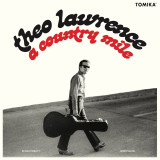
After supporting Alison Krauss & Robert Plant during summer '22 and going on tour alongside Charley Crockett across UK and Netherlands, French-Canadian singer-songwriter Theo Lawrence invites you to travel with him on the roads of Texas for an exclusive RSD release. Four performances captured on the spot, in a studio away from the city. Love songs flirting with bluegrass and rock'n'roll, straight out of a honky tonk where western waltzes follow one another. With this country hillbilly quartet (fiddle, lap steel and double bass), each of the instrumentalists is a reference. Together they form the beating heart of the Austin, TX music scene.
After forty years of marriage, Buddy and Julie Miller have learned to welcome a song however it arrives, questioning only where the song is taking them rather than where it originated - There's no process, no assembly-line procedure, just an openness to those bursts of inspiration and those hours of refinement, which means their fourth album together, In the Throes, sounds lively and diverse, eccentric and slightly askew: a deeply soulful collision of mournful gospel, dusty country, cosmic blues, lusty rockabilly, ecstatic r&b, and anything else that crosses their minds
When South Korean balearic prodigy Mogwaa came to MM Discos with an idea for his rst full-length album, we were a bit surprised.
He said, ‘I want to do an album of bossa tracks with synths, a drum machine and my guitar’. We obviously had to take him up
on that deal.
Fresh from the recent Bandcamp feature on his own brand of danceoor-ready modern boogie, Seungyoung Lee (aka Mogwaa)
arrives back on MM Discos with his - and our - rst full length exercise. With six tracks per side of 80s inuenced synth and bossa
badness, ‘Hazy Dreams’ is an exercise in simplicity, and more proof of the ever-expanding musical horizons of one of the scene’s
most virtuosic instrumentalists.
Pairing a sensitivity to the construction of ambient, funk, bossa and cassette-tape 80s experiments with his own cinematic subtlety,
‘Hazy Dreams’ takes a gentle, minimalistic approach, crafting its own escapist world that oers a welcome diversion from the
steady ow of busy balearica and downtempo.
Opening track ‘Full Bloom’ paints a picture of midsummer at dawn, some clear-skied island where lush vegetation climbs through
hibiscus gardens. ‘Nacimiento’ is an AOR/bossa crossover evoking West Coast yachting in full afternoon, and A3, ‘Soothing’, adds
a touch of wistfulness with reverb-doused guitars over meandering bass motifs.
The easy kick-and-snare combo of ‘Levitation’ sets the scene for a drum machine love aair, unrequited love on the rocks, and
‘Flashback’ plays with short delay trails and o-kilter melodic sequences, where you feel the soft presence of the nebula approaching
at the break of day. Closing out the A-side, ‘Dispatching’ reaches out even further into the imagined cosmos of Mogwaa’s
picture-perfect world, portraying an ambience at dusk, observing, calmy, as pued-up pink clouds melt into the evening canvas.
On the other side, Mogwaa explores quiet corners with ‘Illusions’, a slow meditation on the nature of simple presence, and ‘Echoes
of You’, a stream of subdued brush strokes that crescendo into higher frequencies on gently undulating pads. B3, ‘Moondance’,
ups the tempo and recalls classic Mogwaa with its sideways shue and starry melodic refrain, pivoting through folk-dance
moods and surprising chord changes.
Nearing the end of the album, ‘Footprints’ wades through tall grass in search of altered states, innite and hypnotic, changing
course only to crouch down and study the landscape, and B5, ‘It always comes and goes’, pictures the to-and-fro of jetstreams and
comets in the blinding midday sky. Finally we have the closing credits of ‘Swingin’ that looks o into the horizon, jaunty and exalted,
a guitar-led tribute to an easy-going world, and ultimately mindful of the power of dreams.
We’re humbled to have such a special record for our rst full-length release on the label.
Die südkalifornischen Bluesrocker Robert Jon & The Wreck melden sich mit einem brandneuen Studioalbum zurück. Sie engagierten dazu die Produzentenlegenden Don Was, Dave Cobb und Kevin Shirley, zudem wurden zwei Tracks von Joe Bonamassa und Josh Smith produziert. Auf 'Ride Into The Light' kommt ihr knallharter, purer Rock'n'Roll in Hülle und Fülle zum Einsatz.
Die japanische Band CHAI verzauberte die Welt 2017 mit ihrem Debütalbum PINK, einer Sammlung von Songs, die ihren einzigartigen, verspielten Pop vorstellten. Das enthusiastisch-feministische Nachfolgealbum PUNK wurde von der Musikpresse und anderen Künstlern hoch gelobt. Das führte zu WINK, das CHAI per Remote-Zoom-Sessions aufnahmen - eine Einschränkung, die sich als Stärke erwies, da MANA (Leadgesang und Tasten), KANA (Gitarre), YUNA (Schlagzeug) und YUUKI (Bass und Texte) mit Künstler*innen im Ausland zusammenarbeiten konnten, um ein Werk zu schaffen, das in ihrer internationalen Gemeinschaft Katharsis fand. Im Gegensatz zu WINK kehren CHAI auf ihrem neuen, selbstbetitelten Album zu ihren Wurzeln zurück und lassen sich von ihrem japanischen Erbe und der Musik, mit der sie aufgewachsen sind, inspirieren. "Alles, was sich in den Texten widerspiegelt, drückt unsere Erfahrungen als japanische Frauen aus", sagt MANA. CHAIs Ethos ist das der Inklusion, und die erste Ssingle "We The Female!" - die live aufgenommen wurde, um die krawalligen Auftritte der Band zu würdigen - lädt die Zuhörer zu dieser Mission ein. Während ihrer Tourneen nach der Pandemie, bei denen sie vor riesigen Menschenmengen in Städten wie Santiago, Buenos Aires und Sao Paulo auftraten, wurde CHAI klar, dass sie sich ein globales Publikum erschlossen hatten. CHAI schrieben das neue Album unterwegs und fanden zwischen den Auftritten im Stones Throw Studio in L.A., in der Ometusco Sound Machine in Mexico City und in der Grand Street in New York Zeit für die Aufnahmen. Als sie erkannten, dass ihre befreiende, ermächtigende Botschaft auch für Menschen außerhalb Japans gilt, überlegten CHAI, welche Facetten ihrer Erziehung beim Publikum außerhalb ihres Heimatlandes Anklang finden könnten. Auf CHAI schöpft die Band direkt aus dem City-Pop, einem in Tokio entstandenen Sound, der in den 70er und 80er Jahren populär war. City-Pop war eine japanische Interpretation westlicher Lounge-Musik, die Anleihen bei Jazz, Boogie, Funk und Yacht-Rock machte, um einen Sound zu kreieren, der sich zwischen zwei Kulturen bewegte. Während der City-Pop in letzter Zeit über TikTok und YouTube ein US-Publikum gefunden hat, sind CHAI mit diesem Genre aufgewachsen. Für die Produktion griffen sie auf ihren früheren Mitarbeiter Ryu Takahashi zurück, der ihre Vorliebe für City Pop, Eurobeat und die Melodien von J-Pop-Künstlern wie Maria Takeuchi teilte. "Sie wollten sich mit ihrer japanischen Identität auseinandersetzen, nicht im traditionellen Sinne, sondern auf diese gefilterte westliche Art", sagt Takahashi. Die Arbeit in gut ausgestatteten Studios ermöglichte es ihnen, mit einer Ästhetik zu experimentieren, die auf einem CHAI-Album noch nicht zu hören war.
Their approach to music beckons the voices of years gone by, clearly evoking inspiration from bluegrass icons like Bill Monroe, Jimmy Martin and the Stanley Brothers. Described as one of the busiest, hardest working, and most entertaining bands in bluegrass, The Kody Norris Show brings back to the stage, old school suiting swagger with their custom matching suits, harkening visual spectaculars like those who donned the legendary western wears of designers like Nudie and
Manuel. Their sophomore album with Rebel Records, titled 'Rhinestone Revival' has everything that their fans love from The Kody Norris Show...and more! The album boasts 12 hard driving traditional bluegrass tracks, upping the honky-tonkanty, with the addition of percussion to really achieve a proper toe tapping collection.
The last decade has seen a seismic shift in how people buy and play music, vinyl has returned to being the dominant physical format with CDs consigned to second fiddle. Things were very different back in 2012 when we compiled and released the eponymous "Cool Runnings" on CD only. The vinyl revival is a belated opportunity to give the band their first long playing record to complement that earlier CD release. Together for a dozen years, Cool Runnings were one of Bristol's longest lasting bands gigging throughout the 1980s, though their failure to gig beyond the West Country meant they were also one of the City's best kept musical secrets. Originally formed in Weston-Super-Mare by Keyboardist Mark Tuck and Guitarist George Condover, they immediately relocated to Bristol and recruited various local musicians including an experienced and talented singer, Winston Minott. Although "Robin Hoods of The Ghetto" was their solitary release, the band regularly recorded material throughout their career and fortunately thanks to the foresight of George and Mark in holding onto various master tapes, Bristol Archive Records were able to release the band's self-titled debut album "Cool Runnings" in 2012. For this vinyl release we've selected eight tracks recorded between 1983 and 1985 at various local studios, and a solitary live track to give an idea of why the band were so popular in person. Although their music leans towards the more mellow end of the market, Lovers Rock, music ideally suited to Winston's soulful voice, the band were more than capable of writing good roots tunes including the excellent "We Must Go Home", "Children of Zion" and "Robin Hoods of The Ghetto". Winston Minott had spent many years touring all over Europe with soul band The Invaders and many songs showcase his vocal talent, but a particular highlight has to be "Playhouse" an alternative recording of which can be found on "The Bristol Reggae Explosion Volume 3". Perhaps proper management would have seen Cool Runnings achieve the success and wider exposure that their combined talents and unique take on reggae undoubtedly deserved. Now thirty years after the members went their separate ways, Bristol Archive Records are pleased to finally release the vinyl album that if things had worked out differently should have appeared in the 1980s
‘West of It All’, the debut album from Americana
folk-rock band Briscoe, is a coming-of-age
soundtrack set against the backdrop of the Texas
Hill Country.
In the late '70s, The Avengers established themselves as one of the US's preeminent punk bands. Fusing incisive guitar hooks, explosive rhythms and adolescent venom, the group forged some of the most in-your-face songs of the era. Their live shows were legendary, playing up and down the West Coast and even blowing Sex Pistols off the stage at the latter's final performance.
As Byron Coley writes in the liner notes, "Of the best bands of San Francisco's first wave in 1977, The Avengers were by far the coolest and youngest sounding. They roared without irony, as though this were indeed Year Zero (and, for a moment, it was) with history being overwritten by the new. The honesty of their belief was carried by their sound. And it was convincing!"
Originally released in 1983, four years after the band's dissolution, The Avengers' self-titled LP is often referred to as "The Pink Album" for its magenta-hued cover design. Frontwoman Penelope Houston's iconic voice and razor-sharp lyrics resonate on anthems "We Are The One" and "The American In Me," while penetrating ballads like "Corpus Christi" reveal a truly out-of-body euphony.
The Pink Album remains The Avengers' definitive statement - collecting their classic Dangerhouse EP, sessions recorded with the Pistols' Steve Jones and a half-dozen revelatory demos. While much has been written about The Avengers in the past three decades, rock critic Greil Marcus puts it succinctly, "The word I always come back to is mystical, and that remains almost theirs alone."
Pretenders haben die Veröffentlichung eines neuen Albums bekannt gegeben. "Relentless" heißt es und ist das insgesamt 14. der englisch-amerikanischen Rockband.
"Relentless" heißt auf Deutsch? ja, was eigentlich? Das Wort hat eine Reihe von Bedeutungen - "unbarmherzig" etwa, "unermüdlich" oder "unaufhaltsam". Auch Bandleaderin Chrissie Hynde mag diese Mehrdeutigkeit:
"Mir macht es Spaß, die verschiedenen Bedeutungen und Ursprünge eines Wortes zu betrachten. Und ich mochte die Definition: 'keine Anzeichen des Nachlassens von Intensität zeigen'. Das ist das Leben eines Künstlers.
Man zieht sich nie zurück. Man wird relentless."
Nach "Hate for Sale" (2020) ist es das zweite aufeinanderfolgende Album, das in Zusammenarbeit zwischen Chrissie Hynde und dem aktuellen Gitarrenhelden der Band, James Walbourne. Produziert
von David Wrench und aufgenommen in den Battery Studios im Westen Londons, stehen die 12 Tracks des Albums für das, was Chrissie als "The Pretenders Collective" bezeichnet.
Auf dem Album kommt es auch zu einer lang erhofften Zusammenarbeit mit Jonny Greenwood (Radiohead, The Smile), der die Streicherarrangements beisteuert und das 12-köpfige Ensemble für den wunderschönen Schlusssong "I Think About You Daily" dirigiert.
Diesen Sommer waren Pretenders zusammen mit Guns N' Roses im Londoner BST Hyde Park und bei großen Outdoor-Shows zu sehen. Im September werden sie beim Reeperbahn Festival auftreten und eine Show im Berliner Columbia Theater spielen!
Rare Montreux festival sessions from 1982.
Live Album by Detroit/Tribe Jazz Icon Reggie Fields.
Featuring an All-Star Line-up.
First ever vinyl reissue.
180g BLACK vinyl limited to 500 copies (w/obi strip) . Non-Returnable.
The Real ShooBeeDoo (AKA Reggie Fields) has always been a consistent name on the Detroit jazz scene … Fields who played with Pharoah Sanders while he was living in Motor City, worked with Sun Ra in the late 1970s and early 80s and who was also a close associate of the Afro-centric TRIBE label and artist collective, leaving his marks on a few essential TRIBE sessions such as Phil Ranelin’s “The Time Is Now!” as well as Ranelin & Wendell Harrison’s masterpiece “A Message From The Tribe”. It was Wendell Harrison who gave Fields the chance to record his landmark solo album (Reminiscing from 1981) to be released on his Wenha imprint. Reggie chose to record under his moniker “The Real ShooBeeDoo” because he built a rock-solid reputation as an internationally acclaimed performer under that name.
In 1982 he embarked on a European tour and performed at various clubs in countries such as Germany, Holland, Belgium, Italy, Switzerland, Luxemburg, France and Norway. This ecstatic touring vibe can later be heard on his fantastic ‘‘Live at Montreux Jazz Festival, 1982” album (simply called ‘Good To Go’).
“Good To Go” which we are proudly presenting you today features 10 tracks consisting of smooth Jazz-rumbas, French avant-garde jazz vocalizations, bass lines that can blow through walls as if they were made from paper, foot stomping rhythmic beats, lyrics that are pure poetry and ecstatic beats that took the crowd on a musical trip that ended in them raving for more. Playing before a large and enthusiastic crowd, Reggie’s spiritual cosmic free-flowing rhythms took the audience by storm…and the stakes were high because the bill was pretty impressive, he shared the stage with some of the biggest names in the genre (the festival bill also included Miles Davis, Dizzy Gillespie and Sonny Rollins).
Also…a quick closer look at the cast of all-star players featured on the album is most likely to be enough to get an impression that this is a very special record. Detroit preferred pianist Earl Van Riper brings his rich musical experience to the table that he perfected during his collaborations with Marcus Belgrave, Eddy ‘Cleanhead’ Vinson, Dinah Washington, Wes Montgomery and countless others. On the tenor saxophone we have Robert Barnes known for his work with Donald Bird…and last but not least we have Tani Tabbal on drums who is famous for his performances and recordings with Roscoe Mitchell and Sun Ra!
All of the above makes this rare album a total must-have that just begs for a prominent place in your record collection.
Tracklist:
Jumping With The Bellboy , Dark Eyes , Qu'est Ceque C’est , Do You Call that Friendship , Oo Shoobee Doo , Crazy She Calls Me , Have You Met Miss Jones , Ye Brac Hareesee , Hit That Jive Jack , Too Late Now
Chalice Hymnal, das neue Album der Experimental-Psych-Rocker von GRAILS, wurde von der Band über den Zeitraum von fünf Jahren produziert und ist teilweise beeinflusst von den Produktionstechniken des Gründungsmitglieds Alex Hall, der europäischen Psych und experimentellen Hip-Hop produziert und Emil Amos' anderer Band, LILACS & CHAMPAGNE. Amos meditative Metalband OM und sein Singer-Songwriter-Projekt HOLY SONS scheinen auch in Chalice Hymnal durch. Das schmalere Lineup wird durch Zak Riles (auch Mitglied des Experimental-Kraut-Trios WATTER) durch Synthies und Elektoprogramming ausgeglichen. Das neue Album von GRAILS ist gewohnt tiefgängig, sowohl musikalisch als auch emotional. GRAILS fünftes Album Deep Politics von 2011 wurde quasi aus dem Stand von Vielen als Kultalbum bezeichnet. Darauf kultivierte die Band erstmals einen ganz eigenen Sound. Anstatt dort weiter zu machen, haben sie nun die riffbasierte Heavyness ihrer früheren Alben in ein nuancierteres Riffmeisterwerk umgebaut. Die typischen Einflüsse aus Westernfilmsoundtracks, obskurer Musik, die man in Aufzügen hört und Psychedelischem Krautrock sind nach wie vor hörbar, aber Chalice Hymnal scheint mit größerer Geduld arrangiert und produziert. Keine andere Band klingt wie GRAILS, und auf Chalice Hymnal pflegen sie mehr denn je einen ganz eigenen Sound.
Recorded at Channel One and Randy's with a mix done at King Tubby's. 'Love Train' highlights The Revolutionaries 'rockers' sound and is a 'showcase' album which means the corresponding dub follows each vocal track. The album contains the original vocal cut of West Man Rock which was dee-jay'ed over by Ken Quatty under the same title, plus some outstanding Revolutionaries dubs of Jerry's vocal tracks. 'Love Train', was originally issued by Burning Sounds' sublabel Burning Rockers on red vinyl in 1979. Burning Sounds have on this re-issue album kept the original colour and label.
Wowee Zowee, originally released by Matador in April 1995 on the eve of Pavement"s infamous mud-bespattered mainstage appearance at Lollapalooza, began life as a controversial release. Fresh off the success of Crooked Rain, Crooked Rain with its chart- topping Modern Rock hit "Cut Your Hair," the band went into the studio and came out with a deliberately chaotic and eclectic album that sounded nothing like its predecessor. With influences from the Groundhogs to the Frogs, Captain Beefheart to the more obscure mid- "80s central California hardcore bands featured on Maximum Rock"n"Roll comp "Not So Quiet On The Western Front", Wowee Zowee confused critics and alienated fans. "A masterpiece" - Rolling Stone "This album - and this band - is monument to camaraderie, absurdity, and the beauty of creation for creation"s sake" - Stereogum
Seminal 1979 dub companion piece to Hugh Mundell's classic Africa Must Be Free 1983 album.
180g ultra clear vinyl, download card included. Western Mystery Tradition' is the third studio album from Detroit, MI via Brooklyn, NY outfit Moonwalks and is due for via Fuzz Club. A departure from the band's DIY psych-rock roots to a more mature and polished sound, the album was produced by Mattiel's Jonah Swilley and recorded in May 2019 at Detroit's acclaimed (and rumored haunted) Masonic Temple with Bill Skibbe (Jack White, The Kills) in a lodge belonging to the Free Masons' Detroit chapter. "Western Mystery Tradition was conceived in the winter of 2019 amidst a polar vortex in Detroit, Michigan", Moonwalks recall of the record's origins: "At the time and in between touring, we lived together in a house on the west side that lacked a working stove and had no power in half of the building. The band - trapped indoors due to temperatures in the negatives and massive amounts of snow - drew inspiration from our isolated state amidst a bleak Michigan winter." Moonwalks consists of Kerrigan Pearce (drums), Jacob Dean (guitar), and Kate Gutwald (bass). Originating in Detroit's DIY scene, the trio started out playing in warehouses and makeshift venues across the city. Since then, they've gone on to tour extensively throughout North America and Europe supporting acts like The Murlocs, Metric, Julian Casablancas & The Voidz, Thee Oh Sees, The Liminanas, and The Mystery Lights to name a few
- 1: Hello
- 2: A Love From Outer Space
- 3: Crack Up
- 4: Timewind
- 5: What's All This Then?
- 6: Snow Joke
- 7: Off Into Space
- 8: And I Say
- 9: Yeti
- 10: Conundrum
- 11: Honeysuckleswallow
- 12: Long Body
- 13: In A Circle
- 14: Fast Ka
- 15: Miles Apart
- 16: Pop
- 17: Mars
- 18: Spook
- 19: Sugarwings
- 20: Back Home
- 21: Down
- 22: Supervixens
- 23: Insect Love
- 24: Sorry
- 25: Catch My Drift
- 26: Challenge
A.R. Kive collates the three most astonishing works from that most miraculous of duos - A.R. Kane - comprising the ‘Up Home’ EP from 1988 that signified the band’s dawning realisation of their own powers and possibilities, their legendary debut LP ‘sixty nine’ (1988) and its kaleidoscopic, prophetic double-LP follow up ‘i’ (1989).
In founder-member Rudy Tambala’s new remastering, the music on these pivotal transmissions from the birth of dream pop, have been reinvigorated and re-infused with a new power, a new depth and intimacy, a new height and immensity. Vivid, timeless and yet always timely whenever they’re recalled, these records still force any listener to realise that despite the habits of retrospective myth-making and the
safe neutering effects of ‘genre’, thirty years have in no way dimmed how resistant and dissident to critical habits of categorisation A.R. Kane always were. Never quite ‘avant-pop’ or ‘shoegaze’ or ‘post-rock’ or any of those sobriquets designed to file and categorise, A.R. Kive is a reminder that those genres had to be coined, had to be invented precisely to contain the astonishing sound of A.R. Kane, because
previous formulations couldn’t come close to their sui generis sound and suggestiveness. This is music that pointed towards futures which a whole generation of artists and sonic explorers would map out. Now beautifully repackaged, remastered and fleshed out with extensive sleeve notes and accompanying materials, ‘A.R. Kive’ reveals that 35 years on it’s still a struggle to defuse the revolutionary and inspirational possibility of A.R. Kane’s music.
A.R. Kane were formed in 1986 by Rudy Tambala and Alex Ayuli, two second-generation immigrants who grew up together in Stratford, East London. From the off the pair were outsiders in the culturally mixed (cockney/Irish/West Indian/Asian) milieu of the East End, with Alex and Rudy’s folks first generation immigrants from Nigeria and Malawi, respectively. The two of them quickly developed and fostered an innate and near-telepathic mutual understanding forged in musical, literary and artistic exploration. Like a lot of second-generation immigrants, they were ferocious autodidacts in all kinds of areas, especially around music and literature. Diving deep into the music of afro-futurist luminaries such as Sun Ra, Miles Davis, Lee Perry and
Hendrix, as well as devouring the explorations of lysergic noise and feedback from contemporaries like Sonic Youth and Butthole Surfers, they also thoroughly immersed themselves in the alternate literary realities of sci-fi and ancient history (the fascination with the arcane that gave the band their name), all to feed their voracious cultural thirsts and intellectual curiosity.
It was seeing the Cocteau Twins performing on Channel 4 show the Tube that spurred A.R. Kane into being - “They had no drummer. They used tapes and technology and Liz Fraser looked completely otherworldly with those big eyes. And the noise coming out of Robin’s guitar! That was the ‘Fuck! We could do that! We could express ourselves like that!’ moment”, recalls Tambala - and through a mix of
confidence, chutzpah, ad hoc almost-mythical live shows and sheer innocent will the duo debuted with the astonishing ‘When You’re Sad’ single for One Little Indian in 1986. Immediately dubbed a ‘black Jesus & Mary Chain’ by a press unsure of WHERE to put a black band clearly immersed in feedback and noise, what was immediately apparent for listeners was just how much more was going on here - a
tapping of dub’s stealth and guile, a resonant umbilicus back to fusion and jazz, the music less a conjuration of past highs than a re-summoning of lost spirits.
The run of singles and EPs that followed picked up increasingly rapt reviews in the press, but it was the ‘Up Home EP’ released in 1988 on their new home, Rough Trade that really suggested something immense was about to break. Simon Reynolds noted the EP was: Their most concentrated slab of iridescent awesomeness and a true pinnacle of an era that abounded with astounding landmarks of guitar-reinvention, A.R. Kane at their most elixir-like.
If anything, the remastered ‘Up Home’ that forms the first part of ‘A.R. Kive’ is even more dazzling, even more startling than it was when it first emerged, and listening now you again wonder not just about how many bands christened ‘shoegaze’ tried to emulate it, but how all of them fell so far short of its lambent, pellucid wonder. This remains intrinsically experimental music but with none of the frowning orthodoxy those words imply. A.R. Kane, thanks to that second generation auto-didacticism were always supremely aware about the interstices of music and magic, but at the same time gloriously free in the way they explored that connection within their own sound, fascinated always with the creation of ‘perfect mistakes’ and the possibilities inherent in informed play.
‘sixty nine’ the group’s debut LP that emerged in 1988 had
critics and listeners struggling to fit language around A.R. Kane’s sound. As a title it was telling - the year of ‘Bitches Brew’, the year of ‘In A Silent Way’, the erotic möbius between two lovers - and as originally coined by the band themselves, ‘dream pop’ (before it became a free-floating signifier of vague import) was entirely apposite for the music A.R. Kane were making. Crafted in a dark small basement studio in which Tambala recalls the duo had “complete freedom - We wanted to go as far out as we could, and in doing so we discovered the point where it stops being music”. There was an irresistibly dreamy, somnambulant, sensual and almost surreal flow to ‘sixty nine’s sound, but also real darkness/dankness, the ruptures of the primordial and the reverberations of the subconscious, within the grooves of remarkable songs like ‘Dizzy’ and ‘Crazy Blue’. Alex’s plangent vocals floated and surged amidst exquisite peals of refracted feedback but crucially there was BASS here, lugubrious and funky and full of dread, sonic pleasure and sonic disturbance crushed together to make music with a center so deep it felt subcutaneous, music constructed from both the accidental and the deliberate, generous enough to dance with both serendipity and chaos. ‘sixty nine’ remains - especially in this remastered iteration - ravishing, revolutionary.
The final part of this ‘A.R. Kive’ contains 1989’s astonishing double-LP ‘i’ which followed up on ‘sixty nine’s promise and saw the duo fully unleash their experimental pop sensibilities over 26 tracks, plunging the A.R. Kane sound into a dazzlingly kaleidoscopic vision of pop experiment and play. Suffused with new digital technologies and combining searingly sweet and danceable pop with perhaps the duo’s strangest and boundary-pushing compositions, the album did exactly what a great double-set should do - indulge the artists sprawling pursuit of their own imaginations but always with a concision and an ear for those moments where pop both transcends and toys with the listeners expectations. Jason Ankeny has noted that “In retrospect, ‘i’ now seems like a crystal ball prophesying virtually every major musical development of the 1990s; from the shimmering techno of ‘A Love from Outer Space’ to the liquid dub of ‘What’s All This Then?’, from the alien drone-pop of ‘Conundrum’ to the sinister shoegazer miasma of ‘Supervixens’ — it’s all here, an underground road map for countless bands to follow.” Perhaps the most overwhelmingly all-encompassing transmission from A.R. Kane, ‘i’ bookended a three year period in which the duo had made some of the most prophetic and revelatory music of the entire decade.
After ‘i’ the duo’s output became more sporadic with Tambala and Ayuli moving in different directions both geographically and musically, with only 1994’s ‘New Clear Child’ a crystalline re-fraction of future and past echoes of jazz, folk and soul, before the duo went their separate ways. Since then, A.R. Kane’s music has endured, not thanks to the usual sepia’d false memories that seem to maintain interest in so much of the musical past, but because those who hear A.R. Kane music and are changed irrevocably, have to share that universe which A.R. Kane opened up, with anyone else who will listen. Far more than other lauded documents of the late 80s it still sounds astonishingly fresh, astonishingly livid and vivid and necessary and NOW.