What an unbelievable record. From the wild cover to the iconic breakbeats, Roots from Ian Carr’s Nucleus is one of the dopest albums we know. This is seriously thick, funky-prog jazz-rock heaven. Originally released on Vertigo in 1973, other than a couple of versions at the time for other territories, Roots was never re-pressed since so it’s gone on to become another one of those impossible to find records.
Maybe it was a little too out there for the time, but it’s aged very, very well indeed and this Be With re-issue, re-mastered from the original analogue tapes, shows off just why this deserves to be back in press.
Genius trumpeter and visionary composer Ian Carr was one of the most respected British musicians of his era. He was a true pioneer and saw the potential in fusing the worlds of jazz with rock, just as Miles Davis and The Tony Williams Lifetime did in the US. In late 1969, following the demise of the Rendell-Carr quintet, and tiring of British jazz, Carr assembled the legendary Nucleus. Regarding music as a continuous process, Nucleus refused to “recognise rigid boundaries” and worked on delivering what they saw as a “total musical experience”. We can get behind that.
Under bandleader Carr, Nucleus existed as a fluid line-up of inventive, skilled musicians. This constant evolution and revolution was all part of the continuous musical exploration and discovery that took jazz to new levels.
Working together with producer Fritz Fryer and engineer Roger Wake, the seven compositions by Carr, Brian Smith and Dave MacRae that make up Roots flirt with perfection, and Nucleus at that time made up of the cream of 1970s UK jazz with Brian Smith on tenor saxophones and flutes, Dave MacRae on piano and electric piano, Jocelyn Pitchen on guitar, Roger Sutton on bass, both Clive Thacker and Aureo De Souza on drums and percussion, Joy Yates delivering the vocals and of course Carr on trumpet.
The spellbinding title track immediately renders the album indispensable. Riding the illest of loping breakbeats, “Roots” is low-slung, doped-out heist-funk. An absolute monster. If it sounds familiar then that’s likely down to it being sampled by Madlib for Lootpack and Quasimoto’s “Loop Digga”, as well as by a whole host of beat manipulators. “Roots” conjures prime instrumental hip-hop / beat music, only 20 years ahead of its time. Truly, these are the roots. Through sinuous bass, twinkling keys and a hypnotic guitar riff, a smoky brass motif weaves its way into a gloriously deep haze around Carr’s solos. “Roots” is over 9 minutes long, but there’s not a single wasted second, not surprising given that this is a condensed version of an originally 40 minute long commissioned composition.
The soothing vocal fusion delight of “Images” follows. Meticulously constructed, with gorgeous flute work from Brian Smith, with Joy Yates’ silky vocals and Dave MacRae’s Rhodes never sounding better. The cool, driving “Caliban” closes out the first side. Originally the third movement in a four part commission to celebrate Shakespeare’s birthday it stands up on its own, all robust rhythms and blended brass. Keyboard colour and Carr’s trumpet are splashed across the funk drums and basslines (and there’s even some bamboo flute). This really is fusion: the elements of jazz and rock coming together in beautifully synthesis.
Side two opens in riotous fashion with the short, thrilling samba of “Wapatiti”. Next up, “Capricorn” forms a smoothed-out, jazzy constellation. Mellow and dreamy, its twinkling percussion and languid horns slowly build the vibe before head-nod drums and a killer bassline enter the fray. With a distinct heaviness that Black Sabbath would’ve envied, “Odokamona” is a venomous slice of riff-soaked jazz metal (yes, you read that right), elevated by Carr’s wah-wah horns.
The album closes with MacRae’s exceptionally cosmic “Southern Roots and Celebration”. Very much in conversation with Weather Report, it opens as a languorous, spiritual jazz of chiming keys and serene guitar that turns slowly, gorgeously into a mid-paced, brass-laced banger. It’s another sure-fire party starter and the sound of the band having a righteous blast, building an ecstatic chaos that ends with Yates screaming.
And of course we need to talk about Keith Davis’ cover for Roots. Perhaps the coolest record cover of all time? Certainly one of the most bonkers. Just your run-of-the-mill high-gloss, acid-tinged airbrush dystopian/utopian living-room party scene. Consider this your chemical flashback trigger warning.
Front-and-centre the hip-to-death green robot holds court with their giant ball of yellow barbwire wool, hooked up to… something(?) being teased out from under the stairs (probably best not to ask). A thoroughly zoned-out, long-legged Pop Art party-goer lounges half-plugged in to the painting behind her as a pair of legs flail into shot from the the top of the stairs opposite. We won’t even begin to guess what the chap’s up to in the middle, but the view out of the windows is rather nice, and someone’s already got the hoover out ready to tidy up. All of the Nucleus sleeves are something special, but this particular one? Crikey.
This Be With edition of Roots has been re-mastered from the original Vertigo master tapes, Simon Francis’ mastering working together with Pete Norman’s cut to weave their usual magic with these wonderful recordings. The crazy cover has been restored at Be With HQ as the finishing touch to this long overdue re-issue.
Search:wil do
Produced by J Lloyd (Jungle 12M MLs) and James Skelly, What Can I Say After I'm Sorry? ushers in the start of the band's 5th album campaign. The album titled Gary is named after a 8 foot fibre glass gorilla was stolen from a Lanarkshire Garden Centre in early 2023, and since then there has been a campaign to locate him, his rear end was recently found, but his frontage is still missing! Cameo from Everton Football Manager Sean Dyche…
The band's 5th album comes after four top 5 albums in the UK. Blossoms’ 2016 debut topped the album charts for two consecutive weeks and went on to earn the band BRIT Award and Mercury Prize nominations, while 2018’s Cool Like You charted at Number 4 in the UK album chart, spawning the anthemic singles I Can’t Stand It, There’s A Reason Why (I Never Returned Your Calls) and How Long Will This Last? Their third studio album, 2020’s Foolish Loving Spaces was the band’s second UK Number 1 album and following the release of In Isolation/Live From The Plaza Theatre, Stockport in 2020
- A1: Wanna
- A2: Treat Each Other Right
- A3: Waited All Night (Ft Romy, Oliver Sim)
- A4: Baddy On The Floor (Ft Honey Dijon)
- A5: Dafodil (Ft Kelsey Lu, John Glacier, Panda Bear)
- A6: Still Summer
- A7: Life (Ft Robyn)
- B1: The Feeling I Get From You
- B2: Breather
- B3: All You Children (Ft The Avalanches)
- B4: Every Single Weekend (Interlude)
- B5: Falling Together (Ft Oona Doherty)
Black Vinyl[22,27 €]
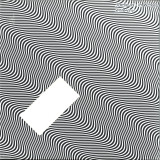
Fast ein Jahrzehnt hat sich Jamie xx seit Veröffentlichung seines Solodebüts Zeit gelassen. „In Waves“, das zweite Album des Londoners, der mit seiner Band The xx zu den prägendsten Figuren der jüngeren Musikgeschichte gehört. Erneut lässt er seiner Liebe zur elektronischen Musik freien Lauf und entwirft die Geschichte einer Nacht, in der man in den himmlischen Puls von Schatten, Licht und Dancefloor-Rhythmen hinabtaucht.
“In Waves” hat seinen Ursprung in einem Mix, den Jamie 2020 für BBC Radio 1 machte. Hier tauchten neben Tracks der aktuellen Generation an UK-Dancemusic auch diverse musikalische Helden auf, etwa Roy Ayers, Fela Kuti, Tom Zé oder Philip Glass. Auch erste Versionen von Songs, die nun auf dem Album erscheinen werden, waren zu hören. “Es erinnerte mich daran, warum ich diese Musik liebe“, so Jamie, der zuvor lange mit der Frage gehadert hatte, wie es für ihn weitergehen würde. “Ich fand einfach Spaß am kreativen Prozess, ohne dabei an ein Ergebnis zu denken.“
Jamie xx pflügt auf „In Waves“ durch die Subgenres und Dekaden und fügt Northern Soul, Disco, Garage, Acid House, Techno, Tropicalia. Hip-Hop, Funk und den Sound der UK Underground Pirate Radios zusammen. Die kleinen Momente sind dabei so eindrucksvoll wie das übergreifende Ganze. Etwa jener Part bei “Treat Each Other Right“, der parallel zum Album-Announcement erscheinenden neuen Single: Zunächst wird man herausgerissen aus dem breiten Breakbeat-meets-Future-Soul-Vehikel, um sich mit den gepitchten Motown-Vocals plötzlich im Mittelwellenradio der 60er wiederzufinden. Die Worte “I’ll never let you down“ werden in die Ewigkeit gezogen, bevor ein biepender Puls über atmosphärischen Synths einsetzt und man direkt zurückgeführt wird in die schweißnasse Katharsis des Dancefloors.
Im Zeitalter der Algorithmen ist “In Waves” Zeugnis für pure menschliche Empfindung, ein lebensbejahendes Gegengift, das über den Kopfhörer in eine andere Dimension führt und zugleich gemeinsam auf der Tanzfläche erlebt werden will. Mit dabei sind u. a. Romy und Oliver, The Avalanches, Robyn und John Glacier.
We can't hide the fact that we're a Manchester label with some very strong feelings for the Red side of the city. Regardless of your tribal affiliation - whether you have one or not - Edric Connor's "Manchester United Calypso" is an undisputedly joyous, soulful classic. Like the bunch of bouncing Busby Babes the song sought to raise up, it's remarkable, stylish and profoundly memorable; and its magical legacy has only grown in the 70 years since it first surfaced.
A testament to its enduring brilliance, "Manchester United Calypso" is heard to this day on the terraces of Old Trafford and beyond. However, it's impossible to find a copy of the original 78rpm shellac release or, indeed, the 45rpm vinyl. So, we're delighted to reissue this unforgettable anthem - with Lord Kitchener's equally dazzling "Manchester Football Double" on the B-Side - and make it available on 7" vinyl to United fans of any vintage; as well as fans of vintage calypso fire! Featuring typically striking, specially commissioned artwork from the legendary Stan Chow, this record is a collectors item for the ages.
"Manchester,
Manchester United
A bunch of bouncing "Busby Babes",
They deserve to be knighted
If ever they're playing in your town,
You must get to that football ground
Take a lesson come to see,
Football taught by Matt Busby
Manchester,
Manchester United"
Whether you have United in your heart or not, "Manchester United Calypso" is a record that, like the best football teams in Old Trafford's history, swaggers with an addictive beauty that's impossible to ignore.
It's impossible to discuss the significance of the calypso without remembering what ultimately ripped through the heart of this most beloved youthful side.
Eight of the Babes who were celebrated in the Calypso tragically lost their lives on 6th February 1958 in the Munich air disaster.
Like the players and the club itself, the United calypso radiates a special type of magic and speaks to the spirit of United:
the demand to be fearless, unrelenting, creative and obliged to entertain the viewing public.
The Calypso was written by Eric Watterson and Ken Jones and sung by Edric Connor, who moved to England from Trinidad in 1944.
Connor is considered a pioneer, popularising calypso music, becoming the first black actor to perform with the Royal Shakespeare Company, setting up the Afro-Asian Caribbean Agency to represent Black and minority artists with his wife, Pearl and establishing a theatre workshop.
“I would think coming to this country right after the war, as Edric did, and getting into BBC radio, and moving among the people, he did a great deal of good for our own community,” Pearl once revealed.
He saw himself as a self-appointed ambassador for his country, Trinidad. We were very nationalistic back then. We believed we had a country worthy of recognition”.
The B-Side is another doozy.
Swoon along to Lord Kitchener's fantastically woozy "Manchester Football Double" - a fitting ode to the city where you'll "find football's headquarters".
Then and, after the 2024 FA Cup Final, now.
Simon Francis remastered the original audio for both tracks and Cicely Balston's precise cut for Alchemy at AIR Studios ensures this 7" well and truly soars.
The immaculate Record Industry pressing will ensure this sought-after gem finds a home in many more collections, from Manchester to Malta, Mumbai to Malaysia.
Aesthetically, Ed Schrader’s Music Beat hates to tread water. At the same time, the Baltimore-based two-piece of vocalist Ed Schrader and bassist Devlin Rice won’t force their songs to fit a preconceived style. “The next album’s always gotta be different from the last one. We’re different people from record to record. So, writing authentically to ourselves will always bring our work to a place that we haven’t been to yet,” Rice said. Schrader added, “We’re terrified of turning into AC/DC. We never want to be married to one scene or time or sound. We want to be the Boba Fett of bands! Constantly altering the way in which we make records has been pretty key in that process.”
For Orchestra Hits, the band’s latest, that alteration was welcoming longtime musical comrade Dylan Going into the fold as a co-writer and co-producer. A songwriter in his own right, a guitar sideman for ESMB on their last two tours, and a collaborator with Rice in the noise riffage band Mandate, Going had both a unique vision and an intimate familiarity with the ESMB vibe.
“Dylan came to every show we’ve ever played in New York—no matter how weird it was,” Schrader said. “He’d be standing there ready to move an amp or feed us barbecued cactus after the gig and toss on some Golden Girls so we could decompress. It felt like family as soon as we began working, but I honestly had no idea how damn good he was at tossing out these hooks.”
According to Schrader, the songs “just poured out of us” over the course of a highly caffeinated three-day weekend in a tiny room in Devlin’s house while his cat, Sandy Goose, screamed continually. “It was like three kids hiding from the world to get into some lovely mischief,” they said. The lack of external pressure in the process gives Orchestra Hits an almost paradoxical vibe. For all of the album’s layers, that mix live and sequenced instruments, it never loses the raw energy of a small handful of friends in the same room plugging in, cranking up, and playing until they pass out.
Lyrically, the album finds Schrader, now 45, meditating on experiences in their youth to make sense of the present moment. “We are not into the garden,” Schrader wails on the relentless “Roman Candle,” a song about the sad debacle of Woodstock ’99, and a direct response to Joni Mitchell’s “Woodstock,” a utopian ode to hippie idealism. A 19-year-old Schrader, having snuck into Woodstock ’99 through a hole in the fence, was there the night members of the crowd used candles intended for a vigil for victims of the Columbine High School massacre to set fires all over the grounds. Even before the fires, Schrader remembered feeling disconnected from the music, the nostalgic cash grab, and the meatheads in the crowd. After watching a press tower collapse, they boarded a random shuttle bus and were dropped off near a Denny’s. “It was a far cry from the Garden of Eden,” Schrader said. “That experience defined what I didn’t want to be a part of, and yet America is more like Woodstock ’99 than ever.”
With percolating synthesizer arpeggios, and climbing bass grooves, “IDKS” is the album’s dance-floor slapper. “’IDKS’ is a funny one,” Schrader said. “We already had a pretty satisfying suite of songs when Dylan was packing up to head back to New York, but he missed the train because of a freak snowstorm. Realizing he’d be stuck in town another day, he says to me, ‘Here’s this other weird thing I have.’ It was ‘IDKS.’ The hooks were so good I felt like Homer Simpson at a free donut convention. I just dove right in, and we cranked that baby out in like 20 minutes.”
Lyrically, “IDKS” is a letter from the true self to public-facing self. “It’s an angry song,” Schrader said. “Because the public-facing self is always looking for an easy escape, but it forces the true self into a cage. I honestly thought my lyrics were corny and was about to change them, but Dylan was digging it just the way it was. So that’s what you hear.”
With the soaring “Daylight Commander,” the band went against all of their musty-basement-bred instincts. “I went full High School Musical with the vocals,” Schrader said. “At first it felt almost embarrassing, but I remember reading somewhere that Bowie recommended always floating a little bit above your comfort zone, and that’s what we did here.” The song is part exercise in absurdity and part pop Trojan horse. “If ever we had a ‘Shiny Happy People’ moment, I guess this is it,” Schrader said.
- A1: Sam Ruffillo & Fimiani - Mediterranea (Party Mix Extended)
- A2: Tommiboy Feat Dm Disco Band - La Sfinge
- B1: M¥Ss Keta & Kapote - Italomania Intermezzo
- B2: Severino & Giacomo Moras Ft M¥Ss Keta - Maledetto
- B3: Stump Valley Feat Femmina - Non Dire Di No (Extended Version)
- C1: Munk & Kapote - La Musica (Hot Dj Version)
- C2: Fimiani & Angeleri - Sessospaghetti (Extended Version)
- C3: Kapote - Sono Tropical (Extended Version)
- D1: Giovanni Damico - Tropica (Feat Martina)
- D2: Lele Sacchi Feat Elasi - Malamore (Extended Version)
- D3: Daniel Monaco Band - Milly
Toy Tonics ITALOMANIA Vol. 2 is a compilation dedicated to NEW ITALIAN DISCO. (Not Italo Disco.)
13 young contemporary Italian producers made new organic disco, indie dance, avant pop and house tracks with Italian vocals.
Everything on this compilation has been produced in 2023. Fresh dance music by Italian indie electronic star Myss Keta together with DJ Severino (of Horse Meat Disco) and newcomers Sam Ruffillo, Fimiani, Magou, Tommiboy, Daniel Monaco, Giovanni Damico. And new music by artists Stump Valley (from Dekmantel), Munk (Gomma records), Rodion (Slow Motion Records) and DJ legend Lele Sacchi,
The ITALOMANIA compilation was initiated by Toy Tonics boss Kapote. The idea is to show the status of Italian Disco of today. It’s like a „manifesto“!
Kapote invited the most relevant Italian producers to make new tracks with Italian vocals and show different styles of modern Italian disco, dance and house music.
with Italian vocals. All tracks compiled by Kapote aka Mathias Modica aka Munk. Italo-German producer, DJ, keyboarder and head of Toy Tonics and Gomma records.
Italian Disco is not Italo Disco.
While the last years the slightly trashy pop music of the 1980’s called Italo Disco (with English lyrics) had a big revival. But now also the attention for more quality and organic dance music with Italian language is rising. This compilation is about this Italian Disco,
It’s a fact that not just in Italy but also in France and Germany there are now artists singing in Italian or using Italian words and names - even if they are not Italian.
Let’s not forget: The world’s culture of party, dancing, showbizness and pop music would be unimaginable without the heritage and creativity that Italians contributed.
Italy is not just the country of good food, beautiful beaches and high fashion, but it’s also the original country of dance music. Since almost 3000 years, since the ancient roman times the Italians have been making (dance) music culture, creating popular culture and being the maestros in organizing parties.
Also the disco wave of the 1970ies and the Pop music of the 1980ies has been co-created by Italians (and Italo-americans in New York).
The ITALOMANIA artists & tracklist:
M¥SS KETA
The most famous artist on the compilation is singer M¥SS KETA. The Italian press calls her "the Italian Lady Gaga“. M¥SS KETA is an edgy performer that reached the top of the charts with indie pop songs, but is also well rooted in the Milan art, fashion and LGTB scene.
To create a song for Italomania she teamed up with DJ Severino. The Italian part of London’s Horse Meat Disco DJ collective. Probably the world leading queer DJ team. (M¥SS KETA recently was invited to perform Berghain in Berlin).
Sam Ruffillo
Sam Ruffilo has contributed a new (party) version of his song Mediterranea. A organic disco track with lyrics in Neapolitan dialect. Sam Ruffillo is an upcoming Italian DJ and producer and one of the lead artists of Toy Tonics (along with Coeo, Kapote and Cody Currie). He had a few underground hits combining leftfield disco and Lofi House with Italian vocals creating a new genre that is finding lot of fans right now. One of his songs (Chiamami Subito) made it into the rotation of big Italian radio station M20. On Instrgam you can see his DJ sets where hundreds of Italians sing his songs at Toy Tonics parties.
Munk
Toy Tonics head honcho Kapote reworked the Munk song ‚La Musica‘ for this compilation. Munk is the former producer name of Mathias Modica aka Kapote. The creative mind behind Toy Tonics and Gomma records. ‚La Musica‘ is an Italo house song that he originally released 2010 when he was doing his former label Gomma records. Now there is this new version of this catchy dance song with the Italian hookline that became almost iconic when first released.
It made sense to include a new version of this track on ITALOMANIA because its a blueprint of italian disco and sounds so fresh again now.
Giovanni Damico
The south Italian DJ, producer made „Tropica“. The song is a tribute to the music of the Italian discos of south Italy of the 1980ies. A Balearic session that can be great at a beach in the afternoon, but also for dancing in the early morning. Damico is part of the new Italian disco scene releasing his dance tracks on international labels like Lumberjacks in hell and White Rabbit records since 2013.
Kapote
His new song „Sono tropical“ is an ironic Latin pop song based on a classic salsa piano riff and a strong Latin soul bassline. It reminds the big tunes from the 1970ies New York Salsa Scene (Tito Puente, Willie Colon, Fania All Stars). The vocals performed by Kapote are a mix of Italian and Spanish. The girl’s voice is also performed by Kapote. But transferred into a female voice by an AI. All instruments played by Kapote who before starting to get into the DJ and label business used to to study jazz piano. Before starting Toy Tonics Kapote he released 3 albums under his former name Munk and produced records with big names from the electronic music scene like James Murphy of LCD Soundsystem, Peaches, The Rammellzee and three albums of Danish band WhoMadeWho. Mathias/ Kapote also worked with artists like Franz Ferdinand, The Rapture and Asia Argento.
Lele Sacchi
Lele Sacchi is an Italian DJ legend and host of Italy's most important DJ radio show on RAI national radio. He has been djing all around the world playing from Circoloco Ibiza to Avalon LA. He has Besides being on Italian national radio he has been doing shows on NTS Radio or guest on BBC Six. He produced for labels like Soul Clap, !K7, Internasjonal, Nervous, Snatch, Crosstown Rebels, Poker Flat and his own Stolen Goods imprint.
Sacchi teamed up with young vocalist Elasi, a new talent from Milano that is making waves in Italy for a few songs she released in a indie disco style. Their song is an interpretation of late 70’s cult slow disco pop classic ‘Malamore’ by the underdog Enzo Carella. A mix of slow house and playful pop with a slight touch of acid!
Tommiboy
Tommiboy made a nasty, disco rock song called Sfinge. Only 26 years old he is one of the most hyped up Italian disco diggers and collectors. Originally from Rimini, the capital of discos, he is the son of a father who was a regular dancer in Rimini’s clubs of the 1980is and fed his son with all things disco.
Tommiboy started to do parties and compilations under the name Disco Stupenda three years ago. By now he and his parties are a big thing in Italy and has fans all around the country. He also is DJ for fashion brands like Gucci and he is the guy who re-introduced 1980s stars like Pino D’Angio.
Fimiani aka BPlan
The DJ und producer from Napoli is part of the new, vibrant disco scene from Napoli. (NuGenea, Mystik Jungle, Manny Whodamanny )
His collabo with italian 1980ies crooner Angeleri called SessoSpaghetti is a remake of a song originally released in 1983, but never became famous when it came out. The drums on the song are played by Napoli legend Tullio De Piscopo and the guitar by Lucio Battisti guitar player Massimo Luca.
The new version is a ironic summer disco with sexy vocals and Italian fun rapping about beach life, beautiful girls and sex on the beach. Fimiani also does edits of rare italo disco under the name of BPlan
Daniel Monaco
Daniel Monaco is a multi-talented artist, producer, and bass player DJ, bandleader and producer from Napoli - but has been living for many years in Amsterdam where he hosted show on Red Light Radio released on Labels of the likes of Rush Hour and Bordello a Parigi. Is one of the key figures of the scene due to unique fusion of Italo Disco, Proto House, Obscure Disco, and a captivating tropical touch. His latest EPs came out on Slow Rush Hour records and Periodica Records contributed the song ‚Milly‘ for Italomania. Played with a 5 person band.
Stump Valley
The two DJs, producers and vinyl collector are experts in all things Italo Disco and Balearic music. Before joining Toy Tonics they released an album on Dekmantel records. One of the guys (Brain de Palma) is the favorite DJ of Peggy Gou. He is regularly opening the shows of Peggy as a warm up DJ and releases his solo records on Peggy's label Gudu records. For this compilation they made Non dire di no. An old school piano house track with catchy vocals in the finest tradition of the piano house style that Italians invented in the early 1990ies.
Cassette[14,08 €]
'In `All This and So Much More' Tasha is an artist flung open. For Tasha, the last few years have been propulsive, dynamic, bursting at the seams. They've included painful encounters with grief; a sudden break up; new flirtation; new hair; the glitter of world travel and not least, a role in Tony-nominated Broadway musical `Illinoise' which adapts Sufjan Steven's `Illinois' for the stage. If `Tell Me What You Miss The Most' was an introspective meditation on love with a few moments of glancing toward what's next, `All this and So Much More' is Tasha turned outward, flourishing, telling us what it's like to take life by the chin and look it in the eye. Take, for example "Eric Song." This was the first song to be written on the album, penned while Tasha grappled with the sudden, tragic death of Eric Littman, the co-producer of her last album. Though the instrumentation is a familiar 3/4 guitar strum, lulling us into a comforting waltz, Tasha's voice is breathy with grief, adding depth and dimension to the hushed sound. "No, I'm not alone after all / You must be near / Facing this soaring sprawl," she sings, transforming the experience of loss into a talisman of love and courage meant to help usher in a new self. Said a different way, `All This and So Much More' is a full-throated ode to all of the ups and downs of becoming. In the opening track, "Pretend," when Tasha sings about "feelings outgrowing this little life," we get the sense, both lyrically and sonically, of someone in the throes of growth. This is an album crafted with a big, ambitious sound (in part, thanks to the production of Gregory Uhlmann)_cinematic droning, orchestral woodwinds, dazzling arrays of jangling guitar, all lining up to capture a sweeping moment in Tasha's life. Written over the course of 2022 and 2023, right on the cusp of Tasha being cast in Illinoise, the songs in this album invoke friendship, heart ache, flirtation, doubt. From the social anxiety of "Party" ("Do they think I'm funny? / Did they like my jokes last night?") to the questing for meaning in "So Much More," Tasha brings us along on a journey of finding out that the person you wanted to be was inside of yourself, just waiting to bloom all along. She sums it up neatly in her final track, "Love's Changing," charging us with a brilliant, sweeping vision of the future, singing: "Suddenly the world is bigger than it ever felt before / Feel the weight of my future sinking in / See the joy I'm running toward." In `All This and So Much More,' Tasha asks us to consider abundance in its truest form. Our lives, a deluge of possible experience if only we will surrender to it, all the way from the citric ache of heartbreak to the chest bloom of new adventure.
Black Vinyl[23,49 €]
'In `All This and So Much More' Tasha is an artist flung open. For Tasha, the last few years have been propulsive, dynamic, bursting at the seams. They've included painful encounters with grief; a sudden break up; new flirtation; new hair; the glitter of world travel and not least, a role in Tony-nominated Broadway musical `Illinoise' which adapts Sufjan Steven's `Illinois' for the stage. If `Tell Me What You Miss The Most' was an introspective meditation on love with a few moments of glancing toward what's next, `All this and So Much More' is Tasha turned outward, flourishing, telling us what it's like to take life by the chin and look it in the eye. Take, for example "Eric Song." This was the first song to be written on the album, penned while Tasha grappled with the sudden, tragic death of Eric Littman, the co-producer of her last album. Though the instrumentation is a familiar 3/4 guitar strum, lulling us into a comforting waltz, Tasha's voice is breathy with grief, adding depth and dimension to the hushed sound. "No, I'm not alone after all / You must be near / Facing this soaring sprawl," she sings, transforming the experience of loss into a talisman of love and courage meant to help usher in a new self. Said a different way, `All This and So Much More' is a full-throated ode to all of the ups and downs of becoming. In the opening track, "Pretend," when Tasha sings about "feelings outgrowing this little life," we get the sense, both lyrically and sonically, of someone in the throes of growth. This is an album crafted with a big, ambitious sound (in part, thanks to the production of Gregory Uhlmann)_cinematic droning, orchestral woodwinds, dazzling arrays of jangling guitar, all lining up to capture a sweeping moment in Tasha's life. Written over the course of 2022 and 2023, right on the cusp of Tasha being cast in Illinoise, the songs in this album invoke friendship, heart ache, flirtation, doubt. From the social anxiety of "Party" ("Do they think I'm funny? / Did they like my jokes last night?") to the questing for meaning in "So Much More," Tasha brings us along on a journey of finding out that the person you wanted to be was inside of yourself, just waiting to bloom all along. She sums it up neatly in her final track, "Love's Changing," charging us with a brilliant, sweeping vision of the future, singing: "Suddenly the world is bigger than it ever felt before / Feel the weight of my future sinking in / See the joy I'm running toward." In `All This and So Much More,' Tasha asks us to consider abundance in its truest form. Our lives, a deluge of possible experience if only we will surrender to it, all the way from the citric ache of heartbreak to the chest bloom of new adventure.
"Skid Row - Live in London" ist das erste Live-Album der USRocker. Aufgenommen und gefi lmt (in hochaufl ösendem 4K) im
02 Forum Kentish Town im Oktober 2022, fängt das Livealbum
Skid Row auf dem Höhepunkt ihrer Kräfte ein und präsentiert
zeitlose Songs wie "18 And Life", "Slave To The Grind" und
"Youth Gone Wild" sowie neue Fan-Favoriten von "The Gang's
All Here", darunter "Tear It Down" und "Time Bomb". "Live in
London" ist das ultimative Skid Row-Live-Erlebnis und ein Muss
für alle alten und neuen Fans.
No one has lived a life quite like Marcos Valle. He became an overnight international sensation, fled a military dictatorship, dodged the Vietnam war draft, had his music sung by Homer Simpson, made enemies with Marlon Brando, and became an unsuspecting fitness guru for multiple generations. But to truly understand the great Brazilian composer, arranger, singer and multi instrumentalist, one must listen to his music.
Lead Single (Life Is What It Is) : Between the release of his first album in 1962 and today, Marcos Valle has released twenty-two studio albums traversing definitive bossa nova, classic samba, iconic disco pop, psychedelic rock, nineties dance and orchestral music. He has also had his songs recorded by some of the all time greats, including Frank Sinatra, Sarah Vaughn, Sergio Mendes, Elis Regina, and (last but not least), Emma Button of the Spice Girls. He has also had his music sampled by Jay-Z, Kanye West, Pusha T and many more.
With his twenty-third studio album Túnel Acustico, Valle set out to bring it all together.
“I believe my music is many things. It goes in different directions. I have many different ways of writing music, sometimes it’s melodies and harmony, sometimes the groove is the focus. But all the music I have made over my sixty year career is unified. It is all natural and it is all sincere. And this is what I wanted to bring to my new album.”
A prominent feature of Valle’s career has been his dual residence between Brazil and the USA. Originally moving over in the mid-sixties on the back of bossa nova’s international proliferation, Valle toured with Sergio Mendes and became hugely in demand as a composer and arranger. But the Vietnam War loomed and the threat of being drafted saw him return to Brazil. He spent the following years in Rio writing music for TV and film, as well as four cult favourite albums in collaboration with some of Brazil’s most groundbreaking musicians including Milton Nascimento, Azymuth, Som Imaginario and O Terco.
By 1975, Brazil's military dictatorship was at its most oppressive, making living and working increasingly difficult. Valle moved back to the US where he would reside in LA, writing songs for, and collaborating with the likes of Eumir Deodato, Airto Moreira, Chicago, Sarah Vaughn and Leon Ware, amongst others.
Túnel Acústico features two songs originally conceived during Valle’s time on the West Coast: “Feels So Good”, a stirring two-step soul triumph written in 1979 with soul icon Leon Ware, and the sublime AOR disco track “Life Is What It Is”, composed around the same time, with percussionist Laudir De Oliveira from the group Chicago.
Built around an unfinished demo Marcos found on a shelf in his house 44 years after it was made, the “Feels So Good” demo was restored with the help of producer Daniel Maunick, who also utilised AI stem-separation to remove the placeholder vocal ad-libs. Valle added Portuguese lyrics to sit alongside Ware’s vocal hook, as well as extra keyboards and percussion.
Also written in late seventies LA, “Life Is What Is It” was co-penned by Laudir De Oliveira from the band Chicago and first released on the bands’ Chicago 13 album with lyrics by Robert Lamb. Another nod to his good times in LA, Valle recorded his own version for Túnel Acústico, upping the tempo and deepening the groove for a blast of irresistible summer soul.
On Túnel Acústico, Valle's core band features two members of the renowned Brazilian jazz-funk group Azymuth: Alex Malheiros on bass and Renato Massa on drums. The rhythm section is completed by percussionist Ian Moreira, with additional contributions from guitarist Paulinho Guitarra and trumpeter Jesse Sadoc.
The contemporarily composed music on Túnel Acústico features an impressive lineup of guest lyricists, including renowned Brazilian artists: Joyce Moreno (Bora Meu Vem), Céu (Nao Sei), and Moreno Veloso (Palavras Tão Gentis) as well as Valle's brother Paulo Sergio Valle (Tem Que Ser Feliz).
The album closes with "Thank You Burt (For Bacharach)", a tribute to the legendary composer who passed away in 2023.
Túnel Acústico will be released on 20th September 2024 via Far Out Recordings. Valle is set to tour Europe and America in support of the album.
Permanent Parts is the second album released by visual artist Katharina Grosse (synthesizer) and musician Stefan Schneider (synthesizer; So Sner, To Rococo Rot). Grosse and Schneider were joined at Galerie Max Hetzler on 29 April 2023, performing as part of the Spectrum without Traces exhibition, by three artists who all generally work within improvised music – Carina Khorkhordina (trumpet), Tintin Patrone (trombone and electronics), and Billy Roisz (noise generator, piezo and mini cymbal). Permanent Parts is an extraordinary set of recordings that inhabits multiple zones at once: within its thirty-five minutes, we can hear the interactions of non-idiomatic collective music making, and the electronic glimmers of electro-acoustics, while, at the same time, the music remains untethered to genre.
This capacity to work within liminal zones makes perfect sense when thinking about both Grosse’s and Schneider’s prior work, whether the energetic diffusions and spatial explorations of Grosse’s artistic practice, or the slippery texturology of Schneider’s recent work with electronics. Khorkhordina, Patrone and Roisz all find their own ways into this dynamic, too, and Permanent Parts feels like an equal exchange of presence and contribution; there are no hierarchies here. This might explain the music’s curious sense of development, where several elements are allowed to exist alongside each other, not in direct contact but in a mode that’s somewhere between carefree layering and unconscious juxtaposition. The musicians are listening, but not just with their ears – their skin, their bodies are hearing, too.
When talking about Permanent Parts, Schneider is careful to place it within contexts that are specific, to some degree, but which allow for difference to blossom. “Although it was recorded live, it somehow was not meant to be a documentation of a live event in the first place. The five piece line up that appears on the record had met for the first time only a few hours before the concert took place.” While it might take a leap of faith for all parties to walk together, and so willingly, into a place of such freedom, of such risk, there is clear sympathy here between the musicians, and a shared appreciation of the immediacies of the situation.
It also throws some of our preconceptions about this music out of the window. “The record does not feel like a document of a performance as the music was not pre-composed and there was no reference,” Schneider continues. “Perhaps it was not even an improvisation?” For Grosse, her musical relationship with Schneider similarly shakes free from expectation: “My sound does not exist without Stefan’s. It is neither written down nor is it improvised. It is instantaneous.” When thinking about the five-piece exploration on Permanent Parts and asked to expand on what each musician brings to the table, she continues, “We all love the thrill of an unknown encounter and we seem to have a need for building connections through the thicket of our voices.”
There’s a curious phrase on the back cover of the album, before the artists are listed: “Wir sind eine Batterie / We are a battery.” This sums up the spirit of Permanent Parts. Schneider recalls that Grosse said this phrase to the musicians at the start of the performance. Grosse explains further, “The figure of the battery referred to our placement in the space building out a small circle facing one another from where the sound could spill into the impressive volume of the gallery.” The battery as an arrangement of similar devices; but I also think of charge, and the conversion of chemical energy, and of fortification. It’s a poetic metaphor that sums up much of the febrile pleasure of the music contained on these Permanent Parts.
– Jon Dale, Melbourne
- A1: Tijs Vanneste - Zonde
- A2: Tijs Vanneste - Talent
- A3: Tijs Vanneste Feat. Stefan Dixon - We Kunnen Nog Mee
- A4: Tijs Vanneste Feat. Metejoor - De Kempen
- A5: Tijs Vanneste - Da Was Den Tijd
- A6: Tijs Vanneste Feat. Dirk De Wachter - Praatjes
- B1: Tijs Vanneste - Best Fijn
- B2: Tijs Vanneste - Radio Desschel
- B3: Tijs Vanneste - Ongeluk
- B4: Tijs Vanneste - Muug
- B5: Tijs Vanneste Feat. Helena Mayorga Paredes - De Verrijzenis
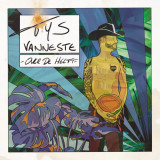
Tijs Vanneste, succesvol muzikant én tv-maker, komt met zijn eerste eigen plaat 'Over De Helft'.
Als deel van het iconische duo 'Van Echelpoel' werd het hoog tijd voor Vanneste om zijn eigen muzikale pad te bewandelen.
Tijs scoorde al eerder met albums in functie van zijn televisiewerk: 'Hier Is Het Goed' en 'Wildgroei' maakten deel uit van zijn gelauwerde televisieprogramma 'De Kempen' op VRT1. Dit nieuwe project wordt gedreven door zijn persoonlijke passie en mag gelabeld worden zoals iedereen in deze woelige tijden dat zelf wilt: een daad van egoïsme, nakend narcisme of gewoon een uiterst hoge nood aan een eigen creatieve uitlaatklep.
'Over De Helft' is geen toevallige schepping, integendeel, het is een belichaming van elementen die voor Tijs van onschatbare waarde zijn: humor, diepgang en plezier doordrenkt met wereldwijde muzikale invloeden zoals Reggae, Dub en Slavische klanken.
Zoals we van Vanneste gewoon zijn wordt dit alles op zijn eigen hardnekkige en eigenwijze manier van uitdrukken gepresenteerd: het authentieke en ondertussen tot wereldtaal verheven Kempense dialect.
De titel van dit zelfverklaard meesterwerk is treffend: 'Over De Helft'. Want laat dat nu de plek zijn waar Tijs zich bevindt: bijna 45 jaar oud en vooral erg blij met waar hij nu voor en in het leven staat: eerlijk en rechtdoorzee. Nummers als 'Talent' en 'De Kempen' vertellen over vroeger, nu en... later.
In het allerbeste geval is 'Over De Helft' een stimulans voor zowel lichaam als geest of op zijn minst een plaat die je doet dansen, lachen en verlangen naar een eeuwigdurende zomer.
DREAMLESS VEIL make their debut with the new album, Every Limb of the Flood. The band, featuring members of INTER ARMA, ARTIFICIAL BRAIN, and PSYCROPTIC manifest terrifying Blackened Extreme Metal and offer one of the year's most haunting releases. Every Limb of the Flood is a concept album. Through tracks such as "A Generation of Eyes", "Saturnism", and "Cyanide Mine" Vocalist Mike Paparo and co. task the listener to consider what it would be like for an individual to fully disappear. DREAMLESS VEIL delves into this murk through 8 tracks - dramatic swells, melodic crescendos, and abrasive blast-beat poundings make way to more introspective moments ultimately resulting in pure horror. Paparo explores the concept of corporeal disintegration with pained shrieks and disembodied bellows, resulting in one of the most unchained performances of his storied career. Lyrics for the record show, but don't tell. DREAMLESS VEIL's concept alludes to misery leading to grotesquery - The opener "Dim Golden Rave" throws the listener into an ambiguous time and place: "Grief, spiritless, collapses against the filth-ridden street". The second track, "A Generation of Eyes" follows this narrative by invoking Neil Young, quoting him to the extent of "rust never sleeps." What ensues is a grief so powerful it decomposes from within. The end result manifests in the album closer "Dreamless" - the body is now fully discarded, hinting at a possible enlightenment through a horrible, gruesome process. Sonically, Every Limb of the Flood is a caustic, corrosive journey. Critically acclaimed drummer David Haley flexes some of his most creative drum work to date, dragging the listener through wild tempo changes, breakneck speeds that come to sudden halts, while guitarist Dan Gargiulo (ARTIFICIAL BRAIN) interweaves disorienting guitar madness. Recorded by Brett Bamberger (REVOCATION) Every Limb of the Flood was mixed by Gargiulo and mastered by Colin Marston (Gorguts, Krallice, and more.)
Originally from Ireland, but now settled in the peaceful countryside of rural France, Kaz Hawkins is the epitome of musical mastery and versatility. With a soul as rich as the music that inspired her growing up in Belfast, Northern Ireland, and a voice that crosses genres with ease, Kaz stands out as a singer, songwriter and performer extraordinaire. Her musical odyssey began decades ago, shaped by a deep love of blues, soul, jazz and folk, which have become her artistic pillars.
Renowned for her spellbinding performances and heartfelt compositions, Kaz has charmed audiences the world over, weaving stories of resilience, love and the human experience through her melodies. A seasoned musician, Kaz's magnetic stage presence has graced countless venues, captivating audiences and leaving them eager for more. Her melodies transcend borders, resonating with diverse audiences and earning her a loyal fan base across continents. Beyond his musical talent, Kaz embodies authenticity, courageously sharing his past marked by domestic violence, depression, drugs and self-harm, inspiring others to find hope through his music and their own uniqueness.
In 2024 and 2025, Kaz is ready to captivate her audience once again with the release of two live albums, "Live in Brezoi (I)" and "Live in Brezoi (II)". These albums capture the raw energy and emotion of her performances, showcasing her unrivalled talent and the undeniable bond she shares with her audience. Another album, different from the blues, is also in the pipeline and is being
produced in Berlin for release in 2025. In addition, Kaz is embarking on exciting collaborations with other artists, infusing her soul essence into collaborative projects. The first is with French soul artist Thomas Kahn in a duet entitled "A Place Like Home", released on January 10, 2024. Other collaborations will be announced shortly.
As she moves forward, Kaz aims to amplify her presence on social networks, creating deeper bonds with her fans and forging a community united by the magic of her music. In a world where melodies paint emotions and lyrics engrave memories, Kaz Hawkins stands as a testament to the power of music, inviting you to embark on an unforgettable sonic journey.
"There was a bird Matthew Ehler had seen in his backyard before, but he’d never really stopped to look at it.
A red-headed woodpecker, a strange-looking bird. After years of more self-destructive escapes from everyone’s respective demons and traumas, Ehler started to embrace the stillness of birdwatching. “It was something to occupy my mind,” he explains. His new hobby wouldn’t just lend Cliffdiver’s sophomore album its title, but signal a spiritual overhaul rippling through the band.
The origins of Cliffdiver go all the way back to 2017. By 2021, the line-up had settled into Ehler on guitar, Joey Duffy and Briana Wright on vocals, Gilbert Erickson on guitar, Tyler Rogers on bass, Eliot Cooper on drums, and Dony Nickels on sax. All of them veterans of Tulsa’s vibrant and interconnected music scene, they kicked up steam fast — over a host of EPs, singles, and their debut album, Exercise Your Demons , they went from DIY shows to selling out Tulsa’s famed Cain’s Ballroom.
Still, Birdwatching feels like the work of a whole different band: an album specifically grappling with abandoning cyclical behaviors and addictions that no longer serve you. It’s pop-punk maturing into grown-ass adult travails. Birdwatching is a very real take on life: Things get better, but they also get worse again, and better again, and worse again, and nobody will ever have it all figured out. In each snapshot, Cliffdiver offers a companion for those ups and downs.
Produced by Brett Romnes (Hot Mulligan, Mom Jeans, Dogleg)
“Cliffdiver is a set of splayed ribs, a whole lot of heart, and someone you can turn to when the lights refuse to turn on” —NPR Music"
"Here is what 2014 felt like: The cold, rushed walk from the Montrose Avenue L to the downstairs entrance of 20 Meadow Street, an address you could never quite remember. The careful steep climb to the top of the nondescript building, where Titus Andronicus’s Patrick Stickles was waiting to take your balled-up cash and stamp the inside of your wrist. Standing beneath that jagged cardboard punk bunting, draped with tangled twinkle lights, while Joe Galarraga, frontman of Big Ups, slowly, menacingly, wound a microphone cable around his fist. Then a barbed F-sharp sprang forward from Amar Lal’s guitar, shaking the entirety of Shea Stadium to life.
For much of that time period, ten years now behind us, it would be easy to say, man, you just had to be there. You had to be there when Death By Audio closed. You had to be there when the Apple store opened on Bedford Ave. If you weren’t there when a small, specific subculture of New York City took over its abandoned lofts and grimy basements and squatted itself into community, that’s okay — it might be too clunky and myopic to explain now. Released in January 2014 to Dead Labour in the US and Tough Love Records in the UK, Eighteen Hours of Static stands even now as a triumphant representation of what Big Ups did so well over the course of their nine-year run as a band. Now, with the re-release of Big Ups’ killer debut full-length, those who didn’t get to experience all this the first time around will get a shot at living as if it’s the glory days again."
Jaz Karis is getting ready to take off. The South London singer and songwriter has been making waves with her silky voice and lyrical, candid pen since her first EP back in 2017, building herself up steadily over the years. 2024 will see the long-awaited arrival of Jaz Karis' debut album, Safe Flight, . It's a record that spans a breadth of sonics: slinky Afrobeats, gleaming R&B, warm gospel, shimmering flecks of pop, hiphop, jazz and amapiano, all woven through with the glowing thread of Jaz's signature soulful feeling. "Soul to me is a feeling," she explains, "All I want to do with my music is evoke feelings."
The imagery for this album all pertains to identity and travel - IDs, lanyards, nostalgia-tinged film footage - and in turn, it all alludes to the path that Jaz Karis is on. Safe Flight finds an accomplished, assured artist reflecting on where she's been and ready to step up to the next level: a star on the rise but still deeply down to earth. At once soulful, vibey and poignant, this is an album about embracing possibility, admitting mistakes, and trusting the process. "It's about getting free," Jaz says with a smile, "And it's not that I have it all figured out now or anything, but I'm on this learning curve. There's something exciting about being on the journey."
2xLP mit Redux Packaging/Artwork. Moses Sumney erweitert mit "græ" das Klanguniversum, das in seinem gefeierten Debütalbum "Aromanticism" und der anschließenden EP "Black In Deep Red, 2014" (2018) aufgebaut wurde. Sumneys zweites Album "græ" ist eine Behauptung, dass das Unbestimmbare immer noch existiert und das Verweilen darin ein Akt des Widerstands ist. Das Doppelalbum ist eine konzeptionelle Auseinandersetzung mit der Farbe Grau und untersucht das Spektrum der Grautöne in Bezug auf Farbe, Verschiebung, Zwischenräume und marginale Identität. Indem Sumney "græ" in zwei facettenreiche, dynamische Kapitel unterteilt, schafft er buchstäblich einen "grauen" Zwischenraum, in dem die Zuhörer die Kunst aufnehmen und betrachten können. Nicht unbedingt Singles, nicht unbedingt Alben, nie ganz allein Songs oder gesprochene Wortteile. Das alles ist weder hier noch dort. Weder das Eine, noch das Andere. Die Lieder auf "græ" mögen unterschiedlich erscheinen, aber es gibt immer diese Stimme, unverkennbar und durchdringend, welche die Stücke zusammenhält: eine himmlische Klinge, einen Walgesang, Miles' Flügelhorn. Das alles erschafft ein Paradoxon, das Aufmerksamkeit einfordert und den Atem raubt, in dem Kunst und Künstler sich der Festlegung entziehen. All dies ist "græ". Weder noch, wenn man so will.
Rhetoric & Terror is Berlin-based Hemphill’s second album since leaving Liars back in 2016.
No stranger to reinventing his approach towards composition, Rhetoric & Terror feels like we are – perhaps for the first time – opening a doorway into Hemphill’s personal life, to his disparate sonic influences, his wide-ranging journeys through philosophy, and his own reflections on his role as an artist.
Like different thoughts and feelings emerging in a state of meditation, Hemphill invites you to pause on one ‘scene’ for a moment before moving onto the next. There’s space to get lost here – both emotionally and in the colour of the album’s wide-ranging textures.
With his wife Angelika Kaswalder on vocals throughout the album and multi-instrumentalist Morgan Henderson – a longtime friend of Hemphill’s since Henderson’s time in the post- hardcore band The Blood Brothers - adding woodwind, Nonpareils is no longer simply a solo project – and it’s apparent in this openness.
The name of the album – Rhetoric & Terror – describes this split that Hemphill is making from the conceptual nature of his first solo album (2018’s Scented Pictures), and the new direction that he – perhaps – hopes to continue taking. The title comes from a chapter in Giorgio Agamben’s book, “The Man Without Content”, where he describes the concepts of rhetoric and terror to describe two different types of writers: the rhetorician and the terrorist. The terrorist is a misologist who is only into the feeling; the rhetorician is committed to logic and form.
“With Rhetoric & Terror, I wanted to start with emotions and feeling. I was playing with my kids, listening to Cocteau Twins, I have a wonderful partner, and it seemed very contrary to any sort of growth to sequester myself from this life in order to get into character as a musician. Instead, I tried to remove the boundaries between my creative life and my. responsibilities and have it all be one fluid thing. All things at all times, and trust that this will guide my music rather than more intellectual concepts or limitations.”
Despite its catalysts being in philosophy and conceptual art, Hemphill has created an album that’s deeply “emotionally available”. It’s also helped him take a new stance on life that combines his life as a partner and parent in a kind of unity with his role as the artist. It’s plain to hear as a listener – Rhetoric & Terror, despite its intimidating name, is welcoming
and playful, even during its most intense moments.
Combining the signature soundscapes of Scorn with tartareous textures, the current album "The Only Place" reaches a psychedelic groove, based on what Harris calls "Pushing an original idea further" with his own shades of light and dark and celestial electricity of what SCORN is. These 10 tracks add elements unheard in Scorn since Evanescense and Gyral - ethereal ambiences and floating, near-melodic-but-not-quite moments, a signature of Harris' abilities to generate feelings in a lost world of his own creation. Mick Harris is one of the world's greatest compositional treasures. Starting his career as the energy dynamo behind the drum kit of the UK's Napalm Death, he made the term Blastbeat a household reference, wrote the band's music on his mother's one string guitar, and joined the Guinness Book of World Records for composing the world's shortest song. In the decades succeeding, he has re-inventedmusic several more times, from the wild abstract jazz of Painkiller with John Zorn and Bill Laswell, to the drowning ambience of his Lull project, all while continuing to build a world that he can truly call his own - the dark post-dub of SCORN. "Reaching 54 this year - this won't stop the challenge, driving me more so now than ever" - says Mick Harris, commenting on the recent phase in his creativity. The pandemic isolation and lockdown pushed the work of the maestro more than anything else could have. In 2021, his output is ever-increasing, releasing the newest collabs with Justin K. Broadrick and the single "Distortion", featuring one of the most outstanding voices of hip-hop - Kool Keith - his closest collaborator, Ohm Resistance founder - Submerged. Commenting on the release of "Distortion", Mick Harris said to mxdwn: "I enjoy collabs - they bring something different to the swim." Working on his own and collaborating with everyone from Sleaford Mods' James Williamson, on the previous SCORN release or with Kool Keith and Submerged on "Distortion", Mick Harris never had problems with putting energy into beats and sound landscapes, combining various surreal elements with three basic elements that always push Harris further, that are extremely crucial for both Mick Harris and SCORN as a project - frustration, anger and anxiety. 2024 vinyl version on orange coloured vinyl!