# 1st official vinyl reissue in over 30 years # sourced from tape # 8 page color bboklet with large-format hotos and full liner notes # band members' stories told at last // Universe was a Welsh rock band formed in the late 1960s, marrying progressive and blues musical elements with a powerful sound. Guitarist Steve Finn, bassist John Healen, and drummer Rob Reynolds formed the nucleus of the band, initially playing under the name Deep Blue Centre, then Spoonfull, rehearsing a set that included covers and originals influenced by acts like Cream, John Mayall, and Jimi Hendrix. By 1970, they had become Universe, the name reflecting the expansive ambition of their evolving music. Universe became known for their stellar live performances, playing countless gigs across Wales and well beyond. They shared stages with acts such as Jethro Tull, Yes, and Graham Bond, while also enduring a character-building but arduous tour of Hamburg and Norway. The constant touring polished their sound and inspired original material such as "Twilight Winter" and "A Woman's Shape." In 1971, the band recorded an album and a single, both self-titled, in Norway; these recordings later became prized finds among collectors. Though Universe's time was brief, their music endures as a fascinating chapter of the underground rock scene in Wales. With Steve Finn's ongoing solo work and the reissue of their recordings, Universe holds a unique place in early '70s rock history.
Lifelong friends Richard Lowe and Rob Bendelow formed their first band “Lammergier” during the mid 1970’s together with bassist Barry Yates. Following their first love performance in 1977 the band gigged extensively across the British midlands. The standard of these performances combined with their unique brand of symphonic rock saw “Lammergier” amass a large and loyal following. Then a new decade arrived changes were made, the music remained the same, but they called themselves “Saracen”.
After several months on the road Saracen decided it was time to record an album, and in October 1981 they released “Heroes, Saints and Fools” to critical acclaim. Saracen tracks received regular airplay on Tommy Vance’s Friday night rock show and the single “We have arrived” was recorded. In 1983 line-up changes occurred and the band eventually stopped touring in 1985.
Two decades later and the band re-appear with a vengeance and the release of “Red Sky” in March 2003 put the band firmly back on the map, and it was a rework of some of the old classics with new tracks added. The band regained its popularity, and a further three albums have emerged to critical acclaim, namely “Vox in Excelso”, “Marilyn” and “Redemption”.
With renewed interest in the vinyl format of recorded music “Vox In Excelso” has been re-released in 2025 as a numbered limited edition with new artwork and now “Red Sky” is to follow, again with new artwork. These are beautiful works of art and the recordings sound fresh and vibrant, its classic progressive rock brought into the present day and it doesn’t get better than this..
Far Out Recordings continues its reissue campaign of the late Argentinian guitarist Agustin Pereyra Lucena's work with the first-ever vinyl reissue of his singular 1988 private press album, Puertos De Alternativa, now his most sought-after LP. The album features some of Agustin’s most uniquely beautiful compositions, including “Luces de Valeria” and “Preparativos Maritimos,” alongside Baden Powell's “Pequeño Vals” and “O Cego Aderaldo (Nordeste...),” and “Tema Barroco” by his longtime collaborator, Guilhermo Reuter.
By 1988, Agustín had established himself as one of Argentina’s foremost interpreters of Brazilian music. The seventies saw success with his group Candeias, and he gained recognition in Brazil, forming friendships and collaborations with luminaries such as Vinicius de Moraes, Baden Powell, Dorival Caymmi, Toquinho, and Maria Bethania. Following the era of dictatorship in South America, Agustín spent the late seventies and early eighties, living and touring in Norway as part of his European travels with his group Agustín Pereyra Lucena quartet.
Recorded after returning to his native Buenos Aires, Agustin Peyera Lucena’s Puertos de Alternativa emerged from this confluence of diverse experiences and influences, revealing an artist deeply connected to his environment. The album's title, meaning "Alternative Harbours," reflects Agustín's particular affinity for water. He observed that much of his favourite music originated from places with rivers and seas nearby, noting, "There is a flow near water that influences guitar playing for sure."
With a profound connection to both instrument and environment, Agustín’s music is often difficult to place. The album begins rooted deeply in South American soil, drawing clear inspiration from Brazilian guitar masters like Heitor Villa Lobos, Garoto and Baden Powell. But, as it progresses, a sense of journey unfolds, evoking new landscapes and horizons – from the crystalline beauty of glacial Norway to the gentle currents of the Rio de la Plata.
The ensemble on Puertos de Alternativa features notable Argentinian musicians, including drummer Osvaldo Avena, flautist Rubén Izarrualde, and saxophonist Bernardo Baraj.
Mastered by Stuart Hawkes at Metropolis Studios from the original master tapes which had been lovingly kept by Agustin’s nephew José Lucena Perreyra
Tracklist & Credits:
A1. Luces De Valeria (Agustin Pereyra Lucena)
Guitar, Vocals – Agustin Pereyra Lucena
Piano, Bass, Drums, Vocals – Guillermo Reuter
Tamboril – Julio Said
After offering the label a beautiful closing composition on its various artists compilation Reflection EP, Rotterdam live act, producer, and DJ Mata Disk returns to Polychrome Audio with LFH-Proxy EP. Featuring two original club tracks and their interpretations by producers Eversines and Jopie, this project further cements Julian Determann’s singular musical identity while opening it up to new dimensions and patterns.
A1. Life Force Harmonizer (“LFH”) opens the dance by capturing the sweet nostalgia experienced during club morning hours. Mata Disk’s sound palette is here in full display, the energy carried by sharp drum design and a propulsive bassline is lifted by melodious pads offering the track its tenderness. On the B1, Rotterdam producer Jopie creatively re-imagined these feelings, stripping down and reshaping LFH onto a track flirting with breaks and IDM progressions.
With Proxy, Mata Disk dims the light slightly, with a drum workout track to keep the dance alive. The very progressive and low-end focused build-up paired with a tension-building synthesized lead offers the A2 track a smooth build-up. De Lichting member Eversines elegantly switches the sound narrative, transforming Proxy into a dark electro-leaning tech house track carrying the same tension. Adding emotion into the mix with an anthemic melodic lead, Eversines’ Proxy Ziggo Mix serves as a perfect closer.
out of Stock
Last delivered 14 months ago available to reorder, subject to availability
Since first forming in 2016, London's High Vis have steadily polished their palette of progressive hardcore with shades of post-punk, Brit pop, neo-psychedelia, and even Madchester groove, mapping a middle ground between hooks and fury, melodies and mosh pits. Singer Graham Sayle describes their third album 'Guided Tour' as an axis of competing forces: "It's trying to be a hopeful record, while also being incensed." Rounded out by drummer Edward 'Ski' Harper, guitarists Martin MacNamara and Rob Hammaren, and bassist Jack Muncaster, the band's deep roots in the UK and Irish DIY hardcore scenes have kept them grounded but growing, inspired equally by restlessness and righteous anger. As Sayle puts it, "Everyone's scratching, everyone's working all the time, and their idea of relaxing is just getting fucked and avoiding reality. This album is an escape from that."From its opening seconds of a cab door slamming, a car revving away, and a baggy rhythm swinging to life, 'Guided Tour' sounds like a band reaching for new heights, bristling with energy. Recorded across a few weeks at Holy Mountain Studios in London with producer Jonah Falco and engineer Stanley Gravett, the results feel dynamic and dialed-in, like anthems burned into sense memory through sweat and repetition. Harper cuts to the chase: "We had a clear idea going in, every moment got used. Maybe when we're 60 we can sit around and get a drum sound right, but for now it's about getting things done."The album's 11 songs span the spectrum of contemporary guitar music, sharpened by experience, camaraderie, and societal frustrations. From swaggering street punk ("Drop Me Out," "Mob DLA") to jangling indie sneer ("Worth The Wait," "Deserve It") to heavy alt ("Feeling Bless," "Fill The Gap") to shoegazey spoken word ("Untethered"), the group's chemistry transmutes any style to their unique intensity. Sayle champions this evolving fusion: "For years coming from hardcore, we had pretty clear boundaries - other scenes were separate worlds. Now things are getting more blended, drawing from different places."Nowhere is this sentiment flexed more boldly than on "Mind's A Lie," a dance- punk anthem inspired by Harper's love of house, garage, and pirate radio. Stabs of sampled female vocals (by celebrated South London singer and DJ Ell Murphy) build into a razor wire rhythm of low-slung bass, tense drums, and sparkling guitar before Sayle's staunch voice starts barking harsh truths ("Face to face with all I've known / I can't call these thoughts my own"). After a sudden breakdown, the track regroups and takes off, cruising into the horizon in a haze of chiming guitars and Murphy's ascendant voice, from the streets to somewhere beyond.
This is an album made during a crucial period in South Africa’s history during which there was a palpable feeling of a slow turning towards the collapse of the apartheid state side by side with an increasingly well-organised culture of resistance through the formation of the United Democratic Front (UDF) and various affiliated bodies. However, as a result, there was increased pushback from the state security establishment, a turning to dirty tricks and the formation of hit squads whose members murdered and tortured many of our friends and created chaos throughout South Africa as well as neighbouring countries.
This album is situated in this political environment however it took advantage of the new do-it-yourself music technologies available at that time. Technologies that made it possible to make and release records without interference from traditional record company executives. Two musician friends of mine pooled their resources after their respective bands had broken up. Ivan Kadey (National Wake) and Lloyd Ross (Radio Rats) built an 8-track recording studio control room and fitted it out in a second hand caravan and called it Shifty. They parked it in a garage attached to the only house left in a demolished and derelict mining village near Soweto on the outskirts of Johannesburg.
All the work on this album was completed there, mainly after hours and mostly alone where I enjoyed an exhilarating freedom to develop a whole new set of musical skills and ideas, incorporating my love of a wide range of music I’d grown up with. Influences of 1970s progressive/kraut/and psychedelic rock combined with mbaqanga bass styles, early reggae/dub and Indian tabla rhythms. Stockhausen, early Zappa and Holgar Czukay were radio text and shredding influences, and Chris Cutler’s band Henry Cow & Art Bears helped me see a way to political expression. Mostly though was the exciting post-punk and no-wave music coming through to us from Europe and America: bands like This Heat, the Mekons, Raincoats, Sonic Youth and Pere Ubu were immensely important to me as was my reading from the period: J.M.Coetzee’s first 3 novels are strong influences on Free State Fence; the stark landscape, superstition, ritual, and sexual repression are in many of his settings. JG Ballard was a constant presence throughout that period, especially whilst living in such a surreal environment, surrounded by mine dumps, but mostly I think the whole French post-modern philosophical movement—Derrida, Foucault and of course, Baudrillard’s Simulacra and Simulation—set out a new sense of possibilities, possible ways to express oneself, ways to think, and ways to try and analyse the political intersection of public and private life. Most important at that time was the influence of sound recordings I had made and experiences garnered from working as a sound recordist on documentary films. These financed my work and later the studio and were consistent employment throughout the 1980s. Film work also enabled me to experience much of South Africa that was hidden from most. The track Independence Day is a good example; drawn from some time spent in the rural homeland of Venda. This then was the first full length Kalahari Surfers album, completed in summer of 1984 it was taken to EMI pressing plant but rejected by the cutting engineer as being ""political, pornographic and anti religious"". Chris Cutler at Recommended Records took up the challenge and released the album through his label. He wrote the original liner note
Stepping up to the plate for the second release of our catalog, we are pleased to share 'Aura Protocol', a four-track collection that taps into the emotive and melodic depths of 90s influenced progressive house from Mexico based Producer, Mahkina.
The A1 track ‘God, How Do I Handle This’ kicks off the EP with an introspective mood, blending atmospheric pads and hypnotic bass-lines. The deep, melodic structure recalls the emotional core of 90s prog, while evolving into an intricate tapestry of sounds. The second track ‘Flavour & Spice’ plays into Mahkina's latin roots. A fusion of playful percussion, and lush chord progressions, evoking the vibrant energy of classic 90s house, with an added modern twist from the artist's production style.
Flipping over to the B-Side, ’Sacoodelo" takes listeners to a well placed euphoria. Combining driving rhythms with evolving loops and rich synth work, its experimental side takes influence from the rhythmic structures of classic trancey house. The final track ‘Connected’ feels like the emotional and sonic culmination of the EP. Taking the listener on a more expansive journey, weaving through moments of tension and release via atmospheric build-ups, emotional breakdowns, and a sense of resolution toward the end.
RLF002 is a well represented embodiment of Mahkina's ability to fuse classic styles with contemporary sounds, resulting in an immersive, dynamic listening experience that resonates with both the heart and the body.
out of Stock
Last delivered 12 months ago available to reorder, subject to availability
The sixth studio album by the British rock group, originally released in 1971. Produced between touring commitments and widely regarded as a notable progression from their previous work, the band devised a series of novel recording and writing experiments, which also inspired the album's signature track “Echoes”.
out of Stock
Last delivered 3 months ago available to reorder, subject to availability
Limited edition white vinyl (800 copies) The self-styled ritualistic electro-mechanical ensemble OSMIUM is a veritable supergroup. Made up of Oscar-winning composer and instrumentalist Hildur Gudnadóttir, veteran engineer and producer James Ginzburg, Senyawa's idiosyncratic vocalist Rully Shabara and Grammy-winning sound designer / producer Sam Slater, while each member brings along a laundry list of accolades, the project is far greater than the sum of its parts. Alloying burnished electroacoustic soundscapes with dense, metallic drones, barbed rhythms and buckled, bio-mechanical vocalizations, OSMIUM's eagerly awaited debut album doesn't try to cast a rigid future. Rather, it tempers a viscous flow of unorthodox speculations that smolders through the distant past, blazing a trail all the way to the frontier of fate. Absorbed by questions about the relationship between humans and technology, tradition and progression, the individual and the group, OSMIUM channel their experience and expertise into a set of forward-thinking sonic interrogations that skewer established cultural preconceptions. And although genre is acknowledged - the album draws from folk, doom metal, 20th century minimalism, industrial music and extreme noise - there's never a sense that it's riveted firmly in place. Widely known for her soundtrack work (including `Joker' and `Chernobyl') Gudnadóttir plays the halldorophone, a unique cello-like electroacoustic instrument designed by Halldór Ulfarsson that allows the performer to harness unstable feedback loops. Taking his cues from this process, Slater (who has worked alongside Jóhann Jóhannsson, Ben Frost and others) generates rhythms using a self-oscillating drum he designed with KOMA Elektronik and Subtext boss and Emptyset member Ginzburg responds in kind, producing booming tambura-like sonorities from a device he developed himself based on the monocord, an ancient single- stringed resonator. OSMIUM synchronize the three unique instruments using a custom system of robotics to generate basic rhythms that underpin their improvisations and experiments, and Shabara's alien tones supply the band with their conceptual fulcrum. The vocalist is one of South Asia's most recognizable underground artists, and the sounds he's able to create using exhaustively rehearsed extended techniques are so distinctive that he's been studied by scientists back home in Indonesia. Never weighed down by needless sound design or modish ornamentation, it's music that feels authentically experimental; OSMIUM have figured out an awkward symmetry between their discrete approaches, concentrating their gaze on the outcome rather than the process. The result is a work of science fiction that's driven by interaction, conversation and sensation.
The Cold Stares are from Evansville, Indiana, formed in 2009. The duo (now recently a trio) has
released seven studio albums. The band's 2012 release A Cold Wet Night and a Howling Wind sold 25,000 copies and reached #1 on Amazon Music's Blues Rock albums chart. For almost ten years, The Cold Stares had toured the world relentlessly as a duo, blowing away
audiences across the US and Europe with a fierce, blistering live show that belied their bare bones,
guitar-and-drums setup. In 2023 the band began embracing a whole new kind of chemistry and
launched into their next chapter, adding a third member and channeling the classic power trio sound they grew up on with their explosive acclaimed album,
Voices. Working off the international success of Voices which was voted one of the best albums of 2023 by Classic Rock Magazine, The Cold Stares went into Memphis Magnetic Studio
in Memphis Tennessee and recorded the band’s next chapter and progression, the sprawling album The Southern. Now they are back with The Southern Part 2
which has already bolstered the
blues rocking tracks “Automobile”
and “Little More Rope”.
HEXVESSEL erkunden auf ihrem epischen siebten Album "Nocturne" liminale Räume, z.B. zwischen Licht und Dunkelheit sowie Natur und Einsamkeit. Die sich kontinuierlich wandelnde finnische Band besinnt sich wieder auf ihre Wurzeln im Folk und im psychedelischen Rock, indem sie akustische Zwischenspiele, kosmische Synthesizer und geisterhafte Pianoklänge kunstvoll mit den frostgesponnenen Fäden ihres Black Metal Geflechts verwebt. "Nocturne" klingt sowohl vertraut als auch unverhohlen progressiv, da HEXVESSEL ihre eigene Tradition mit einer frischen Neuerfindung ihres charakteristischen Sounds vermischen. Der Keim für dieses Meisterwerk wurde durch die Aufführung eines Auftragswerks beim Roadburn Festival 2024 gesetzt, das ursprünglich den Titel "Music for Gloaming: A Nocturne" trug. Mit diesem Album nimmt das Projekt eine ausgearbeitete physische Gestalt an. Dieses opus magnum verbindet den rauen Geist von Quorthons Black Metal mit dem komplexen Minimalismus zeitgenössischer Komponisten wie Philip Glass, György Ligeti und Avro Pärt. Den eklektischen Charakter von "Nocturne" unterstreichen ausgewählte Gastauftritte wie der ätherische Gesang von Saara Nevalainen oder die harschen Stimmen der Avantgarde Black Metal Vorreiter Yusaf Vicotnik Parvez (DHG/DØDHEIMSGARD) und ORANSSI PAZUZUs Juho Vanhanen. HEXVESSEL stammen zwar aus dem finnischen Tampere, die Band wurde aber vom englischen Sänger und Songwriter Kvohst alias Mat McNerney gegründet, nachdem er im Jahr 2009 in das nordische Land gezogen war. In vielerlei Hinsicht spiegeln HEXVESSEL die Natur ihres Gründers wider. Der Sänger und Songwriter war schon in vielen erfolgreichen Gruppen und Projekten aktiv, deren Spektrum von der britischen Black Metal Band CODE über einen Abstecher bei den norwegischen Legenden DHG bis hin zu den Rock-Shootingstars BEASTMILK reicht, die er später mit GRAVE PLEASURES fortsetzte. Mit "Nocturne" laden HEXVESSEL alle dunklen Seelen der Erde zu einem transzendentalen Nachtritual ein, das unter anderem die Klangvisionen von DARKTHRONE, TANGERINE DREAM und Philip Glass aus der toten Vergangenheit erweckt und mit neuem Leben erfüllt.
With their seventh full-length "Nocturne", HEXVESSEL explore the liminal spaces between light and darkness, nature and solitude on an epic album. The ever evolving and shifting Finnish band has reawakened their treasured roots in folk music and psychedelic rock as they artfully weave acoustic interludes, cosmic synths, and spectral piano into the frost-spun threads on their black metal loom. "Nocturne" sounds both familiar and fearlessly progressive as echoes of tradition entwine with a fresh reinvention of their characteristic sound. The seed of this masterpiece was sown by the performance of a commissioned work at Roadburn Festival 2024 that was originally entitled: "Music for Gloaming: A Nocturne". With this album, it arrives fully fleshed in recorded form. This opus magnum blends the raw spirit of Quorthon's black metal with the intricate minimalism of contemporary composers such as Philip Glass, György Ligeti, and Avro Pärt. Its eclectic nature is elevated and underlined by select guest performances, including the vocals of Saara Nevalainen, as well as the avant-garde black metal luminaries Yusaf Vicotnik Parvez (DHG/DØDHEIMSGARD), and ORANSSI PAZUZU's Juho Vanhanen. While HEXVESSEL are based in Tampere, Finland, they were founded by English singer & songwriter Kvohst aka Mat McNerney after he moved to the country in 2009. In many ways, HEXVESSEL reflect their founder. The vocalist and songwriter has instigated and been involved in various bands ranging from UK black metal act CODE, a stint in Norwegian legends DØDHEIMSGARD, and to rock shooting stars BEASTMILK – later 'continued' with GRAVE PLEASURES to name but a few of his success stories. With "Nocturne", HEXVESSEL invite all souls on earth to a transcendental night ritual that is imbued with DARKTHRONE, TANGERINE DREAM, Philip Glass, and sounds unearthed from the dead past, now instilled with new life.
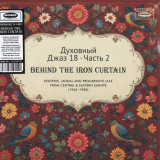
One of the most politically charged terms of the 20th century, the Iron Curtain was a metaphor for political and cultural division. In a post-war telegram Winston Churchill referred to the fault line that ran through Europe between East and West as "an Iron Curtain is drawn down upon their front. We do not know what is going on behind".
In this two-part album, as far as jazz is concerned, we will showcase, describe and celebrate exactly what was 'going on behind'. We see that music is the power supreme, with the ability to transcend all barriers, be they physical, political or metaphorical.
Our liner notes illustrate the complex and contradictory history of Soviet jazz, and the tracks we've chosen cover the key period of the early 1960s to the 1980s. It was during these dark years of the Cold War that the Soviet Union and its satellite states produced a number of outstanding artists playing in a variety of styles. The impact of modernism, from hard bop and Latin to modal and cool jazz, had found its way through cracks in the curtain. The deeply-felt ancestral strains of traditional European folk music were combined with the exciting new and progressive sounds of the West, and a radical, intoxicating brew was created that no amount of guns, tanks or polonium tea could overcome.
We chronicle the triumph of jazz at a time of extreme geopolitical conflict. What went on behind the Iron Curtain in these countries was once mysterious and unknown to the West, but the perseverance of their artists provided sound and light amid the secretive, dark days of the communist-capitalist standoff. There was no end of life-affirming spiritual jazz behind the Iron Curtain.
"Whether it's by improvisation in the African-American jazz tradition, or by a village kobza player standing on top of a damn hill - he feels connected to the stars."
out of Stock
Last delivered 3 months ago available to reorder, subject to availability
Sohrab unveils “Dreams of Dawn”, on his newly born Toneblind label, a sonic journey that bridges the space between night’s final whispers and the first light of a new day. A fusion of styles with a progressive imprint, this release is a reflection of movement, crafted as a distinct evolution from the artists previous work
Each track, a fragment of a larger vision, pulses with the energy of transition, capturing the essence of dreams dissolving into reality. More than just a collection of sounds, Dreams of Dawn is a statement of intention, dedicated to friendships forged on the road and the experiences around the globe lived so far
out of Stock
Last delivered 3 months ago available to reorder, subject to availability
Mastered by Matthew Lutthans at The Mastering Lab from flat copies of the original U.K. and U.S. analogue master tapes Third studio album featured advanced studio recording techniques Featuring original U.S. tracklisting with bonus track "Alive And Well And Living In" from U.K. release Plated and pressed at Quality Record Pressings Gatefold old-style tip-on jacket by Stoughton Printing Jethro Tull's 1970 classic Benefit was their third studio album in as many years, following the successes of This Was (1968) and Stand Up (1969). For Benefit, Ian Anderson (flute, guitars, vocals), Martin Barre (guitars), Glenn Cornick (bass), and Clive Bunker (drums) were joined by John Evan on piano and organ.
Evan would go on to play on all of Jethro Tull's albums throughout the '70s. It was also the last to include Cornick, who was fired from the band upon completion of touring for the album. Recorded at Morgan Studios, where the band recorded Stand Up, the album featured more advanced studio techniques, such as a backward-recorded flute on "With You There To Help Me" and a sped-up guitar on "Play In Time." Frontman Ian Anderson said Evan had changed the band's style: "John has added a new dimension musically and I can write more freely now.
In fact anything is possible with him at the keyboard." Compared to Stand Up, although containing a similar mix of bluesy hard-rockers and melodic acoustic numbers, Benefit had, as Ian Anderson put it, a "harder, slightly darker feel" compared to previous material. The eclectic fusion of folk, rock, and progressive elements creates a sonic tapestry unlike any other. Anderson's virtuosic flute playing intertwines with Barre's electrifying guitar work, weaving intricate melodies that transport listeners to a world of introspection and imagination. From the hauntingly beautiful "With You There to Help Me" to the whimsical energy of "To Cry You a Song," each track invites exploration of both the inner self and the world beyond.
This Analogue Productions 45 RPM release, plated and pressed at Quality Record Pressings, gives this historic album the rich sonic presentation it deserves. The dead-quiet double-LP, with the music spread over four sides of vinyl, reduces distortion and high frequency loss as the wider-spaced grooves let your stereo cartridge track more accurately. Benefit stands as a testament to Jethro Tull's pioneering spirit, pushing the boundaries of musical expression and leaving an indelible mark on the landscape of rock music. This reissue is clean, balanced and richly detailed, the way an Analogue Productions reissue should sound.
Übercode Ouvre is the eagerly awaited album from Panzerballett, a unique jazz-metal quintet that fuses intricate metal riffs with jazz improvisation, humor, and high-level musicianship. The album pushes genre boundaries, featuring contributions from legendary drummers Virgil Donati, Marco Minnemann, Anika Nilles, Morgan Ågren, and others. It offers a thrilling listening experience for jazz fusion and progressive metal enthusiasts alike. Included are covers like "Bleed" from Meshuggah, "Alien Hip Hop" from Virgil Donati; re-imaginations of classical pieces like Beethoven's "Ode to Joy" and Vivaldi's "Summer"; as well as originals like "Seven Steps To Hell". They all showcase the band's blend of complex rhythms, virtuosic drumming, and unconventional arrangements. The album's diversity makes it stand out in the progressive metal and jazz scenes. Panzerballett, led by guitarist Jan Zehrfeld, has earned a cult following for their "Headbanging with Brain" approach to music, delivering not only technically advanced compositions but also humorous, organic reconstructions of well-known pieces. Their live performances are legendary for their energy and complexity, and Übercode Ouvre is poised to continue that legacy with tracks that balance intense technicality with an accessible groove. Übercode Ouvre is a musical journey and a perfect workout for developing brain-muscle connections with its meticulously constructed beats. If you want to experience one of the most innovative bands in progressive jazz and metal, having this album is a chance to own a piece of modern music history that challenges the boundaries of what metal can be and how jazz can speak to the heavy music world. Übercode Ouvre is the highly anticipated jazz-metal album by Panzerballett. A world-class line-up pushes genre boundaries more than ever. FFO The Aristocrats, Virgil Donati, Marco Minnemann, progressive metal etc, features legendary drummers Virgil Donati & Marco Minnemann
More than 20 years after their debut, Witchcraft's seventh album, 'IDAG,' is an awaited full accounting of who they are as a band. Those who have clamored for the return to an earlier sound rooted in '70s classic progressive and heavy rock will delight to the strut of "Irreligious Flamboyant Flame" while the eight-minute opening title-track is the heaviest the band have ever sounded, and a succession of interspersed acoustic-based pieces helps create a vision of a new, soulfully folkish doom taking shape as they continue to move inexorably forward. Founding guitarist/vocalist, Magnus Pelander, says of 'IDAG': "This album will reap souls and destroy wicked minds. And perhaps mend a couple of broken ones." These enigmatic few words from the Swedish band's main songwriter give clues as to the songs' intentions; a reference dropped to Coven's 1969 album, 'Witchcraft Destroys Minds and Reaps Souls.' Coven also had a folkish, proto-doomed take at that point in their history, and that multifaceted nature has been a part of Witchcraft all along. On one level, Magnus is winkingly telling you it's a Witchcraft record. The actual meaning of that becomes clear when you hear the album and find out just how much 'a Witchcraft record' can encompass. The storyline of Witchcraft's growth, from Pelander's starting the band in Örebro in 2000 in the wake of his prior outfit Norrsken's disbanding. A generational landmark of a 2004 self-titled debut helped spark a retroist movement that has become its own subgenre, but Witchcraft never stopped growing. 2005's 'Firewood' and 2007's 'The Alchemist' introduced more progressive sounds, and five years later, the pointedly modern 'Legend' established in 2012 that they had moved beyond the analog worship they had been a part of pioneering within the contemporary heavy rock and doom scene. In 2016, the 2LP 'Nucleus' introduced fuller-toned doom, and 2020's 'Black Metal' diverged into moody acoustic minimalism familiar to some fans from Pelander's early solo work, but different from anything Witchcraft had done prior. 'IDAG,' then, is the tie that draws all of this - more than two decades of exploring and growth - together. Whatever they've done in the past and whatever they'll do in the future, 'IDAG' feels like a nexus for defining who and what Witchcraft are. Even crazier, that might be the point of the thing. JJ Koczan
More than 20 years after their debut, Witchcraft's seventh album, 'IDAG,' is an awaited full accounting of who they are as a band. Those who have clamored for the return to an earlier sound rooted in '70s classic progressive and heavy rock will delight to the strut of "Irreligious Flamboyant Flame" while the eight-minute opening title-track is the heaviest the band have ever sounded, and a succession of interspersed acoustic-based pieces helps create a vision of a new, soulfully folkish doom taking shape as they continue to move inexorably forward. Founding guitarist/vocalist, Magnus Pelander, says of 'IDAG': "This album will reap souls and destroy wicked minds. And perhaps mend a couple of broken ones." These enigmatic few words from the Swedish band's main songwriter give clues as to the songs' intentions; a reference dropped to Coven's 1969 album, 'Witchcraft Destroys Minds and Reaps Souls.' Coven also had a folkish, proto-doomed take at that point in their history, and that multifaceted nature has been a part of Witchcraft all along. On one level, Magnus is winkingly telling you it's a Witchcraft record. The actual meaning of that becomes clear when you hear the album and find out just how much 'a Witchcraft record' can encompass. The storyline of Witchcraft's growth, from Pelander's starting the band in Örebro in 2000 in the wake of his prior outfit Norrsken's disbanding. A generational landmark of a 2004 self-titled debut helped spark a retroist movement that has become its own subgenre, but Witchcraft never stopped growing. 2005's 'Firewood' and 2007's 'The Alchemist' introduced more progressive sounds, and five years later, the pointedly modern 'Legend' established in 2012 that they had moved beyond the analog worship they had been a part of pioneering within the contemporary heavy rock and doom scene. In 2016, the 2LP 'Nucleus' introduced fuller-toned doom, and 2020's 'Black Metal' diverged into moody acoustic minimalism familiar to some fans from Pelander's early solo work, but different from anything Witchcraft had done prior. 'IDAG,' then, is the tie that draws all of this - more than two decades of exploring and growth - together. Whatever they've done in the past and whatever they'll do in the future, 'IDAG' feels like a nexus for defining who and what Witchcraft are. Even crazier, that might be the point of the thing. JJ Koczan
Purple Vinyl, limited to 450 copies. More than 20 years after their debut, Witchcraft's seventh album, 'IDAG,' is an awaited full accounting of who they are as a band. Those who have clamored for the return to an earlier sound rooted in '70s classic progressive and heavy rock will delight to the strut of "Irreligious Flamboyant Flame" while the eight-minute opening title-track is the heaviest the band have ever sounded, and a succession of interspersed acoustic-based pieces helps create a vision of a new, soulfully folkish doom taking shape as they continue to move inexorably forward. Founding guitarist/vocalist, Magnus Pelander, says of 'IDAG': "This album will reap souls and destroy wicked minds. And perhaps mend a couple of broken ones." These enigmatic few words from the Swedish band's main songwriter give clues as to the songs' intentions; a reference dropped to Coven's 1969 album, 'Witchcraft Destroys Minds and Reaps Souls.' Coven also had a folkish, proto-doomed take at that point in their history, and that multifaceted nature has been a part of Witchcraft all along. On one level, Magnus is winkingly telling you it's a Witchcraft record. The actual meaning of that becomes clear when you hear the album and find out just how much 'a Witchcraft record' can encompass. The storyline of Witchcraft's growth, from Pelander's starting the band in Örebro in 2000 in the wake of his prior outfit Norrsken's disbanding. A generational landmark of a 2004 self-titled debut helped spark a retroist movement that has become its own subgenre, but Witchcraft never stopped growing. 2005's 'Firewood' and 2007's 'The Alchemist' introduced more progressive sounds, and five years later, the pointedly modern 'Legend' established in 2012 that they had moved beyond the analog worship they had been a part of pioneering within the contemporary heavy rock and doom scene. In 2016, the 2LP 'Nucleus' introduced fuller-toned doom, and 2020's 'Black Metal' diverged into moody acoustic minimalism familiar to some fans from Pelander's early solo work, but different from anything Witchcraft had done prior. 'IDAG,' then, is the tie that draws all of this - more than two decades of exploring and growth - together. Whatever they've done in the past and whatever they'll do in the future, 'IDAG' feels like a nexus for defining who and what Witchcraft are. Even crazier, that might be the point of the thing. JJ Koczan
WOW. Daniel O'Sullivan's transcendent new album, Eros, is one of the greatest things we've ever heard. A simply stunning song cycle of hypnotic, experimental contemporary chamber music composed for a 14-piece ensemble. Combining minimalism, complex syncopation, detailed acoustic textures, weird intervals and samurai precision, this record will elegantly blow your mind. When Daniel first sent us this, he pitched it as “Liquid Swords meets Michael Nyman”. Trust us, he wasn't wrong. A "unique hybrid orchestral music", it presents a confluence of Daniel's longstanding fixations; indeed, there's elements of Nyman, Antonio Carlos Jobim, Magma, Aaron Copland and RZA. But this is wholly O'Sullivan's. Originally commissioned for the Sonoton Music Library in Munich, Eros now receives a deluxe vinyl release courtesy of Be With Records, bringing this meticulously crafted work to a wider audience. Limited to just 500 copies for the world, these are gonna fly.
An English composer and multi-instrumentalist, Daniel O'Sullivan’s career has been marked by versatility and innovation. In addition to his work with Sonoton, he has composed extensively for the legendary KPM music library, contributing to its storied legacy of production music. As a deep virtuoso and collaborator, O'Sullivan has also played in a number of influential projects, including Ulver, Sunn O))), This Is Not This Heat, Grumbling Fur and Miracle (with Steve Moore), leaving an indelible mark on the contemporary experimental music landscape.
O’Sullivan’s first foray into classically informed chamber music, Eros is a culmination of his long-standing fixations and expansive musical influences. The album features arrangements that are as detailed as they are emotionally resonant, showcasing his unparalleled ear for intervals and mastery of counterpoint. The music brims with complex rhythmic syncopation and a sensitivity to texture and space, resulting in a soundscape that is both intoxicating and dauntingly precise.
Recorded June 2023 and February 2024, in Brussels, London and Carmarthenshire, Wales, Eros features members of Echo Collective (Neil Leiter and Margaret Hermant), Thighpaulsandra (from seminal post-industrial band Coil), and jazz pioneer Oren Marshall. Daniel's sonic weapons of choice, in his own inimitable words, were "Big Bad Drum, Pee Anne Oh, Low End Brass, Willowy Winds & Samurai Strings." You get the picture. As a cyclical suite, this is a record that really needs to be heard in its entitreity, from start to finish, to truly appreciate the genius at work here.
A jaw-dropping statement of intent, the minimalist "Golden Verses" sets the tone with its complex cue which has your neck snapping right when it feels like it needs to. Listen and you'll understand. A syncopated tangle of sharp strings, crunchy bass, drums percussion and bright piano and mallets vie for position with French horn and woodwind melody in the most compelling and unexpected ways. Quite simply, it's one of the finest album openers I've ever heard. It's followed by the atmospheric rippling minimalism of "Lyre Lyre", a gorgeous gem with shimmering chimes, bright melody, human percussion and syncopated pizzicato strings. It kinda comes on like a less-abstract Boards Of Canada, bursting with typical wonderment. The piano and string-drenched "Dolorous Stroke" effortlessly builds its warm, pastoral orchestration with flowing piano arpeggio, steadfast drums, expressive string quartet, rich low brass, woodwind and lyrical flute. Just sublime.
The insistent frenetic propulsion of "Plain Paper" is utterly beguiling, featuring a determined string motif, urgent drums and percussion, driving low brass and breathless, energetic flute. The haunting, interweaving string arpeggios that propel "Grapes Draped" presents a claustrophobic minimalism for chaos and darkness, with growling low woodwind and brass, spiky harpsichord, skittering flutes and tight drums. Up next, "Xanix Annum" is a stately minimalist waltz with expressive lyrical string quartet and delicate woodwind, anchored by drums and percussion. "Painting Rose" is a bouncy stop-start track with angular syncopated strings and a piano pulse underneath bright harpsichord and flutes. "Rotunda Garden" presents ethereal textural minimalism for landscapes and reflection with flowing string arpeggios, warm, low woodwind drones, floating choir and cymbal swells. Closing out this extraordinary side of music, the glowing, flowing minimalism of "Flowry Orb" features urgent organ, piano and woodwind arpeggios, half-time drums with shimmering cymbals, a soaring, beautiful violin solo and hypnotic vocal chant.
Side 2 opens with "Theia Mania" a determinedly off-kilter, angular track featuring low wind, brass and drum stomp in dialogue with lively string trio, woodwind and solo horn. The light, airy minimalism of "Painting Percy" is built around an interplay of rhythmic motifs for piano, low brass, bassoon, fluttering flutes, urgent strings, drums and percussion whilst "For Archetypes" is a delicate, gently syncopated chamber cue for nostalgia, nature, reflection and moments of calm, with steady piano motif, intimate woodwind and French horn, and warm, graceful strings. The urgent Ars Memoriae is a propulsive march for progress, processes and industry, underpinned by driving tuba, with determined strings, resolute drums, and vivid, expressive flute, clarinet and French horn.
The syncopated energetic minimalism of "Mirrored Seven" presents layers of melodic and cyclical piano, drums, low brass, harp, flute and strings. "Pure Ornament" follows, a slowly evolving chamber cue with flowing clarinet, string and harp arpeggio, plodding tuba and percussion, fluttering flute and graceful, lyrical solos. Stunning! Up next, "Brave Boy" moves from its tender, warm, lullaby-like intro with lyrical flute, clarinet and strings before opening into a playful backend driven by a bouncy tuba riff and syncopated piano, woodwind, string trio, and drums and percussion. Rounding out this astonishing piece, "Waxen Waned" is a warm, pastoral chamber cue with light lyrical woodwind, tender French horn and subtly pulsing string trio.
The album's title is a reference to Plato’s conception of Eros, which is more than romantic or physical desire. It is a dynamic and creative force that drives individuals to seek perfection whether in art, relationships, philosophy or the pursuit of truth. Wholly appropriate, here, we think. When asked what his influences were in making this astounding record, he answered thusly: "Non-musical: Householding, Pythagoras, Goethe, Grail romances, Hermeticism, Doctrine of Signatures (Parcelsus, Bohme, Pliny), Eric Rohmer, John Stezaker, Yasujiro Ozu. Musical: Duke Ellington (late suites), Smile-era Brian, early RZA, Wagner (Parsifal Overture), Magma, Mancini, Axelrod, YMO, Hildegard, Nyman, Penguin Cafe Orchestra, Jobim (Stone Flower), Alessandro Alessandroni, Tavener, Moondog, Orthodox Music, Secular Music." That's some pretty deep shit. Makes you want to dive in, no?
Mastering for this vinyl edition was overseen by Be With regular Simon Francis, and it was cut by the esteemed Cicely Balston at Abbey Road Studios to be pressed in the Netherlands by Record Industry. Truly, Eros is a work of extraordinary depth and sophistication. It invites listeners to immerse themselves in its intricate layers, to lose themselves in its hypnotic rhythms, and to marvel at the precision of its execution. With this release, O’Sullivan reaffirms his position as one of the most inventive and uncompromising voices in contemporary music. Do. Not. Sleep.
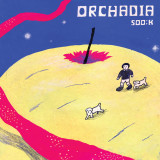
Ambient explorers SWIMS unpeel another heady debut, with the maiden effort by Korean artist Soo Kyung Kim, also known as soo:k. The curtain raises on Orchadia with an elysian glow: electro-acoustic compositions painting a golden topography of impossible fruit and uncanny astronomy.
soo:k's utopic brushwork finds obvious comparisons in the work of Hiroshi Yoshimura, and his meditations on the glacial pace of hidden, verdant spaces. Frida Kahlo's portraits of everyday life, intertwined with pain and magic symbology, also resonate in the album's exploration of fleeting moments.
Dissonance and experimentation take hold as the record progresses, Soo's Edenic vision creaking open to reveal ripe, fetid spaces between ribs of earth. Recommended if you like Ulla, Kara-Lis Coverdale, Visible Cloaks, Perila...
Stripping away all expectations, constraints, pressures, and limitations, there’s a certain purity and allure to art crafted simply for the sake of genuine expression. The desire to unleash one’s unencumbered ingenuity and unique vision into the world is an attitude embraced by those often celebrated for pushing boundaries, and it’s under this same premise that German newcomers SENNA were formed.
Drawing their name from the Arabic word for brightness, shine, or glow, bandmates Simon Masdjedi (vocals), Tobias Stulz (guitar/ vocals), Marcel Dürr (guitar), Fabian Cattarius (bass), and Leon Dorn(drums), never intended for SENNA–a musical outlet originally established as a studio side project–to come into its own as a fully-fledged unit. Yet, tackling a luminous blend of playful but technical instrumentation and edgy hard rock meets progressive post-hardcore styling, it’s only fitting that both the innovative outfit and their introductory work have entered the limelight for all to enjoy.
“It was really liberating,” guitarist Marcel Dürr recalls the group’s mindset leading up to their SharpTone debut. “Because we weren’t pursuing SENNA as a proper band at first, we had a lot of time to experiment with our sound. Our goal was to simply write the music that we enjoyed, without being boxed into any one genre.
Stripping away all expectations, constraints, pressures, and limitations, there’s a certain purity and allure to art crafted simply for the sake of genuine expression. The desire to unleash one’s unencumbered ingenuity and unique vision into the world is an attitude embraced by those often celebrated for pushing boundaries, and it’s under this same premise that German newcomers SENNA were formed.
Drawing their name from the Arabic word for brightness, shine, or glow, bandmates Simon Masdjedi (vocals), Tobias Stulz (guitar/ vocals), Marcel Dürr (guitar), Fabian Cattarius (bass), and Leon Dorn(drums), never intended for SENNA–a musical outlet originally established as a studio side project–to come into its own as a fully-fledged unit. Yet, tackling a luminous blend of playful but technical instrumentation and edgy hard rock meets progressive post-hardcore styling, it’s only fitting that both the innovative outfit and their introductory work have entered the limelight for all to enjoy.
“It was really liberating,” guitarist Marcel Dürr recalls the group’s mindset leading up to their SharpTone debut. “Because we weren’t pursuing SENNA as a proper band at first, we had a lot of time to experiment with our sound. Our goal was to simply write the music that we enjoyed, without being boxed into any one genre.
Claire Chicha aka Spill Tab is feeling more free than ever before. The LA-based, French-Korean songwriter and producer,has spent the past five years as spill tab honing a sound that is as raw-edged as it is refined, channelling low-slung guitar-strumming confessionals as well as the earworming melodic hooks of anthemic pop to produce a heady and distinctive mix.
Following the 2019 release of her intimate and infectious debut single “Decompose”, Spill Tab has evolved her spill tab project through three EPs: 2020’s synth-pop influenced Oatmilk, 2021’s playful, uptempo Bonnie, featuring Gus Dapperton and Tommy Genesis, and 2023’s co-produced, sonically-intricate Klepto, which gleefully meanders from the Hiatus Kaiyote-influenced jazz freakouts of “CRÈME BRÛLÉE!” to the guitar-chugging thump of “Splinter”. Live, meanwhile, Spill Tab has been tapped for her explosively energetic presence to open the North American leg of popstar Sabrina Carpenter’s tour, as well as touring through Australia with alt-rock trio Wallows.
With “PINK LEMONADE”, opening single from her forthcoming debut album “ANGIE” , spill tab’s freewheeling sound finds its fullest expression, harnessing this onstage experience and recorded experimentation with her bass-weight and pitched-up vocals. Here we find Chicha only ever chasing that “weird thing”, fizzing with an infectious enthusiasm and intricate musicianship. “The best songs come from writing the main idea in a day, as it’s so instinctual,” she says, such as “PINK LEMONADE” recorded “from a clip taken out of a 40-minute jam that we then chopped and spliced”.
Born to her French Algerian composer father and Korean pianist mother, Claire Chicha spent her early childhood in the mixing room of her parents’ LA post-production studio, bringing coffees to artists as they tracked scores for exciting new projects. “I hung out in that studio all the time until I was around 10 years old, absorbing jazz music my dad was into and classical music that my mom loved,” Chicha says. “My mom had a big hand in making me an adventurous kid, always trying new things from piano to harp and violin, forever soaking up new sounds.”
At 12, Chicha’s life was uprooted as she relocated to Thailand to live with her mother’s family following the collapse of her parents’ business after the 2008 recession. What followed was an unstable and formative few years of early teenagedom, navigating new cultures and life changes. In Thailand, Chicha began learning guitar to cover the Paramore and Green Day tracks she had grown to love while also becoming immersed in Thai traditional music. After a year, she moved once more to live with her aunt in Paris and there she was introduced to the classic sound of Serge Gainsbourg and Édith Piaf before ultimately returning to LA following the untimely death of her father.
“I had to become a real people person to fit in everywhere I was moving, and it immersed me into so many different styles of music,” she says. “I went from listening to the nasal singing of Thai traditional music at muay thai fights in Bangkok, to emotive classic French songs. It definitely informed the need to experiment with my sound as I became more interested in making music.”
At high school in LA, Chicha joined one of the country’s foremost show choirs and realised a natural aptitude for stagecraft and performance as she sang medleys in competitions throughout the US. Going on to study Music Business at NYU, Chicha found a love for the alternative soul and singer-songwriting of the likes of Moses Sumney and Bon Iver, as well as developing her own sound while spending summers interning as an A&R at Atlantic Records and being exposed to the gamut of New York’s live music scene.
“I was going to so many shows as an A&R intern and seeing just how much a lot of music sounded alike,” she says. “It made me realise I wanted my music to feel different, to cut through the noise but still make something that felt honest to me.”
Beginning to independently release tracks, Soill Tab gradually built a loyal fanbase with the release of wistful early numbers “Calvaire” and “Cotton Candy” and soon found herself signed to a major label. Yet, as her career progressed through the COVID pandemic the demands of a corporate major began to conflict with her own searching style. “My last two EPs were under contract and it felt like I was always chasing the carrot,” she says, “I felt a certain pressure to put out tracks quickly and find that ‘hit’. It wasn’t the right environment to truly make what I wanted.”
Ultimately parting ways with her label, Chicha began work on a new album, exploring new sounds and ideas with her LA-based community of collaborators like producer David Marinelli, Solomonophonic, Wyatt and Austin and John DeBold, without expectation. “It became this beautiful experience of only following ideas that I really believed in and exploring all the musical avenues I hadn’t before,” she says. “I’ve never been more excited about songs and I’ve never felt like a project is more mine.”
Writing and recording while touring with Sabrina Carpenter and Wallows, Chicha road-tested her new tracks to see what might land best with an audience who had likely never heard her music before. “You have to win people’s hearts as an opener and you can see what resonates and what doesn’t,” she says. “I would watch people fall in love or not and it’s usually always the song you’re having the most fun with that does the best. That’s what I put on the record.”
« Angie », Spill’s Tab debut album is relased on because Music and expected for May 16th release.
out of Stock
Last delivered 16 months ago available to reorder, subject to availability
Wairunga finds the Freddy juggernaut digging deep to debut five songs and revisit two classics captured in an outdoor performance sans audience but with wild weather elements playing an important creative role in producing this unique live album.
Recorded in Wairunga, high above Waimarama Beach in New Zealand, it is place etched into the DNA of Fat Freddy’s Drop who’ve roamed here for over 20 years; to party, relax between tours, make a song Wairunga Blues in its honour and even to get married. Farmed by the Parker family for a century, Wairunga is an oasis of green pasture and native tree filled valleys that fall away to the ocean below.
In inimitable Freddy's fashion the new tunes run a gamut of genre busting styles. Coffee Black is layered with cosmic hot buttered soul and cinematic wigged out psyche-blues while Shady continues Freddy's Afro-Acid adventures with Fitchie’s beat-making tapping into a South African township brand of techno Freddys experienced on tour.
Bush Telegraph is a reggae classic featuring MC Slave aka Mark Williams on the mic with freshly minted yum char spiced rhymes of hope. The other new tracks Leave Your Window Open and Dig Deep are loose rhythmic experiments that the band have been working on for a long time. Versions were developed, rehearsed, but then set aside – dismissed, demonised - only to be revived with new energy in some future moment of creative cohesion. The results are loose-limbed; broken and bruised beats smashing into subterranean bass and twisted up melodies.
Bones and Wairunga Blues are the two classics from Freddy's vast back catalogue. Off the Blackbird album, Bones has aged beautifully - like a fine wine - the song’s component parts matured and melded together in harmony and balance. DJ Fitchie rates this 2021 vintage superior to the 2013 original. Wairunga Blues has been a work-in-progress since it was released on Bays in 2015. Kuki dials up some appropriately off-kilter keys to match the wonky-funk laid down by Fitchie’s bass line and the horns. It’s a mighty comeback – and a fitting tribute to this magical place.
out of Stock
Last delivered 16 months ago available to reorder, subject to availability
On his second solo album, "Gamle Mester" (Old Master), Lars Fredrik Froislie pays homage to the greats of the past. Drawing inspiration not only from the pioneers of progressive rock but also from art, literature, and mythology, the album reflects on timeless acts of creativity that still resonate today. The title is derived from the ancient oak tree "Den Gamle Mester," found at Krodsherad Prestegård, which also inspired a poem of the same name by Jorgen Moe. This symbolic tree serves as a unifying theme throughout the album, representing wisdom, endurance, and the passage of time. From the opening track "Demring" (Dawn) to the closing "Skumring" (Dusk), the album embarks on a dynamic journey filled with masterful instrumentation and some of Froislie's most compelling songwriting to date. The album reaches its crescendo with "De tre gratier" (The Three Graces), named after the daughters of Zeus. Spanning 12 minutes, this opus encapsulates everything that makes "Gamle Mester" a triumph. Shifting between light and dark, the track is a treasure trove of rich keyboard textures, soaring flute melodies, dynamic percussion, and the virtuosic bass work of Nikolai Hængsle. With "Gamle Mester," Lars Fredrik Froislie delivers an album steeped in history, mythology, and musical brilliance. A must-have for progressive rock enthusiasts and collectors alike.
Marbled vinyl, limited to 600 copies. On his second solo album, "Gamle Mester" (Old Master), Lars Fredrik Froislie pays homage to the greats of the past. Drawing inspiration not only from the pioneers of progressive rock but also from art, literature, and mythology, the album reflects on timeless acts of creativity that still resonate today. The title is derived from the ancient oak tree "Den Gamle Mester," found at Krodsherad Prestegård, which also inspired a poem of the same name by Jorgen Moe. This symbolic tree serves as a unifying theme throughout the album, representing wisdom, endurance, and the passage of time. From the opening track "Demring" (Dawn) to the closing "Skumring" (Dusk), the album embarks on a dynamic journey filled with masterful instrumentation and some of Froislie's most compelling songwriting to date. The album reaches its crescendo with "De tre gratier" (The Three Graces), named after the daughters of Zeus. Spanning 12 minutes, this opus encapsulates everything that makes "Gamle Mester" a triumph. Shifting between light and dark, the track is a treasure trove of rich keyboard textures, soaring flute melodies, dynamic percussion, and the virtuosic bass work of Nikolai Hængsle. With "Gamle Mester," Lars Fredrik Froislie delivers an album steeped in history, mythology, and musical brilliance. A must-have for progressive rock enthusiasts and collectors alike.
DOUBLE-DISC EDITION OF DARKTHRONE'S 1993 PURE NORWEGIAN BLACK
METAL MASTERPIECE, INCLUDING THE 30TH ANNIVERSARY MASTER, PLUS
ADDITIONAL DISC WITH COMMENTARY FROM FENRIZ
Darkthrone began life in the late 80's as a thrash/ death metal act & progressed
through technical death/doom metal experimentation to become legends of the black
metal world & one of the original leading bands of the Norwegian scene, as well as
inspiring a whole generation of metal bands, as they continue as strong as ever to this
day.
'Under A Funeral Moon', Darkthrone's third album, was originally released by Peaceville
in 1993. The album is a bleak reflection of contemporary times, featuring harsh guitar
riffage & hateful vocals in what was the band's first 100% pure black metal opus; a
work completely stripped of the death metal traces of former releases & in its place, a
stark & primitive execution. This was aided by an intentionally lo- fi sound that is
powerfully cold & entirely unconcerned with any modern- day aesthetics. 'Under A
Funeral Moon' is the album that many Darkthrone fans hail as the ultimate manifesto
for Black Metal.
This edition of 'Under A Funeral Moon' is presented on double- disc CD format &
includes an audio master created for the album's 30th anniversary in line with the
original 1993 version, plus the 2013 commentary disc from Fenriz with his
recollections on the tracks & the time period.
"Music was his passion. His life, his love_ his all." Book-ended by the two parts that make up the album's centrepiece, "Opus Imperfectus", Maestro is Magic Pie's long-awaited 6th studio album, years in the making... "Maestro! Where did you go? People ask and I need to know." Does life imitate art, or is it the other way around? Magic Pie is a Norwegian progressive rock band formed in 2001, known for their intricate compositions, symphonic arrangements, and blend of vintage and modern influences. Highly regarded in the international prog community, Magic Pie's music explores themes of introspection, existentialism, and human emotion. Drawing inspiration from bands like Dream Theater, Genesis, Pink Floyd, Kansas, Deep Purple, Yes and many more - their music incorporates complex time signatures, lush keyboards, and dynamic guitar work, mixing elements of symphonic rock, jazz, and even folk. Fronted by the charismatic Icelandic singer and lyricist Eirikur Hauksson and "maestro-mind" & composer Kim Stenberg, Magic Pie continues to strive for higher & bigger musical conquests. "Follow your vision, fulfill your dream".
Teal’s debut LP, Original Watercolour, is an album that feels like a canvas come to life. A sonic blend of street-soul, digi-dub, and downtempo. Original Watercolour explores the complexities of love, oneness, and intuition — themes that resonate deeply within the context of the history women have shared with what was once known as the “ladies’ medium.”
The bi-coastal family trio—Ashleigh and Melissa Ball, better known as the Ball Sisters, alongside producer N1_SOUND—bring a fresh, genre-defying sound to the table with their latest 6-track album. Running just under 30 minutes, this immersive collection weaves together skipping beats, addictive bass lines, three-dimensional flute textures & emotional vocal melodies. This musical portrait is as ethereal as it is powerful, inviting the listener to get lost in its depths while celebrating the beauty of self-expression.
The opening track, “Original Watercolour,” takes you on a psychedelic trip-hop journey. From the first reverberous snare hit, you’re whisked away to a sonic wetland — lush and euphoric. The soft yet poignant soundscapes set the tone for the album, inviting us into a world where the boundaries between earth and music, reality and imagination, automatically seem to blur.
“Locked In 2 Love” offers a boogie-fueled bassline that pushes Teal into dance-floor territory with soaring flutes and rhythmic intricacies that make it impossible not to move — it’s a track that exemplifies the magic of Teal’s ability to craft both intimate and expansive musical landscapes. And then, there’s the hypnotic flow of “One In The Same,” where stacked vocal harmonies and mantra-esque lyrics transport you to a place that could easily be mistaken for a lost Soulquarians demo. It’s gentle yet unrelenting in its depth.
The second side of the album opens with “Sleep on It,” a track that immediately grabs attention with its dancehall-driven rhythm. Ashleigh Ball's vocals set the stage for a song that’s both introspective and emotionally charged, yet unmistakably rooted in groove. The phased-out bassline creates an almost hypnotic atmosphere. Pulling the listener into a mood of contemplation—matching the restless, sleepless night that Ball describes. As the song progresses, this groove builds in intensity, culminating in an explosive ending that mirrors the emotional release of a long-held frustration.
Original Watercolour is more than just an album — it’s a meditation on the interconnectedness of life and art. “Frog Kingdom,” the longest and only instrumental track creates a contemplative space that builds upon the themes introduced earlier. It feels like a sequel to their earlier work, Frog Legacy from their debut Bluish Green 2024 12”, expanding on the familiar sound with even more complex layers.
Yet the real emotional power of the record lies in its closing track, “Can’t Shake the Feeling.” Simple in structure but profound in impact, this song captures a deep yearning and understanding — that everything, from the ecosystems we inhabit to the relationships we nurture and the art we create, is fundamentally interconnected. As the track crescendos in a falsetto peak, it becomes clear that the album is a reflection of both the world around us and the personal journey each member of the band has embarked upon to get to this point.
Just as the medium of watercolor has been traditionally linked to women artists, Teal carries this legacy into the modern musical landscape, blending the richness of history with a unique forward-thinking perspective. The album feels like both a celebration of the past and a bold declaration of a path forward — one that welcomes anyone ready to join in and shape the future of the art form.
The beauty of Teal’s work is that it feels familiar, while simultaneously offering something new and refreshing. Original Watercolour doesn’t just push musical boundaries; it redefines them, offering a lush and textured soundtrack for those willing to listen closely.
In a world that often feels over-saturated, Original Watercolour stands as a reminder of the power of simplicity, intuition, and connection. Teal’s debut album invites you to experience something both deeply personal and universally understood. The landscapes they create are vivid, yet soft, grounding yet expansive. With each track, Teal’s music reflects the interconnectedness of all things — a truly unique piece of work in the world of experimental soul and dub adjacent electronic music.
Rising and falling. We all live in the same pond. Peace to all.
out of Stock
Last delivered 14 months ago available to reorder, subject to availability
CADAVER, one of Norway's first and most influential death metal bands, has carved a distinctive path through the annals of extreme music. Formed in 1988 in Fredrikstad by Anders Odden (guitar/vocals) and Ole Bjerkebakke (drums/vocals), the band emerged from the ashes of their earlier black metal project, Baphomet. Their vision blended thrash and death metal with progressive influences from bands like Voivod and the chaotic insanity of Napalm Death, forging a sound that defied conventions. In 2024, Anders Odden delved deep into CADAVER 's history, unearthing unreleased material that offers a fascinating glimpse into the band's formative years. Before signing with Earache Records in 1992, CADAVER had worked on what would eventually become their second album, ...In Pains. During this period, they recorded raw and unpolished versions of many tracks in the same studio where Hallucinating Anxiety was born. These early recordings featured working titles that were later changed, and among them was a song titled "Maltreated Mind Makes Man Manic," which was never completed at the time. Anders revisited these hidden gems at Studio Tomb, located in Råde, Norway—the very place where CADAVER was first formed. With the old lineup reunited for this session, they finished the additional recordings necessary to bring their original vision to life. The result is Hymns of Misanthropy, a newly completed album from 1991 that will finally see the light of day through Listenable Records in April 2025. This release showcases CADAVER's unique approach to extreme music and highlights their previously underappreciated influence on the early Norwegian black metal scene. With Hymns of Misanthropy, listeners can experience a raw and powerful chapter of CADAVER's history, demonstrating once again that they were never just a typical death metal band. Instead, they remain an ever-evolving force that consistently pushes the envelope of what extreme music can achieve.
"Fimbulvinter" by Bjorn Riis: A Journey Through Darkness and Light... Named after the legendary long winter that heralds Ragnarok, a time of both destruction and rebirth. Bjorn Riis' new album Fimbulvinter is a profound and deeply personal work. Drawing from his own experiences with anxiety, Bjorn explores themes of hopelessness, paranoia, and despair, ultimately finding a spark of hope and gratitude in the darkness. "This isn't an autobiographical album," Bjorn explains, "but I wanted to share parts of my own journey and address a subject that I feel is both deeply important and still somewhat taboo." Musically, Fimbulvinter reflects Bjorn's diverse influences, blending the atmospheric and introspective tones of progressive rock with the energy and swagger of the hard rock bands he grew up with in the early '80s. Fans of Kiss, Black Sabbath, and classic progressive acts will find much to love in the album's rich soundscapes. From the driving, anthemic energy of "Gone" - a track made for blasting on the open road - to moments of introspection and monumental heaviness, Fimbulvinter is a dynamic journey through darkness and light. Bjorn takes centre stage on the album, performing all instruments and vocals, while also enlisting contributions from talented collaborators, including Henrik Bergan Fossum (Airbag), Arild Broter (Pymlico) and Kai Christoffersen on drums. Longtime partner and co-producer Vegard Kleftås Sleipnes also returns, ensuring the album's production is as impeccable as its compositions. With Fimbulvinter, Bjorn Riis once again demonstrates why he is a cornerstone of the progressive rock scene, delivering music that is as emotionally resonant as it is sonically captivating.
"Fimbulvinter" by Bjorn Riis: A Journey Through Darkness and Light... Named after the legendary long winter that heralds Ragnarok, a time of both destruction and rebirth. Bjorn Riis' new album Fimbulvinter is a profound and deeply personal work. Drawing from his own experiences with anxiety, Bjorn explores themes of hopelessness, paranoia, and despair, ultimately finding a spark of hope and gratitude in the darkness. "This isn't an autobiographical album," Bjorn explains, "but I wanted to share parts of my own journey and address a subject that I feel is both deeply important and still somewhat taboo." Musically, Fimbulvinter reflects Bjorn's diverse influences, blending the atmospheric and introspective tones of progressive rock with the energy and swagger of the hard rock bands he grew up with in the early '80s. Fans of Kiss, Black Sabbath, and classic progressive acts will find much to love in the album's rich soundscapes. From the driving, anthemic energy of "Gone" - a track made for blasting on the open road - to moments of introspection and monumental heaviness, Fimbulvinter is a dynamic journey through darkness and light. Bjorn takes centre stage on the album, performing all instruments and vocals, while also enlisting contributions from talented collaborators, including Henrik Bergan Fossum (Airbag), Arild Broter (Pymlico) and Kai Christoffersen on drums. Longtime partner and co-producer Vegard Kleftås Sleipnes also returns, ensuring the album's production is as impeccable as its compositions. With Fimbulvinter, Bjorn Riis once again demonstrates why he is a cornerstone of the progressive rock scene, delivering music that is as emotionally resonant as it is sonically captivating.
Orchid Mantis, by Michelle Helene Mackenzie and Stefan Maier, is a work that draws its inspiration from the history of the Sanzhi Pod City, in northern Taiwan. Sanzhi Pod City was built from 1978 onwards, made up of buildings constructed from assemblages of `pods' inspired by the futuro houses of Finnish architect Matti Suuronen. The project was abandoned in 1980, following a number of accidents during construction and persistent rumours that the site was haunted. However, this wasteland of a city has allowed insects to proliferate, in particular five species of orchid mantis. It is this strange environment, made up of utopian buildings, proliferating insects and vegetation reclaiming the site, that serves as the imaginary space for Michelle Helene Mackenzie and Stefan Maier's music, a music of carefully designed pace and progression, drawing, through resonance and stridulation, subtle sonic materials that guide and accompany us into multiple worlds with admirable ease and grace. Breach, by American composer Olivia Block, engages in a dialogue between field recordings and synthesised sounds, creating a vibrant plea for wild spaces that face an ever-growing threat to their survival from human activities. The work is based on recordings collected in the San Ignacio lagoon in the Mexican part of Southern California. This lagoon is known as a breeding ground for eastern Pacific grey whales. With the help of precise electronics, the music unfolds like a drift, depicting the subjective soundscape of whales caught up in the noise of the Anthropocene. The composer uses otoacoustic emissions in particular, representing the sound saturation caused by humans in the habitat of these large marine mammals. Going beyond a merely descriptive dimension, Olivia Block manages to transcend her subject to offer a fascinating musical form that engages the listener in a constantly renewed way.
NEIL ARDLEY’S HARMONY OF THE SPHERES RETURNS TO VINYL FOR THE FIRST TIME IN OVER 40 YEARS
Analogue October Records proudly presents the long-awaited LICENSED reissue of Harmony of the Spheres, Neil Ardley’s cosmic jazz masterpiece, originally released in 1979 by Decca. This marks the first vinyl reissue of the album since its original release, offering fans a rare opportunity to experience this extraordinary record in its purest form.
A Visionary Fusion of Jazz and Science
Recorded at the legendary Morgan Studios and produced by the esteemed Martin Levan, Harmony of the Spheres is another bold evolution in Ardley’s ever-expanding musical journey. A unique blend of jazz, electronic synthesis, and progressive rock, the album explores the ancient Greek concept that planets create celestial harmonies as they move through space. Using precise astronomical calculations, Ardley transposed planetary orbits into a nine-note chord—one that extends beyond the range of traditional acoustic instruments, making synthesizers the only means of fully realizing this cosmic sound.
The album features an all-star lineup, including the visionary John Martyn on guitar, saxophonist Barbara Thompson, Tony Coe, Ian Carr, and keyboardist Geoff Castle, alongside the formidable rhythm section of Billy Kristian (bass), Richard Burgess (drums), and Trevor Tomkins (percussion).
A True AAA Reissue – Cut Direct from the Original Master Tapes
Following the reissue success of Journey to the Urge Within (1986) by Courtney Pine (AOR-001-ST), Analogue October Records’ founder Craig Crane embarked on a mission to restore Harmony of the Spheres to its full sonic glory. Working with Gearbox and using Decca’s original 15ips 2-track stereo master tapes, this reissue is a true AAA release—an all-analogue production with no digital step. The album was meticulously cut directly from the tapes and pressed to the highest standards at Optimal in Germany.
Inside the deluxe package, fans will discover an 8-page booklet featuring an in-depth essay by Jazzwise magazine editor Mike Flynn, along with never-before-seen photos from the original recording sessions.
Continuing the Legacy
This reissue is just the beginning—Analogue October Records is committed to further explorations of Neil Ardley’s work, alongside other deep cuts from the UK’s vibrant 1970s jazz fusion and jazz-rock scene.
Whether you’re rediscovering Harmony of the Spheres or experiencing it for the first time, this release is a testament to the artistry and innovation of Neil Ardley.
East of Asteroid is the highly anticipated debut album from Norwegian progressive rock band Moonsoon. Helge Nyheim, an accomplished drummer, vocalist, and artist from Bergen, is the driving force behind Moonsoon. With decades of experience, Helge has worked with countless musicians across various genres, and his distinctive drumming and vocals lay the foundation for the band's sound. Daniel Hauge, co-songwriter, producer, and arranger, has also been instrumental in shaping the album's direction. Daniel has produced other artists in the Apollon Records roster, such as Dobbelgjenger. Known for his work as a producer, Daniel has contributed greatly to the overall sonic texture and dynamics of the album. He also mixed and mastered the album. Helge and Daniel, together with the talented guest musicians, have shaped the sonic identity of the album, blending atmospheric textures, dynamic compositions, and captivating storytelling.
Canadian punk stalwart Propagandhi, are set to unleash their latest opus, At Peace, on May 2, 2025. Known for their incisive political commentary and genre-blurring soundscapes, the band continues to challenge both the status quo and their own musical boundaries. At Peace promises a fusion of their signature punk ethos with progressive elements, delivering a sonic assault that"s as thought-provoking as it is relentless. As the follow-up to 2017"s Victory Lap, this album is poised to reaffirm Propagandhi"s place at the forefront of politically charged punk rock.
Dateline: April 10, 1970. Setting: The storied Fillmore West in San Francisco, CA. Context: Miles Davis, three days removed from his first session for Jack Johnson and, with newly recruited soprano saxophonist Steve Grossman in tow, opening shows for countercultural heroes the Grateful Dead on the latter’s home turf. Result: The initial rumblings of a thrilling era in which Davis and his cohorts would again upend jazz and popular conceptions of the genre with music steeped in groove, improvisation, and hang-on-for-your-life adventurousness. All captured on Black Beauty: Miles Davis at Fillmore West.
Mastered at MoFi’s California studio, pressed at Fidelity Record Pressing in California, and housed in a Stoughton gatefold jacket, Mobile Fidelity's numbered-edition 180g 33RPM 2LP set helps bring what went down that spring evening in Bill Graham’s venue to your listening room with exceptional clarity, balance, and presence. Originally only released in Japan in 1973 and unavailable in the United States until the late ‘90s on compact disc, this marks the first time Black Beauty has been issued on domestic vinyl. The wait is worth it.
Benefitting from quiet surfaces and excellent definition, these LPs present the band’s livewire energy and torrential storm of notes with captivating dynamics, pacing, and fullness. At its core, this audiophile reissue takes you into the walls of sound erected by a band learning on-the-fly the sheer power, will, and breadth of the electric jazz Davis was orchestrating and realizing, on the spot, would reach rock audiences that until that point had only a faint awareness of his mad-scientist experimentation. The sense of release and reach conveyed by these carefully restored records make it clear the veteran bandleader was in the process of a permanent shift that he’d chase for the next five years.
Given Davis was only a few months away from releasing the pioneering double album Bitches Brew, it shouldn’t come as a surprise that much of the fare here adheres to similar explorative approaches. Turbulent rhythms, provocative trumpet passages, and rich, saturated tonal colors that seemingly splash against a blank canvas take precedence over any traditional attempts at organization and melody. Davis and Co. intentionally play everything on a line with the bandleader signaling changes with his horn via coded phrases. The group speaks a common language — with each member having gone to achieve iconic status for their career contributions and technical prowess.
In the company of Grossman, Chick Corea (piano), Dave Holland (bass), Jack DeJohnette (drums), and Airto Moreira (percussion), Davis constructs themes around “Directions,” “Miles Runs the Voodoo Down,” “It’s About That Time,” the title track to Bitches Brew, and more from his then most-recent studio works and the in-progress Jack Johnson. His farewell to the popular standards that for nearly two decades remained a part of his repertoire arrive via a brief dalliance with “I Fall in Love Too Easily,” a shortened albeit aggressive “Masqualero,” and the “Theme” finale of “Spanish Key.” Initially, Black Beauty lacked specific track listings due to Davis’ increasing frustration with listeners over-analyzing his music.
In retrospect, it’s difficult to blame anyone for wanting to view what’s on display here with the aural equivalent of a magnifying glass. Leaning in rock directions, yet maintaining an ear for spaciousness and solos, Black Beauty survives as a snapshot of a thrilling moment amid a transitory period in which evolution came fast and furious. Just two months later, Davis would add another instrumentalist to the lineup in the form of organist Keith Jarrett, and the perpetually restless visionary would blast off to a more atmospheric and arguably more chaotic universe.
Consider, then, this live document a bridge to that galaxy and a breathtaking example of the possibilities of jazz itself.
Following nearly 20 years of working together as a trio, and numerous cross-collaborations in different configuration between them, Ideologic Organ presents Placelessness, the debut full-length by Chris Abrahams, Oren Ambarchi, and Robbie Avenaim, comprising two long-form works at juncture of ambient music, minimalism, rigorous experimentalism and improvisation, and machine music. Having carved distinct pathways across a diverse number of musical idioms for decades, Chris Abrahams, Oren Ambarchi, and Robbie Avenaim are each, respectively, among the most noteworthy and groundbreaking figures to have emerged from Australia's thriving experimental music scene. Ambarchi and Avenaim first encountered Abrahams when seeing the Necks - the project that has served as the primary vehicle for his singular approach to the piano since its founding in 1987 - together during the late 1980s, not long after having met in Sydney's underground music community. The pair's collaborations date back more than 35 years, criss-crossing Ambarchi's pioneering solo and ensemble work for guitar and Avenaim's visionary efforts for SARPS (Semi Automated Robotic Percussion System), robotic and kinetic extensions to his drum kit. In 2004, fate brought the three together in a trio performance at the What Is Music? Festival, the annual touring showcase of experimental music founded and run by Ambarchi and Avenaim between 1994-2012. For the nearly two decades since, Abrahams, Ambarchi, and Avenaim have intermittently reformed in exclusively live contexts, in Australia and abroad, cultivating and refining the fertile ground first tilled in that early meeting. Placelessness is the first album to present this remarkable trio's efforts in recorded form. Placelessness is the joining of three highly individualised streams, working in perfect harmony; the point at which friendship, mutual respect, and decades of creative exploration produce a singular spectrum of sound. Featuring Abrahams on piano, Ambarchi on guitar, and Avenaim on drums, the album's two sides draw on each artist's enduring dedication to long-form composition. Its two pieces, Placelessness I and Placelessness II, initially began as a single, 40 minute work, before being divided and reworked into distinct, complimentary gestures for the corresponding sides of the LP. Beginning with restrained clusters of reverberant piano tones, Placelessness I progresses at an almost glacial pace, with Abrahams' interventions increasing met by sparse responses, darting within vast ambiences, on guitar and percussion by Ambarchi and Avenaim. Remarkably conversational within its convergences of tonal, rhythmic, and textural abstraction, over the work's duration a progressive sense of tension unfurls and contracts, refusing release, as each of the ensemble's members contribute to an increasingly tangled sense of density at its resolve.While an entirely autonomous work, Placelessness II rapidly realises a distillation of the energy hinted at across the length of its predecessor. Following a luring passage of harmonious calm, Abrahams' launches into shimmering lines of repeating arpeggios, complimented at each escalation of tempo by Avenaim's machine gun fire percussion work and Ambarchi's masterful delivery of tonality and texture, as the trio collectively generate dense sheets of pointillistic ambience within which individual identity is almost lost, before slowly unspooling into unexpected abstractions and dissonances that deftly intervene with the work's inner logic and calm. What could easily be termed a maximalist take on Minimalism, Placelessness is a masterstroke of contemporary, real time composition, that blurs the boundaries between ambient music, experimentalism, free improvisation, and machine music. Drawing on Chris Abrahams, Oren Ambarchi, and Robbie Avenaim's decades of respective solo and collaborative practice, and the culmination of nearly twenty years of working together as a trio, it's two durational pieces - Placelessness I and Placelessness II - take form with a startling sense of effortlessness and grace, neither shying away from explicit beauty or rigorously tension within their forms
Chronicle makes his Spatial debut in style with Planet Genesis, opening with a beautifully crisp 2-step break over light atmospheric padwork, quickly accompanied by Hot Pants snares and dancing strings. Graceful hi-hats and insanely subtle vocal usage ebb and flow in the mix while soothing melodies enter and depart at will. The breakdown offers an intense change of tone before the breaks resume and continue the journey to a destination unknown.
A2 - Crystal Clear
Very much living up to its title, Crystal Clear sees Chronicle deliver a finely tuned assortment of beats with a remarkable clarity that truly shines in the "old school brand new" sensibilities of throwback atmospheric drum & bass. Snippets of various classic breaks can be heard in the mix with a superb attention to detail, taking you back with a style quite reminiscent of the golden era of late 90's Logical Progression.
B1 - Libra
Airy pads and a rousing yet subtle melody delicately introduce Libra, as Chronicle gradually builds towards a thrilling yet thoughtful amen workout set to blissful atmospherics. With a plethora of exquisite production techniques on show, the track showcases the versatility of Chronicle, offering something new to enjoy on each listen - the layers of detail are truly impressive.
B2 - Higher Limits
Echoing whirs and clicks dance playfully around light pads in the unique DJ-friendly intro to Higher Limits, a detailed, joyful track which celebrates a bygone era with sharp, expertly edited breaks and a smooth 808 bassline to die for. Micro melodies and long waves of delicious synths add texture and depth to the mix, resulting in the perfect closing track to a superbly varied and elegantly produced debut EP.
Words by Chris Hayes (Spatial / Red Mist)
out of Stock
Last delivered 21 days ago available to reorder, subject to availability
For a project which made its debut in 2024 with next to no fanfare nor hype, rush2theUnknown managed to capture the attention and the imagination of a number of notable DJs across genres, tempos and timezones in their debut year. From legendary chillers Kruder & Dorfmeister picking up on the more Japanese VGM influenced side of their music, techno DJs like Courtesy, Anastassia Kristensen and Nastia drawn towards their more celestial-tinged breakbeat offerings and key support coming in from many trailblazers past and present of the genres that shaped the duo thirty years back. Support from artists and DJs around the world saw rush2theUnknown's music aired across Kool FM, Rinse FM, NTS, BBC Radio One, and thanks to impassioned support from punky-reggae icon Don Letts, multiple spins on the Rebel Dreads legendary BBC Radio 6 show.
With the foundation laid rush2theUnknown return to Diskotopia with the "Yugawara" EP.
Early support for the Yugawara EP has already seen responses from and tracks from the EP played by DJs like Machinedrum, DJ Flight, Addison Groove, dBridge, Gyrofield, Joakim, I:Cube, Courtesy, Cici, Sakura Tsuruta and more in clubs and on radio like NTS, Kool FM, Rinse FM and BBC Radio One, and BBC 6 Music.
Born from a journey out of Tokyo to the seaside town of Yugawara in the northeastern end of Izu Peninsula, the EP channels the energy, spirit and mathematically impossible coincidences that seem to come with each adventure the duo has in that part of Japan. Each morning the duo would leave their makeshift studio and wander across the hills of Yugawara. Be it a random encounter, a conversation or mental picture sparked by the visual scenery before them, new tracks came to life each day. As with their Diskotopia debut, each EP is a mix of the myriad influences the duo have accumulated since their teenage years living on outer ends of the Pacific Ocean.
From the technicolour aqua-jungle of "View From Fuua" which bursts with Logical Progression era Good Looking Records exo-planet optimism, through to the EPs closer, "Zuio-ji" a track that owes as much of a debt to the ancient Japanese court music of gagaku, as it does the 1960s soundtrack work of composer Toru Takemitsu and the jidaigeki infused breakbeat experiments of a mid 90s Rupert Parkes. Shades, tones and hues plucked from CD-ROM era "Visual Scenes" 80s CM Music and the techno-animism of synth-heavy anime soundtracks can be found on the EPs more VGM-leaning excursions "光のトンネル" and "夜明けの真鶴岬" whereas tracks like "Physical Reality" continue the question posed on their debut:What would a breakbeat tradition look and sound like, had it been forged a billion light years away?