pre-ordina ora06.11.2026
dovrebbe essere pubblicato su 06.11.2026
13,03 €
dovrebbe essere pubblicato su 06.11.2026

dovrebbe essere pubblicato su 06.11.2026
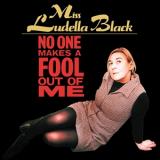
Sie ist zurück und lässt sich nichts mehr gefallen! Brandneues Studioalbum von Miss Ludella Black! "Niemand hält mich zum Narren Das ist mein viertes Soloalbum. Wir hatten einen Riesenspaß beim Aufnehmen, wie ihr sicher merken könnt! Ich werde wieder von den fabelhaften Masonics begleitet, und die eigenen Songs stammen aus der Feder von Mickey Hampshire. Wir haben das Album mit der lokalen Legende Jim Riley in den Ranscombe Studios aufgenommen, nur einen Katzensprung von meinem Hausboot entfernt. Das Etta-James-Cover (ich weiß, wie kann ich es nur wagen!) spielen wir schon seit einer Weile live, ebenso wie "Why Don't You Smile Now", das auch auf dem Album Delmonas 5! zu finden ist. Das Gänsehaut erzeugende "You Waster You" lässt euch die Nackenhaare zu Berge stehen und ist auch ein Highlight meines Live-Sets. Meine persönlichen Favoriten sind "I Bear the Scars" und "I'll Get Over Losing You" beide ganz unterschiedlich, aber sehr typisch Ludella! Ich freue mich riesig, diese tolle LP wieder bei Damaged Goods Records zu veröffentlichen, und hoffe, ihr liebt sie alle genauso sehr wie ich!"" - MISS LUDELLA BLACK, Rochester, Kent (August 2026)
dovrebbe essere pubblicato su 13.11.2026

PEARL ARCTIC VINYL[33,57 €]
Mit ihrem Solodebut "No Human Tongue Can Tell" gelingt Radie Peat eine eindrucksvolle Auseinandersetzung mit der Essenz der Folk Music. Die Sangerin von Lankum zahlt zu den pragenden Stimmen der sogenannten "Irish Green Wave" und verbindet auf diesem Album ihre außergewohnliche Kontra-Alt-Stimme mit tiefem Respekt fur die irische Gesangstradition. Als Interpretin und Multiinstrumentalistin haucht sie uberlieferten Liedern neues Leben ein und macht sie fur die Gegenwart relevant. Die ausgewahlten Songs erzahlen von Liebe, Verrat, ungewollter Schwangerschaft, Gewalt, Verlust und Widerstandskraft. In Stucken wie "The Moon and Stars" oder "Willow Garden" ruckt Peat weibliche Perspektiven in den Mittelpunkt und verleiht historischen Erzahlungen neue emotionale Kraft. Ihre prazise Stimmfuhrung, vielschichtigen Harmonien und sparsam eingesetzten Arrangements schaffen einen Raum, in dem individuelle Erfahrungen zu universellen Geschichten werden. Zugleich versteht Peat Folk als generationsubergreifenden Speicher menschlicher Erinnerung. Die Lieder tragen Spuren zahlloser Leben in sich, und genau diese Verbindung macht sie zeitlos. Atmospharische Stucke wie "Luisne", das melancholische "Same Old Man" oder das historische "Dark Horse on the Wind" zeigen ihre Fahigkeit, Tradition, Geschichte und personliche Interpretation miteinander zu verweben. Ein weiterer Hohepunkt ist "Still I Love Him", das die Ambivalenz von Liebe und Leid beleuchtet und aus einer Geschichte emotionaler Abhangigkeit eine Erzahlung uber Starke und Selbstbestimmung macht. Auch "Bonnie Boy" und das abschließende Triptychon "Cailin Deas" kreisen um weibliche Autonomie, gesellschaftliche Erwartungen und den Wert personlicher Freiheit. So entsteht ein Album, das archaisch und zeitgenossisch zugleich wirkt. Mit großer Empathie, musikalischer Raffinesse und kunstlerischer Eigenstandigkeit macht Radie Peat die Stimmen vergangener Generationen horbar und schafft eine Sammlung von Liedern, die Trost, Erkenntnis und Verbundenheit vermitteln. "No Human Tongue Can Tell" ist damit weit mehr als eine Bewahrung von Tradition: Es ist deren lebendige Weiterentwicklung.
dovrebbe essere pubblicato su 13.11.2026

Mit ihrem Solodebut "No Human Tongue Can Tell" gelingt Radie Peat eine eindrucksvolle Auseinandersetzung mit der Essenz der Folk Music. Die Sangerin von Lankum zahlt zu den pragenden Stimmen der sogenannten "Irish Green Wave" und verbindet auf diesem Album ihre außergewohnliche Kontra-Alt-Stimme mit tiefem Respekt fur die irische Gesangstradition. Als Interpretin und Multiinstrumentalistin haucht sie uberlieferten Liedern neues Leben ein und macht sie fur die Gegenwart relevant. Die ausgewahlten Songs erzahlen von Liebe, Verrat, ungewollter Schwangerschaft, Gewalt, Verlust und Widerstandskraft. In Stucken wie "The Moon and Stars" oder "Willow Garden" ruckt Peat weibliche Perspektiven in den Mittelpunkt und verleiht historischen Erzahlungen neue emotionale Kraft. Ihre prazise Stimmfuhrung, vielschichtigen Harmonien und sparsam eingesetzten Arrangements schaffen einen Raum, in dem individuelle Erfahrungen zu universellen Geschichten werden. Zugleich versteht Peat Folk als generationsubergreifenden Speicher menschlicher Erinnerung. Die Lieder tragen Spuren zahlloser Leben in sich, und genau diese Verbindung macht sie zeitlos. Atmospharische Stucke wie "Luisne", das melancholische "Same Old Man" oder das historische "Dark Horse on the Wind" zeigen ihre Fahigkeit, Tradition, Geschichte und personliche Interpretation miteinander zu verweben. Ein weiterer Hohepunkt ist "Still I Love Him", das die Ambivalenz von Liebe und Leid beleuchtet und aus einer Geschichte emotionaler Abhangigkeit eine Erzahlung uber Starke und Selbstbestimmung macht. Auch "Bonnie Boy" und das abschließende Triptychon "Cailin Deas" kreisen um weibliche Autonomie, gesellschaftliche Erwartungen und den Wert personlicher Freiheit. So entsteht ein Album, das archaisch und zeitgenossisch zugleich wirkt. Mit großer Empathie, musikalischer Raffinesse und kunstlerischer Eigenstandigkeit macht Radie Peat die Stimmen vergangener Generationen horbar und schafft eine Sammlung von Liedern, die Trost, Erkenntnis und Verbundenheit vermitteln. "No Human Tongue Can Tell" ist damit weit mehr als eine Bewahrung von Tradition: Es ist deren lebendige Weiterentwicklung.
dovrebbe essere pubblicato su 13.11.2026

After a stellar debut on the No Guestlist label Blay steps back into the light with an ambitious new record Wave Formations. This record finds Blay pushing further into the space where afro-centric jazz and deep house collide, weaving together synth heavy production with organic rhythms and live instrumentation.
From its opening moments its title track ‘Wave Formations’ holds you captive. From field recordings blurring into a dreamy atmosphere, taking you on a 9-minute spiritual journey across the cosmos.
Its counterpart ‘Rhythm Of Love’ is equally dreamy; A reverb-soaked vocal track with live-band-like energy shape-shifts around its steady and forward pushing rhythm before unwinding into a meandering, melancholic piano outro.
On the flipside, ‘New Teacher’ is an invitation to dance — call-and-response synth phrases on top of driving percussive polyrhythms. What starts off simple and stripped down transforms into a full-on celebration; a boisterous rush of sonic afrofuturism that tries to reach the sun.
Keeping the joyful spirit high, the record closes off with the festive and playful ‘Faith In Us’. This highlife and afro funk inspired record reimagines band members feeding off of one another, switching from recognisable motifs to energetic solos pushing each other further into the light.
dovrebbe essere pubblicato su 13.11.2026
The NE21 stands as one of the most mysterious and elusive projects within the contemporary post-punk and minimal wave landscape. With only two previous releases—through Domestica and She Lost Kontrol—the project has already secured an unquestionable place among the essential names of the genre. After five years of complete silence on the release front, “No Zone” marks their long- awaited return. The record expands the project’s unmistakable universe: cold synth lines, suspended atmospheres, hypnotic rhythms, and a haunting sense of isolation that moves between Trisomie 21 minimal wave austerity and Neon’s emotionally charged post-punk tension, aligned with other Italian wave visionaries such as DsorDNE while connecting with newer tendencies in electronic krautrock and proto-experimental music. Everything in “No Zone” feels deliberate and restrained, unfolding a ghostly elegance, balancing shadowy electronics with sharp melodic instinct. With “No Zone”, The NE21 not only return—they reaffirm their singular position as one of the most distinctive and enigmatic voices operating in the darker edges of underground electronic music. Presented in ONE-OFF truly limited edition of 300 copies lacquered pressed on 180 gr. high quality solid BLACK vinyl. All tracks have been specially remastered and mastered for vinyl by Daniel Hallhuber at Young and Cold Studios (Germany).
Disponibile in Stock e pronto per la spedizione

Disponibile in Stock e pronto per la spedizione
Seagrass Colour Vinyl[34,03 €]
dovrebbe essere pubblicato su 04.12.2026

Evergreen Colour Vinyl[34,03 €]
dovrebbe essere pubblicato su 04.12.2026
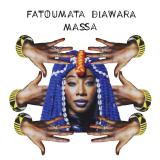
Grammy-nominated Malian singer, songwriter and guitarist Fatoumata Diawara returns in 2026 with MASSA, her most personal work to date. Introspective and powerful, the album explores motherhood, faith, memory, and resilience, transforming intimate reflection into universal storytelling. Through these songs, Fatoumata invites listeners, of all backgrounds, to embrace gratitude and accept that destiny is an inevitable part of the human journey. The album also carries a moving tribute to her late father, whose love continues to guide her beyond his passing. Musically, MASSA sees Fatoumata Diawara expand her sonic universe, blending her Malian musical heritage with pop textures, under the artistic direction of pop icon -M-, creating a sound that is both rooted and forward-looking. With MASSA, she reaffirms her place as one of the most vital voices in African music, transforming personal truth into universal resonance.
Disponibile in Stock e pronto per la spedizione

Disponibile in Stock e pronto per la spedizione

Disponibile in Stock e pronto per la spedizione

Olindo Records is proud to present the physical edition of Venezuelan drummer, producer and artist Orestes Gómez 2nd solo LP: No Me Fui Porque Quise.
This album is a deeply personal and rhythm-driven project where Orestes explores themes of migration, identity, and emotional resilience. Through a fusion of Afro-Caribbean percussion, jazz, hip-hop, and electronic textures, the album tells the story of leaving home not by choice, but by circumstance.
Featuring a host of exciting guests from his home country and beyond, each track blends organic drums with modern production, creating a sound that is both rooted in tradition and forward-thinking. The music moves between introspective moments and powerful rhythmic expressions, reflecting the complexity of displacement, memory, and cultural identity.
Orestes Gómez is much more than a percussionist; he is an architect of rhythm and a visionary of hybrid production. Originally from Venezuela, he has established himself as a leading Latin American voice by fusing the heritage of Afro-Caribbean drums with the avant-garde of electronic music, jazz, and hip-hop.
Disponibile in Stock e pronto per la spedizione

Carly Simon’s No. 1 smash “You’re So Vain” lingers as one of the most clever and famous songs ever recorded. The subject of mass speculation ever since its release, soon after which it occupied the top spot on multiple Billboard charts for weeks, the anthem kept a captive public guessing at the identity of its smug subject for decades. The question surrounding the protagonist’s identity remained perhaps the only mystery on the otherwise sexually open and autobiographically daring No Secrets, Simon’s commercial breakthrough and ‘70s singer-songwriter staple.
Sourced from the original master tapes, pressed at Fidelity Record Pressing in California, strictly limited to 3,000 numbered copies, and housed in a Stoughton gatefold jacket, Mobile Fidelity’s 180g 45RPM 2LP set affords the platinum-certified 1972 effort the finest sonic treatment it’s received on vinyl. Helmed by Richard Perry and recorded at London’s Trident Studios — where Beatles, David Bowie, and Elton John captured landmark LPs — No Secrets touts exceptional production qualities highlighted by this restorative reissue.
Audiophiles and record collectors, take note: This is the first time No Secrets has been available on 45RPM. The wider grooves and dead-quiet surfaces pay instant dividends. Simple, elegant, and disarming, songs seemingly float amid wide, deep soundstages. Simon’s voice takes on a confident, assertive tenor that emerges with accurate imaging, balanced tonality, and palpable presence. String arrangements and backing vocals come through with similar realism.
Enhanced by an all-star cast — Simon’s then-husband James Taylor, Paul and Linda McCartney, Mick Jagger, Lowell George, Klaus Voorman, Bobby Keys, Jim Keltner, Nicky Hopkins, and Bonnie Bramlett are among the renowned musicians who lend a hand — No Secrets advances Simon’s themes of personal introspectiveness, no-holds-barred reflectiveness, and feminist-inspired boldness. She makes every moment of No Secrets worth savoring. Simon invests her all in the songs, handling beautiful ballads, sassy folk-rock numbers, and bluesy fare with calm, composure, and candor.
While acknowledging her own regrets (“You’re So Vain”) and loss (“The Carter Family”), Simon champions the highs (“The Right Thing to Do”) and pains (“His Friends Are More Than Fond of Robin”) of love in a sincere manner indicative of her maturity as both an artist and singer. The New York native distinguishes “When You Close Your Eyes” with deep-rooted spirituality, recalls childhood joys via charming sentimentality on “It Was So Easy,” and and takes ownership of her persona on a cover of Taylor’s “Night Owl.”
“We have no secrets
/We tell each other everything,” Simon sings at the record’s midpoint, encapsulating both the themes and bravura of an effort that was nominated for four Grammy Awards and saw her write or co-write every song but one. Combined with Perry’s savvy instrumental arrangements, her self-assured performances and forthright lyrics grant No Secrets an edginess and relevance immune to the ravages of time.
Questo articolo non è stato ancora rilasciato. È possibile pre-ordinare il prodotto ora.

The Armenian electronic underground has been quietly brewing something visceral. After years navigating the labyrinth of electronic production from his Yerevan studio, Dave N.A. strips away the excess to reveal six raw, uncompromising cuts that pulse with quiet intensity. Not the manufactured urgency of algorithmic dance floors, but the honest tension of someone who’s spent years refining his craft while the scene evolved around him.
Following his debut ‘Altura EP’ on no•id, where collaborations with freq444 showcased his ability to merge Armenia’s electronic scene with Brussels’ underground pulse, Dave N.A. returns with ‘Echoes EP’ after the label’s necessary creative hibernation. This isn’t about comebacks or grand statements. It’s about persistence. About the kind of restless creativity that emerges when you’ve been grinding in relative obscurity, releasing on labels like Uppers and Downers, Typeless, and Elicit Records, slowly building a sound that refuses easy categorization.
The EP opens hard and unexpectedly with “BLINK,” delivering a throat-cutting and all-consuming bassline. “ECHOES” builds around atmospheric sounds and percussive elements, driven by a straightforward yet effective drum sequence. “SHADO” ventures into darker and faster territory with sparse drum programming and heavy sub-bass emphasis. Both “RUSH” and “ORB” unleash torrents of unrelenting breaks, each percussive hit landing with surgical precision as sub-bass currents pull everything forward into hypnotic repetition. “HUNTER” closes the journey, stalking into frame with predatory low-end and razor-sharp hi-hats slicing through dense atmospheric fog.
The no•id ship continues to chart its course through Brussels’ underground, prioritizing artists who value craft over hype. With Dave N.A.’s return, the label reinforces its commitment to electronic music that functions on multiple levels: cerebral yet visceral, local yet universal.
Questo articolo non è stato ancora rilasciato. È possibile pre-ordinare il prodotto ora.
The Jazzcodes and Michele Chiavarini kick off this fine survey of contemporary deep house with 'Wolf Dust (Saison Rework)' which draws on jazz-inflected motifs and feeds them into a steady groove with layered keys sitting over a controlled kick pattern. 'Friday' from DJ Romain works in a more direct frame driven by looping piano stabs and clipped drums with diva vocals injecting heat. 'In The Moment' has an air of cool jazz to it with deft horns and spoken word that muse on the great genre while Saison's 'This Is A House Record' sure is that: classic drums and knotted little synths bring a warming vibe for grown-up floors.
Questo articolo non è stato ancora rilasciato. È possibile pre-ordinare il prodotto ora.

2026 Repress
A collection that balances soulful vibes with modern an edge. Saison's "Can't Get Through" opens with deep textures and a classic house swing, while Piem, Saison & Kid Enigma's "Don't Stop" injects vocal fire and raw energy into the A-side. Flipping over, Matt Gillespie's "Need You Now" layers warmth and urgency into his take on the classic garage sound. Closing the record, Scott Diaz & Miss Yankey's "Intergalactic (Alternate Rub)" ventures into more garage territory with its atmospheric pull and soulful chords. A versatile package that brings together established names and rising voices in perfect balance.

Questo articolo non è stato ancora rilasciato. È possibile pre-ordinare il prodotto ora.

FNS008 is a split EP from Tbilisi-based Generali Minerali and Marsascala-based Sound Synthesis.
Side A is all Generali Minerali - robotic breaks and rough textures with a direct, stripped-back approach.
Former TES resident and now a key figure at Meteor Studio, he plays a vital role in Tbilisi's nightlife.
Side B features Sound Synthesis, blending ethereal pads with acid-driven elements and melodic synths.
As the creator of Wave Function Records, he has released numerous classic Electro/Acid records.
Mastering - Incision Mastering
Artwork - WrongMeow
Distribution - Vinyl Future
Questo articolo non è stato ancora rilasciato. È possibile pre-ordinare il prodotto ora.

ON MANZANITA RED COLOUR VINYL A heavyweight slice of Caribbean DUB! Between 2021-2023 Ruido reworked original Discos Fuentes masters with vintage gear, transforming Colombian tropical classics from the 60's into raw, energy-dubbed, remixed, and reimagined for today. An essential 45RPM for dub heads and tropical groove lovers worldwide.

FANK & No Valentina join forces to create ‘Wavecycle’, a unique EP that blends their strong identities into one singular sound. Despite being on opposite sides of the world, their styles and the way they think about music lined up in a way neither of us expected. They ended up writing a bunch of tracks together, and these four felt like they told the right story.
Disponibile in Stock e pronto per la spedizione

Now, following great acclaim for Volume 1, CTR is proud to unveil another equally eclectic Post-Punk Era Selection Compiled by Jason Boardman ( Before I Die Records) Celebrated Manchester club-night curator & record Label Owner , DJ & digger - supreme.
A second compilation of late 1970s / early 1980s Post-Punk era bedroom & small studio innovations & DIY Inspirations - Featuring more rarely & never heard cuts from that period. Including tracks from the enigmatic Prana, Blank Students, Janet Armstrong & The Native Hipsters ..A rich vein .
Jason Writes Of Volume 2 :
"It was a delightful shock that No Ones Listening Anyway Volume One was so well received - thanks to everyone one who bought & enjoyed it. This led to John asking me to collate Volume Two, so here it is.
This time all the material was recorded & released in the UK between 1978 & 1984.
I was conscious that there was minimal female energy on Volume One so have tried to rectify that here on Volume Two. I have also tried to make it as varied as possible with none hit wonders, oddities, collectables, under the radar B-sides & a couple of previously unreleased on vinyl selections."
Disponibile in Stock e pronto per la spedizione
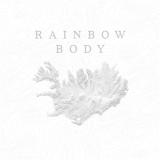
,Rainbow Body" ist das Debütalbum einer außergewöhnlichen musikalischen Zusammenarbeit mit Taylor Goldsmith und Griff Goldsmith (Dawes), Rick Mitarotonda (Goose), Eric Krasno (Lettuce, Soulive), Ross James (Phil Lesh & The Terrapin Family Band) und Adam MacDougall (Chris Robinson Brotherhood, Circles Around the Sun), mit Gastauftritten von Oteil Burbridge (Dead & Company, The Allman Brothers Band) und Nicki Bluhm. Das in Island aufgenommene, selbstbetitelte Album verschmilzt nahtlos Psychedelic Rock, Americana, Soul, Folk und Improvisation zu einem Sound, der sich zugleich zeitlos und abenteuerlich anfühlt. Getragen von Taylor Goldsmiths ausdrucksstarkem Songwriting und bereichert durch die Chemie der versierten Musiker ist ,Rainbow Body" ein facettenreiches Debüt, das den Raum zwischen Americana und Alternative Rock ausfüllt.
dovrebbe essere pubblicato su 08.01.2027

2026 Repress
When the TSA agent left a little note in Mike Huckaby's DJ case at the airport instructing him to protect the records that he dj's with, little did he know that Mike Huckaby would be compiling his first LP. A collection of previously released tracks that have been in demand ever since. All tracks are much louder now, and are remastered. This is also a collection of too many classics, produced by Mike Huckaby. Enjoy !
Disponibile in Stock e pronto per la spedizione

Disponibile in Stock e pronto per la spedizione

Ltd Gold Vinyl[23,95 €]
Lambrini Girls kündigen am 15. Januar ihr mit Spannung erwartetes zweites Album „NO REFUNDS“ an. Ihr Debütalbum „Who Let The Dogs Out“ schaffte es in die Top 20 der britischen Charts, wurde von Magazinen wie Kerrang! und NME auf den Titelseiten vorgestellt, sorgte weltweit für ausverkaufte Tourneen und löste einen regelrechten Hype in den sozialen Medien aus. „No Refunds“ ist düsterer, direkter und radikaler. „BANG BANG BANG“ eröffnet die Kampagne mit voller Wucht: scharf, schnell und explosiv.
Lambrini Girls sind ein Punk-Duo aus Brighton, das Musik über all das macht, worüber deine beschissene Regierung, deine beschissenen Chefs und deine beschissenen Männer lieber nicht reden würden. Phoebe Lunny (Gesang, Gitarre) und Selin Macieira-Boşgelmez (Bass) stehen ganz in der Tradition des Riot Grrrl – roh, laut, witzig und wütend. Ihre Songs über sexuelle Übergriffe, Queerness, Sparpolitik, Rassismus und toxische Beziehungen werden mit einer chaotischen Live-Energie vorgetragen, die Veranstaltungsorte in Moshpits und Fremde in Gemeinschaften verwandelt. Ihr Debütalbum „Who Let The Dogs Out“ (City Slang Records, Januar 2025) war eine der meistgelobten Platten des Jahres: eine Metacritic-Bewertung von 83, was auf „allgemeine Begeisterung“ hindeutet, ein Einstieg auf Platz 16 der britischen Albumcharts, Rough Trades „Album des Monats“ und Platz 12 in Kerrang!s Liste der 50 besten Alben des Jahres 2025. NME kürte es zu einem der 20 besten Debütalben des Jahres. Die Band zierte die Titelseiten von Notion, Kerrang!, Paste, New Noise und Variety und erntete Lob von Größen wie Kathleen Hanna, Sleater-Kinney und Peaches, die ihren Hit „Cuntology 101“ remixten. “ Im Anschluss an das Album folgten mehrere ausverkaufte Headliner-Tourneen durch Europa, Großbritannien und Nordamerika, bei denen sie das O2 Forum Kentish Town ausverkauften und sich einen Auftritt beim Coachella sicherten, bevor sich Frontfrau Phoebe Lunny mitten auf der Tournee in Australien eine Halswirbelfraktur und eine Hirnverletzung zuzog. Die US-Termine wurden verschoben. Und dann neu angesetzt. Eine Reihe von Festivalauftritten wurde angekündigt. Ein Auftritt als Vorgruppe von Bikini Kill in New York wurde hinzugefügt. Das ist nicht die Ruhe vor dem Sturm … Die Lambrini Girls sind schon mittendrin, und sie werden gerade erst richtig loslegen.
dovrebbe essere pubblicato su 15.01.2027

Lambrini Girls kündigen am 15. Januar ihr mit Spannung erwartetes zweites Album „NO REFUNDS“ an. Ihr Debütalbum „Who Let The Dogs Out“ schaffte es in die Top 20 der britischen Charts, wurde von Magazinen wie Kerrang! und NME auf den Titelseiten vorgestellt, sorgte weltweit für ausverkaufte Tourneen und löste einen regelrechten Hype in den sozialen Medien aus. „No Refunds“ ist düsterer, direkter und radikaler. „BANG BANG BANG“ eröffnet die Kampagne mit voller Wucht: scharf, schnell und explosiv.
Lambrini Girls sind ein Punk-Duo aus Brighton, das Musik über all das macht, worüber deine beschissene Regierung, deine beschissenen Chefs und deine beschissenen Männer lieber nicht reden würden. Phoebe Lunny (Gesang, Gitarre) und Selin Macieira-Boşgelmez (Bass) stehen ganz in der Tradition des Riot Grrrl – roh, laut, witzig und wütend. Ihre Songs über sexuelle Übergriffe, Queerness, Sparpolitik, Rassismus und toxische Beziehungen werden mit einer chaotischen Live-Energie vorgetragen, die Veranstaltungsorte in Moshpits und Fremde in Gemeinschaften verwandelt. Ihr Debütalbum „Who Let The Dogs Out“ (City Slang Records, Januar 2025) war eine der meistgelobten Platten des Jahres: eine Metacritic-Bewertung von 83, was auf „allgemeine Begeisterung“ hindeutet, ein Einstieg auf Platz 16 der britischen Albumcharts, Rough Trades „Album des Monats“ und Platz 12 in Kerrang!s Liste der 50 besten Alben des Jahres 2025. NME kürte es zu einem der 20 besten Debütalben des Jahres. Die Band zierte die Titelseiten von Notion, Kerrang!, Paste, New Noise und Variety und erntete Lob von Größen wie Kathleen Hanna, Sleater-Kinney und Peaches, die ihren Hit „Cuntology 101“ remixten. “ Im Anschluss an das Album folgten mehrere ausverkaufte Headliner-Tourneen durch Europa, Großbritannien und Nordamerika, bei denen sie das O2 Forum Kentish Town ausverkauften und sich einen Auftritt beim Coachella sicherten, bevor sich Frontfrau Phoebe Lunny mitten auf der Tournee in Australien eine Halswirbelfraktur und eine Hirnverletzung zuzog. Die US-Termine wurden verschoben. Und dann neu angesetzt. Eine Reihe von Festivalauftritten wurde angekündigt. Ein Auftritt als Vorgruppe von Bikini Kill in New York wurde hinzugefügt. Das ist nicht die Ruhe vor dem Sturm … Die Lambrini Girls sind schon mittendrin, und sie werden gerade erst richtig loslegen.
dovrebbe essere pubblicato su 15.01.2027

dovrebbe essere pubblicato su 15.01.2027

Conjunto Media Luna presents two new tracks that bring together different geographies, collaborators, and histories of cumbia. “Kumbia dos Pasitos,” in collaboration with Turbo Sonidero, and “No es Moda,” alongside La Terrorista del Sabor, are released jointly on 7” vinyl by Little Beat More and on digital platforms through In-correcto. The cover design is by Bogotá-based artist Mateo Rivano, whose work has defined the visual identity of several influential projects in Colombian alternative music.
Disponibile in Stock e pronto per la spedizione

TSSRCT returns with a significant new chapter: its third release, entrusted to Antigone. Across three carefully sculpted pieces, the French artist explores a territory where deep resonance, fragile melody and stripped-down structures converge. More than a return, this EP stands as a timeless statement, reaffirming both Antigone's singular voice and TSSRCT's evolving sonic vision.
Disponibile in Stock e pronto per la spedizione

Wewantsounds is delighted to continue its extensive reissue program of Meiko Kaji"s early discography, originally released by Teichiku Records in Japan between 1972 and 1974. The Quentin Tarantino muse-famous for her starring roles in Lady Snowblood and Stray Cat Rock-was also a gifted singer. Otoko Onna Kokoro No Aika is another collection of superb cinematic songs featuring Kaji"s signature mix of Japanese Pop and Groove, backed by lush, atmospheric orchestrations. This includes her rendition of "Tokyo Nagare Mono," the theme song for Seijun Suzuki"s cult 1966 film Tokyo Drifter. This reissue features the original artwork, an OBI strip, and a four-page insert with new liner notes by Hashim Kotaro Bharoocha, who interviewed Meiko Kaji for the occasion.
Disponibile in Stock e pronto per la spedizione
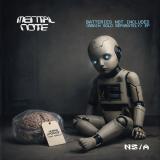
‘Batteries Not Included (Brain Sold Separately)’ EP Arrives Via No Static Automatic
No Static Automatic is proud to announce the new EP from UK Electro legend Phil Klein under his Mental Note alias. Titled “Batteries Not Included (Brain Sold Separately),” this release marks the dynamic follow-up to the acclaimed 2020 debut “Voices In My Head (Noises In My Pants).”
Few authentic Electro producers from the UK can wear the badge ‘legend’ with the same level of justification as Phil Klein, aka Bass Junkie. Active since the late 80s, Klein has tirelessly shaped his distinct vision of Electro, both as a solo artist and through storied collaborations with icons like Dynamix II, Keith Tenniswood (Radioactiveman), and Si Brown (Dexorcist). As a DJ, remixer, live act, and the driving force behind the seminal Battle Trax label, his influence is woven into the fabric of the genre.
With essential releases on labels including DMX Krew’s Breakin’ Records, Andrea Parker’s Touchin’ Bass, and Billy Nasty’s Elektrix, the Bass Junkie sound seamlessly bridges the old-school beats of Electro’s origins with a potent, borderline-industrial edge. As noted by Andy Barton of Bass Agenda: “From funky to ferocious, Bass Junkie’s discography is a must-have for anyone claiming passion for the genre – influential, individual, and infectious with every beat.”
Now, as Mental Note, Klein continues his exploration of electronic psychedelia. The new EP, “Batteries Not Included (Brain Sold Separately),” is a four-track expedition through the Electro cosmos:
“Brainwash” immerses the listener in swirling, hypnotic synths.
“They're Not Blue, They’re Purple” delivers a masterclass in crunchy, textured drums.
“Primordial Soup” showcases frantic, intricate programming.
“Kluster Funk” offers a moment of deep, sonic relief and groove.
Each track reinforces Mental Note’s signature: a journey that is cerebral, raw, and irresistibly rhythmic.
About Bass Junkie/Mental Note:
Phil Klein, operating primarily under the alias Bass Junkie, is a cornerstone of the UK Electro scene. For over three decades, his work has defined and evolved the sound, earning him a revered status among peers and purists. His Mental Note project is a focused outlet for a deeper, more experimental strand of his production genius, further solidifying his legacy as an electronic music innovator.
Disponibile in Stock e pronto per la spedizione

Disponibile in Stock e pronto per la spedizione

"After being praised as one of the best releases of 2025 by multiple platforms, the highly praised debut album from Obeka lands on vinyl via YUKU.
The rhythmic dynamics and emotive attitudes of A World No More captures the density of soundsystem culture in Obeka's ancestral roots. YUKU presents the Bermudians debut album capturing a Neo-Colonial dystopia, protest and Afro-Futurism hyperextended through decaying sonic structures of a dark past and its grievances which very much exist today.
Growing into adulthood within the walls of British and European Colonial systems meant the disconnection and lostness in a new country hid me from the world at a young age. Unlike London's vast and culturally engaging migrant communities, the industrial milling town of Stockport introduced a coldness towards people from other countries I experienced in my first year after relocating from Bermuda. I couldn't understand why. Whether cold words thrown towards me or actions upon other people who look like me, it has shown to be a dooming societal virus with no cure. The most comfort was found through what was familiar - drums and rhythmic spirituality of my homeland. It was a safe-haven, a place to empty the anger and confusion. It's been 15 years since relocating and as my sound evolved, it seems classism, racism, oppression and civil control of ethnic peoples has become worse - even now more legalised and normalised. Ogun (a powerful Yoruba deity associated with anger, justice and war) acts as the opening sequence of the record and its symbolism. Using distorted bass frequencies and dissected Regga-Dub immersed in live-sampled ghostly voices of the lost ones. This sonic exercising is also applied in Drillaman - a stampede of industrial framework and metallic instruments wielded over moody Dancehall MC'ing, magnifying two parallel worlds in cocooned evolution. The resurrection of Transatlantic African cultures and identity have never been silenced, rather carried elsewhere through trade routes of enslavement, which was pivotal when composing and completing the album upon returning home to the Caribbean for the first time ever. After reconnecting with my heritage my blurred vision of what's wrong in the world became so clear. Guidance in empty plains seek truth throughout the pain - A statement of finding oneself expressed on the poetic closing track A World No More.
On Fawohodie (A West African Adinkra symbol that represents independence, freedom, and emancipation stamped on the album cover) the motive and atmosphere begins to change. Afro-Caribbean idealism which refers to the philosophical concept that emphasizes the interconnectedness of individuals and the importance of community, often contrasting with Western individualism, begins to take shape in a new universe. We can co-exist. The track framework uses machine-led software forming frequencies we have no control over, then manipulated through decomposing soundscapes, scattered hand-drums and human-made weapons of control - exposing the hidden disparity that's been carried over generations whilst balancing hopeful and musical foundations towards equality and peace. On Pressure and Kuduro! the writing direction attempts to wake people up. Not settling for a composed approach like in past projects, quite the opposite. A call for native sonic awareness, dismantled vocals of protests, eroded percussion using chains, gears and motorised harmonies sculpted in challenging abstract behaviors far outside my comfort zone. A direct abrasiveness and weight I want people to feel, whilst finding hope and solace through enchanting choirs and hypnotic basslines in complete synchrony.
"Purity in sound manifests when you least expect it. The smallest memory or feeling grows from a seed into a sonic language that you, and only you can interpret and release back into the world." "
Disponibile in Stock e pronto per la spedizione

Fancy footwork for freaky festivities by Breda beat boss Bryce. Cool cat Coco comes correct.
Disponibile in Stock e pronto per la spedizione

Disponibile in Stock e pronto per la spedizione
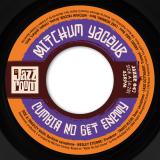
Mitchum Yacoub flips Fela Kuti's legendary "Water No Get Enemy" into a full-force cumbia frenzy featuring a scalding 4-piece horn section. As a drummer who toured with Seun Kuti and Egypt 80, Yacoub has a healthy understanding of this Afrobeat classic yet makes it entirely his own. This is followed by "Zaire", inspired by the legendary festival Zaire '74,which rides on the James Brown side of afrobeat with the low-end dialed up— sure to resonate with every bone in your dancing body.
Two more Glide In Your Stride Winners brought to you by London Underground Label Jazz Room!
Disponibile in Stock e pronto per la spedizione
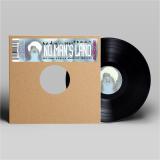
Complimenting his singular debut LP, 2025’s ‘Light Months Will Fly Over Us’, singer-songwriter and producer Addy Weitzman sees his thoughtful artrock and new wave aesthetic expanded by The Time & Space Machine for a limited three-track 12".
The long-running alias of British DJ, archivist and acid pioneer Richard Norris, this trio of remixes from The Time & Space Machine’s central processing unit finds Norris in a jubilant raving mode, his trademark psychedelia contributing to Slacker at its best and baggiest. The initial mix captures Weitzman’s songwriting in full, including his portentous vocal hook – “No man is a prophet in his own land” – a proverb first found in the gospels, blessed with the innovative Norris’s application of hypnotic groove, fat low-end and a ton of percussion.
The B-side sees Norris stripping things back in two directions: the Shango Dub draws focus on the higher vibrations found in the track’s beautifully intertwined percussive and synth elements, while the Riddim Mix reduces the frequencies further still, with a phased, slightly fried drum workout primed to spin heads as the night gets deeper and darker.
Disponibile in Stock e pronto per la spedizione
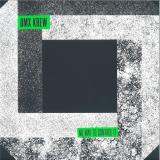
"Ed DMX has been part of Shipwrec since the label's inception. Under his DMX Krew moniker, this analogue wizard has released four Eps and one LP on the Nijmegen imprint. DMX Krew returns to Shipwrec for a brand new album, a collection that displays yet another side of this sculptor's sound. Brutal and cold, shadows are long and shades dark from the outset. Drum patterns twist in tempo and intent, from hard and punishing to gentle and fragile. Elements of breaks and industrial are also present in the percussion, this fragmenting allowing deep and soulful melodies to counter the battery. In fact, echoes of electronica permeate the harmonies across the LP such as deep and divergent "Interrupt." No single style is adhered to. Instead, the full palette of machine music is employed. From the squelchy Tudor electrofunk of "I Wonder Why" to the melancholic braindance of "Rephlections in Time", genre boundaries are given little credence. Instead, Ed DMX draws on his decades of experience to create sounds that are both familiar and completely one of a kind. The deep-sea dive of "Final Comedown" is juxtaposed with the ambling calypso of "Dinosaur Reaction", styles reimagined and reshaped to the creator's evolving purpose. Echoes of the halcyon days of Rephlex permeate the 2LP. The harshness and softness of the Cornwall imprint being present throughout, those more subtle tones coming to the fore in the delicate beauty of the "Phaser Level 2." A transcendent album and a certified future classic. To accompany this very special release, there will be a limited edition run with full cover art by Ruwedata. An artist very close to Shipwrec's heart, Ruwedata was responsible for the sleeve work on DMX Krew's Cosmic Awakening."
Disponibile in Stock e pronto per la spedizione
