YANGA brings a new dimension to the rapidly growing scene of Afro-Latin independent music taking shape in Los Angeles and concentrated in the fertile enclave known as the Inland Empire. Intertwined with other intrepid musical explorers who call the IE home, YANGA has sprouted their own distinct branch on the tree of Caribbean music and culture.
Much like their cousins and Names You Can Trust label mates of the same Southern California region (QUITAPENAS, EL SANTO GOLPE and BUYEPONGO), YANGA creates new recipes based on a traditionalbouillabaisseof Afro-Carib rhythm, sharing a few ingredients and musicians to develop a deeper chemistry and cohesiveness but cohering into their own piquant flavor.
YANGA's singular focus and strength is their inspiration from and adherence to the beloved rhythms found throughout the Caribbean coast of Colombia — rhythms like cumbia,garabato, tambora and zambapalo. These rhythms form a touchstone and a proud statement of purpose for their debut on Names You Can Trust.
Led by John D'Alessandro's accordion and the fiery female voice of Eddika Organista (El Haru Kuroi), this new recording is an intense ode to the band's fundamental influences, conceptually crystallized in the studio of Chicano Batman bassist Eduardo Arenas with veteran Marcos Garcia (Antibalas, Chico Mann, Here Lies Man) crafting the mix. It's a realized and impeccably executed scene of dark, gritty and saturated drums and bass, the entire sonic landscape dosed with subtle psychedelia and studio wizardry that never overshadows the band's natural performance or their reverence for the classic sounds of the tropical '70s. The finished product is a perfect juxtaposition between vintage and modern. This special edition, double-issue single packed with deep dancefloor grooves are a sure-shot entry into the timeless canon of Afro-Caribbean recordings.
Cerca:yanga
- 1
YANGA brings a new dimension to the rapidly growing scene of Afro-Latin independent music taking shape in Los Angeles and concentrated in the fertile enclave known as the Inland Empire. Intertwined with other intrepid musical explorers who call the IE home, YANGA has sprouted their own distinct branch on the tree of Caribbean music and culture.
Much like their cousins and Names You Can Trust label mates of the same Southern California region (QUITAPENAS, EL SANTO GOLPE and BUYEPONGO), YANGA creates new recipes based on a traditionalbouillabaisseof Afro-Carib rhythm, sharing a few ingredients and musicians to develop a deeper chemistry and cohesiveness but cohering into their own piquant flavor.
YANGA's singular focus and strength is their inspiration from and adherence to the beloved rhythms found throughout the Caribbean coast of Colombia — rhythms like cumbia,garabato, tambora and zambapalo. These rhythms form a touchstone and a proud statement of purpose for their debut on Names You Can Trust.
Led by John D'Alessandro's accordion and the fiery female voice of Eddika Organista (El Haru Kuroi), this new recording is an intense ode to the band's fundamental influences, conceptually crystallized in the studio of Chicano Batman bassist Eduardo Arenas with veteran Marcos Garcia (Antibalas, Chico Mann, Here Lies Man) crafting the mix. It's a realized and impeccably executed scene of dark, gritty and saturated drums and bass, the entire sonic landscape dosed with subtle psychedelia and studio wizardry that never overshadows the band's natural performance or their reverence for the classic sounds of the tropical '70s. The finished product is a perfect juxtaposition between vintage and modern. This special edition, double-issue single packed with deep dancefloor grooves are a sure-shot entry into the timeless canon of Afro-Caribbean recordings.
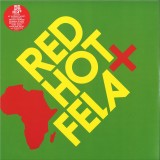
- A1: Baloji & L'orchestre De La Katuba Feat Kuku – Buy Africa
- A2: Tune-Yards, ?Uestlove*, Angélique Kidjo + Akua Naru– Lady
- A3: Spoek Mathambo + Zaki Ibrahim– Yellow Fever
- A4: Nneka, Sinkane, Abraham Amayo + Superhuman Happiness– No Buredi (No Bread)
- B1: Just A Band + Childish Gambino– Who No Know Go Know
- B2: My Morning Jacket With Merrill Garbus + Brittany Howard– Trouble Sleep Yanga Wake Am
- C1: Kronos Quartet, Kyp Malone, Tunde Adebimpe* + Stuart Bogie– Sorrow Tears + Blood
- C2: Superhuman Happiness With Sahr Ngaujah, Abena Koomson + Rubblebucket– Itt (International Thief Thief)
- C3: Tony Allen, M1 + Baloji– Afrodisco Beat 2013
- D1: Just A Band, Bajah + Chance The Rapper– Gentleman
- D2: Gender Infinity– Highlife Time
- D3: Spoek Mathambo, Cerebral Vortex + Frown– Zombie
- D4: King – Go Slow
Auf dem Album feiern Künstler wie Angelique Kidjo, uestlove (The Roots), M1 (Dead Prez), tUnE-yArDs, Kronos Quartet, Baloji, Spoek Mathambo, Nneka oder Tony Allen in dreizehn grandiosen Neubearbeitungen Fela Kutis musikalisches Vermächtnis. Außer der Compilation veröffentlicht Knitting Factory Records ebenfalls am 15. Oktober die letzten sechs Titel in der Reissue-Serie von Fela Kutis Gesamtwerk, die im März dieses Jahres mit der Compilation "The Best Of The Black President 2" und der ersten Staffel der CDs begonnen hatte.
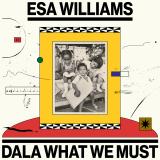
- A1: Ita Ayelala
- A2: Yanga
- B1: Kwanini
- B2: Nakupenda
- C1: Summerskin
- C2: Vanguard Drive
- D1: Cruisin Kruga
- D2: Dala What We Must
Marking twenty years since South African producer and DJ Esa Williams left Cape Town, Dala What We Must is a deeply personal and expansive debut LP, an exploration of movement, memory, and sound shaped by two decades of creative evolution.
Co-created with collaborator and multi-instrumentalist Robin G. Breeze, the album deftly combines field recordings, layered instrumentation, and emotionally resonant compositions into a nuanced, globally influenced body of work. It also stands as Esa’s most collaborative release to date, featuring contributions from musicians across London, Oaxaca, Nairobi, and Cape Town, each adding their own creative energy to a project built on openness, trust, and shared experience.
The album draws inspiration from Esa’s recent ventures into documentary scoring and soundtracking, with projects like Cursed (Audible) and The Invisible Hand teaching him to listen differently, to honour space, to serve the story. That sensibility permeates the album, resulting in music that breathes, lingers, and listens as much as it speaks.
The title, Dala What We Must, is a South African call to action: a reminder to do what’s necessary, even in uncertainty. Finalised in the months leading up to Esa’s transition into fatherhood, the record carries a sense of grounding, care, and quiet transformation.
Dala What We Must is a sonic reflection of journey and community, a deeply collaborative project rooted in connection and guided by intention.
- A1: Kwanini
- A2: Ita Ayelala
- A3: Yanga
- A4: Nakupenda
- B1: Summerskin
- B2: Cruisin Kruga
- B3: Vanguard Drive
- B4: Dala What We Must
Marking twenty years since South African producer and DJ Esa Williams left Cape Town, Dala What We Must is a deeply personal and expansive debut LP, an exploration of movement, memory, and sound shaped by two decades of creative evolution. Co-created with collaborator and multi-instrumentalist Robin G. Breeze, the album deftly combines field recordings, layered instrumentation, and emotionally resonant compositions into a nuanced, globally influenced body of work. It also stands as Esa’s most collaborative release to date, featuring contributions from musicians across London, Oaxaca, Nairobi, and Cape Town, each adding their own creative energy to a project built on openness, trust, and shared experience. The album draws inspiration from Esa’s recent ventures into documentary scoring and soundtracking, with projects like Cursed (Audible) and The Invisible Hand teaching him to listen differently, to honour space, to serve the story. That sensibility permeates the album, resulting in music that breathes, lingers, and listens as much as it speaks.
The title, Dala What We Must, is a South African call to action: a reminder to do what’s necessary, even in uncertainty. Finalised in the months leading up to Esa’s transition into fatherhood, the record carries a sense of grounding, care, and quiet transformation. Dala What We Must is a sonic reflection of journey and community, a deeply collaborative project rooted in connection and guided by intention.
- A1: Third Root Radio
- A2: Reflection Of The Times (Feat Reggie Coby)
- A3: Justice Or Else
- B1: Bullets For The Truth (Feat Amalia Ortiz & Queen Yonasda)
- B2: The Messengers (Feat World Trade)
- B3: Yanga's Theme
- C1: Flags And Body Bags (Feat Sofy Encanto Of Elastic Bond)
- C2: A Day In The Life / Poet (Feat Fiend & Marcelandrie); Featuring – Fiend (2)
- C3: The Revolution Won't Go Viral (Feat Bavu Blakes)
- D1: Soul Force (Feat Da'shade, Riders Against The Storm, Bavu Blakes, Vocab)
- D2: Libertad (Feat Mellow Man Ace); Featuring – Mellow Man Ace
- D3: Soul Force (Cookin' Soul Remix); Featuring – Bavu Blakes, Da'shade, Riders Against The Storm, Vocab; Producer – Cookin' Soul
Clear Vinyl[30,21 €]
serpentwithfeet, der in Baltimore geborene Sänger und Songwriter, geht als vielseitiges Talent mit natürlichen Schritten von Kapitel zu Kapitel in seiner Karriere. Sein drittes Album GRIP ist auf der Tanzfläche schwarzer Schwulenclubs beheimatet und handelt von den intimen Momenten, die sich dort und danach ereignen, ganz gleich, an welchem Ort. Es erforscht die kleinen Momente der körperlichen Berührung und wie sie entstehen. Ob es ein Griff um die Taille oder das Gesicht ist, serpentwithfeet schafft es, alle Blickwinkel zu erkunden. GRIP und der Black-Gay-Club stehen in einem interessanten Verhältnis zueinander: Der Club ist öffentlich; die Tanzfläche ist offensichtlich ein Ort, an dem sich die Menschen gegenseitig anschauen und beobachten. Gleichzeitig ist der Black Gay Club ein sicherer Gemeinschaftsraum, er ist "für uns" und in dieser Hinsicht sehr privat, sehr intim. Diese Clubs boten ihm eine andere Atmosphäre, einen anderen Komfort und ein anderes Gefühl des Willkommenseins, das ihn auf eine neue Weise förderte. Von Anfang bis Ende durchlebt GRIP klanglich die Höhen und Tiefen nicht nur einer Clubnacht, sondern auch einer Romanze. "Damn Gloves (ft. Ty Dolla $ign and Yanga YaYa)" fängt den Adrenalinrausch eines nächtlichen Höhepunkts mit einem wummernden Bass ein, der in eine Dance-Produktion eingebettet ist, die die Geschwindigkeit des Herzschlags nachahmt, wenn die Intimität zwischen zwei Liebenden hoch kocht. "Spades" nutzt eine süße, gitarrenbetonte Melodie, um einen zärtlichen Moment zu schaffen, wie es ein Slow-Dance tun würde. "Lucky Me" ist süß und ehrlich, ohne irgendetwas, das vom eigentlichen Moment ablenkt. Seine Stimme, eine glitzernde Gitarrenmelodie und bezaubernde Synthies dienen als treibende Kraft, um eine neue Romanze zu fördern. Es ist ein Werk, das die Momente hervorhebt, die dem Herzen am nächsten sind. Im Laufe seiner siebenjährigen Karriere hat er seine Vielseitigkeit durch R&B-Musik bewiesen, die sowohl düster als auch spirituell und fröhlich ist. serpentwithfeet geht immer wieder an die Grenzen seiner Kunst.
Black Vinyl[30,21 €]
serpentwithfeet, der in Baltimore geborene Sänger und Songwriter, geht als vielseitiges Talent mit natürlichen Schritten von Kapitel zu Kapitel in seiner Karriere. Sein drittes Album GRIP ist auf der Tanzfläche schwarzer Schwulenclubs beheimatet und handelt von den intimen Momenten, die sich dort und danach ereignen, ganz gleich, an welchem Ort. Es erforscht die kleinen Momente der körperlichen Berührung und wie sie entstehen. Ob es ein Griff um die Taille oder das Gesicht ist, serpentwithfeet schafft es, alle Blickwinkel zu erkunden. GRIP und der Black-Gay-Club stehen in einem interessanten Verhältnis zueinander: Der Club ist öffentlich; die Tanzfläche ist offensichtlich ein Ort, an dem sich die Menschen gegenseitig anschauen und beobachten. Gleichzeitig ist der Black Gay Club ein sicherer Gemeinschaftsraum, er ist "für uns" und in dieser Hinsicht sehr privat, sehr intim. Diese Clubs boten ihm eine andere Atmosphäre, einen anderen Komfort und ein anderes Gefühl des Willkommenseins, das ihn auf eine neue Weise förderte. Von Anfang bis Ende durchlebt GRIP klanglich die Höhen und Tiefen nicht nur einer Clubnacht, sondern auch einer Romanze. "Damn Gloves (ft. Ty Dolla $ign and Yanga YaYa)" fängt den Adrenalinrausch eines nächtlichen Höhepunkts mit einem wummernden Bass ein, der in eine Dance-Produktion eingebettet ist, die die Geschwindigkeit des Herzschlags nachahmt, wenn die Intimität zwischen zwei Liebenden hoch kocht. "Spades" nutzt eine süße, gitarrenbetonte Melodie, um einen zärtlichen Moment zu schaffen, wie es ein Slow-Dance tun würde. "Lucky Me" ist süß und ehrlich, ohne irgendetwas, das vom eigentlichen Moment ablenkt. Seine Stimme, eine glitzernde Gitarrenmelodie und bezaubernde Synthies dienen als treibende Kraft, um eine neue Romanze zu fördern. Es ist ein Werk, das die Momente hervorhebt, die dem Herzen am nächsten sind. Im Laufe seiner siebenjährigen Karriere hat er seine Vielseitigkeit durch R&B-Musik bewiesen, die sowohl düster als auch spirituell und fröhlich ist. serpentwithfeet geht immer wieder an die Grenzen seiner Kunst.
- A1: Buy Africa Von Baloji & L’orchestre De La Katuba Feat Kuku
- A2: Lady Von Tune-Yards, ?Uestlove, Angelique Kidjo + Akua Naru
- A3: Yellow Fever Von Spoek Mathambo + Zaki Ibrahim
- A4: No Buredi (No Bread) Von Nneka, Sinkane, Amayo + Superhuman Happiness
- B1: Who No Know Go No Von Childish Gambino + Just A Band
- B2: Trouble Sleep Yanga Wake Am Von My Morning Jacket, Merrill Garbus + Brittany Howard
- C1: Sorrow, Tears & Blood Von Kronos Quartet, Kyp Malone, Tunde Adembimpe + Stuart Bogie
- C2: Itt (International Thief Thief) Von Superhuman Happiness W/ Sahr Ngaujah, Abena Koomson + Rubblebucket
- C3: Afrodisco Beat Von Tony Allen, M1 + Baloji
- D1: Gentleman Von Just A Band, Bajah + Chance The Rapper
- D2: Highlife Time Von Gender Infinity
- D3: Zombie Von Spoek Mathambo, Cerebral Cortex + Frown
- D4: Go Slow Von King
Fela Kuti lives on! Die Neuauflage eines Klassikers. Das ursprünglich 2013 erschienene Tribute-Album zum 10-jährigen Jubiläum jetzt erhältlich auf bananengelbem und rotem Vinyl. Der gesamte Erlös aus den Verkäufen kommt Red Hot zugute, einer gemeinnützigen Organisation, die sich dem Kampf gegen AIDS verschrieben hat.
Das Album enthält klassische Fela-Hymnen wie 'Lady', aufgenommen von tUnE-yArDs, ?uestlove, Angelique Kidjo und Akua Naru. 'Who No Know Go No' von Childish Gambino und Just A Band; 'Trouble Sleep Yanga Wake Am', aufgenommen von My Morning Jacket, Merrill Garbus (von tUnE-yArDs) und Brittany Howard (von Alabama Shakes); 'Zombie', aufgenommen von Spoek Mathambo, Cerebral Cortex und Frown; und 'Sorrow, Tears & Blood', neu arrangiert vom Kronos Quartet zusammen mit Kyp Malone und Tunde Adembimpe von TV On The Radio.
Seit seinem Tod 1997 an Komplikationen im Zusammenhang mit Aids hat sich Fela von einem westafrikanischen household name und einem Musiker für Musiker in Europa und Amerika zu einer weltweiten Musikikone entwickelt.
African Singer-songwriter Blick Bassy is back with a fifth album, again sung in the Baasa language of Cameroon. Madíbá brings together twelve songs in the form of fables, dedicated to the theme of water, in which his high and angelic voice dominates, carried by delicate guitar, synthesizer melodies, and sober brass arrangements. The cuts are diaphanous and nevertheless modernist songs, which testify to a contemporary and poetic Africanity at the crossroads of soul, folk, and electro.
Blick Bassy’s albums have a humanist and universal dimension. His fifth and new solo album, titled Madíbá, which means water in the Douala language of Cameroon, comes in the form of songs close to the fable, in which Bassy explores "a theme shared by all” of water, the source of life.
The fables of the album, all born in the imagination of Blick, explore in a more concrete way different themes related to water, its rarity, its necessity, its energy or its vital power. The twelve songs all bring together a series of figures, animals, or various characters, embodied in turn by Blick Bassy. "I have fun stepping into the shoes of a bird, a cat conversing with an elephant, a flower worrying about its declining beauty, a monkey looking for a spring or a storyteller with his grandchildren. In these texts, water can even take on a human appearance.”
Beyond the tale, the texts of the album also refer to our climate crisis, or to the problems of access to water, a way for the artist to approach serious subjects through a poetic form which avoids didactic or moralizing speeches.
Nigerian Afrobeat composer, bandleader, and multi-instrumentalist Fela Kuti has a vast catalogue that dates back over half a century. Roforofo Fight is one of the many standouts and it was recorded in Lagos in 1972 on the Jofabro label with the legendary Tony Allen on drums as well as Christopher Uwaifor on tenor, Lekan Animashaun on baritone and many other key players alongside the main man. The lyrics convey Fela's frustration at intolerant and violent behaviour as told through the story of a street fight.
- A1: Morning Prayer
- A2: Bullies
- A3: No Commas
- A4: Gaspar Yanga (Feat. Snoop Dogg)
- B1: Top Of The Morning
- B2: Sunkissed Child (Feat. Jill Scott & Iguocho)
- B3: Black Habits I (Feat. Jackie Gouché)
- B4: Fly (Feat. Davion Farris)
- C1: Seasons Pass
- C2: Fallin
- C3: Lights On (Feat. Sir)
- C4: Real Body (Feat. Ari Lennox)
- D1: Free
- D2: Like My Daddy
- D3: Closer To God (Feat. Sir)
- D4: Black Habits Ii
Hailing from Inglewood, California, Daniel “D SMOKE” Farris personifies the city's cultural duality: nurtured by the boulevards and natured by his family’s rich musical legacy. Smoke gained global notoriety in 2019 as champion and undisputed breakout star of Netflix’s Rhythm + Flow. In February 2020, Smoke released Black Habits. The 16-track project boasts features from music legends Snoop Dogg and Jill Scott, as well as appearances from Ari Lennox, his brothers SiR and Davion Farris, and mother, Jackie Gouché. D Smoke further solidified his resume with two Grammy nominations for Best Rap Album and Best New Artist of 2020. As a Black, Bilingual Rapper, Musician, and CEO, Smoke utilizes his lived experiences to create music and opportunities that bridge the cultural gaps seemingly present between Black and Brown communities, and the have and have-nots.
Signed to Parisian label N F rmat! (home to Oumou Sangar , Blick Bassy & M lissa Laveaux), Soweto-based 4 piece band Urban Village present their debut album, ‘Udondolo’.
Marrying the day-to-day experiences of black South Africans with ebullient elements from traditional Zulu music, Urban Village is the alias of four experimental musicians all born & raised in the township of Soweto at the tail end of apartheid.
Urban Village release music under a name which specifically references the blend of cultures, music & rites which were assimilated into the now 1 million strong population of Soweto, when black South Africans from multiple provinces were brought to the area during the establishment of apartheid, under strict segregation from Johannesburg’s white suburbs.
Born for the most part in the last years of apartheid, whilst growing up the band plunged happily into house and dance music that turned the page of a heavy past. Guitarist Lerato came across older Zulu musicians and their style of maskandi playing. Lerato has since mixed styles from homelands and rural areas, sharpened in club jam sessions (where he went on to meet Tubatsi and form Urban Village) during which spoken word, hip-hop and jazz rub shoulders freely.
‘Udondolo’ - partially recorded at legendary Downtown Studios in the heart of Johannesburg and at Figure of 8 studios in the leafy suburbs of Randburg, - is a journey through all the colours of Soweto. This is where it draws its consistency, strength & identity. That of Soweto itself - a dormitory town designed to
monitor those who were sent there, it has become a laboratory of music where the hopes of an entire people resonate, even today.
The latest signing to Parisian label No Format! (home to Oumou Sangaré, Blick Bassy and Mélissa Laveaux), Soweto-based 4 piece band Urban Village will release their debut album "Udondolo". Marrying the day-to-day experiences of black South Africans with ebullient elements from traditional Zulu music, Urban Village is the alias of four experimental musicians all born & raised in the township of Soweto at the tail end of apartheid; Urban Village release music under a name which specifically references the blend of cultures, music & rites which were assimilated into the now 1 million strong population of Soweto, when black South Africans from multiple provinces were brought to the area during the establishment of apartheid, under strict segregation from Johannesburg's white suburbs. Born for the most part in the last years of apartheid, whilst growing up the band plunged happily into house and dance music that turned the page of a heavy past. Guitarist Lerato came across older Zulu musicians and their style of maskandi playing. Lerato has since mixed styles from homelands and rural areas, sharpened in club jam sessions (where he went on to meet Tubatsi and form Urban Village) during which spoken word, hip-hop and jazz rub shoulders freely. "Udondolo" - partially recorded at legendary Downtown Studios in the heart of Johannesburg and at Figure of 8 studios in the leafy suburbs of Randburg - is a journey through all the colours of Soweto. This is where it draws its consistency, strength & identity. That of Soweto itself - a dormitory town designed to monitor those who were sent there, it has become a laboratory of music where the hopes of an entire people resonate, even today.
- 1