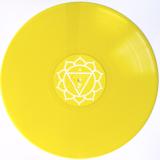
Search:yellow dance classics

Styles
All
  • 1
LEE MCDONALD - Sweet Magic LP

LEE MCDONALD

Sweet Magic LP

12inchPLP-8335CY
P-Vine Japan
19.06.2026
  • 01: Sweet Magic
  • 02: Slow Down
  • 03: We’ve Only Just Begun
  • 04: Let’s Play Luck
  • 05: I’ll Do Anything For You
  • 06: Show Me
  • 07: Gotta Get Home
  • 08: Sweet Magic (Instrumental)
  • 09: Memories
  • 10: Little Things
  • 11: I Still Believe In Love
  • 12: Center Of My Life
  • 13: Toys
  • 14: Call To Worship
  • 15: More Of Me

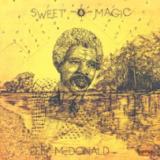
Originally released in 1981 on the New Jersey-based Debbie Label, Sweet Magic is the one and only album by Lee McDonald. Produced by Ron Foster -
best known as a member of Ecstasy, Passion & Pain—the album is widely regarded as a standout modern soul classic, covering everything from uplifting
Philly-style dancers to sweet and mellow slow jams.

The album also features superb arrangements that update well-known classics into vibrant Philly soul, including The Carpenters’ smash hit “We’ve Only Just
Begun” and Ecstasy, Passion & Pain’s “I’ll Do Anything For You.” This reissue is pressed on limited yellow-colored vinyl inspired by the album’s iconic
illustrated sleeve, long cherished by rare groove collectors.

pre-order now19.06.2026

expected to be published on 19.06.2026

38,03
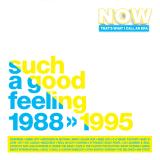
Various - NOW That's What I Call An Era - Such A Good Feeling: 1988 – 1995
  • A1: Brothers In Rhythm - Such A Good Feeling
  • A2: Black Box – Ride On Time
  • A3: C+C Music Factory - Gonna Make You Sweat (Everybody Dance Now)
  • A4: Inner City - Good Life
  • A5: Adventures Of Stevie V - Dirty Cash (Money Talks)
  • A6: Grace – Not Over Yet
  • A7: Billie Ray Martin – Your Loving Arms
  • B1: S'express - Theme From S-Express
  • B2: Kenny “Dope” Presents The Bucketheads - The Bomb! (These Sounds Fall Into My Mind)
  • B3: Nightcrawlers - Push The Feeling On
  • B4: Coldcut And Lisa Stansfield - People Hold On (Single Version)
  • B5: Bomb The Bass - Beat Dis
  • B6: Tony Di Bart - The Real Thing
  • B7: Saint Etienne - He's On The Phone
  • B8: D Ream – U R The Best Thing
  • C1: Snap! - Rhythm Is A Dancer
  • C2: Corona – The Rhythm Of The Night
  • C3: Real Mccoy - Another Night
  • C4: Dr. Alban - It’s My Life
  • C5: Haddaway - What Is Love
  • C6: K.w.s. - Please Don’t Go
  • C7: Cappella - U Got 2 Let The Music
  • C8: Opus Iii – It’s A Fine Day
  • D1: Deee-Lite – Groove Is In The Heart
  • D4: Urban Cookie Collective - The Key, The Secret
  • D5: Oceanic - Insanity - Dream Tripper (Old Skool Radio Edit)
  • D6: N-Trance – Set You Free
  • D7: Felix - Don't You Want Me
  • D8: Utah Saints - Something Good
  • E1: Yazz & The Plastic Population - The Only Way Is Up
  • E2: 49Ers - Touch Me
  • E3: Baby D - Let Me Be Your Fantasy
  • E4: Rozalla – Everybody’s Free (To Feel Good)
  • E5: Strike - U Sure Do
  • E6: Jx – Son Of A Gun
  • E7: Blue Pearl - Naked In The Rain
  • E8: Adamski & Seal - Killer
  • F1: Soul Ii Soul, Caron Wheeler - Back To Life (However Do You Want Me)
  • F2: Beats International - Dub Be Good To Me
  • F3: Freak Power - Turn On, Tune In, Cop Out
  • F4: The Prodigy – Charly
  • F5: Guru Josh - Infinity
  • F6: 808 State - Pacific - 707
  • F7: The Beloved - The Sun Rising
  • D2: Livin' Joy - Dreamer
  • D3: Cece Peniston - Finally

NOW Music proudly presents the next release in our “NOW That’s What I Call An Era” series - Such A Good Feeling: 1988-1995 – a euphoric celebration of a truly transformative time in music.

This stunning 3LP set pressed on blue, white and yellow vinyl showcases 46 essential tracks that soundtracked the dancefloors, charts, and airwaves from the late ’80s through the ’90s — an era when dance culture reshaped the mainstream, soundtracked a generation, and lit up the charts across the UK and beyond

LP1 – Side A opens in style with ‘Such A Good Feeling’ from Brothers In Rhythm, this collection’s inspiring title…followed by Black Box with ‘Ride On Time’ — the best-selling UK single of ’89, and one of dance music’s defining tracks. Massive club classics continue with C+C Music Factory’s ‘Gonna Make You Sweat (Everybody Dance Now)’, house anthems from Inner City with ‘Good Life’, and ‘Dirty Cash (Money Talks)’ from Adventures Of Stevie V, plus dance-pop gems ‘Not Over Yet’ from Grace, and Billie Ray Martin with ‘Your Loving Arms’…Flip the LP over for the pioneering ‘Theme From S-Express’, a chart-topper from 1988, before dancefloor earworms from Kenny “Dope” Presents The Bucketheads with ‘The Bomb! (These Sounds Fall Into My Mind)’, Nightcrawlers with ‘Push The Feeling On’ and ‘People Hold On’ from Coldcut and Lisa Stansfield. The influential ‘Beat Dis’ from Bomb The Bass is up next ahead of Tony Di Bart’s #1 ‘The Real Thing’, Saint Etienne’s sophisticated dance-pop nugget ‘He’s On The Phone’, and LP1’s closer from D:Ream with the Perfecto radio remix of ‘U R The Best Thing’.

LP2 – kicks off with a run of electrifying Eurodance – all massive club anthems. ‘Rhythm Is A Dancer’ from SNAP! leads off; a UK No. 1 and another defining track of the decade – followed by smashes from Corona, Real McCoy, Dr. Alban, Haddaway, KWS and Cappella, before the side closes with the techno-pop of Opus III with ‘It’s A Fine Day’… The party continues on Side B with an irresistible lineup led by Deee-Lite with ‘Groove Is In The Heart’, their brilliant fusion of funk, house and pop that continues to be a massive floor-filler… as is ‘Dreamer’ from Livin’ Joy, a 1995 No. 1 smash, and vocal house classic ‘Finally’ from CeCe Peniston. Urban Cookie Collective scored a huge hit with ‘The Key, The Secret’, which is followed by the rave energy of Oceanic, N-Trance, Felix – and Utah Saints who sign-off LP2 with the epic ‘Something Good’.

Kicking off the final LP, Side A explodes into life with massive feel-good tunes:- Yazz & The Plastic Population’s ‘The Only Way Is Up’ – a 1988 No. 1 and landmark UK house hit ahead of 49ers with ‘Touch Me’ and Baby D with their #1 ‘Let Me Be Your Fantasy’. Another run of floor-fillers from Rozalla with ‘Everybody’s Free (To Feel Good)’, JX with ‘Son Of A Gun’, Blue Pearl’s ‘Naked In The Rain’ and ‘U Sure Do’ from Strike follows and the side closes with the electronic acid house of ‘Killer’ from Adamski that hit the top of the charts and introduced Seal… and over on the final side, the collection moves toward it's close with stunning and enduring tracks of the era – opening with Soul II Soul & Caron Wheeler’s #1 ‘Back To Life (However Do You Want Me)’ blending soul, R&B and club rhythms to perfection, while Beats International’s fusion of dub reggae and house: ‘Dub Be Good To Me’ (another chart-topper) follows with its iconic bassline and leads us into the stylish and smooth ‘Turn On, Tune In, Cop Out’ from Freak Power. The journey through this incredible era is completed with genre pioneers The Prodigy with ‘Charly’, ‘Infinity’ from Guru Josh, and closing with ambient house, ‘Pacific - 707’ from 808 State, and the timeless ‘The Sun Rising’ from The Beloved.

An unforgettable journey through the sounds that defined an era:- NOW That’s What I Call An Era - Such A Good Feeling: 1988-1995 — the definitive celebration of a golden age of dance music.

In Stock

On Stock and ready to ship

37,19
Marshall Jefferson - Yellow Meditation For The Dance Generation inc. Joakim remixes

Utter presents Marshall Jefferson's previously unreleased meditation opus 'Yellow Meditation For The Dance Generation' alongside two remixes from French production maestro Joakim.

Marshall Jefferson: Chicago House music pioneer, creator of the anthemic ‘Move My Body’, an original collaborator of Adonis, Ce Ce Rogers and Roy Davis Jr., production mastermind of countless dancefloor classics such as Phuture’s ‘Acid Tracks’, Sterling Void’s ’It’s All Right’, Hercules’ ‘7 Ways’… and the soothing voice behind a 36 minute healing meditation guide. Yes, really.

But let’s rewind, slightly.

In 2017, Marshall was approached and encouraged by Ian ‘Snowy’ Snowball to write his autobiography and the pair set about putting Marshall’s account of the history of House music together. The book, ‘Marshall Jefferson: Diary of a DJ’ was published in 2019.

Following the book’s release, Ian and Marshall's collaboration continued and during the pandemic an outlandish idea arose to create a piece of music combining Ian's interest in meditation (he runs Club Chi specialising in Shibashi Qigong - a form of Tai Chi Qigong - which is a gentle form of movement therapy/exercise) and Marshall's willingness to experiment musically to see what might be possible.


The result is ‘Yellow Meditation For The Dance Generation’, where Marshall vocalises Ian’s lyrics in his instantly recognisable voice. The keen-eared out there may also recognise aspects of the music itself as a stripped back, lengthened and far mellower version of Marshall’s 1985 obscurity ‘Vibe’:

“I would take tapes to the Music Box and Ron Hardy would play my music. ‘Vibe’ was one of those tracks. I recorded ‘Vibe’ in 1985, but it became one of my tracks that I just forgot about until some guy on Facebook sent me a recording of it that was taken from a club. The only person who I ever gave a recording of ‘Vibe’ to was Ron Hardy. The other people I know who had copies of the track were Gene Hunt and Emanuel Pippin (DJ Spookie).

"The original version of ‘Vibe’ was made using a Roland 707, Roland JX-8P keyboard and a Roland 727 drum machine. I was still working at the Post Office at the time, and this was pre-‘Move Your Body (The House Music Anthem)’. ‘Vibe’ has the building blocks for ‘Move Your Body’ because it was using the instruments on the track that I discovered what I could do with the bass sound, to make a track like ‘Move Your Body’.”


Still, Ian’s initial intention for ‘Yellow Meditation’ was function and it was designed to be a ‘Sequential Relaxation Exercise’ focusing on the Solar Plexus. Bearing this in mind, Marshall took a bare-bones and hypnotic approach to this particular re-recording of ‘Vibe’ so that the voice takes centre stage and listeners (hopefully) find themselves on a meditative journey. In fact, this long-form track was always intended as a private tool purely for meditation at Club Chi rather than released to the public - after all, Marshall had also created and released a more drum heavy, ’traditional’ club-focused 'Vibe Three' instrumental version for that very purpose - but a chance airing of the full 36 minute version changed its path.


Much like those 1985 ‘Vibe’ cassettes, Marshall had sent the track to a few close contacts, one of whom was Kieran at Phonica Records who aired it over the shop’s basement soundsystem. Its unorthodox nature caught the ear of colleague Alex (of Utter) and the seeds of a physical release were planted.

Eventually, with the full-version carefully whittled down to a vinyl friendly length of 24 minutes, full track parts in hand and a b-side to fill, Alex sought out one of his favourite producers to take up the remix reigns: Joakim. The Tigersushi co-founder and Crowdspacer boss has a long history of boundary-pushing remixes that straddle both dancefloor functionality and experimentation. This time the original material resulted in Joakim coming up with a number of ideas and he finally delivered two versions - one club focused (‘Vertical’), the other more introspective and meditative (‘Horizontal’), both of which appear on the final 12”.

The limited edition 12” also includes a download code giving buyers access to all of the vinyl tracks plus an 18 minute extended version of Joakim’s ‘Horizontal’ remix, its instrumental counterpart (for those who can live without Marshall's voice) and full 12 minute acapella (for those who can't!)


Alex

a A1. Yellow Meditation For The Dance Generation (Edit) 24:00
b B1. Yellow Meditation For The Dance Generation (Joakim's Vertical Remix) 9:09
9:05

out of Stock

Order now and we will order the item for you at our supplier.

27,31

Last In: 5 months ago
Various - ECHOES OF ITALY – THE BIRDS OF PARADISE – EARLY 90S HOUSE VIBES VOL.2 (2x12")

Googling “paradise house”, the first results to pop up are an endless list of European b&b’s with whitewashed lime façades, all of them promising “…an unmatched travel experience a few steps from the sea”. Next, a little further down, are the institutional websites of a few select semi-luxury retirement homes (no photos shown, but lots of stock images of smiling nurses with reassuring looks). To find the “paradise house” we’re after, we have to scroll even further down. Much further down.

It feels like yesterday, and at the same time it seems like a million years ago. The Eighties had just ended, and it was still unclear what to expect from the Nineties. Mobile phones that were not the size of a briefcase and did not cost as much as a car? A frightening economic crisis? The guitar-rock revival?! Certainly, the best place to observe that moment of transition was the dancefloor. Truly epochal transformations were happening there. From America, within a short distance one from the other, two revolutionary new musical styles had arrived: the first one sounded a bit like an “on a budget” version of the best Seventies disco-music – Philly sound made with a set of piano-bar keyboards! – the other was even more sparse, futuristic and extraterrestrial. It was a music with a quite distinct “physical” component, which at the same time, to be fully grasped, seemed to call for the knotty theories of certain French post-modern philosophers: Gilles Deleuze, Félix Guattari, Paul Virilio... Both those genres – we would learn shortly after – were born in the black communities of Chicago and Detroit, although listening to those vinyl 12” (often wrapped in generic white covers, and with little indication in the label) you could not easily guess whether behind them there was a black boy from somewhere in the Usa, or a girl from Berlin, or a pale kid from a Cornish coastal town.

Quickly, similar sounds began to show up from all corners of Europe. A thousand variations of the same intuition: leaner, less lean, happier, slightly less intoxicated, more broken, slower, faster, much faster... Boom! From the dancefloors – the London ones at least, whose chronicles we eagerly read every month in the pages of The Face and i-D – came tales of a new generation of clubbers who had completely stopped “dressing up” to go dancing; of hot tempered hooligans bursting into tears and hugging everyone under the strobe lights as the notes of Strings of Life rose up through the fumes of dry ice (certain “smiling” pills were also involved, sure). At this point, however, we must move on to Switzerland.

In Switzerland, in the quiet and diligent town of Lugano, between the 1980s and 1990s there was a club called “Morandi”. Its hot night was on Wednesdays, when the audience also came from Milan, Como, Varese and Zurich. Legend goes that, one night, none less than Prince and Sheila E were spotted hiding among the sofas, on a day-off of the Italian dates of the Nude Tour… The Wednesday resident and superstar was an Italian dj with an exotic name: Don Carlos. The soundtrack he devised was a mixture of Chicago, Detroit, the most progressive R&B and certain forgotten classics of old disco music: practically, what the Paradise Garage in New York might have sounded like had it not closed in 1987. In between, Don Carlos also managed to squeeze in some tracks he had worked on in his studio on Lago Maggiore. One in particular: a track that was rather slow compared to the BPM in fashion at the time, but which was a perfect bridge between house and R&B. The title was Alone: Don Carlos would explain years later that it had to be intended both in the English meaning of “by itself” and like the Italian word meaning “halo”. That wasn’t the only double entendre about the song, anyway. Its own very deep nature was, indeed, double. On the one hand, Alone was built around an angelic keyboard pattern and a romantic piano riff that took you straight to heaven; on the other, it showcased enough electronic squelches (plus a sax part that sounded like it had been dissolved by acid rain) to pigeonhole the tune into the “junk modernity” section, aka the hallmark of all the most innovative sounds of the time: music that sounded like it was hand-crafted from the scraps of glittering overground pop.

No one knows who was the first to call it “paradise house”, nor when it happened. Alternative definitions on the same topic one happened to hear included “ambient house”, “dream house”, “Mediterranean progressive”… but of course none were as good (and alluring) as “paradise house”. What is certain is that such inclination for sounds that were in equal measure angelic and neurotic, romantic and unaffective, quickly became the trademark of the second generation of Italian house. Music that seemed shyly equidistant from all the rhythmic and electronic revolutions that had happened up to that moment (“Music perfectly adept at going nowhere slowly” as noted by English journalist Craig McLean in a legendary field report for Blah Blah Blah magazine). Music that to a inattentive ear might have sounded as anonymous as a snapshot of a random group of passers-by at 10AM in the centre of any major city, but perfectly described the (slow) awakening in the real world after the universal love binge of the so-called Second Summer of Love.

For a brief but unforgettable season, in Italy “paradise house” was the official soundtrack of interminable weekends spent inside the car, darting from one club to another, cutting the peninsula from North to centre, from East to West coast in pursuit of the latest after-hours disco, trading kilometres per hour with beats per minute: practically, a new New Year’s Eve every Friday and Saturday night. This too was no small transformation, as well as a shock for an adult Italy that was encountering for the first time – thanks to its sons and daughters – the wild side of industrial modernity. The clubbers of the so-called “fuoriorario” scene were the balls gone mad in the pinball machine most feared by newspapers, magazines and TV pundits. What they did each and every weekend, apart from going crazy to the sound of the current white labels, was linking distant geographical points and non-places (thank you Marc Augé!) – old dance halls, farmhouses and business centres – transformed for one night into house music heaven. As Marco D’Eramo wrote in his 1995 essay on Chicago, Il maiale e il grattacielo: “Four-wheeled capitalism distorts our age-old image of the city, it allows the suburbs to be connected to each other, whereas before they were connected only by the centre (…) It makes possible a metropolitan area without a metropolis, without a city centre, without downtown. The periphery is no longer a periphery of any centre, but is self-centred”.

“Paradise house” perfectly understood all of this and turned it into a sort of cyber-blues that didn’t even need words, and unexpectedly brought back a drop of melancholic (post?)-humanity within a world that by then – as we would wholly realise in the decades to come – was fully inhuman and heartless. A world where we were all alone, and surrounded by a sinister yellowish halo, like a neon at the end of its life cycle. But, for one night at least, happy."
stock from06.05.2026

28,99

Last In: 6 months ago
Various - ECHOES OF ITALY - ARTISTS IN WONDERLAND – EARLY 90S HOUSE VIBES VOL.1 LP 2x12"

Volume 1 of this expertly curated project of 90s Italian House - put together by Don Carlos.

If Paradise was half as nice… by Fabio De Luca.

Googling “paradise house”, the first results to pop up are an endless list of European b&b’s with whitewashed lime façades, all of them promising “…an unmatched travel experience a few steps from the sea”. Next, a little further down, are the institutional websites of a few select semi-luxury retirement homes (no photos shown, but lots of stock images of smiling nurses with reassuring looks). To find the “paradise house” we’re after, we have to scroll even further down. Much further down.

It feels like yesterday, and at the same time it seems like a million years ago. The Eighties had just ended, and it was still unclear what to expect from the Nineties. Mobile phones that were not the size of a briefcase and did not cost as much as a car? A frightening economic crisis? The guitar-rock revival?! Certainly, the best place to observe that moment of transition was the dancefloor. Truly epochal transformations were happening there. From America, within a short distance one from the other, two revolutionary new musical styles had arrived: the first one sounded a bit like an “on a budget” version of the best Seventies disco-music – Philly sound made with a set of piano-bar keyboards! – the other was even more sparse, futuristic and extraterrestrial. It was a music with a quite distinct “physical” component, which at the same time, to be fully grasped, seemed to call for the knotty theories of certain French post-modern philosophers: Gilles Deleuze, Félix Guattari, Paul Virilio... Both those genres – we would learn shortly after – were born in the black communities of Chicago and Detroit, although listening to those vinyl 12” (often wrapped in generic white covers, and with little indication in the label) you could not easily guess whether behind them there was a black boy from somewhere in the Usa, or a girl from Berlin, or a pale kid from a Cornish coastal town.

Quickly, similar sounds began to show up from all corners of Europe. A thousand variations of the same intuition: leaner, less lean, happier, slightly less intoxicated, more broken, slower, faster, much faster... Boom! From the dancefloors – the London ones at least, whose chronicles we eagerly read every month in the pages of The Face and i-D – came tales of a new generation of clubbers who had completely stopped “dressing up” to go dancing; of hot tempered hooligans bursting into tears and hugging everyone under the strobe lights as the notes of Strings of Life rose up through the fumes of dry ice (certain “smiling” pills were also involved, sure). At this point, however, we must move on to Switzerland.

In Switzerland, in the quiet and diligent town of Lugano, between the 1980s and 1990s there was a club called “Morandi”. Its hot night was on Wednesdays, when the audience also came from Milan, Como, Varese and Zurich. Legend goes that, one night, none less than Prince and Sheila E were spotted hiding among the sofas, on a day-off of the Italian dates of the Nude Tour… The Wednesday resident and superstar was an Italian dj with an exotic name: Don Carlos. The soundtrack he devised was a mixture of Chicago, Detroit, the most progressive R&B and certain forgotten classics of old disco music: practically, what the Paradise Garage in New York might have sounded like had it not closed in 1987. In between, Don Carlos also managed to squeeze in some tracks he had worked on in his studio on Lago Maggiore. One in particular: a track that was rather slow compared to the BPM in fashion at the time, but which was a perfect bridge between house and R&B. The title was Alone: Don Carlos would explain years later that it had to be intended both in the English meaning of “by itself” and like the Italian word meaning “halo”. That wasn’t the only double entendre about the song, anyway. Its own very deep nature was, indeed, double. On the one hand, Alone was built around an angelic keyboard pattern and a romantic piano riff that took you straight to heaven; on the other, it showcased enough electronic squelches (plus a sax part that sounded like it had been dissolved by acid rain) to pigeonhole the tune into the “junk modernity” section, aka the hallmark of all the most innovative sounds of the time: music that sounded like it was hand-crafted from the scraps of glittering overground pop.

No one knows who was the first to call it “paradise house”, nor when it happened. Alternative definitions on the same topic one happened to hear included “ambient house”, “dream house”, “Mediterranean progressive”… but of course none were as good (and alluring) as “paradise house”. What is certain is that such inclination for sounds that were in equal measure angelic and neurotic, romantic and unaffective, quickly became the trademark of the second generation of Italian house. Music that seemed shyly equidistant from all the rhythmic and electronic revolutions that had happened up to that moment (“Music perfectly adept at going nowhere slowly” as noted by English journalist Craig McLean in a legendary field report for Blah Blah Blah magazine). Music that to a inattentive ear might have sounded as anonymous as a snapshot of a random group of passers-by at 10AM in the centre of any major city, but perfectly described the (slow) awakening in the real world after the universal love binge of the so-called Second Summer of Love.

For a brief but unforgettable season, in Italy “paradise house” was the official soundtrack of interminable weekends spent inside the car, darting from one club to another, cutting the peninsula from North to centre, from East to West coast in pursuit of the latest after-hours disco, trading kilometres per hour with beats per minute: practically, a new New Year’s Eve every Friday and Saturday night. This too was no small transformation, as well as a shock for an adult Italy that was encountering for the first time – thanks to its sons and daughters – the wild side of industrial modernity. The clubbers of the so-called “fuoriorario” scene were the balls gone mad in the pinball machine most feared by newspapers, magazines and TV pundits. What they did each and every weekend, apart from going crazy to the sound of the current white labels, was linking distant geographical points and non-places (thank you Marc Augé!) – old dance halls, farmhouses and business centres – transformed for one night into house music heaven. As Marco D’Eramo wrote in his 1995 essay on Chicago, Il maiale e il grattacielo: “Four-wheeled capitalism distorts our age-old image of the city, it allows the suburbs to be connected to each other, whereas before they were connected only by the centre (…) It makes possible a metropolitan area without a metropolis, without a city centre, without downtown. The periphery is no longer a periphery of any centre, but is self-centred”.

“Paradise house” perfectly understood all of this and turned it into a sort of cyber-blues that didn’t even need words, and unexpectedly brought back a drop of melancholic (post?)-humanity within a world that by then – as we would wholly realise in the decades to come – was fully inhuman and heartless. A world where we were all alone, and surrounded by a sinister yellowish halo, like a neon at the end of its life cycle. But, for one night at least, happy.

out of Stock

Order now and we will order the item for you at our supplier.

28,99

Last In: 7 months ago
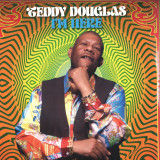
Teddy Douglas - I’m Here LP 2x12"

US House Music legend Teddy Douglas of Basement Boys and Jasper St. Co. fame gets set to unleash his first solo artist album, ‘I’m Here’, on the iconic label, Nervous Records. Teddy has gone all out to deliver one of his most creative and musically diverse albums to date. ‘I’m Here’ is a colourful pallet of meaningful songs and grooves that reach far beyond Teddy’s signature soulful Baltimore House sound, with added infusions of Funk, Rock and Jazz, yet still loaded with plenty of Teddy’s trademark House and Disco sounds that we all know and love.

Across the album he’s pulled together an array of heavyweight international vocal talent including; UK vocal diva Pauline Taylor; Danish award winning Folk and Blues artist, Richard Farrell; Chi Town Hip House legend, Fast Eddie; dance music’s legendary No.1 vocal queen, Ultra Naté; up and coming Brit Soul talent, Sipho; and Buckshot from Blackmoon appearing as BDI Thug. From the shimmering cover of The Frontline Orchestra’s ‘Don’t Turn Your Back On Me’ with Pauline Taylor on the vocals, to the downtempo rocky vibes of ‘Help!’ with Sipho delivering a spine-tingling gravelly vocal, ‘I’m Here’ is testament to Teddy’s finely tuned expert musicianship and impeccable knack for penning great songs and delivering vibrant covers.

Baltimore’s Teddy Douglas has produced everyone from Michael Jackson, Lenny Kravitz, Crystal Waters, Erykah Badu, Martha Wash and Ultra Nate’ and was an important figure in the development of the Baltimore “House” Sound. Teddy has held down a long and successful DJ career since 1983 staring out in Baltimore and spreading his wings globally gracing the decks at clubs such as Yellow in Japan to London’s Ministry of Sound and beyond. In 1985 he met Jay Steinhour and Thommy Davis, who later formed The Basement Boys production company. The Basement Boys have produced countless dance classics like Crystal Waters’ 1991 Gold single, ‘Gypsy Woman’. In the mid 90’s Teddy Douglas and Jay Steinhour opened Basement Boys Records and released club anthems from Teddy Douglas, Jasper St. Co., Ann Nesby, Those Guys, DJ Spen, Byron Stingly, Karizma, Kenny Bobien, Taja Seville and more

out of Stock

Order now and we will order the item for you at our supplier.

24,66

Last In: 9 months ago
THE HOT DAMN - DANCING ON THE MILKY WAY

Die umjubelelten, schrill-bunten Rockerinnen von The Hot Damn! sind mit einem Paukenschlag zurück und veröffentlichen ihre elektrisierende neue Single Can You Hear Me Now? zusammen mit der Ankündigung ihres mit Spannung erwarteten Debütalbums Dancing on the Milky Way, das am Freitag, den 27. September 2024, über Fat Earth Records erscheinen wird. Die vierköpfige britische Rockband wird als das ,farbenfrohe Chaos" des Rock bezeichnet und bringt mit jedem Song, jedem Video und einer energischen Live-Show nach der anderen wieder Farbe in die Musikszene. Mit knackigen Riffs und wilden Harmonien bringen The Hot Damn! dich zum Tanzen, bevor du es merkst. Die vier temperamentvollen Damen, die unter anderem von Kerrang!, Planet Rock und BBC Radio 2, BBC Radio 6 und Radio BOB gelobt wurden, sind keine Unbekannten in der Musikszene. entstand die Band u.a. aus der Asche von The Amorettes und Tequila Mockingbyrd und besteht aus den Talenten von Gill Montgomery (The Amorettes), Josie O'Toole (Tequila Mockingbyrd), Laurie Buchanan (Aaron Buchanan and the Cult Classics) und Lzi Hayes (New Device/Sophie Lloyd Band).The Hot Damn! aus Marlow, Buckinghamshire, mögen es laut, aber sie machen nicht nur mit ihrer Musik auf sich aufmerksam, sondern auch auf ein Thema, das ihnen am Herzen liegt - den Gehörschutz. Da die Band erkannt hat, wie wichtig die Gesundheit des Gehörs sowohl für das Publikum als auch für die Musiker ist, hat sie sich dazu verpflichtet, bei all ihren Konzerten Einweg-Ohrstöpsel anzubieten. Neben einzelnen Headline-Gigs reisen The Hot Damn! im November 2024 als Support von D-A-D durch Deutschland um ihr hart rockendes Werk zu präsentieren. CD mit zwei Akustik-Bonustracks, LP als Sunshine Yellow Vinyl!

pre-order now27.09.2024

expected to be published on 27.09.2024

28,15
Various - BONZAI COMPILATION IV - THE FOURTH LEVEL (REMASTERED & MORE) LP 2x12"

The wait is over for dance music enthusiasts and vinyl collectors! The legendary Bonzai compilation series from the 90s is back with its fourth installment. Presenting the fully remastered Bonzai Compilation IV - The Fourth Level, now available as an exclusive yellow vinyl package in a gatefold sleeve. This iconic collection features an array of timeless tracks that dominated dance floors and defined an era. Don't miss your chance to own a piece of electronic music history and relive the magic of this unique and vibrant release. Get your hands on it now and experience the beats that started it all!

out of Stock

Order now and we will order the item for you at our supplier.

27,94

Last In: 12 months ago
Sonic Youth - Walls Have Ears LP 2x12"

Culled from three 1985 gigs in the UK during a transitional and transcendent time in the band's story, Sonic Youth's `Walls Have Ears' appeared as a 2LP set in 1986, not just a live album but an artful tapestry full of live experimentation with songs, between-song tape segues, darkness, humor and audio verité on par with elements of side B of `Master Dik' to come later. With a bit of complexity to the situation of the release itself. But that's a different story. Deleted as quickly as it appeared then, it's now issued for the first time officially under the band's auspices. In this 2LP set brimming with primitive classics like "The Burning Spear", "I Love Her All The Time", "Death Valley 69" and "I'm Insane" (uncredited on sleeve), segues and live guitar changes ooze together threaded by Madonna tapes and vocal loops off the board. The first two sides of `Walls' are massive, cavernous, with newly-drafted drummer Steve Shelley in tow taking on past tunes and unveiling "Expressway To Yr Skull" in glorious form. They tear it up especially on one trash-fi excerpt of "Blood On Brighton Beach" (actually "Making the Nature Scene") from a legendary outdoor gig November 8th where Moore, Gordon and Ranaldo's guitars treble-blast dissonant shockwaves over the black-stoned beach of Quadrophenia fame. The record's second slab spotlights an April 1985 pre-Shelley gig supporting Nick Cave at London's Hammersmith Palais and was one of the final appearances live of Bob Bert, again featuring some molten takes on "Brother James", "Kill Yr Idols", "Flower" (Iisted as "The Word (E.V.O.L.)"), "Ghost Bitch" and others. The emergence of the Jesus and Mary Chain in the world gave Brit scribes a lazy and easy parallel, addressed here with a wink with the inclusion of "Speed JAMC", another offstage tape interlude playfully scrolling through one of that band's songs at fast-forward. This document remains an essential representation of some lean and mean years of the quartet's throttling march out into the world in the mid eighties. Coloured vinyl, one red, one yellow LP.

pre-order now03.05.2024

expected to be published on 03.05.2024

40,29
Yukihiro Takahashi - Saravah!

YMO DRUMMER YUKIHIRO TAKAHASHI'S SOPHISTICATED CITY FUNK CLASSIC FROM 1978 CO-PRODUCED BY RYUICHI SAKAMOTO AND FEATURING HARUOMI HOSONO, MINAKO YOSHIDA AND TATSURO YAMASHITA. RELEASED FOR THE FIRST TIME OUTSIDE OF JAPAN - WITH REMASTERED AUDIO, LP COMES WITH OBI AND FOUR PAGE INSERT

Wewantsounds is delighted to announce the release of Yukihiro Takahashi's debut solo album 'Saravah!'. One of the key Japanese albums of the 70s, it was released in 1978 at a key time when, following his tenure with Sadistic Mika Band, Takahashi had just joined the nascent line up of Yellow Magic Orchestra. A sophisticated mix of Disco Funk, synth Pop, Ambient, French Exotica and Bossa Nova, the album has the stylish feel of a night out clubbing in Paris circa 1978. It’s the missing link between the City Pop scene of the late 70s and the synth sound of YMO which was about to revolutionise the world. Newly remastered by renowned engineer Mitsuo Koike, the LP features original artwork with photos by Masayoshi Sukita (David Bowie's Heroes), a 4-page insert and a new Introduction by Benjamin Barouh (Saravah records).
The month before recording the YMO debut album that would help alter the course of music, Yukihiro Takahashi entered the studio with his fellow band-members Ryuichi Sakamoto and Haruomi Hosono to record 'Saravah!' together with the cream of the Japanese scene. He drew his inspiration from globe-trotting French musician Pierre Barouh who had introduced Bossa Nova in France in 1966 with "Samba Saravah" (featured in soundtrack the Oscar Winner A Man And A Woman which he co-wrote) and subsequently launched Saravah Records.
'Saravah' starts off with a couple of French and Italian exotica classics ('Volare' and 'C'est Si Bon') with delicious touches of synth while 'Saravah!' a nod to Pierre Barouh, is a languid Bossa Nova with beautiful soulful strings arranged by Ryuichi Sakamoto. The album gets hotter with 'La Rosa' a superb mid tempo ambient funk featuring Takahashi's beat backed by Haruomi Hosono's bumping bass line, Sakamoto's Hammond Organ and Shigeru Suzuki's fluid guitar.
The first side ends with an amazing exotica-synth version of the standard 'Mood Indigo', announcing the midi revolution that was to come before things get funkier on Side Two starting with Ryuichi Sakamoto's superb up-tempo Disco instrumental ‘Elastic Dummy’ featuring soulful strings and horns with solos by Sakamoto and guitarist Tsunehide Matsuki. The album then moves on to the ambient synth pop of ‘Sunset’ before switching back to Disco Funk with 'Back Street Midnight Queen’ which. like 'Elastic Dummy' has become a dancefloor cult classic over the years.' Saravah! ends on a perfect note with the beautiful 'Present' a perfectly crafted pop song which Takahashi wanted to do in a City Pop mode, featuring a superb melody and high-class arrangements. The perfect soundtrack to an early morning stroll in the Paris streets as illustrated by Masayoshi Sukita's photos featured on the album cover.
A sophisticated album full of glitz and fun, 'Saravah!' gives a unique insight into the versatility the YMO musicians and how funky they could play under Yukihiro Takahashi's influence. This was a key time when the three musicians were just transitioning to a sound that would be dominated by synthesizers and 'Saravah' catch them just at that fascinating moment.

out of Stock

Order now and we will order the item for you at our supplier.

34,03

Last In: 6 years ago
Eartha Kitt - The Best of Eartha Kitt LP

American singer, actor, dancer, and civil rights activist Eartha Kitt was
celebrated for her highly distinctive singing style
Her recordings of "C'est Si Bon" and the Christmas novelty song "Santa Baby"became instant classics and are presented here along with many other hits.

Limited edition audiophile pressing on 180gram premium vinyl.
Eartha Kitt epitomized the idea of the sex-kitten chanteuse, rising to fame with a nightclub act centred on her slinky stage presence and her throaty purr of a voice. As much as she enjoyed vamping it up, she also projected the image of an exotic international sophisticate. She brought a definite zest to her torch songs and Orson Welles once called her "the most exciting woman in the world".

Eartha Kitt , lead vocals on all tracks,

plus: Henri René Orchestra,
Maurice Levine Orchestra,
Shorty Rogers Orchestra,
Anton Coppola Orchestra.
New York, 1953-59

pre-order now10.03.2023

expected to be published on 10.03.2023

18,28
Riya & Collette Warren - Two Sides of Everything 2x12"

Well-loved vocal starlets of the drum and bass scene, Riya and Collette Warren have teamed up to create the stunning vocalist lead LP, ‘Two Sides of Everything’. Both originally hailing from Birmingham the women have been friends for more decade, making this a powerfully personal project. This groundbreaking album is the first time two female vocalists have teamed up in the world of 170, and the release enlists some of the scenes best-known producers from all corners of DNB’s eclectic spectrum.

With tracks from seasoned veterans such as Technimatic and Mercury Prize Award Winner Roni Size and leaders of the new school like Whiney and Monrroe and the pair have ensured all musical areas of the scene are represented. Making sure to include some more female talent, the album also includes Kyrist, and vocal support from Sofi Mari and the legendary Tali who was a huge formative influence on this duo growing up. Separately both artists have carved out significant notches within drum and bass, with their vocals on tracks being heard on timeless classics such as the forever beautiful ‘Kismet’ by Hybrid Minds and the haunting ‘One Exception’ with DJ Marky and Tyler Daley.

out of Stock

Order now and we will order the item for you at our supplier.

26,68

Last In: 3 years ago
The Long Blondes - Someone To Drive You Home: 15th Anniversary Edition

Rough Trade Records announce the release of the
15th Anniversary edition of The Long Blondes’
debut album, the acclaimed ‘Someone To Drive
You Home’.
 The home of a host of indie disco classics with its
noir atmospheres and vivid storytelling - qualities
that saw the record inspire recent, generationcapturing movie ‘Giddy Stratospheres’ which takes
its name from The Long Blondes’ iconic single -
the Sheffield band’s first album managed that rare
trick of capturing the 2000s zeitgeist while leaving
a timeless artistic mark for the ages.
 Initially inspired by the frisson of the indie disco -
now, fittingly, a classic of low lit dancefloors
everywhere - ‘Giddy Stratospheres’ is The Long
Blondes’ sophisticated calling card. A swirl of
razor-sharp guitars and vivid storytelling, waltzing
melodies and burning vocals, the Sheffield band’s
2000s single fizzes with dancing, desire and the
most stylish sing-a-long you’ll ever hear.
 The Anniversary edition of ‘Someone To Drive You
Home’, which was originally released in November
2006 and was produced by Pulp member Steve
Mackey, comes as a gatefold double LP, pressed
on to red and yellow vinyl to mirror the album’s
artwork - a picture of actress Faye Dunaway
painted by frontwoman Kate Jackson. The edition
features the original record, plus 11 additional
tracks that the band used on B-sides.

pre-order now10.12.2021

expected to be published on 10.12.2021

33,07
Various - Join The Future - UK Bleep & Bass 1988-91 (Yellow Vinyl Repress)

Yellow Vinyl

The first release on Optimo Music founder JD Twitch’s new compilation-focused label Cease & Desist will be a collection of pioneering turn-of-the-90s British “Bleep & Bass” techno tracks curated by author and music journalist Matt Anniss.

Join The Future: UK Bleep & Bass 1988-91 is a partner product to Anniss’s critically acclaimed book on the foundations of British dance music’s ongoing love affair with sub-bass, Join The Future: Bleep Techno and the Birth of British Bass Music. The book, which was published by Velocity Press in December and features a foreword by JD Twitch, documents in vivid detail the previously untold story of the Yorkshire-pioneered style and the impact it had on the development of UK dance music.

The compilation is the first to focus on Bleep & Bass since the sound’s heyday in the late 1980s and early ’90s. It features a mix of historic cuts, period classics, overlooked gems and unreleased material. It was mastered for release by Warp Records co-founder and Forgemasters member Rob Gordon, a producer, remixer and studio engineer who arguably did more than anyone else to define the sub-heavy sound of the style.

Gordon also contributed a previously unheard version of Alfanso’s “Dub Feels Nice”, a near mythical track he produced in 1991 that has never received a proper commercial release. The cut has been a secret weapon for a handful of Sheffield DJs for almost 30 years, most notably Gordon’s fellow Forgemasters member Winston Hazel. Fittingly, the compilation also includes the original unreleased instrumental version of Tuff Little Unit’s Steel City classic “Join The Future”.

Many of the other tracks on the compilation are rare, hard to find or have not been issued on vinyl or digital since their initial release. It opens with Unique 3 and the Mad Musician’s “Only The Beginning” – the 1988 A-side of the first ever Bleep record – and also includes tracks and remixes from fellow scene pioneers Ital Rockers (an early alias of dub hero Iration Steppas), Nightmares on Wax, Cabaret Voltaire and DJ Martin and DJ Homes, the previously unheralded Chapeltown duo behind the influential Leeds-based studio and record label BASSIC.

Elsewhere on the compilation you’ll find Birmingham producer Demonik’s sought-after debut single “Layrinthe”, a hard-to-find cut from Bedford-based men of mystery Original Clique, two classic cuts from the vaults of influential Midlands label Network Records and a glassy-eyed slab of Bleep/deep house fusion from 100 Hz.

Join The Future: UK Bleep & Bass 1988-91 will be released on double vinyl and digital download. The 10-track vinyl version features an insert with extensive liner notes by Matt Anniss. It also comes with a code to download the 12-track digital download version. The compilation will be released by Cease & Desist on March 25th 2020.

out of Stock

Order now and we will order the item for you at our supplier.

25,42

Last In: 4 months ago
The Rise Of Jamaican Dancehall Culture - Dancehall (2017 Edition) 3x12"

Soul Jazz Records are releasing this new 10th anniversary 2017 edition of their classic album 'Dancehall - The Rise of Jamaican Dancehall Culture'. This long-out-of-print collection is now available as a triple-vinyl edition and double CD pack.

The album is a lightning-flash collection of all-time classic and definitive dancehall classics as well as a stellar selection of more obscure tracks. Featuring Yellowman, Tenor Saw, Sister Nancy, Ini Kamoze, Chaka Demus & Pliers, Michigan & Smiley, Super Cat, Cutty Ranks, Eek-A-Mouse, Gregory Isaacs and more, this album features non-stop floor-filling party tune rockers throughout!

Dancehall is released to coincide with the new 2017 edition of the stunning 400+ photos deluxe coffee table book 'Dancehall - The Rise of Jamaican Dancehall Culture', featuring Beth Lesser's amazing Dancehall photography (also newly published by Soul Jazz Records). This book has become the definitive cultural reference book for Jamaican dancehall and features hundreds of killer photographs, extensive text and interviews with many of the artists.

'A vibrant anthology of all that mattered: the sound systems, studios, producers, singers and deejays.' The Guardian

out of Stock

Order now and we will order the item for you at our supplier.

40,97

Last In: 3 years ago
  • 1
Items per Page:
N/ABPM
Vinyl