Mit „Everything’s Falling“ zeigen The Warning eindrucksvoll, warum sie zu den spannendsten Stimmen im
modernen Rock zählen. Das Latin-Grammy-nominierte Schwestertrio aus Monterrey, Mexiko, verbindet
Alternative Rock, Hard Rock und Metal zu einem kraftvollen Sound, der von starken Riffs und eingängigen
Melodien geprägt ist. Bekannt geworden durch ihr virales „Enter Sandman“-Cover, haben sich Daniela,
Paulina und Alejandra längst als eigenständige Künstlerinnen, mit einer internationalen Fanbase, in der
Rockszene etabliert.
Auf ihrem fünften Studioalbum „Everything’s Falling“ setzen sich The Warning mit inneren Konflikten,
Ängsten und Selbstzweifeln auseinander und verwandeln diese Themen in energiegeladene Songs mit ungefilterter Ehrlichkeit.
This album is a beautiful union of the enchanting rhythms of Bossa Nova and the sophistication of jazz. Standout tracks from the album include Garota De Ipanema, Desafinado and Corcovado. This highly requested LP were released on a limitednumbered white viny LP in 2025 and now it will be re- released on 180g 'One Step Pressing' Vinyl LP.
The Seeds stand tall amongst the handful of mid-60s American garage bands whose influence is palpable in rock to this day. Led by charismatic frontman Sky Saxon, the original Hollywood-based quartet’s unique and exciting brand of minimalist rock’n’roll still sounds contemporary and is perfectly encapsulated on this first album. If second album “A Web Of Sound” was pop-art flash, and 1967’s “Future” a florid take on psychedelia, then the July 1966 debut remains The Seeds’ grand statement; an all-original programme of rock and R&B-inflected garage punk that buzzed with a peculiar-yet-riveting energy that was the ensemble’s very own.
Whilst ”The Seeds” contains a pair of familiar classics in ‘Can’t Seem To Make You Mine’ and ‘Pushin’ Too Hard’,’ it is instructive to remember that it was recorded and released some time before either tune became a hit. Unlike so many albums of that era, the Seeds’ debut was not a quickie thrown to together to take advantage of singles chart success. Instead, the record constitutes a sharp definition of their unique and aberrant style, featuring several key items within their canon, be they the rough-hewn rockers ‘Girl I Want You’ and ‘No Escape’, the pot-boiling blues ‘Nobody Spoil My Fun’,’ or the lengthy and downright sinister ‘Evil Hoodoo’.’
When everything around is racing blindly toward ruin, change direction and spin as fast as you can until you defy gravity and rise above the ground into blissful madness. "K-drone", the debut album by three renegades—Jakub Šimanský, Michal Vaľko, and Ján Podracký—is like a hallucinatory Calvary with five stations. Each station is a time-loop capsule, a tiny utopia sneering at the phantom progress of the world outside.
The opening track, "Speedrone", is pure vertigo; for seven long minutes, there's nothing to hold onto. Šimanský’s banjo cuts through the air, Vaľko’s hurdy-gurdy sounds like someone scraping a rusted sheet of metal with a handful of nails, and Podracký’s bass recorder hums like a slowly intensifying migraine. "Sine" is like a train journey through a barren wasteland, where the images outside the window constantly repeat like a bad trip. "Pro DJ" starts like a gig in a bar at the end of the line—a gig that never actually goes anywhere. It’s as if all three are locked in a spasm, their repeated motifs turning into haunting earworms. "Alien Radigue" shifts into a strange idyll in a clearing in the middle of the forest, where an unknown bird species trills in the background. The end and definitive dissolution come in "Slush", where everything suddenly slows down. Šimanský plucks a simple guitar melody, Podracký’s harmonica drifts from side to side like a boat gently rocking by the shore, and Vaľko’s hurdy-gurdy drones like a drunken mosquito buzzing around.
"K-drone" sounds like an acid anti-western movie recorded in a tucked-away burrow, like smoke-soaked folk and experimental campfire songs echoing through a deep forest. It evokes Third Ear Band's "Alchemy", it screeches and repeats like some of Henry Flynt's experiments, and you could easily imagine hearing it drifting from one of the windows on the cover of Hala Strana's eponymous album.
Jakub Šimanský is the bard of Czechoslovak guitar primitivism, an earthy folk sommelier whose fingerpicking you may also know from the duo Šimanský Niesner. Michal Vaľko, aka Line Gate, needs no introduction to fans. He has released three albums on mappa, and his hurdy-gurdy meditations hold an important place in the drone and minimalist music scene. "Den", "Apex", and "Trap" have become essential listening. Ján Podracký is a self-taught composer and musician whom you might know from various participatory music projects, such as an orchestra where all the players play diatonic harmonicas. Besides harmonicas, he has long explored a wide range of flutes. In short, a pied piper who will guide you through other worlds.
Eighteen months on from the runaway success of The Only Place I Know — the debut that crashed in at #1 on the ARIA charts and #2 on the ARIA Vinyl Chart — Lake Macquarie's Surf Trash are back, and they're not watering it down. Their sophomore album No Chaser lands neat, on the rocks, no apologies: ten tracks of melodic surf-pop-punk hammered out by a band that has clearly spent the last year sharpening every edge.
It's a record you can hear the kilometres in. Between The Only Place I Know and now, Andrew Scott, Lachlan Jackson, Patrick Russell and Nick Scott have torn through a sold-out national run, criss-crossed the UK and Europe, and made a habit of leaving rooms louder than they found them. No Chaser carries the dust from all of it — bigger choruses, leaner production, a touch more bruise underneath the gloss. There's still that windows-down, salt-on-the-windscreen feel that made the debut impossible to ignore, but it's wired into songs that swing harder and cut deeper. Less wistful afternoon, more last-light drive home with the volume creeping up.
The four-piece make melodic surf-pop-punk that sounds great turned up loud — driving in your mate's car on the way back to the beach. Their debut, The Fire Note wrote, "delivers a dynamic debut… blending raw energy, introspective depth, and timeless indie rock flair." Manchester World called their first show on UK soil "epic… high energy and great song after great song," and the live reputation has only grown since: a band that's earned every inch of the ceiling it now hits.
No Chaser is the sound of them no longer waiting for permission. Singalong harmonies, fast tempo changes, good old-fashioned rock 'n' roll with a sense of urgency.
LIMITED THIRD PRESS. 300 ONLY CLEAR VINYL WITH RED BLOOD SPLATTER, HOUSED IN A RED AND METALLIC SILVER SLEEVE.
The Swedish underground legends return with a brand new album. Let this reddit user take over …
“Listening to Brainbombs has been one of my weirdest experiences with music. Brainbombs are most definitely a band. I guess at the core they’re a hardcore punk/noise rock hybrid I guess? But… It's so unlike anything I’ve ever heard and I still don’t know if it's good or bad. I saw the edgelord Ed Gein album cover, and it intrigued me, so I listened to their biggest song and it was easily THE WORST thing I had EVER FUCKING HEARD. I shut it off as soon as it got to the vocals. I was shocked by the fact that it had almost a half million streams. But, a few hours later, I clicked on it again and didn’t know why.
Over the past few days, I’ve listened to all of their discography and looped a lot of it. And I don’t even think I like them. The music is abysmal, it's the same single riff and verse repeating for 5 minutes. To make it worse, the vocals are just a guy with a swedish accent awkwardly talking about murder and rape. That sounds awful right? It is awful. But at the same time I want to keep listening? It’s so childishly edgy and obnoxiously repetitive but so.. intriguing? Catchy? I’m not even sure. It's one of if not the weirdest experience I’ve ever had with music and I don’t know how to feel about it.”
Recorded in Waterloo, Iowa and produced by Michael Cutsforth , the album blends iconic blues storytelling with soulful, lived- in delivery, performed with clarity, conviction, and heart. Burt - long celebrated for his ability to captivate audiences with a raw, acoustic roots style and winner of the International Blues Challenge for solo artist - returns to the core of what makes his music resonate so deeply. After releasing three studio albums with full- band arraignments, This Trip marks a conscious shift toward intimacy and honesty. Burt brings the immediacy of his live performances into the studio, stripping back instrumentation to place the listener directly in the room with the storyteller. The result is a warm, immersive listening experience where every lyric lands with intention and every pause carries meaning - an album that invites you to slow down, lean in, and truly listen. Lyrically, This Trip reflects on life in all its chapters, exploring love, loss, hurt, fear, joy, and the moments that define who we become. These are songs shaped by experience and delivered with empathy, offering comfort as much as truth. Listening to Kevin Burt feels less like consuming music and more like sharing space- it's reflective, grounding, and quietly transformative. This Trip isn't just an album you hear; it's one you feel, and one you'll want to return to again and again.
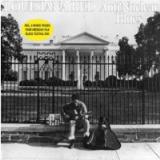
Louisiana Red's "Anti-Nuclear Blues" is considered a classic among acoustic blues albums and comes out on CD (w/bonus tracks) and LP in random coloured vinyl , limited to 500 copies worldwide - for fans of Buddy Guy, Junior Wells, Sonny Terry, Lightnin' Hopkins Louisiana Red was born in Alabama in March 1932 and died in Hanover almost exactly 80 years later. The early life of Iverson Minter, also known as Louisiana Red, was marked by suffering.
His mother died of pneumonia a week after he was born. When he was five years old, his father was executed by the Ku Klux Klan. After that, he lived in orphanages until he was able to spend the rest of his childhood with his grandmother. As a teenager, he was sentenced to hard labor for burglary and subsequently sent by Uncle Sam to the Korean War. Iverson had wanted to become a blues musician ever since he had met Muddy Waters. In the late 1950s, he played in John Lee Hooker's band. In the mid-1970s, he moved to Europe, where he gained recognition among a wider audience through appearances at the WDR Rockpalast and the Montreux Jazz Festival. In the 1980s, Fritz Rau signed Louisiana Red for his successful festival series, the "American Folk Blues Festival." In 1983, he released his acclaimed album "Anti- Nuclear Blues," whose content and message are more relevant today than ever. The original vinyl edition has since become a sought-after rarity. Now, the album is being released for the first time on CD, featuring six bonus tracks from the 1981 "American Folk Blues Festival," as well as a reissue on vinyl with a fresh sound.
This album is a masterpiece in which the three core pillars of Akira Ishikawa’s musical vision—jazz, rock, and African music—are fused in a sublime and thrilling balance. One arresting track follows another: the solemn and majestic “Prayer”, evoking the eternal land; the clear yet subtly psychedelic “Dawn”; the serene and beautiful “Love”; and the highly dynamic, explosive “Jumbo”.
The brilliance of Hirmasa Suzuki’s arrangements deserves special mention—simple yet profoundly deep, they give vivid clarity to the album’s overall concept and imagery. Among Ishikawa’s serious, non–instrumental-cover works, this album stands shoulder to shoulder with Electrum, Bakishinba, and Uganda, and should be regarded as one of his definitive achievements.
Nichts ist so beständig wie der Wandel. Kaum eine Band verkörpert diesen Gedanken derzeit so konsequent wie Musa Dagh. Die Formation um Aren Emirze bewegt sich seit dem selbstbetitelten Debüt von 2021 durch die Zwischenräume von Noiserock, Alternative und Post-Hardcore - laut, sperrig, emotional aufgerissen und zugleich getragen von einem feinen Gespür für Dynamik, Atmosphäre und Melodie. Der Bandname verweist dabei auf den historischen Kontext des armenischen Genozids und bildet einen leisen, aber prägenden Resonanzraum im Selbstverständnis der Gruppe. Von Anfang an wirkt Musa Dagh weniger wie eine klassische Band als ein offener Prozess. Keine feste Konstruktion, sondern ein Zustand permanenter Bewegung. Unterschiedliche musikalische Erfahrungen, Persönlichkeiten und Energien treffen hier aufeinander, verschieben sich gegenseitig und erzeugen genau daraus jene Spannung, die zum Kern dieser Musik geworden ist. Schon die ersten Aufnahmen entstanden aus dieser Offenheit heraus. Begegnungen und Arbeitsphasen mit Thomas Götz, Sascha Madsen und Aydo Abay wirkten dabei weniger wie klassische Kooperationen, sondern eher wie Reibungsflächen, die den Sound immer wieder neu ausrichten. Musa Dagh klangen nie nach Stillstand - jede Verschiebung öffnete neue Räume. Mit "Endurance" tritt die Band nun in eine neue Phase ein. Die Veränderung wirkt nicht wie ein Bruch, sondern wie eine Erweiterung dessen, was Musa Dagh immer ausgemacht hat: Bewegung, Offenheit und Transformation.
Silbernes Vinyl, limitiert auf 500 Exemplare. Nichts ist so beständig wie der Wandel. Kaum eine Band verkörpert diesen Gedanken derzeit so konsequent wie Musa Dagh. Die Formation um Aren Emirze bewegt sich seit dem selbstbetitelten Debüt von 2021 durch die Zwischenräume von Noiserock, Alternative und Post-Hardcore - laut, sperrig, emotional aufgerissen und zugleich getragen von einem feinen Gespür für Dynamik, Atmosphäre und Melodie. Der Bandname verweist dabei auf den historischen Kontext des armenischen Genozids und bildet einen leisen, aber prägenden Resonanzraum im Selbstverständnis der Gruppe. Von Anfang an wirkt Musa Dagh weniger wie eine klassische Band als ein offener Prozess. Keine feste Konstruktion, sondern ein Zustand permanenter Bewegung. Unterschiedliche musikalische Erfahrungen, Persönlichkeiten und Energien treffen hier aufeinander, verschieben sich gegenseitig und erzeugen genau daraus jene Spannung, die zum Kern dieser Musik geworden ist. Schon die ersten Aufnahmen entstanden aus dieser Offenheit heraus. Begegnungen und Arbeitsphasen mit Thomas Götz, Sascha Madsen und Aydo Abay wirkten dabei weniger wie klassische Kooperationen, sondern eher wie Reibungsflächen, die den Sound immer wieder neu ausrichten. Musa Dagh klangen nie nach Stillstand - jede Verschiebung öffnete neue Räume. Mit "Endurance" tritt die Band nun in eine neue Phase ein. Die Veränderung wirkt nicht wie ein Bruch, sondern wie eine Erweiterung dessen, was Musa Dagh immer ausgemacht hat: Bewegung, Offenheit und Transformation.
This Mirror Weighs a Ton, Interpol’s first album in four years and debut for Partisan Records, finds the band turning inward while continuing to move forward. Across the record, reflection, distortion and perception become a lens through which familiar shapes are refracted into something slightly alien, as if seen through a different kind of light.
Produced with Grammy- and Oscar-winning Andrew Wyatt (ROSALÍA, Charli xcx) and mixed by Dave Fridmann, the album introduces vibrant new textures into Interpol’s world. Synthesizers, strings, acoustic guitars and percussion are integrated into the fabric of the songs, expanding the palette while revealing colors already latent within it. Nothing feels imposed. Instead, the additions deepen the band’s language of restraint, atmosphere and tension. At its center remains the creative relationship between Paul Banks, Daniel Kessler and Sam Fogarino, a partnership now approaching three decades and defined by intuitive alignment and momentum that continues to generate new possibilities. The result is an album that feels expansive, uncanny and alive with forward motion, not a reinvention but an evolution that allows Interpol to continue transforming without losing their identity.
“This Mirror Weighs A Ton” / “See Out Loud” is a study in duality, with Interpol moving fluidly between familiarity and departure. The title track unfolds from a skeletal progression into something vast and textural, built from warped bass, a wordless female voice and a sense of motion that feels tidal, bending the band’s familiar language into somewhere more expansive and unfamiliar. By contrast, “See Out Loud” carries the DNA of Interpol’s earliest work, sharp, propulsive and direct, while complicating it through layered vocals, shifting perspectives and a rare lead vocal turn from Kessler. Both tracks reflect the interplay between structure and spontaneity that defines This Mirror Weighs a Ton, expanding Interpol’s world through fresh textures while keeping the instinctive chemistry between Banks, Kessler and Fogarino at the center.
The double single is accompanied by two visualizers directed by Nick Steinhardt.
Graham Hunt kann einfach nicht aufhören, Alben aufzunehmen. Seit 2019 hat der in Madison, Wisconsin, lebende Songwriter ein umfangreiches Repertoire an einzigartiger Musik zusammengetragen - in einem Tempo, das nur von der Qualität der Werke selbst übertroffen wird. Nun, bereits bei seinem sechsten Album ,American Pyramid", hat Hunt sich aus seiner Komfortzone herausgewagt, die bodenständigen, computerorientierten Experimente seiner früheren Arbeiten hinter sich gelassen und stattdessen Minnesotas legendäres Pachyderm Studio mit einer neunköpfigen Band, um zu versuchen, eine andere Seite seiner grenzenlosen Kreativität einzufangen. Das Ergebnis ist ein Album, das musikalisch und textlich neue Wege geht, wobei Hunt mit seinem surrealistischen Ansatz sowohl die Traditionen des amerikanischen Indie-Rock als auch die beunruhigende Distanziertheit der amerikanischen Erfahrung selbst seziert. Zusammen mit einer Reihe von Multi-Instrumentalisten aus früheren Besetzungen seiner Live-Auftritte zog Graham ins Pachyderm Studio, den berühmten Aufnahmestandort unzähliger Kultalben, von Nirvanas ,In Utero" und PJ Harveys ,Rid of Me" bis hin zu neueren Alben wie ,Sugaregg" von Bully oder ,Once Twice Melody" von Beach House. Die Session erwies sich als fruchtbar, da die meisten Songs, die es auf ,American Pyramid" schafften, jene maximalistische Ambition ausstrahlen, die in Grahams meisterhaftem Songwriting offensichtlich ist - doch nachdem er nach Hause zurückgekehrt war, wurde Hunt von noch weiterer Inspiration erfasst - und das Album schwelgt in der Dualität beider Prozesse. Tracks wie der bei Pachyderm aufgenommene Rave-up ,Riverboat Blues" gehen nahtlos in die zu Hause aufgenommene Musik wie ,Dust Underwater" über, wobei beide in eskapistische Fantasien abdriften, in denen lebhafte Produktionselemente die surreale Erzählung untermalen. Oder anderswo bietet der Album-Highlight ,Getting Older" einigen von Hunts unmittelbar befriedigendstem Gitarrenpop und die bodenständigsten Texte auf ,American Pyramid". Die Fähigkeit, so viele verschiedene Klänge, Emotionen und Stimmungen zu vereinen, macht Graham Hunt zu einem so besonderen Songwriter. Nur sehr wenige würden es überhaupt versuchen, Westerberg-artigen Everyman-Rock mit gonzoartigen, autotune-bearbeiteten Gesangspassagen oder psychedelischen lyrischen Abstraktionen mit offenherzigen Gedanken über den unaufhaltsamen Lauf der Zeit zu kombinieren - und noch weniger könnten das so umsetzen, wie Hunt es auf ,American Pyramid" tut.
This Mirror Weighs a Ton, Interpol’s first album in four years and debut for Partisan Records, finds the band turning inward while continuing to move forward. Across the record, reflection, distortion and perception become a lens through which familiar shapes are refracted into something slightly alien, as if seen through a different kind of light.
Produced with Grammy- and Oscar-winning Andrew Wyatt (ROSALÍA, Charli xcx) and mixed by Dave Fridmann, the album introduces vibrant new textures into Interpol’s world. Synthesizers, strings, acoustic guitars and percussion are integrated into the fabric of the songs, expanding the palette while revealing colors already latent within it. Nothing feels imposed. Instead, the additions deepen the band’s language of restraint, atmosphere and tension. At its center remains the creative relationship between Paul Banks, Daniel Kessler and Sam Fogarino, a partnership now approaching three decades and defined by intuitive alignment and momentum that continues to generate new possibilities. The result is an album that feels expansive, uncanny and alive with forward motion, not a reinvention but an evolution that allows Interpol to continue transforming without losing their identity.
“This Mirror Weighs A Ton” / “See Out Loud” is a study in duality, with Interpol moving fluidly between familiarity and departure. The title track unfolds from a skeletal progression into something vast and textural, built from warped bass, a wordless female voice and a sense of motion that feels tidal, bending the band’s familiar language into somewhere more expansive and unfamiliar. By contrast, “See Out Loud” carries the DNA of Interpol’s earliest work, sharp, propulsive and direct, while complicating it through layered vocals, shifting perspectives and a rare lead vocal turn from Kessler. Both tracks reflect the interplay between structure and spontaneity that defines This Mirror Weighs a Ton, expanding Interpol’s world through fresh textures while keeping the instinctive chemistry between Banks, Kessler and Fogarino at the center.
The double single is accompanied by two visualizers directed by Nick Steinhardt.
Broshuda returns on the newly born label Ballads Infinite with another array of absurdist vignettes, lowercase hi-tech ambience and textural degradations of radio transmissions from the bicameral mind. Weaving multiple sonic timelines into silky yet slippery articulations, he sculpts each sound with deliberate care making it breathe, slither and shimmer. Spells conjures a subterranean force through its vanishing presence, with the restraint in the sonic palette feeling utterly refreshing, as watering, drop by drop, a ghostly flower in the dromoscopic netscape of overreaching stimuli.
Deliriously patching fragments of unnoticed memories, gliding freely— slightly inebriated—through the ocean of sound: what does it take to capture the transitory entities inhabiting the latent space of this hyperconnected manifold? An assemblage of mechanical debris reduced to their bare-bone essentials; the Tao of discharge brings life to corrupted data, unpacked through textural ruminations.
Broshuda doesn’t just cast the spell, he patiently coils it around you, dissolving each and every thought in the hiss, manipulating subtle energies by making them move beyond and outward. What’s the sound of matter silently falling apart? The serpent sheds its subtle yet solid armor, revealing the space between each spire blooming with gentle eruptions of broken melodies. Where do we land now? What are we turning into? An ontological enigma still awaits to be solved.
The 2019-released label debut on Minor by Bristol-based producer Gordon Apps a.k.a. Relapse is another excellent showcase of how the long-standing underground imprint from Leipzig expands its sonic spectrum into dark and dubbed out Halftime Drum'n'Bass without losing its Industrial edge, providing a massive secret peak time weapon with the fluttering low end and seductive vocal snippets of the B-side tune „Multilingual Talk Channel“.
Never officially distributed before this is the first time ever this barely recognized underground gem is available to a wider audience, albeit in highly limited quantities. Limited pressing of 150 single copies on transclucent colour vinyl.
In Walter Benjamin’s seminal essay “Art in the Age of Mechanical Reproduction”, he posits that the aura of art objects is destroyed by the ability to photographically reproduce them. When you had to make a pilgrimage to a work it remained elusive, charged, ever distant; but when you can easily see a reproduction, such aura dissipates. What Benjamin did not anticipate is that in the age of AI and the frictionless fount of digital content, we have imbued mechanical and analog means of media production with aura. Film cameras from the last 100 years are in high demand (the point and shoot Olympus Mju I featured in Wim Wenders film Perfect Days still sells for $200), vinyl sales continue to grow year by year, 35mm and 70mm film screenings have become aura-drenched events people travel across country for, and as to the world of vintage and analog synthesizers, when a friend asked for the price on the Yamaha CS-80 synth used on Toto’s “Africa”, the answer was a cool $60,000.
Despite the ability to simulate almost any synthesizer on a computer, the original physical units retain their mystique. Perhaps this lies in the physical process, many of these synths are temperamental and difficult to fully utilize, and the effort and ingenuity can be felt in ways that will always be absent from easy digital simulacra. Perhaps there is an aura in their imperfection, as Brian Eno wrote: “Whatever you now find weird, ugly, uncomfortable and nasty about a new medium will surely become its signature. CD distortion, the jitteriness of digital video, the crap sound of 8-bit - all of these will be cherished and emulated as soon as they can be avoided.” Some may call this nostalgia, but such sonic imperfections are the sounds of humans interacting with the physical world, and it is understandable to feel a pang of emotion and attachment in a time of exponential alienation.
Marche 22 was recorded over a week at the Museo Del Synth Marchigiano in Macerata, Italy. The museum is filled with rare and obscure synths (especially CRB, GEM & Elka) as well as salvaged materials from a nearby shuttered Farfisa organ factory, including MARS, an unfinished realtime audio processing application developed by IRIS - similar to the now well known MAX/MSP. Kyle Dixon and Michael Stein play a suite of pieces that encompasses the last sixty years of synthesizer music—there are nods to Cluster, Tangerine Dream, Jean Michel Jarre, and Morton Subotnick. Dixon and Stein are like jazz masters playing the American songbook with their own riffs and quotations. What shines through in these varied works that are sometimes rhythmic, sometimes melancholic, and sometimes both, is a soul, a spirit, an emotion vibrating through the tones like the charge of coming rain or the thrum of a distant train on the tracks. - Neil Fauerso
Leap Life is Saul Williams’ first solo album in over 10 years and marks a major return for one of the most influential voices in spoken word and experimental music. Named after Saul’s leap year birthday, the project has been carefully sequenced by composer and producer Carlos Niño as a fully immersive, front-to-back listening experience.
The album expands Saul’s sound into electronic and ambient territories while remaining rooted in spoken word, with rich sound design built from nature recordings, environmental textures, and expansive instrumentation. It also sees Saul step further into the role of producer, drawing influence from Fela Kuti, Black church traditions, and South African electronic music. The record features a standout cast of collaborators including Kamasi Washington, Georgia Anne Muldrow, Moor Mother, Gonjasufi, and Surya Botofasina, alongside material developed with Robert Del Naja (Massive Attack). Released via Big Dada, the album marks a full-circle moment with the label where Saul originally launched his solo career.
MY BLOOD AS THE INK marks Night Lovell’s first full-length release in 2.5 years and feels like a natural evolution of his catalog while pushing his world into darker, more refined territory. Motivated by pain, betrayal, loyalty, and the emotional weight that comes with success, the album sharpens Lovell’s signature atmosphere into something more nuanced, mature, and complex. It still carries the cold, cinematic darkness fans expect from him, but there is a deeper sense of reflection here, with Lovell sounding more focused, more intentional, and more aware of the cost of the life he has built.
For any other artist, an album like Asher White’s Love Aggregates might come out of a conscious push to treat no idea as off-limits, to make something bold and new. Jubilant art-funk about cocaine addiction—absolutely. Swooning orchestral pop about Jerry Garcia—why not? Rippling electronic noise, jazzy brushed drums, an elderly motorcyclist with dementia, a profoundly emotional bass solo—put them all in one song. There are threadbare folk tunes, glammed-up power-pop bangers, “Sir Duke” horn charts, Morton Feldman string arrangements, layers of guitar feedback like violins made of liquid chrome. Yes, for another artist, Love Aggregates might be the most adventurous album in their catalog. For Asher White, it’s what passes for settling down.
White is 25 years old and has been making records—writing, recording, producing, and playing almost everything herself—for over a decade. She’d released two dozen of them on Bandcamp before catching the indie-rock industry’s attention with 2024’s Home Constellation Study and last year’s 8 Tips for Full Catastrophe Living. The latter album’s dizzy eclecticism and formidable craft landed her on Rolling Stone’s Future 25 list with the likes of xaviersobased and Oklou, along with a slew of other accolades. That came as something of a surprise to White, who didn’t craft the chaotic 8 Tips with a breakthrough in mind. Love Aggregates feels like a chance, for one of the most thrilling musical talents of her generation, at a more deliberate introduction.
She wrote and recorded her new album while her previous one was gathering
momentum, tinkering in the DIY recording studio where she always works, acutely conscious now that people would be listening to whatever she came up with. At around the same time, her years-long romantic relationship ended in a flurry of betrayal and addiction, her first experience of devastating heartbreak. Even so, Love Aggregates is not a bitter album about wallowing or seething, but instead making use of those impulses as raw materials in work that transcends the specificity of its origins, fashioning them into something surprising and new.
Magi Merlin’s debut LP, POWER HOUSE, is a high-production, 12-track masterclass in modern pop - an infectious, high-energy record that feels deceptively familiar at first touch, yet every time you reach for a comparison, you realize it doesn't quite fit; a one-of-one project that remains as polished as it is daring.
Conceptually, POWER HOUSE is an exploration of the internal architecture we all inhabit, housing the conflicting rooms of anger, fear, vanity, and ultimately, a reclaimed sense of power. Where Magi Merlin’s previous work, Gone Girl, was a study of external strength, this new era is an ode to the realization that inner work is the only true outer work. With a perspective that is both empathetic and furious, and a grow-as-you-go philosophy, she proves that real change starts small but sounds massiv
Released for the first time ever on vinyl, the original Bare Bones release was recorded entirely in the Spring of 2010, this album is a collection of acoustically arranged songs culled from concerts recorded during the "Bare Bones Tour", featuring pianist Gary Breit. For this latest version, a newer recording of "Here I Am" has been added that was recorded in Melbourne, Australia in 2025. Featuring special live versions of many songs from Adams" extensive and well loved catalogue, including "Cloud Number 9" and "Heaven" as well as rarities like "The Right Place" and "The Way You Make Me Feel". Originally released in 2010, this newly packaged version features new cover art and design, created especially for Bad Records (Adams" own label). The album contains 19 songs across 2X LPs packaged in a gatefold sleeve with printed inner sleeves, obi and shrink wrap.
Released for the first time ever on vinyl, the original Bare Bones release was recorded entirely in the Spring of 2010, this album is a collection of acoustically arranged songs culled from concerts recorded during the "Bare Bones Tour", featuring pianist Gary Breit. For this latest version, a newer recording of "Here I Am" has been added that was recorded in Melbourne, Australia in 2025. Featuring special live versions of many songs from Adams" extensive and well loved catalogue, including "Cloud Number 9" and "Heaven" as well as rarities like "The Right Place" and "The Way You Make Me Feel". Originally released in 2010, this newly packaged version features new cover art and design, created especially for Bad Records (Adams" own label). The album contains 19 songs across 2X LPs packaged in a gatefold sleeve with printed inner sleeves, obi and shrink wrap.
Heights Of Fire” by Capleton is being released as an LP via Diggers Factory and presents a brand-new album produced by Evidence Music. The release once again puts Capleton’s distinctive voice front and centre, while also speaking to collectors who value a high-quality pressing.
Musically, “Heights Of Fire” blends classic reggae foundations with modern production elements; weighty bass foundations, precise drums, and organic arrangements carry the messages. Guest appearances by Damian Marley and Stephen Marley, along with collaborations with Derrick Sound, Little Lion Sound, Eesah, Mista Savona, Mixing Finga, and L’Entourloop, provide sonic variety and international influences. Lyrically, the tracks revolve around spirituality, resistance, and personal reflection, which Capleton delivers with emphatic rhetoric.
Key characteristics of the LP include its distinct production signature and the collaboration with established reggae heavyweights, which give the album both depth and a contemporary freshness. The arrangements move between dense roots passages and airy choruses, making the record resonate with both traditional listeners and a younger audience. The release on Diggers Factory also underscores the clear collector focus of the physical rollout.
Bristol’s Friendly Records mark 10 years with a special compilation in aid of War Child - raising vital funds for children affected by conflict.
The record brings together standout tracks from recent Friendly Records 7” releases supporting War Child, featuring Portishead, PJ Harvey, IDLES, Sleaford Mods, Hot Chip, Beak and more!
Also includes tracks from Friendly Recordings releases by Christian Madden And The Enemy Chorus, Floating World Pictures, Nick Craft, Claude Cooper & Brain Fog and ZEE.
exclusive artwork by David Shrigley.
Every purchase will help War Child UK protect, educate and stand up for the rights of children living through war.
Bristol’s Friendly Records mark 10 years with a special compilation in aid of War Child - raising vital funds for children affected by conflict.
The record brings together standout tracks from recent Friendly Records 7” releases supporting War Child, featuring Portishead, PJ Harvey, IDLES, Sleaford Mods, Hot Chip, Beak and more!
Also includes tracks from Friendly Recordings releases by Christian Madden And The Enemy Chorus, Floating World Pictures, Nick Craft, Claude Cooper & Brain Fog and ZEE.
exclusive artwork by David Shrigley.
Every purchase will help War Child UK protect, educate and stand up for the rights of children living through war.
Morgan Noise erschaffen mit ihrer Musik eigene Welten, in denen sie Jazz-Sensibilität und alternative Experimentierfreude mit Singer-Songwriter-Flair verbinden. Alle vier Mitglieder, darunter Musikerinnen der Bands Fat Dog und Flur, verfügen über einen Jazz-Hintergrund. Ihre Improvisationskunst ist entscheidend für die Entfaltung und Weiterentwicklung der Songs. Inspiriert von den Klanglandschaften von Saya Gray, Nilüfer Yanya und Astrid Sonne, schlagen Morgan Noise eine kunstvolle Brücke zwischen komplexen Emotionen und klanglicher Präzision, lyrischer Nuancierung sowie künstlerischer Klarheit. Zu ihren bisherigen Erfolgen zählen Auftritte beim Green Man Festival sowie eine Live-Session für Riley & Coe. Nach der UK Support-Tour für Porridge Radio steht nun die Veröffentlichung ihres Debütalbums an – ein Werk, das vom Lebensgefühl der frühen 2020er-Jahre und den Erfahrungen während der Tourneen in dieser Zeit inspiriert ist.
Carpark are the kind of band that turn everyday frustration into something loud, sharp, and impossible to ignore. Their debut EP *Born to Be Average* leans into the chaos of modern life with biting lyrics, jagged guitars, and a raw, unfiltered energy that feels both familiar and defiantly unpolished. Across five tracks, they blur the line between self-deprecation and quiet rebellion, capturing the sound of a generation stuck somewhere between apathy and ambition. It’s messy in all the right ways: honest, hooky, and built to be played loud on repeat. Pressed on vinyl, this release isn’t just a record, it’s a statement that being “average” was never really the point.
Purple & Translucent Orange Vinyl. Raw Fury and Black Screen Records are outta space to announce Cameron Paxton's game soundtrack masterpiece Dome Keeper on vinyl. The double LP set includes both volumes, "Vol 1: The Engineer" and "Vol 2: The Assessor", in their entirety pressed on beautifully coloured wax and packed in a sleeve that is featuring the iconic artwork of the game. Composed by Cameron Paxton, Dome Keeper features an enchanting original soundtrack that combines a mysterious atmosphere with an adventurous sense of wonder. Paxton got into the project early on and saw the game become reality right from the start: "Dome Keeper began life as a game jam title called Dome Romantik. So originally the scope was much smaller. Because I was there at the beginning of development, I had a long time to spend experimenting and coming up with the vibe before the game ever got picked up."
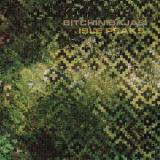
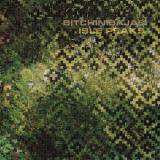
In the wake of the acclaimed Inland See, the on-growing analog ecosystem being animated for ten albums now by Bitchin Bajas boasts new high energy views. "Isle Peaks" speaks of directions in beats of time, weather and the heart to wherever coast they found themselves when they got it all laid out. Sourced from Inland See sessions, these cuts were subjected to further edits and tweaks, with electroacoustic textures of sampled kalimba, field recordings, autoharp and EWI to activate and transport divergent quadrants of the Bajas cinematic universe. The first two songs were previously released digitally on Qobuz in Jan "26. "Watch your Step" has been added to balance scales and acidity for the "Isle Peaks" vinyl edition. "Isle Peaks," throbs with the heat and humidity of an unknown landmass, ascending to signal-splitting heights on both atmospheric and ecstatic scales, the most wired ever but calm, then trancing ambiently in heavy modern electronic church thick with drone and atmosphere. High-energy music, first to dance, then to dream! The escaped & wild stepchild of Inland See is a half-hour highlight of the rest of your life to be: "Isle Peaks".
In the wake of the acclaimed Inland See, the on-growing analog ecosystem being animated for ten albums now by Bitchin Bajas boasts new high energy views. "Isle Peaks" speaks of directions in beats of time, weather and the heart to wherever coast they found themselves when they got it all laid out. Sourced from Inland See sessions, these cuts were subjected to further edits and tweaks, with electroacoustic textures of sampled kalimba, field recordings, autoharp and EWI to activate and transport divergent quadrants of the Bajas cinematic universe. The first two songs were previously released digitally on Qobuz in Jan "26. "Watch your Step" has been added to balance scales and acidity for the "Isle Peaks" vinyl edition. "Isle Peaks," throbs with the heat and humidity of an unknown landmass, ascending to signal-splitting heights on both atmospheric and ecstatic scales, the most wired ever but calm, then trancing ambiently in heavy modern electronic church thick with drone and atmosphere. High-energy music, first to dance, then to dream! The escaped & wild stepchild of Inland See is a half-hour highlight of the rest of your life to be: "Isle Peaks".
Cave-dripped reflections from mirrors of eternity, approaching slow molten. "Love Fuzzz" is frenzied sludge & stoner doom, "My Pet Guru," a hyptonic art-psych krauten air. True dual melts going down between Ty and Emmett"s guitars descend throughout; Ben, Mikael and Evan span and fulfil the heaviest order with width, depth and precision on keyboards, bass and drums. 1 12"EP, 2 epics, 26 minutes of time adding so much more than all that to future and past.
Ty Segall, precleared for flight in full rock congress with the band (Ben Boye/Evan Burrows/Mikal Cronin/Emmett Kelly), shifts Chrome. Songs of massive riffs, swung, tightly arrayed lines of fuzz & distortion, twin-guitar attack-and-parry, endopic keyboards kicking, precise & thudding power, a rhythmic core on the march in full BAND energy. The songs are lyrically allusive trips, dark passages in the labyrinth, everything in the air bristling collectively, as minds collide.
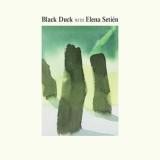
The Chicago trio of Black Duck is a natural fit for collaboration with acclaimed Basque musician Elena Setién. Black Duck"s bassist/guitarist Douglas McCombs, guitarist Bill MacKay and drummer Charles Rumback have been lauded for their adaptability as live performers and collaborators for decades, performing in countless ensembles from Tortoise to Brokeback to collaborations with Ryley Walker, Bill Callahan, James Singleton and many more. Setién honed her improvisational skills in duo Little Red Suitcase before going on to collaborate with the likes of Steve Gunn, Mary Lattimore, and Glenn Kotche (Wilco) to name a few. Black Duck and Elena Setién"s combined preternatural ability to converse at the boundaries of improvisation and composition makes for fertile ground in which every subtle gesture carries weight. On their debut, self-titled collaborative release, Black Duck and Elena Setién alchemize the ease of their live chemistry and their wealth of experience into a refined menagerie.
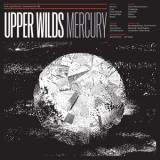
Stargazing Brooklyn noise-rock cosmonauts Upper Wilds - the power-trio led by Parts & Labor co-founder Dan Friel - return with another set of lean anthems filtered through a flamethrower. Their speediest, most explosive album yet, Mercury, is a meditation on death, with Friel expounding on his brush with skin cancer, climate change, funerals, Henry Kissinger, and a world seemingly on fire. Buoyed by recent tours with acts like Pelican, Uniform, Psychic Graveyard and Savak, the trio"s increased speed is met with a precision that gives every hairpin turn more wallop. Upper Wilds" space-rock adventures through their recent albums Mars, Venus, & Jupiter came replete with stories of the heavens and humanity alike. On this fourth installment, the closest planet to the sun, things take a darker turn. The small, barren planet Mercury was named after the gods" speedy messenger and guide to the underworld, and the album syphons Upper Wilds" fuzz-pop aesthetics into concise, scorched anthems about the brevity and fragility of life with the ferocity of a band playing on the edge of extinction.
(2LP, limited black vinyl repress) After last year's extroverted and funky album "Be Who You Wanna Be," Stef Kamil Carlens presents a more introspective double album recorded with Nel Ponsaers and Rahmat Emonds.
Featuring 14 songs—some of his own compositions and very surprising covers or reinterpretations—this album emphasizes lyrics, vocals, and a band sound primarily driven by acoustic instruments. Once again, it stands as a key addition to the already very eclectic catalog of one of Belgium’s most versatile and productive artists. Stef Kamil Carlens & The Poem will tour starting in October 2025.
MUCH LOVED LOW ALBUM BACK IN PRINT ON VINYL…NB NEW PRICE.NON -RETURNABLE.
The second Albini recorded and engineered Low album, Things We Lost in the Fire features such hits as Sunflower and Laser Beam.
#14 on Pitchfork 30 Best Dream Pop Albums.
#117 Pitchfork Top 200 Albums of the 2000s.
#93 The Guardian 100 Best Albums of the 21st Century list.
#36 NME Top 50 Darkest Ever Albums.
“Measuring out grief and resilience with a steady hand, these are the best songs of Low's quiet career.” Mojo 9/10
“Low's original stark minimalism has gradually given way to a broader sonic range, without sacrificing their strangely accessible otherness.” Wire
“Low have always sought to make music that can both swell the heart like a gospel tune and capture the amplified absence of a funeral parlour. It's difficult to imagine a more perfect expression of their vision than this.” NME
out of Stock
Last delivered 4 years ago available to reorder, subject to availability
Big Crown Records is proud to present the debut full length offering from Les Imprimés, Rêverie. The stirring and ethereal sounds of Les Imprimés have been making fans of anyone who hears them since their first 7" single hit the speakers. Morten Martens is the man behind the band. Born, raised, and working in Kristiansand, Norway, he keeps a low prole while making his heart felt, highly infectious, and unique music. This album is a long time coming for Martens and it is sure to make him a name to be reckoned with. The first thing you notice listening to Les Imprimés is the high level of musician-ship. Martens plays nearly every instrument on the recordings and handles the production and arranging. He has been making records for decades, winning a Spellemann Award (aka, the Norwegian Grammy) in 2006 for producing a HipHop album as well as getting nominations across three other genres. While awards and accolades speak to the level of his talent, this new album really shows who he is an artist on his own terms. Moving away from being a hired gun on the touring scene naturally led him to start doing more studio work. Slowly collecting gear and getting more experi-ence behind the boards he built his own studio on the island of Odderoya and was making a living playing with and recording other people's music. As the story goes, after those sessions would end he would work on his own project into the wee hours of the night. From these late night sessions, Les Imprimés was born and Rêverie began to take shape. However, "it wasn't until COVID, when things locked down, that I was really able to nd the time to focus on Les Imprimés" Morten says about creating and leading his own solo project. "It was a scary time. But I knew I had to do something with it." He took the sum of his inuences, combined them with his own vibe and got busy writing the music, playing the instruments, and singing the songs. "It's soul music, but I don't exactly have the soul voice," Morten explains humbly. "But I do it my own way, in a way that's mine. "It is his sound, his fingerprint, his sensibility, that makes his music hard to put in a box. The album showcases both Martens' range and his ability to make a cohesive album. The lead single "Falling Away" starts with a raw drum break and turns into a lushly arranged tune that paints the picture of love when it slips away. On "Still Here" he professes his resilience through life's twists and turns over a thundering track that puts a new spin on the B side ballad genre. Songs like "You" and "Our Love" mix tones from 60s and 70s Soul with arrangement nods to Doo Wop records while Martens' lyrics and delivery leave you singing the melodies long after they finish. "Love & Flowers" finds Martens in a moment of clarity with a song that ts the niche sub genre of happy break up tunes, the four on the floor track will move the dancefloor or while the message will resonate with anyone who put too much effort into the wrong situation in their lives. However, it is songs like "Muse" and "Chess" that really encapsulate the uniqueness of Les Imprimés as they push the boundaries of genre, one a profession of love for music and the other a cover of an electronic record respectively. Martens' lyrics, emotion, and delivery truly make the whole thing come together and stand out from any of his peers. There's an infectiousness and a pop sensibility in the writing that is done with the utmost class and taste giving Les Imprimés the rare quality of immediate attraction that only deepens the more you listen.