Next on Extra Soul Perception, we're very proud to welcome a new artist to the label, Paddy Fred, with three tracks of antipodean psych soul for his 'Spells' 7".
Paddy Fred is a musician based on the south coast of Wellington, New Zealand, where he grew up. He's played guitar since he was a teen, and went on to study music performance, and toured with a number of bands throughout his twenties. When these bands dissolved in 2011, he began beat making and music production of his own, losing himself in the freedom of making music on his terms.
Inspired after hanging with Flying Lotus & the Brainfeeder crew and clubbing at Low End Theory in Los Angeles, Paddy created his first release, 'Laminate', which dropped in 2013; the same year Paddy entered fatherhood.
After emerging from the "survival zone" of the first five years of parenting, Paddy emerged a little lost, separated from the momentum of his musical career. There then followed a period of self-reflection. As he ran up and over the same coastal path repeatedly, he slowly but surely rekindled his passion for music making, and the work began again…
Paddy came to the attention of the Extra Soul Perception crew courtesy of fellow New Zealander, Mara TK (who provided the label's highly acclaimed 2021 album 'Bad Meditation'). When the guys heard the demos, they signed him on sight.
The lead track 'Spells' consists of big sludgy drums, a growling synth bass, ethereal guitars and spacey vocals, mixing the washed-out slow-mo beat construction of Toro Y Moi with the heady psychedelic soul of Tame Impala and Mildlife. On the flipside 'Found You' is a more tranquil affair, with languorous drums befitting DJ's Khruangbin rhythm section, whilst closer 'Kids' (digital only) offers a robust yet airy finish with an uptempo instrumental akin to the sound palette of late 00s Four Tet.
'Spells' is the first taste of Paddy's new material. Inspired by lost love, babies feet, social fatigue and universes held within rock-pools, this is Paddy Fred at his most true to self, and just a small sample of what's to come.
Buscar:zeal
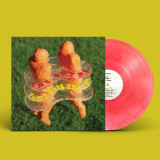
Pink Glass Vinyl[19,96 €]
Molly Lewis's compositions seem to float into our ears from distant shores. They're otherworldly, drawn more from landscapes of dream than from anywhere you could find on a map. Lewis is a unique presence in music today. Her trademark whistle, which brings to mind the great Peruvian soprano Yma Sumac, has graced recordings of everything from Schumann lieder and Brazilian jazz to Spaghetti Western ballads and noir lounge. Lewis's collaborations are diverse: La Femme, Sébastien Tellier and Dr. Dre. She's performed around the globe, at Shanghai's Yuz Museum, the Cannes Film Festival, Mexico City's Salón Los Angeles, and across the whole of New Zealand. Lewis's 2021 debut EP, The Forgotten Edge, was produced by Tom Brenneck (Charles Bradley, Amy Winehouse). It was a critical success, drawing praise from The New York Times and NPR, and landing Lewis a spot on CBS Sunday Morning. Now, Lewis and Brenneck have teamed up again for her second EP, Mirage, bringing aboard Brazilian guitarist Rogê, as well as percussionist Gibi Dos Santos and keyboardist Roger Manning. Capacious and atmospheric, Mirage is Lewis's most hypnotic effort yet. Like Eden's Island (1970) by eden ahbez_whose "Nature Boy" is covered in one of Mirage's standout moments_the album is based on Lewis's visions of an imaginary island. The lush, oceanic textures of Mirage transport us to the sands of an unknown beach_all alone or in the company we've always dreamt of keeping.
- A1: Rock This Mother
- A2: Talk To Me Girl
- A3: You Can Find Me
- A4: Check This Out
- A5: Jesus Going To Clean House
- A6: Hope You Understood
- A7: Is It What You Want
- A8: Love Is Everlasting
- A9: This Is Hip-Hop Art
- A10: Opposite Of Love
- A11: Do You Know What I Mean
- B1: Saving All My Love For You
- B2: Look Out Here I Come
- B3: Girl You Always Talking
- B4: Have A Great Day
- B5: Take My Hand
- B6: I Need Your Love
- B7: Your Town
- B8: Talk Around Town
- B9: Booty Head/Take A Little Walk
- B10: I Love My Mama
- B11: I Never Found Anyone Like You
Vinyl LP[23,49 €]
As the sun sets on a quaint East Nashville house, a young man bares a piece of his soul. Facing the camera, sporting a silky suit jacket/shirt/slacks/fingerless gloves ensemble that announces "singer" before he's even opened his mouth, Lee Tracy Johnson settles onto his stage, the front yard. He sways to the dirge-like drum machine pulse of a synth-soaked slow jam, extends his arms as if gaining his balance, and croons in affecting, fragile earnest, "I need your love… oh baby…"
Dogs in the yard next door begin barking. A mysterious cardboard robot figure, beamed in from galaxies unknown and affixed to a tree, is less vocal. Lee doesn't acknowledge either's presence. He's busy feeling it, arms and hands gesticulating. His voice rises in falsetto over the now-quiet dogs, over the ambient noise from the street that seeps into the handheld camcorder's microphone, over the recording of his own voice played back from a boombox off-camera. After six minutes the single, continuous shot ends. In this intimate creative universe there are no re-takes. There are many more music videos to shoot, and as Lee later puts it, "The first time you do it is actually the best. Because you can never get that again. You expressing yourself from within."
"I Need Your Love" dates from a lost heyday. From some time in the '80s or early '90s, when Lee Tracy (as he was known in performance) and his music partner/producer/manager Isaac Manning committed hours upon hours of their sonic and visual ideas to tape. Embracing drum machines and synthesizers – electronics that made their personal futurism palpable – they recorded exclusively at home, live in a room into a simple cassette deck. Soul, funk, electro and new wave informed their songs, yet Lee and Isaac eschewed the confinement of conventional categories and genres, preferring to let experimentation guide them.
"Anytime somebody put out a new record they had the same instruments or the same sound," explains Isaac. "So I basically wanted to find something that's really gonna stand out away from all of the rest of 'em." Their ethos meant that every idea they came up with was at least worth trying: echoed out half-rapped exhortations over frantic techno-style beats, gospel synth soul, modal electro-funk, oddball pop reinterpretations, emo AOR balladry, nods to Prince and the Fat Boys, or arrangements that might collapse mid-song into a mess of arcade game-ish blips before rallying to reach the finish line. All of it conjoined by consistent tape hiss, and most vitally, Lee's chameleonic voice, which managed to wildly shape shift and still evoke something sincere – whether toggling between falsetto and tenor exalting Jesus's return, or punctuating a melismatic romantic adlib with a succinct, "We all know how it feels to be alone."
"People think we went to a studio," says Isaac derisively. "We never went to no studio. We didn't have the money to go to no studio! We did this stuff at home. I shot videos in my front yard with whatever we could to get things together." Sometimes Isaac would just put on an instrumental record, be it "Planet Rock" or "Don't Cry For Me Argentina" (from Evita), press "record," and let Lee improvise over it, yielding peculiar love songs, would-be patriotic anthems, or Elvis Presley or Marilyn Monroe tributes. Technical limitations and a lack of professional polish never dissuaded them. They believed they were onto something.
"That struggle," Isaac says, "made that sound sound good to me."
In the parlance of modern music criticism Lee and Isaac's dizzying DIY efforts would inevitably be described as "outsider." But "outsider" carries the burden of untold additional layers of meaning if you're Black and from the South, creating on a budget, and trying to get someone, anyone within the country music capital of the world to take your vision seriously. "What category should we put it in?" Isaac asks rhetorically. "I don't know. All I know is feeling. I ain't gonna name it nothing. It's music. If it grabs your soul and touch your heart that's what it basically is supposed to do."
=
Born in 1963, the baby boy of nine siblings, Lee Tracy spent his earliest years living amidst the shotgun houses on Nashville's south side. "We was poor, man!" he says, recalling the outhouse his family used for a bathroom and the blocks of ice they kept in the kitchen to chill perishables. "But I actually don't think I really realized I was in poverty until I got grown and started thinking about it." Lee's mom worked at the Holiday Inn; his dad did whatever he had to do, from selling fruit from a horse drawn cart to bootlegging. "We didn't have much," Lee continues, "but my mother and my father got us the things we needed, the clothes on our back." By the end of the decade with the city's urban renewal programs razing entire neighborhoods to accommodate construction of the Interstate, the family moved to Edgehill Projects. Lee remembers music and art as a constant source of inspiration for he and his brothers and sisters – especially after seeing the Jackson 5 perform on Ed Sullivan. "As a small child I just knew that was what I wanted to do."
His older brother Don began musically mentoring him, introducing Lee to a variety of instruments and sounds. "He would never play one particular type of music, like R&B," says Lee. "I was surrounded by jazz, hard rock and roll, easy listening, gospel, reggae, country music; I mean I was a sponge absorbing all of that." Lee taught himself to play drums by beating on cardboard boxes, gaining a rep around the way for his timekeeping, and his singing voice. Emulating his favorites, Earth Wind & Fire and Cameo, he formed groups with other kids with era-evocative band names like Concept and TNT Connection, and emerged as the leader of disciplined rehearsals. "I made them practice," says Lee. "We practiced and practiced and practiced. Because I wanted that perfection." By high school the most accomplished of these bands would take top prize in a prominent local talent show. It was a big moment for Lee, and he felt ready to take things to the next level. But his band-mates had other ideas.
"I don't know what happened," he says, still miffed at the memory. "It must have blew they mind after we won and people started showing notice, because it's like everybody quit! I was like, where the hell did everybody go?" Lee had always made a point of interrogating prospective musicians about their intentions before joining his groups: were they really serious or just looking for a way to pick up girls? Now he understood even more the importance of finding a collaborator just as committed to the music as he was.
=
Isaac Manning had spent much of his life immersed in music and the arts – singing in the church choir with his family on Nashville's north side, writing, painting, dancing, and working various gigs within the entertainment industry. After serving in the armed forces, in the early '70s he ran The Teenage Place, a music and performance venue that catered to the local youth. But he was forced out of town when word of one of his recreational routines created a stir beyond the safe haven of his bohemian circles.
"I was growing marijuana," Isaac explains. "It wasn't no business, I was smoking it myself… I would put marijuana in scrambled eggs, cornbread and stuff." His weed use originated as a form of self-medication to combat severe tooth pain. But when he began sharing it with some of the other young people he hung out with, some of who just so happened to be the kids of Nashville politicians, the cops came calling. "When I got busted," he remembers, "they were talking about how they were gonna get rid of me because they didn't want me saying nothing about they children because of the politics and stuff. So I got my family, took two raggedy cars, and left Nashville and went to Vegas."
Out in the desert, Isaac happened to meet Chubby Checker of "The Twist" fame while the singer was gigging at The Flamingo. Impressed by Isaac's zeal, Checker invited him to go on the road with him as his tour manager/roadie/valet. The experience gave Isaac a window into a part of the entertainment world he'd never encountered – a glimpse of what a true pop act's audience looked like. "Chubby Checker, none of his shows were played for Black folks," he remembers. "All his gigs were done at high-class white people areas." Returning home after a few years with Chubby, Isaac was properly motivated to make it in Music City. He began writing songs and scouting around Nashville for local talent anywhere he could find it with an expressed goal: "Find someone who can deliver your songs the way you want 'em delivered and make people feel what you want them to feel."
One day while walking through Edgehill Projects Isaac heard someone playing the drums in a way that made him stop and take notice. "The music was so tight, just the drums made me feel like, oh I'm-a find this person," he recalls. "So I circled through the projects until I found who it was.
"That's how I met him – Lee Tracy. When I found him and he started singing and stuff, I said, ohhh, this is somebody different."
=
Theirs was a true complementary partnership: young Lee possessed the raw talent, the older Isaac the belief. "He's really the only one besides my brother and my family that really seen the potential in me," says Lee. "He made me see that I could do it."
Isaac long being a night owl, his house also made for a fertile collaborative environment – a space where there always seemed to be a new piece of his visual art on display: paintings, illustrations, and dolls and figures (including an enigmatic cardboard robot). Lee and Issac would hang out together and talk, listen to music, conjure ideas, and smoke the herb Isaac had resumed growing in his yard. "It got to where I could trust him, he could trust me," Isaac says of their bond. They also worked together for hours on drawings, spreading larges rolls of paper on the walls and sketching faces with abstract patterns and imagery: alien-like beings, tri-horned horse heads, inverted Janus-like characters where one visage blurred into the other.
Soon it became apparent that they didn't need other collaborators; self-sufficiency was the natural way forward. At Isaac's behest Lee, already fed up with dealing with band musicians, began playing around with a poly-sonic Yamaha keyboard at the local music store. "It had everything on it – trumpet, bass, drums, organ," remembers Lee. "And that's when I started recording my own stuff."
The technology afforded Lee the flexibility and independence he craved, setting him on a path other bedroom musicians and producers around the world were simultaneously following through the '80s into the early '90s. Saving up money from day jobs, he eventually supplemented the Yamaha Isaac had gotten him with Roland and Casio drum machines and a Moog. Lee was living in an apartment in Hillside at that point caring for his dad, who'd been partially paralyzed since early in life. In the evenings up in his second floor room, the music put him in a zone where he could tune out everything and lose himself in his ideas.
"Oh I loved it," he recalls. "I would really experiment with the instruments and use a lot of different sound effects. I was looking for something nobody else had. I wanted something totally different. And once I found the sound I was looking for, I would just smoke me a good joint and just let it go, hit the record button." More potent a creative stimulant than even Isaac's weed was the holistic flow and spontaneity of recording. Between sessions at Isaac's place and Lee's apartment, their volume of output quickly ballooned.
"We was always recording," says Lee. "That's why we have so much music. Even when I went to Isaac's and we start creating, I get home, my mind is racing, I gotta start creating, creating, creating. I remember there were times when I took a 90-minute tape from front to back and just filled it up."
"We never practiced," says Isaac. "See, that was just so odd about the whole thing. I could relate to him, and tell him about the songs I had ideas for and everything and stuff. And then he would bring it back or whatever, and we'd get together and put it down." Once the taskmaster hell bent on rehearsing, Lee had flipped a full 180. Perfection was no longer an aspiration, but the enemy of inspiration.
"I seen where practicing and practicing got me," says Lee. "A lot of musicians you get to playing and they gotta stop, they have to analyze the music. But while you analyzing you losing a lot of the greatness of what you creating. Stop analyzing what you play, just play! And it'll all take shape."
=
"I hope you understood the beginning of the record because this was invented from a dream I had today… (You tell me, I'll tell you, we'll figure it out together)" – Lee Tracy and Isaac Manning, "Hope You Understand"
Lee lets loose a maniacal cackle when he acknowledges that the material that he and Isaac recorded was by anyone's estimation pretty out there. It's the same laugh that commences "Hope You Understand" – a chaotic transmission that encapsulates the duality at the heart of their music: a stated desire to reach people and a compulsion to go as leftfield as they saw fit.
"We just did it," says Lee. "We cut the music on and cut loose. I don't sit around and write. I do it by listening, get a feeling, play the music, and the lyrics and stuff just come out of me."
The approach proved adaptable to interpreting other artists' material. While recording a cover of Whitney Houston's pop ballad "Saving All My Love For You," Lee played Whitney's version in his headphones as he laid down his own vocals – partially following the lyrics, partially using them as a departure point. The end result is barely recognizable compared with the original, Lee and Isaac having switched up the time signature and reinvented the melody along the way towards morphing a slick mainstream radio standard into something that sounds solely their own.
"I really used that song to get me started," says Lee. "Then I said, well I need something else, something is missing. Something just came over me. That's when I came up with 'Is It What You Want.'"
The song would become the centerpiece of Lee and Isaac's repertoire. Pushed along by a percolating metronomic Rhythm King style beat somewhere between a military march and a samba, "Is It What You Want" finds Lee pleading the sincerity of his commitment to a potential love interest embellished by vocal tics and hiccups subtlely reminiscent of his childhood hero MJ. Absent chord changes, only synth riffs gliding in and out like apparitions, the song achieves a lingering lo-fi power that leaves you feeling like it's still playing, somewhere, even after the fade out.
"I don't know, it's like a real spiritual song," Lee reflects. "But it's not just spiritual. To me the more I listen to it it's like about everything that you do in your everyday life, period. Is it what you want? Do you want a car or you don't want a car? Do you want Jesus or do you want the Devil? It's basically asking you the question. Can't nobody answer the question but you yourself."
In 1989 Lee won a lawsuit stemming from injuries sustained from a fight he'd gotten into. He took part of the settlement money and with Isaac pressed up "Saving All My Love For You" b/w "Is It What You Want" as a 45 single. Isaac christened the label One Chance Records. "Because that's all we wanted," he says with a laugh, "one chance."
Isaac sent the record out to radio stations and major labels, hoping for it to make enough noise to get picked up nationally. But the response he and Lee were hoping for never materialized. According to Isaac the closest the single got to getting played on the radio is when a disk jock from a local station made a highly unusual announcement on air: "The dude said on the radio, 107.5 – 'We are not gonna play 'Is It What You Want.' We cracked up! Wow, that's deep.
"It was a whole racist thing that was going on," he reflects. "So we just looked over and kept on going. That was it. That was about the way it goes… If you were Black and you were living in Nashville and stuff, that's the way you got treated." Isaac already knew as much from all the times he'd brought he and Lee's tapes (even their cache of country music tunes) over to Music Row to try to drum up interest to no avail.
"Isaac, he really worked his ass off," says Lee. "He probably been to every record place down on Music Row." Nashville's famed recording and music business corridor wasn't but a few blocks from where Lee grew up. Close enough, he remembers, for him to ride his bike along its back alleys and stumble upon the occasional random treasure, like a discarded box of harmonicas. Getting in through the front door, however, still felt a world away.
"I just don't think at the time our music fell into a category for them," he concedes. "It was before its time."
=
Lee stopped making music some time in the latter part of the '90s, around the time his mom passed away and life became increasingly tough to manage. "When my mother died I had a nervous breakdown," he says, "So I shut down for a long time. I was in such a sadness frame of mind. That's why nobody seen me. I had just disappeared off the map." He fell out of touch with Isaac, and in an indication of just how bad things had gotten for him, lost track of all the recordings they'd made together. Music became a distant memory.
Fortunately, Isaac kept the faith. In a self-published collection of his poetry – paeans to some of his favorite entertainment and public figures entitled Friends and Dick Clark – he'd written that he believed "music has a life of its own." But his prescience and presence of mind were truly manifested in the fact that he kept an archive of he and Lee's work. As perfectly imperfect as "Is It What You Want" now sounds in a post-Personal Space world, Lee and Isaac's lone official release was in fact just a taste. The bulk of the Is It What You Want album is culled from the pair's essentially unheard home recordings – complete songs, half-realized experiments, Isaac's blue monologues and pronouncements et al – compiled, mixed and programmed in the loose and impulsive creative spirit of their regular get-togethers from decades ago. The rest of us, it seems, may have finally caught up to them.
On the prospect of at long last reaching a wider audience, Isaac says simply, "I been trying for a long time, it feels good." Ever the survivor, he adds, "The only way I know how to make it to the top is to keep climbing. If one leg break on the ladder, hey, you gotta fix it and keep on going… That's where I be at. I'll kill death to make it out there."
For Lee it all feels akin to a personal resurrection: "It's like I was in a tomb and the tomb was opened and I'm back… Man, it feels so great. I feel like I'm gonna jump out of my skin." Success at this stage of his life, he realizes, probably means something different than what it did back when he was singing and dancing in Isaac's front yard. "What I really mean by 'making it,'" he explains isn't just the music being heard but, "the story being told."
Occasionally Lee will pull up "Is It What You Want" on YouTube on his phone, put on his headphones, and listen. He remembers the first time he heard his recorded voice. How surreal it was, how he thought to himself, "Is that really me?" What would he say to that younger version of himself now?
"I would probably tell myself, hang in there, don't give up. Keep striving for the goal. And everything will work out."
Despite what's printed on the record label, sometimes you do get more than one chance.
2003 DEBUT STUDIO ALBUM FROM ACCLAIMED NORWEGIAN POSTPROGRESSIVE ART ROCKERS MASTERED HALF-SPEED AT AIR STUDIOS
Formed in Oslo in 1996 by childhood friends Jon-Arne Vilbo & Thomas Andersen
along with Jan- Henrik Ohme (later joined by Mikael Krømer, Robert Risberget
Johansen & Roy Funner), Gazpacho have honed their unique sound over a string
of critically acclaimed albums & numerous tours, including several with long-time
supporters Marillion.
In 2002, Gazpacho entered a song contest on 'Make-A-Star' with the song "Sea Of
Tranquillity" & won. Their second entry, "Ghost" made it to second position, giving
the band the opportunity to release an album through MP3. This led the
band to release their first official album 'Bravo' in 2003 - which contained five of
the six tracks off the MP3 album plus six new compositions. Utilising the
possibilities of the Internet the band had teamed up with the American singer/
songwriter & fellow 'Make- A- Star' contestee Esther Valentine & New Zealand
producer Peter Kearns. Valentine sang a duet with Ohme on the song
'Novgorod' (which she also co-wrote) & Kearns produced two of the album tracks.
'Bravo' gained the band more international acclaim, with Dutch leading music
magazine 'Oor' stating "their debut album is a rare beauty".
The first in the 'Gazpacho Half-Speed Masters Series', this new Kscope release of
'Bravo' was mastered half-speed at Air Studios in London for a superior, sharper,
more direct & engaging sound. Other releases from the band's catalogue are to
follow throughout 2022 & 2023.
This one is highly recommended for fans of Khruangbin, Lord Echo, Leon Bridges or Fat Freddy's Drop.
Open is the sixth studio album from acclaimed composer, producer, filmmaker and multi-instrumentalist, Kutiman. It is an addictive & irresistible twelve-track trip taking in elements of classic soul, Middle Eastern psychedelia, Afrobeat, Thai funk, jazz fusion, cosmic library soundscapes and more.
The uptempo “Vanishing Point” opens proceedings, recalling both Abstract Orchestra’s 2017 Dilla tribute and the lounge OST/library music flips of Tosca and DJ Vadim fame.
My Everything introduces prominent guest & frequent Kutiman collaborator, Dekel, whose soul-pop vocals coupled with jangly acoustic guitar riffs tip to contemporary indie artists such as Michael Kiwanuka and SAULT. “A Day Off passes through” Anatolian psych and Khruangbin-esque Thai funk whilst the afrobeat/jazz fusion “Confetti” pays tribute to Kutiman’s other namesake, Fela Kuti.
Dekel rejoins for the beatdown, lilting dub-soul “Believe In You” with hints of Lord Echo and the sun-inflected New Zealand dub-soul sound. The Tuareg-leaning guitar lines on “Canoe” travel across the Saharan desert easterly towards Sudan and Ethiopia by the end, whilst meditative and Coltrane-adjacent album closer “Ripples” provides a final moment of reflection from a truly global excursion of soundscapes.
Eric Clapton, one of music’s most influential and successful recording artists, joined Reprise Records in 1983, launching a prolific period that spans 30 years and encompasses some of his most celebrated work. This limited edition, 12-LP boxed set revisits Clapton’s first six albums for Reprise along with an LP exclusive to this collection that features rarities from the era, including a previously unreleased remix of “Pilgrim” by co-writer and long-time Clapton producer Simon Climie.
The Complete Reprise Studio Albums – Volume I contains newly remastered versions of six studio albums pressed on 180-gram vinyl: Money and Cigarettes (1983) as a single LP, and Behind the Sun (1985), August (1986), Journeyman (1989), From the Cradle (1994), and Pilgrim (1998) as double-LPs. Behind The Sun and August were originally released as single LPs; both are now 3-sided double albums to avoid long LP sides and to maximize the audio quality.
The final LP in the collection, Rarities (1983-1998) brings together eight rare recordings from this era, including live versions of “White Room” and “Crossroads” that were both featured on the B-side on the 1987 single “Behind The Mask.” Another B-side, “Theme From A Movie That Never Happened” (Orchestral), appeared in 1998 on the Grammy winning single, “My Father’s Eyes.”, and a cover of Albert King’s “Born Under A Bad Sign” (an outtake from Grammy winning album From The Cradle).
All the music included in this collection was mastered by Bob Ludwig at Gateway Mastering and the lacquers for the LPs were cut by Chris Bellman at Bernie Grundman Mastering.
Volume I spans 15 years and touches on some of Clapton’s biggest studio albums. It begins with Money and Cigarettes, the guitarist’s eighth solo studio album, which he co-produced with Atlantic Records’ legend Tom Dowd. Released in 1983, it reached the Top 20 in the U.S. and the U.K. and introduced the hit single “I’ve Got A Rock ’n’ Roll Heart.”
Clapton worked with Phil Collins to produce his next album, Behind the Sun, which peaked at #8 in the U.K. The album would earn platinum-certification in the U.S. thanks to hits like “Forever Man” and “She’s Waiting.” Collins returned to co-produce the next album, August, as well. Certified gold in the U.S., it featured a trio of Top 10 singles – “Miss You,” “Tearing Us Apart,” (a duet with Tina Turner) and the #1 smash, “It’s In The Way That You Use It.” Clapton co-wrote the latter with Robbie Robertson and co-produced the track with Dowd. The song was also featured in The Color of Money, the 1986 blockbuster film starring Paul Newman and Tom Cruise.
Journeyman, Clapton’s 1989 follow-up, reached #2 in the U.K. where it was certified platinum. An international sensation, the record was certified platinum in Canada and gold in Argentina, Australia, France, Japan, Netherlands, New Zealand, Spain, Sweden, and Switzerland. The album was certified double platinum in the U.S., scoring #1 hits on the Mainstream Rock charts with “Pretending” and the Grammy winning single “Bad Love.” The album had two more Top 10 hits in America with “Before You Accuse Me” (#9) and “No Alibis” (#4).
Following the runaway success of his 1992 live album Unplugged, Clapton returned in 1994 with From The Cradle. A blues covers album, it featured his versions of songs recorded by some of the bluesmen who influenced him, including Robert Johnson, Howlin’ Wolf, Muddy Waters, Freddie King and more. The album was certified triple-platinum in the U.S., where it topped the Billboard 200. It also reached #1 in the U.K., making it his only #1 album in the U.K. to date. In addition, From The Cradle won the Grammy Award for Best Traditional Blues Album.
The final release on VOLUME I is Pilgrim, Clapton’s 1998 Grammy Award winning 13th solo studio album. It reached the Top 10 in more than 20 countries, including the U.S. (#4) and the U.K. (#3). A passion project for Clapton, the album was certified platinum in America thanks to hit singles like, “My Father’s Eyes,” “Circus,” “Born In Time” (penned by Bob Dylan) and the title track.
Money and Cigarettes (1983)
• Everybody Oughta Make A Change
• The Shape You’re In
• Ain’t Going Down
• I’ve Got A Rock ’n’ Roll Heart
• Man Overboard
• Pretty Girl
• Man In Love
• Crosscut Saw
• Slow Down Linda
• Crazy Country Hop
Behind the Sun (1985)
• She’s Waiting
• See What Love Can Do
• Same Old Blues
• Knock On Wood
• Something’s Happening
• Forever Man
• It All Depends
• Tangled In Love
• Never Make You Cry
• Just Like A Prisoner
• Behind The Sun
August (1986)
• It’s In The Way That You Use It
• Run
• Tearing Us Apart
• Bad Influence
• Walk Away
• Hung Up On Your Love
• Take A Chance
• Hold On
• Miss You
• Holy Mother
• Behind the Mask
Journeyman (1989)
• Pretending
• Anything For Your Love
• Bad Love
• Running On Faith
• Hard Times
• Hound Dog
• No Alibis
• Run So Far
• Old Love
• Breaking Point
• Lead Me On
• Before You Accuse Me
From the Cradle (1994)
• Blues Before Sunrise
• Third Degree
• Reconsider Baby
• Hoochie Coochie Man
• Five Long Years
• I’m Tore Down
• How Long Blues
• Goin’ Away Baby
• Blues Leave Me Alone
• Sinner’s Prayer
• Motherless Child
• It Hurts Me Too
• Someday After A While
• Standin’ Round Crying
• Driftin’
• Groaning The Blues
Pilgrim (1998)
• My Father’s Eyes
• River Of Tears
• Pilgrim
• Broken Hearted
• One Chance
• Circus
• Goin’ Down Slow
• Fall Like Rain
• Born In Time
• Sick And Tired
• Needs His Woman
• She’s Gone
• You Were There
• Inside Of Me
Rarities Vol. 1 (2022)
• Stone Free
• Crossroads – Live
• White Room – Live
• Theme From A Movie That Never Happened (Orchestral)
• Pilgrim – Remix *
• 32-20 Blues – Live
• County Jail Blues – Live
• Born Under A Bad Sign*
* previously unreleased
Before New Zealand's Salad Boys, there was T54, also fronted by Joe
Sampson, joined by Matt Scobie on drums and Sam Hood on bass - T54
featured a visceral, sonic guitar sound, perhaps out of step with most of
the Flying Nun bands at the time
Joe describes T54 as being stuck in the wrong era somewhat yet enduring well in
NZ for those who bought the music and saw us live at the time. Originally
released in 2011, Ally is proud to bring you an expanded and remastered limited
vinyl edition of their first ep that also includes several demos and live tracks. Be
prepared to be wowed by this noisy three piece from Christchurch influenced by
classic NZ bands who also have three members (The Clean) or numbers in their
name (The 3Ds) -- like The Clean, The 3Ds, and other NZ greats, T54 will not
disappoint!
Tracks: Birds / Julie K / CR Model / Vehicle / Singer in Mouth / Death Drive / CR
Model / Life Is Swell / O Nina / Fred Gavin / Kill Red / Julie K / Le Snack / Choose
Your Own Ending / Localism / Soon I'll Be Nicking Speed Boats / House Music /
Julie's Last Wish / Nurse Jen / Christian Dale
On their new album Looming, The Spindle, The Pleasure Majenta shape a
terrifying and sublime mix of noise, broken electronics and guitar
feedback that begs to remain untamed
From New Zealand by way of Berlin, these dystopian goth punks take their cues
from the harsh and heavy energy of The Birthday Party, Swans and The Fall
€"casting bummer vibes into the void to create the pain- soaked statement so
many albums want to make but wind up missing the mark.The lead single € Full
of It € fills the screen with flashes of cinematic post-punk savagery up to its ears
in swampy distortion and sleazy funhouse skronk. Velvety € 70s exploitation flick
saxophones hustle with devilish no-wave spaghetti western guitars and a slippery
bassline like a coffin dragged through mud in a grungy post- punk dirge. It's a
waking tour through a dysfunctional late- capitalist bardo where disassociation
becomes an effective coping mechanism for the cyclical, paralyzing grind of
clock- in, clock- out psychosis. € I felt okay when I wasn't myself "when I was
making music or playing onstage, so I decided I would contact myself in this way,
says The Pleasure Majenta's Lawrence Loz Fergus Goodwin. It's a dangerous
game to play.
Tracks: Satellite / Fabric / Sad2say / Smiles Through A Sneer / Anxious Patient /
Osc / Full Of It / It's Ten / Erik Satie / Gardens
After a long silence New Zealand bestial death metal horde Exaltation finally unveil their first proper full-length offering, "Under Blind Reasoning", after a demo tape had surfaced back in 2017 amongst generalized obscurity. Indeed what we find on this debut offering is something distant from the lo-fi quality of the promising but under-produced demo, and sees the band tap instead into a realm of vehemence and aural destruction of unseen magnitude and terror. Feral, enveloping, monumental and sprawling in its unrelenting wrath, "Under Blind Reasoning" sees the obscure New Zealand death-bringers whip the sum of their influences (Immolation, Morbid Angel, Incantation, Deicide, Blasphemy) into a coercive realm of shell shocking torment and rise from the depths of obscurity like a cataclysmic weapon of mass-destruction. The album's dense and multidimensional recording quality (courtesy of engineers Raj Singarajah and Cam Sinclair along by mastering from Luke Finlay of Primal Mastering) has yielded a death metal beast of truly unsettling proportions. Every instrument and the utter violence with which it is wielded appears on full display, as the listener is helplessly left annihilated, blow after to blow, to witness the band's tight, savage and merciless performance and technical proficiency literally maul down the fabric of reality piece by piece. These are death metal songs from a realm of perpetual darkness that bare a load of death and ruin of unprecedented traits. Songs of boundless terror and oblivion that evoke eons of darkness and an immanent and oppressive presage of complete inevitability as the music roars out of the speakers with ominous grimness and near-weaponized violence. All hail the realm of darkness and death conceived by Exaltation, one where the death metal craft is reborn as a feral ungovernable force to inflict merciless ruin unto this mortal plane and all that dares to attempt to exist within it. Tracklisting: 1. Iron Rebellion 2. Impending Deceased 3. Exaltation 4. Ascension 5. Fate Revolt 6. Impious Massacre 7. Blaspheme Mortality 8. Divider of Redemption
- A1: Rock This Mother
- A2: Talk To Me Girl
- A3: You Can Find Me
- A4: Check This Out
- A5: Jesus Going To Clean House
- A6: Hope You Understood
- A7: Is It What You Want
- A8: Love Is Everlasting
- A9: This Is Hip-Hop Art
- A10: Opposite Of Love
- A11: Do You Know What I Mean
- B1: Saving All My Love For You
- B2: Look Out Here I Come
- B3: Girl You Always Talking
- B4: Have A Great Day
- B5: Take My Hand
- B6: I Need Your Love
- B7: Your Town
- B8: Talk Around Town
- B9: Booty Head/Take A Little Walk
- B10: I Love My Mama
- B11: I Never Found Anyone Like You
Cassette[11,72 €]
As the sun sets on a quaint East Nashville house, a young man bares a piece of his soul. Facing the camera, sporting a silky suit jacket/shirt/slacks/fingerless gloves ensemble that announces "singer" before he's even opened his mouth, Lee Tracy Johnson settles onto his stage, the front yard. He sways to the dirge-like drum machine pulse of a synth-soaked slow jam, extends his arms as if gaining his balance, and croons in affecting, fragile earnest, "I need your love… oh baby…"
Dogs in the yard next door begin barking. A mysterious cardboard robot figure, beamed in from galaxies unknown and affixed to a tree, is less vocal. Lee doesn't acknowledge either's presence. He's busy feeling it, arms and hands gesticulating. His voice rises in falsetto over the now-quiet dogs, over the ambient noise from the street that seeps into the handheld camcorder's microphone, over the recording of his own voice played back from a boombox off-camera. After six minutes the single, continuous shot ends. In this intimate creative universe there are no re-takes. There are many more music videos to shoot, and as Lee later puts it, "The first time you do it is actually the best. Because you can never get that again. You expressing yourself from within."
"I Need Your Love" dates from a lost heyday. From some time in the '80s or early '90s, when Lee Tracy (as he was known in performance) and his music partner/producer/manager Isaac Manning committed hours upon hours of their sonic and visual ideas to tape. Embracing drum machines and synthesizers – electronics that made their personal futurism palpable – they recorded exclusively at home, live in a room into a simple cassette deck. Soul, funk, electro and new wave informed their songs, yet Lee and Isaac eschewed the confinement of conventional categories and genres, preferring to let experimentation guide them.
"Anytime somebody put out a new record they had the same instruments or the same sound," explains Isaac. "So I basically wanted to find something that's really gonna stand out away from all of the rest of 'em." Their ethos meant that every idea they came up with was at least worth trying: echoed out half-rapped exhortations over frantic techno-style beats, gospel synth soul, modal electro-funk, oddball pop reinterpretations, emo AOR balladry, nods to Prince and the Fat Boys, or arrangements that might collapse mid-song into a mess of arcade game-ish blips before rallying to reach the finish line. All of it conjoined by consistent tape hiss, and most vitally, Lee's chameleonic voice, which managed to wildly shape shift and still evoke something sincere – whether toggling between falsetto and tenor exalting Jesus's return, or punctuating a melismatic romantic adlib with a succinct, "We all know how it feels to be alone."
"People think we went to a studio," says Isaac derisively. "We never went to no studio. We didn't have the money to go to no studio! We did this stuff at home. I shot videos in my front yard with whatever we could to get things together." Sometimes Isaac would just put on an instrumental record, be it "Planet Rock" or "Don't Cry For Me Argentina" (from Evita), press "record," and let Lee improvise over it, yielding peculiar love songs, would-be patriotic anthems, or Elvis Presley or Marilyn Monroe tributes. Technical limitations and a lack of professional polish never dissuaded them. They believed they were onto something.
"That struggle," Isaac says, "made that sound sound good to me."
In the parlance of modern music criticism Lee and Isaac's dizzying DIY efforts would inevitably be described as "outsider." But "outsider" carries the burden of untold additional layers of meaning if you're Black and from the South, creating on a budget, and trying to get someone, anyone within the country music capital of the world to take your vision seriously. "What category should we put it in?" Isaac asks rhetorically. "I don't know. All I know is feeling. I ain't gonna name it nothing. It's music. If it grabs your soul and touch your heart that's what it basically is supposed to do."
=
Born in 1963, the baby boy of nine siblings, Lee Tracy spent his earliest years living amidst the shotgun houses on Nashville's south side. "We was poor, man!" he says, recalling the outhouse his family used for a bathroom and the blocks of ice they kept in the kitchen to chill perishables. "But I actually don't think I really realized I was in poverty until I got grown and started thinking about it." Lee's mom worked at the Holiday Inn; his dad did whatever he had to do, from selling fruit from a horse drawn cart to bootlegging. "We didn't have much," Lee continues, "but my mother and my father got us the things we needed, the clothes on our back." By the end of the decade with the city's urban renewal programs razing entire neighborhoods to accommodate construction of the Interstate, the family moved to Edgehill Projects. Lee remembers music and art as a constant source of inspiration for he and his brothers and sisters – especially after seeing the Jackson 5 perform on Ed Sullivan. "As a small child I just knew that was what I wanted to do."
His older brother Don began musically mentoring him, introducing Lee to a variety of instruments and sounds. "He would never play one particular type of music, like R&B," says Lee. "I was surrounded by jazz, hard rock and roll, easy listening, gospel, reggae, country music; I mean I was a sponge absorbing all of that." Lee taught himself to play drums by beating on cardboard boxes, gaining a rep around the way for his timekeeping, and his singing voice. Emulating his favorites, Earth Wind & Fire and Cameo, he formed groups with other kids with era-evocative band names like Concept and TNT Connection, and emerged as the leader of disciplined rehearsals. "I made them practice," says Lee. "We practiced and practiced and practiced. Because I wanted that perfection." By high school the most accomplished of these bands would take top prize in a prominent local talent show. It was a big moment for Lee, and he felt ready to take things to the next level. But his band-mates had other ideas.
"I don't know what happened," he says, still miffed at the memory. "It must have blew they mind after we won and people started showing notice, because it's like everybody quit! I was like, where the hell did everybody go?" Lee had always made a point of interrogating prospective musicians about their intentions before joining his groups: were they really serious or just looking for a way to pick up girls? Now he understood even more the importance of finding a collaborator just as committed to the music as he was.
=
Isaac Manning had spent much of his life immersed in music and the arts – singing in the church choir with his family on Nashville's north side, writing, painting, dancing, and working various gigs within the entertainment industry. After serving in the armed forces, in the early '70s he ran The Teenage Place, a music and performance venue that catered to the local youth. But he was forced out of town when word of one of his recreational routines created a stir beyond the safe haven of his bohemian circles.
"I was growing marijuana," Isaac explains. "It wasn't no business, I was smoking it myself… I would put marijuana in scrambled eggs, cornbread and stuff." His weed use originated as a form of self-medication to combat severe tooth pain. But when he began sharing it with some of the other young people he hung out with, some of who just so happened to be the kids of Nashville politicians, the cops came calling. "When I got busted," he remembers, "they were talking about how they were gonna get rid of me because they didn't want me saying nothing about they children because of the politics and stuff. So I got my family, took two raggedy cars, and left Nashville and went to Vegas."
Out in the desert, Isaac happened to meet Chubby Checker of "The Twist" fame while the singer was gigging at The Flamingo. Impressed by Isaac's zeal, Checker invited him to go on the road with him as his tour manager/roadie/valet. The experience gave Isaac a window into a part of the entertainment world he'd never encountered – a glimpse of what a true pop act's audience looked like. "Chubby Checker, none of his shows were played for Black folks," he remembers. "All his gigs were done at high-class white people areas." Returning home after a few years with Chubby, Isaac was properly motivated to make it in Music City. He began writing songs and scouting around Nashville for local talent anywhere he could find it with an expressed goal: "Find someone who can deliver your songs the way you want 'em delivered and make people feel what you want them to feel."
One day while walking through Edgehill Projects Isaac heard someone playing the drums in a way that made him stop and take notice. "The music was so tight, just the drums made me feel like, oh I'm-a find this person," he recalls. "So I circled through the projects until I found who it was.
"That's how I met him – Lee Tracy. When I found him and he started singing and stuff, I said, ohhh, this is somebody different."
=
Theirs was a true complementary partnership: young Lee possessed the raw talent, the older Isaac the belief. "He's really the only one besides my brother and my family that really seen the potential in me," says Lee. "He made me see that I could do it."
Isaac long being a night owl, his house also made for a fertile collaborative environment – a space where there always seemed to be a new piece of his visual art on display: paintings, illustrations, and dolls and figures (including an enigmatic cardboard robot). Lee and Issac would hang out together and talk, listen to music, conjure ideas, and smoke the herb Isaac had resumed growing in his yard. "It got to where I could trust him, he could trust me," Isaac says of their bond. They also worked together for hours on drawings, spreading larges rolls of paper on the walls and sketching faces with abstract patterns and imagery: alien-like beings, tri-horned horse heads, inverted Janus-like characters where one visage blurred into the other.
Soon it became apparent that they didn't need other collaborators; self-sufficiency was the natural way forward. At Isaac's behest Lee, already fed up with dealing with band musicians, began playing around with a poly-sonic Yamaha keyboard at the local music store. "It had everything on it – trumpet, bass, drums, organ," remembers Lee. "And that's when I started recording my own stuff."
The technology afforded Lee the flexibility and independence he craved, setting him on a path other bedroom musicians and producers around the world were simultaneously following through the '80s into the early '90s. Saving up money from day jobs, he eventually supplemented the Yamaha Isaac had gotten him with Roland and Casio drum machines and a Moog. Lee was living in an apartment in Hillside at that point caring for his dad, who'd been partially paralyzed since early in life. In the evenings up in his second floor room, the music put him in a zone where he could tune out everything and lose himself in his ideas.
"Oh I loved it," he recalls. "I would really experiment with the instruments and use a lot of different sound effects. I was looking for something nobody else had. I wanted something totally different. And once I found the sound I was looking for, I would just smoke me a good joint and just let it go, hit the record button." More potent a creative stimulant than even Isaac's weed was the holistic flow and spontaneity of recording. Between sessions at Isaac's place and Lee's apartment, their volume of output quickly ballooned.
"We was always recording," says Lee. "That's why we have so much music. Even when I went to Isaac's and we start creating, I get home, my mind is racing, I gotta start creating, creating, creating. I remember there were times when I took a 90-minute tape from front to back and just filled it up."
"We never practiced," says Isaac. "See, that was just so odd about the whole thing. I could relate to him, and tell him about the songs I had ideas for and everything and stuff. And then he would bring it back or whatever, and we'd get together and put it down." Once the taskmaster hell bent on rehearsing, Lee had flipped a full 180. Perfection was no longer an aspiration, but the enemy of inspiration.
"I seen where practicing and practicing got me," says Lee. "A lot of musicians you get to playing and they gotta stop, they have to analyze the music. But while you analyzing you losing a lot of the greatness of what you creating. Stop analyzing what you play, just play! And it'll all take shape."
=
"I hope you understood the beginning of the record because this was invented from a dream I had today… (You tell me, I'll tell you, we'll figure it out together)" – Lee Tracy and Isaac Manning, "Hope You Understand"
Lee lets loose a maniacal cackle when he acknowledges that the material that he and Isaac recorded was by anyone's estimation pretty out there. It's the same laugh that commences "Hope You Understand" – a chaotic transmission that encapsulates the duality at the heart of their music: a stated desire to reach people and a compulsion to go as leftfield as they saw fit.
"We just did it," says Lee. "We cut the music on and cut loose. I don't sit around and write. I do it by listening, get a feeling, play the music, and the lyrics and stuff just come out of me."
The approach proved adaptable to interpreting other artists' material. While recording a cover of Whitney Houston's pop ballad "Saving All My Love For You," Lee played Whitney's version in his headphones as he laid down his own vocals – partially following the lyrics, partially using them as a departure point. The end result is barely recognizable compared with the original, Lee and Isaac having switched up the time signature and reinvented the melody along the way towards morphing a slick mainstream radio standard into something that sounds solely their own.
"I really used that song to get me started," says Lee. "Then I said, well I need something else, something is missing. Something just came over me. That's when I came up with 'Is It What You Want.'"
The song would become the centerpiece of Lee and Isaac's repertoire. Pushed along by a percolating metronomic Rhythm King style beat somewhere between a military march and a samba, "Is It What You Want" finds Lee pleading the sincerity of his commitment to a potential love interest embellished by vocal tics and hiccups subtlely reminiscent of his childhood hero MJ. Absent chord changes, only synth riffs gliding in and out like apparitions, the song achieves a lingering lo-fi power that leaves you feeling like it's still playing, somewhere, even after the fade out.
"I don't know, it's like a real spiritual song," Lee reflects. "But it's not just spiritual. To me the more I listen to it it's like about everything that you do in your everyday life, period. Is it what you want? Do you want a car or you don't want a car? Do you want Jesus or do you want the Devil? It's basically asking you the question. Can't nobody answer the question but you yourself."
In 1989 Lee won a lawsuit stemming from injuries sustained from a fight he'd gotten into. He took part of the settlement money and with Isaac pressed up "Saving All My Love For You" b/w "Is It What You Want" as a 45 single. Isaac christened the label One Chance Records. "Because that's all we wanted," he says with a laugh, "one chance."
Isaac sent the record out to radio stations and major labels, hoping for it to make enough noise to get picked up nationally. But the response he and Lee were hoping for never materialized. According to Isaac the closest the single got to getting played on the radio is when a disk jock from a local station made a highly unusual announcement on air: "The dude said on the radio, 107.5 – 'We are not gonna play 'Is It What You Want.' We cracked up! Wow, that's deep.
"It was a whole racist thing that was going on," he reflects. "So we just looked over and kept on going. That was it. That was about the way it goes… If you were Black and you were living in Nashville and stuff, that's the way you got treated." Isaac already knew as much from all the times he'd brought he and Lee's tapes (even their cache of country music tunes) over to Music Row to try to drum up interest to no avail.
"Isaac, he really worked his ass off," says Lee. "He probably been to every record place down on Music Row." Nashville's famed recording and music business corridor wasn't but a few blocks from where Lee grew up. Close enough, he remembers, for him to ride his bike along its back alleys and stumble upon the occasional random treasure, like a discarded box of harmonicas. Getting in through the front door, however, still felt a world away.
"I just don't think at the time our music fell into a category for them," he concedes. "It was before its time."
=
Lee stopped making music some time in the latter part of the '90s, around the time his mom passed away and life became increasingly tough to manage. "When my mother died I had a nervous breakdown," he says, "So I shut down for a long time. I was in such a sadness frame of mind. That's why nobody seen me. I had just disappeared off the map." He fell out of touch with Isaac, and in an indication of just how bad things had gotten for him, lost track of all the recordings they'd made together. Music became a distant memory.
Fortunately, Isaac kept the faith. In a self-published collection of his poetry – paeans to some of his favorite entertainment and public figures entitled Friends and Dick Clark – he'd written that he believed "music has a life of its own." But his prescience and presence of mind were truly manifested in the fact that he kept an archive of he and Lee's work. As perfectly imperfect as "Is It What You Want" now sounds in a post-Personal Space world, Lee and Isaac's lone official release was in fact just a taste. The bulk of the Is It What You Want album is culled from the pair's essentially unheard home recordings – complete songs, half-realized experiments, Isaac's blue monologues and pronouncements et al – compiled, mixed and programmed in the loose and impulsive creative spirit of their regular get-togethers from decades ago. The rest of us, it seems, may have finally caught up to them.
On the prospect of at long last reaching a wider audience, Isaac says simply, "I been trying for a long time, it feels good." Ever the survivor, he adds, "The only way I know how to make it to the top is to keep climbing. If one leg break on the ladder, hey, you gotta fix it and keep on going… That's where I be at. I'll kill death to make it out there."
For Lee it all feels akin to a personal resurrection: "It's like I was in a tomb and the tomb was opened and I'm back… Man, it feels so great. I feel like I'm gonna jump out of my skin." Success at this stage of his life, he realizes, probably means something different than what it did back when he was singing and dancing in Isaac's front yard. "What I really mean by 'making it,'" he explains isn't just the music being heard but, "the story being told."
Occasionally Lee will pull up "Is It What You Want" on YouTube on his phone, put on his headphones, and listen. He remembers the first time he heard his recorded voice. How surreal it was, how he thought to himself, "Is that really me?" What would he say to that younger version of himself now?
"I would probably tell myself, hang in there, don't give up. Keep striving for the goal. And everything will work out."
Despite what's printed on the record label, sometimes you do get more than one chance.
Tape
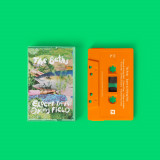
The third LP from the New Zealand quartet houses 12 jewels of tight, guitar-heavy songs that worm their way into your head, an incandescent collision of power-pop and skuzz. With Expert, The Beths wanted to make an album meant to be experienced live, for both the listeners and themselves. They wanted it to be fun -- to hear, to play -- in spite of the prickling anxiety throughout the lyrics, the fear of change and struggle to cope.
Most of Expert was recorded at guitarist Jonathan Pearce’s studio on Karangahape Road in Tāmaki Makaurau, Aotearoa (Auckland, New Zealand) -- and sometimes in the building's cavernous stairwell at 1am -- toward the end of 2021, until they were interrupted by a four-month national lockdown. They traded notes remotely for months, songwriting from afar and fleshing out the arrangements alone, the first time they’d written together in such a way. The following February, The Beths left the country for the first time in more than two years to tour across the US, and simultaneously finish mixing the album on the road. That latter half felt more collaborative, with everyone on-hand to trade notes in real time, until it all culminated in a chaotic three-day studio mad-dash in Los Angeles. There, Expert finally became the record they were hearing in their heads.
Expert is an extension of the same skuzzy palette the band has built across their catalog, pop hooks embedded in incisive indie rock. The album’s title track “Expert In A Dying Field” introduces the thesis for the record: “How does it feel to be an expert in a dying field? How do you know it’s over when you can’t let go?” Stokes asks. “Love is learned over time ‘til you’re an expert in a dying field.”
The rest is a capsule of The Beths’ most electrifying and exciting output, a sonic spectrum: “Your Side” is a forlorn and sincere love song, emotive; while “Silence is Golden,” with its propulsive drum line and stop-start staccato of a guitar line winding up and down, is one of the band’s sharpest and most driving. “When You Know You Know” skews a bit groovier, pure pop and a natural addition to the band’s live set. “Knees Deep” was written last minute, but yields one of the best guitar lines on Expert. There’s a certain chaos across the 12 tracks, the palpable joy of playing music with long-time friends colliding with the raw nerves of pain.
Stokes strings it all together through her singular songwriting lens, earnest and self-effacing, zeroing in on the granules of doubt and how they snowball. Did I do the wrong thing? Or did you? And are we still good people at the end of it? She isn’t interested in villains, but instead interested in just telling the story. That insecurity and thoughtfulness, translated into universality and understanding, has been the guiding light of The Beths’ output since 2016. In the face of pain, there’s no dwelling on internal anguish - instead, through The Beths’ musi
Anita Clark’s new Motte album, »Cold + Liquid«, builds glacial atmospheres, frozen moods and isolated impressions. Portraying New Zealand through socio-geological sound, breathing in Christchurch cultures and locales, the album embodies an artistic simulation of the Kiwi environment. Motte borrows from an array of sound sources to create an immense entity, with each piece situated precisely along the path. »Cold + Liquid« offers this rich sensory experience, transporting the listener into a world of Clark’s imagination.
As a master violinist, Clark is a favorite of the NZ music scene. She’s been employed by Nadia Reid, Marlon Williams, Lawrence Arabia and Maryrose Crook of The Renderers for her skills. Currently, she plays with The Phoenix Foundation, Luke Buda and Don McGlashan and The Others. Her skillful reach across genres fuels her popularity both with the rock under and overground, and she has also built a rich CV of film soundtracks and contemporary dance compositions.
With such a powerful musical force behind it, Cold + Liquid germinated as a result of a prolonged silence. Clark was suffering from vocal cord paralysis, leaving her with a culminating sense of frustration which could only be released through songwriting . The album’s early life was purely instrumental. But as she prepared for the studio and was searching old voice memos hoping to find vocal tracks, her voice returned. A fervent week followed, where she reimagined the entire album, now with singing. She aimed to make something colossal, and set about finding the right textures to add. A friend who works at Oamaru Freezing Works gave her field recordings of the temperature control room, a vast cold space of isolated machinery, where ice grows and dissolves in ever-evolving sculptures. Getting her hands on shortwave/longwave radios, she incorporated frequency sweeps. Another friend provided her with the mechanical drones underneath the deck of a cement cargo ship, as it lay docked in Lyttelton Harbor. Still more sources came from Sign of the Bellbird, an historic environmental site in South Christchurch, where Clark and Thomas Lambert recorded bellbirds, rolling boulders, snapping sticks, thrown dirt and the papery sound of the native harakeke plant.
While violin dominates the first Motte album, Clark sought to expand instrumentation. She was gifted a handmade Pūrerehua puoro, a traditional Māori instrument that sounds similar to the whirling and hovering of a moth (which is “motte” in German). A reacquaintance to the guitar occurred after developing an alter ego project entitled 'Sex Den,' with sleazy noir-esque guitar riffs in response to a failed rumour from a local drug-addled dive bar. Guitar and synth allowed for a broader songwriting palette along with a sometimes Dadaist approach to lyric writing. These new tools accent the extreme ambiences of »Cold + Liquid«, while additional work was provided by Ben Woods on synth and bowed guitar.
“Klangstof are conducting deliciously evil experiments on indie rock.” – Clash. Klangstof recently returned to attention with the ‘Ocean View’ EP, which was one of two projects they recorded simultaneously in 2021. Its release added to the anticipation for the bigger set that was recorded at the same time, their third studio album ‘Godspeed To The Freaks’, which will be released on September 16th. The band today launch the album by sharing its lead single ‘Disguiser’. ‘Godspeed To The Freaks’ will see the Edison Award (the Dutch equivalent to the Grammy or BRITs) winning band add to the widespread tastemaker attention that has greeted their previous two albums. It’s an album which focuses on self-reflection; finding the courage to confront your inner self and being at peace with your demons. There’s a power that comes with the acceptance that every good day might have a touch of darkness to it. And in a further contrast to the electronic-orientated 2020 set ‘The Noise You Make Is Silent’, this record is focused primarily upon the warmth of its live instrumentation and the intuitive interplay between the band members. Remarkably, the bulk of ‘Godspeed To The Freaks’ was recorded in just two weeks. The trio - Koen van de Wardt, Wannes Salomé, and Erik Buschmann - were boosted by the addition of their touring guitarist Wouter Van Nienes and channelled the energy of their live show, an approach further amplified by recording in a temporary studio in De Bolder, a music venue on the tiny Dutch island of Vlieland. Klangstof essentially rehearsed, recorded and produced the core of the record themselves in that serene environment, giving them a bubble of freedom amidst a world in chaos. Any outside input only followed later, with additional mixing by Sam Petts-Davies (Radiohead, Frank Ocean) and mastering by Heba Kadry (Björk, Slowdive, Big Thief). The album campaign’s visual aesthetic features band portraits courtesy of the iconic photographer and director Anton Corbijn. His timeless photography includes shoots for R.E.M., U2 and Nick Cave, while Nirvana, Metallica and Depeche Mode lead his numerous renowned music videos. He is also a feature-length film director who is best known for the Ian Curtis / Joy Division biopic ‘Control’. Klangstof will play several European shows this summer as guests to Pixies, including Manchester’s Castlefield Bowl on July 5th. They will again link up with Pixies in December for a tour of Australia and New Zealand.
As pockets of new jazz scenes emerge around the world, it's apparent that New Zealand's bubbling microcosm in Wellington interprets the genre through a unique lens. Clear Path Ensemble bottles the energy of that burgeoning movement and distils it into moody morsels of differing styles. From electric jazz to ambient, experimental, house and funk - it's a DIY, jam-session attitude towards composition, as the band members freely cherry-pick from a vast orchard of influences. Citing inspiration from 70s ECM catalogue, the ensemble channels the "expansive and astral" elements of electric jazz, with an introspective dynamic. At times it's fused with catchy synth hooks, smooth basslines and shuffling beats, while other tracks morph into moody electronic soundscapes, and even Sun Ra-esque free jazz. Led by percussionist Cory Champion, the band released their debut self-titled album in 2020, followed by a headline performance at the 2021 Wellington Jazz Festival. Champion has played drums alongside some of New Zealand's most revered contemporary musicians (Lord Echo, Lucien Johnson and Mara TK to name a few), and also produces leftfield deep house and techno under the name Borrowed cs, which partly informs the ensemble's electronic production.
Emily Fairlight is a New Zealand songwriter with a rare talent for capturing the bare essence of stories and moods, combining beautifully honest lyrics with heartfelt melodies. The prevalence of acoustic guitar and intimate sharing of lived experience through song hint at folk music - or, as Fairlight self-deprecatingly calls it, “doom-folk”. Her powerful quivering vibrato and stark, haunting vocal tone are teak-hard yet soft as crushed velvet and have elicited comparisons to PJ Harvey, Bridget St John, Natalie Merchant and Cat Power, all musicians with distinctive voices and a lyrical talent for conjuring a kind of experiential realism. Sun Casts a Shadow is a stripped-down, timeless blend of Fairlight and McLeod’s songs, voices and guitars. Fairlight’s material carries the weight of experience, with McLeod’s harmony vocals and guitar adding colours from The Shifting Sands’ South Pacific Cosmic Rock palette to these vignettes of heartbreak and hope, while Fairlight’s voice brings character and a spectral quality to The Shifting Sands’ songs. With a pandemic devastating the international tour-scape in 2020, Emily's prolific writing continued back in NZ and another album has been recorded, showcasing a broader sonic palette and the continued maturing of Emily's songcraft. In the way that In The Pines marked a kind of unpressured bookend to the Triffids’ auspicious beginnings, before they took their next, bold, step, Sun Casts a Shadow is a quietly intriguing bridge between Fairlight’s past and future; a chapter in a story with many more to come
- A1: Nothing's Going To Happen
- A2: Luck Or Loveliness
- A3: All My Hollowness To You
- A4: Maybe
- A5: Pictures On The Floor
- A6: Clover
- A7: Paul's Place
- B1: The Brain That Wouldn't Die
- B2: Walking Home
- B3: Beauty
- B4: Turning Brown & Torn In Two
- B5: Crush
- B6: Shade For Today
- C1: Pretty Poison
- C2: Carpetgrabber
- C3: Sleet
- C4: Burning Blue
- C5: Woman (Live)
- C6: Road & Hedgehog
- C7: Attack Of The Munchies
- D1: The Slide
- D2: Waltz Of The Good Husband
- D3: Can't
- D4: Dog
- D5: The Winner
- D6: Bodies
- E1: Sign The Dotted Line
- E2: Rorschach
- E3: Pirouette
- E4: Wings
- E5: Lowlands
- E6: Oatmeal
- E7: Think Small
- F1: Life Is Strange
- F2: We Bleed Love
- F3: More 54
- F4: Entropy
- F5: Bee To Honey
- F6: Self-Deluded Dreamboy (In A Mess) (In A Mess)
- G1: The Green, Green Grass Of Somone Else's Home
- G2: The Severed Head Of Julio
- G3: Two Minds
- G4: Jesus The Beast
- G5: Albumen
- G6: Cruising With Sochran
- G7: Fatty Fowl In Gravy Stew
- G8: The Ugly Mire Of Deep Held Feelings
- H1: Gluey, Gluey
- H2: Round These Walls
- H3: Room To Breathe
- H4: Time To Wait
- H5: Baby It's Over
- H6: We Are The Chosen Few
- H7: The Fatal Flow Of The New
- H8: Over The Hill
4 LP set is for Indies only until further notice. Unravelled: 1981–2002 shines a loving light on lo-fi pioneers Tall Dwarfs, the prized New Zealand duo of Chris Knox and Alec Bathgate. The collection, available as a 4-LP or 2-CD box set, compiles songs from Tall Dwarfs' two decades of recordings. The vinyl edition includes a 20-page collector's booklet of photos, comics, posters, and other ephemera. The songs on Unravelled: 1981–2002 were curated by Alec Bathgate, who also designed the box set packaging; Chris Knox suffered a debilitating stroke in 2009 just as they had started work on a new album. The collection captures the different sides of the Tall Dwarfs in 55 songs. Though the band was an excuse for two good friends who lived in different cities to get together, drink beer, watch shitty old movies, and do some recording and drawing, Tall Dwarfs created music unlike anyone else. Capturing the initial excitement of creation and taking pride in what they did, Knox and Bathgate showed a whole generation of musicians what could be done at home on a 4-track and what magic could be made if you mixed pop melodies and hooks galore with homemade sounds. After a failed flirtation with success in their previous band Toy Love, Knox and Bathgate formed Tall Dwarfs in 1981, opting to record themselves on a 4-track reel-to-reel. New Zealand’s AudioCulture wrote of the duo’s project: “Early live performances were a ramshackle work in progress. Knox described them in an interview with American magazine Forced Exposure as ‘two minutes of song followed by five minutes of fucking around,’ and they dismayed many Toy Love fans—but the pair had no interest in a career spent in pubs cranking out ‘Pull Down the Shades.’” Tall Dwarfs was meant to be a one-off, but after the founding of their New Zealand label Flying Nun, they continued to record music for the next 21 years, releasing seven EPs and six albums. Their process was spontaneous, with songs being recorded as they were written. Typically, Bathgate would work up something on guitar while Knox provided vocals, lyrics, and tape loops. Then they added any sounds that seemed necessary to finish a song, using whatever was lying around: pans, chairs, baby rattles. Though Tall Dwarfs could be weird, they were never too experimental; Knox and Bathgate both loved melody too much (“Beatlesque” appeared more often than any other adjective in their reviews).
New Zealand-based, award-winning duo TRUTH are champions of contemporary dubstep. Back with their first studio album in over 4 years, TRUTH unveil the second and final single taken from Acceptance. The mystical title track from the LP “Acceptance” is due for release Friday, July 2 via Deep Dark & Dangerous.
Following a long, quarantined year and a string of heavily-trafficked Twitch streams, TRUTH is now back in full effect with ‘Acceptance’ - their 5th album. Combining their razor sharp synchronization and innovative flair, this 13-track opus is a dreamlike journey through lush basslines, eerie rhythms, and vintage synths. At the heels of “Pages,” the widely-celebrated lead single from the album, TRUTH unveils the album’s namesake and title track “Acceptance.” A brilliant follow up to its predecessor, “Acceptance” is at once technical, ethereal, and deeply affecting. A psychedelic musing that encompasses the kaleidoscope fractals of sound that make up the album, “Acceptance” is a cornerstone of the project it belongs to.
New Zealand drum & bass titans The Upbeats have galvanized the global turbulence and turmoil during COVID to create their most explorative and emotionally heavy album to date "Not Forever". Featuring the likes of Fat Freddys Drop frontman Joe Dukie, Jordan Dennis, Levine Lale, Sylvee, Syrene Favero and US MC don Armanni Reign, "Not Forever" is unlike anything the duo has released before. Written in a different way, approached from another perspective, created with a newfound love for the creative process and the scene at large; It's a whole new side to the duo who have continually pushed themselves and their sound into the unknown...
- 1: Only Talking Sense
- 2: Niwhai
- 3: Where Is My Soul
- 4: Eyes Of The World
- 5: Mood Swinging Man
- 6: Bullets In My Hairdo
- 7: Paradise (Wherever You Are)
- 8: Last Day Of June
- 9: Suffer Never
- 10: Kiss The Road Of Rarotonga
- 11: Angel’s Heap
- 1: Weather With You (Demo)
- 2: Catherine Wheels (Demo)
- 3: Strangeness And Charm (Demo)
- 4: Prodigal Son (Demo)
- 5: Four-Stepping In 3/4 Time (Demo)
- 6: Four Seasons In One Day (Demo)
- 7: There Goes God (Demo)
- 8: In Love With It All (Demo)
- 9: It’s Only Natural (Demo)
- 10: How Will You Go (Demo)
Needle Mythology reissue a special expanded album edition of Finn, the album released by New Zealand’s most celebrated musical siblings Tim and Neil Finn to acclaim both from critics and long-time fans who had followed the pair’s work since their time in together in Split Enz. This is the first time Finn has received a vinyl release. Released in close collaboration with Tim and Neil, the newly-expanded Finn comes with an entire album The Finn Demos, which gathers together ten songs from 1989’s legendary Murchison St sessions, remastered by Miles Showell at Abbey Road Studios. Convening at Neil’s new Melbourne apartment with a view to making an album together, Tim and Neil embarked on an intensely productive period, writing several songs that would briefly result in Tim joining Crowded House for the resulting Woodface album. Assisted by the late Paul Hester on drums, the demos capture a host of songs that would go on to be played in arenas around the world in their newborn state: ‘It’s Only Natural’, ‘Catherine Wheels’, ‘Weather With You’, featuring a whole extra verse and the previously unreleased ‘Four Stepping in 3/4 Time’. For this release, long-time fan and collaborator on Neil’s 7 Worlds Collide project, Ed O’Brien (Radiohead) contributed liner notes, hymning the album’s “heavy” beauty and its “elemental energy.” Featuring brand new artwork designed by Needle Mythology’s James Gosling, the expanded Finn features newly-unearthed images of Tim and Neil taken by Darryl Ward during the sessions for the album. For this release, Tim and Neil have also shared the “listening notes” submitted by the brothers’ parents – something they would do for every song their sons wrote. For Finn, Tim and Neil enlisted the services of Tchad Blake, whose “feel”-based approach brought out the best in the brothers, who played every instrument on the record. Writing about the record for Mojo at the time, David Hepworth characterised Finn as a “warm and loose record” that hardcore fans would undoubtedly “adore”. Originally released on Parlophone Records, Finn spawned an unlikely top 30 hit, the mesmerising semi-improvised psych-rock fan favourite ‘Suffer Never’. The expanded double album edition of Finn has been cut at Abbey Road by Miles Showell and pressed on 180g vinyl at The Vinyl Factory.
Announcing Dion Lunadon's (of A Place To Bury Strangers / The D4) debut solo album, on Agitated Records. The album was recorded over a three-month period in Brooklyn, NY and features Robi Gonzalez (APTBS) on drums and Blaze Bateh from Bambara on select tracks including 'Fire'. "With 'Fire' I wanted wild and heavy guitars with heavy sentiment in the first vocal line to match. Something that grabs you and demands attention. Not background music," Lunadon explains of the track. The album also features mixing by Chris Woodhouse (Mayyors, Ty Segall, The Intelligence, Thee Oh Sees) on select tracks including 'Com/Broke'. From cutting his teeth back home in New Zealand as a member of The D4 to his current role as bassist of Brooklyn-based A Place to Bury Strangers, Dion Lunadon has played in some form of a rock & roll band his entire life. During a short break in touring with APTBS, Lunadon had a rush of inspiration in the form of a Dion Lunadon creative spasm — a neurotic impulse to make a batch of songs and do it right then and right there. What resulted is quite a jump away from his work in APTBS and draws more influence from bands like Toy Love and The Gun Club, as well as New Zealand unknowns such as Gestalt and Supercar. 500 only pressed / black vinyl theres 200 for UK/EU only
On the outskirts of late 1970s Olympia, Washington, something stirs, sings, and breathes. Cheri Knight, a music composition student at the Evergreen State College, is developing her practice in a quaint but adequately equipped campus recording studio, amalgamating with the sonic timbre of the surrounding time, space, and place, while devoting to her own inner maxims. At once performative and meditative, electronic and organic, collaborative and self-contained, Cheri’s early compositions are simultaneously complete and sketches of a ceremonial process at play. American Rituals captures the artist’s environmental emergence, unearthing a unique compositional voice and signposting a regional sonic ethos.
The path to Evergreen seems gently preordained for Cheri, a whisper in the trees. Growing up in a musical household in Western Massachusetts, she learned to play piano and clarinet, demurring from notated music but composing piano pieces in the minimalist mode of Erik Satie and folk songs inspired by Joni Mitchell. In high school, her class studied John Cage’s work, an epiphanic moment
for the young artist. The group also visited a studio outside Amherst where she encountered the modular limitlessness of a Moog synthesizer. Cheri studied philosophy and music at Whitman College in Washington, and then took a year to build a stone house with some friends in New Hampshire. She settled at Evergreen soon after, carrying with her a zeal for improvisation, creative investigation,
and hands-on experimentation.
Since forming on O'ahu, Hawai'i, in 2009, The Green has become one of
the most successful and beloved bands in the reggae genre
During their relatively short career, the band has been awarded a "Best Reggae
Album" nod from iTunes (2010, for their self-titled debut), four coveted Na Hoku
Hanohano awards in their native Hawai'i (2014, including Group of the Year, two
time Reggae Album of the Year and Entertainer of the Year), and two #1 Billboard
Reggae chart debuts, along with charting on the Billboard Top 200. Not bad for a
band that was formed by six members of Hawai'i's tight- knit music scene to
record a few songs and have some fun. The Green was one of the first Hawaiian
reggae bands to tour extensively on the mainland, as well as going further afield
to New Zealand, Japan, and other locales. Before becoming a headliner on their

own, the band supported bands like Bruno Mars, Rebelution, Iration, Soja, and
Damian Marley. The Green's fourth studio album, 'Marching Orders' continues the
group's steady march to the top ranks of their genre and beyond, with early
reviews already calling it "innovative" and "imaginative."
As a fine collector of Jazz-Funk and Fusion for many years, Charles Maurice selected some of his favorite forgotten productions, as he previously did for the AOR Global Sounds, French and Brazilian Disco Boogie Sounds compilations series.
This time, recordings come from Sweden, Switzerland, South Africa, New Zealand, Uruguay, Spain and France, from artists and bands mostly known in their local scenes. You'll hear here the best elements of the Fusion and Jazz-Funk genre: breezy vocal arrangements reminding Flora Purim in Return To Forever or George Duke's albums, sweet and virtuosic Fender Rhodes (kind of common thread of the comp), melodic spiral-shaped fuzzy synthesizers leads, or irresistible basslines, altogether bringing a unique groove to life.
LOVE & FIRE is the seventh full-length studio album from the multi-platinum selling reggae hybrid band The Black Seeds. It was developed over the past few years, beginning with a series of creative sessions in 2018 at the band’s creative incubator The Surgery in Wellington, New Zealand.
The original plan was to then do a classic “band in a room recording,” which got thrown out the window once the pandemic hit and lockdowns began. At that point, the group got creative, working remotely between various home studios of the band members, and the result is as strong a record as they’ve ever done, managing to capture the feelings of the past few years in a cohesive set of new songs.
The Black Seeds continue to evolve musically while defying expectations, yet still always seem to sound like no one else but themselves.
Repress coming in June of this sold out LP from last year. LP, 45 RPM, Limited Edition. Style: Post Rock, Downtempo, Shoegaze. The last widely available Hood album was 2005’s critically acclaimed Outside Closer on Domino Records but the Leeds post-rockers actually released a later collection of songs entitled “The Hood Tapes”. This was presented at the time as a tour-only CD available at their final burst of shows and later part of their highly sought after Recollected box set. Until now the standalone album has been impossible to find even on CD and has never been issued on vinyl. In the sleeve notes to the Recollected set, the band describe the album as ‘something made in a hurry in order to have something to sell on the road’ but “The Hood Tapes” is a lot more than that. It contains all new music that seems to straddle their career from scratchy experimental New Zealand weirdo lo-fi to the stuttery and staccato r&b influenced pop they sprinkled over that last Outside Closer missive. “The Hood Tapes” could also be seen as a series of sketches of potential future musical avenues open to the band who eventually instead chose to remain silent and although key band members still operate under such names as Bracken, The Declining Winter and A New Line (Related), there has never been any further work issued under the Hood umbrella. “The Hood Tapes” therefore is an overlooked key component to their storied history and this essential release brings it in line with their more well-known work.
Hospital Records proudly present the debut solo album from drum & bass icon Grafix. ‘Half Life’ is an introspective glimpse into the influences and sonic development of the Bristol-based producer, who over the years has established himself as a pinnacle of the dance music world. Grafix’s first ever studio longplayer as a solo artist consists of 14 hotly-anticipated pulse pounding anthems, featuring killer collaborations from the likes of Metrik, Lauren L’aimant, Reiki Ruawai and Chrissie Huntley in his hit singles ‘Somewhere’, ‘Feel Alive’ and ‘Skyline’.
High-octane dancefloor energiser ‘Skyline’ sees drum & bass titans Grafix and Metrik collide for a third time on this futuristic drum & bass cut infused with pure uplifting soundscapes. Enter a world of powerhouse synthesis, relentless basslines and Metrik’s very own vocal performance. This is just the follow up you needed from the mammoth success with the duo’s previous collaborations ‘Overdrive’ and ‘Parallel’.
Grafix draws upon his love for rave culture on the acid heavy ‘Blast Out’ - a no-holds-barred drum & bass system shocker. Skittery vocal chops, shredding bass hits and minimal-funk drums show the side of Grafix well known for tearing up the dance - never afraid to drop a wild card.
From the hypnotic and distorted energies on the likes of ‘CTRL’ and album title track ‘Half Life’, to the forward-facing vibes on LP numbers such as ‘Accelerate’ and ‘The Chance’, the versatile flavours supplied by Grafix throughout are a testament to his years of experience in the studio.
Other album highlights include two tracks with the immensely talented Lauren L’aimant who boasts previous releases on staple dance imprints including Anjunadeep, Colorize and Protocol Recordings. ‘Watch The Sky’ is an anthemic stepper home to Lauren’s spine-tingling vocals and Grafix’s catchy synth hooks. ‘Feel Alive’ captures the pair’s undeniable ability to strike up a euphorically cutting-edge dance music banger.
The ‘Half Life’ LP also features the previously released tracks ‘Radiance’ as well as radio hit ‘Somewhere’ featuring New Zealand’s very own Reiki Ruawai. Both tracks of which are no stranger to worldwide drum & bass listeners.
Grafix’s debut album marks a signature milestone within his musical journey as a solo artist and his achievements so far only scratch the surface. The first single ‘Somewhere (feat. Reiki Ruawai)’ to drop from his album racked up global airwave support with an impressive number of plays from radio tastemakers including Danny Howard, René LaVice, Mollie Collins, the George FM crew in New Zealand and of course, Fred V. With regular support from big hitters including Sub Focus, Wilkinson, Friction, Camo & Krooked and more, Grafix’s music continues to talk for itself when racking up countless DJ spins as well as consistent landings across pinnacle industry platforms such as UKF. Keep an eye out for Grafix at Snowbombing, Hospitality On The Beach Albania and more throughout 2022!
- A1: Barlow's House
- A2: Who Cares?
- A3: Traitor To The Cause
- B1: You Won't See Me Cry
- B2: Sarah
The ‘long lost’ release from New Zealand’s cult-favourites Dead Famous People is back on vinyl for the first time in 36 years. Dons Savage's stellar songwriting, unique voice and extracurricular work with The Chills and Saint Etienne didn't result in fame, though the 2020 comeback album, ‘Harry’, showed her magic undimmed. To celebrate, Fire Records is reissuing Dead Famous People's debut EP for the first time outside New Zealand.
Modes continues the forward thinking soundscapes explored on Dyne’s recent album Teal, which garnered acclaim from peers and fans alike -including Late Night Tales, Toddla T, Ransom Note, and BBC6 Music presenters - and sold out quickly on vinyl.
Lush synths and dreamy vocals are paired with up-tempo afro-inspired house, with tinges of percussive jazz and future soul. Dyne's trademark slick production can be relied upon once more, as well as the music's insistent rhythmic drive and intensity.
Modes employs some of New Zealand's most well known and iconic vocalists, in addition to many new rising stars. Frequent collaborators Lord Echo, Ladi 6 and Mara TK (Electric Wire Hustle) return, alongside soul legends Dallas Tamaira aka Joe Dukie (Fat Freddys Drop), Che Fu and Troy Kingi.
‘Cinnamon Sea’ is the perfect introduction to one of the most mysterious, ever-morphing underground bands from New Zealand. The Garbage and the Flowers make their long awaited return with another psychedelic masterpiece from the band that gave us 1997's cult dreampop gem 'Eyes Rind As If Beggars'. A hybrid fusion of the Velvets, Elephant 6 and any God-fearing stoned strummers you can think of, with a nod to Charlie Manson’s bedside balladry to boot. On their return, the band hone their songcraft with tracks like ‘Eye Know Who You Are’, a tantalising piece of Mazzy Star on steroids, a spiralling sonic rumble, that reaches a miasmic high on every hummed chorus. It opens the Pandora’s box of this release, a sleight of ear collection of five songs from this cosmology-observing Australia-based outfit. Tracks like ‘Red Star’ exist in a land where sound levels are destroyed by savage birds. ‘On The Radio’ trips into an untuned lagoon. There’s a quasi-religious zeal to proceedings, a nod to Sterling Morrison’s Velvet strum elsewhere, everything that would have been key to the Elephant 6 conglomerate not so long ago, maybe, if you can even imagine, My Bloody Valentine unplugged. ‘Cinnamon Sea’ was recorded in an abandoned courthouse in Freyerstown, a ghostly village in Victoria’s Goldfields in Southeast Australia, where you’re more likely to meet giant grey kangaroos bounding on its dusty main street than tottering prospectors these days. It unravels with claustrophobic glee as we traverse the structured climes of exemplary songwriting seasoned with the salt of improvisation. This from a band who previously released an album famously dubbed ‘Stoned Rehearsal’. It closes with the track ‘Jacob B’, a melancholy tale that’s a hybrid of Manson’s troubled tunes and the psychedelic folk songs of Quicksilver’s Dino Valente. File under: outsider music for insiders. “By some measure Wellington's most brilliant pop band, The Garbage & The Flowers are classic underground rock'n'roll with a hazy ramshackle sound pockmarked by bursts of genius.” Forced Exposure
- A1: Moneyman & The Super 5 International - Life
- A2: Ali Chukwumah & His Peace Makers International - Henrietta
- A3: Bola Johnson & His Easy Life Top Beats - E Ma S'eka
- B1: Dr Victor Olaiya's International All-Stars - Kinrinjingbin
- B2: Zeal Onyia & His Music - Idegbani
- B3: Sina Bakare - Inu Mimo
- C1: Eji Oyewole - Unity Of Africa
- C2: Tunde Mabadu - Viva Disco (Instrumental)
- C3: The Don Isaac Ezekiel Combination - Ire
- D1: Etubom Rex Williams & His Nigerian Artistes - Ama Mbre Ewa
- D2: Soki Ohale's Uzzi - Bisi's Beat
- D3: Chief Commander Ebenezer Obey & His International Brothers - Ajoyio
"This area of the throat," says Chelsea Jade, resting three fingers roughly where her neck meets her chest. "It's particularly soft, and it's connected ... it's halfway between the heart and the mouth. And that's an interesting place of vulnerability." Soft Spot, the Los Angeles-based New Zealand artist's second album, dwells somewhere between feeling and expression, certainty and doubt. It ventures beyond the exploration of delusions of grandeur that formed the focus of the critically acclaimed Personal Best (2018), and simultaneously promotes and undermines romance, specifically, in a more solemn way. "Less glib," offers Jade, who has opened for Lorde and Cat Power among others. Still deliciously glib in places: "Give your worst my best," she sings on the wryly antagonizing, bass-heavy "Tantrum in Duet." Soft Spot's big pop tracks go hard on the interpersonal, physical and amorous, inviting the listener to entertain flirtation, lust, sex, even the experience, rare during its recording in 2020, of being in a room with more than three other people.
I’m gonna love you from the soft spot
Where the fruit begins to rot
“This area of the throat,” says Chelsea Jade, resting three fingers roughly where her neck meets her chest. “It’s particularly soft, and it's connected ... it's halfway between the heart and the mouth. And that's an interesting place of vulnerability.”
Soft Spot, the Los Angeles-based New Zealand artist’s second album, dwells somewhere between feeling and expression, certainty and doubt. It ventures beyond the exploration of delusions of grandeur that formed the focus of the critically acclaimed Personal Best (2018), and simultaneously promotes and undermines romance, specifically, in a more solemn way.
“Less glib,” offers Jade, who has opened for Lorde and Cat Power among others. Still deliciously glib in places: “Give your worst my best,” she sings on the wryly antagonizing, bass-heavy “Tantrum in Duet.” Soft Spot’s big pop tracks go hard on the interpersonal, physical and amorous, inviting the listener to entertain flirtation, lust, sex, even the experience, rare during its recording in 2020, of being in a room with more than three other people.
With the reinforcement of composition and arrangement by Leroy James Clampitt (Justin Bieber) and production by Brad Hale (Now, Now), Jade conjures up atmospheres conducive to feelings of place and potential. Created during a once-in-a-century pandemic, the album is an evocative assembly of found parts: recordings of sentences and asides delivered by friends, the sound of rain in LA, or the distant voice of bureaucracy against a backdrop of hold music. Seeming choruses were produced to give that impression, layered submission by individual vocal submission. On “Best Behavior,” the record’s danciest track, this illusory energy reaches its euphoric height.
The record transports the listener from speaker-side at a club, to wandering a party, to sitting at an open window with a pianist nearby. It shifts effortlessly from expansive sold-out-show sound to ethereal, twinkling detail. The writing on Soft Spot outwits even its clever, resourceful production, the lyrics a testament to the multi award-winning songwriter’s belief in the pop format as a venue for prose.
Orange Vinyl
With his second contribution to the Lost Palms catalogue, Swansea-based producer Tom Vernon takes us by the hand and leads us with him on a contemplative journey through Japan's rural landscapes and their urban surroundings.
Following the success of his debut EP released on Shall Not Fade's sub-label Lost Palms, Tom Vernon returns with a blissed-out 5-tracker. Taking its name from the ancient temple district at the foot of the Japanese mountain, Minobu EP sees the emerging producer fuse field recordings with the stylistic tropes of house and broken beat, creating intricately woven tapestries imbued with memory and place.
The wistfully amorphous opening track "Onjuku" captures the stasis of a declining-population seaside town, taking its cue from the futile whine of the tsunami warning system that echoes daily through its empty streets. On "Minobu In The Train", the EP discovers its pulse, translated into the shuffle of maracas, reverberating cymbals and a hypnotic piano melody that New Zealand brothers Chaos in the CBD would be proud of. With instrumental-sounding percussion, a modest, throbbing bassline and the ambient backdrop of Tokyo station, "Unexpected Departure" takes jazz-infused broken beat as its reference point, and sees the EP at its most transportive. Bringing things to a close are the complex drum workouts and acid-tinged melody of "Route E52" and the more upbeat deep house track "Could This Be" with low pass filtered funk-infused melody that oozes sex appeal.
Minobu EP drops 22nd April via Shall Not Fade.
In September 2021, VOLA performed an intimate show in a stunning live setting
'Live From The Pool' took place at the swimming pool of the abandoned Auderød military camp in North Zealand near Copenhagen, Denmark. Designed by the world-famous architect Henning Larsen this defunct building has become part of the Auderød nature park. A place where nature encounters the mysteries of a
once existing military base, ready to be explored.
Creating a unique experience, the bands' genre-melding music collaborates with visionary Danish audio-visual artist collective Vertigo, where light, nature, music, and concrete meet.
Aldous Harding announces details of a new studio album, the follow-up to 2019’s acclaimed ‘Designer’.
For ‘Warm Chris’, the New Zealand musician reunited with producer John Parish, continuing a professional partnership that began in 2017 and has forged pivotal bodies of work (2017’s ‘Party’ and the aforementioned ‘Designer’). The album was recorded at Rockfield Studios and includes contributions from H. Hawkline, Seb Rochford, Gavin Fitzjohn, John and Hopey Parish and Jason Williamson (Sleaford Mods).
- A1: Tommy The Cat - How The River Flows
- A2: Filter Dread - Neon Horizon
- B1: Mani Festo X Denham Audio - Things You Don't Do
- B2: Dj Cosworth - Mtx In The Rs
- B3: Dj Decay - Let's Talk About That Trust Fund
- C1: Dwarde & Tim Reaper - 013
- C2: Dj One Time - Vechain
- D1: S.p.y & Shadow Child Pres. Code 23 - Decipated
- D2: Zoo Look - Rush
Jungle, an ever evolving genre still rooted in it's birth some 30 years ago. Paying homage to this evolution, E-Beamz presents Continuum-z, 9 tracks of retro-futurism crafted by some of today's leading artists.
Featuring a core of UK talent such as Tim Reaper, Mani Festo and Denham Audio as well as a smattering of international artists from places as far afield as Brazil & New Zealand, Continuum-Z encapsulates Jungle's enduring global appeal, with the genre in ruder health than ever before in 2022.
- A1: Chamber Spins Three
- A2: Punishment
- A3: Shades Of Grey
- A4: Business
- A5: Black And White And Red All Over
- B1: Man With A Promise
- B2: Disease
- B3: Urban Discipline
- B4: Loss
- C1: Wrong Side Of The Tracks
- C2: Mistaken Identity 4
- C3: We’re Only Gonna Die (From Our Own Arrogance)
- C4: Tears Of Blood
- C5: Hold My Own
- D1: Business (Demo)
- D2: Urban Discipline (Demo)
- D3: Loss (Demo)
- D4: Black And White And Red All Over (Demo)
BIOHAZARD formed in Brooklyn in 1988 and soon after released their first demo. The band consisted of founding members Billy Graziadei (vocals, guitar), Bobby Hambel (lead guitar) and Evan Seinfeld (vocals, bass). After the release of their second demo in 1989, drummer Anthony Meo left the band and drummer Danny Schuler replaced him. BIOHAZARD released their combined the urban sounds of hard-core, metal and rap with scorching lyrics describing the forces at work in our modern urban lives. With an impressive career spanning over 20 years with 10 albums (on both indie and major labels), the band sold over 5 million records. In 1990, Biohazard signed a recording contract with Maze Records. The band's self-titled debut album was poorly promoted by the label and sold approximately 40,000 copies. The album's subject matter revolved around Brooklyn, gang-wars, drugs, and violence.
In 1992, Biohazard signed with Roadrunner Records and released Urban Discipline, which gave the band national and worldwide attention in both the heavy metal and hardcore communities. The video for the song "Punishment" became the most played video in the history of MTV's Headbanger's Ball, and the album sold over one million copies. The band also began opening for larger acts such as Pantera, Suicidal Tendencies, House of Pain, Fishbone, and The Cro-Mags. In 1993, the hardcore rap group Onyx brought on Billy Graziadei for an alternate "Bionyx" version of their hit single "Slam" with Biohazard as their backup band. This led to a collaboration on the title track of the Judgment Night soundtrack. The soundtrack would go on to sell over two million copies in the United States. Months later, the band left Roadrunner Records and signed with Warner Bros. Records Inc. who released their third studio LP, State of the World Address. The album was produced by Ed Stasium in Los Angeles and contained the single "How It Is" featuring Sen Dog of Cypress Hill, for which a video was also shot. During their 1994 tour, the band made an appearance on the second stage at the Monsters of Rock festival held at Castle Donington. State of the World Address went on to sell over one million copies, and Rolling Stone magazine selected the Biohazard logo as the best logo of the year.
This was the last Biohazard album with Bobby Hambel, who left due to differences with the rest of the band. The band recorded their fourth studio album, Mata Leao, as a three piece in 1996. It was produced with the help of Dave Jerden. For the 1996-97 Mata Leao Tour, former Helmet guitarist Rob Echeverria joined the band. The band also played on the Ozzfest mainstage alongside Ozzy Osbourne, Slayer, Danzig, Fear Factory, and Sepultura. While touring Europe in support of the Mata Leao album, the band recorded their Hamburg, Germany, show for their first live album, No Holds Barred (Live in Europe), which was released in 1997 through their former label, Roadrunner Records. The band signed to Mercury Records and released their fifth studio album, New World Disorder, in 1999, once again with Ed Stasium as a producer.
The relationship with Mercury Records soured quickly as the band felt betrayed and misunderstood by the label. They severed their ties with the label amidst the merger of Mercury Records, Island Records, Def Jam Records, and Polygram into the Universal Music Group. The following year, Biohazard signed two new record deals with SPV/Steamhammer in Europe and Sanctuary Records for the remainder of the world. Despite the new record deals, the band took some personal time in order to work on other projects. Graziadei and Schuler also collaborated in transforming the band's rehearsal Brooklyn studio into a digital recording studio, known as Rat Piss Studios and soon after changed the name to Underground Sound Studios. Re-investing into the band, Graziadei and Schuler honed their engineering and productions skills while recording and producing local acts and new Biohazard demos. The band then undertook the process of writing, recording, and producing their own music. Their studio work led to the band's sixth studio album, Uncivilization, released in September 2001.
The album featured several guest appearances by members of bands such as Agnostic Front, Hatebreed, Pantera, Slipknot, Sepultura, Cypress Hill, Skarhead, and Type O Negative. Shortly after the release of Uncivilization, guitarist Leo Curley left the band and was replaced by former Nucleus member Carmine Vincent, who had previously toured with Biohazard as part of their road crew. The band had to cancel scheduled European festival dates when Carmine Vincent underwent major surgery. The band did manage to find a temporary guitarist, Scott Roberts, formerly of the Cro-Mags and the Spudmonsters, in time to join the Eastpak Resistance Tour with Agnostic Front, Hatebreed, Discipline, Death Threat, Born From Pain and All Boro Kings. Biohazard completed their seventh studio album in seventeen days; Kill Or Be Killed was released in 2003. While touring North America with Kittie, Brand New Sin and Eighteen Visions, Biohazard announced that Roberts would remain as their permanent lead guitarist. The tour was curtailed when it was announced that Seinfeld had fallen ill. With more downtime due to Seinfeld's illness, Graziadei and Schuler collaborated to mix Life of Agony's live comeback album, River Runs Again: Live 2003. Once Seinfeld was healthy again, the band toured Japan and North America, headlining over bands such as Hatebreed, Agnostic Front, Throwdown, and Full Blown Chaos.
By the end of 2003, the band had begun recording its eighth studio album, Means To An End. The completed album was lost in a studio disaster, forcing the band to completely re-record the album, which was finally released in August 2005. In October 2004, Graziadei announced that Means To An End had been the final Biohazard album and that he would continue playing with his new band Suicide City as his main focus. One month later, on the Biohazard website, it was announced that there would in fact be a 2005 Biohazard tour. On December 15, 2005, Seinfeld and Graziadei participated in the Roadrunner United conglomerate event at the Nokia Theater in New York for an all-star event. The show opened with Biohazard's "Punishment," performed by Seinfeld, Graziadei, Sepultura's Andreas Kisser, former Fear Factory member Dino Cazares, and Slipknot's Joey Jordison. Graziadei and Schuler relocated their recording studio to South Amboy, New Jersey and renamed it Underground Sound Studios. The studio was renovated to include a live room with 20-foot (6.1 m) ceilings and 4,000 square feet (370 m2) of studio space. After Schuler's departure from the studio business, Graziadei relocated the studio to Los Angeles and changed the name to Firewater Studios. In January 2008, the classic lineup of Evan Seinfeld, Billy Graziadei, Danny Schuler and Bobby Hambel made the announcement that rehearsals had begun for a 2008 summer tour to commemorate the band's 20th anniversary. They toured Australia and New Zealand in April with Chimaira, Throwdown, Bloodsimple and headliners Korn to celebrate their newly declared reunion. The band also took part in Persistence Tour 2009, and announced at one of their shows that they were working on a new record. Biohazard brought in producer Toby Wright to work on the album and after several months at Graziadei's Firewater Studios in Los Angeles, the band completed their recording sessions. In June 2011, Biohazard announced that Evan Seinfeld had quit the band and Scott Roberts returned to replace Seinfeld for two UK dates but no decision regarding a permanent replacement was made. In January 2012, the band decided that Scott Roberts would remain with the band as a permanent member. The new album, Reborn In Defiance, was released worldwide, with the exception of North America, on January 20, 2012 through the Nuclear Blast label. In support of the album, Biohazard embarked on a short co-headlining tour of Europe with Suicidal Tendencies in the latter half of January 2012. After touring the world in support of Reborn in Defiance, the band entered the studio to work on a new release and after a falling out, Roberts departed the band.
Biohazard remains as it’s core founding members of Graziadei, Shuler and Hambel. Graziadei has since ventured off onto a solo career as BillyBio and teamed up with Cypress Hill frontman Sendog to start Powerflo. Both groups are working on their second releases due out late 2021 and early 2022.