Die hochgeschätzten Euro-Metal-Pioniere Oz wurden ursprünglich 1977 in der kleinen finnischen Stadt Nakilla gegründet. Die Band bestand aus Mark Ruffneck (bürgerlicher Name Pekka Mark) am Schlagzeug, Sänger Ape De Martini (Eero Hämäläinen), Bassist Tauno Vajavaara sowie Kario Elo an der Gitarre.
Fünf Jahre nach ihrer Gründung legten Oz ihr Debütalbum vor. Mit Krachern wie “Saturday Night”, “Capricorn Man” oder dem schlüpfrigen “Second-Hand Lady” avancierten Oz schnell zur HM-Band Nummer eins in Skandinavien.
In der Folge zog man nach Stockholm um, wo 1983 der gefeierte Zweitling »Fire In The Brain« entstand. Die Platte enthielt höchst energetische Heavy-Metal-Hymnen wie “Fortune”, “Megalomaniac” oder “Gambler”. Der kanadische Journalist Martin Popoff verteilte in seinem »Collector’s Guide To Heavy Metal« 9 von 10 Punkten und schrieb: »Fire In The Brain« ist eine düstere, fast depressiv wirkende Platte, die den Hörer wie ein Güterzug trifft. Es ist ein sehr europäisch klingendes Werk – vom apokalyptisch anmutenden ‘Searchlights’ über das zähflüssige ‘Black Candles’ bis hin zum gewaltigen Titelsong werden absolut keine Gefangenen genommen.“
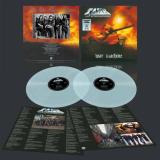
High Roller Records, silver vinyl, ltd 450, 425gsm heavy cardboard cover with 5mm spine, lyric sheet, 12 page booklet, poster
Der Ambient-Loafergaze-Soundtrack für interdimensionale Reisen. Zusammengestellt aus rauschenden Kassetten, die zwischen 1991 und 1995 auf vier Spuren aufgenommen wurden, erschien Lovesliescrushings zweites Album ,Xuvetyn" im Jahr 1996 und erlangte etwa 30 Jahre später den Glanz einer Legende. Diese Doppel-LP-Ausgabe befindet sich in einem Tip-On-Cover, illustriert mit den abstrakten Fotografien von Melissa Arpin und Scott Cortez, sowie einem Textblatt mit den Liedtexten in Elbisch und Englisch zum Mitlesen. ,Eine verwirrend schöne Wolke aus Neon-Drones und Stimmen von der anderen Seite. Musik, die Sie umhüllt, in der Sie verschwinden können." - Jefre Cantu-Ledesman
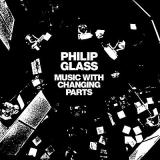
Philip Glass, the great American composer, was already in his mid-30s before his first album appeared, and then only because he produced the double LP himself. Music With Changing Parts was the inaugural release on his own Chatham Square imprint in 1971.
At this point, Einstein on the Beach, Glass' first opera, was still five years away. Yet in Changing Parts, one can already hear much of his vocabulary in full bloom: the buoyant arpeggios, the melding of electronic and acoustic instruments, the elongated drones of human voice, the primary emphasis on pulse (an interest he shared with fellow composer Steve Reich) and the ecstatic potential inherent in repetition.
The album features the original Philip Glass Ensemble – the composer himself, along with Jon Gibson, Dickie Landry, Art Murphy, Steve Chambers and Robert Prado – playing Farfisa organs and woodwinds as well as Barbara Benary on electric violin.
As Glass describes in his memoir Words Without Music, he secured a $500 interest-free loan for the recordings' initial release from the Hebrew Free Loan Society – an organization intended to help immigrants from the Old World upon arrival in the US. Though Glass was merely the grandson of immigrants, the venture wasn't far off the society's charter as Changing Parts helped usher in a new world of sound that would become known as Minimalism.
Chatham Square went on to release albums by other composers in Glass' circle, including Gibson and Landry. The label was named after the Manhattan intersection where Landry had a studio and the ensemble rehearsed.
Born in Baltimore in 1937, Glass first moved to New York to attend Juilliard at just nineteen, having already graduated from the University of Chicago. A staple of the Downtown scene, he can perhaps be appreciated as akin to the likes of sculptor Richard Serra or filmmaker Jim Jarmusch: mavericks who became major cultural figures entirely on their own terms.
This first-time vinyl reissue reproduces the original side-breaks and gatefold sleeve.
Caçador de Horizontes is the fourth and most ambitious album by Brazilian composer and songwriter Raphael Gimenes. Conceived as an expansive double album, it brings together voice and acoustic guitar with richly arranged strings, brass and a wide palette of percussion, engaging with the tradition of Brazilian songwriting while evoking the harmonic sensibility of artists such as Milton Nascimento, alongside elements of modern classical music.
Inspired by travels across the American continent, the album moves between intimate moments and large-scale instrumental passages, creating a cinematic and emotionally resonant atmosphere. Produced by Lucas Delacroix, Alexandre Andrés and Gimenes himself, it features more than 30 musicians from different countries and was supported by the Danish Arts Foundation (Statens Kunstfond).
With the release of De Todas las Flores, Natalia Lafourcade returned with an album of entirely original material for the first time in seven years.
Musically, De Todas las Flores, dives into a wide variety of Latin jazz and folk genres, such as bolero, cumbia, bossa nova, and samba. Lafourcade describes the album as her musical diary, exploring themes of heartbreak, loss, and grief. She drew inspiration from nature, particularly her home garden in Xalapa, Veracruz.
Lafourcade enlisted the help of her former neighbour, Adán Jodorowsky, for production. The musical touch came from musicians such as the guitarist Marc Ribot (Tom Waits, John Zorn) and the bassist Sebastian Steinberg (Soul Coughing, Eddie Vedder, Fiona Apple).
De Todas las Flores is available as a limited edition of 2000 individually numbered copies on transparent vinyl and includes an insert and printed inner sleeves.
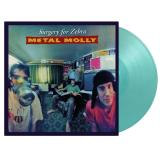
Formed in 1994, Belgian power trio Metal Molly quickly built a reputation for their infectious blend of indie rock, grunge energy, and sharp melodies.
Their debut Surgery For Zebra was released in 1995, the album was driven by their single "Orange", which received extensive airplay across Europe.
The album propelled the band onto major stages, including Pinkpop and Torhout Werchter (1996), alongside high profile support shows with Therapy?, Bush, and David Bowie. After a highly successful run, Metal Molly disbanded in 2000.
In 2025 the band reunited to celebrate the 30th anniversary of Surgery For Zebra, it also resulted in this long awaited vinyl pressing, now available for the first time.
Surgery for Zebra is now available as a limited numbered edition of 500 individually numbered copies on turquoise vinyl and it includes an insert.
Christopher Tignors ,Bleeding Past the Edges" ist ein bewusster Kontrapunkt zur heutigen, von KI geprägten Musiklandschaft und stellt die menschliche Hand fest in den Mittelpunkt des Schaffensprozesses. In einem kleinen Studio voller Geigen, Stimmgabeln, Pedalen und maßgeschneiderter Software hat Tignor ein Performance-System entwickelt, das sich weniger wie eine Maschine, sondern eher wie ein lebendiges Instrument verhält. Anstatt sich auf Loops oder Backing-Tracks zu verlassen, generiert er jedes Stück in Echtzeit und fängt Klänge ein und formt sie um, während er spielt. Geigenstreichmelodien erweitern sich zu vielschichtigen Mustern, perkussive Schläge lösen sich entwickelnde Strukturen aus, und selbst eine einzelne Stimmgabel kann sich zu einem ganzen harmonischen Feld entfalten. Das Ergebnis ist ein immersiver, orchestraler Klang, der live von einem einzigen Interpreten erzeugt wird, der sich durch ein eng verwobenes System aus Gestik, Timing und Code bewegt. Jedes Element beginnt als physische Handlung und bleibt damit verbunden, was der Musik ein Gefühl von Unmittelbarkeit, Risiko und Präsenz verleiht, das sich durch das gesamte Album zieht. Auf dem Album bewegt sich Tignor fließend zwischen rhythmisch geprägten Kompositionen, die das Instrument als perkussiven Motor behandeln, und melodischeren Werken, die im expressiven Kern der Violine verwurzelt sind. Die Lead-Single ,Weight of Words" unterstreicht diese Balance und entfaltet sich mit einer narrativen Klarheit, die Tignors Kompositionsansatz widerspiegelt. Er beschreibt diese Stücke oft als ,Kurzgeschichten", in denen Melodien als roter Faden dienen und jedes Werk durch wechselnde Strukturen und emotionale Bögen führen. Der Titel ,Bleeding Past the Edges" verweist auf Momente, in denen die Musik über ihr ursprüngliches Konzept hinausgeht, in denen sich die Struktur lockert und der Klang nach außen fließt. Tignor vergleicht den Prozess mit ,einem Seiltänzer", bei dem sorgfältige Vorbereitung auf die Möglichkeit einer Transformation in Echtzeit trifft. Obwohl die Systeme streng ausgearbeitet sind, behält jede Aufführung ein Element der Unvorhersehbarkeit, wodurch sich die Musik ständig weiterentwickeln kann. Im Laufe von zehn LPs, die über Western Vinyl und New Albion erschienen sind, hat sich Tignor in klassischen und experimentellen Kreisen breite Anerkennung erworben. The Guardian bezeichnete ihn als ,absurd talentiert", während Bandcamp seine ,schiere technische Meisterschaft" hervorhob und The New York Times seine seltene Fähigkeit lobte, Computer bei Live-Auftritten nahtlos mit akustischen Instrumenten zu verbinden. The Wire lobte seine Kompositionen zudem für ihre fließenden, sich entwickelnden Strukturen. Über seine Soloarbeit hinaus hat Tignor mit Künstlern wie Rachel Grimes, Helios, Jefre Cantu-Ledesma, John Congleton und This Will Destroy You zusammengearbeitet. Sein Hintergrund verbindet verschiedene Disziplinen: Er hat einen Doktortitel in Komposition von der Princeton University, einen Master in Informatik vom NYU Courant Institute und einen Bachelor vom Bard College, wo er bei dem Dichter John Ashbery studierte. Mit ,Bleeding Past the Edges" führt Tignor diese Stränge zu einem Werk zusammen, das sich sowohl streng konstruiert als auch lebendig anfühlt - ein Album, das Performance, Körperlichkeit und die anhaltende Ausdruckskraft menschengemachter Klänge in den Vordergrund stellt.
Als Begleitwerk zum 2020er-Album ,I Feel Alive" ist das längst ausverkaufte ,Empty Seats" ein absoluter Fan-Favorit, der einige der pointiertesten und spritzigsten Stücke der Band enthält und Vergleiche mit Bands wie The Whitest Boy Alive und Men I Trust hervorruft. Wie es in der Biografie heißt, legen sie ihr Herz offen auf den Tisch und tauchen mit ihrem Songwriting in die emotionale Komplexität persönlicher Beziehungen ein, wobei sie Fragen nach Macht und Begierde stellen. Riley Flecks ausgewogenes Schlagzeugspiel und David Carrieres charakteristische Gitarrenriffs verschmelzen mit Marta Cikojevics üppigen Keyboards. All diese Elemente wirken zusammen und stehen im Dienst von Jane Pennys unverwechselbarer, wehmütiger Stimme. Das Ergebnis dieser Mischung ist eine Sammlung von vier selbstproduzierten Alben und einer Handvoll Singles, die eine Bandbreite an Stimmungen und ein komplexes emotionales Spektrum abdecken, ohne dabei den Groove und die Musikalität aus den Augen zu verlieren.
,now i imagine a place not the same" ist eine Doppel-LP und ein neues Solo-Statement des Gitarristen und Komponisten David Torn, veröffentlicht bei Kou Records. Es kehrt zur rohen Energie seiner frühen Klangsprache zurück und treibt diese gleichzeitig mit der Klarheit jahrzehntelanger Erkundungen voran. Das Album ist gleichermaßen viszeral und schwerelos und konzentriert sich auf Torns langjährigen Dialog zwischen alternativen Stimmungen, Loop-Architekturen und berührungsempfindlicher Elektronik - eine Klangwelt, in der Melodie, Noise und Atmosphäre sich ständig ineinander verschmelzen. Als Pionier der E-Gitarren-Bearbeitung ist Torn weithin bekannt für seine Arbeit in Musik und Film, darunter langjährige Kooperationen mit dem Komponisten Howard Shore, Beiträge zu Filmen von David Cronenberg und einflussreiche Veröffentlichungen bei ECM Records, die dazu beitrugen, eine atmosphärische, filmische Sprache für die E-Gitarre zu definieren. Torn nähert sich jedem Stück als einer Form kompositionsorientierter Improvisation und behandelt alles in seiner Reichweite als musikalisches Material: Saiten, Tonabnehmer, Verstärker, externe Elektronik, Stimme, resonante Oberflächen und den physischen Raum selbst. Aufgenommen, gemischt und produziert von Randall Dunn und mit einem Schwerpunkt auf Unmittelbarkeit und physischer Präsenz eingefangen, wird die Gitarre Teil eines größeren Systems - Schaltkreise atmen, Delays wiederholen unvollkommene Erinnerungen, Töne regenerieren sich durch Berührung. Klänge entstehen durch Zufall, Geste und Intuition und werden dann durch aufmerksames Zuhören geformt, während sie sich entwickeln. Anstatt auf festgelegte Ergebnisse hin zu komponieren, lässt Torn die Form durch Feedback und Wiederholung entstehen und nimmt jeden Klang - ob beabsichtigt oder nicht - in einen sich ständig weiterentwickelnden musikalischen Körper auf. Indem er grundlegende Werkzeuge aus seinen prägenden Verarbeitungsjahren wieder aufgreift - alternative Stimmungen, Looping-Logik, Röhrensättigung - lehnt Torn Nostalgie ab und gewinnt stattdessen ihre Unmittelbarkeit als lebendiges Material zurück. Gleichzeitig intim und gewaltig fängt ,now i imagine a place not the same" einen Künstler ein, der seine einzigartige Sprache voll und ganz beherrscht: zutiefst melodisch, rigoros experimentell und verwurzelt in Vertrauen, Berührung und Elektrizität. Nicht als rückblickende Geste, sondern als gegenwärtige Erklärung bietet das Album eine kraftvolle Meditation über Vergänglichkeit, Erneuerung und das fortwährende Leben des Klangs.
Die in Stockholm lebende Sibille Attar ist seit 15 Jahren eine der herausragenden Künstlerinnen in ihrer Heimat Schweden und verbindet perfekte Popsongs mit vielseitigen Klangwelten. Als Liebling der Kritiker wurde sie für die schwedischen Grammys nominiert und erhielt einen ständigen Strom an Lobeshymnen von nationalen Medien sowie internationalen Publikationen wie Pitchfork, Stereogum, The Line of Best Fit und Brooklyn Vegan. Sibille Attar versammelt auf diesem Album Tracks aus ihren 14 Jahre als Solokünstlerin, mit Titeln von der bahnbrechenden Debüt-EP ,The Flower's Bed" aus dem Jahr 2012, dem gefeierten Debüt-Album ,Sleepyhead", ihrem Comeback-Mini-Album ,Paloma's Hand" aus dem Jahr 2018 bis hin zu ihrem 2021 erschienenen Album ,A History of Silence", zu einem zusammenhängenden Set, das eine der faszinierendsten Künstlerinnen ihrer Generation präsentiert. "Sibille Attar" erscheint als limitierte Edition über PNKSLM Recordings (ShitKid, Clutter, vegas water taxi etc.) im Vorfeld ihres kommenden vierten Albums, das im Herbst 2026 erscheinen soll.
Church Andrews and Matt Davies return with Tilt, a pinpoint collection of skewed microtonal and discordant compositions for percussion and digital synth.
Tones ascend but don’t resolve, rhythms loop, collapse and reassemble, patterns wriggle with geometric precision, sounds tilt, the edges fray.
Kinetic, elastic, wonky without being obtuse, Church Andrews (aka Kirk Barley) and Matt Davies new LP Tilt is the culmination of six years of creative collaboration, refining and redrawing the relationship between Davies’ virtuoso percussive practice and Barley’s off-kilter synthesis.
Where their 2024 release Yucca, took rhythmic cues from the Fibonacci sequence, Tilt explores a more intuitive approach, returning the duo to a minimal sound interrogating the interplay of chance and control, system and body, freedom and mechanisation. Featuring prepared guitar, finely resonant muted percussion and a crisp palette of digital synths, it draws on the pair's long-standing interest in alternate time signatures.
Here, a tripped-up 11/8 beat gives ‘Yokai’ a disorientating quality, threading unusual paths through the playful, mysterious 5-note Hirajoshi scale - a pentatonic scale from Japan hinted at in the track’s playful reference to a supernatural spirit in the country’s folklore.
Using a simple on-off system between drum and synth to trigger a Shepard tone - an auditory illusion of a sound that ascends or descends in pitch without actually changing - ‘Shepherd’ revels in the stripped-back simplicity of its sonic palette, where the nuance lies in what Barley calls “subtleties in the timbre of the sounds” as they dialogue with Davies’ warped loops.
It’s these finely tuned melodic drum tones and an eerily abstracted prepared guitar that give ‘Debris’ its uncanny feel, yet never feeling overly controlled. Like the album’s meticulous, graphic artwork, Tilt seeks the shifting ground between the physical and the digital, as acoustic tones are tweaked and disambiguated into new and unexpected forms.
Tilt represents Church Andrews and Matt Davies’ ongoing collaboration in its purest form - a hyper-defined evocation of gravitational potential in their live sound.
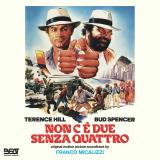
This expanded edition presents the soundtrack with previously unreleased material not included on the original vinyl release, offering a more complete overview of Micalizzi’s work. The package is further enhanced by an 8-page full-color booklet featuring original artwork, extensive liner notes on the film, direction, and score by journalist Fabio Babini, as well as a personal contribution from Franco Micalizzi himself.
Composed by Maestro Franco Micalizzi for the cult 1984 film Non C’è Due Senza Quattro, starring the iconic duo Bud Spencer & Terence Hill in a rare fourfold role, this soundtrack captures the playful spirit and global flair of the film.
Micalizzi delivers a vibrant and rhythm-driven score, infused with warm Latin influences, breezy melodies, and an unmistakable sense of lightness. The result is a richly entertaining listening experience that perfectly mirrors the film’s humor, energy, and escapist charm.
A joyful and sun-soaked addition to any collection, this release stands as both a nostalgic tribute and a testament to Micalizzi’s enduring legacy in Italian cinema soundtracks—best enjoyed, perhaps, with a well-mixed cocktail in hand.
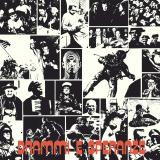
Long overlooked outside specialist circles, Drammi e Speranze is presented for the first time ever on vinyl reissue, newly remastered to highlight the depth and tonal richness of Umiliani’s arrangements.
Originally released in 1976 on Piero Umiliani’s own Sound Work Shop imprint, Drammi e Speranze—issued under the pseudonym Rovi—stands as a refined example of his late-period library work.
Performed by a compact string ensemble and subtly augmented by piano, Hammond organ, Eminent organ, and Rhodes, the album unfolds through a series of classically-informed compositions where melody takes center stage. Each piece is concise, evocative, and purpose-built—reflecting the functional yet highly expressive nature of Italian library music at its peak.
Conceptually, the record is structured in two contrasting halves: the first side explores themes of optimism and resolution, while the second delves into darker, more introspective territories, mirroring the emotional duality suggested by its title (Tragedies and Hopes).
This release celebrates 100 years since the birth of Piero Umiliani, honoring the enduring legacy of a composer whose work continues to resonate across cinematic, library, and contemporary sample-driven music.
Tresor Records is proud to announce forthcoming special editions of its entire catalogue of Drexciya and related projects. 2022 marks the 20th anniversary of the passing of James Stinson and the releases of the Transllusion and Shifted Phases albums. In recognition, the rightsholders, their families, and the label have commissioned Detroit-based contemporary artist Matthew Angelo Harrison to re-conceptualize the covers of Tresor's Drexciya-related catalogue. These editions will be released sequentially, bimonthly, starting early-September 2022.
The series starts with Neptune's Lair, first released in 1999, with the Hydro Doorways single arriving shortly after. In November, Harnessed The Storm and Digital Tsunami are coming. In 2023 comes the release of Transllusion in February. The series is completed by the long-awaited re-release of Shifted Phases - The Cosmic Memoirs Of The Late Great Rupert J. Rosinthrope - at the end of March.
These records, individually and as a catalogue, represent some of the most crucial moments in the Tresor label history, with the sound and mythic world of Drexciya undoubtedly inspiring generations.
out of Stock
Last delivered 88 days ago available to reorder, subject to availability
Maybe it was inevitable that Vilhelm Bromander and Fredrik Rasten would find each other. A symbiotic musical alliance of suggestive combinatory magic that stretches back to the interstitial two day space that separates their dates of birth and manifests here as the movement between ‘perfect’ or ‘just’ intonation and the ragged, psychoactive energy of the slippages from and towards that togetherness that render otherwise simple patterns or generally understood repetitions as wildly other and alive.
Astral Twins shares ‘twin’ works by each composer. The patiently unfolding real time retuning of Fredrik Rasten’s guitars on the a-side’s Sojourns and Vilhelm Bromander’s quickened steps and spry looping melodies on the flip’s Partially Dancing.
Both artists have history of going deep into the aesthetic and acoustic impact of intonation (how you think about what is ‘in tune’). Where their first LP (...for some reason that escapes us, 2019, Differ Records) shared a gorgeous set of sustained tone colour fields, this time they lean more explicitly into the folk music traditions of Scandinavia and further afield, whilst echoing the zoned minimalist atmosphere of Arthur Russell’s classic Instrumentals.
Recorded up close and in real time at Fylkingen’s soon-to-be-abandoned temporary location in Stockholm’s southern suburb of Bredäng, Astral Twins sings with the possibility that one plus one can equal more than two.
Fredrik Rasten: Sojourns explores the live retuning of guitar and double bass in a sequence of just intonation harmonies. A guitar ostinato runs throughout the piece where the retuning becomes an integral part of the composition. The slow pace reveals every detail in the transition from one harmonic arpeggio to another — how interfering waves emerge and disappear as the tonal interactions settle in electric clarity. The double bass shadows the guitar's process and comments with occasional pizzicato tones and register jumps, at times providing a low foundation for the sound and sometimes soaring together with the guitar. This is music that is deeply listening; experimental and at the same time humbly inviting many kinds of being with sound.
Vilhelm Bromander: As the title suggests, this song has a partially dancing character. The title also has a double meaning with reference to the partials and harmonics that dance together. The basic idea was to write music in just intonation that instead of being drone-based is reminiscent of a lightly dancing folk music, where the joyous feeling of just being in the music — “musicking" — is allowed to lead the way.
The double bass plays repeated overtone double stops in an open harmonic progression with subtle modulations that is inspired in equal parts by Steve Lacy's persistent repetition of phrases as east-asian khaen music. The guitars and mandolin have a freer role, with plucked retuned strings that enhance the bass's modulations and provide forward movement. The music invites to both melodic and spectral listening, suddenly halting so that other focal points can reveal themselves. For example, a chord sequence suddenly transitions to a more spectral part where Fredrik is playing a bowed guitar with a chain, several plucking guitars, voices, and pitch pipes. I wanted to make something ‘orchestral’ with just two people and no overdubs: a dance of overtones and open resonant strings, where we seamlessly take turns standing in the foreground.
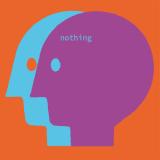
Mit Nothing veröffentlicht Bureau B 2026 eine neu gemasterte Jubiläumsausgabe des 2001 erschienenen Albums von A Certain Frank - dem gemeinsamen Projekt von Kurt Dahlke (Pyrolator) und Frank Fenstermacher, zwei Schlüsselfiguren der Düsseldorfer Musikgeschichte. Zum 25-jährigen Jubiläum erscheint das Album erstmals auf Vinyl und markiert ein stilles, aber markantes Kapitel der post-krautigen Elektroniktradition der Stadt: reduziert, atmosphärisch und bemerkenswert zeitlos. Entstanden Mitte der 1990er aus dem Umfeld von Ata Tak, steht A Certain Frank für eine bewusste Abkehr von der damals dominierenden Techno-Ästhetik. Statt Club-Funktionalität setzen Dahlke und Fenstermacher auf Zurücknahme, feine Grooves und subtile Rekonstruktion. Bezüge zu Easy Listening und "Exotica" werden nicht nostalgisch zitiert, sondern behutsam in eine zeitgenössische elektronische Sprache überführt. Nothing bildet den Abschluss einer inoffiziellen Trilogie und basiert weitgehend auf live eingespielten Basslinien, Drums und Synthesizern. Stimmen werden als klangliche Texturen eingesetzt, nicht als klassische Leads. Zwischen jazziger Electronica, filmischer Atmosphäre, digitalem Dub und dezenten Lounge-Momenten entfaltet das Album eine unaufdringliche Modernität, die bis heute nachwirkt. Kein Relikt - sondern ein Werk von bleibender Klarheit.
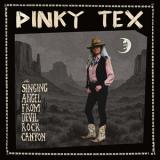
Sie wurde in den Trümmern des Zweiten Weltkriegs geboren, als einziges Mädchen unter sieben Kindern, und man nannte sie Pinky. Sie wuchs in den windigen Ebenen des Texas Panhandle auf, sang im Kirchenchor und träumte davon, eines Tages auf der Bühne zu stehen. Mit gerade einmal 18 Jahren traf sie die Liebe ihres Lebens und heiratete bald darauf den Rodeo-Cowboy Cole Tex. Da sie beide den gleichen Durst nach Abenteuern teilten, bereisten sie gemeinsam die Landstraßen. Er schrieb die Songs und Pinky sang sie, wobei sie in kleinen Roadhouses und Honky-Tonks in den gesamten südwestlichen Bundesstaaten auftraten. Dies sind einige der wenigen Aufnahmen, die noch existieren.
Transparentes Vinyl. Am 29. Mai 2026 erscheint das erste Album von GÖRL: "Dark Silver Moon Light". Hinter GÖRL stehen mit DAF-Legende Robert Görl und die stilprägende DJ- und Produzentin Sylvie Marks zwei Pionier:innen der elektronischen Musik. Robert Görl gründete 1978 mit Gabi Delgado die legendäre Postpunk-Gruppe Deutsch Amerikanische Freundschaft (DAF). Mit radikal reduzierten, ikonischen Sequenzen, brutalistisch anmutenden Drums und provokativer Ästhetik gelangen DAF zeitlose Hits wie "Der Mussolini". Sylvie Marks wiederum war die erste und einzige weibliche Resident-DJ des legendären Frankfurter Clubs Dorian Gray. Später veröffentlichte sie als Produzentin internationale Club-Hits und trat auf Festivals wie Roskilde auf. Seit sechs Jahren verbindet Robert Görl und Sylvie Marks eine funkensprühende Kreativpartnerschaft, die in der Veröffentlichung ihres ersten gemeinsamen Albums als GÖRL gipfelt, "Dark Silver Moon Light". Das Album denkt die ästhetische Tradition von DAF mit und transzendiert sie zugleich in Gegenwart und Zukunft.
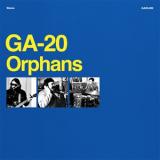
Eines der prägendsten Merkmale des Ansatzes der Blues-Newcomer GA-20 in Bezug auf traditionelle Bluesmusik ist ihr unerschütterliches Engagement, die Songs zu spielen, die sie lieben, oder wie Bandleader Matthew Stubbs es ausdrückt: ,Wir spielen die Musik, die wir selbst hören wollen." Kenner sind fasziniert von der mitreißenden Energie, die die Band in die Welt des Heavy Blues bringt, und von den Songs, die sie spielen. Mit ORPHANS hat die Band eine Sammlung von Blues- und Blues-nahen Titeln zusammengestellt, die perfekt in diesen Rahmen passen. Die Songs auf ORPHANS sind genau das - einzigartige Stücke, die man sonst nur bei Live-Shows hört, Singles, die zwischen den Alben veröffentlicht wurden, und einfache Favoriten, die die Band (Stubbs, Cody Nilsen & Josh Kiggans) schon lange aufnehmen wollte. Und genau wie der Blues eine Tradition des Ausleihens, Teilens und der Transformation ist, werden diese Melodien und Texte auf ähnliche Weise neu interpretiert und neu erdacht - Waisen und Streuner, die liebevoll adoptiert und mit neuem Leben erfüllt werden. Die Nachfrage der Fans nach einer richtigen Veröffentlichung dieser Songs in voller Länge sowie der Wunsch, Nilsens Gesang und seine Meisterschaft an der Begleitgitarre zu präsentieren, werden hier in physischer Form verwirklicht.
Chins For Lefty is the debut album and first recording by Gichard, a new duo chronicling the absurdities of end-stage capitalism and mouldering social rituals from their vantage point in Glasgow, Scotland. Recorded primarily in the band’s home studio straight to tape, Chins For Lefty combines gorgeous, ramshackle melody, DIY kosmische punk, drum machine + synth and, in vocalist/lyricist Lisa Jones, an absurdist commentator on the human condition as it navigates the anxieties of the modern world. Instrumentalist Chas Lalli’s swirling music accompaniment stitches an evocative mix of musical styles, the ragged wind beneath the lyrics’ wings.
Although the duo first collaborated in their previous group Dragged Up, their disparate musical and artistic backgrounds make for an alluring mix in Gichard. Lalli has spent the last 20 years in the Glasgow underground, most notably in the noise rock group VOM, while Lisa Jones’s practice was in poetry and spoken word. Beginning as co vocalist in her previous band, in Gichard her lyrics are centre stage; the vision concocted alongside Lalli amounts to a total world-build.
Chins For Lefty scans almost like a novel, with each track elucidating a skewed universe that bears only some resemblance to the one you and I partake in. Like all works of fiction Gichard’s songs are rooted in reality and the lived experiences of its authors, but here characters are exaggerated, social mores and habits are pulled apart to reveal their inherent alienness. Universal emotions are laid bare, the bright light of anxious examination searching out every hairline fracture in our relationships. Distorted and cracked, the mirror that Gichard hold up to our world is also pretty damn funny.
Opener Cholesterol Test launches an expansive, cosmic guitar and synth intro that belies the Tascam-tape recorder it was recorded onto, like a Chromatics cut substituting anxiety for overt sexuality. Here Jones intones an apology to a non-responsive recipient, in the medium of a long voice note forensically deconstructing an interaction from the night before. Over punk guitars and shuffling, lo-fi drum machine splutters, the narrator in Asking The Apes “prefers things to people” before being taken hostage in the city zoo to confess an obsession which consumes the protagonist, ending with the immortal two liner “I sleep in a cocoon of old newspapers at the end of your street / And I think I have been fired from my job,” On album standout Posthumous Hologram, the narrator is faced with a human simulacra, in this case an undead pop star; the face of the encroaching technological singularity. Yes, it does requests, it can do My Way in 200 different language options. But what are the implications? While you’re left pondering, the alternating deadpan verse delivery and undeniably catchy chorus keep you company.
By the time Break Up With Johnny Dogbirth rattles into view, the band are satirising a suburban inanity blown up to cartoon proportions, soundtracked with a drawled musicality that recalls Rowland S. Howard’s post-Birthday Party balladeering. This approach is furthered on Human Resources: over an angular guitar+bass track, Jones’s short story recalls Dry Cleaning’s erudite lyrical post punk. On Soft Face, Lalli’s guitar and drum machine are swathed in echo and delay, as Jones dissects dating rituals with a west of Scotland drollness. Hamming It Up brings a porcine perspective in a short story that begins with the line “I was breastfeeding discreetly in the service station. She didn’t mind.” What follows is a passage punctured with canned laughter and a narrative involving tribute acts, modern farming techniques.
Brilliant first single Your Private Hell closes the album, the closest the group get to earnest perhaps, filtered through a surreal central Scottishness. While Your Private Hell might seem like a sardonic take down of romance, perhaps it’s the very distillation of love in all its awkwardness, selflessness and weirdness. Here there’s a distinctive Glasgow-ness to this doomed romance: the protagonist falls for an outsider, offers them cheap jarred hot dogs and carbolic soap (the infamous, excoriating soap dished out in schools and government buildings throughout Scotland), offers to cover up a murder, stalks them in the all-night Spar. It’s a short story of intrigue, murder and the irresistible pull of self-sacrifice to share in someone else’s suffering. If that’s not love, what is it? You can see this vision mapped out in black and white on their video for 'Your Private Hell'.
MILK is the new EP born from the collaboration between Brussels-based producers Alex Lesage and Eekway. The project marks the convergence of two complementary approaches to contemporary electronic music, united by a shared vision: creating music with strong physical impact, designed for the club while maintaining depth and high production standards.
Developed in Brussels, the project's home base, MILK sits at the crossroads of Drum & Bass, Jungle, and IDM, combining the heritage of UK bass traditions with a distinctly modern sonic research. The EP explores sharp rhythmic structures, massive low-end pressure, and detailed sonic architecture, driven by extensive work in sound design, sampling manipulation, and spatial composition.
Toronto’s Ducks Ltd. (formerly Ducks Unlimited), the bright jangle-pop duo of Tom McGreevy (lead vocal, guitar, bass, keyboards) and Evan Lewis (guitar, bass, drum programming), accomplish the impossible. The pair craft songs that play to very specific inspirations without drowning underneath them—immediately evidenced on their critically acclaimed EP, Get Bleak, and sharpened on Modern Fiction, their debut LP. “The Servants, The Clean, The Chills, The Bats, Television Personalities, Felt,” Evan rattles off. “Look Blue Go Purple is one I reference a lot with our production.” Echoes of ‘80s indiepop abound, but they never overwhelm. This is not a nostalgic record, after all, nor is it a derivative one. Instead, across 10 cheery-sounding songs, Ducks Ltd. explore contemporary society in decline, examining large scale human disaster through personal turmoil (hence the title, taken from a university course called Gnosticism and Nihilism in Modern Fiction, influenced by Graham Greene novels. Bookish indie fans, look no further.)
Writing the album was intimate. Tom drafted the nucleus of a song on an unplugged electric guitar and brought it over to Evan’s apartment, where the pair sat in his bedroom, placing percussive beats from a drum machine under nascent melodies, passing a bass back and forth, adding organs and bridges where necessary. “It’s computer music trying extremely hard not to sound like computer music,” Tom jokes. Fearful that limited and expensive studio time would kneecap the project creatively, eroding their charming naivete, the pair re-recorded the album in a storage space owned by Evan’s boss. Ornamentation through collaboration followed: there’s Aaron Goldstein on Pedal Steel in the Go-Betweens’ “Cattle and Cane”-channeling interlude “Patience Wearing Thin,” Eliza Niemi on cello (“18 Cigarettes,” a song loosely inspired by a 1997 Oasis performance of “Don’t Go Away”), and backing harmonies from Carpark labelmates The Beths (on an ode to friendship at a distance, “How Lonely Are You?,” “Always There,” and on the sped-up Syd Barrett stylings of “Under The Rolling Moon.”) While in his native Australia due to covid-19, Evan worked closely with producer James Cecil (The Goon Sax, Architecture in Helsinki) on Modern Fiction’s finishing touches—at one point, in the mountains of the Macedon Ranges in Victoria, recorded a string quartet (featured on “Fit to Burst,” “Always There,” “Sullen Leering Hope,” “Twere Ever Thus,” “Grand Final Day.”)
It’s danceable, depressive fun, with some relief: in “Always There” and “Sullen Leering Hope,” Modern Fiction’s faithful heart. “There’s a tendency in my writing, because of my world view, to be very bleak.” Tom explains. “A quality I don’t always see in myself and really appreciate in others is the courage to go on.” And yet, the record manages resiliency—enough for pop fans to fall in love with.
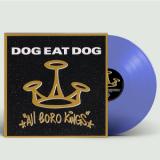
Over 30 years ago, Dog Eat Dog from New Jersey managed to set a milestone in the then still young crossover genre with their debut album. ‘All Boro Kings’ received widespread acclaim from fans and critics alike. With ‘No Fronts’, the album also boasts a club hit that is still popular today. In August 2018, German magazine Visions included ‘All Boro Kings’ in its list of the 25 crossover albums for eternity.
Welcome to the modern 'Spaghetti Western' revolution. Never before pressed to vinyl, Sydney-based indie band The Slims will release both their EP's on a special double EP vinyl record release. Off the back of touring with Jet, The Slims are looking to release their debut LP Nov 2026.
Aho Ssan ist der Künstlername von Désiré Niamké, einem in Paris lebenden Komponisten und Elektronikmusiker, der sich im Laufe des letzten Jahrzehnts als zentrale Figur an der Schnittstelle zwischen experimenteller Elektronikmusik, Klangforschung und zeitgenössischer Komposition etabliert hat. Zu seiner Diskografie gehören ,Simulacrum" (Subtext, 2020), ,Limen" mit KMRU (2022) und ,Rhizomes" (Other People, 2023) mit Moor Mother, Angel Bat Dawid und clipping. Er trat bereits im Lincoln Center (NYC), im Muziekgebouw (Amsterdam), in der Krakauer Philharmonie, bei Atonal Berlin, CTM, Rewire und Sonic Acts auf - und war Support von Autechre im Le Trianon (Paris, 2024). Aho Ssans künstlerisches Schaffen lässt sich als hochpräzise Klangskulptur beschreiben, in der gewaltige Ströme digitaler Klänge in rohe Texturen zerfallen, um die Themen Identität und Chaos zu erforschen. The Sun Turned Black basiert auf field recordings, die während einer Reise nach Ghana, der angestammten Heimat von Aho Ssan, gemacht wurden. Aufgebaut um einen klanglichen Dialog mit der international gefeierten Geigerin ASIA, wobei alle perkussiven Elemente bewusst weggelassen wurden, nimmt das Album einen einzigartigen Platz zwischen Ambient, Noise und elektroakustischer Musik ein. Das Projekt wurde ursprünglich von der Maison de la Radio für das Hyperweekend-Festival in Paris in Auftrag gegeben, das Album in Coop mit Subtext Recordings aus Bristol veröffentlicht.
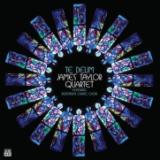
As keyboard maestro James Taylor arrives at his 40th year leading his Quartet, he has re-signed with his original label Acid Jazz and is embarking on a series of the most radical projects he has ever worked on. Following his first classical album ‘Shadows and Dreams’ earlier this year, he brings the Quartet together for a remarkable new album. ‘Te Deum’ sets the ancient, 4th-entury Christian text to intense jazz, funk, and Latin grooves. The music sees the James Taylor Quartet working alongside the children of the Benenden Chapel Choir, and a guest horn section and legendary Acid Jazz percussionist Snowboy. Lead track ‘Have Mercy On Us’ mixes Brazilian samba with Gregorian chants, ‘The Comforter’ sounds like a Donald Byrd with voices Blue Note Records experiment, and last year’s radio favourite ‘Wildflower’ mixes bossa nova with sunshine pop harmonies and a positive message. The JTQ is on tour throughout the year - as he always is and will be worth catching live.
Born out of a shared pop-up studio on the 5th floor of an Omotesandō shopping mall, “Paradox” is the rousing result of a compelling musical collaboration between two British-born, Tokyo-based producers: The Magus Project (Rhythm King / The White Label, Silk Road Sounds, WhatSonic?) and Submerse (Hooversound, Future Retro, Straight Up Breakbeat, Breaker Breaker).
It also marks a collaborative first between The Magus Project’s own WhatSonic? label and Yeti Out’s imprint, Silk Road Sounds.
The archetypal DIY split-single approach — two individual artists offering a track each across a single release — is magnificently elevated in this case by a powerful connective force, in the guise of a shared rhythm spanning Paradox’s non-identical-twin tracks; a relentless pulse that, uniquely, allows either track to be mixed effortlessly into the other, bridging the transition between 126 and 168 bpm or vice versa.
Different speeds, different tracks, identical pulse: making the bpm matter and, well, not matter all at once: a kind of Schrödinger’s tempo, a thought-experiment in sonic form, an either/or/both of genre-spanning stylistic enquiry.