Cerca:eddie palmieri
- 1
Eddie Palmieri's The Sun Of Latin Music (1974) is a landmark album that pushed the boundaries of salsa and Afro-Caribbean jazz. With this record, Palmieri won the first-ever Grammy for Best Latin Recording, cementing his reputation as a bold innovator. The album features dense polyrhythms, blazing horn arrangements, and exploratory piano work that blurs the line between traditional Latin dance music and avant-garde jazz. It’s celebratory and deeply complex—an album as much for the head as for the hips.
Anchored by tracks like “Un Día Bonito” and “Nada de Ti,” the record showcases Palmieri's willingness to experiment with song structure and harmonic language while staying grounded in the groove. His band, including the powerhouse vocals of Lalo Rodríguez (just 16 at the time), delivers performances that are fiery and technically dazzling. The Sun Of Latin Music isn’t just a classic of salsa—it’s a daring artistic statement that redefined the possibilities of the genre.
- 1: Variations On A Given Theme
- 2: Azucar
- 3: Just A Little Dream
- 4: Covarde
- 5: Humpty Dumpty
- 6: Verdict On Judge Street
- 7: La Liberta
- 8: Comparsa
The album 'Sueno', produced by Kip Hanrahan, was originally released in 1989 and is one of Palmieri's more introspective and harmonically rich projects. The album seamlessly blends salsa and Latin jazz with modern jazz elements and features an outstanding line-up of musicians such as David Sanborn, Brian Lynch and Francisco Aguabella. Tracks such as 'Azucar' (a reinterpreted classic) and 'Just a Little Dream' once again showcase Palmieris genius for composition and improvisation. 'Sueno' has been remastered in excellent quality by Intuition Music for the Master Series, highlighting the album's multi- layered arrangements and rhythmic complexity. This reissue honours Palmieri's musical legacy and underscores the timelessness of his sound
Two sun shine soaked, Latin infused Eddie Palmieri joints from the 1978 album Lucumi, Macumba, Voodoo get the official, remastered reissue treatment - with original copies of the 7' trading hands for upwards of £60.
Born in New York to Puerto Rican parents, multi Grammy award winner Palmieri is a stratospheric salsa master. And for the Lucumi, Macumba, Voodoo LP he assembled a powerhouse, 30 strong jazz orchestra, featuring the likes of Dom um Romao, Steve Khan, Lew Soloff, Jon Faddis, Hiram Bullock and Palmieri's brother Charlie.
In an era dominated by disco, 'Spirit Of Love' took to the dancefloor, drawing on the glamour and magnetism of the late '70s. Palmieri's distinctive style still weaves its way through though, melding Afro-Caribbean rhythms with modern jazz. 'Spirit Of Love' is full to the brim with striking vocals, cow bells and big horn sections, blended with psychedelic guitars that riff off against clavinet touches and expressive Montunos melodies. Spirit of the salsa, for the disco dancer!
On the flip 'Lucumi, Macumba, Voodoo' is a masterpiece of Latin fusion, with Palmieri's unique arrangements squeezing that Puerto Rican flavour out of every added instrument. Trumpet blasts and sax solos marry with woops and whistles and Latin chants. Couple that with sensuous piano melodies and irresistible percussive elements and it's a recipe of Caribbean spice that'll liven up any record collection.
10, 9, 8, 7, 6… the countdown to blastoff has started! Paris-based band Setenta is preparing for their upcoming 20th anniversary by releasing their sixth album, Apollo Solar Drive. The record is poised to be their best yet and is the culmination of an odyssey of artistic discovery. Setenta has been constantly striving for illumination through the years, yet also exploring the dark side of the human condition along the way. As the band describes it, this record is an Afro-Latin retro-futurist tribute to the sun. If their previous album, Materia Negra, launched the Setenta space shuttle crew into the void of “dark” matter and black holes, they now change course and valiantly approach the sun at full warp speed, taking us from darkness into the light. Miraculously, Setenta manage to bring some of the rhythmic and harmonic material they’ve explored on Earth with them, yet boldly dare to go where no one has gone before, challenging themselves to take their music, and their audience, to uncharted dimensions and new realms of existence.
In keeping with the themes of Materia Negra, FIP (Radio France) selection in 2020, Setenta’s sixth mission to explore “the great beyond” of “inner space” is aptly titled Apollo Solar Drive, emphasizing the band’s turning to the life-giving light of the sun for inspiration while playfully echoing the title of Eddie Palmieri’s Latin funk and social commentary masterpiece, Harlem River Drive. The overall vibe is warm and positive, propelled by the dual energy thrusters of funky, fierce beats and deceptively complex arrangements, yet going down smooth in the best sense of the word, like your favorite tropical cocktail or classic jazz dance fusion record of the 1970s. Of course this delicious treat is served with a special Setenta flavor all its own.
This time around, Apollo Solar Drive celebrates the trajectory of the band’s unique interstellar journey by deploying a resolutely jazzy, “funkadelic” angle to their beloved Afro-Latin music. Setenta’s band members tell their truths as a collective, with an emphasis on instrumental sections, focusing on the interweaving of multiple keyboards and guitars, while condensing the vocals to group choruses, as opposed to the solo voices of the past. The overall approach is more futuristic in its conception and realization, from the arrangements to the sonic engineering, although the rhythmic base still remains rooted in Afro-Cuban traditions as well as those of other Caribbean nations.
Pablo E. Yglesias (DJ Bongohead) of Peace & Rhythm (USA)
Debut album of heavy Colombian salsa by the obscure and short-lived El Clan Antillano. Founded in 1975 by singer Jacky Carazo and radio personality / composer Mike Char and backed by a studio orchestra comprised mostly of Fruko Y Sus Tesos band members. The record has been remastered from the original tapes, with an additional three bonus cuts taken from two rare 45 singles, including the sought after track ‘Alma’. First time reissue. 180g Vinyl.
El Clan Antillano was an obscure, short-lived salsa group started in 1975 by singer Jacky “El Caballo” Carazo, originally from Cartagena, and radio host / song composer Mike Char, from Barranquilla. The band was active only until 1977, with a mere two albums to its name. Carazo and Char, “los amigos costeños” (friends from the Caribbean coastal area) created El Clan Antillano as a fresh start after the previous group Carazo had been the lead singer for, El
Afrocombo, had become inactive.
Char primary passion was music, especially songwriting. One of his skills in this area was adapting foreign songs, often in a different language, rhythm, arrangement or genre, and refashioning the tune in an uptempo Caribbean dance mode as a salsa or cumbia. This formula, as well as his own original compositions, soon brought him success not only with costeño friends like Carazo and Vicentini, but also with Medellín’s Fruko, allowing him to make a name for himself with record labels in that city. It was at this juncture, in 1975, that El Clan Antillano was born. This is their first album and was recorded with local studio musicians. It’s been said that most on the first album were from Fruko Y Sus Tesos (the voice of Joe Arroyo can be heard on coro) as well as others involved with various groups like La Protesta (de Colombia) and Juan Piña’s La Revelación.
The album kicks off with ‘Donde ‘sta? Donde ‘sta?’, a medley of costeño lyrical phrases quoting various popular porros. Gradually changing the vibe, this is followed by Enrique Aguilar’s ‘El baile del
ratón’, a humorous cumbia that changes into a salsa halfway through. As if El Clan Antillano were not entirely confident about featuring purely salsa from the start, the same cumbia/salsa hybrid formula is used in the third piece, a faithfully rendered version of Eddie Palmieri’s ‘Mi cumbia’.
‘Estás equivocada’ rocks hard like the best Venezuelan salsa of the time. ‘Esta mañana’ is a cover version of an obscure bolero from Curaçao’s Erwin Castaneer with Super Combo Castaneer. ‘En la oscuridad’ is an interesting mashup of Puerto Rican bomba and New York style pachanga. ‘El despertar’ is a sunny sounding pop song reinvented as a Nelson y sus Estrellas style salsa/cumbia hybrid with a fantastic ‘montuno’ section.
Up next is a hard salsa jam in the ‘pregón’ (street vendor’s cry) genre, written by Fruko Y Sus Tesos percussionist Álvaro Velásquez (composer of ‘El preso’). The original album track list closes out with a fantastic rendition of Puerto Rican singer/composer Bobby Capó’s classic ‘El negro bembón’ that the world first leaned to love through Cortijo y Su Combo. Three bonus tracks have been added to the album as it was originally very short. Interestingly, there were four songs from two 45 singles cut by the band that were never included on either long play. While the ephemeral El Clan Antillano may not be as well known as the groups it’s related to, namely El Afrocombo and Fruko Y Sus Tesos, it certainly deserves credit as a worthy participant in the historical evolution of salsa colombiana.
- Highest 2 Lowest
- Trunks
- Da Lowdown
- King David
- Both Eyes Closed
- Puerto Rico
- Prisencolin (Americano Joint)
- And Now We Shall Begin
- Oh, What A Beautiful Mornin
- All Money Ain't Good Money
- Loving Partners (Trio)
- Somebody Got Trey
- Father 2 Son
- Paul Begs (Score)
- Lobby Talk
- Balcony Disconnect
- Da Kings
- Questioning Kyle
- Brooklyn Hospital
- The Chase
Spike Lees neuester Film ,Highest 2 Lowest" zeigt das Leben des Gründers des fiktiven Plattenlabels Stackin Hit's, gespielt von Denzel Washington. Der Soundtrack hat eine coole Auswahl an Original-Songs von etablierten Musikgrößen und neuen Künstlern. Die aufstrebenden Sängerinnen Jensen McCrae und Aiyana-Lee bringen ihre einzigartigen Stimmen ins Album ein, während die Harlem-Legende Eddie Palmieri mit seinem Salsa-Orchester für energiegeladene Auftritte sorgt. Das absolute Highlight ist der ebenfalls aus New York stammende A$AP Rocky (der auch in dem Film mitspielt), der zwei knallharte Ohrwürmer beisteuert, die uns daran erinnern, warum er einer der modernen Superstars des Rap ist. Die Starpower des Soundtracks wird durch eine mitreißende Orchesterpartitur von Howard Drossin untermalt und durch ein vom Jazzpianisten Fergus McCreadie angeführtes Trio ergänzt.
“New York’s Harlem River Drive is a dividing line, a highway where the rich zip past the poor,” says singer Jimmy Norman. Eddie Palmieri’s Latin-funk band of the same name tackled these hard truths, playing prisons and speaking to the common man. Ultimately, Norman and Palmieri made a powerful socio-political statement that continues to resonate to this day." Pablo Yglesias/Wax Poetics. When initially released in 1971, many critics panned Eddie Palmieri’s album Harlem River Drive. Those critics were wrong. Regardless of critical opinion, the release was not the crossover success Palmieri and Roulette Records had hoped for, at least in the immediate. Over the years the release has developed a following among listeners, DJs, and aficionados of rare-grooves. The record may have been recorded towards the end of the Latin soul era, yet it features that genre's wonderful mix of Puerto Rican soul, Spanish Harlem Latin, and New York funk. Palmieri worked with an incredibly talented crew of Latin and R&B session musicians to create this quintessential New York vibe, a synthesis of funk and Afro-Cuban sounds. Contributors include Victor Venegas from Mongo Santamaria’s band, Palmieri’s brother Charlie, an accomplished musician in his own right, Bruce Fowler who went on to join Frank Zappa’s band, Dick Meza who went on to great things with Tito Puente, Ray Barretto and Celia Cruz, as well as Andy Gonzalez who’s pedigree includes recordings with Barretto, Johnny Pacheco, Willie Colon and even Chico O’Farrill. Also appearing Randy Brecker and one of the all-time greatest of the greats Bernard Purdy. An over-arching theme of Harlem River Drive is the thought that, as Palmieri puts it “The U.S. is richest country, all this immense wealth, side by side with the most intense poverty, racial prejudice; how is that possible?” A question that’s perhaps more even more relevant today than it was in 1971. A question that can be further explored with Get On Down’s reissue of this seminal recording.
- A1: Malavoi - Te Traigo Guajira
- A2: Los Caraibes - Donde
- A3: Tropicana - Amor En Chachacha
- A4: Ryco Jazz - Wachi Wara
- A5: Eugene Balthazar - Dap Pignan
- A6: Roger Jaffort - Oye Mi Consejo
- A7: Les Kings - Oriza
- B1: Les Supers Jaguars - Tatalibaba
- B2: Super Combo De Pointe A Pitre - Serrana
- B3: L'ensemble Abricot - Se Quedo Boogaloo
- B4: Henri Guedon - Bilonga
- B5: Les Aiglons - Pensando En Ti
- B6: Los Martiniquenos - Caterate
In Guadeloupe, many people think that jazz and ka music are like a ring and a finger. To some extent, the same could be said about so called Latin music and the music played in the French West Indies.
Both aesthetics were born in the Caribbean and bear so many connections that they can easily be considered cousins. In constant dialogue, there are lots of examples of their fruitful alliance and have been for a while. The English country dance that used to be practiced in European lounges came to be called kadrille in Martinique and contradanza in Cuba. They both featured additional percussion instruments inherited from the transatlantic deportation. Drawing from shared feelings about the same traumatized identity – later to be creolized – it would be hard not to assume that they were meant to inspire each other. The golden age of the orchestras that graced the Pigalle nights during the interwar period further proves the point. As soon as the 1930s, Havana-born Don Barreto naturally mixed danzón and biguine music in a combo based at Melody's Bar. In the following decade, Félix Valvert, a conductor who was born and raised in Basse-Terre in Guadelupe, also worked wonders in Montparnasse with La Coupole, which was an orchestra made up of eclectic musicians. Afro- Caribbean performers of various origins were often hired on rhythm and brass sections in jazz bands, which used to enliven the typical French balls of the capital. In the 1930s and onwards, Rico’s Creole Band was one of them.
Martinican violinist-clarinettist Ernest Léardée, who would become the king of biguine music as well as the main figure of French Uncle Ben's TV commercials (a dark stigma of post-colonial stereotypes), had musicians from the whole Caribbean sphere play at his Bal Blomet – and they all enchanted "ces Zazous-là" (according the words of Léardée's biguine-calypso piece). In les Antilles (French for French West Indies), music history started to speed up in the 1950s, when trade expanded and radio stations grew bigger. The Guadelupean and Martiniquais youth tuned in their old galena radio sets to South American and Caribbean music. As for the women traders, les pacotilleuses, they bought and sold goods across different islands (the "passing of items through various hands" was thought to be most pleasurable) and brought back countless sounds in their luggage. Such was the case of Madame Balthazar, who once returned from Puerto Rico with the first 45rpm and 33rpm to ever enter Martinique.
Out of this adventure was created the famous Martinican label La Maison des Merengues, a music business she opened and undertook with her husband and which proved to be a major landmark. At the end of the 1950s, in Puerto Rico, Marius Cultier competed in the Piano International Contest playing a version of Monk's Round 'Midnight. He won the first prize and this distinction foreshadowed everything that was to come. Cultier, the heretic Monk of jazz, was quickly praised for writing superb melodies, always tinged with a twist that conferred a unique sound to his music. It didn't take long for the gifted self-taught musician to get to play with Los Cubanos, making a name for himself thanks to his impressive maestria on merengues.
The rest is history. Besides, in the late 1950s, Frantz Charles-Denis, born into the upper middle class in Saint-Pierre and better known by his first name Francisco, went back home after working at La Cabane Cubaine – a club located rue Fontaine where he had caught the Latin fever. Francisco's music was therefore heavily marked by his Cuban cousins' influence, which gave the combos he led a specific style and also led to renewal. Things were swinging hard in La Savane, located in the main square in Fort-de-France. He set up the Shango club close by and tested out the biguine lélé there, a new music formula spiced up with Latin rhythms. Soon afterwards, fate had him fly to Puerto Rico and Venezuela.
As for percussionist Henri Guédon (percussions were only a part of his many talents), he was born in Fort-de-France in May 22nd 1944, the day marking the celebration of the abolition of slavery. As an old man, he could remember that in " his father's Teppaz, a lot of hectic 6/8 music was constantly playing...". In the opening lines of his Lettre à Dizzy, a small illustrated collection of writings published by Del Arco, he highlighted the huge impact that cubop had on him as a teenage boy, around 1960. He eventually turned out to be the lider maximo in La Contesta, a big band steeped in Latin jazz. He was also the one who originated the word zouk to describe music which brought the sound of the New York barrio to Paris. It was the culmination of a journey that started in Sainte-Marie: "a mythical place for bélé, the equivalent of Cuban guaguancó". In the early 1960s, the tertiary economy developed to the detriment of agriculture. Yet rural life was where roots music emerged in Martinique and in Guadeloupe.
Record companies played a major part in the process of Latin versions sweeping across the islands – before reaching everywhere else. Producer Célini, boss of the great Aux Ondes label, and Marcel Mavounzy, both the head of Émeraude records - a firm which was founded in 1953 - as well as the brother of famous saxophonist Robert Mavounzy, were big names to bear in mind. Although there were many of them - all of whom are featured on this record - Henri Debs was definitely the major figure in the recording adventure. He proved to be so influential that he even got compared to Berry Gordy. In the mid 1950s, when he acquired his first Teppaz, he worked on his first compositions: a bolero and a chachacha. Then, he became the one man who made people discover Caribbean music, from calypso to merengue. He was among the first ones to rush out to San Juan, Puerto Rico, to buy records and distribute them through a store run by one of his brothers in Fort-de-France. He had members of the Fania All Star come and perform there, which he was madly proud about. He was also the first one to pay attention to Haitian music, such as compas direct and various other rhythms which would soon flood the market. As a result, many of the combos hitting his legendary studio would end up boosted by widespread "Afro-Latin" rhythms. However, he never denied his identity: gwo ka drums were given a major role, although they were instruments which had long been banned from the "official" music spheres. The present selection bears witness to such a creative swarming. Here are fourteen tracks of untimely yet unprecedented cross-fertilization: all types of music rooted in the Creole archipelago have found their way, whatsoever, to the tracklisting. Whether originating from the city or being more rural, they all go back to what Edouard Glissant, in an interview about the place of West Indian music in the Afro-American scope, called "the trace of singing, the one which got erased by slavery." "It is so in jazz, but also in reggae, calypso, biguine, salsa... This trace also manifests through the drums, whether Guadelupean, Dominican, Jamaican or Cuban... None of them being quite the same. They all point to the idea of a trace, seeking it out and connecting to each other through it. This is the hallmark of the African diaspora: its ability to create something new, in relation to itself, out of a trace. It may be the memory of a rhythm, the crafting of a drum, a means of expression which doesn't resort to an old language but to the modalities of it." The opening track features one of the emblematic orchestras of this aesthetic identity, criscrossing many music types from the archipelago. The 1974 Ray Barretto guajira – Ray Barretto was a major New York drummer influenced by Charlie Parker and Chano Pozzo – is magnificently performed by Malavoi, a legendary Fayolais group (i.e from Fort-de-France). Additionally, the compilation ends on a piece by Los Martiniqueños de Francisco. It symbolically closes the circle as it is a genuine potomitan of Martinique culture which also functions as a tireless campaigner for Afro-Caribbean music. Practicing the danmyé rounds (a kind of capoeiria) to the rhythm of the bèlè drum, it delivers a terrific Caterete, a kind of champeta of Afro- Colombian obedience which was originally composed by Colombian Fabián Ramón Veloz Fernández for the group Wgenda Kenya. The icing on the cake is Brazilian Marku Ribas, who found refuge in Martinique in the early 1970s, bringing his singing to the last trance-inducing track. These two "versions" convey the whole tone of a selection composed of rarities and classics of the tropicalized genre, swarming with tonic accents and convoluted rhythms. It is the sort of cocktail that the West Indians never failed to spice up with their own ingredients. For instance, the Los Caraïbes cover of Dónde, a famous Cuban theme composed by producer Ernesto Duarte Brito, has a typical violin and features renowned Martinique singer Joby Valente and his piquant voice.
The track used to be – or so we think – their only existing 45rpm. The meaningful Amor en chachachá by L'Ensemble Tropicana, a band which included Haitian musicians among whom was composer and leader Michel Desgrotte, also recalls how Latin music was pervasive in the tropics in the mid-1960s. They were the ones keeping people dancing at Le Cocoteraie in Guadelupe and La Bananeraie in Martinique. Around the same time, another "foreign" band, Congolese Freddy Mars N'Kounkou's Ryco Jazz, achieved some success on both islands by covering Latin jazz classics – such as their adaptation of Wachi Wara, a "soul sauce" by Dizzy Gillespie and Chano Pozo whose interweaving of strings and percussions can have anyone hit the dancefloor. How can you resist Dap Pinian indeed, a powerful guaguancó by Eugene Balthazar, performed by the Tropicana Orchestra and published by the Martinique-founded La Maison des Merengues? It also acts as a symbol of the maelstrom at work. Going by the name Paco et L'orchestre Cachunga, Roger Jaffory used to play guaguancó too: his Fania-inspired Oye mi consejo is one example of his style. Baila!!!!! Dancing was also one of the Kings' focus points. Oriza is a Puerto Rican bomba and a "classic" originally composed by Nuevayorquino trumpeter Ernie Agosto, which reserves major space for brasses, giving it a special sheen.
Emerging from the New York barrios crucible was also La Perfecta, a Martinique group originating from Trinidad, whose name directly references the totemic Eddie Palmieri figure as well as his own band, also called La Perfecta. Here they borrow Toumbadora from Colombian producer and composer Efraín Lancheros and interpret it by emphasizing percussions, which set fire to the track even more than the wind instruments. The same goes for Martinique's Super Jaguars, who use Tatalibaba – a composition by Cuban guitarist Florencio "Picolo" Santana which was made famous by Celia Cruz & La Sonora Matencera – as a pretext for sending their cadences into a frenzy. In a more typically salsa vein, the Super Combo, a famous Guadelupean orchestra from Pointe-Noire that was formed around the Desplan family and had Roger Plonquitte and Elie Bianay on board, adapt Serana, a theme by Roberto Angleró Pepín, a Puerto Rican composer, singer and musician also known for his song Soy Boricua. Here again, their vision comes close to surpassing the original. In the 1970s, L'Ensemble Abricot provided a handful of tracks of different syles, hence reaching the pinnacle of the art of achieving variety and giving pleasure. They played boleros, biguines, compas direct, guaguancó and even a good old boogaloo - the type they wanted to keep close to their hearts for ever, "pour toujours", as they sang along together in one of their songs. Léon Bertide's Martinican ensemble excelled at the boogaloo which had been composed by Puerto Rican saxophonist Hector Santos for the legendary El Gran Combo.
Three years later, in 1972, Henri Guédon, with the help of Paul Rosine on the vibraphone, tackled the Bilongo made famous by Eddie Palmieri. Such a classic!!!!! And so were the Aiglons, the band from Guadelupe: choosing to execute Pensando en tí, a composition by Dominican Aniceto Batista, on a cooler tempo than the original, they noticeably used a wonderfully (un)tuned keyboard in place of the accordion. On the high-value collectible single – the first one released by Les Aiglons under the Duli Disc label – there is a sticker classifying the track under the generic name "Afro". Now that is what we call a symbol. Jacques Denis
- Llego La Banda
- Soul Sauce (Feat. Felipe Fournier)
- Taboga
- La Mucura
- Lluvia Con Nieve
- Mujer Divina
- Salsa Na' Mas
- Bemba Colora (Feat. Chico Raro)
- Ay Que Rico (Feat. José Benjamín)
This isn't your abuela's salsa night - this is CHEO Y LOS CONSENTIDOS DE LA CASA. Funk-forward. Rhythm-obsessed. 100% dance floor approved. Cheo y Los Consentidos de la Casa is a dynamic, funk-infused Latin music project led by Cheo Pardo (of Los Amigos Invisibles). Serving as the house band for a bi-weekly dance night at NYC's Nublu, the group blends salsa, boogaloo, cha-cha-cha, and bolero with psychedelic effects and deep grooves. Their debut live album captures this high-energy fusion, reimagining Latin classics with a modern, electrifying twist that honors tradition while pushing boundaries. Born from a love of vintage Latin soul and the raw energy of NYC's dance floors, Cheo assembled an all-star crew of the city's hottest Latin players to cook up a high-octane blend of salsa, boogaloo, cha-cha-cha, and bolero - all filtered through wah-wah pedals, space echoes, fuzzy guitar solos, and a deep, unshakable groove. The result? A psychedelic, percussive party that's equal parts tradition and funked-out future. Their debut album, recorded live at Nublu, captures the heat, sweat, and sabor of their wildest nights - reimagining classics from Joe Cuba, Willie Colón, Eddie Palmieri, Mon Rivera, and more. Each track is a tribute and a reinvention, breathing new life into the old- school with a cosmic twist, and opening the doors for a whole new generation to feel that sabrosura in their bones.
- Opening
- Eyes Of Love
- Where To?
- To The Moon!
- Achluo
- Nova
- Helios
- Into The Abyss
- Again
- A Solar Wind
- Space Walk
- Casadastra
- A Rare View
- Totality
- Infinite Dark
Coming off the heels of 2022's A New Kind of Love, A Trip To The Moon sees GFO diving even deeper in the worlds of film music, exotica, and psychedelic surf rock. The aim is to create a layered and collaged listening experience with more elements than you could possibly pick out in a single listen. The guitars are fuzzy and flooded with spring reverb, and the horns are arranged in a studio big band fashion. It's full of big compositions with garage rock attitude. Influences range everywhere from Eddie Palmieri and Esquivel to The Lively Ones, Dusty Springfield, and War. The tracks are tied together by real recorded transmissions from the Apollo moon missions. The concept for the album is a story about a woman stranded on earth by her cosmonaut partner, left to ponder his whereabouts and whether or not he'll make it back from the cosmos alive.
La Pambelé Unveils Nací Mestizo, A Bold New Album Reviving Salsa with a Contemporary Twist Bogotá’s heavy guaguancó orchestra, La Pambelé, proudly presents their highlyanticipated second studio album, Nací Mestizo, now available on all major digital platforms as of November 27th. This album pays tribute to the golden era of salsa, particularly the 1970s, while breathing new life into the genre with modern lyrics and stories that resonate deeply with Latin communities.
All while maintaining a distinct Bogotan essence that highlights the city’s unique cultural flavor. Nací Mestizo seamlessly blends the timeless salsa brava sound with contemporary themes, reflecting the everyday lives of people across Latin neighborhoods. The album’s songs capture the struggles, passions, and joys of ordinary people, presented through the vibrant rhythms of salsa, creating a musical experience that connects the past with the present. Building on Their Rising Popularity Prior to the album’s release, La Pambelé debuted the singles “Amargura” and “Perdí mi Corazón”, which quickly captivated audiences and set the stage for the full album's success. The band’s electric performance of these tracks at the MedPlus Coliseum in Bogotá, before an audience of 22,000 attendees awaiting Marc Anthony, was met with enthusiasm as fans danced and applauded.
This moment marked a significant milestone for the orchestra, cementing their place as a rising force in the global salsa scene. Additionally, La Pambelé’s growing visibility has been marked by their appearances at major festivals such as Salsa al Parque and features on prominent radio stations, including Radio Nacional de Colombia and Latina Stereo. These platforms have helped introduce La Pambelé’s signature sound to a wider audience, building anticipation for the release of Nací Mestizo and reaffirming their influence in Colombia’s tropical and alternative music scenes. A Contemporary Salsa Sound with Classic Roots La Pambelé’s unique blend of traditional salsa brava and contemporary Latin storytelling is showcased through their distinctive nine-piece orchestra, which includes piano, conga, flute, trumpet, trombone, timbales, bongos, and baby bass. The dynamic vocals of Miguel RoRebolledo and Lorena Contento elevate the album’s themes, creating a sound that invites listeners to their feet and onto the dance floor. Under the direction of Camilo Toro Morato, the orchestra has honed its signature style, pushing the boundaries of salsa while staying true to its roots. As a proud defiance of stereotypes about Bogotá’s musical abilities, La Pambelé’s name pays homage to legendary Colombian boxer Kid Pambelé, symbolizing resilience and strength.
The name also draws from the Bantú language, meaning "defender of one's own," reinforcing the band’s connection to their Colombian heritage and pride in their distinctive sound. Global Recognition and Continuing Influence Since the release of their self-titled debut album in 2022, La Pambelé has gained international recognition, especially within the vinyl collector community. Theirdebut album was released in both 45” and LP vinyl editions, further solidifying their unique position in the contemporary salsa movement. Influenced by salsa greats such as Markolino Dimond, Eddie Palmieri, Edy Martínez, and Ismael Miranda, La Pambelé has carried forward the torch of salsa brava with passion and innovation. Nací Mestizo marks a significant evolution in the orchestra’s journey, melding the old and the new, and cementing La Pambelé as a driving force in the future of salsa music. A Collector’s Dream With their 2022 debut album garnering international recognition, La Pambelé’s vinyl releases—including 45” and LP editions—have become coveted items for salsa collectors worldwide. Their music is a bridge between classic salsa traditions and a modern vision, appealing to seasoned fans and new listeners alike. About La Pambelé La Pambelé is a heavy guaguancó orchestra from Bogotá, Colombia, known for their vibrant, rhythm-driven sound that blends 1970s salsa brava with modern Latin influences. With a unique nine-piece lineup and powerful vocals, the band continues to break boundaries, defying expectations and inspiring audiences around the world
- Compay Segundo - Hey Caramba
- Johnny Pacheco Y Su Charanga - Acuyuye
- Pérez Prado - Mambo N. 5
- Beny Moré - ?Como Fue?
- Cachao Y Su Combo - Cogele El Golpe
- Tito Rodríguez - Mambo Manila
- Orquestra Aragon - El Bodeguero
- Perry Como - Papa Loves Mambo
- Ray Barretto - Summertime
- Celia Cruz & La Sonora Matancera - Dile Que Por Mi No T
- Machito - Relax And Mambo
- Eddie Palmieri - Ritmo Caliente
- Mongo Santamaria - Linda Guajira
- Noro Morales Y Su Orquesta - Saona
- Mon Rivera Y Su Orquesta - Lluvia Con Nieve
- Tito Puente Y Su Orchestra - Ran Kan Kan
Die Vintage Sounds Vinyl-Reihe ist zurück mit einer neuen Ausgabe, die diesemal der kubanischen Musik gewidmet ist. Eine Auswahl mit 16 Tracks der größten klassischen kubanischen Songs. Darunter: COMPAY SEGUNDO, JOHNNY PACHECO Y SU CHARANGA, PÉREZ PRADO und viele mehr!
- A1: Para No Olvidar
- A2: La Bella Y La Culebra
- A3: El Mañana
- B1: Nací Mestizo Ft. Nicoyembe
- B2: Amargura
- B3: Son Cimarrón
- B4: Perdi Mi Corazón
Black[32,73 €]
La Pambelé Unveils Nací Mestizo, A Bold New Album Reviving Salsa with a Contemporary Twist Bogotá’s heavy guaguancó orchestra, La Pambelé, proudly presents their highlyanticipated second studio album, Nací Mestizo, now available on all major digital platforms as of November 27th. This album pays tribute to the golden era of salsa, particularly the 1970s, while breathing new life into the genre with modern lyrics and stories that resonate deeply with Latin communities.
All while maintaining a distinct Bogotan essence that highlights the city’s unique cultural flavor. Nací Mestizo seamlessly blends the timeless salsa brava sound with contemporary themes, reflecting the everyday lives of people across Latin neighborhoods. The album’s songs capture the struggles, passions, and joys of ordinary people, presented through the vibrant rhythms of salsa, creating a musical experience that connects the past with the present. Building on Their Rising Popularity Prior to the album’s release, La Pambelé debuted the singles “Amargura” and “Perdí mi Corazón”, which quickly captivated audiences and set the stage for the full album's success. The band’s electric performance of these tracks at the MedPlus Coliseum in Bogotá, before an audience of 22,000 attendees awaiting Marc Anthony, was met with enthusiasm as fans danced and applauded.
This moment marked a significant milestone for the orchestra, cementing their place as a rising force in the global salsa scene. Additionally, La Pambelé’s growing visibility has been marked by their appearances at major festivals such as Salsa al Parque and features on prominent radio stations, including Radio Nacional de Colombia and Latina Stereo. These platforms have helped introduce La Pambelé’s signature sound to a wider audience, building anticipation for the release of Nací Mestizo and reaffirming their influence in Colombia’s tropical and alternative music scenes. A Contemporary Salsa Sound with Classic Roots La Pambelé’s unique blend of traditional salsa brava and contemporary Latin storytelling is showcased through their distinctive nine-piece orchestra, which includes piano, conga, flute, trumpet, trombone, timbales, bongos, and baby bass. The dynamic vocals of Miguel RoRebolledo and Lorena Contento elevate the album’s themes, creating a sound that invites listeners to their feet and onto the dance floor. Under the direction of Camilo Toro Morato, the orchestra has honed its signature style, pushing the boundaries of salsa while staying true to its roots. As a proud defiance of stereotypes about Bogotá’s musical abilities, La Pambelé’s name pays homage to legendary Colombian boxer Kid Pambelé, symbolizing resilience and strength.
The name also draws from the Bantú language, meaning "defender of one's own," reinforcing the band’s connection to their Colombian heritage and pride in their distinctive sound. Global Recognition and Continuing Influence Since the release of their self-titled debut album in 2022, La Pambelé has gained international recognition, especially within the vinyl collector community. Theirdebut album was released in both 45” and LP vinyl editions, further solidifying their unique position in the contemporary salsa movement. Influenced by salsa greats such as Markolino Dimond, Eddie Palmieri, Edy Martínez, and Ismael Miranda, La Pambelé has carried forward the torch of salsa brava with passion and innovation. Nací Mestizo marks a significant evolution in the orchestra’s journey, melding the old and the new, and cementing La Pambelé as a driving force in the future of salsa music. A Collector’s Dream With their 2022 debut album garnering international recognition, La Pambelé’s vinyl releases—including 45” and LP editions—have become coveted items for salsa collectors worldwide. Their music is a bridge between classic salsa traditions and a modern vision, appealing to seasoned fans and new listeners alike. About La Pambelé La Pambelé is a heavy guaguancó orchestra from Bogotá, Colombia, known for their vibrant, rhythm-driven sound that blends 1970s salsa brava with modern Latin influences. With a unique nine-piece lineup and powerful vocals, the band continues to break boundaries, defying expectations and inspiring audiences around the world
- A1: Pete Rodriguez – I Like It (I Like It Like That)
- A2: Eddie Palmieri – Café
- A3: Joe Bataan – Gypsy Woman
- A4: Ray Barretto – Acid
- LP1: Side B
- B1: Héctor Lavoe – Mi Gente
- B2: Richie Ray/Bobby Cruz – Aguzate
- B3: Cheo Feliciano – Anacaona
- B4: Celia Cruz/Johnny Pacheco - Quimbara
- C1: Ismael Rivera – Las Caras Lindas
- C2: Willie Colon/Héctor Lavoe – Che Che Colé
- C3: Héctor Lavoe – El Cantante
- C4: Ray Barretto – Indestructible
- C5: Joe Cuba Sextet – El Ratón
- D1: Fania All Stars – Estrellas De Fania
- D2: Willie Colón – La Murga
- D3: Willie Colón/Rubén Blades – Pedro Navaja
This collection features sixteen of the most renowned salsa and Latin soul singles released on Fania Records, and its subsidiaries, between 1964-1978, making it the perfect introduction to the legendary catalog. It celebrates the trailblazing label’s 60th anniversary, and iconic artists Willie Colón, Héctor Lavoe, Rubén Blades, Johnny Pacheco, Celia Cruz and more. Archival images and new liner notes, in English and Spanish, by New York-based music historian Aurora Flores are also included.
Victor Axelrod aka Ticklah's landmark fusion of reggae and salsa, "10th Anniversary" double 7-inch special edition. Originally released on NYCT in 2014, this previously sought-after press featured his long-anticipated reinterpretation of Willie Colón & Hector Lavoe's Nuyorican classic El Dia De Suerte. With countless musical endeavors under his belt, plus founding duties in the Dap-Kings, Antibalas and the Easy Star All-Stars, Ticklah remains a serious force in the studio as exhibited in his methodical deconstruction of these seminal New York City Latin anthems. Reworked entirely from the ground up with a precise and soulful approach to foundation reggae roots and dub, Ticklah's extended take on El Dia De Suerte stretches out into new territory, yet remains faithful to the original's timeless message via Mayra Vega's stunning vocals. Rounding out the package are Ticklah's renditions of Eddie Palmieri's Mi Sonsito and Si Hecho Palante from his 2007 album on Easy Star, already deemed dancefloor essentials by soulful DJs worldwide, remastered and now presented on 7-inch vinyl for the first time. It's arrived, again!
a 01: El Dia De Suerte (Vocal) feat. Mayra Vega
c 03: El Dia De Suerte (Dub) feat. Mayra Vega
Für Maria Raquel gibt es keine Angst, wenn es darum geht, ihrer Leidenschaft zu folgen. Ob sie nun von Kolumbien nach New York zieht, um ihrem Traum zu folgen, oder ob sie mit den Größen der lateinamerikanischen Musik auf der Bühne steht, Maria kennt keine Bedenken. Auf ihrem Debütalbum 'Mucha Mujer' taucht Maria kopfüber in die klassischen Klänge von Boleros und Cumbias ein und bringt ihre rauchige Altstimme inmitten eines 16-köpfigen Live-Orchesters aus Perkussion, Streichern, Bläsern, Bass und Gitarre zur Geltung. Das Album besteht ausschließlich aus Eigenkompositionen und wurde auf analogem Band aufgenommen. Es erinnert an klassische Aufnahmen von Künstlern wie Omara Portuondo, Celia Cruz und La Lupe, doch Maria Raquel haucht diesen klassischen Genres neues Leben ein - die eindringliche Sehnsucht der Boleros kontrastiert mit der pulsierenden Beharrlichkeit der Cumbia. Mit einigen der besten Latin-Musiker New Yorks wie Reuben Rodriguez (Tito Puente), Marcos Lopez (Marc Anthony) und Ivan Renta (Eddie Palmieri), arrangiert und produziert von Mike Eckroth (Orquesta Akokán) und Jacob Plasse (Los Hacheros), stellt Mucha Mujer der Welt ein fesselndes neues Talent vor.
Das vierte Album von Ghost Funk Orchestra. Nach „A New Kind of Love“ (2022) taucht Ghost Funk Orchestra mit „A Trip To The Moon“ noch tiefer in die Welt der Filmmusik, der Exotica und des psychedelischen Surf-Rock ein. Ein vielschichtiges und collagiertes Hörerlebnis mit mehr Elementen, als man in einem einzigen Hördurchgang heraushören kann. Große Kompositionen mit Garagenrock-Attitüde. Die Einflüsse reichen von Eddie Palmieri und Esquivel bis hin zu The Lively Ones, Dusty Springfield und War. Die Tracks werden durch echte, aufgezeichnete Übertragungen der Apollo-Mondmissionen miteinander verbundenFür Fans von Orions Belte, Temples, Allah-Las, Unknown Mortal Orchestra, Khruangbin, David Axelrod, Man or Astro-Man?
"PRODUCER ZEV FELDMAN’S NEW IMPRINT, JAZZ DETECTIVE, LAUNCHES NEVER BEFORE RELEASED CAL TJADER LIVE SETS RECORDED IN THE 1960s AT THE PENTHOUSE JAZZ CLUB IN SEATTLE.
THIS IS THE FIRST OFFICIAL RELEASE OF PREVIOUSLY UNISSUED LIVE CAL TJADER MUSIC IN NEARLY 20 YEARS!
Transferred from the original tapes by Bernie Grundman, Cal Tjader: Catch The Groove – Live at the Penthouse 1963-1967 is presented as a 180-gram vinyl limited edition 3-LP SET and will also be available as a Deluxe 2-CD set and as a digital download.
Package includes reflections by producer Zev Feldman and jazz writer Greg Casseus, as well as interviews with Poncho Sánchez, Eddie Palmieri, Joe Locke, Gary Burton, Carl Burnett, and Brent Fischer, and a statement by Tjader’s son and daughter Rob and Liz Tjader. The extensive booklet contains previously unpublished photos by Ray Avery and Fred Seligo.
All of the performances heard on this set are previously unreleased. Legendary vibraphone player Tjader is heard with a variety of quintets, backed by pianists Clare Fischer, Lonnie Hewitt and Al Zulaica, bassists Fred Schreiber, Terry Hilliard, Monk Montgomery and Stan Gilbert, drummers Johnny Rae and Carl Burnett, and percussionists Bill Fitch and Armando Peraza.
Taking its name from Feldman’s handle “the Jazz Detective” and reflecting his determined work unearthing hitherto unheard, award-winning treasures, the Jazz Detective label is an imprint of Deep Digs Music Group, a partnership with Spain’s Elemental Music, with which Feldman has enjoyed a long professional relationship."
- A1: Ray Barretto Y Su Charanga Moderna – El Watusi
- A2: Willie Bobo – Bobo! Do That Thing
- A3: Willie Bobo – Be’s That Way
- A4: The Joe Cuba Sextet – El Pito (I’ll Never Go Back To Georgia)
- A5: The Joe Cuba Sextet – Bang! Bang!
- A6: Candido – Madrid
- A7: Ray Barretto – Babalu
- B1: Eddie Palmieri And Cal Tjader – Come An’ Get It (Boogaloo)
- B2: Tito Puente Y Su Orquestra – Fat Mama
- B3: The Joe Cuba Sextet – Oh Yeah!
- B4: The Joe Cuba Sextet – Sock It To Me
- B5: Tito Puente/La Lupe – Steak-O-Lean
- B6: Tito Puente’s Orchestra – Tp’s Shing-A-Ling
- B7: The Joe Cuba Sextet – Hey Joe, Hey Joe (Hey Girl, Hey Girl)
- C1: The Joe Cuba Sextet – Psychedelic Baby
- C2: Eddie Palmieri & His Orchestra – The African Twist
- C3: La Lupe – Fever
- C4: The Modern Sound Of Al Escobar – Tighten Up
- C5: The Modern Sound Of Al Escobar – The Horse
- C6: Celia Cruz/Tito Puente – Aquarius/Let The Sun Shine In
- D1: Gilberto Sextet – Yes I Will (Part 1)
- D2: Tito Puente & His Orchestra – Hit The Bongo
- D3: Tito Puente & His Orchestra – Oye Como Va
- D4: Jimmy Sabater – Times Are Changin’
- D5: The Joe Cuba Sextet – Do You Feel It?
- D6: Joe Panama And Company – My People
The first Latin soul collection featuring a mix of chart-topping hits and deeper cuts from the crown jewel of the mambo era Tico Records, celebrating the iconic imprint’s 75th Anniversary. The 2-LP set includes 26 tracks from trailblazers Tito Puente, Ray Barretto, Joe Cuba, Celia Cruz, Eddie Palmieri, La Lupe, Willie Bobo and more. New liner notes by DJ Dean Rudland that tell the story of the New York City label that launched the careers of some of the most revered names in Latin music.
Hard-hitting latin-tinged super-group Grupo Magnético formed from backgrounds in funk, hip-hop & soul, united by a love of Eddie Palmieri, Tito Puente, Ray Barretto, Fania and classic New York salsa. They have worked with legendary musicians from Cuba, Venezuela and America & over time the group, led by Toby "El León" Shippey, developed their own set and sound.
These two tracks have been lifted from the Athens Of The North album Positivo from 2018 and feature 'Vulcano V El Gato' (Medley) with 'Somos Latinos' on flipside. Already supported by DJ Koco, Patrick Forge, Colin Curtis Gilles Peterson, Kevin Beadle ,DJ Amir, Mr Thing, Dom Servini, Coco Maria, Cosmo Sofi, Rainer Truby, Miche, Skeme Richards, Elsewhere Sonido, DJ Gilla and more ! Limited to 300 hand numbered copies ! No repress.
"Wow. Sounds like '74 downtown NY Fania Records... Absolutely brilliant. " - Gilles Peterson
- 1: Tito Puente & His Orchestra - Ran Kan Kan
- 2: Willie Rosario & His Orchestra - Dame Tu Amor Morenita
- 3: Tito Rodriguez & His Orchestra - La Ley Del Guaguanco
- 4: Orlando Marvin & His Orchestra - Ritmo Bembe
- 5: Cortijo Y Su Combo & Ismael Rivera - Volare
- 6: Eddie Palmieri & Ismael Quintana - Conmigo
- 7: Ray Barretto - Guajira Y Tambo
- 8: Johnny Pacheco Y Su Charanga - Acuyuye
- 9: Noro Morales & His Quintet - Saona
- 10: Orquesta Aragon Feat. Cheo Feliciano - Son Al Son
- 11: Setenta - Como Rinkin
As a true reference cultural media, Trace completes its musical offer with a first collection of 3 vinyls! Find the cream of Salsa selected by Trace and journalist Osman Jr. With Tito Rodriguez-Setenta-The Alegre All Star....
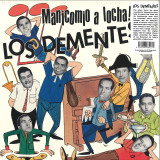
This album marks the debut recording for Venezuela's Velvet label by pianist Ray Pérez and his trombone-led salsa band Los Dementes. Heavy dance numbers and the distinctive vocals of Perucho Torcat make this historic 1967 rarity a sought-after collector's item. Now the LP has been lovingly restored, mastered from the original tapes, with its original artwork intact, preserving the legacy of Los Dementes for today's generation of salsa lovers everywhere. First time reissue. Salsa pianist, vocalist, composer and arranger Ray Pérez, acquired his nickname "Loco" by being a free, independent spirit, an innovator and iconoclast who was initially branded as "crazy" for the freshness and audacity of his sound. Amazingly, he is not that well known in the US, where he spent some time in the late 1960s and salsa was king during the 1970s. Yet he was quite popular in his home country from the beginning, especially amongst the working class of Caracas and Maracaibo, who adopted Cuban music played by New York Puerto Ricans as their own and called it "salsa" years before the term was employed by US labels like Fania as a marketing tool. Pérez is revered in Venezuela, as well as in Mexico and Colombia, and his storied career, which spans seven decades and thousands of concerts, has yielded more than 35 albums recorded by his various bands, including Los Dementes, Los Kenya, and Los Calvos, all of which are collector's items today. At the start of 1967 Pérez debuted Los Dementes, with vocalists Claudio Zerpa and Perucho Torcat backed by an ace band featuring only trombones in the brass section. Titled "¡Alerta mundo! Llegaron los 'The Crazy Men'" the record was released on the small Venezuelan label Prodansa. Soon after, Prodansa folded and Los Dementes were left without representation or much compensation for their efforts, being paid only in records. In the end of February of that year, Pérez returned to Caracas from a stint in Maracaibo in order to finish his first LP with the well-established and larger Velvet label, entitled "Manicomio a locha". In the first quarter of 1967, Velvet unleashed a trilogy of salsa records in order to compete with rival label Palacio and their recent success with Federico y su Combo Latino: "Porfi '67 Salsa & Boogaloo" by Porfi Jiménez y su Orquesta, "Guasancó" by Sexteto Juventud and lastly "Manicomio a locha". The LP begins appropriately with the boisterous title track, written by the band's conguero Carlos "Nené" Quintero, who would become a legend in coming years. Torcat describes a jam session in mental institution and introduces the band, with tasty solos by trombonist Rufo García followed by Ray on piano. Already you can hear something was different about Ray and his "Crazy Men"-a sound as wild and innovative as what was happening in New York with Eddie Palmieri, but with a more unhinged, raw feeling in line with Willie Colón and other younger Nuyorican bands. Next up is an intriguing track sung in a mix of Italian, English, Spanish and Papiamento by Pérez himself, performed in the complicated rhythm of the mozambique, an Afro-Cuban carnival beat developed in the early 1960s. This is followed by the heavy dancer 'Rico guaguancó', penned by Angelito Pérez, which changes from the guaguancó to the mozambique rhythm mid-way through, proving that Los Dementes were "different from the rest" as the lyrics say. 'Puerto Libre', sung by Torcat, is dedicated to the Venezuelan island of Margarita in the Oriente region, and the independent spirit of its working people. The rhythm changes from guaguancó to guajira and back again but remains danceable all the way through. The side closes out with a "3 in 1" medley inspired by the popular formula of the mosaicos of Billo's Caracas Boys, seamlessly knitting together several different tempos, rhythms, moods and compositions. Side two starts strong with the fierce yet satirical 'Corte e' patas', then 'Alma Cumanesa', a typical folk song refashioned as a guaguancó. This is followed by the funky 'Guajira con Boogaloo'. The tune echoes the sound of young Latin New York, pointing out the connection between Cuban and African American soul music. The pace picks up again with 'Fiesta de trombones', a hot descarga and then the album closes with another medley. Though this marks the end of a rather short album, it also signaled the emerging success of Los Dementes and their involvement with the salsa boom in Venezuela, quickly selling out of its initial run of 1000 records and making for a memorable debut on the Velvet label. Now this rare and sought-after LP has been lovingly restored, mastered from the original tapes, with its original artwork intact, preserving the legacy of Los Dementes for today's generation of salsa lovers everywhere.
HIGHLIGHTS "A Buenaventura" is surely one of Julian y su Combo's best albums, a sought-after collector's record that is also popular with tropical DJs. We have added two bonus tracks from 1976, 'Salsa y bembé' and 'Colorin colorao' that were originally a 45 single, resulting a winning combination of familiar and obscure tunes of rich sonic variety. Presented in its original artwork and pressed on 180g vinyl. Recommended by DJ Bongohead of Peace & Rhythm DESCRIPTION During a 20-year period Julián Y Su Combo released 8 LPs on almost as many different companies and "A Buenaventura" was their only record with Medellín-based label Indústria Fonográfica Metrópoli (later reissued by INS on their Fabuloso imprint as "Descarga Salsa Y Boogaloo"). Julián Angulo described the combo's sound as afroantillano, combining Cuban, New Y ork Latin, and Puerto Rican elements with Colombia's own tropical costeño traditions. The group's swinging, jazzy arrangements were distinguished by Angulo's prominent rhythm guitar, a hot rhythm section, and the potent brass lineup of two saxophones and a trumpet (much like Cortijo Y Su Combo) but with the occasional addition of a clarinet or flute (for extra Cuban flavor). Singer José Arboleda lends an earthy, joyful Afro-Colombian sound to the vocals and the entire unit is held together by a combination of his fantastic voice and super-tight, swinging ensemble playing with the occasional expert instrumental solo at just the right interval. "A Buenaventura" is a sought-after collector's record that is popular with DJs not only for the power ('salsa brava' all the way) and diversity of its sound (with hot dance genres that range from guaracha, son montuno and guaguancó to boogaloo and descarga, as well as cumbia and currulao) but also for how well it was arranged, engineered and recorded, making it both a pleasurable listening experience and a dance floor killer. Though the credits do not list a year, most likely it was released in the late 1960s or early 1970s and then pick up again with INS in 1975. In addition to several tasty originals by Julián and other Colombian composers, there are also covers of Cuban classics as well as the funky boogaloo anthem 'Palo de mango' by New York's Eddie Palmieri (with lyrics by the Puerto Rican sonero Cheo Feliciano).
- A1: 1 Eddie Palmieri & Ismael Quintana - Conmigo
- A2: 2 Ray Barretto - Guajira Y Tambo
- A3: 3 Tito Puente - Ran Kan Kan
- A4: 4 Issac Delgado - El Macao
- A5: 5 Orlando Marvin & His Orchestra - Ritmo Bembe
- A6: 6 Johnny Pacheco Y Su Charanga - Acuyuye
- A7: 7 Orquesta Araga3N - El Paso De Encarnacia3N
- B1: 8 Mon Rivera Y Su Orquesta - Lluvia Con Nieve
- B2: 9 Celia Cruz Con La Sonora Matancera - El Que Siembra Su
- B3: 10 Noro Morales Y Su Orquesta - Saona
- B4: 11 Cachao Y Su Combo - Cogele El Golpe
- B5: 12 Compay Segundo - El Gallo E'jando
- B6: 13 The Alegre All Stars - Ay Camina Y Ven
- B7: 14 Willie Rosario - Dame Tu Amor Morenita
14 of the top salsa hits by Edddie Palmieri,Ray Baretto, Celia Cruz...
Strut continue their in-depth archive reissues from the Black Fire label witha definitive edition of JuJu's 'Live At 131 Prince Street',recorded in 1973 atOrnette Coleman's gallery in New York and featuring a previously unheardrecording of the Pharoah Sanders composition "Thembi". After forming in San Francisco while working on the Marvin X theatre piece'The Resurrection of the Dead', JuJu began to hone their uncompromisingfusion of Afro-Latin rhythms with free and spiritual jazz before signing toStrata-East for the 'A Message From Mozambique' album in 1972. "Wemoved to New York and became part of the avant-garde community on theLower East Side and Greenwich Village," remembers bandleader PlunkyBranch. Following a high profile live show at the Lincoln Center, OrnetteColeman invited JuJu to his gallery and loft at 131 Prince Street to performthere and to stay on while he left on tour. "That was life-changing for us,"continues Plunky."It was fabulous. The recordings you hear on this albumare in close proximity to each other, maybe across one day or a weekendat the gallery."Alongside tracks written by the JuJu band members, like the5/4 tempo 'At Least We Have A Horizon Now', they play choice coversfrom their peers. Plunky explains, "'Thembi' is a Pharoah Sanders piecewhich he wrote for his wife in 1971 and it's one of my favourite pieces byhim. 'Azucar Pa Ti' was written by Eddie Palmieri; we loved him too andenjoyed Latin music in general. Here we play 'Mozambique', based on anAfro-Cuban rhythm and we regularly played that for 10 minutes beforemorphing into 'Azucar'. 'Out Of This World', written by Johnny Mercer andHarold Arlen, was inspired by John Coltrane who recorded a version of iton his 'Coltrane' album in '62." JuJu's 'Live At 131 Prince Street' is out on Strut on 12th February 2021 on2LP and 1CD. Remastered by The Carvery from the original reel to reeltapes and including full sleeve notes based around a new interview withbandleader James "Plunky" Branch.
Alfredo "El Inca" Linares is one of the best and most beloved musicians in the history of salsa. Fans love his piano playing because of his authentic Cuban feel and 'swing' combined with progressive arrangements and uncompromising phrasing. "Lo Que Tengo" is full of rock solid dance floor killers and no filler, recorded in 1980 with some of the cream of the crop of contemporary Venezuelan salsa musicians (members of Mango, Madera, El Trabuco Venezolano, Los Dementes, Los Melódicos, Dimensión Latina, Guaco, and La Salsa Mayor) and launched there on the indie label A.L.G. Records as ¡Con Todo!, and then a year later on the much larger Velvet Records with a different cover. This a classic Alfredo Linares album, but with the updated studio sound of 1980s Caracas. With five perfectly paced salsas, one funky cha cha chá, a steamy bolero and a dance-friendly Latin jazz number to top it off, there is something for everybody on this record. Thankfully today's generation can now enjoy this rarity at a fraction of the cost of an original copy. Presented in its original artwork and pressed on 180g vinyl. Good to know: Alfredo "El Inca" Linares is one of the best and most beloved musicians in the history of salsa. Fans love his piano playing because of his authentic Cuban feel and 'swing' combined with progressive arrangements and uncompromising phrasing that puts one in mind of Eddie Palmieri. As a composer, arranger and band-leader Linares is highly respected as well. Ever since the 1960s in Lima Peru when his career began, his records have always been on point, being super tight, sharp, and hard as hell, what salseros call salsa brava con afinque. It's no surprise that Lo Que Tengo is exactly that: full of rock solid dance floor killers and no filler, played with verve and flair. Unlike some of his other records that were patched together from various sessions made in different studios (sometimes even in several countries!), this album has the advantage of being produced, recorded and mixed by Alfredo Linares all in one studio and block of time, and backed by hand-picked seasoned professionals who Linares had already played with, both in the studio and on stage, lending it a consistency and sonic integrity that is excitingly manifest in every groove. The album was recorded in 1980 in Caracas with some of the cream of the crop of contemporary Venezuelan salsa musicians (members of Mango, Madera, El Trabuco Venezolano, Los Dementes, Los Melódicos, Dimensión Latina, Guaco, and La Salsa Mayor) and launched there on the indie label A.L.G. Records as ¡Con Todo!, and then a year later on the much larger Velvet Records with a different cover. The LP was also released in Colombia (INS, 1982) and the US (Gallo, 1984), both editions utilizing the Velvet Records cover. During this time Linares had been in Venezuela for some five years and was under contract with a nightclub in Caracas. Through being on the salsa scene there he became friends with the band Mango and even guested on an album with them in 1976. After the contract was up Linares was a free agent again and he was able to draw on his friendship with Mango and assemble a band to back him, first for the Colombian/Venezuelan production Salsa de Verdad (Fonodisco, 1976) and then again with ¡Con Todo! / Lo Que Tengo. One of the distinctive aspects of Alfredo Linares tunes is the 'break' (la cierre)-there are always plenty of dramatic hand-clapping breakdowns followed by an infectious tumbao (sustained vamp) section that sends shivers up the spine and makes the dancers go crazy. In addition, Linares always lets his musicians stretch out, especially in the percussion section. Again, Lo Que Tengo is no exception: there are so many examples of typical arrangements here that one could call this a classic Alfredo Linares album, but with the updated studio sound of 1980s Caracas, which was awash in petro-dollars at the time and so had the latest equipment and a strong consumer base for the salsa market. The album's title tune (originally credited on the Venezuelan edition as 'Lo que tengo que crear'-'What I Have To Create') is by Mango's timbalero José "Cheo" Navarro and sums up Linares' central career philosophy: the musician lives every day to create music, to spread joy and create a party, without complications, wherever he goes. With five perfectly paced salsas, one funky cha cha chá, a steamy bolero and a dance-friendly Latin jazz number to top it off (note the bluesy piano solo from Linares and the sublime vibes of Mango's Freddy Roldán), there is something for everybody on this record. Thankfully today's generation can now enjoy this rarity at a fraction of the cost of an original copy.
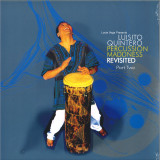
Grammy award winner & multi grammy nominated Luisito Quintero grew up with the Latin American and African tradition of percussion. His father is just as much a percussionist as his uncle Carlos Nene Quintero and his cousin Roberto Quintero . He became a member of the Orquesta Simfonica de Venezuela , but soon appeared with ensembles such as Grupo Guaco and El Trabuco
Venezolano and toured with Oscar D'León .
He then moved to New York, where he initially worked with Latin jazz musicians such as Willie Colón , Eddie Palmieri , Tito Puente and Celia Cruz . He then turned to the fusion of jazz, funk, salsa and African music and performed with George Benson , Herbie Hancock , Ravi Coltrane and Toshiko Akiyoshi , but also with pop musicians such as Gloria Estefan and Marc Anthony .
Vega Records are proud to present his new vinyl release “Percussion Maddness Revisited” Part Two. From the Osibisa remake by Luisito Quintero “Music For Gong Gong” to collaborations with the Great Richard Bona, Latin Jazz legend Hilton Ruiz and Salsa Veterans Jose Mangual and Milton Cardona, you can see the caliber of musicians that make up this timeless piece. For the afrohouse heads you have the new track “Yemaya” Featuring Nina Rodriguez remixed by Afrohouse King Manoo. Prepare for the sonic fun with vinyl pressings by Optimal !!
Percussions Maddness Revisited Part Two Double Vinyl Set out soon at a vinyl store near you !!!
Long sought after by collectors, DJs and lovers of hard salsa and boogaloo alike, 'Yo Traigo Boogaloo' is now lovingly reissued in replica form with the original cover art, remastered from the studio tapes, reproducing that magical MAG studio sound for today's aficionados to enjoy like it was 1969 all over again. Alfredo Linares is a globetrotting pianist, composer, bandleader and producer from Peru with a long, prolific career in latin music. His long sought after by DJs and collectors of hard salsa and boogaloo alike, 'Yo Traigo Boogaloo' is now lovingly reissued in replica form with the original cover art, remastered from the studio tapes, reproducing that magical MAG studio sound for today's aficionados to enjoy like it was 1969 all over again. Details: Alfredito "Sabor" Linares is a globetrotting pianist, composer, bandleader and producer from Lima, Peru with a long, prolific career in hot Latin music spanning more than half a century. Though Linares has come to recent international fame through his work with William "Quantic" Holland, he was already quite popular and famous in his adopted countries of Colombia and Venezuela in the 1970s and 80s during the salsa boom. However, his career began in Lima, backing timbalero Ñico Estrada at age 17 in 1961, and Alfredito's first notable recording as a sideman was a few years later on the now legendary 'El Combo de Pepe' album for IEMPSA/Odeon. Subsequently Linares would advance his career by recording two fabulous records under his own capable leadership as Alfredo Linares Y Su Sonora at the end of the decade for the MAG label. These releases capitalized on recent developments in New York Latin music, namely Latin jazz, boogaloo, descarga (jam session) and what would later be marketed as "salsa" with roots in the Cuban guaguancó and guaracha genres. One can hear direct inspiration coming from Joe Cuba, Ricardo Ray, and Eddie Palmieri, especially on the first album, 'El Pito', and yet by the second record, there are plenty of original tunes as well. More importantly there is a 'swing' and assertiveness to the playing (and arrangements) that prove every bit as authentic, tough and danceable as their New York inspirations. As Linares himself recounts, "In that era, we fought against a generation that was half-blind, because the people who understood what we were doing were few. We had to fight hard for our space in Perú, that's where the swing comes from." That special 'swing' also emanated from Linares' ace backing band, which happened to be a talented stable of MAG studio musicians who all understood Cuban and jazz music: percussionists Mario Allison and Coco Lagos, bassist Joey di Roma, Kiko Fuentes and Carlos Muñoz on lead vocals and Melcochita on coro (vocal chorus). According to Linares, the studio band was "open-ended, some musicians came some days, others on other days_Nilo Espinoza on saxophone, Betico Salas and Tito Chicoma on trumpets. Otto de Rojas played piano, and so did Charlie Palomares, who played vibraphone. Another good musician was guitarist Carlos Hayre." Though the recordings were cut "live in the studio" and many were basically composed on the spot, the intrinsic strength and maturity of the performances on 'Yo Traigo Boogaloo' stand the test of time as one of Peru's most important contributions to tropical music across the decades, establishing Alfredito Linares as a master of the idiom and serving as a harbinger for great things to come for him in Colombia and Venezuela. Long sought after by collectors, DJs and lovers of hard salsa and boogaloo alike, 'Yo Traigo Boogaloo' is now lovingly reissued in replica form with the original cover art, remastered from the studio tapes, reproducing that magical MAG studio sound for today's aficionados to enjoy like it was 1969 all over again. Pablo E Yglesias DJ Bongohead of Peace & Rhythm
After his acclaimed debut EP « Cotonou » on Alma Negra’s record label, James Stewart comes back with his new EP Atlantic River Drive for Mawimbi Records, featuring two collaborations with Ghanaian kologo musician Ayuune Sule as well as two remixes from Simbad aka SMBD.
James Stewart met Ghanaian kologo musician Ayuune Sule, after booking several shows of kologo music star King Ayisoba in Lyon. Stewart was quick to witness the bluesy tone of Ayuune’s voice and his kindness as a musician, despite his impressive stature. Quite logically, Stewart invited Sule to record vocals on two of his ongoing demos at Bruno Patchworks’ recording studio (Voilaaa, Mr. President, Da Break), with the idea of making a rather unheard crossover between traditional kologo music and contemporary styles that would both appeal to Ghanaian crowds and a Western audience. Stewart then had a number of his arrangement ideas re-recorded by a talented cast of musicians, resulting in a brilliant mix of acoustic and electronic textures, sounding both vintage and modern.
Nodding to Eddie Palmieri’s landmark record “Harlem River Drive”, “Atlantic River Drive” is a stomping dancefloor track, drawing from the 6/8 feel of kologo music and the energy of contemporary club music. The track can be read as a tribute to the musical cross-pollinations between the African continent and its many diasporas, which Stewart has dedicated a long part of his life to, but also as a more intimate story about his life and family. All words were written by Stewart and then translated by Sule in his native Fra fra language from Northern Ghana.
“Where Are We Going?” is a two-part journey that reminds us that we should care about each other, about our communities while we don’t know what the future is made of. An important and much welcome message to navigate through these troubled, uncertain times. Referencing congolese N’dombolo tracks, the track has two parts and rich arrangements, with its first part going deep with syncopated clarinet hooks and playful percussion parts, and its second part moving to a four-on-the-floor pattern and an entrancing baritone saxophone solo.
The EP also features Worldwide FM and Brownswood maestro Simbad, who delivers two dancefloor-ready reworks of the track “Where Are We Going?” under his SMBD moniker, turning it into a spiritual, dubby journey, as well as an emotional house music track.
Harlem River Drive is a group that launched the careers of Eddie and Charlie Palmieri, two giants in the field of Latin fuelled jazz fusion. Comparisons have been made with the work of groups they inspired including War and Funkadelic from first recording and performing in the early 70s. Both idle Hands' and Seeds of Life' come from the group's self titled debut album released by Roulette in 1971. Drums are by one of the most prolific players of the day Bernard Purdie (Gil Scott-Heron, Aretha Franklin, Roy Ayers among many more), another high profile musician Cornell Brown on guitar with Randy Brecker on trumpet for Seeds Of Life'. Both tracks have been released before on 7' vinyl, now extremely rare, Seeds Of Life' appearing here on 7' for the first time in full length version
Since the release of their critically acclaimed debut album in 2013 on Names You Can Trust, La Mecánica Popular has quietly been contemplating the evolution of the group's sound, philosophy, and overall approach to making music. Band leader Efraín Rozas' experimental nature has continually pushed the boundaries of his own definition of not only Latin American music, but its broader relationship with music's global culture and history. The sound of "psychedelic salsa" that LMP helped capture in their debut was destined for further outside-the-box interpretations, and with the formation of a new quintet lineup over the last few years, LMP began to incorporate a more free, improvised and instrumental-focused performance of Rozas' increasingly radical compositions. The band subsequently took this liberated approach directly into the studio, recording Roza Cruz live, in its entirety. It was a cathartic experience, a necessary methodology for the new album's concept that embraced the intimate performance of its players and did away with standard techniques of isolation and overdubs.
The evolution of the band's sound on Roza Cruz brings forth a blend of styles rarely heard together, a touch reminiscent of electric-era Miles Davis or Eddie Palmieri at his most experimental, as the driving force of timbales and congas provide a bed for a wave of lush, analog amplification that mirrors the dueling leads of fuzz guitar and electric piano. But as far out as those instruments take the listener, the raw rhythm — the clave — always keeps it tethered to the earth and the dance, a cerebral yet visceral gift for the mind and feet.
- 1