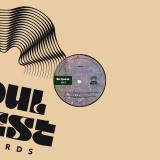
Following on from the single release of ‘Intentions’, Soul Quest is pleased to present a myriad of remixes alongside a resonating live version of the original cut - and in doing so, serving up a package of lively renditions that add further to the label’s soulful sound.
‘Intentions’ in its original guise was the result of a joint musical adventure from label head Max Sinal, producer and longtime collaborator Kingcrowney, and vocalist Liv East. The track is Soul Quest to its core, with simmering and emotive chords interlaced between a softly spoken yet impactful rhythm section. East provides some inspired vocal work up top, her angelic voice floating through the breeze, shining light on all corners, as the totality of the musical package gives over only the most heartfelt and joyful feels. It seems only fitting that the original track be explored and reconsidered by some of the finest producers currently going, and with this remix album, you see all sides of ‘Intentions’ possible. Up first comes producer extraordinaire Frits Wentink, who takes the atmosphere firmly into the clubbing sphere. Wentink breaks down all the elements with razorsharp precision, drawing focus to the central progression by adding in new, repeating chordal elements that revolve around the kicks. As the track shifts through the gears, lines emerge and grow in stature, with plenty of time for breakdowns to get that full dose of the original’s emotive brilliance.
Dallas based deep house legend, JT Donaldson features next with not one but two remixes, the first of which retains the forward progression of the original but adds in some exciting elements. The addition of the driving bass line gives depth to the undercurrent, with stripped-back sections allowing the flow to meander through some very profound atmospheres. The ‘Dub’ version strips back East’s vocals to draw more focus to the groove and melodic sequences, and as a flip side to the first remix, the duo encapsulates all that could be wished for in a soulful house number.
Flying Moth is up next, with his spin consisting of a more hypnotic approach, with skipping broken drums creating melodic pools and caverns. East’s voice echoes through space and time, enticing further escapism as the track grows and morphs with each passing minute - a beautiful saucerful of sound that is oh so intoxicating.
Finally, to wrap things up, the live version lands to take the energy down to a beautiful canter. The rhythm section takes the form of a full percussive outlay, which speaks gently amidst a sea of exquisite guitar licks, breezy chords, and brass. East is the star of the show here, her voice the anchor within the ever-evolving backing section, which drifts and lulls with a wondrous effortlessness.
‘Intentions’ as a single contained all the sonic qualities which Soul Quest treasure, and with this collection of remixes and live versions, its meaningfulness is only added to. From imaginative takes through to inspired audial environment
Search:liv east
LVE1 is the highly anticipated debut EP from East London’s Liv East – a 5-track collection of neo-soul & R&B infused cuts that follows a string of prolific R&B influenced releases, including her much loved collab with in-demand French funk aficionado Folamour & ‘You’re My’ on Defected’s well known disco label Glitterbox.
‘FREAK’ & ‘LVE UNLIMITED’ nod to Liv’s connection with the dancefloor, her silky soul vocals sewn through beatdown edits that would suit the slower moments on the dancefloor. While ‘You Got Me’ swings to a 2-steppin back-beat of funk grooves & popping basslines. Alongside these brand new originals are two hypnotic bonus tracks ‘So Badly’ and ’So Badly (Kid Fonque Remix), available for the first time on vinyl.
Sticks & Stonez make their debut release on Glitterbox Recordings with the stunning 'You're My', featuring rising star Liv East on vocals. This special 7' vinyl release illustrates the East London duo's capability as producers, taking influence from modern house and disco, the combination of the instrumental horns, slick production and East's smooth vocal makes for a blissed-out record that transports you to hazy summer days. The stripped-back instrumental version also features on the release, offering an insight into how the carefully curated track balances its musical elements.
“France absolutely engage the body... but the spectacle is one for your mind, especially as you start to wonder how much of what you’re hearing is really there.” The Quietus
Legendary hurdy-gurdy-powered kraut/psych/folk/drone band France have announced a new album ‘Good Thoughts. Bad Thoughts’ on The state51 Conspiracy label; capturing a wild performance at The state51 Factory in East London - part of their very first tour of England. They played Liverpool Psych Fest as a one off some years back.
Forming 20 years ago as a trio in Valence, France, for this performance, were Jeremie Sauvage on bass, Yann Gourdon on electrified hurdy-gurdy, and Cyril Bondi (of La Tene and Cyril Cyril on drums (stalwart Mathieu Tilly was taking some much needed time off).
This album sees the band plunge into the depths of the human psyche, backed up by Hugo Hyart’s deep, all-over cosmic doodles and an unhidden homage to the Parliafunkadelicment state of mind : Uniting, dancing, staying creative and open minded despite the tribulations of life. Dedicated to the feeling of good (and baby they’re good... at being good).
On the night France were recorded by Hot Chip’s in-house engineer James Crump who subsequently mixed the record at Hot Chip’s studio in East London. The album was mastered by Richy Hughes at Binary Feedback.
Live at Café Oto is a journey into Ainu music as ancient vocal chants move into intense mouth-harp acapellas as meditative solo tonkori pieces morph into psychedelic dub-heavy work-outs.
The album follows the critical acclaim for Tonkori in the Moonlight,Mais Um's 2022 compilation of OKI's early work that was chosen as one of the best folk albums of 2022 by The Guardian.
Live at Café Oto features mostly unheard repertoire from OKI and family, recorded in Mais Um's favourite venue in London on a sold out night as part of a captivating European tour - when we heard the recording we knew we had to release it.
6 LPS, DVD, 40 PAGE BOOK, CASSETTE
AND FIGURINE USB DRIVE
Endless Pain
(Swirl vinyl with original artwork & inner sleeve)
Pleasure To Kill
(Splatter vinyl with original artwork & inner sleeve)
Terrible Certainty
(Splatter vinyl with original artwork & inner lyric sleeve)
Extreme Aggression
(Half/half vinyl with original artwork & inner lyric sleeve)
Coma Of Souls
(Splatter vinyl with original artwork & inner lyric sleeve)
Renewal
(Swirl vinyl with original artwork & inner lyric sleeve)
Some Pain Will Last DVD
Containing ‘From The Vault’ mini documentary, plus two previously unreleased audio live concerts and an Andy Sneap remix of Live In East Berlin 1990.
Formed in Essen, Germany in 1984, Kreator are arguably the most influential and successful European thrash metal band ever, like many of their European speed metal brethren, Kreator fused Metallica's thrash innovations with Venom's proto-black metal imagery. Often credited with helping pioneer death metal and black metal by containing several elements of what was to become those genres. The band has achieved worldwide sales of over two million units for combined sales of all their albums, making them one of the best-selling German thrash metal bands of all time. The band’s style has changed several times over the years, from a Venom-inspired speed metal sound, later moving in to thrash metal, and including a period of transitioning from thrash to industrial metal and gothic metal throughout the 1990s. In the early 2000s, Kreator returned to their classic thrash sound, which has continued to the present. Their last studio album ‘Gods Of Violence’ charted top twenty in ten countries, including a number one slot in their home country of Germany.
A few words for the album
Moment’s Aeternity:
a 12/8 composition celebrating the raw power of the “moment”, marked by whirling improvised moments between drums, bass clarinet and Harris P’s Armenian duduk.
Pajko, fire in the forest on the mountain:
in Sokratis own words: “I have a really vivid memory as a child. I was staring at the Djena mountain from my window in Archangellos which sits on the Pajko mountain. A little beam of light shone far in the horizon; it was a fire that in my little eyes looked as if the giants of Almopia were trying to communicate with each other using phryktoria (a way of contacting through fire in Ancient Greece).”
Footprints of some Giant Steps:
While the classic compositions of two true Jazz Giants- Wayne Shorter and John Coltrane- are certainly different, they do both connect in a mystical way. Rearranged in 5/8 combining half of each melody and half of each one’s chord progression, keeping the form of the piece for improvisation, still in 5.
Oson Zeis Fainou (Seikilo’s Epitaph):
found in a tomb stone in the Northeast of Greece, this is the only melody saved from the ancient times. It is accompanied by lyrics contemplating the meaning of life:
Ὅσον ζῇς φαίνου
μηδὲν ὅλως σὺ λυποῦ πρὸς ὀλίγον ἐστὶ τὸ ζῆν τὸ τέλος ὁ xρόνος ἀπαιτεῖ.
‘’While you live, shine
don’t feel blue for anything because our life is short and time demands an end.’’
Here is to Oghene K:
’’Hey man, where is the groove?’’, he would say, just to trigger another wave of inspiration for Sokratis. Oghene was a true force of nature, a well of kindness, a masterful artist that left this world too early. This one is for him.
Balkan Riff (for Milcho Leviev):
Milcho Leviev (1936-2019), was a long-time friend and collaborator and a true inspiration for expression, creativity and colorfulness. Expressing the deep sentiments evoked by the Balkan sound and history, this is a sorrowful dialogue between bass clarinet and contrabass.
Spirits of Djena:
one of the most esoteric and personal moments of the album. Composed and recorded during the challenging times of the COVID-era, you can hear the baritone and tenor saxophone firmly grounded on a crispy, hypnotizing contrabass groove.
Sokratis Votskos Quartet
Kostas Anastasiadis / Giorgos Klountzos - Chrysidis: Drums
Leandros Pasias: Piano
Vaggelis Vrachnos: Contrabass
Sokratis Votskos: Soprano Saxophone, Bass Clarinet and Compositions
Sokratis Votskos is a jazz saxophonist, clarinetist, composer, educator, and bandleader from Greece. Deeply invested in unearthing the folk sounds and heritage music of Greece and Eastern Europe, he weaves these into modern jazz compositions though the use of melodies, polyrhythms, and his reedy, timeless tone. He leads the Sokratis Votskos Quartet, he is one half of Kolida Babo and member of the Reggetiko Project. A highly regarded sideman and ensemble player, he has worked extensively with renowned jazz musicians with several highly acclaimed releases (MiC, Jazzman, Walt Disney and now Fair Weather Friends Records).
He has performed his music in numerous venues and festivals worldwide from Vinterjazz in Copenhagen, to the EFG London Jazz Festival where he performed at the legendary Ronnie Scott’s alongside Greg Foat.
He is also an archaeoacoustics researcher and enthusiast, having completed his Master studies on the field of ancient ritualistic caves of Greece research.
Leandros Pasias was born in Thessaloniki, Greece. At age 10 was introduced to piano, continuing his studies at the Modern Conservatory of Thessaloniki and later at the Conservatorium van Amsterdam in the department of jazz piano.Ηe holds a classical harmony diploma and a BA at the Department of Music Studies at the Aristotle University of Thessaloniki. In 2020 he received jazz improvisation lessons from Aaron Parks.
With a series of appearances in multiple international jazz festivals, Leandros has collaborated with a wide range of musicians from Nicolas Masson and James Wylie to Marina Osk, Ivo Papasov and Haris Lambrakis, among others.
A member of the Yako Trio, he released “OdesSea” on Fair Weather Friends Records (2021).
Vangelis Vrachnos was born in Thessaloniki, Greece, in 1989. While he started playing the bass at the age of 12, alongside his brother, his studies would commence a few years later. Introduced to double bass at the age of 23, he undertook jazz double bass studies at the Codarts Αcademy of Rotterdam. He has participated in several festivals such as the Technopolis and Odessa international jazz festivals. Since returning to his hometown, in 2015, he has been a founding member of Mordana and Yako Trio and has collaborated with a series of musicians like James Wyllie, Sokrates Votskos and Dimitis Agelakis, among others.

Kostas Anastasiadis is a tireless researcher, that has been diligently studying Tradition and its evolution, creating a fresh amalgam of sound moods. His mature improvisational virtuosity highlights a uniquely individual artistic expression and was recognized with the ̈Unique Individual Stylist" award by the PIT (Percussion Institute of Technology) in Los Angeles, California. He has been associated with various ensembles that have garnered significant interest in the global music scene. As an educator, he is the founder of "The Harmony of Rhythm" musical method, which aims to explore and establish the elements that constitute the concept of rhythm.
Giorgos Klountzos-Chrysidis was born in Thessaloniki in 1991. Following studies at the Modern Conservatory of Thessaloniki, he moved to France and the Conservatoire de Nice. With performances at well-known festivals like Nice Jazz Festival, Nuits du Sud and Jazz à Vienne, he had the opportunity to meet the American drummer Leon Parker, who encouraged him to move to Paris, where he spent the next two years under his tutoring and guidance.
In 2016, came a defining moment in his career as he traveled to New York for the first time. He participated in the quartet of saxophonist Diego Rivera for a series of performances and attended lessons by Rodney Whitaker and Randy "Uncle G" Gelispie at Michigan's State University.
Collaborations include Xavier Davis, Ricky Ford, Nicolas Masson, Diego Rivera, Craig Bailey, Baptiste Herbin, Marc Abrams, Pantelis Stoikos, Antonis Anissegos, David Lynch, Ziad Rajab and Ivo Papasov, among others.
Death Is Not The End collaborate with Uzbek label Maqom Soul to deliver an LP counterpart to last year's mixtape of the same title, compiling specially picked & fully licensed individual belters from the ex-soviet studios of Central Asian republics between 1978 and 1989 - incl. Uzbek, Tajik, Kurdish & Uyghur artists pulling traditional folk motifs together with pop & rock and psych elements.
"These recordings do not form a smooth or coherent history. They feel more like a sequence of discoveries made at different moments and in different circumstances. Songs and instrumental pieces that once lived inside specific contexts radio broadcasts, philharmonic programs, touring routes now sit side by side, revealing hidden connections as well as clear fractures between them.
Nasiba Abdullaeva appears here as a voice from the end of an era. Trained within a conservatory system, she worked inside the format of the Soviet pop song while filling it with melodic logic that did not come from Moscow or Leningrad. Her voice is soft and sustained, shaped by Eastern melisma, and it never functions as decoration. Even in tightly structured songs there is a sense of resistance, an effort to preserve a musical language rooted in Uzbek tradition rather than fully adapted to an all Union standard.
The ensemble Sintez, later renamed Navo, represents a different path. Beginning as a student rock group, the band was gradually absorbed into the official VIA system with all its limitations and compromises. Yet it was precisely within those boundaries that Sintez and Navo developed a recognizable sound. Electric guitars and jazz rock harmonies do not overpower the folk material but remain in tension with it. Their recordings feel like negotiations between what the musicians wanted to play and what they were allowed to perform.
The Tajik ensemble Gulshan reflects an institutional approach carried to a high professional level. Formed under television and radio structures, the group treated folk material almost as a written score. Carefully constructed arrangements, close attention to orchestration, and restrained use of pop techniques define their sound. There is less spontaneity here, but a strong sense of discipline and structure, where national melody becomes part of a carefully controlled sonic framework.
Koma Wetan occupies a very different space. Formed in the 1970s, this Kurdish rock group approached poetry and folklore as tools of cultural assertion. Their psychedelic rock never feels like a stylistic borrowing. Instead it functions as a contemporary vessel for language and themes that might otherwise have remained unheard. Even today these recordings sound fragile and stubborn at the same time.
The Uyghur ensemble Yashlik, closely connected to a musical drama theatre, operated somewhere between stage performance and popular music. Their songs are built on folk melodies but shaped for wide audiences. What emerges is a constant attempt to preserve the recognizability of Uyghur musical identity without freezing it in a folkloric frame. Yashlik's music exists in a state of balance between representation and development.
Digging Central Asia does not attempt to establish hierarchies or offer a single wayof listening. Names and dates matter less than the sound itself. Tape noise, abrupt transitions, and unexpected timbres remain part of the material rather than flaws to be corrected. This music existed at the crossroads of multiple routes geographic, cultural, and ideological. Heard today in a new context, it no longer feels peripheral. Instead it stands as a reminder that the history of popular music is far more fragmented, layered, and polyphonic than it is usually allowed to be."
- 01: Maanitus &Amp; Tšiižik
- 02: Markka
- 03: Melkutus
- 04: Letška
- 05: Kuuen Parin Hoirola
- 06: Brišatka
- 07: Tšiižik
- 08: Kirkonkellot
- 09: Kirkonkellot Korkea
- 10: Hoirola, 3 Parin
- 11: Lippa
- 12: Kyngäkiža
- 13: Ristakondra
- 14: Vanha Polkka
- 15: Viistoista
- 16: Vanha Valssi
- 17: Kiberä
- 18: Maanitus Kuokan Kanteleella
- 19: Tuuti Lasta Nukkumahe
Vinyl[22,65 €]
Death Is Not The End present a further volume of Arja Kastinen's eerie amalgamations of 110 year old wax cylinders with her own meticulously transcribed takes, this time focussing in on Armas Otto Väisänen's field recordings of kantele player Iivana Mišukka (b. 1861 d.1919).
"Ivana Mišukka (1861–1919) was one of the Karelian kantele players recorded by the folk music researcher Armas Otto Väisänen on wax cylinders in 1916 and 1917. In the early 20th century, the remote areas of Border Karelia were undergoing the final phase of a transformation in musical culture, with the ancient runo song tradition giving way to newer forms of music. This transition is reflected in Mišukka's repertoire and choice of instrument. The ancient small kantele, hollowed out of a single piece of wood, was already rare at the turn of the century. Mišukka's kantele was a new type of instrument with 26 strings, constructed of several parts, but he played it using the traditional plucking technique. Like other Border Karelian kantele players, his repertoire consisted of music rooted in runosong culture, as well as newer dances and songs from the east and west. Most of the recorded material falls into the latter category.
Ivan Bogdanov Mišukka was born out of wedlock in Suursara village, Suistamo, on 1 May 1861. He began playing the kantele at the age of five or six, quickly mastering the instrument. In adulthood, he was considered one of the area's best master players. Mišukka was landless for most of his life and lived in different parts of the Suistamo parish. His first wife, Tekla Markintytär, died in 1897 at the age of 40, and his second wife, Jevdokia Filipintytär Jeminen, died in 1907 at the age of 50. Seven children were born from the first marriage, two of whom died young. The third wife, Maria Ignatintytär Gurnan (Kuurnanen), was a well-known master of lamentations. Together with Maria, Iivana Mišukka worked as a tenant farmer in the village of Suursara. Mišukka suffered from rheumatism, which prevented him from participating in physical work like Maria. This was apparently partly the reason why Iivana Mišukka went to earn extra money by playing the kantele on gig trips. He often had other traditional artists from Suistamo as his travelling companions, such as the runosingers Konstantin Kuokka and Iivana Onoila. Iivana Mišukka died in Leppäsyrjä village, Suistamo, on 18 May 1919 at the age of 58, and his kantele was donated to Teppana Jänis.
Mišukka only used 14 of the 26 strings on his kantele, playing the same tunes either a fourth higher or lower. He tuned his kantele to the major scale using fifths, except for a low seventh scale degree on the upper strings, but not below the fundamental. Since he did not use the seventh note of the scale on the upper strings at all, he could use the major scale both lower and a fourth higher with this tuning. According to Mišukka, the sound of higher, or 'finer', strings is 'more beautiful', while that of lower ones is 'greater'. Among runosingers, the size of the thirds varied, ranging from major to minor to neutral. A similar phenomenon can be observed in kantele tunings, where the third, sixth and seventh scale degrees vary in a comparable way.
During a meeting, Väisänen suggested that Mišukka play the smaller kantele belonging to Konstantin Kuokka. The idea was to bring it closer to the horn to improve the recording quality. However, the kantele was completely out of tune, and now Mišukka tuned it to the Lydian scale (track 18).
Using the old plucking technique, Mišukka placed his right middle finger on the fundamental tone, his right index finger on the second scale degree, his left middle finger on the third scale degree and his left index finger on the fourth scale degree, and his right thumb on the fifth. The thumb also played the notes above the fifth note of the scale. As Mišukka remarked to Väisänen: 'Peigaloll' tuloo enemb ruadoa' (the thumb has to do more work). However, he did not use the seventh note of the scale on the upper strings at all. Below the fundamental note, he played the seventh and sixth notes of the scale with his right middle finger of and the fifth note of the scale with his right ring finger. This fifth scale degree below the fundamental is almost always used as a drone. Sometimes, when the melody required it, Mišukka, like other players, also varied the fingering. He would also occasionally strike the same string with the side of his fingernail after plucking it.
The wax cylinder recordings of Karelian kantele players are kept in the archives of the Finnish Literature Society in Helsinki, Finland. Copies were made of them onto reel-to-reel tapes in both the 1960s and 1980s. The 1960s copies are mono and the 1980s copies are stereo. However, not all kantele recordings from these decades have survived.
The sound of the kantele is difficult to hear in wax cylinder recordings due to its low volume, and it occasionally becomes completely obscured by noise. During the copying process, the cylinder sometimes rotates unevenly, resulting in breaks or jumps in the music. Additionally, the rotation speed of the cylinder in the copies does not correspond to the performance speed of the original music, which alters the pitch. However, since Väisänen's precise notes are available in the archive, it is possible to deduce the melodies, their speed, and the tuning level of the kantele in the recordings. Of the copies of the original recordings from the 1960s and 1980s, I have selected the one that best met the requirements of this publication and adjusted the speed of the recording to align with Väisänen's notes. To enhance the listening experience, I have replayed the songs, which now partly overlap the old recordings on this release."
— Arja Kastinen
- 01: Maanitus &Amp; Tšiižik
- 02: Markka
- 03: Melkutus
- 04: Letška
- 05: Kuuen Parin Hoirola
- 06: Brišatka
- 07: Tšiižik
- 08: Kirkonkellot
- 09: Kirkonkellot Korkea
- 10: Hoirola, 3 Parin
- 11: Lippa
- 12: Kyngäkiža
- 13: Ristakondra
- 14: Vanha Polkka
- 15: Viistoista
- 16: Vanha Valssi
- 17: Kiberä
- 18: Maanitus Kuokan Kanteleella
- 19: Tuuti Lasta Nukkumahe
Tape[16,39 €]
Death Is Not The End present a further volume of Arja Kastinen's eerie amalgamations of 110 year old wax cylinders with her own meticulously transcribed takes, this time focussing in on Armas Otto Väisänen's field recordings of kantele player Iivana Mišukka (b. 1861 d.1919).
"Ivana Mišukka (1861–1919) was one of the Karelian kantele players recorded by the folk music researcher Armas Otto Väisänen on wax cylinders in 1916 and 1917. In the early 20th century, the remote areas of Border Karelia were undergoing the final phase of a transformation in musical culture, with the ancient runo song tradition giving way to newer forms of music. This transition is reflected in Mišukka's repertoire and choice of instrument. The ancient small kantele, hollowed out of a single piece of wood, was already rare at the turn of the century. Mišukka's kantele was a new type of instrument with 26 strings, constructed of several parts, but he played it using the traditional plucking technique. Like other Border Karelian kantele players, his repertoire consisted of music rooted in runosong culture, as well as newer dances and songs from the east and west. Most of the recorded material falls into the latter category.
Ivan Bogdanov Mišukka was born out of wedlock in Suursara village, Suistamo, on 1 May 1861. He began playing the kantele at the age of five or six, quickly mastering the instrument. In adulthood, he was considered one of the area's best master players. Mišukka was landless for most of his life and lived in different parts of the Suistamo parish. His first wife, Tekla Markintytär, died in 1897 at the age of 40, and his second wife, Jevdokia Filipintytär Jeminen, died in 1907 at the age of 50. Seven children were born from the first marriage, two of whom died young. The third wife, Maria Ignatintytär Gurnan (Kuurnanen), was a well-known master of lamentations. Together with Maria, Iivana Mišukka worked as a tenant farmer in the village of Suursara. Mišukka suffered from rheumatism, which prevented him from participating in physical work like Maria. This was apparently partly the reason why Iivana Mišukka went to earn extra money by playing the kantele on gig trips. He often had other traditional artists from Suistamo as his travelling companions, such as the runosingers Konstantin Kuokka and Iivana Onoila. Iivana Mišukka died in Leppäsyrjä village, Suistamo, on 18 May 1919 at the age of 58, and his kantele was donated to Teppana Jänis.
Mišukka only used 14 of the 26 strings on his kantele, playing the same tunes either a fourth higher or lower. He tuned his kantele to the major scale using fifths, except for a low seventh scale degree on the upper strings, but not below the fundamental. Since he did not use the seventh note of the scale on the upper strings at all, he could use the major scale both lower and a fourth higher with this tuning. According to Mišukka, the sound of higher, or 'finer', strings is 'more beautiful', while that of lower ones is 'greater'. Among runosingers, the size of the thirds varied, ranging from major to minor to neutral. A similar phenomenon can be observed in kantele tunings, where the third, sixth and seventh scale degrees vary in a comparable way.
During a meeting, Väisänen suggested that Mišukka play the smaller kantele belonging to Konstantin Kuokka. The idea was to bring it closer to the horn to improve the recording quality. However, the kantele was completely out of tune, and now Mišukka tuned it to the Lydian scale (track 18).
Using the old plucking technique, Mišukka placed his right middle finger on the fundamental tone, his right index finger on the second scale degree, his left middle finger on the third scale degree and his left index finger on the fourth scale degree, and his right thumb on the fifth. The thumb also played the notes above the fifth note of the scale. As Mišukka remarked to Väisänen: 'Peigaloll' tuloo enemb ruadoa' (the thumb has to do more work). However, he did not use the seventh note of the scale on the upper strings at all. Below the fundamental note, he played the seventh and sixth notes of the scale with his right middle finger of and the fifth note of the scale with his right ring finger. This fifth scale degree below the fundamental is almost always used as a drone. Sometimes, when the melody required it, Mišukka, like other players, also varied the fingering. He would also occasionally strike the same string with the side of his fingernail after plucking it.
The wax cylinder recordings of Karelian kantele players are kept in the archives of the Finnish Literature Society in Helsinki, Finland. Copies were made of them onto reel-to-reel tapes in both the 1960s and 1980s. The 1960s copies are mono and the 1980s copies are stereo. However, not all kantele recordings from these decades have survived.
The sound of the kantele is difficult to hear in wax cylinder recordings due to its low volume, and it occasionally becomes completely obscured by noise. During the copying process, the cylinder sometimes rotates unevenly, resulting in breaks or jumps in the music. Additionally, the rotation speed of the cylinder in the copies does not correspond to the performance speed of the original music, which alters the pitch. However, since Väisänen's precise notes are available in the archive, it is possible to deduce the melodies, their speed, and the tuning level of the kantele in the recordings. Of the copies of the original recordings from the 1960s and 1980s, I have selected the one that best met the requirements of this publication and adjusted the speed of the recording to align with Väisänen's notes. To enhance the listening experience, I have replayed the songs, which now partly overlap the old recordings on this release."
— Arja Kastinen
- 1: Live From Mumbai 00:36
- 2: No Other Than 04:03
- 3: Powerman & Iron Fist (Fighting Without Fighting Version) 0:00
- 4: Sure Shot! 03:32
- 5: Fresh Like Dougie 04:42
- 6: How To Cut & Paste (Lesson 1) 04:54
- 7: Audobahn 03:56
- 8: All Out War 03:46
- 9: Break Down 03:24
- 10: Golden Crown (Feat. Oxygen) 04:52
- 11: Fashion Plate 04:13
- 12: Sister Of Phyllis Diller 04:01
- 13: Heroes Of The East (Feat. Paten Locke) 04:21
- 14: The Pack Up (Part 3) 02:44
Cassette Box Set[38,87 €]
AE Productions in association with Sure Shot Recordings and In Effect Recordings are pleased to announce a 10 Year Anniversary Edition of the critically acclaimed Phill Most Chill and Paul Nice album as the Fabreeze Brothers.
The hugely successful first edition which was pressed on colour vinyl and supplied in double fold out sleeve sold out in only 2 weeks from release date and then the 2nd pressing black vinyl edition sold out a little while later but has for years been out of print but is increasingly requested by shops, via email, social media, AE Productions website back in stock requests, etc…
As it has been 10 years since original release back in 2015 at the time of proceeding with manufacturing, it was the perfect opportunity to do a 3rd pressing to mark the anniversary but we had to pull out all the stops for a 3rd run of this incredible album and also make it subtly different again in packaging design from the 1st and 2nd pressings so that each has it’s own particular feel and quality.
With help from the original designer and all-round vinyl artwork supremo Mr Krum we have found some nice adjustments for the gatefold sleeve where the detail from the insert sheet found in the original issues is incorporated into the inside panels of the sleeve. We have also tweaked the hype sticker to mark the 10th Anniversary Edition and updated the vinyl labels so as to work better with the new Splatter vinyl which follows the original red and yellow vinyl but each splattered with the opposite colour.
For something a little extra we have compiled a Limited Expanded Edition Double Cassette Box Set that includes the original album and also a ‘Bonus Tape’ which features all of the remixes, alternate versions, Original Versions of album cuts and bonus tracks found on B-sides of the array of singles and we included for good measure 2 tracks that only appeared on the promotional only LP sampler that ended up being different on the final release. This is limited to cassette just for the non-vinyl heads as all of these tracks already appear on vinyl. The outer box is A5 card in black with gold foil Fabreeze Brothers logo and comes with discography booklet.
‘The Bonus Tape’ from the box set is also available as a standalone cassette release with alternate j-card art work so that it has it’s own flavour and so that anyone that purchased one of the original run of cassettes that sold out before we could even ship any copies, did not need to purchase the main album again unnecessarily and to make it noticeable from the Expanded Edition Box Set version.
This version also has an alternate shell design in keeping with the clear shell with dark liner that was commonplace back in the 90’s and the cassette geeks may note the red text on the spine as was also a common design back then – giving this a pseudonym of ‘the 90’s tape’ during the design process.
We couldn’t stop there so we also have an extremely low quantity Limited Edition Mini Disc version which is the main album plus 8 of the bonus tracks from The Bonus Tape – only missing the 2 least significant alternate versions but clocking in at just a few seconds under 80 minutes – the absolute maximum for the format! Mini Disc???!!! You’re probably asking – yes!
While looking into the cassette duplication options we realised that the duplicator also offers Mini Disc production so we thought that it may be worth doing a very small run just because not only are professionally manufactured Mini Disc’s rare in Hip Hop, they are rare within the entire music industry as they never really took off as a medium to purchase music but ended up as the choice for home recorded Walkman and car use. Indeed, AE boss Mr Fantastic still has his main machine, portable and old discs. Amazingly also, the sleeve artwork transferred brilliantly to the Mini Disc template. They are manufactured using high quality Sony discs using ATRAC 4.5 codec.
All releases are supplied with unique free download codes on cards that are included inside the packaging but also with the Expanded Edition cassette and Mini Disc having 2 cards – 1 for the main album and a 2nd card for ‘The Bonus Tape’. The free downloads are supplied direct from Phill Most Chill’s Bandcamp page keeping it independent.
- 1: Live From Mumbai 00:36
- 2: No Other Than 04:03
- 3: Powerman & Iron Fist (Fighting Without Fighting Version) 0:00
- 4: Sure Shot! 03:32
- 5: Fresh Like Dougie 04:42
- 6: How To Cut & Paste (Lesson 1) 04:54
- 7: Audobahn 03:56
- 8: All Out War 03:46
- 9: Break Down 03:24
- 10: Golden Crown (Feat. Oxygen) 04:52
- 11: Fashion Plate 04:13
- 12: Sister Of Phyllis Diller 04:01
- 13: Heroes Of The East (Feat. Paten Locke) 04:21
- 14: The Pack Up (Part 3) 02:44
RED & YELLOW SPLATTER Vinyl[29,20 €]
Expanded Edition Double Cassette Box Set including main album and Bonus Cassette with unique download cards
AE Productions in association with Sure Shot Recordings and In Effect Recordings are pleased to announce a 10 Year Anniversary Edition of the critically acclaimed Phill Most Chill and Paul Nice album as the Fabreeze Brothers.
The hugely successful first edition which was pressed on colour vinyl and supplied in double fold out sleeve sold out in only 2 weeks from release date and then the 2nd pressing black vinyl edition sold out a little while later but has for years been out of print but is increasingly requested by shops, via email, social media, AE Productions website back in stock requests, etc…
As it has been 10 years since original release back in 2015 at the time of proceeding with manufacturing, it was the perfect opportunity to do a 3rd pressing to mark the anniversary but we had to pull out all the stops for a 3rd run of this incredible album and also make it subtly different again in packaging design from the 1st and 2nd pressings so that each has it’s own particular feel and quality.
With help from the original designer and all-round vinyl artwork supremo Mr Krum we have found some nice adjustments for the gatefold sleeve where the detail from the insert sheet found in the original issues is incorporated into the inside panels of the sleeve. We have also tweaked the hype sticker to mark the 10th Anniversary Edition and updated the vinyl labels so as to work better with the new Splatter vinyl which follows the original red and yellow vinyl but each splattered with the opposite colour.
For something a little extra we have compiled a Limited Expanded Edition Double Cassette Box Set that includes the original album and also a ‘Bonus Tape’ which features all of the remixes, alternate versions, Original Versions of album cuts and bonus tracks found on B-sides of the array of singles and we included for good measure 2 tracks that only appeared on the promotional only LP sampler that ended up being different on the final release. This is limited to cassette just for the non-vinyl heads as all of these tracks already appear on vinyl. The outer box is A5 card in black with gold foil Fabreeze Brothers logo and comes with discography booklet.
‘The Bonus Tape’ from the box set is also available as a standalone cassette release with alternate j-card art work so that it has it’s own flavour and so that anyone that purchased one of the original run of cassettes that sold out before we could even ship any copies, did not need to purchase the main album again unnecessarily and to make it noticeable from the Expanded Edition Box Set version.
This version also has an alternate shell design in keeping with the clear shell with dark liner that was commonplace back in the 90’s and the cassette geeks may note the red text on the spine as was also a common design back then – giving this a pseudonym of ‘the 90’s tape’ during the design process.
We couldn’t stop there so we also have an extremely low quantity Limited Edition Mini Disc version which is the main album plus 8 of the bonus tracks from The Bonus Tape – only missing the 2 least significant alternate versions but clocking in at just a few seconds under 80 minutes – the absolute maximum for the format! Mini Disc???!!! You’re probably asking – yes!
While looking into the cassette duplication options we realised that the duplicator also offers Mini Disc production so we thought that it may be worth doing a very small run just because not only are professionally manufactured Mini Disc’s rare in Hip Hop, they are rare within the entire music industry as they never really took off as a medium to purchase music but ended up as the choice for home recorded Walkman and car use. Indeed, AE boss Mr Fantastic still has his main machine, portable and old discs. Amazingly also, the sleeve artwork transferred brilliantly to the Mini Disc template. They are manufactured using high quality Sony discs using ATRAC 4.5 codec.
All releases are supplied with unique free download codes on cards that are included inside the packaging but also with the Expanded Edition cassette and Mini Disc having 2 cards – 1 for the main album and a 2nd card for ‘The Bonus Tape’. The free downloads are supplied direct from Phill Most Chill’s Bandcamp page keeping it independent.
- 1: Where To Now?
- 2: Mementos
- 3: In The Name Of The Moth
- 4: With A Shrug
- 5: No Such Place
- 6: Triangular Dream
- 7: Underwater
- 8: Frenzy
- 9: Immortality Project
- 10: Leviathan
There's a tendency in metal to mistake aggression for honesty, volume for depth. To confuse the performance of darkness with its actual weight. Hidden Fires Burn Hottest, the new album from San Francisco-based post-black metal band Bosse-de-Nage, sidesteps this entirely. It’s the group’s most fully realized work yet, precisely because it refuses to be pinned down.
Bosse-de-Nage have been working with The Flenser for over fifteen years. They were one of the first bands the label ever partnered with and have the longest active relationship in the label's history. But unlike most bands who build momentum through constant touring and visibility, Bosse-de-Nage has largely existed apart from the music world's usual machinery. They've evolved on their own terms, in relative isolation, allowing the work to develop without outside pressure or influence. What began rooted in black metal anonymity has mutated into something that actively defies categorization. The aggression is still there, but it's no longer the point. Hidden Fires Burn Hottest finds the band treating emotions like physical objects, feelings with spatial properties. “No Such Place"" describes a space that can't exist but does anyway, somewhere between thought and location. ""Immortality Project"" examines infinite possibility not as promise but as problem, endless options collapsing under their own weight. These songs don't use metaphor to describe emotion. They make emotion into something you could theoretically touch.
Tracked by Jack Shirley (Deafheaven, Oathbreaker) at Atomic Garden East and mixed and mastered by Richard Chowenhill of Agriculture, Hidden Fires Burn Hottest was years in development, with some tracks beginning in 2018.
The long writing process offered time that most records don't get. Time to live with ideas, revise endlessly, to let structures settle. For the first time, lyricist Bryan Manning wrote everything in advance, creating a surplus to pull from rather than working under deadline pressure. The difference shows.
Coming off Further Still, an album built on constraint and economy, Bosse-de-Nage sought the opposite: sprawl, strangeness, fewer rules. Space for ideas to develop without rushing them. Dynamics that move through quiet as much as noise. Presence earned through atmosphere instead of volume. The record even includes ""Mementos,"" which might be considered the first love song the band has ever written.
Nothing here coheres into a theme. These are pieces pulled from low moments and private feelings made public through sound. The band has never been interested in positivity, in music that resolves cleanly or offers comfort. But bleakness doesn't mean humorlessness. There's something darkly funny running through much of it, even when it shouldn't be.
Hidden Fires Burn Hottest doesn't explain itself. It just insists: what you feel is as real as what you can see."
There's a tendency in metal to mistake aggression for honesty, volume for depth. To confuse the performance of darkness with its actual weight. Hidden Fires Burn Hottest, the new album from San Francisco-based post-black metal band Bosse-de-Nage, sidesteps this entirely. It’s the group’s most fully realized work yet, precisely because it refuses to be pinned down.
Bosse-de-Nage have been working with The Flenser for over fifteen years. They were one of the first bands the label ever partnered with and have the longest active relationship in the label's history. But unlike most bands who build momentum through constant touring and visibility, Bosse-de-Nage has largely existed apart from the music world's usual machinery. They've evolved on their own terms, in relative isolation, allowing the work to develop without outside pressure or influence. What began rooted in black metal anonymity has mutated into something that actively defies categorization. The aggression is still there, but it's no longer the point. Hidden Fires Burn Hottest finds the band treating emotions like physical objects, feelings with spatial properties. “No Such Place"" describes a space that can't exist but does anyway, somewhere between thought and location. ""Immortality Project"" examines infinite possibility not as promise but as problem, endless options collapsing under their own weight. These songs don't use metaphor to describe emotion. They make emotion into something you could theoretically touch.
Tracked by Jack Shirley (Deafheaven, Oathbreaker) at Atomic Garden East and mixed and mastered by Richard Chowenhill of Agriculture, Hidden Fires Burn Hottest was years in development, with some tracks beginning in 2018.
The long writing process offered time that most records don't get. Time to live with ideas, revise endlessly, to let structures settle. For the first time, lyricist Bryan Manning wrote everything in advance, creating a surplus to pull from rather than working under deadline pressure. The difference shows.
Coming off Further Still, an album built on constraint and economy, Bosse-de-Nage sought the opposite: sprawl, strangeness, fewer rules. Space for ideas to develop without rushing them. Dynamics that move through quiet as much as noise. Presence earned through atmosphere instead of volume. The record even includes ""Mementos,"" which might be considered the first love song the band has ever written.
Nothing here coheres into a theme. These are pieces pulled from low moments and private feelings made public through sound. The band has never been interested in positivity, in music that resolves cleanly or offers comfort. But bleakness doesn't mean humorlessness. There's something darkly funny running through much of it, even when it shouldn't be.
Hidden Fires Burn Hottest doesn't explain itself. It just insists: what you feel is as real as what you can see."
There's a tendency in metal to mistake aggression for honesty, volume for depth. To confuse the performance of darkness with its actual weight. Hidden Fires Burn Hottest, the new album from San Francisco-based post-black metal band Bosse-de-Nage, sidesteps this entirely. It’s the group’s most fully realized work yet, precisely because it refuses to be pinned down.
Bosse-de-Nage have been working with The Flenser for over fifteen years. They were one of the first bands the label ever partnered with and have the longest active relationship in the label's history. But unlike most bands who build momentum through constant touring and visibility, Bosse-de-Nage has largely existed apart from the music world's usual machinery. They've evolved on their own terms, in relative isolation, allowing the work to develop without outside pressure or influence. What began rooted in black metal anonymity has mutated into something that actively defies categorization. The aggression is still there, but it's no longer the point. Hidden Fires Burn Hottest finds the band treating emotions like physical objects, feelings with spatial properties. “No Such Place"" describes a space that can't exist but does anyway, somewhere between thought and location. ""Immortality Project"" examines infinite possibility not as promise but as problem, endless options collapsing under their own weight. These songs don't use metaphor to describe emotion. They make emotion into something you could theoretically touch.
Tracked by Jack Shirley (Deafheaven, Oathbreaker) at Atomic Garden East and mixed and mastered by Richard Chowenhill of Agriculture, Hidden Fires Burn Hottest was years in development, with some tracks beginning in 2018.
The long writing process offered time that most records don't get. Time to live with ideas, revise endlessly, to let structures settle. For the first time, lyricist Bryan Manning wrote everything in advance, creating a surplus to pull from rather than working under deadline pressure. The difference shows.
Coming off Further Still, an album built on constraint and economy, Bosse-de-Nage sought the opposite: sprawl, strangeness, fewer rules. Space for ideas to develop without rushing them. Dynamics that move through quiet as much as noise. Presence earned through atmosphere instead of volume. The record even includes ""Mementos,"" which might be considered the first love song the band has ever written.
Nothing here coheres into a theme. These are pieces pulled from low moments and private feelings made public through sound. The band has never been interested in positivity, in music that resolves cleanly or offers comfort. But bleakness doesn't mean humorlessness. There's something darkly funny running through much of it, even when it shouldn't be.
Hidden Fires Burn Hottest doesn't explain itself. It just insists: what you feel is as real as what you can see."
- 1: Purgatory
- 2: In The Morning
- 3: Highway Ii
- 4: Hollywood
- 5: Country Suep
- 6: Patronised
- 7: The Rain
- 8: Big Jump
- 9 10: Days
- 10: Fornever
The track shows SUEP at their best - glistening synth pop with Marr-esque jangle, sweet but emotionally incisive. Singer Georgie Stott - also known for being the keyboardist of the recently ended Porridge Radio - is at peak performance, marrying catchy melodies with off-kilter storytelling.
Receiving acclaim across BBC 6 Music and the indie press for their ‘car boot sale’ pop music, SUEP rummage through the jumble bin of music history, selecting and reassembling its best parts into something playful, strange and deeply artful. The band are affiliates of the Gob Nation collective - including The Tubs, Sniffany & The Nits, Ex-Void, and others., described by the Guardian as uniting around “a leftfield sensibility, lacerating wit and snotty attitude.”
With a slightly darker edge than their delightful EP Shop or last year’s groovy The Rain, Highway II tells the story of hope slamming into disappointment - a Valentine’s date gone wrong. Tears, cigarette breaks, running makeup and snotty sleeves paint a picture of painful emotional dislocation. It comes with an incredible, multilayered dance-routine music video from frequent collaborator, artist Jess Power.
Singer Georgie Stott says: “The lyrics for this poured out of me on Valentine’s Day when me and my partner went out on a date in the Limehouse area, over the river from where we lived in Rotherhithe. I got drunk too quickly, he got grumpy, and tears started streaming down my face because I just wanted to have a nice romantic time. We made up in the Canary Wharf Wetherspoons at the end of the night, but I went to have a cigarette before, to get out all my sobs and wrote all the lyrics on my phone in one go. Then at a practice studio we quickly wrote it around some chords I made up in the room.”
Forever is a confident debut, a masterpiece of modern indie songcraft. Across the album SUEP dip into country, synthpop, garage rock, post punk, and pub rock, but always retain their signature penchant for melodic hooks, snappy structures and straight-to-the-heart lyrics. Artfully unpretentious, the album was recorded by friend Matt Green, best known for his work with The Tubs, and mixed by Mike O’Malley of the band caroline.
Led by Georgie Stott and Joshua Harvey, SUEP have become fixtures of south-east London’s underground through a series of shared living spaces, improvised studios and DIY venues. Now with George Nicholls (The Tubs, Joanna Gruesome, GN Band), William Deacon (PC World), and Louis Forster (The Goon Sax, Expiry) completing the line up, their debut is finally on its way.
Forever is a glimpse into one of the best bands on the scene, not fitting into any trend, but also never fading into obscurantism - SUEP are a band that wear a joie de vivre loosely but fashionably. Now is their time to shine.
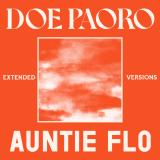
Auntie Flo delivers two extended versions of Costa Rica based singer-songwriter Doe Paoro. If you liked Auntie Flo's 'Green City', check these...
Doe Paoro approached Brian d’Souza aka Auntie Flo to do a remix for her album 'Living Through Collapse' last year. He loved the parts she sent so much he asked her if he could do two remixes, press onto vinyl and release via A State Of Flo.
We're doing a limited run of 300 copies only, orange vinyl - so buy today if you don't want to miss out.
The tracks... Teach Us Of Endings - a classic balearic groove, gloriously uplifting disco-style strings and complete with Green City-style drum rolls and a killer Ziggy Funk bass line ... just waiting for those strings to come in...bliss
Maya - exotic, deep, hypnotic. Centred around a Ziggy Funk groove with analogue washes and Middle Eastern sounding instrumentation.
A State of Flo supports Earth Percent. 10% of the revenue generated from this release will be paid to environmental charities.
Support from Colleen ‘Cosmo’ Murphy, Luke Una, Dar Disku, Paula Tape, Sean Johnston, Gabriels, Batida etc
2026 Repress
since his first ep tips' on luciano's label cadenza in 2007 producer and dj petre inspirescu emerged into one of the key figures of the romanian electronic music scene.
so far he released music on labels such as vinyl club, lick my deck or amphia. together with his buddies rhadoo and raresh he also launched in 2007 the label (a:rpia:r) - a platform where he, his two friends and many producers from romania and abroad released detailed grooving house and techno, that stands out with delicate structures and one-of-a-kind grooves.
both of his more dance floor oriented solo albums intr-o seara organica...' and gradina onirica for (a:rpia:r) are enlarged with melodies, sounds and harmonies that go beyond the usual characteristics of a dance album.
furthermore his love for classic musicians like mily alexejewitsch balakirev, alexander porfiryevich borodin or or nicolai andrejewitsch rimsky-korsakow can be felt in the album padurea de aur (opus 2 in re major) and two more eps that he released under the alias pensemble on the romanian label yojik concon in order to unite classical spheres with analogue electronic music production.
in february 2013 he also released his highly acclaimed fabric mix cd that only features dance floor leaning music produced by himself. with talking waters' he published in late 2014 his first 12inch on mule musiq that is now followed by the full-length album vin ploile' which he produced without the intention to entertain with easy to hook up rhythms, melodies and harmonies.
even tough he established himself as a internationally playing house dj that regularly performs at all major clubs, festivals and other party destinations around the globe: as a musician petre inspirescu always tries to enter new territories to explore with a heartfelt human touch the infinite space of sound.
for his latest album the man that originally comes from the eastern romanian town braila stepped away from his former experiments of melting classical spheres with electronic music. instead the 36-years old man from bucharest only used some piano, string and wind instrument elements and analogue electronics to arrange a gracefully deep ocean of sound.
all slow grooving tracks spread the atmosphere of live improvised sessions that are edited, tweaked and mixed to perfection. in-the-moment moods of strange and unusual analogue synth sounds groove in a fluid quality with subliminal bass shapes, latinate percussions, jazz rhythms and acoustic melodies.
together they create a gaseous kinetic atmosphere full of tangible rhythm patterns, delicate chords and ghostly modular synth pads - all mixed subtle to create space for the tones between the tones.
you can call it a hypnotic after hour album for after hours that are dedicated to a deep listening experience. you can tag his arrangements as brilliantly textured and musically super-charged ambient, which goes beyond the usual definition of the genre.
all nine suspenseful compositions seduce with a deep melodic sensibility, harmonic adventures and an overall rhythmic ambiance of freshness and laidback enthusiasm. together they represent a challenging auditory experience that will resonate in your mind long after the music has finished.
Fast-rising pianist and producer Yoni Mayraz presents his debut LP ‘Dybbuk Tse!’ revealing the story of a malicious possession that is taking over one’s body and soul.
Dybbuk, known from Jewish folklore, is a malevolent wandering spirit that enters and possesses the body of a living person. It’s a cursed soul of a dead one that wanders tirelessly for sins committed during their life. The most vulnerable victims are the young and the sinful. Possession can be taken literally or as an analogy to the burden that young people carry generations back, which they have no influence on, and which they have to accept. Dybbuk can only be removed by exorcism. The titular ‘Dybbuk Tse!’ is a command to remove the spirit from the possessed body. The album is a story about possession but also about exorcism through music.
Recorded live with his band over the course of a spring week last year, ‘Dybbuk Tse!’ is indeed experimenting with the ‘darker side of things’, but yet with a somewhat lighthearted approach which is so typical of Yoni’s work. He easily combines jazz with the sound of 90’s New York hip hop and raw old school breakbeat. The album interweaves unique Middle Eastern melodies, sophisticated structures and sounds, and beautifully crafted solos played by some of the promising talents on the scene.
London based Israeli born pianist and producer Yoni Mayraz has set foot in the instrumental music scene with his EP ‘Rough Cuts’ released in 2020. Since then, Yoni and his band have been playing major venues and festivals around the world including the legendary Ronnie Scott’s and The Jazz Cafe, to name a few, bringing raw energy to stage with live versions of the studio materials, and stretching the melodies and structures into a Dancefloor-focused take on jazz.
A GOOD FUN record, the new album from Lipphead – aka the collaborative NYC duo consisting of the producer Tony Simon (Blockhead) and Eliot Lipp – will be the group’s 3rd official full- length, having released the first two records via Detroit’s Young Heavy Soul label.
Lipphead’s music occupies the sweet spot between Blockhead’s groovy, sample-based hip- hop and Eliot Lipp’s upbeat electronic funk. The duo have performed live at select festivals throughout North America and are booked to tour this album, 17 dates in the US starting right after release, April 3rd. European/UK festivals are confirmed in the summer and are waiting to be announced.
The internationally renowned NYC producer Tony Simon—aka Blockhead—has released 15 albums over the past 15 years, including four acclaimed records for Ninja Tune and numerous production jobs including notable works with Aesop Rock. He is regarded as one of the modern masters of instrumental hip-hop and has more recently been releasing music on other platforms like Future Archive Recordings and Backwoodz Studios.
Eliot Lipp is an electronic musician based in Brooklyn, New York. His work was picked up by Scott Herren of Prefuse 73 (Warp Records) after Herren heard him working the club circuit. In 2004, Lipp released his first studio album, S/T, with Eastern Developments Music, a label owned by Warp Records. Lipp has also released music with Pretty Lights Music and his own label Old Tacoma Records.
“Our process for this album was very much "Take this, and add to it" . We both made beats and sent them to the other to add things to. Eliot would generally start the arrangement process and then I'd come in and give my two cents. Gotta say, these Lipphead albums generally come together seamlessly . We definitely have a simple flow and method as to how we create things together, even though the "together" part comes at the end.” - Blockhead
“This is definitely the goofiest record so far. I imagine Lipphead did a little too much doomscrolling between ‘From The Back’ and this one, based on all the meme samples sprinkled throughout.
One difference this time around was that we made way more music than what ended up coming out. It was tough to figure out how to fit it all on one LP, we’ll definitely have some leftovers to drop later on.” - Eliot Lipp
- 1: Bayou Sexual
- 2: The Long Way
- 3: Wet My Whistle
- 4: Enter The Ricola Man
- 5: Lightwork
- 6: Guano Be Startin’ Smethin’
- 7: Inbred & Butter
- 8: Candyman
- 9: Felix Navidaddy
- 10: Oh Face Killa
- 11: Mugsy Bogues
- 12: Castlegar
- 13: Virginity
blue vinyl[27,69 €]
A GOOD FUN record, the new album from Lipphead – aka the collaborative NYC duo consisting of the producer Tony Simon (Blockhead) and Eliot Lipp – will be the group’s 3rd official full- length, having released the first two records via Detroit’s Young Heavy Soul label.
Lipphead’s music occupies the sweet spot between Blockhead’s groovy, sample-based hip- hop and Eliot Lipp’s upbeat electronic funk. The duo have performed live at select festivals throughout North America and are booked to tour this album, 17 dates in the US starting right after release, April 3rd. European/UK festivals are confirmed in the summer and are waiting to be announced.
The internationally renowned NYC producer Tony Simon—aka Blockhead—has released 15 albums over the past 15 years, including four acclaimed records for Ninja Tune and numerous production jobs including notable works with Aesop Rock. He is regarded as one of the modern masters of instrumental hip-hop and has more recently been releasing music on other platforms like Future Archive Recordings and Backwoodz Studios.
Eliot Lipp is an electronic musician based in Brooklyn, New York. His work was picked up by Scott Herren of Prefuse 73 (Warp Records) after Herren heard him working the club circuit. In 2004, Lipp released his first studio album, S/T, with Eastern Developments Music, a label owned by Warp Records. Lipp has also released music with Pretty Lights Music and his own label Old Tacoma Records.
“Our process for this album was very much "Take this, and add to it" . We both made beats and sent them to the other to add things to. Eliot would generally start the arrangement process and then I'd come in and give my two cents. Gotta say, these Lipphead albums generally come together seamlessly . We definitely have a simple flow and method as to how we create things together, even though the "together" part comes at the end.” - Blockhead
“This is definitely the goofiest record so far. I imagine Lipphead did a little too much doomscrolling between ‘From The Back’ and this one, based on all the meme samples sprinkled throughout.
One difference this time around was that we made way more music than what ended up coming out. It was tough to figure out how to fit it all on one LP, we’ll definitely have some leftovers to drop later on.” - Eliot Lipp
2026 Repress
Producer and bassist Huw Marc Bennett presents ‘Tresilian Bay’, a new project that draws from artists such as Tim Maia, Augustus Pablo and Idris Muhammed as much as the jazz scene and community he has found in south-east London. The languid, sultry sound fuses both modern and vintage, travelling from South London electronica, to Brazillian groove, Nigerian Afrobeat and Ghanaian Highlife along with a streak of Welsh psychedelia.
‘Tresilian Bay’ is a nod to hedonistic summer nights, whether spent on the Glamorgan coast or the hot Lewisham streets. The album is titled in honour of the bay near where Huw grew up, an area steeped in stories of ancient Welsh royalty, smugglers and pirates.
The album started out as a lost live session recorded at the Total Refreshment Centre studios, featuring Chelsea Carmichael (sax), Rosie Turton (trombone), Shirley Tetteh (guitar) and Jake Long (drums) with Huw at the helm on bass and compositions. With glorious vocal contributions from Miryam Solomon; Huw utilised his human style of production and multi instrumentality heard in his Susso project (Soundway Records, 2016) to mold these recordings into this mature and emotional debut.
The album was mixed and mastered by Albert's Favourites co-founder Adam Scrimshire with artwork by Jonny Drop.
ZHERAV unleashes hypnotic Middle Eastern grooves on NAJA / BAZAAR 45 for Batov’s highly collectable 45 series.
New Zealand-based producer ZHERAV announces his debut release, NAJA / BAZAAR, a double single and 45 on Batov’s Middle Eastern Grooves series. The record fuses psychedelic rock, hypnotic rhythms, and electronic production influences, creating a sound that moves between swung grooves and cinematic, reverb-soaked textures.
ZHERAV draws from his background in house and techno, layering live guitar, bass, and synths over programmed drums. “I had a production template for house music on Ableton” he explains, “and I thought about how to switch to this Middle Eastern sound using the same format”. Most of ZHERAV’s tracks developed through improvisation - starting with programmed drums, then experimenting around scales on instruments until something works. ZHERAV has already received support from independent radio in Australia and New Zealand, and encouragement from international artists like Ko Shin Moon.
Both tracks explore Middle Eastern scales, bringing a distinct flavour to the grooves, while maintaining ZHERAV’s signature hypnotic layered sound. ZHERAV had something in mind related to snakes and their charmers when creating the A-side, NAJA (“Indian Cobra”). An ominous bassline loops repeatedly over snapping drums and percussion, whilst ZHERAV improvises guitar riffs and effects over the top.
Denver Cuss presents her first 7" single release and her debut with UK independent label LRK Records.
'Crossed My Mind' backed with 'You Don't Get It' is out on streaming services on the 30 January, with the 7" out on the 27th February. It follows her 2024 album 'Leaving Me', which was described as "a nostalgic masterpiece" - Sommer Zeit magazine, earning a feature in Rolling Stone Germany, and a series digital singles, which have been played on the Craig Charles Funk & Soul Show on BB6 Music as well as Noble & Heath's Soho Radio show.
Denver is an Irish, London-based musician and producer, who makes classic R&B and Soul-influenced music, having graduated as the prize-winning jazz vocalist from the London College Of Music. She has since stepped into a world of live and session singing, alongside her solo project, delving deep into girl-group harmony, Northern Soul and classic Rhythm and Blues.
For this release, she captures the essence of '60s record-making, working with collaborator/producer PM Warson and engineer Ed Deegan at the all-analogue Gizzard Recording in East London. Backed by some of London's finest young musicians, she cut her vocal live, bypassing the trend for layered productions and imitation, in favour of a direct, live and soulful approach, direct to tape. The result is two of the most authentic '60s Pop/Soul sides you're likely to hear this year
In Hayk Karoyi’s music, the vibrant palette of the Mediterranean meets the deep layers of Armenian medieval culture. A composer, sound artist, producer, selector, and live performer, as well as a multi-instrumentalist specializing in Armenian woodwinds, Hayk channels his cultural identity intuitively, allowing memory, place, and subconscious expression to shape his sound. Coming from a mixed East Mediterranean and Armenian heritage, he has never aimed to define himself—or his music—within a single tradition.
Instead, his work exists as a continuous fusion: electronic music intertwined with ancient timbres, improvisation, and experimentation. His work has been presented in clubs, concert spaces, and international festivals across Italy, France, Spain, Germany, Armenia, Georgia, Uzbekistan, and Indonesia. He has appeared on festival lineups such as Terraforma Symposia (Italy), Stihia Festival (Uzbekistan), O3 Festival (Armenia), Nopa Sound Festival (Armenia), TKESHI FESTIVAL (GEORGIA) ,Urvakan Festival (Armenia), New East Festival (Barcelona, Spain), Suara Festival (Indonesia), and Un Week-end Festival (France).
“Yotqar” is a love letter to the artists and musicians who have shaped me; those whose music I’ve carried in my heart and those I’ve shared stages and moments with over the years. The album is deeply rooted in Armenian woodwind traditions, echoing voices of the masters I admire. Its soundscape stretches across a wide geography and draws inspiration from the mountains of Syunik to the streets of Anjar, weaving in local sounds, memories and emotions. Endless gratitude to my parents, and especially to my mother for the folklore melodies she sings while cooking, filling the house with warmth and history.” - Hayk Karoyi
- A1: Intro + Dreams Feat Liv East
- A2: Fruits Of The Universe Feat Douniah
- A3: Define Us Feat 30/70 & Dreamcastmoe
- A4: High Feat Cor.ece
- B1: Vibin Feat Ben Westbeech & Sanity
- B2: Without The Sun Feat Oliver Night
- B3: Bells
- C1: Rearrange Yourself Feat Ben Westbeech & Obi Franky
- C2: Downstream With Life On Planets
- C3: Be Real Feat Life On Planets
- D1: Looks Like It (Space Talk)
- D2: Illusions (Midnight Dub) Feat Ava Lavá & Life On Planets
- D3: Simulate Feat Goya Gumbani & Javonntte
DJ Support: Laurent Garnier, Dennis Cruz, Girls Of The Internet, Horse Meat Disco, Stacey Pullen, Elliot Schooling, Solomun,Marco Carola, Joseph Capriati, The Martinez Brothers, Dam Swindle, Soul Clap, Luke Solomon, Riva Starr, Franky Rizardo, Archie Hamilton, Silvie Loto, Fouk, Austin Ato, Salomé Le Chat, Blackchild, Jean Pierre, Black Loops, Kassian, Seamus Haji, Melvo Baptiste, Rimarkable, Sophie Lloyd
In-demand Amsterdam-based duo Makèz step into new ground with the release of their album ‘Arriving Home Elsewhere’, via ANOTR’s No Art label. A kaleidoscopic project that moves between deep house, cosmic jazz, R&B, broken beat, and club-ready energy, the record is both a declaration of identity and a dissolution of boundaries - proof of the duo’s rare ability to merge worlds without diluting or compromising their true essence.
Where most albums that span electronic realms lean on functionality, ‘Arriving Home Elsewhere’ reaches for something much more expansive. The project is a true hybrid: half shaped for the intimacy of a headphone listen, half designed for the electricity of the dancefloor. together forming a seamless continuum between reflection and release. Tracks like ‘REARRANGE YOURSELF’, ‘BE REAL’, and ‘LOOKS LIKE IT (SPACE TALK)’ are stripped to the core of house music’s driving pulse, made for bigger systems and peak-time release. In contrast, ‘Dreams’, ‘Fruits of the Universe’ (with douniah), and ‘Without The Sun’ (with Oliver Night) explore lush, textured arrangements where live instrumentation and improvisation carry equal weight to rhythm and groove.
Collaboration is at the heart of the LP, with Makèz inviting a constellation of voices who each expand the project’s palette. Ben Westbeech, Liv East, and SANITY bring soulful intensity; 30/70 and dreamcastmoe connect Amsterdam to Melbourne and DC; Cor.Ece and Oliver Night weave delicate threads of emotion; Goya Gumbani and Javonntte guide the production with their vibey, groove-led performances; while Life on Planets reprises his role as a core creative partner, appearing across the album on tracks including the standout ‘BE REAL’ and the previously released ‘ILLUSIONS’ alongside rising Amsterdam talent AVA LAVÁ. Together, these contributions shape an album that feels less like a singular statement and more like a living, breathing ecosystem.
For Makèz, ‘Arriving Home Elsewhere’ is as much about philosophy as it is about music. The title encapsulates a tension central to their art: the feeling of belonging to multiple worlds without ever being confined to one. Jazz, house, soul, and experimental club sounds are not separate influences but parallel languages, and in merging them, the duo has created a record that mirrors the fluidity of contemporary identity and expression. And while it may speak in many voices, the LP tells one clear story - that of Makèz, arriving, again and again, home elsewhere.
- A1: Johnny And Dee Dee
- B1: Julie Is A Junkie
To commemorate the 40th Anniversary of the passing of James Darroch, singer/songwriter/guitarist for Sydney's incredible The Eastern Dark, Grown Up Wrong! is thrilled to announce a long-awaited reissue of the band's classic single "Julie Is A Junkie/Johnny and Dee Dee".
Heavily influenced by the Ramones - the band opened their first live show with 'Blitzkrieg Bop' and from then on opened with a new Ramones song every time they played, working through the band's complete catalogue in chronological order - as all manner of hyper-melodic and high energy rock. The Eastern Dark were a classic trio powered by former Celibate Rifles bassplayer James Darroch's blazing guitar and anchored by former Lime Spiders backing vocalist Bill Gibson's hard driving and melodic bass playing (and supreme backing vocals) and Geoff Milne's untouchable beat keeping. They set Sydney's Radio Birdman influenced scene alight in 1984 and quickly built an international following on the back of their classic single. Sadly, just hours after completing what would become their next release - the mini-LP "Long Live the New Flesh" - the band's life, and that of 26-year old James Darroch, was brutally ended in a road accident whilst the band was on its way to Melbourne.
On the back of the tragedy, the band's music lived on and it's global impact was reflected in the influence it bore on numerous bands, from Boston's the Lemoneads to Tokyo's Teengenenete, and obviously a succession of Australian bands from the Hard-Ons through to God and the Meanies and beyond.
After years of searching, surviving members Bill Gibson and Geoff Milne recently found the single's original multi-track tapes, and for the new release, the original recordings have been both remixed and remastered for maximum impact under their supervision.
This isn’t a compilation—it’s a vinyl conversation between cities, generations, and musical bloodlines. This inaugural release embodies the spirit of collaboration, community, and cross-generational artistry that defines each artist’s deep musical legacy.
A statement on wax bringing together Glenn Underground, Coflo, Jon Dixon, Kevin Reynolds and sillygirlcarmen, this four-song project documents the shared language of five Artists through deep house, jazz roots, and forward-looking soul. Though these artists have shared DJ booths and dance floors around the world, this release marks a rare moment where their creative voices intertwine on wax. Each track stands on its own, but together they form a continuum—past, present, and future etched into wax. Pressed with intention and made for real systems, this release exists for the heads, the selectors, and anyone who still believes vinyl is where the story lives. Meant to be played—not archived. The kind of tracks that feel alive in the room and grow every time you hear them.
‘Ease’ EP tracks:
Glenn Underground ‘Dive (Into The Deep)’; the Chicago legend & Strictly Jaz Unit co-founder combines deep house, freeform jazz & soul, here in a jazz-infused, laid-back, hypnotic melange of house beat, synth chord riff, rippling arps, with a whisper of disco in the bassline and 80’s electro in the high, singing strings.
Coflo x sillygirlcarmen ‘Never Forget (That Feelin’)’; East Bay CA-based Coflo combines Hawaiian & Portugese roots with a global reach. A collaborative skipping house beat, pattering percussion & melodic jazz synth piano embrace sillygirlcarmen’s soulful voice and heartfelt lyrics. This collaboration marks a merging of emotional storytelling and percussive sophistication.
Jon Dixon ‘Saturday At Northland’; Detroit’s modern jazz & techno fusionist, rooted in long study and prestigious performance of classical & jazz piano both in orchestral and electronic contexts, employs his keyboard virtuosity in a thrilling wave of melodic piano improvisation & complex lively percussion, combining sheer craft with spiritual heft.
Kevin Reynolds ‘I Got Music’; from an Irish/US Detroit family, producer/live artist Reynolds blends techno, jazz, soul, from influences as diverse as 90s underground techno, Kraftwerk & John Coltrane, and roles/performances in multiple prestigious venues & positions. Here, a stealthy beat & Kraftwerk-evoking robotic electro synth theme are joined by a dual vocal used as a riff, while clusters of piano chords flower into jazz motifs.
Tauceti (Lilou Chelal) is a DJ / producer / composer from Lyon. As a DJ Chelal distills a dark, tropical and sensual techno with percussive and vaporous rhythms in her mix. She stands for a very particular elegance and a certain, clearly audible maturity, which makes her stand out. "Guanyin" is her very first full length - where she transfers the elegance of her sound into a very personal and unique journey.
Tauceti about "Guanyin":
I am pleased to announce the release of my very first ambient album on the Denovali label. This is probably the most personal record I produced so far, because it is in a way a tribute to my Middle Eastern and Asian origins. It is a hybrid and intimate object, at the border between futurism and cultural heritage, with a desire to approach a more contemporary environment at the limit of classical. I used traditional instrument patterns, sounds intimately linked to oriental instruments, all the while using my electronic touch composed of drone/ ambient and sound distortions. This is the result of a year of reflection and increased exploration of new frontiers in the studio, which has gradually evolved into a desire to make an album concrete. Composed of eight tracks, some of you may have heard some of them during my ambient set during the last edition of Nuits Sonores, just before Vail and Rodhad’s magnificent live performance. It’s a kind of homecoming for me, the very first tracks I produced years ago already being part of the ambient register. This is an opportunity for me to reaffirm the multi-faceted aspect of my artistic project, drawing on various aesthetic registers, between ambient and techno. I would like to warmly thank the Denovali label for their trust here, and with whom I will have the chance and the opportunity to maintain a privileged relationship for the next years.
- Don't Settle (Funkhaus Version)
- Down On Our Knees (Funkhaus Version)
- Back Broke (Funkhaus Version)
- My Little Ruin (Funkhaus Version)
- Didn't He Ramble (Funkhaus Version)
- Fitzcarraldo (Funkhaus Version)
- Lowly Deserter (Funkhaus Version)
- Wreckless Heart (Funkhaus Version)
,Don't Settle - Transmissions East" ist die erste Veröffentlichung von zwei Alben, die in diesem Jahr erscheinen werden. Es beleuchtet eine äußerst produktive und vielfältige Karriere und ist nicht nur ein ,Best Of", sondern ein Live-Studioalbum ohne zweite Takes, ohne Autotune und ohne Bearbeitung. Es ist einfach live, roh und direkt und fängt die Magie von Glen ein wie nichts zuvor. Aufgenommen im legendären Funkhaus in Berlin, einem historischen ostdeutschen Radio- und Aufnahmestudio mit einem riesigen, akustisch perfekten Orchester-Live-Raum, wurde das Album in einer kontrollierten Studioumgebung über zwei Nächte hinweg aufgenommen und gefilmt. Das Album wurde von Glen selbst produziert und gemischt, mit Unterstützung von Toningenieur und Produzenten Mike Goldsmith und dem Toningenieur und Produzenten Markus Schmitz.
KIZZY is the breakthrough EP from rising East London artist Bel Cobain, one of the most distinctive new voices emerging from the UK alternative R&B and soul landscape. Written across 18 months of late-night ideas, scattered sessions, and quiet breakthroughs, the project captures an artist in motion. Following a string of singles that introduced her raw lyricism, KIZZY marks a confident step forward with intimate, sharp, and melodically rich songs that sit in the space between endings and new beginnings.
Across these six tracks, Bel moves with striking emotional honesty through a rich palette that encompasses rock’s bite, jazz’s looseness, R&B warmth, hip hop rhythm, folk intimacy, and fractured breaks. She blends conversational storytelling with her distinct smoky vocals, reflecting on change, learning to let go, and finding light in the aftermath. The EP invites the listener to listen closely to the cracks, the softness, and the pulse of the beauty that still rises when a chapter turns.
Bel Cobain is fast becoming known for her ability to connect deeply with audiences, pairing classic songwriting instincts with a contemporary sonic edge. Early support has come from tastemaker radio and press, with momentum building across streaming platforms as listeners discover her unique perspective on vulnerability and self-awareness. Released as Brownswood Recordings celebrates its 20th year, KIZZY continues the label’s tradition of championing the most singular artists.
Marking a significant milestone in her career, this release is Bel Cobain's first-ever record. It is presented as a Collector's Edition Limited Edition 1xLP gatefold vinyl, pressed on Terracotta colored wax. With short-form video campaigns, targeted digital marketing, radio support, and a growing live presence, this release positions Bel Cobain as one of the UK’s most compelling new artists for 2026.
Mysticisms’ returns to the music of the Conscious Sounds label and their short-lived but highly prized Dub meets Funk project, Dub Specialists. Created by label head Dougie Waldrop and Chris Petter (Love Grocer) to explore their interest in samplers and a love of Funk and Jazz.
A hugely respected “Digital” and “Roots Reggae” label, Conscious Sounds has been a mainstay of the East London digidub sound for over 30 years. Dub Specialists released 3 albums on the Crispy Music sub label, they have recently gained considerable interest in digger circles, with rising prices to match.
As with their first Dubplate outing, the release features extended re-edits by the label and friends, this time featuring versions by Lexx, Miles J Paralysis, Chuggy and Vanity Project. Working with the simplicity and skill of his studio craft, Dougie utilised the Atari 1040, Cubase and Soundcraft mixer to effect. Petters’ chords sit atop reggae basslines, funk samples, loops and this time, a heavy dose of cut up vocals in to the mix.
While the first EP came from their debut album, Breat To Break, here the source material for the re-edits comes, in the main, from their second outing “Dub To Dub Beat To Beat”. A more expansive album that also dipped in to 4/4 rhythms and touches of House / Techno.
Opening track Dynamic Duo is a 4/4 stepper bomb – with samples from Adam West’s iconic interpretation of Batman – expertly extended by long-standing DJ, producer and edit master, Zurich’s own Alex Storrer aka Lexx, who dials things to max for a club stop. A new name on many lips, Miles J Paralysis takes it all back down with a beautifully drawn out, acid-tinged tripper. Bumpin’, the mid-tempo groove sucks you in, psychedelic and mind expanding.
The flip returns to the more traditional Dub Specialist vibes of Breaks’n’Funk’ cut ups, first with (co-)label head Chuggy’s faithful extension of Heavy Dub. Featuring the classic Ijahman Levi’s vocal, the breaks flow and piano / horns stab, a dance floor shaker for the discerning. To close, secret studio fixer to many, Matt Bruce again dons his Vanity Project moniker to perfectly tease and live dub (out) the half-stepper, Reality Dub and close this latest in the Dubplate series.
Beat The Mystery.
Editions Mego welcomes KMRU back to the fold. Kin is Kenyan born, Berlin based, sonic wizard Joseph Kamaru’s second release on Editions Mego, following on from the classic 2020 release Peel. Since the release and subsequent praise for Peel, the artist has been a staple on the electronic scene performing on numerous stages and festivals worldwide in tandem with a flood of media recognition. Kin could be construed as the second child following Peel. The project came out of initial discussions with Peter Rehberg about what a Peel sequel would sound like. Kamaru is quick to clarify that Kin is not that record; “I'll know when that record will come and when I'll make it. It's already happening... or maybe it lives within both of these Mego records”.
It is this deft ambiguity and vague tiptoeing around the concrete that encapsulates the ambiguous sound world of Kamaru’s vision.
Kin was started early 2021 in Nairobi with Kamaru exploring his noisier palette of sounds encompassing distortions reminiscent of the sounds he would muster from in his youth when playing guitar. He paused making this record for a year as soon as Peter died, then slowly returned to it through 2022 resulting in the immense new work we have here.
The charms within Kin lay as Easter eggs revealing the true identity behind the colourful sonics only after multiple deep listens. With Trees Where We Can See sets the tone by way of a warm swaying melody inviting the listener in for further investigation. In 2022 KMRU and Mego stalwart Fennesz toured the USA together resulting in a strong friendship and also, the second track here, Blurred. A neat Mego/Editions Mego loop as such. Blurred arranges twangy guitar strums alongside glistening glaciers of shimmering drones. They Are Here represents a darker hue as melancholic clouds of shadowy noir tap directly into the listener's nerve stream. Maybe takes a detour into a bristling euphoric electronic storm whilst We Are screeches in a pattern formation not unlike a highly abstracted Aphex Twin forcing its way out of a hard drive. By Absence concludes proceedings, operating as both exit music and a portal to further sonic investigation with acoustic bellowing residing amongst a kaleidoscopic backdrop.
Kin is a trip that rewards close repeated listens as all the colours and textures, nuance and narratives unveil themselves. This isn’t a record to be glossed over, magic rewards concentration.
Kin is a record to be Played slow and LOUD.
For Pita.
All tracks written, produced, mixed by Joseph Kamaru
Blurred co-written & produced with Christian Fennesz
Mastered by Stephan Mathieu at Schwebung Mastering
Photography: Joseph Kamaru
Layout & Design: Nik Void
Cut by Andreas Kauffelt at Schnittstelle, Berlin
- Amaliah - No Way Out
- Call Super - I Love Like Your Men
- Chaos In The Cbd - Orange Blank
- Charlie Dark - Foundation And History
- Dreamcastmoe - In And Out
- Isaac Carter - Take U There
- Joe Armon-Jones Maxwell Owin - Se Discoteque
- Kink Feat. Rachel Row - Its Already Here
- Manami - Scramble Clip
- Marcellus Pittman - #Eastsidechampions
- Mr. Redley Transatlantic Era
- Nat Wendell - Tell Me
- Niks - Lilac Skies
- Suze Ijó - Up There
- Yu Su - Flourish
GALA announce Ten Years of GALA – a compilation marking a decade of independent culture
Ten Years of GALA is both an archive and a horizon: a reflection on where GALA has come from, and a signal of what lies ahead.
Founded in 2016 as a one-day gathering in South London, GALA has grown into a global point of reference for dancers, artists and collectives drawn together by a shared commitment to independence, collaboration and underground music culture. Rather than charting success through scale alone, the festival has consistently prioritised integrity, community and musical curiosity – values that underpin this release.
Spanning fifteen tracks, Ten Years of GALA unfolds as a considered journey. It opens with an intimate spoken contribution from Charlie Dark, grounding the compilation firmly in GALA’s home of Peckham before gradually expanding outward into fuller, club-focused terrain. From there, the record moves between moods and tempos, tracing a path from reflective moments into the physical language of the dancefloor.
The compilation brings together longtime friends of the festival alongside newer voices drawn into its orbit in recent years. Each artist contributes a distinct perspective, but collectively the tracks form a coherent portrait – not of a single sound, but of a shared ethos shaped over ten years of gatherings, collaborations and days spent dancing together.
Rather than a retrospective in the conventional sense, Ten Years of GALA functions as a living document. It captures fragments of past editions, scenes and relationships, while remaining firmly oriented toward the future. These are not museum pieces, but records designed to be played, shared and folded back into the spaces from which they came.
Together, the compilation holds a piece of GALA’s first decade – not as a closed chapter, but as a foundation for what comes next.
A year or two back, original Nottingham deep house don Gavin Belton (famed for being part of Smokescreen and Drop Music-adjacent duo The Littlemen) returned to the UK after living in New Zealand. One thing led to another and soon he was back in the studio alongside former creative partner Steve Lee for the first time in 15 years. Featuring heady spoken word vocals from Hector Moralez, the result is 'House For Change', a lightly electrofunk-fired slab of classic East Midlands deep house. Raising funds for homeless charity Help The Framework, this surprise EP also includes 2004 classic 'Tell Me' (a free party deep house classic) and two fresh reworks: a TB-303-bass-driven revision of 'House For Change' by their old pals Inland Knights, and a squelchy, spacey take on 'Tell Me' by Lee under his solo alias, Positive Divide.
- 01: Hideki Ishima – Hanging By The Time
- 02: Far East Family Band – Birds Flying To The Cave Down To The Earth
- 03: Takeshi Inomata & Sound L.t.d. - Black Angel
- 04: Tetsu Yamauchi - Wiki Wiki
- 05: Flower Travellin' Band & Terumasa Hino Quintet - Dhoop
- 06: Blues Creation - Atomic Bombs Away
- 07: Kimio Mizutani & The Better - I Wanna Be Your Man
- 08: Hiroshi Segawa - White Room Where We Lived
- 09: Yuya Uchida & The Flowers – Summertime
Freiheit, Rebellion und Trotz – die Rock-/Psychedelic-Rock-Revolution, die Anfang der 1970er-Jahre durch Japan fegte!
"Diese Compilation wurde vor allem zusammengestellt, um Ihnen die freien, innovativen und zutiefst experimentellen Klänge japanischer Musiker näherzubringen, deren Leidenschaft der ihrer britischen und amerikanischen Kollegen in nichts nachstand. Auch über fünfzig Jahre später wirkt die Musik dieses Albums erstaunlich frisch und überrascht und beeindruckt noch immer wie bei ihrer Erstveröffentlichung!" – Sally Kubota
– Vollständig lizenzierte Nippon Columbia Masterbänder.
– Inklusive Track-by-Track-Liner-Notes von Sally Kubota.
– 180g Heavyweight Vinyl-Pressung, Reverse-Board-Cover.
Austrian musician, painter, and filmmaker Kimyan (formerly Kimyan Law) combines sound and visual design in an impressively direct way to create a comprehensive artistic experience. He takes an open, intuitive approach to his compositions, connecting the
resonances of traditional instruments and rhythmic patterns from Central, North, East, and Sub-Saharan Africa with sophisticated production techniques. Kimyan's current album,
“Coloria,” in which he explores the concept of timbre in a multifaceted way, marks the pinnacle of his artistic development to date.
For his Live -concerts, Kimyan relies on the organic element of playing, using instruments such as electronic drum pads and MIDI controllers.
This gives his pieces a spontaneous, physical presence on stage that goes far beyond mere reproduction and makes his performances a lively interplay between improvisation and structure. In conjunction with his self-designed artwork and videos, corresponding audiovisual worlds are created in which cultural influences and identities, moods and timbres shine together radiantly. Kimyan's works tell stories in many colours, yet always in one language: his own.
[f] B2 Chara [Joy] 03:50
Music springs eternal. Recognising the enduring power of timeless albums to guide us through life, Forever Records is a reissue series dedicated to rediscovering lost musical treasures from across the spectrum of head-feeding, heart-rending electronic music.
Established by Rush Hour co-founder Christiaan Macdonald and Delsin founder Marsel van der Wielen, Forever Records places heartfelt faith in a carefully curated sequence of seminal, largely forgotten records from disparate eras, scenes and spaces within electronic music history. Tipped towards the mellow and introspective, these are albums that stop time when the needle hits the groove, stirring only when it's time to flip over before you sink back into the experience. That's what albums were always meant to be about, back then, right now, always and forever.
The Release:
Striking the sweet spot between sampledelic downtempo and earth-rooted deep house, Fila Brazillia's Old Codes New Chaos is a maverick patchwork of grooves and soundscapes. Crafted in North East England in the vibrant period before chill-out was co-opted by advertising, Steve Cobby and Dave McSherry's sharp-eared funk formula remains a cult classic suite of exquisite productions spanning deep house, broken beat and ambient shot through with wry humour.
Last physically released in limited quantities in 2002, Forever Records are revisiting this 1994 gem with an extensive reissue led by a triple vinyl pressing. As well as a new LP edition of the album, there will also be a uniquely numbered, limited edition housed in a gatefold sleeve that comes with a bonus 10" featuring two previously unreleased tracks.
'Chemistry' and 'Rankine', plus an exclusive print of Catherine Brennand's watercolour painting that graces the front of the album. All editions also features liner notes by veteran music journalist John McCready.
Press response to Old Codes New Chaos:
"The album that made the world finally sit up and take notice of the avant funk grooves coming from Hull's immaculately stoned tech funk magicians." Frank Tope, Mixmag, UK 1994.
"This album… stands out a mile from most of its peers as a work of untouchable genius." Bill Brewster, DJ Mag UK 1994.
"Fila works because they fit into that no man’s land, the space in your record collection where ambient seems too much like wallpaper and house seems just too braindead for your bedroom " Frank Tope, Mixmag, UK 1994.
"Having already created the perfect desert island disc, "Mermaids" and explored the darker side of sub bass on the 17-minute extravaganza "Fila Funk", Fila Brazillia have just unleashed their moving debut LP, "Old Codes New Chaos", and to be quite honest, you'd be fool to miss out this time around." Mandi James, Melody Maker, UK 1994.
“Where Cobby and Man rip up the rulebook on the four to the floor and probably make the greatest afterhours house album in the word”. Tony Marcus, Mixmag, 1996.
‘Açid Blüüs Räägs Vol.2’ is the latest evolution of the sound of last year’s Volume 1. The debut album was described by Joe Banks for Shindig! Magazine as; “Shivering slabs of drone blues transcendentalism…a burning junkyard of sheet metal blues… Hot stuff.” Volume 2 builds on the skronk blues guitar, sax and electronic drones of it’s predecessor, to explore cosmic free jazz, concrete exotica and dub, channelling influences of Moondog, Terry Riley, 75 Dollar Bill and Wolf Eyes. Playing like the imagined film soundtracks to a dystopian, re-wilded, post eco crash world in the style of Tarkovsky's ‘Stalker’ and ’Solaris’, Jodorowsky's surreal desert western ‘El Topo’, or the early novels of JG Ballard. This new collection sees the addition of minimal analogue drum machine loops as well as live instrumental contributions from the new players of the ever evolving Invocation band, plus some superstar guest contributors.
Featuring five brand new tracks, including the forthcoming single; ‘Cosmic Fanfare’, has already picked up BBC 6 Music support from Gideon Coe. The new album was mixed by Alex McGowan (aka Captain Future) of Space Eko Studios and features Invocation band regulars Rick Jensen of Apocalypse Jazz Unit, Skronk and Oneirologist on sax and bass clarinet, Will Emms aka Tiki Eerie on melodica, horns and claviola, plus special guest appearances from Duke Garwood on clarinet and Mikey 'Moondog' Chestnut of Snapped Ankles on bass synth. “….Acid fried kosmiche blues meets drone raag transcendentalism”. Jonny Halifax is a primitivist free blues outsider, sonic shaman of the acid fuzzed lap steel guitar, demented blower of the howling harmonica of doom. His new band project now combines avant swamp blues heaviosity with kosmic free jazz experimentalism in a fluid collective of godless raag brut improvisations - sonic visions of an hallucinatory apocalyptic near future. Inspired by Henry Flynt’s avant bluegrass experiments fusing country blues with eastern acoustic musical stylings, Spacemen 3’s contemporary sitar music, and the monolithic drone doom immersion of Sunn 0))), THE JONNY HALIFAX INVOCATION build hypnotic instrumental soundscapes using lap steel and homemade slide guitars, harmonica and alto sax. Underpinned by layers of acoustic and electronic drone instruments and fed through an arsenal of pedalboard electronics that would make Kevin Shields weep, the blues are transmogrified, unhinged, reduced and re-imagined as intoxicating, trance-inducing, feedback-drenched noise paintings. THE JONNY HALIFAX INVOCATION follows Jonny’s junkshop skronk blues one man band Honkeyfinger, and the Julian Cope endorsed gospel fuzz psychedelia of Jonny Halifax & The Howling Truth, whilst not forgetting his ambient drone metal side project; Deathenteredinerror. His musical CV also includes studio contributions to tracks by Andrew Weatherall’s Two Lone Swordsmen, UK metal behemoths Orange Goblin, Heck and Melting Hand.
Cut The With The Cake Knife was recorded by Rose McDowall in 1988/89 following the break up of her group Strawberry Switchblade. Produced with the aid of several musicians in several studios, the album features songs written for the fabled second Strawberry Switchblade album. More importantly perhaps it showcases the honest, direct and life-affirming songs of one of the greatest unsung songwriters of the modern pop era at a tumultuous time in her career.
Tibet opens the set and could be one of the best pop songs you've never heard. The innate sadness of the songs' content - the loss of a friendship, impending sorrow - is heightened to heart-melting level by McDowall's pop nous and melodic sensibility. Choruses and hooks are everywhere on Cake Knife, from the outsider take on stadium 80s pop in Wings Of Heaven to the spiraling, ecstatic So Vicious, a glorious anthem that highlights the human fragility in McDowall's vocal performance, an instrument that has never lost the naïve purity it first exemplified in Strawberry Switchblade's early 80s recordings. The centerpiece of the album, the title-track, is the greatest Switchblade pop chart hit that never was. Like the veiled melancholy of her former group's hits, Cut With The Cake Knife hints at a darkness beneath the gloss, a darkness that saw McDowall delve into more esoteric territory with her subsequent recordings and collaborations. Cut With The Cake Knife serves as the bridge between the pop music McDowall had been making with her friends Jill Bryson, Lawrence from Felt and Primal Scream to what became a more extreme, deep sound informed by neo-folk and post industrial music.
Rose McDowall's role in the canon has always been one of an outsider. Beginning in Glasgow's East End in the avant proto-noise group The Poems, achieving fame briefly in the 80s and then disappearing into counter-cultural folklore, the emphasis in the internet-age has been skewed towards her image and cultural significance. Unseen to many, her solo work, her groups Sorrow and Spell and her collaborations with a whole host of underground luminaries have still touched lives. As McDowall elucidates: 'They're real sad songs, about real life. I've had people come up to me to say I'd connected with them and helped them. I remember a gig in America when we made a whole room cry. It was bizarre. A couple at the front of the stage started crying and then these two boys beside and suddenly everyone was crying. And I thought, "that's power."
Night School's issue of Cut With The Cake Knife includes unpublished photographs, extensive sleeve notes from Rose McDowall and 2 bonus tracks culled from the bootleg 7' 'Don't Fear The Reaper.' First vinyl pressing is Clear w/ Black swirl; 500 only / has DL card and booklet, with a poster
CD has extensive booklet and is packaged in anO-Card.